

 Apple Podcasts
 Spotify
 Castro
 RSS Feed
 200. Can Hospital Food Help Patients Heal? Food as Medicine at Tampa General | Tanuja Sharma, MD
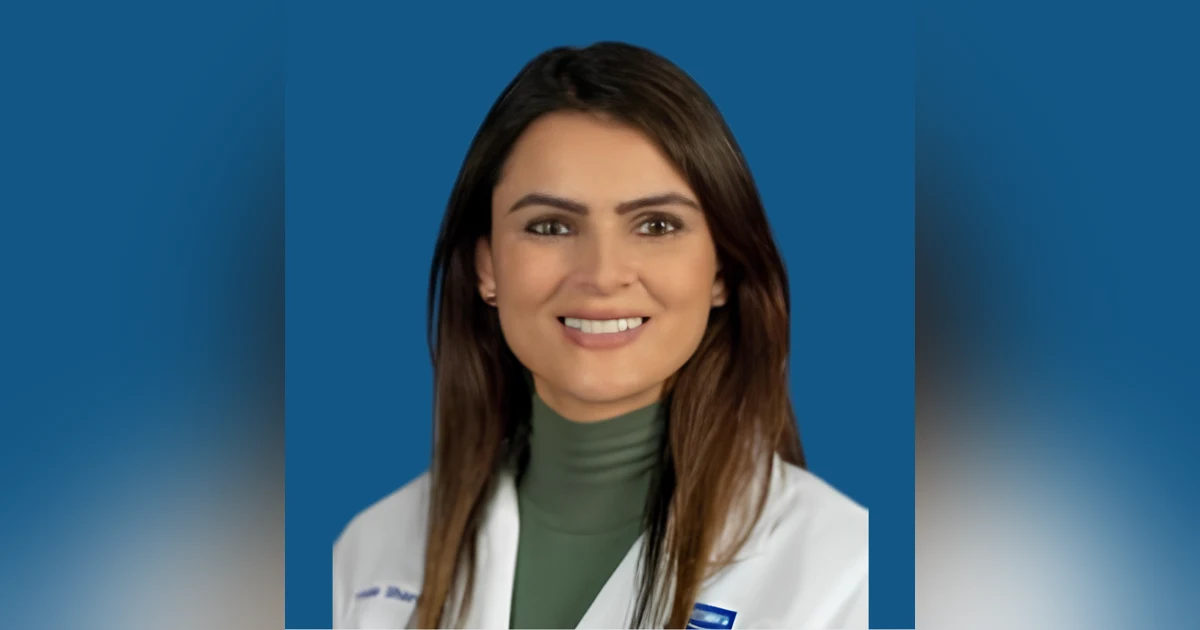

Dr. Tanuja Sharma is a board-certified family and integrative medicine physician and the Medical Director of Integrative Medicine and Arts at Tampa General Hospital. She completed her integrative medicine fellowship through the Andrew Weil Center at the University of Arizona and is leading one of the most ambitious hospital wellness overhauls in the country — from redesigning the patient menu with a Michelin-rated chef to running evidence-based mindfulness, acupuncture, and music therapy programs at the bedside.
TOPICS COVERED
• Why Tampa General Hospital partnered with a celebrity chef to rebuild their patient menu from scratch
• Music therapy, massage, acupuncture, art therapy, reiki, and how TGH gets buy-in across a Level 1 trauma center
• 98% patient improvement in pain and anxiety scores, preliminary opioid reduction data, and the research pipeline ahead
• Tampa Well's food pharmacy, community garden, and free produce programs targeting food insecurity
• MBSR and mindfulness programs: evidence-based stress reduction for staff and patients, and why experience is the best recruitment tool
• Fiber vs. protein: the deficiency most patients have, Blue Zones longevity foods, and how to counsel patients at different performance goals
RESOURCES & LINKS MENTIONED
• Tampa General Hospital (https://www.tgh.org)
• TGH Integrative Medicine and Arts Program (https://www.tgh.org/services/integrative-medicine-and-arts)
• Tampa Well (TGH Community Wellness Initiative) (https://www.tgh.org/tampawell)
• Geoffrey Zakarian — Celebrity Chef (Iron Chef, Chopped) (https://www.geoffreyzakarian.com/about)
• Mediterranean Diet — Wikipedia (https://en.wikipedia.org/wiki/Mediterranean_diet)
• Anti-Inflammatory Diet — Hopkins Medicine (https://www.hopkinsmedicine.org/health/wellness-and-prevention/anti-inflammatory-diet)
• Mindfulness-Based Stress Reduction (MBSR) — Wikipedia (https://en.wikipedia.org/wiki/Mindfulness-based_stress_reduction)
• Andrew Weil Center for Integrative Medicine (U of Arizona) (https://integrativemedicine.arizona.edu)
• American College of Lifestyle Medicine (https://www.lifestylemedicine.org)
• Blue Zones — Wikipedia (https://en.wikipedia.org/wiki/Blue_zone)
• Sarcopenia — Wikipedia (https://en.wikipedia.org/wiki/Sarcopenia)
• Dietary Fiber — Wikipedia (https://en.wikipedia.org/wiki/Dietary_fiber)
• Food as Medicine — ASN (https://nutrition.org/food-as-medicine/)
• Refining Health & Performance — refininghealthrx.com (https://refininghealthrx.com)
GUEST SOCIAL LINKS
• Instagram:@tjasharmamd (https://www.instagram.com/tanujasharmamd?igsh=cXprNW04bGt2Zzhr)
• TGH Provider Profile (https://www.getcare.tgh.org/providers/tanuja-sharma-1598133233)
• TGH Integrative Medicine (https://www.tgh.org/services/integrative-medicine-and-arts)
Ready to stop guessing and start performing? Dr. Raja is now seeing patients through his telemedicine practice — limited founding member spots available at refininghealthrx.com
Welcome to Medicine Redefined. I'm Dr. Altama Sharaja. And I'm Dr. Darsha. Let's put the help back in the healthcare. Today we're joined by Dr. Tanuju Sharma, a board certified family medicine and integrative medicine physician at Tampa General Hospital and the medical director of integrative medicine and arts. She completed her medical training at Ross University School of Medicine and the University of Chicago, North Shore Family Medicine Residency, along with advanced fellowship training through the Andrew Wiles Center for Integrative Medicine. Dr. Sharma is challenging one of the biggest contradictions in modern healthcare. How can hospitals claim to heal patients while serving food that may worsen the very chronic diseases that they're treating? Dr. Sharma helped lead a major transformation of Tampa General's patient menu, redesigning hospital food around anti-inflammatory and Mediterranean diet principles, eliminating soda from patient meals, collaborating with local farms, and rethinking what hospital nutrition can look like inside a modern healthcare system. She also leads one of the more unique integrative medicine programs in the country, bringing music therapy, mindfulness, massage therapy, and art therapy directly to hospitalized patients, including ICU, oncology, transplant, and palliative care patients. In this episode, we explore the politics of changing a hospital system from the inside, the realities of implementing lifestyle medicine in acute care and the future of integrative medicine in modern healthcare. Let's dive right in. If you're a high performer who wants a clear plan for longevity, performance, and staying active with fewer setbacks, I'm now seeing patients through my telemedicine practice refining health and performance. I'm opening a limited number of founding members' spots at refininghealthrx.com. All right, let's jump in. Dr. Tanujah Sharma, thanks so much for coming onto our podcast. Thank you for having me. So I want to get right into it because you're obviously done something very incredible that I actually thought about in my third year when I was in Fayetteville, North Carolina, rotating through Cape Fear Hospital system. And one of the things that jumped out to me early on during those rotations was, you know, as you brown, you start to see what's on the trays for the patients to eat. And you kind of take a step back, especially when you're talking about diabetes and cardiovascular disease and so much of this is rampant. And you think about, huh, how do we change this? And I was so close to actually, you know, emailing the CEO or whoever I could to be like, hey, is there something we could do? But then I realized, well, I'm only going to have a year here. So I don't know how much I can actually get done. But you, you've done it. You've done this at Tampa General Hospital. So I'll just let you take it from here. Where should we start? Take us through how this is accomplished. So I started very similar story. So I started rounding at the hospital about two, three years ago. And I have background in nutrition and, you know, bored sort of by the family medicine and integrative medicine. So food is medicine and using lifestyle prevention as a passion of mine and the way I see, you know, healthcare. And when I started rounding, I was really disheartened by the food that I would see on the trays in front of patients. And I remember one in particular that had four, five little cans of soda just lined up. And she, you know, was fighting for her life. She was chronically inflamed. And I'm looking at the food and saying, you know, we're really feeding patients really inflammatory ultra-processed food in the most critical time. Like these patients are fighting for their life. We see a lot of sick patients at TGH to level one trauma center. The length of stay is really long. We do a lot of transplants. And so we see really sick patients. And they're in an acute inflamed state. And we're feeding them inflammatory food. And, you know, it's a common issue amongst all hospital systems across the nation and our food industry has just really changed a lot over the years. And ultimately, the hospitals are under pretty tight budget to feed hundreds, thousands of patients. And feeding ultra-processed foods that have a long shelf life that meet the dietary restrictions and the limitations in the hospital has just become the norm. And I really think having access to whole nutritious, real foods should be fundamental right. So I met with our CEO who is very informed, progressive leader. And I'm really grateful that he's really supportive of all lifestyle and integrated modalities and that even temporal has an integrated medicine department. And I kind of reviewed the data, reviewed what some of the centers include clinic and some other big centers are doing in terms of food. And said, you know, we really need to change the food that we're feeding our patients we're kind of causing more issues, more information while they're sick while we're trying to heal them. He was on board. He was really supportive. He connected me with our dietary team. And it was just perfect timing because at the same time he had met Jeffery Zakarian. He's a celebrity chef on iron chef and chopped. And he moved him and his family moved to Tampa during COVID. And he said, Dr. Sharma, you're meeting me in a good time because I just met with this chef and I'm thinking that we should collaborate with him. And I said, wow, this is amazing. Not only can we change the food but we're going to have a Michelin rated chef helping us curate the menu. And so it was a big team effort. It took a couple of years and it was a group of, you know, our chef, the chefs that we currently have at the hospital, our dietary team, our nurses and physicians. We met monthly and we completely changed not only our food and the menu but the way that we serve our patient. And so the menu is now all based on the anti-inflammatory and Mediterranean diet. We got rid of all of our previous ingredients. We're exclusively using extra virgin olive oils. The main oil, no seed oils are used. We're using organic produce for the dirty dozen at least or when we can. And we're collaborating with local farmers just to make sure that our food is seasonal local. And there's a lot of evidence to support that. The shortest distance your food travels from where it's grown to your mouth. It's tastier, more nutritious, healthier. And so we created a very vibrant, colorful, healthy, whole food, nutritious menu. The reason why we chose Mediterranean anti-inflammatory diet is because the research is extensive. And using and the properties of it, why they make it so beneficial is it's rich and unsaturated fatty acids from the extra virgin olive oil and the nuts and the seeds. And that reduces LDL oxidation, reduces your LDL, increases your good cholesterol, your HDL, so helps and supports preventing chronic diseases. There's a lot of emphasis on fiber through lentils, legumes, which is really beneficial for helping with the gut microbiome diversity. It is rich in fish with another source of omega. It's limited in animal protein. And it's really rich in vibrant and fruits and vegetables. And colorful fruits and vegetables give you phytonutrients and polyphenols, which are rich in antioxidant and anti-inflammatory benefits. So this combination of the modern saturated fatty acids, the antioxidants from polyphenols and the fiber, in a combination help you diversify the gut microbiome and modulate preventing chronic diseases, improving insulin resistance and inflammation. And so our menu is beautiful. You can share it on your podcast. I don't know if you can share images, but it's delicious. And there's tons of options for everyone. There's something for everyone. There's something for vegetarians for people that don't eat meat. We have a lot of yummy milkshakes and protein shakes and smoothies, which are important for our pediatric patients and those that have swallowing issues or uncertain swallowing precautions. There's tons of our plant-based options. There's a vegetarian chili, there's soups, there's a falafel, there's pita wrap, there's a quinoa, there's a mezzai platter. And there's one that's specifically I designed with our chef and it's called Dr. Sharma's Mindful Mix. It's kind of like a charcuterie board minus the meat, but it was inspired by my family and my mom specifically in my aunts because we would have just dried fruit and none on our counter on our island just kind of there all day just to graze on. And so the mindful mix plate has two, three Brazil nuts, which is monosaturated fatty acids, rich in selenium, which is good for thyroid, some walnuts, dried fruit, which gives you the fiber, the tidy, a piece of Parmesan cheese, olives and fruit. It's become one of a really popular healthy yummy snack plate that's yeah, I encourage you to look at the menu. It's beautiful. It's tasty and good for you. Yeah, I mean, if you look and I encourage listeners as well go on the website and actually look at the menu. I mean, it looks like a restaurant right like when you're walking in like the pictures or vibrant everything and makes you want to actually go to that hospital and order. And is this only for patients or is it also for employees. So currently we're offering it to patients, but our hope is that because we just launched officially in October and now we're it's menus the entire hospital eventually we're hoping to add it to our lounges and then the cafeteria. Doctor one thing about the menu that was really important to us is the education piece. And so we educated our staff and our nurses on the menu on the reason why and the philosophy and the why become the Mediterranean anti-inflammatory diet. And on the menu, we included little nutritional blurbs and just kind of information about the message behind each menu item because we really want to have patients feel empowered and motivated to continue on outside. We see them for a short time in the hospital, but really the work is going to be implementing these lifestyle changes on a regular basis. And so the education piece educating our nurses, education, educating the patients is important. And we've included the recipes and all of that. So our patients can feel empowered and so we can all share the same message. No, I was just going to say this is so amazing. I'm actually looking at it. It does make it delicious. I'm not going to lie. So do you know any other hospitals in the country who have a similar process or at least have paid attention to their food the way that you guys have because I've I agree I've been down up and down the east coast and I've never been in a hospital system that has cared for that that's been a point of impact for them. Not to the extent of, you know, working with a celebrity chef and completely changing our menu, there are some organizations like Cleveland Connect that have emphasis on their food and have more healthier auction. But this is truly a kind of movement of in a change of philosophy in what we're serving our patients and making sure that we're all speaking the same message. One big thing that we have also done is we no longer serve soda to patient. This was something that we've been trying to do for a while and we still have the vending machines and we still have it and you know the cafeteria and family members of patients, you know, want it and it's their last dying wish we still have it available. But as a part of our menu in terms of what we're serving them, we've gotten rid of soda, which is a huge accomplishment and what we've been trying to do for a while. It's pretty awesome. So I mean, the common question is, well, why are hospitals doing this? You mentioned that hospitals run on research and margins. Everything's always about the bottom line, you know, oftentimes. Can you take us through a little bit of the status quo of what hospitals are doing, right? This what what TGH is doing, pretty Mediterranean menu. Obviously we have certain restrictions, right? Like sodium restricted or fluid restriction, carb controlled. Take us through a little bit about what those means just so the listeners can kind of catch up and with an understanding. Yeah, so over the years, you know, our food industry has changed our farming methods have changed. You know, there's more preservatives. The soil on our ground has changed and over time our food has just really changed to ultra-possessed food. And it's the most accessible. It's the cheapest way that we can get food. And as I mentioned previously, hospitals, you know, are feeding hundreds, sometimes thousands of patients. And they have to do this in a budget and they have to meet the requirements of certain diets and certain shelf life. And then reality process foods have a longer shelf life because of the preservatives and extra, you know, additives they add. And so it's just easier in that way. I don't think along with the ways they realized how bad it was for you. And you know, I think the research and data is more strong now, but I think while it was happening, it was just like, this is the easiest option. This is what we can do. I'm grateful that we have a great administration and leadership at TGH that puts a focus on wellness and prevention and using food as medicine. There's a lot of initiatives that we have in place around lifestyle medicine. So we, you know, are probably one of the first in the nation to do something like this. And we are really hoping to, you know, share. We would love to share our menu. We would love to share what we're doing. I think our next biggest step is doing the research on the menu and the outcomes. So such a big change. And anytime there's changed like this, there's always pushback. Talk a little bit about what that was like where your colleagues immediately on board. If there was pushback, what were some of the opposing points of view? To be honest, there wasn't too much of a pushback because I think the stars just kind of aligned when I approached your CEO and he met this chef. And we were already having conversations of slowly improving our food. I think that the biggest challenge was the budget. And we're obviously using like full nutritious foods, good quality meats and fish, extra virgin olive oil. And what we've done to try to keep budget neutral, which was our goal from the leadership and board is we are offering many less items. There was a lot of wastage before and we had our menu is extensive in our even our nurse station. We would have, you know, sandwiches and jello and just extensive amount of snacks and other things that weren't being utilized and or there was a lot of wastage. And so one thing that we've done is really just reduce the amount of auction. There's something for everyone, but there's not going to be as much waste. And then the other thing that we're doing, we are moving towards a menu service style. So patients will call when they want their food instead of having set times. And as you know in the hospital, your procedure, you know, might still have the effects of anesthesia not be awake when you're tracons. You might be MPO and so there's a lot of wastage of food in general in the hospital. And so when patients are ready to eat, they will order what they want to eat. Even if it's just a soup or a full awful pita or a chili or whatever it may be, they'll order what they want when they're hungry. And so we're hoping to show less use of wastage. So oftentimes in the rehab hospital at least, right, for it patient rehab, the dietary team and us care a lot about the calories, right? Because they're working out, they're doing intensive therapy, three hours a day. We don't necessarily care what goes in their mouth. We just want them to get something. How much of that is in the thought process of, you know, some of these critical patients. Is it just, you know, we need them to get something down versus, you know, more of a healthier food option. We have, so that's why we have stuff on the menu, let them milkshake, but they're just made with like healthier ingredients. We've tried to find we did a lot of research by the cleanest, you know, ice cream available that we could get. And it's just we're using the cleanest ingredients that are the least, you know, inflammatory with the least amount of additives. But we have something for everyone we understand that there's a lot of patients that have failure to thrive or they need or they need to put on the calories. So we have options for them as well. Very cool. Is there, you know, moving forward when you kind of think about next steps, you talk about research, you talk about these things. Have there been, has there been any pushback from the patients, especially when they're used to their home foods or they want that soda. What are those discussions like, you know, with patients and the staff or even you? Yeah, we're getting overall positive feedback. It's still pretty new and we're, you know, meeting monthly to kind of get more and more feedback and discuss it. But the initial feedback that we received is promising patients are really enjoying a lot of the meals. It's tastier. We are trying to improve our speed in terms of when they call and get the trade to them. Sometimes patients aren't familiar with some of the ingredients and some of the menu items are might look like something they're not used to eating. And so that's why we have a lot of education with the staff and the nurses to educate them on, you know, to try it and we try to promote trying. So that's been a little bit of an issue, but overall once patients try it, they are enjoying it. Tunisia, I'm, you know, I'm really excited to kind of see how when you do implement this into some of the research and we kind of track that that outcome data. Have you been tracking some outcome data? Is that out there preliminary like just if you can't share that's okay. But if you can, I'd be interested in hearing that. My second part of the question would be with respect to designing a study, something like this, maybe just a cohort step so you can kind of publish it, maybe put, present it, and different hospitals, but it's hey, look, this is actually helping because we talked about this concept of food is medicine. That's what you're passionate about. And you say that and a lot of people know that yet the application of it is so hard, right? So Darstalk's a lot about how our environment is just not built to be successful, right? So if somebody comes in, they spend, I don't know, like I said, say five days in the hospital setting when they go home. Like how much of an impact of those five days make obviously if there's an extended stay, if you have an ICU stay, if somebody's in rehab for three to four weeks, maybe we can talk about that. That maybe it's making a significant impact, but I'm curious from your perspective as you're implementing some study to look at outcomes to make a case where this is actually medicine. You know, if we're going to worry about the appropriate doses for vancomycin, we should also care about this. What are some of those outcomes that you look for? Sure, we are, we haven't collected any data yet because we just started implementing the menu, but we didn't have a meeting with our research scientists and we, that's one of our next steps. We're hoping to look at inflammatory markers like CRP and to answer your question and the importance of, you know, what are patients going to do afterwards. We talked about a flash freeze program and freezing some of our foods and having that delivered to that's one thing that our organization is looking and we're passionate about. And we have a whole other organization within TGH called Tampa well and Tampa well is under our wellness committee. They have collaborated with a group of over 300 organizations around Tampa and the ultimate goal is to make Tampa a wellness destination for all. And one of the things that we do at our health park location, we have a health park location with a primary care and some specialty group, but we've created a food pharmacy and a community garden, our community garden is run by a wonderful farmer, her name's Janice and the garden consists of whole foods that fruits and vegetables that she is growing and our food pharmacy has fresh produce. And the way that the system works, we have two programs, so patients that are seen in the health park clinic by primary care provider. If they fill out a questionnaire and if they meet criteria for food insecurity and test pot and have a chronic condition like prediabetes, they will be referred to our food pharmacy and at the food pharmacy. One of the we have two programs, one is through YMCA and one is through Tampa well and basically they get free produce. One is weekly for 12 weeks and one is twice a week for 12 weeks to six months, but we are giving them free fruits and vegetables. And along with this food prescription through Tampa well and the food pharmacy, they have access to Janice or farmer, they have access to monthly educational menu demonstrating recipes. There's a whole team, we have a mindfulness lawn where we offer yoga classes. So when you get this prescription, it's not only prescription for free fruits and vegetables, but it's a prescription to this whole community. And we targeted that area code next hill, Hillsboro because they are patients that need it more and kind of meet the requirement. And so with Tampa well and access to our food pharmacy and garden and the slash program, we're hoping to continue our message and the importance of prevention when patients leave the hospital too. Cool. Awesome. I absolutely love that. I mean, that's phenomenal. Talk about continuity of care from. You know, I lifestyle medicine perspective. I mean, that's critical. Now you talked a little bit about your board certification in integrative medicine as well. And so you practice that and you're the medical director and you are the medical director. I guess medical director of integrative medicine or arts, right? That's TGH. Yes. Operationally, some people might not be familiar. I guess maybe step one, if you could describe in your term simple terms for the listener, what integrative medicine is, there are so many terms out there. And then too, what does that mean at a hospital level for those clinicians listening and maybe their department or their institution doesn't have an integrated medicine department? Sure. So integrated medicine in simple terms is looking at the patient as a full and combining all aspects of their life, including, you know, they're upbringing, mind body, spirit, physical, social and physiological and mental and just looking at all aspects. We work closely with conventional medicine as well. Sometimes patients and accept alternative and interpretive and alternative is, you know, it's own entity that doesn't automatically connect and work with conventional medicine. But integrative, we work with all multi-disciplinary and integrative medicine is all evidence-based. And so all the studies and research and techniques that we use is based on evidence. And so in the hospital settings, there's different forms of, you know, hospitals that might practice aspects of integrative medicine, but most of the benefits and research comes from outpatient setting because a lot of it focuses on lifestyle and prevention of chronic diseases. In the hospital setting, as you know, right now it's all based on acute, acute care, acute illness and in terms of integrative medicine in the hospital, it may look a little different, but at TGH, we offer all modalities and help with non-pharmacological pain and anxiety management. So we offer medical music therapy. You have musicians that come to the bedside that play guitar and the mandolin and sing to help alleviate anxiety. Sometimes we have patients that are depressed and flat, so depending on their, you know, demeanor and what we're trying to treat, we will use uplifting music or relaxing music. We have a licensed massage therapist that sees patients at the bedside that provides therapeutic touch to help with muscle tension, circulation at the bedside. We see a lot of benefit with our ECMO patients as well with massage. And then we offer, we have art therapy as well, so we just recently added an art therapist that comes in two days a week and offers art therapy with patients which is popular amongst our pediatric patients in the form of, you know, emotional release and expression. We also do tons of mindfulness from guided imagery, body scan, rough work. And we also do a regular acupuncture on select patients to help balance the nervous system. We have a volunteer right now that does reiki. And so those are our current modalities that we offer at the bedside. It started off really small years ago when nurses were just asking for another way they can help patients alleviate pain and anxiety. And it was more of, hey, can you help this patient? And then over the years it's grown into, you know, official department and we have a consult that's quarter in epic. And so a patient has to have a consult put in for us to see them. Usually it's placed, it can be placed by a social worker or RN or physician or PA or APRN and then signed off by the physician. And we usually see the patient within 24 hours of one of the consult was placed. And we offer our care, we introduce our program services, sometimes certain cases are better fit for certain modalities. Sometimes we go by patient preference, sometimes they are familiar with our services. And so that first initial visit we see with the patient. Usually I do most of the initial evals all value with the patient explain all the modalities and based on their condition what they feel and preference then will connect them with one of our practitioners. We usually give patients about three to four good sessions before we sign them off to make space for our new consult. On one hand, it's Tampa and it's Florida. And that was like the big reason me and I moved down here was because it was such wellness focus. You mentioned Tampa well, you go on their website and also like dancing and different movement patterns that they'll have for classes. So on one hand, I'm like, okay, yeah, this absolutely makes sense at TGH. But on the other hand, I'm thinking it's still in acute care hospital. Like how do you actually get I in on these patients? And then my follow up that too is what type of patients are typically being seen for most of the time. Is it really just on the floor or we look at critical care patients, cardiac, etc. Sure. So we get consults from everywhere, every wing of the hospital. We see patients in the NICU. We see a lot of L&D patients and provide massage and mindfulness. We see oncology patients. We have a great relationship with our pallid care teams. We see a lot of end of life, transplant, all the ICUs. So delirium patients. So we are consulted on every wing of the hospital and have grown the buy-in couple of ways. So one, I think that we have a few of our departments and physicians that work well with us and have used our services and have seen the benefit and have had good feedback from their patients. And so we have those few that will consult us on every single one of their patients as one they admit the patient. And then we have patients come in that, you know, might be freaking flyer or coming back in that will request us. And another thing is that we are doing research on pain and anxiety scores. And so we, because that's mostly our reasons for our consult, to help the patient improve their pain or anxiety. And so we have a few years, two year plus years of data to show that when we intervene with whatever our modality, music, mindfulness, massage, 98% of our patients report an improvement in pain and anxiety. And there's about a four point decrease in their anxiety, scoring about a three in pain. And we're now taking a step further and looking at, okay, we're having, you know, most patients say they're improving their pain anxiety after integrative medicine session, does that equate to using less narcotics and less opioids from our just preliminary look at it. It does show promising, but we're working with a statistician and research committee to kind of look into the data in detail. There's a lot of limitations. There's a lot that happens in hospital. And so we're just making sure that we interpret it cleanly and clearly. The other thing that we do, which I feel is most important to help get by in and get people to really believe in integrative medicine modalities is they need to experience it themselves. And once you have an experience of how, you know, doing a deep breathing exercise or how a meditation session can really alleviate stress or anxiety or bring down your heart rate or improve your blood pressure, I think people on the experience that they really get a deeper understanding. And so we host events at the hospital called mindful Monday. We try to do it a few times a year, but it's our way to give back to our nurses and our staff. And we have our whole team. We book out the auditorium and we provide all the care that we do for our patients to our team members. And so we have a massage therapist. I'll do mindfulness and acupuncture. We have our musicians in the middle of singing and playing guitar. We have breaky. We have our therapist. And it's a service at nurses, staff, physicians, team members can come sign up, enjoy and experience one of our sessions. And so we try to do that. So team members experience what we do and feel the benefit on their own, which I think is, you know, powerful when you experience yourself, you tend to believe in it more. You obviously have goals when it comes to outcome scores, right? I mean, pain level decrease by three is huge, right? And that can take you from a severe to moderate or moderate to mild and that can actually change the course of discharge and what you're going to be prescribing. Aside from looking at clinical scores and clinical outcomes, how much are you also looking at changing the culture of TGH and adding more of, again, the integrated alternative, but just not Western medicine. I mean, how much of that is on your mind when it comes to trying to build this program out? I think, you know, I think changing the culture as a whole is more slow. And I think that you do it in, you know, bits and pieces. So I think growing our integrative medicine department is one we have steadily grown each year. So we're getting more and more consults from previous years. So there's more awareness, the mindful Monday events, I think are helpful now looking at our food and our menu. So we're trying to slowly improve the awareness of all the pillars of lifestyle medicine. And one thing that we offer now, which is great because I wanted to bring up this program is our MBSR program and it stands for mindfulness based stress reduction. It's a evidence base, probably gold standard mindfulness program that's out there. It was developed by John Kevinson from UMass. And if you look up, you know, MBSR for anxiety, MBSR for muscle memory, there's in profound research with its benefit with mental health, chronic diseases, autoimmune conditions, tons of research. And the reason why it's been so studied and so beneficial is because there's a commitment. It's a eight week program and you meet once a week each session is about two hours. And then every day you have a little bit of, you know, homework to do on your own, you practice meditation and each week and you guys are welcome to join next class. It's going on right now, but the next class will be in August, but each week you build on the practices that you learn and towards the middle half. There's an all day silent retreat where you practice everything that you learn and it's all guided by a certified MBSR teacher. And towards the end you learn, tell me tools that you can use, you know, for the rest of your life. We have it available for our team members and it's heavily discounted for them. So there's incentives for them to join and we have also created a shorter program because it is a commitment and hard to fit in, but we've created a shorter MBSR modified program called foundations and mindfulness. It's four weeks an hour each session, but just kind of give you a taste of all the practices and then hopefully you'll build on that and do the full MBSR. But we have a lot of these initiatives within TGH that, you know, hone in on the pillars of lifestyle medicine and greater medicine. So the food asks that the stress, exercise, the community with Tampa well. And so I think culturally there's a shift and we're fortunate that we have administration board that supports these initiatives. I think it just takes a little while. One thing that will help in the future is, you know, having these services reimbursable and insurance. Usually they are more strict on reimbursing big studies that are mostly randomized controlled trial studies and that's where it becomes a little bit difficult with funding and why it takes a long time. That's why I think once we have our menu up and running and we start collecting the data and the research, that'll be an important step. So let's talk a little bit more about that, right? So we often talk about the business of medicine driving the practice of medicine, which is a real unfortunate thing, but it's just the reality of the system that we live in. You mentioned how you guys were able to modify the nutrition piece to do that insurance companies, at least not to my knowledge are looking at what's on the menu and making any adjustments there. However, some of the team that you mentioned so that the licensed massage therapist to my knowledge most or a lot of insurance carriers are not paying for the massage therapy. So that raky, I don't think insurance companies typically reimburs for that. And then I also, you know, I'm wondering how those clinicians, those providers, if I can use that term nowadays, are being paid for. And because I'm thinking about, okay, if we do roll this out, let's just say optimistically speaking, very optimistically speaking, five years from now, a lot of hospitals are going to have systems like this. They're going to want to ask those questions. You also said that you get the console when the 24 hours you see them, is that you specifically or are there other physicians who are integrated medicine in part of your team or seeing the existence as well. It's myself and the team. So there's just one physician and then we have two medical music therapist, like the massage therapist or therapy. Other practitioners are all trained in an integrated medicine modality. Got it. The, okay. So, so tell me about that model. If you can, if you're sure, because hopefully somebody else, somebody really excited is listening part of system and says, how can we implement this? Maybe there's another Dr. Tunisia out there who's going to go talk to their CEO. It's like, we got implement this and they're going to say, well, how? Give us a script. So, so currently we don't feel patient. So none of our services that we offer were billing. So it's a free, it's a wonderful free service for our patient. Because of that and because we're not building rent of you for the hospital or more passively saving, we it will be unlikely given the current climate for us to grow and expand any more than we currently have unless we get donation. So our current team is budgeted for my position and three of our practitioners are our therapist and any other practitioner that I would want to add on for, you know, few hours a week or part time. Would be supported by our foundation funds and donations. So currently we don't build a free service for patients. We've looked at ways to potentially charge them or we've looked at ways like that, but right now we want to promote and help and heal the patients and we don't want them to be turned off if we add a fee associated with our services. I think in the future, you know, there's growing push towards having a lot of preventative services, you know, reimbursed. Currently there's not much other than, you know, smoking cessation and, you know, cognitive behavioral therapy and those type of things, but in terms of nutrition counseling and stress reduction and currently there's none, but there's a lot of movement and push towards doing that. I think that'll happen once we have more RCT research to support these benefits because I think that's what insurance companies want to see. And I think when we need to shift the cultures we've been talking about for more of a preventative lifestyle focused and incentivize physicians and especially PCPs on more of a value based model than fee for service and incentivize them with, you know, looking at outcomes for chronic diseases. There should be focus on, you know, educate more education on nutrition and these type of techniques in medical school. Most of the integrative in lifestyle and functional medicine docs have done additional training and fellowship beyond what you learn in residency. So I think, you know, the research, the education and incentivizing providers are the ways that we're going to move the needle. Do you have the ability to work with residents for medical students? Yeah. So we're affiliated with USF. So we have volunteers, shadows, residents, nursing students. Yeah. I'm assuming you're teaching them some of these techniques you're teaching about the models. What are some of those resources that you used to help guide them right as you talk about the future of medicine. And I think about this all the time because I think, you know, when you look at Gen Z or you look at the incoming medical students, there is, I think, a big notion and big push to be more holistic, right? I mean, we're actually seeing more people applied to DO schools exclusively and you never really saw them in the past. You always saw a deal as a quote unquote backup or whatever might be, but people are actually now wanting to provide that type of care. The issue that I find is what's you get into the training itself, like you said, there's not much nutrition. There's not much educate you might get two hours on just integrative systems. And then once again, to residency, well, almost all your time now is just spent on the path of physiology and learning and charting and documenting how do you kind of separate that acute care talk with the integrated medicine. So the residents and students that have approached me are interested in it. USF has an integrated medicine, you know, committee. And so they're already, you know, like minded, like you say, I think the two biggest organizations are American Academy of lifestyle medicine is huge. They have wonderful conferences. They have amazing materials. That's one, you know, way to keep up with education. And then I did the fellowship through angel while so the University of Arizona center of angel while integrative medicine. And they have conferences. They have obviously the full fellowship, but there's other ways that you can get the content and learn and do CMEs. Those are the biggest, you know, two areas. But I agree that the generation right now we're focusing more on lifestyle and setting boundaries for ourselves and just different mindset and approach and, you know, looking at food and sleep and nutrition is much. More common now than it was before, but I also think there's more of a need now than there was before. Are you finding hospitals say it's getting shorter and shorter at TGH as well, because that's worth finding the rehab, you know, used to be two weeks. We get down. And so to me, it's almost like, man, how do we even have the time to really focus on some of these modalities and do education when. That's kind of just keep getting turned over. Yeah, definitely. I think there's always a push to get patients, you know, out if once they're stable, you know, it's really expensive and to extend length of stay. So it's hard. That's why with our menu, we included those little little nutritional tips and the education and. But yes, there's only so much that you can do. And especially in the hospital, patients are not feeling well. Sometimes you're meeting them at one of their worst days of their life. They're not, you know, completely, you know, with it or, you know, interested in listening and they're just trying to get through the day. And so really most of the education and the real change will happen outside. But we're hoping to, if we all speak the same, you know, language, if we're all kind of sharing the same message, we're hoping that they'll be able to, you know, capture and. My team and I say, you know, and I want to the meditation teacher that I sat with, you know, said something similar, sometimes you'll sit and meditate for half an hour and you'll get nothing. And then other times you'll sit for five minutes and you'll, you know, you'll get something. And so we, in the hospital, we see tons and tons of patients every day. And, you know, maybe we'll get to one or two of them by the end of the week. But that still is such a significant change. And that could still, you know, change their outcomes and change the way they look out if we're introducing them to breath work. I've seen in the last several years initially when I would see patients and say, hey, you know, this is an integrated medicine. These are some of our modalities. I can do a guided imagery and mindfulness practice. And initially I would get a lot of pushback with mindfulness and a lot of like, what is that? Or I don't believe you're in that. But recently I'd seen the past year. So it's a term that people are more familiar with. People are not turned off by it anymore. They've, you know, tried it on their own. And so it's nice to see that change. And we're not getting pushed back like we once were. Let's say that maybe there's somebody out there listening. He's a CMO of some institution, right? And I know that this is so exciting. I mean, you've talked about all the great things that you guys are doing. You're really offering a panel of just health. We're going to ask you this question. Right. So we talk about hospitals being a place where people go when they're sick. And really what you're trying to promote is health. And I love the fact that it's not just for that short time that they're there, but you're also incentivizing them and providing them with actual resources to continue that journey. Because we talk about this often, like, you know, when you leave the acute hospital after you go through an illness, you're going to the rehab facility. And that's when Darshan, I take over, right? And we take that baton from you. And then we remind them when they're being discharged, hey, this is going to continue. Hopefully we you had a follow up with your, you know, X Y and Z your doctor, your rehab, maybe it's home care, whatever it is. But that journey is much longer than the interaction with the clinicians, the provider practitioners are going to have. So I think this is fascinating. And I'm wondering what message you have for the CMO or the physicians out there listening to really advocate for this. Again, I think we're all three of us having this conversation because we're super excited. We love this, right? And there's a strong chance. I don't know you that well, but I'm willing to bet that you implement this in your daily life. And you have been for the last decade, more so. And we had a bias coming into medicine with this. We just kind of pick you off of Darshan's thing, but not a lot of people do. And a lot of those administrators actually want to be too controversial here. They have slightly different demotives. They have slightly different incentives. They're not in medicine for their same reasons that we might be. What will you say to them that they should really consider this keeping in mind that you did use the word free and free is hard, free is hard to argue for those administrators. I think that having access to whole nutritious food should be a fundamental right. And I think that the reason why it's so difficult and there is pushback is because it's the access and it's hard to implement all of these changes. It's hard to get your seven to nine hours of sleep and meditate and drink your water and do some type of stress reduction and eat healthy and go to the gym. And when our culture doesn't make it easy for us to do that, our culture is very hustle, you work, you come home, you're tired, you're burnt out. And one of those important lifestyle things will have to fall off. It doesn't become a priority. So it really takes a lot of attention, focus and change of your whole priority to implement these changes on a regular basis. But one thing that we're trying to do at TGH through Tampa well is create access to all these community things. So it is easy to exercise. It is easy to join this mindfulness program and have some stress and provide it kind of to everyone. And it takes time and it takes effort and it takes work, but knowing the value and importance is that it's the way that the culture is right now is not sustainable. We're sicker than we've ever been. Our life expectancy is going down. We're seeing cancer. Cancer colon can't in such young patients when we had to change the screening age. And so there's a need for it and what we're doing right now is not sustainable. And so the shift has to happen to focus on prevention and reduction of chronic diseases. So until that bread future comes, we're all excited where your mission is in a lot of different hospitals across the country, across the world, maybe what message do you have for the patient or the patient advocate when they go to the hospital to take some agency. So they can be healthy for themselves because maybe the hospital is not incentivized to do kind of what you're doing. I tell patients is all the time, you know, be your own advocate. You're your own doctor before anyone else. We don't all fit into a cookie cutter, you know, treatment guideline and in the hospital when physicians are rounding the teams rounding were providing the best care that we can in that moment. But I tell patients to speak up for themselves all the time do what they think is right for them and ask questions. And you brought up sleep. The hospital is the absolute worst place to get any quality sleep. And we know how important it is when it comes to recovery, you know, I worked this past weekend. And I think the number one complaint I had the 41 patients that I saw was just I can't get any sleep and ask them it. Well, my first question is that normal for you in the sense that do you struggle with insomnia? A lot of these patients are older patients at home and the answer is no. And I know we all get this joke and maybe a rehab nurse is out there listening. The idea of, you know, nursing going to wake up a patient at midnight to ask them if they're in pain and then they can give them their scheduled medication. It is the funniest and most ass and I think I have, but it keeps happening. So, you know, I digress, let me come back is I don't know if I heard you talk a lot about that and how to promote good sleep quality, especially in the acute hospital setting, whether more frequent blood pressure checks, vitals, all that kind of stuff. From an integrated medicine standpoint, you recognize the importance of it. How do you communicate with the team, the nursing, the staff, if like, hey, sleep's important. Let's personally. I think, you know, again, so some of our modalities that we do help patients with sleep. And so when we come in, you know, ask them what they're feeling and what, you know, I always ask them how they slept. Most of the time they said they haven't slept and do you want to, you know, do you want to rest right now? Do you want to take a nap or do you want to. And I'll turn off the light. We'll dim all the lights. We'll create the ambiance. We use essential oils as well. And I'll guide them to a mindfulness practice and allow them to sleep. And most of the time they end up falling asleep. And then after that, I do communicate. We do communicate with the nurses and say, hey, can we just hold off and let this patient, you know, take a little nap there. They just fell asleep from our session. In terms of the blood pressure and the lab draws in, you know, that is unavoidable. And I think the only way is the patient again to be their own advocate and demand for it. Because there's a lot of turnover with nurses and staff. And there's a lot of new nurses that come in that are just going to follow, you know, they're just going to follow the guidelines and they're going to follow fam doing this Q2, like they're going to follow the rules. And that's a patient's need to use their voice and speak up and say, hey, this is not absolutely, if this is not absolutely necessary, can you please let me sleep from, you know, 10 to 5. And there are patients that do that and nurses that recognize that that might be more seasoned. And there's notes on the door, you know, please don't, please don't come in unless you're from 11 to 5 or whatever it may be. So I see that a little bit, but for the most part, it's going to happen unless you speak up or if you have that conversation with somebody from the care team. Yeah, not definitely makes sense. I don't know if it's a regional thing. I've noticed in Florida at least patient autonomy and letting them kind of advocate for themselves has been much of a bigger thing compared to the Northeast for some reason. Oh, really? Okay. You see that? Like when I trained a failure or she was very, it was like, it's a double-edged sword. I mean, a lot of the times the patients were trying to advocate for themselves, but we'd almost force upon kind of the reasoning behind why things have to be done. But I don't know. I don't know if it's a regional thing or what. I would honestly think the opposite, but that's interesting. No, no. I did want to start back to the menu for a second, because I did have a question. Oh, yes. Obviously the food pyramid, there's a new one that came out. Oh, yes. How much do hospitals, because through our research actually today, we just released an episode on our tape on the guidelines and the new food pyramid. There are research we realize, you know, military or the welfare programs. They kind of abide school program, they abide by the guidelines. Do hospitals have to follow anything from, you know, these governmental guidelines at all? We are trying to, you know, focus on research first. That's where our administration kind of leads. We realize most mostly on research and physicians and those organizations. So we try to abide in general to the guidelines from the government. But we are more focused on the research. And that's why the Mediterranean, anti-inflammatory diet that research is there. And it's profound. I've got a chance to look at the new food pyramid. Yes, yeah, yeah. Do you have any balls on it? Yeah. I think from, you know, an integrative, an integrative and functional medicine perspective. I think there's, there's positives and then there's some concerns. The positive that there is focus on, you know, whole nutritious foods. So that is a positive. That is something that we speak of all the time and that's something that there's evidence for. And we believe in a reduction of ultra processed foods. And that's, you know, there's, that's a no brainer as well. The way that the pyramids written, they kind of emphasize red meat and dairy. And I think it could be a little misleading that somebody looking at it could think that they should eat more red meat and more dairy. And we know that based on science that that's not health promoting, especially red meat. We know it's very inflammatory, high and saturated fat. This is going to increase your LDL, increase heart disease. So I think that aspect of it would need a little tweak and a little misleading. There's also no emphasis on, there's less of an emphasis on legumes, lentils, fiber. And more emphasis on meat protein. And we know from tons of research that plant protein is the most anti-inflammatory and will reduce chronic diseases. And fiber is really essential for gut microbiome diversity. And one thing that I think our society is just very obsessed with protein. We are everyone to say, we're just a protein obsessed society. And that's what people talk about. Well, how much protein are all of us? And I look at, you know, like, look at that myself as well. But what the actual study shows is that it's really actually very difficult to become protein deficient. And what most of us are actually deficient is in fiber. And fiber comes from our vegetables or fruits or lentils, legumes, et cetera. And blue zone, I'm sure you guys have removed blue zones. One of this good thing about being the lentils, it's easy to make. And it's very affordable. And so it's considered a longevity food. And so that is not represented in the food pyramid as well. And it's more focused on protein through me. And high quality meat, which is good. But I think that having access to high quality red meat and dairy is difficult for a lot of people. And so when I think you're new, look at the food pyramid. It might look like you should eat more of it. And if you can't get good quality, it could be detrimental. So you don't push back a little bit. I think that I agree with you. Probably the protein craze has gone a little bit too far. And Darshan, I've talked about this a lot. And earlier, we were probably guilty. Maybe even now we're still a little bit guilty of recommending my recommendation. Depending on the person is certainly well above the RDA recommendation of 0.8 grams per kilogram. And although it might be harder to be truly in a negative nitrogen balance, truly deficient, when it comes to thriving, we are deficient. Because it's going to be really hard for most people to thrive with pointy grams per kilogram. Certainly fiber is more important. Like I think from a medical standpoint, when you look at devoured deficiency from a medical deficiency, yeah, fiber were there. Like I would agree. Because I think the average person less than 10 grams a day and the recommendation is 20 to 30 grams a day for an average adult in the United States, right? So yeah, most people aren't even getting 50% of that. So from a medical standpoint, I agree. But I think we're, as the last question is going to suggest, we're interested in a different game here. And then bias also plays a big role into it, right? I think a lot of the literature that you're talking about, when they talk about animal based products in protein, it's coming at looking at some of the cardiac inflammatory markers long term. To my knowledge, they're not weighing a lot of times when we're looking at muscle. So Darshani, maybe I'll just speak for myself Darshani. You can speak for yourself here. But, you know, we're physiatrists, right? That actually, you know, they're husbands of physiatrists, right? So these people are coming in and sarcopenies are real problems. Somebody breaks a hip at, after the age of 65, the chances of mortality are nearly 50% within a year or two afterwards. Them not making it back home. Like all these things really, really matter. And muscle is the most important thing to counteract that, right? To protect you against that. And in order to have, you know, to combat antibiotic resistance as you're getting older, you do have to consume more than 0.8 grams per kilogram. All of us, I think, maybe we're probably in our 30s, 20s, probably you look very young. You know, we're going to need maybe a little bit more of that, especially if we're more active. And so the 0.8 grams per kilogram recommendation, yeah, most people are probably meeting that. But it's like, what game are you playing for? So I always ask like, why can't we do both? Why can't we take more protein and take more fiber? Sure. No, and I agree with that. I think if someone's coming, they're like, I want to, you know, live like optimally, and I want to thrive and I want to, yes, then we'll have the conversation on everything. But if they're coming in and they're nowhere near what they need for fiber, and they're just focusing on protein and obsessed with that. And that's what I see a lot of. And I think, hey, like, why don't we hold on the protein for saying, do what you're doing? But why don't we add in some lentils, liviews, vegetables for, you know, that has a lot more benefit? And I think for, you know, I'm a plant-based advocate, but I'm not against meat by any means. But I feel it for those patients with sarcopenia and people that need to gain muscle fast. Yes, you're going to gain muscle faster from non-plant-based sources. But if you, and it's harder to gain muscle mass, we're using plant sources. But if you do it right, you can. Some of our strongest animals are herbivores and don't eat meat. So, Darsh is extremely fit and has a lot of muscle. And from what I know, your whole food plant-based for the most part. So there's ways to do it. Darsh is not strong, though, so. So there's ways to do it. But, you know, bicens and apes and, you know, all these animals are extreme horses are strong. And they don't eat meat. So there's way to butt in situations like sarcopenia and these medical interventions. Yes, adding a good meat source could be beneficial and helpful and quicker to add the muscle mass. Yeah, that's fair. Yeah, it's really unfortunate. And I guess I was really speaking more to the scientists and the clinicians who were engaged in these debates. They're like coaching perspective, what you're talking about, simple as sexy. And so telling a person, hey, let's just focus on this. And, you know, one thing at a time. I think that's just coaching 101 if you want them to be actually successful. Not to say, hey, let's increase protein while increasing fiber while do this. You know that when you give somebody multiple things to do with the, you know, the failure rate can be really high. You have to meet the more they're at and make it realistic. And I always tell patients it's not about, it's not about how much you do. It's how the consistency. So have a rule for yourself 80, 20. I follow the 80, 20 rule 80 percent most, sometimes mostly 90 percent of the time. I'm eating clean. I'm eating at home. I'm eating what I need. I'm, you know, I have a personal goal of getting to at least five to seven if I can vegetables and fruits today. I'm, you know, here and there. Yes, we'll go out and eat and, you know, indulge. But it's what you do on the regular basis and make it consistent. So if someone's eating fast food every day, I'm not going to sit there and talk to them about making lentils and, you know, a vegetable chillier. You know, we're going to meet them at where they're at and say, let's reduce your soda and take from every day to every other day or whenever it may be. Well, I love it. I love it. This is why we do the podcast. Add anyone. Add these conversations. You know, we have different people, high performers, patients, you know, grab a joke. So love it. So let's land this plane to do is you've been very generous with your time. People are going to listen to this. And again, the Baltimore said we might have some healthcare providers out there that are saying, huh, how do I think about this? How do I implement this? Is there somewhere that they can go and learn more or reach out to you? Yeah, absolutely. So they can message me. I have a professional Instagram. It's to New Jersey, Sharma MD. They can reach out and look at our integrated medicine and arts website. We have all of our information on there. There's a link for MBSR that mindfulness brace stress reduction that program, again, it will be offered again in August. There is information, video, media, interviews, things on the website too. So those are some ways they can kind of connect. And TGH were trying to, you know, set a good example for lifestyle medicine, food is medicine. We have these programs in place. And, you know, once we have the research to share, we are more than happy. We have an amazing art table well community outreach program is amazing. We have really great leaders that are happy to share our work so we can spread the knowledge. Awesome. Yeah, we'll definitely link it in our show notes for everyone for easy access. So what is next for you? You've just accomplished a huge project. I know you're a hyperformer. You're probably already thinking about what to do next. What is that? Yeah, I think, you know, to move the needle with funding, we need to do the research. And so the two research projects that I'd really like to see come to life and have good outcomes is the effects and outcomes on our new food menu. And then whether our patients show reduction in opioid and benzos, I think if I could publish those and show those, I think that would be huge. Awesome. Perfect. Well, before we ask the last question, just want to say thank you so much again for your time. I'm truly in desperation. And, you know, I hear it from our friends, our mutual friends all the time too, about all the work you're doing. Thank you. So super awesome to see it. Yeah, I'm going to have to research to share. I'll come back and share it with you all. Oh, absolutely. We'll definitely do. We'll definitely do a second part to go over all of that. But our last question we ask everyone is, how do we put the health back in healthcare? You know, I think it comes from yourself and practicing, you know, what you preach. And so I think looking and analyzing your own health and your own, and people define it in a different way. So I think the first step is actually reflecting on what health and what wellness means to you. When I think about health, I always think of the word balance. So when I feel balanced, I feel healthy. And the way that I feel balanced is, if I get enough sleep, if I've done something in the day to help alleviate stress, if I've eaten well. And so I think looking at yourself and thinking about what is health and wellness mean to me. And one was the last time I felt healthy and start implementing those in your life. Amazing. Thank you. Thank you so much. You're welcome. You're welcome. Thanks for listening to the other episode of Medicine Redefined. If you enjoyed this episode, please be sure to check out some of the additional resources in the show notes. Please also check out our social media platforms, where you can find more content like this. You can follow us on Instagram, Twitter, and TikTok at Med Redefined. We also want to thank our team for the production of this podcast, specifically Ethan Jewel video, Herita Yepere social media, Zanablegmanya research and Syrah Khan for Newsletter. Oh, and if you want to get similar bite size information delivered to your inbox every Sunday, please be sure to sign up for our newsletter. Also, if you enjoyed this show, please be sure to subscribe, review, and share with anyone who you think will gain value from this as well. Now, time for the ever so important disclaimer. This podcast is intended for general public use and is for educational purposes only. It does not cost you the practice of medicine, no should be construed as medical advice. No physician patient relationship is formed and anything discussed in this podcast does not represent the views of our employers. We recommend that you seek the guidance of your personal physician regarding any specific health related issues.