

 Apple Podcasts
 Spotify
 Castro
 RSS Feed
 153. Succeeding in Dating and Marriage & Raising Mentally Strong Kids | Amy Morin, LCSW
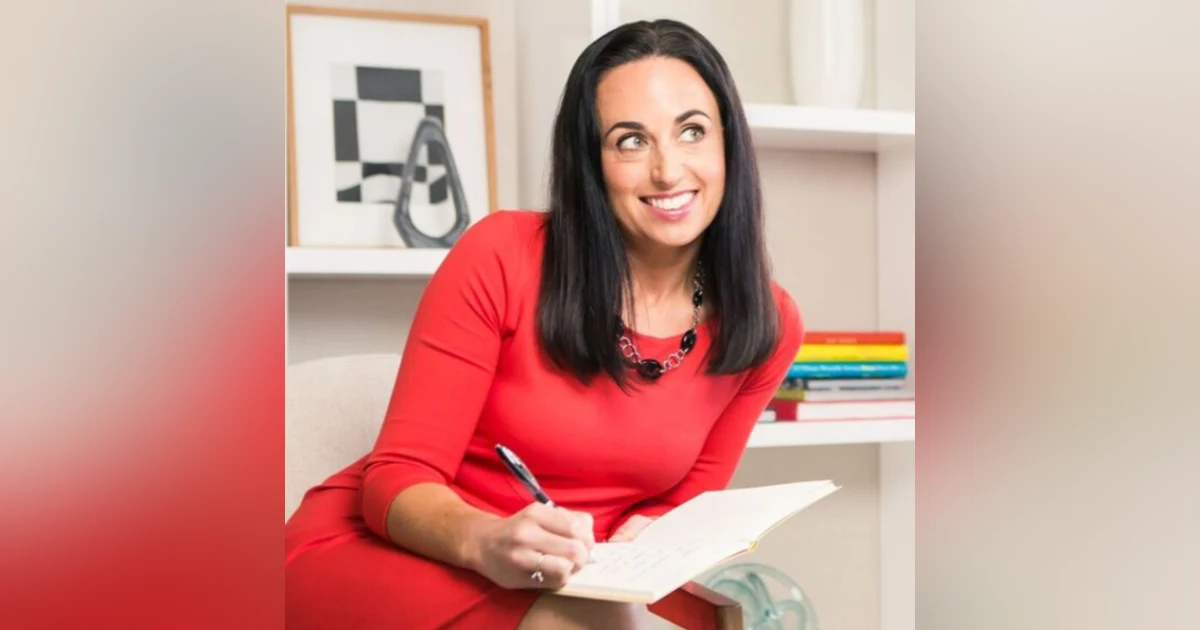

Amy Morin is a psychotherapist, mental strength trainer and an international bestselling author. Her books in the 13 Things Mentally Strong People Don't Do series have sold more than 1 million copies and been translated into more than 40 languages. She's the award-winning host of the Mentally Stronger podcast and she gave one of the most popular TEDx talks of all time. The Guardian dubbed her the "self-help guru of the moment" and Forbes refers to her as "a thought leadership star.
Follow Amy:
Mentioned in the show:
Welcome to Medicine Redefined, a podcast focusing on helping you reclaim ownership of your health. I'm Dr. Darsha, and I'm Dr. Altamasharaja, where your hosts, hair to challenge conventional practices and uncover the stories behind pioneers shaping the future of medicine. Our conversations not only focus on the individual level to dissect common practices for health optimization, but also zoom out to enhance systemic change. Join us as we look to break the status quo, move the needle forward, and put the help back in healthcare. We have a really exciting episode today with psychotherapist Amy Morin. She is a mental strength trainer and international bestselling author. Her books in the 13 things mentally strong people don't do series have sold more than 1 million copies and been translated into more than 40 languages. Amy is an award-winning host of the mentally stronger podcast and she gave one of the most popular TED talks of all time which you can find in the show notes. The Guardian has dubbed her as the self-help guru of the moment and Forbes has referred to her as a thought leadership star. In this episode, we are going to delve into the depths of successful dating and marriages. In the last 160 episodes that we have done, we have not yet really talked about how marriage and dating can really propel us and bring us happiness and joy and tend to leave towards longevity and better health span. We will also round out our discussion talking about how to raise children so that they can be mentally strong. Throughout this episode, you guys will learn about the theme about being mentally strong in almost everything that we do. Amy is definitely one of the most knowledgeable people that I've talked to in this realm and so I believe you guys are going to be definitely learning a lot. Hey everyone, real quick, we are excited to share that we launched our newsletter. It contains high yield insights from our guests and tips and tricks from us. We want to put the health back in healthcare and invite you to do the same by giving you the necessary information to live your best lives and provide value to those around you. Make sure to head to medicineredefine.com where you can input your email and stay up to date. Amy Morin, thank you so much for coming on to the show. Thank you so much for having me. It's our pleasure. I really wanted to start this conversation. Maybe somewhat of a dark place for you, right? Being in your early 20s, you had lost a couple of family members, very close to you. And I was curious, being at that young of an age when you go through something like that, one, what were the things that you learned about in terms of being mentally strong? And two, how did those events shape your career and the things that you talk about today? Oh, good question. So I was a new therapist. I was 23 when my mom passed away and she had a brain aneurysm. So she was here one minute and essentially gone the next. And then I was 26. It was three years to the day that my mom died, that my 26-year-old husband died of a heart attack. So similar to the way I lost my mom, I lost him in an instant as well. And even though I was a therapist, there was a lot I didn't know about grief I have to say. And it certainly gave me a new perspective about what it meant to be strong and also what other people interpreted as strong. So for instance, I remember a woman asking me or having a conversation with me one day and she said something about it's clear you're getting stronger because you can talk about things and you don't look like you're about to tear up. But like not crying is in a sign of mental strength at all. Like in fact, the ability to show emotions can be an incredible sign of mental strength. And I just remember like people would applaud me for the days that I would do something and they were like, that's amazing. You can get up and go do that. Well, it wasn't like I felt like doing things, but I didn't really have a choice. And I had to go back to work and I had to do things. But that's I think a huge misconception in society about mental strength is people get applauded for pushing through any kind of pain or for looking like they bounce back. And people would also say things like, well, you don't look like a widow. Like I was 26. What was I supposed to look like? And so I think we have these different misconceptions about people and how they look when they're grieving and what it looks like to go through tough times. And I think sometimes it comes across as insulting when we say to people like, you're so strong and somebody feels like they're just barely hanging on in life. But because they showed up at work, not because they wanted to, but because they felt like they had to. And then we applaud them for it almost in a way as if we're implying like you're acting tough. And that's something to be applauded for. And it certainly changed my career to get to the other part of your question in a lot of different ways because for one, it just it gave me a new empathy, I think, for clients in my therapy office. And it taught me a lot about about mental strength in general. One of the things I had learned early on from my from my clients was it wasn't always what people did. Sometimes what was super important was what they didn't do. People who came to therapy and they didn't have certain bad habits tended to go through tough times. And they were still hopeful and optimistic and relatively healthy people. And other people just felt stuck when they went through hard times. And so I learned a lot about mental strength from a from a completely different perspective though when I went throughout myself and I just thought in college, I was taught to build on people's strengths. But I realized if I didn't tell people, hey, just don't do this thing, then I'd be doing them a disservice. And it also just changed the entire trajectory of my career because a few years after my husband had passed away, I was fortunate enough to find love again. I got remarried. I got a house and I had a new job. And my father in law was diagnosed with terminal cancer. And I just was in a really dark place thinking this isn't fair. And I wrote myself a letter of what mentally strong people don't do. I thought it would be read by about five people, but 50 million people read the list and I got a book deal and now 10 years later I still get to speak about mental strength. Because I shared those lessons that I had learned and I didn't give the backstory of why I wrote the list. So when it first went viral, people assumed it was because I had mastered all of these things and they didn't know, no, I actually struggle with all of these things as well. Amy, where is that concept of, you know, hiding your true emotions and maybe avoiding talking about your feelings and that exemplifying strength? I mean, I think for a long time, it's particularly with, you know, males and just men in general would just say, hey, we're up some dirt on it, right? Don't talk about your feelings. And it's getting better today with mental health being recognized as more and more important and how it's entangled into your cognitive health and your physical and whatnot. But do we have a sense of at what point do we decide that that was quote unquote strength? It's the idea I think of mental toughness came out where we saw a lot of Navy seals and people who were really athletes and they could push through pain no matter what. And I think that became the epitome of what it looks like to be tough and people translated that to strength and thinking in emotional pain, if you can bounce back and get back up every time you get pushed down and pretend like you don't feel hurt, then somehow that was admirable. And the notion of like post-traumatic growth, yes, people absolutely do go through tough times and grow because of it. And we know other people end up traumatized when they go through tough times. But the idea that some people grow and become better put pressure on some people to then say, no, I'm good. And when they get pushed down, they would say like, no, I'm even better than before. And it was like you just went through a tragedy two weeks ago and yet you're already like, I've grown so much from this because the idea of saying I'm actually struggling felt like a weakness. And over time, I do think that it's starting to shift that we realize asking for help or acknowledging that you're struggling or being able to talk about feelings takes way more courage than saying, no, I don't care. But I think we still have a long way to go with that as well. Yeah, it's funny how you recognize how sometimes we're so unsophisticated because if we can't see that toughness, right? If it's not manifested in somebody's physique or somebody who has a doneness body or somebody who can do all the things that the Navy seals require, whether it's elite athletes, that that person might not be tough. We're recognizing in the field of pain science now as we appreciate the biopsychosocial model is that you know, you could try to address the structural as much as you possibly want. And sometimes people will have no structural pathology on imaging and all the stuff that we do, yet they are suffering, deeply, deeply suffering. I'm not even just talking about pain, which we know is inevitable, but suffering isn't. And you have the flip side of it where people have all kinds of things structurally wrong with them, yet they have nothing. And you know, we're only starting to scratch the surface on that. And so I think it's so important for us to go down this path when I'm excited to continue this conversation with you. I'm curious though, you mentioned that when you went through that later adversity, you sat down and you wrote down about 13 things that mentally strong people don't do. And that is interesting to me because, you know, I sit down and I'm like, okay, well, what would a menstrual person do in this moment? You decided to go the other way. What do you think that is? Two reasons. One was, again, when I was studying people in my therapy office, it was what people didn't do because sometimes people would come in and they would have 800 amazing habits, but then they would have one bad habit that was keeping them stuck. And if I were to talk about mental strength in the same way, we talk about physical strength, it makes more sense to us. So if I went to the gym and I had a trainer and they told me to run on the treadmill and lift weights, great, I'll do it. But I'd be really upset if they didn't tell me that going home and eating a whole bunch of junk food is really outdoing a lot of the work I did in the gym. If you want your good habits to be effective, you got to get rid of your bad habits. And as a therapist, I was seeing so many people come in and they would say, you know, I'm doing all of these things and how come I don't feel better? And it was often because they had one or two things that was just holding them back. So I had learned that from from the people in my office. But the day that I wrote that letter, it wasn't, again, I didn't intend to make it a book or anything like that, but it was a letter to myself because when I was struggling the most in life, the last thing I wanted was a long to-do list of, hey, Amy, do these things today and you'll be okay. It would have felt way too overwhelming. But what I could do is say, just don't do this list today and you'll be okay. Somehow that felt a lot more manageable than having more things to do. I felt like I already had so many things to do that I wouldn't have been able to keep up with a longer to-do list. But if I just said don't do these things, that felt like something I could wake up and accomplish today. To dovetail on that, when it comes to suffering, do you think that people hold on to the bad habits and that overpowers maybe what they should be doing, right? Because you also wrote this quote saying that it's not necessarily, and I'll paraphrase here, but it's not necessarily that time heals, but it's what you do in that time that can heal through that suffering and the grievance. So I was just curious about, you know, thinking about the bad versus the good, because, you know, reading your books too, I see a balance of both, but I'm just curious as far as how people can really think about something after struggling. Yeah, as a therapist, I was seeing people that would come into my office, and it maybe it was 10 years ago that they went through something tough, and they were so frustrated because they were like time so stay healed, and I don't feel any better. Why is that? And I had to be the bearer of bad news that says, well, you've spent 10 years trying to avoid the pain, and because of that, you haven't actually started to heal yet. And just like with our physical wounds, some of them get better on their own, but some of them you have to go see a doctor, sometimes when you ignore them, they get worse instead of better. And if you don't tend to them at all, then sometimes we keep making things worse. Well, that was happening with a lot of people's emotional wounds that they were doing things to to feel okay right in the moment, but they weren't doing the things that they needed to to heal long-term. And I want people to understand that that grief is the process by which we heal, and it's not just grief when you lose a loved one, but it's grief when you get an injury and you aren't going to live the life you thought you were going to, or when you change jobs and you're kind of sad about the life you left behind, or you move to a new city, all of those things, we have to do some work to heal. And part of that is allowing ourselves to be sad and allowing ourselves to go through those emotions, but again, it goes back to our desire to sometimes try to avoid those feelings or to make ourselves numb to them so that we don't have to face them head on. Amy, you mentioned just how grief touches us in so many different ways. I'm thinking about something that I've heard Paul Conti talk about. You know, we have the Big T Trauma, Little T Trauma, right? The Big T Trauma are those devastating events that people would truly consider PTSD, right? War, something devastating happens, some type of sexual assault when you were at some point in your life, things of that nature, that everybody would recognize that, hey, this, there's something wrong here. And somebody is coping with a difficult part. But then Little T Trauma are these just little hits to the system that you accumulate over time, and they can still manifest as something greater down the road if you don't address it. And so I'm thinking about big grief, little grief in that sense. Obviously, the example that you shared losing your mother, instant, your husband, big grief, right? Everybody understands that. But I think about the athlete, 29 year old that I saw earlier this week who was training for the marathon, or half marathon in June, and now all of a sudden she might have a stress fracture and now she's in a boot and she can't run. And running is so incredibly important to her for a host of other issues, but also from the mental health. That's her main way to cope. So that being taken away and how that causes a dysfunction, I'm wondering if like you've thought about that aspect and akin to how he described big T trauma, little T trauma and like what that manifests down the road, or if that's been spoken about in just psychotherapy in general. And yes, you know, because the word trauma is used strangely, like sometimes people will say like, you know, my boss called me into their office and I was traumatized to have this conversation. They don't really mean they were traumatized the way somebody who faced a life or death experience was traumatized. But we're realizing slowly over time that the things that do create trauma, they don't necessarily have to be those absolute life or death things. I mean, during 9-11, we realized for the first time by watching that on TV, people were experiencing trauma. It wasn't that you actually had to be in the building to say that you had experienced trauma. You can witness it from afar. And of course, in the ages of social media and the internet, we get to see all these traumatic things almost all the time and it still takes an impact on us. And then there are those smaller things that do make an impact, just like if you lost your job or you lost a dream or a hope that you had or a relationship ends, but maybe it wasn't because of a death, but it was a long-term relationship that ended or those sorts of things. And sometimes people feel bad or they feel guilty or they think I shouldn't be so upset by this or other people minimize it too. Like it was just a dog. People who have lost a pet can experience incredible grief and then it gets compounded because people don't seem to be as understanding or they aren't as kind to them as they might be if they had lost a sibling. And because of that, I think people are embarrassed when they experience grief and trauma related to things that would typically not be quote unquote traumatic. And so then they suffer in silence because they don't talk about it or other people minimize it or somebody says, well, at least you didn't lose a leg or at least you didn't do this or there's people on the other side of the planet who are struggling with problems way bigger than that, which again is invalidating. My hope is we'll get to that place where we can realize, like if somebody had this dream to become an athlete and suddenly they realize that's not going to happen, like, yes, that is very difficult for this person and we don't have to put them down or two people get in the same accident and one person walks away and experiences trauma because of it. And the other person doesn't, it doesn't mean that this person who did is weak. It means their experience was different and they are struggling with it in a different way than the other person is. So my hope is we'll get to that place where we don't look at that as a weakness. Instead, we encourage people to talk about it and to work on healing from it rather than feeling like they should be guilty or that they need to minimize their pain because it wasn't a big enough experience that they feel like they can justify saying, yeah, this is a struggle for me. Yeah, and I think that's the perfect transition to kind of talking about the topics of dating and marriages, right? I think a lot of us, when we are in a relationship, have our own trauma that we might bring out and express it onto the other person or even when we're in the relationship, experience different traumas or maybe act out due to the fear of trauma, right? So I appreciate that foundation. I think it's a great framework to kind of talk about social connection and dating and marriages. So I don't know about you guys, but I look around and I think about dating and marriages today. And it's kind of shocking at least because I was luckily, and I think ultimately too, we get where dating right before apps came out like Tinder and things, right? And so a lot of my friends right now have definitely been struggling as far as trying to find a partner and as they get older or trying to settle down. So in your opinion, Amy, why is it worth having this discussion to talk about dating marriages in today's age? Oh yeah, great question. So we know from the research, people are more lonely than they ever have been. The world is changing and people's ideas about relationships are shifting as well. And as you say, people are meeting on dating apps where they find that people are describing themselves. So it used to be you go on a first date and you meet somebody and you observe them more and to learn about them through observation. Now you're reading somebody's bio, but it's a bio that they've written. So nobody puts the bad stuff in their bio. You put like the person you wish you could be or your perception of who you are, which might not be what the other person, how they're going to perceive you. So there's so many strange things in the world and you add in the fact that we just came out of the pandemic that changed I think a lot of people's views on on dating and relationships and and there's so much so many unhealed wounds. And when you put two people together and they are each experiencing as you say, perhaps unhealed wounds or childhood trauma that hasn't been dealt with. And it's no wonder that so many relationships are struggling. Yeah. Yeah. So let's let's dive a little bit deeper in terms of the digital dating world that we live in now. So Tinder probably came on the map first and now we have things like Bumble hinge and then even you can break it up into different ethnicities and sex. So we're seeing everything and everyone almost on these dating apps. And I feel that people are almost forced to be on these dating apps because they find it a struggle to just meet people at a bar. Let's say or you know any type of event. Based off your experiences, what are some of those struggles that you're seeing people go through, especially from a younger generation I guess? Yeah. So you know, I have a lot of people that will come into my therapy office and they kind of have a checklist of what they're looking for. So then they get on dating apps and they're looking to see who like meets that checklist. But again, just because somebody describes themselves as reliable and loyal and dependable, it doesn't mean that actually who they are. And so I'm encountering a lot of people who are struggling with that. They're like, you know, this person described themselves as this and it might be that the person really thinks that they are. And people come into my therapy office all the time and they say like, I'm a really honest person. And then several sentences later, they're like, well, I cheated on my taxes last year, but that doesn't mean I'm just honest. So the way people see themselves and the way they describe themselves in an app, again, may not be realistic, but because they put those words down on the computer screen or on their smartphones, somebody reads it and they're like, no, this person said they were loyal and dependable. So I'm going to go with that. And then their behavior doesn't necessarily line up. Or the other thing I'm hearing a lot of people say is like, they're getting dating fatigue. Like, I am just exhausted from going on first dates over and over and over again. And because now it feels like there are so many options. Sometimes people are like, the grass is always greener. So they don't stick with somebody because they're still kind of on the dating app. And they're like, well, this person looks fun. And because of that, they're struggling more with making a commitment. Or they verbally make a commitment. But then they find out the other person is still on a dating app six months later. So they're like, wait, what are you doing? And there's some research behind that too that thinking that there are like a lot of alternative options can make it much more difficult to settle down with somebody. It used to be, you know, you might meet somebody through mutual friends. Or you might have met somebody as you say out of bar at some sort of social gathering. And it wasn't like you thought there were 800 other options within a two mile radius of where you live. Now people are like, no, look, there's still all these other options out there. And that's definitely making it more difficult for people to create a commitment. Yeah, for sure. I think one of the things I think about often is done bars number, which I believe is 150. And for those who want to understand what that is, it's you have up to 150 acquaintances or close friends that you can have at one time, right? And now we're seeing social media where you're following, I don't know, 2000, 3000, 5000 people. And you feel like you're in acquaintance with everyone. But in reality, you're not close to any of them, right? And I think that's what these dating apps also do is like, like you said, there's too many options. And so I've been watching Indian matchmaker on Netflix. And I don't know if you've seen it, Amy. But it's a very interesting show. It's very engaging because it's a matchmaker from India, who comes from, you know, the generational arranged marriage background that India usually has and comes over to the US and tries to match people of our age, right? In their 20s and 30s. And these generational differences are just so wide. I mean, I look at my parents who are in arranged marriage. And after reading your book, you start to see kind of that the data shows that when you're in an arranged marriage, you have to kind of fight for that love, right? You have to fight to make it work. Whereas when you have that free love marriage, you kind of think that, oh, everything's going to be, you know, dandy and you don't really have to do anything until reality kicks in. So what have you kind of seen in terms of that shift generationally? You talk about that checklist. And one of the things that the matchmaker talks about is that you'll never get 100% of what you're looking at when you look at the person across from you. But if you hit 50 to 60%, it's worth fighting for and what's trying at least to go in that second or third date. Yeah, yeah, I absolutely agree with that. And there's that idea, I think, that you should feel this passionate love all the time. And that if it starts to get hard, people are really quick to give up on relationships these days to say, well, you know, it didn't work out or I had a gut feeling and it just didn't work out. And of course, electronic communication has made things extra difficult. And for several reasons, one would be people are getting, you know, text messages from their ex easily on social media or they're still having lots of people that communicate with them over their phones. And then also how do you communicate with your partner via text? Some people are like, no, I like to text all day long and their partner is like, I don't have time for that. And then it creates tension and and problems in the relationship. So certainly technology has has become an issue, I think, for people, but then also it's about just the emotional aspect of how hard do you want to work for it? And if you think there's an easy out, sometimes people are quick to say, I'm going to jump ship because it felt uncomfortable and I don't really want to stick in there. So I know you are a psychotherapist, but do you have any dating tips for people like that are on these apps that are really serious about trying to find someone? But I mean, let's be honest, I feel like some of these apps have control over us than we do over the apps. Yeah, they certainly do. And I think for people to know, like, it's great when you can meet with people in person, you know, again, assess their behavior, not just the words that come out of their mouth. And don't worry about asking deeper questions, you know, it's great to know what somebody's favorite color is or what their favorite food is, but ask the deeper questions and you don't have to dive in and ask somebody if they want children on the first date, but you can ask deeper questions just about what somebody's hopes and dreams and goals and things that they're really interested in and to try to take it to a deeper level. So you can figure out, is this somebody I would be compatible with? And we know you really need a couple of things for a successful relationship to even get off the ground and one is chemistry. So a lot of people say, I meet somebody, there's instant chemistry and then we go from there, but they don't really look at another one which is compatibility. You need to know, is this person compatible with you or not? Did they have a lifestyle that would fit with yours? Do they have similar values? And that one gets skipped over a lot. And then the third C is commitment, which is, yeah, how committed do you want to be? And sometimes couples don't have that conversation or they decide they're in a committed relationship yet one person isn't around very often. So then you look at their behavior like how committed are they to the relationship? But those are the free ingredients that we need to really kick off a relationship and people need to be on the same page about that, but you won't really know until you dive into the some of the deeper questions. At the risk of making this show to matchmaker like Amy, how would you define chemistry? Because I think people have a vague idea from watching movies what that might mean, but I'm curious what your definition is. Oh yeah. So you know, the thing about like love and relationships is it's like part art, part science and there's still like a little bit of magic to it. So when it comes to that chemistry thing, it's, it's difficult to describe, but it's more of a feeling, the emotional, like you think that you haven't been with somebody forever, even though perhaps you just met. It's really easy to talk to them. You don't have all that social awkwardness that maybe you do on a normal first date. And you find them physically attractive, of course. And it's that spark. And we know that in the early days of a relationship, when people have intense chemistry, it's actually very similar to like the manic phase of bipolar, where people are like, I don't need to sleep. My appetite goes down. I'm so happy. And they struggle to function sometimes. Well, we know that that's not supposed to last. You don't want 20 years later to still not be sleeping and eating. It's going to wear off. But often it's that chemistry that people then think is compatibility and they confuse it for whatever else. So most people have experienced chemistry with somebody where you just think, man, I just met this person, but it feels like I've known them my whole life. And I'm intensely attracted to them. And maybe you can't even quite put your put your finger on exactly what it is about that person. But you just feel those really intense romantic feelings toward them. Is there any data to show how long two people need to be starting to see each other before that chemistry or that compatibility? You can start to show because I mean, I feel like so many people have one date, 40 minutes, and they're like, no, this is not for me. But I feel like you might need that second or third chance to at least just get to know someone and get to those deeper levels. Yeah, I don't know what the data would say, but it definitely isn't always instant, right? Sometimes I mean, you hear those stories of couples who will be like, you know, the first date didn't go well or I wasn't sure we'd ever have a second date. I didn't really wasn't until they got to know each other just a little bit better that they were like, oh, yeah, suddenly you do start to find the person much more attractive. So I think even if on the first date, maybe you don't feel like you have that instant connection to not give up yet because it might be the second or third date that you really are like, oh, I want to get to know this person more. So you talked about the three C's chemistry, compatibility and commitment. Do we know if any two of the three are more important when we think about long lasting relationships? I think I can take a guess when we think about like cultural differences, right? So Darshan is talking about South Asian societies where it's a lot of arranged marriages. And I know what's usually sought after in that and why those might be successful, but I'm curious if you're familiar with the data and something you've thought about before. You know, I think that the compatibility and the commitment are probably most important for long-term. The chemistry makes it easy in the beginning because you're then committed. And just like we know when people are in arranged marriages, they may not have that chemistry right off, but they have to figure it out anyway. And we know that later on, they often develop more intense feelings than couples that are in relationships where they chose one another because they're much more committed. In relationships where there's that intense chemistry, you're like, oh, I don't mind that you just made that mistake or I can overlook that thing that just happened, but a year down the road when you don't still feel those intense feelings, you then have to choose how you're going to respond to those things. And you might not be as forgiving or you might be angry about something and you have to decide, do I want to work through this or not? So it's chemistry can shift over time anyway, and you can still get through it as long as you have some compatibility and you're on the same level of commitment. Yeah, it's funny, you know, how people have a different cognitive space when the massive amounts of dopamine and the endogenous opioids are going off. And you know, the other interesting thing is the compatibility, I would say, is the number one thing. When we're talking about the cultural differences, you know, you talk about, and I'm an immigrant. And so we have these conversations all the time, you know, I come from that culture as well. Not only are they looking at compatibility from a person to person standpoint, but also family standpoint. People often forget, you know, how intertwined the families are. And I think over in the Western society, we're a bit more individualistic when we, when you go to the Eastern part, you know, it's much more tribal in nature. And so that's another piece of the compatibility where like you're not only marrying the person, but you're kind of marrying the entire family. So that's, that's another thing that they look for. Of the digital apps, again, I've never been on one Darsh, you're on point that this, I guess, we're a little too old for this. But the successful ones, Amy, I'm curious, what do they do differently? Because I know if I put, I was, I'm going to see E. Harman, I don't even know if that's a thing anymore. But I'm sure if I go on TV, whoever was marketing, they're going to say like one out of three marriages are going to be because of this. So what are the, the successful ones who are on these digital platforms? How are they getting there? Oh, that's a good question. And fortunately, I don't have to be on dating apps either. So I don't know. Look, I know that there are apps now coming out where they, they can use their algorithm to try to pair you with somebody as opposed to just, you know, swiping on Tinder and that sort of a thing. But I don't, I don't know what the statistics are on what makes one app more successful than the other. And you know, I'm sure that algorithms figure out some pretty interesting things about us, like we know on social media that if they asked you, which ads are you most likely to click on, the computers better at knowing what ads you're going to click on than you are. Like, so I would not be surprised if there are algorithms that could figure out who you'd be more likely to go on a date with, rather than who you might assume or what characteristics you're actually looking for. So yeah, that's an interesting question. Yeah, eHarmony, ultimately, I don't think I heard that in like the last 20 years. I'm still laughing. Oh, man. But I'm more serious, no, Amy, how when we start to talk, talk about couples counseling and therapy, right? I mean, most people seek those out when an issue happens, right? And on this podcast, we're all about being proactive and really trying to figure out health, right? When do you recommend that, I mean, if there even is a right answer, but when should couples, even if they're dating, start thinking about, when to start going into those really deep levels of, hey, if we're thinking long term, let's actually, you know, go talk to a couples counselor or therapist and really, you know, work on some differences, maybe. Yeah, I think it would be great if most couples would do that when before they decide on a long term commitment is to say, let's go talk to somebody. How many couples spend a year or two pointing their wedding in their honeymoon, but yet you don't really talk about, how are we going to join our bank accounts? Or what is it going to look like? Or what would happen you get a job in a different city someday? Those sorts of conversations and values, like what what role do you think your parents are going to play in our relationship? And if we have children, what would that look like? And how might our families affect our, the way that we raise our kids, all sorts of things, religion, money, you know, household things, so many things that I think a lot of people just make assumptions about and don't really think about until they get together. And then we do know that a lot of people, once they experience problems, tend to wait a little too long to get help instead of saying, you know, let's, let's talk to somebody now before the problem gets bigger. We of course want to work them out on our own or we hope that they'll go away. So I think if there's any doubt of should I talk to somebody, it's probably a good idea. And for people who say, what my partner won't go, that's okay, you can go on your own. In the book, I share a lot of stories where I never even met the other partner, but we figured out how to address a problem or solve it or figure something out, even though the other person wasn't necessarily on board. Yeah, I definitely love those stories because it just goes to show how much of one person, them taking action and focusing on themselves can really affect the relationship in a very positive way. I am curious to know and I mean, there is no black or white answer when it goes to marriage and the the construct of marriage. But I'm curious because I tend to look at marriage as this old historical perspective, right? And it's carried on centuries through centuries. And now, you know, people are looking at polyamory and open relationships and, you know, staying committed to, how do you philosophize maybe the differences and why people choose to get married versus maybe choosing not to get married, but still having a long-term commitment with somebody? Yeah, so the things I'm hearing from a lot of people, you know, I just, I don't want the government involved in my relationship or there's no real benefits of getting married these days or why would you do that? Or a lot of those sorts of things, I guess, is what I'm hearing from people. But then I hear from a lot of people who feel like they feel safer when they're getting married because they'll say, you know, just from a legal standpoint, if something happens or from a financial standpoint, or another people will just say, you know, I still feel like a better sense of security knowing that we're married or that we have children than how that would work out from a legal standpoint. So hearing a lot of that, I guess, more than anything these days, I think the pendulum swings back and forth where people will say, you know, we don't want anything to do with with legal marriage and other times when people are all know we're all for it. And I feel like there was a pause for a while and now I feel like people are seem to be getting at least the people I'm seeing in my therapy office seem to be more pro commitment through with marriage these days. So I mean, you're certainly, I'm guessing, you're familiar with John Gottman's for horsemen, right? Yes. For the marriage and apocalypse. So it's criticism, contempt, stonewalling is one of a matter of forget the fourth one. But basically, if you're not familiar, we'll link to it in the show notes for people. You know, these are signs of communication that might suggest that things are going down a bad path. If you've worked with people early on relationships, maybe in that pre-emarital period that you were talking about, are there some signs that are predictors of a successful long-term relationship that you're like, yeah, those are some really, really good things. Aside from things that we talked about, like compatibility and chemistry and things that you've already mentioned. Yeah, when people can use like we language and they say us and we, and both people are committed to saying, yeah, let's, I want to work this out with you and here's how we can do it. It gives me a lot more hope for couples rather than when somebody will have the, you know, it's my way, their highway kind of an attitude. So when people are like, this is worth working out. And even though this is painful, I'm still going to sit here and I'm going to talk to you because it is like the stonewalling issue and somebody won't talk about something when somebody says, you know, I'm not going to address this or they get up and they walk away every time you bring it up. What do you do with that? It's really tough. So when people are committed when they use the inclusive language of we and us and when people also know that there are some differences that don't have to be solved. So if you get together with somebody and you know that the person you're with has some personality quirks that maybe aren't 100% in line with yours, but you can accept that or you know somebody has a, maybe some slightly different values or maybe they have some religious differences from you, but you don't try to change them. Then I hold out great hope to where people can say, yep, this isn't my favorite thing, but yet I'm okay with that and I'm going to live with it and it's not my job to change you. It's my job to work on managing my response to that. Then people can work through almost anything if they have that attitude of, okay, we're going to work through this and I know where where that line is and where I can just accept you're not going to change and yet it's my responsibility to work on my emotional response to that. Yeah, I think that right there, I mean what you said about acceptance and not being the fixer was probably the biggest takeaway from your book at least personally for me. I mean, I don't know all too much for you like for us being physicians. I automatically assume this fixer role that I probably know best and you know us being into fitness and looking at today's generation and what matters and what's important and trying to impose, you know, those habits on my loved one, on my wife, just realize what's counterproductive, you know, as much as I can be a great coach, I wasn't really being a great coach, the person closest to me. And so reframing that to saying, hey, everyone has their own lifestyle and accepting those quirks and accepting whatever it might be, that's when she can shine at her best, right? And so like that was the biggest takeaway that I that that I took away from from reading your book. But I definitely want to go into the nuances a little bit of some of the issues that couples have. What would you say or maybe the top three things that you know you see couples argue about or even like general themes like resentment, maybe upsetting boundaries, whatever you think? Yeah, boundaries with family are certainly a huge one in knowing like are we on the same page or friends? It might be loading money to people or letting somebody sleep on your on your sofa for a while versus how much time are you going to spend with family? So family's a huge one. Household responsibilities is always a big one right down to who's going to do the dishes versus who gets the oil change on the car, who's managing the children, that sort of a thing. And then money, who's a spender and who's a saver? How do you manage that? How are you going to talk about a budget or are you? Or do you try to each keep your own money? And a lot of people keep secrets about money like I'm just going to go buy this thing and not tell you or I won't tell you how much I spend on this or I don't want you to get mad. So I'm going to keep that a secret. So I see a lot of secrecy around money and the avoidance idea too of I don't want to sit down and look at our budget because it's too anxiety provoking. So a lot of couples end up in debt, which then creates more stress and the more stress they are, the more relationship problems they have. Yeah. So definitely let's talk about money because I think I definitely see that around too with a lot of my friends and things. What are some of the steps that people can take to be more open to solving these problems? Is it first being more aware of their own traumas that they're bringing to the table or is it first getting the other partner to talk and be more open to the idea? How do people go about this? Yeah. Sometimes it's about going back to childhood. Like what was your family like? Somebody who grew up in poverty might have a completely different idea of managing money than somebody who said, you know, money wasn't an issue in my household. And how did you spend it? And how did you save it? And what would your parents teach you about money? Did you have to hoard money because you never know what's going to happen down the road? Did you spend it freely? What went on? Having those conversations can be a good place to start. And then also just getting real about what your budget looks like. Okay, let's be real and how many bills we have. And the disagreements I often see will be things like, do we want full coverage on the car? One person says, no, it's too expensive. And the other person says, but I have so much anxiety driving around. If we don't have full coverage on the car that I can't, I feel like I can't breathe. Okay, so then how do you solve that problem? Do you say, let's reduce your anxiety, honey? Or do we say, let's manage the bank account over here? And just being more open about that so that we can understand, it's not that one person's right and the other person is wrong, but just understanding where the other person's coming from. Why they might have anxiety about saving or spending, or why it might be stressful for them. Or sometimes people also say, you know, I don't know much about finances. So therefore, I just want the other person to handle it. But then they're not involved. And that's not healthy either. So I think just figuring that out like, what are your values about money to begin with? How do you feel about money? Do you have like a scarcity mindset? Are you worried that you're not going to have enough someday? And then let's get real about where we are in terms of how much debt we have or what the bills look like compared to our income? Yeah, absolutely. I think one of the things that I've done too with my wife is we talk about our goals and try to get aligned with our goals and they kind of work backwards from there and try to say, well, okay, these are the things we want. This is the lifestyle we want. Now what do we have to do with our money in today's for for today to make that the reality? And that's always seem to help us get aligned somewhat. So we always try to bring it back to that point. But I appreciate your advice on that. Ultimately, I was going to ask about boundaries. I don't know if you had anything to dovetail on money here or anything else. No, I just want to kind of plug in something that Ryan Inman, who's been a guest on here, has talked about that anybody who's in the financial space talks about like somebody has to be the CFO of the household. And if it can be both spouses, fantastic. If it's going to be one spouse who's going to be responsible more for the budgeting, that's one aspect the other person person is looking more at the investing and long term game. That's kind of the role in our household. And you have to be able to deviate up. And oftentimes it's you know, it's going to be one person who's financially savvy and doing that. And they're fighting tooth and nail like right now it's me telling my wife which credit card to use for which thing so we can maximize our points. And that happens. But she picks up and does a lot of the other things that I don't do. And I think it goes back to the thing that you talked about we. And I'm always using the analogy. I'm like listen, like we're a team, right? So just like a team, it's like doesn't matter if I score, you know, 80 points. If we lose, we all lose. And if we win, we all win. So I think everybody has to contribute in their role. And then when you have kids, they're going to have their role, you know, as they get older and it's appropriate. So I think if you look at it that way, that's helpful for me. If you've never been an athlete and you don't engage in sports and you have no idea what I'm talking about, then maybe it's got some better for you probably. Those are all good points and just knowing who's going to shop around like I don't like to shop around for car insurance. That's my husband's role. He does that kind of stuff. I have no desire to do that. Thankfully, he's got the patience to do that. Stuff like that. And to just know like, okay, and then how do we work together? Some families will say Sunday nights, we sit down and we have sort of a financial meeting where we talk about how we're doing and how's it going? Other times people need to work on the emotional aspect too. Sometimes people will like, I didn't want to buy the big TV. But if I didn't, then my partner was going to get angry. So I agreed to it anyway. So then sometimes you got to look at the emotional aspect too. How can we resolve differences? How do you deal with somebody when maybe they're angry or they're disappointed? And how are you going to cope with the emotion that comes up when we talk about money and possessions and vacations and buying things? And with parenting issues, this is a common one too, where a parent will say, you know, I want to give the kids everything I didn't have in life. And the other one might be worried of we're spoiling them. We're giving them too much stuff. I want them to earn their own stuff and having those conversations up front of, okay, let's get behind that. Because our argument right now about the basketball sneakers, not really about how much you spend on the basketball sneakers, they might be on the bigger picture of life. Like, you really think it's important to give the kids everything I don't. Let's talk about that. Yeah. And the other piece, I think, yeah, it sure for my spare you were talking about, you know, people having secrets when maybe they're not necessarily ashamed, but they're like, okay, this is might be a frivolous spend. And I'm going to hide this for my spouse. I think one of the things that at least in the circles that that I read the blogs and whatnot and people who are maybe physician, how hospitals are maybe not just high income professionals, they'll talk about, okay, you can, if you can, if you have the liberty to to allocate separate funds and just say, okay, you get $200 a month to spend it on whatever you want. No questions asked, right? And that's part of the budget. Like, you want to spend it on the basketball sneakers? You want to put it all on the $200? Great. That's it. That's all you get, though. And no questions asked. And I think that's something that's also successful. They're sometimes people get like, this is your mental health fund, call it whatever you want, right? But that is a budget. And that's part of the discussion right there. And yeah, couples can still, you can still have privacy in a relationship. And for some people, that's important. Like, if I want 200 bucks and I'm going to go spend it on something that I think is cool and I know you won't. And I don't necessarily have to be accountable for it. I'm all for that because I think just because you are a couple doesn't mean you have to agree on exactly how much you're going to spend on absolutely everything as long as you put that in the budget. Here's your fund money for the month or here's the money you can use for absolutely anything you want. And you don't have to be accountable for it. Then that can help people maintain a sense of freedom and autonomy while in a relationship too. Sweet. So you brought up kids. So let's shift gears a little bit. Let's talk about that, right? So I've got a beautiful daughter who I love very much and makes life very difficult. How many do you have kids? So I was a foster parent for, I don't have any kids. I live on a sailboat now. So I don't have any foster kids in my in my household. But yeah, it was a foster parent for most of my adult life. Awesome. So I know you have a lot of experience. You also do family therapy or not only couples counseling, right? So you're family therapists as well. So you've probably heard everything out of the sun. And I think one of the most important points, the struggle that I've had, and I shared this my wife before we went out, it was like my greatest anxiety is bringing a child into this world and raising her because there are so many ways you can eff it up, right? I mean, you could do it right too, but there are so many ways to eff it up. And oftentimes it doesn't even feel like you're the one raising the children because society is right there. Go to school. Maybe you have maybe a little bit of control. I'll put that into quotes because I want to talk about that if that's even the thing. But then once they go to school and their friends and whatnot. And then the world as polarizing as it has been over the last couple of years, it just swings left the right. And we kind of like to be balanced sometimes. And that gets to be really, really terrifying if I may use that word. And so I think you and one of the books had talked about what's the quote about it's easier to raise strong minded children than to repair weak men or something something of that nature. Yeah. Yeah. And then there's another one that I think about. I forget who it is, but you don't talk about how strong men create like easy times or something like that. Or as you know, I'm talking about it. Or they're strong men. Yeah. The cycle. Yeah. And so and then, you know, weak men create hard times and hard times create all that kind of stuff. So so it just goes around and around. And I think about all those kinds of things and about how important this is. I say all that to kind of come come about. And you know, when people and new parents, let's just think about people maybe even getting ready to have children and have all these anxieties. Maybe they have differences, right? Maybe they don't see eye to eye on a lot of things. And they're struggling. And we recognize that, hey, maybe we're going through this phase. And we do want kids. We know that we're in for long haul. We are compatible. 70% of the way. And we have to work on the 30% differences. But adding that type of stressor to a relationship that's not already perfect, dare I say? Boy, is it hard? And so how do you counsel people when they have that anxiety that they know they want children? They know they're the right partner. But they also can appreciate that this is going to make thing everything harder with their own personal relationship. Is do you give them the nudge that go ahead? You're going to figure it out. Do you empower them some tactics and strategies? This is how you will when shit does hit the fan inevitably. How are you talking through that? Yeah, it's the couples that can acknowledge this is going to be difficult. And we're going to have to put the working that I don't worry about as much. It's the ones who are like, we have a lot of problems, but having a kid will probably solve those problems. Those are the ones that I think. Because having a child won't resolve the issues. It will certainly amplify a lot of your existing issues or put them right there in your face. So it's just important to then have a plan. What are we going to do when we disagree on the little things like bedtime? What time do you go to bed? Or what you should be eating for lunch? Okay, those sorts of things. How are we going to manage those disagreements? But then the bigger things, too, like how are we going to deal with disagreements about how involved grandparents should be? Or how are we going to deal with those bigger issues that you can't always predict, too? So just knowing that you're going to have a, that you are going to have conflict, accepting that, understanding that it's going to be really important to put on a united front for the kids, no matter what. So if you disagree on two things like that's okay, but you have that conversation without the kids right there. Because otherwise, kids are really good at the dividing conquer. If they know that one parent is a little softer than the other one, they will prey on that opportunity whenever they can. So to say, yeah, we don't have to agree on everything, but let's have those conversations. And to know, all right, maybe I'm going to be stricter when it comes to eating sugar. But maybe you're the one who's going to be stricter on, you have some anxiety about kids doing physical stunts. So how do we manage that? Maybe you're the one that brings them to the playground, and I manage lunch, you know, and just having those conversations up front to know that your behavior is going to make a huge difference. Your personality isn't going to change, but that you can figure out what are our strengths, what areas do I need to work on, and then what do we do when conflict arises? And people that have those conversations ahead of time tend to fare much better than the people that say, oh, we'll just get there when we get there. And while you can't prepare for all of the different things you're going to encounter as a parent, just knowing. All right, when we disagree and then we are going to disagree, here's the plan for how we might deal with it, whether it's just we're going to have frequent conversations or we're going to come up with a plan, we're going to involve with family therapists at times. Those sorts of conversations are what really prepare people for the next step. You know, one of the struggles when those couples ultimately do decide to have a kid is to, you know, one of them is a default parent and the other one is an undefault parent. And for those, not familiar to us, I don't know if you know what this is, you know, so, you know, maybe it's the mom, right? She's doing if they are, if she is nursing or, you know, whoever the parent is who is nursing, they might be waking up in the middle of the night and the other parent is sleeping through the night. So that person becomes a default parent. If the one person is working throughout the day, has a traditional nine to five job or maybe even longer at the hospital, whatever it might be, and whoever's at home becomes a default parent. And one could argue with their jobs even harder. But then when they come home, the other parent has notes to catch up on whatever it might be with the, so the default parent always has a tougher job when it comes to the child and the child is even attached to that person. What strategies, because I'm not the default parent, okay? So this is a selfish question. What strategies are, how do you counsel the non-default parent to pull their own weight, so to speak, to make it less stressful and a more successful overall family environment? Oh, that's a great question, because that is a common reason that people end up in the therapy office after a couple of years. There's some resentment that's build up, or they've gotten into a pattern where the non-default parent is like, no, that's your job to put the kids to bed. I don't even know what the bedtime routine is, so I, therefore, I don't get up and help, or I don't want to get in your way. And people fall really so far deep into their role of the default versus the non-default that they struggle to then say, well, what is my actual role here? And so I think it's about having frequent conversations about those expectations of, okay, well, maybe you, maybe you do earn the most money or you're the one that has the job outside of that house, and I want to support you in that job. So what could I do for you? That would be supportive, but then also then what could you do to not just support me as the parent, but to make sure that you are plentily involved with the kids, what would that look like? And then maybe it's saying, you know, Saturday mornings, you do the fun things with the kids, and I get the morning off, or maybe it's Sunday afternoon, and we have family time and work is completely off limits. Just coming up with some guidelines and knowing that you can make those somewhat flexible, because we know family life is never going to be predictable 100% of the time. And then just ongoing conversations about what can I do to become more involved so that I don't fall so deeply into the role of the non-default parent that I do lose touch with. What the routine is or the schedule, or I feel like if you go away, I'm going to have to get a million instructions on what to do for the day that no, I also want to make sure that we're on the same page and we're talking about these things too. I love it. I mean, you know, another thing that I find myself, not only a pet peeve, but something that irritates me so deeply, being in different leadership roles, not only, you know, luckily my daughters too young for this, but got younger siblings, you work with the residents and whatnot, it's this victim mentality, which a lot of people have, Darsh, you know, we recently talked to a guest about this, Harry Prasad, about people who just have this blame the world type situation, victim mindset. So let's talk about true thoughts versus blue thoughts. Can you expand on that a little bit and, you know, for those not familiar, what that is and how we can keep this, you know, in the front of our mind when we have kids who might be falling into the blue thoughts pattern? Yeah, so blue is an acronym and it stands for the BIAS for blaming myself, the L is for looking for the bad news, the U is unhappy guessing, and you think like, oh, that's going to go terrible tomorrow. And the E is exaggeratedly negative. Like, oh, that was the worst game ever or the worst day I've ever had. And those are the thoughts that just are too blue to be true. So they're just so exaggerated and they're so far to the other side that we believe them because maybe we're kind of sad and then you have these thoughts that are really negative, which reinforces your sad mood. And it's a cycle. We want to break out of that and reframe it to something more realistic. So by start thinking like, gosh, this interview went terrible because I said a million and one stupid things to remind myself, hey, you have three good points today. It wasn't horrible and awful and terrible. Or anything like that, I think we always have the opportunity to look for the opposite and say, all right, what's a more balanced way to look at this? And we know with kids sometimes that they, they'll see themselves as a victim. They're the victim of a bad teacher who gave them a bad grade or a mean umpire who struck, said they struck out when they didn't or the kids who never let them play with them. And our job isn't to always rescue them and it's not to always make sure that they are getting everything that they need in life. I think in today's world, it's really common if a kid has a problem we want to just run in and call the teacher and make some demands or we want to go talk to that coach right away and say, my kid needs equal playing time compared to everybody else. But we want kids to learn how to advocate for themselves, how to speak up for themselves and what can they do? So if you have a child who says, I always get left out at recess, well, do you always get left out or are there times that the other kids do let you play with them? Oh, okay. And then we want to help them problem solve. Like let's say you are always getting left out at recess. Well, can you do about it? You could go sit on the other end of the playground and buy yourself and soak for the whole time that you're at recess or what could you do instead? You could invite somebody to play with you. So I think having these conversations with kids to help them look for the exceptions to the rule when they are say, I'm going to fail that test on Friday. What's some evidence that maybe you'll pass the test on Friday? And instead of just rushing in to always reassure them, oh no, honey, you're going to do great. Just asking them that question of, well, what's some evidence that maybe you will do better than you think so that we're teaching them to reframe their own thoughts because sometimes kids get so dependent on mom or dad always giving them that positive reassurance that they don't learn how to do it for themselves. These are the kids that grow up to struggle when they get to college and they don't have mom or dad right there to reassure them all the time. Yeah, I don't know if I should just consider myself lucky or not, but I've, you know, I've never fallen in that trap fortunately. It is a little bit of a double-edged sword though because I'm always finding myself playing devil's advocate when somebody else will say something to me about, you know, this was going to happen. The coach left me out and I'm like, okay, well, could it be this? Could it be that where it's been a double-edged sword for me is as Darish was talking about earlier about, you know, us most men being problem solvers as when I'm having a conversation and my wife comes out and she's just venting and I'll say, well, what about this situation and what about this and what if this is actually the problem and she's just looking at me like, who's that are you on? And so now with some wisdom started asking here, are we venting here? Are you looking for some solutions here? You know, let me know which framework and that's worked out a little bit better. But I think this, again, goes back to that book that I talked about before, Cruiser Conversations, right? The author talking about how we all have different stories that we tell ourselves, right? So this reminds me of that concept of people have the victim stories, right? And then just we create the stories in our mind and as you beautifully highlighted, and if you just focus on the facts and what the actual evidence is, oh, okay, and this whole week, I got maybe they didn't let me play it, but actually last week, three times I did end up playing. So those are the facts. So if you can just help reframe a little bit and maybe even ask yourself, like, hey, what's the evidence behind this thought process that I'm having right now, this rabbit hole that I'm going down and there really isn't that strong evidence, then then maybe we can kind of backpedal. But when I think about it that way, Amy, like that kid or that child has to be at a level where their brain is sophisticated enough to have that conversation with. I'm wondering, again, selfishly, when kids are really young, right? We're talking kindergarten, maybe like first grade, where that's not registering, right? Where the right brain is just the predominant part of the brain. What's an easier tactical way to have that conversation early on? So, you know, I think when kids are really young, we can still start out by talking about feelings. So a kid who says somebody stole their toy, that's not fair, what are you going to do? When you can steal it back, you can punch them, you can push them down, you can go cry to mom, you have options. So we talk about feelings and a good way to start is just by mom or dad saying, oh, looks like you're really sad over that, hurt your feelings, hurt your body and helping kids identify those things. A kid who can say I'm really sad today is much less likely to then kick somebody in the shins compared to the kid who grows up and says, you know, how many words to explain how I'm feeling. So start with that and then to help kids realize that there's a difference between the way they feel and the way they behave. You can feel angry, without punching your brother in the face. And when we make those distinctions, like, oh, what can you do when you're angry? And it might be giving kids a calm down kit. I have kids I've worked with who have a little shoe box in the corner and maybe they have some play dough in there and some crayons and a picture that they can color. And the parents can start teaching them like, oh, let's get your calm down kit when you're upset. And then I just give kids a strategy, something they can do when they are upset. So they might not be able to yet verbalize, here's why I'm so angry at my brother, but they can at least say, I'm mad. Here's what I can do. And then over time, kids learn to reach for those skills and tools on their own without needing a reminder. And as they grow up, those tools become a little more sophisticated. But at a young age, we can start teaching them really simple feeling words and anything from, you know, to simple, smiley faces that kids can point to or color. And those really easy conversations of looks like you're angry. And we know kids when they're young too, they're pretty good at starting to label those feelings when we practice them consistently. And then you can get them to experience some empathy for other people sometimes too by asking them to show you. So if you have a kid who maybe stole a toy from his brother, then you say, like, show me a face of how you think your brother feels. When the kid makes a sad face for a minute or a mad face, they actually feel a little sad or they feel a little bit mad for a second, which gives them some empathy for other people. And that's a really important skill to start teaching them at a young age too. Yeah, I couldn't agree more. We've talked about that time and time again. It might be the most important skill you can learn early on and certainly in the career that we're in. So another important topic that I want to talk to you about is shielding your kids from pain. And any parent, this is maybe the hardest one. When I was reading that, I was thinking about there's this clip of Ryan Reynolds on a late night show where he talks about, you know, Blake Lively and him before they had the first kid. And he says that I just tell my wife that I love you more than anything in this world. And I will never love anything until I had my baby daughter. And he says, when I looked into her eyes, I knew that I would use my wife as a human shield if anything happened to her. And I've heard that sentiment time and time again. I don't think my wife is listening, but, you know, I feel very strongly about my child too. And so I can't think of anything. And you know, to your point earlier, like parents, you know, when you haven't had something growing up, you want to give that to your child. That comes from pure place of love. You don't want them to experience any hardships pain that you have had any trauma that you've experienced as you've grown older. And so you kind of advocate that let them feel that pain, let them feel the wide range of emotions. Why is that so important? Yeah, I know. It's physically painful to let your child experience, like just sadness or to let them be upset or disappointed and it's so tough. But I always go back to there's a study where they ask kids, last college students, were you prepared for college? Like 96% of them, like academically, yeah, I was prepared. And yet 60% of them say, emotionally, I was not prepared because they don't have the skills to deal with sadness and loneliness and anger and frustration and disappointment. And all of those things that they need to because their parents didn't let them experience it. So I always try to keep that in mind that the best place for kids to learn how to cope with emotions is when they're living under your roof and you still have the ability to coach them and help them. And if they're really struggling, you can step in and know how much they can tolerate. Otherwise, we send them out into the world and they don't have the life experience to deal with problems like that or to deal with emotions that are uncomfortable. So I think that reminder, even as a foster parent, I would have these kids that would come into my home and I thought, gosh, they've been through so much. The last thing I would want is for them to deal with any more pain because they've dealt with so much stuff. But that was my opportunity while they lived under my roof was to say, okay, and now I'm going to teach you healthy ways to deal with that or I'll help you figure out how you can cope with it. And I would always have to remind myself of that and that if I treated them like they were fragile, then I was sending that message of you can't handle this and then they would not be able to cope with it. But if I send a message that was like, you're a strong kid and I know this is painful and I trust that you're still going to find ways to get through it, it's into a completely different message of, okay, maybe this is tough, but my mom thinks I'm tougher and I can get through it too. And to then see them have the confidence that, okay, maybe I didn't make the team or I had a squabble with my friend at school, but yet tomorrow's still going to be okay and they seem to be more hopeful and optimistic. Yeah, I love that. And it's interesting. I think one of the central themes of all your books, at least that I noted in the first couple of months, is the fact that you can only control your own behavior and not necessarily relationships in your life. And the people in your life may improve as a byproduct of how you treat them because of the self-improvement you've made. And I think we have this dis, you know, this delusion that we can control our spouses, our parents, our children. And even, you know, again, in that specific circumstance, you might be in a position of authority, but you definitely not in a position of control. Definitely not when they get to school and get a little bit older where they can keep secrets and do those types of things. I've personally struggled with this because, you know, my love language, or at least my love is overwhelming. And, you know, my sister will say I'm a nagger. And, you know, when I love somebody, I want the best for them. And I want them to be better because I'm obsessed with being better, right? I'm obsessed with self-improvement since part of the reason we're having this conversation here. And that's for me is the greatest show of love, is to provide guidance for somebody. But you come to realize that, well, first of all, not everybody cares as much about improving, as much as I do. And two, even if they do, they're not nearly as obsessive about it. And so they have to get there if they decide to get there at their own time by making their own mistakes. I put that in quotes is because maybe those are mistakes in your eyes, but maybe they're not mistakes. Maybe I'm wrong, right? And that is a lesson that I've come to learn and relearn over and over and over and again on a daily basis with every new relationship that I have. And I got to tell you, I do not look forward to learning this lesson more and more as my daughter grows up, makes her own mistakes. Yeah, it's certainly a tough one and we want you know, to prevent mistakes. We want to cheer people on. We want them to do well in life, but like natural consequences are some of life's best teachers. So when kids can make a mistake and then learn from it, teaches them, okay, now I have to figure out what to do about it. I can own the mistake that I just made. I can learn from it. I can move forward. I can work on not repeating it again. And when we step in and prevent them from making a mistake or we prevent the consequence from the mistake, then we take those opportunities away from them. And so while it's tough to watch or it's tough to see a kid who's like, I don't really care that much about grades and mom or dad are like, no, we really want you to do well in school. But we know like nagging doesn't work. Nobody's life is change because of a long lecture or those sorts of things. And so it becomes about like, how can I reinforce good behavior when I see it? And how can I make sure that I'm not accidentally reinforcing perhaps some not so good habits, but ultimately it's tough to other people to make that decision. And then that is tough when more people are like, no, I'm driven and I want to make sure you are too. It's tough to watch somebody who maybe you think isn't as driven as you think they could be. Yeah, some things I'm learning that continue to reinforce is you have to model your behavior, right? People will emulate positivity. And then I've also heard that the best coaches will let their players suffer after a defeat, after a tough loss, after an injury. And they won't get back to talking to them or coaching them until a couple days after maybe until they can feel that pain and they're back to an emotional state where they are ready to hear what they need to hear after experiencing that suffering. And so it just kind of again reinforces exactly what you guys were just just talking about. Yeah, I was just going to say and we know from the research too, people believe the words coming out of their mouths more than they believe the words coming out of our mouth. So and as you know, as a physician, if you tell somebody smoking's bad for you, like, yeah, they know that. But and then one more lecture may not necessarily be what changes them. But if they were to say to somebody else, like their neighbor said, hey, I'm thinking of picking up smoking and they're like, you know, you shouldn't because that's a bad for your health. You don't end up like I do. That's much more likely to change that person's behavior when they say the words as opposed to when other people are always telling them not to do it. It's fun. Do you mention that? I was literally this morning driving and thinking about when I hopefully do have my own medical practice, how do I teach my patients about living a healthy lifestyle? And what kind of different teaching methods can I put in there? And one of those things was, let's do a case study and how would you coach this person going through whatever ailments they're going through? And obviously it being similar to maybe what they are. And that in itself, exactly like you said, that third person overview, as if you're talking to yourself, will have a drastic change. So it's funny that you mentioned that. Yes. Awesome. So yeah, so we talked a lot today, right? So we talked about dating, marriages, trauma, some helpful advice that we can get better at with our relationships. But you know, I think almost everyone in this world, most people would want positive relationships in their lives. They want positive social connection. They want to feel like they're making an impact with other people, but they also feel happier being around others, right? Humans are social creatures. How important have you noticed from your from from your patients, from from your clients? Is that social connection as they go through life? It's vital to everybody's emotional well-being, but also their physical health. We know people that have healthy social connections live longer, but they also live happier and enjoy much better quality of life compared to people who are lonely. And it's not always about being around people. Sometimes people say, I have tons of family around, but I don't feel like they understand me and they feel incredibly lonely in a crowded room, or no matter how much they're around people, it doesn't get better. So it's really about finding people that you connect with, people that you can be vulnerable with, people who you're willing to listen to, but you also feel like they're willing to listen to you. And when you find those sorts of people and you make those connections, so many mental health conditions get better, people say that they that they feel better, they look forward to life and they take better care of themselves, which can make people live longer too. Yeah, absolutely. And again, I'm so glad we did this episode. We finally got one of the books talking about relationships and connection. And you know, we've had episodes where we've highlighted the blue zones and how important social connection in that community and that village mentality is to a lot of those people that live up to 100 years old. And even when they are alone in life, maybe they don't have a partner when they're 90 or their spouse passed away, they have people to lean and fall back on and they've learned how to cope and they've learned strategies to at least stay connected with the world around them. So totally agree, I think I think it's of the utmost importance that we hopefully don't lose that because you know, with technology and with everything, I'm slowly seeing it kind of dissolve away. So just a good reminder out there to people. Well, Amy, we are actually trying to be better at having the guest also ask us questions if you have any. So if you do have anything for us, kind of putting us back here, if you don't, it's completely fine. Oh, no, I would love to, I would love to hear what you think in terms of of mental strength, maybe what you're seeing in the world, in terms of what's helping people stay mentally strong today. Ultimately, I actually want to go. I'm trying to think. Yeah, I, not recently bias, I, this social connection piece, I think, is probably the most important thing. As much as I would like to say, people who have a physically fit active lifestyle, that kind of stuff, because that's my bias. And you know, we are very passionate, both of us are about longevity and more so about health spend than necessarily lifespan. And you know, you have the pillars of health, right? We talk about, and even the American College of Lifestyle Medicine has recently talked about how the social connection piece, particularly as people age, might be the single most critical factor. Now, of course, there's individuals, right? People, sometimes are exceptions to that rule. But when I see the patients that come to my clinic, and I will, I'm usually, so I'm a physiatrist, right? Amy, I don't know if we talk about this, so I see a lot of patients with musculoskeletal ailments, some neuromuscular issues, things of like spasticity, superpoxy, that kind of stuff. But as individuals get older, and they have a lot of physical dysfunction and disability, so we already talked about how some people have a certain manifestation of their dysfunction, whereas other people might have the same dysfunction on this, on the objective measures, yet symptomatically, they have a completely different profile. One of the things that you recognize is that loneliness can amplify your suffering. And so for me, if I had to, again, everything is important, but one of the things that I'm seeing when we're talking about mental resilience, support, network, whatever word you might want to use for that, that is so important, especially as we age, and especially we're not aging gracefully, because in this country and really all over the world, health spend is not a thing, that support system is so critical. People getting to the hospital and not having family members visit them and what that experience is like, people being in nursing homes, not having family members come visit them and just eventually losing the will to continue to fight on. So yeah, that's the piece for me. Interesting, thank you. Yeah, so I'll add it from the perspective of me talking to my friends and just kind of what I see in society. And so mentally strong, I think are the people who are able to independently think for themselves and not necessarily be a sheep and just follow what the constructs are telling us, right? So like, you do want to get married, at least understanding why they are choosing marriage and how that relates to their past traumas and their belief system, or whether they even choose their diet rather than falling veganism or carnivore, being independently, being an independent thinker, going out, finding the research, and growing through that. People who can change their minds through time and also seek out people who are doing that too, and not necessarily being attached to just certain role models, because there's not one person in the world that we 100% agree with. And I think the people who can see faults in their role models are also the ones that are like, oh, okay, you know, the world's imperfect, and I'm imperfect, but I'm here to learn and grow and continue to think. So I think that, to me, is about being mentally strong. Oh, I agree with both of those answers. Thank you so much for sharing that. That's great. Yeah, for sure. So Amy, again, thank you for the books. I'm holding it right here for those on YouTube, at least. This is your latest one. The couple. It is. Yep. Okay, and behind you, so you have six in total, is it? I do. Yeah, it's spent 10 years in six books. Incredible. So go through the forest, if you can, real quick, about the different topics that they touch on. So the first book was 13 things mentally strong people don't do. The second book was the parenting one. 13 things mentally strong parents don't do. The third one is 13 things mentally strong women don't do. The fourth one was 13 things strong kids do. It's the only one that's in the do as opposed to don't do. And then number five was a workbook. It's the 13 things mentally strong people don't do workbook. And then number six was the couples book. 13 things mentally strong couples don't do. Love it. So a lot of variety there. I can definitely attest to the couples book. I'm excited to read the parents one. Ultimately, I know you have. And actually go through the rest. I'm probably going to get the one about women for my wife. But I definitely advocate that. I mean, this makes me excited to like grow with my wife. Because I just know like now when there's a conflict, I have guidelines. I have a framework. I have something that I can go back on. And really look at is it me? Is it her? And what can I do? Again, it comes back to us and what we can do to control the situation. So again, thank you so much. Do you have any other books in the pipeline? Trying to think about what book number seven is. I have a few ideas in the works and I'm not having settled on one quite yet. But there's something brewing. Awesome. So where can our listeners find you? I know you're a speaker. You've got a TED talk as well. But what are your socials and where should people go? Maybe even if they want to see you, I don't know if you're taking clients or anything at this time. But yeah. So I do still do some mental strength coaching. My website is the best place to find out info about me. It's Amy Morin LCSW as in licenseclinicalsocialworker.com. And you can find me a most active on Instagram where I'm at Amy Morin author. And you can also listen to my podcast, which is called mentally stronger with therapist Amy Morin. Love it. Well, last but not least, Amy, again, thank you so much for being here for doing the good work that you're doing for this amazing discussion with us. We kind of the theme of the show is, you know, about adding the or putting the health back to health care, right? I think we all understand that this is more of a secure system, particularly when it comes to mental health, not a lot of people are going for preventative mental coaching, right? Although maybe the most important thing, maybe at the high level sports and athletics. So the question for you is, you know, seeing that as we practice in a secure system. So how do we put the health back to health care? Oh, yeah, that's a great question too. So, unfortunately, health insurance only pays for mental health care once you're sick. So you have to have a diagnosis of depression, anxiety, something like that. I think we're getting to the point where people are realizing it doesn't make sense for me to wait until I'm really sick. So fortunately, more people are paying out of pocket to try to to get some help to prevent problems. My hope is that at some point, insurance companies will start to pay for checkups, just like you can see the dentist or you see your doctor a couple times a year, that it would be okay to see a mental health professional a couple times a year just to say, how am I doing? And even if you don't have a diagnosis yet, that you could still find out what areas you could work on or how to improve. And in the meantime, for people have the means to see somebody by all means, it's okay to call somebody up and say, I don't know, if I have anything, if I qualify for a mental health treatment or not, but if I'm willing to pay out of pocket, then you can sign up and see somebody anyway. I love it. Thank you, Amy. Thank you. Thank you for listening to another episode of Medicine Redefined. As a reminder, our newsletter is officially rolled out. And if you'd like more actionable tips and tricks delivered right to your inbox, please be sure to visit the website and input your email. And you will have it delivered to your inbox every Sunday afternoon. Please also check out our social media platforms where you can find more content like this and you can follow us on Instagram, Twitter, and TikTok at Med Redefined. We also want to thank our team for the production of this podcast, specifically Ethan Jew, Harita Yipri, Zanelogmani, and Sarah Han. And lastly, please remember that important disclaimer that everything in this podcast is for educational purposes only. It does not cost you the practice of medicine, no should be construed in medical advice. No physician, patient, relationship is formed, that anything discussed in this podcast does not represent the views of our employers. We recommend that you seek the guidance of your personal position or coach regarding any specific health related issues. However, if you enjoy the show, please be sure to subscribe, review and share it with anyone who you think will gain value from this. And until next time, thank you for listening.