

 Apple Podcasts
 Spotify
 Castro
 RSS Feed
 150. Learning From Health Influencers and Documentaries, Nutrition in Mental Health and MSK Injuries & Revisiting Timeless Principles | EC Synkowski, MS
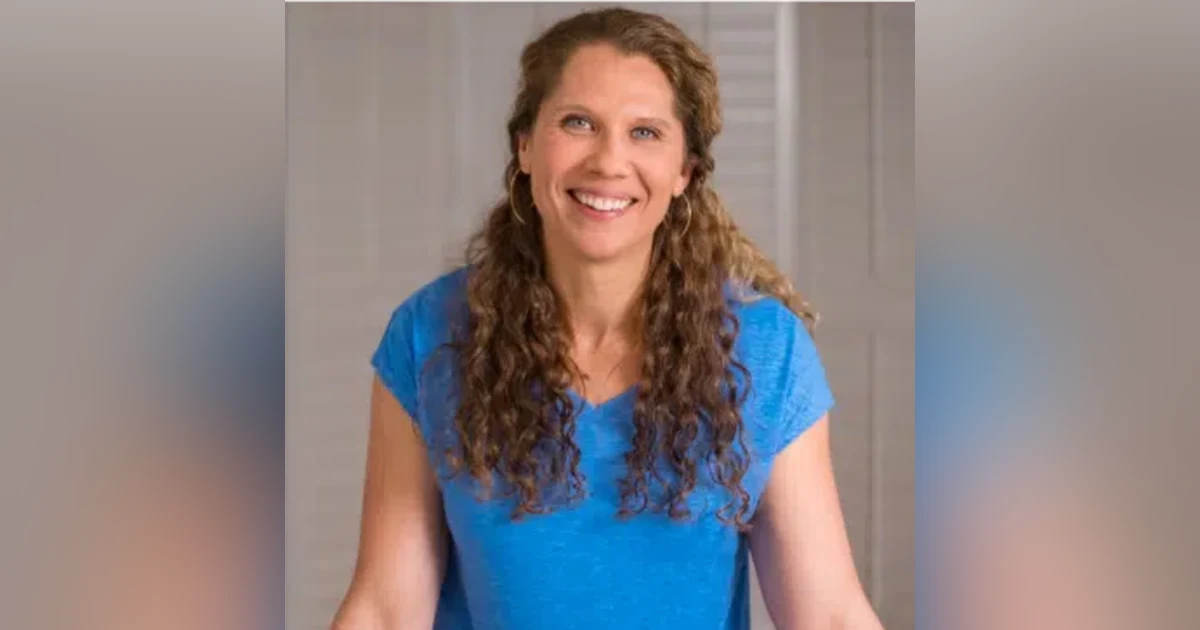

EC Synkowski is a nutritionist, CrossFit Level 4 Coach, and the owner of OptimizeMe Nutrition. EC is the creator of the #800gchallenge and #LazyMacros. Her podcast TheConsistencyProject is a medium for education where she elaborates on the nuances of nutrition and translates evidence-based scientific data into practical solutions for everyday success.
EC's academic background
- BS in biochemical engineering
- MS in environmental sciences
- MS in Nutrition & Functional Medicine
Resources Mentioned in the show:
Chronic MSK Pain and Nutrition (PMID: 32086871)
You are what you eat (Netflix)
Blue Zones (Netflix)
Follow EC:
Welcome to Medicine Redefined, a podcast focusing on helping you reclaim ownership of your health. I'm Dr. Darsha, and I'm Dr. Altamasharaja, where your hosts, hair to challenge conventional practices and uncover the stories behind pioneers shaping the future of medicine. Our conversations not only focus on the individual level to dissect common practices for health optimization, but also zoom out to enhance systemic change. Join us as we look to break the status quo, move the needle forward, and put the help back in healthcare. Hey everyone, real quick, we are excited to share that we launched our newsletter. It contains high yield insights from our guests and tips and tricks from us. We want to put the health back in healthcare and invite you to do the same by giving you the necessary information to live your best lives and provide value to those around you. Make sure to head to medicineredefined.com where you can input your email and stay up to date. Okay, time for the episode. Welcome back to another episode of Medicine Redefined. Now this episode formerly marks our 150th. So before introducing our guest today, I want to thank you the listener for your continued support over the past three and a half years. This would not be possible without you and of course our team. And most importantly, my co-host, Darsh, without whom this wouldn't be possible or sustainable. Now for our guest today, we are joined again by EC Sinkowski. EC is a brilliant and pragmatic nutritionist who first came on for an amazing discussion in February 2020. If you don't know much about her, I'd recommend starting with that episode to learn about her basic principles of nutrition and possibly the best diet she popularized. And I use that term very loosely as you'll see from listening to her. She's the founder of the 800 gram challenge, lazy macros and host of the popular health podcast, The Consistency Project. For her background, she has extensive education in the life sciences with the bachelors of science and biochemical engineering, a first masters in environmental sciences with a focus in genetics, and a second masters in nutritional and functional medicine, and a certified nutrition specialist and licensed dietitian nutritionist. She also has over 20 years of real world experience working with individuals at all levels, and she seamlessly translates the evidence-based scientific data into practical solutions for every success. We start the episode by revisiting some of EC's basic principles or foundations, and we wanted to get her take on what the evolution of her thought has been. We talk about the role of nutrition in mental health because this is a conversation that's being had a lot on social media, and I wanted to get her take on the actual evidence behind the interplay regarding nutrition and also mental health diseases and just our mood in general. We then switch to discussing how to navigate the onslaught of nutrition and information on social media. And EC shares her criteria that can help you make the distinction between entertainment and information. We talk about holding ourselves accountable and checking our own biases. And being an MSK expert, I also wanted to get EC's take on the role of nutrition and MSK health and just chronic disease burden in general. We then touch on personalized nutrition and the problem with genetic-based nutrition recommendations. And more importantly, we talk about sustainable nutrition and what that means. Lastly, we close by food preparation methods and its effects on food absorption. Overall, I think this is an amazing discussion for part two with EC Sinkowski and I'm really excited to share it with you. Now, without further delay, please enjoy this round two with EC Sinkowski. EC Sinkowski, welcome back to our show. Yeah, thank you so much for having me back on. Absolutely, it is our pleasure. I mean, we've been following your content now for some time. I mean, ultimately I just want to introduce me to you and then three years ago we had our first podcast together and you're back here for round two, which means I guess you enjoyed something about us. Yeah, I know you guys have always great questions and insights, so I'm happy to be back. Awesome, wow, let's first start out with any updates, right? It's been three years since you were last here. The world is always changing, nutrition, fitness, what we enjoy talking about lifestyle medicine is always changing. Has there anything that you want to update us on, anything that you've changed your mind on or anything even that you're paying attention to? Yeah, I mean, I was thinking about that. It's been a while. I don't think a ton of my main opinions have changed, I'm having a hard time thinking if any of them have changed. That being said, I know I've learned a ton and like a ton of nuance even within the comment like calories and calories out is a thing like, yes, I still believe that, but now understanding all of the different influences on that and even how to apply that with different clients I think is much more nuanced. So I am happy that I took kind of a principle driven approach to my nutrition because thankfully those haven't changed. I'm still open to them changing, but it wasn't like I locked myself into low carb or I locked myself into some paradigm instead it was understanding the concept. So those really haven't changed, but certainly my nuance about them has changed and hopefully even just a greater level of empathy and nuance around different client scenarios that potentially I was just naive to either being lack of experience or even just coming kind of coming from that cross-fitter type of persona and demographic, right? So I think hopefully my skills as a coach has changed, but maybe not my understanding of what needs to happen, you know. Yeah, to still afraid from a recent guest Sareen Davis, it's evolution of thought, right? And I think that I was recently reviewing your principles again in preparation for this and I think it's always good when you're approaching things from just like looking at foundations. I think maybe last time we were talking about simple as sexy and when you keep things very, very simple and focus on the foundations, you don't need to change. You can just build on top of that. And so I think one of the things that happened, so again for the listeners if you haven't listened to it February 2021, right? So this is maybe on the back half of the COVID or middle of COVID. Because then one of the things that's happened is a ton of people and particularly patients have gotten more of a consumer mindset and they've become more active participants in their own health. And we see this in our clinic, we're seeing this on social media. We even have more influencers and people with and without credibility commenting on nutritional things and the volume of those conversations and the content is just coming in at just more speed. It's hard to even keep up with some of the things that I want to get your takes on. But I think I want to start with something that I have no idea in clinical medicine and I want to tell this to my patients and we like to say because it makes us feel good because of our biases, then nutrition curves all. But I don't think it does. And I think that's the kind of the role of nutrition and chronic disease particularly with like mental health type stuff. And the reason I was thinking about this is because recently you had the really awesome podcast with Ashwagandha. Ashwagandha is one of the hottest supplements out there right now and we won't get too much into it because you will just link what you talked about. But we've had a couple of guests here come on and talk about Ashwagandha and I've actually looked into this multiple times from anxiety standpoint when life's getting really tough and sleep deprivation. Other herbal ones that are really popular of course, curcumin, turmeric from pain's perspective. Rodeol is another big one. So there is these bucket. But in that episode, I remember you mentioning at one point, the tip of Patrick is like, you know, if people really are at this point where they feel like they need additional assistance then maybe they should consider pharmacological aid. But sometimes, you know, what I've noticed in my practice, sometimes people will come in and they're so anti-medication. Partly because they'll look at the back of the list when the prescription pad and there's all the side effect profile and that freaks them out. And so, you know, likely Ashwagandha's the back doesn't have that and so they feel safer about it despite saying that the unknown might be even scarier. And so they'll say, okay, well, what can I do? What's natural, right? Again, the appeal to nature fallacy. But then the other thing, you know, we are talked about is let's dial in the basics. Again, going back to the foundation. Let's look at our sleep. Let's look at our stress management. Let's look at exercise. Let's look at nutrition. And I think if we eat healthy, we'll feel better. But I don't know if that's the case. Like, do we know for certain, like, what does the evidence say about nutrition and its role in terms of how it's going to make go feel in terms of like these mental health? Maybe not even pure diagnosis like depression, anxiety, but just our mood in general. From what I know, there's association studies that show that people who eat healthier tend to have less anxiety and depression. But the issue here with that is, is it the chicken or the egg? You know, is the eating healthy driving the better mental health state? Or is the mental health state driving the ability to eat and make better diet choices? And the same thing is going to be true with like cognitive decline, which is really interesting as well. Like, is the brain getting worse in its function, making the person end up picking worse choices? Or is it the better choices that are supporting the brain health? And so this is the problem with the association studies. We don't actually know which one is driving which. I do agree with you, though, I am a full believer in, let's see what diet exercise sleep can do. Let's do the full gamut of the whole diet and exercise. And then once we're there, have we solved anything or do we need pharmacological intervention? Because I do believe there's certainly a role for conventional medicine. And I don't think nutrition will solve everything. But I'm like, let's see how far it gets us. Yeah, that's really interesting. You know, I hadn't even actually considered the cognitive piece of, you know, with aging. Again, another lot of people come and talking about brain health foods, eat avocados, eat blueberries. I was recently listening to a really good podcast with Chris Hutchinson, where he had a gentleman come on and talk about how to improve your memory and like the 10 brain foods. But your point about, okay, if you have cognitive decline, are we making poor choices overall? That's something to think about. Even this is something that I loved about one of those studies I was looking at, because the mind diet is the one that's been, it's kind of like the Mediterranean diet for health, the mind diets, the one for cognitive function, right? And they were just talking about with these association studies and they get their patients to report what they're eating on the food frequency questionnaires. Well, if you have a population with cognitive decline, how accurate is the data? Hmm. Right, which is super interesting to even think about that. Like now, how is the symptoms or even the disease state affecting the data collection? And their memory, maybe, you know, maybe just their memory of what the aid is wrong. Oh, my goodness, especially knowing that recall bias is such a huge problem in even individuals without cognitive decline. And that's like, you know, one of the biggest limitations of that. So yeah, it does get really, really, really muddy, which always gives me pause when people go out and make such a bold claims about this is good, this is bad, this is what you need to do. And again, you can't scroll through Instagram or Twitter. I don't, it's been anytime on Twitter anymore without trying to, without coming across some of that content. And the scarier thing is, you know, the more conviction you'll see something absurd with, the more time it's going to get shared. And it's, do you mind if I hop in on that Ashwaganda comment, though, I don't want to lose this one thing because I know you said the nature policy thing and I want to add on to that because of the lack of regulations around supplements, there is truly the risk of contamination or a message that we're not expecting. So a lot of supplements, and this is true of the Ayurvedic medicines, there's actually multiple studies that show heavy metal contamination of Ayurvedic medicines. So here you're taking this supplement under the guise of I'm going to get better and you might be increasing your exposure to lead mercury and arsenic. I mean, did you see that coming? And there's also the whole range of doses. Now, I didn't actually see any studies on Ashwaganda specifically of how wide the range of doses are, but something like melatonin, the dose that was on the back of the bottle in the pill might be minus 83% to plus 470%. Yeah. There's a selenium case study where the selenium supplement had 200 times what was listed on the back of the bottle. So this is where people are like, what's natural and what has no risk. I'm like, there's risk. Get alone the fact that we could deal with interactions if you are taking a pharmaceutical. But it's just like, no, there's risk here. There's actual risk here. Yeah, it's just a known risk for the, yeah, the melatonin stuff I've come across and that's something that I'll always caution to my patients, because they'll talk about sleep all the time and we have those discussions. They'll say, well, I take melatonin. I take 10 milligrams of melatonin. Okay. You can be taking a lot more. No, we're not. That is right. Yeah. And so I can only imagine the same as, I mean, because you'll see these studies on multivitamin, you'll see these studies on different supplements. I can only imagine that range. At least there's some wider range than we would expect, Crashwaganda. Awesome. Let's, Darsht, do you have anything else on that because I want to switch to kind of physical health because that's what we see, right? Yeah, well, I was just going to ask, like, what about the role of a gut brain access? Right? A lot of people have talked about that. I think there's multiple books out there talking about serotonin levels in the gut and that being the approach to feeling better. So, you know, what are the claims surrounding that from a true mechanistic standpoint and you know, looking at it from that, from that point of view? Yeah. I mean, this is a thing is I truly believe there's a gut brain access. Do we know exactly what to change to cause a clinically relevant effect? I don't think so because the gut is made of thousands and thousands of species and we have some against associations of knowing, okay, these species tend to be what's associated with health, but again, is this the chicken or the egg thing? Is it that the food is driving the healthy gut that is then driving the outcome? Or, you know, is the disease state that the person has is changing their gut microbiome in a negative way? So, we don't really know what truly is a healthy gut or what to shoot for. So this idea that we're going to now take some probiotics or supplement to increase this species and have some clinical outcome, I think we're out of our skis a little bit is my new phrase. It's like, yeah, I'm all for it. Look, I love it. I want people to feel better. I want to find the pill that we can all take and have the better outcome. I just don't think we're there yet. And the gut is so wildly complex to have this idea that we know how we can specifically change it to a clinically significant outcome for so many things is not there yet. Yeah, there's a reason why a lot of these probiotic companies have this rise and then you kind of just don't hear about them after, right? Because I mean, I think the research trials or whatever they're participating in just haven't really been shown to chalk up to maybe what they've claimed in the first place. Yeah. Totally. So you see, I know you don't practice medicine, but you are a coach, right? And you have a lot of individuals who probably come to you and they'll talk about their mood. They'll talk about their physical health and talk about their goals. In fact, majority of the people, like the physicians are the last person they're going to end up going to see, right? You're actually the first line of defense, whether it's personal trainer coach and that kind of stuff. And if they, if they come to you and they say, listen, you know, I've been feeling a little down or something like that, um, disclaimers decide. How do you track people's mood and stuff when we're making these lifestyle interventions? Like, what's your process? I don't probably, um, I run most, all of my clients come through my master class now. So it's a group setting and it's group coaching. And I do that for coaches that I'm teaching to teach people my methods. And I also do that for individuals who come through. And so the ball is sort of in their court to let me know how it's going a little bit more. It's kind of set up more like a class in college than a classic one on one nutrition is. Um, and there's pros and cons of every type of coaching model. One of the reasons I purposely set it up this way is I actually don't want long term clients not because I don't like them, but because I want them to be able to handle their data and know their habits and know the numbers backwards and forwards. And this is what it means. And I just find that that works better in this type of setting. But that also means it's not totally the environment where I think a lot of people would share something along the lines related to maybe more mood or anxiety. Now certainly they'll share, hey, this isn't so easy for me or, hey, 800 grams of fruits and vegetables feels like a lot or I'm getting frustrated, but I don't know I have a good pulse on their day to day mood, which you could argue is a weakness of the program. Certainly though, the more that I can read between the lines of the anxiety of somebody or that it's not going well and it's consistently not going well, the more I will suggest to them and to the group. Have you considered going to see a doctor and that this is something beyond nutrition? Because that's sort of my, my fear kind of getting back to your whole ashwagandha thing is it's like what if there is something underlying here that would be better addressed by someone qualified in that arena versus me trying to fix it with fruits and veggies, right? Like, I don't want everyone to think that this is just going to fix everything and that they could solve one of their problems with a better expert in certain arena. So there are some times when I can kind of pick up between the lines, high anxiety and I'll just sort of say, I think this is a topic that's more mental health and maybe a practitioner in that arena or even somebody will come up with an issue, maybe lack of weight loss after a significant period of time or even the last about a specific lab value and I'm like, that's your doctor, goes to your doctor. Yeah. And I think I'll just plug in for the people, those who might be listening at this point and say, well, you know, I think if I go to the physician, they're going to prescribe a medication and I'm not ready for that. I think it's important for people to know that there are other options that are in the tool belt of a physician. A good physician who's going to sit down and actually have a conversation with you and identify your goals and it might not and it cannot or should not result in pharmacological or prescription of that, right? So for instance, I'll use an example, if you are having difficulty staying on your diet and you are having difficulty with the interim challenge and you find yourself just bending a lot of kid care, which sometimes happens to me because now I have a toddler. That's one thing I didn't have last time we spoke and let me tell you that's different. Then maybe it's because you're not sleeping well because you have sleep apnea and if you just get diagnosed and you get a CPAP and all of a sudden you have this incredible control for your diet, right? So something simple is that I think can be really in, you know, there's no other expert who can diagnose you with that. You unfortunately need to go through the medical system to get that. And so, yeah, of course, if you go and your doctor comes in and spends a total of five minutes with you and doesn't really ask you about your goals and your perspective on life, then maybe you just need to find a better practitioner who you can connect with. And that sucks because sometimes that takes a while, but that's another thing that people just come into. I absolutely don't want medication. I'm like, okay, that's great. Let's talk about everything else, you know? So I will say that to people as well. Yeah, I mean, and that's what I do, too, because I will hear people get frustrated with their doctor, that their doctor either is, you know, saying that fruit has too much sugar or whatever the issue might be. And I'm like, hey, just find another doctor. I mean, I don't know how many, you know, there's lots of people in nutrition that are good and there's lots of people who are less good. There's, you know, there's chiropractors that are wonderful, there's chiropractors that are less wonderful. And so, the same thing's going to be true in every field. And so I think it is worth even from my perspective as a nutritionist just encourage and then like, yeah, go get a second opinion or go into the third opinion until you feel like you've been heard. I wanted to switch to talking about the role of nutrition and physical health because you and you and I have talked about that offline, but I'm going to come back to that because I think this conversation about navigating information and finding experts and maybe even challenging experts, right? I mentioned earlier that, again, nutrition information is coming, it's just an onslaught at this point. The good news is it's so readily available, whether it's podcasts, blogs, TikTok, whatever it is. And there are a lot of amazing scientists out there communicating, you know, one of the most popular episodes right now all it says is Dr. Andrew Hebert, right? He's probably the most popular and he has some incredible people come on and they have some amazing conversations somewhere like at the cusp and their novel. Others we've known for a long time and it's just great information. And sometimes people will come on and make claims that are just absolutely false. And other times it's like, okay, it's a little bit misinterpretation of the data and other times it's just absolutely false and you and I exchange something on Instagram recently. I won't name that individual, but the challenge is you know that because you read primary literature. I know that and I read primary literature, but I didn't know that at the time until you had shared it and then when I went to go look at the literature and I was like, wait, this is really true. But nobody else, I shouldn't say nobody else, 99.9% of people don't know that. And again, I want to say that I think Dr. Hebertman does an incredible job, he's a neuroscientist in Stanford and he puts a lot of great information out there and chances are at the time when that study was quoted, he didn't know the study, right? Because this other person is also very reputable individual in the field of nutrition particularly with children as work. So I guess what I'm trying to ask is like who is credible if anybody out there is like how can the average individual figure out because if people like who are that neuroscientist in Stanford, like maybe they can't filter through that, like how do we how do we figure this? Like what are some some some some guardrails that people should have when things like this come up? Yeah, Hebertman is a really interesting example because he doesn't actually fit my screening example that I or my screening criteria that I like to use that the two main ones that I like to use, well let me back up a little bit, I used to suggest sometimes looking at credentials, but as you know credentials, there's so many of them and there's different scopes and they don't always mean that it's a good information that telling a non expert to look at credentials, I mean you can have a PhD in nutrition sciences and they could be way better than an RD who's licensed. So I don't really use that anymore. The main ones that I like to tell people is one, the information needs to come without fear. Anybody in the space that I look up to in terms of nutrition, there's never a fear thing of like oh my god, you've been killing yourself for the last 10 years by going to the grocery store, right? Like I have yet to see an expose and then grocery store aisle that was accurate. So one information should come without fear. And the second one, there's no there's no gatekeeping or there's no secret or they're not the hero of this whole chronic disease epidemic and that comes through in different ways. One, it'll be like oh my gosh, I solved this and I followed this really specific diet or it's like you have to buy my product to get the effect, anything like that or how they can't reconcile the fact that other people's methods work. All of that to me is sort of one of this guys of I have the answer and you have to come through me and anybody who's like that, I would stay away from now. Just that being said, I have my own biases, I have certainly my own slant on how I like to coach people. I did create the 800 gram challenge, but I will also tell you why intermittent fasting will or when it'll not work. I will also tell you the 800 gram challenge is you're eating fruits and vegetables. So that's where I'm saying that like yes, I might have my way that I approach things that are different, but I'm also not gatekeeping the secret, do you know what I mean? So human remains interesting because I don't, I don't, I'd to be honest, I don't follow a ton of his content, but I don't get the sense of fear mongering from him and I also don't get the sense that he's trying to gatekeep the secret. I do think now thinking about that because that's a great example to bring up. The third one would be just, just kind of more gimmicky stuff. It's like, you know, do you really think that the path to elite health is having this perfect circadian rhythm routine and like perfect supplement routine and that we're only just finding out about it now through this one podcast. It's a little bit of a reality check to think like, okay, the human species got pretty far with pretty austere conditions that I don't know that we need all of these bells and whistles to do pretty well. So you just helped me come up with a third criteria, but it's kind of staying away from, I don't know, I don't think all of you thing is gimmicks, but I think these marginal changes which will have no clinical relevance to some of these longevity and quality of life. Yeah, I love that. I think the only person I've seen who's done a great job at the grocery store is Will Bullsewitch. Oh cool, I'll have to check them out. Yeah, yeah. Only one who actually goes in there and doesn't do any fear of mockery, but talks about what is nutrition in the essence of it. Oh, cool. So as much as podcasts are getting popular, so is Netflix, right? I mean, the amount of documentaries coming on there, you've done a couple episodes or content as well, talking about how to filter entertainment from fact and fiction, right? So you are what you eat was a popular documentary that came out, which a lot of social media, influencers, personalities are putting their critiques on. There's been the blue zones documentary that didn't come out too long ago, probably about four or five months ago. And before that was Game Changers, right? And all of these kind of have an agenda towards it. And I thought you are what you eat was pretty fascinating in the terms of how they did it. Because I mean, they really lured you in with this study and saying, oh, both dyes are going to be healthy. I'm nervous. Begin. And then all of a sudden, you just see them transition the camera to a farm and you're just like, wait, where am I now? What happened to study? And then you're just hooked by what they're saying and they slowly bring you out back to the study. So I mean, what's your perspective on how people should be watching documentaries? Do you also have a criteria for that where you tell someone, hey, this is how you separate the good stuff from it because everything is about context versus, hey, this is just pure entertainment. Yeah. Yeah. I mean, I think it certainly falls in line with that first criteria that good information comes without fear. And they certainly were trying to make you fearful of the toxicity in your food and the poor agriculture supply and that we're killing the earth and we're all dying tomorrow. So I certainly think that that's a good screen for that one to be like, okay, I actually think the Blue Zones one out in terms of documentaries was a pretty good job. As soon as I thought they were getting a little too gimmicky, they're like, oh, this type of tea and they only, you know, they only have these tea leaves in this area and they brew it for six hours or whatever. They're getting like super specific on the tea leaves and they're like, but remember, they walk everywhere and they have a good social circle. So they kept bringing it as soon as I thought they were getting too silly. They kept bringing it out to the bigger picture. So in terms of documentaries, there wasn't a lot of fear there. I didn't feel like they were trying to gate, gate keep the secret and anything like that. We have the only answer. I thought it was pretty good, but I think the other ones are really going to play on fear because that's how you get people to click. I mean, I'm actually working on a conference presentation. The most common cover slide for YouTube is the face that's like the shock and off face. You know, it's like the, yeah. And why is that so popular? It's because people click on it. They're like, oh my gosh, what could be so shocking about this, right? So it's the fear aspect, the what did we didn't know? And so generally, good information is going to come without that. Yeah, I love it. The art of the thumbnail, right? I forgot. That's it. The cover slide. I love that. And of course, we mentioned that you've been putting out an amazing content for a couple of years now, right? It's a podcast and you really get it to the weeds of it. You have a co-host, right, and primarily Patrick's interviewing you. How do you hold yourself accountable, right? Again, we mentioned how messy nutrition can be and there's so much context and nuance that's required. What's your process of holding yourself accountable when you're going through preparing for your podcast when you're trying to put information out there because you also mentioned you have biases. We all do. I do. My bad. I said, Darshan, I talk about it when the study comes out about exercise is good for insert issue. I'm all over it. Right? Yeah. Because I love exercise. And I'm throwing it at somebody. My patient or somebody. And the fact is, again, it's not always the case. So what's your process for holding yourself accountable because you're putting good stuff out there? Thank you. Yeah, I know. I cringe a little bit. If I see someone's health improved with the carnivore diet, I'm like, no, it doesn't but it does. Sometimes. Sometimes. I do think again, coming at this from the principal approach helps because for me, my principles were a way to think about, okay, as much as I like my message of nutrition, people were successful in nutrition before me. So I have to reconcile the fact that, yeah, some people have success with the carnivore diet. I don't like it. I'm not going to recommend it. But okay, why could that work? I have to think about that. And I have to think about vegan. And I'm not against vegan, but I'm not also going to recommend it. But I have to reconcile the fact that people have seen results from vegan. And so I have to come to terms with the fact that I don't have the answer and how, how do we have all this conflicting and quotes information and what could be the commonality between that. And that's how I settled on my principles, which ultimately, I would rather have more people understand that than necessarily my eight hundred gram challenge. I think my eight hundred gram challenge is a simple way to start enacting the principles. But ultimately, the principles are the road map that they get to use and put in what they want. So that helps me a little bit. It kind of, it kind of grounds me that I come at this perspective with trying to understand how all these different things could work versus necessarily having to be right. I think the other thing that I try to reality check myself on is, okay, let's assume I'm wrong. What's, what's the outcome of me being wrong? Like how bad is my advice assuming I'm wrong? And that I think about it too, what's the risk of telling people, oh, go ahead and take Ashwagandha, okay, the study is, yeah, there's some good data, it's promising, it could maybe do some stuff, go ahead and take it and then I'm like, okay, well, wait a minute, what if they're on other medications, what if there's contamination, what if they have a real issue that they're not even addressing. So I try to think about the flip side or the counter argument as well to what I believe in at the time. Yeah, it sounds exhausting. The how I consider every single thing of that, you know? Yeah, I mean, to be honest, I think some of that came from my first job in environmental consulting because we did litigation work. So you'd always be thinking about your presentation from what is the other, how is the other side going to tear this down? And so now you kind of see when your life starts coming together a little bit, you're like, oh, that was really a good influence for nutrition. It was funny, and yet it's amazing how we can learn lessons and what we think are the unlike these most of places, right? Totally. So I want to come back to, because I was, you know, wanted to get more of your thoughts about just nutrition and chronic disease. Again, I think in our line of work, we're both physiatrists, right? And we see a lot of individuals with chronic pain, musculoskeletal injuries. That's the primary reason somebody going to walk into my clinic. And luckily, I've started seeing, you know, now that we're building more of a sports medicine practice, my athletic population is really ramping up. And again, they were coming to me when they're injured and they need to recover. And so one of the things, I don't know if you're familiar with chronic musculoskeletal, we do a good job in acute musculoskeletal pain easy, but we do a horrible job of chronic musculoskeletal stuff, right? And medicine and the disease burdened with ulcer arthritis and just ten and opathy and that kind of stuff. It's from a healthcare financial perspective, it's just overwhelming. And so we need to find better alternative so people can get better, you know, a shy of corticosteroids and that kind of stuff. And so that's where this field of orthobiologics you might have heard of PRP and that kind of stuff has really come in. But with that, you know, the people who are at the forefront of that will also talk about well, look, you can't have a successful outcome from these biologics, PRP type stuff if you have an unhealthy individual. And what they're saying is like, pardon this expression, is like if you're taking shit out and putting shit back in, they're not going to get healthy, right? So that blood and stuff. And the fact of the matter is we don't know that. We just don't. There's no evidence, right? It's, it's, it's PRP's been around for 30, 40 years, but we don't know that. But again, this goes back to our biases, like anybody who's interested in doing autologous PRP is probably going to be more health conscious in their immune mind is they're like, oh, when you eat healthy and so my platelets are going to be better. And recently had this happen with a patient who got an IV before the PRP. I'm familiar if that was necessary, but that's what the, you know, so I guess what I'm getting at is like, you know, when I'm, when I'm having these conversations with my athletes and they have unhealthy, then we'll do a procedure and we'll say, listen, you know, a neurocopy process is going to be important for you to eat right and do this and that. And again, you know, I think we've shared some, some literature back and forth where they talk about the anti-accentive effect from vegetables and fruits and how that can help with the anti-inflammatory portion of it, but again, not, not really robust literature. So what are your thoughts about or what, like, how familiar are you with nutrition and this role in physical musculoskeletal health? Yeah. You probably know more than I, for sure. I did do a little poking around because I knew that you're the MSK guys. So I was like, oh, what do I got to know here? One of the first articles I ran into was, you know, management of MSK pain and they didn't talk about nutrition at all. So I was, I was like, oh, you know, it's all about the movement and then the various biologics and stuff like that. So that wasn't helpful. One of the studies I think it was 2020 was looking at MSK pain and nutrition, but they included things like rheumatoid arthritis and fibromyalgia. They did include osteoarthritis. I'll give you the punchline now, generally more nutrient dense diets seem to lessen pain. But again, that includes rheumatoid and fibromyalgia. So how much can we say, like, do we have a ton of data on just low back pain and eating healthy? No. Right. And then the osteoarthritis one to me is also interesting. Is that also just a little bit more function of a healthy weight because we all know that, you know, knee osteoarthritis is one of the biggest issues and then maybe if the person just maintains a healthier weight, does that reduce some of the pain overall? And that can happen not necessarily with all these nutrients. It could just happen with a lower caloric load. So I think there's some confounding factors in there for sure. So I don't, I didn't see a ton of evidence to suggest that like, yes, you know, this type of diet is going to decrease your pain. That being said, I will say anecdotally, the most common response I get from people doing the 800-gram challenge is they feel better and they feel better in a recovery and a performance standpoint. And this is, of course, anecdotal. I haven't run the studies on it. And of course, I think my population is a little bit biased because I'm, you know, formerly in CrossFit and functional fitness crowd and stuff like that. Yeah, I mean, I think something's there in the sense of I think it does probably have some role in the recovery and helping them be able to not be a sore for the next session, which then can potentially help their strength development, stuff like that. I also was thinking about too, like even protein intake, maybe protein intake helps them develop the musculature around the joint to support the joint better, to then reduce the pain. So I just don't know exactly if some of the nutritional benefit from musculosellinal pain is sort of secondary to the fact of just strengthening the body overall. Yeah. So I think the study that you're talking about was actually published in the purple journal, which is the main PM in our journal and Emma is the first author, right? And it's like chronic pain nutrition. We'll find it. We'll link it in the show notes. I do remember, right? So I think one of the reasons, so we talk about inflammatory arthritis, such as rheumatoid arthritis, it's easier to measure all these inflammatory markers, right? Whether it's IL-1, IL-6, and so you have these clinical outcomes that you're talking about, these objective markers, makes it simpler to see whether they're not improving. But then again, even if the inflammatory markers are improving, does that mean that you have symptomatically patients are improving? And that's really what we care about, because nobody comes into my clinic, says, hey, my CRP is lower. Nobody says that, right? Or my CRP is higher. They don't give a crap. That's how they feel. And then with the fibromyalgia, again, another essential pain syndrome, the osteoarthritis piece is interesting, where we learn about in our training is for every pound that you gain onto your body, that's anywhere from four to seven pounds of force onto your knee. And so now, is it with the healthier nutritional habits, density, right? And the density you talk about, are they more full? So their overall food quantity is less, and now they have weight loss, is that why they're feeling better? Same thing with back pain. And so they, at this point, people are probably listening, then they're saying, okay, wow, this is actually really, really hard, like what is it, right? What is it that's actually causing things to be better? And that's just one of the inherent challenges with nutritional research that we've spoken about. I think on our first discussion, you've spoken about eloquently on your podcast multiple times. And at the end of the day, I guess, really, maybe it doesn't even matter what's specifically on how it makes people feel better. Ultimately, I guess if we're all in the business of just making people healthier and less sick and focused on health care rather than sick here, then we just, you know, we have these signals, and then we just follow the signals. So I think that's another important point that sometimes, you know, analytical folks, such as myself, I'm an academic medicine, so it's harsh. You know, we get a little too much into the weeds of the research and don't zoom out enough, something that you do a phenomenal job at. Yeah. Well, thank you. Yeah, I mean, I'm a very big believer in anybody with a health condition to give the whole diet exercise sleep a shot. See how far it gets you because it might just be that. It might be the decrease in body weight that actually alleviates the pain. It might not be the anti-inflammatory action of the fruits and vegetables. It might be that we have less load on the knee. I mean, great. You know, so I think it's all really powerful stuff that's worth a shot. I also though like to remind people that conventional medicine has a place to that you can have the best diet in the world, and it's not going to cure rheumatoid arthritis either. So we just have to keep that in mind, too, that there's there's utility of both paradigms. Well, let me let me ask you this, you see, when it comes to your clients, well, let me back up, right? So the audience has probably heard about this paradigm of good food versus bad food or clean foods, right? When it comes to a clean cut and clean bulk. And you know, us three here understand that food is food, and it really depends on how you use it and for what you use. When it comes to the general population and even some of your clients who may be more performance oriented, how do you talk to your, you know, clientele about this philosophy of good food versus bad food and that if they are trying to, let's say, bulk up and get more protein in, they might have to resort to some of these processed proteins. Like a lot of people say these protein powders or even, you know, for me being a vegetarian, going towards the tofurkey and things like that. At what point do we start to see that there's this more like risk than benefit when it comes to yes, you're hitting your protein goals, but you might not be doing it in a whole food way. Yeah, it's hard. And this is where I kind of come back to my principles in the sense of I want people to understand that the endpoints we're striving for is a certain number of calories, a certain number of macronutrients, a certain number of reach of the micronutrients, we got a list of the 28 of them, a certain amount of fiber grams. And to see that your food is really just filling up those different buckets, just depending on what they have. And a lot of times in our process, food environment, we overload the carb in the fat buckets and we don't have enough in the magnesium and the selenium buckets, right? But I like them to get away from the idea of good versus bad food and start to put together almost like that tetris puzzle and figure out, okay, like I do have room in my diet. I actually just had this question. He's a training for the marathon and he was worried about having soda twice a week. I was like, no, no, you're going to need the soda twice a week if your diet's all, you know, pork loin and broccoli. Like you actually need those calories. And so to think about it as what are the components I'm getting for my food? And how did they start totaling up in these different areas overall as opposed to worrying about unlike a food by food basis? Yeah. Awesome. So let's talk about sustainable nutrition. And maybe if I may, I'd love to talk about personalized nutrition and really what that means. I think people, yeah, I'd love to get your thoughts of an genomics and things of that nature, the sexy stuff, the gimmicky stuff that we talked about before. Yeah. Because that is exciting and right and tickles that part of my brain that just gets me excited about the future. But I also want to talk about personalized nutrition in the sense of how people can stick to their diet. I have a sense that you're going to talk about consistency or something, you really like that word. But when you hear that phrase personalized nutrition, what do you think? I don't love it the way that the trends go. I don't love it from this idea of all of these direct to consumer tests that really are gimmicks and really the science isn't there. And when we look at a lot of the things that we're trying to prevent, a lot of these chronic diseases that people are worried about, there are these multi polygenic diseases that if only they were so easy to be one gene, they're not. I mean, I forget. It's like 240 genes are involved with obesity or something. And the gene, the FTO gene, which gets the most press that has the biggest association with obesity, I think it can account for up to like a three kilogram difference between the people who have the double variant and not or the double allele and not. And so what that tells us is there's this massive environmental component that you can get all the DNA tests in the world for some of these polygenic chronic diseases. It's going to come back to your environment, your genetics, socioeconomic status, education, all of these other things that make this problem really difficult to solve. And so there was actually a really big study that did DNA based personalized advice. I think they had 1600 people in the study, which is like hats off to them for pulling off like a multi month nutrition study with 1600 people. And you know, how science works that the publication says that there was a significant result, but I think it was like, you know, the DNA based group had slightly more folate or something. When you look at the results for body weight, BMI, waist or conference, there was no difference between the group that got DNA specific advice and just the generalized diet advice. And so I think there's a lot in the personalized space that just capitalizes on these gimmicks that we don't have the evident evidence yet at the same time, I do think there's personalization by way of, hey, what foods do you like? Which foods do you like? Okay, let's eat those, you know, like, okay, you're really into putting on masks. You're going to need more protein than the sedentary person who never works out. You know what I mean? So there's personalization in that sense, but especially the way that some of these direct-to-consumer tests biometrics go, I think there's a lot of noise there that people don't need. What exactly are they looking at when it comes to being precise? Is it the macronutrients, the micro-both? On the DNA tests? Yeah, like, how are they knowing what diet to give? Is it just going to be a diet higher in protein, just given the genetic test? Or I'm just curious as to how they separate it? No, that's a great question. And this is why you could go to different companies and get different recommendations, because their geneticists are looking at, okay, well, which genes do we think are highly involved with this outcome? How do we want to rate them? How do we see in studies related to these genes and then sort of make recommendations off of that? And so this is why it's not like, you know, you, again, you could go to different places and you could get different diet advice, like, oh, this one actually was associated with a higher risk of diabetes in this study. So they might decide to wait that based on the quality of the study, but it's really up to them how they want to interpret all the data out there. Got it. Yeah, rather than looking at these processes. Yeah, they're recommendations. Right. They're looking at it. These process saying, hey, you're at risk for high blood pressure or diabetes. Let's work backwards from there. It's really just looking at more of a microscopic level at this point, which, yeah, it's interesting. Okay. Yeah. I mean, there's all those, and I'm not up to date on all of them, but there's all the genome-wide association studies and the Mendelian rhythmization studies that I think are going to be really powerful to cut down on some of the noise out there of what truly is genetically driven versus all of this other epidemiology that, you know, while they're good, they're just associations that have a ton of confounding factors as we know. And I think, you know, again, with these chronic diseases, we have so many different genes involved that to understand the involvement of each different allele combined with the interaction of environment, which is going to be so powerful, I don't think it's going to outperform. Hey, let's figure out the foods you like. Let's eat the right amount of calories. Let's not get too obsessive. Full stop done. Yeah. And that's the, I think, the strategy for sustainability, right? The diet that never feels like a diet, you know, I'll share the first line of note. I think a lot of times, you know, and growing up and going through exercise signs, going into the coaching world, and falling people's work such as Charles Paulquin, the late Charles Paulquin. I remember he was to talk about, you know, there's essential amino acids and essential fatty acids. There's no system essential carbs. Oh, man. Okay. And carbs, carbs are not great, right? And in, you know, you work people who are in the body building realm, a close friend, Joe, for East, you know, recent gets is going to be coming back, you know, we also talk about cutting carbs and, you know, getting lean and how that's the recipe and all the people have these sexy tests. And I think one of the polyquin methods is like, you know, they'll, they'll get body fats, different sites through the body. And they might say, okay, you're creating, you know, more Xeno estrogen. So at that point, I'm like, okay, using the Tom's deodorant and using like fragrance, free type stuff. Yeah. And, you know, mind you at this time, I'm sleeping maybe six hours, maybe five and a half hours, right? Not focusing on those things. And so you get distracted. And I think only recently, and I have to creditly note on this because, you know, his phrase that he talks about, you know, you have to use some type of restriction because we're unfortunately in this society where everything is about convenience, everything is about comfort. We move less. We don't walk to work. We don't walk between work where it's sedentary as possible and even play sedentary, right? Like it's more about gaming and that kind of stuff and not necessarily getting outside. And you know, so you have to be very mindful of your every single decision you make in your life. And, and so with that, you are going to have to be on some type of restrictive diet, whether that's timing, with time restricted eating, whether that's actually a certain macronutrient or, you know, it's something else. And for me, I've got a sweet tooth. I don't like giving up fruit. I love fruit. And so, you know, like this over the last couple of months, I've been quite successful after, you know, first two years of having a kid and falling off the wagon, so to speak. And at this time, what I've done is I've actually historically have always gone really low on carbs and that's been discussible, but then it's not been sustainable, right? 16, 18, 20 weeks out and then rebound. Another thing that he talks about is like, we don't have a weight loss problem. We have a, you know, weight maintenance problem, right? And so with this approach, it's like, okay, I can eat all the blueberry strawberries, apples. I eat two to three apples a day. I know they say one keeps a doctorate, but I eat two to three. And, and that's, it doesn't feel like it's a fight because also when you're restricting for that longer time, psychologically, that's taxing. And the stress that comes with that, that's probably doing far more harm, certainly not sustainable. So, I think that's another thing that people will come is like, well, what do you think about this? Like, how should I approach this and people get so analytical in the cycle kit? Well, first I need to ask you 10 questions about what life is like, what's available? What do you like? What do you not like? And it all works. I'll add another one. You know, again, so lately, as I'm, you know, some, I've incorporated some diet soda into my thing. Welcome. My wife is a pediatrician, and she's never seen me drink soda, you know, we've been together for what, like, six years now, and all of a sudden she looks and she goes, where is this, where is this coming from? Like, why are you drinking soda? This, that kind of stuff. I was like, it's fine. She was like, well, what about, you know, what about the artificial sweeteners? That's like, all right, listen, you haven't listened to podcasts, have you? So, you know, and so now, yeah, right. And so, like, now it's, I have a diet soda every single day. And, you know, and, and so the, the context is really, really important. And I think this goes back to the point earlier is, you know, people major in the minors, and they're just focusing on the wrong thing. And unfortunately, with social media and people, like, diverting the attention, you know, and just distracting people and what's really, really, really important, because it's not sexy. Yeah. Yeah, I tried to actually change, I don't know, can I say that? My goal would be to change as little as possible from what they're doing. Now, obviously, if they're very far away from their goal, we probably have to change more than somebody that's very close to their goal. But yeah, that's sort of the way that I approach stuff is, yes, I introduce the 800-gram challenge and I want people to get started on that, and then we keep progressing from there. But a lot of times people want to know at the beginning, well, how many calories and which foods is are allowed and not, and it's just like, tell me how it goes, you know, should I do more vegetables or fruit? And it's like, tell me how it goes. Let me see what you're eating. Let me see what you gravitate towards, and we're going to add on to that versus trying to give them all of these rules that don't already fit into their lifestyle and what they want to do, because that's just weight loss is relatively easy compared to weight loss maintenance. And so we got to figure out, we got to hack the sustainability code, and I think a lot of it is going to be leveraging what the people already like to do. Totally. The other thing that I wanted to get your take on, because I think you had a previous guess where you guys talked about different preparation methods for food and the pros and cons about that, and how some vegetables you might extract some of the nutrients out and you're not getting the benefit of others, you increase absorption is going to be beneficial. I think a lot of times people think that, oh, so again, we're both South Asian, and so everything is about heavy cooking and all these vegetables and whatnot, and that's part of our culture. And so when you start having salads and that kind of stuff, it's a bit foreign if you know your parents are immigrants and whatnot, and that can be problematic to at home, right, trying to implement that with your loved ones. And so, and that's because growing up, you're told, oh, look, you know, as in its natural state, like you got to eat the lettuce, you know, you pull it out of the ground and eat it. That's going to be how it's going to be most nutritious. Well, that turns out that's not really true. You want to talk about that a little bit? Yeah, it's kind of a trip how varied it is. It varies based on which vegetable that we're talking about. It varies based on the cooking style and the duration. It also varies based on the nutrient. So sometimes cooking will increase the nutrient in the item that you're about to eat. And sometimes it will increase it and broccoli, but decrease it and watercress. I mean, you pick your combination of it out there. I mean, it's all over the map. And this is definitely one of those things that I'm like, okay, we're in the weeds. We're in the weeds. Because now it's going to come back to sustainability. Let's just say for fun, for fun, that it is most ideal and optimum to only eat everything raw. Okay, cool. We'll check in with me in four days and you're going to be onto a different diet or not doing it anymore. We like foods in different ways such that we want to encourage people to not be so stuck on. Well, gosh, I have to do everything steamed or I have to do everything raw. Thankfully, the science shows that it doesn't actually work out so simply, but also just from a sustainability perspective, who's going to stick to it? I wouldn't stick to like the all raw veggie diet. I mean, we like variety. So we're going to have to have some of that in the diet. Absolutely. And then, you know, the important thing, it's difficult, right? The other conversation that sometimes goes hand in and that is talking about organic versus non-organic. And you know, you've got the dirty dozen list, you've got different things. The other problem is like when you think about the type of people who are consuming them of this content, yet maybe they don't come from a situation where they live in an affluent neighborhood or they're a common or privileged situation where they can afford some of these, you know, methods of cooking. Maybe they can't air fry, right? Maybe what's only thing that's available to them is the one pan that's not stainless steel, right? That's whatever it might be and that's the best that they got. And now they're hearing all this information about, no, this is the best way to do it where, you know, and, you know, again, the initial thought the person has, well, okay, well, if I'm not going to be able to get it and I'm not getting any benefit from that, then I might as well eat the fries or cheaper anyway, right? And so the other thing that I think that is worth emphasizing and for us to talk a little bit about is like, there are food deserts all across the country, right? And so food scarcity, food deserts and just the availability of, or the misconception of how eating healthy is more expensive. It's more challenging, you know, one of the reasons I've already teed up, it's because of misconceptions, but how do you, how do you communicate with people about that? Because you also think talked about in terms of like sometimes like you, you show examples of the frozen sometimes is better and how it's preserved and even more healthy. So I'd love to get your take on that because I think sometimes people get anxiety about this too. Yeah, there tends to be a lot of pushback about eating healthy is expensive and there's certainly our food deserts and there certainly are certain socioeconomic stresses that I, I don't, I can't really speak to, I don't have enough experience with the population or all of the struggles that they face. And so there are going to be some different conversations around that and the best that you can do, given what you have, which is typically going to come down to keeping the quantity in line. I mean, even if you have to eat more processed stuff, what we want to do is try to eat the appropriate calories and macronutrients, turns out a lot of our food supply is also fortified just for the reason that, you know, quality has decreased such that there's a very good chance that people eating good amount of processed food won't necessarily be deficient in nutrients. But anyway, I think there's a lot that people can do that is very inexpensive with really nutritious stuff. I mean, we're talking oatmeal, tuna, potatoes, bananas, carrots, milk even, I mean eggs. There's some really, really nutritious, basic stuff that, you know, once we're talking about prices that you can get at Walmart or Aldi, you're just not going to get much lower than that. And yet, there's so full of value, there's so full of nutrition value that you can have some spinach. I mean, gosh, there's so many things that you can reach what you need to on a very low budget. Now, you are going to have to probably do some preparation style because, you know, we're not going to eat raw oatmeal and tuna every day with some spices and stuff. But I think there's, I think, I think there are certain segments of the population where the excuse is it's just too expensive, or I'm sorry, that saying it's too expensive is kind of just an excuse. Do you give any, any credit to like the whole dirty dozen and the clean 15? I think it is. Is that just for your personal thing, do you shop like that? I'm curious. I don't. I used to. I also used to have a high amount of anxiety around my food and went all the clean route and stuff like that. You know, I went through what the EPA does to regulate pesticide exposure in terms of how they, they set limits. I looked at the data that they collect annually to see what's the residue on crops and even what, what's in meats and stuff like that in terms of hormones. And I've also looked at the independent research of what it says about eating organic. And I just don't think the fear is there. Now, interestingly enough, I do think people may decide to choose organic more for environmental reasons or more for ethical reasons or more, even just like I want to support the local business reason, right? So there can be other reasons that people are choosing organic. But this idea that organic is always healthier, it's not true from a standpoint of what's actually in the crop because that is often variable based on the soil type, how much sun the tomato got during the season, all of that stuff, not, not just necessarily whether or not it's organic or not. So there's this idea that organic is always more nutritious and that's not the case at all. And then what we see the data say about harm, it's not really there either. What's also really interesting about the organic claim, you know, if 80 to 90% of people aren't eating fruits and vegetables, why are we so concerned about the exposure that we're not exposed to? Which is always makes me pause too. Like everyone's worried about organic fruits and vegetables, but we're not eating them. So how is that working out? Yeah, yeah, yeah, missing the forest for the trees, right? So I know we've spent, I guess, coming up close to an hour and we've talked a lot about nutrition. Of course, that's what you're the domain expert on, but that's not all you talk about, right? You talk about just kind of the sustainable healthy lifestyle and there are different facets, different levers that we can pull on. I guess this is one of your favorite things to say. It's never one thing and you emphasized sleep is important. And depending on the individual, maybe nutrition isn't the most important to think about. Maybe for that person, the low-hanging fruit is going to be just to optimize their sleep and get them to that seven hours, maybe just to get some movement throughout the day. And so yeah, this conversation is about nutrition, but again, I want to caution people to think about just look at your situation and maybe that's not where you need the most help. It is certainly the most challenging out of all, I shouldn't say, majority of the conversations that I have. It's because I think you might have mentioned this last time, it's 24-7, right? So if you're up 16 hours out of the day, you're making either decisions to put something in your mouth or to not put something in your mouth, right, if you're awake in some form of fashion. So I think that there's a lot of opportunity for slip-ups, so to speak. I saw an article that said, I think it's we make 250 diet-related decisions a day because it's not just, am I going to eat it or not, how much am I going to have it, am I going to pair it with something else, how long until I have it, I mean, they're 250. So yeah, I mean, it's constant, it's constant, where things like exercise and even sleep can be better compartmentalized. That begs, I'm thinking about this, right? So something that I've heard recently, a lot of coaches and experts talk about this is at least successful people is like minimize their variability day to day because then you don't have to go through a decision fatigue. Can you talk a little bit about that? Are you familiar with any literature where they've looked at that? Well, the study that was citing that, they were talking about the importance of what the default decision is, and I think that's kind of where you're going, the less decisions or decision fatigue, and so they were linking it to set up your food environment, such that the default decision is to eat the whole foods and not the processed stuff. And so this is, yeah, I mean, it's exactly in line with a lot of the recommendations that you'll hear from me, and there's a lot of other people. It's like make it really easy to eat the fruits and vegetables and make it really hard to overeat on the ice cream. I mean, it's one of the best lines of defenses we have. What's there and available to eat? You're more likely to eat it when you're hungry. And if you've got ice cream in the freezer, you're more likely to go after that. They were doing that when the study was actually really interesting. They were ending up talking about nutrition, but they used surveys or, you know, like if you were to go to get your driver's license, you have to say yes to whether or not you're going to be an organ donor. They were saying how the default decision really skewed the amount of people that they were willing to donate the organ. And it was like, oh, if the form was such that you had to check no, they actually had more people opt in because the default was that it was blank or something like that. So just a really cool paper to say, okay, we've got 250 of these diet related decisions a day. I mean, yes, don't have any of the stuff that you're going to binge on around the house because probably more than one of those are not going to be a positive decision. You've got so many chances for error, right? Yeah. Again, I go back to blaming kids that it's not cooperative to that right there. So I love her. I love her. I don't have the answer for that. Yeah. Yeah. Well, you see, this has been amazing. I want to thank you so much again for all the work you did for dealing with our technical difficulties here and sticking around and coming back and just for the good work that you do. I think optimized nutrition pretty much on all platforms, right? This is your project, the consistency project on, you know, your podcast channels. So we'll link all that. Two questions for you. I'll ask one. Darshan, can you finish it up? I'm excited to hear what you are excited about in this, and it's just not to be nutrition. We talked about some of the dangers and pitfalls and stuff that concerns us. But what are you excited about that's going on right now in the world of health and fitness nutrition coaching and maybe even the next couple of years? Yeah. I think I'm going to stay pretty small scale. It's when I work with my clients, when I am able to see real change on the individual level. When they come back and they're like, I mean, they're seeing x result or I understand this enough that I don't need another nutrition coach or I feel so free. I feel so empowered. All of those things are really awesome and really inspire me to kind of keep going. And keep working on nutrition. So that's what I get excited about really working with my clients. Awesome. Well, you see, I want to thank you as well. I think your podcast not only helps to educate us, but it allows us to then teach others. And I think that's what the true, a lot of the true value is is telling others not to get so caught up in the nuances of what we see on social media and really just zooming out. So absolutely love that approach. I think that's what people will take away from this episode and your first one with us. But our last question as we ask everyone, and I honestly do not remember what you said the first time. So say to hear what you say about this, actually, I went back and we actually did not ask her this question. I didn't actually remember that. Okay. We didn't ask her. This is the first one. Okay. Yeah. We must have incorporated a little bit later then. All right. Yeah. So first time asking this is, how do we put the health back in healthcare? That's the last question. Oh, man. There's another hour. So how much time do you guys have now? Oh, man. I think I have an unpopular opinion on this one. I just don't think it's on the shoulders of doctors. I think doctors have an enormous service. And I think that somehow currently they're also expected to be what my profession is and what wellness coaches are doing and other nutrition coaches are doing when really habit and lifestyle changes. It's hard. And it takes time. I think the statistic is like it's a median of 66 days to make a diet or lifestyle change. I mean, how is that going to work in our current, our current system? So I don't know. I don't know that I really have a good answer because I mean, I think some of what the system does right now is incredibly powerful. I think what we're looking at is how do we promote health? And how do we get people to buy into health? And I just don't think that's through the existing system, but I don't know that the existing system is wrong for what it needs to do as well. I actually, I don't know, this is probably a little bit of a tangent, but there, you know, there's hold a whole idea about whether processed foods are addictive. I'd say, you know, are they, you know, addictive like or they true addiction, all of that stuff. If they end up being able to show that they have, you know, some level of addiction and food addiction is a real diagnosable standard, then we can put regulations around it. And I, I believe that limiting the food environment, not totally, we can all eat this processed stuff. You guys know, I'm not an absolutist, but I think that's some of the ways that we can put the health back in health care because we have to make this stuff less accessible for people. We have to make the default decision easier for them. And I don't know how we're going to do that on a society level. It's certainly not going to happen by 15 million appointments with your primary care. Right. Yeah. I mean, there's been a lot of, you know, talks about taxing sodas at a higher price and taxing the sugary drinks and things. But, you know, nothing has yet to come to fruition in that, in that sense. But I totally agree with you for one. I think there kind of is this schism where you, you have us doctors in this health care really just putting those acute patients and trying to get them healthier. But it's funny because I, you know, I tell a lot of my residents, I was just telling medical students today that, you know, once I finish residency, my goal is kind of to get out of the traditional health care system. And really be that life coach, be that wellness coach and be that doctor that can promote health. And really try to fit myself in a system that can do that to put the health back in health care. So totally, totally agree with everything you're saying. Yeah. Yeah. And just an add on on that sugar tax thing. I think I love the intent. I don't think, I don't think this thing is there either. Either you're going to go over to the next town or the next state line or it's just not enough on a single beverage to make the habit change where something like if we sold processed foods. Only in grocery stores and you can't get them at the drug store and you can't get them at the TV store and you can't get them at the FedEx store, whatever it is. Starting and limiting some of that stuff, I think that would be really interesting, kind of like cigarettes, you know, we kind of made them hard, hard to get. Can we do something similar here? But anyway, that's where I go, which probably wasn't the answer you were thinking. Well, that's great. I love the love the perspective. Thank you so much. Yeah, thank you guys. Always great to talk to you and you always ask great questions. So I love the discussion. Thank you. Awesome. Thank you. Thank you for listening.