

 Apple Podcasts
 Spotify
 Castro
 RSS Feed
 101. Platelet-Rich Plasma for Orthopedic Injuries, Baseball Medicine & Role of the Team Physician | Robert Bowers, DO, PhD
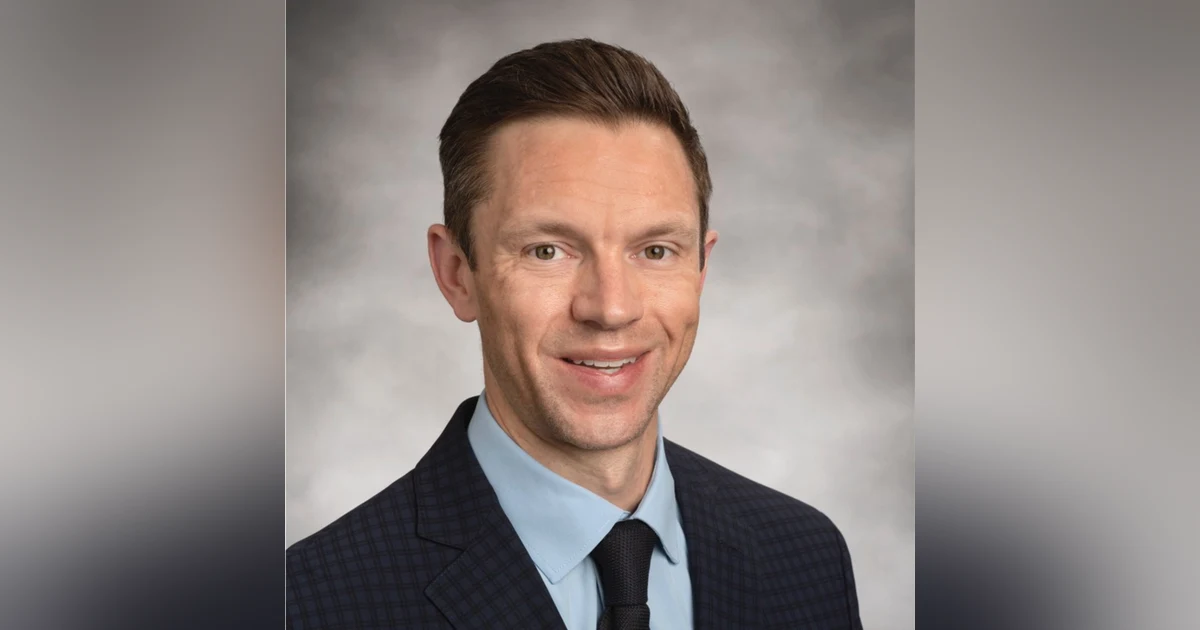

Robert Bowers, DO, PhD, joins the show to discuss PRP (platelet-rich plasma), baseball medicine, the role of the team physician, and the future of orthobiologics and sports medicine.
Dr. Bowers is an attending physician at Emory Sports Medicine and the director of the Emory Baseball Medicine Program. As a former Division 1 college athlete himself, he brings a unique understanding of sports-related injuries to his patients. He currently serves as team physician for the Atlanta Braves and the Georgia Tech baseball team. He is also the head team physician for the College Park Skyhawks, the G League affiliate of the Atlanta Hawks, and Woodward Academy. He attended Furman University in South Carolina where he played Division 1 college baseball and majored in health and exercise science. He then attended graduate school at Auburn University where he earned a Master of Education in exercise science and a PhD in exercise physiology. Following graduate school, Dr. Bowers earned his medical degree from Philadelphia College of Osteopathic Medicine. He completed his residency training in physical medicine and rehabilitation at Emory University School of Medicine, where he served as chief resident. Subsequently, he completed a sports medicine fellowship at Emory as well.
In this episode, we discuss:
- Platelet-rich plasma: Definitions, mechanisms of action, indications, contraindications, optimization and specific protocols.
- Alternatives to corticosteroids in MSK medicine
- Role of the Team Physician
- Baseball Medicine
- Thoracic Outlet Syndrome
- Future of orthobiologics and sports medicine
Resources mentioned in the show
Studies
Fitzpatrick - PRP for Tendinopathy
Mautner - PRP Classification System
JAMA Landmark Study - Triamcinolone and knee cartilage loss
Bennell - PRP for cartilage Loss
Podcasts
Dr. Gerry Malanga on Medicine Redefined
Hello everyone, I'm Dr. Darsha, and I'm Dr. Altamash Raja, and welcome to Medicine Redefined. A podcast where we will explore the often overlooked but necessary components of health, what we consider to be the fundamentals. We will investigate topics and practices that can give you and your patients the best chance to optimize a healthy lifestyle. It's time to move the needle forward and put the health back in healthcare. Our guest today is Dr. Robbie Bowers. Dr. Bowers is a sports medicine physician at Emory Sports Medicine Center. He attended Ferman University in South Carolina where he played Division 1 College Baseball and majored in Health and Exercise Science. He then attended Graduate School at Auburn University where he earned a Master of Education in Exercise Science and a PhD in Exercise Physiology. Following grad school, Dr. Bowers earned his medical degree from Philadelphia College of osteopathic Medicine. He then completed his residency training in Physical Medicine and Rehab at Emory where he also served as Chief Resident. Subsequently, he completed a sports medicine fellowship at Emory as well. Currently Dr. Bowers is Director of the Emory Baseball Medicine Program, which is designed to treat baseball and throwing related injuries to prevent further injury and enhance athlete performance. As a former Division 1 College athlete himself, he brings a unique understanding of sports related injuries to his patients. He currently serves as Team Physician for the Atlanta Braves and the Georgia Tech Baseball Team. He's also the head team physician for the College Park Skyhawks, the G League Affiliate of the Atlanta Hawks, and Woodward Academy. His specific clinical interests include baseball medicine and throwing athletes, sports related to musculoskeletal injuries, diagnostic musculoskeletal ultrasound, minimally innovative ultrasound guided procedures, and treatments that involve using a patient's own cells and growth factors to stimulate natural healing of an injury. For avid listeners of the podcast, you know this is the world of orthobiologics, and that is what the majority of the studies conversation is centered around. Primarily PRP. We dive deep into all things PRP, starting with some basic definitions, indications, contraindications, mechanisms of action, and optimization and specific protocols. We really get into the weeds, but our hope is that you, the listener, will leave with a much better understanding of what PRP actually is in the context of musculoskeletal medicine. There is so much misinformation out there, and the debates among academics get to be quite ridiculous, particularly when people start speaking about things they don't actually understand. So maybe after this you'll feel more comfortable dissecting and dismantling the poorly communicated science, at least. Considering his background and expertise, we do spend a good deal of time chatting about baseball medicine and some of the unique injuries and their management. Dr. Bowers is a leader in the field of baseball medicine, and has been a great resource for me personally for some of the challenging cases. So I hope my fellow musculoskeletal practitioners will find some utility in that. We close with getting his perspective on the future of ortho-biologics and the rapidly woven field of musculoskeletal and sports medicine. So without further delay, please enjoy this discussion with Dr. Robbie Bowers. All right, medicine redefiner, we've got Dr. Robbie Bowers here with us. Robbie, how are you doing today, man? Pretty good, how are you? We're doing well. Thank you so much for coming on to the show. I got to ask you first things first, though. Take us through that 2021 World Series experience as a brace fan. I mean, I remember watching it on my honeymoon, actually, just like 3 a.m. in the morning, pulling it up on my phone, and just celebrating. So yeah, take us through that. Yeah, so I grew up in Atlanta, too, as a huge brace fan. And so getting to even just start working with them is kind of a surreal experience. So in 2021, so my first year working with the team, too. And obviously, it was kind of a solo start to the season that they didn't go over 500 until August. And then things just started going in the right direction and getting to the playoffs. And I just, I mean, it's kind of a blur, but it was then, and I was there for the whole play, for the playoffs, I was there at every clenching game. So I got to be part, we beat the Brewers and the Vision series, got to be part of, you know, see everything. That was my first time being in the locker room, pro sports or shooting champagne everywhere. And stuff like that, it was cool. And then, you know, CS with the Dodgers. And then for the World Series, I actually wasn't supposed to travel with the team. And, and, you know, we were at the possibility of winning the World Series. So I was like, you know what, guys, I'm coming. So I just went out there on my own. And, and it was, I mean, it was, it's hard to put it into words. Obviously, I'm struggling with what it was just, it was like the coolest thing because not only is it with the, the team that I was working for and that I'd, I'd spent the season with and you get to know guys, which is cool. It was just, you know, that's the team that I remember when I was 12 years old and they win the World Series in 95 and I'm watching at home and it was just, you know, you're just so happy at that point and just thinking back and, and now I'm older and actually in the locker room with the team is like to think about that when, when you're this 12 year old kid is just really, really cool. And if you see, I mean, you can kind of see behind me a couple like the champagne bottles that you grab from the, from the locker room. So it honestly is hard to like put in the words, but it was, you know, and in docs will work for pro sports teams for their entire career and never get to be a part of a championship. Literally, my first year working with a pro sports team, they win, they win a World Series and I get a World Series ring, not only for just that, you know, a random pro sports team, but for like the team for me growing up, it was, it's just like really cool. And I think still being in Atlanta and having family and stuff and asking about like getting to see the ring and all that, it just, it's like, it's really, really cool. And so I'm, I'm, I've been, you know, more than blessed early in my career to get really awesome opportunities. And so before I, you know, my last year in my 30s, I'm 39 and so before I'm 40 to have, you know, to have these types of experience sports medicine is like pretty cool. Yeah, absolutely. I mean, me and my family always talk about the 90s with a, you know, 14, 14 and a row titles and then, but unable to capture that World Series finally happened. And now it seems like at least hopefully it's a, it's a dynasty in the making hopefully with the amount of players and pitching that we have. I hope so. Things are, yeah, things for sure looking up and I think I'm, I'm excited about the season too. For sure. So Dr. Bowers, you are a PM and our physician, just like ultimately I, um, you're obviously in sports medicine as well. Take us a little bit through your journey, how you kind of thought about what you wanted to do, uh, later in life, um, and kind of your training as well. Yeah. So I played, uh, college baseball at Furman University in South Carolina and I, and at that point, I, you know, I didn't know, going to college, I didn't know what I wanted to do. And so I, I just decided to major what I, what I found interesting, which was exercise science. And so I, you know, I played a sport, I major in exercise science and still at that point you can't really do anything out of undergrad with an exercise science degree. I mean, you can do something with it, but nothing of, of a ton of substance. So I decided I wanted to go to graduate school and, and the initial thought was, hey, I'm going to get my PhD in exercise physiology and be a college professor and I think just along the course of, of graduate school, I, you know, I just kind of felt like full-time academia wasn't really for me. And I was doing more clinical exercise physiology research with metabolism and weight loss and things like that. And so we were doing, doing a lot of medical based things in the lab and we had to have a physician around for most of it. And I just got talking to him and he was part of a residency program and he would bring med students residence with him. And so that's how I kind of got interested in the, the medical side of things. And so I decided, you know, I'm, I'm going to play to med school and, and see how it goes. And if after I finish my PhD, I can need to go that route. So I actually had, you know, I can either go to medical school or I had a postdoc lined up at, at Vanderbilt Medical Center to do more kind of like, I was doing more of them like metabolism and weight loss and things like that, which is more of endocrine. And, and so I decided to go to med school or out. And I think once I got into med school, it really was a decision of do I want to continue some of the things I was doing more with my PhD or, or I still have this kind of inner washed up athlete in me to, you know, it was just always this sports obsessed person. And I think just long term as far as the patients that I wanted to be involved with and take care of sports medicine just seemed better than going down like the, the endocrine route, which it's going to be, you know, anesthesiology had a lot of physiology with it. So that interests me as well. But I think just from a general patient population standpoint, what you're going to be doing on the daily basis of just sports medicine seemed better for me. I really, you know, I loved my orthopedic surgery rotation in med school, but I just do it, going the orthopedic surgery route and kind of lifestyle and, and, you know, the way things have been like in residency and things like that was just not the way I wanted to go. And, and, you know, I was newly married and we were going to have kids and stuff like that. So, so I started looking in kind of the non operative approaches to sports medicine. And I just found PEMINAR, I just some early PEMINAR rotations and I found PEMINAR to be the most appealing as far as just the breadth and the amount of musculoskeletal training you get in residency versus going the primary care route. So that's kind of how I got this brief rundown of how I kind of focused on PEMINAR. And I always knew that I wanted to do sports medicine. So when I started PEMINAR residency, I always knew I was going to go to the sports route. I'd, again, I kind of, I'm still kind of an endocrine and physiology nerd and really enjoy that stuff. And, and PEMINAR, I think people don't realize just how much physiology plays into spinal cord injury and just changes in human physiology with the spinal cord injury. And so, spinal cord injury actually really interested me, but nothing to like take me off of the route of going sports. And so it's kind of a brief rundown of my training kind of where I've been and how I made the decision to kind of go the route where I ended up going. What position did you play in college? I was kind of more of a utility player and so I played third base, some outfield. When I first started, played a little bit of second base and so moved around a little bit. Any injuries in your own athletic career? Um, yeah, my arm killed me all the time, like it's just, that's, and I think that's just part of being a baseball player most of the time, like your arm feels terrible a lot and just like my, it's so funny, like I had just like rip roaring biceps tendon off to the like my entire time playing and we're the point like you can't even do biceps curls like in the gym and it's so funny since I quit playing baseball, like I've literally never had that ever again. So it was totally just based on volume of throwing and so I had a number of throwing injuries and was injured a fair amount, nothing like catastrophic that I needed surgery for, but I did need surgery after I finished playing and so my joint was just loose and I subluxed one time afterwards just in the gym, my joint was loose from out throwing. So I had my joint tightened up in a labor repair and everything afterwards and that, that definitely will, if I try to throw now, it definitely impacts kind of how I can do now versus how I did before, but as far as, I'm trying to think, I had a spinal little lysis when I was in high school playing football and so stress fracture in your lumbar spine and had to take some time off for that, but as far as major, major injuries, I'm trying to think, I do not believe that I had like a major one, just kind of these, these ones that will sit you out for a couple of weeks here and there, but no major surgeries until after I finished playing. No, that's good. You know, I, it's interesting because I think a lot of us folks who are in sports medicine and I was recently having a conversation with one of the 30 or who's considering PM&R versus family med to go non-off sports med and was telling me his story, just a lot of injuries, also played college basketball, trying to get back and, I was telling him how, you know, I share his story and I've heard his story and yours is somewhat unique in the sense that you went to exercise physiology route and you really developed a deeper understanding of metabolism physiology, which reminds me, we had a lecture when I was in residency where I think it was a pediatric orthopedic surgeon who came and talked about how, you know, orthopedics are the experts of anatomy and therefore physiology, or excuse me, physiatrist have to be the expert of physiology and that really stuck with me because I think it largely holds true, right? When we talk about biomechanics and gate and all that stuff, there's really nobody else who's better equipped to address that and analyze that than our field. So I do love that. What point in your training did you develop an affinity towards orthobiologics? Um, you know, I think it just kind of came with a territory of training at Emory, just because Ken Mountain is here and he's involved in it from the get-go and I think from a residency standpoint, we get a lot of exposure to orthobiologics in residency that I don't think you necessarily get at other programs just because of volume he does and we spend, you know, we have a dedicated rotation with him in residency and so that is is probably really what where the interest in influence came in to get involved with that because I just think he's kind of one of the people that's been there from the get-go and we train with him and so you get kind of a deeper understanding of those treatments and you see some of the more cutting edge stuff, like in residency in 2015, you're seeing, you know, adipose and B-Mac and not and then, you know, you're also seeing a lot of PRP too and having discussions about these things and kind of just starting that to peak your interest. Okay, what are these treatments and what do we use them for and are they better for people than other treatments? And so that's really where that interest started and I think it just comes with the territory of training here if you're going to be interested in sports medicine, that's a big component of the training that we get here. Absolutely, I love that and I think, you know, as we were talking about offline, my hope is to be able to at least take one aspect of orthobiologics, some people still refer to as regenerative medicine, I think you know and I know in Dr. Malanga was on here before talk about how we don't refer to it as that and people can look back at that episode and learn about why and my hope is that we can really dissect and go deep into PRP because I think there are still so many misconceptions and it can be somewhat of a polarizing topic, particularly with the non-op versus operative guys, right? These battles that continue and we've touched on it before, but I'd love to kind of hear your definition is how do you communicate with patients when they have no idea what orthobiologics are and how do you explain to them what PRP is and what the role is in the body? Yeah, so I will say just leading off between PRP and the other orthobiologics and like you like you mentioned when we talk about we go back and I'm sure Dr. Malanga he laid it out much more particularly than I am. It's not regenerative medicine, we're not trying to regenerate tissues and so it's a bit of a misnomer but the field name still holds to an extent just because sometimes that's what people know but I will lead off and say that and we're trying to refer more as the field of orthobiologics as opposed to the field of regenerative medicine and I do kind of cringe a little bit if I have to say regenerative medicine because it's not I mean we're kind of leaving people astray by using that so I try to I try to refer to it as orthobiologics and then if we look at the field of orthobiologics and play the rich plasma is one of those treatments and then on the more kind of mesenchymal stromal cells medicinal signaling cell side what some will still refer to as stem cell injections with adipose and bone marrow aspirate the way that I approach it with patients is that I always try to kind of lead them in direction of PRP first in less for some reason they're just like hellbent on having one of these other treatments just I think from a cost standpoint and then if you look at the data there isn't any significant compelling data to me at least yet that you have significantly better outcomes with bone marrow or adipose for for various conditions and I think we can look at at neostroarthritis as as one thing there may be some data showing that for for more severe neostroarthritis that you can have some better outcomes with bone marrow as opposed to PRP but I think if you look at the totality of the data for all different pathologies there's just not enough data for me to say okay I'm going to bypass PRP to go to these other treatments while they may be a little bit more cellularly robust than PRP is I think the data doesn't bear out the outcomes or significantly better and we can always have those in our back pocket if we need to and we may get data along the way that says you know there's some thought with adipose that hey maybe adipose for a tendon can create more of like a scaffold for tendon healing and that's more of a theoretical thing still right now I don't think we have data for adipose for tendon and that's something that I look forward to in the future is getting getting data for adipose and tendon pathology but the way that I do approach it I think that that it's more important to have kind of a detailed conversation of PRP if we're going to go down this path is that I always try to lead people down the path of PRP first for for both a data reason and a and a cost reason as well so I imagine again anyone in my practice patients come to me and they've never even heard of it right but again if you're going to emery sports medicine you probably are being referred by somebody and again as you mentioned it's just you know within the within the so what are patients if you ever saw somebody who has never heard of yeah what's your first conversation like for PRP so I yeah I see patients all the time that have never heard of it like playing people playing people come to me I mean we get some patients that are referred specifically for it but we have plenty of people that I have the orthobiologic conversation with that have never heard about it before and I try to keep it as simple as it can and I talk with him about kind of the role of quirk of steroid or I use a lot of total in practice too as far as just anti-inflammatory and making pain better and then what else can we do with whether that's physical therapy to try to stimulate some healing to get it better and then I talk about okay if we're going to do something active in the office to try to stimulate healing these are where these treatments come in and so I'll first talk about platelet-rich plasma and I always tell them okay we're trying to stimulate healing what platelets do is so say you get a cut platelets help to heal that cut and so I tell them platelets are the healing cells in the blood so if we can take out some of your blood and spin it down and concentrate the platelets and then use ultrasound to directly inject it into the area where you have injury of pathology we're trying to stimulate healing and so that's just try to keep it as simple as that to just let them know it's a healing injection but that the healing process takes time and so unlike something like quirk of steroid you're not going to feel better and a few days this is going to take time it may take six eight ten weeks for you to really start to feel better and I think it is just about managing expectations try to explain to them what are these treatments are we trying to just affect pain or we try to affect healing in that they just have to be patient with it and and so I think trying to get as much patient education in as you can while also keeping at a level where you're not getting into the weeds too much is important. Yeah I love that and I think that when we're talking to our colleagues you know one of the things that the reason it gets contested and debated amongst academics I think is because or the two main things that I hear about there's no standardization right and there's too much variability which kind of goes hand in hand and the definitions can be somewhat loose and we touched on previously Dr. Malanga of like the not all PRP is created equal and you mentioned Ken Mountain and I think him and Dr. Malanga and a couple of the people were very the first ones to propose this PLRA system is that still the most up to date way that we're referring to it when we're talking about the data or are there is there a better system for standardization that you guys are familiar with yeah I think that's still for the most part the best way and that is talking about what's the platelet concentration is it leukocyte rich is it leukocyte poor are there any red blood cells and so if you want it just a standardized way to to talk about PRP I still think that's for the most part the best way I don't think there's been really an extrapolation proposing other ways to to do it but really to be honest it's not that we necessarily has to have a classification system I just think for our literature we have to be able to explain what we are injecting so what is a platelet concentration is it leukocyte rich or is it leukocyte poor for the most part we're removing the red blood cells so I think that point to an extent is boot I'm not sure so if you look at the classification system back for 2015 there's also a header for is it activated or not so do you use an an activator to kind of get the platelets working and and I don't I honestly don't see that much people using that in practice anymore some might and and may call me on it but but they're different activators either you can treat the the PRP with or or I know you can put it under like a fluorescent light to try to activate it I'm not sure what the data is to support that and I don't see very many people doing it anymore and so I think it really comes down to if we want to simplify things what is the platelet concentration compared to baseline either you can say it and how many billions of of platelets there are like baseline I'd believe it's 150 to 300 million platelets of baseline per blood sample and when you make PRP for to be true PRP you're kind of one one and a half billion platelets and so you can you can say it like that or I think the easier way to explain it is is times baseline so how many times baseline is your platelet concentration and and I think that you know or thought at least at this point or some of these higher platelet concentration systems that we can use to make it you know four to seven eight nine times baseline it is probably the most ideal and so I think in the literature we just need to do a better job of and I think anyone who publishes anything in PRP now needs to say this is a platelet concentration or at least explain in their discussion with the PRP concentrating system that they use that they're I mean because most of these concentrating systems they have data saying what what the the normal platelet concentration is with using them and so if you look at something like insight pure PRP that we use it's like five to seven times baseline and it's on the other hand if you look at Arthur X angel which is more of an ACP which is like barely above baseline concentrations you can't call both of those PRP and so I think that's where you get into trouble in the literature is some of these papers or say PRP in the title on PRP does not work and you look and it uses this platelet concentrating system and you look you look deeper into it and it's 1.5 times baseline and that's you know that's not really PRP based on the definition or based on what we you know at least to this point no works better from a PRP standpoint which is a higher concentration so let's talk a little bit more about the first two aspects right the platelets and the leukocytes in your experience for staying on the platelet count what are maybe what does the data say and also in your experience what are the optimal platelet concentrations for maybe we could break it out into articular pathology that could be arthritis that could be more label stuff right and also more for ten and opathy which is probably what's much more common for what do you use what does the data say yeah so we use the insight PRP system which I just mentioned which does you know reliably create a higher platelet concentration beyond baseline about five to six times baselines what we usually see I think Magellan has a system that that I know off the top of my head so I'm sure there are other ones out there and harvest has one too and if we look if you look out in the market I mean there's 35 40 different platelet concentrating systems so how do you know which one to choose especially if you're new to this field and I think that's that's a big hurdle that we have to to get over because some of them like I mentioned and I don't want to throw I probably already mentioned one but I don't want to throw companies under the bus but just don't have don't have a concentration that is high enough to really be PRP and I think you need to look at the amount of blood that's being drawn so if you have a system that is your only drawing 10ccs or 15ccs of blood and using a single spin you're not going to get the platelet concentrations that are truly PRP it needs to be a higher volume of blood for me where I've gone now is I do a 60cc kit or draw for for every pathology whether it's a tendon or a joint just to get that larger volume of blood and it does the this system does a double spin and so you concentrate the platelet sound better so a higher volume of blood with a double spin system is going to give you a higher platelet concentration in the in the in your final product that you get so I think that's number one from a platelet concentration standpoint and so I use that M-site system across the board so it's going to have that you know kind of standardized and and there's paper white papers in the the literature and third parties that have done these examinations to look at the platelet concentrations for these systems that you can find online but most of the higher concentration products or or systems that are out there is going to give you a product that's anywhere from four times to nine times baseline platelet concentration and I think any of those systems for people that aren't just processing their own blood with their own system if you're going to buy a system I think you have to look for one of those higher concentration ones that is going to be a larger volume of blood drawn at least 30 CCs in my opinion 36 CCs and it's going to have a double spin is going to give you the platelet concentration that you're looking for so so that's what I use and I use the same for joint and for tendon and you you've also brought up the issue of leukocytes or neutrophils which are the white blood cells and and there's some data out there that says hey maybe leukocyte rich is better for tendon pathology but but in my opinion I'm not convinced that the extra pain that comes along with with adding leukocytes to to the injection so the juice isn't really worth the the squeeze in my opinion so I'm not convinced that leukocyte rich leads to better outcomes in tendon pathology and there is some data out there that says that leukocyte poor may lead to better tendon proliferation and leukocytes rich does so you're already stimulating the healing response and some inflammation and the healing cascade by using PRP and then by adding leukocytes to it adding additional inflammation is that extra pain worth it for the patient and does it really lead to better outcomes and there's some data showing that that it doesn't and so I in my opinion I use a leukocyte poor PRP product with appropriate platelet concentrations for for all the pathologies that I treat I don't I don't change it now in the future that 100% can be proven wrong the way this field is going is figuring out ideal platelet concentrations and preparations for different pathology and I think that we'll get to this point I just don't think that we're there yet so in my opinion and I know in you know the people that I trained under specifically Kent outner he's of the that's who I learned from and he's of the same opinion that a leukocyte poor product with appropriate platelet concentrations at this point is kind of the the most appropriate and in what we feel like works the best based on the literature and in kind of our own clinical clinical knowledge yeah the first time I heard that was Chris Cherry in one of your previous fellows right Chris and I were talking about this maybe two years ago and he told me that that's what you guys are doing and it didn't quite make sense to me particularly because when I look at the the the data you know I think the today probably the best papers by Fitzpatrick I think maybe in 2018 where he showed that you know for for glute meat and let up a condolosis and even AMSSM had a position paper on regenerative medicine quote-unquote last year talking about and showing kind of the data for different pathologies and even within that lucasite rich and so the challenge becomes you know when you're having these conversations at society meetings you do this far more than I ever do and you know people will say well the data suggests lucasite rich is better for tenant pathology that being said you're saying more and more the I guess the question becomes when somebody has chronic pathology the argument that's been made to me has that hey look that inflammatory response which we know is the first phase of healing is going to be beneficial for more chronic because we're not seeing an iris and you're almost trying to recreate that will some pain come with this absolutely but that's part of the healing process any thoughts to that part of it yeah so so I think you definitely don't want that in a joint for sure because that extra inflammation can actually help further breakdown cartilage so I think for a joint 100% lucasite poor I think where they or could be an argument made is going to be for for a tenant like I mentioned there's some data literature that maybe a lucasite poor can lead to better tenant proliferation and when we do PRP when you're needling the tendon when you're injecting the PRP you're still you're stimulating the healing cascade in the first phase of the healing process we look at you know the inflammation phase the remodeling phase the proliferation phase that first phase of the healing cascade regardless whether there's lucasites or no lucasites is the inflammatory phase so you're inducing some inflammation to start that healing cascade and so I think the question is more is that extra inflammation from the lucasites is that is that worth it and will that make things significantly better so so my thought would be yeah for these papers where they're using lucasite rich to the Fitzpatrick paper James this bachelor like great papers level one data for glutes and anopathy I think you're really just you know focusing on that and you would use a lucasite rich but I think the question would be if you were to then look at a lucasite rich versus a lucasite poor would outcomes be different between the two they just happen to use a lucasite rich in that situation and so that would kind of be my my argument towards it and for all of our tendon up these we've used a lucasite poor over the years and and had good outcomes I mean say good outcomes from an anecdotal kind of clinical standpoint sort so so that would be would be my thought you know we're already going to get some inflammation by inducing the healing cascade it is the extra inflammation from lucasites or neutrophils does it does it help or does it possibly hurt the overall process and I think that remains to be seen gotcha yeah so that makes sense at least right from an initial we put put in the needle in stimulating that inflammation but just for the audience can you explain the difference between the inflammation from a platelet standpoint and then the lucasite standpoint are they bringing out different inflammatory markers growth factors what exactly is the difference between the two I mean we're really getting into the weeds now so you know I think of the inflammation that is being caused it it is I would just think of it if we're being simplistic it's just think of it because there's so many different growth factors and cytokines and stuff that are involved and so it's hard to and I wouldn't necessarily like get way down deep in that I would just say that it's similar inflammation it's just it's just extra with the lucasites and does the extra that's going to bring some extra pain associated with it with the procedure is it worth it and and so that's that's the way that that I think about it and I think you would probably need someone a little bit more versed in the you know the cellular stuff to probably have that conversation with than than me so we're starting to get even I think as someone that understands work those biologics pretty well maybe a little bit over my head above my partner no well I think the other part of it it it is incredibly complex and we're still it's still developing you know I yeah PRP's been around for 30 40 years and in different fields of medicine and veterinary medicine probably started there and then dentistry I think then stuff that kind of stuff but we're still understanding it how it responds within humans and also when it gets to the human body in vivo how does it interact with environment and I think that's kind of the the challenge piece of it but but you also mentioned you know some of the data with lucasite porn but also how the art of it from your perspective and just mechanistically how joints and tendons are different structures and how that might respond and I think that's that's another challenge of it we spent some time in the beginning talking about the data and I alluded to the fact it can be very contentious right I remember not too long ago I was on LinkedIn I think Chris Centeno put a post about this where there is a paper I want to say it was an HSM or one of the orthoscopy journals which showed that PRP was not better than saline and I couldn't seem to find the paper maybe maybe you know what I'm talking about and one of the issues with with the way that they they had the selection criteria is they had like an impact factor above 3.5 only studies in that which was frustrating because all of us know that yeah at the superficial level that suggests that maybe it's a more prominent journal or maybe better data but that's not necessarily good data right I mean that's not necessarily suggestive that this is a quality study that's going to be done and I think that that's another part that becomes really really challenging you're on social media so you know this better than a lot of people is that you know people also have a sick you know specific bias and then they look for the studies to help support that bias and and we talk about this all the time it's like what do you want to believe like tell me what you want to believe and I will find you multiple studies to support whatever your belief is and and the challenge for me really becomes my cousin who is in orthopedic surgeon training the Philly area and now it's on the west coast we were having this conversation we're talking about PRP for a family member and I was like look she's got moderate OA you know and she we should go to PRP if steroids haven't helped this is causing to be able to function and we were just going back and forth and and I don't know if you figured out a better way to communicate because I think that's one of the most important things that both of us could do right is what's what's your approach help me communicate better Dr. Bowers oh man this this is is tough and and so like you mentioned there is there's always implicit bias and and you can find literature to support your viewpoint you can write a review paper you know to support your viewpoint if you want to and I think that one paper you're talking about I can't remember the specific topic but but I think all of us it may have been on on data for PRP for tendon opities in it like it left out like the the landmark initial paper by Alan Miesra on PRP working for for tennis elbow for lateral up kind of a lot of the and so there are all these papers that we knew we looked at that and it was basically same PRP in unworked for tendon opity and we're all saying whoa oh wait there what about all these papers that show that it works that you didn't include in your review and they just have these kind of nebulous cutoff factors was included not like you mentioned the impact factor in those sorts of things and so those certainly are out there and I think there was the banel paper in JAMA that came out last year and so generally the American Medical Association like big-time journal publishes a paper on and it was a randomized controlled trial it was like brilliantly designed except for the pack fact they called it PRP and it wasn't PRP they use I think I can't remember maybe it was one of the the Arthur X systems that's that's more of an ACP all this should a talligous condition plasma which is really just a kind of a whole blood concentrate doesn't have appropriate platelet concentrations so you can't you can say ACP doesn't work for neo-A versus saline in that situation but you can't say PRP doesn't work and and you know people ran with that and said oh look at this great level one trial that says PRP doesn't work for neo-A well great if they'd use PRP and so I think that that is where kind of these this homogenous data comes in it's everything that's called PRP is it's certainly not PRP and I think if we're going to communicate something I think number one that has to be what we communicate especially if it's to other physicians it's like to say okay so you're telling me at this point that for this pathology PRP does not work and I have the opposite approach that PRP does work can you support this with literature and show me and so maybe they pull up that paper and you say okay look this is why this paper doesn't really hold water in this situation and where we have 30 or approaching 30 other level one trials that show that PRP works for moderate in the osteoarthritis you can pull one of those and we have you know we have a metanalysis it shows that PRP works better for neo-A osteoarthritis compared to Horacus zero compared to saline compared to hyaluronic acid like I think the argument that PRP is not an appropriate step for someone with mild moderate away is is kind of silly at this point yeah I couldn't agree more and I think that if there's one call to action kind of what we talked about in the beginning is let's clearly define whatever form of quote unquote PRP you're using because otherwise it's like putting a study out there that shows that beta blockers reduce morbidity from heart failure or something and just saying we used beta blocker right that that's not very helpful and actionable to change somebody's management so hopefully people get that message across I do want to take a flip side so go ahead yeah I was going to say that that journals also I mean this is where bias and journals probably comes across to and BJSM had this bias like previous editor like just was a detractor of orthobiologics and would only kind of publish papers that would you know say they don't work and I know that people have issues with that is no longer the editor there but I think these journals have to get orthobiologic experts to review these papers so obviously in that JAMA paper they did not have anyone that's like well-versed in orthobiologics or else they would have been like wait a second here's this like there's been no discussion in this entire paper about platelet concentrations at all they just said we use this PRP system and it doesn't work and there was there was no discussion of it in in the paper and and so how does that get through peer review for like an orthobiologic based paper I just don't understand and so there has to be there's got to be some sort of better process and one thing that I think is great so the Biologics Association which is which is an organization which is more collaborative between the orthopedic surgery side and kind of the non-surgical orthopedic musculoskeletal medicine side and has orthopedic surgeons that are using orthobiologics and interested and interested in figuring out the data and how we can use these not just as a surgical augment but also in non-operative practice and I think associations like that where it's more collaborative we're going to be really important for this moving moving forward instead of like our specialty on the non-surgical side operating in a silo without you know orthopedic surgical side as well and and so we just have to try to get out of our echo chambers so that we can learn from from each other for sure um but sorry I cut you off no no no I know I love that I'm glad you brought up the Biological Association I only learned about them last year at some point and I think for my medical students or just fellow trainees uh well I guess I'm not a trainee anymore but for the trainees um yeah I think it's free to join and so and they have these summits at the record them so you can go back and reference and all the experts world-run experts that you mentioned are on there giving quick talks I know Dr. Borgstein has some great lectures Dr. Madder is on there too and a lot of other people I want to I do want to play devil's advocate or take the other side of the argument at least from a non-surgical standpoint you also have people who will say okay look the data is robust for PRP if you're looking at the writing looking it through the right lens um and therefore we should not be doing anything else you and I have had many conversations about this offline where they say no corticosteroids right that initial paper in 2017 also in jama I think we showed the cartilage loss and stuff so there's really no role for corticosteroid if you're doing this you're causing harm if you're using lightokane and be pivotcane you're causing harm and you know it's it's so incredibly challenging because for me it's when I have this patient who can't rub two pennies together in front of me and can't pick up their child can't walk in it there should debilitated and can't absolutely cannot afford even $500 of PRP not considering the fact that the cost is variable amongst different practices um it's what am I supposed to do for that patient and so what are your thoughts about that aspect of it i'd love to hear your your experience with toward all as well yeah um please comment on that yeah so I see way more of those patients than I see orthobiologic patients coming in to for PRP like way more of my practice is there are these people that you know we're not going to have an orthobiologic discussion at all because it's just simply we can't do it and that that's a shame in the healthcare system that something that I think can definitely help this person as maybe as healthier for them in the long run I can't do because insurance won't cover it so I would go to PRP for so many more of my patients but I just don't have that option and I think for something like a knee arthritis patient where we have robust data or gluten enough the tennis elbow and these things that that do cause pain that affect people's ability to live lives the way they want to live that I can't do those things because insurance won't won't cover it and I know that's nothing I'm gonna solve but it just is is a frustration for sure um now so let's let's say that we're gonna focus on uh on the arthritis at this point so this patient comes in and you say they're like very debilitated from a neo a flare and there are others out there that are so staunchly against corticosteroids and and using them because you're gonna gonna damage the joint so yes there were and there's a paper that came out last year that showed there's a risk for rapid deterioration of hip osteoarthritis with just a single corticosteroid injection which is kind of eye opening so I think you just realize that you have to be judicious with it but they still definitely play a role in certain situations um so you have a knee osteoarthritis flare we want to try to get the pain better so we can get them into some physical therapy and and see if we can't get them better that way so I I think as a single injection even though we do have some data showing that it can be harmful I think as a single injection it's something that that definitely is still in my back pocket that I use frequently I'm I'm of the thought process that I'm just not going to repeat these frequently so you hear some patients that are still coming in getting multiple injections over the course of a year with with 80 milligrams of of steroid or like depamadral or trim sinolone so those are the things that should be removed from practice like there's no there's no reason people should be getting 80 milligrams of steroid in a joint or in a subacromial space at one time we have data showing for say for trim sinolone that 80 milligrams clearly is not better than 40 milligrams and with increasing dose you increase condor toxicity and so if you increase the dose of steroid and then combine it with bupivocane which is significantly condor toxic if you compare that to row pivocane if you're doing those things you're just kind of spitting you just haven't looked at the data like you're just there's no reason to be doing that anymore and I get kind of worked up about it so for me like when I use a steroid I use a half cc I use I use two milligrams of dexamethasone dexamethasone is shown to be the least condor toxic had the least effect on on local MSCs and so I use some dexamethasone I use ropivocane and I use saline in a mixture so I'll do like two or three ccs of saline two or three ropivocane and a half cc of dexamethasone and in my clinical experience that's been no different than what I saw in residency and before where you use higher doses people still will come back in three months and say they want another injection and I'm not going to give them two months because I think those days also should be gone where you're just plastic steroid every three months and so I think yes there's still a place for for cortiposteroid for sure and it can definitely help people and and I see it still help people and people come back and say oh my gosh it was a miracle my pain went away I got into therapy I'm doing so much better and and I'm perfectly happy with that and don't feel like I've you know robbed Peter to pay Paul so to speak I don't feel like I'm damaged to them by doing one steroid injection I think it's just have to be judicious in repeating them in the future and you have to know the literature that you know and I wonder if even less than the two milligrams of dexamethasone I use is even less still help people and and it may I mean we could start talking about like nanograms of steroid does that still help so I think it's just knowing the literature that that higher that we just shouldn't be using these high doses because they're not better they've not been demonstrated to be better um and then also knowing the local anesthetic literature we know that combination according to steroid and local anesthetic together is more counter toxic than either of them alone and so then you know that we're going to combine them so what now what are the least counter toxic of these of these medicines and how can we use the lowest dose possible and so we know on the local anesthetic side that rope hivocane by far it's a least toxic of the the local anesthetics and so if you're going to inject that into into a joint you should use rope hivocane along with the lower doses seriously and so that's the way I approach it that's the way what I think the literature bears out at this point and and I think it's just knowing that especially for those of us that are going to do high volumes of injections in our clinics is is understanding that literature so that is on the corticosteroid side now the other argument to make is for catoral acquiesces, triname, torridol which is a non steroid only anti-inflammatory and if you look at the literature for and if we're still going to focus on like hip and knee osteoarthritis if you look at the literature for the studies that have been done that have compared directly corticosteroid and catoral ac injections for for knee or hip osteoarthritis outcomes are the same so outcomes are not different between corticosteroid and catoral ac and so say this same patient comes in they have an acute neo-a flare of some moderate neo osteoarthritis should you use catoral ac instead of corticosteroid and why would you do that? Well number one outcomes seem to be the same number two catoral ac is a cheaper medicine than corticosteroid is so it can save health care dollars and number three there is no data in the literature that shows that well I won't say no there's one basic science paper that shows that catoral ac could have some condra toxicity but literally every other paper that's been done is shown that it does not have condra toxicity so so take that data as you will so it seems it has if for me and say we'll say it has less if any condra toxicity as compared to corticosteroid it's cheaper and you have the same outcome so my argument would be for this neo-a flare patient you should try toward all first as long as a patient can have inseds you know obviously in a patient that has complications inseds in any other condition you're not going to use it well doing it locally that as much isn't going to get into your bloodstream I still wouldn't use it I still use zero in that situation if they can't have inseds oral inseds otherwise so I think that that is more of a thought and and it's just it really is interesting how few people use twirl in these situations for these localized joint injection is localized musculoskeletal injections because you would you would think that the fact that it's cheaper and covered by insurance and has the same outcomes that more people would use it and be aware of that data but just people aren't and so in a lot of these situations and we see this also for first-of-acromial injections that people do all the time too there's some data that shows couture lack may actually be better for subacromial injections in corticosteroid is and so I think that is is also a very significant consideration is to use couture lack in these situations as opposed to corticosteroid yeah what's interesting about that you mentioned about the bupivocaine and some of the corticosteroids you know bupivocaine is a lot cheaper than bupivocaine so that's definitely one argument why people might ask it yes yeah and but on that thread though I was interested to find out that couture lack actually is cheaper because you know I thought just from a practice standpoint and from a you know bottom-less standpoint people that might be one of the reasons now what's your interval or threshold I mean is this something you feel more comfortable using every three months or so or is the same logic apply that you're trying to space this out as much as possible yeah I mean there's still local anesthetic involved I still don't want to be injecting someone's joint every three months and I tell all my patients that if we're in a pinch you can come back in three months and we can do it again but but I don't love doing it I think really the situation where I'm okay with doing it if people are people have in-stage like severe really bad arthritis and these injections are still helping them to where they can function and live their life and either don't want to have joint replacement they're not appropriate for joint replacement whether it's that's from comorbidity standpoint or a weight standpoint and they have and I'm not as concerned about like their away progressing it's already in-stage then I'm more apt to still do that since it still seems to be helping them and it's something easy that we can do in other situations and more of like a moderate away a mile the moderate I'm just not going to do it we're going to have the discussion about other things that we could possibly do and and this isn't necessarily part of the conversation but there is some data for prolo therapy for knee arthritis and so maybe we can try something like prolo therapy and and see if that helps them as opposed to doing repetitive injections with steroid or with tort all and then this where hyaluronic acid comes into but we know from the data that that PRP is kind of protrudingly out-performed hyaluronic acid but for some and certainly for Medicare patients Medicare covers hyaluronic acid is a healthy injection for the joint so kind of go to hyaluronic acid after that there is some data for I'm not sure about for knees but actually for first CMCOA that combining catoral ac with hyaluronic acid is better than hyaluronic acid alone so for a lot of my patients with OA we're going to do hyaluronic acid I combine catoral ac with that to give them some improvement on the front end because we know hyaluronic acid takes about four to five weeks to really start working and exert effects and so for someone that has a DOA flare where we're going to do hyaluronic acid I still want them to have some pain relief on the front end and so I'll combine catoral ac with that and so there may be some better outcomes with combination catoral ac HA versus HA alone and so that's where again like your clinical experience the literature and kind of the art of medicine comes in you have to combine all of those things together to find the most appropriate treatment for that patient because sometimes orthobiologics just aren't an option for us because of the insurance coverage issue and I'm not going to have that that's where I'm never going to sell anyone on orthobiologics like I'm not going to sell them on it to convince them they need to do it where they're going to have like take out a loan to pay for these things like I'm never going to do that like we're going to make that decision together and if they're comfortable with it and understand kind of the risk versus reward then we can go that route but I always like try to strongly educate them and manage expectations with that and so that's where you just have to if orthobiologics aren't an option you just have to figure out okay what is the best option for this patient where we can try to get them out of pain but it's also not like I mentioned earlier it kind of robbed Peter to pay Paul at the end. With respect to catoral ac 30 milligrams where you start with in terms of your dose you know if you look at some of the subacromial data they actually use 60 milligrams and so based on the subacromial data I go between 30 and 60 I have not made a definitive decision yet as to what kind of my go to is and I have not figured out there isn't data to tell us that that like with steroid where I'm confident that a lower dose does just as well as a higher dose I'm not necessarily as sure of that with catoral ac and I don't think data is really out there to tell us one way or the other so I do go back and forth and I'm trying to build clinical experience with that and I'm just not sure yet but I go between 30 and 60 and I think if you look at the data 60 for subacromial for some of the larger joints you can probably use 60 for something smaller just from a volume standpoint so 60 milligrams to CCs and so for something like a CMC joint like you're just not going to get that in there without a patient hating you along with some local anesthetic and so I'll use like 15 milligrams there so that's where I think with catoral ac we still have some of the learn like what is the ideal dose for different different joints unless you you know I had a I had a really bad arthritic CMC last week and I had the ortho interned with me so I had him apply a little traction to get it around the osteophytes and stuff like that yeah I'm joking we probably don't want to do that because just so people know because we're using some anesthetic as well so trying to put three CCs in a in a CMC that has some arthritis is going to be very challenging I tell I tell that to you know people that are with me whether it's a resident or a fellow or students if someone tells me that they're if you're looking to note like we injected you know whatever four CCs affluent whether that's two a steroid and two a local into a first CMC joint I want to tell them that you know how I know for a fact you weren't in the first CMC joint the fact that you just told me you injected four CCs into it because I know for a fact you were in there so I think that's where we're not going to go down this path where the the imaging guidance aspect of things comes in so I think the more of these you do the more of these you do with imaging guidance and and I see I mean even one and a half CCs into a first CMC joint can be really uncomfortable for people so I tend to use just like one CC I'll use a half CC of anesthetic a half CC of serolator or or catoral ac and and so I think those are our other things to keep it behind in this whole discussion yeah we touched on the image guidance part of it before a deal hunt but you know I think that logic also applies when we're talking about SI joint because I think people will try to put five CCs in an SI joint and I'm like I don't the joint doesn't hold that much volume right I'm I don't know how much you use for that I do put five CCs into this range really but as you kind of go up to it I will kind of get some of the like ligamentis structures right over the top of the joint and then drop down into the joint after that and so I all five of that is not going into the joint but when I do an SI joint and then you have the ligamentis structures kind of sitting right on top of of the joint as I go I'll numb people up I'll go down I'll inject a little bit into the ligamentis structures right there and then go down into the joint from there so gotcha that that's why I use I do and I don't use five CCs gotcha yeah thank you both this is you know I'm the novice coming into here I'm compared to you both so I didn't realize there was like data on tortal and stuff looking at it in far articularily so I think this is gonna be super helpful for a lot of the trainees listening to this that was a great breakdown Dr. Bauer so thank you I didn't want to bring it back to PRP though we did talk about intervals for steroids as well as tortal is PRP more of a one in done injection for your patients or how do you look at the timeline for that yeah so so I always go into it as in and I'll tell you there's one pathology that I feel differently about um I always go into it and consult patients we're gonna do this one time we're gonna give it three months for the healing cascade to do its thing and so we'll do one injection we'll reevaluate at three months and generally I think we find with worth of biologics and whether it's PRP or in the others you have responders and non-responders and so generally I'll find that patients don't get much improvement at all or they get pretty profound improvement kind of 70 75% or greater for patients after that three month period of time if they're sitting in the gray area in between and say they feel 40% better or 50% better we may have a discussion of doing another one but I think those patients for me at least are few and far between so in the immediate phase afterwards I I really only plan on doing one injection and so say it helps them and they come back in a year and a half or two years and they want to do it again I'm okay with that but as far as series of injections we're say we're gonna do one PRP injection a week for three weeks that I just I'm not sure that the data says that multiple injections at one time is better while there certainly are papers out there that have an injection series and patients do well from an outcome standpoint I'm not sure that that you know it's robust enough to where that's going to change my practice to do multiples now one area and this has been both in my experience and some of my colleagues and speaking with them is proximal hamstring tendinopathy with one PRP injection generally from clinical experience just doesn't work and if you're if there's one thing there I'm going to counsel a patient hey we may have to do two of these it's going to be for proximal hamstring tendinopathy which is one of my least favorite things to treat because it's so difficult so proximal hamstring tendinopathy and that's kind of across the board in any patient populations but then and also patellar tendinopathy in an athletic population that doesn't get better with simple like PT and rest I think like those those two are super difficult to treat and even with like biologics and we have 10x and all these other things they just end up shockwave they're just difficult to treat so the one caveat to my single injection approach would be proximal hamstring tendinopathy but I really tried to exhaust other conservative measures for proximal hamstring before going going straight to PRP because I know it it'll probably take more than one just based on clinical experience but otherwise if you just are going to say it in general I always just counsel we're going to try this one time we're going to let the healing cascade do its thing for three months so we'll reevaluate it three months afterwards and then make a decision from there yeah yeah my my philosophy is the same is because we're going to reassess and but again because as you mentioned it takes six to eight weeks for for a demon start working and 12 weeks we'll see what the what the effect is I I know we were coming up an hour and and but we did promise people that we're going to do a deep dive in PRP and and and really hopefully educate the listener and I I think that so far we've done that I do want to switch to baseball medicine because that's our other passion but before that the last thing I want to talk about PRP is augmenting PRP I think I'm not really familiar with any data out there looking at you know when somebody has a pleatly disorder and I'm not necessarily talking about morphology but even a volume issue so somebody with ITP where you have a little pleatly count that kind of stuff there's some data from Dr. Adam Anne's and stuff talking about exercise and even more stuff coming out on BFR over the last two years what are your thoughts about that kind of aspect of it will you completely shy away from PRP with a pleatly disorder will you use one of these tactics to augment PRP in pleatly response yeah so if in the way that I do it if they do have a pleatly disorder they have thrombosytopenia or or you know like ITP or something like that then I generally won't go to PRP because I just think that you know to get the concentrations that you want it's just going to be more difficult and why you can't talk about some of these augmenting things so like you talked about like at a man's and we have some data that that exercise so maybe a patient going out like immediately before they have one of these treatments and they exercise could increase you know pleatly concentration through it's possible and then BFR training and things like that so I think that data is out there don't think maybe we have anything definitive yet in doing that beforehand just makes the whole process a little bit more difficult and so if I think that there's a patient out there that actually do those things and would want to do those things and maybe we'll talk about it but I think that would probably need to be in more of of somebody that already has a you know they're they're an athlete they would want to do those things and maybe they have a pleatly disorder and I really feel like appropriate PRP would help them then we would do those things but generally I think if we're just looking at someone with a pleatly disorder I'm not going to go down the PRP path with them because I don't think they have enough of a chance to do well to when you bring in the out of pocket cost and less they have some financial flexibility and it's something they've read about and really really want to do then then we will then we'll do that right love it so now let's talk about baseball medicine this is the sport that we we started with and we're going to come back to it and I'd love to to specifically talk about some of the challenging diagnoses in baseball I think people at this point have certainly heard about UCL injuries time attempt again and then the other one that is you know a bit challenging for people to even grasp is this thoracic outland syndrome I last year's AAP even are and I took one of the the TOS courses and at that point when I started reading more about it I was somewhat surprised that that the research isn't quite or data you know aren't quite clear in how to manage this I mean certain that something we've been learning about since medical school but really there it's more of an art than a science in terms of a protocol you guys have been at the forefront you doctor Wagner but at the forefront to kind of publish that you know one strategy for it is you know what are your thoughts about this diagnosis maybe you could kind of give a brief overview explain it what it is where the compression sites are and what are the challenges with this especially in terms of diagnosis and management yeah so this is something that I've gotten into over the last couple of years like pretty pretty deep down and and feel like for the diagnostic blocks that we do for thoracic outlet I would venture to guess that I probably do more of them than anyone else in the country just because of the you know where we've gone down this road and so I feel like I'm fairly educated to talk about and what I feel like drives drives this condition and so I say traditionally for thoracic outlet people will hear about a vascular surgeon doing a first rib removal to open up the the thoracic outlet which is basically kind of that space between the pectoralis minor on the bottom side and kind of the scalines on the top side you have the first rib and the clavicle in between and and you have the brachial plexus which is running through as well as some some prominent vascular cheer there as well we know that about 95% of thoracic outlet is is neurogenic in in origin and and not vascular and so I think there's a big gap as far as in my opinion it needs to be a kind of a treatment team between someone like us that can help from diagnosis with diagnostic blocks or can help with nonoperative treatments if we're going to try some injection therapies first orthopedic surgery and vascular surgery together and so you know we're just um we're blessed in memory do I have all of those avenues so I kind of do the non-surgical stuff we have Eric Wagner around the um on the orthopedic surgical side that can do some of these arthroscopic procedures that we're learning more about and then Dr. Dwarri is is on the vascular side and he trained with Dr. Thompson and St. Louis is one of our prominent thoracic outlet surgeons with vascular side and so I think and and we certainly see this more in overhead athletes because if you think about an overhead throw you kind of narrow down the the thoracic outlet when you come overhead and so repetitive overhead use when narrow down that that space and then also with the throwing motion when you come across you're kind of firing your your internal rotators the pec miners is one of those and and so if you get kind of chronic shortening and kind of hypertrophic changes of the pectoralis minor you know that can create some compression back through that area as opposed to up at the skew wings you don't necessarily you know see that as much and and so what what we have found in doing a lot of these diagnostic blocks and so we really rely on the diagnostic blocks to make the diagnosis so very frequently EMG will be normal imaging will be normal um and imaging can can can do like a CTA of the chest and look at see if there's vascular compression you can do an MRI the brachial plexus with arms up and arms down and even with those dynamic things we we don't necessarily see changes on on the images and thoracic outlet is definitely kind of a dynamic syndrome for a lot of people especially in overhead athletes because it's that dynamic coming up overhead which creates that compression and those symptoms and so we really rely on diagnostic blocks to make the diagnosis and so we'll do a diagnostic block of the pec minor and also diagnostic block at the skew lanes and we found by far that pec minor is more of the driver of this than the skew lanes and so the reason to do kind of a scalingectomy first river section is because the skew lanes are kind of spasm they'll pull the first rib up and compress the thoracic outlet there and compresses neurovascular structures but if you go in and do a scalingectomy in the first river section and the pec minor is not addressed you're not removing the the offending agent and so that's where when I see some people come in and it's their second thoracic outlet workup and the first workup that they had they had the skew lanes and the pec minor blocked at the same time and they said yeah I did great and then they told me they're going to remove my first rib and sometimes they'll go in there when they remove the first rib they'll release the pec minor as well but first river section I mean here's an overnight hospital stay me it's a big surgery and so you need to stage these diagnostic blocks and when you stage them you know we found like profoundly that pec minor is more the driver of this than skew lanes are in an overhead athlete population and then this the general population as well and so if that's the case kind of what we've we've done with with Eric Wagner on the surgical side is instead of talking about like a big chop and removing your rib as you just go in arthroscopically and release pec minor arthroscopically and in patients generally have done have done well with that and that's a you know a small arthroscopic procedure as opposed to a big first rib removal and so I think honestly we're really trying to change the thought process of how you how you approach thoracic outlet is that you know we shouldn't reflexively go to a first big first rib resection because we've treated patients that have had their first rib resected by other and the pec minor wasn't addressed I go back in I block the pec minor all their symptoms go away and we treat pec minor and they they do well and so I just think that it needs to be more of a team based approach between you know the non surgeons orthopedic surgeons and vascular surgeons to be able to appropriately take their care of this and then realize that pec minor can be a driver of this way more than I think people think and if it is then there is a much more minimally invasive approach from a surgical standpoint to address this than having a first rib removal but then there's also we can try things non surgically too and certainly we want if a patient comes in and we diagnose them and it's pec minor we want them to go through a prolonged course of therapy where they're going to work on scapular retraction scapular mechanics stretching the pec minor and then we can even put some Botox in the pec minor as well to try to get it to to relax and get them into some therapy and some patients do well with that I don't think the data has borne out that that it's a great outcome from a non surgical standpoint a lot of these patients will go on to have surgery but if they can go on to have surgery and have a much more minimally invasive surgery that's less risky has less morbidity as a faster recovery then I think we've done how to you know we've we've greatly impacted the field I don't we're certainly not there yet and at the MLB team physician association meeting that we just had in December there was a talking thoracic outlet I feel like it was very much still this traditional kind of talk about having first river section and and so especially in a professional athlete so they professional baseball player has a has thoracic outlet type symptoms and they are going to have surgery I mean the the difference between return to play from a first river section in an arthroscopic pec minor releases huge and and so I think it's just about changing the thought and get people to think about this a little bit more closely and say hey we can probably have a better treatment algorithm and diagnostic algorithm for this than we currently have and and in my practice now I feel like these thoracic outlet patients are are like the happiest patients that that we have because they get here and they've seen all these other people and and then you talk with them about another way to go about this and they've kind of had this sense of dread and doom because you're talked about first river section and all these things and we say okay we're going to take a different approach to this and and see if we can't get this better a different way because they thought they were on the doorstep of first river section and we've gotten a better other ways and and so I really think that from you know from a treatment paradigm standpoint that we can make a big difference with this but certainly it is very much a niche and it's something that a lot of people don't see a lot of but it's something I feel pretty strongly about and and so I think that that we're just and better understanding of this process and and I think even more so just the tech minor being the driver of a lot of these things and and so if we take this approach I think we can avoid some big surgeries for people yeah I think the first time I've seen TOS and athlete you know just on the news being major was Mark L. Fultz when he was on the Sixers NBA player drafted first overall now in their Orlando Magic and I remember you know when he first couldn't play the fans and I was like you know what's what's actually going on here and the medical staff wouldn't outright come out and say anything and it just goes to show kind of what you're talking about I mean these things can be difficult to diagnose like exactly what's going on is it neurogenic vascular etc finally the news came out and I was probably a third year in medical school and I remember everyone in as D.O. was like oh it's thoracic outlet syndrome you just send them to a D.O. right I mean because we because we learn it from a myofascial standpoint or whatever um but it's funny because it just as you broke it down I mean this is something that's more complex than we just learn in medical school so I just wanted to throw that comment in there for for those who wanted to relate it to a specific athlete at least Mark L. Fultz at least is it's one that I remember pretty clearly that they talked about yeah yeah more recently in baseball Steven Strasberg's had surgery for it Matt Hart had surgery for it so there'd been some some baseball players as well and the surgery has still traditionally been the first rib resection with a couple prominent surgeons throughout the country and and I'm not sure you know that's where you know I'm not sure was that necessary or could we have blocked done these stage blocks and kind of figure out the driver a little bit more and done less invasive surgery and so that would be you know I'd be very happy if if within kind of the baseball community you know I could play a role in in changing that that process because we certainly see TOS more in in the overhead athlete community than we see in the general population. Yeah and the other point I think is worth noting you talked about the nonsurgical outcomes at least from the standpoint of rehab and you know we talked a lot about how not all PRP is created equal and I often tend to tell my patients when they go to physical therapy and not even TOS something is complex but something as simple as neosterythritis or glute metanopathy and they come back well therapy didn't work and held them you know not all physical therapy not all rehab is created equal too so something as nuanced and complex as this you need a qualified professional who has a deep understanding of the facial system throwing mechanics all that kind of stuff to to address the right right things this is not going to be your standard pariscappular training band pull apart etc etc etc and so I think you also need to identify a network of somebody who really understands TOS and what type of strategies seem to work in and not work in that's also super important. Yeah I think for just our field that we're in in general you need to establish a network of well trusted physical therapists because like you said all physical therapy is not created equal just like you know they're good doctors and bad doctors are good doctors I mean they're good physical therapists and bad physical therapists and just giving them a physical therapy prescription I know that some of the doctor Malenka felt very strongly about as well is you can't just give them a physical therapy prescription and say oh here some locations go do therapy and they come back until you didn't work and you're like okay therapy didn't work you know you got to ask them what they were doing what they were focusing on and and they're not just gonna go in and have some modalities and then have someone go tell them to do exercises in the corner I think that is another part of the health system that is difficult because a lot of the best physical therapists are going to these kind of out of network one-on-one situations where I think that really is the best situation where a patient gets an hour of one-on-one time with a therapist where they get you know a thorough exam and they really get work with one-on-one but some there are lots of patients that can't can't afford that at all and so they'll go to one of these big box places and and some of the big box places will have a great therapist there and does a good job and can work with three patients at the same time but some some it's a therapist right out of the school and they haven't really you know gotten their feet wet yet and they have four patients at the same time and and it's just hard for for a patient to get better in that situation and so I think we really need to do a good job of developing a network both of therapists that maybe more on that out of network model that do one-on-one but also therapists that that still go go through in network that you trust in and you know that it's going to do a good job of taking care of the patients and being able to refer patients appropriately and and know that they're going to get somewhere that they're going to have good good treatment and I also think there's you know we've um another person within the PM and our world has started a company called Limber Health which is a home-based physical therapy through an app that they follow videos and in some of these other places online like the prehab guys are online and patients can can pay it's a couple hundred dollars but it may end up being cheaper than their copay going into therapy where they can do these home programs and have easy simple videos to follow and and I think patients could do well with that too because it may lead to more increased compliance I think just giving them a sheet of exercises on it is is difficult and some people don't know how to follow that but if they have a a regimented program where they can watch the videos and do the exercises I know I know patients are there's going to be probably a ground swell of um that patients doing those things at home and so I think companies like Limber some of the online programs are are playing an important role in this process too and give us a better a better option of of how to treat people and maybe increase compliance with physical therapy yeah but on that note also critical for providers to understand exercise modification and prescription right we we've had many guests come on here talk about exercise physical therapists many of the people that you're kind of referring to yeah the prehab guys are amazing on Instagram they've got their own app and all the stuff too but yeah I think one of the point that I make with my students is when somebody comes back is you know the physical therapy is working or not working I ask my students did you ask what they did I want to know specifically another loose red flag for me is when I go to the patient and I ask him and they're like you have a new physical therapy for three months and ask him hey what did you do and they cannot tell me right so that also tells me that maybe they're not being educated on how to do the exercises like and why they're being done I think that that's also a critical standpoint but you know if we don't understand the exercises then we can assess whether or not that's a good exercise and again and I had my time with Dr. Malanga and he was so incredibly passionate about this and so I want to make that point as well yeah for sure so I want to pivot here a little bit talking about your role as a team physician you know obviously a lot of pre-meds or medical students who are interested in sports med aspire one day to become a team physician for professional sports and I think even the late population have certain expectations or thoughts about what a team physician does do you mind kind of just going through your roles responsibilities throughout the year maybe season all season for the braves or even for Emory yeah so my I'm definitely more like you know assistant team physician on the brave side and so you'll get calls from time to time with things they know but I'm not like the head guy so we're not the one they're calling all the time for for for everything and so my so from from a team physician role you know you certainly have your head team physician and then your assistant team physicians and head team physician will get called more on a daily basis where the assistant team docs like we're there for game coverage and if one of the other docs is out of town we can cover some of the day-to-day stuff and so with the braves it's more like that and certainly there's more volume and more need on like the professional side and so sometimes I will get get calls for that now I'm also on the head team doc for the Hawks Julie team which is a college college mark sky hawk so like maybe a minor league team and so that you there's more that you have to to do you you have to be there to cover games you're the one that manages needs or they talk about like medications are needed for certain players you you schedule all the preseason physicals and things like that there's just much more that that goes into it but you also get to be the point of contact you know everything is going on with the team you're you're making the decisions that's nice to be the the head doc to be able to make those decisions kind of on your own so so that's helpful and then I'm also one of the main docs for Georgia Tech Spaceball team and so that's more on the kind of the high level collegiate side and and again that's just working with our our other team doc to you know manage player health and and we have to you know there has to be good communication to figure out you know what do we want to do for this player from a treatment standpoint and be on the same page and so that's where we're kind of you know I work hand in hand with with another doc and we kind of make the decisions together for those players and so I have a different for like the three higher level teams that I work for or work with I don't necessarily work for them it's just a different dynamic where I'm kind of like an assistant team doc and don't do as much the day to day I'm more of a head team doc along with someone else where we kind of do things jointly me and orthopedic surgeon and then where on the the skyhawk side kind of on my own and and so there's there's that aspect of it but then I know that you know maybe you want to have the the discussion beyond just the the role of the team physician being just managing player health and and having a lot of good open communication with the head up what a current trainer for the team and then being there for game coverage so people think team doc being there for game coverage but then I know there there's also the their discussion of return to play and managing team expectations and coach expectations player expectation and man and combining that with okay what what from a medical standpoint do we think is best for that player that you know we can get them back appropriately but also in the most time efficient manner and in that certainly is an art and and is is scary to an extent because you don't want to make the the wrong choice for a number of reasons yeah no I'd love to delve into that and I can only imagine there's so many cooks in the kitchen when it comes to when a player gets injured right I mean I remember as an athlete grown up and this probably for most high schoolers you spray an ankle and the doctor says hey you're gonna be out for about two months you're like there's no way I have a big playoff game coming up and I'm gonna get back in there and then you know obviously with injuries and sport science kind of advancing everyone kind of knows about the two-a-story about coming back repeated head injuries and obviously there's going to be implications from where they are in the season is it offseason or they closer how big of a game is it maybe the role of the player in the on the team what are those discussions like that you have and how do you view it are you or is the team physician looking strictly at it from a medical point of view or do they also have to take in a context kind of all those other things I just mentioned yeah I think in an ideal world you could just look at it from a medical point of view but I would say that that decisions in certain situations with athletes are you know are you trying to speed up the process a little bit with especially with high level athletes where you know especially in team sports to try to to get them back and and one thing I'll say is that in my experience you don't necessarily have discussions with the coaching staff or her management as much that does happen in some situations but it definitely is more as you're going through the athletic trainer they're kind of the liaison to the organization and you all you can do is just try to provide insight from a medical standpoint as best you can and explain that you know if you go based on the literature so say like for a for a great two hamstring strain we're looking at great two hamstring strain do we you know how fast we're going to be able to get them back and we have a discussion okay do you do an orthobiologic for this injury and and maybe if you look at it some of the data that you know it's very mixed in literature we're talking about PRP for hamstring muscle injuries and then we come into the do you use play the poor plasma and if we do these things you know maybe we can get them back in 21 days as opposed to 34 and there's one paper that says that that we can get them back two weeks sooner that's a big deal and so I think that with the higher level athletes there's probably more of a of a push to get things back more more rapidly because maybe there is a there's a little bit of pressure from the organization even though they're not telling you that that themselves but you also see things in the the literature currently about players that after the facts felt like they were pushed back too fast and they felt like that led to further injury and then you get sued you know and and I think that's also something that we have to think about too I think being a team doc for a high level team especially the one that's making the the primary decisions I think it's in the short term you're looking at trying to get the player back what's the fastest way we can them back but you always always have to keep in the back of your mind like make sure these decisions aren't being made with possibly some long term expense to it because that's going to come back on you and come back hard whether you're well respected or not and so I think just just having knowing all of those those factors I think it's can be a slippery slope and just something where yeah it seems glamorous to be a head team doc but I think there's a lot of risk that goes into it as well and you have to really be able to manage the expectations of of the player and the coaching staff and then certainly as you get into professional sports there's the issue of agents and agents are in their ear and pushing them in certain directions as well too and and that's one thing on the college side you're not with NIL maybe we're going to start to deal with that a little bit more on the college side and I know that you know we're starting to see that a little bit where there's more advisors and agents kind of getting their you know their nose into things but definitely on the pro sports side the agents play a big role and in decision making with the players as well and it's just an interesting dynamic and very different from clinical day-to-day medicine because it's just between you and the patient we're in sports medicine on the high level side that there's a lot of other factors involved and it's not as simple as okay I think this is the most appropriate treatment we're going to rehab you I think that this is the amount of time it's going to take but it could take longer whereas sometimes in the sports side like they want to know like how long is this going to take do we need to pick up another player do we need to put this person on the high L for this period of time or that period of time so it's it's a it's a very dynamic process and it definitely has been a learning experience for me I mean there you learn like especially on the pro sports side there's certain things you do not say to players you don't bring it up you you have to learn you know because you say something to them and even if it's you know you're just making conversation that thing gets to their agent and it becomes a big deal and you just you have to learn the dynamics and it's it's very it can be a slippery slope and it's been a learning process for me for sure and I feel like I put my foot in my mouth a few times already and and they'll let you know if you do that and so it can it it can be an uncomfortable situation sometimes but so there's definitely there's pros pros and cons to to taking care of sports teams like it's something I've always wanted to do and and I'm like more than happy that I'm able to do it but you have to just be careful with things that you're saying do yeah so thanks for clarifying that I mean it definitely more complex than what I can see from from I probably ramble a little bit there I felt like I was right that's great but I was just just trying to think things as as we went along and and you know it almost sometimes becomes less about about medicine and more about managing personalities and expectations no absolutely and I think that's important for especially the trainees that might be listening to this who really are aspiring to be teen dogs I mean I think you're really given them a different perspective to look at that they might not be able to see through their training and then also for the general population I mean I know a lot of people go through YouTube and they say you know why is the medical staff acting like this or why is this player not coming back I think that gives a little bit more perspective to them as well in terms of yeah the decision making and how complex it actually is right which one is in a situation so one thing I can say is that you know especially with like the to a situation that I've found frustrating as they're talking about like oh these the docs like did them wrong and send a back out there because the team really wanted them to really like push them to get a back out there and like I don't think that that's the case at all I don't think any of these head team talks like no one is going to like take a significant like know that it's a significant risk for the player and send them back out there like they're they're gonna feel comfortable with sending the player back out like we all understand like the gravity of the situation if if we were to do something like that and I I guarantee you and none of the docs were like oh it's he's not ready but let's get a back out there because the team really needs them like they're they're definitely I know that none of these medical staffs are are doing that and that's kind of the frustrating part is they think that there's some like collusion between the the team and the league and all this stuff and the medical staff and and that's just not the case and so if anything can be cleared up I know that I know that's not the case we still have kind of the hypocriticals that were were bound by and and so we're not going to um definitely not going to a situation like that especially something like to send a back out there if they didn't feel comfortable that he was ready to and I think it just ended up being an unfortunate situation yeah for sure I did want to ask you since you're a baseball baseball seasons kind of underway right now some new changes to the rules so I believe that you can no longer uh changes in shift uh shift changes yeah um and then there's a pitching clock as well so we're seeing an increase um in runs as of now at least in spring training how do you think that's going to affect you know injury rate from a pitching standpoint do you think we're still going to be using the pitch count as the marker for you know when the pitcher's going to be done and you bring the bull pin or how do you view that yeah I don't think the pitch count will affect injury rates I mean maybe I'm proven wrong but but I don't think it will I think it's still about managing volume and and those sorts of things and and so we know from an injury risk standpoint you know we're going to see more injuries as velocity gets higher we know increased throwing velocity as an injury risk that's we're seeing faster and faster velocities as players are training differently and and so we know we're going to see more injuries and so it's about managing volume and intensity over the course of the year as opposed to the pitch clock being a little bit more more rather having to throw in the pitch more rapidly I don't think in the end that that's going to play a huge role in injury risk what could play a role in injury risk though is the bigger bases and so the fact they have bigger bases this year and so um with the base bigger so say a runner is you know catchers trying to bobble to third strike and it's trying to throw the runner out at first and throws it into you know kind of into the way where the runner is running before the first base when if he had to come off to the side and keep his foot on the bag his foot would still be on the bag and the player could like step on it and injure his ankle whereas that the bigger bag he has a little bit more room to move around um and then also with players sliding head first in the bag they have more room to work as far as where they can grab it and not be in the same line as the other player so I think that if we look at it down the road that the the bigger bases will probably decrease injuries to you know maybe not to a huge standpoint but I think it definitely is um is better for injuries and uh with the bigger bases and smaller ones yeah forgot about that rule yeah yeah that'll be interesting to see I for one and a fan of the timed pitch clock I as somebody who's I know among two diehard baseball fans here but uh somebody who who had previously found a challenging to to watch a whole game yeah uh for some of those games are definitely faster yeah games are definitely faster in spring training one thing that someone brought up that I hadn't really thought about is that our team's gonna like it because of games are shorter and they cut off beer and food sales and the seventh inning like you don't have as many people like maybe not food sales but beer sales you don't have people uh buying is you don't have as much time to buy stuff up so maybe maybe profits for concessions are gonna go down so that's something to uh to look at but um but just the the little things but it certainly will be nice to like when I cover like when I cover a skyhawks game usually those basketball games are like dead on like right at two hours mostly we're with a baseball game and in football game or so there's there's definitely a variation at baseball with with extra innings and if it's uh you know sometimes you'll have long there's definitely not as much of a you can't say definitively like this is gonna be the the time that that I'll be done so it'll definitely help with that as far as speeding things up and not having my wife mad at me as much. Speaking of innings I don't know if you guys saw this I forget it was a college baseball game where they were pretty much wrapped up and the umpires just walked off because I think that the team was losing and there was no chance to come back did you guys see this um in order I'm talking about no okay I'm gonna have to find it I'm not gonna get the details right so I'm gonna find it and uh and see if we can put a youtube video of it. Darsht go ahead you were gonna say something. No I was just gonna say uh we're down I think the baseball games based off the data are down 22 minutes um so far in spring training is what they've found so an improvement from at least for fans like Ultima you can't hang in there right too much for me. Well Dr. Powers this has been informative and super educational selfishly I've learned a lot uh about orthobiologics sports medicine. I want to thank you for your time I think that as you mentioned I think you're probably selling yourself a little uh short I think you're definitely one of the leaders in the field for both orthobiologics and baseball medicine and uh I've found myself annoying you quite a bit since I've become an attending so hopefully uh you won't mind me continuing doing that as I get these challenging cases and just pick your brain a little bit. I'd love to ask you about what is it about the future of biologics sports medicine really you know nutrition stuff I mean you have so many areas of expertise what are you really excited about over the next couple of years and really all those things. Um you know excited from so there are a couple different things and I don't know if it's necessarily excitement or what I'm looking forward to and so let's let's take it one way with um with orthobiologics and throwing athletes so we combine kind of the two of my interests and we didn't get a lot into to ultrasound which you know obviously a lot of us have big interest in too but but orthobiologics and and throwing injuries we have a review paper coming out in that fairly soon it's been accepted for publication I just gave a talk on it at iowf and really as far as orthobiologics and throwing athletes we really only have significant data for PRP for for UCL injuries and we didn't get in that today and we could have um and and if anyone wants that my recorded talk that I gave on that is for reef is only like a 12 minute talk and I can at least um I can send that to anybody if they want to reach out to me um you know outside of that we don't have a lot of data on orthobiologics for throwing athletes and I think it's hard to extrapolate other orthobiologic data to throwing athletes because of the unique stresses that are placed on the throwing arm so the shoulder and the elbow so so I think over the next and I really at my talk at iowf to the you know make it kind of a cult arms to an extent to to really and I know people are out there that are treating throwing athletes with orthobiologics and maybe they just haven't um they haven't published and I really just called them to try to publish anything that can even if it's just case studies it's it's it's helpful for you know throwing shoulders and throwing elbows other than UCL injuries and even like obliques that we see a lot in baseball players and so I I'm hoping that we start to see more data specific to throwing athletes you know because it's hard to say oh in the general population we've treated this partial rotator cuff tear with PRP it's hard to extrapolate that to throwing athlete again based on the unique kind of demands placed on a throwing shoulder and a throwing elbow so you know I'm looking forward to seeing more data on orthobiologic specific to throwing athletes here over the course of the the next several years and I think as we talked a lot about PRP today I think continuing to to grow our our understanding of and we'll figure out kind of their different platelet preparations that are better for for certain pathology where we talked about like at this point I'm still using wukasite pour it for for pretty much all pathologies right now and I feel comfortable doing that based on the literature but will we learn something else going down the line um so certainly that and then just something simple is starting to see you know what we've been preaching since 2015 when PRLA came out um that that studies are are talking about platelet concentrations and what are the platelet concentrations and and wukasite rich or wukasite poor that they're injecting and not just calling everything that's blood that's spun down once or twice PRP I think the literature starting to fully reflect to that where we can have more of a nuanced discussion where um it's not just oh they use PRP and so I think just you know continuing to have more nuanced discussions about about orthobiologics and um in sports medicine I mean I think with all of us being in PM&R and I'm sure that that y'all I don't know if you've heard about like though the NBA thing of kind of removing you know discussion of kind of removing PM&R as one of the specialties that can take care of an NBA team I think um that I'm not excited about it but I'm interested to see where this goes with sports medicine because I think as PM&R we're a little bit in no man's land where we're kind of you know we have we're kind of stuck between the MSK orthoside and the primary care side and I think that you know we all do our board certification in primary care sports medicine and that's what we do when we take care of teams but I think it's it's uh you know we're kind of the the easy specialty to kind of odd man out if um if people want to and I just and I'm really hoping that this doesn't become somewhat like of a trend across other leagues and and I think what I've seen to this point it's not going to and and I just wish that there weren't like politics and personalities and stuff involved but unfortunately there are so not that I'm excited about it from an overall sports medicine standpoint I think that they were kind of close at across roads and a big turning point of what sports medicine looks like for PM&R physician based on the the discussion that that some of these leads make and I I think that you know we certainly have lots to offer and and hopefully it's not something that impacts in the future a med student's decision of whether to go into PM&R but pursue sports medicine versus another specialty based on what the decisions that some of these leagues are are making and and so I'll be interested to see where that where that goes and and hopefully we you know this is just kind of a bump in the road and and these organizations will will lobby for us whether it's a PM&R a MSSM ACSM all these other organizations um hopefully this doesn't become something that becomes becomes a problem not to not to be a Debbie Downer at the end of this but I think when I think about being a sports medicine physiatrist and in kind of and where things are right now I think that's what I'm most interested in to you know hopefully be a voice in that that we you know what we bring to the table and can fill the role of primary care sports medicine physician just as well as as other specialties can I think that that is is something I'm more than passionate about being a voice of yeah yeah no it's definitely frustrating um but at the same time there's exciting things on the horizon too and that's just medicine and healthcare for you and it's gonna be a ever-evolving discussion and trends that you know we hope to fight to we hope to live to fight another day essentially um well Dr. Bowers I just want to thank you so much uh definitely from my perspective to again being a novice in here I learned a lot uh got notes um definitely more things for me to look into but where can our audience find you I know on social media you post about your life in the world within the within the sports um within the sports world so yeah and I'm not as vocal on social media I mean as I used to be really passionate about kind of misinformation online and and I just maybe I'm just not as as worked up as I used to be um as I rapidly approach as I rapidly approach 40 years old um um less than half a year away from the big four oh so you know maybe in my old age I'm getting you know I'm not getting as worked up I'm I still get worked up really easily though um so so yeah but I still try to put out you know um informational stuff on orthobiologics and and ultrasound and throwing athletes so um anyone can feel free to email me it's just robert dot-hours and emery.edu my first outlast name and emery.edu and and I'm happy to respond to emails just don't um you know don't send me much of spam or send me up for for any like email lists or anything like that um and then you know my my Twitter and and Instagram handles are uh you know I wish they're they're they're very old and I use my my nickname from what kids used to call me a little league and sometimes I think this is really the best thing that I may be using for like my professional account and I just never changed it but you know it is what it is so um so it's it's drawn Twitter it's just at the doctor dr dr robo robo so people called me robo and I was growing up and I thought it was funny you know 12 years ago when I started Twitter right after I got my my PhD that would do that and it's just never changed so maybe it's it's a it's a name but honestly yeah maybe it's a unique name that people people remember me by so on Twitter at the dr dr dr robo and and at Instagram it's similar it's just at the underscore dr dr dr underscore robo and uh and I try to put stuff there I'm probably a little bit more active on um on Twitter nowadays and I am on Instagram Instagram's more just posting I don't post a lot of uh post anymore it's more just kind of story stuff but it usually is an extension of what's on Twitter so I'm always happy to to interact on Twitter and and we were you know I won't belabor this but I was just having a discussion with two other docs actually just yesterday or on friday talking about patient and and we had a very spirited discussion on on Twitter recently about hydro dilation for frozen shoulder and so I was talking to two docs in that discussion and and literally a discussion on Twitter changed the way that I practiced based on hydro dilation for frozen shoulder and over the last few weeks I've been doing it differently and actually feel like it's made a difference and so Twitter while it can be a terrible place it also can be like a very um high yield place to learn new techniques and it to actually change your practice and so um I think if you get into the right situations on Twitter and and there are lots of like well-known like worldwide experts on Twitter that post-educational content that you can get for free that can change your practice and so you know I just encourage people to kind of get involved in social media and get involved in in uh discussions and you can learn new things very easily it's like having uh uh like a worldwide leader conference that your fingertips every day it's just about finding the right information as an active follower of that discussion uh I do have to say that was uh it's good because there was a lot of literature um presented in there and so it was good to kind of just curate that information follow that so that was that was good discussion for sure yeah no I totally tell trainings all the time a lot of them are so afraid to go on Twitter because of just what you mentioned like the call of politics and that Twitter all that but if you stray away from that I think Twitter's a goal mind for anything and anything that you want to learn and like you said there's so many experts that are on that platform rather than on Instagram or you know TikTok and whatever else right absolutely LinkedIn can be very can be helpful too from that standpoint as far as learning things LinkedIn I find things on LinkedIn too but but things are a little bit um you know cumbersome to find maybe sometimes I'm LinkedIn but Twitter's a little bit easier to follow but those two are where I find that you know I'll learn I'll learn more than elsewhere cool and I also I love Robo when Ultimus told me that hey we got Dr. Robbie Bowers some of the podcasts I initially was like oh Robo okay great so yeah well hey we just want to wrap this up with one last question um you know as the audience kind of knows about this it's funny because we never asked you directly anything about the inefficiencies of healthcare but yet in every episode something or the other kind of pops up whether it's about insurance whether it's cost uh whether it's the nuance um a discussions that we have to have and you know we obviously don't live in a perfect world but the last question that we ask everyone is how do we add the health back into healthcare um you know and and I think it's a tough question because I think it is it's going to be hard I think just because of the machine that the healthcare system is it's hard for it's going to be hard for us to make um like a system wide change and so the way that I approach it is you have to take it from kind of like a grassroots level and build it yourself and and try to make that change from your practice and and maybe it rubs off on others and maybe it doesn't but I think within your small bubble and within your your own practice in your realm you can can try to make the changes that you would like to see within healthcare and and so you can talk about like those those four pillars and so whether that you know talking about exercise with patients and nutrition with patients and sleep and stress management and those things while we don't have a ton of time you can at least start to try to touch on it and you can build on those things at subsequent appointments and I think it's just bringing that aspect it's not just about treating their knee arthritis or their tennis elbow it's about talking to them about these others especially if you see red flags it's about talking with them about these other things and and the discussion can go you know you can make a lot of inroads and so the way that that I approach it is trying to to take that well-rounded approach and talking about these other things so exercise and nutrition and sleep and so I mean all those things can make the treatment so we're talking about for your musculoskeletal conditions so much you know more successful if you build in some of those other aspects it's not just about coming in and getting a cortisone injection every three months and then going back out there is trying to make action will change as elsewhere and and so if you can take it from a grassroots level within your own clinic and your own practice and and maybe that starts to to rub off on other people or if not at least you have that within your practice or you feel like you're you're really making a difference for these patients as opposed to just helping with their their injuries or the musculoskeletal complaints yeah love it grateful for your time that's powers thank you thanks guys thank you for tuning in to another episode of medicine redefined and a special thanks to our team for the production of this podcast without you this would not be possible shout out to Ethan Joo in Monbashiri and Aretha Yeapuri for all the work that you guys do now before you sign off please remember the important disclaimer that everything in this podcast is for educational purposes only it does not constitute the practice of medicine nor should it be construed as medical advice no physician patient relationship is formed anything discussed in this podcast does not represent the views of our employers we recommend that you seek the guidance of your personal opposition regarding any specific health related issues however if you enjoy the show please be sure to subscribe review and share with anyone who you think will gain value from this as well and until next time thank you for listening