

 Apple Podcasts
 Spotify
 Castro
 RSS Feed
 97. Overcoming Hardship & Making a Difference Through Healthcare Policy | Nicole Lamoureux
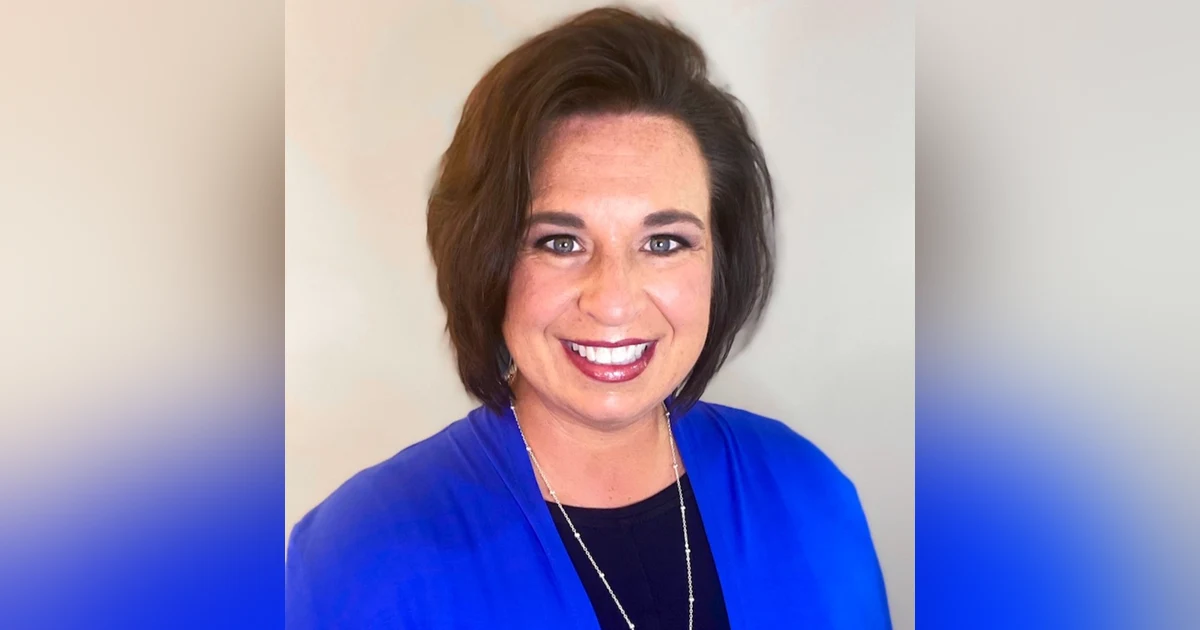

Nicole Lamoureux is a CEO who works daily with the National Association of Free and Charitable Clinics (NAFC), its 1,400 member organizations, and its partners like CVS to advance the mission of ensuring the medically underserved have access to affordable, quality health care. She has testified before Congress, is a regular TV commentator – having been featured on MSNBC, CNN, and FoxNews to name a few – and has published numerous articles on the important role of America’s safety net and charitable care providers. Nicole has been named four times by the Nonprofit Times as one of the top 50 Most Influential and Powerful Nonprofit Executives in the USA. She has received the Center of NonProfit EXCEL Award for Excellence in Executive Non-Profit Leadership.
In this episode we discuss:
- Healthcare disparities and healthcare equity
- How diverse socioeconomic backgrounds provide for different challenges in healthcare
- Healthcare model in the US
- Transparency by health insurance
- The business of Medicine
- More
Connect with Nicole here!
Hello everyone, I'm Dr. Darsha, and I'm Dr. Altamash Raja, and welcome to Medicine Redefined. A podcast where we will explore the often overlooked but necessary components of health, what we consider to be the fundamentals. We will investigate topics and practices that can give you and your patients the best chance to optimize a healthy lifestyle. It's time to move the needle forward and put the health back in healthcare. Our guest today is Nicole Lemmerle. Nicole is the CEO of the National Association of Free and Charitable Clinics who works daily with his 1400 member organizations and its partners like CVS to advance the mission of ensuring the medically underserved have access to affordable, quality healthcare. Nicole has testified before Congress is a regular TVT commentator who has been featured on MSNBC, CNN, and Fox News to name a few, and has also published numerous articles on the important role of America's safety net and charitable care providers. Nicole has been named four times by the nonprofit times as one of the top 50 most influential and powerful nonprofit executives in the United States. She has received the Center of Nonprofit Excel Award for Excellence in Executive Nonprofit Leadership. In this episode, we discuss many things, most of which revolve around the topic of healthcare disparities and healthcare equity. We start by learning about Nicole's background and passion for advocacy. We then jump right in and discuss how people of different socioeconomic status have drastically different challenges when it comes to access to healthcare. Now it's hard to have a conversation about barriers in healthcare without discussing our healthcare model in the US. So we briefly touch on that and chat about health insurance of course and the transparency or the lack thereof that needs to be addressed and how it potentially could be addressed for a healthier and better system. A natural bridge from there is talking about the business of medicine, so we spend some time there as well. You might hear us talking about earning a seat at the table. And this is something that you might have heard some variation on previous episodes when discussing improvement of healthcare practices. We know that assessment is step number one when thinking about any plan. And our assessment is that we need to be more engaged at the policy level and during these higher order conversations beyond patient care. Only then can we strive for improvement. Lastly, we also highlight a ton of resources that Nicole's organization has provided throughout the country. And if you find that you need some assistance, I highly suggest that you do reach out to them. All of those will be linked in the show notes for you. Now with that further delay, please enjoy this conversation with Nicole Lemmeraw. All right, Nicole, welcome to the show. Thank you so much for coming on. I'm really excited to delve into the things that we're going to talk about today. A lot of it being healthcare policy. But why don't we start with your background and your journey and kind of how you got into this? Sure. Well, I'm just so grateful to be here with you. My name is Nicole Lemmeraw and I'm the president and CEO of the National Association of Free and Charitable Clinics. And how I got involved with this is that when I was 33 years old, I was diagnosed with inflammatory breast cancer. And I was diagnosed on Valentine's Day, actually. And I remember that because I thought, well, this is one heck of a way to start my Valentine's Day. And I went and asked my parents what happens to uninsured people when they get some sort of big diagnosis as this. Now I had done a great job in Washington, DC making rich people richer. I was excellent at this. So I had the best insurance that you could think about. And I still had to clear out my 401k to pay for my cancer treatments. And my parents, being both teachers, their answer was, well, why don't you do some research and find out as only teachers could tell you to do. And I started looking into where do uninsured people go and where do they go if not the emergency room. And I found a core group of 73 clinics across the United States of America who provided access to health care to people who are uninsured. And now this was all pre-affordable care act time. And I was very lucky that they, after meeting with them, that they trusted me to build an association or a group of these free and charitable clinics. So now, fast forward from 2007 until now, we started at with 75 clinics. Now we have over 1400 clinics across the United States of America. We have a volunteer and staff workforce of over 200,000 people. We provide health care to 2 million uninsured annually. But don't think that's so crazy. I mean, we only have a staff of four. So we're still a very small organization in of ourselves. But it really, that journey made me recognize that we all have a place in this world to help each other as we on our journeys of health. It's the number one thing we all take for granted. If you're feeling fine, you jump up in the morning and you don't even think about your help. But you both know better than anyone else that when you're sick or someone that you love is sick, it becomes the most important issue in your life. And it's all you can think about. And then if you can't afford it, it becomes even more prevalent in what you're doing on a daily basis. Nicole, I'm curious. What sparked the thought about those who can't afford health care or appropriate amount of health care? Like, where did that even come from? Was it somebody close to you? Because you mentioned that you had good insurance, right? I mean, I know that you exhausted a lot of your retirement savings. But is it after you were kind of just digging that well dry that that thought came to you? Was it somewhere prior to that? No, it was actually just in the middle of one of my chemo treatments when one of my doctors and the hospital administrator came in and told me that my next treatment, if I chose to go along the path, because we had really exhausted all treatments that we had, that if I wanted to go a different path, it was $250,000 for the next treatment I was going to have. And that my insurance wouldn't cover it. And the woman next to me said, well, honey, how are you going to do that? I couldn't afford it. And she was older at the time she was 60. And we became very good friends throughout the process. And that just spurred my conversation of, I had to have known people who were uninsured as I was growing up. But no one talked about it. It's almost as if it's a taboo in this country. It's still a taboo. And every time I do television appearances or I speak to reporters, I now ask people, do you have health insurance? Because we have to break down that wall. I think we're so ashamed to say that we don't have it. Or this misconception after the Affordable Care Act, everyone had health insurance. And nothing could be farther from the truth. But now knowing with Medicaid unwinding and the public health emergency ending on May 11th, that there's going to be even more people that are uninsured, I think just my curious nature at that time. But I really have to say that it was Annie next to me that probably brought that thought. But after I said that and started talking to my parents, they started explaining to me that my grandfather had, he was a bridge worker and he didn't have insurance. And then his parents didn't have insurance. And all the substitute teachers that were part of my friend's family group didn't have insurance. But again, no one talked about it. Yeah, that was going to be my next question is, what was your upbringing like where you kind of middle class, upper class, where were you guys on that socioeconomic spectrum? I would say that we were very lower middle class if not upper underprivileged and I didn't know it. My parents, I concame from a very small town. My town was walkable. Everything that we talk about now is something that I was blessed enough to have. Even if we didn't have the money for it, I could walk anywhere I wanted to go. My friends had safe neighborhoods to play in. The neighbors themselves, there was always someone who had enough food to share with someone else if you were tired. If you were out playing with your friends, some mom made some half peanut butter and jelly sandwiches for someone to have. I think that that sense of community I was able to have. I didn't have, I always remember you all are much younger than I am, but there were these things called trapper keepers that everyone in my grade school wanted. They were just hardcover folders. We didn't have the money for that or a cabbage patch kid or any of those type of things. I never had those material things, but I didn't know it. I had a family doctor that would come to our house if you needed to. I didn't know my mom was paying $5 at a time if she had it. I remember walking to the bank with my mom and her putting $2 in the bank count, $1 for my brother and $1 for myself. I never felt as if I didn't have anything because I had such a community that surrounded me that we all took care of each other and I think that's missing a great deal now. I think I found it personally not being born in this country coming and being an immigrant. I think that when you look at the Eastern cultures, it's much more community-based, whereas I think the Western culture is much more individualized. When you do have that community aspect of it and the resources or the funds might be limited, it's almost like we're all sharing from the same pool, so you're not as concerned. A single individual in that community in the village is struggling. The community feels like they're struggling and we allocate a lot of resources when somebody might be going through a particular hardship and then that shifts and because of that, sometimes people don't even feel the need. If you don't feel the scarcity, you don't get that mindset, so that's very interesting to me. Which town did you grew up against? I grew up in New London, Connecticut, and that's the home of the United States Coast Guard Academy if anyone is listening and knows. That's where it is. Also, little known fact, the movie Mystic Pizza, much of it was filmed in my little town. There you go. I've told you everything that's real exciting about New London in the last 30 seconds of this podcast. I love that we're bringing up this topic and I think something that we don't talk about enough. We often, for the routine listeners of the show, know that we love talking about things on the cutting edge, whether it's just us because we have to kind of satisfy our curiosity and our hunger for progress and look forward. Whether it's about topics that are on the cusp, it could be in medicine, pharmacologics, it could be interventional stuff like orthobiologics and PRP and quote unquote stem cells. It could be new protocols and practices in the health and wellness space. All these things, unfortunately, because of the healthcare model in this country, maybe not all, but a lot of these things tend to be a cash based model at this point. That can be very, very challenging for some people. I'll just use my anecdote personally from sports medicine. Again, PRP, all these things, when people have chronic pain, they struggle with that and they don't have a lot of options or the traditional model, quote unquote, has failed them. So to bridge that next gap, they have to pay for this and they don't have the resources. And then those who are further along or more scientific will say, well, why are you doing these treatments that aren't working or they haven't shown to have benefit? And somebody, one of my, not necessarily mentors, a colleague who was a couple of years ahead of me once said to me, well, you know, it's like, if you have the patient who comes to you, who can't rub two pennies together. And somebody saying, well, you shouldn't do a steroid injection or something of that nature because that's going to cause more harm than good. That person doesn't care. They just want to be able to get out of pain so they can walk to that job, which might be several miles away and they can afford, you know, whatever for their family. And they can't even have the conversation of what these cutting-ass treatments might be, like, even if it is, quote unquote, the right thing to do. And I think that we don't quite have the time to dive into all the aspects of medicine and the issues with it. But I'd love to kind of globally get your take, right? You're now on the policy advocacy side now, but really at all, I guess did it start with you being on the flip side of the patient side, or you said you were prior to that working in DC still. And then you became a patient, so you saw that side of it and now you're back on this side. Or you've seen both sides of the seesaw, so to speak. So it puts you in a space to get this 50,000 foot overview. And I'd love to kind of get your general thoughts on that. Sure. So before I worked at the homebuilder, I worked at the homebuilders and then I worked at the horse council. So I always say I don't know how to build a house and horses don't like me. But I was known in Washington as someone who could bring people together and build a community or an association. So that's how I got to this job. I was four weeks into the job and then found out that I had cancer. But at the same time, it kind of just was a nice little overlap for us. So I have been both the patient and the advocate. And even more so, I would say it just happens as the older you get, you become more the patient and you have to be the advocate at the same time for yourself and for others. So I think the thing that surprises me the most about medicine is that it's unbelievable to recognize that 83% of the patients that come to free and charitable clinics, so out of that, two million, 83% of them come from a working household. So someone has a job. Now COVID obviously shifted that dynamic. Some of them are gig workers. But I always say we're very grateful to the people who drove the ubers and delivered our food and worked the grocery stores because those were the people that kept us open during COVID. Those were also the people that cannot afford a $4 medication. So nine times out of 10 when I'm talking to health policy people, they'll say, oh, well, the pharmacies have a $4 medication. Well, if you're making that choice between you're working as a gig worker, you're making minimum wage and in some states that's not that much money or you're a waitress and a waiter and if no one's coming into the restaurant, you're not getting your tips. You're really making a hard choice between getting your medicine and that's not talking about things like insulin or other things that cost even more money or some of these treatments like you're talking about that we don't even have those conversations. They're not even there. And on top of that, as we talk about clinical trials and we talk about other sources of medicine, we have a patient demographic that the clinical trials really would like to see. The uninsured, the underserved, the disenfranchised population, and yet we don't even have a good way to explain to our patient population what a clinical trial is because everything is written at a 12th or college grade reading level. So we can't have those times to sit down to our patients and say this may help you. And I bring up a clinical trial because that's what saved my life. A clinical trial is the reason why I'm still sitting here with inflammatory breast cancer and I'm not supposed to be alive. But trying to explain what that's like to a patient is so difficult. And so I understand when people say to you as a provider, well, why are you doing this or why are you having this conversation if they can't afford it or they don't need to? What I appreciate is when providers do have those conversations with patients because I believe that all patients should have all information that's before them in order to make the decisions that they need to make. I think that also if we're going to change our healthcare system, we need to make sure that patients have every right to advocate for themselves anyway they need to or they have someone who's helping them advocate. Half the time our patients don't even understand that there is patient advocates at hospitals that can sit and work with them or that they can call our office and we will help advocate for them when they're in a situation or if you don't know or understand the language to find a translator to help you understand what's happening or to just say, I'm sorry, Doc, I don't know what you're saying. Could you bring it down to my level and most doctors appreciate that. You're busy as providers, you have to go from one place to the next, but I know you would really welcome a patient saying to you, I'm sorry I didn't understand that. I think that and I think one of the things that you're doing beautifully and that I like about this is that you are opening up that door to take away that fear for the patients. If I could change one thing, it would be the fact that the other day I was on the hill and someone told me that I speak to plainly when I have these conversations. And I said that our patients speak at a fourth grade reading level. It is my job to speak where patients can understand what I'm saying at all times, but I also feel that it's my job to speak so providers can understand what I'm saying all times too. So I can help providers also say, okay, Doc, it's just me. Can we just talk regular because I don't know what you're saying to me and break down kind of that wall that exists that I think is nothing that anybody wants to have. It's just we get in our routines and we're going. Absolutely. Yeah, I mean, there's so many awesome things right there that I want to follow up a couple of things. I think the last piece being able to bridge talking, patient talk to provider talk back and forth, just seamlessly. It's almost like speaking different languages, right, being able to go back and forth. I find it particularly challenging if you are working in academic medicine where you have to be quote unquote more polished, right? You have to use the appropriate terminology because again, if you're educating to the next generation that was on you guys offline, you want to teach the appropriate terminology. So how do you communicate? I think I recently read a piece, maybe it was from sensible medicine, Darshan. I'm not sure. We were somebody that was making an argument. It's like, why do we even make this difficult terminology in medical school? It's not necessary. If ultimately we're going to end up communicating, well, if we're doing it for the patients and ultimately we have to communicate it, bring it down to a fourth, fifth grade level, whatever it is. I mean, we all know what we're saying. Like, why can't we just stay at that level? Because the other point that you brought up is often, you know, patients are afraid to ask because we're going so fast that provider doesn't even have to have a seat. So patients just have this sense of urgency automatically. A personal anecdote comes to mind is a couple of years ago my mom had a heart attack and we were sitting in the hospital. And again, I think that she's lucky that she has a healthcare provider in the family and I'm sitting next to her at bedside. Now, after this, she had a pretty big heart attack. She's doing okay now, thankfully. But her ejection fraction was very suppressed, right? So somewhere in the 25% range and for those who don't know, in average 60%, there is no assessing as 100%, 60%, really 55%, 60%, really kind of the upper end of that. So 25%, I mean, you're operating about 50% capacity. So she needed to put on this vest, the defibrillator, all the time. And so the representative from the company had come while she's still in the hospital in the, oh my god, the step down unit, right? So which is basically right after the ICU, you're sitting in the cardiac unit. The representative from the company is going through this defibrillator, explained to my mom, this is how you put it on, you have to make sure it's not wet, blah, blah, blah, a million instructions and I'm quite listening to the whole process. My mom just nodded, yes, yes, got it, got it, got it, got it, got it. About 10 minutes or so. And the representative, okay, so you understand from mom, so yes, I understand. And she looked at me and I looked at her and I was like, what did she say? And she then she laughed and she goes, I have no idea. Like literally in front of the representative, right? But in a different language. And my mom speaks English well. She's been working, she worked in retail for quite some time. But had I not been there during that visit, that rep who said, you got it, my mom said, I would have got it and that person, I mean, they asked, they asked, they did their job. What else can you ask of this person, right? So that, sorry, a bit lengthy of a story, but I think that that happens from time to time again. So yes, I love it when my patients say, I don't get it. Ask me again, or explain it to me one more time, it's been a different way or I don't understand. I love that. So I think that that is very, very critical and I just wanted to share that part. Well, I'm so glad, I'm so glad to hear that your mother is doing better. So thank you for sharing that with us too. And I'm so grateful that you were with her. And I think it's interesting you bring up this conversation about in academia because we have student-run clinics across the United States of America and they're having that same challenge because I always ask their, their preceptors or, or their advisors. If one of the goals for this country under healthy people 2030 is that we take down the barrier of understanding between provider and patient. Like as a country, someone set the goal that more patients need to understand what their providers are saying to them and we have so far just in case anyone is watching, listening to this or even if you know we've failed so far just so you all know we are not doing well. The benchmark has not been moved. Then why are we continuing doing the same thing? Why do we have to continue down this process? Why are you in academic situations or our student-run preclinics being held to that standard in academia that our patients can't understand but yet later you're going to get a failing mark anyway. So that is one of the places where I find we have a breakdown. Someone in Washington makes a rule. No one has told the university's colleges or institutions that this is really the rule. No one's told our patients that we want this rule and yet everybody thinks they're doing what they need to be doing and yet the providers and the patients both walk away feeling disheartened. I feel that what concerns us at the National Association of Francherrable Clinics and one of the things we focused on a great deal during COVID was working not just on mental health for our patients but mental health for our providers. Not just because you were overworked during COVID and there were pizza parties and I always jokingly say that I think that I should have been in charge. I would have gotten you guys some sneaker deals. I think you probably needed those more than you needed pizza parties that were grateful for the pizza parties but I think that as we're looking we really wanted to talk about your mental health conversations with each other and with how you can address some of these concerns and where changes can you make but it wasn't just enough for us to give you a place to sit and talk. It was us working with those universities and hospital systems of okay your provider said that these were the challenges. What are we going to do over the next three to five years to implement the changes that your providers have said and I'm thrilled to say that there have been some really great universities that have decided to work on that and to move some of those moving forward definitely Berkeley is one that's moving that needle forward on how they're going to take some of their student suggestions and provider suggestions on how we can make some conversations a little bit easier for our patients. Another one is diabetes hypertension when people say well you just need to eat better exercise for our patients and I know that you all like to talk about wellness in preventative medicine as well. One of the things that our clinics have really focused on and it came out of the student run free clinics is that many of our patients live in food apartheid locations so no longer food deserts but food apartheid where companies will not go in and build grocery stores in specific neighborhoods across across the country and our our student clinics have really identified teaching opportunities to teach people on how they can eat and go to a dollar store but we took it a step further and it was not only can you buy so much at a dollar store but here's an actual cookbook so when you go home you know how to cook and you know what the here's how much a serving looks like for you share that with the people in your community please it's on our website but here's some copies because not everybody has a computer and not everybody has a phone line and not everybody can if you are somebody who only use the library as the way to talk to your doctor guess what you are not doing during COVID when the library cooldown you weren't doing a telehealth medicine you didn't have a place to do that but we've been finding those ways to kind of bridge that gap but also to bridge it in maybe not relying so much electronically which is I know very hard to especially for you all who have to or you know you you're expected to write and use it in your EMR you're supposed to write everything down in those notes but if you're an uninsured or underserved patient you know you may have just a phone that's given to you by the government you may not have an iPhone in order for you to have that information so we've found that sometimes going back to hand just printed documents make a big difference for people too it also allows a bit more communication for the provider if you're both looking at the same document when you're talking to them yeah absolutely because it gives you a sense of what are they focusing on as well right because that's when you're learning that feedback that that earlier you and I were both were kind of talking about where you're asking the patient hey you get it right and patient says yeah but if you show that document to them but like hey like here's what I'm looking at and patients like though yeah I'm not even on the same like line like you know what are we focusing on so I think that's it can give me at least when I do that gives me a sense of how they're they're thought processes and I think that that's pretty helpful you know another point that earlier you brought up about lack of education when patients were coming in right they're not informed you know again if they don't have access to the internet they haven't googled their specific pathology they don't know what hypertension or cardiovascular diseases so they literally might come to you for the very first time and hear that term so you might say cardiovascular disease and they have like what what does it even mean cardiovascular disease exactly this happened to me last year during life finally or training where I think I had a patient who was a little overweight and we were talking about knee arthritis and how excess load can cause you know or excess weight can cause more load on the knees and then down the road that's going to make it much more challenging for them to be pain free and have better function etc etc and when we started talking about this person's diet I mean there were so many red flags left and right but what's interesting is this patient had no clue that these were not good healthy foods and this wasn't the right thing to do you know and prior to that most of the time I tell you know when we have these conversations again we tell people eat well and exercise yes that's not actionable but I used to remember specifically saying most most of us know what eat well and exercise means right eat healthy means then I had this encounter and I was like oh my god this person has no clue and how could that be how could you be living in 2022 and not know and everything that you just spoke about is like maybe that person doesn't have social media probably not maybe they don't have to have a cell phone right and they don't have access to all these things and they've never seen the food my plate or the food pyramid or really any variation of that and that was eye opening and humbling experience for me and I love that you recognized it and are thinking about that I my coworker who works she her her grandmother is from Peru and her grandmother had some of those same conversations with the doctor and Ariana finally had to say to her grandma you abuela you can't eat tortilla every single meal and her her abuela said to her but that's how I was brought up that's what we do in our culture and so also taking into those conversations of when people come here from a different country you know white people like me let's just put it on it's have to understand that there are other cultures and other things that have to be taught and taken into consideration and how do we allow people to eat what they're used to in their culture but then pull back on other other conversations and then also what does exercise mean if you live in a neighborhood that's not safe to walk in what that that means something very different for someone who lives in a you know a middle-class white suburban neighborhood then it does for many of my black patients who who lives someplace where it's not safe and they're not going to go outside and until we start looking at health care and and and and then I know this is the one that gets me in trouble when I go to Capitol Hill when I say until we start looking at health care as the entire spectrum of health care healthy neighborhoods safety making sure that there's broadband for everyone making sure that there's food that everyone understands how to make it and understand it to speak in a way that people understand until we start doing that as a country we are not going to have a healthy population because there are people who are afraid to go outside so they're not going to exercise how can they and nor should we ask them to if it's if it's unsafe for them to go and exercise but also I would say even for myself growing up I will tell you that I was a kid of the 70s and 80s 80s primarily we never once looked at a food chart ever I didn't even know what that was I had no idea my family was a family that I don't need hamburger now in my life because we had so much hamburger growing up as a child obviously we didn't have more I'd now know why but I didn't but there is a whole population of people that have never understood that have never been taught that and then when you add diet culture into all of these conversations as well then you're seeing people that are going on the spectrum of and I I was the queen of the the Rioio diet I was great if I didn't eat anything oh it was great if I ate this many calories I was great if I walked 50 miles a day but no one ever sat me down and said this is how much you should walk or exercise these are the cup levels you should eat and you would think I would have known that you would have thought like you said when you sit and say but what I tell people the first diet I was put on I was eight years old and do you know what it was it was a cookie diet it was a diet where a doctor thought it was a good idea to give me a cookie one for breakfast one for lunch and one for dinner I was eight and that was the first experience that I had and if you speak to all the girls in New London Connecticut we all did the same exact thing between eight and ten and so life has changed so much and it's so odd when I look at people like you both of your faces are quite hysterical to see that just for the record you as providers to see that that was someone's experience but I think that also brought me to understanding how can I help the next generation or the next group of people get healthier and what does that mean for for people as well yeah you know a lot of what you're talking about to me seems like a lack of transparency within the entire realm just like how you said there you know we need to expand the spectrum of health care so you know as residents oh well I was while tomorrow too long ago where I am we complain a lot right about the work hours about lack of autonomy sometimes program dependent certain things and I think at that moment as we're getting our education you know for me at least I start to think of my patients and start to think about those things that I need to talk about and maybe on the same level of those complaints and maybe having that connection but then we get a lifestyle upgrade we get a pay upgrade right when we become an attending and we often move locations you know when I trained in Philadelphia versus now being in Hershey I mean it is a completely different language I use with my patients right I mean I'm seeing completely different things and so as doctors and as providers as we go through our journey we can lose that sense of communication and clarity with our patients and that transparency but I also think about it from each relationship so not only the doctor patient relationship but also who's running the hospitals right I mean we're having MBAs and business administrators running the hospitals but then the doctors and the PAs and nurses and the students are running the medicine but it seems like that inefficiency in healthcare has just always been there like you said nothing's really changing you know we know there needs to be a change we look at other countries and we see that there needs to be changed but yet nothing has really been done and I think about all the time that no one's ever asked me about my experience and how we can make encounters better right no one's ever asked me about how I can talk to patients better or what we can do to make it more efficient and I rarely see consulting happen in medicine in hospitals even bring external consultants and if there are a lot of it's kind of just focused on the money and the business side of it you know being in rehab all I see is the admission list and how can we get more patients through the door how can we discharge faster and so again it comes down to transparency and even having that conversation with patients when they say hey I don't get it or the clinical trials I almost sometimes get scared of even asking if they understand sometimes because I don't even know how to explain it I don't even have the education to understand how insurance models truly work and if their drugs will get covered or not so I guess you know it's a long way in a way of me asking you is is there a change on the horizon or what truly needs to be done in order to have this transparency on all levels so that we can all be part of a system that understands everyone's roles and kind of the what the solutions if I can say might be sure oh well how long's your podcast again because I've got a lot of suggestions but I think I think I can wrap up one of the things pretty simply I was sitting in a meeting on Capitol Hill prior to the Affordable Care Act and a staff member we had been there for a very long time hashing out deals like who liked what who didn't like what and there's the first transparency conversation it it wasn't just two plans that everybody decided on there were hundreds of different healthcare plans and they all came from an insurance company or a policymaker but not from doctors not from you know not from the medical provider perspective and the staffer ran in and said I've got it everyone in the world can just pay $200 and then everyone will get insurance and everyone's sitting around and they're like nodding their head and so finally I said well first up where did you get that like where did you get $200 like that's an interesting number I'm assuming it must be somewhere and he said well that's just what I pay in my out of my pay my paycheck and so even on the the policymaker side there was not the understanding that well congress pays for money behind that and not every one has insurance from an employer and not everyone has the money not everyone has $200 and so I think the first place that we have to understand is that our healthcare system in our country is not just one and done our healthcare system is basically a ball of twine that we just keep having to separate so we have private insurance and we have government insurance but those two things are mixed together and many people don't recognize that the same people that are working on your pharmacy benefits are the same people that are working for the private companies are working for the government at the same time and some of those rates so Medicare rates and some insurer rates are the same but in other insurer rates they're not and it gets very boring to people but if somebody just said okay not everyone gets the same exact thing but these people get the same exact thing people it start to understand that the transparency becomes harder and harder because let's just be honest money makes decisions in this country and people give money to political action committees and they make decisions so one there's needs to be more work on bringing in providers to have conversations about what changes need to be made second I think that the insurance companies the pharmacy benefit managers and hospitals that conversation that you're having they're really needs to have that patient experience or that patient voice and the provider voice so at the free and charitable clinics and again we're not funded by the federal government so we can do some of these things easier than other people but we ask our providers what will make things better what have you seen that is caused a problem but we also ask our patients on that and it's not focused on you know I don't even know if you all have 15 minutes of patient any longer but you know whatever number is given to you how quickly you need to see people and I think that's one of the other areas is I think you mentioned it before a lot of things are moved on how quickly we can get people in and out and how much money are we saving or utilizing and you know my my husband in September he fell in our home and he smacked his face on our granite countertop and then went backwards and hit his head again I tell you this story because my husband was he had six different doctors and none of them spoke to each other and he was over prescribed for blood pressure medicine and his blood pressure dropped so fast that that's why he passed out you know 10 days later in a hospital in the ICU then down to the step down unit he had broken both of his jaws and we still had not seen a plastic surgeon because the hospital didn't have one because nobody knew who was supposed to call the plastic surgeon on in the team and finding for me recognizing that I needed someone who had done this for a long time I needed the patient advocate to kind of come and tell me you know this is what's going on that I got so much that I finally just walked up to the CEO's office and just sat there until somebody talked to me which again being a disruptor is you don't have a problem to do most people would never do something like that but that's the question I asked is where's the transparency where's a book that I can look up to say who do I call I'll call anybody I don't want to bother your poor doctor that's coming in at 6.30 in the morning it has a bunch of other patients to see I can call someone give it to me and I remember the provider at the CEO looking at me and said oh that's a good idea maybe we should do that and I thought I can't be the the smartest person in this room and I know that I'm not so I think that the benefit of transparency on all fronts sometimes that becomes uncomfortable because transparency can also show where we're not doing things well and we are in America very conditioned to showing only the things that we do very very well and so I think it's okay to sometimes say we're not doing things well you know example for us would be that we recognize that some of our clinics were not taking blood pressures correctly they were you know the patient was walking in and they were taking the blood pressure right away and we there was no sit down and so we implemented it in a pilot of studies of some of our clinics a five minute sit down time for the patient to get acclimated to know which is standard practice I'm now understanding but when you're in a free clinic and you have all these people and they're all really worked up and we found that just that these places alone by recognizing and being transparent that our EKG numbers were off the chart because we were ordering them left and right because of everyone's blood pressure was through the roof then we were able to cut them by 50% by just saying we must be doing something wrong on aren't I mean 50% in 12 months to cut down your EKG rates at 13 facilities across the country is a big deal because we were willing to be transparent and it helped make our patients feel more comfortable when they came in the door too but sometimes I think it's that scary thing that especially hospital administrators get nervous about you know another word that I think it's an important to throw out there is accountability to rate you mentioned that we need to bring more providers into those conversations into the rooms right with the CEOs with administrators absolutely I've heard this time and time again and again I'm very early in my career but I have been invested in this space for multiple reasons you know my medical school debt is astronomical I think the business of medicine is fascinating I think over the all kinds of business but again medicine it is what it is it is a business particularly in this country the other thing is providers don't have the patience or the desire to learn it and even if they got into the room if they don't speak that language if they don't understand the business if they don't understand pbms and gpos and all that kind of stuff and if I throw that out and that doesn't that doesn't resonate with you and you don't know what it is like nobody's gonna take the time the admin folks aren't gonna sit there and take the time and want to have to explain to you just like on our end when an administrator says oh you can't order this test or an insurance company says you can't order this test and we have to do a peer-to-peer and it is so incredibly frustrating that I have to try to explain clinical medicine to somebody who doesn't have a clue of why a test is appropriate so that frustration is shared on the other side as well so I am gonna call out my colleagues my provider says we have to understand that as well otherwise you know there's concept of earning a seat at the table comes to mind from something I've heard Chris speak on in a different context but I think that that's so critical and you know a book that I will throw out there that I recently completed Marty McCarrie is the price we pay right talks about the healthcare system and he's written on this time and time again so that's a really good resource that people can look at and just gives you a little bit of insight of why the healthcare system is you know again almost 19% of a GDP and it's just really not sustainable but if we don't educate ourselves then I don't really know if we can sit there and complain that hey we're not in those rooms because if we get in those rooms then what right if we can have the conversations and we can't speak on to how to right actually make change if we can't advocate your word there right for our colleagues for ourselves really there's no point in going into that room right so I think that that's something that's also important to highlight I think that's a great point I think that's something that's very disheartening to me that you're not taught that in school that you're I you know and I agree with everything that you just said because also being a woman in Washington DC talk about earning a seat at the table but I had to find I had to do the same thing I had to go out and find the books and learn that and so that's why we're trying to build a system where I'll spend time with I'll spend time with people on the phone and explain what those words mean for you you can look on our website we have glossaries we have information because if you don't know you can't make the changes but also I find it so ironic and again I'm here you guys I'm good at one thing I'm really good at talking my dad has said find something you're good at and get someone to pay you for it but I'm also good at some logical jumps now I'm not great at math and I'm not a great writer I will fully admit that but I don't understand how the business of medicine is not explained to you if you're expected to be in a setting only because as a provider you're only as good as the information that you have and I think that it's a disservice to you that when you go through med school it's not taught I also think that for a from a you know perspective of I I go to classes even if I don't know and I have a you know I have someone who's in the medical field teach me things and then there's times where I just don't know so I just have to hire someone to help me so on the other side I would say to the hospitals you're gonna have to fight higher that liaison that really speaks both of the languages or make it a position so that person who does know both of those things and can explain the business to the business and then to you all but I I do think that's disheartening that you're not taught that in school as well yeah my initial thought you guys have to learn a lot though so it's not fair and I don't didn't expect you to learn one more thing but I also think that would be an interesting class for those of those people who want to learn yeah and so again I don't know if I'm stealing again this concept from Dr. Martin McCarrie if he talks about it or this just came to me now I want to credit for it but you know my initial thought was yeah you know where are we gonna put that in right you already have four years of medical school and then anywhere from three to eight years of residency training which really no other country does that and there's so much to learn and even after you do that most people don't feel competent enough and they want to do another year of training in fellowship I did that and then I realized going to my first year of practice I'm like oh my god now I have no oversight now I really don't know anything and now if you know just imposter syndrome at its highest but there is so much that we learn so much real memorization so many pathologies that we don't need to know like off the top of our head anymore right you could quickly google something like I don't know why I had to memorize all the different types of Reno tubular acidosis like I'm never going to use that right and and those type of all these genetic disorders that you have to memorize and just you you take the test and you completely forget them maybe 40 years ago when you didn't have the internet or something kind of had to know so when you saw some type of presentation you could quickly say oh okay maybe it might be this that's not the case anymore everybody's got again not everybody we've talked about this but a lot of us in healthcare are somewhat privileged and you know we've got that or we got access to a computer certainly do it work you can quickly put some symptoms in we've got up to date within the EMR things are built in and so I think you know we're nobody suggesting you add on to a curriculum but there is still a lot of jargon and junk in there that we can take out that this would be far more valuable because not everybody's going to be doing those nephrology concepts the genetic stuff but 100% of the providers coming out are going to be applied these these business of medicine concepts to their practice and doesn't matter really what type of practice you're in academic private really you know what I mean it's going to happen so yeah it must be hard to be a provider now I feel for for you and the providers that I hear from because you know you could have picked any other job you chose to become a provider because you wanted to make a difference in lives of people that that I mean let's be honest and so I think that it's it must be difficult when you the same way it's difficult for me when I run into roadblocks for patients on the other side it must be very difficult for you because you have the roadblock of the business side and then you have a roadback of your patients maybe not understanding and then obviously non-compliant patient patients that we have to that we have to understand why they're non-compliant and then all the other stuff that you have to deal with like just a regular life you know families and and everything that you have it must be difficult but I thank you for what you do because you chose to do this because you wanted to make people healthier and I know that a lot of people don't remember to thank you so before we go any farther I just want to make sure that's on the record I want to thank you for what you do thank you too I would love to kind of transition now and talk about maybe more actionable things maybe strategies tactics things of that nature something you mentioned earlier is that people have when they're in the hospital or loved ones in the hospital there is somebody to advocate for you maybe you're not the type of person who can advocate for yourself or if you're a loved one you don't just have that personality how how can people find that person patients what are they even called talk about that a little bit so if you're at if you're in a hospital say first let's go to the hospital system if you're in a hospital and you're and you're uh provide yourself for your loved one is either in the ER or in a room you can ask from the nurse the doctor there's might be a phone sheet um right there for you or I just always hit zero on the phone and say I'd like a patient advocate to come and help me and they'll ask what room that you're in now a patient advocate may not be available right that moment depending on when they'll but they'll write it down I would say also though if you don't have a patient advocate you call to eight o'clock in the morning and at noon someone hasn't come and see you pick up the phone again press zero again and ask for the patient advocate to come and see you now there's not you know they may be able to put you on a list or they may be able to help you but there's definitely something there also I would also tell you please please be very kind to your nurses it is amazing to me how much information I received from the nurses from my that were there or the nurses that would say the doctors coming in at this time let's write down your questions for them and I or I will tell the doctor your questions before you come in so please make sure um that you do that and then finally I would also just bring a notebook I know that that's a hard thing I would bring a notebook to every doctor's appointment I had I bring a notebook to every every time I'm in a hospital and I would write things down I know there's the old joke that you lose 83% of your hearing when a doctor tells you what your diagnosis is every single appointment that I go to before I go to the doctors I have a list of all my medicines written down I have a list of what my questions are and then I have a section that says this is what the doctor said and then I ask the doctor if I leave here and I don't know what I'm supposed to do who do I call in your office so I think there's two sets of patient advocates there's one in the hospital situation there's one where you're the patient advocate for yourself and then when you leave you can always contact the National Association of Freedom Charitable Clinics our website and in states there are patient advocate organizations all across the United States that you can just contact us or you could if you do have the internet you can google that but again if you know one of the other easiest places to go would be to go to your library if you're ever stuck go to a library and your librarian will help you find a patient advocate in your area as well I love that that's it's very very good advice and I didn't even realize that last part you just mentioned about going to a librarian and getting that help to find one you know the outpatient setting but I absolutely love it when the patients have a notebook in front of them they're you know especially in the rehab hospital any setting like you said when your husband and a fall there are so many different providers coming through the door and it's not even just providers but even within the team there are so many different people you know nurses don't necessarily work every single day from a Monday to Friday so you may have you know you're definitely going to have a different nurse at night you know at the night trip nurse but then on that Tuesday or Wednesday it could be a completely different person and so it can get blurry when somebody is sick you know and they they they're not in their environment and they're vulnerable and they're trying to keep this information but they're also afraid of kind of asking some questions possibly but having that notebook I think as that security blanket a little bit to write down the questions I have so so many times that patients say oh I forgot I forgot what I was going to ask right it down when it comes to you we'll get to it tomorrow then or let the nurse know and they can always contact me so I think having that notebook is incredibly incredibly useful especially after they after you leave the hospital when it comes to discharge and all those follow-up questions come and you get your discharge paper where can you say wait am I supposed to take a shower with this incision or am I not or when are my follow-ups at one time and where are the numbers having that all organized will just make the patient's life a hundred times easier so I absolutely absolutely agree with that um I do want to ask about your uh clinic so the NAFC I think a lot of people would have a crude understanding exactly of what free clinics entail but do you mind just going into detail for you know exactly what what type of patients you know who can go to a free clinic and what can they really expect out of it? Sure uh so I will tell you one thing about free and free and travel clinics we are the community's response to healthcare so each of our facilities across the United States of America will will uh deal with chronic disease management every single one of them hypertension diabetes does COPD anything like that um and then based on community needs we'll find that uh facilities have different types of specialty care that they may work on um for example I always tell this the story in Kansas City Missouri uh ten years ago the AIDS clinic started closing down and the free clinic in Kansas City Missouri recognized that the community needed an AIDS provider a real AIDS provider and they built up an AIDS um provider system now we don't have that in bluxy Mississippi after Katrina came through we found that we were having more patients that were having mental health challenges depression anxiety as well as asthma so those clinics in those um situations have a different specialty but you can address hypertension diabetes any type of chronic disease majority of our clinics 50% of them now have dental care that also works with their their locations um 60% have mental health care and that work with their patients as well they all will have a referral list and connections to specialists and doctors that you can go to additionally they will address social determinants of health so that that food insecurity transportation work efforts uh for them as well um we have many of our facilities are what's called under one roof so you go to the clinic and then you can go next door to the food pantry and then down the road where someone can help you with your bills um so we're really building out those conversations I think that there is this misconception that pretty terrible clinics are down dark alleys and that their STI clinics only and um there are STI clinics that exist and that are serving amazing um population and need but our clinics are that more of that primary care and specialty care that we see who primarily comes to our clinics are the uninsured um individuals and people that are 100 to 300 or 400 percent poverty um but I will tell you that that is going to change after May 11th so after the public health emergency is is ended because of COVID and after Medicaid unwinding where some states had expanded Medicaid and the government matched them for their Medicaid when COVID was happening the government's pulling that back so so many people received access to Medicaid and now they won't so we're looking at in the next three months anywhere from four to 10 million more Americans are going to be uninsured and they will stay that way for the next 12 months until states decide how they were going to handle this so we're looking at numbers that are pre-ACA numbers so ACA is the Affordable Care Act and we went from 50 million Americans down to 29 million Americans and frankly for some reason that we're uninsured and for some reason we celebrated at 29 million uninsured whereas we we obviously at the free clinic world said that's 29 million too many uninsured we're now looking at you know if there's 10 million or you're getting right back up to that 39 million Americans that are going to be uninsured again we're expecting an onslaught of patients to come and need help at our locations you mentioned 13 states is that am I can I hear that correctly that the clinics are primarily in 13 states or all across the country oh no we're in 50 states all 50 states fantastic all 50 states 1400 clinics wow amazing I don't know where I got that number 13 from but you know I want to kind of shift gears a little bit earlier you you talked about how you know at least the concept of getting a seated table particularly for a woman in Washington and we're kind of on this thread of talking about equity and health care and we've skipped different topics I'd love to get you know you're taken your experience for that you've talked about how you've been an advocate capital Hill several times talking about policy change what are some major barriers that you've encountered when it comes to this specifically this topic of equity health care affordable health care really for all those you know ensuring those 29 million people who are maybe now 39 million that we're expecting to be after May 11th is that the day yes yeah so close to 40 million that we're expecting what is this specific barriers that you've encountered and then maybe even have been amplified particularly because of you being a female well I'd say the first one and the most heartbreaking one was after George Floyd was murdered our board of directors you made an incredibly strong statement against the murder of George Floyd and police brutality and how this is a public racism as a public health issue not only did we make a statement our organization stops on a dime changed our entire board of directors makeup we also hired a diversity equity and inclusion expert to review every single policy and procedure at free and charitable clinics across the United States to ensure that they all came from an equity lens from that soon after there was the insurrection at the Capitol building I have been very vocal on both of those issues and I started to receive death threats at my home people tried to break into my home people broke into our office people had threatened my life because single-handedly I was going to ruin America by ensuring that everyone had access to health care I wish I was a that powerful because if I could single-handedly do something I would have done it already but be also I guess if you're asking me the biggest question is just the polarization and politicalization making health care politics I think that where this country has put politics over people and there are two very strong sides and they don't mix very well and that has caused a breakdown in equity I think also there has been we are incredibly stuck in our country into white supremacist systems that have worked and have worked and we don't want to change in those so I think that that has impacted how health care is organized in our country additionally I think the other big thing that that we're finding with with many people is just that concept of it's how we've always done it so that's how we always need to do it. During COVID there was this massive and again please excuse the non-medical provider speaking to medical providers who know this better than anything but there was this amazing push that we should do everything differently we need to understand that health care is different in our country and how do we value our providers and we'll do things different so we had people you know really supporting our work and recognizing that to make it more equitable and to break down the concerns that people had against getting a vaccine we needed to set up clinics at bus stops because if people if they don't have a car they can't get to where the vaccination center is or recognize that we can't set up these massive vaccination centers in the middle of of a city when half of the people live in a rural area and no one's getting near them so also how do we take a parking lot and turn it into a place for not just COVID tests and exams but also a hotspot for children to do their homework and how do we pick up food and we really had this amazing push from hospital systems and insurance companies in philanthropy that we're all going to change the face of health care and yet be to make it more equitable and then now that I guess COVID's over everything's going back to the way that it was before and it is very heartbreaking to see that we were able to move the needle we're able to show data wise in all of us we can all show data wise the growth and the changes that we had whether it be through telemedicine whether it be through increased mental health visits whether it be with people you know staying more our patients stayed more compliant because they were nervous about things that they were doing or they it just they felt more connected to their providers when we changed how the providers looked like the patients coming to them and talked and there was more translation services and now everything's going back to well before COVID it was done this way and so I would say that that's my biggest fear that equity is unless we are going to continue to charge head on and say that the way we used to do it was broken and the way that we used to provide health care and access was not working for everyone but working for a select few and and we keep breaking down those walls if we go back to where we were we're never going to make make those changes do I think that people are listening I think that frankly it it took 15 votes to get a speaker of the House of Representatives and that should show you what's happening health care policy wise in Washington DC right now it is we have two very divided sides of the aisle no one's going to agree on on what's going to happen there and so it will have to come from the grassroots effort up in order to make those necessary changes you know one of the things that that really kind of bothered me or I have a gripe with is when things have kind of just always been the same when we know there should be a change when we know instinctually you know inside of us that there should be something different and you know yes it was a super bowl I'm from Philadelphia and I was in Philly right and you you see these videos of people flipping cars and you know Phil Delphi fans are known to kind of just destroy the city and people ask well why is that why do they do that and honestly the answer is it's because it's always been like that there that's the default there's no way of really kind of thinking about how well how do we change that and you know all Phil Delphians know that it's messed up we should probably change we probably shouldn't destroy our city you know so it's like you know we all have this understanding of what the right thing to do is and you know you start this episode out talking about the way you grew up and having this tight-knit community this togetherness this social togetherness and you have a knack for bringing people together whether it's on the hill whether you know your CEO for the NAFC bringing patients together bringing ideas together what is your secret because I think what's important and a great solution all of this is we all kind of have to have a role right as a resident as an attending whether you're a non whether you're in the business of medicine whatever your role may be we have to bring people together to kind of bring these solutions and have these conversations so how did you kind of acquire that skill you know was it innate and how do you go about spreading that communication to build togetherness oh that's a great question well I like to talk and I feel like I like to listen to so that is I think something when I'm speaking with someone I'm not thinking about the next thing I'm going to say I want to really hear what someone's saying and and so I'd say three things one I try to be as authentic as I can and vulnerable at all times with everyone I'm not afraid to tell you I don't know and I think that helps a great deal when you're building a collaboration to bring people together is to recognize what you don't know and it's okay if you don't know it it's funny I don't think as it I think doctors do that well in the fact that you all if I came to you and said that I had a problem with you know a migraine and you're not a doctor to do migraines you would help me find someone to do that and whereas I think sometimes in policy the policy world it's expected that you know all of the answers to everything and so that's my first thing is when I don't know I don't know when I have no problem admitting it to I can be quiet and I think that's an important time is to understand what people need because doesn't matter what I think that they need if a community needs something different then my job to help them find what they need and then I think of finally my my grandmother always said you know just practice the golden rule and treat people the way you'd like to be treated and I think that has served me very well whether or not I'm speaking to some of the richest funders in the world or I'm speaking to a patient and I you know I close it out with this one story we were holding a very large clinic in New Orleans we were invited after Katrina because they didn't have a hospital they didn't have a place for patients to go and we had set up a clinic and all of the patients were being connected to whether it be a a free or charitable clinic or a community health center federally run clinic and this gentleman came in and to say that he invented swear words would have been an understatement he was very angry and he was yelling and he wanted to see the lady in charge and I was like oh that's going to be me and so when I went over I realized that the way we I had set up me I had set up the intake system we had asked the patients to read the intake form and he couldn't read and you had mentioned before about how that can be humbling when you realize something about your you know you don't it was very humbling and we stopped on a dime and we changed everything and I'm so grateful to there's a thousand volunteers that day and 1500 patients and they all changed right away with me at the end I said I'd like to see him when he was done you know just to make sure he was okay and when he he left he handed me a backpack and he said please don't open this until I leave but if you didn't help me that's what I was going to do today and he he gave me a hug and said thank you for listening and I opened up the backpack and there were 11 pill bottles all of you know oxy and other drugs a gun a knife and three bottles of Jack Daniels and a note about how he was going to kill himself because he felt that he didn't need to be here any longer and I'm thrilled to say that he's he's healthy and he is volunteering at one of our clinics he has a full-time job now but it reminded me a couple of things of how there but by the grace go I at any point in time we kid our lives can change COVID taught all of us that you know you could have a job one minute and not you could have a family member one minute or not and so I think if I just keep that at the center of that everyone has a story and if I can figure out a way to make that work now I don't like everybody's story sometimes and that doesn't mean you have to be friends with everyone but if you can try to understand where everyone's coming and find a middle ground I think that's proven to be the way that I've been able to build communities or at least I hope that's how I come across to people now I believe that is the case I mean certainly we can feel that right we've been talking for a little over an hour now and it comes across the screen and so Nicole I want to thank you for your time today for educating us for you know answering our questions but also probably feeling these questions on a daily basis from a thousand and more like us and I also want to thank you for doing the difficult work right I think well we end up doing what we like talking about this stuff but you know when the day ends we go back to our clinic and medicine particularly the path is laid out very clearly it's long and it's hard and you just gotta put your head down and you gotta grind and you gotta just be very resilient and once you get to the end it's very easy because that's what you would know that's that's the way you all always done it you could continue doing it that way but that's not going to inspire change that's not going to make the system better that's not gonna help those who desperately need help and and and we have to shake it up so thank you for continuing to do that and and you know it's it's it's been a privilege talking to you and you know it sounds like you've got your work cut out for you in the next couple of months so you know I'd love to hear from you is how can we help how can providers help how can patients help how can we help you do the work and get the word out even more and then also like what is next for you like what's coming up well thank you so much the easiest way you can help is you can visit our website nafcclinics.org and again nafcclinics.org you can find a clinic close to you in your area if you wanted to volunteer your time or if you wanted to give funds but also if you just sign up for our newsletter you can just go ahead and sign up for our newsletter because we'll have calls to action in there where you can if you are already a busy provider and we have calls to action I've just clicked this button and write a letter to support the work we're doing or here's where we'll be or tune in and listen you can follow our social media's and retweet and or any of that would be wonderful we'd we'd love to help that and then I think for us just continuing to ensure that we live our our vision of a just society where everyone can live with well-being and we'll just keep knocking down the doors and I'll get keep getting you'll both be happy my 10,000 steps on my Fitbit if not more walking those halls of Congress and and I think just just continuing to stay the course because we know that there are people who need help and we we want to help them and hopefully when we see what the president's budget looks like we'll see where healthcare programs come and we'll get ready for the fight that we know is coming before Congress awesome we'll we'll definitely link the website all the resource that we mentioned today into the show notes for easy access I do want to ask you that for volunteering can anyone volunteer or are you guys looking for anyone okay we'd like anyone to volunteer so we actually have on our website it'll you can become one of our volunteers and medicine it's called you click on the volunteer button we you fill out a form we put do the work for you we connect you with the local clinic in your community in your area and if you are a medical medical provider or non medical we need all of the help that we can get and we can take your time whether it's an hour a month or you have five hours a month it doesn't matter what you have to give we're happy to work with you and if you don't find something immediate that you'd like there's always volunteer days and volunteers time and now since covid we have volunteer opportunities as well so if you and if for some reason you can't do anything else and you're you want to help but you don't know how else to help all you go right on our website and you type in your zip code and you just get a can of food and you bring it over to the free clinic just understand that makes a difference because if someone has access to healthy fruits or vegetables it can also help lower their their blood sugar it can help them with their diabetes and it can help them with their hypertension so even if you think you can't do anything else that's something that you could do that's actionable and easy and kids like to pick out their their own cans and bring them to the clinics too when we love to see that I love that you know it's not we so often think about the big big things without realizing that sometimes the small things are the big things and so yeah definitely love that well Nicole as tradition for this podcast our last question that's we ask everyone is how do we add the health back to health care but I am also interested in addition to that question to kind of just get your perspective can we survive with the current health care system that we have now or do you truly believe that you know there there has to be another health care in the future or something that kind of has to form well I'm working my darn just to say that there's another health care system in the future one that actually puts health back in health care I think that's what has been has been missing I think there were not allowing providers and patients to connect on the way that they need to in order to help people get healthier so I say that no this isn't the end and there has to be something different down the line fantastic well Nicole thank you so much for coming on we learned a lot thanks to Cole thank you so much as you learn in the show the state of our health care and those in need is about to change dramatically in the next few months so I ask that you please do what you can at the very least please check out the website consider signing up for the newsletter or following the NAFC my buddy darshan best we all have a role in this and only together can we help redefine medicine now before signing off please remember the important disclaimer that everything this podcast is for educational purposes only it does not constitute the practice of medicine nor should be construed as medical advice no physician patient relationship is formed at anything discussed in this podcast does not represent the views of our employers we recommend that you seek the guidance of your personal physician regarding any specific health related issues however if you enjoy the show please be sure to subscribe review and share with anyone who you think will gain value from this and until next time thank you for listening