

 Apple Podcasts
 Spotify
 Castro
 RSS Feed
 193. The GLP-1 Revolution: Food Noise, Muscle Loss & The Future of Metabolic Medicine | Priya Jaisinghani. MD
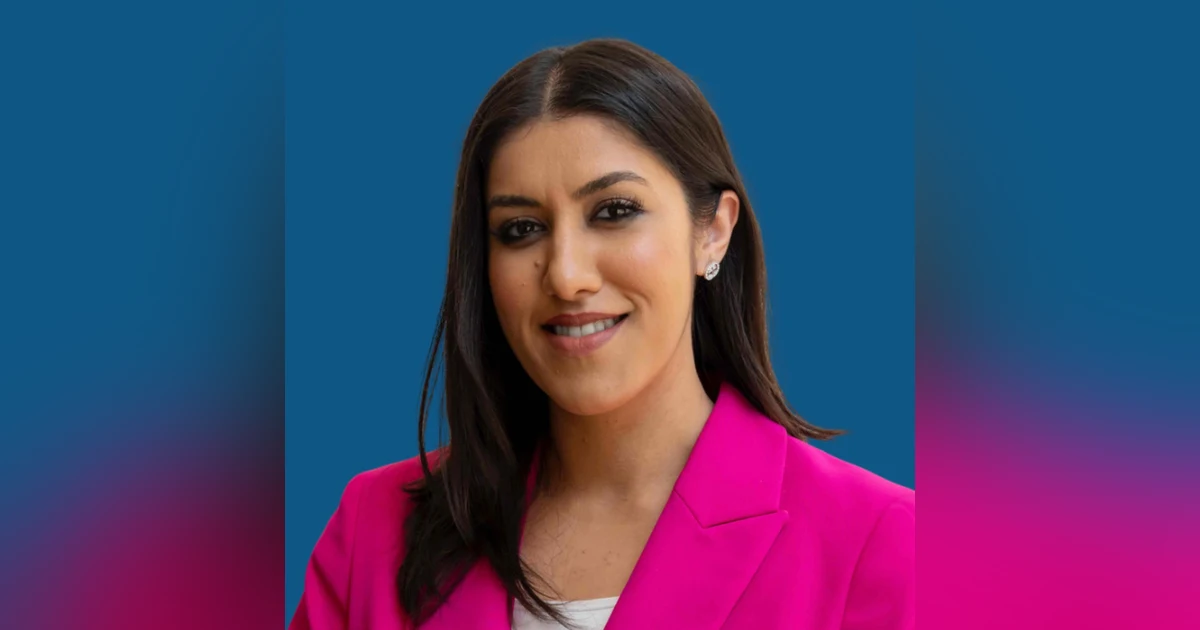

Today, Dr. Priya Jaisinghani joins us to cut through the headlines. We move beyond the "cheating" narrative and explore the biology of obesity as a chronic disease. We discuss the phenomenon of "Food Noise"—the constant mental static about eating—and why silencing it is a matter of brain chemistry, not willpower.
We get into the weeds of patient selection, explaining why BMI is a broken metric (especially for South Asian populations) and why being "skinny" doesn't mean you’re metabolically healthy. We also tackle the serious risks: the "muscle crisis" (sarcopenia), the dangers of unregulated compounding pharmacies, and what happens when you stop these drugs.
What We Discuss:
The "Food Noise" Phenomenon
Patient Selection & The Broken BMI
The Muscle Crisis: Quality vs. Quantity
Safety, Side Effects & The Compounding Trap
The Future of Metabolic Medicine
Resources & Links:
Connect with Dr. Jaisinghani:
NYU Langone Profile: Dr. Priya Jaisinghani
Instagram: @DrJ_NYU
LinkedIn: Priya Jaisinghani, MD
Studies & Literature Mentioned:
SURPASS-3 MRI Sub-study: Reduction in Liver Fat and Muscle Fat with Tirzepatide
SELECT Trial: Semaglutide and Cardiovascular Outcomes in Obesity without Diabetes (The "MACE" reduction data)
FLOW Trial: Semaglutide in Patients with Type 2 Diabetes and Chronic Kidney Disease
GRAMS Trial (Upcoming): GLP-1s and Musculoskeletal Outcomes
Medscape Article: Do GLP-1s Have Deleterious Effects on Muscle?
Podcasts & Videos Mentioned:
TEDx Talk: Dr. Melanie Jay: Weight Bias in Medicine
Concepts & People:
Dr. Gabrielle Lyon: Muscle-Centric Medicine
Dr. Spencer Nadolski: Lipidologist & Obesity Physician
Want to work with Dr. Raja?
Refining Health & Performance is opening a limited number of founding member spots for the telemedicine practice. We focus on health span, longevity, and performance using a Medicine 3.0 approach. Apply at RefiningHealthRx.com.
Guest Bio:
Dr. Priya Jaisinghani is a triple-board certified physician in Internal Medicine, Endocrinology, and Obesity Medicine, and currently serves as a Clinical Assistant Professor at NYU Grossman School of Medicine.
She completed her training at Weill Cornell and New York-Presbyterian Hospital before becoming a key architect at NYU Langone, where she helped build their official obesity clinical care pathway.
Dr. Jaisinghani is a leading voice in the cardiometabolic space, specializing in the intersection of hormonal health and metabolic dysfunction. She is deeply passionate about treating obesity as a chronic, complex disease rather than a willpower failure.
Beyond her clinical practice, she is a dedicated educator who has secured grant funding to develop tools that teach residents how to dismantle weight bias in the exam room. She serves as a vital bridge between endocrinology, bariatric surgery, and sports medicine to treat the whole patient.
Welcome to Medicine Redefined. I'm Dr. Altamasharaja. And I'm Dr. Darsha. Let's put the hell back in the healthcare. Welcome back to Medicine Redefined. This episode has been a long time coming and to be honest, we waited on purpose. The fact of the matter is that we are living through what is arguably the biggest paradigm shift in modern medicine. The rise of GLP1 agonists like ozempic, wagovi, and manjaro. But with the hype comes a massive amount of noise, stigma, and misinformation. And so we need an expert who could move past the headlines and bring real clinical nuance to this conversation. So today we are joined by Dr. Priya, Jason Ghani. Dr. Jason Ghani is a triple board certified physician in internal medicine, endocrinology, and obesity medicine, and currently serves as clinical assistant professor at NYU Grossman School of Medicine. She completed her training at Wild Cornel and New York Presbyterian Hospital before becoming a key architect at NYU Langone, where she helped build their official obesity clinical care pathway. Dr. Jason Ghani is a leading voice in the cardiometabolic space, specializing in the intersection of hormonal health and metabolic dysfunction. She is deeply passionate about treating obesity as a chronic, complex disease rather than a willpower failure. In this episode, we move past the headlines and get into the physiology. We discuss the concept of food noise, that constant mental static about your next meal, and why silencing it is a matter of biology, not willpower. We get into the weeds of patient selection, why BMI is broken, especially for certain ethnicities, and why being skinny doesn't mean you're metabolically healthy. We also have a hard on his conversation about the risks. We talk about the muscle crisis, how to prevent sarcopenia and frailty while losing weight, and the dangers of getting these drugs from unregulated, confining pharmacies, or medspos. Whether you are a clinician trying to navigate these conversations, or someone curious about the future of metabolic health, this episode is a masterclass you've been waiting for. Let's get into it. If you're a high performer who wants a clear plan for longevity, performance, and staying active with fewer setbacks, I'm now seeing patients through my telemedicine practice refining health and performance. I'm opening a limited number of founding member spots at refininghealthrx.com. All right, let's jump in. Dr. Priya Jason Ghani, I am so excited for this conversation, and I don't want to be, I was thinking about this, I was like, is this actually true? Because I think I told Darsch two days ago, we had another recording where I was so excited. I was like, man, this might be the podcast that I've been most excited about since we've done this, and try to put a recency bias aside. And of course, I don't want to be disrespectful to the 160 guests we've had on here. It's just that this topic, I think, is, it's been a long time coming, just you and I had connected last year. But this is, I think, a word late to the game when it comes to that. And so I'm excited to get right into it, but I think that it probably makes sense for the listener to understand a little bit about your background and kind of what brought you here, specifically in this area of interest. So give us the short version if you want of your origin story and why you're here passionate about this topic that we're going to talk about. Sure. So I'm Priya Jason Ghani, I'm an endocrinologist and obesity medicine specialist at NYU. What brought me into this field? Well, I'm the first doctor in my family and first generation here. And I really saw that some communities are very much affected by a lot of metabolic condition, whether that was diabetes, heart health, and I saw my own family. And I really wanted to contribute to providing care to this population who was being ravaged by these disease processes. So that's kind of what led me towards endocrinology. And I did my training at Wild Cornel and New York breastedarian. And then I also did an obesity medicine fellowship. And then now I'm at NYU as a clinical professor. And you've always been on the East Coast, right? Because you? Yeah. Yeah. I've been trying to local on this side. So I'm an East Coast gal. So grew up in Jersey. And then haven't tricked that much further. Yeah. Yeah. I mean, Jersey is the best while leaving further. Well, I guess now you're close to New York. But so metabolic health, I think that's super important. Depending on who you speak to, some people will say it's really all comes down to that. Actually, with again, our recent episodes, a lot of people have talked about the role of metabolism in areas within medicine that you wouldn't think otherwise, right? So we're talking about psychiatry, we're talking about other parts of the brain. And what we're starting to learn about is insulin resistance and metabolic ill health is oftentimes the, quote unquote, root of a lot of these causes, the issues that we're struggling with. And that's why I think that when we're talking about obesity and GLP receptor agonists, like it's been so profound. And we're going to touch on some of the literature with respect to their benefits in a variety of elements. I think though it makes sense for the listener, just so that they haven't understanding that there are other things out there, aside from GLP receptor agonists. So would a brief history of just anti obesity medications, AOMs for short, and like how we got to this generation of GLP one era, again, important, there have been multiple generations. These have been around. Can you give a quick primer on AOMs and, you know, what you think is worthwhile? And if you're still even using any of those medications that you like? Yeah, absolutely. So you're right. There have been multiple generations of obesity medications that have been out. And this field existed even before we had some of the common names that we hear about in the news pretty much every day. But we were using medications, which were mostly oral at that time, you know, now Trexone, Puproprian, Contrary, Fentramine, right? And this class of medication are these medications, which were out. They hadn't moderate efficacy, but they also had some concerns with their safety profiles. And also some of the things that we may have heard about with previous medications, right? There's a bit of a scare with some cardiovascular safety with some older medications, that's where which were retrieved off the market. And, you know, as we saw things develop in the diabetes world with some of these medications, we had GLP ones out since the early 2000s that were being used to treat the diabetes, we saw that one component was that, sure, the sugars were getting better in patients with diabetes, but they were also losing weight. And then they started being investigated for using them as treatment options for obesity medicine. And I think the beauty really about these medications is that they really have good efficacy when it comes to weak management, sure, but they also have multiple targets, right? They're not just lowering weight. They're lowering it in a very effective manner, is now wearing double digits, but we're also looking at other targets throughout the body that they're affecting, right? So they might be helping with glycemic control. They may be protecting the heart, they may be protecting your brain against fatal stroke, things like that that we discovered, which make them different and unique. So they really act in multiple pathways and really focus on that cardio metabolic picture that you were really talking about. And I think that's why these medications have really been path-breaking, right? It's not just about treating weight. Now we're bringing the whole picture about health and where that kind of begins. And I think many people know when we think about disease states, we've commonly heard about inflammation being a root cause of many chronic disease states. And now we're really looking at medications that may be tackling some of these factors, right? And there's so much to study about these medications, but I think we've just touched the tip of the iceberg when it comes to using medications that are rooted in hormones. So now we're seeing, you know, GLP1, we're seeing GIP and we're going to see the introduction of other hormones being used in production. So I think this is the beginning of a new era. So I think maybe step one, understanding the mechanism is going to be really important. You mentioned some of those words, right? So GLP, GIP, break it down for the listener, maybe like their 10th grade. And we'll say 10 years, all of his 10th grade, just because what we talked about earlier. There is a peripheral mechanism in terms of its action as well as a central world, which is also something that I've been really fast learned about. What do you think it makes sense to start? Yeah. So GLP1 receptor agnus, as we hear about them in the news, the larger broader name for these are really called imprinting therapy. And they're acting on a receptor actually that we have throughout the body. And the reason these medications work so well is because they have multiple ways. So centrally, when you're talking about central mechanisms, we know from studies and rodents, right? What we call preclinical trials, that they're receptors in the brain that control appetite, where these receptors sit and these medications act on. So when we talk about GLP1s, they actually help reduce appetite and caloric intake in that way. The other way they act is they actually slow down the gut. So you feel full and you feel full faster. And the other thing which they do prominently is that they help regulate your blood sugars by acting on insulin when your blood sugars are higher. So they really help with that insulin sensitization or that insulin release when you have a high amount of blood sugar. So it's acting in multiple mechanisms in order to keep you full, make you feel less hungry and also regulate your insulin levels. So that's how these medications work as a basic. We also know about a different hormone called GIP, which we see as a dual agonist, a dual receptor agonist, we call it a dual imprinting therapy, which we see in the medication trizapotite. So an axon GLP1 and also axon GIP. And these in conjunction, again, act to decrease your appetite, caloric intake. The hunger signaling you spoke about, is that what people refer to as food noise? So a little bit different. I think hunger, you know, food noise is really a colloquial term that we use. And what I've understood for my patients is that this is kind of like a constant static, constant thought, ruminations about food throughout the day, throughout the night, whenever, right? They just have this constant chatter about food. And what we've seen is that people who are on these GLP1 receptors or Incident therapies, they seem to have less food noise, less constant chatter about this food. It's a very, very interesting phenomenon because we saw this in clinical practice before there was even really a word. And then this term got coined and people started talking about it. Yeah. I think Josh, maybe you and I had this conversation before. I would, I think anybody who's done any type of fizzy competition or bodybuilding or something where they've tried to get extremely lean will have an understanding of what this is. Not they might not be struggling with obesity, but here's the way that I explained it to somebody. If you are, let's just say towards the end stages of competition, you're trying to get ultrally and your diet is going to be, it has to be perfect in the sense that you can't afford condiment calories. You can't afford any type of thing, right? And then your caloric floor is so low at this point and you know, you're just running on fumes because you're again, you're trying to get to really high levels. What's happening though at that time for those folks is that when you are eating, of course, you're thinking about food, but when you're not eating, you're planning your next meal. So you're thinking about how many calories I have left on reserve and 24 hours a day. And that in itself is so exhausting during the dietary phase. And I think we had Joe Faris come on here with his butt and talk about that. And that's why he likes to take a longer approach because just the mental aspect of his so exhausting. I think Chris Bums said talk about, you know, recent Mr. Olympia, I think six times talked about, okay, look, at some point like the exhaustion is just not worth coming back year and year. Again, that's willful, right? These people are trying to do it performance level stuff. I think for the person who has never known anything in their life other than that chatter to quiet that down sounds like a really powerful thing. And yeah, I guess. So go ahead. I would definitely say so. I think for my patients, when they're on these medications, the first time where they feel like they're not compulsively eating or that there isn't this constant thought about food. When's my next meal? What am I going to eat? Do I want strawberries? What blueberries? What raspberries? Do I want a chocolate cookie? What do you think I should have as a snack? What should I have for dinner? What you have tomorrow? You know, did I eat enough? Do you think I need to eat more? Whatever the question are that come up? It's the first time where they feel like they have a bit of control. A lot of patients I've come back and told me, is this what it really feels like for everybody out? You know, they don't have this constant thought, this constant battle going on. And some patients don't even realize that they're thinking about food this much before as opposed to after when it's more of just a background thought. It's not really at the forefront of their thoughts in terms of what's really driving your day. And that which is so drastic for people, and this is I think when you really take into effect and you see that, you know, back in the day, we didn't really think about obesity as a disease process, right? This was only until 10 years ago where in the medical community, it's right getting coined as a disease process. And I think really treating it that way. And I think for people as well, it was always cosmetically viewed, but also it was all just, you know, eat less and exercise more and everything's gonna be fine. And now we're discovering until it's a lot more than that, right? It's not the case that if you just eat less and exercise more that necessarily you'll lose weight. You talked about a lot of important things in the beginning when it came to insulin resistance. Some people on medications are on that drive their weight up. There's environmental factors, there's stress. There's mental factors. This food noise, right? Which potentially may be driving up weight or by maybe mechanism of driving thoughts about food, these compulsions to engage in more high-dentimate caloric foods. There's so many things that kind of play into what contributes to obesity as a disease. Do we have an idea of where food noise comes from? How it starts? Is it cultural? For example, I mean, us being South Asian, I know food waste is a big thing in our culture, right? I've grown up. I could have you had to eat everything on your plate. And I never had food noise growing up until I'd really started getting more into working out and things like that. And as to what Alplash talked about planning out the next meal calorie track and doing those things, trying to make it more optimized. Do we have an idea of based off your patients where the food noise comes from? I don't think there's no, I don't think there's scientific consensus really where this truly comes from. I think we're still figuring better, right? We don't quite know everything. But I think what I've crossed patients is that it really affects anybody. I don't think I've seen anything where it's very much culturally driven in one particular arena versus area. But I think it's something which I've seen that I think culture also does have an impact. Or maybe the environment you grew up in, right? We can maybe approach it even at a broader avenue, right? Where, for example, it may not even be just South Asian, maybe just any household where the rule is you have to finish everything on your plate, right? And I see that all the time in practice. For some people, it's actually that their parent was living within in disorder. And maybe they were restricting and they saw that as a copingism and then they fell into that or maybe they're living with different stressors that have led them to have a needing disorder. Or they're emotionally eating. And there's a lot of different things that affect us from our environment, right? That can play into some eating behaviors. And that's another thing, right? So it's not just, when we're talking about these medications, I think on a day-to-day basis, when I'm seeing people coming in for treating obesity as a disease, right? Or treating overweight or any metabolic condition, we're always talking about not only their lifestyle, but also behaviors, right? Eating slow, chewing your food, paying attention to your food, right? These are all really important. So let's get into patient selection. I think most people will, most people in the know, and I think those who are rigorous about this process, you know, when anything good comes along, they're certainly going to be abused. And I'd love to kind of understand with an open mind from your perspective in terms of who is eligible for these medications. I want to acknowledge this, because I don't think I told you this. I've said this on record here is, in my time of practicing medicine, granted, I haven't been practicing that long, but maybe I'll say, in my time of being invested in help, I would say this is probably the most revolutionary class of drugs. And maybe it's recently balanced, maybe not, for, and you tell me if you agree. But at the same time, I have a lot of concerns from the logistical process in terms of everybody who has access to it, who should, so I'd love to understand from you, who you think is appropriate, maybe you can match specific drugs to patient phenotypes and so on and so forth. I think it's not so much about right or wrong. It should be that it should be individualized to what your goal is, right? And what maybe also your other medical conditions are, what your goals are. And that's really, truly what's going to determine if this drug is a good fit for you, right? Or if you're a good fit for this medication profile, both have to, right? And right now, if we get into technicalities about what the indications are for these medications, those have also evolved, right? So before we used to see, for example, we BMI cutoffs on the medication labeling, that's changed. Now, they're expanding that to say, it's for these imprinted therapies, patients who are living with overweight and a weight-related comorbidity or obesity, right? So first, the magnitude had 2.4, for example, orchards appetite, which are both indicated for weight management. That's what you'll see on the labeling. And that's because we're moving beyond weight as a number, right? We're trying to also expand it to different arenas of measuring how we look at obesity and overweight as a diagnosis, right? And you're going to see there's a lot of community guidelines that I've also updated, but also a lot of different measurements that we use in the clinic to determine that. For example, we're looking at waist circumference or we're looking at waist-to-high ratios. We're looking at different things, funny compositions, right? It's not just the BMI number anymore, right? That we're looking at. So that's one thing. So on the labeling of some of these medications, you'll see living with overweight and a weight-related comorbidity or obesity. The second thing is they've also expanded beyond just treating weight as we're talking about, you know, with these medications. So for example, for some altitude 2.4, recently, you know, there was an indication that came out for right, formerly known as fatty liver disease or NASH, now known as NASH, right? And it's really indicated for, you know, for fibrosis stage 2 or 3 of NASH. So that's what it's indicated for. And there's also an indication that we have for reducing major adverse cardiovascular events, for individuals with this medication. And then for transepity, there's also an indication for moderate to seriously back me on individuals living with obesity. So we've really seen a huge expansion when it comes to what these medications are being used for and what their indications are. As opposed to, I would say, those are your indications now, as opposed to that, they're also contraindications, right? And some of those absolute contraindications are really if you have a personal or family history of medullary thine cancer or ME&2 syndrome, right? And most people have never heard of these specific things. When I ask patients, do you have family history or a personal history of medullary thine cancer, they're like, what's that? Right? And that's because it's usually a rare form of thine cancer. And ME&2 syndrome is pretty much the same. People are like, which, what is ME&? Which men are you talking about? And I have to explain to them, no, no, none men, or that one, ME&2 syndrome. And medullary thine cancer is a part of this syndrome that, you know, can exist in families. So that's to the contraindications that you can have. The other contraindication is if you've had a serious hypersensitivity reaction, like angiotema or anaphylaxis to the active ingredient of the drug or anycipients, meaning whatever else is in the drug. So those are contraindications. I think the other group that you want to think about is if someone is pregnant, they should not be on these medications, okay? And also if they're trying to concede, for two months prior to that, they should not be on these medications because we don't have data. So we usually give a two-month window prior to people trying to concede. Do I remember reading something on medscape that some observational data of pregnant women in retrospective analysis or something like that? Is there anything or are there any trials that you're aware that being looked at that specific population? You know, it's very interesting. There are such view medications that we use in pregnancy. And I think a lot of that is due to the fact that we are not able to complete some of those studies, right? Because we don't know what the effect will be on the fetus potentially. And so it's very hard to enroll people into those studies also. But I think one thing I can say is there is a registry. So if you have a patient who is on one of these medications and happens to be pregnant, the industry is collecting that data, right? And you do report that to the pharmaceutical companies. And they do have a registry of that. So I'm not in tune with if there's anything that's going on right now in terms of studies in patients who may be pregnant and using these medications. But there is a registry to I think surveil that. That makes sense. So let's get the terminology right then because I had mentioned obesity over and actually you said that the BMI is the long cutoff. I think we can all agree we talked about before how BMI at maybe at the population level makes sense but maybe not even so as much anymore at the individual level. It's completely useless. How would you if you were teaching me like I'm a medical student, how would you teach me to pick up overweight versus obesity so I can make the diagnosis appropriately. And then we can talk about the medical comorbidities that might change the game in terms of who the medication is right for and who's right for the medication. So I wouldn't say that BMI is completely out of the picture. I think when I was talking about more of the product labeling but what I will say is that it's actually quite complicated. So you know for individuals when we're able to get even BMI cutoffs, you're right it's a population tool but it's an imperfect tool. So it doesn't account for where your fat tissue may be sitting right and we know that it's very important is it's actually sitting in the menstrual area and the abdominal area and that is a independent risk factor for heart health for cardiac disease. And so we can't tell that from BMI. The other thing we can tell is the distinguishment between you know the different types of tissue, fat tissue, muscle tissue, right? So I always tell my patients who come in if I put my Tyson on the scale for example or an athlete right they make come out but they're BMI being much higher but that doesn't mean that they're necessarily overweight or obese and may just be that they have a lot of muscle and muscle is heavy. So oftentimes we send people for body compositions which will give you the percentage depending on the machine of what is their scale for overweight and obesity. Okay the other thing that is there is even within BMI for certain populations there are different BMI cutoffs for overweight and obesity which I think a lot of people don't know right? So even for the South Asian population for example BMI of 23 is actually considered overweight and a BMI of 25 that are doubly right? That's another thing a lot of us in certain populations hold weight in a different distribution right? For those populations it may be that abdominal, that visceral fat tends to accumulate earlier but also some populations also have less mean muscle mass right? So South Asians is another population like and then there's also waist circumference right? And that also differs from males and females. So everything is very individualized and I think that's what it's going to really come down to right? So for example if I have a patient coming in who may be at South Asian descent and they're telling me about their journey and their BMI is 24 this happens very commonly where they're coming in from another physician who said you're not overweight you're not at a BMI of 27 so you shouldn't be treated but actually for their ethnicity race right? Gender all of these things matter they aren't actually qualified for overweight. So it is very nuanced it's very interesting actually I really encourage people to actually look at even other countries and what their cutoffs are for obesity very very different across the world internationally. Yeah Deel Han actually taught us at least taught me about this right? I think it's if I'm getting it right it's the adipose tissue or phlohypothesis they're talking about like the South Asians tend to we'll you know have a lot more visceral whereas Caucasian will have more subcutaneous fat and that's more inert and not too worried about that. Here's what I'm thinking about if you do have that South Asian who is 24 and it's overweight let's say they have hypercluster lemia right? They got to get on this they don't got to get on this but they would be a potentially a good candidate if all other things lined up what's the insurance company saying? Are they still using the 27 or are they understanding the nuance that you just described to us? Yeah so that's a challenge right? So we are very behind in the world of obesity medicine so that's why we still use BMI a lot because the truth is even though for example AMA had mentioned that we should use other metrics right with that research conference ratios body compositions in conjunction with BMI are one of our guidelines medication indications were all structured around BMI so that's why it was very important you know many of us as physicians were not even documenting BMI originally so one there was a push hey let's document BMI right? To in order to even list this as a chronic disease it was important to do that but two then we when we look at our infrastructure in medicine it's all based off BMI and so your indication for medications originally was coming off BMI indications for surgery was coming off of BMI and so we're still seeing that we have to make a push towards a cheat so it's actually very important that physicians yes to long BMI but then to also use other metrics to demonstrate for example if you send a patient for a body composition right and their BMI maybe is 26 but you send them for a body composition and the fat to shoot percentages higher indicating obesity it's important to show that that contradiction right to insurance companies to say hey even though the BMS 26 we got a body composition for this patient and the body fat percentage is 30% which is something right and we want to treat this individual with medication therapy because just by looking at somebody we can't tell what the body fat percentage is and neither does BMI distinguish that and we are seeing a different phenomenon also which colloquially was known as kidney fat that was another thing which was which was happening where people look thin but don't have as much lean muscle mass as they do fat to shoot and the fat to shoot percentage was and that's why thin does not equate to healthy right and so we're still finding a lot of these basic constructs that we have thought constructs that we have in the medical community and even in the general community right we tend to stigmatize a lot whether it comes when it comes to weight appearance right these these types of things it's just like how you can't maybe you know it's hard to tell looking at somebody what other disease processes they may have so it's it's just like that right so we're still pushing for that I would say most most entrances are still going by BMI and sometimes it's even hard because they may have planning exclusion with because it's not that free employer is opting into AOM therapy right so that's been really difficult so it's not as simple as you know we just place the order and we're good to go right there's a whole team that and then goes behind this who does prior authorizations for insurance it's a hiccup because it takes a lot of time effort manpower we get rejections we do appeals we do peer to peers lots of phone calls and it can be frustrating for people because imagine if you come in as a person seeking help your doctor and maybe this is the seventh time you've tried to lose weight in your life and now you have a stall and you're getting frustrated and you're getting disappointed and you're like no let's forget it I don't want to deal with this so I'm just not going to deal with it and that's understandable because you can imagine if for example if we applied to professional school seven times and failed would we even apply the eighth time a lot of us wouldn't right because right like you know how many times we're going to face rejection so a lot of people are on you know really the edge of their seat really coming in with a lot of hope for help and if they're facing a lot of these barriers it gets increasingly frustrating increasingly difficult increasingly disappointed right and we try to do our best with this but sometimes we do get pushed back from insurance sometimes you know there are different caveats sometimes it's patient populations that really need it Medicare Medicaid you know there have been some advances with Medicare but there's a long way to go right there's a long long way to go we went through a whole battle of shortages right when these medications initially came out there was an uproar for demand and I think the manufacturing just wasn't fast enough it was also it's it was an injectable now we have orals which have come out right so we'll talk about that too but you know a lot of things have changed in the landscape even though these medications are you know relatively new quote-unquote even though older versions have been around of these injectables since early 2000 when they really came into the obesity medicine space is really when I think they gained a lot of popularity I mean how many medications are we here being talked about Emmys the Grammys award ceremonies right and the news every day yeah you know you're talking about employers and insurance companies not opting in in fact I heard quite the opposite a lot of them were opting out that initially were opted in patients were covered and all of a sudden they're getting letters and effective January 1st 2026 you were no longer gonna or this medication is no longer gonna be covered and they're like hey man I've been on this medication for X amount of time in fact pop them which is the drug cover provider for my employer it's actually just send a PSA out to everybody it's yeah the price we're still gonna cover but the price is gonna triple or something like that and it's it's it's it just doesn't make sense but I guess a lot of things don't make sense from practicing medicine and we've done many of those episodes here I am interested to hear about your experience with peer-to-peer walk me through what that conversation looks like and how successful are you I mean you the evidence you're presenting here and the nuance you're adding is compelling for me again I acknowledge my bias I also know what their objectives on the other side so how successful are you what's your success rate on that and what does that conversation look like when you're trying to get approved and they're saying no they're not a candidate quote-a-quote yeah it's tough because one thing is sometimes you have to really sit there and explain the entire case to the other person on the phone right and you need to explain why it's important and there's multiple scenarios where you can be patient came in from a different insurance plans which jobs they were on the medication whatever it may be but you really have to go through the entire history and sometimes even pull in papers right and indications that may be supporting that right and why maybe it's just not the wait maybe they're a patient who had a cabbage right and you're using it for a waste reduction it's really about building the case about why they need to be on this medication there maybe also why they need to stay on to these are long-term medication therapies and I think oftentimes we're still seeing sometimes problems with insurance is where besides losing coverage or coverage changes or employers changing plans way into different years sometimes we see like oh the patient reached their reach normal weight and so they don't need this medication anymore no it's like saying that if we treated someone's blood pressure and it was normal I mean we should stop medication it's normal because we're on the medication so it's the same with this right it's we're able to manage not only the weight but maybe revert yeah I want to jump in there so that is the most logical thing for somebody like me but I don't know we don't have evidence you're not pulling in papers for that so when you say that like what are they saying on the other side well actually we do have do we some of these medications or the weekend data the regaining weight okay we do have some of that data so there were studies on both semacletics 2.4 enters up a tight that showed what happened when people were on the medication person amount of time then the medication was stopped they were either randomized into groups to continue the medication or to be off the medication therapy and we saw that they had significant amount of weight regain now they didn't regain all the way you have to remember in what the studies that we're talking about this was in conjunction with lifestyle changes 150 minutes of exercise 500 K count deficit and so you have to account for that as well that they did regain the significant amount of weight and that's when you start to tell the person you're on the phone with hey we were able to reverse their prediabetes I was able to put their moderate to severely back into remission I was able to control their cholesterol levels through this medication therapy and if we take them up these things may come back because the medications are acting in your system typically right it's very hard to maintain a steady state we also have things called metabolic adaptation right and a lot of things a lot of these medical conditions are actually they have a component of being weight-related as well so if your weight regain starts to happen the medical conditions that you just improved or put into remission or reversed may also tend to get worse so we tried to explain these things am I am I always successful with this no am I sometimes sometimes but not always I wish it was better but we have to do our part because the more we advocate for our patients the better it'll be I think that's all quite easier said than done because not everyone has the resources that I'm very grateful to have in my office we do have a prior authorization team right so they're able to submit the prior they're able to write the appeal and I can get on the phone for the peer to peer right but as if it's someone who's in office by themselves a lot of work that's a time so it's it's a huge burden I think on providers they're trying to do the right thing and sometimes you'll even see this one always gives me a chuckle that actually the BMI kind of serve different first right insurancees so they will say actually you know you're the person you're requesting this medication for it doesn't have a BMI of let's say 35 and I'm like wait hold on you know the indication is actually overweight and weight really come over or we're just changing the rules for everybody so sometimes you know we do see a piece thing it's very interesting some of the things that we're seeing or they have to try and fail a certain medication therapy before they get on this right and so we do see things and it's been ever-changing just like the medications prevent shaping the rules have also been changing with a lot of these things and we've trying to adopt the best as possible yeah I think it's important for our audience to understand who you're talking to when it comes to peer to peers do you mind just explaining you know who is on the other side what is their knowledge level of this because I think that's just a huge transparency issue too that a lot of patients don't understand it can honestly it can even be a pharmacist on the other side working for the insurance company it can be a physician on the other side working for the insurance company so it really just depends and then you use the words or abbreviations I should say cabbage mace can you just explain what those are yeah sure so when I was referring to a cabbage I was talking about a cardiac procedure right and then like a coronary artery bypass graph but for mace you know that's I'm referring to a meteor adverse cardiovascular events right so these medications actually showed reduction in mace outcome mace e which tends to be a major adverse cardiovascular events but they're really referring to reduction in risk of non-fiddle mi stroke or cardiovascular related death yeah yeah so on the topic of BMI and having a case to present why your patient should be on these medications what other testing are you doing you know you mentioned body fat position maybe through DEXA or something but are there any other panels lab testing what else is that kind of pre checklist that you use when it comes to see whether it's a good fit yeah so obviously we get our basics right we get our kidney function liver function check for a thyroid level you know TSH3T4 cholesterol and A1C a fasting blood sugar I also like to check for a fasting insulin level and calculate a home IR there's a lot of you know difference about how people approach that some people go by more of the center that insulin resistance at clinical diagnosis right there's no official testing for insulin resistance but as a tool I learned in fellowship what's using a fasting insulin level and a fasting sugar level and a calculator home IR to get better sets um so that's something that I still do in my practice there's also other tests that you can get depending on the person who is sitting in front of you for example if I'm high cholesterol and then family history and they've never gotten checked maybe getting an lp little i but these are not specific to the medication itself this is just an intake that I do because when I've realized is you want to screen for everything metabolic right when someone's coming in for for obesity or overweight or for weight management you want to spring for other weight related comorbidities or any weight related complications or any other metabolic disease state right that may be appropriate so for example in our office we actually have in our weight management that are eight fibres two spring patients for as I mentioned fatty liver disease mash which it's now known as in patients who may be at higher risk for example in the type 2 diabetes population or in the obesity population so we actually calculate something called a fib 4 as well which restranifies patients for mash as well so it's uh it can get very complicated you know that's we could probably have a whole session just talking about mash at fibroscane the diphors and a lot of complicated terminology but I think the point that I'm trying to get across is before we were kind of doing things where we were treating weight rest now we're using weight management at the forefront of things and we are really having bind directional right so if some of the main with diabetes I'm also tracking he can they benefit from some weight management if someone's coming in for weight management I'm making sure that they don't have pre diabetes or diabetes or dyslexia and so it's really a bi-directional relationship Dr. Any psychology testing? Yeah so I mean one thing is I always so I actually have a four page intake sheet four of my patients so it's it's quite extensive quite long and actually in there we talk about eating behavior so emotionally eating stress eating all of that stuff and I always ask about a history of an eating disorder or disorder eating and also mood disorders right so like anxiety depression very common prevalent in these populations but also for these medications you also want to ask if anybody has a history of suicidal ideation or or active suicidal ideation or a history of suicide that's also important to ask in these medication therapies they usually said avoid that if that's the case but these are really important things to ask about because I think you know honestly if there was a perfect construct there should always be a psychiatry component too so if there was a psychiatrist in our office or a psychologist a nutritionist exercise physiologist and a endocrinologist it would be great it would be ideal you know it would be perfect but that's not always the case right it can be deconstructed medicine and time and we do our best to do that I do work with a clinical psychologist and obviously the psychiatry team as I need to but you know we built our bridges and have counterparts in mostly every field right so and and why you I worked on kind of building the obesity clinical care pathway and now we're actually working on building the cardiometabolic pathway so there's a huge infrastructure that comes with creating pathways for patients that are coming in for a metabolic care so let's say you've gotten somebody identified they're going to be a good fit you're starting the medication you've gotten all the baseline and you've had those conversations about actually maybe as you're starting the medication what are some of the I guess informed consent so to speak where you'll explain to me here's the expectations this is going to be our process walk us through that conversation or what that looks like when you're setting expectations for this medication yeah you know one thing is there then I always tell my patients that lifestyle changes are always going to be a part it's definitely going to entail nutrition it's also going to entail exercise right and beyond that there's medication therapy and then there's surgical therapy and then we talk about what combinations we want to use and what are going to be a good fit right and along with let's say they choose lifestyle and medication therapy then we're going to talk about each one very specifically and I really walk in with the exercise prescription for patients or really I would say not even exercise prescription of lifestyle first right so we're talking about everything we're talking about how much they're sleeping how their sleep quality is how much water they're drinking how many steps they're walking what their stress levels are in light how much strength and resistance training they're doing if any right how much exercise may be cardio they're getting in and we kind of tailor as far as these medications go and nutrition it's extremely important because I think there's a huge misconception that these medications while you're on these medications it's okay to not eat that's not the case right the goal of these medications is not to not eat it's actually to help you eat better right and actually to maintain your nutrition and your micronutrition these are all really important things so I always tell people that we're going to use this medication as a tool as it is right it's not the whole treatment plan it's a part of your treatment plan so alongside nutrition and exercise we're going to use the medication and for the medication one thing you really want to understand because it's slowing down the gut and making it feel full it's important to have smaller more frequent meal the other thing is you want to keep hydrated when you're on this medication and you also want to watch out for side effects so nausea vomiting, constipation diarrhea GI side effects are pre are one of the more common ones that we see with these medications and you want to make sure you avoid certain triggers so example fatty food fried for greasy food these things can all cause maybe people to feel nauseous potentially vomit and have diarrhea on this medication at the same time it's really important to pay attention to things like fiber when you're on this medication to avoid things like constipation to make sure you're in enough water to avoid things like constipation to make sure you're having good movement to avoid things like constipation so these are sort of the contracts that we kind of start with I also always tell my patients that we're going to have really frequent appointments to see how they're doing and if they are having severe nausea vomiting diarrhea any side effect you know they should let the office know right I think that's really really important because I think these medications sometimes are perceived as being just a prescription right and it's fine these meds are easy you just take them and everything's good but it's a lot more than that right it's not as simple as just writing a prescription there's a lot of counseling that comes with these medications because the truth is they are medications and I think sometimes we forget that in all the buzz and popularity that these medications have had I think sometimes we forget that they do require monitoring follow up counseling right and so we really need to do our due diligence with that I'm thinking about I have one patient who committing care for about three and a half years now and she had a gastric sleeve about three years ago and I kid you not I see her about every two to three months for some musculoskeletal issue and almost every time in that interval she has been admitted to the hospital because of a complication that she had from that very electric surgery and every time I see her I just said man if you just I just wish she had waited six months or 10 months or whatever and she could have been on one of these medications so now that's my bias but I want to know from you who's the patient that you're still recommending surgery so you know there are also so first of all I'll say you know some patients surgery is definitely a part of it do they the surgery has certain risk complications that come with it yes you're right back in the day we didn't have many options now we have more efficacious options our medications are can lead up to 15 to 20% weight loss but there are patients who may need more than and when we're talking about these percentage numbers these are maybe average right for some patient you know they may not lose that much weight and some patients may lose more weight so one thing we don't talk about is that some patients actually have what we call failure therapy on these medications they may not lose anyway or they may lose less weight then anticipated yeah we don't hear about that yeah and so that happens I see that a lot right I see that I won't say a lot but I see it more commonly than I think people would think right so generally it's about the way we look at it is a lot of times for insurance right yeah people want to see about an improvement of at least five percent in three months that was what we should think about for as therapy working and what insurance was asking for so sometimes for people who don't achieve that that's considered failure of therapy right so we do see that in the office as well but that is less than 10 percent of patients but it still does exist right and so for those patients you know Patrick surgery may be an option but for patients who may be requiring more than 20 some percent weight loss you may have to think a bit further now we do have medications coming on that are going to be equivalent to bariatric surgery right percentages 25 30 percent weight loss but even beyond that you need to look at other things right there's a score in Edmonton score there's also other scoring systems I'm sure but there are scoring systems that actually look at in totality how maybe someone's weight maybe affecting them in other arenas in their life whether it's emotional mental physical some people are not able to proceed in their daily life at maybe facing immobility maybe they're wheelchair about right maybe they're using a cane maybe they are internally stigmatizing maybe they don't want to seek health care because of how much they've been stigmatized against right maybe they you know I hear I hear about these things every day I say these things every day right so I think we really have to take that into account you know if you have a patient who maybe immobilized by living with obesity maybe suffering from conditions like heart failure or other things maybe having anxiety depression maybe have faced a lot of stigma in the committee these may be patients where you may need to use all three maybe you need to do lifestyle changes medication therapy and bariatric surgery I think there's a continuum of therapy and it really just depends on the patient who's walking in so I work very closely with the bariatric surgery department actually and what we'll often see is patients maybe utilizing gel P1 therapies before surgery and sometimes we even utilize them after surgery to maintain weight so I think there definitely is a place for surgery sometimes that maybe different for each institution maybe it's we'll have classes of obesity that maybe let's just agree that's class three obesity above but it just really depends on the patient who's coming in maybe the patient says I don't want surgery and that's totally fine so it really depends on what they're looking for sometimes we have patients who come in and say I'm going to try lifestyle changes and I want medication or surgery then we wait we see we watch how the progress is going if it's not going to say listen I think we need to revisit our plan and see what we need to do and maybe then at that point they're amenable to medication therapy and maybe they make good progress and maybe they need surgery on top of that and that's that's still a possibility yeah or there you mentioned frequent visits what's the interval that you'll see them for yeah I mean before in the beginning we really trying to see I think ideally you would want to try to see someone every month I think a lot of offices are inundated with patients and I think that stretched a bit too possibly closer to 68 weeks for people so in my office I try to aim for about one to two months and then once they're more so on maintenance maybe every three months they're in the office for a check-in but at least every one to two months they're there I know a lot of institutions that are actually trying to create more bridges to involve more people in clinical care pathway even utilizing pharmacists or npps in between physician visits to make sure that patients are getting appropriate in a lot so like our pharmacy will actually call patients and check in on how they're doing as well is that only if they're failing through that pharmacy I'm gonna say yeah yeah only if they're failing through that pharmacy yeah that's awesome yeah I actually feel like it's really nice because the patients feel like also that it's very helpful that somebody's crawling in between and asking hey are you experiencing these sometimes we can reach out to your doctor's office if that's the case when they're checking in and kind of helping them along it's interesting because that's almost a standard when you're doing a specialty medication from any specialty pharmacy like credo or I don't know any other ones that you think about they will do that they'll check in they say would you like a consult with a pharmacist and do that kind of stuff I guess yeah this technically should be that that'll also make it much harder for people to acquire probably if that was case right I actually for our we have a specialty pharmacy so that's a specialty pharmacy so it is through that but it's actually it's not too much harder to acquire I think I was also lucky because at the time that it was introduced to our office I was I was incorporating into the system very early and I know them very closely it worked with them very closely I built that relationship with them so it's pretty smooth for my patients to go through the specialty pharmacy but again not every person who may be prescribing these medications may have access to a specialty pharmacy so it's I pull every institution every office every clinic has a different way of operating when it comes to us cool so let's talk options you've mentioned semi-glute side trisipotide right those are the two main players and probably like well there are other two but let's talk routes of administration interval there are different ways people can get that right now both Eli Lilly and Novo have a direct and for those can you talk about all that stuff war so um semi-glute side two point four right you have from Novo Nordic so starting doses are 0.025 milligrams every week it's an injectable therapy you go up there are other doses right point five one milligram one point seven two point four is the maximum what I would say is we don't necessarily potentially need to go up every four weeks right it's usually based on the patient's tolerability how they're doing how much weight they're losing these are things that are really important to look at how the side effects are if they're tolerable for the patient how much weight they're losing is also another component but also you want to see that they're engaging in all their lifestyle changes how they're feeling with things and some people are more sensitive to medication others some people may require a little bit more medication so it's really individualized so that's why I think those follow visits are really important to see how everyone's doing it's recommended that you can potentially go up every four weeks that's unnecessary but terseptide also there's a wide range of doses it's starting at 2.5 milligrams um and it goes all way up to 15 and there are doses in between there are maintenance doses also for these medications depending on the indication right so for terseptide it's also depending on the indication what the maintenance doses are and now we also have oral wigofi which is brand new right that has just come out this month in fact at maybe a month in January and it's only been out for a few weeks but it's it's been interesting to see they have doses starting at 1.5 milligrams daily and it goes up to 25 milligrams daily and it's a little bit different because the other ones are injectable therapies that are used weekly this one is a oral medication that's daily and you have to give it a small amount of water and wait for 30 minutes before you either drink or take any other vents so it really depends on your absorption of the drug and so there is a little bit of a caveat there where maybe people were administering this medication once a week didn't really have to take it with food without food it didn't matter time of day everything but here you you need to be a little bit cognizant about that pre-administration instruction yeah is it just 30 minutes with any other medications or even any eating even just breakfast or meal even eating and there's medications which you may need to watch out for a little bit more right like for example leave out their oxy or something like that what is it like what about like coffee and stuff is it is that an interact with any yeah so you want to wait even that okay yeah wow okay darshan anything I think the main things that I think about so like in the inpatient rehab I have a lot of these patients that are coming on these medications but their last dose might have been a month ago how do you think about either restarting it or you know that's a lot of the questions that we get is can I go back to that saved dose do I have to restart should I just wait to the outpatient setting yeah so you know it's very common for patients going to endoscopy is any procedure under general anesthesia deep sedation that they should talk to the operating provider about when they want to stop the medication and sometimes you may be hospitalized and may hold the medication right when you're restarting the medications really important to talk to your doctor about when to start right so if you have a operating provider that's telling you hey stop a week before it's really important to talk to your prescribing doctor about how to restart that so generally I would think if it's been beyond two weeks since your last dose you should probably the manufacturers say you have to go down to being in dose again and solely go back up I think it's really important to formulate a plan with your doctor if it's truly been like a month post your last injection it's really important to talk to your doctor about getting back on schedule from going down back to the lowest dose and then slowly going back up then what's the current thought on weaning off the medication versus maintenance does that just depend on patient or given the data now that we know there's you know you can definitely get that weighing back how do you think about that yeah so these medications are definitely for not indicated still a long term right for treating obesity as a chronic disease state so we're using chronic regimen for that right so they're really indicated the long term so the goal is to actually not only lose weight but to maintain it and that's usually through sustained use of the medication now a lot of times we've had trouble over the past few years right where we've had medication shortages we've had to jump from one medication to the other or maybe use an older school oral agent right if patient wasn't able to find the medication or if insurance coverage got dropped and so sometimes we have to get a little bit creative with some of these things or we've had some patients who maybe have lots coverage or can't afford to continue on the GMP one out of pocket so these things have definitely happened in real life where maybe someone is abruptly stopped and we have to get a little bit creative and see how we can help maintain the weight so that's definitely there but as far as a protocol to come off the medication there's an official protocol on how to come off the medication so that is not there right pre if you had a patient let's just say they're enthrased at the tide and they're on they've slowly been weeding down they've achieved their targets they're happy with where they are life is better in a variety of contexts and they're currently you've got them down to 5 milligram the next logical steps to go to 2.5 milligrams weekly but there are some people who are advocates and I'm one of those who would say actually I would rather stay on the 5 milligrams and extended the interval now I understand the pharmacokinetics of it half-life everything that the company will argue how would you approach that case so this is off label right on label they will tell you that that's a meat in shows now there's a couple of tricky things maybe you say go down to 2.5 maybe the insurance will let you maybe we'll say that's not a meat in shows some insurance is made like you so it really depends the other thing is when we're talking about a flight right so really depends on the drug so let's say four turns up a time it's five days so if you like once you start going beyond 10 days that's a lot have lifers already got twice right and so I think that's a little bit trickier right if you're going beyond that you also need to make sure when you're re-administering the medication if the patient's having too harsh of side effects right so that's something when we're talking about in practice what that looks like but I don't think there's a perfect formula I think it's something that we definitely have to be careful about there are other drugs that are on the horizon that are being studied for once a month administration but again with some of those studies we did see harsher side effect profiles yeah so I would say no perfect formula right now but something to be definitely careful about since it is off label and so I think the next thing that we talk about will make a little bit more sense and why I approach it this way so I'm extrapolating some of my thought process let me just explain to you tell me where my gaps are okay so the caloric cycling and refeed or clerk shifting model again comes from fizzy competition from again I keep using those because that's where most people in aggressive weight of study and this matters because you know one of the my biggest clinical concern and a lot of people's clinical concern is muscle loss is a big thing well one of the things that we've learned and we've known for for a long time is that when you have this caloric and macronutrient cycling you can preserve your metabolic rate a little bit higher and so by extending the interval you are going to have low days so let's just say you're going Q 10 days every 10 days sure for the first 24 48 72 hours you might your consumption will be a lot lower and then date 8 9 10 it'll be a lot higher that is that shifting model now the evidence is sparse on that right a lot of studies will show actually continuous energy restriction where you keep your calories in a deficit every single day achieves a same amount of weight loss but I think that there is enough evidence that this is what isn't applied in practice when you look at people who are getting in that aggressive fat loss faces and so that's kind of where I and now granted I've only had two patients who and I'm probably a fraction of what you're doing so I wanted to get a sense of and I've also heard Dr. Nadolsky talk about this I think on social media and this is all he does is my understanding at least where he has a virtual telemedicine clinic and I was like okay well I that made me feel a little bit more validated but does that make sense or am I missing something there shout out to Nadolsky he's a good fact but I would say these things are very interesting in the sense that sometimes we can think about theories and everything but then you also have to think about the person who's sitting in front of you right so let's say I'm put a patient and we decide we're going to do every 10 days and then they come back and they're like Dr. James really hungry those last three days and it's you know the food noise is coming back I'm making worse choices I don't know if that's the best option for me sure right and they might come back and say that and so you might have to change your plan again but in terms of you know the cycling that you're talking about one thing I will say is I don't know how much really besides the hunger cues how much that if there's a drastic shift in weight in those three days let's say you know or any cycling between that but I'm not really sure you guys are more in tune with that kind of cycling that happens diet and all the things that you're talking about but I'm not really sure if we have any data on what would happen with that cycling on every 10 days I think we don't with GLPs that that's for sure like yeah we don't have that have that yet yeah so something to be looked at yeah but there's so much to you a lot of things like fasting also and also looking into maybe you know even for surgical procedures or for endoscopy's colonoscopy's a lot of places of adopted going onto a liquid diet for example for easing some easing symptoms and stuff like that so I'm not sure where we'll be in some time with some of this stuff and intervals between medication dosing but I think it it's it's an interesting realm right now like I said there are medications that are being studied for even once a month in administration it's just we also have to be careful on how the experience is for the patient if it's actually tolerable and they're actually getting good results so it's not just about the quantity of weight loss it'll also be about the quality of that weight loss the other thing I think it's worth mentioning here is the tolerance to the side effects right so for instance you could have a little bit of reflux knowledge out things that you mentioned earlier but the longer that you're on the medication your body acclimates and you will have less of a response is that true so there's something called metabolic adaptation right I don't think it's so much you know there's two really phenomena I think that go on one is a lot of times I've heard from patients you know it's not quite like the first time when I took it and that's because your receptors are naive at that time they they haven't seen this this medication right and now all of a sudden let's see you're going up from 2.5 to 5 milligrams right after zapatine maybe it's possible that your body has already seen this medication therapy and so it's not as prominent that that effect you may be seeing for some patients you may hear that it's not quite like that first time when I took the injection it doesn't quite feel that way the other thing you have to realize is that yeah you also sometimes hear from patients that I don't quite feel a difference but I could probably see you if they're not on the medication they will feel that difference in in the hunger and the difference that the medication is made but there's also a phenomenon called metabolic adaptation right where your body may sense that if you're doing really well the weight bracket is shifting a certain way and your body may also try to fight back and release more hunger hormones to try to combat that satiety and it may give you a push towards really making people more hungry and trying to bring the weight back to a certain set point so that we also see makes sense so whenever we have any difficulties I think with things like metabolic adaptation things like that it's always really important to go back to protein intake fiber intake water intake strength training all of these things that we can use to combat it what is just curious what's your prescription for protein intake here? I think it depends also on activity level that we're talking about right and also other disease processes so for example if someone is having an average amount of activity right maybe they can get away with 20 grams per kilogram if they're pretty active and exercising throughout the week maybe 1 to 1.2 grams per kilogram I think for bodybuilders it's very different right they can be much higher you know and for example someone with kidney disease it may be much lower right maybe point x grams per kilogram so it really depends on the patient yeah context over content all right let's talk about muscle loss so we the I don't know if you know this I know our mutual friend is a physiatrist so there are two buzzwords in physiatry right so there's disability and there's function I guess it was the quality of life as a phrase as well so we're big on that right so we're all about performance and function as you've already gathered from some of the questions that we've asked and you so I'm learning too so you teach me so one of the concerns a big concern about this is the fact that people are losing weight so rapidly that there are losing lean body mass so much so that there is an almost an arms race of both Eli Lilly regenerate on all these companies looking for what Dr. Mike calls Mike Isertel non-anabolic performance enhancing drugs and it's an interesting area where like how do you think about that when you're counseling the patient when you're monitoring I know you talked about DexA has this limitations about how frequent I really want to get a sense of where you are with that and do you have concerns like I have concerns so I will say with or without medication therapy for every pound you lose you're losing one third to one quarter muscle I think again it goes back to that contract like these are medications I think what happened is when there was a first of popularity with these medications these some of these medications were being acquired through other means telemedicine platforms third-party platform maybe not even seeing a physician maybe a text messaging service and acquiring these there was also non-fd approved drugs that were also being sold on the market I think that's tricky right when you're having a maybe let's say you're getting the FDA approved version of medication but you're not getting the appropriate counseling you're more at risk right for muscle mass loss I think also what we're talking about individualizing that titration right what if you don't need to move up on the dose and I are losing more than two pounds per week right you're putting yourself again at risk for losing more muscle mass and so I think these things really need to be taken into account you know go low go slow right when it comes to medication therapy make sure you're getting your appropriate protein in thing make sure you're getting enough strength training in strength training is also a big part all when I see patients coming in and they're like they're already very intimidated sometimes by the whole journey right it's a lot of information it's a whole inflow information we go slowly but can you imagine never having maybe bit in in a gym or a weight training room and not knowing how to use a dumbbell or even where to start with some of these exercises right and that's really a concern right it's a lot of resources also that people have to acquire maybe you're paying out a pocket for medication therapy can you also afford a trainer or maybe is it you're watching YouTube videos and or maybe you're getting the medication through insurance and paying for a trainer right there's so much in mom there's so many variables but I think the most important thing is trying to give your patient best plan of we're going to go low with medication we're gonna go slow we'll go up on me need to we're gonna monitor the amount of weight you're losing on average per week hopefully if I could do it my way I would love to get a money composition before every dose increase and track them for the beginning and every so often get that doesn't quite always happen but at least you know if I can get in every three months through the six months that's good not every person has access to a body composition machine at their office or their institution that's another thing sometimes people might and they're patient to a gym right or maybe they have a home scale a home smart scale right we don't know if that's a medical grade one we have no idea right so these are all different there's so many variables right it's quite complicated but we do our best to try to help preserve that also master if you look at the medications generally they'll say that the medications need to more fat mass loss than lean muscle mass loss but what we're really looking for is to actually preserve that loss of muscle that we see now there are medications like you mentioned that are gonna be in the pipeline or are in the pipeline rather I should say and maybe many more to come that are looking at potentially not only preventing muscle loss but also helping with kind of that maybe even helping gain muscle right so I think it's gonna be again an interesting landscape we're looking at things that really depend not only on quantity of weight loss right so how much more do do you think of losing maybe beyond 30% funny funny fat is important or how you're losing it or if you're sparing muscle while you're losing it which thing is important maybe we don't need more than 30% right weight loss with these medications but maybe we need better focus on quality it's just different right and I think both things are being worked on right we have medications that are being looked at that do lead to 25 30% we lost but then we're also looking at how do we improve the quality of the weight loss that we're seeing and we want to protect the muscle we want to protect the bones right we want to we want to do all these things and really give our patients the best chance of having good quality of health while they're engaging in these journeys yeah no it's well said I just want to just piggyback off one point that you made earlier just I know you know this but for the novice listener so we're talking about two pounds per week if you're somebody who has 50 pounds to lose earlier on two three pounds a week might be okay but when you're get to that maybe last 15 pounds now all of a sudden two pounds is too much right so there is a point of diminishing returns in terms of losing body fat and trying to keep on as much lean body mass I read you know while just kind of reviewing some of the notes earlier this morning I read this opinion piece on medscape I'll send it to you because I think you'll find it interesting and it builds off this discussion where in a gastroenterology journal they were talking about what we're looking at right now is quantity of muscle right and again the best way that we have outside of MRI and some of these imaging modalities will be a dexascant now what dex is not great at you know it'll give you a lean body mass but lean body mass is everything but fat so it's organs as water it's even intramuscular adiposter intramuscular fat and I have to credit Dr. Gabriel Lion for this because she's actually been talking about this as the first place I heard she's talking about this concept of myostiotosis so the intramuscular fat content is really important because that dictates the quality of the muscle they also talk about it in here and we'll link into the show notes for people that you have micro vascular blood flow within the skeletal muscle that's super important the insulin sensitivity you've talked about this already and then people have heard about this word buzzword mitochondrial efficiency because that'll dictate the function in the oxidative capacity and how your body handles energy and some of the stuff that they talk about in there it's they're basing off of rodent studies but when we talk about intramuscular fat content this is something that has been looked at in fact I think it was the surpass three trial when they look at a sub-study of trizipotide and what they did is did it MRI on a lot of these individuals with type 2 diabetes and they actually noted that within the muscle the fat content within the muscle had reduced significantly suggesting that even though your muscle mass is lower it's still healthier muscle the challenge is how do we assess for that? We talk about not having dexas can you're not going to be getting MRIs certainly or so I did come up with a little framework I was like okay what does muscle like what is your responsible for what are the components so I thought that bear with me here I thought that okay we could have a structural component to that right so this is what we could look at CT MRI but in my clinic ultrasound I have that readily accessible so I'm actually going to start doing this when I prescribe it right so I'm going to get muscle thickness particularly for some of the vastus muscles the quad muscles and your gas truck muscles and maybe we'll do brachialis for upper extremity and then you could also look at eco-texture so how for those who don't know how bright and signal is it'll suggest how much fat contours of within the muscle you have to be a little trained of a synographer to have an eye for this and then there's a functional component this is things that people could do by themselves we're all seeing so much out there being talked about the role of grip strength and its role in longevity and so that's something you could test by yourself you could certainly do three or to five mix rep max testing data monitoring you could check gate speed six minute walk test all these kinds of you'll pick your thing that you want to check to start off with and then last but at least the metabolic component of muscle so insulin sensitivity some of that's going to come from the blood markers that you talked about but I think that VO2 max if you can get somebody again this is a lot of work so I recognize that not everybody's going to want to do this but the patient like me would want to do this maybe our shift what's that the ideal construct that's where we're all optimistic here maybe someday but I think VO2 max is good because it's a good integrator of all these things that we talk about and so I think that's like something that was really cool about I even learned today that there is a there's a trial registered called grams where they're actually looking at specifically examining GLP based won't GLP one based weight loss and the muskos get outcomes bone muscle function so that's going to be a couple of years down the road but I think this is such an important area and again you can see why it really matters for us yeah you know Darshan we were talking about earlier before you jumped on like he's in the skill nursing facility you're seeing people in their 60s 70s 80s oh yeah obesity's bad you know what's worse sarcopenic obesity yeah way worse and that's where I have the pause and so that brings me to this really important question that I want to ask you I'm almost scared to ask because I know the people in the comment section are going to destroy me but is there ever a time where you think it's appropriate to quote unquote cut a patient off this medication right where you've had that conversation that on your initial console you've talked about hey listen the foundation is of this pyramid is lifestyle things that we talked about it's all these things and yes this is a tool but like any tool like any medication they can be abused right and they're not doing the things I mean you know there's no way for you to for sure know but you see this person they're coming time and time again you were clearly seeing them have you know they have like a dystrophy and they are looking like they're losing a significant amount of lean body mass and maybe you do have some measures and they're just talking about going up on the dose or you're like I think we should go down on the dose because we've had too much rapid weight loss and you recognize that hey maybe I'm treating something more than just obesity at a physical level yeah what do you think there are some things that you need to definitely watch out for and I think stark opinion you're right it's it can be dangerous right and it really depends on how you're prefacing this right I think you want to make sure that your patients understand this from the get go that you know we hear about all these things the media right ozemic phase ozemic but ozemic finger ozemic hair right I tell all of them listen I want you to yes I want you to reach your weak goal but I also want you to help improve your sugars help your insulin resistance help everything but I want you to be and is not being healthy right I want you to be healthy when we reach this and it's really important for you to maintain your muscle mass muscle is also the largest metabolic regulator in your body right and I talk about all of these things from the beginning I think imparting that education at the beginning and going at each fall up and falling up on these things is really really important and that's why it's not a rat race right to go up to the highest dose and hit the bell and then you're done that's not how this works and that's why I tell all my patients that too some of them you're hearing so much from reddit facebook the news your girlfriend on the street who's lost 60 pounds and two months and people think it's great and I'm like no no you know we're aiming for one to two pounds per week maybe even more in line with one pound per week because we want a greater fat percentage loss and muscle mass loss these are things that where you really have to spend the time and educate people from the get go so we don't have that trained being derailed in the wrong direction now I also tell people why do I have certain questions on my intake form like have you had disorder eating disorder all of these things because we want to make sure that patients are safe while they're engaging with these medications you want to make sure that we're not converting one eating disorder to the other right and you we need to screen for these things right and I think that responsibility needs to be there and that's why we tend to be very wary of places that hand out these medications without any counseling without any structure I think it's really really important sometimes patients want to talk to you can we do this a little bit faster can I not push this up a little bit right it's really important again our patients are really really smart they're really smart people yeah we can tell them like hey remember tortoise and hare you don't want to go so quickly you want to go in an appropriate pace so you come out of this looking great feeling great being healthy right and again I keep driving home that point because I really really think that if you're spending the time to educate patients on why we're doing things a certain way the conversation is very very different I think we also just have to do our part is clinicians from the beginning and really spend time with that education there are people that are going to see coming in potentially with disorder eating eating disorders and I'm potentially definitely you will see these people in the patient population you may even have patients who are getting too much exercise right things like that so you may see some of these things and you need to always take a step back and tailor that with patients right okay I'm I don't think we're meeting our our protein requirement let's focus on this a little bit let's see how we can engage better in this but there may be a time where if you need to have the conversation patient like hey I think we should scale back a little bit take a break maybe you know we need to reshift redirect the conversation I think that's okay but it's very individualized but I think if we do it from the beginning we can maybe you know get ahead of reaching a point where they're there I always tell them I joke around with my patients sometimes that I love my dermed friends but I don't want to send you there for extrable tux because reading was ambiguous wrinkles and looking gone and by losing that elasticity or having too much hair fall from losing the way too quickly and not getting enough protein getting brittle nails and I think it's really important because when they know why you're saying it they're going to pay extra attention to it yeah I had a patient who very humbly reminded me why do you ask me about weight training every time again and it made me click oh I asked the same five questions but they forgot why I'm asking them so let me go back and tell them why I'm okay so we need to listen to our patients also and re-remind also and reiterate also right I gotta ask this as well so a lot of times my patients have a tough time getting into see their PCP upon discharge it'll be like a month it'll be six weeks so we kind of have to fill the gap there maybe with a telehealth service but of course with these patients they're going to be on blood pressure medications possibly with things for hypothyroidism whenever it comes with chronic disease as they start to lose weight you know one of the dangers that I tend to find is they're going to have to decrease some of these medications how do you think about that are you in communication with a lot of the primary care doctors what are the things that you tell them to watch out for yeah this is definitely something that we've got pulled with right I think a lot of times we operate in very siloed systems like this is my lane right but I will be as an endocratologist in obesity medicine specialist I may have spent years training to specialize and out of these specializing right I'm really special because I'm taking care of so many systems that are metabolically involved whether that's blood sugars cholesterol the liver right also like contributing to their heart health like every organ system is related and that's kind of goes back to what you were saying at the beginning about working with every specialty practically I work very closely with sports medicine orthopedics and PMNR as their official endocrinologist because we're working together all the time but I've also lectured for psychiatry and also all these other specialties and it's because it's really it's really the teamwork that has to be in place here because we're taking care of the whole body system essentially so you're right as the weight tends to decrease some weight associated conditions can also improve and maybe require less medication and a lot of times I'm coordinating that care with the primary character or the other specialist and or monitoring it myself also and just finding hey the blood pressure is starting to get better we might need to go down on this dose soon or just flagging this for you so that communication is there a lot of times I'm seeing the patient more often right then the primary care physician because I'm seeing them every one to two months so I also need to do my part and communicate with them but also tell the patient hey you need to fly this to your physician and it's always better to do it a little bit ahead of time right we're not in a place where we're pressured where we're like oh wow your blood pressure is very low and you're feeling dizzy now and we haven't backed off your medications so it's really really important with these medications to also tight treat other medications we see that a lot whether it comes to blood pressure cholesterol even thyroid medications yeah when people ask me what my specialty is I'll answer by saying I'm bored certified in sports medicine and PMNAR but I'm the business of helping people and I think a lot of folks I think when if you're truly in that business yeah I mean it's so many times I will have a patient they'll come in for knee pain and they'll say you know I have this situation going on and I can't get in or you know can I talk to you about the no success sure and the challenge for me has been when I've reached out to the primary cure doctor once or twice and they're not doing something it's okay how do I stay in my lane right because I believe we're because that wouldn't be a thing if you're if everybody's putting patient first that's not a thing like we don't have lanes the patient has a lane and we're all walking in the patient's lane but on that note so earlier we were talking about counseling putting the patient first patient centric approach to this how do you think about these medspas a lot of locations where they've popped up and they're not having that conversation and I think this is where this struggle has been this tension has been with compounding pharmacies pushback shortages where a lot of these clinics were you know these medications were so readily accessible they still are actually because they've changed like a little added something to that so it's no longer the exact same drug treasurer tied and so on and these patients are not getting all the extensive counseling the education that you've talked about they don't necessarily have somebody who's looking after their best interests they have somebody who recognizes how lucrative of a business this can be what concerns do you have with that a lot of concern because these are medication right so I think it again I've had a lot of patients coming from third-party platforms right and sometimes they're coming in because they're having complications right I've seen some pretty drastic things happen I think people don't realize how something as simple as constipation can go to hemorrhoids and potentially go to an anal tear right I have literally seen some of those patients who have come in from third-party platforms and had severe complications or maybe having incest and vomiting and not getting care right at the appropriate time these skills can be dangerous you know or having kidney injury you know a lot of things can happen right or not counseling the patient on potentially like acute gallbladder disease or pancreatitis these things say to happen along the way and it's very very dangerous again I always educate patients you know we had the FDA come out with warnings we had no vote nor does come out with warnings we had lily lily has come out with warnings about making sure that you're using FDA approved medications and not drugs that are not FDA approved with the same name right I think it's not all at the fault of necessarily the patient you have to see also how some of these are marketed right they don't would say that they're not FDA approved medications sometimes the patients think that they're on the FDA approved version right they don't know that this comes in a pen non-violent now he lily has vials and they have vials too and it can confusing for people or patients may not realize that there's any difference in the quality or safety metrics or the fact that those aren't studied and the dosages aren't the same in administrations maybe not the same there's so many differences and again I think it comes down to a lot of responsibility because patients are really trying to look out for themselves but there might be a lot of barriers in the beginning it was supply it's also cost luckily you know industry is trying to bring down that cost we started somewhere with some of these medications being $1,500 to $1,500 and now we've come down to oral medications being at $1,49 per month for some of the lower doses up to you know maybe $2,99 and the injectables being at $1,99 up to almost I think $4,99 or $4,99 about like $500 so it's definitely come down but that's not the whole scope for everybody maybe they can't afford that if their insurance isn't covering but at the same time I would say there's also been studies done on some of these drugs which aren't non FDA approved and there have been words come out that they're up to 30% impurities in some of these and so it's really important I tell people like I don't know if I would recommend that to my family member right to take because you might be short-changing finances for your health the FDA has reports about serious adverse reactions with competitive drugs hospitalizations deaths right and some people may come back and say oh you're just saying that you know industry wants to make a profit but those people who are selling this you're also making profit so tell my patients you know everyone has an agenda right but you have to be the biggest advocate for yourself right everyone is there maybe at a job trying to make money doing whatever we all have to earn a living but it shouldn't be at the at the cost of your health and that's what I try to tell my patients that I really want you to kind of view it in that lens and we can't forget we do have medications I've used before feel P1 came out right and that's where some of these medications come to play and maybe if it's not possible for you to get one of these medications then we use some of those other medications that we have right in conjunction with lifestyle changes or plus or minus bear to surgery we still have other options we can't forget we have those other generation of drugs that we used before this as well so there is utility right to going back to some of those yes do we want everyone to be on crem de la crem absolute wonderful medications yes but you know there are barriers there are definitely barriers still and it's a working progress I think with expanding indications gotten a bit better I think with prices coming down that's gone a bit better I think with supply chain coming coming through that's gotten better I think with orals being out that's also gotten better so I think it's it's definitely heading into the right direction but we still have metals like her using some entrances dropping coverage and we're left as providers to kind of bridge that gap so it's it's tough it's tough yeah moving so a lot of this stuff and obviously has been about weight loss obesity there's been talk now about we talked about the central pathways to and how contributed the brain so tell us a little bit about addiction I think that's one of the topics now that they're starting to maybe look at every generation has its own advice but we know gambling has become something that's huge now especially sports gambling they have poly-barked it's all these things where you know a lot of people started really just get addicted to this you know different things but gambling people of them what do we know about how these medications can help addiction so actually we started seeing this in clinical practice where people were saying that they were potentially drinking less smoking less engaging in less maybe compulsive behavior like shopping or gambling or nail biting things like that we were seeing in the clinic which I think really cute in people to also start studying it and there are studies that are being done for addiction whether that's tobacco addiction alcohol use disorder these things were being studied for these medications there are also other things outside of the scope of weight management that have either been looked at or are also being studied for example there have been studies with semacletide and heart failure there have been studies with semacletide and kidney disease there have been studies with semacletide and knee osteoarthritis and I think there are also studies that are being done for other disease processes with these medications including PCOS or polycystic ovarian syndrome right so they're really expanding into other arenas because I think we've also been tuned into the fact that there are some medication effects that we quite don't know the mechanism about right is because they're decreasing information that it's helping with some of these things so I think these things are being investigated more and kind of based off what we're seeing in clinical practice as well and also from preclinical studies so all of those things I know previously when we had spoken you had mentioned PCOS that's another one I think I was excited to see that there is a trial underway at this point looking at that specific population however there are a lot of people who have talked about you know PCOS and how these medications can be an absolute game changer now this is an area of interest for you and you think you had mentioned that you're doing this a lot and you're using technically off label still correct you know if you have for example you're living with overweight or obesity and you have a weight-related condition and you're it's applicable to you so it's not necessarily that it's I think it can be applicable to you but I think what you're talking about is being a primary indication for PCOS as opposed to a secondary way of looking at it exactly there's no primary indication for it yet but we really have three medications that we use for PCOS right now for different pathophysiology related to the disease state whether I took this for granted can you just explain PCOS for the person who doesn't know what that is I just use that liberator yeah so probably cystic awareness syndrome is introformed PCOS and it has a kind of scoring system to meet the diagnostic criteria runner damn criteria where you need two out of three right so you can have irregular menstrual cycles right and there's definitions of maybe having your period too frequently or less frequently skipping months and also having another feature of potentially having cysts on your ovaries and another criteria where you may have elevated for example male centric hormone levels like testosterone or have symptoms of that right so excessive hair growth acne you need two out of three of those criteria right and a lot of medications that we use target different things in the pathophysiology of this disease process which also we don't know a lot about to be honest you know there's birth control there's metformin and then there's fronal lacto and these were the three things that we kind of used to deal with different sequelae of this disease process now with the GLP1s that's been a little bit different in practice that we've seen where people may say you know what my menstrual cycles improve and we don't know if that's quite a construct of maybe what this mentioned maybe what this medication is doing if it's if it's acting on information if it's acting on ovarian dysfunction if it's doing something else we're not quite sure or if it's related to weight and because we can also affect menstrual cycles face versa so we don't know where that's really coming from but that's something that I think will be studied or potentially should be studied or investigated and so a lot of endocrinologists we've seen that in clinical practice our patients living with PCOS have done really well on these medication therapies because a part of PCOS is also insulin resistance right and they are also very susceptible to metabolic syndrome you know prediabetes diabetes high cholesterol weight these are things that a lot of our patients struggle with when they're 11 PCOS thank you for that before we get into kind of the future direction and what we're going to see next I'm very curious to just get your take because I mean you can go down to different avenues just with the philosophical stuff behind GLP1s is the cheating is not the willpower talk about the food industry as a whole but let's stick to why do you say this is not cheating what do you tell patients what do you tell the public who say you know it's just lack of willpower and these patients should just work out any less I think it's biology and not blame right that we're looking at I think we just talked about a disease process which predisposes people to metabolic syndrome right PCOS patients may be living with other medical conditions that may make us very difficult right and it's not their fault nobody asks for PCOS like please give me PCOS I can struggle with every metabolic condition right nobody's asking for a disease process nobody asks for surgery nobody asks for medication but if you have a real medical condition such as overweight obesity right or anything else you should treat it right and maybe one method of treating it is not working and then it's important to redirect and reframe that conversation what else can we do to help better that medical condition right and make sure that you don't have forcing medical conditions along the way and that's how I kind of restructure that I think we have a lot of vines in the community there's a lot of wheat vines that's stigma and there's also now stigma for people who are using these medications to treat the disease process so it's almost like they're damned if you do you're damned if you don't and I tell individuals that it's not a failure it's absolutely not a failure I don't think we would tell anybody if their cholesterol was too high and there aren't cholesterol medications that they were a failure that's not the so why should we do that with wheat management and I think when you know oftentimes I've seen with people if really briefly sit that way it's the first time maybe they're not experiencing that judgment you know I have patients that come into the office and they cry in my office because healthcare providers have either judged them not listened to them not believe them and it's it's extremely traumatic and so sometimes I think patients who are coming in who actually probably exercise and fall better diet than even I do and they're still unable to achieve what they're trying to achieve and that doesn't mean that they're doing something wrong intentionally it made me that they have something underlying that's contribute to that I think it's really important for patients to know that it's not their fault yeah I'll just chime in here on this one because I think it's such an interesting thing I heard I forget who I heard from but I did here in modern wisdom with Chris Williams and somebody talking about it might not be somebody's fault and we're thinking about blaming responsibility if you have a situation where you've dealt you've been dealt you know bad hand when you got the PCOS right you got some genetic predisposition where you have I'll use myself an example I have it my alpular lace through the roof then what do I go yell at my parents about this you know and so they know that is not your fault but it is a responsibility and I think we need to disentangle those two things together and of course you've highlighted at length about that intake process and counseling and education over and over again why it is their responsibility and they have to take agency of the situation and to steal something for Dr. Nisha Chalam a previous guest is she likes to tell her patients hey listen you're driving this car I'm sitting in the passenger seat with you right and I'll tell you where to go which directions and to apply to this context here is we'll prescribe the medication you can empower them with the knowledge and the education but they have to apply that right they have to implement the resistance training the sleep habits that you talked about the overall stress regulation that kind of stuff and if they're not going to do that is going to be very challenging if long-term health is the goal and I think I don't know why there's so much discourse for that can we not disentangle that so I think that we probably can hold the both truths that yeah it's not somebody's fault and we don't want to blame them but it could be their responsibility what do you think about that I think that's fair you know if you if you want to say that your health is a part of your responsibility in terms of keeping yourself healthy I think that's totally fine but I think I think we're still living in an era where people are blamed for what is a real medical condition and to me that is more jarring you know it's really shocking to me some of the things I hear and some of the things I see and they can be very basic it can be something as I had a patient I remember they told me they people were behaving differently after they lost weight and just to wrap my head around something basic like that wow really and they were like yeah people would be very differently with me after I've lost weight and you have to hear about some of these day-to-day experiences that people have you know with reprisons stigma and so sometimes it may be that even if health may be a part of responsibility or whatever we may say maybe they don't feel stationary maybe they don't feel comfortable enough to ask somebody for that help because of the experiences they've had I remember I saw an individual who was just like I am too afraid to even go to the hospital because everything is blamed on my weight and that is a very sent that somebody doesn't feel safe enough to go for safe care because they feel that they're going to be great so sometimes the contract that we're in whether that's internalized bias explicit bias implicit bias it can really affect on how people may feel safe enough to even take those first few steps which may seem very basic I think even just signing up for a doctor's appointment means that you've had a lot of thought about something right you're there because you want to get help yeah did you see the lily lily commercial this weekend I don't know if you're watching your football but that's the new commercial that came that's what it was all about right I didn't see is this anyone yeah yeah I mean I the first time I saw it was this this weekend what was it like it was a person who I think he was just saying he's like yeah you can continue asking me about my my workout routine and you can keep judging me you can be the comment section but I'm gonna I'm gonna be focusing on the things that matter the most like the people that I care about getting how I feel when I get up in the morning and then it's like a very he has a very dismissive attitude towards quote unquote all the heaters and it's just zooming like out and from dark to light and you see this person and you know looks like he's overweight for sure and and then it just says lily forget what the tagline was you must know dr. Melanie Jay right yeah she's in a way yeah her TEDx talk I had seen this a long time ago I think she she talks about this will link in the ratio notes where she talks about the experience that I think shaped her into going into this field where a patient in the emergency room was dismissed and they were going to be discharged and not long after the person was maybe in sepsis receptor shot so we'll link that for people to watch it it's like a 10 minute talk but yeah I couldn't agree more sorry actually we're going to say something there no I was just going to talk about drug story that that podcast I know if you got a chance to listen to it ultimately but you know there's a really cool podcast that just came out from a journalist Tom's guess I think his name is this called drug story and so each episode just goes through a drug and they talk about essentially the origin stories it's effects and the side effects and kind of just the big data around it and the latest episode was actually on GLP ones but it was just really cool to see even gets his take on how when he interviews people everything you're talking about from the judge then to the blame that goes on people to shifting the blame actually on food companies and so we had David Whist on this podcast some time ago talk about food politics and just how dark it can get when you actually look at who's owning these companies and a lot of it's actually the tobacco companies that now are owning these food companies and that they have the marketing down to a T with these ultra-process foods so I've definitely been receiving shifting my biases I guess I can say more towards yeah hopefully he kind of the industry for making us addicted and it's hard to get out of that loop when you're surrounded by it everywhere you go but you'll have drug commercials they also have commercials for fast and restaurants and yeah it's a question of how do you disconnect from all of the world around you in a sense that's trying to pull you towards these things but how can you leverage your authority almost over these companies how can you beat them yeah it's a tough thing yeah I'll say two things here so when I initially joined and why even I was helping build the political care pathway for obesity medicine you know I did that alongside Dr. Holy Loffin who's the weight management director there and you know we had done a actually we had gotten a grant to actually develop a off key which is actually a training tool that we use for trainees in medicine to teach about weight-pies and stigma and that was the first time they had had that and why you where we really got to teach medical residents through a this exercise with a standardized patient about weight-pies and stigma and it was very it seems very basic but it's such a vital skill to have you know because especially with these medications that have come out do you know how to start the conversation about asking somebody if they're okay with speaking about their weight is it okay that the patient ends up on the scale teaching these basic things that we don't need to force the patient's step on the scale for taking rightals right how to have first-person language all of these things are really important for physicians that are entering this field any field in medicine I think any health care provider not even just physician any health care provider any person who's working in health care should really be equipped with this knowledge on how to combat weight-pies and stigma do you have a quick one-minute framework that you use so I would love to hear that too I mean I would love to talk about a soy patients but sometimes tend to hesitate because then being to rehab they think it's gonna I'm asking for a certain reason so how do you actually open that conversation yeah I think for me it's a little bit different because everyone who's coming to me knows why they're coming in right but I think it's really important to there is actually a framework of the five A's that you can use I think something as simple as are you comfortable with discussing an aspect of your health care which we meet which entails speaking about weight management can you tell me a little bit about your weight journey is do you would you like to focus on weight management today and if someone says no that's fine right there's no need to press on it or we can go about a different way right let's say the patient's coming in pre-diabetes you can talk about their blood sugars and say another thing linked to pre-diabetes is sometimes we can work on weight management in order to help for blood sugars do you want to talk about that today and I think just asking the patient but also reframing how we're speaking about patients even so instead of writing obese patient in the chart the fact that patients can read their notes now is also important to not write that right we don't write hypertensive patient right patient with pathological history of high blood pressure living with obesity instead of using that appropriate language is also very important making sure you have appropriate equipment in the office appropriate blood pressure cough you know inappropriate chair these things are all really important to create a good environment period what's the most important thing that we haven't talked about today that we should have talked about not that it's the most important thing but I think there's so much to talk about move on do this again but I think one thing when we're talking a lot about muscle bone we didn't really get to dive into some of the other medications are coming out maybe even the ones that are surrounding amulet right so amulet and alongs that are coming out and there's also other hormone receptors that are going to be targeted right so we see for example glucagon coming into the picture being combined you know we hear about triple G coming out that's we're attached to yeah so a glucagon JP gel pee that is being looked at and so there's a lot of different mechanisms that are on the horizon but I think the one thing that we did touch upon I think in addition to all of the things that we talked about I think the most important thing is really treating your patients with care and respect making sure that we're being very mindful of the weight-bison stigma that they may be coming to you after experiencing in the world and really treating them with the care and respect that they deserve and making sure that we know that these agents are medications and patients need the appropriate counseling and follow up to stay on this medication therapy for a chronic disease process I think those are the most important things which sound very basic but they're extremely important I love it Priya this has been absolutely incredible it's been better than I had hoped that it would be and I think my favorite thing that you've said today when we have asked a question is it depends to steal something for Joseph Franco he's a famous resident conditioning coach he says everything is application and situation specific right good advice for the same person in the wrong time or a different time can be bad advice for a different person different situation can be bad advice so I think that nuance that we had talked about is so important especially for a topic as sensitive as this as important as pivotal especially in this moment I think there's a lot of hype a lot of merit and I mean I did a phenomenal job so I really do appreciate you and you've been generous with your time so thank you so much how can people connect with you socials that kind of stuff if they want to reach out if they want to come work with you you're at NYU you're talking about that where can they connect with you yeah absolutely so I do I am on a lot of media platforms so you can find me on Instagram Dr. Jay and why you'll also find on acts you'll find me on LinkedIn just by my name and for sure find me on the NYU website so I'll be there as well and you might see me on your TV occasionally on the news so that's also there but very happy to be here and to talk about this thank you both for inviting me truly was a pleasure we had a great conversation and I hope your viewers learned to me from this and enjoy this conversation 100% I mean I definitely learned something and again we told you we were excited about this and it was well worth the wait so thank you so much our last question for you is how do we put the health back in health care I think we have to shift blame to biology we need to shift from blaming to looking at the biology and treating obesity the process and really showing empathy and care and using efficient tools and treating the whole person right so I think that's how I would put care back into care love it love it thank you very much that's it thanks for listening to the other episode of medicine redefine if you enjoyed this episode please be sure to check out some of the additional resources in the show notes please also check out our social media platforms where you can find more content like this you can follow us on Instagram Twitter and tiktok at med redefined we also want to thank our team for the production of this podcast specifically Ethan Jewel video Harita Yeapori on social media Zanablegmani on research and Syrah Khan for newsletter oh and if you want to get similar bite size information delivered to your inbox every Sunday please be sure to sign up for a newsletter also if you enjoy the show please be sure to subscribe review and share with anyone who you think will gain value from this as well now time for the ever so important disclaimer this podcast is intended for general public use and is for educational purposes only it does not cost you to practice medicine no should be construed as medical advice no physician patient relationship is formed and anything discussed in this podcast does not represent the views of our employers we recommend that you seek the guidance of your personal physician regarding any specific health