


192. Metabolic Psychiatry Toolkit: Measuring Ketones, Treating Insulin Resistance, and Using GLP-1s Strategically | Matt Bernstein, MD


In Part 1, we established that psychiatry often treats a metabolic crisis as a simple chemical imbalance. Today, Dr. Matt Bernstein returns to give us the solution.
This episode is a masterclass on the ketogenic diet—not for weight loss, but as a critical medical intervention for serious mental illness. We explain why a "starving brain" (insulin resistance) leads to psychiatric symptoms and how ketones serve as a clean-burning alternative fuel that bypasses broken glucose pathways.
We break down the specific clinical protocols used at Dr. Bernstein’s residential program, Accord, including the "therapeutic zone" for ketone levels, how to balance protein intake to prevent muscle loss without breaking ketosis, and the role of GLP-1 agonists (like Ozempic) as a temporary bridge to metabolic flexibility.
What We Discuss:
The "Starving Brain" Mechanism: Why neurons become insulin resistant and how ketones bypass this blockade to restore energy to the brain.
The Therapeutic Zone: Dr. Bernstein’s specific targets for blood ketone levels (1.5 to 4.0 mmol/L) for bipolar and schizophrenia recovery, versus lower thresholds (0.5 mmol/L) for anxiety or ADHD.
The Protein Paradox: How to eat enough protein to maintain muscle (1.2–1.6g/kg) without kicking yourself out of ketosis via gluconeogenesis.
Exercise as Medicine: Why resistance training outperforms aerobic exercise for depression, and the shocking efficiency of High-Intensity Interval Training (HIIT) for metabolic health.
The GLP-1 "Bridge": A fascinating strategy where Dr. Bernstein uses drugs like Ozempic temporarily to curb "food noise" and help patients transition into a ketogenic lifestyle before tapering off the drug.
The Truth About Brain Scans: Why Dr. Bernstein believes SPECT scans (like those from Dr. Daniel Amen) are not yet clinically actionable for specific treatment protocols.
Resources & Links:
Connect with Dr. Bernstein: LinkedIn | Accord Mental Health
Reference: Dr. Mike & Dr. Daniel Amen Debate (The Checkup Podcast)
Reference: Nature Paper on HIIT Volume vs. Moderate Cardio (Discussed in context of Rhonda Patrick)
Work with Dr. Bernstein: Accord Comprehensive Metabolic Psychiatry
Work with Dr. Raja:
Refining Health & Performance: Limited number of founding member spots for telemedicine practice. We focus on health span, longevity, and performance using a Medicine 3.0 approach. Apply at RefiningHealthRx.com.
About the Guest:
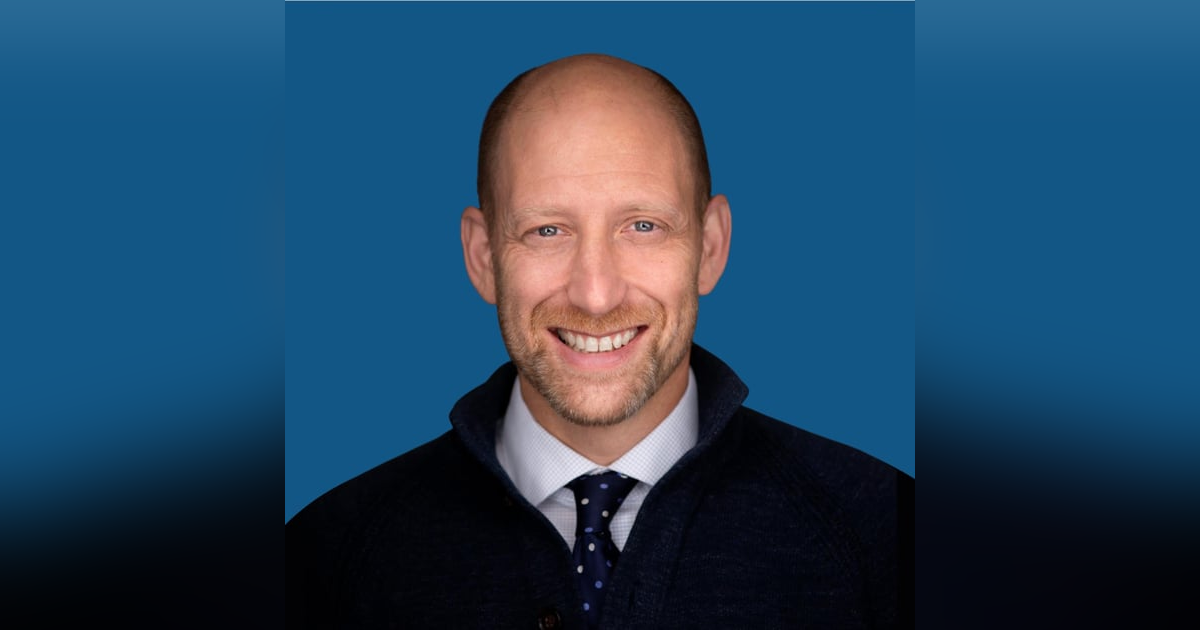
Dr. Matt Bernstein is the Chief Medical Officer at Ellenhorn and the creator of Accord’s Comprehensive Metabolic Psychiatry program.1 A graduate of Columbia University and the University of Pennsylvania School of Medicine, he trained at Mass General/McLean.2 With over 25 years of experience, he is a leading voice in moving psychiatry beyond symptom management toward full functional recovery through metabolic interventions.3+2