

 Apple Podcasts
 Spotify
 Castro
 RSS Feed
 191. Psychiatry Abandoned Biology: The Metabolic Crisis in the Brain | Matthew Bernstein, MD
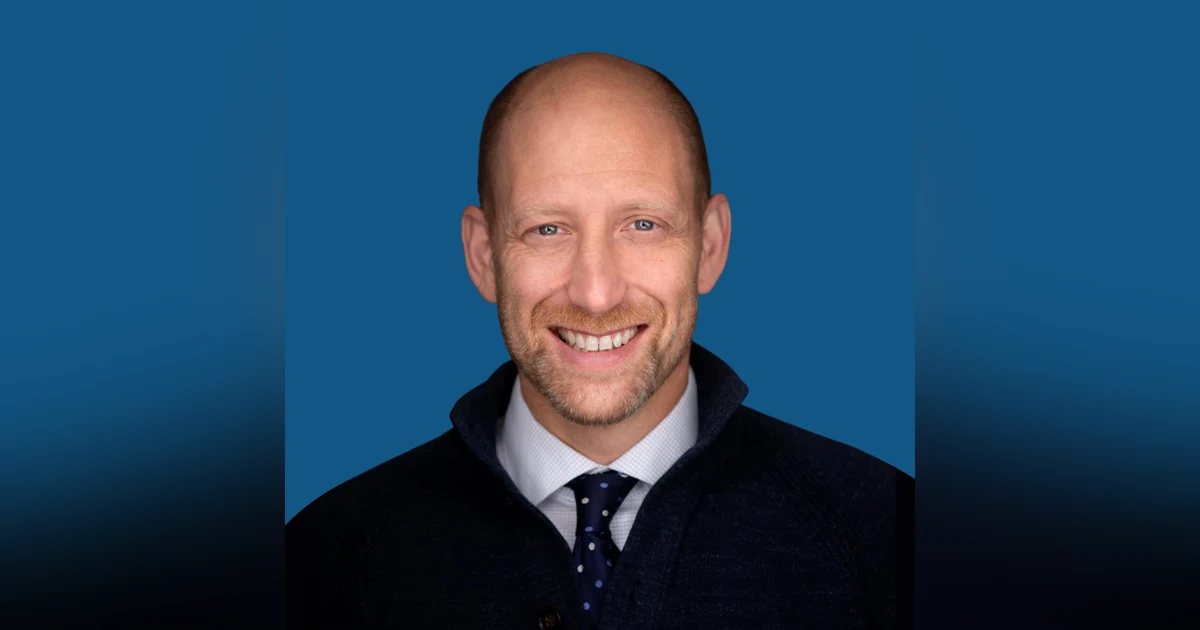

In this episode of Medicine Redefined, Dr. Altamash Raja and Dr. Darsh Shah sit down with psychiatrist Matt Bernstein, MD to question why mental health outcomes continue to worsen despite more medications and access to care.
Matt introduces metabolic psychiatry, a framework that looks beyond symptoms and diagnoses to the underlying biology of the brain — including metabolism, insulin resistance, and energy function. He explains why treating neurotransmitters alone often falls short, and how lifestyle-based interventions can lead to deeper, more lasting recovery.
They explore a new, human-centered approach to mental health that integrates nutrition, movement, circadian rhythm, and mind-body practices — challenging the way psychiatry is practiced today.
00:00 Introduction and Current State of Mental Health
01:20 The State of Psychiatry and Mental Health Outcomes
04:22 Understanding the DSM and Diagnostic Challenges
05:42 Introduction to Metabolic Psychiatry
06:31 Chemical Imbalance Theory vs. Metabolic Theory
17:27 The Role of Insulin Resistance in Mental Health
20:48 Assessing Metabolic Health in Psychiatry
25:37 Understanding Brain Energy and Mental Health
26:00 Insulin Resistance and Bipolar Depression
28:04 The Role of Fasting Insulin in Metabolic Health
28:43 Adverse Effects of Psychotropic Medications
30:20 Metabolic Health vs. Traditional Psychiatric Treatments
31:54 Innovative Approaches in Psychiatric Care
32:43 The Accord Program: A Comprehensive Metabolic Treatment
35:55 Challenges and Successes in Metabolic Interventions
46:10 Metabolic Dysfunction in Young Adults
50:04 Concluding Thoughts and Future Discussions
Resources & Studies Mentioned
Pillinger Study (Antidepressants): The effects of antidepressants on cardiometabolic and other physiological parameters (Pillinger et al., The Lancet 2025)
Perry Study (Insulin & Psychosis): Longitudinal Trends in Childhood Insulin Levels and Risks of Psychosis (Perry et al., JAMA Psychiatry 2021)
Book Mentioned: Brain Energy by Dr. Chris Palmer
Testing Tool: Keto-Mojo (Glucose & Ketone Meter)
Connect with Dr. Bernstein
Residential Program: Accord MH (accord.health)
Professional Bio: LinkedIn Profile
Clinical Group: Ellenhorn
Connect with Medicine Redefined
Website: medicineredefined.com
Instagram: @medredefined
Twitter/X: @medredefined
Newsletter: The Progress Note
Work with Dr. Raja
Refining Health & Performance: refininghealthrx.com
Dr. Raja’s musculoskeletal and longevity practice (Telemedicine available in NJ, NY, PA, FL).
Welcome to Medicine Redefined. I'm Dr. Altamasharaja, and I'm Dr. Darsha. Let's put the hell back in the healthcare. Our guest today is Dr. Matthew Bernstein. Dr. Bernstein is a highly respected clinical psychiatrist and a leading voice in metabolic psychiatry with 25 years of experience focused on helping patients reach full functional recovery. He graduated summa cum laude from Columbia University in English literature and earned his medical degree from the Perman School of Medicine at the University of Pennsylvania. He trained at MGH McLean, where he served as chief resident and went on to hold leadership roles, including psychiatrists and charge and assistant medical director for an inpatient schizophrenia and bipolar program. Over the past five years, Dr. Bernstein has specialized in metabolic psychiatry, applying biology forward strategies in private practice, and at Ellen Horne, where he serves as chief medical officer, developing community-based models of care. He also created a court's comprehensive metabolic psychiatry program and helps advance the field through conferences, podcasts, advisory and nonprofit work, and ongoing outcomes research. In this first part of our two-part discussion, we cover why despite more mental health conversations and more attention, recovery rates for mental health are not improving. We break down the DSM problem in plain English. Modern psychiatry is great at leaving clusters of symptoms but often divorced from biological merits, which can limit treatment precision. You talk about why the chemical imbalance theory is largely accidental and scientifically shaky. And then we get into the main reason you're here. Metabolic psychiatry 101. How insulin resistance, mitochondria dysfunction and inflammation or oxidative stress can look like depression, bipolar symptoms, anxiety and even psychosis. The critical labs you need to check beyond just basic panel, like the home IR, IRON, etc. And why psychiatric medications often feel to produce full recovery and can sometimes worsen long-term metabolic health? Lastly, we talk about what recovery means here, not just a lower score on a rating scale but getting people back to work, relationships, independence and improving life trajectory. Without further delay, please enjoy this discussion with Dr. Matthew Bernstein. Quick update before we dive in, I'm now seeing patients through my telemedicine practice refining health and performance. It's built around health span, longevity and performance using the medicine 3.0 approach. We talk about on this show. I'm opening a limited number of founding member spots. If you want to work together, go to refininghealthrx.com. All right, let's get into the episode. Dr. Matt Bernstein, welcome to the show. Thanks for having me with him for talking with you guys. The pleasure is ours. So Matt, what's interesting is that, you know, I've been thinking about this conversation in terms of how or where we might go and what occurred to me a couple of days ago as I was thinking about this was the fact that I get a sense that I'm earlier in my training or out of my training, that the conversation around mental health, psychiatric disorders and all those things has, it's louder than it ever has been, right? Granted, I've been only been practicing for less than five years and I do think that stigma is improving for that, something that was around for decades. Maybe access a little bit better. I'm sure we could talk about that yet when I look at the statistics, the outcomes by almost every metric seen either flat or they seem to be getting worse. What do you think that is? Yeah, it's a good question. And I agree with you, the outcomes are getting worse despite lots of money being spent on new pharmaceuticals, innovative treatments, some of which have some promise and access. I think there is more access than ever, but things are getting worse because we're focusing on the wrong things. Our treatments really aren't that good. And I've been doing this for 25 years. I've been practicing psychiatry and I just don't see people fully recovering to where they should be in ways that I know it's possible because occasionally you will see it, but then most people, and we settle for not very good outcomes, unfortunately. And, you know, psychiatry abandoned validity in its diagnostic system all the way back in 1980. And they, you know, even purposefully did so to focus on reliability of diagnosis and not really caring about validity of diagnosis with DSM-3 in 1980. And what that's done, unfortunately, is that we're now practicing with a system that isn't really based on biology. You know, we really don't know biologically what's causing specifically all these behavioral and psychological symptoms that we see. And yet we have these very powerful biological treatments that are really, they're not getting at the root cause. They're getting at a further downstream effect. So all the work that's been done in psychopharmacology, not that they don't sometimes have some acute benefits. They do, but they don't get people all the way better. They don't get people all the way to where they want to be fully functioning and at their best. It sounds like so. It might not just be one thing, right? It's not necessarily the wrong tools, maybe more so the wrong framework in terms of how we've looked at this and just this what we're talking about offline, just the human experience, the human condition that is much of what psychiatry is. So what would be a, well, I guess maybe let's take it back a step back. And start understanding, you said as early as the 1980s, that's when the DSM-3 came out. We're currently after DSM-5, DSM-6 to come out soon. Is that correct? That's right. So we're at a revision of DSM-5 and DSM-6 will be coming. So for those unaware, what is the DSM-6 and why are we even talking about it? Why's it matter? So it's the diagnostic and statistical manual that all mental health professionals, not just psychiatrists, but psychologists, social workers, masters-level clinicians, anyone who's making a psychiatric diagnosis or assessment uses this system of diagnosis to try to figure out what is going on with this person in front of them who, as you said, is a human, a messy human with biology and psychology and spirituality and social relationships, and we're going to try to figure out where they fit. And unlike the rest of medicine where the diagnosis is connected to biology, the point I'm making is that we've sort of divorced diagnosis from biology in mental health. We only base it on symptoms and discussions and words. I can only make my diagnosis through what someone tells me, what I observe, and maybe what their family tells me, maybe what I read in some records. There are no diagnostic tests or biomarkers I can use in the standard practice of psychiatry. So enter what we'll talk about today. So you practice in this base called metabolic psychiatry for those unfamiliar and maybe in plain language. What does that mean? It means that we're really understanding this connection between metabolism and metabolism, essentially, is defined as taking nutrients from food and turning it into energy in cells, building blocks in cells, metabolic waste products. It's essentially all of those processes. So it's honoring the fact that we're going back to biology here. It's actually metabolic health profoundly is connected to mental health and brain health. So we're really going back and understanding that connection. We're really trying and we're finding a root cause for these mental health symptoms that's based and rooted in biology. So it's interesting for a long time and maybe still today and maybe there's some true to the chemical imbalance theory. So I think people will talk about that phrase used root cause is really interesting and it could be sometimes use inappropriately when people are trying to prescribe and do just, you know, practices that are maybe not the best most evidence-based practices out there. So I want to dig in that a little bit. What I would love for you to help me kind of think through the chemical imbalance theory. For a long time, people have believed that that is the root cause. There is potentially an absence of something that's going on or for whatever reason, people are sometimes genetically predisposed to maybe have less neurotransmitters and that's why they have certain predisposition to certain states that might cause them to have actual true pathology down the road. How does the metabolism theory that you're talking about different, different from that? Or is there actually a component of the chemical balance in their endometabolism stuff as well? There can be. Yeah. I mean, when we change metabolism, we do change neurotransmitters. So it's not that the neurotransmitters aren't important. They certainly are, but I would really say that they're downstream from the primary problem. One of the ways we know that is that when we give medications that alter these neurotransmitters, we almost never see full recovery from that medication and we always see tremendous amounts of side effects from all of those medications. And if you think about just the most common prescribed psychiatric medications are SSRIs, selective serotonin, reoptic inhibitors, people know the names of these medications like Prozac and Zoloft and Paxil. Some of the SNRIs are also popular, Symbolta effects or those work on neurotransmitters. But in my career, 25 years, I can count on one hand the amount of people where the medication alone solve their problem of depression. And so we essentially came up with that chemical and balanced theory based on medications that were serendipitously discovered to help with depression. So we didn't design medications like these SSRIs to treat a chemical balance that we knew existed in science or in biology. We literally accidentally learned about medications that seem to treat depression. They were actually, they discovered the tricyclic antidepressants that work on serotonin and neuroponephrine when they were trying to treat tuberculosis. They were using a tuberculosis drug. They happened to see that, oh, well, these people, you know, felt much better from their mood all of a sudden. And they went back and figured out, oh, they work on serotonin and neuroponephrine. We started making other chemicals that were very similar. But all the original discoveries in psychiatry were all by accident. There wasn't any rational drug design based on an understanding of pathophysiology. So that's, I think, really important to understand. We came up with the narrative about a chemical imbalance to explain the fact that we were using medications that seemed to help with depression that affected these neurotransmitters. And now there's been lots and lots of research showing that there's some validity to these chemical imbalances. But a lot of, you know, very smart professors write, you know, review articles saying, you know, we really need to abandon the chemical imbalance theory because the evidence really isn't there. We don't have a lot of good evidence for these theories. They're mostly based on, you know, explaining why these medications might have some benefit. And they do have some benefit for some people. But like I said, they almost never get people to full recovery, and they must always have side effects. Doc, when you talk about full recovery, patients getting better using that terminology, right? And you also mentioned, like, psychiatry, a lot of it's founded on the words and trying to interpret those words. Just to get the audience and also on the same page, how do you determine what recovery is? How do you determine if a patient's getting better? Obviously, we'll get into this probably a little bit more with specific ailments, but just in a general overall way. Yeah. Well, right. So that's a great question, too, because, you know, generally how we we study interventions, medications, and other interventions is we look at symptom scales, reduction of, symptoms on a symptom scale. So there's depression rating scales, there's bipolar rating scales, there's OCD rating scales, and we'll see reductions on the rating scales in the trials. But that's really not what I mean when I talk about recovery. And it's not what patients mean when they talk about recovery. What they mean is that they get back to their full level of functioning. And you guys completely understand this, you know, doing the work that you do, like that's really what people care about. They care about becoming able to go out and do what they want to do. And in my work, what that means is their symptoms aren't getting in the way of them working, the way they want to work, they're not getting in the way of them having relationships, the way they want to have relationships, they're not getting in the way of them living independently, you know, having a full life like everyone else has, right? Or the best, you know, or at least getting in the pool of where everyone else is. And so many people will still say after years and years of psychiatric treatment, I'm taking all these medications. And I've never got back to my level of functioning that I was before I had that first episode. I've never gotten back. And then they're now, you know, 10 years into it, 20 years into it, 30 years into it, they fall off the trajectory, their life trajectory. Yeah. And it sounds like a lot of psychiatry, like you said, the act of death, it almost seems like we are reverse engineering the process of psychiatry. And maybe a lot of medicine is like that. But I would like to think maybe now more so we have mechanisms and we try to actually put forward knowing what we can kind of go downstream. How did you find yourself in psychiatry? Tell us a little bit about how you got involved in what you do. Yeah, yeah, the way I'm talking, you know, it's up to wonder, you know, how did I give you? I really thought, I mean, number one, I had some early experiences where I knew people who had pretty severe psychiatric conditions. One of my best friends growing up, his older brother actually had schizophrenia. And I got to sort of be in the middle of that in their house and seeing how it affected him. And he ended up dying young. So that was a really, you know, sort of informative, you know, sort of formative experience for me. I also just felt like this was going to be something that was going to be interesting throughout my whole career. Like this was hard and like I'm drawn to that kind of challenge. So that was another sort of motivation for choosing psychiatry. I was looking at lots of other parts of medicine, you know, neurology. I was actually looking at neurosurgery. I didn't really want to do that neurosurgery residency either, as you can imagine. But, you know, I felt like, you know, psychiatry is something that's going to stay interesting, stay challenging. And it's going to change a lot throughout my career. And it's going to be something I'm going to need to keep learning the whole time. And I felt like that was a good fit for me. Yeah, that's quite follow up to that. So, did you always know you wanted to do psychiatry? Because I find that a lot of people now in high school takes psychology, right? A pathology. And it's just such a fascinating topic when you finally get to learn about human behavior and the mind and illusions and perception. But they get to a point where they actually figure out kind of what modern day psychiatry is. And a lot of people wouldn't maybe quote it as, oh, you're just pushing medications to treat a mental illness, right? Some of the things that we're talking about now. What was your initial bias towards psychiatry? Did you know that's what you were going to get into? Obviously, it seemed like, now you're doing metabolic psychiatry. So you've definitely kind of pivoted maybe or it's tells us a little bit more about that journey. Yeah. I mean, I think when I was in medical school, I went in thinking I would probably do psychiatry. But then I really, you know, when I was seeing the differences and learning, you know, in the path of physiology courses in the second year, you know, we would have all this interesting material and cardiology. And they were telling us all this great biology, great science about, you know, exactly how this worked. And same for endocrinology, you know, learn all about the hormones and all the effects and the receptors and everything. And then you get to psychiatry. It was like, this is, oh, this is very different. Like we don't, we don't have any other stuff. There is no path of physiology than anyone's talking about. And I was a little taken aback and it made me almost think, I don't, I don't want to do this. Even though my heart really wanted to, but, you know, I was thinking like, where's the science? Where's the biology? Well, why did I learn all this, you know, pathology and biochemistry and all this stuff? So it was a little bit, I was a little bit torn. Like I said, I was thinking about, you know, maybe internal medicine, neurology, or surgery, other things. But then in the end, you know, sort of my heart went out. I was like, these are the people that I really want to work with. This is the stuff I really want to do. And I had been an English literature major and undergrad and I really felt like, you know, there's something about, you know, they really draws me to language and narrative and I have a lot of facility with it. So I felt like, you know, this is kind of my place. And like I said, I thought, well, it's going to be interesting. It's going to be hard, but it's going to be interesting. And then, you know, I worked on an inpatient unit for many years, working with people with psychotic disorders, which I and teaching the PGY2 residents and the medical students at a prestigious hospital. And I had a great experience. I mean, that was like, we really could make a difference. I felt like we saved a number of lives, people coming in who are catatonic, acutely manic, people who couldn't eat because they were so sick. And, you know, we were using intensive interventions. You know, there's a place for, you know, these medications and even things like ECT for people who are at that level of illness. But the problem happens after they leave, you know, then people go out and they're told, you have a chemical imbalance, which there really is no scientific basis for that probably is to do with your genes. And you're, therefore, need to take this medication that's going to correct this chemical imbalance. Again, not a lot of science behind any of those statements for the rest of your life. And we now know that many of those medications that I was prescribing on the acute inpatient unit, these anti-psychotics and mood stabilizers are really detrimental to people's physical health for, you know, for their lifetime. They're really detrimental, especially for metabolism, which is an interesting part of this metabolic psychiatry that I'm talking about now. Yeah, I'm thinking about your comment earlier in terms of in medical school getting to psychiatry and then not having that deep needing the deep understanding of physiology. That's actually one of the reasons why I did so well in psychiatry because it was straight rope embarrasation. Even though my wife would argue against this, I have a pretty good memory. And so I was just memorizing symptoms and side effects profiles for certain drugs. And that's why as opposed to cardiology and renal, you have to really understand things and it's a little bit hard to just kind of get by. So coming back to metabolic psychiatry, I'm thinking that you're passionate about, we're kind of passionate about too. Walk us from the, if we can, walk us from the lab bench to the clinic. How does metabolic dysfunction at the cellular level or even in the body actually show up as depression, bipolar, psychosis, all these mental health elements that you're often taking care of? Yeah, great question. So it really, one of the fundamental things that I think everyone needs to appreciate is this concept of insulin resistance. So, you know, for your audience that may not understand what that means, insulin is a very important hormone. And one of the things it does is many things, but one of the important things it does is it brings glucose from the blood stream and into cells, either for use as energy or for storage. We need that insulin signal to get the glucose into cells for energy and storage in all these mental health conditions. We now know that there is insulin resistance in the brain, which means that the neurons, the brain, most important brain cells who are sitting you creating all these neurotransmitters and sending them around and receiving them, they're creating all this information flow. Those neurons literally can be bathed in glucose and starving for energy because they become very insulin resistant. And that's really crucial. That's sort of the key thing that we need to understand, understand why metabolism is so important. The other another fact that's important, the brain is about 2% of the body's weight and uses 20 to 25% of the brain's energy or of the body's energy at any one time. And so it's a very energy intensive organ. And so when it runs out of energy and it's like the the signal that the body's running out of energy before anything else is you're going to start to have dysfunction in the brain. We also know that different organs become insulin resistant at different rates so that you can have measure someone's insulin resistance in their blood, which we should talk about, because it's an easy blood test to do. We can find out if someone's insulin resistant. But even if someone's not insulin resistant in their blood test, their brain may and in fact is likely insulin resistant if they're having a mental health condition. And so we're leveraging all these techniques and strategies to improve energy flow in the brain, which then stabilizes the neural networks, improves mitochondrial function, lowers inflammation, lowers oxidative stress, changes some of these neurotransmitters that we talked about. All of that flows from stabilizing energy flow to these neurons and another brain cells. And there's so much evidence about the connection between metabolic health and mental health. I mean, we can talk about all, there's lots of studies about all of that. And then there's a whole history of using these techniques in another brain disorder, which is in epilepsy. There's been a metabolic treatment for epilepsy for over 100 years. That's works even when the epilepsy drugs don't work. We're now seeing the same thing happening in mental health, another brain disorders. Pretty much every brain disorder that these strategies have been studied, it works. So what's your approach, right? So if patient comes in, let's say it's a brand new patient, and they're coming in, they'll talk about some of the things they might be struggling with, whether it is symptoms that might suggest that they have a little bit of an anxious profile. Maybe they've gone through something difficult that's gone from prolonged grief to actually having a difficult time. They might be concerned that they're depressed. How are you approaching them when you're trying to assess their metabolic health and just walk me through your approach in terms of that patient right there? Yeah. So I mean, number one, we're going to get lab work. You know, we're going to get blood work. Again, very different than how standard psychiatry is practiced, where the first thing that most psychiatrists are going to say is not we need to get lab work. They're probably not running for that now, not at all. But now that is exactly one of the first things that I'm thinking about doing. And so I'm going to test their lipid profile. I'm going to get a hemoglobin A1C. I'm going to get a fast and glucose. But I'm also going to get a Homa IR, which is the insulin resistance test that I was talking about, should be part of every animal physical exam because it's an easy and not expensive blood test to give us a pretty good sense of someone's insulin resistance throughout their body. Again, it doesn't necessarily tell us about insulin resistance in the brain, which is something I'll come back to because in the way that I practice, I actually see people have a normal Homa IR, but still have tremendous brain health and mental health benefits from these metabolic interventions. But it does give us a clue. So if we can find some evidence of metabolic dysfunction on these blood tests, that's going to give us an even more of an impetus to go down this route of doing metabolic strategies, metabolic treatments. But we'll also check an HSCRP. We'll also check a Homa cysteine, other micronutrient levels that are really important. Iron studies are very important for mental health that turns out. Very thorough thyroid panel. All of these things turn out to be little clues that we might have to to help figure out what's going on with their metabolism and their brain health. So that's first, that will be helpful because sometimes when people see it in black and white that, oh, I've got problems in my lab work that's affecting my metabolism, that'll be motivating for someone. But as I've been alluding to all along, even if their blood work looks really good, I'm going to start talking to them about this connection between metabolic health and their mental health and the profound benefits that they may get from thinking about some of these lifestyle interventions and doing some of these lifestyle interventions with me because we see profound benefits, like I said, even when the blood work is normal. What's the world of iron? You mentioned iron. Yeah, so iron, we all think about iron, we think about hemoblowman, part of hemoblowman. Those turns out iron is in those proteins that are part of the electron transport chain in the mitochondria. And so if you don't have enough iron, your mitochondria start to malfunction. And I'm seeing low iron in a lot of my patients, not just young women who we often think of, they're the people who can have low iron. But even young men with a severe mental health condition, they have low iron and there's no good reason for it. I mean, they're not bleeding anywhere, but their iron is low. And so we think there's these processes that may lead to sequestration of iron or malabsorption of iron. And so correcting that can be really important for improving mental health and improving mitochondria health and then therefore improving that. What other vitamins are you looking at? I'm assuming vitamin D, maybe vitamin D, 12, six, one, those types. Yeah, I look at vitamin D, vitamin B12. I look at copper and cerule plasma because there is actually quite a bit of literature on elevated copper and free copper being associated with various mental health conditions. Some of the B vitamins, there's some other really important nutrients that it's hard to get accurate measurements for. I mean, I would love to have accurate measurements of B6, B1. Those are not very accurate. And also magnesium is also not very accurate. And zinc, these are all really important things that we would love to have, you know, easy, accurate blood tests for. But for various reasons, we can't really know what the whole body storage is of these just from getting a blood test. For magnesium. Are you checking at the RBC level? Or is it plasma magnesium? Or I don't even check it because I find that it's not very, it doesn't correlate very well. And I sort of assume that most people who are by the time they're getting to me and they're eating a standard American diet and they have a mental health condition, they're taking medications or magnesium deficient. I don't even have to check because the blood test may be reassured, like misleading and may reassure us and say, oh, it looks normal, but in reality, many, many people benefit from some magnesium supplementation. Yeah, I found that to be the case and a lot of patients that we see as well for some of the elements that we take care of. So just to recap, so we have mitochondrial dysfunction, insulin resistance, inflammation, we touched on leading to brain energy failure, which is something I want to dig in a little more. And then downstream effects of what we're really been managing and mood changes, cognitive issues, psychiatric things of that nature. Let's go back to insulin resistance in the brain. Dig into that for us a little bit. How do we figure out what's going on in the brain at the energy level? Like that's not working right? I wish I had tests that could tell us the answer to that. But I mean, this is where things get very more typical for psychiatry. There's often not an accurate test for what I would really want to know what's going on in the brain. But what I can tell you is that things that reverse insulin resistance really help with mental health issues. There was actually a really cool study of they took some patients with treatment resistant bipolar depression. So these are people with bipolar disorder who became depressed. They were put on multiple medication trials and depression did not get better. And I think they started with about 45. And they randomized them to one group. And they were all insulin resistant. So by the home IR, which is what they were using, randomized into two groups, one got placebo, one got high dose metformin. And metformin was able to reverse insulin resistance in half of the people who got it. So metformin is a, as you guys know, diabetes drug can reverse insulin resistance. But it's not very potent at doing so. But in this particular cohort, they reversed insulin resistance in half of that. Anyone who had reversal from insulin resistant to insulin sensitive had a tremendous improvement in their bipolar depression just from that intervention of reversing insulin resistance. And so, you know, that's a really interesting study. It was like, you know, triple blinded placebo control. It wasn't very big, but it was really well done science. And it really highlighted the fact that if you can reverse insulin resistance, you can improve treatment resistant bipolar depression even when all of these expensive, high side effect medications were not working, lowly, you know, humble metformin comes in reverses insulin resistance and treats that bipolar depression really profound improvements. They also improved anxiety and all these other things when their insulin resistance got better. You know, that that back on the back is a question is how often is it that when we have people with treatment resistant depression or difficult to treat or manage anxiety is that that's actually really metabolic disease that's never been managed appropriately, right? Because you're thinking that that's something the primary care doctor internal medicine doctor will do and your family medicine will do. But nobody's actually looking into the, you know, the depth of some of these lab markers that are important. And actually guys, I mean, thinking like, do you ever check fasting insulin as well? That's something that we've heard more and more about is a little bit more important when you're trying to catch that earlier metabolic dysfunction. Absolutely. Yeah, that's what the home I have has multiple components. It has a fasting insulin and it's a little better than just a fasting insulin because it has a fasting CPTide. And so it does a calculation basically based on those and the fasting glucose. And so it's it's like a fasting insulin, but a little bit better and it doesn't cost much more. So that's why I get the home I are, but you could also get a fasting insulin if if that's all this available at the lab. Yeah. Yeah. I'm going to come back to earlier. You were talking about the potential issues that a lot of these psychotropic medications can cause from their adverse effects on cardiac metabolic health. I remember last week, maybe a couple of these who are actually a LinkedIn paper call my eye. Somebody had shared this paper in the lens. And it's primary author is pillinger. It's a I think actually this was published November 1st of 2025. So there's just a couple a couple of days ago, the effects of antidepressants on cardiac metabolic and other physiological parameters, systematic review and meta analysis. The reason I really wanted to look at it is because jugs, SNRIs and TCA's, those are medications I can for those who don't know, this is like a symbol of deloxetine very commonly used anxiety depression related medications, but often at this point more use for chronic pain, FDA approved for chronic pain as well. Same thing with TCA's, that's something that I use on a daily basis. It's actually my first line for neuropathic pain for both of those medications. So that's one of the reasons I started digging into it. And it's actually, yeah, you're potentially while you're trying to solve some problems, you're creating more problems. And so that's always something that I don't like being at the business of. And you know, sometimes it's absolutely necessary when we're talking about quality of life and function, which begs the question for me to come back to the person who is in your clinic is going through a difficult time and you're going to have this conversation about a bottle of kelp with them, you're going to do some investigation in that time. Are you going to treat them with the old school quote unquote methodology of SSRI or maybe something, maybe an enchiletic or are you going to immediately just jump into the metabolic discussion? I'm going to immediately jump into the metabolic discussion because I think for, and my practice is kind of unusual these days in that I'm not usually seeing people ever anymore who come into me not taking a psychotropic medication. Everyone who comes to me is usually on at least one, but often up to five or six psychotropic medications by the time they see me. And so my, you know, my emphasis is a little different, but if I, you know, in the hypothetical situation where I was seeing someone who came in with anxiety, depression, I'm going to talk to them about their options. And I'm going to say, you know, certainly, you know, we got the tried and true, you know, antidepressants here, they have some efficacy. The efficacy is not very good in reality. If you look at the pooled analysis of all the modern antidepressants, SSRIs, SNRIs for the illness of major depressive disorder, we get about a 0.35 effect size. That's small. We can get much bigger effects from some of these other interventions without the side effects. It just requires a lot more work from this person. So I'm going to try to assess their motivation. Are this the kind of person who says, you know, all I can do doc is just take a pill a day. I can't do anything more than, yeah, we're going to, we're going to do the medication because it has some benefits, but I'm going to work as hard as I possibly can to try to see, get them to see that it's in their own best interest to think about solving this problem at the more root cause level and solve it a different way. How do patients find you? So, I mean, at this point, I work at a couple of different companies. I work at a company called Elinhorn, which is a psychosocial rehabilitation. Often for people who had been hospitalized multiple times, you know, been through the psychiatric system have not gotten better. They're really, you know, things are not going well. And we have a whole team of people that works with them to kind of reconnect them into the community. And we're often, like I said, doing a lot of deep prescribing. I've been deep prescribing psychiatric medications for at least the last 10, 12 years, you know, pretty often when I can, because I find that actually, you know, getting on a lotus medication allows people to engage in psychosocial recovery, allows them to actually, you know, do that, you know, sort of rehabilitation that they otherwise weren't able to do because of the side effects of the medication. So I work there and then I work at this other program called Accord, where we're just doing this metabolic treatment. So people are finding us again, who have not done well in the standard psychiatric treatments, or they're trying to avoid those standard psychiatric treatments. They just don't, they've tried them and they don't like being on them, but they were looking for some solution. And in that program, we're really doing the full version of this metabolic treatment, which I could describe if you guys want to. And then I also have a private practice, which is, I've had for, you know, 25 years and I still, you know, see all the, you know, all the people who stay with me through all that time. Many people had been acutely ill at one point and now are doing very well. And we'll just check in a couple of times a year. And I've been trying to talk to all of those people as well about the idea of these metabolic interventions and trying to get off of some of those medication treatments they've been on for a long time. Yeah. Yeah. I'd love to hear a little bit more about Accord and, and I mean, your private practice is more in person. I'm guessing. All this is, yeah. Okay. Yeah. All that's in person. Yeah. I mean, psychiatry can be done online, but I really strongly believe that you're missing a lot to do it online. You know, it's, it's not one of the fields of medicine that is, you know, amenable to, in my view, to, you know, just a purely online version of care. That's interesting. Yeah. And even though you think like, oh, it is, like, you don't need to do a physical exam. So great. We can just talk. Yeah. But, you know, if you think about what the difference is between talking on a video call versus being in the same room with someone that you're missing, you know, a good portion of the real things that can be communicated, I think. And, and the Accord program is definitely in person because it's, we're doing all of this metabolic intervention. So people have decided they want this kind of intervention. These are people who we've explained to them. They just said, yes, I want to do this. And so what we do is it's really a four four or five pillars of of intervention. Number one, the well formulated ketogenic diet, which has tremendous evidence for brain health and epilepsy and now in mental health to targeted exercise program where people are meeting with a personal trainer, starting doing some resistance training, no matter what level they start at, walking a few times a day, especially after meals, circadian rhythm alignment, meaning getting them outside first thing in the morning and throughout the day, getting some sun exposure and avoiding blue light at night. And then the fourth part is mind body practices. So whatever someone chooses, we want them to choose some kind of mind body practice, whether it be meditation, breath, wear yoga, walking meditation, whatever it is, whatever they want to try, we're going to get them to try to practice that. And then I would say the last part is sort of like you know, psychosocial again, just like getting people reconnected back into their life. So we have you know, a therapist that's there who's really helping people think about, you know, now that they're feeling a little better reconnecting into their life. And so when people come in, they're getting a continuous glucose monitor. We're measuring their ketones every day. We're doing that extensive lab panel once a month. And they're, you know, doing this intervention and we're trying to look for you know, ketone levels, which is a great biomarker to follow if you're doing these kind of metabolic treatments. It's, you know, in psychiatry, we don't have biomarkers as I was saying. But in this treatment, there is a really good biomarker, which is, you know, if someone's really doing the work and they're really, we're doing it right, they're going to make ketones. And we're going to want to see their ketones up at a certain level to be associated with recovery from their mental health disorder. And we're seeing incredible results in really treatment resistance, severe mental health conditions. So even things like treatment resistant bipolar disorder, treatment resistance, schizophrenia, treatment resistant major depression and OCD, all those things are really reversing with that, that full version of this program that I'm describing. It's almost seems like a miracle when you see it happen. Are patients coming to you as quote unquote last resort? And the reason I asked that is because I mean, a lot of the patients that I see that come in with psychological mental health disorders will consult a psychiatrist, but a lot of time to the bottom of the note, I'll find patients is not what any changes. You know, I don't know if that's just is that something that you typically see where a lot of patients are typically resistant to not wanting to change medication, but in your case, it's more about influencing change of lifestyle. How are these patients coming to you yet at what stage? Well, yeah, I mean, you know, when people are it depends what medication someone's on, right? You know, and every time someone I mean, I sympathize with people say, I don't want to change my medication because every time you change psychiatric medication, you're subjecting yourself to a lot of potential disruption. You know, they are powerful chemicals and there is a tolerance that develops for all psychiatric medications, not just SS rise and SN rise and there is a withdrawal syndrome from all of these psychiatric medications. And so, you know, when people often switch, they switch too fast, they're tapered off very quickly and starting on a new one very quickly. And people have had really bad experiences often in a cross tape or kind of process because it's often done way too quickly. I mean, this is what I learned and we've now appreciated in the last 10 years, you know, SSRI withdrawal, but there's withdrawal of all of them, stabilizers, antipsychotics. We've known about benzodiazepine withdrawal for a long time. So I understand that. But, you know, even more challenging is making these lifestyle changes that I'm describing. And, you know, I've gotten a lot of people to do that in my outpatient work and my private practice. But it takes a lot of dedication, motivation, planning, executive function to be able to enact all of those changes all at once. And you can imagine a lot of people would find that challenging. And so that's why we created this immersive residential program accord because the idea is that, you know, we're going to help people do this in house with other people who are doing this hard thing. And there's going to be a lot of support from the staff. We have a dietitian and we have someone cooking delicious ketogenic food and, you know, personal trainer who's, you know, who's, you know, helping people exercise. And so, you know, it is, it makes it possible for people where otherwise it wouldn't be possible to make all those changes at once. And to start feeling better, literally within a few weeks, people, you know, that, you know, maybe decades worth of symptoms are starting to improve in just that short amount of time. How long is it? It's a minimum of four weeks. And some people stay for eight weeks or 12 weeks depending on their, you know, who they are and how long they want to stay. But also, you know, how long it might take them to learn all of this because the goal at the end is that someone's leaving with all of the skills and knowledge that they can continue doing all these things after they leave. So some people aren't in this position to be able to learn very much in the first few weeks, you know, because of, you know, the, the condition they have, the medications the symptoms they have. So for some people, they may want to stay longer because the first month, they're just getting acclimated all of this and we're kind of, they're kind of passively doing it. And then we want to get them in a more active learning kind of phase before they leave. Will you incorporate their family into it as well? I mean, yeah, I have to do family training and that kind of stuff. Absolutely. Yeah, we're running calls with the families, you know, a couple times a week, making sure that they understand exactly what we're doing, why we're doing it and how to do it as well. So they can, or their family member when they get home. Yeah, Darcy, it's not just similar to inpatient rehab experience. Yeah, I'm just thinking about, you know, at our rehab, somebody might spend three or four weeks after a stroke and the acute rehab and then on their way out, they'll ring that discharge bell and, and celebrate and we'll remind them that the recovery and the rehab has to continue and that's kind of what they're describing to me. And I mean, I really love this. This is really awesome. You know, to empower people to, to take away something and complete change their lifestyle and give them tools, tools that they can continue to use to refine and have a lifelong process. Curious how old the average person is that that comes to you in this residential program and spends time with you? I would say the average is probably mid to late 20s. Wow. Yeah, I know. But like, you know, a lot of these big psychiatric illnesses come on in late teens or 20s, right? And so these are people of, you know, they may be young, but they've already been through the ringer a lot of people. Unfortunately, you know, with, you know, man, like, you know, some people have had 20, 30 medication trials. Like I said, they're often on five or six medications at high doses. They've been in patients in patients' psychiatry, you know, five, six, eight times already. And their symptoms have never really responded that well to the medications, maybe a little bit. But they also have had tremendous side effects. They hate the way they feel on these medications. They've gained rate often, but they feel sluggish, slow down. Like they really can't live life. And so, you know, one of the great things we can do synergistically, we're doing all these metabolic treatments and it allows us to start lowering the medications safely. And, you know, again, we don't go too quickly. I don't get people off all their medications in, you know, three months, even, you know, when they come in on so much medication, but we can start that process and they can start feeling the benefits of some lower doses and less side effects. Man, I'm thinking about this case, actually, as we were talking about dependence and maybe too abruptly changing medications, you know, I had a patient not too long ago who was over at East Coast one hour or went over to Northwest for a little while and ended up seeing a new psychiatrist or nurse practitioner, maybe who believed at the time, the practitioner that this patient's anxiety was actually mismanaged ADHD. Completely abruptly took them off of the SSRIs and the patient since has not been the same. I also ended up getting COVID at that time and now he has this constellation of symptoms, you know, GI related symptoms, cardiovascular system, techie cardio, hypertension, hypertension, doesn't fit into any specific bucket or any specific clinician. And so came to me for this biggest nerve thing that Darshan and I've talked about before. And I just got me thinking that at the time I told him, I was like, listen, one thing could be that you maybe too aggressively weaned off of your, I think it maybe at the time was on peroxetine and something else. And then he just got back on it and I told him maybe one option is to continue on these medications. But what I'm thinking about is, is there a certain time period that somebody would have to be on these medications, particularly the SSRIs, SNRIs, maybe even some of the other stronger ones for bipolar, where they would become dependent, much like we have opioid use disorder when people develop that. Is there such a thing like that? Do you have a sense of? Well, I hesitate to make it exactly like opioid use disorder because that is a different. There's so much reinforcement of wanting to keep doing it. Whereas with this, it's more that, you know, let's say someone is prescribed an SSRI. And like I said, it also exists for mood stabilizers, antipsychotics, but let's just assume SSRI, they get it put on it for anxiety or some depression. They liked it. They feel like, oh, this is helping me. I want to stay on it. You know, they decide to stay on it and they stay on it. Let's say for, you know, five years and they say, oh, you know, my life's a lot better. I want to see what it's like off of this medication now, which is a great thought to have. And, you know, I want to see if I can do well. They seek advice to taper off that medication. Often what they're told is, okay, you've been on it for five years, you know, you can taper off of it in two months, you know, or you know, if you really want to go fast, we can do a month, but I recommend two months. That would be a very typical recommendation. They can easily get into pretty severe SSRI withdrawal going, you know, it depending on the dose they're on, if they've been on it for five years, that's long enough to develop, you know, a real tolerance to it, meaning there's going to be withdrawal symptoms. And now the people who really understand withdrawal are recommending what's called hyperbolic tapering, which means 10% every month at the fastest if someone's been on it for a long time. So again, wouldn't apply to somebody just took this, took a medication for two or three months and then was coming off, but once someone's been on a medication for a long time, let's say like, you know, four or five years or more. And the longer probably the more careful one needs to be, you know, we would do this hyperbolic tapering, which means, you know, if they were on, let's say 100 milligrams of searcher lane, you know, we literally go to 90 milligrams for a month, as long as they're doing okay, and not having any withdrawal symptoms after the month, then we would go down by nine milligrams. So we go to 81, you know, so that would be like the strictest, careless most conservative way to make sure that you're not going to get anti-depressant SSRI withdrawal. And there are people who not just have, you know, cute withdrawal symptoms, but then they end up with this chronic syndrome like the person you described after a too quick of a withdrawal from a psychiatric medication. And they, you know, they say they never really feel quite the same sense. And so we're talking about pretty high stakes here. And so, you know, it sounds like a, you know, real onerous job to do this hyperbolic tapering, but it could avoid, you know, a lot more problems than that. You mentioned that most of the people that are going to be in the court program are going to be within their 20s. And so we know that the psychiatric illness is some of these, maybe even bipolar, they tend to present earlier oner teenagers, yet metabolic dysfunction is something that will come on later on in life. People have to really accumulate that damage over time. And so, is this more of a, you know, prevention based strategy that you have or are you even finding metabolic dysfunction as early as teens and 20s in these young folks? Yeah. I mean, we are seeing metabolic dysfunction in young people. And many of the people come to a court already do have signs of metabolic dysfunction on their lab work. They've got really elevated insulin resistance on their home IR. They've got problems in their lipid panel, their triglyceride HDL ratios really high. We see elevated waist circumference. We actually measure people's visceral fat on a machine we have when people come in and we see big elevations and visceral fat. A lot of that is secondary to psychiatric medication for some of them. For others, it's part of the disorder. And, you know, there's actually a really interesting study that I wanted to point out from JAMA psychiatry, Perry et al, which I can send you if you're interested. But it shows this longitudinal basis of starting out with metabolic dysfunction. So they studied cohorts of kids. It's huge cohort. It was like, you know, 12,000 or more kids. They were measuring their metabolic dysfunction throughout childhood. And then which ones ended up getting psychiatric conditions in their teens and 20s. And they saw that the kids with the highest levels of insulin resistance at age nine had a threefold increase of psychotic disorders in their 20s. So things like schizophrenia. And again, like that's not even something that's going to necessarily get picked up if so kid has insulin resistance. And then in addition, they also saw a fivefold increase in major depression for the kids who gained the most weight during puberty. So again, you know, that could be just seen as, oh, you know, kids gaining a little bit of weight, it's puberty, whatever, it's normal. But that puts the kids at greatly increased risk of major depressive disorder. So the metabolic dysfunction, for some people will show up in blood work, it might show up in their weight, it might show up in their visceral, you know, their, you know, their abdomen. But for some people, their metabolic dysfunction shows up as a mental illness. And so we may not see much in the way of metabolic dysfunction on their lab work, yet they've already been diagnosed with bipolar disorders, schizophrenia, they've had a tough course of it. And we see complete reversals of those illnesses with metabolic intervention, strong metabolic intervention. And so this is the point that I keep making, which is that it is important to check metabolism in the blood work. It's important to look at it in other vital signs and other measures. And we want to try to reverse it when we see it. But even when we don't see it, their mental health condition is a sign that they have a metabolic dysfunction in their brain and that these metabolic interventions that I described will work, even if we don't see it on their lab work. Yeah, that's phenomenal. Yeah. And kind of to the point that you had mentioned earlier when we were talking about vitamins. And just sometimes, you know, the tools that we have are somewhat crude in order to be able to assess at the level of dysfunction. And as we know, and we talked about this before here at A1C, it's a bit of a spectrum, right? Like we know that somebody who, again, A1C has a limitation. Somebody who has an A1C of 5.4 is technically not pre-diabetic, but they do have some early metabolic dysfunction. And somebody who has five maybe has a little bit less. Somebody at 4.7 is less and 4.5 is even better and so on and so forth. And so I think that kind of just adds a little bit more clarity into a, we have to kind of take a big step back, take a look at the big picture and really, you know, do this end of one medicine, which is something we're fan of. Man, I think this is phenomenal. I mean, we spend a lot of time talking about diagnostics and just our framework, which I think is maybe step number one in terms of how we want to look at this. I've been excited about this conversation, as I mentioned a long time, right? I think Dr. Chris Paul Moore, is he still in Harvard? Yeah, yeah, yeah. So he's in your neck of the woods. I mean, he's done a great job, you know, getting this terminology out there. I'm sure there are other people doing great work, such as yourself out there as well. But I think he's, he's gone on big podcasts and spoken about this eloquently. And so I'm excited to talk more about this with you. What we'll do is maybe talk about more treatment interventions during our second discussion. Those viewers who are still with us will have noticed that we're a man down. So we already lost our share. And so, you know, he's got some technical issues, but we'll get him back up here. And next time we'll pick it right up at the ketogenic diet and some of those nutritional interventions. And then some of the other things that we talked about and maybe even include some drugs and some of the novel anti obesity medications and how they play around. Sounds great. Love to come back. Yeah. All right. Thank you, Matt. Bye. Thanks for listening to the other episode of Medicine Redefined. If you enjoyed this episode, please be sure to check out some of the additional resources in the show notes. Please also check out our social media platforms where you can find more content like this. You can follow us on Instagram, Twitter and TikTok at Med Redefined. We also want to thank our team for the production of this podcast, specifically Ethan Jew on video, Harita Yekmer on social media, Zana Blugmani on research and Sarah Hahn for newsletter. Oh, and if you want to get similar bite-sized information delivered to your inbox every Sunday, please be sure to sign up for our newsletter. Also, if you enjoyed the show, please be sure to subscribe, review and share with anyone who you think will gain value from this as well. Now, time for the ever so important disclaimer. This podcast is intended for general public use and is for educational purposes only. It does not constitute the practice of medicine, nor should be construed as medical advice. No physician patient relationship is formed and anything discussed in this podcast does not represent the views of our employers. We recommend that you seek the guidance of your personal physician regarding any specific health related issues.