

 Apple Podcasts
 Spotify
 Castro
 RSS Feed
 177. Ketamine, Trauma, and the Future of Psychiatry | Rocky Sullivan, DO
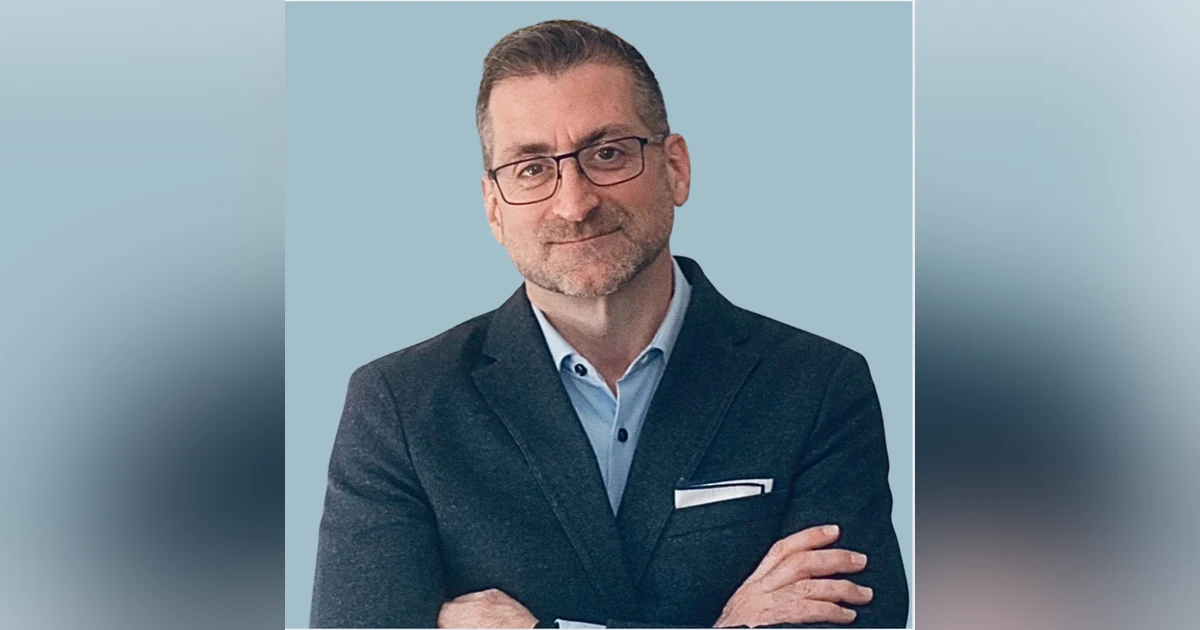

In this episode of Medicine Redefined, Darsh and Altamash sit down with Dr. Patrick “Rocky” Sullivan, an emergency physician turned ketamine therapy pioneer, to explore how this powerful molecule is quietly transforming mental health care. Drawing from years of ER experience and clinical innovation, Dr. Sullivan breaks down the science, stigma, and promise behind ketamine treatment for depression, PTSD, addiction, and chronic pain.
We unpack the nuances of off-label prescribing, why most depression treatments miss the mark, and how ketamine-assisted psychotherapy (KAP) is helping patients rewire trauma in real time.
If you’ve ever wondered how ketamine really works, who it's for (and who it’s not), or what a responsible treatment plan should look like, this conversation will change your perspective. It's an eye-opening look into the future of mental health care.
TIMESTAMPS
00:00 Introduction to Medicine Redefined
00:36 Meet Dr. Patrick Sullivan
01:46 The Evolution of Ketamine Therapy
03:18 Rocky's Journey into Psychiatry
07:57 Understanding Ketamine's Mechanism
08:49 Off-Label Uses and Research
11:12 Ketamine in Emergency and Pain Management
14:14 The Importance of Set and Setting
15:29 From Anesthetic to Antidepressant
17:15 Mainstream Depression Treatments
23:02 Navigating Treatment Options
26:45 Screening and Safety Protocols
37:29 Ketamine Assisted Psychotherapy
41:42 Telehealth and Ketamine Delivery
42:16 The Importance of Provider Interaction
43:11 Case Studies: Depression and OCD
43:55 Case Studies: Pain and Trauma
44:24 Case Studies: Alcohol Use Disorder
46:12 The Role of Therapy in Ketamine Treatment
47:54 Ketamine's Mechanism and Benefits
52:09 Maintenance and Dosage Variability
01:05:13 Challenges in Ketamine Research and Regulation
01:16:14 Conclusion and Contact Information
SOURCES
04:13: Ketamine suicidal ideation meta-analysis; Ketamine depression meta-analysis
07:36: Off-label prescriptions
07:44: Research referenced on alcoholism and ketamine:
07:44: 2000 study done on depression and ketamine
09:30: Ketamine dose-dependent responses
10:13: Ketamine on respiratory drive
15:21: Treatment-resistant depression
16:18: SSRIs and other antidepressant drugs
17:36: ECT and Ketamine therapy studies:
18:48: IV Infusion ketamine study
22:19: Treatment resistance depression prevalance
28:05: Studies on how Ketamine works in the brain:
32:21: Studies on BDNF and ketamine:
35:08: Ketamine assisted psychotherapy research
44:46: How to change your mind:
01:04:25: Ketamine is top-studied drug in depression
01:06:00: FDA approval for naltrexone
01:07:23: American Society of Ketamine Physicians, Psychotherapists & Practitioners
Welcome to Medicine Redefined, a podcast focusing on helping you reclaim ownership of your health. I'm Dr. Darsha, and I'm Dr. Ultima Shraja, where your hosts, hair to challenge conventional practices and uncover the stories behind pioneers shaping the future of medicine. Our conversations not only focus on the individual level to dissect common practices for health optimization, but also zoom out to enhance systemic change. Join us as we look to break the status quo, move the needle forward, and put the help back in healthcare. Our guest today is Dr. Patrick Sullivan. Dr. Patrick Sullivan, or Rocky, is a board certified emergency physician with over 20 years of experience treating psychiatric and substance abuse emergencies. In 2016, he opened Initia Nova, one of the first practices on the East Coast to offer a ketamine-infusion therapy for treatment-resistant depression. He later developed a ketamine-assisted psychotherapy program for PTSD and became one of the first to combine ketamine with transgranational magnetic stimulation for severe depression and pain. Dr. Sullivan serves on the Board of Directors for the American Society of Ketamine Physicians, psychotherapists and practitioners, and is the primary author of its standards of practice in the therapeutic use of sub-anesthetic ketamine. He also co-chairs the Pain Council for the Clinical TMS Society, where he uses advanced neuromodulation techniques to treat CRPS, fibromyalgia, and migraine. Today Dr. Sullivan leads a multidisciplinary team in Southern New Jersey in the Greater Philadelphia area, offering holistic care for complex depression, PTSD, OCD, addiction, and chronic pain, believing that true healing requires treating both the mind and the body. In this episode, we discuss the evolution of ketamine from anesthetic to a psychiatric treatment, what it means to use ketamine off-label and how it's different from the FDA-approved esketamine, the four major use cases, depression, PTSD, OCD, and addiction. We talk about how to determine who is and is not a good candidate for ketamine, the dangers of male order and unsupervised ketamine treatment, and what ketamine-assisted psychotherapy KAP actually looks like in practice. Lastly, we talk about how maintenance therapy works and when patients can taper off, and of course, we want to hear all about Rocky's emergency medicine background and how that shaped his approach to mental health today and how he's practicing slightly what we would call unconventional emergency addiction and psychiatric medicine. So without further delay, please enjoy this discussion with Dr. Patrick Sullivan. Dr. Patrick Sullivan, welcome to the show. Well, thank you. I appreciate the invitation. I'm excited to be here. Dr. Sullivan. Rocky, what do you want to call you? Usually just go by Rocky. Well, Rocky, this one's been a long time coming, man. I'm excited to get into the weeds a little bit. I know we were just chatting offline about how passionate you are and how passionate we are about just health in general and recognizing that it's not just the absence of disease and looking at things somewhat of an unconventional way, although I think both us and our listeners are going to learn that maybe that a lot of what we talk about is convention, even though lots of listeners might not be familiar with some of the topics we talk about. Before we do that, why don't you just give a little bit of background to your origin story and what sparked your interest in much of the stuff that you do now, specifically ketamine, you know, for psychiatric conditions and then how did your your background, which is emergency medicine, completely different, lead you where you are today? Yeah, it's actually an interesting story. So I was always kind of interested in treating psychiatric conditions. I had a minor in psychology in college, but my passion was emergency medicine. So that's where I ended up after medical school, but it actually worked out perfectly because where I trained in my four years of residency and then worked the hospital I worked after the first 12 years, we actually had the county crisis center was linked to our hospital and so everyone that came for any mental health treatments had to come through the emergency department first. We also had inpatient and outpatient detox and rehab services, so whether they were coming for psychiatric problems or substance abuse, they had to see us in the emergency room. So I spent most of my days doing pretty thorough psychiatric evaluations and that was everything from people coming for voluntary help, for depression, involuntary commitment if they knew if they were sent in by their doctors and a key part of that was also doing more of a medical evaluation because a lot of things can look psychiatric at the start when actually it turns out to be a metabolic problem, an endocrine problem, infectious, neurologic or intoxication withdrawal. So there's a close interplay between the medical and the psychiatric and then I worked closely with our social workers, crisis counselors and the psychiatrist to have a final disposition for those patients and I got to follow along with them. So if they were admitted into the hospital, I could see what this psychiatrist would say and how the patient would end up doing. So after doing that for 15 years, I got quite a familiarity with treating psychiatric and substance abuse problems. But at the same time, I also saw a lot of common themes that would come up that people would come into the emergency room frequently for depression, addiction, PTSD and we didn't really have a lot to offer them. They would get some referrals and head out or maybe they would get admitted into the hospital. Maybe a new medication would be started but it could take four or six weeks for a new medication to start working and many of them have already been on 5, 10, 12 medications before. We would see that a lot of the same people would come back and we felt kind of helpless. Somebody would come in for intoxication, let's say they were drunk and we would take care of them through the night and the next day they would be sober and I'd be talking to them and you could tell they were nice normal people but really stuck. They wanted to stop but couldn't and we didn't have a lot of great things to offer around that same time. I started hearing reports, this is going back more than a decade, maybe 2014, reading these studies about ketamine's rapid action in treating depression and suicide ideations and I started researching that more and eventually opened my practice in Gerryholder, Jersey in 2016, initially starting out with ketamine for depression and then expanded to other treatments from there. I love that, man. Thank you for giving us that. When we think about psychiatric conditions, we think of something that's certainly been going on for a long time. You have acute psychiatric conditions where people might need to be hospitalized and certainly they might be harmed to themselves but most people in psychiatry, we think of this as an outpatient thing, if you go to their office, there's management, things take time, we know SSRIs, even when you start them, you have to give that sometimes psychotherapy. That's a slow thing, whereas ER is just, you come in, you get patched up, you go out and so it's just a stark contrast between how you might approach management. You highlight ketamine and how you're incorporating that so much into your practice and people might have heard about that as it is an anesthetic and my pain colleagues and that's something that we often use that for those purposes, I know you're also doing some of that with the patient population. If you give us a little brief, if we could, ketamine 101, maybe we could start with talking about what ketamine is, the mechanism of action, we know class of drugs, however detailed you want to make it and then we'll go from there. Yeah, ketamine is actually a fascinating molecule, so we refer to it as a dissociative anesthetic and I'll come back to that, but that's really an important quality of it that we can use some dissociations, a mild dissociation where we separate mine from body to our advantage when we're treating certain conditions. It was actually FDA approved for anesthesia back in 1977 and it had quite an evolution over that time. It's probably a good time to point out what is meant by something being used allthlabel, so it was like I said FDA approved for anesthesia and that's still the only indication it has and everything else that we use it for is considered off label. What that means is when new medications get developed in this country, a pharmaceutical company goes through all the research and development and they're spending tens of millions of dollars and going through phase 1, 2, 3 trials and a lot of them kind of fail and they lose that money and they have to develop something else, but eventually they get there and they get it approved for an indication for a certain thing that they're treating and then they get a patent on that for a period of time like seven years where they can make their money back and then take that to develop something else. After that patent expires, it becomes generic and other pharmaceutical companies can make it and then what happens in that timeframe, if we determine that it works for other conditions, almost impossible to go back and get a new FDA approval for that indication because they can't spend another $50 or $100 million to go through that process and get that notification because it's already generic and all the other companies can make it and then they cannot get their money back. So we learn about new ways to use medications and in fact many, if not most prescriptions are prescribed off label, particularly in psychiatry. So we learn one of my colleagues in the 1990s, that name Dr. Husky actually in Russia was doing research on alcohol being used for, on ketamine being used for alcohol use disorder and addiction and then the first study was done in the year 2000 on its rapid action for depression. That wasn't repeated until 2006 and then some of my colleagues started using it around 2010. But it's really fascinating in that it works different ways depending on how you use it, depending on the dose, how long you give it, the way you give it and what you pair it with. So if you give it in really high doses, say for usually over a period of a couple of hours and I continue some fusion, you can make somebody unconscious and completely unaware and actually do surgery on them. If we lower that down and still give it in high dose, let's say in the emergency department, it's something that's been used for several decades, what we call procedural sedation. A kid comes in with a broken arm, we need to set the bone and put a cast on it, but obviously that would be painful and scary, so we want to give them something to make them unaware and not remember that procedure. So we give a dose of ketamine and we have about five or 10 minutes where we can do all of those procedures and then about 10 minutes later, they sort of wake up and I say, oh wait, they're still, they might often have their eyes open, but they're not really aware of what's happening and then they wake up and their cast is on and they don't really remember what just happened. If I lower that down even more, I can give a continuous infusion, make it for an hour, up to four hours to treat certain pain conditions, essential neuropathic pain, like complex regional pain syndrome, where some of the other neuropathic pains, like migraine headache, trigeminal neuralgia, and that can be both acutely, we use it in the trauma center that I've worked at or in the neurologic ICU of somebody came in for status epileptic, it's where they're still having seizures, ketamine's a great option there to sort of break that and sedate somebody if they've had a traumatic brain injury or other things where the benefits in using it for sedation for kids in the ER or in some of these acute situations is that it doesn't slow down your respirations, it's pretty neutral as far as cardiovascular effects and for it doesn't lower your respiratory drive, things like that, your gag reflex is maintained, so it's safe to use it for some of these procedures. If I lower it down even further, we can do some of these low dose infusions, low dose meaning the patients awake, they might be talking to you where we can treat depression, usually a 40 to 60 minute infusion, I can pair it differently with some other medications or psychotherapy to treat things with PTSD or OCD, but it's generally done in a very specific way when we do that, I can do it a little bit differently in pair with other medications to treat addiction, I can help people get through withdrawal from opiates and alcohol, and then even lowering it down further, much lower, it can act as a potent bronchodilator, so when the pediatric ER docs know this well, if you have a kid with severe asthma attack, you give a real low dose of ketamine and helps relax them, open up their airway, sometimes in the emergency room, we have somebody come in with COPD, they're really struggling to breathe, I've had several times where one of my colleagues was about to put somebody on a ventilator to help them breathe, so let's try ketamine first, a low dose, and again they relax and it opens up their airway and prevents them from going on a ventilator, so it's really fascinating that it has so many different uses, but I think the other cool thing is that the set and setting matter when we're talking about mental health and things like PTSD, if I compare it to something like using an antibiotic for an infection, somebody has a cellulitis or pneumonia or something, if I give them an antibiotic, that medicine doesn't care what the setting is, the patient can be awake, asleep, they can know they're getting it, they might not know they're getting it, it's still going to work, ketamine is going to be unique in that if you're just say walking through the mold, shopping, and I give you ketamine without knowing, you're going to have a pretty scary and unpleasant experience, but if you came to my office and I'm going to treat you for depression or PTSD and we spend a couple of visits getting to know each other, preparing, letting you know what it's going to feel like and what we're going to work on, and then I give it to you in a certain dose and we're talking and working through things, this could be one of the most amazing and transformational experiences of your life, when we talk about set and setting, all of that preparation and working with an experienced provider really matters, ketamine was first used as an aesthetic, correct? Yes, how did we come to the understanding that it could then also be used to treat depression, OCD, and all these other mental illnesses? I think really just through experience anecdotal stories, when people were using it more in the operating room, post-op, they were by hearing different ways that they were seeing people improve. There was also some use of it in the 80s and 90s and sort of a club scene, so people were using it recreationally, so they were having their own experiences and probably some good, some bad, but noticing improvement in some things, which then led some of the early researchers, like I said in the year 2000, to do a formal study on a small number of patients using it depression. I think much the same way a lot of research is coming out about other, you know, sort of psychedelic medicines like MDMA and psilocybin and LSD, there's some overlap with people using it recreationally and seeing benefits and formal research studies happening where they look at it for different conditioning, for different conditions, and then it just expands from there, but being outside of traditional medicine, like you mentioned in the beginning, there's a little bit of a divide, but that's closing more and more as we bridge the gap between academic medicine and doing formal research studies with just anecdotal and clinical experience from many of us have been working with these medications for the past decade. Got it. Let's then talk before the bridge, right? So we know there's this association with ketamine helping depression, but what would be the typical mainstream pathway for someone who has a symptoms of depression, they may be going to the ER, they may be going to their PCP, take us through some of the treatment modalities that they may experience before they even get to the possibility of using ketamine. Yeah, that's a great question because that's that's really varied depending on the person, depending on what providers they talk to, what of their own research they do, what they've heard of, what all their different logistical limitations are, and it will give it let me give a little example about how overwhelming you can be for a person trying to decide what treatments do. We generally talk about ketamine or any of these other treatments in the context of treatment resistant depression, but which means that you've tried oral antitidepressants so far, maybe plus or minus psychotherapy, and it hasn't worked. Now you're considered treatment resistance, and you can look at some of these advanced treatments, but it doesn't always have to go that way. Sometimes as we know, people can have some bad reactions inside effects to some of the traditional antitidepressant medications, or they might just need that, so might be a good choice, but they might need treatment faster. If they're at a point where they they had a traumatic event, they're really depressed or suicidal, they need to start functioning and get back to work. Ketamine might be a good option to get them feeling better quicker in conjunction with starting a traditional antitidepressant, and then once that's working and they get some psychotherapy, they might be able to lean off, but that's your question. Let's say here's an example, maybe you have a 45-year-old female with a history of depression, she's been on a typical SSRI, she was doing well and she tried to lean off of it. Slowly started getting worse over time, but sort of put it off, didn't like the side effects or the withdrawal effects from the antitidepressant, and so really was waiting and getting worse over time, and maybe she's trying to work, and be a mom, and take care of everybody else, and put her needs last. And now her depression's getting worse to the point where she's crying every day, difficult, having difficulty functioning, and now started getting some suicidal thoughts, goes to the emergency room, or to her family doctor, and gets admitted into the hospital. And now starts learning about what are some of the other options that she could do? If there's always the option of trying more medications and trying some psychotherapy, maybe you're in the hospital, but not a lot's going to happen there. You can get some aggressive therapy or some group therapy, and maybe, traditionally, if we go back 10, 12 years ago, the only other advanced option was ECT, electric embolescent therapy, or what was colloquially called shock therapy, which is effective, right? In a couple of the recent studies, the one was called elect D, I think there's two studies now comparing ECT to ketamine, but pretty comparable that about 70% of people with treatment resistant depression will have a good response. And in some cases, ketamine did better, but it does have some very real side effects of short-term memory loss. The newer techniques can be a little better at that, but it still has a stigma. It has some drawbacks of needing to go into the hospital, get general anesthesia, and all the complications that can go with that, you're getting treatment three times a week for several weeks, but it does tend to be effective. So maybe this person is in the hospital, and that was offered to her, because that's what they did in that particular hospital, but she thought that was scary and heard about the those memory loss problems, so chose not to do that. And says, all right, I'm feeling a little better. I'm no longer suicidal. I'm safe to leave and get set up with a step down therapy from there, which might be a partial hospitalization program, or an intensive outpatient program where you're staying at home, but you're going every day into the hospital. And from there, maybe they hear about two other therapies that are offered there, which is intranasal S ketamine, which I can come back to the difference to that in a little bit, or TMS, transcranial magnetic stimulation. And they say based on your depression scale and your insurance, you qualify for these options. And maybe that person hears why I heard that maybe TMS doesn't work as well, or spravato, which is S ketamine doesn't quite work as well. You got to get treatment every day for TMS and it lasts for six weeks. And they ask about IV ketamine. I heard about that. And they say, well, don't do that. That's dangerous. That's that's not FDA approved. And they said, I'm not really sure. Maybe they get out of the hospital and they go see somebody in the office that does IV ketamine. And they kind of sell it up like it's the greatest thing and it works for everybody. But they ask what about TMS and spravato? And they say, oh, they don't work. Yeah, go with ketamine. So now they're feeling like, how do I get a correct answer? Because each one of those people that were talking to me had a financial interest in it for their particular institution. And I heard that my friend was doing some MDMA or microdose psilocybin. But then they, you know, well, they're not actually legal to work with in most instances, only done in some research setting. And then they got to add on their phone about a telehealth company that can mail oral ketamine to your house. That sounds kind of scary and as it should. And we can come back to the nuance there. And they heard about some people going to Mexico and doing ibeguine and ayahuasca and some of these other things. So it can be really tough for somebody to put together and say, what's best for me? But the key there is it's not that one of those treatments is better or worse as a particular treatment for depression. It's what is better for that particular patient. And that comes down to sitting in front of an experienced provider that understands all of them and does a really thorough medical and psychiatric evaluation on you to look at all your diagnosis. Right. So it's weird that somebody just has depression. They, how much depression do they have? What type of depression? Somebody might come and say, I have no motivation. I'm tired all the time. I just want to lay around and eat and I have brain fog and I don't feel like doing anything and I'm depressed. And another person is super anxious and their brain won't stop and they have no appetite and they can't sleep. Clearly these are very different processes, but they both meet the criteria for depression. And so we have to look at that further. Some of them are going to have an element of dopamine depletion based on what are they doing with their day? How much social media and other sort of quick dopamine reward processes do they go through? How much continuous stress do they have? What element of PTSD and past trauma is anxiety? How are they coping with that? Are they coming home and drinking alcohol and smoking marijuana to be able to sleep? And their sleep quality is not good. Is their diet terrible? So we have to look at all of that and then say to that patient, here's all your different options. And these are the pros and cons of each, including financial aspects. What's covered by insurance for that patient? Can they go to an office regularly? Can they get a ride if they're getting ID ketamine? What are the risks and benefits of each one and then help them make an informed decision from there? Hopefully that kind of answers that question. It was around about way, but there are so many different options and complications. And hopefully that gives so many a flavor of how they can approach this field. What is the prevalence of treatment, resistant depression in the United States at least? Are you aware of that? Yeah, we can talk about numbers and saying like 20 million people have depression, or 10% of the population will have depression at some point. And then when you start throwing in bipolar depression and PTSD and anxiety disorders and OCD, it's huge, but that's really looking at the numbers of who comes for treatment. It's obviously going to be much higher than that. And it's so interwoven with, it might just be classified as addiction, but clearly they're depressed from there. It's like I said, it's unlikely that somebody just has depression or just has one of these things. So it's huge and it really impacts their ability to work and be a parent. So you mentioned a lot of scary stuff out there. People get in ketamine, prescription or medication or what you have. Have you emailed to their house? That certainly gives us pause. But I think that begs the question that I think we should start addressing in terms of safety protocols, contraindications. A lot of indications as you've highlighted, everything from we spend some time talking about depression, but you also highlight anxiety, PTSD, OCD, bipolar. And you know, some people might think, oh, wow, that's fantastic. Maybe I should try it. I want to understand from you, who is it not a good idea for? What's your screening process look like when, you know, clearly you've highlighted that you're looking at multiple components of a person's life and trying to understand a little bit better into where they are coming at you from, you know, why they are, where even they are, whether it's depression or anxiety, whatever state that they're struggling with. But what's that screening process look like for you and what are some of the safety concerns that clinicians, providers should be aware of if they're going to refer to folks such as yourself? Yeah, I love that question because it really needs to be thorough. I just came back from giving a couple of lectures at our at our ketamine conference and a common theme that many of our providers are worried about is this sort of rise of telehealth companies that can go on to a really quick evaluation. Sometimes it's just like three questions, do you have depression? Will you have somebody sit with you? If you use this medication and then boom, you're getting a prescription of ketamine melt to your house. So obviously many of us are really concerned. As you can imagine, a lot can go wrong in this situation. That person is not medically or psychiatrically suitable to have this and there needs to be proper medical guidance to get the dose correct and to have the the right therapy added with it. Obviously there's concerns for diversion. They're sharing it with their friends. They're saving it up and taking too high the dose. We know that sure everybody hearing this heard about the incident with Matthew Perry that was certainly tragic that he was able to buy this on the street and save it up and have his his assistant inject him with with a high dose of of ketamine and then he was left alone and in a hot tub and drowned. So clearly I mentioned it can be very helpful for patients with addiction because it helps treat their depression and their PTSD which is why many of them are going to some of these substances to sort of melt self-medicate and they can also help with withdrawal symptoms to help get them off of some of these but that should only be done with the close supervision of a physician who not only understands how to use ketamine but understands the nature of addiction and is counseling them on making sure that they're keeping themselves safe and not developing another habit. So how do we do the evaluation? For me, they reach out if they're interested. I have them fill out a very thorough intake form and then we meet in person to discuss that. I need to look at their cardiovascular history. Do they have diabetes? Do they have high blood pressure? What is their metabolic health? There are other reasons that people can have low mood that are more medically related. Maybe we need to look at some lab work for some people. So things that really require a thorough look and a close relationship and ongoing relationship with a provider. And then you need to really understand the nature of substance abuse addiction and you've got to have a detailed conversation with that person. Many people will come saying that they're depressed or maybe a therapist or a doctor told them they have depression. But as we spend more time, we see that it's much more complicated than that. I need to know do they have a history of instance for any of your psychosis or bipolar disorder? If they do have bipolar disorder, particularly bipolar one where there's a history of mania, they need to be treated and closely followed with their outpatients, like Kaya Trist with an anti-manic medication, a mood stabilizer, because the ketamine can safely and effectively treat their depression, but we need to make sure they don't develop any manic episodes. Do they have, like I said, trauma or PTSD? If they're unsupervised and using some ketamine, that can be a very overwhelming experience. Part of the way it helps is that it opens up our brain, quickly like our limbic system, involved in learning and memory and emotions to reprocess and overcome those feelings. But you need to be properly prepared, have the right dose and have a physician or a therapist in front of you when you go about that. So it can be destabilizing for some people. There are some people that after a treatment with any anti-depressant, particularly ketamine, maybe suicidal ideations get worse temporarily. So we have to have a plan in place to look out for that and monitor. So again, the first time ketamine is going to be used needs to be in the presence of a trained healthcare provider. And we need to make sure that it's the right treatment for them, maybe ECT or TMS, where maybe none of those advanced treatments are right for that patient. Similar to in your field, maybe somebody comes to you saying, hey, I heard PRP injections are green, I got this pain and they're going to come evaluate you. You don't just say, yeah, you're right. I'm going to give you these injections. I'm going to do some other tests and maybe you'll say, actually, this isn't going to treat your particular pain and you can recommend something else for that. Yeah, a conversation I have far too often. But you mentioned that in certain instances, doesn't necessarily have to be individuals who've quote unquote failed other treatments for depression, maybe rapidly getting to the end result is something you need. And so that makes a question in like acute stress states like adjustment disorder, for instance, is that something that is a viable option? And my second part of that question would be, how often in your practice are you using it really for a short term thing? Maybe I don't know, a couple of infusions with some assistive psychotherapy and then the people are good to go, right? They're coming back to you months, years, maybe never. Yeah, good question. And because I think that's something that not a lot of people understand and not a lot of providers understand, it depends what they're coming for. So like I said, we do that evaluation. We say, what is your actual diagnosis? What are your goals of treatment? What are we trying to benefit? So we often think about treatment resistant depression. So there are those patients that just have this biological nature of depression. Everybody in their family was depressed. They've been depressed for the past 10 years. They've tried 10, 12 different antidepressants that just don't work. That serotonergic or monolamine model of antidepressants does not work for them. And then they get some infusions of ketamine. We go through the initial series and it works. They get a good response or remission of their depression. And many of them will stay on for what we call maintenance infusions, which is typically done around once a month. And they might need to do that indefinitely. Just like if somebody had high blood pressure and they get started on blood pressure medication and controls that, they may need to stay on that for their rest of their life. If you started somebody on Prozac and their depression got better, they may need to stay on that for the rest of their life. But this is where your relationship with a good provider that's looking at you as a whole person and check your lab work. What is your metabolic health status? What is your lifestyle? Like, can we make other changes that then get you better? And then maybe you don't need to continue ketamine. So if somebody comes and they are they're unhealthy, they're overweight, they're depressed, they're they're fatigued. And I talked to them about diet and nutrition and changing. They're obviously really hard and they're going to look at you like, come on doc, I can't do those things. So we might look at one of these advanced treatments like spravato, TMS, IV ketamine and say, we need to start this to get you feeling better. But this is just the catalyst at first, right? We're going to go through your initial series. We start off with ketamine infusions twice a week for three to four weeks. And if you're like the majority of the people in week two or three, you're probably going to start feeling better and have more motivation, some more clarity. But then we're going to work on saying, what else can we do to start getting you out of those old habits? Can we improve your diet? Can you start exercising? One of the mechanisms that we talk about of ketamine is increasing BDNF. You'll hear people talk about neuroplasticity where you get new nerve connections to four. And that's a very real process and it increases brain-derived neurotropic factor, BDNF. You know what else increases BDNF a lot, exercise, particularly a high intensity interval training, right? If you're really depressed, it's hard to do that. But when you're feeling better, if we can start talking about that, maybe we just start off with some walk, right? Get some beta oxidation, start learning about decreasing carbs and some intermittent fasting, then you get that boost from some ketones, which then makes it easier to do more exercise. And then you can start having some more clarity of thought and you start doing sophisticated therapy. And then you're going to your therapist and you're socializing, you're getting back to work and you're feeling productive. All of those things can be equally as therapeutic as getting your ketamine infusions. But I don't want you to think about it of just adding another medicine. It's, this isn't catalyst. One part of your overall treatment plan to then see what are those other things that we can do to get you feeling better. And some people may need to stay on whatever their antidepressant treatment is and some people can lean on, particularly if we look at things like PTSD. If somebody had a traumatic event or a series of traumatic event that they're now thinking about all the time and it's stuck on a loop and now they're having nightmares and their sleep quality goes down, they have to drink alcohol to fall asleep or they're smoking marijuana at night. If they still have those stressors, maybe they tried the traditional SSRIs and they went to psychotherapy, which if you have the time to do that, we always encourage you to do that first, right? Traditional medicine, it does still work for a lot of people, but that's going to be not enough. If you hate your job and you're super stressed going there, you're unhappy marriage and you have this constant pressure bombarding you and you're using these unhealthy coping skills, there is no antidepressant or advanced treatment that's going to make all that better, right? Sometimes it helps give you some clarity of thought and give you the motivation to make those changes. But we have to work on that. If many people with these traumas and they develop the more classic PTSD and they're hypervigilant, they don't sleep, they're in a high cortisol, high adrenaline all the time, there's no antidepressant making that better. But if I hear that with the flexibility of IV ketamine and fusion, meaning I can dial them into the right dose for them and I can sit with them and help them process these feelings or have my trauma therapist work with them, which we call KP, ketamine assisted psychotherapy, which I've been doing since 2017 now. I partnered with a skilled and experienced trauma therapist to develop this technique. We may have been one of the first in the country that we're using IV ketamine with an experienced trauma therapist to really overwrite those memories. Then you can start making progress on that. The depression is usually secondary to those feelings and experiences. Once they work through those traumas, the depression usually lifts on its own and then we have the joy of looking at deep prescribing. Can I get them off of some of these medicines that they no longer need and all the side effects that go along with that? OCD is another classic example. It's such an overwhelming way of people to go through life where they're just beaten down and they're exhausted mentally and physically to where they develop secondary depression. If I can pair certain therapies with ketamine to help them overcome their OCD, which I've done successfully for a few dozen patients now, even though they failed everything else, the depression usually lifts on its own and then we mean also that. If some people will come to me for addiction, alcohol use disorder, opioid use disorder. Again, ketamine can be great to help decrease those cravings that withdraw. I pair it with some other medications and therapies and get them through that. Then we will get them through. We start weaning off the ketamine as we go. Most of them don't need to stay. It really depends. If we're treating certain pain conditions, usually we try to get them off certain medications. We compare from treating headaches, pair it with nerve blocks, migrate specific medications, and once they're headaches or improve, we'll usually do some maintenance. It's a little tentative to stay on it, but hopefully that kind of, again, it ensures that question. It depends on the patient and it depends on what else we're doing with it at the telling. Yeah, I love it. I hope the audience are sticking around and really paying attention because clearly you're a man who's spent a good deal of time and you don't take this process lightly, which really emphasizes the importance of people making sure that they're linking up with the right type of practitioner who's going to guide them safely and effectively through this. We'll certainly ask about some practical tips towards the very end, but you highlighted the importance of the psychotherapy component several times now. Which we want to talk about that a little bit. We know that psychotherapy is first-line treatment for a lot of these indications. Oftentimes it's a staple of rehab, although Darshan and I had a really awesome conversation recently about this. I'm curious what the evidence shows when you have psychotherapy and isolation, or psychotherapy plus an SSRI, or name your antidepressant medication versus psychotherapy and ketamine together. Do we have any good quality studies to support that? You know, there's more and more studies coming out looking at ketamine-assisted psychotherapy to treat depression and PTSD. And that's evolving, but I would say more so we have an overwhelming amount of anti-data. My colleagues who have been doing this for many years along with me, we all share, we have webinars, we meet at our conferences, we talk to each other, and we develop similar techniques. And so from that, you know, we each have thousands and thousands of infusions that we've done in over many years. You're talking about hundreds of thousands of infusions when we pair it all together. And when we share what works and what doesn't work, that doesn't equal a double-blind placebo-controlled study, which are very important, but the clinical experience of myself and my colleagues and the anecdotes are very helpful to sort of develop this. It probably helps if I give you some examples. And particularly when I we mentioned sort of telehealth and how some people can get some ketamine mount to them, and that would be in the form, usually, of some oral ketamine where they take a logic, that's really apples and oranges compared to getting naive infusion. It doesn't get you anywhere near that the sort of same level. It can benefit some people, but again, we have those concerns about safety, about using it outside of the physician's office. And then also there are certain providers, you know, we mentioned a lot of people will talk about ketamine clinics where you go somewhere and you just get an infusion of ketamine. And maybe there's not a lot of interaction with the provider or a therapist. I really think that part is crucial. So some people will go somewhere. If you're looking for a place, find out what they do and what their procedure is. You might go somewhere and they tell you put on an eye mask, get some headphones and listen to some music and kind of meditate. That can be really helpful for some people. But what I found is that starting off with a low dose of ketamine and just be face to face with that person and going through that experience and holding space for them to talk with you and explore is often the ultimate diagnostic tool. We learn so much in there. I had a young guy come to me many years ago for depression. He sold two psychiatrists, three therapists, his family doc and they all said he had depression. I did his first couple of infusions and I sat and talked with him and I quickly realized you actually have OCD and somebody dysmorphic disorder. And that was the driver to his eviscer depression. So I got him set up with an ILP specialty program that treats he and then he came back and then we did a combination of some TMS and ketamine and he really improved significantly. He actually hit remission of both his depression and OCD. But if I didn't sit and talk with him, I wouldn't have known that and I really don't think ketamine would have benefited him and all. I have dozens and dozens of cases where I learned through talking with the patient on the first one or two infusion. Somebody comes for heat. They have this chronic pain, this somatic symptom. They have this numbness tingling, some sort of problem that really bothers them and in talking through them at a lower dose, we realized that this is linked to some traumatic events that they had in the past and we treated that first and then their physical symptoms resolved. A patient came to me to be treated for alcohol use disorder. He drinks five drinks a day and couldn't stop. We first started some traditional methods of some oral medications, some tricks on some back left in and they got him to reduce, he went down to two or three, but he couldn't stop. And I said, all right, let's do some infusions of ketamine. In the first sessions, he was able to start explaining to me what was really happening in that I can tell there was something deeper has to the cause. So I set him up with my my trauma therapist and he said, I don't know if I'm going to be a comfortable talking to her. She's younger. I said, let's give it a shot. After the first session, he said, I've told her things that I've never told anyone. The key is that he had been seeing a therapist once a week for the past two years did not was not comfortable sharing any of this information. We found out that there were certain, I don't want to give too many details, but there were certain behaviors that he was doing when he went off on business trips that were very troubling to him. And when he came home to his normal house and family, he felt so guilty about that that he needed to drink in order to be around his wife. And so we focused on treating that on that sort of PTSD and those issues with the trauma therapist who then linked in with his therapist and then when we went back and worked with the other medications, he was able to completely stop using alcohol. But I feel confident that if he went somewhere and just got an infusion of ketamine and what it failed, it would not have worked. And I have so many examples of this that pairing therapy can really help us get to the root of the problem. Now, if I know what it is already, let me back up because that's how I kind of started with this. I said I started treating depression in 2016. I sat in with every patient and talked with them. And they would swear like, no, I have no history of trauma. It's just depression. I've been at some of the infusion. They're crying and saying, I've never told anybody this, but this is what happens, right? And we just started working through it and talking about it in each time. It got less and less that it bothered them. And so eventually they said, I used to think about this all day every day. And now it doesn't bother me anymore. And that's when I brought in the trauma therapist and started expanding how we did these sort of programs and pairing it. But for so many people, it's crucial to have the therapy component. Not only PTSD eating disorders, we do some work with that. Well, we'll set somebody up with their eating disorder therapist, another trauma therapist that does EMDR, which is a great technique pairs well with KP, some of the addiction and just other things, finding all the right components of specialized people who specialize in certain therapies with what we do is what really raises the bar to get them better. Rocky, I'm assuming you've seen the documentary How to Change Remind by Michael Pollan. I'm familiar with it. Yes. Yes. What you're talking about really brings that visual picture to mind of somebody going through, you know, whether it's ketamine, ibogaine, psilocyte, or whatever they might be taking in that documentary. And having that therapist talk to them as they're, like you said, have the headphones on or in a dark room and able to share what emotions are coming out. What makes ketamine different than let's say all those other substances that I just mentioned, because you did say that there's an emotional component that you see come out with people when they take ketamine. But there's also this biological component, too, right? The BDNAF, there's probably, you know, working on the neurotransmitters and whatever else there is on the brain. Can you explain a little bit about the difference? Like what makes ketamine? Yeah, great point. So when I explain to my patients how ketamine works or how we're going to use it for them, I say there's three parts to the treatment. There's that neurobiological component that it helps sometimes lower their anxiety, helps lift their mood and treat their depression. The second part is what we do during the infusion, is often crucial for a lot of patients. And the third part is what does ketamine allow them to start doing? Like I said before, it's not just getting another medication. What do you do during then what does it allow you to start changing? Do you, are you more productive in therapy? Can you change your diet? Can you exercise? Can you have better stress management and sleep? And cut down on those other substances that are hurting you. It's not only, it's not what am I giving you. It's what activities in your lifestyle and substances can you stop using that are harming you. People really underestimate how destructive benzodiazepines marijuana and alcohol can be. And then what activities can you start doing to get you feeling better? Those other things that we mentioned. So we really have to educate them and sometimes just tell them how I work you to start doing this exercise. This is how I want you to change your diet. I need you to get up and do something else that gets your creative juices flowing or that will spark some BDNF. Can you do a project around the house? Do, you know, do a puzzle? Go shopping? Do something? The, what happens with ketamine is the type of neurotransmitters that it works on. I mentioned traditional antidepressants are usually work on the serotonin or an effrindopenine system. ketamine mostly works on GABA and glutamate. And affects those, which is the most abundant neurotransmitters we have, particularly throughout the brain. And it affects what I mentioned like the limbic system. And which is where a lot, which is learning memory and emotion and where a lot of things get stuck where we really get entrenched in some of those traumas and those feelings that are there. And sometimes people are in there talking with their therapist. And it just doesn't make them feel better. The medications give them side effects. Don't make them feel better. When ketamine interacts with those brain networks, it opens them up to re-engage with the experience and the memories and feel those emotions. But it has their sympathetic nervous system sort of cold. So they can be relaxed and talk about those difficult things without a flare of their flight or flight system. Each time we do this, their brain learns, oh, hey, I can, I can remember this. It can come up and I'm still safe. I'm talking about this controlled environments. And I can realize and make sense of the fact that I'm now a capable, intelligent adult. I have resources. I have people that care about me. I'm working with this doctor and the therapist and I can get control of my life. So many people come in and during their first infusion, their apologizers say, I don't know why I'm crying. No, no, no, we want that. That's open. I've never cried in therapy before. And that really is what we're after. When I say mild dissociation, I say, what I'm after is for them to feel relaxed and to feel a little bit weird. That's how I know I'm in the right dose range, the Goldilocks. I might want to go higher for certain reasons later, but initially we're starting low so they could open that up and they in a way overwrite those memories. It's not that they forget about them, but they become to a point where they can have a level of acceptance that that is something from the past. That's not me. And I can move on from it. So Rocky, when you mentioned maintenance dose now, is that because there is that biological effect that the that is continual that they need or is it more again, that's like a therapy that whatever might have happened in the month, they're able to express and go back to the past. Yeah, it's really highly dependent on the person and what we're treating. So I would say no matter what therapy, so that there's some of those things that we just treated the initial thing, they're better, we read also say you do other things in your life to get you better. Whatever treatment we're talking about, most things are going to involve maintenance, right? So if you're talking about it or the maintenance is I take this pill every day, if we're doing eschatamine or spravato, you do an initial series for, you know, for depression, it has two indications. It's treatment resistant depression or major depressive disorder with suicidal ideations. We go through an initial treatment of twice a week for four weeks and then once a week for four weeks, and then the maintenance phase for that is usually once a week, maybe you might get it out to every two weeks, that if the pros of using spravato or that likely would be covered by your insurance, the drawback is the mechanism of the action being intranasal. You don't really get as high of an exposure to it. It doesn't last as long being that that route of administration intranasal is where the benefits usually are going to last about a week. For IV ketamine, we go through twice a week for three to four weeks, then we start spreading it out. Most people can usually get a month sometimes longer. Usually it's somewhere between three to six weeks for depression if they're maintaining on that to keep their depression up. If we go through TMS, transgranular man getting simulation, they're usually getting treatment once a day, five days a week for six weeks. And if they have a good response to that, another benefit is it's covered by insurance for TMS for most people. Maintenance is usually not covered, it's usually in a pocket, but usually they're going to have to do that maybe once a month, once every six months is going to be variable. If they did ECT, that might last three to six months or a year, sometimes longer, but most people are going to go back and have to do some level of maintenance. We factor that into what we're treating and then it becomes unique to that person's. Let's take depression as the example. Most people will figure out where they fall into a maintenance schedule. So we go through the initial one, they initial series, they're feeling a lot better. Then I do their next one, say two, eight later. And then if you're still doing well, I do it three weeks and four weeks. And I see how long can I spread out that infusion and have them still maintain those benefits, usually about once a month, give or take. If they're still working through some trauma, it's really helpful to come in and do some work with the therapist. Maybe that's once a month, maybe that's once every three months, because when we get back to the stress of life, things have a way of creeping back in. OCD, once we make that initial progress, there's usually a maintenance period on there where they have to come in and sort of reset, because again, continue stressors, you can fall back into old patterns, similar things with addiction and things like that. Does that help with the maintenance? Yeah, Rocky Sprovato, are you familiar with or have you ever used that for any of those chronic pain conditions that we had highlighted earlier, whether we're talking about migraines or anything like that? No, it's not indicated for pain and probably would not be too effective. I have not heard even anecdotally of that really being effective for pain. One of the drawbacks there is that there's only, even for the mental health components, you can try to pair it with therapy, but it only comes in two doses. You really can't fine tune it to that individual patient where we're talking about doing KAP, whereas for IV ketamine, I can slowly ramp you up over a couple of minutes and hold you there at that level of mild association where I want, and where it's individualized, I have 100 different options of what dose to give you, and then I can pause it at any time. It's, if it's felt too strong, I can stop it. It comes out of your system very quickly, so that's really one of our advantages. So, again, on the drawbacks, not something covered by insurance, this is out of pocket expense, but it really gives you that flexibility working with an experienced provider to get that level of treatment and response. And maybe you put out that initial money for IV ketamine and you're ready for a maintenance phase, that might be a good time to then say, I needed to get better quickly. I'm no longer suicidal. I've worked through my traumas, but I need something for maintenance for depression. Maybe from there, you could use your insurance for TMS or a spervato to maintain you. Maybe once in a while you come back in, you do a IV ketamine session with a therapist if you have something new to work on, but we don't have to look at it really as either or for some of these things. There's some good synergy between them for treatments. What are the differences in dose for the IV component? Let's just talk about that. When you're treating these mental health disorders, we'll just say depression and anxiety versus when you're treating really recalcitrant trigeminal neuralgia or occipital neuralgia or just migraine in general. Yeah, highly variable. So for if we look at depression, the first thing we kind of look at is what are all the other comorbidities? And we roughly use their weight as a starting point, which is a circle of 5 milligrams per kilogram, which might come out to say 40 milligrams, 30 to 50 milligrams over 40 minutes for their infusion. But it's going to be, it comes down to a clinical decision between you and that patients, whereas if you're looking to have a provider, make sure they understand the nuances of how to individualize that dose for you. So again, there's that golf between academic medicine. Well, we have to do to standardize something in a research study where everybody gets the same thing is different than what you're doing clinically where you're individualizing a dose for somebody. So if somebody, if the provider says, oh, I'm following the protocol and everybody gets the same dose based on their weight, I would use some caution in there because I don't feel in my opinion that that's that's good medicine. If you had somebody coming into the emergency room or you were treating them, let's say for pain, and they broke their ankle and I was giving them an IV dose of morphine. And I would say that also has a weight-based formula. And for you, it comes out that maybe you should get three milligrams of morphine. The next question is, have you ever had morphine or any kind of opiate pain medication? And that person might say, I got, I took a percuss at one time and I was so tired all day and I threw up for three hours. I really don't do well with them. I'm not giving that person three milligrams of morphine. I'm going to have to go way lower if they need an opiate. The same person, another person might say, well, yeah, I take 80 milligrams of oxycodone three times a day. Three milligrams of morphine is not going to touch them. They're not going to feel it. So when I go in to treat somebody for depression or PTSD, the same conversation is going to be had. Do they generally feel like they're sensitive to medications? Have they ever had anything like that? Have they, if they say, I'm really nervous about feeling weird or feeling out of control and I want to start slower, I'm going to, I'm going to figure out what their weight-based dose is. I'm going to bring it way down. I'm going to sit with them and I'm going to talk to them and give them a lot of preparation. If they say, oh, yeah, I've done ecstasy a few times and I've had psilocybin. It was great. I'm not scared of that at all. And I really did well to explore in my mind, this sort of psychedelic factor. That's a person that I can help them explore differently, still going after the medical indication, right? I'm not helping them sort of explore it. It makes a difference on meeting them where they're at. So next thing, pain could be higher. They might be getting 80 milligrams, 100 milligrams over an hour. Some of there's neuropathic pain, patients that came to me for treatment resistant trigeminal luralgia had already had a couple of surgeries that no longer were effective, maxed out medications. And I tried some one hour, two hour infusions, got some progress. This was somebody who was in severe pain all day long to where could not talk, could not eat without severe pain, had to leave her job, lost 40 pounds, and was getting really desperate considering end-of-life decisions because the pain was so severe. And we got up to doing a four hour infusion and I got to the point where her pain was completely gone and would last for about six weeks at a time. There was 300 milligrams over four hours still able to be awake and talk to me needed a little other, you know, adjunctive medications for sedation, and nausea, things like that. And there are some some really difficult CRPS patients that way anesthesia colleagues can treat with, you know, a thousand milligrams, 1200 milligrams of ketamine over four hours, sometimes multiple days in a row. And then even, you know, there's a large hospital system in our area in Philadelphia that does inpatient ketamine infusions, well, they'll run, you know, maybe like one milligrams per kilogram per hour all day long five days in a row to try to treat some of these really tough headache and neuropathic pain. So there's a whole range there. And the dose can differ on different days or on where they're at for treatment. So I had a patient referred to me that was already being treated at a headache center with ketamine, but it wasn't effectively her pain relief or treating her depression or suicidal ideations. So my first thought was like, okay, we need to get you some some good protocols for your pain, but she made it clear that the main goal initially was to treat her PTSD. She had some difficult traumatic things to pass and that was really contributing to her depression and her suicide ideations. So I started the dose way low and had the trauma therapist in the room. And as we worked through the traumas, after the first month, we made a lot of progress there. The depression was better. The suicide ideations, the depression was still there, but the suicidal thoughts went away. The PTSD symptoms approved. I increased it and I increased her infusions to about one hour to target the depression. After a couple more of those, the depression was stabilized. We started making some improvement with migraine. Then I increased the dose further and then we had hour long infusions that we now do about once every five weeks and then keep her migraines under control. But it's important that I couldn't have done that initially because that dose would have been too high to be able to process the traumas and feel those emotions and remember what was what we were discussing with the therapy. So there's a couple different components that change over time, similar with you know, treating someone with addiction, had a great case of somebody who was addicted to extra-mythorphine. It has some similar properties where interacts with the NMDA receptor, like ketamine does, and can give a sort of hallucinogenic experience for some people. And this poor guy was using this at really high doses. So a normal dose for addiction with thorphae that you take in cough medicine might be 25 or 50 milligrams. I'm just using 800 or a thousand milligrams of that for every three days, right? Had this several hour-long experience, he would feel good, his depression would go away and he'd feel well for two days. And then the depression would start creeping back in and by day three or four severe depression and suicide variations and you have to go back and self-treat. But it was mixed in with depression, autism, Asperger syndrome, and Samir trauma is an a strong sense of grief and loss from my relationship that he lost. So I had to treat both things at once. I had to get him through, consulted, you know, some of my colleagues, and I had to do high enough dose to get him through the withdrawal symptoms of the dexterous thorphae and keep his depression and suicide orientations at bay and also work at a lower dose range, sometimes with the trauma therapist to really process some process those emotions and memories. So different sessions looked very different, but we got there. It's now been a year after being stuck on it for 10 years, and then you will be off that substance, move through the traumas, go back to function well, and now he comes once every three months for a maintenance session. Yeah, love that. I just want to understand your perspective on how do you think the evolution of the FDA with respect to ketamine. I mean, you mentioned tons of anecdotes, some studies. Actually, that's also a basic question. Earlier you talked about we don't have a ton of double-blind, red and miscontrolled trial. This seems like the perfect molecule where you can apply those principles of medicine 2.0. I'm not really sure why we're not able to do those randomized control trials, and yet you've highlighted over and over again how there's this titration dose and there's a great deal of variation from person to person. That being said though, just like any other medication when we're talking about SSRIs or SNRIs or really any of these antidepressant medications, there's some idea that clinicians have in terms of what works or is it just that it's so variable from person to person and that component of pairing it with other treatment modalities like you've mentioned KAP in particular, that combination is really the quote unquote magic, if I may. Help me understand the question. Well, I'm having a difficult time understanding why we're not able to do a randomized control trial to compare it, and my understanding is that's far from what it seems like the reason that might be the case is because there's so much variability in titration or dose that we can't even get a foundation of what might work well for different people. Is that kind of? Yeah, yeah, that's part of it. There are a decent amount of studies. I think keep in mind that ketamine is the most researched medication as far as antidepressants in the past 30 years. Oh wow. There are hundreds of studies now showing it to be safe and effective for a number of conditions, but the level of quality of some of those will differ. I mean, looking at mostly depression and pain and PTSD and addiction. So there's stuff out there, but to get to something that's sort of groundbreaking, you know, that the medical world, that the established medical community will say, oh, this is clear evidence that makes me certain that I can use it is difficult. It's expensive to do some of these big trials. Some of the academic centers are getting there, and there's more philanthropy coming in where people are putting in money, but I think it's kind of at a stage where we know it works. There's a lot of people doing it. We're trying to, you know, the organization that I'm a part of, we're trying to really set the standards so that we allow innovation, we allow clinical decision-making, but try to keep things in some safe parameters that people are doing similar things in a controlled safe way. But still, it's hard as we learn things to break through in that traditional medical world, as they talked about when things are done off label, if they'll drug rep to go around to the dot and explain to them how this works, you have to go out and learn this on your own. A favorite medicine of mine is LDN, Lotus Nell Trexone. I use it on a lot of my patients, very untaimed flammatory, works great for autoimmune diseases, helps with some of the psychiatric conditions, a lot of pain conditions, but Nell Trexone was FDA approved for substance use many years ago in a high dose. We've since learned that in very low doses, it can be very beneficial, but a physician has to go out and learn that on their own. There are other great treatments for alcohol use disorder and opiate use disorder that I use that are off label that most people don't know about. The norworld of peptides, just metabolic health in general, it takes time for that to break through and for people to feel comfortable. I think the more we get the word out, we're getting there, but to say that Harvard and Stanford now have metabolic psychiatry programs where they're getting people to adopt a ketogenic diet and some intermittent fasting and get off process foods, that can go a long way towards treating mental health and addiction. Sometimes the sole treatment, again, that's really hard to do, so if we use ketamine as a catalyst to get people there, it can take many months to learn those techniques and practice, but when you start combining those things, then they really get there. So then how do you see the FDA evolving their stance and even the medical boards evolving their stance on ketamine and some of these substances you talked about, MDMA is like a psychedelics, and even other novel treatments when it comes to these difficult conditions to treat. It's difficult, but just by continuing the conversation, we are now engaged. I mentioned organization, it's called the American Society of Cetamine Physicians, Psychotherapists and Practitioners, ASKP3, so full disclosure on one of the board of directors for that, and I was the primary author of the Standards of Practice, which are out there for other providers to follow, but just to be clear, I'm here representing myself and my my private practice and not speaking on behalf of the organization, but we are engaging with the FDA and the DBA and some of the medical boards to help sort of bridge that divide. A continued problem is that all the things that I explain to you here about the different ways of using this medication, pairing you with other therapies, and in different doses, a lot of people don't know that yet. A lot of the regulators don't know that. You have a different medical board in every state, and they have different opinions and biases. There's one large state that has a lot of influence, and their medical board is made up entirely of anesthesiologists, and they look at this still as an anesthesia medicine, and if you're using the office, you're doing office-based anesthesia. Then we say, well, clearly most of us were using it at much lower doses. We're not coming anywhere near doses for anesthesia, and we're using it for mental health and depression. At the same time, you could have a medical board, but another state that's made up has a different composition and has a different philosophy. There's a large supplier of a company that supplies outpatient offices with ketamine, and their stance is that it's being used for mental health and should only be done by the psychiatrist. So clearly, there's a problem there. Some people saying this should only be done by anesthesia, and other people saying it should only be done by psychiatry. We have to get that out. Some of them are thinking, oh, this is something that juice for paint, and it should be regulated this way, and other people are saying, oh no, this can be really helpful for depression in a certain way, and we need to regulate it this way. We need to get the word out that there's so much nuance, and it's just it's a tool to be used by an experienced clinician as one part of an overall treatment plan. Yeah. You also mentioned earlier that, oh, I guess a couple of times, this is an out-of-pocket expense for a lot of people, right, in terms of the company. So it's got to give us a sense of ballpark what a treatment costs, just one infusion, with the understanding that a person might require multiple and all that stuff. Yeah. So it's kind of varied depending on what they're being treated for. You're generally looking at, so I would first look at it, when you get that evaluation, you say, this is a treatment that I'm going to do when I need the initial series, which is for most things, because again, the first one, you might get some benefits. So I said, if you're doing ketamine infusion, you're sort of twice a week, you will hear some reports kind of sensationalized and the median things that I felt better, you know, within hours, and I was more better. Some people do get that, particularly with suicidal ideations, we tend to see it goes way pretty quickly. On average, most people are starting to feel some benefit after we do the third and fourth ones. Some people are a little delayed after we do six or seven. So in my practice, I do as initial series of eat infusions. The cost of that at this time is $3,400. If they have that good response, which most people are going to have, we start spreading the amount of maintenance infusion is $450. And it's pretty, you know, four to five hundred dollars around the country for a single infusion is the going race. So we're weighing that in to say, if I have this this opportunity to get that benefit back, my ability to to be productive, get back to work, be a parent, I'm weighing the pros and colors for this in this particular treatment that might give me a higher percentage of improving than one of those other things that might be covered by my insurance and gives me that flexibility to treat those other things. So when I said, you know, you're initially looking at that individual and what are all their comorbidities. For me, if a if PTSD or OCD is a strong part of it, hands down, I'd be ketamine is the way to go. If addiction is a part of it, I feel like a ketamine is going to be the most effective. Whereas TMS or ECT is not really going to help with those sorts of things. If it's a straight depression, then I think we can be on a little more level playing field and maybe spravado or TMS. If if that's covered by your insurance is a more reasonable place to start and that if that doesn't work, then maybe you come back to, you know, have ketamine as your option. ECT, we're usually reserving for the more severe kind of a catatonic depression. Usually we're going to work with some of these other modalities first before we go into that room. Love it. Can I ask a quick follow? Appreciate you, man. Oh, go ahead, Darshan. Oh, sorry. Yeah, just a quick follow up. I was just going to ask. So, you know, obviously a lot of people in this capitalist model, you're going to find hyper optimizers. Are you finding any patients that come in who don't have any quote-unquote DSM, or yeah, DSM5 diagnostic criteria, but still are saying I want to pull out kind of like a Brian Johnson and I want to get ketamine effusion because maybe I can optimize a little bit more. Hey, don't. I'm sure that happens. I think it's probably rare. I haven't encountered that. I'm usually getting for referral from their therapist were, you know, from their psychiatrist, you know, that I've treated one of their other patients and they're familiar with us, but certainly I have lots of people that self-referred. And again, I'm doing that really thorough evaluation to try to see. So it's not that they necessarily have to have depression. There are other things, you know, like we said, that it can be really beneficial for, but I would not be inclined to take somebody's like, hey, I'm just looking for the experiencer to expand my mind, but I haven't had anybody approach me for that. Love it. Rocky, we appreciate you, man. Thank you so much. You're clearly a wealth of knowledge and, you know, it's funny because we only got through about half of the stuff that we originally had discussed getting through, but that's, that's all right, man, which just means that we got a set up a part two with you and learn a little bit more from you. Where can people find your work? You know, you said you have a private practice, you're taking patients, so how can people connect with you? Yeah, thank you. So probably the easiest thing I'm just going on my website to practice is called Anishia Nolva. I'm located in Cherry Hill, New Jersey. I, my partner, Dr. John Dockerty is a psychiatrist that trained at John Hopkins. He runs our Wilmington Delaware site. And so you can go on to our website. Hopefully by the time this is out, I'll have it redone where I list out our, all our new programs that we're starting. We'll be starting our OCD program. We have a well-established PTSD program with our, our KAP, some of our different addiction programs. And we're going to be starting our sports psychiatry program that of our Delaware office for those high end athletes who are struggling with depression, addiction, or maybe some post-concussive syndrome with headaches and those type of things. So, feel free to reach out and be happy to set up the consultation with him. Excellent. Thanks, Rocky. Thank you. Thank you. Thanks for listening to the other episode of Medicine Redefined. If you enjoyed this episode, please be sure to check out some of the additional resources in the show notes. Please also check out our social media platforms where you can find more content like this. You can follow us on Instagram, Twitter, and TikTok at Med Redefined. We also want to thank our team for the production of this podcast, Arita Yiproyo Social Media, Zanablegmani, our research, and Sarah Hahn for Newsletter. Oh, and if you want to get similar bite-sized information delivered to your inbox every Sunday, please be sure to sign up for our newsletter. Also, if you enjoyed this show, please be sure to subscribe, review, and share with anyone who you think will gain value from this as well. Now, time for the ever-so-important disclaimer. This podcast is intended for general public use and is for educational purposes only. It does not cost you the practice of medicine, nor should be construed as medical advice. No physician-patient relationship is formed, and anything discussed in this podcast does not represent the views of our players. We recommend that you seek the guidance of your personal physician regarding any specific health related issues.