

 Apple Podcasts
 Spotify
 Castro
 RSS Feed
 170. Owning Your Practice and Your Future with The Rise of Direct Specialty Care | Sarah Weinstein, DO
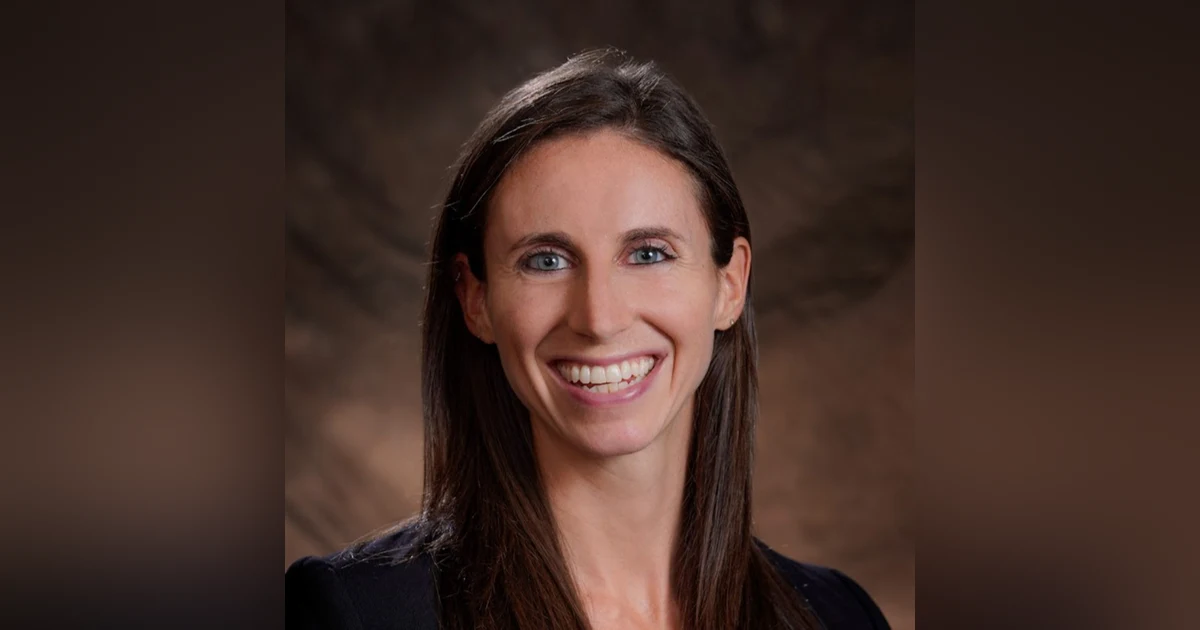

Dr. Sarah “Sassy” Weinstein—triple board-certified in family medicine, sports medicine, and lifestyle medicine. After finishing her family medicine residency, Dr. Weinstein headed to Colorado for a sports medicine fellowship, then expanded her expertise by becoming board-certified in lifestyle medicine. Now practicing in Princeton, New Jersey, she blends advanced sports medicine techniques with holistic, lifestyle-focused care—all within a direct specialty care model that cuts out needless insurance barriers.
In this episode, you’ll discover:
- How she built a fulfilling practice by leaving draining environments behind and embracing direct specialty care.
- Smart strategies for marketing and community outreach, helping her connect authentically with patients who need her most.
- A blueprint for handling logistics in a cash-based model, from price transparency to collaboration with imaging centers.
- Practical lifestyle medicine tips to address inflammation, enhance recovery, and boost overall wellness.
- Advice for medical trainees and early-career physicians on finding autonomy and renewed passion in the evolving healthcare landscape.
Welcome to Medicine Redefined, a podcast focusing on helping you reclaim ownership of your health. I'm Dr. Darsha, and I'm Dr. Altamash Raja, where your hosts, hair to challenge conventional practices and uncover the stories behind pioneers shaping the future of medicine. Our conversations not only focus on the individual level to dissect common practices for health optimization, but also zoom out to enhance systemic change. Join us as we look to break the status quo, move the needle forward, and put the help back in healthcare. Today we're thrilled to spotlight Dr. Sarah Sassy Weinstein, triple board certified in family medicine, sports medicine, and lifestyle medicine. After finishing her family medicine residency, Dr. Weinstein headed to Colorado for Sports Medicine Fellowship, then expanded her expertise by becoming board certified in lifestyle medicine. Now practicing in Princeton, New Jersey, she blends advanced sports medicine techniques with holistic lifestyle focused care, all within a direct specialty care model that cuts out needless insurance barriers. Her current practice is called core. In this episode, you'll discover how she built a fulfilling practice by leaving draining environments behind and embracing direct specialty care. She'll also go over smart strategies for marketing and community outreach, which helped her connect authentically with patients who need her most. She'll learn about a blueprint for handling logistics and a cash-based model from price transparency to collaboration with imaging centers. Also, we'll talk about practical lifestyle medicine tips to address inflammation, enhance recovery, and boost overall wellness. And lastly, we'll touch on advice for medical trainees and early career physicians on finding autonomy and renewed passion in the evolving healthcare landscape. We had a previous episode with Dr. Leah Gupta talking about direct primary care, and in this episode, we'll focus solely on direct specialty care. So a lot of young physicians out there are really trying to build their autonomy, trying to build their skillset in a world where insurance dictates a lot of it. This could provide a great alternative. Enjoy the episode. Dr. Sarah Weinstein, welcome to the show. Thank you so much for having me. Can't wait to hear you guys. Yeah, super excited as we were talking about the kids who are asleep, at least yours are mine isn't. Yeah. Hopefully, no interruptions for us, and this has been a long time coming. I have to give a shout out and thanks to our friend Vince for actually, he doesn't even know this is happening. So I can't even say he can't connect. We'll just send him the episode when it's, but I'd like to start by introducing you to our listeners. And so why don't you tell us a bit about your background, your family medicine, sports medicine, lifestyle medicine, triple board certified, right? Correct. It's amazing. Yeah, that's awesome. So tell the listeners a bit about your journey and what got you to sports and lifestyle and where you are today. So as for the sports case, so I grew up as an athlete, played year round, played competitive lace since I was a young age, had my post of injuries and illnesses that sidelined me, and I knew that I wanted to, at some point like help athletes get through all the things that I went through and all the things that I dealt with. And so I had no idea how I was going to do that. And I went into college and I thought initially I was going to be a personal trainer. I majored in exercise physiology. So that kind of at least gave me a very open field to see like a lot of different stuff in health and wellness. Start off. And I was like, yeah, I'll be a personal trainer. I'm going to help people work out and stay super active. And then that transitioned into maybe being a physical therapist and then maybe being a physician assistant and then junior year of college. My advisor was just like, you should just apply to med school. And honestly, I didn't even check and guess him. I was like, okay, sounds good. And I was like, what do I need to do? Let me think about the prerex that I need to do and just started doing them. And I like never really looked back. In college, I started doing some shadowing of orthopedic surgeons and I was like, oh great, I'm going to be the first female orthopedic surgeon in Delaware because at that time, there were none. And I was like, you could be this person, just join our practice. You can be that. And I was like, yes, let's do it. And then went straight to med school after that and learned about the field of primary care sports medicine. And just totally, I fell in love with it. I started finding kind of all these different providers in this field, learned more about the specialty, which like I had never even heard of before as a lot of people don't. And yeah, went to med school, that was like my long-term game plan. It was still pretty open-minded about all the other specialties. I loved Gen Surge. I was like, oh, maybe I'll do Gen Surgery or maybe I'll do Family Medicine. That was like the true things I was designing between. And then I ultimately decided Family Medicine, which would pave the way to sports medicine. So did three years family medicine residency went on to do a year sports medicine fellowship in Colorado, which was like the most incredible year ever for multiple reasons. And then came back to the East Coast and got word certified in lifestyle medicine like three years into attending hood. And that kind of brought me to what I'm doing right now. You mentioned initially started orthopedics. What made you decide to go non-operative? Yeah, so I was shadowing orthopedic surgeon for a while, so I just spent almost like a whole summer with him essentially. I felt like I was getting bored by the end of the summer and we were doing the same procedures, which was like super cool. Honestly, at the end of the day, I liked Gen Surge better than ortho because the cuts were bigger and like you could see more in Gen Surge. And that was like just a lot cooler to me that going in with the scope and like doing kind of the same stuff every day. So I was like, all right. And then I loved the family care and talking to the patient's aspect. A lot more being in a primary care specialty. Gotcha. So not a gamer or theoscopies, not your thing. I didn't play. I really I grew up not playing video games. It was like one of those things that I, yeah, it was one of those things that I like asked for multiple years in a row. And I my parents just happened to take a stand on that one thing. And till this day, I am terrible at video games. And so that could be a huge reason I've never put those two like two and two together. There you go. So you mentioned after finishing up your training 2021, right? 2020, I graduated fellowship. 2020. Okay, a couple of years in attending hood. And now you're doing something cool called the direct specialty care model. Before we dive a little bit into that, I'm interested in learning about how you weave to the through the traditional healthcare system to get there. You had a couple of gigs. You worked in private practice. Did you do any academics or like nonprofit hospitals? Okay, so you spent quite some time doing in private practice. I know you and I spoke offline and we were telling me about how you had an opportunity to build part of the business and grow and introduce new lines of service as well, which I'm excited to learn more about as well. How that made you a better businessman, better entrepreneur. So talk about that experience. And then we could lean into what was that turning point for you when you said, I'm going to go into this model. Was there some pain points or was there something else? I'm curious. Yeah. So like you said, I came straight out of fellowship. Obviously like height of COVID. I was actually talking to a job near in the end of fellowship. And then that place went on a hiring freeze during COVID. And then I ended up joining them. Anyways, a huge ortho group in the Northeast area. And it was honestly, it was an awesome experience. It was an awesome way to start my career just by seeing a higher volume. Obviously like when you are a first year attending, you are like absolutely terrified. And you're like, what am I doing and why are people trusting me? And how am I making these decisions by myself? I decided out of fellowship. And I was in a group that was just so supportive. And I was seeing the higher volume. But like I had all the colleagues around me, mostly all surgeons. And they were so incredibly supportive for any questions that I had. I would curbside them. I would bring them over asking about an MRI and X-ray. And they were just so open. And I learned so much in those three years. I knew that kind of starting at that group was probably not my long-term life plan as a position. Just because like I knew it the way I ultimately wanted to practice. But I think in terms of getting my seat wet and getting my practice started and seeing patients was a really awesome way to start. And I still talk to all those guys, which is even better. But yeah, and that was obviously traditional insurance-based model. And then I was, there was an opportunity that came up to join a predominantly PT group. But they had PT, OTE, Cairo, and acupuncture. And I was going to be starting their medical side of the practice. And I thought that was like the coolest thing ever to be in this multi-disciplinary group and just all work together to try patients with better outcomes and better care. That group was out of network. And so they already were a little bit different than the model I came from. So obviously I learned a lot about that too and understood what out of network meant. I literally don't think I even understood how that model worked when I came at a fellowship and started at my job, where it's just your typical insurance-based model. So I learned about the nuances of that. And then I honestly learned a lot in the process about starting a medical practice from the ground up. But after a few months of being there, I think I was there for the six, eight months, it just didn't serve me well in other ways. And I know myself and to be an environment that was not totally for me and was like taking energy out of me and like affecting other parts of my life. I was like, I don't need to do this, right? I can I can spend my energy elsewhere like doing things that I actually love doing. And that's how I sat I was just thinking to myself like, what's that next step for me? Either I can go back to that to the big group that I came from. That was super supportive and great. And all I had to do was start and the patients would just come. And like I had to put no other really effort into it aside from seeing the patients. Or I just totally go my own route and start my own practice. And obviously I chose the latter and that's how I decided I would start my own practice. And then I just had to figure out what model I wanted to adopt that would allow me to practice the way that I wanted to treat patients the way that I wanted to and just had the life that I ultimately wanted. I love how you bring up energy because I'm a true believer in that it's never the individual fault, but the environment that you put yourself into. And you're never going to succeed if you're in an environment that drains your energy. Now as a rehab doc, I probably speak for many of us, Pima and R trainees, but even just a lot of pre-med students that think they want to do sports medicine. But then get to the point where they realize, oh wait, I'm not just working with athletes all day. I mean, yes. And I'll admit I was one of those people where I thought at some point I'd want to do sports medicine until I realized what it truly entails. Now when you when you decided to transition to DPC, was it the field itself of sports medicine that you felt like it was limiting you or was it the healthcare system itself? The healthcare system itself. Yeah, I think from the sports medicine piece, I think sports medicine can operate fairly well in a traditional system, but you are certainly limited on how much time you spend with patients and what you can talk about. And so for me, like I love spending more time on talking about lifestyle and how this integrates with sports medicine, right? And knee is knee pain is not just a knee, right? There are so many other factors that contribute to this. And to be able to like really talk to patients about this and explain how these different aspects of their lifestyle are contributing to their pain and, you know, the inflammation their body definitely has its limitations within a traditional insurance based system. It's funny how I have regained appreciation for sports medicine through that avenue, through lifestyle medicine, precision medicine, and then finding a way to tie back to exercise physiology and whatnot. So yeah, the two go hand in hand. 100%. Sarah, it might be worthwhile just educating the listeners on what out of network actually means. I think most people will probably be familiar with it, at least listeners to this show, but in network out of network, what does that even mean? Yeah, and so this is all insurance, all around insurance model, right? And so when you pay premiums for your insurance, whether that's through your employer or self-employed whatnot, that insurance kind of dictates what providers are covered, like meaning in network, where you'll have lower cost fees of front, whereas out of network will typically be higher costs unless you have like specific coverage for out of network providers. And then obviously the direct care model is totally different than all of that. So yeah, it's just a different system that really just comes down to insurance. Cool. So I think it's time you highlighted how the direct care model is in its own entity, its own bucket, so to speak. So tell us a little bit about what direct specialty care is. DSC, Darshan. DSC. Yeah, it's funny also Ash, because I think when we were talking offline, I don't know how long ago, but you were like, oh, you decided you were going to start your own direct specialty care. And I was like, sure, yeah, but I think when I decided to start my own practice, I wasn't like, I am definitely starting my own DSC clinic. I was more, I'm going to start my own practice. I'm going to practice the way I want to belong the way that I'm doing it. It's obviously very much direct specialty care. And like it's all together. So direct the direct care model really start as direct primary care. And this is an alternative healthcare model that completely takes insurance, that third party out of the equation. And so patients are now paying their provider directly for the services that they're getting. And most direct care models are membership base, meaning that patients will sign up for a membership usually on a monthly basis. Pay of fee again, directly to the provider for specific services that they will be getting. So obviously like in a primary care model, they're getting primary care services and perhaps other stuff as well. For specialty care, it's very similar. A lot of them are still membership base, but now we are, whether you're an endocrinologist, whether you're rheumatologist and you're offering these specialty services, you can still offer these things and get paid either with the membership or just like the first specific service. But again, it is the relationship directly between patient and provider, right? So patients are never getting surprise bills from the insurance company and they're never getting surprise bills from my office. Pricing is like totally transparent. Like patients know exactly what they're paying up front. There's no co-apays. It's just much more personalized and there's just more time and the ability to really talk about like prevention and wellness because you take away so much of the administrative burden when you are in an insurance based system like billing and coding and contracting with insurance companies and needing like multiple staff members to do that aspect and reimbursements and whatnot. You take that away and you just have so much more time and energy and less stress that you can put that into like actually clinical medicine and having that direct relationship with your patients. Yeah, no middleman, right? No middleman, which is, it's just, it's amazing. You know what's interesting. I'm so excited that this term is available for us to use now, right? Direct primary care, direct specialty care. Because it's been around for a long time, but people have just calling cash-based practice, right? And interesting when you say that to people, it has like a, like a little grimy feeling to it all. Yes, yes. I remember talking to a prior guest here. I won't name her, but when I was asking her just some tips about, hey, I want to go into this and she's been doing this for 25 years plus and also an academic medicine. They're very high level and one of the things that she said to me is if you're going to be charging cash to people, a lot of your colleagues in the community are going to, they're going to look down on you or they're going to think a certain way about you. Which is interesting, right? As we, as clinicians, as doctors, we've been robbed essentially by the administrators who've come into medicine over the last 30 years and caused the health care cost to rise exponentially even though physician costs. And this data is easily accessible for anybody and also should be to platforms that physician salaries have remained consistent, but the administrators' salaries are just skyrocketing. And so when physicians wanted to break free of that, they use that term cash-based. Yeah. Exactly what you're describing. A simple transaction, like anything else in America. Yes. You can store it. This is what much cost. There's no bill after the fact. And so yeah, I just wanted to put that aside. And now when you mentioned that, they're like, oh, okay, that seems interesting. That actually seems like a good thing. So they're really powerful. 100% and I totally agree. I think that you tell people that it's like you're going into this part of health care and they're like, oh, like you're just treating like super wealthy people or cool for people that can afford that. But it's totally different. And I think a lot of people also lump this model into concierge medicine. And so I think when you say that you're like going off in your own and most of your services are cash, people are like, oh, so you're going into concierge medicine, which is, which is not the same thing. And I think that is one of the biggest myths about direct care is that it's not concierge medicine. So yeah, because concierge medicine still charges insurance companies. They do charge patient also, but they charge insurance too. So they do still talk to them. Whereas direct care takes insurance completely out of the question. I'll say I didn't know that. I thought concierge was closer to the direct model, but maybe another level up where, and I'm sure they're subsist to it. I know a lot of people who are concierge and they'll actually do home care or be under the tanner for the year and have some type of model like that. Yeah, I think I think there is like within kind of like the alternative healthcare system. There are so many hybrid models that it's, yeah, everything everplace is probably a little bit different. Yeah. So we're already touching on this, right? Some of the misconceptions about the direct care models. Anything else that is worth the disclosing for the listener, for the learners today about other misconceptions of the direct care model? Yeah, I think I also assume that direct care is going to be like really expensive. And I think the biggest thing, especially with like the DPC or direct primary care model, is that they are tricks actually reasonably priced and not just very super wealthy that they're making this affordable healthcare for everybody. So I think that's another misconception. Yeah, I think direct specialty care, obviously not as well known as kind of like direct primary care, which is getting more and more, but I think direct specialty care. I think people are just like, can this be done in a direct care model? Can specialty care be done in a direct model? And like, why not, right? If we can provide value and if we can provide answers to patients that just haven't found them yet, and that are good up with the current system, like, why can't we do this? Sarah, can you touch a little bit more on this misconception about the quote, quote, only the wealthy are paying for these type of services? Because that's a lot of the pushback I get when I talk about this to a lot of people. So is it the price point that's fair enough that allows people to pay for subscription? Or is it the where the location practices? If it's telehealth, how do you view becoming more accessible for everyone? Yeah, I think it's price point in general. I think you'll see in like a lot of these DPC practices, which obviously are a little bit different, like they're they're pricing per month for the membership model is like $99 per month, which like people are paying for gym memberships that are more than that, right? I'd say like probably most people these days. And they're so that I think when patients like find that out, they're like, oh, that makes a lot of sense. My model's a little bit different as because I'm not doing primary care and right now I'm mostly just like the first specific service, but I think still keeping prices somewhat reasonable makes it affordable for everyone. And I think that when you take into account the value, I think that counts for a lot, right? And I think that if somebody has not found those answers, then they will be willing to to pay for really valuable care. Yeah, and I think the just like a really important discussion to make here is that it's an investment in your care so that you brought the part about the value. Yeah, people will at least if they're transitioning from the traditional insurance base model where they might have had a $50 copay. I feel like this pretty standard for a specialist. Yes, yeah. And they're like, oh, it's a $50 copay and you're getting a maybe a total of 10 minutes, 15 minutes. Right. After like the check-in process and everything going on, yeah, you just feel like you're going in and out. And it's not a great experience versus I sure the quality time that you're spending sitting down for 45 minutes an hour and really getting to understand the life story of that person and what brought them there. And as you mentioned in the back of your mind, you're not stressed about the other administrative work that needs to be done moving on to the next patient. In the volume tends to be a lot lower. And so as a human being as a physician, you can give more of yourself. And so I think that's a piece that's really important for people to understand is sure it might be two times or three times whatever your copay might be, but understand you're not paying a premium. So I don't know if I would suggest anybody trade off completely. I'm sure down the road you could do a DPC and direct specialty care. Yeah, which actually is interesting like with my current insurance, when I log on to my insurance portal, I'm always it's almost like they're advertising to me to go for a direct primary care models. So yeah, to really interesting this phase shift that we're having in the current healthcare model, particularly with all the excitement over the last couple of months, couple of years. Yeah, no, for sure. And I really do think that like we are starting very one small step at a time to transform healthcare and go towards these models because I think patients again aren't just not they're fed up with kind of the care that they're getting or lack of care that they're getting because as you said, right? The first practice I was at was 20 minutes for a new patient. And by the time that they get back in the room, the medical system takes their vitals, gets a little history, does everything they need to do from an administrative aspect, we have what five minutes left to to actually see them. And it's cool. Let's talk about what's going on in five minutes. And now it's like I have, yeah, I spent an hour in my initial consult with patients. And I think the biggest feedback that I get from patients is they felt valued and they felt heard. And I think that is so important as a patient. Like we can obviously relate to that when we're patients ourselves or our family members are patients and you see the care that they're getting. And you're like, oh my gosh, I can't believe that this is the way that the healthcare system is and we're in healthcare so we can be advocates for our family members and for other people. But to be a provider and now providing like that care is awesome. And I think it's so important and it's so rewarding also as a physician. So let's talk about your specific model. You mentioned a variety of options that people will have. It could be membership based with a lot of care ones, cash based services, straight fee for service or maybe a hybrid model. Anything else that I'm missing that or is it okay? Yeah, that's pretty much it. So my model currently since I'm like still in in infancy stages right now is still pretty much just like the for service. I had when I was starting to look and start about practice, I had all these memberships lined up and it was like holding me back a little bit from actually getting doors open. And I'm like, let me just get the doors open. Let me just have a pricing structure up there that is reasonable and but I definitely plan within hopefully the next few months to roll out more of a membership model because I think especially from a lifestyle medicine aspect, it just makes sense and offering more services to patients and really feeling like they are just getting a lot from you as a provider rather than just like paying a specific amount each time they come. Yeah, Hormosi would be so proud of you. Don't just sit on it. Go get it done. That's right. I just started reading his book. Love it. Yeah, I saw you. You're retweeted or posted something. Yeah, such great quotes. Such great quotes. Yeah, yeah. Darshan, I actually we did a whole episode about him and some of the wisdom and pearls that that he puts out there. Phenomenal guy. So many. Yeah. What were I'm curious to learn about as you were exploring and certainly I think as physicians were very cautious people. We're trained to be like that. Certainly practicing in this country and if you've been trained in this country. So what were some points where you really wanted to seek some legal guidance as you were setting up or if somebody who might be going into that selfishly me, what advice might you give about hey, here are the legal considerations you need to account for and then I'm also curious you mentioned pricing structure. Like how do people go about exploring where to start because different regions will have different pricing structures which are appropriate, right? Yeah, for sure. Yeah, I think legally like the first thing that you need to do is establish your practice as an entity, right? And so talking to a lawyer, talking to an accountant from the very beginning and deciding, what, how are you going to structure your company? Will you be an LLC? Will you be an escort? Again, things that I have literally never thought about in my entire life prior to looking to starting my own practice. And then so those are really important things that you want to obviously do. Probably that's the first thing you need to do. And then also getting your employee identification number like your federal tax ID, that is so that you don't get in trouble with the IRS because none of us want that especially when we're starting our own practice. So those are like two really big things from the beginning. And then like little things that just come out like while you're doing that stuff like the the LLC or getting your federal tax ID, you have to have an office address. And that's where I was like, huh, I don't have an office space yet. So I was like, what do I use as my address? I was like, I don't want to use my home address obviously, but I like that just told it to me off. And so I started just talking to people and there are literally these virtual addresses that you can use, physical locations that you can use as building address. And so that's just what I did. And it was easy, but like little things that come up like that, they're like, huh, never thought about that before, especially because I don't want to have an office space yet because I'm like still in the very early stages. But yeah, definitely boy or count on having them on board, establishing the structure of your company, thinking about all of the insurances that you need, right? As physicians, we always email practice insurance. So finding the right coverage for that, getting all these different quotes, talking to different people, seeing what they use, having general liability insurance for the office, someone slips and falls, they, they sue you, then you want to make sure that you're covered for that. Just all these different insurances. Luckily, there's so many resources out there that have blueprints for starting your practice and things that you need to be aware of to your resources. And like being a business owner, you have to be somewhat scrappy in the beginning. And so just trying to find all the different things that you can access without paying a lot of money is really important. And you find a lot, which is amazing, like things you have never heard of before. So those are all really like the important things legally, financially. And then pricing structure wise, yeah, you have to look at your current market and wear like your actual zip code to see what the market is like there. There's something called Fair Health. And that is a website that you can put in your zip code. And you actually see what typical reimbursement rates are like in that area for like typical in network versus out of network. I learned this at my other job because that's how we also like thought of our pricing structure. So that's one good thing to know like how do you compare to like your actual zip code, right? And then the other part is also just talking to literally anybody you know that has started their own practice and similar type fields to you and just like seeing generally what the structure is like. And some of it also trial never, right? If you are like seeing that there's issue with things like you can change that's like the nice thing about making having your own business, you can change things like if you need to, you can run promotions when you want to. This is like your game. Now you want to have a good baseline and a good background for things that you want to be doing. And that you should really use like your colleagues and your resources. But the Sarah Hall thing is also really important just to know what reimbursements are like in your actual area. Yeah, I think the full website is fairhealthconsumer.org, right? Yes. Yeah, I quickly popped this open and I just I think 64418. I think this is a super scappler nerve block. Take a wild guess what an out of network uninsured price is darch in an ambulatory surgical center. I don't know if you have ever done an SSC super scappler nerve. Yeah, I might have assisted a little bit. It's something that we do very commonly, right? And take a guess, price is right rules. Oh, I want to go with 230. Yeah, 5,206. I was going to say, and this is the nonsense. Dars, make sure you're lucky. That is zero at the end. Yeah. Yeah. This is that is zero at the end of that. You heard me wrong. This is why I recommend people check out the part of the curious book, The Price We Pay. And I became familiar with this website and a couple other ones that he mentions in there too. It's just crazy that now I'm sure if people see this and then they go and say, hey, I actually don't have insurance. Can I get a discount? And they'll say, yeah, it's a 70% discount just like that by asking discount to bring it right back down to something more reasonable. Because you and I, like Sarah, we know we do this injection all the time. It takes us less than two minutes to do this injection. You set it all up. And we also know that the reimbursement for us is not less than a tenth of the number that I just threw out. It probably won 20th of some version of that, right? And so it's Chris Markup system that we have. I think I recently heard somebody talk about it. It's like the drug cartel, right in America. And it's scary. I forget who was mentioning it on the Pierce Morgan show. But I digress. Let's come back to you were mentioning L.C. structure. You were mentioning talking about to lawyers and looking for talking to brokers about getting liability insurance. How did you go about shopping for a good healthcare attorney? That's what I'm curious about. Yeah. Luckily for that, I, sorry, my daughter is definitely awake for that. We actually had somebody already had my husband's also a physician. And we, it was honestly a family friend who was a healthcare attorney and that was just really helpful for us. But if I didn't already have that and like shopping around for accountants and other want a, I just asked people, I asked as many people as I could to see who they recommended. I'm curious about resources as well in regards to business. You mentioned Hormozzi. We're all fans of him. But were there any other, let's just talk about websites, podcasts, books that have really helped you get better insight into being a better business woman? Yeah. I honestly think that probably the most helpful thing. You guys have heard of so many docs like docs on social media, SOME docs. So they, and I like literally just happened to come across this on Facebook one day. They were having a webinar about how to start your own practice. And I signed up for it. It was like not that expensive. And I was like, oh, this could be helpful. This was like before I was, I was considering starting my own, but I was like still at a prior job. And I was like, oh, let me see if this could be helpful. And there were tons of speakers from like lawyers to people talking about financial considerations to people talking about how to save your marriage while also starting your own practice to, to like your own specialty care practice. And there were so many different speakers. And it was so helpful. I just kept a word doc next to it when I was watching the lectures and just like writing verbatim some of these things down. And that was literally my blueprint for starting. I used a lot of other stuff too. There was a podcast that a friend recommended another sports med colleague called the private, the private medical practice podcast. I think it's like Sandra White's maybe. And she has all these little like 10 minute, 10 minute podcasts on different topics about how to start your own medical practice and things to consider with everything from EMRs to to supplies to being out of network versus in network versus cash base. And you know, how much staff to have and how to name your practice. And so all of these things that literally in 10 minute episodes. So I would go for like a 20 minute walk every day during the day. And I would listen to two of these episodes. And they were just super helpful. So I would be like taking notes on my phone as I was going along to. And then again, colleagues, right? So I would find out people who started their own thing and literally like cold call them or email them. And everybody was so helpful. And I think that's what's so incredible kind of about this community. And people going into the side of healthcare is like they just want to help others who are trying to do the same thing. And they're so happy to share their stories. So happy to share like their trials and their errors and everything that they've done so far. And I think that's incredibly helpful to you because that's just ongoing support. And if you don't have that support network, it's going to be really hard to continue your own practice. Yeah, for sure. That's obviously a misconception that people have too, right? Is that people who start these cash-based practices are selfish. But in the end, that's actually selfless with the value you provide and how much help you would just want to give your colleagues. I don't know how much AI you've been able to use as well. I know it's probably been a couple years now, though he's that you've been starting this. But now that AI's really taken off, I could let Ultima talk about this more than I can. He's a fanatic of chat GVT and GROKMIL, do you use MULTER? I don't know what you're using. I honestly use every single one of them. So I would love to hear more about that. You can definitely give me like an offline lesson. Yeah, no, I'm yeah, we've talked a little bit about it, but I work with a lot of medical students. And I will tell them, in fact, my resident who I was working with last week, he was telling me how he was struggling on some research that we're working on trying to find some specific answers to some very specific questions regarding post-PRP rehab. And I don't know. I was like, you just go ask AI to do the work for you. In fact, perplexity now has their deep search feature. It's just out of this world, the resources. And yeah, I even have it review my contracts. No, not telling people to do that. Find your attorneys. But you got to tell AI to act like an expert lawyer. Correct. Correct. Prompting. Prompt engineering is very important. I'm going to prompt it right. Seriously, Dars, you and I were talking about master class. They actually have master class for this. I'm sure. I'm sure. Yeah. Yeah. Just make sure that you don't copy and paste your question in the prompt in whatever you're doing. So I feel like I've heard stories of that in people sending e-bails with like a question in their prompts. They're like, oh my gosh. Yeah. What's with the advisor for sure? Yes. You're giving it to you. Yes. Yeah. That's very important. Yes. Yeah. So let's talk about advertising and marketing. What has been your primary strategy? Actually, I'm curious. What was your initial strategy and how have you pivoted since you've been in business? Is it coming up on six months? No, five months, right? We, November. I assume you you started marketing prior to that. Probably. Yeah. Maybe like October. I was in my other job till September. So I couldn't put it too close. So tell me what you've learned. What's worked well and I think people should be putting a lot of energy into. Yeah. For me, a way that I started and the way that I'm still going is just getting out in the community. I have just been, I keep an Excel spreadsheet of my marketing and divided up between PT places, primary care offices, gyms, country clubs, like all the places that I'm going in different categories, but I'm just trying to go to as many places as possible that I think I could get patients from and talking to them and introducing myself and telling them what I do and you know, marketing my brand and really just showing them what I am passionate about. And that's the best part is I am not trying to sell somebody else's services that like I don't necessarily believe in. I am just like telling them like what I am so excited to be doing and like how I can help people and just being my authentic self. And if they're like, oh, not interested, I'm like, okay, cool. That's not then I don't need to really be here, right? But I haven't had anybody do that yet, which is good. But yes, I think just also finding out like thinking ahead of time, who is your core patient base, right? And you need to think about who your ideal patient is before thinking about your marketing strategy because you want to be marketing towards those people, right? Sure, you want to be doing some general marketing and advertising and putting ads out there. Figure out what that ideal patient is and go towards them. So for me, like the small boutique gym type population is like my core patient base. And so I have been going to like gyms within, I don't know, a 15, 20 mile radius and a table is there just for like on a Saturday when they all finish up classes so people can come talk to me, like giving educational talks, just getting out in the community, I think has been the most helpful thing because you're just out there as a normal person and people will see you and you're not, oh, I'm a physician, like you can't talk to me, right? Like you got to get a talk to people and just be your true self and show them what you do and listen to their stories. So I think that has definitely been the most helpful. I honestly have knock on so much until the paid ads and the Google ads and like stuff like that yet. I've done a little bit of that, but obviously there's so much more to do with that. For me, I've just been like getting out as much as I can because that I think has been what has paid off the most. I love that. Outreach is such an underdeveloped skill and has been something of the past almost, right? Everyone's so focused on social media now. Just doing outreach through that. Because that's where primary brand buildings happening now, right? Everyone's trying to become someone through that. But take me through how do you view social media? How do you view building your brand specifically so that people can find you without actually having to see you in person? Yeah, nothing social media is really important. And that is definitely something I am learning a lot about. And so like I, before I started this practice, I had no idea how to create a real and I was like, I don't understand this. Like how are people doing this? I don't know how to end it. I'm just knocking at this stuff and you just have to learn. Like you just have to do it. And yes, I am not like an influencer. And I don't know how to create these incredible rules. But I'm at least like getting a little bit of content out there. And just so people can find me that way. I also like one little thing that I just started doing from the very beginning is like a five minute workout that I put out every Monday. And it's bodyweight. Yeah, bodyweight only. And especially as a lifestyle meditation, right? We're always trying to tell people like very small ways to start, right? And so everybody got and everybody can do a workout that doesn't require any equipment. So I can't use those as excuses. So every Monday come out with a different workout that people can do and find that way. So I definitely have had people like be excited about that aspect as well. But still a work. I'm really sure. Yeah, no, I love that right because it's so important to get on social media. I tell everyone this, right? That if you're trying to build something, getting on social media is the first step to quote unquote media training, right? Because eventually, if you're going to become successful and you're going to become a household name or somebody in the community, the natural progression of that is to make more appearances, whether you're writing a book, whether it's getting on podcasts like you are right now, that's getting in front of the camera and putting yourself out there is the ultimate form of vulnerability, self-expression, confidence, competence, and just being able to say, okay, you know what? I'm ready for the next step. And yeah, I'm a really big believer in everyone just creating reels wherever it might be and not really caring about so much of the opinions that come out there. So that's awesome to see. Yeah. And also just not caring if things are totally perfect, right? And I think there is actually so much appreciation, especially when I'm watching like somebody else's reel and I'm like, oh, they're like super chill. They're just like being themselves and I'm like, yeah, that I can do, right? Like I don't need to like have all of these studies memorized in my head and being like, yeah, well, according to the study from 2020 in every single reel, that's like one not, yes, studies are really important, but that's also not how I talk on like a day-to-day basis. I want to be able to relate to people, right? And just be myself and be approachable, right? And I think that's also so important and that's like another big thing about outreach and being in the community is like, be approachable, right? If people are just like, cool with coming up to, then that'll be like, oh, this is like probably a provider that I can trust with my care and like somebody that I can access and having a conversation with. But I think all of that is just so important. For sure. What a question I had that I also want to ask was, did you feel like there were certain certifications or qualifications that you needed from a medical standpoint? Did you feel like you needed that board certified lifestyle medicine before starting your practice or were there any type of communication certifications or business certificate like whatever it might be? Did you feel like you needed to get to a certain threshold before you could say, okay, I'm ready? June, I did the lifestyle when I was at my first job. I was on maternity leave and I like have been thinking about different certifications to get that would just like compliment my practice of things that I was already doing. So I didn't necessarily need the lifestyle, but I thought that actually having a certification would be really helpful when also just make me more confident in everything that I was already telling people. But now I'm like, okay, yeah, this is actually like for real. And now I have all the evidence to support it. But no, since then I have not gone anything different. I just practice with the certifications that I have. Probably something and business or communications would probably be helpful, but certainly have not done them yet. What are, let's talk about challenges. I'm one thing that comes to mind is so when it comes to providing care, any interventional procedures, you've got access to ultrasound. I know you've done some PRP in clinic as well. But a lot of times being a musculoskeletal expert, you did advanced imaging. MRI is the most common one that we use for any soft tissue and injury. That I don't imagine you have an MRI machine sitting in your office. No, no. So how do you navigate that process where you now need to order imaging that patients might be able to use their insurance considering their committee auto network? Is there something that people need to be considered about? Yeah, go about that. Yeah, that's a good question. So I tell patients that anything that is done externally out of my office, whether that's x-rays, whether that's MRI, whether that's blood work, so I do get blood work on my lifestyle patients, that can all be done with their insurance. And I think that telling them that upfront, they're appreciative of that because they're like, okay, how much water all of my costs at a pocket going to be? And I think they do appreciate that. X-rays are obviously super easy. You don't need the prioros for that. Same thing with blood work. And I do have accounts with all the different big labs and things like that. I think MRIs was the biggest question that I had. And literally it wasn't until I ordered my first MRI on a patient. And I'm like, huh, what's the process for this? Because literally everywhere else you are, you're like, okay, send it to prioros team. And you guys do your magic. And they come back with your authorization number and tell the patient they're good to go. And I was like, I don't have any of those people anymore. And so I like quickly sent an email to another sports dog who has been my mentor also. And I was like, how do I get MRIs done? And he was like, either like you tell them they can pay out of pocket and like pretty much probably get the MRI next day. Or some facilities will do prioros for you. And that was like the best news ever. And so I called all of my local radiology facilities. I got all their out of pocket costs for different images that I would typically order. So mostly like extremity MRIs. But I found out that one of the places does have its own prioros team. So if I send them the specific paperwork, so you know, the specific codes, the scripts, the office, note, everything that they need, they do the prioros for you. And like obviously works in their favor too, because then patients are going to their facility. But makes my life so much easier because now I have nothing to do with insurance. And I just send them what they need. And they will do it. And then they'll come back and be like, yeah, this was authorized to tell the patient they can schedule. So that was like a really nice tidbit that I found out. That's a very cool. Yes. Super cool. I thought you were going to tell us that you learned how to get on a vanity and put these codes in and do all that stuff. And I was like, that sounds like a nightmare. No. Do you, yeah, to your point about that one facility that is actually reducing the friction, yes, it's brilliant on their part because conditions such as you might be more likely to refer to them. 100% process easier. Of course, as long as the patient can go to that facility in their interest, allows them to do that. But I'm curious, give me a ballpark of what like a shoulder MRI or an MRI costs. I never thought about just calling facilities and just be like, hey, give me the price, give me the actual price for somebody without insurance. It's usually, and it depends like if you're doing like MRI shoulder versus like MR. Orthergram. I think like your tip, yeah, non-contrast probably for 500 something in that range. So it's money, right? Like it's definitely a significant out of pocket cost. That being said, like some patients are, we'll do that anyways. If they're getting a lot of pushback and like claims just keep getting denied, they'll be like, I just want the MRI, I will pay out of pocket for it and get it next day. But that, that I feel is the minority. I think though and correct me if I'm wrong here. In order for them to be like, if a person has insurance and MRI is a covered test on their insurance and they're going to a facility that is also covered until that MRI is denied, they cannot choose to pay for it out of pocket, right? I don't know. We might want to look this up because I know that necessarily ends up being the case for medications because if you go to like CVS or something and they're like, oh, we have to run it through insurance and I'm like, no, I just want it now. Yeah. I'll pay with my go to our scoop on there. Like, sorry, we know you have insurance. So we can't do it. And I'm like, you're killing me, CVS. And yeah, we're going to have to, we're going to have to, we'll put in the show notes to look into that. But I thought that maybe that might be the case for imaging as well. I could be wrong. Yeah, I don't know. I definitely had patients that like it kept getting denied and the process was just taking forever. And the guy called the radiology facility and is lying going to pay out of pocket and he got it done. Well, that's what I mean. Once the insurance says we're not paid for it, then you can. Right. So you're saying if it's still in the process and yeah, yeah, because you don't know. And so like a lot of times like the facility might say, hey, we have to first get a denial from insurance before we allow you to pay for it. Yeah. But interesting. It always looked that up. Cool. What any other challenges that you've experienced seems like that one was not too difficult. You were able to navigate that. That's pretty cool. Anything else that people should be thinking about ahead as they're looking and embarking this journey of DSE. There's lots of challenges. Yeah. The top two or three they come to mind that you're like, yeah, this is a real process that I had to spend a lot of energy working through and learning about. I think just like being a business owner, I think like the business aspect is like a lot to learn and a lot to grasp when as most of us like as physicians, we are not trained in this stuff at all. And so I think learning that and translating that into being a business owner and hopefully successful business owner is challenging. And so I think that again, this comes down to finding your resources and talking to people and reading and podcasts and as much as you can do. That was obviously a challenge for me just based on my background slash lack of business background. And like same thing with sales, right? Like we are not trained to be salespeople, but we have to learn how to pitch what we do to market successfully and to attract patients. Yeah. Yeah, certainly. My hope is I know a lot of us have been advocates for implementing lifestyle medicine curriculum into residency, not only residency, but actually medical training. But I think these concept of finance and business is imagine the better like how much better clinicians would be if we spend just take out memorizing just a ton of nonsense biochemistry and some of these obscure diagnoses and I always go back to Reno and to a ambassador. I'm sorry, Darshan. And that always comes back to mind. Because RTA is something like you have to know time. Oh gosh. Yeah. Never ever need. Oh my gosh. Yeah. It would just be so much better. And as we just alluded to earlier, I think that transition to direct care model, it's becoming more and more prevalent. And yeah, I'm going to later ask you what you're when you look in your crystal ball, what you think the next five or 10 years will bring. But especially over the last year, how crazy, like how much of a microscope the healthcare model has been. It's been very scary. So yeah, that would go a long way for helping physicians feel like they have their autonomy. And yeah, maybe more career satisfaction. We were talking earlier about or at least I had mentioned that one thing that was concerning for me was the perception of my colleagues getting into that. Have you gotten any pushback from surrounding community and your colleagues and like that? No. Yeah. Not really. And honestly, I am in like a where I am in New Jersey is like a super saturated area of ortho groups. And so I feel in my surrounding towns, there are probably like four big ortho groups. And not even the one that I came from like really no pushback. I think they're just like, okay, they'll still send me all their ultrasound guided procedures because no one they don't have a non-op right now that does ultrasound guided procedure. Then so they'll be like, yeah, this is the person that you got to go to. And I think that's pretty cool. But I really haven't had much pushback. But all I think people ask me like pricing. And then when I talk to them, they're like, oh, okay, that's not that bad. And I think they like expect a lot worse. I think they're going to expect me to be like, yeah, initial consults like $1,500. But I think once I actually hear the pricing and like how much time I'm spending with them, they're like, okay, yeah, that's not that bad. So I really luckily have not had a ton of pushback yet. Knock on wood. You know, what I've noted, Sarah, is I think the only cash base thing that I'll offer in our practice is PRP, which is much everybody offers that. And it's interesting when you tell people that it's cash bay and you don't give them the price right up front, there's a suspense, there's build up. And then I sometimes it just occurred to me as you mentioned that sometimes when I will finally give them the price in full disclosure, we only charge $600. They'll be like, oh, okay, that's not that bad. Yes. All of a sudden, I'll just see the side like sense of relief from them. Yeah. I was like, maybe I should have led with that. So have you find a good way to communicate with pricing? I think yours actually is transparent on your website, right? Yeah. So my website like under a little bit of construction right now, but the pricing, yes, the pricing initially was out there. We'll go back up there. So I think that's also that's another huge part of the DPC DSC movement is the transparency of the pricing. And so patients can like look online or just talk to me when patients call me and ask to make an appointment. Literally the first thing I am, I'm like, okay, I don't know, like, especially if they're getting referred from somewhere else. I'm like, I don't know if you know anything about my practice, but I am out of network. And you'll see me, you'll pay for the visit up front. I tell them like what the pricing is. And then you will be provided and itemize your seat or super bill at the end of your visit, which you can submit to insurance. But and then I'm like, you'll never get a surprise bill for me. There's no code base. This is what it's going to cost you. And then you'll submit that for reimbursement. So yeah, it's like the first thing I talk about. What's that? Yes, I am. I'm a one man team. I love it. Yeah. So I'm receptionist. And I don't know. Hand him in. Answer the emails. I do the follow ups. I do the billing. Whatever you need. That's right now. Yeah. That's that sound topreneur life, right? Yeah. That is coming back to Hermosey thinking that it's going to be the hardest thing that you thought. And it's going to be harder than you actually thought. Yes. Yes. For sure. Let's let's look forward a little bit. Yeah. The next 10 years, how do you see direct specialty care evolving and maybe even shaping the future of musculoskeletal and sports medicine? Lifestyle medicine too. I think that this healthcare model is going to totally transform healthcare. And I think the more that the people who are doing it now can show others like what we're doing and how we're doing it and getting good outcomes and happy patients and happy providers. I think that more and more physicians are going to get into it, especially because they are burnt out, fed up with their traditional hospital or healthcare insurance system that they want to be doing something else. Whether that is like so many already have left clinical medicine to to do far more to do other stuff whereas others are like venturing out on their own to do this. And I think that lifestyle just integrates so well again with the musculoskeletal medicine approach and that like I was saying before, one body part like your knee or your shoulder pain, right? Not just that, right? If you are eating an ultra-processed diet that is super inflammatory, like that's going to affect your joints. And if you have super high stress levels, you're probably not sleeping. And if you're not sleeping, then you're probably not going to be wanting to exercise and eat healthy the next day. And everything is just, everything's related and it's just a really holistic approach. And I think again, the more that we can show like different physicians that this approach works and patients, the more that like we explain this to them, it just makes sense, right? And that's what I loved about lifestyle medicine and why I picked lifestyle medicine out of everything else is it just made sense. Like it's such common sense stuff that so many people don't know and it's like explaining these really little things like how to read a nutrition label, right? And how to shop the grocery store and find the right produce and like avoiding the center aisles because that's where stuff can sit for years, right? Like that stuff's not great for us. So if we can show them like this stuff, again, affects their knee, their shoulder, their body, how they feel, how they're performing, I think that this is like the way of medicine and I think it's going to be awesome. I totally agree and all the time from my experience here a little bit, I was lucky enough to have a mentor in lifestyle medicine and functional medicine as a medical student. And so that I was really able to shape my training and experiences towards that, do a podcast with Altalash here, network with people like you and really have a good background understanding of what else is out there. My fear is that the training system that we're all part of this hierarchal system, which oftentimes in efficiency and bureaucracy keep you pigeonholed into just doing what you're trained in. But as a premed mentor, I have so many students reaching out to me and saying, hey, I'm really interested in holistic medicine and lifestyle medicine. So it seems like there's really this big push that people are starting to find out probably through social media and from people like you who speak on it, what advice though would you give to medical students, residents that are interested in this type of medicine, but may not understand or know how to exactly keep their options open or know how to open up something like this. What's they become attendings? Yeah, I think you can go to the source and aside from talking to physicians and other mentors that you know that have done similar, go to American College of Lifestyle Medicine, and there are so many resources there for medical students, residents, and luckily, as you said, it is becoming a part of more residency and medical school curriculums, which is so critical, because when we were all in med school, nutrition lectures were literally five hours and it was nothing about nutrition. It was, I honestly don't even remember what it was about, but unless you had an interest or like a passion for it, we all do, you're not looking into this stuff further, right? And that's why physicians, when they come out of med school, feel so not confident about talking to their patients about this. And if you're a physician and can't talk to your patient about this, we're not changing anything, right? And so if we can start this at a younger age, when we're in medical school and teach more people about it, because I think that so many more premeds and residencies are interested in this. So again, yeah, I think you can go to American College of Lifestyle Medicine. I think for residencies or med schools, you need some sort of like advocate at the top to be like, yeah, I'll start your guys curriculum or I will help out or I can be a mentor for these med students who are interested, right? And if like you can be that person, you can now be an entry way for so many people to be like, this is awesome, right? And so I remember I had a lot of residents and med students rotating with me at my first job and they would see how I practiced and like, what I talked about and they're like, this is super cool. And I'd be like, yeah, that's, but I think yeah, we need to start at these at med school at residencies and stem from that age so that they can carry that on throughout their career, because otherwise we're just leaving it up to the individual to seek it out on their own. And is there anything that you would go back and do differently knowing what you know now? Probably not. Probably learn that maybe like a little bit more about business, but I think if you had asked me like when I was a resident or a fellow or even in my first job, if I was going to be starting my own practice, I would have been absolutely not. Like I just the way that everything led me to where I was. This has been probably the best decision I've made ever. And that's awesome. So I think if we can show more people that this is something that's possible, then she got to do it. Awesome. Sarah, this has been absolutely amazing. We've learned a lot. I agree with you. You are somebody who brings up a lot of, brings us a ton of energy. It's a time it approaching 10 p.m. your kids sleep. I think my kids asleep at this point. We should be asleep as well. But here you are with a lot of fire. And it's evident as it's coming through the screen because you're passionate about what it is that you're doing. And it seems like you you have purpose and I intentionally use those words because I think those are some of the most important things that we need to identify for ourselves as clinicians to take that autonomy back, make it more enjoyable, this experience, the reason we all got into it. Sarah, what is the most important thing that we haven't talked about that we should have talked about today? I think we covered most of it. I would just say from like a physician standpoint, if you are looking or like considering changing your career in some way, shape or form, and like you are not totally happy with where you are, like you don't have to settle, right? This is your life and you want to love what you are doing. And I think we're so many of us in medicine, we again, like we start going along this route, like we go into it for one reason and then like we end up at a job where we're like frustrated every day and we're not treating patients the way we want to. And there's just so many rules and like we don't have a ton of flexibility and there's so much else going on in life and we're like we're stressed. Like I think sometimes you have to take a step back and be like what do I want out of this and what can I possibly do about that? I actually was listening to your guys recent episode with Robin Tiger and like when she was talking about finding your why, like I just think that is so important. And like also reminded me of this poster I had, my room growing up with my like obviously favorite female athlete me and him by like total idol and she had a quote that said if you don't love what you do, you won't do it with much conviction or passion. And that's so true, right? And life is too short and like we just have to love what we do, right? And find that way like why did we go into medicine? What do we want to be doing? And like at the end of the day are you like super excited about what you're doing? And like I have found that since I have started my own practice and like I'm just treating patients the way that I want to and everything that I envision, it's just it's amazing. And like seeing the outcomes from patients, seeing my relationship with patients and like the care that I can finally provide is just like awesome and being part of this community and getting out there and having such a bigger network now again is like something I never dreamed of and has been one of the most rewarding pieces as well. Yeah, that's my advice and yeah, just love what you do because likes too short otherwise. Amazing. Where can our listeners go to learn more about your practice and even connect with you? Yeah, but my practice is called core like capital C-O-R-E sports medicine and lifestyle medicine which is in Princeton, New Jersey. So I've got a Facebook page. Obviously my website's up there. My Instagram is at Dr. Sassy Weinstein. Sassy's nickname I go by, but I realized that I like pretty much introduced myself as sassy now to everyone like physical therapy places and then they end up introducing me to everybody else is Dr. Sassy Weinstein. I'm like, there's probably going to be a lot of confusion that like my Instagram is like Dr. Sassy Weinstein and everyone knows me as Dr. Sassy Weinstein. So literally as of two weeks ago, I was like, you know what? I am embracing it finally. I was like in the beginning part of my career, I was like, no, like I got to stay with a professional name even though like literally everybody called me. And I'm like, you know what? This is me. If you don't want, if that's not cool with you then whatever you don't have to follow me, but that's who I am. And so yes, at Dr. Sassy Weinstein. Oh, sorry. We'll put all your names. We'll put all your names in the show now. We might have to. We might have to. We'll probably have to edit this where we call you Sarah. We'll replace it with Bassy too, but now I'm just getting. Before I ask you the last question that we ask all our guests, Sarah Sassy, I just want to say thank you so much. I did it with all to our set. Your energy here has been fantastic. You provided us with so many highlights. Real, I'm actually very excited about going back to any of these posts that we can do because there's just so many hits. Talk about your why. Talk about the passion and just really giving a lot of those resources out there. And so thank you for being vulnerable. Thank you for being authentic. You've got me excited about this one's idea. I also had about having my own practice and stuff. So I've given a lot of people hope. I know. But with that being said, our last question that we ask everyone is how do we put the health back into healthcare? Yeah. Anyway, thank you guys so much for having me on. Also just wanted to answer that. My goal in life is to pump people up and empower them to just be their best self. My little motto is move better, heal faster and be your best self. So if I can be that person that pumps you off, whether like talking person to person or coaching you in a gym class, like I love that. But yeah, I think just going off what I have talked about in the past is if we can start to just provide like better value care and like enjoy and love what we're getting and finding what we're about, I think we can literally like make healthcare the best I've ever been. And I think the more people to get to do that and follow their passion and go back to why we're doing this. I think that we can we can absolutely put the health back in healthcare and make people just live their best and highest quality life yet and get people back to doing what they love too. I mean, that's like one of the biggest things I talk about my patients is I want to make sure that doing what you love doing. We know whether that is like once your dance class or going bowling or playing with your grandkids and feeling comfortable carrying them, that's what I want. I want you to live the highest quality like possible. And so I think if we do that, then physicians are happy, patients are happy and everybody's just happy again. Life goals. Yeah, love that. Absolutely, absolutely. Thank you again. Thank you guys so much. This was awesome. Thank you, Sarah. Thanks for listening to the other episode of Medicine Redefine. If you enjoyed this episode, please be sure to check out some of the additional resources in the show notes. Please also check out our social media platforms where you can find more content like this. You can follow us on Instagram, Twitter, and TikTok at Med Redefined. We also want to thank our team for the production of this podcast, specifically Ethan Jewel video, Harita Yeporian social media, Zana Blugmani on research and Sarah Han for newsletter. Oh, and if you want to get similar bite size information delivered to your inbox every Sunday, please be sure to sign up for our newsletter. Also, if you enjoyed the show, please be sure to subscribe, review, and share with anyone who you think will gain value from this as well. Now, time for the ever so important disclaimer. This podcast is intended for general public use and is for educational purposes only. It does not cost you the practice of medicine, nor should be construed as medical advice. No physician patient relationship is formed, and anything discussed in this podcast does not represent the views of our employers. We recommend that you seek the guidance of your personal physician regarding any specific health related issues.