

 Apple Podcasts
 Spotify
 Castro
 RSS Feed
 17. Will Bulsiewicz, MD, MSCI - Part II of II: Being Fiber Fueled, Short-Chain Fatty Acids, Plant Diversity
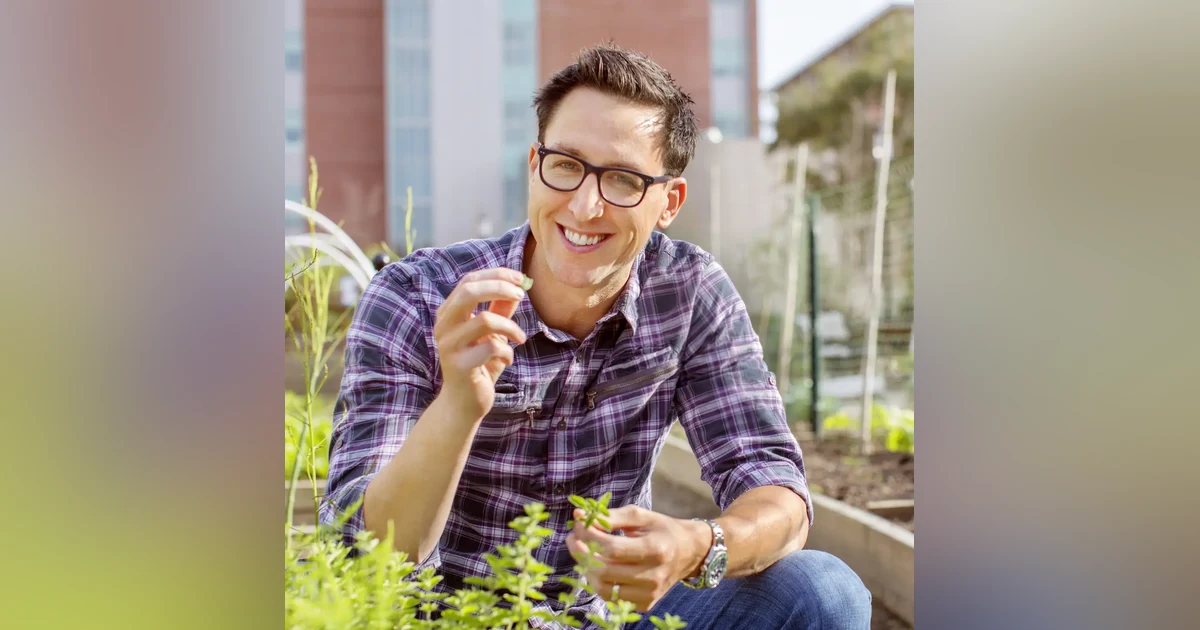
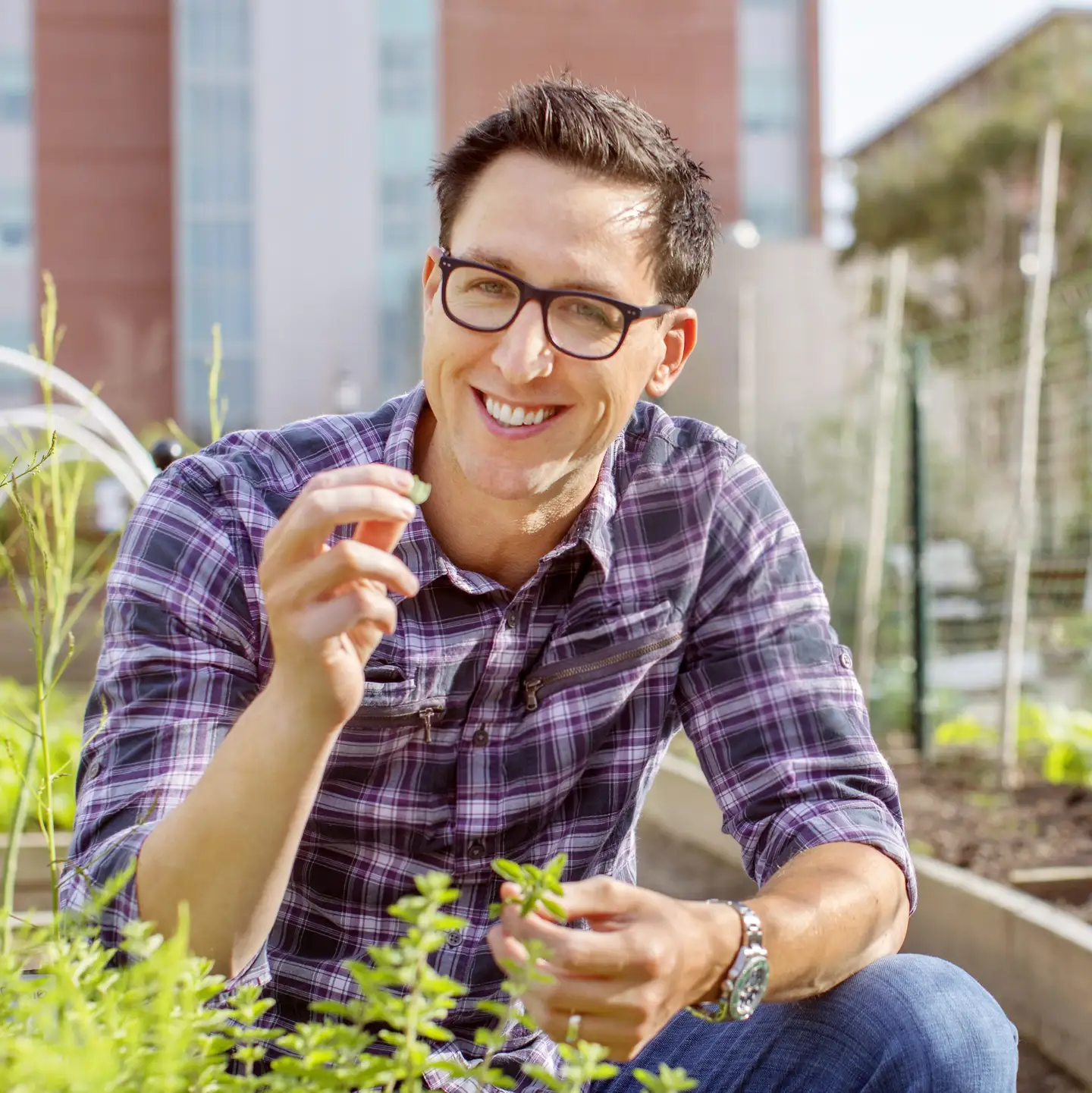
Dr. Will Bulsiewicz, aka Dr. B, is a leader and author in the field of gastroenterology and gut health. His hit book, Fiber Fueled, is a New York Times bestseller that focuses on optimizing the microbiome and restoring health through a plant-based gut health program. He has amassed over 300k followers on social media - @theguthealthmd
In this episode, Dr. B delves into the science of being fiber fueled and how incorporating more plants into our diets can effectively change our gut health.
Hello everyone, I'm Dr. Darsha, and I'm Dr. Altamash Raja, and welcome to Medicine Redefined. A podcast where we will explore the often overlooked but necessary components of health, what we consider to be the fundamentals. We will investigate topics and practices that can give you and your patients the best chance to optimize a healthy lifestyle. It's time to move the needle forward and put the health back in health care. Have you ever considered a different way of practicing medicine, whether you are burned out, you need to change a pace or are looking to supplement your income, low-com tendons might be the solution for you. Not sure where to start, lowcomstory.com is a place where you can get real unbiased answers to your questions. They answer basic questions like, what is low-com tendons? To more complex questions about pay ranges, taxes, various specialties, and how low-com tendons can work for you, go to lowcomstory.com or drpodcastnetwork.com forward slash low-comstory and get the answers. Alright everybody, this is part two of our conversation with Dr. B. I strongly recommend listening to part one if you haven't. This will kind of just be an addition as we get nerdier talking about what it means to be five refueled, which is a concept based off his New York Times bestselling book, Five Refueled. We'll also talk about how to incorporate more plants into your diet and why plant diversity is so important to our overall health. This is again just an awesome episode, an awesome conversation that we had with Dr. B. And at the end, he will provide more information as to where you can find him and support him and just learn more information about gut health. Enjoy the episode. Absolutely, yeah. I mean, it's allowed you to work on your passion and that's why you're, I think you recently had, five refueled just had his first birthday, not too long ago. Am I correct? That's correct. And 100 and what, 50,000 copies, I think, I think you're doing, you're doing okay. But you know, something you mentioned earlier about, you're very particular about making the right diagnosis because that's going to gear your management, right? And it kind of reminds me of one of my mentor always says, there's only two X's that matter, DX and RX. And you can't have one without the other, right? I mean, because that's why we have to have a very good diagnosis because otherwise you might just go down the wrong pathway and you're chasing something else. And then you have all this unnecessary treatment, unnecessary costs, unnecessary harm to the patient. And that's not what it's all about, especially if you're doing it for the right reasons. And so I want to maybe, in a second, we'll talk about how can we train the gut, but maybe obviously, maybe we could talk about how, why we have this epidemic of just poor gut health and dysbiosis. I mean, I imagine it has multiple causes, but one of them, as you've mentioned so many other times, is the lack of fiber in our diet. So maybe you could give us some of the statistics on what the average American diet is like and how the lack of fiber contributes and what kind of inspired you to kind of write fiber field. Yeah. The average American's diet, if you look at it, again, like this may not be you, the person who's sitting here listening to us right now. But if you look across the United States, the average American's diet is about 60 percent processed foods, ultra processed foods, that's 60 percent of their calories. And about 30 percent of their calories come from animal products. So meat, dairy, and eggs. The average American eats their body weight plus an extra 40 pounds, which by the way, is the size of a five-year-old child, wow. Even meat on a yearly basis. And yet some people would tell us we should do more. It's more than any country in the world. Us, Australia, and the UK are top three. So the English colonies were leading the charge in terms of meat consumption. China's coming up. They're eating a lot more now. So but that's the American diet, 60 percent processed food, 30 percent animal products. And what I just described there, 90 percent of your diet contains virtually zero fiber. Animal products, that 30 percent is zero fiber. Processed foods, very, very little fiber. And what's left, the 10 percent, fruits, vegetables, whole grain seeds, nuts, and legumes. That's the last 10 percent, but here's the problem. What's the number one part of that 10 percent? Potatoes. And fries and potato chips. Come on, man, they ain't right. So we need to change this. And if you ask me where the issue lies, the issue lies in this. I said the diet is the number one predictor of your gut microbiome. You have control. You can change your diet and change your microbiome in 24 hours. These are your choices. Fiber is the preferred food of your gut bugs. This is what they eat. This is what energizes them. If they are not fed fiber, they grow weak. And eventually at some point they become incapable of doing their job. So the average American is getting 15 to 18 grams of fiber per day. The recommended amount is for women 25 grams for men 38 as a minimum, 25 for women 38 for men as a minimum. You guys look at fiber studies. Next time the fiber study comes up in the United States, take a look at it. The typical methodology that they will use is they will break fiber consumption into quintiles, 20 percent, 20 percent down the line. And they will compare the high fiber consumers to the low fiber consumers. The low fiber consumers in the United States are getting 8 grams of fiber per day. What? Wow. That is ridiculous. You have to try to be that well. That's absurd. And the high fiber consumers are even more depressing to me because we are talking about the top consumers of fiber and they average like 22 grams of fiber. So even the high fiber consumers in the United States are getting less than the recommended amount of fiber that we are supposed to have. And so the problem that exists for people who are curious, I know we are running short a little bit on time here. For people who are curious, I would really encourage you to read the paper, David at all, Warren's David nature 2014 because in this paper, they compared, it was a 2014 paper published in nature, they compare five days on a completely plant-based diet to five days on an animal-based diet. And what you see is during these five days on a plant-based diet, you are growing your microbiome, it is becoming stronger, it is producing more short-chain fatty acids in just five days. But when you flip that over to an animal-product-based diet, only meat, dairy, and eggs, fiber content zero, short-chain fatty acids fall off the cliff, and instead, who rolls into town, bacteria like biofill, what's worth you that's been connected to inflammatory bowel disease, all the types of putridinous, which has been connected to appendicitis and to colorectal cancer, bacteriaoides that's been connected to colorectal cancer. In just five days, you can see these changes. And so the problem in the United States is that we are tipping the scale in the wrong direction. We're removing the fiber and we're replacing it with junk. And it's pulling it all down in the wrong way. And so this is why I felt compelled to write my book. And I went to sell this book, under the title Fiber Fueled, and people told me, a book about fiber will never sell. And but at the end of the day, I felt like this was the message that people needed to hear. And so. No, absolutely. I've read it and I've learned tremendously from it, you know, being someone in healthcare itself. You mentioned Dr. B. Shor-Chain fatty acids. What are they and why are they so important? Shor-Chain fatty acids are the part of nutrition that we're not talking about and everything one of us should be. Shor-Chain fatty acids are produced from dietary fiber, butyrate acetate and propionate. Those are the three main Shor-Chain fatty acids. And they are powerful anti-inflammatory molecules. You talk about dysbiosis, Darshan we were talking about dysbiosis earlier. You need to rebalance the gut microbes. Shor-Chain fatty acids do that. You need to repair the tight junctions. Shor-Chain fatty acids do that. You need to reduce the lipopolysaccharide release. They do that too. They directly protect us from colorectal cancer. They optimize our immune system. They activate satiety hormones, which is a very important thing when you consider the amount of obesity that exists. They activate satiety hormones, so you stop eating. They actually help with insulin sensitivity. They lower cholesterol. They lower blood pressure. We have evidence to suggest that they may protect us from coronary artery disease. We have evidence to suggest that they may protect us from Alzheimer's disease. I mean, basically if you go down the line, I can make a compelling argument that six of the 10 leading causes of death can be prevented by increasing Shor-Chain fatty acids, but the problem is, if you want them, you need to consume fiber. Well, so fiber seems like the solution, and I think most people when they think of fiber, they think of something that comes a little orange can, maybe, metamusel. Tell us why that's not what people should think of when they think of fiber. How many different types of fiber are there? We don't even know how many types of fiber there are. Fiber is incredibly biochemically complex. I was a chemistry major in college. I have no clue how to describe fiber. It's crazy. And so, but what we do know is this. There are an innumerable number of types of fiber, and each plant has fiber. Each plant has multiple different types of fiber. And those unique types of fiber are food for the gut microbes, and they don't all eat the same thing. These gut microbes, they don't just want kale. If you eat kale, there's certain gut microbes that will eat it, and they'll thrive, and they'll do well, but there's other ones that are still waiting for their meal. If you eat beans, then maybe these other microbes they get to eat now. Each plant will feed specific families of microbes. We mentioned before, biodiversity. We want biodiversity within our gut microbiota. That's a measure of health and resilience and strength within the ecosystem. How do we get biodiversity within our gut microbes through biodiversity within our diet? Eating a wide variety of plants as many different fruit festivals, whole grains, seeds, nuts, and micums as possible, variety. When you eat a variety of plants, you feed a variety of microbes, and that variety of microbes is now primed and perfectly positioned to do their job, whatever that may be from a gut perspective. Well, so I found something super fascinating in your book is when you talk about the diversity of fiber in the Hodza tribe, what have we learned from them, and who are they if you could briefly explain that? The Hodza tribe of modern day hunters and gatherers, they live in Tanzania in Africa, and so they don't have agriculture, they don't have money, they don't shop at stores, they hunt, and they forage, and so it makes for an interesting group to study because they're living the way that people lived like literally 10,000 years ago. And what they've done when they've looked at the Hodza is that they find that they have a far more diverse gut ecosystem, literally 40% more diverse than the United States, the average American, 30% more diverse than people in the UK. And it's to the point, Darsh, that there are people who are calling for us to, because one of the problems that we have is that the Hodza are actually like contracting as a tribe very, very quickly. And the reason why is because they're not like living in isolation somewhere, they have made the choice to be a tribe, but some of the young people they get born and they go, I don't want to be a tribe member anymore. So people are leaving the tribe, they're getting smaller, and there's been a call by scientists to say we need to collect their stool specimens in the event that someday we need them. And so they're creating a biobank where they keep track of stool specimens from people from around the world, including the Hodza, including other tribes, but not exclusively native tribal people, but also including just people from around the world, because again, there's different microbiomes depending on your locale. There was an interesting study by the way you guys that just came out where they analyzed archaeologic poop, okay, and what was fascinating about this was not just that they were able to study poop from like literally thousands and thousands of years ago. What was fascinating is that people are starting to ask the question, because these studies are starting to come out now, people are starting to ask the question, who has the rights to this information, because the information from an ethical perspective, the information that you find in this poop may lead to pharmacologic development, maybe the solution that humanity needs in the future. So do we have the right as Westerners to go into the Hodza tribe and take their poop from them, or is that an ethical violation? These are not questions I think about on a routine basis, but that definitely is fascinating. Yeah, I mean, that is, yeah, I don't even know, Darsch, what are your thoughts, man? Sorry, I was muted there. Yeah, I lost my words, I mean, it's super fascinating, and I think, you know, something we gather, and a question I have for you, Dutch, is if you know Walter Long was research, I'm sure, and he talks about how it's important for us, and you, you know, you mentioned how the U.S., and we've developed our own microbiome being where we are, and the U.K. has its own, how important is it for us to eat what our grandparents eat? Right, so my grandparents being in India, vegetarians, fresh cow's milk, buffalo's milk, very carbohydrate-heavy diet, you know, Walter Long would say, you should probably eat more of that food, and actually forget the quinoa, that's more South American, what are your thoughts on that? Yeah, I think that's interesting, I think Darsch that, you know, Walter Long is playing off of a concept that, you know, it's the way that he's presenting that is almost more on a theoretical basis, but not yet completely proven, right? Like we haven't proven that because you're of Indian descent that you need to eat food that's traditional for your culture, right? We haven't proven that, but what's, but this brings us full circle on the idea or concept of bioindividuality, which is that we are unique individuals, that when you study the gut microbiomes of identical twins, they only share about 30% of the same microbes, so they will be majority different, and our response to our foods is unique and different as a result of those gut microbes, and this is a big part of what we're looking at with the Zoey project, is looking at the, looking at our bioindividuality, so let me give you an example, like let me say this, first of all, I don't think that we will ever find in Zoey and the research that we're doing, I don't think that we'll ever find that eating junk food is better for you than eating greens or beans, like I don't think we're ever going to find that, right? Because that just defies the laws of nature. Generally speaking, eating plants is always going to be the healthiest choice, but what's unique and different is that you might find that for your unique biology, there are specific adjustments or changes that you should make. For me, when I took my Zoey test, I personally found that tofu is not as healthy for me as I thought it was, but what is super healthy for me are lentils, asparagus, and avocados, so like I've ramped up my consumption of those things, so at the end of the day, it's all still plant-based, I'm not avoiding tofu, it's all still plant-based, but I do think that there is the ability for us to refine our process and walk into our bio-individuality, and I would be curious if we did a study looking at whether or not there is a cultural connection in terms of that bio-individuality, I think that would be really fascinating to bring that full circle. Yeah, I love that, I mean, it's all about trial and error, right? I know you haven't mentioned this today, but you previously mentioned that, although that plant-based is the approach for you, you don't always subscribe to that for all your patients, and if somebody comes to you eating the center of the American diet, you're not going to completely flip them to 100% plant-based diet, and that's what I love. I do want to make this clear though, because I think people are going to be listening and they're saying, okay, fiber, fiber, fiber, you know, how do I even get more fiber in your diet? I think that, just so everybody is clear, that you've previously mentioned that you don't even count the amount of fiber in your diet, right? Is that correct? No, I don't. Yeah, I think I realized that, you know, I said 25 grams for women, 38 grams for men, and people, you know, it makes it sound like you should be counting fiber, I actually don't believe that you should do that. I think it actually gets back to, I believe it was Dars who mentioned this, the 800 grams per day of plants. So that, to me, is the exact same concept that I would promote, which is this. I emphasize plant-based diversity. Eat as much variety of plants as you possibly can, going back to this idea, biodiversity within your diet, leads to biodiversity within your microbiome, and there was a study, the American gut project, where they showed that there was a single most powerful predictor of a healthy gut microbiome, and that the number one predictor of a healthy gut was the diversity of plants in your diet. Some researchers universally agree that this is the critical piece, and in that study was 30 different plants per week, so, ultimately, from my perspective, stop counting grams of fiber, start counting varieties of plants, and make this a core dietary philosophy. Do it every meal, don't just go to 30 and stop. Every single meal is a challenge, every single meal is an opportunity, and it's kind of fun to, like, I'm a dad, I have two kids, my daughter's seven, my son is four, and like, they're old enough, I can challenge them, bring it on you guys, who's going to get more plants tonight? Let's go. Right? And so there's a lot of ways that you can make this really fun, and just rewire your approach to food, to make plant diversity, one of the core themes, and if you do this, I can assure you, you're going to feel better, you're going to reap your rewards, it's just a question of what it is, and how much it changes. I love that. I love gamifying the process, especially for your children, right? I mean, it's challenging to talk about nutrition with them, because you don't want to restrict children necessarily. You want them to have a healthy relationship. So actually, I'm curious, so how do you, how do you have this discussion with them? I mean, will you allow them, imagine they're pretty young to be preparing their meals completely? So how will they get more vegetables than you? Will they pick it out, and will you help them prepare for it, or like, you know, what's your conversation like with them at that age, and to help incorporate more vegetables in their diet, and making that habit. So when they're teenagers, that, you know, their palate is just adapted to that. Well, so it's kind of interesting, because there's different phases of life, and, you know, being a dad, I see the difference between my seven-year-old daughter today, who I can have, like a pretty mature conversation with, versus when she was a newborn. And what's fascinating from my perspective is, first of all, I think that the palate of the baby starts before the baby is born. I think mom's dietary choices during pregnancy, determine the dietary preferences of the child. And here's why I say this. Have you guys ever tried broccoli sprouts? Ultima, should we have had broccoli sprouts? Yeah. Yeah. Darsh? I haven't yet, but I keep telling my wife after reading her book at something when you start doing so soon. You got a sprout, man. You got a sprout. We'll have to do another podcast about sprouts, because it's amazing. So broccoli sprouts are super bitter, super bitter. And when I eat them, I eat them, and I embrace the burn, because I know how good it is for my body. Good luck teaching that to a newborn kid, right? Like how do you say embrace the burn to a child? My son, when he was eight months old, was smashing broccoli sprouts by the fistful, because my wife was eating them during pregnancy every single day. And so I'm convinced that taste buds start there. When it comes to your kids, again, it comes back to what is the stage or phase of life that they're in, but there's a lot of ways that you can gamify it with your kids. So if you get your kids cooking, they love that. You put options on the table, they love that. You give them dips, like different dips that they can go into, they love that. So it's just knowing your kids and what works best. Yeah. What about, so, you know, I think that for most people, you know, for the, what was it? Some study came out. Forget who the primary author was, but the 88% of Americans are metabolically unhealthy, right? And in terms of have one of the criteria of metabolic syndrome, Dr. Do you remember who the primary author was? But I'm pretty sure Dr. Beat, you're familiar with that one, right? So I think that it's pretty clear in terms of data as you've alluded to multiple times that when it comes to metabolic ill health, there's, there's nothing better than vegetables, right? And the plant predominant diet is the way to go for that. However, there are some instances, you know, like IBD where maybe they don't tolerate it as well. I've got a buddy here who's always just, it's either M&Ms or chips or this and that. It's because he has a history of Crohn's, he actually can't tolerate. So I mean, when is it, you know, what type of instances are, or is this diet not appropriate? So I would, what I would say honestly is, it's not so much that it's not appropriate because it makes it sound like that's a hard stop and that you shouldn't even consider it. It's not so much that it's, it's not appropriate. It's more so that there is a process to bringing this diet on board and that process will be different for different people. And the reason why ultimately I would describe it that way is this. And the person who has inflammatory bowel disease, if there was one nutrient that I would give them, it would be short-chain fatty acids. And I am of the belief that the epidemic of inflammatory bowel disease is in part due to our dietary fiber deficiency. But the problem is that fiber is entirely dependent on your gut microbiome for processing. We big strong humans don't have the enzymes to process fiber. The enzymes are called glycoside hydrolysis. We don't have them. A single cellular bacteria. There's one called Bacterioides beta micron. That single cellular organism has over 200 of these digestive enzymes. The digestive enzymes are like tools for unpacking the fiber. And there are estimates that our gut microbiota may have 60,000 unique enzymes speaking to the complexity of fiber, again, like fiber is complicated. So we have a ton of these tools and it's our gut microbes job to go and unpack the fiber using these tools. Here's the problem. You take the person with a damaged gut. There is no person with a more damaged gut than the person with inflammatory bowel disease. Their gut microbiome is literally on fire, right? So the person with the deepest dysbiosis, what should be 60,000 enzymes, they might have like literally 40,000 and they're missing the necessary pieces to unpack that fiber. Does that mean that they are incapable? No. The gut can be transformed. It can be healed. It can be made stronger. You can restore function. You guys aren't physical medicine and rehab. If I hurt my shoulder, what do I do? Well, I can tell you one thing. If I stop using my shoulder, I won't feel pain. But then I'll never be able to lift over the top of my head again. So how do I fix my shoulder? Do I go to the gym and grab 50 pounds and lift it over my head? No, I wouldn't make it worse, right? It's so obvious. I go and I work with you, right? And you give me a program. And that program involves like therapeutic, a therapeutic approach that is back to the basics. We start with small stuff. And we're just trying to get to the point that I can lift my arm out at a 90 degree angle. And then a little bit more and then a little bit more. And one day, you're actually able to lift your arm over your head again, which means you're ready now to take a one pound weight and lift that over your head. And you built, right? So this is what training your gut is about. If you take the person with inflammatory bowel disease, they have the deepest dysbiosis that exists. I am not exaggerating when I say that it could take them more than a year to heal their gut and restore the function that they need. If you take these fiber rich foods, take black beans, for example. If you introduce them in small amounts, you are going back to the basics. You will get the enzymes that you need. You will grow stronger. And what starts as a small amount becomes a moderate amount. And what becomes a moderate amount can become a normal amount. But it may take months for you to do that. And so you just have to understand the process. If you don't know what you're doing, then you're just going to eat a ton of food and you're going to be like, oh crap, I feel miserable. That's because you just way overdid it. That's conceptually the same as having a bum shoulder and going into the gym and just grabbing weight and lifting it. Mm-hmm. Yeah. I, you know, you're talking about this calming down the inflammation and several different diseases. And I'm talking about short and fatty acids. And earlier you talked about chia seeds. And I know you previously mentioned omega-3 fatty acids. We know that they have a very strong cardioprotective effect and the data is, it's really promising when it comes to neuroprotective effects as well, particularly for EPA and DHA. You know, one of my things, or one of my issues is with a plant predominant diet or not getting any marine sources, how do you go about getting the EPA and DHA? Because again, my understanding might be limited on this, but our body does not do a great job converting ALA, right? And that's what you're getting from walnuts and chia seeds and all those types of things. So what are your thoughts about that? And I know you said, are you 100% or every now and then will you introduce some marine foods as well? Well, so I'm 100% and yes, I will consume, like if we're including sea vegetables, then yes, I will consume those. But I think that the important, but your ultimate question is an important question. And we need to unpack this because I want people to understand the details here. Because I think that omega-3s are a nutrient of concern, like after fiber, this might be where I go next. Yeah. And so the issue is that, first of all, we are problem, like lining up the problem. We have a diet that's very deficient in omega-3s. There's another form of polyunsaturated fatty acids, which are omega-6s. Both omega-3s and omega-6s are essential fatty acids, meaning that we have to get them from our diet. We are incapable of producing them ourselves. Omega-6s are actually essential, like we need them. Here's the problem. They are found in vegetable oils, like canola oil, which is in all processed foods, which makes up 60% of the American diet's calories. And we are getting a wild, we excessive amount of omega-6s in a completely inadequate amount of omega-3s. The ratio is important. We want a ratio that should be close to one to one, very realistic. Should be about four to one of omega-6s to omega-3s. That would be a healthy ratio. All right. E.S. Americans are like 15 to 18 to one. So we're way off. Now, ultimately, you brought up the issue of ALA, DHA, and EPA. DHA and EPA are the long chain omega-3s. ALA is the short chain. Let's separate these out for a quick moment, because I think there's a couple teaching points here. ALA, not for you, just like kind of me, I'm going into chief resident mode here, and I'm talking to the people who are home hanging out with us. Love it. ALA is a terrestrial omega-3. It comes from land sources. Chea, flax, hemp, walnuts, all have omega-3s. Megumes have omega-3s. All right. DHA and EPA come from the sea. Are DHA and EPA produced by salmon? No. They are not. There is no animal that produces omega-3 fatty acids. All omega-3s come from plants. The salmon consumes algae, or the krill consumes algae, and then the salmon consumes the krill. The algae is the source of the DHA and EPA. The salmon stores the DHA and EPA, and it's fat. We consume the salmon, we get the DHA and EPA. There is no question that consuming salmon, or sardines, is an effective way to get this nutrient of concern. There is no question. All right, but from my perspective, there is a problem. The problem is that we have 8 billion people on this planet. We had 2 billion in 1900. We had 1 billion in 1800, and we're about to be 11 billion in the next 30 years. Our ocean is radically different than it was even when you and I were kids, and we're not that old. Talk about 100 years ago. Completely different. I'm not even talking about sea-spiracy, which I did enjoy the movie, but I'm not talking about sea-spiracy. I'm talking about this ocean is different, and Ultimash, if we all go pescatarian, 8 billion people, going out of 11 billion people, I can assure you there will not be enough fish in the ocean by 2050 for that to happen. It's just not possible. We don't need to. We don't need to. It's not a requirement. The requirement is the omega-3. The source of the omega-3 is the plant, which is the algae. It's very easy to supplement the algae oil, and you can make a compelling argument, even removing the scarcity issue, even removing sustainability from the equation, and just looking at the fish. We have polluted our ocean, the fish have microplastics that didn't exist 50 years ago. There is the accumulation of heavy metals, like mercury, that is occurring as we move up the food chain towards salmon, less of a concern with sardines, by the way, and sardines are also more sustainable. But anyway, that's my point is that we can get our omega-3s, we can get them from algae-based supplements, which is what I do. And the other thing that I want to add real quick and important teaching point, getting back to omega-3s, omega-6s, is that this ratio is important because the omega-6s compete with the omega-3s for conversion from ALA to a long chain form. So when we excessively consume omega-6s, that is actually the reason why we are struggling to produce the omega-3 long chains that we need. So an important part of this equation, you're like, yeah, each year in flaxen ham, please, but cut back on your omega-6s and get to a healthy ratio. Yeah, no, I think that's super important that what you just brought up in terms of, it's a ratio in the end, right? It's not things that we're necessarily counting, but it's a balance. And see Spiracy, all too much, I'm telling you man, you got to watch it. It's interesting, it's compelling, it's good, so that should be, how are you doing on time here? Are you okay to hang with us for a little bit longer? Just have another, like, top or computer? All right, awesome. I want to... We got two more hours left or what are we doing? Going all nighter, I thought. No, just kidding. Yeah. You guys can handle that, I'm too old for that. I thought you said it's like college again, huh? You feel like you're in your college body. Oh, man. All right. So, I want to bring up intermittent fasting, where there's just concept of time restricted eating. So many people are doing it, and it's becoming a lot more popular in terms of resting the gut. What are your thoughts on fasting? Are there any great mechanisms behind it that show, or any good data that show that this can help our gut health? We need more data, we need more data. Most microbiome experts do believe that this is completely legit. Let me break down the narrative of how we're looking at this. So if you think about like all life on this planet, all life, including the archaea four billion years ago, there is one rule since day one of earth, one rule that has been maintained as true from the very beginning to today, and all life evolved under this one rule. The sun goes up, the sun goes down every single day. And so if you look at it and think about this, it's like mind blowing for me to think about this. We all are products of the sun, right? We need our vitamin D. That's a huge part of the way that our body functions. We need our vitamin D as humans, and our energy comes from carbohydrates, which is plants, and the plants exist because of the sun, right? Our gut microbes, I'll stop being philosophical and zoom in on the gut microbes now. Our gut microbes evolved under the same circumstances, and what that means when I'm saying is that they have a circadian rhythm just like us. When I say circadian rhythm, what I mean is that we have basically like oscillations in our physiology that occur on a 24 hour cycle. So for example, like it's in the evening here right now. So like my melatonin levels are rising, and that affects the way that my body works. If you take a person, right, Darsh, we take you. I give you literally the exact same meal at 7 a.m. or 7 p.m. It's literally the exact same meal in every way. Your blood sugar will spike at 7 p.m. relative to that 7 a.m. meal, because we know that our circadian rhythm, our insulin, our insulin sensitivity is diminished as the day goes on, right? So the point is this, everything works on a circadian rhythm, including our gut bugs. We need rest, we need to observe our circadian rhythm. They need rest, and we need to observe their circadian rhythm. Late night snacking, not good for the gut bugs. They need a break. The ideal way to do this from my perspective is quite simple. Not only is it time, like taking a break from eating solid food, but it's also time-ing. Eating an early dinner, ideally before 7 p.m. And then make a hard rule. If you're going to have dessert, so be it. Have your dessert. But then make a hard rule, only water or herbal tea after dinner. And that's it. Go to bed and wake up the next day. And if you wait until 7 a.m., it's been 12 hours, and you've been resting your gut. And that's pretty good. Yeah. Yeah. And Dr. B, what I'll say is that there's actually a study that was recently published in Nature Communications. I was scanning literature this morning, and I saw this. I think the primary author was Mayfield. Are you familiar with that one? Well, basically, I'll just give you a quick rundown. Yeah. So, you know, for the listeners at home, this was a randomized control trial, a 12-week study where they had 71 patients with metabolic syndrome. And they basically put them down the middle in two groups, and they had a fasting group. I put that in quotes because, truly, it wasn't a complete fasting, not complete restriction from food. It was more like an FMD protocol. Basically, they had data two days of vegan diet, followed by veggie juices for that whole week, or the rest of the five days. And then they did the same diet for the next 11 weeks as the other group, which was the dash diet. And they looked at blood pressure, looked at bodyweight, BMI, the Homa IR, which is kind of just a marker for insulin resistance, and what they found was that both groups had an improvement in all those markers, all the biomarkers, but the, again, FMD or fasting group had a significantly or statistically significant more improvement in terms of all the numbers. Again, I think that, as you mentioned earlier, the literature is really young on this, but I just thought that was pretty promising. Yeah, I think the bottom line, I think the bottom line for people who are curious about this, the bottom line from my perspective is that I don't think that you're going to hurt yourself by setting up reasonable, like, time-restricted eating protocols, where it's like 12 hours or 14 hours of fasting, something of that variety. I think that's completely fair game. I do think that people potentially take it too far, where it's like, they think that this is the backbone of human health. It's not. And you know, you can extend things out like 18 hours, 20 hours, and I think that's kind of pushing it a little bit, because I think at some point, everything in life is like, you guys are residents, think about oxygen, right? We need oxygen to live, but 100% oxygen is toxic to the body, right? Every single thing that exists, there's a point at which you take it too far and it becomes inflammatory, exercise, like, there's a sweet spot, and then you can go to the point where you actually hurt yourself, and so I think that that's true with fasting as well. I think it's just set reasonable expectations for the fasting, and then I think really what it is is look for other low-hanging fruit, don't just push, push, push on the fasting, look for diet changes, look at sleep, look at exercise, look for opportunities there. Yeah, everybody's looking for that magic pill, right? Everybody wants the one thing that's going to make it, right? And the answer is never sexy. It's like, you know, you got to do diet and sleep and exercise and eat more vegetables, and you know, at this point, if anybody's even listening, and we don't want to be reductionist here, but I do think that something you mentioned earlier is pretty important, right? If we're going from the standard American diet and consuming in the upper end, 22 grams of fiber a day, and what you're advocating for is significantly more for that, although you mentioned we're not counting fibers, fiber is just coming along for the ride, we're just counting vegetables, right? 30 is the number, more is even better. If somebody were to come to you in clinic, right? You also said that, hey, you got to, you know, start low, go slow, right? That's kind of the model there, right? So how would you start them? Are there some superstar foods in those 30 that you try to go for a weekly basis? You would say, hey, start here. This is, you know, this is going to give you the most bang for buck, and then we'll start incorporating, we'll do maybe five in three weeks and maybe we'll go to 10. If somebody's doing two vegetables a week, like where do you start with them? Well, there is no bad, there is no bad plant, right? And we, and the other thing too is like, we tend to, when we say plants, we all sort of assume vegetables, right? But let's not forget, we're talking about nuts, seeds, whole grains, legumes, in fruit, and they're all fair game. And so, you know, I think from my perspective, depending on who I'm talking to, if it's more of a motivation thing, then from my perspective, where I start with them is one meal, and start with something that you love, and just try to make a plant-based. So that's the, like, start with the type of food that you really enjoy, and then grow from there. If it's a person who has a sensitive gut, I would not start with a raw diet. I would not start with a salad for their first meal. To me, you actually want to take advantage of the fact that by cooking your food, you are actually making it more, you are making it easier for your gut to process it. Very effectively pre-digesting it in a way. And so, you know, to me, like, soups are a great place to start for the person who has a damaged gut. In my book, I had a recipe for what's called biome broth. Biome broth is my response to bone broth. There are zero studies that say the bone broth actually heals the gut. A lot of claims, zero studies. The only study that I've seen on bone broth suggests that when you put bones into broth and you boil the water, you start pulling the heavy metals out of the bones, and it can become potentially unhealthy. So, but what is healthy is fiber and polyphenols. And so biome broth is a great place to start because it tastes good, it's soothing for the gut, and it has the fiber and the polyphenols that are good for microbiome. Mm-hmm. Dr. B, I got to ask you this because I know how much you love poop. I know you're obsessed with it. But currently, you're doing something called a blue poop challenge. What's that all about? Blue poop challenge. It's kind of... Okay, so I think this is kind of cool. Zoe, and I've been talking about them a lot. The reason why is because I love the science. And they just published a paper in gut, which is the top gastroenterology journal, my field, I'm a gastroenterologist, the top gastroenterology journal in Europe. And what they showed is that if you have people eat two blue muffins, the blue dye does not get absorbed, so ultimately, it will pass in your stool. Now, it doesn't have to be muffins, it just needs to be blue dye. And ultimately, what we're trying to collect is transit time. When they looked at this, this was actually more accurate at predicting characteristics within your gut microbiome, including diversity, including specific species that were likely to be present, and even looking at certain cardiometabolic factors like your blood sugar and your blood lipid response after a meal, or your visceral fat levels, they were actually able to correlate transit time from when you consume the muffin to when you poop blue. And so it's quite fascinating to think that you could eat two blue muffins and gather information about your gut health, your gut transit time, your gut microbiome, cardiometabolic risk, visceral fat by eating muffins. And so they started this campaign just for fun, which is like, you know, this is part of it is, look, this is science, but part of it is like, this science is crazy. What are we talking about? Okay. Fine. Let's just put it out there and see what happens. Let's eat some muffins, folks. Why not? I do want to follow up on this though, because I've heard several people talk about this that, you know, I don't know if at any point this was true or not, that we should be, you know, having a bowel movement almost after every single meal. And that gives me some pause because I don't really know how we'd be able to do our jobs, especially in residency or go through rounds if I had to do it, you know, while I'm eating. You know, what are your thoughts about that because, you know, when you talk about trans in time, so I'm wondering if faster trans at times means, quote, unquote, a healthier gut. Is that what the implication is there or like, what does that tell us exactly? Ultimately, first of all, having a bowel movement should be one of the highlights of your day. And if it's not, I don't mean this directed at you exclusively, that would be kind of creepy and weird. Yeah. I just think for everyone, like having a healthy bowel movement should be fun. You should be pleasurable and you should look forward to it. And if you don't, you need to see someone like me, that's a gastrologist. So the idea of having three bowel movements a day, it's probably true. If you actually look at our ancestors, like to take the hudza, for example, they consume 100 to 150 grams of fiber per day. When you consume fiber on that scale, and there are multiple, by the way, studies from across the globe where they look at tribal people and they're all unique and individual, but many of them were consuming fiber on the scale. If you consume fiber on that scale, you're going to be pooping. I cannot get a poop like once every five days, you're going to be pooping. So I don't know that we need to focus too much on actual, like, how many times a day do we go? At the end of the day, what I look for in my patients is not a number. I look for, do they feel like they're in a good rhythm? Do they feel like they are completely emptying? And because if they do, and they're not having digestive symptoms, like, it's amazing how the gut falls into alignment, and my job becomes easy, if I can get my patients into a rhythm. Rhythm is just as important to the gut as it is to the heart. And so to answer your question, like, what is normal from a bowel movement perspective? Frankly, I don't know that it matters that much, right? Like, I want to take a person who's pooping once every three days and say, you need to make radical changes to your diet or to what you do based on that information alone. I think at the end of the day, we should all be looking to optimize our diet and enhance our gut health because that's going to give us downstream benefits. And that's part of what they're looking at in this study and tapping into. Love it. Super cool. Super cool. Dr. B, I just want to tell you, fiber fuel is an absolute hit, right? I loved it. I think it's obvious when you go on Instagram, how many people are tagging you in the book, the recipes you have in there, super phenomenal. And you know, I think the biggest thing about it too is that when you look at these nutrition books, a lot of them become dogmatic, and that's not what you're doing. You're putting the science in there, you're putting the research, and you're just trying to advocate how we can optimize our lives just by introducing more fiber and more plants. So thank you so much for what you do and how you educate people through your platforms. It's been such an awesome guy coming on here and having a cool conversation. But what's next for you? What are your upcoming goals? Do we have more books in the pipeline? What's next? So obviously I'm excited about the work that I'm doing with Zoe being on the Scientific Advisory Board. There are some really cool things that we're working on behind the scenes in terms of the clinical studies that I'm going to be a part of. I'm really excited. I mean, that's a dream come true for me. I almost feel, to be honest with you guys, it's almost unfair because I am a big believer in fairness and whoever puts in the work gets the reward, and I realize that I've worked very hard. But it's kind of unfair because I'm sitting in the Scientific Advisory Board with these people who are lifelong career researchers from Stanford and Harvard. And then I roll in and I'm like, hey, what's up? But I'm really excited about the work that we're doing there. I really think that it's a game changer. What I dig about it is that the whole program, if people participate in it, it's beneficial to them on an individual basis. But it also is this concept of citizen science, which is that if you participate, you are contributing information to the greater population. And then we all derive benefits from that. And so I kind of dig that. I think it's really fun. I got a lot of cool stuff that's been happening. This year has been insane. My book came out May 12, 2020 in the middle of the pandemic. And things have been just like happening, and it's like just when you aren't expecting it, you get a phone call from someone and another thing happens. So I have a lot of really exciting things in the pipeline that I'm not yet ready to make public. But if you pay attention, you follow me, then brace yourself because I got some stuff coming. I love it. I am super excited for all the things that you're going to continue to do that to be. I also want to thank you for taking time out of your busy schedule. As you mentioned, you've got a busy practice. You have children who probably want to spend some time with you tonight. But instead, you're here educating a couple of punks like us. So I really appreciate that. And I appreciate you just coming on here and inspiring our listeners as well. Where can people might listen to this and maybe they want some to learn about more plants and how to incorporate that. Maybe they just want to learn how to take epic dumps. How do they find you so they can do that? Oh, man. You just got me with the epic dumpster. I love that. All right. So you guys can find me on Instagram as the gut health MD. I'm on Facebook as the gut health MD. I have a website, theplantfedgut.com. I'm very proud of it. I have a free seven day challenge that people have been really digging again, completely free. I have an email list where when new research studies come out, basically like it's hard for me to go to Instagram and condense everything I want to say into Instagram post. So I'll put it out to my email list and I'll do it now. It's like breaking news. Here's a hot new study boom for you guys. That's my email list and I have a course at my website, theplantfedgut.com. You can check that out. It's a seven week course. My book is called Fiber Fuels and last thing, if people are interested in the Zoey thing, you can learn more by going to join Zoey.com, Backslash, Dr. B, and the beautiful thing there. Don't tell, like, what the hell, tell everyone. This allows you to cut the line. So Zoey has like a several thousand person wait list, but because I have like a friends and family code, you can cut the line. That's right. This is all the more reason people need to listen to this podcast right here, exclusive, exclusive. Well, thank you so much. We're going to link all that in the show notes so people can easily access that. Now, here is the last question that we'd like to ask all our guests and might be the most important one. Well, although we've been talking about it for two years, so maybe you could just sum it up. How do we add the health back in health care? I should have prepared for this question. Honestly, honestly, if there's only one thing, we have to listen to our patients. I think it's really that simple. If you listen to your patients, they will show you the way because they'll basically tell you what they need. And then we can give them what they need. I love that. Love it. Awesome. Perfect way to end it. Thank you so much, Dr. B. Appreciate it. Thank you. Thanks, guys. Take care. Hopefully, we are all one step closer to taking epic delms in our daily habits. But honestly, that was one of the most fun episodes that I've had. Dr. B is just such an amazing human and one of the smartest people I know. And hopefully, we can all start to incorporate more plants into our dietary habits. And I think in the last two episodes, we can really see the power that transitioning more to a plant-based diet can have. And even if you're not fully plant-based, I think Dr. B's message is really saying that the more fiber we can include, the more plants we can include, we're going to become healthier overall because our gut will appreciate it. I have read his book, Fiber Field, and I highly, highly recommend it. You know, it's not one of those books that is very preachy. He really just breaks down the signs for you. And again, his goal is just so that we can add a little bit more to our day in terms of plant diversity. But before we finish up, don't forget to visit LocomStory.com or Dr. Podcast Network.com for a slash LocomStory to get real unbiased answers to all your local attendance questions. Time for that quick disclaimer. Everything in this podcast is for educational purposes only. It does not constitute the practice of medicine, and we are now providing medical advice. No physician, patient relationship is formed, and anything discussed in this podcast is not representative views of our employers. We recommend that you seek the guidance of your personal physician regarding any specific health related issues. All right. See you next Monday. Rate, review, share, and subscribe. Thanks.