

 Apple Podcasts
 Spotify
 Castro
 RSS Feed
 166. Bridging Health and Design Through Architecture and Sustainable Agriculture | Denzel Hill
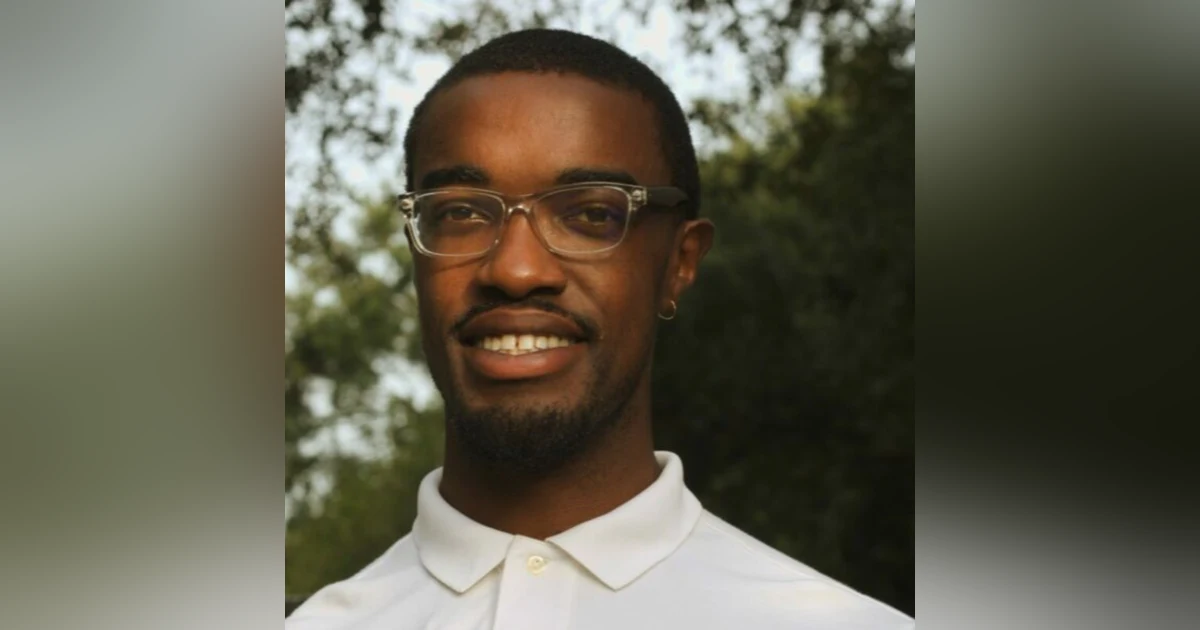

Denzel Hill is an architectural designer with a unique perspective, aiming to connect the built world with nature to create healthier communities. He is the founder of Under One Sun Creative Consulting, an architectural design and visualization company. His company focuses on providing architectural drawings for custom residential builders and affordable home developers, emphasizing sustainability and communication. Denzel's vision focuses on designing healthy spaces with an emphasis on food security and a high quality of life. He is passionate about incorporating agriculture into the residential landscape, envisioning homes and communities that integrate elements for food production. Denzel is also committed to teaching and mentorship, believing it is key for progress. His journey is also informed by his background as a student-athlete at Columbia University, where he developed resilience, discipline, and perseverance
Mentioned in the show:
Social media:
Welcome to Medicine Redefined, a podcast focusing on helping you reclaim ownership of your health. I'm Dr. Darsha, and I'm Dr. Altamash Raja, where your hosts, hair to challenge conventional practices and uncover the stories behind pioneers shaping the future of medicine. Our conversations not only focus on the individual level to dissect common practices for health optimization, but also zoom out to enhance systemic change. Join us as we look to break the status quo, move the needle forward, and put the help back in healthcare. Welcome back to the show everyone. Our guest today is Denzel Hill. He is an architectural designer with a unique perspective, aiming to connect the build world with nature to create healthier communities. He's the founder of Under One Sun Creative Consulting, an architectural design and visualization company. His company focuses on providing architectural designs, drawings for custom residential builders and affordable home developers, emphasizing sustainability and communication. His vision focuses on designing healthy spaces with an emphasis on food security and a high quality of life. He's passionate about incorporating agriculture into the residential landscape, envisioning homes and communities that integrate elements for food production. Denzel is also committed to teaching and mentorship, believing that it is key for progress. His journey is also informed by his background as a student athlete at Columbia University, where he developed resilience, discipline, and perseverance. This is probably one of the most unique episodes that we have done here at Medicine Redefine, really talking about how agriculture and setting up systems around communities and individual homes so that we can better understand and connect with the food around us. As you'll hear in the episode, there is just so much convenience that we rely on that it often hinders the way we look at food and looking at food as nourishment. One of Denzel's missions is for us to really, again, become connected with food and maybe even grow it, maybe even help society and our communities become one with it. In this episode, you're going to learn a lot about architecture, you're going to learn about the current issues that this nation is having with food insecurity and you're also going to learn about some solutions. You might start growing your own, so enjoy the episode. Denzel Hill, Mr. Under One Sun, aka, how are you doing? That's me, how you doing, man, I'm doing good. We're good, man. We're good. We definitely appreciate you being here. Again, thank you to Harita, one of our interns for introducing us. She does a lot of research with food insecurity. You're obviously involved in that field with architecture, agriculture, and really just trying to solve some of the niche problems out there that I think has been on some people's minds. I mean, I know it has been on alt washers' eyes when it comes to food insecurity and things like that, but you are really doing a lot out there to kind of solve this issue. But why don't we just start with kind of the basics, man? Tell us what you do for work. So I'm a residential designer on a foundational basis. That's what pays the bill for me and paid to produce sets of construction documents for a group of clientele that say, want to knock some balls down, put some balls up, windows, doors, floors, and all that good stuff, and making sure that the contractor builds this to specification. That's on a foundational level, right? Now we're talking about food security because I see a way that architecture can build and can bridge into this issue just by shifting the way that we think about community development. In the way that we keep our homes and the way that we even produce these certain models in which communities come together through activity and festival. So we'll get into it, but on a basic level, that's what I do on a residential designer. And my periphery focuses on the agriculture allowed me to find things within a farmer's market, within the farming community that my skillset serve. Gotcha. Now, you also have your own creative consulting firm, right, called Mr. Under One Sun Creative Consulting. Is that essentially what you're talking about? So what does that exactly do? Yes, under One Sun Creative Consulting, LLC, that's my umbrella for the things that I do in architecture, agriculture, area, imagery, this is like vertically integrating my skillset in order to serve my clientele in the building process. Now, my client can range from the builder himself, contractor, or can be the client that wants to get the home built, and you take all that into account, and you start to just question, you know, what do you want to do with that? It's a young professional. What do you really want to do? Because it's tedious work, right? I'm getting out of my industry, it's like, yo, man, we don't get paid a lot, or it's this egg about it, or that egg about it. And I had a moment today on the computer where I was like, well, this is what's going to allow me to make these bigger decisions, right? This was going to allow me to have a bigger pen per se when it comes to literally changing the landscape for how we get along as communities in the name of food security specifically. What's, how'd you come up with that name? Tell us a little bit about that under One Sun. Great question. Great question. All right. So, under One Sun creative consultant, I was spinning around my head when I was, I was recovering my Achilles tear, and I was headed towards approaching the NFL again. I was, before that tear, I was, could have probably walked into the NFL draft, gotten a, you know, a fourth, third, maybe fifth round draft, the stocking, had some type of contract. But, after that Achilles tear, that was such a teetering vision for mine. I was like, all right, how do I make myself even more marketable? You know, I, yes, I play quarterback, but what if I played the safety to One High Safety? I'm a, my tall guy, and I start thinking about like, how to safety in the back of football field, kind of seeing everything, he's the quarterback in the defense, and I just kept thinking, One High, one high consulting, one high consulting. And this is around the time, I was like, am I done with football, or am I doing this architecture thing, because I can't stop thinking about drawing, because like, I'm, I have the time to draw. And I was recovering, I was out of school, my parents gave me the grace to do that, to take my time and decide, you know, you're going to, she's going to do this NFL thing, do everything that you can to recover and get back into, into it. So, I mean, that's literally where it came from, One High consulting, I literally have it rolled down in my, throw out journals, then under one side came through, by me recognizing that I got this, I always called a skill set, you know, I draw, I freaking have a affinity for plants, me with my, my drone consulting services, that's such a untap niche in the world that how much can I really do in terms of pushing at the market? But the architecture is that foot in the door, you know, is that, is that ability to orchestrate the whole process, is that everything under the sun that's included in this project that matters to getting it done and having that, you know, having that lasting effect. So, it's that, it's almost like that cucumber, y'all mentality, or holistic look on, I look on things, multiple entendres to under one side. I love that, man, and, you know, actually having read some of your work, or, and listen to you in other places that these talk about, I also thought I was wondering if that, part of your mission is in an extremely vague way, I guess I could say is to make the world a better place. Right? I guess we could say that about ourselves, right? And I was wondering if that's something that you were thinking about is, hey, like, a lot of what you talk about in terms of regenerative agriculture and using designer architecture to help promote things that we're going to talk about today, but also, you know, how to scale that and provide accessibility, provide more diversity, provide more nutrient-rich foods, improve health, which we're going to touch on towards the very end, hopefully. They were all living on this planet, and it's all under the same sun, right? And so I was wondering, and maybe that's a bit meta, but I'm thinking that I'm, and it's all that. It's literally all that. And that's what I love about it, it's like, bring all that in because it takes more than just me to bring the solution for us with the consultants, and then the communication between the consultants can do. That's what I'm learning about my profession, that I'm not supposed to know everything, but I am supposed to go, go figure it out, it's like go fetch the bone, the perfect bone that fits this, you know, that fist dish joist that won't fall down and using the right hardware. But who's going to answer that? Well, that's your structural engineer, and it's going to find that consultant, and I have so much confidence in architecture, because again, we're literally like the paintbrush for the urban landscape, for the rural landscape, we're putting up these buildings, but there's a disconnect between the exterior and the interior when we are putting up these buildings. You know, there's so much to happen between the backyard and just the kitchen, let alone the backyard and the rest of the space, and you know, if we could sculpt the home around, the way that we put, you know, our residence, or it's just so much around it, I can just go down the rabbit hole about, yes, it can get kind of met on you to the power, it's like, okay, what project am I doing tomorrow? What kind of vision could I cast for the day after tomorrow? And then I kind of, I played between those two worlds because it is going to take time for that to come at scale. So let's get into it, right? I think most people, when they hear the term architecture, and I was probably in this camp as well, they think buildings, they think design, they think somebody making the blueprints and then engineers, construction team is going to go and execute that, and how does that tie into agriculture? And perhaps maybe we can take a big step back and or darsh at the outset, highlighted that we're going to talk a lot about food securities and food deserts and all that kind of stuff is, what is even the current issue and what's that role that you're trying to fill? What's the problem that you've been trying to solve on this mission of yours? Believe it's to any quality, you know, we can talk a lot about racism and all these isms and all these things, but the fact is, if you give people their based needs, that means like let the boys play, let the people play, then let, once, once people have their foundational needs, people will be, well, like when I learned that struggle was kind of manufactured, and when I learned that we have just forgotten, that something as powerful as agriculture can give you a foundational, basically, foot-old on your day-to-day is like of like, hey, I'm not going to starve because I'm cultivating, you know, and my neighbor's cultivating, we have this culture that keeps us at least, you know, somewhat secure in the fact that we're going to eat tomorrow. And there's a saying that says that there's no culture without agriculture, and, you know, before people start thinking like, okay, what are you talking about? Just consider the fact that in ancient times, you know, in light of the ancient times, say, freaking 18, 1900s, civilization didn't flourish, civilization did not flower without them being food secure, without them having a stockpile, you know, without them having that set, there was no art and entertainment without that foundational, you know, hey, we got the plebs that are frigging, working the land and all these sharecropping and all the agriculture is number one, because everything comes from agriculture that oils to textiles, the frigging to lithiums and our computer chips and everything that I can't even like come off the top off from. So why not, why not help her out a little bit, you know, why not help her out in that regard with architecture, because innovation will just spill out from, you know, the edges of our process. So I think that's a good definition for at least architecture and what entails that, what entails agriculture, what all comes to mind, you mentioned lithium, you mentioned some other elements too, but for the audience at least, yeah, sure, sure. To me, agriculture is that relationship with nature, whereas you take the natural resources and you produce for yourself and your community to then flourish, that's the basic meaning of belief. So for agriculture, it's easy to point straight to food, because hey, we eat every day and food is like foundational, but when it comes to actually producing goods and valuable services, that's where breaking down of natural resources, commerce, trade, tariffs, the silk road, we start talking about all these things, right? And just to consider how spice used to be a currency, like the fine is the spices, because the spices would allow you to then make the food, the lack less the food, just a little bit better, so that we can be that much more healthier than beyond our way. And that's what I'm saying, like agriculture and these homes to start growing food is there's something that there's something there to happen. Yeah, yeah, for sure. You said the struggle is manufactured, tell me more about that. Okay, so the government has money, the government makes money, the government, not saying they are the money, but essentially, right? We are supposed to have what we need on a basic level, in the sense of a grocery store within a walkable distance, the things within zip codes, they're equal in terms of quality. And then the fact that knowledge itself can, a lot of times we control just through an algorithm, like people won't get the knowledge on health, people won't get the understanding that, hey, the farmer's market is three blocks that way, if you just knew, or why do you go to the farmer's market, well, here's why. When I say manufactured, I say that because there's so much noise nowadays to get people to buy, go in the opposite direction of the health, it's like we're going in straight towards sensation in the now, like what week is, what we eat now, what's the latest and greatest thing that's coming up the fast food store now, that we've lost that touch with the heritage tomato sauce that grandma made, the three generations before, and that's been passed. Now we've lost all of that. And there's so much to be gained and just asking like, you know, what, what do I like to eat? And then in saying, what do you like to eat? You started to ask what do I like to grow? And from that, you started to develop that relationship. Yeah, for sure. I think we've definitely lost our roots a little bit, right? No pun intended. But I mean, you look back in society, you know, I think about my grandma back in India, how much there was no concept of fast food back then. I mean, it was, you go to the market, or you grow some things, you cook, whatever it is that the environment can dictate. And that is your nourishment, right? And that's what you kind of grow on and pass on to the next generation as far as education. And then you talk about money and we can always talk about profits and things like that and how fast food kind of came to be. But you also mentioned inequality. Do you think there was also inequality, you know, when we talked about, let's say, three thousand years ago, when agriculture first really started becoming something, farming started becoming something, the silk road was there. We talked about spices and how it's a currency. Did you, did you think that there was inequality back then? And if so, or if not, what did the shift take place to where we now see the inequality like we do today? I wish I had a time machine, so I could really be like, see you there. But put it this way, I'll answer this question like this, not to change the frame too much, but we have so much opportunity nowadays to fix the problem. We have a lot of opportunity. Like I can't speak for, oh, nobody else outside of our bounds of this country, but like we have a lot of opportunity to plant a seed. And people know, we're starting to learn that, yo, like how is the fast food store open every day? Where's this food coming from? Why am I always hungry after I'm eating it? And we start to ask these questions and the information is becoming more prevalent and it's becoming more balanced in the sense of like, go support your local farmer, you know, inequality. This fixing that issue comes from knowledge, you know, just knowing that I'm not, I'm supposed to have more right now, like, you know, you're supposed to allow me to grow my food. You know, that's not supposed to be an ordinance in the H&W, that just completely blocks me from even thinking to start growing my food. And so we have all these levels of just not the knowledge, but also I call it like remembrance in a way because again, agriculture's foundational. We all got it in us. As long as we just start to grow that one thing that we care about, nurture it into the teaching every day, you come back to it. I need a little bit more of this or don't put me in the sun or when the winter hits, I'm gone, but it's something else down. So what are the barriers? You said we have so much opportunity, but it's not being enacted. As you see it, why? Convenience. Is that a bad thing? Convenience can kill. Convenience. Listen, this is one of my current missions right now. In the name of food security, you have to out convenience. Whole foods, Uber Eats, and I don't know, quarter store. That three-headed monster. You have to out convenience that comes through programs, nonprofits, and you know, boots on the ground, you know, initiatives to show people that, hey, I grew all this food. Where this come from, well, we have basically, you know, this program where the athletes come and help us grow the food and the community gardens and the elders and the students are all connected to this community garden. These are big-vision things that start with just, this start with just like organization, like organizing around a community plaque, for example, you know, discovering like what are the things that people love to eat around this area that they're going to the grocery store for, and literally just grow so much of it that they have to come and get it. That started happening with collar greens with the felwood community garden last year. The people were like, hey, are those collar greens for us? And I was like, yes, they just didn't know, you know, like it's a novel thing to be able to go and pick something, not swipe your credit card and go prepare for the night or the night after the dinner, you know. It's just that simple being able to produce that, being able to break that inertia though is not simple. Being able to break past that convenience and the fact that we're busy as no other, working more than we've ever worked, more hours, less dollars, circulating than ever, inflation and all that. There's problems to be solved in that regard. Yeah, I mean, we're creatures of comfort, right? I mean, I got free Instacard for six months with my chase card, and you're telling me I got to be taking it to the next level, right? And so I haven't gotten to the grocery store in like, I don't know, three months now. But let me push back in a different sense, right? Because some of the critics of that will argue from an economic standpoint, it's not really viable. Because you also mentioned boots on the ground. I love the community engagement piece of it. However, I'm also hearing resources. That's always like, that's a big thing, right? The initial upfront investment, certainly I came across the study done by the Boston Consulting Group about how long term it's going to yield better in terms of scalability and productivity. However, initially that investment is difficult, right? We're around the election night today. So I'll date this podcast. And recently, interestingly, a lot of people, particularly from the Republican Party, have been talking about this stuff. So it's timely that we're discussing this. But then there's also another argument from the critics standpoint that we'll talk about in terms of the regenerative methods for agriculture that we're going to get into further that you've talked about before. Overall, it's going to have lower yields compared to conventional practices like model cropping. And that can affect the food supply. I mean, we know this to be true, or at least that's what we're led to believe when it comes to like, let's just say fast food. And why is healthier food more expensive, right? Some of the arguments are well in terms of harvesting it in terms of the resources that go on to actually create that is far more challenging versus McDonald's fries, value menu, happy menu. I don't even know what it's called when it's cheaper. And then scalability, same idea, those go the hand in hand. What say you to that? So let me make sure I heard you right. The whole idea, what a dichotomy between our norms, and just to shift the change, like all right. That's a good way to put it. Yeah. Like, how do we make that shift happen or like start to tip that over? Yeah. Well, I think certainly from taking away the philosophical piece, right? So we've talked about this. Right. What's the actual action item? Yeah. The practical is kind of what I'm interested in. Okay. I don't know how many businesses are started on the day-to-day basis, but I can tell you that a statistic that it may shock you, but we have two to three percent of our workforce in agriculture. I just need someone to hear me. If you have a business, like you're as if you're the ice cream man or the person riding around with Delamore saying, hey, they need you grass cut. If you have a business, that can implement, manage, and turn over a garden and can help build that bridge from those call it, let's call it nose. You're, say, your clients are your nose, your nose or food. If you can get those nose from there to the community or from there to the client's belly and have it become normal to them, you're going to start a revolution. If you make it so convenient to, hey, we'll show up to your doorstep, build a garden for you, plant it with you, plant a garden with you, build it, and it'll be perennial. It'll take care of yourself over time. Hey, if you want, if you want the fruit trees, we can plant that into it. And then by the way, talk to your landlord about it, see if they're okay with it. I mean, this elevated conversation around having flourishing landscapes because someone's creating it for you, showing up creating it for you. That's just say that someone has to do the work because that can be like, well, nobody's going to do that, but there's an opportunity for that for someone to really produce some shift in the market in the landscape of just food. Because we got, we got money being decentralized now. We have, you know, healthcare is starting to become decentralized. I think we got a trend coming. And I know it is because, I mean, it just makes so much sense. People are coming and cutting these green lawns and tending to those and the parts here, gardens and everything in between, you know. And so when someone decides to do that, it will really produce a blue zone for that environment. Let's call it, I don't know. Yeah, yeah. So we can talk about community gardens, right? And having a plot. And I think that's not necessarily a novel idea where I went to residency at Penn State Hershey. We had a community garden where you could choose to kind of volunteer and grow some plants and things. What else are we thinking, though, from an architectural standpoint? Like, where does this go from an individual level to a neighborhood level to a community level to maybe even a state level? Believe that there's opportunity and communities to have a central hub, um, call it a resource center where, you know, you have not just the community garden, but you have the community kitchen, it's commercial kitchen, probably triple size, from house three chefs in the team if you wanted to so people can rent that out and actually get into it with the product. Um, they'll be able to bottle their products, dry their herbs, freeze dry, all do all of these things. And it wouldn't take a lot of government money to provide that starting point. Once you start that, you create a culture of food that, you know, creates its own culture based on what comes out the ground during what that part of the year in that, and in that given, um, um, um, um, uh, government's quality. When we talk about the elements of architecture and the foundation and how to promote better health, where do we start with that? Like, is it, is it just that we need better food? And so that means we just need land or is it, hey, we need a better irrigation system and water even within apartments to get more, you know, filtered water to maybe create a greenhouse? Is it the soil that's depleted? How do you think about when it comes to your projects? What's needed first? And maybe the most in the East? They're touching a lot of, a lot of different points when I could be even like starting to poke around at those. So consider how people are prevented, prevent it from growing food in apartments. Then we start thinking about appliances that grow food like the tower garden down to the arrow gardens. Even more innovations that could be, you know, retrofitted into plumbing or be a plumbing fixture itself for single-family housing. You know, let's call it new communities. We can start to talk to brokers about, hey, stop just throwing, doing these caterpillar lines of houses and actually work with a design firm that specialized in producing food, secured, you know, communities and starting to shape your houses around these central gardens that then, you know, produce a neighborhood that would go down in history and, you know, who wouldn't want that for the portfolio? I'm going to start to think about, we talk about retrofitted for a place like here in Carver Village. Start that, that's a hard one. In terms of architecture, that's honestly like, once something's already built, it's up to, something's a community to want it, but not just want it, but know that they can have it because someone's offering it. And so that turns from architecture to more so, like, someone just creating the business and allowing that opportunity to then unfold, because the idea of architecture is to create the environment, or prime the environment for that certain thing to happen. So if we can start to sculpt our, our, you know, our structures in that manner and actually say, this is program to do just that and it will process food in this manner and, you know, this is where you set up our farmers market every, every Saturday or whatever and the farm stalls right there and you got, again, the whole, a resource center idea being central to communities. So it's not just people going out of communities, having to get, go get the things to bring them back home. It's a, it's a, it's a multi-prong approach that I believe can start to be picked off based on feasibility based on a context for, for, for where the solutions needed. So maybe let's start at the individual level, Denzel. What can the listener of this podcast, somebody who hears this message resonates with them? What could they do today? I need them to think about that spoiled, rotten piece of food that they got and they know they wanted it because they bought it. Therefore, they wouldn't have bought it, but why did this spoil? Because, well, I mean, you didn't grow it. I can get into what type of quality it was, well, if you grew it, maybe it would have been, it would have been picked fresh. So if you can care enough for just one fresh veggie for yourself, just one. I always say just one, because just, just one, please, people one, one. If you could just start with one, growing one thing and actually taking that and tasting it and tandem with something that you buy at the grocery store, maybe it'll change your mind and make you scale that one to like, I don't know, 10, then create a garden plot four by four and then create a whole permaculture for us in your back, your host. Just start with one. I can't, it's like I can't help nobody see that. The food that you get from the garden is that much better. You have to either come here, come, come to Savannah, you come all the Saturday, come check the garden now, you can pick and eat whatever you want. Go prepare it, but there's nothing better than the experience. Like, I can't bring that across in this podcast. No better than start or go to a home, go help out at your local homestead or hope to help out at a, a matter of farmers plot and help them ask questions. Be aware of like, oh, this is where a radish comes, how it grows and you know, it's like, oh, snap, all these bugs running around. Why, why, why this? Why that? Ask questions. You'll learn. So what about someone living in an urban environment in the city where they maybe don't have even space for four by four plot? Right. Well, that, that's a good question. I was inspired when I was home before I moved hit its vendor to pick up aeroponics. For people that don't know aeroponics, aeroponics is how you grow food without soil and basically without a lot of hustle and bustle aeroponics. If you think about a tower garden, the tower is basically a system that allows you to put plants in rock well cubes and these plants will grow autonomously or semi-autonomously because the pump allows for that cycling of water to then cascade from the top down and that mist then mist those plants. Now, I had no idea how much the tower garden would impact like my consciousness for growing in plants, but it was as if it was the crystal key for me to get into into this life when I got a tower garden because my mom was like, you're not digging in the yard. We got a sprinkler system, man. You know, I don't want all this stuff all over the place in my house, basically, respectfully. And I got a tower garden. I grew my first zucchini. I was fricking Mondo, John Noah zucchini, and I started growing lettuces in Okra. And I was like, that was pretty easy, you know. And I started with that and then I just seek more. Now, the good thing about the towers is that you couldn't get three in a room like you can get three Christmas trees in a room if you wanted to, but that's something that could scale neighborhoods and neighbor. Say every other apartment apartment, every other apartment or room had a machine that grew food. Like, I want to live there. You're paying that. It's like you're paying that money to park your car. You're paying all these fees for the fitness place. Like, what about the machines that grow food, you know? Like there are options in that regard. Well, I'm looking at this thing. So does it also have LED lights built in? Yeah, you can't get lights that sit on top of it. Almost like Doc, looking lights and I mean, Epcot Center in Disney World, they developed this and it was something that it is something that will be normal. Like, look at your local, the closest city to you. Chances are they're building apartment complexes on top of apartment complexes. And you can only import more food, you know, so much more food. You can only build, you know, however many more grocery stores, we have to start growing. Otherwise, something's going to start working because correctly, if I'm wrong, but food is the most expensive it's ever been. But it's the same food that came out the ground. Like, a whole lot of years ago. Arguing be less quality. Yeah, definitely. Well, actually, can we talk on that about the less quality? And maybe the difference is between the stuff we're buying in the grocery store, you know, I had a green apple today. I live in Florida. So they are definitely way juicier than they are in the Northeast, like hands down. But how much of a difference does it make, you know, with a carbon footprint and just buying something from the grocery store versus growing it on your own and tasting that? We could talk carbon footprint, but the sad reality is that people don't care about the impact that they're having. So I start to talk, I, I, I am at, you know, how do you feel when you wake up every day or how would you feel if you just woke up on 47% but you thought that 47% was 100? Now, when you start eating fresh food, you will learn that there is a difference in just eating and actually nourishing yourself. You'll learn that, whoa, there's more in this much food, just as much as this much food, but this is came from this came from the farmers market. And it's the same volume that came from the grocery store. Well, consider how far away it came from. Consider when it was picked, consider how it was grown, consider the soil that was grown in. You add all these factors and yes, it has a quantitative effect on how much angstroms, how much energy is in that and you're paying more forward. And again, it takes tasting it, tasting, okay, let me go to the farmers market. Let me taste that egg from, you know, the neighbors chicken. Let me actually put the two together. Let me put the leaf and the leaf together and just put it in the fridge. Then you'll see it. You literally see it when you taste it. It's almost as your DNA knows what real food is. And so just start with that. Go go go try to shop at your local farmers market for once a week. You know what your wants to be groceries and see how it changes you see how you start to look at grocery store food a little bit differently because your DNA knows like that's that's for a food right there. Yeah, I think as you said before, we're overfed and undernourished, right? Nourishment. I had no idea. I thought I could just eat what I could eat. Like I was a six three two hundred seven pound, you know, defensive back, could run a four three. Like I'm good. Like I can make it through studio or just to pop tart and orange juice and I can make it, you know, I'll get there. Eat some protein bars, protein shakes, but no like my body kept breaking. And that's why I'm here having telling this story because I thought I knew like I thought I had I thought I was doing the things when you see that there is indeed a lot of just roadblocks and knowledge that prevent that and those roadblocks and lifestyle that prevent health that prevent gardens, I've made to be saying gardens is what health redefine is all about. That's where that's where I start to focus on and that's what my story inspires me towards. You've used that word knowledge twice now in terms of roadblocks. Do you really think that's it? Because I think that your argument earlier about convenience. It's like once you taste that, I don't think, well, yeah, I think, yeah, so information and knowledge are definitely different things, right? But I think people will become more informed, hopefully they'll become more knowledgeable as they'll start looking into tower gardens things of that nature. But how do we get them out of that convenience like we spoke about? I loved your approach of forget the carbon footprint. Largely people are pretty selfish in nature and they're like they're convenient. So if you can just get them to taste x, y, and z and feel a certain way, have them experiment maybe for a two week, four week, whatever you think is the time frame that somebody needs to feel actually 100% when they're 100% rather than 47% as you said. I find that might be a successful approach, but inertia, another word you use is difficult, right? So how would you nudge someone to create enough, I guess, potential energy to make it more kinetic? Yeah, because it's like, Chick-fil-A got us in the chokehold. Yeah, dude, they have. I got to tell you, man, I've never I've never passed a Chick-fil-A in my life and the drive, the line is just it's unbelievable, whatever it's unbelievable. And to me, it's just that like, okay, the message is to my chefs and like my aspiring foodies, create the vibe, create that situation, have the dinner party, have the garden parties, bring it back to that time when we used to sit around board games and like, do those things as a community. Like y'all can agree that COVID kind of it jared us up in a way that we just spend time together and I can feel myself starting to like piece it all back into place and even kind of find things that I didn't know that I could do, like I could hold a garden party, I could hold a we call it a powwow around the fire freaking people bring a different dish and I'm helping people understand that hey, go to the garden, pick these certain things for me, I'm using them for it tonight, then they taste it and they're like, whoa, I did not know that was, you know, how you do, but yeah, that's that's what we do, that's we go straight from the garden to the, you know, to the table and producing that culture is what will jar that convenience because convenience is a culture in itself. Like we all know when mom and dad picked you up from school to go to the dentist, you're coming back with some eight dollars or something because that's just a part of the culture. We can have time to like prepare no food and like, you know, it's a culture thing, it's a habitual, you know, we come around this for this reason type of thing that has to be approached in that matter. And so I say start with yourself, start with the people that you you want to connect more with, invite them over for food. And in some wine, like there's going to be a lot that happens through that connection roots are going to build even deeper and that's something I do for myself, like I want to be able to host clientele for food so we can really understand like how do we work best and you know, hey, how's it going at this point in the projects, it's halfway through project. And I help feed the, you know, the contract and the client. We all sit down at the table for some type of duration to talk about, I'm the uncomfortable things and then move on into know what we're trying to execute on the project. Like that's the power of food if you ask me. Speaking of talking to developers, talking to engineers, how do you get there buy-in when you have a vision and you have an architectural plan and you know you can make a difference, but maybe the person that you're talking to hasn't really seen that, how do you, how do you get that buy-in? You have to show them the money. You have to show them the money. You have to get, what I'm working on now is getting in contact with like ecological engineers. Even it's like a, it's like a, if you can imagine the ecological engineer, a real estate broker, a urban, I don't know, landscape architect and say, the stay-at-home mom in the same room. And we started direct this conversation towards that. We get not only the quantitative data, but the qualitative reason as to why this is needed. You know, we start to look at, wait, who are the brokers that are funding, you know, all these different grocery stores coming in to our communities? I still don't understand how all that works. So excuse me if I'm not painting it with the right jargon. But essentially, why are we getting all of this? When we need more, a little bit more of that. We don't want, you know, to have three grocery stores on one block. We actually want some of that energy to go towards. Starting these avant-garde, or whatever you want to call it, paradigm shift in programs that really don't, you don't have to sound off, you know, revolutionary. It's just that people are spending more on foods than they ever have. And they're working that much harder, so they don't starve, so that they have that. That basically, you know? Yeah, it's a different niche, too, right? I think because there's so many grocery stores popping up, maybe what's novel? What if you can go into an area where people are willing to spend the money and people are becoming more health-conscious now? Why not half a garden? Why not have people who are interested in getting appliances or better water and kind of do we get themselves, you know, again, for health? Have you ever seen the documentary called The Biggest Little Farm? No. So it's funny. I actually watched this last night, not even in preparation for this podcast, but Tim Ferris, who is another podcaster, who, you know, he talks about kind of optimization and is able to integrate a lot of different things. He had this pocket or this documentary that he watched and put it in his newsletter. And so I said, all right, I'll give it a try. It's like 96 percent of Rotten Tomatoes. Everything that we have talked about from the beginning at zero seconds to now has really been encapsulated in this documentary. I think you'd love it. I think the audience would love it, but essentially it's about this couple that at this, this wife is a chef, and she's always had a dream to have a farm. They're in Northern California, have 200 acres, and they grow this farm, these 200 acres into a biodiverse environment. And you really just start understanding the human condition through those seven to 10 years of them going through the struggle, building this out, having nature and wildlife and animals, killing off their chicken chickens and, you know, hands and all these things and really trying to problem solve and navigate how you create an ecosystem. And it's just such a fascinating and beautiful story about the role that humans have in this world and not even a role, but where we fit right in this world. And so often, right, we think it's it's humans as this dominant species, everything else beneath us. And then we get humbled real quick and we start to realize over part of this circle called the ecosystem. And we're just part of that and we have to learn to work with it and that we need to watch our problems a little bit longer and then you'll be able to kind of solve what you need to. But it was just so interesting that this documentary really just encapsulates a lot about what you're talking about. But I just wanted to bring that up as a as a as a recommendation at least to definitely watch. I think you find it fascinating both of you in regards to that. The biggest little farm. And we'll definitely link it in the show notes for the audience too. But yeah, I mean, there's just there's just so much that you can really learn from farming that I realized, right? I mean, it's just like the natural way of living, right? And understanding how animals work and how nature works and how climate works. Man, I didn't even get a chance to really say that it brought me back to life. Like my I was neurologically fried from football. Like I was traumaed out whatever. How you want to put it? I was I was wigged out, man. I say it for myself because it's nice feeling the piece now, the inner piece and not, you know, feeling all anti-jittery anxious, all types of that. And we don't realize how much of that we hold on to until we just like sitting in the middle of a garden and just looking on these butterflies line by and the birds are chasing each other and the squirrel and chattering up. Like it's such a thing. I'm man, this new to me. Every day I go outside in the garden. It's just like, wow, this is so cool. Like I feel like the jet like, I don't know what the word is, but I guess it's glee, where I get to just like, oh my god, this flower is so pretty. And there's two more coming out that look just like it, but a little bit different. And they're going to be gone tomorrow, but I'm going to appreciate you are you here today. And then going today and seeing that, oh snap, I got tomatoes growing. I forgot they were even growing there. I got tomatoes and I put on this dish. Cool. And I got so many herbs and things that I could just, you know, make herb oils with and you just start. It just becomes abundant. What more can I say? Like, it's more waiting to happen. More is definitely waiting to happen. So one of my big extra steps is to start workshop around the garden so that I started powering people and helping them remember, oh man, like I love working with herbs in this way. I love working with food and in this way. And all I want to make say like these certain teas and whatnot and people are, you know, you give people the options to do better than they may just do better, especially once they know better. Yeah, it's funny, man, after watching that documentary and definitely talking to you, I was just telling my wife, like, what are we going to grow? I live in Tampa. I was like, this is perfect weather all year round. I mean, there's so much that we can do from basil to mint to, you know, whatever, cherry tomatoes. And she loves to cook. And I was like, man, we just got to get started. Like you said, it just, he just just get after like, when it's a full stand, just get after it. There's nothing better that you could do. Nothing better that you could do. Anybody wants to get started, you have to go to the farmers market and ask questions. Okay. You have to. You will probably get invited to, hey, come help me out. And you can have like all my seedlings that I don't use. And I mean, there's just too many plants in the world for people. We just got to put them in the ground. It's that simple. Yeah. Yeah. So then, so that's a perfect transition to really getting more into the philosophical stuff behind your vision and how you think about things. In your sub stack, one of the things you like to talk about is your philosophy, which is build, grow, teach. Tell us a little bit more about what that means. Yeah. So I think of it as, think of it as, as a way that you can develop and know where your foundational, you know, root is at now. Build, grow, teach is almost a continuum in the source of that as you build and grow, you're learning from the impact that that that that creates. At times, you have to, you have to pivot and that takes that first critical block of building and puts it in a certain, say, environment, say me, moving from Maryland to Savannah, opened up the opportunity to now really embark on its full security mission and paint on certain landscape with, you know, gardens in a way because that's what that that that marketplace allows for me to do. Now you, if you think about just the way that you network, if you're thinking about the way that you, you know, system attach your process, if you think about all the things that it takes to keep it going, you start to think about how you're growing and whatever work that you're doing and then the teaching comes through the service that you provide, the solution that you offer and, you know, the, the, the, the, the process that you optimize. I mean, build, grow, teach is such a, it's such a pioneer sky idea, but it really does have a lot to it if you just ponder on, you know, what am I building, what am I growing, and what am I teaching. It's one of those things that keeps me, keeps me rooted in, you know, my path of becoming a licensed architect, also having these periphery focuses in agriculture and having the skill set that, as if I'm playing like, you know, your favorite childhood game, Roomscape, just leveling up slowly but surely and not losing track of, oh, I'm working on this right here. I got to keep flying the drone because it's going to help me tell these stories better and it's actually going to catch people's attention. So I have to do that. But I have to do my AutoCAD work before I fly that drone because I won't be, you know, focused enough to, you know, how it's about the priorities. It's about all of that. So having a foundation and growing from that foundation and then teaching it to the world, you know, also in terms of teach, I want to mention like, to the rich and having people work with you, collaborate and work for you and actually building a business that works itself and not you always working with the business. So it's about being conscious, like being aware of that path and being aware of that development and enjoying it, knowing that it's not easy. Like, whatever you do, like, it's going to be hard, especially if you want to do it and create some type of impact, some type of change. It's going to be full of, like, knuckleheads in a way that have a bigger pen than you. And they just have that, you know, with your skill set, you're going to be able to explain in so many different ways that, no, this is why this works. And here's who I've affected over time and here's the programs that are waiting for more, you know, more agency through, hey, let's talk about what we're talking about, just food and the whole urban landscape and how you want to transform that. You obviously, extremely passionate person, you've got big dreams, big goals, big purpose. I love that. And I'd like to say that we probably share that. Certainly, we've done that, or we can share that with the audience for the last couple of years. You highlighted a couple times that football, you had the NFL calling, I'm sure people are at the edge of their seats, like, why are they not talking about that? That sounds far more interesting, maybe not to us. No, actually, it's still interesting. So talk a little bit about that pivot. That's a pretty hard pivot in life. Maybe some of it was done for you because of the circumstances as you mentioned when you tore your Achilles, but you had other injuries prior to that. Tell us a little about football and getting to Columbia and that kind of stuff. Yeah, I laugh because I give thanks to my parents and all they put into it. And I mean, the way that things ended, it broke pretty much all of our hearts. Dang, I did not know the NFL was a business as it was. And you just aren't giving opportunity because you deserve it. There's a little bit more that needs to be done in order for you to get a try out. And we reached that point and I had reached that point. We had reached that point of looking forward to try out because August 2022, September 2022. Yup, I'm around that time. Excuse me, 2021. COVID was just going on. COVID was happening. You know, I could see that there was a lot less money to be made, essentially, right? And the harder it got to get in there, I was like, man, this is not worth my time. Like, what am I doing with this able body in mind? Like, I'm so tired of this trying to get on the field and play this game. And I got to that point, I got to that tipping point where I just knew that I was literally worth more. And at that point, you know, I find myself today, like, for example, or it was Sunday, I was hanging out and I was like, man, I actually have like complete the unaware was going on this Sunday during football. And it's a complete shift, you know, that pivot happened because I just knew that I wasn't happy for a reason playing that game and seeking, you know, whatever achievement I was seeking. And I got to the end of it. I was like, man, I'm done. I can't. I don't want to go play anymore because I'm probably going to get hurt again. You know, like, it's probably going to happen. It's a culture of surgery in NFL. And it's inevitable because you're ramming your body into, you know, bodies and you break. And by that, I started to see the link between the athletes and the agriculture and helping them come back to peace and stasis, helping their bodies hill because they are grounded and are connected with, you know, whatever garden they choose to take care of. Like, that's what they did for me. And I see that's that's what I'm going to be, you know, just pushing in the future of helping athletes come back to their sense of self through agriculture because we lose it. We absolutely lose them and become professional athletes. There's only so much that you can keep in terms of who I am. And you see it all the time when all these episodes of not just CTE but whatever happening in professional sports where these folks just spin off. And everything that doesn't get said and everything that doesn't get told. And there's so much to it that I'm like, yeah, this can't work anymore. I know a little bit too much like how am I going to feel good coming home knowing that, you know, I can only heal so fast before it's time to get back out there again. And then by that, man, I got to take my pills. I got to take those things and I'm the pain. I don't have time to heal. So when people are done, that's where this is for. That's what that's what this is here for. But while they're playing, they still have that agency to, you know, start your start your little getaway place. Start that up. They come, let me help you see what that could be like that you could go to and pick fruit, you know, and you're calling it Jacksonville, Bangalore, whatever you live at. All these, all these guys are making this type of money. Start now and you'd be surprised how much you could do for yourself when the game is done with you or when you're done with the game because either one, it has to, it has to transpire. I think athletes always tend to have a relationship with health, right? Just in general. I mean, it's, ultimately grown up. I was an athlete growing up, not to the extent that you were, right? I wasn't running a 4-3-40, maybe a 4-5 at best. But you're not a liar. I think I could run a 4-5. I think I could run a 4-5. I don't know, I'll have to test it. I'll have to test it. I think I can do a 4-5. I'm pretty good at sprint, but not again. I can hit 20, maybe 20.5 miles per hour on a treadmill. That's like more than 100, so I don't know. Your definition of health is a higher awareness, right? It's more of a health conscious. It's rooting from within this foundation. It's literally like a, it's just like just be healthy. We get all into these fads and whatnot. It's like, well, no, your lifestyle, you just are, you just have a connection with going outside, because you have to tend to your guard, because you love to, and you realize that I put you in a state of mind that brings about peace and problems over it, because you actually have space now. I think it's that simple. Yeah. Yeah. So you watched the documentary, What the Health, and I think that gave you a lot of mindset shift. What did that exactly do for you when you saw that documentary? They mad. They made me mad. I'm like, wait, wait, wait, wait, wait. This is bad for us. The day I saw what the hell, so it's 2016 and the summertime, you know, I'm in New York, I'm training because I want to be the best on a team. I'm there spending time at an internship, and basically making a working to make every lift that I can, because I had to recover from a shoulder injury. I think I had a shoulder surgery. I was coming off of, and I had a lot of problems in my health up to this junior year, a lot like from life, conception up to now. And when I saw that marketing was getting in the way of my nourishment, when I saw that they could literally just tell us these things, and it could not be true. And it was for a better dollar. It made me so mad. Then I just like, I just kind of went blank and said, oh, it stops here. I'm done. And I at least like stopped drinking milk. And it just cascaded from there. And I just started making the switch to better food. And I started looking for more information into better food. I started, I canceled my dining plan that final year, and I was cooking all my food. Mind you, I told my killies in October during that final year, and I was still cooking all my food. Growing to the grocery store on crutches. And I'm like, this just has to be a joke. I told my killies and I really got a recovery. What the hell is going on? And I, those little moments right there, boom, but then boom, the precipice of all injuries just ended my college career. It was like, I was thrusting into this. I was not going to look the other way, because obviously, I had a journey to go on. And that's where it unfolded. I was upset. How can they just tell us these things? Why is this? Why? I want to, I thought I was eating to be fed, but nah, it's actually pretty bad. It's poisonous. Well, what, what do you do remember specifically what? Because the content of that specific documentary is very interesting. And I think purpose, if I'm remembering correctly, that's the one where it really brought a lot of awareness to a plant predominant diet and the benefits of that. I, I think though we talk about this pendulum all the time in this health sphere and really anybody who is fitness minded, health minded about, I guess actually it's anything. That's just health related. The pendulum just swings back and forth no matter what it is. And people go to extremes. People don't like to live in the middle. And so some of the downsides with that was, there were some significant content errors in that podcast. I think that that anybody can easily access. But I'm curious, what was it specifically? You mentioned milk, right? So I think they had talked about pretty much. So just to give the listeners an overview, the, the premise is, you know, plants are good for you. A lot of dairy and animal products are extremely unhealthy. But I'm curious, what spoke to you so profoundly? It's the fact that we are, it's like we live a carcinogenic lifestyle. We consume this stuff. We don't realize that it's legit. Bad for us. And we could just be not doing that. The way that food is processed and then when that processed food is cooked, it's like you've just, you're creating a nuke. And I was like, oh my god, like I used to love the trick and laying cuisines and Marie calendars that she was putting the microwave slit the little corner and it's on it's on it popping. But then I was like, wait, that's why I was always hungry. That's why I like I could see that my health has been teeter and on just being healthy enough to play some sports and being able to barely get out of the season unscathed. Like I was always having some weird injury that took me out three weeks, four weeks, we offered a season, tore your shoulder or some some antibiotic has me going for a loop or my skin is breaking out some type of way. I can't even like keep my mind right because my brain is on fire literally like all these different things. And all I had to do was like not eat the little Debbie and eat like basically eat better food. And they make it easier, easy for us to reach cities to these things. And it's about again that manufacturing of the condition that just had me all the way like, oh no, no, no, no, no, you're not going to do this to me because you had me getting on like I was God. I could do it to the snack food. And I learned like no more. I can't do that. That's not it. That's interesting, man. I mean, I think it's it's funny how different things speak to different people. I was thinking about that because I had heard you speak about that before. And you know, one of our prior guests, you should you might have found this interesting ECIS and Kowski. She has a podcast called The Consistency Project and she's trademarked something called the 800 gram challenge. In a nutshell, what it is is consuming 800 grams of fruits and vegetables on a daily basis. What's so powerful about that philosophy is by including more plants and fruits and vegetables into your diet, you tend to crowd out a lot of the garbage. So to speak, the process stuff that you were referring to the lean cuisines, very delicious might add, however, not as nourishing as you've highlighted before. And that is a recipe for success pretty much by, you know, any metric that you're judging when it comes to health, whether it's weight loss, whether it's actual chronic comorbid conditions, you know, whether it's, you know, injuries can be very, very complex, but we certainly know that, you know, food and what you put in your body has some effect for that for sure. The part that I struck with then, though, with those types of things, and I think somebody has talked about this is like, okay, those documentaries typically are entertainment because the carcinogenic, the carcinogenic, oh my god. All right. The associations or correlation with cancer, because in that podcast, I think they talk about some of these processed meats being equal to cigarettes. And it's like, all right, that's not really true, right? But did you, somebody, I don't know if somebody used the word like creating alarm, but that's what it is right now, it is, right? If you want to get somebody's attention, you have to create panic, you have to create hysteria. And I think that did a really, really good job. And what we know, also in Darshan, I did a deep dive on this a couple of years ago when we were looking at red meat and its correlation with colorectal cancer in this thing. So we talked about that quite extensively. So I'll just refer to the people to that. They also talk a lot about, I think, sugar and diabetes and how that's actually a misrepresentation. In fact, it's actually animal fats. And that whole debate's fats are good for you, sugars that goes back and forth. So the challenge with that becomes is, I think, generally incorporating more plants, like you were talking about, growing it, the quality that you'll have using the methods that you've highlighted pretty much in the first hour that we've talked about, it's going to be just not even close to proportional in terms of how much more beneficial it's going to be. That being said, though, I also don't want people to freak out every time they eat something like that. Because it is challenging, like you talked about. Like human beings are very, very complex. Very, very complex. And so that was the part that I thought was really interesting. And I'm curious if you went back today, because now to use your word, you're much more knowledgeable today than you were in 2016, obviously, as you've dug deeper and deeper into that. I'm curious if you've re-evaluated any of that in terms of the messaging that they got across. I agree. There was definitely that shock value. That means you looked deeper into what you were consuming and then kind of the sour you wanted to exist at. And I'm glad it shocked me because, like you said, the link with scenes are tasty, food and things there. They taste amazing. And not going to take you away from that. Because, I mean, chemistry, this brain chemistry that they're playing on, that they're getting us hooked on these things. And how else can you shake that up? Other than, basically, I don't know. And we're starting to think about social messaging and all that that I'm going to really get into when I take my master, go from my master's degree and develop a concept around residential agriculture. It's what is the, what are the, what is the message to the policymakers? What is the message to zoning and ordinance? What am I trying to actually do here so that this is baked into society to the point where what used to be normal is just an option. You also have this other option, per se, to y'all want to come to the food festival around the corner that we have around the giant fig tree or something like that, you know. Those things that tie, again, into community engagement, that tie into policy and everything in between all of that, that's where we start to see that that reason for what the hell to say, like, hey, look at what you're doing and consider looking elsewhere because it's almost as if we should add, we should give ourselves race and knowing that we've been working the whole time they could build this around us. You know, you're working our butts off trying to make sure you got the bills paid, make sure you got the 401k foundation laid and the life insurance and all that, but what about the fruit tree? What about the three fruit trees? You know, what about the farmer? Could you buy half a cow from the farmer versus buying the food that you buy from the meats that you buy from? Of course you store like, can you supplement that with the farmer because, you know, that's this heritage cow that he grows and you know, it goes towards that. So, you know, it's bigger than just, put a plant-based crop because I think that's where you start to get, create more divide and that's not going to help. That's not going to help at all. So, I believe that there is a lot of room there for just ethical food production in general and being more conscious of, again, where we get that food from so we can't pump more that as the norm into our day to day and help these people build lasting success in the food business. Yeah. Is there a current diet you follow or are you pretty much, you know, you'll have everything but trying to get it mainly from the source? I'm pretty much plant-based. Like, I work on working on a fish and now, but like that means that it gives me gold, man. Like, what's I started that? I couldn't stop and like, I'll do something now whereas like, I'll save his watermelon season. I just cut that in half. You can go at that with some cinnamon, some lime, and some lemon balm on it and even put sea moths on it. Sea moths is a gel that you could or like a sea vessel with that. You can look up and understand that that's one of the things that, you know, I'll hear for your nourishment and I can't say enough for how much more simpler but yet delicate and the decrement my diet is now. After being out of like the snack culture for so long, I can now take a cabbage and, you know, take some spices and do some very respect. Well, out of that, I'm like, okay, cool. Now, I just need two things to bring the texture. Yeah. Dude, I got to jump in right there. This watermelon and lime thing, I learned about this or lemon. I learned about this and maybe on social media some some time earlier a couple months ago and I haven't tried it yet. I'll tell you, you're going to have a difficult time finding somebody who's more obsessed with watermelon than I. I made it a point this year. You have to add the cinnamon. You have to add the cinnamon. Yeah, I don't know how to add. Man, I'm just such a, yeah, I think I will. I will. But just to give some context, this summer, I was like, man, I'm going to my goal is to have watermelon every single day and I think on average, I've probably had it about six days a week, if not seven. But I, I don't know, I get it. So you're telling me, I got to do lemon and then throw some cinnamon. It's like a suffering line. Lime, not lime. Lime and cinnamon. And again, get your hands on lemon ball, mix that up, put it on it. Oh, my God. Instead, again, it's like one of those things that if you don't know, you would just think that, you know, what am I going to do with that boring piece of food, but you can make food. I'm going to stop boring. Just three ingredients. It's the greatest food. It's the greatest food ever. Can't wait till June. I got to wait till June somewhere towards the end of June. We got to wait another six weeks. I know. I know. Come to Tampa, man. It's come to Tampa. All you're around here. Well, I love it, Dan's up in. A lot of what you're talking about too. I can see that spiritual awareness in you in a sense where you're talking about the information that the food carries, right? And that what it does to the cells and what it does to the body. And not necessarily just the food, but the process itself, um, of growing it and the gratitude that you've really built. But the gratitude you have for life doesn't only pertain to this, right? You have a lot of gratitude for your parents. Tell us a little bit about how you reconcile your relationship with your parents and the kind of what that, what they mean to you as you want to do this journey throughout your childhood through football and the pivot architecture. They allowed me to see like, first of all, then I am a builder. They saw that from the job. They always what do you call it? They they supported that creativity on so many levels. I always felt safe. Always felt like I was supported. I may have felt confused as to like why I had to do things in a certain way, but if I wanted another set of legos and that sort of there was time to get some more legos so he can build some more, I was able to acquire that and just by that, you know, that I mean that being a foundation that we growing up, discovering my creativity and them always, always having their support. It helps me realize why I really want to do this because imagine imagine building this for your parents. There's nothing better than that but dude and like, you know, I keep hearing like I got to go take care of mom. Like I keep hearing this, you know, in the in the airways it's called. People have to take care of the elders. Yes, like we have not set it up to do that and very much the nursing home can do it, but like how optimal is that to do what we're doing? Like can we make it to where as mom couldn't have her, you know, accessory dwelling unit right around the way she's always around the garden, mom's always around she's around and the community can be built that way so that our elders can stay within our communities to be supported and taken care of. They can downsize properly. They can still offer their value and their wisdom to the garden, you know, to the program, you know, to the slower things in life that garden they're here to and that's what I see. Like I give thanks to my parents being long-standing government employees, my dad did 26 years in the military, my mom's done just about the same working in the government and that takes a lot of dedication. That takes a lot of every day, you're doing that thing, you know, and that's allowed me to see that, you know, not to say that I don't want that, but it's time for me to set something up for them to rest their laws upon because they gave me that opportunity because we were stable. They were able to allow me to like stay home, just recover. I was literally going from the track to the weight room, to whole foods or food line to sleep. I'll meditate for all that. Like this is my recovery. They're my Achilles recovery and teeter between NFL and No NFL and I got to see like this has to be done. I have to do this. I have to do this because if I don't do this, I mean I can't expect anybody up to to make it for me. And so that's one of my goals right now is to get some land and actually start to build those that plays where three, four homes could stay and that's what our family is at if they want to be and that model can then just be layered until an entire community or or whatever you want to call it that that that that has the people around that you wish to have around. Yeah, that's all for them. It's all for them. They just finished like what I mean that's who that's exactly why I do it for you know why why why I'm diligent and me doing it this way because I have to have that impact otherwise I just feel it. Everything that they allow me to see in the world in terms of the problem and the solution that needed. Yeah, absolutely and I love that reframe about what it means to take care of our elders especially in the US right I think you know there's a book out there called Being Mordled by a Toukawanda who's a position from India and he kind of puts this dichotomy between Indian culture and South Asian culture, Eastern culture versus the West and what it means to take care of our elders and you know ultimately I'm being rehab doctors you know one of the things I look for in a inpatient rehab is the support system because that's going to be a really good indicator about how the patient does when they go home and it is really really difficult to find that in today's day and age you know we turning it into more of an individualistic society and a lot of times people think when it comes to caring for the elder it means being they're doing the tasks for them being able to help them walk being able to help them live but what you're kind of saying do is it's not necessarily doing those things sure but it's also having them teach us right and doing that through the garden doing that through their wisdom and having them have that sense of responsibility for the next generation and you know we talk about assisted living facilities and you can talk about different skill nursing facilities or nursing homes but having a centralized unit where people can now get in touch with their roots get in touch with their childhood get in touch with nature I mean I think that is just so healing you have less Alzheimer's you have less bodies ailments and even if you do have those you have a place for peace can exist and you're going to at least you know wonder amidst the butterflies and whatnot like that's not fairy tale that happens when you have flowers growing that people it's so amazing I mean you just step out there you know whatever whatever like if I'm all cat and I'll get like into that my mind to just start to crunch it's like it's just time to step outside for a little bit now I just you know take a little three laps around the garden and then all of that just flushes and you start to think oh that's that one thing I just need to solve that problem and just take care of yourself or you know again just having a place where people can be oriented around like I mean I want that if I was retired I want that if I wasn't retired so that's that's that's what I see happening for the places that I build I can only speak for that people that I aspire absolutely me well Denzel this has been a truly enlightening conversation I was really excited for this I just I have such a love kind of for the integration of things and so learning about architecture agriculture the philosophy of food the history of it I mean bringing that all together really makes me excited to now be down here in the south and try to grow some stuff for myself but tell the listeners what mr. under one son is up to next what kind of projects do you have in the pipeline I'm working on some agricultural technologies that allow people to raise plants you know more efficiently and working on getting into working on the long side of nonprofit to implement agricultural technology into a farming practice so that a farmer can be more efficient and you know grow more of a less effort and scale their business you know they're just building that that building that connection that's the biggest thing about about tune and it's like tomorrow working on some drawings and learning how to be how technically sound as an architectural professional and that's number one right now and helping me understand you know how bring a set of documents across municipalities table with saying here this is what we're building and you know based on the zoning and ordinances and all these other constraints may I get my permit please while I'm mastering that process one day at a time and I'm gonna take the rest of my life for sure man I mean the ultrash night thank you for the work you're doing our audience well another world will one day as well so you keep doing what you're doing man uh if people want to follow along on your journey are there any links any social media that they should go to follow along yeah you can go on instagram at mister dot under one son is o and e s u n you can find me on LinkedIn if you search Denzel Hill that's one L two L's on Hill of course and if you go on sub stack and search under one sign you'll see all the missions inside missions that you could find myself on and philosophical writings that I hope you wander and create more for your life and yeah then catch me somewhere some some type of garden uh no less than six days out of the week yeah that's that man awesome and we'll put all those links in the show notes for easy access and the last question Denzel that we ask all of our guests is how do we put the health back in healthcare you give people the option to solve the root cause of their problems as well or they can just manage it you actually give them the option then it's game on we haven't had anyone after that like that give them the option or the root cause you don't have to like game like okay or you just get we have well said well Denzel appreciate you man thank you so much for coming on here building grow and teaching us so thank you thanks for listening to the other episode of medicine redefine if you enjoyed this episode please be sure to check out some of the additional resources in the show notes please also check out our social media platforms where you can find more content like this you can follow us on instagram twitter and tiktok at med redefined we also want to thank our team for the production of this podcast specifically Ethan Jewel video herrita yekroyo social media zanablegmani our research and sarahan for newsletter oh and if you want to get similar bite size information delivered to your inbox every Sunday please be sure to sign up for our newsletter also if you enjoyed the show please be sure to subscribe with you and share with anyone who you think will gain value from this as well now time for the ever so important disclaimer this podcast is intended for general public use and is for educational purposes only it does not constitute the practice of medicine no should be construed as medical advice no physician patient relationship is formed and anything discussed in this podcast does not represent the views of our employers we recommend that you seek the guidance of your personal position regarding any specific health related issues