

 Apple Podcasts
 Spotify
 Castro
 RSS Feed
 165. Can We Rebuild Trust in Healthcare After the COVID-19 Pandemic? | Heather Hammerstedt, MD, MPH
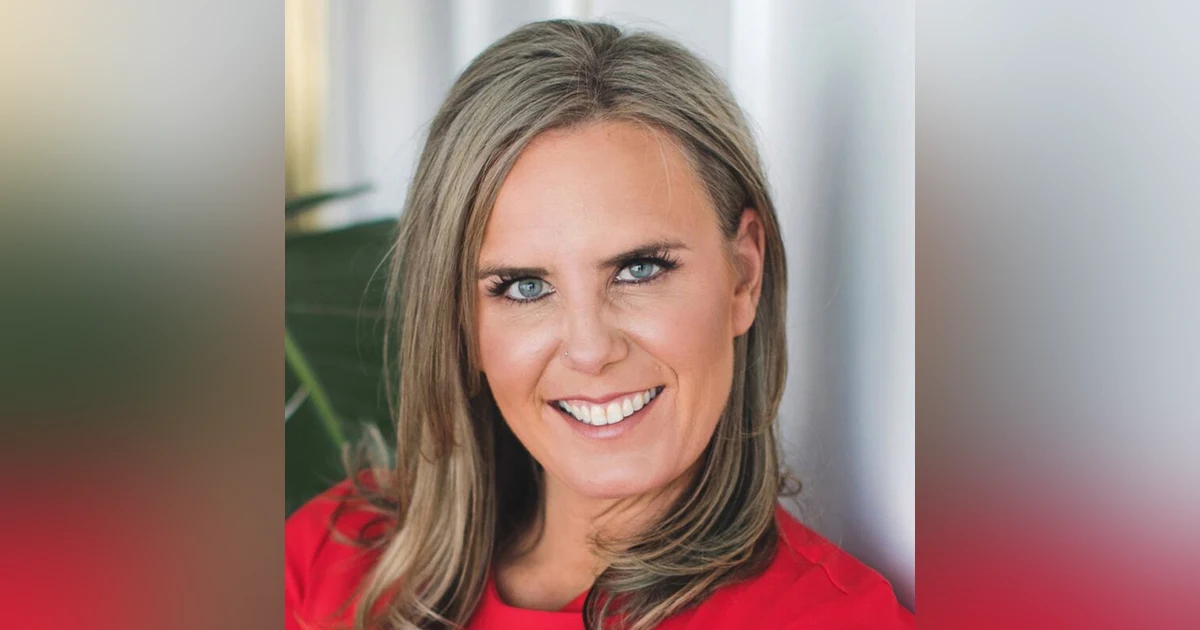

Dr. Heather Hammerstedt is an emergency medicine physician, lifestyle medicine coach, and founder of Wholist Health. With over 20 years of experience in acute and chronic care, she has dedicated her career to addressing the root causes of illness through integrative approaches. Dr. Hammerstedt’s unique perspective combines her frontline emergency medicine work with her passion for coaching patients on nutrition, mindfulness, and movement.
In this episode, we discuss:
- Lessons learned from the COVID-19 pandemic and its ongoing impact on healthcare inefficiencies.
- The growing distrust between patients and providers and its implications for care.
- Alarmism in health messaging and the role of social media health experts.
- Who should lead public health conversations: clinicians, influencers, or multidisciplinary teams?
- Strategies for clinicians to navigate systemic barriers and moral injury.
- Simple lifestyle changes—nutrition, sleep, and movement—that can transform health.
Resources mentioned in the show:
- JAMA Network Open: Proposed Nutrition Competencies for Medical Students and Physician Trainees
- Wholist Health
- Dr. Matt Ramsey’s Podcast: 43cc
Welcome to Medicine Redefined, a podcast focusing on helping you reclaim ownership of your health. I'm Dr. Darsha, and I'm Dr. Altamash Raja, where your hosts hair to challenge conventional practices and uncover the stories behind pioneers shaping the future of medicine. Our conversations not only focus on the individual level to dissect common practices for health optimization, but also zoom out to enhance systemic change. Join us as we look to break the status quo, move the needle forward, and put the help back in healthcare. Welcome back to another episode of Medicine Redefined. In this episode, we reconnect with Dr. Heather Hammersted, an emergency medicine physician and lifestyle medicine coach. To dive into some of the most pressing issues in healthcare today, we explored the lessons learned from the COVID-19 pandemic, including its impact on patient care, the inefficiencies of our healthcare system, and the growing distrust between patients and providers. We also tackled the role of social media health experts, the rise of alarmism, and the question of who is truly qualified to lead public health conversations. Dr. Hammersted shares her insights on navigating these challenges, the importance of advocating for system-level change, and how clinicians can maintain hope and purpose amidst moral injury and systemic barriers. For those new to the show, Dr. Hammersted was a guest on episode 7, way back in the archives, so I encourage you guys to go check that episode out as well. If you want to learn more about her journey, and what it is that she does, day in and day out in her practice, please enjoy the show. Welcome back. Been the long four years for all of us, I think. Yeah, congrats on getting through training as well, right? That's right. Residency and a fellowship since we last spoke. Good. Good for you. Yeah, so I know that you've been busy. We've been following your journey, and I want to get right into it. I was actually going back to the archives and listening to some of our discussion, just one of some of the things that we talked about, and you had teed up a lot of things, and I know maybe it was foreshadowing, maybe it was just fortuitous thinking, but I want to start with maybe a bit of a polarizing topic at the risk of getting us all canceled right at the start. One of the things that we learned, we were talking about COVID, this was the midst of COVID. We had learned that probably COVID seemed to affect a lot of people with more of a metabolic ill health type situation, right? Of course, of all the populations, we know about that, but people who had more comorbid cases and conditions, excuse me, like diabetes, obesity, things of that nature, things that are right in your wheelhouse when we talk about lifestyle medicine and nutrition and eating a lot of things that we talked about. Those are the people that were more susceptible to illness and more severe illness, and you being in this role of frontlines emergency medicine doc where you saw probably a lot of people as they got sick, coming in getting tubes all that interesting stuff, but also the chronic disease burden with your coaching business, or some of the most impactful lessons you learned through this pandemic with that respect. Thanks for the summary, because I have no idea what I talked about last time. Food, thank you for that. Let me be challenging a little bit and try to reframe, because I don't like to talk about the pandemic as like a thing that's over. I like to talk about it as like an episode that really showcased like the flaws of medicine or healthcare system, and I think continues to do, and so I think my lessons are coming from that perspective, if I can shift just a little bit. I think our healthcare system was failing for decades before 2020, and I honestly feel like we were probably hanging on a straw for a long time. But the breakdown of communication, of consultation, honestly of work ethic, of staffing, of like position burnout, and like I think physician understanding of how our lack of autonomy and healthcare like really all came to a head and is ongoing. So I think I do have a few, I was thinking a little bit for the call about what my lessons would be, and I think my first lesson is probably that I have to earn my own wellness. And sometimes that means like saying no to things that don't serve me, whether that's in medicine or just in life, and it really means that I have to take the time to serve myself, because the job is harder and more complex and more challenging. And if I don't show up with my cup full, I'm going to drown, which means that everyone else is around like my staff and patients, and really everything. So I guess that's my lesson number one, I don't know if you guys have any thoughts on matter how that speaks to you. Yeah, we always talk about you can't pour from empty cup, I think that's, yeah, particularly for both of us who are recently, we'll fresh out of training where you have this mindset that you just have to sacrifice sacrifice, I think that the phrase is delayed gratification that we all get beat into us early on, right? You just kick the can down the road and you get through residence training, although it's far better now in terms of ACGME and do the hours, et cetera, but you still have this mindset that you're just going to grind and you're going to sacrifice. And that also means sacrifice for health, not make your doctor's appointments, things of that nature, not take a sick day because they might be burned some on your core residents and whatnot, but feeling to appreciate that when you're not your best self, you can't be somebody's, I don't want to say savior, something that we're starting to appreciate is that like some people come in their most vulnerable state to you and you have to be your best self in the sense that you have to have a lot of empathy, you have to have kindness, you have to have understanding. And if you're not patient and you're not well fed and well slept, it's going to be a lot harder for you to be a kind human being that can connect with people. So yeah, I'm a lot further down the road of this career than you guys are. I think I'm probably a PGY 20 and I think I, I think I really held to the grind until just like a couple of years ago. And I think I really did hit a wall. I think some of that is because of that what I just referred alluded to in terms of health care system for now. And I wasn't feeling like supported anymore by my work environment, that grind like really hit me personally. So I think that was like really a good lesson for me as a lesson one. But also if that can happen to me and like I do what I do when like coach about lifestyle health, it can happen to anybody. I think my lesson number two is that my profession as emergency medicine has always been I think of three things. Number one is I guess two main things. Number one, let's make sure you're just uncomfortable and safe and not uncomfortable and dying, right? Rule out those bad things. And number two, let's make sure that there are next steps understood on where to go, what to do next after our visit together. And I think in the current health care system, I can still do number one. Are you uncomfortable and safe or are you uncomfortable and very ill or dying? But I think number two, the kind of what are those next steps is like now like very hard to do. People can't get primary care appointments are my specialists are months out patients are trying to figure out how to advocate for themselves to get outpatient care and honestly like many of them are not able to do that effectively for lots of reasons. I have a I have an example of my mom was visiting me from back east. I'm in Idaho. She broke her foot while she was here. I knew it was going to be a possibly surgical repair and they could nobody could see her for five weeks. So it's if I have to pick up the phone and call and pull a doctor card to get my mom in for what seems like it should be easy outpatient care. What are patients able to do? I think I'm more of a realist now that I have to do more in the emergency department, which is a not the cheapest way and be not the most effective way because I am not those other specialists right. Been having to advocate for systems to help patients get that. So I think it's been a really big frame shift for me to realize that things just won't happen for people once they leave and that certainly makes things harder because it is easier to be like we did what we needed to do like you're not dying or this is the illness that you have and this is with a plan that we're going to have if you don't have the support from the rest of the healthcare system to effectively make that happen. Yeah, doctor, as you highlighted that COVID really brought out the inefficiencies of our healthcare system. Are you going through this for 20 years? You've seen it, but now you've probably even seen it zoomed in a little bit more or things must have popped out at you out of the whole process of when it comes to let's say the messaging to when a patient comes to the ER when it comes from the physicians taking care of that patient to the beds in the hospital to the infrastructure will discharge. What have you now have a new perspective on? What has really jumped out to at you through that entire process? I think it's just a some uncertainty. It's one thing to be like you have to be admitted to the hospital and oh, by the way, that means you're going to still be in room 18 to the next 20 something hours instead of actually being admitted, but it's also that person sitting there while we're trying to give as much care to them as we can are not getting the same care as they would be in an inpatient bed because my nurses are not med surgeon nurses, they're not neuro nurses, they're not ICU nurses, and people see coming in the front door, it turns out, and so I think and then that other decision about like we know that our hospitals are full because of mostly because of staffing issues that are not physician issues, but I also know that someone may not get the care that I thought that they should get in a quick time as an outpatient, so am I admitting those people hoping they're going to get that care and then compounding the problem? So I think that is like my decision making around admitting a patient is not the same as it used to be, yeah, yeah, yeah, yeah, no, go ahead, I have another lesson I learned, but no, I was just going to say, I wanted to ask you, you said that you feel like you have to do lower than you are now, but you just answered that, it just seems like a very inefficient way to manage these chronic things, just when we talk about the global costs on the healthcare system, so we I think last time we spent a lot of time talking about what we can do with individuals, for as clinicians, as trainees, to educate ourselves and our colleagues and to look at some of these quote unquote alternative therapies, I think we talked about your background in our already medicine and our experience with that kind of stuff, but when we look at the global healthcare system, we also look at the burden, right, the pandemic as you mentioned highlighted that I later want to talk to you about the the round table where I think the Senator Ron Johnson that people come up and highlighting the issues with our nutritional system and in this country, but something that I made really interested in is just looking at the cost of healthcare and the burden of healthcare, and we're always practicing cost-efficient medicine, what tests are necessary to order, what are not necessary to order, and sometimes we give flat to our ER doctor for ordering a necessary desk, but admitting patients just because you don't think that they are going to be cared for in the community, and even though this is not ideal for low financial perspective, but it's the best thing for the patient, that seems like a very difficult thing to cope with as a practitioner, and I can see that's the kind of stuff that could set people up for moral injury, you know, what do you think about that? Yeah, oh no, I think I just want to say that we get flat when we don't do the tests as well. Yeah, it's just a different yeah, that's not good. The risk of respect goes both ways, but yeah, no, I think that we're being faced with the fact that maybe someone will need an outpatient MRI, and they won't get it, or before there was an ankle fracture dislocation, I would have an x-ray, I'd reduce it, I'd discharge them to follow up as an outpatient, maybe that they'd see the doc in the office, and they'd decide if they needed a CT scan in order to delineate a little bit more about what they needed to do in surgery, but now I have to do that, I'm finding myself doing the CT scan, knowing that it won't get done because they won't see the specialist in enough time, they may only schedule the surgery, and not even see them in the office, and so even when it's not a decision about admission, it's a decision about what can what can we what do we need to do that would have been done five, 10 years ago differently than is being done now. Yeah, it does, so I like this thread that we're currently on, and I think one of the things that maybe for better or for worse has happened through this pandemic is, and this is one of the things that you called out, you said that patients are becoming more informed, people are becoming consumers, you mentioned last time during the pandemic, you tripled your business right, the coaching business, hopefully that's still thriving and even more, and one of the things that we noted is that people really took the social need for better or for worse, right? The pandemic was a very polarizing thing, vaccines, vaccines now, who wouldn't say who's not getting sick, but the other thing was that people started focusing on nutrition and the role of what we're putting into our body, how we're coping with stress, et cetera, et cetera, and what we saw was a lot of people were advocates for that and how that's really important for us to address and how that can contribute to just globally our health, and then we also had people on the other side says no it's irrelevant, it's much more complicated, so I guess the question for you is what have you gleaned from that social media messaging, you're obviously very active, and do you think the public health messaging because of this pandemic through this pandemic has helped address some of these lifestyle issues quickly, or was it a missed opportunity to focus on prevention through metabolic health, because we've seen it as I mentioned at the outset, clearly that there was a strong correlation between metabolic ill health and how sick people were and the downstream effects of that. Yeah, I guess a couple things to frame my answer to that. The first is I've been an integrated nutrition coach for a little longer than I've been a doctor a little more than 20 years, and so I've clearly always known like food movement and mindfulness played a role, and when I formed whole list, it was because I realized that people were showing up at 3AM with the adverse effects of the lack of lifestyle change from 5 to 10 years ago, so I knew this, but it's even more apparent to me now that there's only a few things that we can truly affect when it comes to our epigenetics, and that is as you alluded to how you fuel your body, how you move your body, and how you react to your thoughts and feelings. So I think that's just an important thing to know about like how I view all of this. I also have a master's in public health, so I have thoughts from that perspective too. I think the one more thing before I answer the question, and I will get to it, is that I think I knew that patients had some mistrust in positions before 2020, but I don't think I really understood the breadth of it until the last few years, because I know that the vast majority of us as physicians and other healthcare providers went into medicine to help and to heal, and it was really a hurtful honestly to realize that people thought that we were not in it for them. I think it was a good lesson for me to understand, because I can, once I got over just being like insulted by it, I think it helped me think about how I can change the way that I speak to people and understand their behavior more honestly, and like to be a little more tolerant and opening to listening and explaining things differently, like a very good example is like why parents never give Tylenol, or I'd be profan when they bring their kid in for a fever, and I was always like, I don't get it, I don't understand like why they wouldn't just do that very easy thing, but I realize it's because they don't think we're going to believe them. And my first answers was always like, why wouldn't I believe them, but that's not the problem, the problem is that it's the perception out there and that we are not going to believe them. And I think that the, I think COVID, I think especially the 2020 and Delta, and when everyone was at home and the illness was really bad, I think that was where we really figured that out. And so I don't know, I do think that I think everybody was right in your statement, ultimately, I think that it is important to pay attention to the things that we can control. Fuel, we know that making small strides in social connections and stress reduction and sleep food and movement, risky behavior, modification, even just small strides in each of those, whether it comes to something like an epidemic we didn't see coming or when it comes to long-term chronic disease is essential because those do lead to that spectrum of metabolic disease, which is cardiovascular disease, cognitive decline, cancers of ECD, fatty liver, diabetes, hypertension, all that's related. I'm not saying anyone like did anything wrong if those things occurred to them, whether it was making them more sick from COVID or whether it's just something that's happened to them along the way because they're epigenetics, it's just that giving ourselves the biggest leg up so to speak and those things on those things that we can't control by affecting what we can is really important. I don't know that the public messaging during the height of Delta COVID, I think it's important to make that differentiation about where we were at that time. I don't, I don't think that it was focused on lifestyle modification, but I think that's understandable and probably okay because people were scared and physicians were scared and the public health folks were scared. We'd never seen anything like the center of life times. I do think that there are some of us talking about food and mindfulness and movement is giving ourselves that leg up when it came to disease medication, but in the moment those things helped us feel like we were doing something when in reality the metabolic risk factors were people dying from Delta COVID were things that were 10 years before, right? Does that make sense? Yeah, absolutely. I think COVID itself presented a lot of people to push their agenda, so give you a quick example here. I was actually at a social gathering and an advanced practitioner was actually telling my one friend how doctors are scam artists and how to contrary of not wanting to treat people from the Bible of ours that actually do good in this world, we want to keep patients and we want to make money ourselves. And I'm almost positive the sentiment came from the last four years and what COVID had, quote unquote, revealed to the public to your point about distrust. How do you feel about the messaging to doctors about how we should have discussion with our patients about whether it might be vaccines or treatments or pharmaceutical companies? Like how did you have those conversations with patients as more and more news come out and some of them not agreeing with each other? I don't think we were taught to have those conversations. I think I can't speak to your medical school experience or your training experience, but mine was this is what you should do. I think that's not necessarily how a constructive conversation happens between two adults. In general, of being very prescriptive and personalistic and I think I think I was like that for a lot of my career of like these just are the right things that you should do. And I think honestly like expanding my coaching skills probably helped a lot in terms of being able to hold a space for how someone is approaching the relationship with you as a physician and meeting them where they are and not judging them based on what their experiences then to get them to bring them to the table. Now, am I going to say yes, you should vaccinate your children and yes, you should take insulin for your diabetes and yes, you should move your body more and yes, you should eat whole foods and those things, but the conversation needs to look differently based on the fact that people do feel that they're coming and they are coming to that conversation with their read about information that they have gathered and their real experiences with the healthcare system. And I think it's a tricky thing for us to approach as physicians. I do think that I think that if we even so the bigger picture is like how do we help people understand how to take care of their bodies, listen to their bodies, understand how their brains work. If our kids and I have elementary school kids, if they started learning like how to take Tylenol and what it means when your stomach hurts and what it means to get sleep and if they understood those things, if we understood those things going into medical school, these basic life skills like how much better off would we be if patients headed into adulthood like already knowing those things, how much better would we be if we taught these things of medical school instead of cuckoing anything that we don't understand yet in medicine, like imagine, right? Our patients would be better advocates. They'd be less likely to fall for the BS online that's not real. They'd be in better metabolic shape. They'd be better partners in their healthcare. We'd be more open to hearing the lifestyle things that affect them and having those conversation about physical ailments that we may not really understand. So I think it's a big picture thing. It's not just healthcare. I think there's another whole conversation we could have about physician autonomy and how if we took back our healthcare system and we're controlling some of these systems that are causing this big problem that we're in would be like the whole other thing. But I do, I wish that we had more input into our education systems from a very early very early on. So that's an interesting point, Heather. You said that we weren't really educated on how to have these conversations agree with you. We're a little bit more recent than that. Medical school was pretty much the same as a residency training, fellowship training. You just don't have the time, right? So if you're going to input this into the curriculum, what's going to come out, right? When we already overburdened spend way too much time learning things that are arguably unnecessary, especially now that you have the internet in your pocket, then the question would become, well, who is the best person to have these conversations? So I don't know if you got a chance to look at some of this stuff from the Senate Roundtable and Health and Nutrition that happened a couple weeks ago, where you had all these experts, social media experts, honestly. You had a couple of physicians on there right after casing means she's a prominent physician with a company level. Dr. Martin, we care from down top, so it's there. There were a couple other people on there who have a lot of influence on the social media podcasting that kind of stuff. But what they're phenomenal is these folks are communicating with the public. They have these platforms and they've done that. And they're actually, for the most part, I would say put out good quality information. Nobody's perfect. And what I saw a lot on social media, and I just want to get your cake on this, is a lot of people went and just started bashing these people saying that they were not qualified to sit up there in front of Senate and talk about these key components about nutrition and are helping just globally in this country what we should be eating, how the policies should be happening and whatnot. And Darshan, I had this conversation with a scientist who is the best person to talk about it. Is it physicians? Because we're not, as you mentioned, we're not equipped if we hadn't these compositions. You said that you had a coaching background prior to go into medical school. So you were trained outside of this and that's why you're so good at what you do now. And you've honed that skill over the last 20 years or so. Part one of the question is, are we even the right people to have those conversations? At the macro scale, not inside the patient rooms, 101, but when we're talking about systemic change, because that's where we started this conversation, are we even the best people? And if we're not, then who should be having those conversations? And the second part for you would be if we are going to be the right people to do it, and we're going to implement this into medical curriculum, what's coming out? I have the thoughts of that, but I'm curious what yours are. I don't know. I think that physicians are a very diverse group of people, right? What you're an expert at and what Darshan's an expert at, and what I'm an expert at are all very different based on what we took out of medical school and what our training was and what our specific expertise is. So do I think that this conversation should come from any physician? Not necessarily, but I do think that there are a subset of physicians that are very well trained in all of that, and that is preventative medicine, lifestyle medicine, obesity medicine, and it's bringing in our colleagues who are dietitians and nutritionists and personal trainers and figuring out how to work together. I think the more complicated question is, do people in our society want to listen to people who come with expertise? And I'm not, I'm feeling pretty discouraged about that these days, and that I think that there is general mistrust of someone who comes with a particular amount of education or expertise. And I think trying to, that's a why are these people getting on and embashing these very high level, very interesting people with diverse educational backgrounds who are providing good information for us, because that's what people do on social media. And I think that's what people are doing in general over the last five to 10 years in a growing way. And so it's not an answer. It's just saying that I think, I think we have a long way to go to getting people to trust various levels of people. Follow up to that, define expert with respect to nutrition. Is it somebody who's a dietitian? Is it a nutritionist and a PhD level of nutrition? Who is that? Because some of these people that I'm talking about, for instance, there was one individual on there. And I don't think he has any formal credentials and education and nutrition, but a deep interest and has written a couple of books about it and talks a lot about cognitive health. Everybody knows, I'm talking about Max over at this point. But, and I think he does a phenomenal job, but a lot of people bashed in the saying that he's just the quote unquote podcasting bird talking about nutrition, because he made, he was thinking of the journalist background. I can make the argument that somebody who is journalist background has the ability to do deep research and really educate themselves on these topics. Now, somebody who's spent 10, 20 years self-educating, researching, putting out documentaries, putting his at the expert, or somebody who has a PhD after them, they are mad at the expert because they have these conventional credentials. I think the question is how do we source out the person who got the PhD who's an expert but doesn't have any real world experience or the kind of expert without the credentials who is and not providing as expert opinion? I don't know that person in particular that you're speaking about, but just in general, like I have people on my staff for here at Holist who are food and weight coaches who may not be a dietician. And while dietician is the most credential that you can be within nutrition, because in the nutrition world, there's lots of ways to come at that word, but these people do have a wealth of information. Sometimes more than I do, and I, I trust what they're doing. And I think, again, the non-answer, but people come at their information from all sorts of different ways. And I just wish that as a society, we had the capacity to be able to do our own investigative kind of critical thinking into the information that we're receiving in a way that we can understand what is real and what's not real. Like that person that you're talking about is, and I agree with you, and investigative journalists, like those people can figure out any topic. And maybe that's something we all should be learning how to do. And when we do our own kind of data researching. If I can add here, I think it's so difficult to try to become an expert with nuance in today's world. I think in order to get to the stage of where these people are at the Senate, in order to have a mass Halloween, you have to create a niche. You have to create a quote-unquote cult, I feel, at this point. You need people to form a camp with your idea and your agenda. And I thought about this a lot as a physician, and us three come at topics with nuance. And so it's difficult for us to quote-unquote create a brand where people are going to only just follow us. So I try that outsource as much as possible. And I think of the doctor. Our importance is still there, right? In this country, people value our opinion. People still come to us with secrets. And our truth, essentially, is what they want to hear. And so I'll try to answer your question about whether are we the right people? I think you have to match importance with importance, right? I think that's how you can really start to get people to follow a message. And I think it's difficult, though, when you have this distrust, right? If we link it back to that. The other part of this is how do we get the lifestyle factors, the things that we know are important to be important to the rest of the public. So I don't know, it is a tick on the egg situation for me. It is difficult to try to get that message out there. One of the things I try to do with my patients is give them the resources and say, hey, this is why I trust this influencer. This is why I trust this person. Do your own research. But try to come at it with nuance. And I think trying to teach our patients about nuance is one way that they can go and do their own research and feel empowered. But I don't know, it is tricky. Like on a systems level, right? What we're talking about is trying to create a lack of a better word, a clinician led multi-system approach. So you're talking about trying to figure out how education and legislation and payers are coming together to thought to fund, because that's what it comes down to as money, to fund the things that are going to be the best for our patients and for our communities. And that is going to be funding things that affect things 10 to 15 years down the road. And that is coming up with a way to have at every level in the healthcare system a team of people that everyone is their own expert, right? I don't know all the things. And that's why I have a team here at Holis where I have a hypnotherapist and I have the dietician and I have a train, right? If those things are not me and if I can out-delegate those things so that they bring their expertise, then we're helping that patient the best. Can we do that on a hospital system level? Can we do that from a legislative perspective? How do we convince the insurers that they should be paying for something like that instead of just procedures? And it's all very complicated. But I think what it comes down to is your right is bringing different experts to the table at every level and being collaborative about what we know and we don't know and how we can all be better together. Yeah, I think I go back to something I've heard Dr. Matt Ramsey talk about. He's got a really cool podcast. He's a local surgeon here. He talks about how at the center of this entire ship has to be the provider and the patient. It's centered around that, right? And of course, if you're talking about at the mass level, then it might be multiple patients or however many groups of individuals that you have, but it always comes back to that interaction. And I think the challenge becomes when the systems and the pairs are led by administrators who don't understand clinical medicine, who don't understand patient struggles, who don't understand the pathophysiology of disease and the role of all these including non-nutrition and lifestyle related issues that could be contributing. So I think as a clinician, you've been educated and you can really balance where pulling on the level of nutrition, stress, sleep, that kind of stuff is more applicable and it's going to make more of a impact on somebody's disease or health trajectory versus it's not. And it's funny that we're having this conversation today. I just came across a paper that Dr. Betfrey used every share of LinkedIn and this is hot off the press. So publishing jam on network is open access for everybody. And the title is proposed nutrition competencies for medical students and physician trainees. It's basically a consensus statement about the like of 36 physicians or 37, but experts, all subject matter experts in the field of nutrition and health and obviously medicine come together of the things that are necessary for us, medical providers to learn through our training that are going to make an impact and overall kind of health care costs. So I will link that in here and I'll send it to you away because I know that you, but I don't actually. She's yeah, she's phenomenal. I guess I'll call that thread that if I think about, aside from this paper, if you obviously given this a lot of thought, you said you've got the education public health, you've got the coaching spirit, you've your physician, your fund lines, you're practicing acute and chronic health care for 20 plus years at this point, other than the things that we've talked about, and as we reflect on everything over the last four years of how that's amplified, but really you said 10, 20 years prior to that, we've seen how diabetes and what basically didn't get to be 43 to 45% of America over the last, like during COVID, right? That's been building up as originally. 88% of people having one criteria, metabolic syndrome that was published two years ago, that didn't just happen during COVID. So as you reflect back on this and thinking about lifestyle and integrated medicine, things and preventative medicine, how do you or what advice would you give to a health care providers and public health officials on integrating these alternative things into our everyday care moving forward? I mean, I think I sort of covered it. I mean, I think it's trying to think of it not just on a micro level of what you're doing with your particular team or your clinic or your department, but it's trying to get more people with different expertise coming together at a systems level, because I do think that this is not just medical education. I think it's general education. I think it's getting people to understand that that science has a role. It's getting people into legislature. You have to understand I'm coming from Idaho, so that this feeling is very particular ways around the legislatures, making decisions for our physicians and our patients. It's getting on every level into a way where people are more collaborative again and understanding each other and not taking everything so personally, if someone feels differently. I don't know what the answer to that is besides the fact that the last 20 years, I keep putting my hand up to do education in various different ways, whether it's this or whether it's statewide or whether whatever it is, I do I think that more of us need to be doing that, whether it's coming from a public health perspective or physician perspective or education perspective to be putting our hands up and it's very easy to feel very disillusioned where we are right now and saying, I'm fine, everything right here is just fine. So I'm just going to think about this and I think that feels safe and it feels hard to put your hand up to be noisy to make things better, but I think that we just need to all be doing that more. Let me ask you to zoom in a little bit then. Okay, and maybe some of this is selfishly I need to know from somebody who is a little bit more seasoned than I am and experienced. Everything we talked about our system is based level, that change is going to take a long time. Okay, we understand that and we've also highlighted multiple times is for folks like us who understand that nuance, who understand the value of this, but because of the way the system is currently set up, aren't able to practice according to those values that we have, those internal values, and also the understanding that the science is very clear of where it's helpful, whereas that's helpful to focus a certain things, but because of limitations, whether it's insurance, coverage, et cetera, you're not able to practice the appropriate way that you think is appropriate. Those types of things create moral injury and I think a lot of times people confuse that to be burnout, like lack of autonomy, redirect care being dictated, barriers with insurance not approving the test that you need as you've highlighted before, but then also just not being able to practice what you think is the correct way to practice. How would you advise a younger clinician, perhaps starts for yourself, to put your head down, be patient and not let it burn you out, not let the frustrations get to you because that's hopeful, that change is coming. How would you advise somebody like that to be hopeful that that change is coming? The perspective I do and this sounds like I'm appreciating the queries we've been talking about, but I don't think you can stay healthy emotionally and mentally as a physician or as a healthcare practitioner without taking care of yourself, and I think I'm not like going to be talking like the administrator saying that you need to do yoga and be more resilient, but I'm just saying that concentrating on the things that you can control, which is your food and your movement and whether your thoughts are real and your feelings are real or if they're just there, that those things can really bring you to that patient encounter in a much more open way. If you show up, I'm select and over-caffeinated and poorly processed food and not having dealt with your own movement or emotions that day, you are going to have a very small wall to be able to be able to have a constructive conversation and I think that every patient interaction is the only thing that you can control and yes, you may be in a job or in a career path that you chose that is currently has you in an employed position that you have 15 minutes to see someone in your 30 minutes behind and you aren't going to get paid for X, Y or Z, but there is the opportunity to sit down and really look at that person and try to hear and try to have an open conversation about how you think that your expertise could give them more information to be better and I think that those are the patient interactions that you can control. For those people who are in a type of medicine, they have flexibility. I would really suggest talking to people about what it means like to go into direct care model and to start removing the layers of control from administer non-clinician administrators and payers and all of those other things and really get back to that patient doctor relationship and I think that that's obviously not something I can do in emergency medicine, but a lot of people can and that's been what Holis has brought to me is I've been able to like have that relationship with people in the way that I think that it needs to and talk about these things and still get paid for it and I think that is what a lot of our physician colleagues who are expanding into that sort of model whether it's direct specialty care, direct primary care are really able to do. You're that answer your question. Yeah, we're definitely seeing a lot more of those model. Obviously, COVID has brought out more burnout than ever right in physicians. Now, do you feel like there's actually more of a tighter control on physicians from administration or do you think there is at least some hope of recognition of wellness? For getting about the wellness lectures, do you think there is some more understanding about what physicians are going through right now from administration? I even know if I'm in the kind of practice setting that we'll be able to answer that as well as you would like to be honest. My group is a physician owned multi specialty group. I think because of that we're very unique and we have always had we've always had each other's backs because if the company is physician owned and we contract we hospital systems to provide our care and so I don't have that same touch within some of hospital-based systems as others do. I would hope that it's the case. I think we certainly the conversation amongst physicians about understanding what secondary moral injury is was never something you would have heard five years ago. So I think just having that conversation amongst yourself and how about being language that we understand having it more clearly understood that physicians want to be called physicians right even just something like that was not a conversation five years ago. The conversation about training matters and that everyone's role on the clinical team should be understood. Those things were not understood. The other things were not talked about five years ago. So I think just us having that conversation is going to eventually lead to system change but we need to have the conversation in a constructive way and the fact that we're not making enemies out of our colleagues who are in administration. I love that. Heather thank you again for being patient with my technical issues and dealing with all this things are shaking the rust off. I think I just want to highlight something that I had to run mine myself early in my career I think and particularly for the young trainees starts maybe even for you which was you just started. I think we always have to remember that our every day can be somebody's best day right or the most important day in their lives and you probably in emergency medicine see this multiple times a day right because you're the type of things that you're doing and I recently have this happen about two weeks ago where I had multiple patients in a row where they were really going through some difficult time in some repairments of quality of life and I had made them better pretty acutely in the clinic and they left feeling much better and multiple patients actually broke down because of how impactful or the lack of function the lack of ability that they had because of the pain and struggle that they had and so I that was a day for me to at the end of the day I felt rewarded I felt calm and today I made a difference but the reality is and this is not me trying to pat myself on the back their reality is that's probably happening once or twice every single day but you just don't think of it because you're running one patient after the other and you just don't have time to reflect on that and so I think that can be an antidote for going through this when you are struggling and you're thinking about man I don't really feel like this matters of what I'm doing is if to flight back and say okay actually there aren't those interactions that one to one behind closed doors that you're having these deep conversations when patients are sharing the most vulnerable things about their life and you're actually making an impact so I would encourage my colleagues as we're greeting this big shift and change to happen is to just focus on those and so with that other the the last question and I should remember what you said last time about this is we're big about adding the health back to health care that's our tagline here and so when you think about that phrase adding the health back to health care what comes to mind for you I think I probably said this in some way throughout the last 45 minutes but I do think that health is not just a lack of disease but it's the ease of the collaboration of different systems in our bodies I'm not a religious person but I am every day astounded that we could grow humans inside of us and so many of them are born fine right and the more that you dig into the physiology of like how our body even like takes in food and metabolizes it and processes energy and expands energy into every cell in our body how our gut like helps our brain and our brain helps our heart in so many more and more complex systems it's really astounding and I think our goal as patients and our goal as physicians should be to try to figure out how to live our lives like fully and satisfied but also use the tools of food as fuel and thoughts of suggestions and movement to support our body to do what they were meant to do and give us the best chance that we have to avoid the errors that lead to metabolic and I think the more that we can get people to make those changes which seem like at first you want to blow them off right but I should sleep more or I should drink less or I should move more but they are really the the essentials of how we keep this complex amazing body of ours moving forward and I think some more that we pay attention to that and talk about that I think we're all going to be better yeah that's what I said I keep learning this there's no such thing as solutions but only tradeoffs and I think even COVID has taught us this it's given us the opportunity to have these important conversations with important guests like yourselves um and so one of the things that we keep learned is the importance of everything you just talked about and I actually the last time you answered a question you talked about control and how we have control over ourselves and our decisions so everything definitely goes hand in hand and uh appreciate having you on here so thank you thanks for having me thanks for listening to the other episode of medicine redefine if you enjoyed this episode please be sure to check out some of the additional resources in the show notes please also check out our social media platforms where you can find more content like this you can follow us on instagram twitter and tiktok at med redefined we also want to thank our team for the production of this podcast of eith and juan video harita yippurian social media zanna blugmani our research and sarahan for newsletter oh and if you want to get similar bite-sized information delivered to your inbox every Sunday please be sure to sign up for our newsletter also if you enjoyed the show please be sure to subscribe review and share with anyone who you think will gain value from this as well now time for the ever so important disclaimer this podcast is intended for general public use and is for educational purposes only it does not constitute the practice of medicine nor should be construed as medical advice no physician patient relationship is formed and anything discussed in this podcast does not represent the views of our employers we recommend that you seek the guidance of your personal physician regarding any specific health related issues