

 Apple Podcasts
 Spotify
 Castro
 RSS Feed
 163. Is Medicine Overlooking the Role of Psilocybin and Psychedelics? | Lida Fatemi, DO, MPH
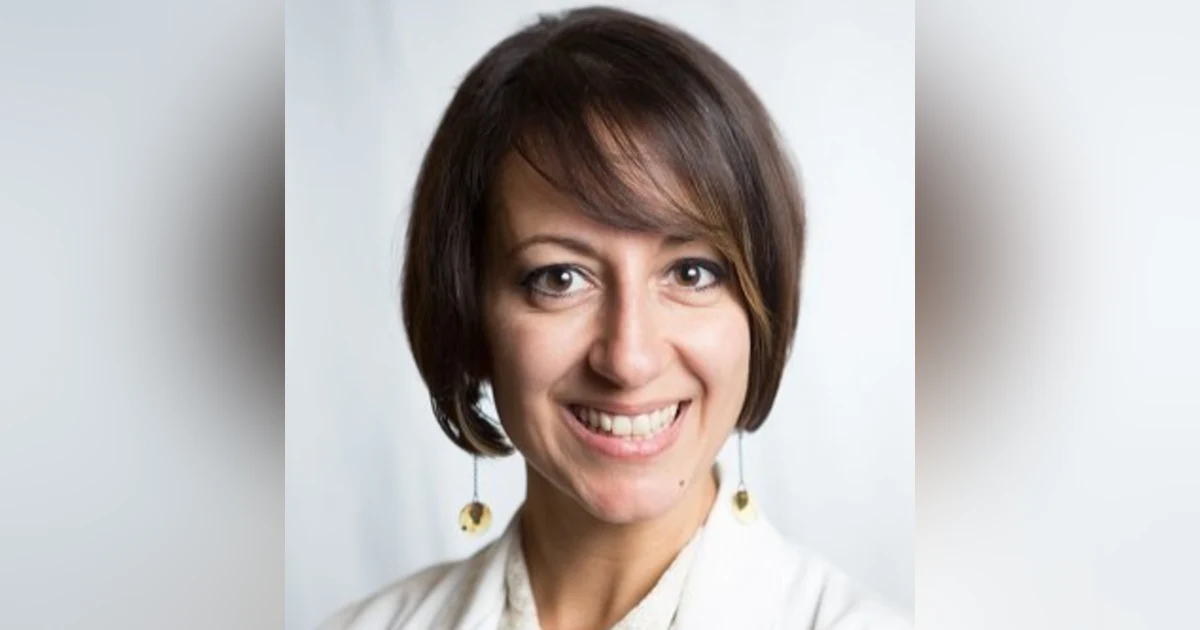

Dr. Lida Fatemi, DO, MPH is a board-certified internal medicine physician, educator, speaker, certified physician coach, and founder of the Conscious Physician Method. A best-selling author and leader in the integration of psychedelics into medicine, Dr. Fatemi has gained national recognition for her innovative approach to healing trauma, burnout, and mental health challenges. Her work combines evidence-based medicine with holistic practices, focusing on helping healthcare professionals and patients rediscover vitality, joy, and balance.
Dr. Fatemi’s personal experiences, including growing up under a terrorist regime in Iran and surviving war, deeply inform her passion for alternative healing methods and her commitment to changing the healthcare landscape. As a trailblazer in the use of psilocybin and other integrative therapies, she has spent over a decade educating others on the potential of these treatments to transform lives and redefine care.
In this episode, we explore Dr. Fatemi’s journey into medicine and psychedelics, the science and culture of psilocybin, and its applications in addressing mental health, addiction, and burnout. We’ll also discuss how these therapies can be integrated into mainstream healthcare, overcoming stigma, and the future of psychedelics in medicine.
Mentioned in the show:
Social Media:
Welcome to Medicine Redefined, a podcast focusing on helping you reclaim ownership of your health. I'm Dr. Darsha, and I'm Dr. Altamashiraja, where your hosts, hair to challenge conventional practices and uncover the stories behind pioneers shaping the future of medicine. Our conversations not only focus on the individual level to dissect common practices for health optimization, but also zoom out to enhance systemic change. Join us as we look to break the status quo, move the needle forward, and put the help back in healthcare. Dr. Lita Fatemi is a board-certified internal medicine physician, educator, speaker, certified physician coach, and founder of the Conscious Physician Method. A best-selling author and leader in the integration of psychedelics into medicine, Dr. Fatemi has gained national recognition for her innovative approach to healing trauma, burnout, and mental health challenges. Her work combines evidence-based medicine with holistic practices, focusing on helping healthcare professionals and patients rediscover vitality, joy, and balance. Dr. Fatemi's personal experiences, including growing up under a terrorist regime in Iran and surviving war, deeply inform her passion for alternative healing methods and her commitment to changing the healthcare landscape. As a trailblazer in the use of psilocybin and other integrative therapies, she has spent over a decade educating others on the potential of these treatments to transform lives and redefine care. In this episode, we will explore Dr. Fatemi's journey into medicine and psychedelics, the science and culture of psilocybin, and its applications in addressing mental health, addiction, and burnout. We'll also discuss how these therapies can be integrated into mainstream healthcare, overcoming stigma, and the future of psychedelics in medicine. This is definitely a very interesting episode, and the first that we're doing about psychedelics, I hope you enjoy it. Dr. Lita, it is truly a pleasure having you here on our podcast. Thanks so much. Thank you so much for having me. It's a privilege. Yes, I'm really excited to talk about psychedelics and specifically psilocybin, but first I just got to tell the viewers who are watching YouTube and maybe you. I'm in the process of moving, so I apologize for all the mess in the back, so pay no attention to that. Today, I actually saw my last patient's residency, so it's been crazy right now. Congratulations. Yes, thank you. Thank you. What are you graduating from? So physical medicine and rehab? Beautiful. Yeah. Yeah. So thank you so much. Exciting times. You make moving look good. Okay. It's all my life. You should see the other room and everything else, so luckily we don't have too much, but there's definitely a lot that's a mess back here. You know, apologies for the distraction, but yeah. We understand. No problem. All right. So let's get into this. So what's interesting to me is as an internal medicine physician, you found psilocybin to use with your clients. Now I think when most people think about psychedelics, they think of it coming from maybe a psychiatrist or coaches who learn about psychedelics and how they can assist with therapies, but tell me a little bit about your journey through medicine and how you came across psychedelics and why you're so passionate about using it to change health care. That's a great question. I graduated residency and I saw a lot of burnout around me. I didn't think I was burnt out until I came out of residency and I was a couple of years into, you know, after a chief year, a couple years into being an attending, I got really burnt out myself. There wasn't a lot of mentorship or coaching at the time that was offered. And you know, at the end of it, it was very dark. It was very, there was a lot of depression, anxiety for myself, which was very new to me. And I had to really dig deep because I wanted to be able to connect with my child. I had, at the time, my daughter was about eight or nine and I felt very dissociated and very disengaged in my depressed space and anxious space, you know. Previously, I was a, you know, very like fun, outgoing mom, like let's do all the things in residency. I had a blast, I was a chief out of blast, I had a great community and support. I did get divorced in the beginning of my residency so I was a single mom for some time. And, you know, as such, you put a lot of feelings, a lot of things on the back burner. I also, you know, during this time, it just, I wasn't myself. I didn't feel like myself anymore. And I, you know, committed to living a better life, to be able to connect with my daughter, to be able to connect with my new partner that I also found in residency. And through that, I also came across psychedelics, different types and including psilocybin, just in, you know, in a safe, loving way of going about it, but not in a way of conscious healing. I didn't know the healing potential of psychedelics until later on. And until later on when I had a challenge and experience with a psychedelic and that brought forth a lot of the fear, response that I had been carrying with myself and the repression of feelings and emotions and suppression of my needs, my physical and psychological needs through life. And it really shed light on how living in war as a child for the first eight years of my life in Iran, and also under a terrorist regime, religious dictatorship, they used Islam as their weapon and, you know, fear tactics. I lived under that for the first 14 years of my life. And I never thought, stashed that. I actually carried any issues with me, any trauma with me, because I had such a loving and safe family, immediate family, who carried us through all of this. And so it was really, you know, surprising to me that, oh my gosh, like I'm carrying these very destructive patterns of fear-based patterns with me all my life. And this was into my mid-30s. And so of course, now I was burnt out and depressed and anxious and I had thoughts of suicide and I couldn't connect. And so after that challenging experience and all these things coming out, I had this separation between me and my fears. And I took a year and a half to integrate and to understand what that journey was about. And it was through that journey of recollecting myself and looking at myself from all these different angles of also getting back into things that I knew worked for me in the past, like meditation, and other things I didn't know worked. But I got into them and I did a ton of research and reading and listening to and implementing into my life and certain things worked really well, certain things didn't work really well. And I paved my way out of that dark space I was in and learned so much about myself. And that's how I created my conscious physician method with conscious life practices. And psilocybin came in a little bit later as a tool of healing. When I recognize the importance of it in my own journey, reflecting back. And so then I started offering it to clients in legal settings in certain states and holding space for people with larger doses in Mexico and other places. And so learned a ton through these journeys, holding space for others, especially physicians. So majority of my clients or physicians in this time also became a coach. So I created my coaching program with these methods. And then starting to use micro dosing psilocybin. That is just such a powerful medicine in such tiny doses. It changes your life and it changes how I was practicing coaching, you know, not medicine as in, you know, with a patient doctor relationship, but as a coach or executive coach, physician coach and client relationship, we could move through obstacles and still do like never before. And so it's now become a very powerful tool for me and for my clients to use. Wow. A lot of what you said to us. Thank you for sharing that. I don't think burnout should be taken lightly. And to me, I almost feel like, you know, we've had episodes on burnout and many people who think of burnout think it's just an external force that is brought on to you, right? But in your case, you talk about how you were brought up in Iran during a war. And there's so much, probably PTSD that can be suppressed or anxiety that's suppressed. And childhood trauma that is suppressed that you've brought on these patterns throughout time that you mentioned this dark side. Now, as you're going through the meditation and you're taking a slow side in and you're doing a lot of this reflection, how much of the dark side that you thought you were telling yourself, right, with just being in this state of reality, let's say, without any type of psychedelics versus the dark side that you now have come to learn through psychedelics or through meditation and being conscious, how different were those? Yeah, that's a great question. You know, it's, I have to think about that, it's how much of it was different. You know, on the surface level, again, you know, I grew up in a very loving family, you know, so was afraid as a child, yes, when I go back and I'm like, oh my gosh, of course, as a six-year-old, when you are going through first grade and people are yelling at you because your hair is showing on their headscarf, like that's crazy, right? And then I learned to quiet myself, I learned to censor myself and to dampen my voice. So then, you know, fast forward to when I'm an award-winning physician at a prestigious university, I was still censoring myself, you know, and so bringing conscious awareness to how I was doing that and why those were the types of switches that started happening for me. And so, I don't know if that answers your question specifically, but that translation is what was happening. And then feelings and emotions, you know, in my culture, it was seen as, oh, you shouldn't have feelings, you shouldn't have, you shouldn't show emotion, you're not a lot of cultures have this, you know, be more of a stoic, right? And then people pleasing, people pleasing, I mean, it's crazy, in our culture, I feel like that's a really big thing that you put everybody else ahead of your own needs. And though it has its beautiful sides to it, it also has that part of, I don't matter as much, so that signaling that happens to the subconscious, and you don't even notice you're carrying that because it's all in the subconscious, it's not in the conscious awareness where I can make changes about it. Yeah. Yeah. No, absolutely. I think the people pleasing is one of the biggest things that our culture shows, you're right, and I'm Indian, and you know, both of those cultures are very, very big on people pleasing, right? From a respect standpoint, from seniors, so I mean, when you're grown up, all you know are people above you, right, and so you're constantly trying to people please until you form that pattern of, this is how I gained my approval in life. And it's funny that you mentioned that because I think now being done residency, one of the biggest things that I've been working on is being okay with confrontation, being okay with holding my ground, being okay with being more conscious about it, right? And you mentioned there's a good side to people pleasing, and there absolutely is. I mean, there's a reason why we chose our professions. But now it comes down to when I choose to help, am I doing it for myself and for the true benefit, or am I doing it because of that approval? And so you mentioned the word conscious. What does that mean to be a conscious individual, a conscious position? Yeah. You know, it is to be aware of the automatic moves, the reactions, the stimulus responses that we have that are based on patterns that we're carrying from childhood, from culture, from how we're raised into, oh, I see that pattern. Is it serving me in this moment? Is it serving my family and my community at the highest level in an authentic way? Instead of, I'm just automatically going through life without really much thought about what is driving me. And so the example you just brought on is that is being conscious, you know, how much of this is people pleasing, how much of this is authentically the right thing to do? Got it, yeah, for sure, wonderful. So obviously what has led you to consciousness is not only the meditation, reflectiveness, psilocybin that has given you some spiritual experiences, let's dive into it. I'm sure the listeners want to learn a little bit more about psilocybin. What may be heard about it, especially as there's a quote-unquote psychedelic boom happening with research, MDMA, medical marijuana, there's a lot of talk about these things being legalized and how they're helping and the usage and side effects. So take us through what psilocybin is in a little bit about the history and culture of it, you know. Yeah, thank you for the questions, great questions. So psilocybin is a psychoactive ingredient found in over 200 different species of mushrooms and it is, you know, in it, it's a trip to mean found in nature all over the globe. Now, in the psilocybin form, it is not psychoactive, it has to be ingested or somehow processed in order to become psilocin and psilocin then goes into the brain and interacts with the five HTTWA receptors in the brain. So it's a serotonin sub-receptor. I believe we have, you know, we have about 16 different serotonin receptors, a couple of them we're seeing, you know, interaction with psilocin specifically. So psilocybin is a pro to psilocin. I see. Okay. What's really cool too is that what we're seeing is that psilocin binds to the serotonin receptors a thousand fold more strongly than any SSRI that we know of. How cool is that? And the other part of it is that once psilocin enters the brain, we also see an increase in BDNF, the brain derived neurotrophic peptide, which is the growth hormone that, you know, helps in neuroplasticity and also creation of new neurons, neuro generation and neuroplasticity. So speaking of these old patterns that we carry with us, either from trauma response or cultural raising or these messaging that goes on and on and on for a long period of time, is when you have neuro generation and neuroplasticity, then if you put attention to where you want to be, you can do that not only from a thought perspective, but your thoughts are now creating new neurons because you have psilocybin on board. How cool is that? So you're forming the neural pathways and new synaptic connections. Wow. You mentioned serotonin. I obviously know what that is and, you know, we talk about the happy molecule maybe. But for the listeners, why is it important that we have to know about serotonin? And are there any other neurotransmitters that psilocin is affecting? Great question. So psilocin, well, let's talk about serotonin. Yes, serotonin is known as the happy molecule. Yes. Serotonin also affects other neurotransmitters like dopamine and cortisol and, you know, in the different neuro hormonal pathways, because everything in the body is connected to each other. Now we don't see a direct effect of psilocybin on any other particular neurotransmitters, other than serotonin receptors. But we have limited understanding of it. We're still an infancy of the research. So, you know, and is it just psilocybin that's doing this work? We still, that's to be found because we have also found four other molecules in psilocybin containing mushrooms, at least for other by now, that do have psychoactive effects in the brain. We don't really know what receptors they work on. And so, you know, the research truly, though, psilocybin is the most common research psychedelic currently. There are thousands of studies going on on psilocybin. We still don't know a lot about it, especially the nitty-gritty, you know. So it may be an entourage effect, you know, kind of like we see in cannabis, it may be an entourage effect of the psilocybin and all these other compounds in a whole plant that is creating these effects. Yeah. Yeah. Very cool. So, I want to get into the neuroplasticity that you mentioned, but I think it might be best to talk about that with the use cases for psilocybin in terms of how neural pathways are formed. But you mentioned micro dosing, and so how is that different than macro dosing? Great question. You know, all of these, by the way, this is all in my recently published book. So if anybody is interested to get into the details, all the science is in there, including case studies and client stories and all of that too. So micro dosing, I'm going to give you the ranges for different dosages so that, you know, we all are on the same page. Micro dosing, what we're seeing is about 5 milligrams to 250 milligrams, okay? 250 milligrams to about a gram, we are talking about mild dosing, a gram to 2.5 grams. We are looking at moderate dosing and 2.5 grams and up, that is what we call macro dosing. When you get over 5 grams, we're talking about hero's dose. That is, you know, when you're on that spectrum, like over 5, it's just not, you're not really gaining a lot from it because people don't remember what they saw or the downloads that came for them, that they needed to integrate in life. So this sweet spot for a lot of people when we're talking about macro dosing is usually between 2.5 to 5 grams and a lot of the studies that you look at, Hopkins at Yale, UC Berkeley and Pearl College of London, it's in that range. Now from a research standpoint, what they're looking at, what they're using is silicon, they're using as the actual substance, it's usually 20 to 30 milligrams per kilogram. That's from a research standpoint. In the community, most of the time, you are using the whole plant. So then that gramage is different, you know what I mean? So the piece of, you know, who bends this versus golden teacher, different species, different strains, I should say, they have different amounts, you know, in the cap versus the body and so forth. So there is a little bit of variability between different strains and so forth. But yeah, that's just the general thing. And then the micro dosing is between 5 milligrams and 250 milligrams. I see, now for the strains, can we liken that to marijuana where you have the sativa, the indica, the hybrids, some of them will make you, you know, a more of a head high versus being on the couch and slow? Is that similar to what psilocybin has in terms of strains? Great question, you know, it does not translate. It does not translate, though there are some strains, like the hillbilly strain, that is more talkative. So if you have couples or natalensis with more, hey, I can actually talk through this ceremony, even at a high dose, so you can bring couples and do couples therapy with more ease that way. But it's not similar to cannabis in that way that you can say, you know, particular strains, you know, our uppers are low, you know, yeah. Yeah, gotcha, gotcha. Okay, well, let's get into use cases. I'm sure the listeners are kind of eager to understand how this works and what you've seen with your clients. So where do we start with psilocybin? Oh, I guess my, I have a question is, how do you get psilocybin, right? I mean, if people are thinking this is not even a regulated industry, how do we know what we're getting is the right product? That's so great. That's so great that you're asking this question because sourcing is a really big deal. And in fact, recently, there was an FDA warning against diamond shrooms that people were under the impression that this is psilocybin containing chocolate bar. And it has no psilocybin in it, none, no psilocybin. And in fact, it was causing really terrible, terrible side effects of seizures and anoxic brain injury and all kinds of issues. So sourcing is extremely important. People were buying this off the street from each other. And then when they got tested, it's, it's not even psilocybin. It's not even mushrooms in it. So one of the companies that's around, and it's their testing center is in Colorado, where psilocybin is decriminalized right now, is called triptomics. And the company that oversees all of it is called psilocybin. Sillow's safe, what they do is that they, you know, they believe in the healing power of community. And they believe that, you know, these, you know, individuals who are growing mushrooms in their own homes, and they're trying to create maybe some kind of small business out of them. Majority of them have gone through their own healing using psilocybin mushrooms. And this tends to be true when you dig in. And so with that, they help these smaller community-based psilocybin growers to test their mushrooms and whatever product they have. They could, it could be tinctures, it could be chocolate bars, it could be edible gummies. And they test them, make sure that it has a psilocybin that they say it has. It gives them the exact breakdown of what it contains. And so it's safe from that perspective. So that is where I would say people should turn to if they're interested in, you know, in learning more about where do I source myself that is safe. That's one. Your other question was stories, right? Stories with clients. Yeah, yeah, who's a foreigner? Some really cool client cases that I've had. I'm going to mention three. One is a female physician who came up, you know, and got connected with me. I don't know how she found me, maybe through a friend on Facebook. And she had been, she's young. She had been suicidal for 10 years every single day. So every single day she, she wakes up and she would be having thoughts of suicide and suicidal ideation. She had been on different medications, antipsychotics, antidepressants, anxiolytics, nothing was working for her. She also tried eight ketamine sessions in Florida and from which she became more suicidal. And so by the time she got to me, she's like, I don't think anything is going to work for me. She was hopeless pretty much, but she's like, you know, and we took our time about it took a few months for us to come to a conclusion of, hey, let's, you want to give it a try. So we started working together and halfway through the program, she was no longer suicidal. And that was after 10 years of daily suicidal ideation. And it wasn't even necessarily the medicine that we had started. It was all the other methods we were using. It was the conscious life practices that we were using. And I'll get into that after I tell you the client stories. But and then you know, after that, we started the psilocybin microdocene treatment with her. And she was wonderful. She did, she did great with all of it. She was able to come off of her SSRI and her antipsychotic with ease. And as such, low doses of psilocybin usually don't see any interaction with other medications and higher doses of macros as you do. And you have to be very careful. But at low, low, low doses, like five milligrams, you don't. So that was a hugely successful story. And I continued to be in touch with her. And she, she's had a few losses in her family, actually, sister died recently. And she's been, you know, connecting with me and she's like, I'm not even depressed. Like I see life as it is, you know, like death is a part of life. And she's able to deal with what comes with such grace and ease. And so she's not like drawn into these very difficult depression, you know, months that she used to have at a time. So that's one, one of the clients story. The other one is she was a, I believe she was in her 40s. She had been diagnosed with pancreatic cancer that had metastasized. She was getting chemotherapy. She was, she had a whipple. She was living with this for about two years. And at this point, they had seen new meds in the lungs and the doctors gave her three months to live. Her albuming was too low to qualify for any other clinical trial. And she was literally dying of anxiety, the fear of death at the end of life. And so, you know, we got connected and she had a six-year-old son at the time. And she got in touch with me and she was like, you know, I just can't believe I'm a person of faith. And how could I be anxious about dying, you know, in this existential crisis that she was going through? Right? And she said she had her curtains closed, her door was put. And she said, you know, in the end of the day, all day long, she would be sitting in her room crying, not being able to connect with her child or with her husband or anyone in her family. And just afraid of dying. And that's all she was doing. She was like, I have three months to live. What am I going to do? So we started the work together. And, you know, with her two similarly, in about four weeks, halfway through the program, she started feeling better. She started, her album and went up by our nutrition plan. Her anxiety started going down significantly. She started going outside in nature with her son. She started playing. She started going to her son's school and holding events and making bracelets with her husband and selling at the local farmers market. Things she had not done in years, you know, and she was no longer debilitated by the anxiety. And so, you know, instead of having three months to live, she lived another 12 months. And yeah, I mean, I can't, it was a very, it's very, it's a privilege to really do this work, truly a privilege. And yeah, go ahead if you have a question. So, you know, a lot of the use cases, it almost, quote unquote, feels like we can put in a bucket of mental health. Right? If we talk about addiction, existential crises, burnout. Are there any, and not to say that those are not somatic diseases, right? Because we know those come with physical manifestations as well. Are there any uses for psilocybin as well for, you know, any other type of, we say cardiovascular, GI distress, any other type of organ systems that we look at that are not typically associated with maybe childhood trauma and reality in the life we live and kind of the stresses that we put on ourselves. You know, I don't know the research, or if we have any research regarding cardiovascular, you know, I had this case recently with who, it's a 60 year old judge who has MS. And he was diagnosed 25 years ago, and about five years ago, he started having a new, new daily persistent headaches, migraine type between five to 10 severity every single day. He was still working, doing all the things, couldn't drive anymore, couldn't, couldn't ride in a car, anymore, couldn't really travel anymore, used to love traveling with his family. Couldn't go to the restaurant anymore because loud noises that would exacerbate the migraine and every single day he was going through this. So, you know, again, we started working together and with all the things we did with all the integrative methods and psilocybin, we have been able to control his headaches for the past eight weeks, he hasn't had a headache. And so, with that, you know, he did not have any child trauma, this individual, now there was the components of not connecting with emotions as, as a male. You know, and we know that that's something prevalent in many cultures, including Western, Eastern, you know, all cultures really, we have the issue of what do I do with my emotions, right? And so, what, you know, psilocybin helps us do with proper guidance is be able to get into the subconscious parts of the psyche and say, why not? You know, why not? Why shouldn't I feel these emotions that I had when so and so died? My mom died and I was an adult, sure, but I didn't really grieve for that. And so, it's almost like an energy stuckness, right? And the majority of us in these, you know, professions, higher professions like medicine, you know, law, all of this were very heady, you know, we're very cognitive and intellectually heavy. And so, when we were working together, I just felt the stuckness of energy in his head. And so, through the work that we're doing, we're doing meditation together, breath work together. And, you know, just, you know, really expanding our understanding of what's happening with him. And he had seen 30 plus specialists, like 50 different medications, he's had ablations. You name it, Darsh, like he's had it. And he was about to throw in the towel and fall for disability. And he no longer has to do that. They just went to a family vacation for a week driving around everywhere. So, you know, is there a ton of research about that? There is some research about migraine headaches specifically. That low dose LSD helps with, that low dose psilocybin can help with. Macrodosis of psychedelics can potentially increase the headache after the medication has worn off in a large dose session. But microdosis, for a long time now, we actually have data regarding that. And, you know, other organ systems, you know, I can tell you that as you suspect, almost all the diseases that I've come across, and I've worked at a very underserved state hospital university program for a decade. And I saw the worst types of mental health and also physical pathologies that come through. And, man, they're all rooted in trauma that is on examine, that is not worked through, rooted in blocked energies that we are like blocking in ourselves. Now it's turned into a cancer. It's fascinating. It's fascinating. And, you know, I put together a psychedelic conference, the first one of its kind at, at University of New Mexico, before I left, about two years ago. And my co-host was the chair of psychiatry. And he was very open to doing this. And, you know, I asked him, I was like, do you believe that? Because, you know, from all the research that I'm doing and the work that I'm doing with my clients and so forth, I'm seeing a crazy correlation, correct me if I'm wrong, in addiction, in physical pathologies, and trauma of the past, it could be childhood, it could be during adolescent at any time in life. But something that fractured that self from itself, you know. And he was like, you know, what 100%. It was like 100%. It is correlated. And most likely, you know, we don't have the research to say it's caused by. But, you know, from all the things that I'm seeing, it feels that way, that's for sure. Yeah, there's that great book, right? The body keeps the score that I have not yet read. But it is on my list, which talks about the physical manifestations and how closely linked our mental health is to our physical health. And so that is why I brought up the question. But this is even actually maybe more appropriate is you mentioned stuckness, right? And today, I actually had a patient who had back pain, fusions in the back, has tried so many different medications, all the different types of therapies stuck, right? Could not get his pain under control. To the point where at our last follow up, we mentioned doing cognitive behavioral therapy with pain psychology. And him being a male, which I think played, you know, a little bit of a factor into this is, no, I don't want to go see a psychologist. You know, how is that going to change my pain? I've seen other people go through this pain psychologist. They said it hasn't helped. And so there's this disconnect between realizing that the pain you feel, you know, causes the mental distress and you get into this negative feedback loop. And so now as we're having this conversation, you know, our health systems across the United States don't exactly support using the psychedelics, you know, in these situations or finding the right providers. But is that a case that you've seen over and over again, where you have something with chronic pain and that they go through psilocybin and actually reframes the way that they think about their own pain and actually can alleviate a lot of this? Because you did mention the neuroplasticity. So I'm wondering to get to touch a little bit about that. Yeah, 100%. 100%. I see it all the time. And not only with psilocybin, but also with the other work that we do, you know, with the conscious life practices, how people are eating, how inflammatory are they eating? Like how much carbohydrates? You know, we have a lot of patients who are just eating carbs all day long. Of course, it's going to increase inflammation, it's going to increase pain. How are we talking to ourselves? You know, are we kind? Are we really critical and unkind to ourselves? And where is that coming from? So source is what really is important. And, Dars, it's also really important for the individual to want to do this work. It's not just based on, oh, here's whatever medication or medicine or psychedelic. If the individual is not willing, and if the individual doesn't see that there is a problem, then it's never going to work. Nothing is going to work. It has to come from within the individual. And sometimes that means that you got to hit rock bottom like I did to then, you know, be like, oh, my gosh, it's time for me to do something. And that something is going to take a lot of effort. And a lot of soul searching and a lot of inner work. And not everybody is ready for that. And we have to also hold space for that. We have to say, sir, I hear you. And if you're not ready to go there, then that's fine. These are the medications I can give you at this moment. If you change your mind at some point, it's possible that, you know, from the research, you bring research in and everybody's ears go up, is that from the research, we do know that, you know, the psychological traumas that we might have sustained in our life could increase our pain. Because, you know, there is such a stigma. Even, you know, it's, this is a great conversation. I really appreciate your insight and depth of knowledge about all of this, too. When I think about it and go back into medical school, there was almost a sarcasm about, oh, right? It's, it's psychological. They made it up. You know what I mean? And now we're looking at it. We're like, oh, we couldn't be more wrong. Right? No, no, no. You're right. No, no, no. You were, no, this is, you know, this psychological trauma is the same. It's body and mind and spirit. All of it is the same. So if you've had that kind of trauma, then it is going to manifest itself in your physical form. Yeah. It's funny, right? Talking about the stigma, right? You know, probably a decade. And even now, a lot of people think that marijuana is, quote, unquote, the gateway drug. And I always, always have to teach attendings, teach faculty and teach other residents or medical schools. Where might be that? Actually, it might be the gateway to the root cause of what you need to learn, right? It's a, it's a gateway to a reality that you have yet to live and understand. And so I'm wondering is before some, before you have a client that's interested in psilocybin, how do you know that they're ready? What is the pre-work that you have to look at? Because I feel like there's a lot of people out there who might say, oh, I'm ready. I can go on this trip. And the next thing you know, they have a bad trip. They weren't ready for it. They went in arrogant rather than competent. And I've talked about this. I did a Tema Scal ceremony in Tulu, Mexico with my wife. There weren't any psychedelics involved, but you know, we were in a blacked out igloo, beating drums. They create a son-of-life environment. And I thought I was probably the most spiritual person there. I thought I had it under control. Next thing you know, I'm always having a panic attack, saying, oh, my God, this is not what I was expecting. I can't see anything. And so how do you gauge whether somebody has that willingness to go into the uncertainty, you know, if it's their first time to go through an experience like this? You know, the first thing is there's no, from the outward, you know, inside that you don't see a perfect time. You know, it's that the individual feels the scrolling towards. Okay. And then, for example, would I do? I screen my people very closely. We go through a whole screening process. There is a discovery called that happens. Let's see what you're about. Let me learn about you. You learn about me. You have to make sure that the guide you have is in harmony with who you are. And if they're not, it's the move on. Go to somebody else. But a lot of people who have come from a traumatized, you know, mindset, they're not very, very clear. So even that is part of the education I do with people. And we never go into a ceremony, just like that. It is that there's pre-work to be done. And if I see commitment to this work, then I can confidently say, fine, let's do the macro-dose session. And then afterwards we do integration together. So it's a whole container. It's not go to a retreat in South America and come out like a whole new person. It could be really ugly when you come back, you know what I mean? Right. Right. Because the support isn't there. And who knows? It's like, what happened? They're working them up for you, you know? Yeah. Things we hold onto. We don't even, we're not aware that it's in the subconscious. And then it becomes conscious. Oh, my God. And if you don't have a guide who you trust in that moment to hold you and keep you safe, man. And in a very caring and loving way, it can be harmful. It's funny. You mentioned that. That was actually my, my next question was, what can people expect in the difference of taking sale assignment when they do it self-administered versus going on a retreat, versus having someone like you where it's guided, especially in terms of the downloads, and then the afterwork that they need to do? Yeah. Yeah. The difference is, you know, still assignment is one of those that I, no one suggests. Like everybody who's, who's got any expertise in the field does not suggest you do it by yourself. Though there are people who do it. Who do it by themselves now. If you are that person, I highly, highly, highly recommend before you even consider macro dosing, go with the minimal dose. Like minimal, minimal, minimal, minimal. You may not even feel it. It will be subperceptive to go with a micro dose. But you are just familiarizing yourself with the medicine, with the plant. This ancient teacher that's been around since the beginning of earth before humanity existed. So there's such sacredness and such wisdom in this plant that we have to honor, honor that. And in honoring the plant, you honor yourself. So you start with very tiny doses. And if you feel like, yeah, you know, I want to dabble in higher doses. You can do it by yourself. And there's some, you know, some people in the community that do it. And that's fine. I'm just of more of a, you know, celestine also opens up social connectivity. And so if you do it with a guide, and it's even sweeter, even, even better, because it is going to open you and expand you. And when you do it with a guide in a macro dose session, if they know you well, which I usually, not usually 100% of the time I know my people very well before going to a macro dose session, then I can anticipate what's going to come up for them. Because I've done this long enough now. You know, I've decade in. And so, you know, we do a lot of work beforehand. They have homework to do on these patterns that I see in them. They're carrying subconsciously. So I'm like this. It's so funny. I was thinking about this with a client the other day. It's like, I'm the mushroom without taking the mushroom. You know, it's like, because I, I've done this for long enough to really see those patterns. And I'm like, ooh, this is where we need to work. This is what we got to do in order to have the clarity that you're seeking through the journey. And so, yeah, when things come up, you know, I do some somatic work during the session. And I get, you know, I have individuals consent. I'm an osteopathic medical physician. And so, manipulative medicine is something I'm trained in. And, you know, just like you said, the body keeps score. You know, there are certain places like, you know, it could be somebody's foot that I feel this draw to work on during a macrodose ceremony. And sure enough, there's a pressure point that needed a release. And here we go. There's a release, you know, then they're just trying. Or they say something of significant meaning to them from, you know, clearing out what they need to clear out from their subconscious. And so, it's a journey that having a guide alongside you really helps significantly with also not just during the journey, but also afterwards in integration. You know, because I'm there with them the whole time. I take notes, I even record their voice, certain things that come up. And yeah, we work together afterwards intensely to see what's come up for them and what's what's alive for them and what they need to work on in their life. Without that support system, there's a 10% chance of an adverse outcome. So, if you're going into it, doing it by yourself, there is that 10% adverse outcome, including panic attacks, including psychosis. And yeah, those are the top two that can happen. Part of that 10% adverse effect. If you don't do it in the proper container. Got it. It's so, so I'm a DO as well. And honestly, I'll see a path. Yeah. I'll see a path of medicine. It's almost a lost art now. I mean, more and more academic centers are using it less and less. And even me being trained in physical medicine rehab, I mean, me and my co-presidents or DOs try to keep it alive as much as possible for those that are interested. But it's tough to implement it, you know, in our healthcare system, because there's so many people that only want to quit 10 minutes, 15 minutes. But as you know, I mean, you're doing this through a journey. It takes time to release the fascia, find the Chapman's points, and you know, find the pressure points that you need. So it's very cool to hear that you truly are integrating so many things, you know, and all those other research back, right? So that's just, that's awesome to hear. And it has really got me thinking about how to integrate my practice in the future. So awesome. Speaking on the side effects, is there any one, are there any medical conditions that people, if that people have, they should definitely not be using psilocybin? Great question. Yes, exclusion criteria in the research setting that we see are the diagnosis or history of schizophrenia, bipolar disorder, any history of psychosis, any history of manic episodes, those are, those individuals are excluded. And I get, I'll get into that too. But, and this is all in my book, by the way, Darish, like all of the researches in there regarding all this, because nuggets. We're going to link your book into the show notes for sure. So, audience can go there to have something by it. Yeah, yeah. So they can, you know, it's nice to have the resource that's real, and it has practical applications as well as the research. And the other relative contraindications, some cardiovascular disorders, but not really, if you are an SSRI, it is, it can dampen the effect of psilocybin, macrodocene, and in a macrodossession, it may cause serotonin syndrome, though the case numbers is like, the percentage is like 0.01%. You know, so is it a true contraindication? No, but the, what we really get concerned about is that the effects of psilocybin are going to get dampened, because the serotonin receptors are, you know, there's blockages there, so there's that. Pregnancy is a relative contraindication. And, you know, of course, you know, age, you know, less than 18, though there are many cultures and tribes in the South American regions. And I'm sure African area 2 or countries where they do use psychedelics as a part of their ceremonial bringing peace into the community since age 8, and they teach them how to use this as medicine for healing in their community. So, but, you know, in the US, it's different in the research setting. Now, the concern about, you know, schizophrenia is very interesting. In schizophrenia, you know, I was reading a study that they have more DMT receptors and perhaps more DMT in their CSF fluid. And that's so curious, you know, it's like as if they're already on a psychedelic walking around, which is kind of, you know, right? Right, right. Iwaska is a component of Iwaska, but DMT is actually a molecule that is natural to our bodies and right before death, it's released. And when we have those lucid moments before death, it's perhaps DMT being produced with the lucidity that comes with it, and then you have death occurring usually in a couple of days. This is getting maybe philosophical, but I've got to ask, does that make you think, you know, if it is more DMT in the CSF that schizophrenia is truly a condition, or is it more of just a stigma that we're labeling, right? Or is it that we becomes schizophrenic when if we are taking Iwaska and that we're on the same quote-unquote playing field as them? Yeah, I think the latter is, you know, what rings more true, but you know, this is how I thought this is, this is not really based in science that we've seen. But even schizophrenia and bipolar, when you really look deeply, you will find in these individuals very significant trauma in childhood. Okay. And so, if you dig deep, I don't know if you know Gabor Mote, do you know Dr. Mote? Yes, yes, yep, Gabor Mote, yep. Awesome, the myth of normal, right? And he talks about in his research, significantly, about where these psychiatric diagnoses came from and why and SSL rise and that really the foundation of our understanding of psychiatry is based on fallacies and that when you truly look into all of them, you know, I've spoken with psychiatrists like from Cornell to Harvard to everywhere and they say, we need to like cross out DSM-5 and write out on examine trauma. But you know, yeah. Now, that said, right? That said, with schizophrenia and bipolar, the things that have worked the best that I've seen in research and people who are doing this work is through embodied and somatic practices. So these individuals tend to need, they don't need psychedelics, they already got that. They need practices that engages them with the moment, with their bodies. So get them to working out, get them to dancing, get them to creating, creative expression through writing, creative expression through painting, get them to being community with others so that they are now here in the physical realm more than, you know, in the other realm. And then nutrition, I don't know if you know about Dr. Chris Palmer at Harvard, who is, yeah, he's doing the ketogenic diet on schizophrenia and some bipolar. Incredible work, you know, like that's really where I see we need more research for that population. Again, you know, I think it's really important to know that, you know, psychedelics are not for everybody. Everybody has their own formula, everybody has a personalized path. And that's what I make sure that I reiterate and iterate again with my clients. Every individual has their own path. Are there commonalities regarding certain things that we carry with ourselves, regarding trauma and our nervous system being imbalanced and things like that? Yes. But everyone's experience is different in life and that has to be honored as well. Yeah, no, for sure. Wow. Yeah, I feel like we could go down the rabbit hole for sure. So I did, I did want to ask about physicians who are interested in getting certified in this. You know, this is something that's becoming more new. I've totally talked to physicians who have been medical marijuana providers and they're saying, hey, that's old school. This is going to be the new school now. But you teach and you have a course, who is it appropriate for? What type of physicians or coaches should come to you to look at getting certified in being a psilocybin aid? So, yes, I have a certification program for physicians and for some therapy groups. You know, last year I certified 20 therapists in New Mexico through my course, which was the path of self discovery and also education of a psilocybin. And if they wanted to try it out, then we went to illegal setting in a different state. And yeah, so it's really for physicians who are looking to evolve their practice of medicine because they see that the medications that we are continually prescribing are just not working for their patients. Or let's say they have chronic pain or fibromyalgia or whatnot. What other tools do we have? Because it's not just medicines. It's not just these guideline based drugs that we have, right? There's so much more that we can offer a human being to live a better life, to live a life that's not just downgraded by pain all day long. And so in this course, we talk about all different modalities. There's like 25 different modalities of tools that we use in our own life, number one, for our self care and to have an experiential with it before we bring it to our clients and to our patients and the clinics. And also, you know, a lot of physicians who are coaches now, they can upgrade their coaching practice, utilizing these methods and also learning about how do I direct someone to take cello 7? Because a lot of people in this community, they're asking about it. I have the, you know, still New Mexico asked me to do a talk for their end of life options. So that is happening mid July. State of Louisiana, I'm working with their addiction recovery program and their law enforcement using the conscious position method. State of Arizona is asking me to help them with their fentanyl recovery program using the conscious position method with psilocybin. I have, you know, recently I met Lamar Odom, the NBA player, basketball player, and he wants to work with me. And, you know, he was able to turn his life around using psychedelics from severe addiction and severe mental health issues. He coded like something like three times and had 12 strokes. I couldn't believe this guy was still talking. Yeah, I was at a speaking event they asked me to come for my book at the psychedelic conference in Las Vegas. And he was there with the guy who connected him with, you know, psychedelic centers to go through his addiction and recovery with, you know, different modalities of, you know, ketamine and psilocybin and ibogaine. But that's for another day. Happy talk about those other medicines to different, different day, but it's powerful stuff is powerful stuff. If you do it within a community that cares with guides that will support you. And for us physicians, like it excites me so much that I get to do this work. I get to spend time with my patients and clients and make them better. That's all we want, right? As doctors, like, I just, and we, I didn't have these tools before, you know, and my own challenges and my own traumas is what brought these tools forward. And had, you know, made me explore more that there is more that there are so many other tools that we can offer our clients and each other and ourselves in our path of self discovery. So, yeah, the certification program is very rewarding and there's observerships and then, you know, the individual physicians or therapists, they, the second half of a day, you run groups. And then there's observerships, there's a paper they have to write and, you know, to check off all the competencies of the program and they'll get their certification. And we'll definitely link your website to because that syllabus is very extensive. It looks amazing as I was going through and I was like, I got to do this in the near future. So we'll definitely link down the show notes for easy access. So it seems like you're already integrating these things into the health system working with governments. How do we change minds? How do we break the stigma? How do we become more pervasive with this and get more and more people to accept it, especially when we integrate it with the health system? Yeah, you know, talking about it and really coming from an educated space, you know, don't perpetuate misinformation or information you haven't checked with someone that knows about it. Or, you know, over the years I've been checking online, you know, Google once in a while, over I go on PubMed and I'm like, oh, there's so many studies. Go on PubMed, go on Google Scholar and like check, check to see, is this a real thing or is this something that people made up in because of, you know, some stigmatized some information or is it, you know, or reach out to me. I'm happy to answer any questions. I've been in this, you know, in this realm for about a decade now. And so I've seen all of it and I've seen when there was nothing to now. There are like thousands of studies coming out. But yeah. Yeah. Is there anything you're excited for? Is there any type of questions you want answered by the research? Where is the world of psychedelic and psilocybin heading? Yeah, thank you for that. I would love to see more studies in the micro dosing realm. There is do you know Paul Stammitz? Sounds familiar. Is he part of maps? You know, he, I think he's, I'm sure he's done some work with maps. Rick Doblin is the one that, that's, you know, created maps, but and he was on my podcast actually. Yes, I saw that on your website. Oh, yeah, yeah. So no, but Paul Stammitz is the world's most famous my college. Oh, yes, mushrooms. Yes, yes, yes. I seen the documentary on Netflix. Yeah, mushroom, the mushroom guy with the hats, right? Yes. So he stars in the fantastic fun guy, um, documentary. And he's just an awesome guy. He's just doing this because he's got to do this. Somebody's got to do this. And he's like, I love this. And, you know, let's, let's change humanity and like save the planet. That's this whole thing. And I love him for that. And you know, that's, that's the, that's what I'm doing too. That's what I'm trying to do. And so he has this website called microdose dot me. I think it's a really great website to go on and just see the effects of microdosing. And he has like, you know, a few years ago, I checked in. There were like 14,000 entries and it is all anonymous. And I just checked a few days ago. I think it's like 28,000. So it's doubled in about a couple of years. You know, people entering their own information on microdoses and so forth. He also has a group who are not microdoses, but they enter the information and it's great. Um, and so on that, you'll see the analysis of the data of why people are doing it. What education level they have. So it's really fun to just like watch that happen and see what it's bringing to the community and why people are doing it. In fact, in one of his talks, it was talking about how microdoses and people who have used even just one time session of psilocybin that there is an 18% less likelihood of domestic violence. I mean, that's crazy. Amazing. It's a 20% decreased violence like in our communities just with psilocybin. There is no side effects, you know, unless you are meeting this exclusion criteria, but, um, that's sort of that. I mean, it just makes you a better human, better person and makes you more connected to yourself and to others. Um, yeah, social connectivity is something that's huge with psilocybin presence, decreased anxiety, calmness, um, mindfulness, being able to be present and focused because you're not in your mind, just going a mile a minute. Um, so yeah, it's, it's honestly fascinating, fantastic. The more scientific research we have on it without rigidity. That's the key to it. Let's not be rigid. Let's not make it into a rigid. It has to be an extract for me to give it to a patient. No, the whole plant has a lot of wisdom to give us. Let's not become from a so-called reps again, you know, which we have been for so long. Um, but to really connect with ourselves through the plant and through nature and see the sacredness of the medicine, you know, and honor that and honor ourselves and return. Um, and you know, have remember that the magic is inside of each one of us and, um, and that's really where it's at. And these are medicines to show us the way to ourselves and their powerful. And so seek guidance and expertise if you are considering. I know we're coming to a close here, but I've got to ask, do you feel like there is, you know, maybe a higher purpose or do you feel like there's a true purpose for why psilocybin has been put on this earth? You know, for humans to try to explore reality and the universe and like, you know, what does it mean to you? How do you? What do you take out of the psilocybin? You know, if you know what I mean, what is the purpose of it being there? Yeah. Yeah, yeah. I really do believe that. Um, it is a tool for our evolution on every level from spiritual spirituality to everything. I mean, everything else, you know, comes from that. Um, and connection to ourselves to be able to hear the whispers within that for so long, we, you know, block out. And now they're coming forward and they're like, hey, I'm here and listen to me. And once we learn that, once we turn our heads that way and we say, I hear you and I listen to you and I will go to where you're telling me to go because that's where, you know, the truth is, but you have to clear out a lot of call webs to get there. And that's what psilocybin does. Amazing. Well, Dr. Lido, where can our listeners find you? Where are the best resources that you have that they should go to to learn more? Awesome. My website is really the best. It's got all the information. It's Dr. Lido Fatemi.com. I have a newsletter that comes out once in a while. I have a podcast that comes out by monthly. It's called the cautious position method or the cautious position medicine and psychedelics. I have a bestselling book that came out in February and it's, you know, I've had several speaking events for it and it's, it's really my program in a book so that I could make it more affordable and accessible to communities at large. And so yeah, you can buy a signed copy off of my website or you can get on Amazon and yeah, everything that we said and more stories and more information is even in the book. So yeah, thank you so much for having me today. Absolutely. No, I want to thank you for your passion and purpose. You're teaching an education here. I mean, you can tell that you're truly passionate about this and that rubs off and, you know, I definitely want to get more into this space and learn about it because like you, I think there really is a deeper meaning. And I think we can really change the perceptions of how people choose to live in this world, especially as it gets crazier and especially as we turn to external forces, artificial intelligence. We have an epidemic of loneliness, you know, as well. So bringing back that social connection, bringing back servitude and gratefulness in humanity. I think I think it's very important that for physicians to speak about. So thank you for your time coming on to this podcast to educate the listeners as well. Do you have one last question for you that we ask all our guests and that is how do we put the health back in health care? Man, great question. Bring it back to yourself. It's all we got to look at ourselves in the mirror and that's how we can do it. Love it, love it. Well, Dr. Lita, thank you so much. This has been very informative. I'm excited to see the response and hopefully we can talk more, you know, about other psychedelics and purpose, philosophy, whatever it might be. So thank you so much. I love it. Thank you. I appreciate you. Thanks for listening to the other episode of Medicine Redefined. If you enjoyed this episode, please be sure to check out some of the additional resources in the show notes. Please also check out our social media platforms where you can find more content like this. You can follow us on Instagram, Twitter and TikTok at Med Redefined. We also want to thank our team for the production of this podcast, specifically Ethan Jewel in video, Harita Yeporian social media, Zana Blugmani on research and Sara Khan for newsletter. Oh, and if you want to get similar bite-sized information delivered to your inbox every Sunday, please be sure to sign up for our newsletter. Also, if you enjoyed this show, please be sure to subscribe, review and share with anyone who you think will gain value from this as well. Now, time for the ever so important disclaimers. This podcast is intended for general public use and is for educational purposes only. It does not constitute the practice of medicine nor should be construed as medical advice. No physician patient relationship is formed and anything discussed in this podcast does not represent the views of our employers. We recommend that you seek the guidance of your personal physician regarding any specific health related issues.