

 Apple Podcasts
 Spotify
 Castro
 RSS Feed
 157. Digital Therapeutics vs. Digital Health, Patients Turning Into Consumers & Keeping Up With Artificial Intelligence | RJ Kedziora
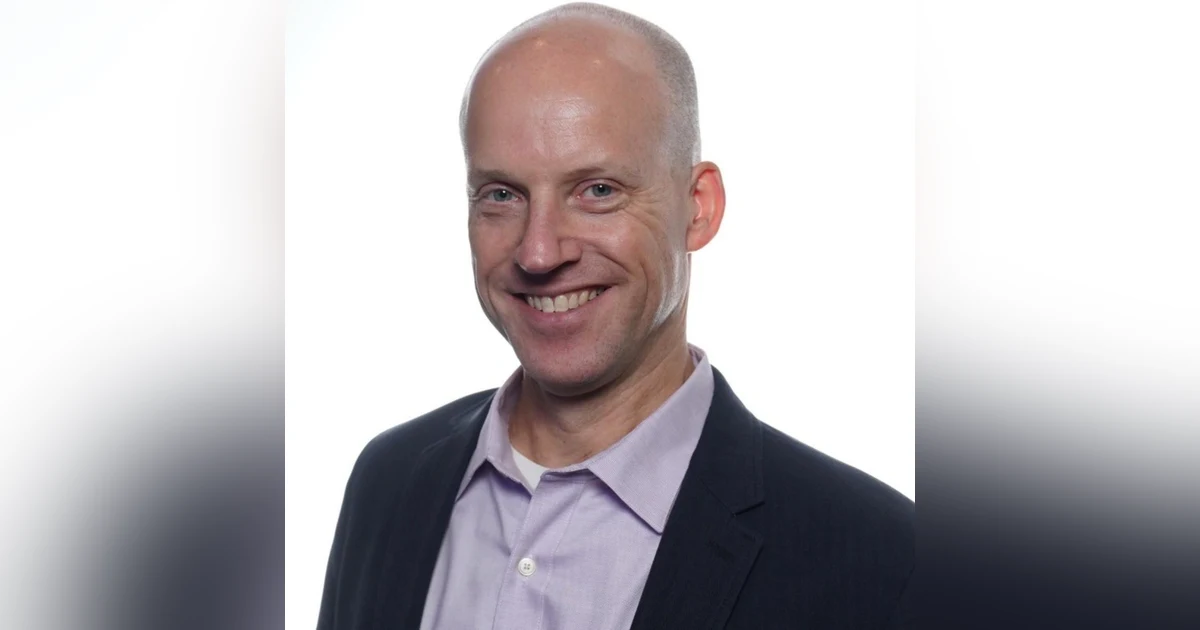

RJ Kedziora is the co-founder of Estenda Solutions, a leading company specializing in custom software and data analysis for healthcare and medical companies. With a remarkable journey spanning over 30 years, he possesses a deep understanding of designing, developing, and deploying successful software projects. His extensive experience enables him to provide valuable guidance and innovative insights, resulting in cost-effective solutions that improve patient outcomes.
Mr. Kedziora received his M.B.A. from West Chester University and a Bachelor of Science in Computer Science from Duquesne University where he received the Excellence in Computer Science Award. He has spoken at numerous technical and healthcare conferences on a variety of topics and written or co-authored multiple articles focused on healthcare information technology, several published in peer-reviewed scientific journals.
Social Media:
Mentioned in the show: The Price We Pay Instagram - Dannah_Eve (Safety Tips)
Welcome to Medicine Redefined, a podcast focusing on helping you reclaim ownership of your health. I'm Dr. Darsha, and I'm Dr. Altamasharaja, where your hosts, hair to challenge conventional practices and uncover the stories behind pioneers shaping the future of medicine. Our conversations not only focus on the individual level to dissect common practices for health optimization, but also zoom out to enhance systemic change. Join us as we look to break the status quo, move the needle forward, and put the help back in healthcare. Our guest today is RJ Kedziura. He is the co-founder of Estandas Solutions, a leading company specializing in custom software and data analysis for healthcare and medical companies. With remarkable journey spanning over 30 years, he possesses a deep understanding of designing, developing, and deploying successful software projects. His extensive experience enables him to provide valuable guidance and innovative insights resulting in cost-effective solutions that improve patient outcomes. RJ received his MBA from Westchester University in a Bachelor of Science in Computer Science from Duquesne University, where he received the Excellence in Computer Science Award. He has spoken at numerous technical and healthcare conferences on a variety of topics and written or a co-authored multiple articles focused on healthcare information technology, several of which are published in peer-reviewed scientific journals. In this episode, we'll touch on a variety of different topics, mainly what the difference is between digital therapeutics and digital health. We'll also talk about the current transition from the culture of patients to the new culture of being consumers. And then we'll also talk about healthcare and big tech. We'll talk about electronic medical records, cybersecurity, the pros and cons of AI. And last but not least, we'll also touch on what physicians can do moving forward to keep up with the trends as technology evolves. Make sure to check out the show notes, because RJ will be holding a webinar on driving quality in digital health and the role of generative AI in testing, which will be held on Friday, June 14th at 12 p.m. and you can find that link in the show notes. Enjoy the episode. RJ, sir, how are you? I'm doing great. How are you doing, Lars? Doing well. Thanks so much for coming on to this podcast. In previous episodes, we've definitely touched on digital health, digital software. But I think the angle that you provide, you know, you being kind of getting your hands dirty in this field, really working with companies to promote digital health and digital therapeutics, actually a word that I've never heard before, which I'm interested in delving into. But before we do all that, why don't you tell the listeners a little bit about yourself and how you got interested in this world of digital health, digital therapeutics and software? It absolutely, I look forward to our conversation that one of the challenges is, you know, that word digital therapeutics is, it's not exactly new, but newer and out there kind of thing, really trying to get the word out there, but a standard is a company I co-founded in 2004. So we've been in the world of digital health before, it was called digital health. You know, my background, I came up with a com side degree software developer, hardcore coding kind of thing. And then quickly realized coding is in software development, digital health software, is much more about people process than really just the code. The code, the tech is obviously very important, but there's so much more to that picture. So you know, started working in the pharmaceutical arena and then it was like, okay, how can I do more, and with a good friend Drew Lewis started a send of back in 2003, and got our start with a diabetes disease management solution for military health care, all things. It was a congressional grant, Drew happened to some of the folks at the Jocelyn diabetes center, who 20 years later we are still working with today, which is, you know, long term, you know, 20 plus year clients. And that was the first probably 10 years of our existence. It was very focused on diabetes related solutions, grant-based research software, with PhDs doing some R01, you know, random clinical trial, randomized clinical control trials, lots of publications. In the second half, like the last 10 years, we've continued that focus, but also have mixed in more of a commercial flavor to it, where we do work with Fortune 50 medical device companies, some startups, other organizations helping them develop solutions that they are taking to market or use internally in case of, you know, Jocelyn or a healthcare system, where they can improve their patient's health. So it's been an amazing journey and looking forward to it the next 20 years, right? Yeah, for sure. I mean, you've been, you've been at it for quite some time. And I feel like the public is now starting to get to know a lot of these companies and newer companies and other companies that fail, but we're definitely in this era where we're just seeing so much innovation with health. Is there any specific reason that brought you towards the healthcare field? It's a sense of giving back and making a difference. You know, I got my start really in that pharmaceutical world and could see what was possible through the drug development, but I was not the biologist, the chemist, I was, you know, the software developer. And seeing what I could do as an individual, if I could develop solutions, help other people develop solutions, and I can have a pretty big impact on population, not just individuals on populations, right? And for me personally, it was just the drive to solve problems. Healthcare is perhaps the last industry to really embrace data. There's always been lots of technology in it, your MRIs and those types of things, drug development, but data is really really coming into its own now. Yeah, yeah, for sure. Well, let's dive right into it, right? So why are we having this podcast episode? What are some of the issues, you know, come with digital health, digital software as it continues to expand? Yeah, it has, you know, as I look at that 20-year journey that I've been on with digital health, and we were lucky in that we started with military health care, the VA, the Indian Health Services, who we still also work with today. We were lucky because they had medical or electronic medical record systems. So they had data, and it was trying to figure out what to do with that. And it was the early stages of like heart rate monitoring, and glucose meters were definitely out there, but it was finger sticks. And you don't get a lot of data from finger sticks at heart, so I'm going to prick your finger, how many times you really want to do that. So in those early years, it was like, okay, how do we make sense of this limited data? How do we drive decisions based on the small amount of information? Fast forward. Now we're overwhelmed with data, you know, doctors, nurses, health care practitioners. This is so much data you don't even know what to do with anymore. And there are still challenges in getting to that data. So now, you know, almost everybody has an electronic medical record system out there. There are laws on the books, and they're starting to be enforced too, around making sure those developers of medical records are sharing that information. That is, it is accessible to individuals and other companies to be able to make sense of that information. So, you know, now, as I look at, you know, digital health and those challenges in where we're going, I look at it a couple different perspectives. From, you know, the health care practitioner perspective, just what is available? You know, there are probably 300,000 digital health solutions out there. Dozens of different devices, wearables to measure that data. So, you know, health care practitioners are overwhelmed with that data. And they don't have a lot of time. You know, if I go to my practitioner kind of thing, I'm lucky to get 10, maybe 15 minutes, because they got to move to the next person they get a bill kind of thing. So, there's definitely challenges around that. How do I use those? Is that a health care practitioner? The availability of that data I talked about, you know, a minute ago. But then also, just from the business perspective, you know, how do these things get paid for? How do companies, when they develop these solutions? And it can cost a lot to develop these solutions. How do you get paid and reimbursed in a way that makes it a viable business model? Health care is, there hasn't been really any, you know, when you think of like startups and venture capital companies as they want to invest in a corporation, you know, those early years or, you know, low volume, low dollars, you want to experience that hockey stick effect. We're all of a sudden it's, you know, going to go off through the roof and you're going to make tons of money. It doesn't really happen very often in health care, you know, solutions are very often siloed, you know, targeted at a couple different health care systems and variety of reasons. But there's challenges there. It's like how do you go through that reimbursement and make a viable business model that the venture capital people particularly are intrigued? Yeah, this is really cool because you're in the middle of health and medicine as well as the business side when it comes to these companies, right? And so when it comes to the health care side, I mean, I struggle with this almost on a daily basis is when we prescribe, when we see patients, we're always told to look at the data and I could imagine for primary care physicians who want to give the best, you know, value-based care to their patients, it's, well, which data do I sit through? What's the most important data? And then where do I source that data from? Because like you said, I mean, I can look at somebody's wearable or I could look at a automatic blood pressure cuff. Well, which one is now starting to become more accurate? And so these questions start to rise, you know, in our everyday jobs. And then also from the business perspective, I'm sure you're trying to create software that captures, you know, the specific audience or maybe even a broader audience so that you can answer the right questions if you're looking at a generalized population versus a, again, like a specific population for diabetes. So it's really cool that you get to be in this middle and really facilitate almost like a seesaw between the two. So you mentioned the word digital therapeutic. Now, is that the same thing as digital health? It's a great question. So there are probably, I think in reference to 300,000 or so digital health applications out there. There's dozens, maybe, you know, we could count hundreds of digital therapeutic applications out there. And I think of the difference between the two types as you think about supplements versus medications and drugs that are actually reviewed and approved by the FDA. So digital health applications fall into are similar to supplements. There's some idea that they work, you know, can provide benefits, but, you know, not that really conclusive evidence. Where digital therapeutics are evidence-based and have extensive clinical trials behind them, and very often the FDA is going to review and, you know, say, hey, this is okay to sell out there. And it's about those cleans that you're making as a company. You know, if you look at the supplements that, like, this is not intended to treat your diagnosis, and that's what a general digital health applications. The digital therapeutic applications are intended to treat alleviate diseases and solutions kind of thing. So it really makes it a difference. And that's, as a term, it's probably 2016, 2017. There's now the digital therapeutic alliance is out there to really help promote this industry. Last year, the ISO organization, which drives standard definitions of terms and things like that, came out with their first, especially approved definition of digital therapeutics. So it is a very new term and concept. And, you know, I talked about some of the challenges in digital health, and in my opinion, that's where digital therapeutics are trying to make a difference in trying to make an impact in the world of the healthcare. So you think about, okay, they don't have a lot of evidence. Well, digital therapeutics are, you know, evidence-based, have a lot of clinical validation behind them. So check, how do I get paid for the development of this application? And the idea is, once it's FDA approved, it can be prescribed to a patient and covered by your healthcare insurance. So now, you know, a patient doesn't have to pay $5 a month, $10 a month for use of the app. It's going to get covered for, you know, a different, price different threshold from that insurance company. The challenge still here in the US, though, is that reimbursement. So the federal government and CMS and those guys have not set any standards or benchmarks out there yet. They basically said, we're not authorized to do this at this point. There is legislation floating through Congress to change that picture to allow them to do that. But in the absence of that, some states, some health insurance systems, UPMC in Pittsburgh, Pennsylvania, they said, we're going to cover some of these as part of our health plan because we see that there is evidence that they do make a difference. So that's slowly changing. You know, we've got a little ways to go there. Unfortunately, last year, one of the major suppliers, parotherapeutics and bankruptcy, sort of put up a little fear in the industry and the insurance companies is like, hey, if we invest money and cover this to this company going to be around for a while. So, you know, we're in the early stages. That's going to change in looking forward to that to what everybody can do and is we help people out there create their solutions. Yeah. So when you say the word digital, I immediately, what comes to mind is something on the screen, like an app, right? But like you said, there's FDA approval and treatment. Now, when I think of the word treatment, I'm thinking of someone or something actually going and making a physiological change to my body. So are there any examples of digital therapeutics that you can give? Or am I thinking of this actually? Is there more to it that I'm missing? Yeah. You're on the right track. And a lot of the conditions that are treated by digital therapeutics are, you know, mental health related. So depression, PTSD, common things, anxiety, depression, pain management, and then you also get into like the chronic disease management of hypertension, diabetes kind of thing. But yeah, it's altering. I'll say, you know, I'm not a doctor. I don't play one on TV kind of thing. As we develop these solutions, we are partnering with the doctors, the nurses, the PhDs, you know, to drive these solutions. So well, I, you know, love talking about them and help create these solutions. We definitely rely on the experts and the medical experts in their experience. But yeah, it's through that in games are frequently employed, particularly as these solutions are targeting younger children. As playing a game can help reduce your pain, reduce anxiety and depression kind of thing, which is crazy to think about. But it makes a difference. Yeah, absolutely. Yeah, no, when you mentioned the mental health aspect, that's where I was like, yep, Bingo, that I've definitely seen that from a game standpoint, or reduction of pain standpoint. And like you said, the data is there to show that, hey, we're seeing these reduction in XYZ symptoms. And so we can definitely like approve these things now. So that's super cool to see. Playing a game is fun. So it doesn't feel like a treatment, you know, I think one of those challenges in this digital health world and stuff like that, it does take an effort to do this thing. You're not just popping a pill, taking a pill or medication kind of thing. That's very easy to do. So there is more engagement that has to be done, you know, by the on the side of the patient to use these tools. But if it's a fun game, you're going to want to play. Yeah. And so would you say that the purpose, not the main purpose, one of them for digital therapeutics to get them on a screen is not only being more accessible, but for the fact that, hey, there probably are less side effects. I don't know if that's something you've seen, you know, throughout your work with companies, but is that one of the aims that, hey, we can change physiology through a screen. And we were able to quote, unquote, biohack almost, but not necessarily biohack. But we don't have to give a pill that may have these side effects. Yeah, I think there's definitely that aspect to it. But also, from my perspective, as I got into healthcare and developing these these apps and systems for different organizations, there's an obesity crisis in America. There's a mental health crisis in America. There are not enough people to be able to treat the incidents of these conditions that are out there. It's just not possible. My wife happens to be a pediatric nurse in the greater Philadelphia area. There are, you know, available mental health professionals for children, but go to rural Pennsylvania or anywhere in rural America. It gets harder to find those individuals. Virtual visits help, but it still just don't have enough people to be able to provide this care. So we can create a game digital. Most people, you know, more and more people have the smartphones. It's a lot easier to get into the hands of those people. That's where that knowledge and the distribution of like, hey, these things exist has to be improved. Right. Yeah. And I think it just sparked this idea, not idea that started me that as technology continues to evolve in healthcare. I mean, since COVID, we've seen a big jump in healthcare providers leaving the standard model of healthcare, right. And either moving cashmays or moving their practice more towards coaching or even using technology and gathering this data and then prescribing differently than they normally would. And it just makes sense when you're talking about this evolution of digital health and what it can do, right. Because there absolutely is a shortage going on and even more so now since COVID occurred. So as we move, it seems like we're having this transition from patients more towards consumers. Any thoughts on that? Anything that you have an expertise on that, you chair? Yeah. I think it is definitely true. As consumers, we are becoming more used to the idea. We're expecting more of our experience because it's being led by the smartphone and the app developers out there, the technology developers, the experiences we're having in the real world for myself. I'm coming to expect that. When I go to my provider, I want to be able to give my wearable data and say, hey, what do you think of this? How can I live better? I talk about living to 100 with a good quality of life. It's like, okay, help me do this. How can I do this? Really in the comfort of that? You think about when you, from that consumer perspective, you go to a supermarket, Target, Walmart, you know, Acme, wherever you're going to go and Acme here in the Philadelphia area. You know, we marketers know like when you walk in like, you're going to turn to the left. You're going to look, you know, and buy products more that are in the middle of the shelves because that's that your online is opposed to high up or down low. So they really know how to position these products. You know, I saw in a comparison of an ad today it was for FedEx and they were talking about a FedEx ad without a clock or with a clock. And even though we're not aware of that clock being there because that clock is then at other ad, we respond more to that second ad. So how do we apply these principles that are very well understood in other industries to the world of healthcare and bring that? And really treat us as consumers. How many times do I have to provide a healthcare practitioner with my medical history? It hasn't changed, you know, you know, are my parents still alive? Did they have cancer? You know, are my brothers and sisters still alive? You know, what are their comorbid conditions? I've answered that tons of times. A lot of that information hasn't changed, you know? So how can I make that more streamlined? What are some of the potential downfalls that you see from this insurgents of digital health? I mean, to me, it seems like when you, because I never knew the difference between the therapeutic versus the health, right? And I've been engaged in a lot of digital health as well as my co-host and so many other people I know, right? Getting a boop, getting, tracking my calories, getting data left and right about my heart rate, sleep, all these things, and that's going to force me to change my behavior somehow. So I'm truly a consumer, and I'm truly going out and buying products to enable me to reach better scores or reach better quote unquote health based off these apps. Are there any downsides that you see in addition to that? Or is that even a downsider? Is that something that's necessary at this stage in order for us to move forward? I think we need people to push boundaries, but that said privacy is a major concern. You do as develop these solutions and put them on market. It's a huge conversation we have, I talk to, I don't know how many lawyers, privacy lawyers. Again, not a lawyer, don't play one on TV, but you know, talk to a lot and okay, how can we develop this solution, get it on market, and being aware of the privacy issues, and everyone thinks, hip-a-hip-a-hip-a-hip-a-hip, but first, which is very important, but even if you're not interacting with healthcare professionals, you know, the FTC still has oversight of just privacy. And so I've had these conversations with various different startup organizations over the past. I'm like, we're just going to go direct consumer. There's going to be no doctor involved. I don't have to worry about hip-a. Like, no, you don't have to worry about hip-a-hip, be still worried about data privacy and the cybersecurity and make sure that nobody's, you know, hacking your systems and getting this data. So there are concerns of privacy, you know, like we said, there's an obesity issue here in America, mental health issues, you know, there are very strong privacy, you know, reasons around that. I don't want people to know that I might have depression or when I'm flying for a job that I might have some attention deficit challenge going on. I don't want my potential employer there, but I'm like, Google, hey, what is RJ Hap going on behind the scenes? You know, so you do have to be aware of those things. But the power of the data is, it's exponential. And that's one of the things that I talked to clients and stuff like that. Once you have this data and we can start analyzing, just lightbulb is going to go off and you're going to find all sorts of new things because it's dangerous. Yeah, not to get this too much into the weath of politics, but I don't think people realize how much data about health can be used as a weapon, right? I mean, when you can understand the country's data when it comes to health and another company has that and they can sell that data. I mean, there's so many things that you can do. Like you said, from the consumer level, for marketing, these sub-livenal messages, from just a standpoint of changing behavior. And that's something that I'm always trying to recognize. I know there's some genetic companies out there that I won't name that have been selling their data, our data. You know, if you choose to do so. Sure, you get some information, but I think the data to them is more valuable than the information you're actually getting. So, yeah, it's a fair point, which leads me into cybersecurity actually, right? So this is something that I think we're seeing more and more like a lot of hackers going into electronical medical records, especially a bigger company or bigger health systems. What is the reason for that? That it comes on the economics. That data is valuable. Your healthcare is more valuable than your credit card information because of what you can go and you can use it to, you know, pretend you're an individual and get drugs prescribed, you know. So, yeah, when you look and you start investigating the dark net, you know, healthcare data, you know, these hackers do resell that information that's worth more than just your, you know, a simple credit card number kind of thing. And because it is, you know, we see more and more health systems are being shut down because of hackers, unfortunately, kind of like, because they realize that's the importance of this and, you know, hey, here's an opportunity to cyber security is a is a ongoing challenge. It's a race, you know, it's always going to be this ebb and flow between hackers and the people trying to protect the systems. And it's one of those things when you even think of the ports of, you know, shipping coming into the country kind of thing, you know, the hacker has to get it right once. We have to get it right every single time. So it's definitely a difficult challenge. And the industry is responding to that. You know, the regulations here in the U.S. and abroad kind of thing are increasing the FDA, while for a long time was requiring cyber security guidance and plans, you know, it wasn't official. But now it is very much official that if you go to the FDA to get your product, you know, look that you have to have a cyber security plan, you know, as first step, like what are you going to do to take care of cyber security? So the industry is responding to any kind. Yeah, I think in the TV shows when they show a hospital system getting hacked, it's always, I've got this person hostage or I want like $10 million. But I think we now know that the data that they sell is probably worth more than that. So it makes sense with their after. They're not they're not just out of the money. They're after the data, which leads up David and money. Is there anything that the consumers can do whether it's whether they go for a doctor's visit, whether they're downloading an app that's related to fitness? Anything that they can do to really secure their privacy or take certain steps? There are common sense approaches that everybody should be using. You know, passwords being, you know, the biggest one that's as different sites get hacked in lists of common passwords are released, you know, it's always, you know, one to three for five, or my passwords password, don't do that. But what's interesting too and various different researchers have pointed this out in terms of password complexity, you know, the gobbledygook that a lot of people sort of say, oh, you use this gobbledygook and you're never going to remember that. So you wind up writing it down and then that becomes problematic that you're not going to remember this. Or, you know, you don't want to use the same password over and over on on the same same website on different websites because then if one's guest, then it's going to be easy to to guess there's others. So, you know, common approach I've used in like see other people, you know, the longer that password is, the better off you're going to be because, you know, computers as they get more and more powerful, it takes less and less time for them to just hack with brute force, try every combination of letters kind of thing. So if you can use something longer like a phrase, you know, but not making it personal like, you know, don't do something like, my dog's name is Bob, you know, it's a little too weird kind of thing but, you know, use a combination of words and, you know, that you're much easier to remember and throw in some numbers and those special characters kind of thing. Do five, six works that are easier to remember for you and you're going to be better off. Be aware, you know, just the, you know, when you're looking at your email, make sure you know where that's coming from and now text messages and video messages. It's, you know, it's particularly with the advent of AI and the ability to copy voices and things like that. You know, I'm not really fearful or in danger that I'm going to be kidnapped anytime soon, but, you know, my parents are elderly and, you know, potentially could fall victim to one of these targets where it's like, you know, hey, we kidnapped your son RJ, you know, and they could clone my voice. I'm like, we're sitting here on this podcast talking so my voice is out there. You know, yeah, so we have a family safer. Like if I don't say this word, then, you know, it's not me kind of thing to help alleviate that. So, you know, yes, I think that's a little paranoid because I don't think I'm really going to be kidnapped or my parents are really going to be, you know, the victim to this, but it is happening more and more and more. You know, it doesn't have to happen to a large number of people to, you know, make it worth the hackers time. Yeah, no, those are great strategies. And actually, the second person, I, well, I saw somebody on social media talk about having a family safe word, I think the word they use as pickles, but it was, she talks about how growing up, it was, it was such an advantage to having that. I mean, if she went over to sleepovers, she'd be able to call her parents and use this word or, you know, whatever danger she might be in or if she felt uncomfortable. And I think you're right. I mean, we're hearing it on the news about these stories about hackers cloning voices. I mean, there's songs out now where they're using AI of old rappers or old singers and putting them into modern day songs. So the technology out there is crazy. I'll have to find the Instagram name and I'll put it in the show notes for the listeners, but she has all these videos about how to be street smarts and how to raise a family with a lot of these key key points. So I definitely want to come back to talking about AI, but I want to stick to the theme of transitioning here in regards to healthcare. So one of the things I've always learned from our podcast guest is that 20% of a patient's health is due to the direct, you know, direct interaction of the physician itself. So in the office, the medications we prescribe, the physical exam, and 80% of it is the social determinants, everything outside of that. And so now when we get into this age of remote monitoring, and when we think about value-based care, how much is this really going to make an impact towards how we take care of patients? I think there's sort of two sides to it. One, how are you going to take care of this patient and where you focus? But the other side is on that individual as well. How can they change their circumstances? And that's not always easy. But what can they change about their behavior? Social determinants of health are very wide. So what healthcare do you have access? What's your physical environment like? Do you live in a food desert where it's just really difficult to get good, healthy food? There's things are hard to change, and that's where as an industry, if healthcare continues its movement towards value-based care, then you as a physician can prescribe better food. It's like instead of eating the honey nut Cheerios, have an apple or an orange or eggs for breakfast. Something that is healthier to eat, and that's what you're prescribing that, as opposed to potentially a drug. It's like, okay, drugs are expensive. Everyone's now with the obesity, GLP1, GLP1, but they're expensive, right? And there's a lot of side effects. But if you can prescribe a good nutritional diet, food, you know, you can make a difference too in the world. And yeah, so the social determinants of health and our awareness of them is going to make an impact in the industry as well. And that's where the digital health technology can really help better understand that. You know, when you started that your question with that 20%, I was thinking of, you know, how much time do I spend in the physician's office? Or how much time do I spend interacting with a healthcare professional to really help me focus on improving my health and moments? It's that other 80% that I'm out in the world of my own. And that's where that, the wearables and the remote home monitoring can come into play to help, you know, drive that interaction with the people that are really knowledgeable in the healthcare. Again, you've got a scalability problem challenge there if I'm, oh, you know, relying on my healthcare practitioner to always focus on that data and tell me what to do. So we really need to drive the solutions that are giving, you know, the meaningful, clinical, you know, validated evidence, you know, guidelines to those patients, you know, how do they improve their health? Yeah, I was just going to ask you, do we foresee these digital therapeutic companies, digital health companies trying to partner with doctors offices and hospitals? Or are they from a business perspective trying to carve out their own niche and really just retain the patient now consumer? And as you can imagine as a continuum, there are definitely, you know, players in all of these, these different areas. What we have seen in the, in the digital prescription of therapy, digital prescribed digital therapeutics, where that reimbursement is challenging, how to think and getting the word out to the providers, to know that it's there, to them prescribed to the patient is challenging and some of these vendors are pivoting more to a direct to consumer model to get the word out there and make it more available, because if the drug industry, the medical industry, the pharmaceutical companies have a huge industry set up around, you know, detailing the doctors and like going into the office and like, hey, prescribe our pill, our medication, you know, the digital health, digital prescription, digital therapeutic industry is much newer. It doesn't have the same kind of funding, the same kind of infrastructure, and they do partner with the pharmaceutical companies, get that word out, but it's hard to get the word out about these solutions that are cost-effective and that can scale, so. Yeah, gotcha. Okay, well, let's transition over to the tech that, you know, us healthcare providers work with, so there's some big, big EMRs, the Electronical Medical Records out there, systems, epic for one, sarner, powered chart, but there's also some smaller ones out there too. Do we see a world where data can easily be transferred from one to the other or even a combined one Electronical Medical Record where it just makes it seamless to find data from one patient to the next? I mean, today I was doing it in mission, so I'm in physical medicine rehab and I've been in mission coming from one hospital and two separate charts. We use epic, I think I forget what they use over, you know, down the street, but it was impossible for me. I had to wait on a liaison to create another document and for me to look at that document in order to write my note rather than going to the original source, right? And so this is a common occurrence that most doctors I feel I have to deal with on the day to day. Is there a solution coming? I would always have amazed as I was at him's conference last a couple weeks ago, basically, there are still dozens of facts vendors that are showcasing and in him's large healthcare IT-related conference, all the vendors are there like a thousand vendors, 40,000 health care, you know, it's huge and there's still facts vendors there. Facts is still technology that's used unfortunately. It is changing. I have been in the industry now, 20 years now, you know, we did get our start with military healthcare, the VA that had those EMRs and stuff like that, but I've seen the improvements even in the technology that they're using what the epics have been able to do and all these other vendors. It is changing. It is getting better. The information blocking regulations, you know, the idea that you do need to share the data that you do need to make it available. The vendors are making that possible. One of the big changes without getting, you know, to techy kind of thing, we've moved from a HL7 messaging based architecture to a fire API based architecture. And that's as far as tech I'll go, but the key to that is there are a lot more people today that understand that fire API based mechanism. That's what just I've been, you know, when you integrate, you know, mobile phone with, you know, the cloud servers or two companies are talking to each other, they're going to use an API. And so now the EMRs have those APIs, which makes it much easier to get to that data to integrate with systems. There are a lot of challenges because even though once you do that, it's like, okay, what data is available, what API do you have available? How do I get access to that data? And it's not even like, you know, a technology problem. It's a people process problem. Okay, it's going to take me six months to talk to this hospital to get access, you know, permission to be able to use their API. And then, you know, okay, 10 different hospitals have 10 different systems. And there has been a rise of vendors out there that are that middle man. Now, so now when we help companies develop solutions, I don't have to integrate it with thousands of healthcare systems. I'll integrate it with one of these third party players. And then they're doing all of that individual integration. So there are more and more solutions to help this, but still a huge challenge is today in patient identification. I'm case in point, you know, I do go by RJ, but officially Richard Kedziura, my father's also Richard Kedziura. And over the years, our data has been commingled. I'm like, oh, I didn't have that. I didn't get prescribed that medication. You know, I just had a challenge. My daughter went to a doctor and it showed it, it showed up on my medical record. It was like, I'm not a 20 year old female, but somehow they did, you know, mess something up somewhere kind of thing. So there are still challenges to overcome, you know, with that. But we'll get there. You know, look at how easy it is. I can go to anywhere in the world and use an ATM and get my money out of the bank. Yes, it's a lot easier, a lot simpler data set. But yeah, we'll get there. It was funny when I was at the BA during my intern year, one of the pharmacists mentioned like, hey, we can go anywhere around the world and use our ATM and any bank can give you the money. Why can't we do the same thing in medicine where everyone carries a medical identification card. You go to whatever hospital they plug it in and boom, all your data's right there are same. And I've heard artificial intelligence is at least trying to work on creating cover sheets for for electrical medical records. And when a patient comes, you have just a timeline of maybe the last year and just the high yield points that are probably the most pertainable rather than reading, you know, 50, 60 pages, sometimes we get with paperwork. Yeah, yeah. You just open a whole another can of worms. You get another hour to talk. But FBI, it's the, it's the, you know, some people feel threatened by it. Other, you know, I recognize and I think a lot of particularly the health there is huge potential for for the use of AI, particularly right now where we're starting to see the early use cases around efficiency and doing just just what you said, it's like there is so much information buried in the notes of that patient. How do I surface what is, you know, important, you know, I got the 10 minutes with this patient. Okay, what do I need to know? Okay, here's the bullet points. What was interesting is, you know, I got all these conferences as a hymns and five health two out kind of thing. And there was like dozen vendors that all provided that same functionality of looking at, oh, well, look at your medical record and will surface, you know, the 10 most relevant things and make it really easy for you. And then I turn around and there's another vendor doing the same thing. Like, well, what's different about you? Nobody has any answers just yet. So it is very early. I've heard some of the, you know, the big industry players is like, yeah, we're still six to eight months away from like realistically using these solutions. They do have a tendency to hallucinate or make stuff up. There are improving ways of guarding against that and the technology is getting better. But it's interesting because it does appear very authoritative when it tells you something. So that's the question it. But it's a broader thing. It's interesting because a lot of these systems, you know, just broadly reference Chachi PT, but across the systems, you know, they're getting better and better at passing various industry tests and certifications exams or passing the medical boards and things like that. And what I find interesting is then there's a lot of criticism of like, oh, they're just training these systems to be able to take those tests. But you got trained to take those tests to be able to provide pages. So why is that a bad thing? You know, they're not giving Chachi PT the answers and saying, okay, if you see this question, you know, answer A, that's not how these things work. So, you know, as long as we have the proper respect for them, you know, currently I think you sort of treat it like an intern that first you're a medical student kind of thing who does have some idea of what's going on, but you want to cross-check it. You know, you want to make sure that it is accurate, but it can absolutely help you. If it can summarize a patient chart, ambient listening, huge case now. So it can just, you know, providers, health care providers are hating, yeah, I got to type all my notes into the EMR. And then you lose that interaction with the patient. You know, if the tech can listen in the room and then provide, you know, the notes that then the doctor can just like, check, yes, that is accurate of what we talked. You just saved immense amount of time. And you know, I heard an example in a lot of the times of stuff that sort of surprises you where the patient was like, oh, yeah, you know, my legs really hurt in the evening. And so, you know, I'll type two shots of whiskey before I go to bed so I can fall asleep. And the note that the ambient listening tech provides is not patients that I took two shots of whiskey. It's that they self-medicated. You know, so makes that translation to more medically, you know, terms and things like that. Yeah, which is just, it's crazy. I did a webinar a couple of weeks ago about how do you use AI and product development, product management. And I had to come up with an example. And I read a science fiction book and one of the main characters had a fear of peanut butter getting stuck to the roof of their mouth. I'm like, okay, I'm going to use this example. So I just go into chat to you PT and help me develop an application to help people with a fear of peanut butter getting stuck to the roof of their mouth. And chat to PT is like, really? Like, that's what it was responsive is like, nobody does this. And it was just like, wow, okay, it was aware that that is not the normal thing. And I was like, okay, yes, this is really what I want to do. And it did. It gave me lots of good ideas and things like that about how to create an application that would help address that as a challenge. So yeah, there's those surprising moments every month. Yeah, it's pretty, pretty phenomenal how quickly and how many different companies there are. Remember three, four years ago, I think talking about ambient listening company called Deep Scribe is what a lot of people were talking about, like, oh my gosh, it's coming out of California. And this is going to be amazing. And we won't have to hire scribes. And we have a scriving or pocket and it's going to save so much time. And then I was just looking at it as a couple days ago as I go into practice saying, hey, is there any products that we're going to use? And price stumbled across 2025 apps now that literally just do the same thing. And so what makes a digital therapeutic or digital health product like sticky, what makes it attractive, what makes it breakthrough compared to other products out there? Yeah, I think some of some of those and we sort of have to start differentiating into buckets. I wouldn't put, well, I could call digital health of the ambient listening and note summarization in that category. I think my thought process, digital health, I'm more consumer, patient focused, you know, providers might use them too. We've developed solutions that are providing the advice to providers to give to the patient's kind of thing. But it is, I think from a stickiness perspective, it provides something of value. So as I talk to and help startups, you know, a lot of the startups are like, I want to analyze the data and show the provider pattern. And like, you have to go beyond that today because they don't have this on them. What do I need to do with this pattern? Are you going to have to provide them all sorts of training to recognize the 10 different patterns you think are right? Oh no, what is the next step to be able to do? Even as I look at my sleep data nowadays, I know, okay, don't need a couple hours if we're good at bed. I shouldn't drink a couple hours. I should exercise. What can you make it personal with me? And that's where I think it gets sticky is that it can have that interaction that makes it more meaningful to me that you, you know, one, reduce the burden of the disease, particularly I can diabetes and other chronic conditions. How can you make it easier to live, to manage, to be healthier? And the tech is changing, evolving. I was, you know, wore some very early heart rate monitors with had wires all over the teeth and it was just imposterous to wear. Now you wear ring your apple watch and it's like, okay, here's your heart rate, here's your sleeping, you know, sleep patterns and everything and you don't think about it anymore. It's there. So yeah, those things are changing the industry and helping, helping us all live healthier longer life. So times evolve quicker now than I would say, you know, every year, every year that goes by, I feel like things are rapidly evolving. Physicians at some point had to transition from handwritten notes and medical charts to go to a computer, right? That transition can be tough for a lot of people and because that transition, a lot of physicians actually left medicine all together. And so, as we continue to build AI, as we continue to get more efficient, keep to have different technologies, what are some of the things that you believe physicians truly need to keep their eyes on, their ears on, need to keep learning and what are the pain points that they should be looking out for so that they can keep up with the demands of whatever might be coming next in healthcare. The most obvious one, you know, AI. AI is not going to replace you. People using AI are going to replace you. It's just simple fact of the matter. The technology is advancing too fast, too quickly, too ignored. And while you may not be using it in your practice day to day and your interactions with your patients, your patients are going to be using it every day. And they're going to be coming to you, not with the Google, hey, Google this, they're going to come with, you know, hey, Google chat and chat, TPP, you know, Microsoft, Microsoft is deeply embedding AI and everything they do. Google is doing the same thing. You are not going to be able to avoid the use of it. So you need as a healthcare practitioner to be aware of what's out there, what are these systems providing. And then how can they make you more efficient? And there is a challenge of burnout. How can I use the AI to make my life easier and talk about the pajama time where you have to go home at the end of the day and finish off your notes? How can I use AI to make that easier and turn that into family time? And then you mentioned in the beginning that you work with healthcare providers, right, to gather ideas, see where the pain points are. If there are healthcare providers listening to this that are actually interested in, you know, being involved with consulting or working with someone like you, is that possible one and two? Is there certain qualifications they need and how do they actually get involved in that? Interesting question. Call us up. And we can help you do that. But yeah, it's using the technology. Like right today, it is simple. These systems are free, which is also amazing. They do cost an exorbitant amount of money to run on the back end and these companies are taking that financial burden on right now. But they are free. Just use them. Start playing with them. Get familiar with them and comfortable with as I've mentioned, walking around in these conferences. And I would ask the press like, are you using chat to beauty and people like, oh, yeah, I started playing with that. I wasn't too impressed. Keep at it. And ask it a simple question. When you ask it a question, say, pretend you're a medical doctor, act like a medical doctor. And it'll transform the answer, which is simple things like that. We're talking to people that are writing articles and it's like, well, I don't really like what I wrote. Well, tell it to write as a PhD or tell it to write as Stephen King. And it will transform what it's writing in a meaningful way. And it will pleasantly surprise you probably. Yeah, for sure. I think learning the proper prompts on chat to beauty has been a lifesaver for a myriad of things. So it's definitely something useful to learn is how to interact with AI like you mentioned. And so here's an interesting thing because there is, you know, done some webinars too of like prompt engineering strategies and stuff like that. But one of the interesting things you can do is ask chat to beauty to write you a better prompt to get a better answer. Ask it. What is it to know to do a better job? So now when I use, you know, various image generating AI's, you know, I don't write the prompt. I go into chat to beauty and like write me a prompt to use over here to generate this image and ask me what questions you need to know. I don't ask me a series of questions that I just, you know, it's more conversational and get a lot better results by using chat to beauty to create a better prompt. Well, well, fascinating. Yeah, I mean, I need to start doing that. But it's funny how, yeah, changing the tea for me is replaced just the basic search, you know, any search engine just to get whatever answers I need and whatever, whatever ideas I need to, you know, for content. So amazing. Well, RJ, you mentioned people can reach out to you. Where should they go specifically? I'm available on LinkedIn. It's probably an easy way or the extended website, EST-E-N-D-A dot com. It happens to be Portuguese for extend, trying to extend the capabilities of people, processes out there. So yeah, extended dot com is probably the best place. And we're always putting on webinars out there to try and share the knowledge, some white papers, might a bunch of healthcare conferences throughout the year kind of thing. I just did a talk on digital therapeutics in one couple weeks ago. We're out there. Perfect. We'll definitely link those in the show notes for easy access. What's next for you? Is there anything that you're excited about? Anything upcoming? It's funny. I just spent the spring going to like six conferences in forward the next three months. I don't think I'm actually scheduled to go anywhere. So it's a little quiet period in the summer, which is nice. But yeah, we're going to be at the American Diabetes Association to where we got our start. So we'll be there talking about some various things that we're working on. Some poster presentations that we have there, which would be nice. But yeah, exciting stuff. Looking forward to an AI and can do. Yeah, looking forward to it as well. So definitely exciting times ahead. Before I ask the last question, you're an Eagles fan. I'm an Eagles fan. I grew up like two seconds down the road from I guess where you are. What are your predictions for this year? For the Eagles? Great. I'll see you, by the way. I was very happy with the draft last year, was just historically bad. So this year can only get better. I have high expectations going to this year. Much easier schedule than last year. Last year, we got a lot of late night games. Monday night, Thursday night games. It's just wears on you. We don't have those this year. So yeah, I'm looking forward to a good year. And the NFC hopefully proves true. I don't think we've had a repeat winner in the NFC East in like 20 years, something like that. Eagles didn't win the NFC East. We're going to win it this year in Super Bowl bound in. We'll go against Kansas City and we'll beat him this time. 100% 100%. Yeah, I'm going to go to the tab. So I'm moving down to Tampa for my next job from from Harrisburg here at Penn State. And so I'm going to get tickets for that Tampa Eagles game. So can't wait at least to be in World of Weather. So well, RJ, I appreciate you coming on here. This is always such a breath of fresh air when we get to touch on topics like this because while it may not be, you know, specifically talking about diabetes or whatever disease process, I think it gets the listeners thoughts going. And we have a lot of pre medical students, medical students, other people who want to learn how to use tech. But I think we're urging them the right direction about what's important, what to keep their eyes on. And just the evolution of the world that we're living in. So this is definitely going to be something really important. I'm excited to see how it all transforms. But with that, how do we put the health back into health care? How do we put the health back into health care? I two things. One, we have to promote accountability. So it's not it shouldn't be a health care problem. It's an individual problem. How do I as an individual become more accountable for my health care? And two, I'm fascinated by price transparency. What other industry can you say when you buy something, you have no idea how much it's going to cost you. It's a huge problem in healthcare. I've had my surgeries and it's like, I don't know how much it's going to have. No idea how much it's going to cost. So if we can make that more trying more transparent, I think battle transform the industry and move us more to the value-based care that we know we need to move towards to make an impact. Yeah, 100% agree. There's a book out there called The Price We Pay by Marty McCary. And it really summarizes a lot of what we talk about this podcast, but essentially the quote-unquote corruption that we see in health care and where the money flows and why there is no transparency through and through. So I'll link that book as well into the show notes for the readers that are interested out there. But RJ, fantastic discussion. I appreciate you coming on. Thank you. At a great time. Thank you. Appreciate it. An important update before you take off, we are now publishing episodes every other Monday. This will allow you to take your time listening to an episode, implement the lifestyle techniques you've learned, and solidify your knowledge with our newsletter. We thank you for your support of this podcast. If this episode speaks to you, please consider sharing it with your friends and family. We would also greatly appreciate it if you leave a rating and review. We would like to thank our team, Ethan Zhu on video, Perita Yapuri on graphics, Zeynab Lugmani on research, and Sarah Khan on newsletter. And as always, our disclaimer, everything in this podcast is for educational purposes only. It does not constitute the practice of medicine and we are not providing medical advice. No physician, patient, relationship is formed, and anything discussed in this podcast does not represent the views of our employers. We recommend that you seek the guidance of your personal position regarding any specific health-weighted issues. Once again, thanks for listening and we'll see you at the next episode.