

 Apple Podcasts
 Spotify
 Castro
 RSS Feed
 156. MDW Special: Using Precision Medicine to Magnify Cardiometabolic Health (Rebroadcast) | Matt Martin
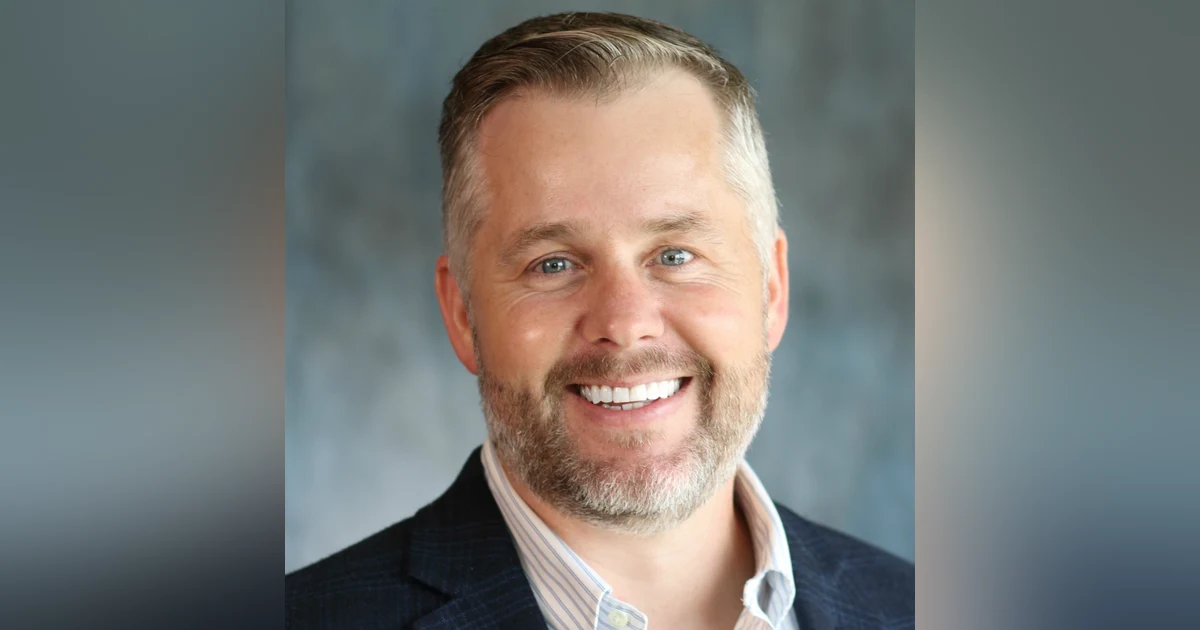

Matt Martin is the CEO of Precision Health Reports, a company focused on longitudinal analysis of cardiometabolic markers. Matt served as a U.S. Army Infantry Officer, gaining leadership skills in the fast-paced environment. His health journey took him down a path of precision medicine, in which he now works with healthcare practitioners, first responders, and individuals to ensure we can all do our part to improve cardiometabolic health.
Welcome to Medicine Redefined, a podcast focusing on helping you reclaim ownership of your health. I'm Dr. Darsha, and I'm Dr. Altamasharaja, where your hosts, hair to challenge conventional practices and uncover the stories behind pioneers shaping the future of medicine. Our conversations not only focus on the individual level to dissect common practices for health optimization, but also zoom out to enhance systemic change. Join us as we look to break the status quo, move the needle forward, and put the help back in healthcare. All right, Matt, thank you so much for coming on to this show. Anytime Altamasharaja have the chance to talk precision medicine, and integrate that with cardiometabolic health, it makes us happy, it makes us curious, it makes us want to learn more, and that's your field, and that's kind of, you know, tops of the future as well. But I think it's important to have that discussion now, which is exactly what we're going to get into. But first, why don't we start with your background and your journey, you know, just with the audience, though, you're not a clinician, right, you're not a physician, but yet you are involved in this world of precision medicine. So let's talk about your journey and kind of how you came to it. Yeah, for sure. I appreciate you having me on. My background, honestly, I was an Army officer for nine years, definitely not healthcare-related. I was, I was an infantry officer, so, you know, the, the thing you think about when you think about someone in the Army walking around in the woods with a rifle, that was, that was what I did. I did that for nine years, ended up at a company called TrialCard, TrialCard, most famous for the Kopei cards, the discount cards that offset your Kopei at the, at the pharmacy counter. And, again, not an area I ever thought I would get involved in after, after the Army, but, you know, it gave me a taste of what it's like to help people access better healthcare and bring digital solutions into that field. After about 11 years at TrialCard, really enjoyed it, learned a ton, but I always had this knack for what I'd do something on my own, go, you know, build a company, grow it, all the pains and trials and tribulations that had come with that. And somewhat untimely, but, but for two of us at the same time, my mother-in-law had a heart attack and died suddenly in 2016, and we, you know, we understood her to be rather healthy. She walked four miles a day before, but had a sudden heart attack and died. And that kind of stuck in my head. And I was like, wait a minute. How did someone healthy pass away? At the same time, during those 11 years of that fast growing startup, you know, I'd gained weight, kind of took my, took my 30s off, I would say, you know, you start coming into work early, you start leaving late, you have luches brought in, have a few beers, so on the way home, have a few on Saturday. Next thing you know, you're 40 years old and overweight. So I was one of those undiagnosed prediabetics out there floating around. So that combination of, you know, my mother-in-law's, you know, health issue, fatal health issue, and then my own health kind of being out of whack, it really led me to take, start taking control of mental health. So I started learning about diet, started learning about exercise and use, you actually use ketogenic diet for about a year to really cut weight, got myself taken care of and then got to the point where I met my co-founder with precision health reports and I'll give, I'll give that longer story of that when, when later on here. Yeah, sure thing. No, thank you for that introduction. I think it definitely puts some context, you know, as far as there's a personal story that gets you really involved when it comes to cardiometabolic health. I think it's a good point to kind of talk about what precision medicine is, you know, it's something that I'm definitely interested in practicing in. And when, you know, other attendings or residents ask me, what do you plan on doing? Are you doing a fellowship or are you not, you know, one of the things I say is I'm interested in doing precision and performance medicine and then I get what the heck is that. So how would you, in your words, describe what precision medicine means? Yeah, I think precision medicine really involves helping an individual identify where they are and meeting them where they are. You know, some people are not going to be ready for what you as a clinician are going to tell them ready to make the changes necessary, whether it be dietary lifestyle or medical intervention. But it's identifying what's going on with them, you know, really bringing down, bringing the topic down to their, you know, their clinical history, their age, their gender, their ethnicity, other things and maybe going on, they're causing, you know, whatever health issues they have and really enable that conversation to drive someone into a positive, or help as they drive, bring someone into a position that allows them to make the best choices for their personal health goals and improve their health span. Yeah, I love that. And I think that, you know, for those listening saying, okay, what are we talking about? Are we talking about precision medicine? Are we talking about cardiomyotic health? And the answer is we can't do one without the other, right? We've talked at length before about how, at least in the developed world, that cardiac related diseases are the number one killer, chronic illnesses and especially metabolic health as well, right? They go hand in hand. And particularly what you guys are doing, which will expand on a little bit further, is really assessing an individual's risk compared to themselves, right? And N of one, which is kind of how I look at precision medicine. I think it's so important to know the guidelines, to know what a population-based risk is. And, you know, that's the strength of the literature, the evidence that we look at that we often use to cite and formulate guidelines. But then the person in front of you, they have a very personal story. They have a unique story. They have limitations. They have expectations. They have goals. Kind of what you touched on is, how do you meet them where they add, learn about everything that's unique to them, keep the population studies, the data that's come from the masses in the back of your mind. But only use them as kind of those, what do you call them, when you go bowling, like those things at the end, or those like bumper lanes, what do they call them? Yeah, I think so. That's right. Yeah. Yeah. Anyways, if you use them as bumpers, there you go. Sam's just so good. I don't know where you're going to have to use them. But use them as that and then, you know, you're trying to be very, very precise in the plan that you ultimately create. And, you know, I think about a typical marker for cardio, cardiovascular disease, right? We talk about ASCVD, right? And for those who don't know or aren't familiar, like that's kind of your 10 year risk for major adverse cardiac events, right? And it really doesn't apply, I think, unless you're over what age 60 or something like that, right? Is that correct me if I'm wrong? Yeah. We've seen the pulled cohort equation. There's a lifetime risk for younger people. There's a 10 year risk for people who are 60 or for, I believe it's 50 and older or 40 and older. And then between there, you get both 10 year end lifetime risk in the typical pulled cohort equation. Yeah. And we've talked about this before, it's like for people such as myself, Darce, right, were in our, I think Darce, I'm like, I'm really close to 30, I'm into my 30s, that's not applicable. Right? That's not really applicable, right? And when we think about cardiovascular disease, it starts well before that time frame, even your 30s, right? And so we have to be, we have to be very, very proactive, right? Because whatever system that we have right now is not working. So maybe we should start with, because I think maybe some people, including myself, there are time that I'm listening and I'm like, well, you know what? It's really hard to do one patient at a time. The system's just not created for that. So I suppose the question for you, we always like to start with why is, in your opinion, and maybe even from your perspective as a patient, you know, as you were kind of reformatting your life, is why do you think it's so tough at, you know, to do one patient at a time? What kind of feedback do you hear from other clinicians that you talk to your partner? What's your experience with that? Yeah. Well, one patient at a time is hard because it takes time, you know, your average clinical visit in a primary care setting with the research we've got shows it's about 14 and a half minutes and that's not enough time to do it. You know, one of the things that really excited me partnering up with my co-founder, Dr. Bill Cromwell, we were introduced right before COVID. So right about the time COVID was kicking off a mentor and reduces together and said, hey, I've got this lipidologist who has the solution to identify early risk for individual, individuals to have type 2 diabetes, heart attacks, and strokes. So the first thing I did was jot down what is a lipidologist in, you know, take my own notes there. But then once we talked, I realized what he was doing himself and there was two other docs he was talking with was he had a solution where he was going through collecting all the relevant patient, you know, individual clinical history, using a precise set of outcome proof and biomarkers and then bringing those things together to, you know, talk with a patient about their personal risk, which is fantastic. That's a, you know, a lipidologist being a subspecialty of, you know, so it's pretty far down the road. Once you're talking to a lipidologist, you've, you know, you've seen a primary care doc. They've oftentimes punted you to what, either a cardiologist or an endocrineologist and they've punted you down to this lipidologist. So it's very, very hard to get a personalized conversation in that typical 14, 15 minute primary care setting. So, you know, trying to do that one patient at a time is nearly impossible. I was fortunate to, you know, have never had a major health issue and had to, you know, get down to that level of care. But in your ordinary clinical visit, just the time isn't there to do all that you need to do as a primary care physician to talk to that person about their personal risk factors and identify and have that, you know, share decision making about, here's your risk factors. Let's figure out what you can and can't do, what you, what you're willing to do to mitigate your risk going forward. So the obvious solution for that is to give people more time. The problem with that comes is that's not a very good business model, right? I mean, and that's the issue, right? I think that people don't like to talk about it as a lot, but healthcare is, it's a large business. It is a business of medicine that we don't learn enough about and patients don't understand and really actually really very few people, if any, understand truly how the business of medicine is conducted. The other thing that some people might say, well, if we can't solve the time problem, maybe we need to figure out an efficiency problem, right? I think with the advent of AI, how, how much better that's getting, right, everything that's what, that's one of the reasons why I think a lot of things are protocolized, right? Because you just follow the protocol, you don't have to think it's stuff, right? That has its own issues, you know, we've talked about that. I think we've expressed our opinions on how, how that goes kind of loses the art of medicine. But I'm wondering if you've given thought to, if we can solve the time problem, can we make the problem-solving aspect of it, particularly with respect to Cardiomyeda by the health, can we make that more efficient? And if so, what are some tactics that come to your mind? Yeah. Well, that's exactly where we started with precision alpha-ports. As I learned from Dr. Cronwell, you know, he was doing this in his clinic, even as a highly, highly seasoned lipidologist who understood all the details of the various complicated guidelines, it was still taking him 20, 30 minutes per patient to aggregate this stuff to have that, you know, to have the conversation necessary with that patient to talk with them. So what we have done together, and this was, what I saw, I saw the same problem you saw. You can't add more time, so what can you do? You can make, you can take time out of the unnecessary time out of the equation and use it better. So what we did was took that process, he was doing, brought it into a system, and allowed computers to do it, computers do well. They do the same process over and over again, very efficiently, very quickly. So right now, the preclinical work for a physician to use the product we have in our precision health reports business, it takes 30 seconds for a physician to order. His name, last name, email address, send. The patient gives us the relevant clinical history, and we were very precise in only asking questions that were necessary. So it's nice to know, it's necessary to know, are you on a statin or not, but it's nice to know, which one are you on, what's the dose, are you taking it regularly or are you not, but that's not required by the guidelines to bring that information together. So were you prescribed the statin, yes, okay, great. We move through the process. It's a few minutes for the patient to give us their relevant history. They have their biomarkers drawn by a phlebotomist, lab core phlebotomist, aggregate all that stuff together. And so it's, and then into a common formative report. And so a physician who uses our tool is able to pick their report up and go right into a conversation so that 14 and a half minute conversation that they have with their patient. They now have taken all the extra data aggregation collection, read the guidelines, figure out which ones are relevant in your case versus his case, and have that meaningful conversation so they can talk about interventions that they have. So the art of medicine, we stay out of, we help with the identification of what the risk is, but the art of medicine, we stay hands off and leave that conversation between that patient and provider. Yeah, you know, it gets me thinking too, could one of the solutions be more clinic visits, right? If you're going to be stuck with time at 15 minutes, do we want to now go towards two to three visits per year? And especially when you're looking at precision medicine, how often are you recommending patients look at their markers after a certain intervention? I mean, obviously it's a clinician based, but what do you think? So what we follow the guidelines and what the guidelines typically recommend is no more frequently than three or four months. Someone who's very high risk for metabolic syndrome, very high risk for diabetes or very high risk for cardiovascular disease, the recommendation is as a physician and for the individual to have that conversation and start doing potentially more aggressive steps. Those people who are in that higher tier of risk, three to four months is a good time for the body to adjust, see if those interventions are working and they come back and test. Someone's moderate risk, maybe six months, someone who's pretty good condition, maybe once a month checking, once a year, sorry, check in to make sure that you're still on the right track. As you said earlier, ACVD is a disease that starts early and it's partially undetectable for a long time, but if you can detect it at the earliest points, you're able to make those interventions that slow the process drastically. So I think this is a good time to talk about what the lab markers are included in precision health reports, but at the same time, is it a way that you can try to integrate it with maybe what cardiometabolic risk is and how we should be thinking about cardiometabolic risk, because I think our listeners definitely understand the end results, the heart attacks, the strokes, death, and they probably understand the onset risk factors, cigarette smoking, the lifestyle factors that we always talk about this podcast, poor sleep, poor diet, not moving enough, but what is that middle ground, where does that onset take you, the lab markers we should be looking at before the problem becomes a problem? Right, so I'll start with what the biomarkers we use are, and then merge that into how that really informs risk. So the biomarkers that we use from LabCorp is we use their NMR technology. My co-founder was one of the clinicians who helped build the NMR lipo profile that LabCorp now uses, so he's got a bias toward LabCorp, and that's good. He understands their science, he knows that their NMR technology is sound, so we use an advanced lipid panel, so that's your typical lipid, your LDL cholesterol, your HDL, your total cholesterol, your triglycerides, as well as APOB, some docs like to use LDLP, and that's fine, we've got a solution for that, and then LPR score comes along with that, so the lipoprotein insulin resistance score that measures how your lipoproteins are affecting insulin resistance, better than fasting insulin and other ways to measure insulin. Lipoprotein A, so lipoprotein A being, I know in your podcast the past, you've had lipoprotein discussions, which is fantastic, that's one of the things that most people don't know you need to measure at least once, and so lipoprotein A does get measured with us, glycate, which is a biomarker, a multi marker for measuring systemic inflammation, HBA1C and fasting glucose, so all those things are brought together from a biomarker standpoint, but in each person, which levels of risk or inferred just by the numbers is irrelevant, someone who has type 2 diabetes versus someone who has FH versus someone who has diabetes and FH, you know, your targets for those biomarkers are going to be different, and then you layer on top of that, you know, someone who may have high APOB, but they haven't, you know, plaque hasn't started yet, so they don't have, you know, the CAX score is zero, their CIMT has not shown plaque has started, there's some dietary and lifestyle interventions that could happen quickly and start cutting that process off, someone who has AACVD, you know, then you're talking about, you know, bringing your APOB down more drastically, and so part of what we do with this is, you know, collect the biomarkers, show where you are from a snapshot of current risk, and then apply those to your age, gender, ethnicity has plaque started, and really give that clean picture about, how does this number translate to your risk, not this number on a grand population scale? I love that, so can you walk me through what it would look like on a first visit when somebody was to go to, let's just say, their lipidology is their primary care doctor, whoever is using this technology, specifically your technology, would they just send that person to lap core and put this on a script or place an order for precision health reports, or do they have, do they end up reaching out to you, and you have designated labs throughout the country? Like, what does that look like? Yeah, so it's a great question, we have, so we built this really to take that thing, a lipidologist is doing, again, move it upstream to that primary care, allow primary care doctors to deliver an advanced tool in a primary care setting rather than someone having to get punted upstream several times. So we made the process very simple, a physician, if you're a physician or one of our clients, you would order this for a patient, maybe a week or two before they're expected to come in, they pop into our system, we're working on EHR integration right now, so make it even easier in the workflow. Again, that first name, last name, email address, send, the patient receives an email that says, you know, Dr. Darsh has ordered a cardio metabolic risk assessment for you. Click this link to create your account, we're going to ask you some questions. If you know ahead of time, if you've had a CAC score, if you know your current blood pressure, that speed you through the process, and there's a series of questions, there's about 80 questions, most people see 30 to 35, if you've never had imaging, we're not going to ask you what your imaging score was and how old you were. So it responds to the individual. They answer this questions, they receive a lab rec, a V email then, to go to a lab core in the area for a fasted blood draw. So we wanted to make this easy to do where you are. Again, meeting the patient where they are, not requiring to come back to the doc, you can, you know, have dinner one night, go to bed, wake up the next morning, drop into a walk-in appointment at a lab core in your community on your way to work, have your blood drawn, go to work, and then we receive those labs in three-ish days, the long end, maybe if you're in, you know, greater, you know, up in the Pacific Northwest, maybe five days, but all those, all that blood gets sent to the NMR spectrometers in Burlington, North Carolina. We then receive those, those lab results in three-ish days, integrate all that together, and then that individual and the doctor both give an email that says, you know, a math report is ready to use for your next, for this next clinical encounter. And we did that intentionally, you know, at first we thought about why would we, why would we sit at the patient, not just the doctor? So it goes to both. And we think that's important to, because again, we want to enable the patient to participate in the shared decision-making process about them. We've all heard, you know, my doctor just gives me a pill, they don't listen to me, you know, I don't know what's going on. So we wanted to really, you know, set it up where that patient has some background coming into the conversation about what's going on with my risk factors. The doctor has enough, you know, information ahead of time, having looked at the report before, understands the format, understands how to navigate, and that way that, that short, clinical primary care visit then can clearly, can, can directly be, here's where you're at, let's talk about what we're doing. I love it. So for the listeners, I mean, we had the opportunity to look at what a sample report looks like. And as I mentioned offline to you, it's extremely comprehensive, and it's digestible, which is what I love about it. So do the patients have an opportunity to see that before their initial visit, the data, or is that only until they meet the physician, then the physician can present that data to them. Because technically, the patient's data, so they should have access to it. Absolutely. And that was, again, for me, as the patient side of our team, was, let's make this available to patients. So the patient does get the report. As soon as we produce it, the patient gets access to the report, as does the doctor. Because you're right, it's their data, it's their report, it's their health, it's their life. Let's enable them to be, to be part of the conversation from the get-go rather than showing up. Because again, in that short period of time, it would take a lot of time for that conversation to start with, hey, here's this report. Here's what the report's laid out. Here's what we're looking at. Where's the patient comes in? Already has some familiarity with what they're looking at, really helps guide that conversation to meaningful discussions about what are we going to do now? I'm sure at this point, some clinicians are thinking, well, that could be a real problem. Like, for instance, what's different, and again, I have had the cheat sheet, where I've had the opportunity to look at it. So I know this is, it actually explains what those things actually mean. All the things that you talk about, like approaching little A, APOB, what that means, what that means in the context of your family history, et cetera, et cetera, et cetera. So unlike a lot of the other places and a lot of the other systems where you just get some labs and you get a message, hey, your labs are up, there's no context of what that means, right? You might see some reference values that this is high, this is low, right? Himoglobin A1C is high, but what does that mean? I don't know. And then what are they left to do? Right? You got to get on Google. And Google can be a really scary place. I tell my patients, you have to really know where to look. And so cut that context. We've said over and over again, it wasn't said by us first, by somebody else. Context over context is very, very important. So that context is key. And something that we wanted to ask you a little bit later on, we think about the current and future of precision medicine and just cardiomyod about health and et cetera, something I've spent a lot of time lately thinking about is how patients need to be greater advocates for themselves. And when it comes to diseases such as cardiovascular disease, diabetes, all these chronic illnesses where our system is for lack of better work challenge to optimally provide care, right? Not such thing or not really set up for preventative or long term health. You know, patients have to kind of take matters into their own hands, so to speak, such as you did. And so is it always the case that you would need a provider to order this test for you, or is this available to patients to get on their own just as they're more interested in learning about their health? Yeah, so we started with this being a tool only for clinicians. We wanted this to be only available at docs to prescribe, order it, and that's great. Until we fairly quickly realized there are people, I refer to this as what I call weirdos like me who don't see a primary care physician regularly, but still want to be healthy and understand what's going on at their risk for disease. And so we built an option on our website that individuals can come order for themselves, go through the same process, they get the results, we'll gladly send it to their primary care physician or their cardiologist or whoever they'd like to send it to, or they can take it, understand it, use it, and then go from there. So we made it available to those people because what we didn't want to have is someone who wants to understand what's going on with their health, be hamstrung because we have not contracted with their doctor yet. That's a system problem on our side that would get interfered with that individual being able to optimize their health. We very quickly enabled it where it's built for clinical, shared decision-making conversation, but it also works for an individual who's interested in learning about their health. As you said, they can download it. There's information about what is insulin resistance and why is LPIR a good biomarker for that. And there's links where they can go read more on content that my co-founder, again, highly seasoned lipidologist, really understands how these things interact with your body and keeps people from going to doctor's usual for advice. You know Matt, it's also great to hear because I recently saw my PCP last year and being a podcaster, having guests like you, Nicole Hark, you know other cardiologists, understanding LP little A, ABOB, all these other things, and trying to get those ordered was just a headache. You know the first thing says well there's no indication or I don't really know what that is. And it's tough of course for people in our field as physicians or clinicians to admit that they might not know something. So then they kind of navigate, circumduct around that question saying, you know I don't really think you need at this time or something. So I love the idea that it could be a business to consumer idea with precision health reports and I can finally just go and order that. And you know if everything's already there for what I need to learn, great because honestly the more and more I look on social medium finding consumers or sometimes more knowledgeable than clinicians when it comes to these things, because there's just so much information out there. So I guess my question to you too is you know when you're looking to bring on clinicians to support precision health reports and use that for their patients, is there a baseline knowledge that you're looking at in order for a clinician to kind of be on board or how was that education happening? Yeah you know honestly our goal is to get this into physicians hands and if there's an opportunity to educate them we're happy to do it. You know I'm my part of the conversations often here's how to order here's generally how the workflow works, but my co-founder you know he's an adjunct professor at Wake Forest University and you know and likes to talk about this stuff you know he's given millions of speeches and lectures and talks about the the various nuances and the you know the nine and ten and twelve syllable words that come along with with practicing lipidology and he really really grooves on educating physicians about you know the complexities of cardiometabolic disease you know he got into his space because he was you know a scientist and said what what makes people unhealthy and what kills them cardiometabolic disease okay that's what I want to do so that was his reason for getting into into the space as a lipidologist and so he really enjoys educating a primary care physician because we believe that the more this again can be moved earlier in the care continuum that that primary care physician who may not be as familiar with the complexities of lipid stuff they're able to get their hands on this understand what they're talking about and and and have that conversation with their patient you know we all win when the when the when the health system works officially like that so we're glad to educate and help you know primary care physicians operate at the top of their license and maybe you know it's in and you know a lot of docs geek out on talking about things or learning about things they didn't know about before so if we we really we really get excited about you know the opportunity to educate on on on these some of these complex topics for sure you know I mean there's some third party labs kind of around me in a physical location where you like you can go and draw individual labs but then it gets tricky right because you have to look at it from an individual price point and then of course there's some reports already out there um more like in the functional medicine world and GI and Dutch tests and things but then a lot of people get confused is it unnecessary what exactly does it tell me so a lot of things that you're talking about on precision health report you know our data backed there are things where science is actually doing the research we all listen to the Peter and Tia podcast you know this is things that he kind of nerds out on and and really has great episodes on so you know these are things that we're looking at and that the medical system slowly catching up on so to me is just it makes it so much easier to think about that I can go and get this report and start actually making lifestyle changes for that I guess my other question to you then is are you guys only looking at like outpatient practices or is there a role for this also within the inpatient side of medicine or within traditional hospital systems you know we have an approach to any that help any inpatient type scenario jet there probably is a place for it um you know have it haven't really fleshed that very far so it's it's possible but you know we're really focused on getting this early in that disease cycle you know again talking about my own health a little bit um you know it's 45 years old and I started kind of going down some of this this pathway and my CACS score is zero which yeah clean bill of health fantastic although I also did it because I had the opportunity I did a CIMT of a chronic artery and there's early plaque there um so that that clean bill of health after all wasn't as clean as expected because the CIMT was able to pick up soft plaque and so that indicated that you know here I am 45 years old I've got vascular disease need to need to start working on things more aggressively so my first reaction was well I don't want to take a statin I want to you know um I'll just handle it with diet lifestyle and then after about six months I realized I'm like you know you're taking a you're taking creatine in the morning because you work out you're you know taking this supplement here and there why don't you why aren't you taking a statin and some you know using that as a supplement to help your cardiovascular health and reducing that progression of vascular disease and to potentially something worse and so um you know I felt like I I'm an example of you know regular person out there who needs to needs to find disease earlier um so we're we're really focused on that primary care space um we do have cardiologists to use our product we've got some some uh inter cardiologists and lipidologists but we really find our sweet spot is in that you know we're we're patients not can I ask you so you brought up a really good point about taking a statin when at first you were probably against it and I think there's so many of us especially in the health realm that think of think of it that way that I'm gonna do it the natural quote unquote natural way and I'm not gonna need something like a medication um to help me out even though I may need it even though my numbers really aren't moving I just I refuse to do it how did you think about that process what was that conversation that you had with yourself um to get you being okay with trying out a statin? Sure you know I spend a lot of time and again I did I use the ketogenic diet to you know drop from you know 236 pounds to 190 pounds uh in a year so ketogenic intermittent fasting so of course you get into the the ketogenic uh you know threads on on Twitter and elsewhere uh you start attending low carb conferences you know you get get kind of wrapped into that and there's and there's a lot of a lot of good information and there's a lot of other information in those circles that um that you know make you take pause about you know what is what is the effect of some of these interventions um and so you know for me my first reaction was I'm not doing it I read all all these things about it you know you have family members who take a statin and their their legs hurt or whatever and so you know I I've got a you know for me going to the gym is my like that's my sacred hour every day and my first thought was man I'm gonna take a statin my legs are gonna hurt I'm not gonna work out I'm not doing I'll just keep you know it's just soft plaque it's fine and for me it became you know it it became a function of again I'm taking other supplements for other things um you know in the winter time during you know during COVID we are all kind of supplementing with vitamin D because you know it's okay we're not getting a sunless you know that's add some vitamin D to the stack um so it really just became a matter of I'm doing all these things to stay healthy and maximize my health span why not take a low dose receivestatin and and go with it so I did spend a year and a half and you know I'm fine you know my my my my numbers have come down uh further into the acceptable range haven't gotten a CMT yet again because this hasn't been you know several years and so there's really no reason to get it so quickly thereafter um but you know at the same time uh uh my you know my co-founder use use the phrase often you know he'll tell you you know think about 10 years from now what a great day looks like it's just think about it in your head and then think about it if you had a stroke between now and then what that day is what a great day is going to feel like or you've had a heart attack in that window um and and you know a stroke or a heart attack of the game changer all those interventions that you're putting off you're going to have to do anyway if one of those things happens so why not do those things feel good about it now and you know avoid avoid the event that that interferes with that quality of life that you expect to have 10 years from now I mean there's so much good stuff that you send there that's worth unpacking I think you know so Garshan and I we see a lot of people with musculoskeletal elements myself particularly right I'm the seminar sports medicine trained and so somebody's coming to me for pain usually maybe from function issues but primarily pain and of course most people unless you have a rare genetic disorder will experience pain at a young age and we know when pain limits our function what that disability means and so we're very quick to address that issue right I've been having this conversation a lot with my patients where they're like I want to get out of pain and I ask them well why but that's not really the goal the goal is to be able to play golf right so if your knee doesn't hurt you wouldn't be able to play golf will play with the kids etc so what what that awesome day would look like 10 years from now if you weren't in pain but we can see that right we tend to be very short-sighted and sometimes we knock on you know the younger generation folks in their 20s that they don't have the foresight what their life is going to look like what their health is going to look like 20 30 years from now but I think the fact of the matter is people even in their 30s and 40s and 50s they don't really have the foresight what 10 years from now would disability looks like unless it's because of neostrathritis or something because they can kind of experience that our day to day I recently had a patient who again came to me for knee pain bilaterally and is not able to do the things that he wants to do but hadn't seen a doctor now this is a firefighter and hadn't seen a doctor for 15 years and I remember having telling him well you need to see somebody because we have no idea which kid needs or functioning like we have no idea what your heart health is like and all those things that I'm talking about getting addressed when they present with symptoms it could be it right like it presents a heart attack as a stroke or something like that you're paining that you're presenting to me like that's not going to kill you sure it's affecting your function causing some disability but all those I think are a real problem and so I just find this myself having this conversation over and over over again I don't know what's special about the people who do have that foresight or what 20 30 years now looks like and I mean even in your case right you mentioned it was a close family member who passed and that was kind of a wake up call right and so it's a really tough problem to encounter as a as a clinician it's somebody who's passionate about their own personal longevity but also the health of their patients and I don't really know what the solution is but I do love that what you know we're darts talked about in terms of how you guys have this this comprehensive bundle I suppose the question or the thing worth addressing for some people would be is I mean nowadays people listen to podcasts and they hail all kinds of different platforms right places they can get their labs done I'm looking at something else right now I won't mention the name but where they can get a comprehensive panel and I'm kind of just looking at their prices and I suppose somebody would want to know well what's special about precision health reports and why should they opt to go with that so put your sales hide on and and give me an answer yeah for sure we were very specific in the biomarkers we use you know one of the one of the things that that my co-founder it really believes kind of one of his core tenets is you know use the fewest amount of biomarkers that are the most informative to get to the answer if if I draw three different ways to measure your insulin resistance which one do you trust what trust you know LPR okay well why draw the other two then it's just going to give you a wrong answer so we were very very direct in making sure that our assessment had the fewest number of biomarkers that were the most predictive and the most proven set that would not you know cause confusion and and then with that taking again just those lab numbers and bringing them together to make them about you so the three of us are going to have different targets for our APOB number we'll have the same target for LPR you want to get your insulin resistance you know as insulin sensitive as possible insulin sensitive as possible but through us you know we make it an affordable price and so you know we don't want to have some sort of outrageous you know go cobble a bunch of labs together to get to get a report but we get the the fewest number of most predictive labs that give you a picture of what's going on with you and your health and allow you to make very clear decisions and those numbers we give you they're not numbers we've made up you know we don't try to have some sort of here's your your heart your heart health age or here's your you know your diabetes in context of everyone else in the country we give it it's really about you you don't care about average numbers you know and you don't need us making up a a heart health age you know we give you you know here's what here's your risk for where you are here's where your target should be for your for your your your life-approaching management score here's where your metabolic syndrome should be here's your insulin resistance should be you know measure yourself two things about you and then whether directly as an individual or through your clinician work to hitting those those targets that are specific to your your your health and so if individuals were to approach this themselves and take matters into their own hands how often I know you're not a physician in we're not giving any medical advice nor are we giving any recommendations here so just to make that clear but how often could one I'm not supposed to get as many times but let's just say do you do yourself and often do you check your own stuff if you're making some tweaks every six months every four months as you said before or what yeah so I put myself in a six-month schedule for me it was you know I my numbers were in a pretty good place I've got a little bit of plaque checking on it okay by you know taking a low dose receive a statin continuing a a lower carb higher protein diet has has worked for me I exercise pretty intensely every day so my numbers you know gotten accepted range my risk scores are are okay because I already have plaque I'm always going to be high risk for cardiovascular disease just because once the once the process is started that that keeps me at a high risk but I'm a managed high risk and so I just want to check back in every six months make sure that my in my case I'm measuring LDLP just because that's where I started so I just want to keep that continuum going of of that but of that common biomarker but as long as I'm on track that's a that's a good enough number for me so I'm happy with where I am so six months is a good good window so obviously we know plaque can start even the teenage years maybe in a little bit earlier at that point is there a specific age that you recommend getting started with precision health reports is it optimized specifically for an age group so we the guy so we go off with the guidelines say the guidelines don't have any sort of risk categories for people below the age of 18 the recommendations for imaging CIMT typically is no younger than 29 a cack score typically you know mid 40s is about the earliest that you can get a cack score that makes any difference and so you know those people in that you know as early as possible you start kind of thinking about things when you're in your 20s a CVD somebody else's problem that's your mom and dad's problem that's not my problem you know maybe in your 30s you're starting to think about it a little bit but you know once you start you know thinking about health it's you know mid 30s is a good time to check in make sure make sure you're on track start getting aware of what biomarkers and what things affect you as you get into those 30s and 40s when when things start to hurt you don't know why you know being being ahead of the ball is is a good kind of a good window and then you know the way that the way that a cvd you know risk measurement happens you know said earlier you younger people only get a lifetime risk because there's not up data to show what your 10-year risk is when you're 30 and then you get that middle range where you both get a lifetime risk and a 10-year risk and the older people once you get a you know 16 older you will get a 10-year risk and effectively what you're doing is moving that 10-year risk further and further down the down the line so when you're 90 years old you you still have and you end up with a 3% risk of having having an event the next 10 years you've won you know you've you've extended your health span and and punted that risk further and further down the down the the timeline now and I guess people can take the data too and use the standard and 30 at risk and calculate that online to see you know whether yeah 34 years old kind of down the line how they're looking awesome ultimately do you have any other questions for about president health reports I was interested in math kind of current regimen too in terms of how he got his markers down so oh my god no I was gonna ask him I want to know about I know you mentioned low carb low carb diet but I'm more curious if like what you mentioned ketogenic you mentioned fasting give me a day in the life of what your dad's like now yeah so where I am now you know I use keto to get get the weight off it was a fantastic tool for that I liked it but you know I I could see it was pushing my life protein values a little higher than I liked and so I shifted to more of a low carb so when I was the keto it was 20 grams of carbs a day or less I mean and to the point where hmm I'm gonna take this pickle off this off of this bunless burger because I'm gonna pick up you know that that saves me two carbs and so I was I was that regimented to the point my my parents thought I was really lost my mind you know choosing mustard over mayonnaise and you know weird things you would choose just to stay under that 20 grams of carbohydrates a day doing the typical you know doing the breath thing to check your ketone levels once I had a target weight I really shifted back into for you know probably six days a week I was in a 16 eight intermittent fasting schedule you know shifted my carb level up into the you know 60s maybe 70 grams a day really trying to optimize for protein you know I believe it and you guys you guys set up a four you know we're an underproteined population in Peter Tia has mentioned several times you know protein is not a percentage target it is a numbers target so for me I try to shoot for about 160 grams a day most days I end up 120 150 I don't track it actively but you know having tracked it pretty religiously for about two years early on you understand what foods hit your goals and you know some days you're just full there's no reason to eat when you're full just to hit a number and so nowadays a little heavier in the gym as far as my my lifting regimen trying to hit some some targets I want to hit my my goal for the year is a thousand pounds between within an hour of one rep bench breast one let one rep squat one rep deadlift so I'm about 60 pounds short still but within this year I want to get there and so what I'll often do when I get home in the gym particularly on the heavy day is I'll I'll I'll get some protein in pretty on board pretty quick you know I don't know if protein timing really really matters but there's no reason there's no reason not to you're a little hungry and you want to you want to feed the muscles give them what they need so it really my my targets are 160 grams of protein less than less than 75 grams of carbs is really a cat for me and then you know making sure I make it sure I get that that hour hour plus in the gym not because everyone needs an hour at the gym I just like it I like the way I feel doing it you know I have to kind of balance myself a little bit I'm you know being 46 years old and you know I have to worry a little bit about overtraining and and I'm I'm prone to do that just because I enjoy it so much so it's kind of how I stay where I'm at and I've got my LVLP numbers down I think at last I checked I was like seven something 750 or so so you know I'm down well in the range where I want to be and you know as knock on wood as far as I know the the plaque progression process is drastically slowed or stopped love it awesome well Matt this has been really awesome I mean I love this like I said I'm more excited to kind of learn more about it and and and maybe even kind of use it to see you know what it looks like what my numbers look like I agree with with you Dorshan I think that I've been interested I think I've told people before in another life if I had to go down the medicine pathway I think cardio cardio would be the path for me I don't know six years of training it sounds appealing at all but it is certainly interesting it's worth a while it's it's information that I think is it's important for every single person to know right some of the tests that we mentioned everybody should have done I'm interested you said that the guidelines 18 years of age right below that we can't really just restart if I I remember Dr. Harkin Nicole Harkin shout out to her she mentioned that even I think once for in during pediatric like pediatricians should be ordering a total cholesterol panel so I'm wondering if in do you have any clients who are pediatricians who are using this is that available do you know we did not you know we've I want to believe I want to say it's the ACC or the ESC guidelines the American College of Cardiology for the European Society for Biology their guidelines kind of stop at 18 for their typical guidelines so we we try to stay you know very guideline focused so we don't go deeper now I will tell you with you know someone with you know someone with FH familiar hyperclestralemia you know that's a place where if a person has it obviously checking their their children as soon as possible it's starting to you know think about that makes a lot of sense you know some of the the genetic conditions that affect cardiovascular risk that's a good place to start earlier but again type only from what I read not not having this sort of clinical experience there and we don't have any pediatric physicians using our product at present awesome well I'd love to know what's kind of next on the agenda you know I mean as as we spoke about I mean you guys so 2020 was the inception of the company right correct so I mean this is really developed into something very very cool but I'm sure you guys you talked about trying to get it and make it more accessible to more clinicians but anything else I mean have you guys thought about expanding it like in terms of allowing more biomarkers or I mean I'm sure those those kinds of conversations are being had what can you share with us that people can be excited about with precision health reports and really anything precision medicine cardiometabolic health in your opinion yeah so yeah we're always talking about you know what's what's next and you know we always believe again add some great mentors in my in a previous previous business the trial card with always listen to your customers tell you they'll tell you what the what they want what they want what helps them do their jobs better so it doesn't really matter what we want to do it's what your customers want and so with us an area we're getting a lot of focus we're spending a lot of time in and have got a traction is working with police police departments law enforcement officers first responders have drastically outsized risk for cardiometabolic diseases particularly cops your your cops 50% of police officers will have a heart attack or strip within five years of retirement or sooner you know why because their diet's not very good because they're always eating at different times their sleep schedules off their their stress moves around you know some cops will tell you some they spent a lot of time in the in the patrol car in the seat in a in a you know sedentary-ish position so they're a much higher risk and so we've partnered with some police departments directly and with a company called performance protocol the partners with Axon the company makes body cams and tasers they're they're coaching division and they've implemented our assessment as part of their police performance program and so we're spending you know a good amount of time finding ways to support them and helping officers and police departments and municipalities find disease earlier cut down on their health care spend and have healthier officers you know healthier officers are better officers at what they do and we all need you know when we need our police force we need them we need them optimally optimally trained and optimally performing so that's a that's a big focus area for us with with clinical stuff you know we've been very very concise in our biomarker set we have had some physicians pop back up and see I love I love the tight the tight group and understand why is there any way I could get you know an extra biomarker here or there and so we're we're we're right in the middle of that right now with with a couple different customers we're testing the process it's really just a process thing on our side we can add additional biomarkers as we go for them so we're we're glad to do it and again part of part of what we want to be is an enabler of clinical decisions you know I can I believe that my co-founders a fantastic doctor my role in this whole thing we do is to enable better doctoring with with technology without getting in the way and so you know I go to health conferences and you end up at some of these larger health conferences and they're very focused on interoperability and and data sharing and data structures and stuff you know that kind of happens in the background but that shouldn't be our primary focus our our primary focus is being an enabler to help doctors do the practice of medicine and get there so we're continuing to listen continuing to learn whether it's current collisions we work with whether it's other docs who we don't work with yet who might be used to might be interested or it's just docs in general I mean we we we crave feedback on you know how can this help me help my patients optimize or help span you know I've I've experienced it personally some of my own family members have used our assessments my my wife you know through our assessment she identified that she has familial hypoplastymia cholesterolemia so she's an FH person 45 years old didn't know it until she went through our process started talking with her doctor about what they were finding you know did the Dutch lipid test to figure out I've got FH okay well good we'll manage you differently now fantastic and it's she's having great success with with that my my father 71 years old average guy used our assessment and found out that he needed to take care of some things and so you know seeing seeing the impact it's having on people I know personally and the feedback we're getting from doctors keeps us motivated to keep listening for you know what do we need to do whether it's more biomarkers whether it's another kind of diagnostic test I mean cardiovascular disease and cardiometabolic disease or a pretty large problem so we don't necessarily have to move into other disease states but you know if if there's a need for us to get there you know we're open to make it happen and again empowering those that clinical process and giving you and your patients better time better use of the time that you've you've gotten together love that man I mean a lot of exciting things on the horizon we listen to your episode I believe was called the co-optimizer podcast so we can yeah about the police department and you know those stats I feel like I knew but I never really realized it until I listened to that episode so staggering stats will definitely link that podcast in our show notes as well you know anytime ultrash and I have the opportunity to talk to a non-clinician right I mean you talk about your role how important that is oftentimes you come in with a different vantage point than us clinicians do right I mean a lot of times we're siloed and we kind of get blinded by what we see in the hospitals and the clinics so I do want to ask what is something you know when we talk about the future of precision medicine or maybe the current state what is something that most people are not thinking about when it comes to precision medicine about what it can do or maybe where might go yeah I would say you know this might be might be sort of an answer might not be but I think a lot of it has to do with helping a person hit the goals they have and as an individual sometimes you have to step back from all the things going on in your life and identify what you want your health to be and there's you know more and more precision medicine tools now to help you get there so you know I honestly I think precision medicine really becomes a better way for individuals to partner with their with their care teams and and clinic clinicians to get where they want to be health wise yeah it's probably probably as succinctly as I can get it but it's really about you know enabling people to maximize the health span and hit the goals they want to hit and understanding what's going on you know the better the better we as individual people understand health and particular own health the better quality life we're going to have and start turning around those numbers and you know it'd be fantastic for cardiovascular disease not to be the number one cause of death in our country but we're far from that but you got to start somewhere got to start somewhere man and you guys are making it easier for people to start so Matt thank you for the good work thanks for coming on truly enjoyed this discussion and learning about your company and more about what it is that you guys are doing you know last but not least certainly you were expecting this question that's coming at you is you know the kind of things that we had excited about is adding the health back to health care right it's not currently how we practice it's how we want to practice and a lot of people share that passion with us so in your opinion how is it that we can do that how do we add the health back to health care I think the biggest way to add health back to health care is continue to listen again I think more and more doctors particularly young docs like yourself you know aren't as my co-founder would say you're not setting your ways yet and so you're you're more adapted listening to patients and understanding where they're trying to get you know there's always the the opinion out there the you know docs are just right just writing prescriptions because that's what they do and I know personally that's not the case and so continue to listen continue to meet people where they are understand what their limitations are and adapt to the individual you know a great example that that I've seen with with my co-founder you know he's talking to the patient who he said he needed to get more high-intensity exercise and she's like I can't I just physically can't okay what do you what's the deal okay I can't get off the couch or it's just hard to get the couch is okay can you flap your arms sure okay let's flap let's flap our arms together so you don't zoom call with a patient and they're flapping their arms together so it's meeting the patient where they are continuing to do that I think I think that's become a more common norm in the in the last several years and I think it's a norm that will continue to evolve of docs meeting patients where they are I think that that improves the our population health and more importantly it improves each individual's health in the process too yeah that that concept of meeting people where there are comes comes up time and time again and nothing else it just should highlight how important it is so thank you so much Matt thank you you appreciate I appreciate it thank you an important update before you take off we are now publishing episodes every other Monday this will allow you to take your time listening to an episode implement the lifestyle techniques you've learned and solidify your knowledge with our newsletter we thank you for your support of this podcast if this episode speaks to you please consider sharing it with your friends and family we would also greatly appreciate it if you leave a rating and review we would like to thank our team Ethan Jew on video Harita Yapari on graphics Zena Blugmani on research and Sarah Khan on newsletter and as always our disclaimer everything in this podcast is for educational purposes only it does not constitute the practice of medicine and we are not providing medical advice no physician patient relationship is formed and anything discussed in this podcast does not represent the views of our employers we recommend that you seek the guidance of your personal physician regarding any specific health-related issues once again thanks for listening and we'll see you at the next episode