

 Apple Podcasts
 Spotify
 Castro
 RSS Feed
 154. The Attractiveness of Functional Medicine & Avoiding Sick Care Mentality | Joseph Carchedi, MD
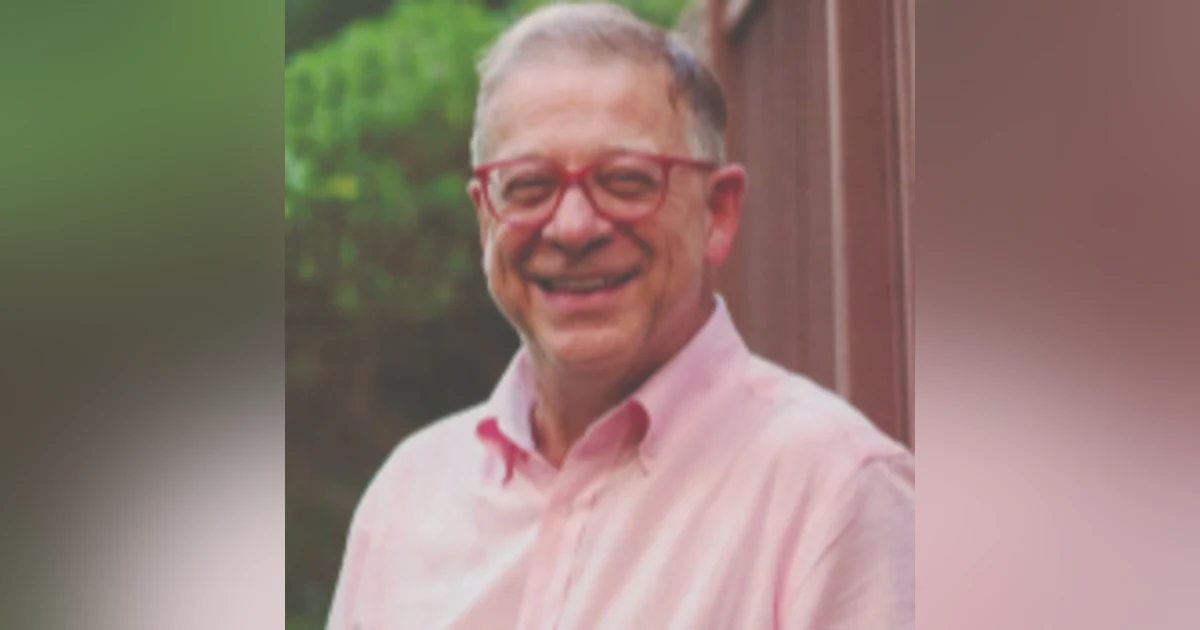

Joseph Carchedi, MD, is a Board Certified Practitioner of the world renown Institute of Functional Medicine and founder of the Lower Gwynedd Functional Medicine Institute.
Dr. Carchedi earned his medical degree at Università degli Studi di Roma la Sapienza-Facoltà di Medicina in Rome and completed his residency at Finch University of Health Sciences/Chicago Medical School in Chicago, IL. He is board certified and has 25 + years of experience in Internal and Emergency Medicine. Additionally, Dr. Carchedi is a medical marijuana certifying physician.
Dr. Carchedi provides an integrative, functional approach to identifying the underlying causes of disease, rather than the traditional method of diagnosing and prescribing. He addresses and treats issues with immunity, disease prevention, and energy problems such as chronic fatigue, fibromyalgia, hormonal imbalance, women’s health, cancer issues, and weight management. Dr. Carchedi also addresses and treats issues with anxiety, chronic pain, and depression with non-drug based treatments. His focus is patient-centered utilizing holistic healing by treating the mind, body, and spirit. This approach includes gene analysis (Genomics), sophisticated nutritional strategies, herbal remedies and supplements, IV therapies and the recent state of the art Platelet Rich Plasma injections, and if required, traditional pharmaceuticals. Dr. Carchedi is an avid athlete and cyclist who was also the team medical physician for various professional cycling teams from 1990’s to the present.
Welcome to Medicine Redefined, a podcast focusing on helping you reclaim ownership of your health. I'm Dr. Darsha, and I'm Dr. Altamasharaja, where your hosts, hair to challenge conventional practices and uncover the stories behind pioneers shaping the future of medicine. Our conversations not only focus on the individual level to dissect common practices for health optimization, but also zoom out to enhance systemic change. Join us as we look to break the status quo, move the needle forward, and put the help back in healthcare. Our guest today is Dr. Joseph Carcetti, board certified physician of the Institute of Functional Medicine and Founder of the Lower Gwyned Functional Medicine Institute outside of Philadelphia. Dr. Carcetti earned his medical degree in Rome, Italy, and completed his residency in Chicago, Illinois. He has over 25 years of experience in internal and emergency medicine, and he is a medical marijuana certifying physician. So Dr. Carcetti is deep into the weeds of functional medicine. He has an integrative approach as well, and he will address and treat things like immunity, disease prevention, energy problems such as chronic fatigue, fibromyalgia, hormone imbalance, cancer issues, and even weight management. Dr. Carcetti is fully focused on being patient-centered, looking at the mind, body, and spirit. He will also use approaches like gene analysis, sophisticated nutritional strategies, looking at herbal remedies, supplements, and even IV therapies. Dr. Carcetti is an avid athlete himself, a cyclist, and he has been a team medical physician for various professional cycling teams from the 1990s to the present. So in this episode, we start out by talking about his experience as an ED physician and what caused him to be super fed up with the current system. We then delve into why Dr. Carcetti chose functional medicine, what made it so attractive to practice. Specifically, we'll talk about why he set up his practice as a consultant, how he developed relationships with primary care physicians, and how he got his own patients vested into changing their lifestyle for the better. Enjoy this episode. Hey everyone, real quick, we are excited to share that we launched our newsletter. It contains high yield insights from our guests and tips and tricks from us. We want to put the health back in healthcare and invite you to do the same by giving you the necessary information to live your best lives and provide value to those around you. Make sure to head to medicineredefine.com where you can input your email and stay up to date. Okay, time for the episode. Dr. Joseph Carcetti, welcome to the Medicine Redefine Podcast. Yeah, I know. It is always a pleasure when I get a chance to talk to you, to catch the audience up. I met you when I was a fourth year medical student and I was, I had the honor to rotate with you and do a functional medicine, you know, rotation with your practice and, you know, I look back and going through medical school, going through residency, there hasn't been a time where I felt so energetic waking up in the morning, being passionate and really learning about the lifestyle medicine, functional medicine component and, you know, talking to you, having some thought provoking conversations, it was, it was really eye opening and I knew that moving forward post residency, this is something I really wanted to delve into. So I definitely cherish these opportunities and I'm excited for the conversation we're about to have today. Excellent, man, meet you also. Awesome. So let's first begin with your journey, right, because I feel like people who transition into functional medicine, right, you start out as EM, they have a story, they have something that makes them look towards the other side of what healthcare could be, right, and for the audience that they might not understand what functional medicine is or means and we've had a couple of functional medicine providers on this podcast and we've delved into, you know, different types of systems, but functional medicine, the reason it's called that is to pretty much go off the opposite, which is dysfunctional medicine, right, which is what our healthcare system is. And so that's why it's turned functional medicine. And so obviously, as you're practicing emergency medicine, you see this other side of what healthcare could be. So take us a little bit through your journey as a EM doctor and the types of things you were seeing and maybe what you weren't happy about. Well, initially having done EM and working through the system and everything else, you get used to the same thing over and over again. And what I found most compelling was the fact that for some reason, a fellow colleague came to me and this is when I was in an emergency room in Philadelphia, which is no longer the hospital's closed down. And this guy came to me and he says, listen, I've been listening to this guy and he happens to be named Jeffrey Bland, who's the founder from this concept and everything else. And I said, yeah, yeah, yeah, yeah, yeah, yeah. And I was old gun hoe, you know, heart attacks, strokes, you know, amputations, save the world and everything else, whatever it may be. And that's exciting. Don't get me wrong. That's really exciting. And I had to get it out of my system. I think it was very, very gratifying and everything else, whatever. Excuse me. I said, years passed, I found that I was doing a lot of repetitive actions, meaning that in my opinion, an individual in this field, in the emergency department field, you really should not see people over and over again. And when the person comes back and remembers you for whatever reason, it means to me that I'm not done my job. And I'm not in solutions here. It's just one big problem after another. And the piece that is used to which happened to me, which is kind of a funny story. But once I got into this functional mess and idea, I started listening to this guy, Jeffrey Bland, and I still was doing ER. And I realized how much lack of information I had acquired in residency, in residency, to utilize all the biochemical pathways, all the physiological pathways and everything else. Whereas, I know how to deal with heart attacks and strokes and things of that nature itself. While this is going on, I happened to be after a year of doing this. And I was fairly content doing everything I was doing, but I had a sense of repetitive action that I wasn't really being fulfilled as far as helping people, because some of the people did come back. So I actually went to another hospital, two years, I'm guessing, two years later, three years later, which is approximately 20, 30 miles from the present one that I'm talking about. And I'm working there, night shift, ER, you do all night shift and everything else. At 11, 30, 12 o'clock at night, there's this one patient walks in and he says, hey, Dr. Carcetti, back, right? And this patient was a schizophrenic and he always wanted medication for schizophrenia. And I had been out of that previous hospital for years. And this guy, I don't know, he's salt me out, but he recognized my voice, my name and everything else, whatever. And I knew done in there that if they remember my name, five years down the road, there's something wrong with this whole process itself, okay? And then I realized I was just writing one narcotic after another. I was writing more medications as far as anxiety medications and antibiotics, things in that nature. And while all this is going on, I am increasing my clinical acumen, I'm increasing my ability to remember all these biochemical pathways, which I was not exposed to in residency, let us know in medical school. And as everyone very well knows that even today, maybe less so, you can possibly correct me a lot, whatever. But what are they, they give you eight hours of nutrition courses, if that are all for all the school, you know? And the basis for a lot of biochemical pathways and whatever and whatnot are all based upon nutrition, energy factors and biochemistry, whatever, never knew that. So I got to the point that I got much more comfortable with it, wound up going to a lot of these meetings and just open an entire new world for me. And the beauty of this is people got results, they thanked me, which is huge, because the reason I went to medicine for the very, very beginning was to help people. And in the E.D., you don't get thank you. You get a lot of problems with individuals being dissatisfied, they're in pain, on terrible things happen, heart attack, strokes, things that nature. We're dealing with pain. And I realized by dealing with pain or anything else, I was doing a lot of reactive medicine. reactive medicine basically, instead of fixing these people, they came back because I wasn't fixing them. And it convinced me to say, wait a second, what can I do to get a solution to all this? And it seemed to me as I was accumulating more and more knowledge that the way to do it is become what we will regard as a medical show comes. You're not afforded the ability, whether in the E.D., or in a regular, alopathic office, the time allotted through either the insurance companies or the backlog of patients that you can sit down with the person and say, hey, doctor, see how you're doing, what's going on, how the wife and kids will, you know, and what's going in a finance standpoint. You have to get to the points and why are you here? And while they're saying that, you're writing a script already. And I asked what I wound up doing in the beginning until I realized that I want to know what's going on with these people. And when I finally started doing more and more, and by the way, it was difficult because the alopathic system does not condone spending more than eight or nine minutes of patient. It's not a good thing. It's a business, okay? And they will tell you business in med school or in residency. They teach you, fix the people, whatever. And you realize when you're out there, it is a business and you have to produce instead of helping people from that standpoint. And when I was able, eventually, to start seeing some people on a part-time basis, spend the time in understanding and apply what I had learned in med school and residency, it says, wow, that's what it's all about. And I was able to help them and maybe not lower the blood pressure within one hour period, but however, helped them in a long run. And they come back to me three, four, five years later, hey, how you doing? What's going on? That's a long time. I'm going to see doing fine and all that all come to self. And it was really, really in today to the state. I get people years after come back to see me and they moved out of the area. And they're just flourishing and doing a lot really, really well. In the meantime, this whole, I would say, process and this mentality at our society is undergoing. As you have mentioned, functional medicine is a big, the big keyword these days, functional medicine. I can go now through one of the hospital systems that I work through. And I use the word functional medicine and a half of the people, they know what it is. When I started this in the early 90s, no one knew what it meant, okay? So now it's commonplace to understand it. And more and more people are segueing into this concept because they find the results and you're helping people over all that standpoint. Furthermore, as a practitioner, you are gratified. It's very, very difficult as an intern when you're doing 36 hour shifts to be gratified. You just, your gratification comes from sleeping, okay? That's where that comes from. And so I positioned myself in such a manner that now, and it was very, very difficult because I was going against the grain. And when I actually, when I met you, I already went through that against the grain. And I was in a very, very positive sense. And since that time, it's been nothing but positivity from that standpoint. Even with all the negativity, now is the government systems or the insurance models or whatever. If they change the rules, we don't have to worry because in fact, we're asking the right questions, we're getting the results and it is what it is. And there's no going back. There really is no going back. I mean, especially doing COVID, COVID should have been the best, worst thing that happened to our passing medicine. Actually, one of the best things that happened to functional medicine because we were applying a concept that we have initiated in the early 90s into today and we were getting wonderful results. And you don't have to resort for medication, by the way. You can resort to other things. And as, you know, the big concept of functional medicine, food is medicine. We all go about that, but not perspective. And if you think about it, conceptually, anything that we ingest, anything that we're supposed, we're all chemicals anyway, whether it be food or medications. So I arrived at this point and, you know, there's no going back, I mean, I love it. The hours are better. I'm a happier person. I giggle. And, you know, the old time doctors of 1950s is what we're doing now. If I were to see, I haven't seen it recently, but the doctors of the 1950s were the ones that we're doing what we're doing right now. Yeah. They knew the local grocery store. They knew people around them, how's the margin and how's the sun doing and things that nature itself. We don't do that in our plastic medicine anymore, especially in the ER. I mean, more than five minutes, you're out the door, you know, you got another 25 patients system. And now I have afforded the ability to speak to people, think about it cognitively, and it's great. And if I don't know it, and I just, we look, look things up and it's a learning process. And it's a wonderful thing as one grows and matures in medicine or otherwise, you mature and you learn things. And the beauty about this is the fact that there are times that I speak to some patients that are very, very well versed. And by the way, it is commonplace for the people that I see these days, who are sick and tired of the system that's not helping them because they go over and over and over again, same medications, whatever, they come with charts, literally six or eight pages inches deep. I mean, it's like, it's ridiculous. So, and then when COVID came into play, as I said, it's really interesting because immunotherapy immunology was the big thing. Now we were talking about, now we may not had the solutions in the 1990s, but we were saying, wouldn't it be nice to get a system in the body that's basically immunologically geared to getting rid of cancer or getting toward rid of a disease process, whatever. We had the concept, we didn't have the actual means to do it and lo and behold, now the scientific community with millions of dollars have created immunotherapy and all those type of things out there to help us help us along. And that is just perfect a playbook for us because we're just sitting pretty and we're just saying, hey, I don't think you were talking about it, we were talking about it. The first one. That's right. So, it's funny, it's funny how there's such an emphasis on biochemistry like in your undergraduate years and your medical school years and then you get into residency and you realize how much of that foundation is almost useless because we're just purely doing clinical medicine in the alopathic world and we're not really applying those concepts like you said. I tell the medical students all the time that I felt like medical school was a waste of those four years, right? Because we're not really learning how to apply those things that we learn and the things we are learning, I mean, 80% of it we're not really using 10% of it is probably outdated. And so I tell them that I can almost take anyone off the streets, throw them into internear because it's just pattern recognition. I mean, that's the type of medicine that we practice was just looking at the clinical diagnosis, looking at the symptoms. This is the medication. Next, next, next, you get really good at that. And you know, I honestly feel like in my, in my internear, that is how I truly learned and I felt proficient at that. And then I came to that fourth year rotation and I, you know, I think most students despise biochemistry, but it's such a different tune to it when you know how to apply it, right? When it comes to the nutrition, when it comes to the immunology. So did you have to, like when you became certified in functional medicine, was that while you were also training in the emergency room or while you were practicing in the emergency room? No, no, I had finished. I was already working full time in the emergency room and I had to take time apart to actually go through the process of doing, as they say, the modules and the lectures and the files and everything. Yes. I say, okay. And then you trained in Chicago. So I'm wondering how much does where you train because Chicago is not an easy place to train from, from what I hear from you, from a lot of my colleagues, and say, it's true. Yeah. That's true. This is true. How would you know? Yeah. The south side of Chicago is the baddest part of town and believe me, it is. It really is. I remember some of the stories you were telling me, but, you know, how much of that played a factor in terms of how you saw alopathic medicine and for you to kind of get out of it? Or was it truly just the patients that you're seeing over and over again? No, no, that was that, that was maybe a catalyst, but you have to understand what I want to be clear about this is the fact that acute care, alopathic medicine is the best of the world. Bar none. If you're having a heart attack in MI or if you have in a CVA, a stroke with some sort, that's the plate. This is the place to be. But we are finding more and more individuals out there that we're having more chronicity and we're having more immunological disorders and autoimmune disorders since that nature. Because I would have told you 25, 30 years ago that I'd be talking about gut microbiome. You look at me, I'd be crazy. And I would never think about that. Now we kind of, we kind of knew Michael, and we knew the word. I mean, medical school teaches you the vocabulary. The rest of the speech, the applicability of it itself. But you know, I would never believe that. So it's very, very interesting that it's kind of like full circle that those things that we despise. And I was one of them, by the way. I still remember the book, the Lennonshire, the biochemistry book that I, there's like the really real thick and big pages and whatever. And you know, but when you, when you can actually see it in patients and speak to them about it and, and then get these results that are valid. I mean, they're valid and you can see it and you can actually test and see what's going on them. And you don't have to necessarily resort to a reactive medicine. I mean, I, most of my patients that I talk to, I try to reason with them and I say this. If you at 18, everything works. And now you're 50 years old and you have a high cholesterol or high blood pressure. What does your doctor do? And almost everyone tells you they give you a pill, okay? Then I ask them the next logical question. If we were to really analyze that, are we resolving or creating a solution to that problem by giving you a pill? And if you look at it academically, you're really not. You're only lowering the blood pressure to make the numbers look better. But the reason that the blood pressure was elevated has not been addressed. The same thing for your cholesterol, why is your cholesterol good at 18 and at 50 a time? Things have changed about chemically. They need to be addressed. Whether it be nutrition or life choices or life styles, things that that nature itself. And we don't, we don't address those things in residency, plus we don't have time either where they're to learn, boom, boom, boom, and just get it done and move on. And that's the important. I realize that though important in the acute care center, I do believe that down the road, we're going to have less acute care need and more chronic need, more long term issues, auto immunity, things of that nature itself. Our society is going down that path. I mean, and then complicated by that, there are a huge number of external factors between global warming, changing the food industry. And by medications, but pharmaceutical companies that are constantly changing itself. I remember a rare sobering thought. It took approximately 50 years for a penicillin to become resistant since the introduction of penicillin, whereas a molecule called fluoroquinolones took four years. And that's like, that's not good for us. We assume beings, if we're getting resistant bacteria, I mean, we're not going to say you're too long. I was going to say it to harp on that. I was actually listening to a podcast about how pharmaceutical companies, their objective is to create one antibiotic that can cover as many things as possible because it's a bigger money maker for them, rather than creating one antibiotic for one specific disease, right? Because if we had the latter, we would have much less of a chance to be resistant because we're just treating one specific disease, one to one. But because we're forced to use fluoroquinolones for everything, or think of my son for everything or zosin for everything, we're creating a scenario where we're using the same antibiotic for five different systems. And I just wanted to throw that in there as far as the audience is wondering, well, why is it that we're becoming more resistant to these antibiotics? Well, I hope it's not that we in a medical community are becoming lazy. I hope that's not the case. But I do believe that they're using, there's a subcategory of individuals that are using what they call precision medicine. Precision medicine is basically what we're just talking about. Basically, it's understanding the factors becoming the medical share outcomes and finding out the reason behind it and then specifically addressing those specific entities and take care of them and you're done. You don't have to worry about resistance. But we're unfortunately, due to the monetary factors and the monetization of the pharmaceutical industry, you're right, they want to use one thing and that's going to cause the demise of the human species, I think. Right. And I do want to clarify for the audience, you know, me and you, we're not anti-medicine because having that blood pressure medication or lipid lowering, they can prevent at least long-term effects down the road when you can, you know, when these blood pressure numbers are too elevated, they can cause kidney issues and what, what not. But at the same time, just having a medication is not enough, right? We are trying to get deeper to the point where we can maybe take them off that medication and really actually solve why they had the blood pressure in the first place. Is that correct? No, I totally agree. I totally agree. I'm not saying that's who care medicine is not valid. Don't get me wrong as I just told you, the best in the world is here, okay? If you have a heart attack, you've got to be here because you can do, you can do anti-oplast things that at nature itself. If you have a stroke, you can do any coagulation things at nature. That's very, very, very important. By the way, I'm not going to give you an herbal or a supplement to lower your cholesterol level right off the top. I mean, there are supplements that are out there and certain herbals that are out there that are adjunct and help the body system along to try to get to the right solution. There's nothing as dramatic. And by the way, most supplements and herbals out there, I mean, there's very, very little of no side effects, not just like most medications that actually change the body chemistry dramatically itself. The day we get to the point that we can pharmacologically through the pharmacy, through the pharmaceutical companies to be focused and address one thing without affecting anything else, that's going to be the holy grail. Yeah, absolutely. And I'm waiting for it, but I don't see it. I mean, for everything that we give a patient, there's always potential for side effects. It's a very, very sober, in fact, that most recently since COVID came into play, and now more so, if you watch television between the hours of three and six or seven o'clock, you're going to see a slew of pharmaceutical companies promoting their products. 75 to 80 percent, they talk about all side effects, 75, all side effects. You can die, you can get a rash, you can get this, whatever. And then at the last 10 seconds, they say, oh, but you need to buy this because it's going to help you alleviate something happening, whatever, and you're going to go, and you live happily forever after, you know, and a beautiful picture of, yeah, a person living on and having kids and yeah, yeah, yeah, yeah, yeah, you know, so it's really not like that, but they're good. I mean, I mean, I'm very, very critical because of the fact that I've been, I'm attuned to this type of thing, and I kind of grinned sometimes because of the fact that here goes another one. After the end of COVID, it's amazing how, which I won't mention, the pharmaceutical company, how a slew of increasing numbers of commercials that were out there to promote vaccinations, promote antibiotics, what, what, what, what, what unfortunate, and I want to make a stand on this factor, we know in the medical field, and you know this part better than anybody else say, we know that these Alzheimer drugs on our steps specifically will study, it has no help whatsoever in any, it's a PubMed article, it doesn't help. And doctors are still prescribing it. Why are we doing such a thing? Yeah, no, exactly. It's, it's, I've had these discussions with attendings where some attendings will favor and some attendings will say this really isn't doing anything, even for aphasia, right? We see that a lot in rehab, and Danepazil or AirSept is one of those medications that, you know, has been talked about in terms of getting that aphasia recovery, but, you know, how, how effective is it and what are the side effects and how are we having a legitimate discussion, a thoughtful discussion about what side effects this might be causing, or the static hypertension, you know, things like that that we see with, with patients, especially as they get older. Well, it would be, it would be nice, think of it as a key, if we can find the exact key to alleviate pain, suffering, or a medication, do a medical problem, whatever, boom, boom, done deal, and then, you know, and just move on to something, that would be wonderful for us. The complexity of the human, the human species is so vast, it's going to be very, very difficult for us to do it, and we're doing the best that we can. Yeah, no, absolutely. I want to dive into the precision medicine aspect, right, because we, we oftentimes use this key in lock analogy, but we also know that every individual is different, right, and that's what makes precision medicine so difficult, but so interesting, and yet, people are trying to study for it and understand how we can use an end of one, right. Do you know how Dr. Mike is? Dr. Mike, yes, the popular, no, no, just Dr. Mike, like, no, no, no, no, too well. The social media guy, yeah, yeah, yeah, yeah, yeah, yeah, yeah, yeah, so he has a podcast out now, right. And he had a recent episode with a psychiatrist, yeah, he got a recent podcast out with, he had a great episode recently with a psychiatrist, psychiatrist named Dr. K, and it was, they had a discussion and somewhat a contentious debate on precision medicine versus looking at population data and then trying to figure out how it relates to the patient. But Dr. K said in Eastern medicine in Ayurveda, they really just look at any equals one. There is no population data. They look at your energy, they look at who you are, you're got microbiome, you know, all those things. When it comes to functional medicine, how do you parse out the end of one? How do you look at an individual when there's so much data on a population level that, you know, may or may not relate to that patient itself, because I feel like precision medicine and population medicine, which is how we practice currently right now. We take data from whatever, but it may or may not relate to the patient in front of us. But yet that is still evidence based or evidence guided, right? And so we still have to be careful as physicians as to how we practice and how we prescribe. How do you determine all of that in your mind when you have a patient in front of you? I mean, it's a comfort level first. You want to make sure that you're getting, I don't believe it was kind of funny. I was watching House M.D. the other day, whatever. And the primary thing about the whole series is everybody lies, okay? But I don't, I don't believe that's the case. I think the people are, they're unable to explain themselves specifically. So I give them a lot of latitude to explain themselves. I tell them, listen, I'm going to, I know the science. You know your body better than anybody else. So I'm trying to find the specifics of what this individual male, female, age, whatever they, what are they conveying to me itself? And how do I apply a piecemeal, the application, depending on what they tell me itself? It's not just like, it's not like a boilerplate stamp and that's it and nothing else is important. And I try to parse it out. So they guide me, they actually guide me and for me to focusing on what systemic processes is going on. What I don't do is I don't look at an organic organ system. I was taught with organs. I was taught, you know, heart, lung, brain, whatever it be. Instead, I try to look at the entire equation and try to put them all together. And if I let the individual speak for themselves, and then I apply the scientific vocabulary to it, they say, oh yes, you know, I mean, there's been a nurse amount of time. I'm always trying, I'm always trying to find sentinel events. I'm always trying to find what cause this particular individual to present when they did. It's not always possible, but I'm not able to say, well, you know, in May 5th of 2022, I developed this and I said, what happened in the week before or something itself? And sometimes you'd be amazed, it's an aha moment. The patient doesn't know it. And I nip it in a button. And all I need to do is apply the biochemistry tool and we kind of feed those things out. It takes a little bit of time to parse it out, but it works. But I ask, I just want to ask, are those sentinel events, are they usually like traumatic or the more mental events, or can they even be, I use this soap bar and develop a knowledge reaction or something? Well, you name it. It's out there. You don't have to be anything. You know that in immunology, you don't need necessarily a high dose dependent, anything to call you to have some terrible effect itself. I've had people when they went on a medication. I've had people when they were on a supplement. I've had people that were that witnessed 9.11. I've had people that had an accident. I mean, I've always found there's something going on with the individual that starts the snowball effect itself. These things do not happen overnight. And there are times that a biochemical pathways that the body is resilient, resilient, resilient, resilient, and then it reaches this tolerance level and then it keeps over. That's a little bit more difficult because I can only do certain levels, blood levels and ask certain questions to find out if the tolerance levels have been met in regarding to whatever the person is presenting to. But for the most part, if I'm able to find those things, I'm able to speak with the person and together, I use a team effort here. I make sure that the patients accountable for what they tell me. This is not like I know all and you do what I say. I want to make sure that they're accountable for their own actions. So they get better results. I get better results. We are both happy and they have a smile on the face and say, wow, this stuff really works. And I said, of course you're so honest. You just got to be persistent from that perspective. I mean, but on the other hand, I always tell them, I said, your nature and the laws of the universe do not forgive us as human beings. If we do not follow the laws of thermodynamics or the universe or of nature and we go against them, they're going to get you sooner or later. And I founds to be true. Yeah. Yeah. Yeah. It's karma. Yeah. Exactly. Exactly. It goes around. Exactly. So how do you convince, not even convince patients, I mean, how do you stay, right? So I'll back up. There's evidence-based versus evidence informed, right? And I remember talking to you and you said, hey, everything you do is with evidence. And for the listeners, I think in my opinion, evidence-based is just strictly looking at the research and the data, and that's it. You're really just looking at that when you make your prescriptions and your guidance. Evidence informed is a little more holistic. It's not only just looking at the evidence-based research, but also taking anecdote, looking at the patient in front of you, taking different experiences, which is critical in functional medicine, right? I mean, you look at patient and patient, you start to see patterns as well. And then you tend to, quote, unquote, experiment a little bit to see if it works or not. But yet it is still with evidence. How do you convince patients, talk to patients about you having evidence when they might be coming you and seeing you for the first time? And they hear a functional medicine, they might think it's, quote, unquote, woo-woo. And you know, sometimes functional medicine gets a bad rap. What's that conversation that you're having with patients? Well, I believe in the educational process, and I always tell everybody, we are a team. We are going to work together. And I'm going to explain to you why I'm thinking, and for a reason I'm thinking it, and I try, and I will do the best that I can to give you either a PubMed article or where I'm getting all this knowledge from, that you can say, oh, I get it, we can try it. So that's what I always say to them. So they're not only accountable, they're vested in this whole thing, and the more that they're vested, the better result they're going to have in reflection to whatever they take in that standpoint. If they faltered, I mean, I say to everybody, weight loss people, you know, and this happens to young people more often than anybody else. They want to lose weight, let's say. And I said, well, you know, by the way, this is a touchy subject now, especially with the GLPs and everything else, whatever. So yeah, you know, well, yeah, you know, when there's that particular, but, um, but be as it may, um, um, if you go and you do a really good job Monday through Friday, and then all of a sudden you say, well, I've lost four or five pounds, good for you. And then Saturday comes along and you say, well, you know, um, I'm going to enjoy myself on Saturday. Well, I tell them you can't do that because number one, nature will not, will not, um, forgive you. And all that effort you've derived from Monday through Friday, you will have lost going on Saturday night at outback, basically all that sacrifice you have done will go off or not. So, and, and you know, if you're, you know, a pharmacological medication, you can have a terrible side effects if you start, stop something abruptly or start something abruptly, what it may be. Whereas in, in, in this, in this self space, um, you know, you're just going to lose the benefit where you've derived and all that wonderful effort you've derived, you're going to lose it itself. And once I get a person to get some results, I just want them to continue in that habitual mindset. So it's second nature to them. Right. I mean, one of my famous things I tell everybody, I said, listen, I'm going to save you 30 percent of your money every day. You, how are you going to do that? I said, well, you're going to promise me from here on in, far none, never been children through the supermarket and always eat before you go. You will spend less money and it is true. It is true. Now don't get me wrong. I did not follow what I just told you once and I walked out the store with a $27 piece of cheese. I didn't need it. Yeah. Okay. You know, you're what it is. But you're Italian. So, yeah, you know what? We love food. It was a piece of cheese with truffles in it, you know, you can't go wrong with that. Exactly. That sounds great. I did want to ask. So you talk about having the patient invested, right? And having the conversation with you, trusting the process. How much does one's background, their own bias, their open-mindedness and even their cultural background, right? Coming from an Indian background, I have more of an open-mindedness towards are you Veda? Let's say, how much of that plays a role when a patient comes to see you? It's very, very much. I don't want them to waste their time and if they don't even believe or have any inkling whatsoever that this is going to work, don't waste your time because you have to really do something for this. It's not just like taking a pill and forgetting about it, you know, that's simple. Okay, you can do that because you just take a pill and you walk away. But create a process that you've got to follow day to day to day and you're going to change your entire being itself is a lot more difficult to solve. But once you do that, it becomes a second nature to you. I mean, I had a woman who was convinced to say, listen, I need to lose weight and my cholesterol is too high and I'm a CEO of a company and I fly to the West Coast once a week. Okay? Give me a pill. That's what she said. Give me a pill. I said, well, wait, wait, first of all, let's talk about what you're eating. She says, no, no, no, no, no. If my cholesterol is high, I don't care, I'll take up a cholesterol pill. I said, you can't think that way because I'm worried about 10 years from now when you're going to be a menopause, okay? And you're going to have risk factors similar to men and basically you're going to have coronary artery disease and all the other things that are going on. And she just doesn't, she didn't want to have it. So she wasn't invested in me and I said, well, I can only help you if you help yourself and if that's not feasible for you, then I think that we better part ways because in fact it's not going to work. And I feel comfortable with that. I mean, I'm not going to, you know, rely on that if they're not invested in their own health itself. I mean, most people today are not invested in their, in their health. They're blaming it on the doctor, they're blaming it on the system. It's your fault, my cholesterol's high. It's your fault that your blood pressure's high even though I go to McDonald's five days a week. I mean, you know, they try to diffuse that to the other parties itself. And I feel that we as a society should be accountable for that type of stuff. So with your current practice, you serve as the role of a consultant, right? Rather than the actual primary care, yeah. Why did you choose to be the consultant rather than take over essentially as their doctor? It was, it was one was a practical means, okay? And another one was basically is the fact that being a single practitioner to be on call 24 hours a day is a hard sell, okay? Secondly, you would have to have legally a answering service to answer telephone calls and call the patients back themselves. Okay. Thirdly, what I do is not medication based. It's more nutritionally based, supplement based things in that nature. So I'm not going to, there's no such thing as an emergency vitamin C here. There's no such thing as an emergency, you know, I got to take an astral ganda urgently. I mean, that's not going to, it's not going to happen. So there's really no need for me to urgently have any intervention. I mean, don't get me wrong years ago. This is way before while I was in the ER, Guy walks in, he says, listen, Doc, I need an emergency Botox and I said, then what the hell is a emergency Botox? He says, I got to go to New York City because I have to go to a party and I have to have my skin look good. I said, you're, you're an ER, I can't give you a Botox, you know, so he went as a married whole. And it also takes three days to kick in for those who are looking for emergency Botox. That's true. And you know, some people that, you know, don't convince, that's true. That's true. Oh, wait, so how do you set boundaries, right? Because I remember when I was with you, there would be some patients who would constantly email you, maybe send you a novel about what might be going on, how do you deal with that as being a consultant? That's a great, that's a great question because I do have individuals that do that. I've come down to the level now that before I even begin, I tell the patient, number one, I don't see my, and yes, I said also because of COVID, which has helped me a little bit. I'm so backlogged emails, it's going to take me a number of days to respond. Number two, I don't do a cure, I don't do a cure care medicine. And therefore, if you have any problems, feel free to avail yourself of a urgent care or an ER from that standpoint because of, if it's that urgent, they need to go to an ER anyway. And it's nothing that I can do, I'm not going to write an emergency, you know, Oshwaganda order or things like that, nature, we're sending them a supplement that's as important. So as long as they understand that, and they have to stay in the, stay the course from that perspective. I have, I've rarely, and I mean, and I've been doing this since 2000 now, I've rarely had an individual in the office, asked me for an emergency, anything. Not blood pressure, not heart or anything else, maybe something as, as, as an infection, but the person needs to be seen at that point. And I, it's not, at, at that point, they're better off going to an urgent care if they don't want to wait for an ER to take a look at the mouth or ears, whatever it may be from that perspective. I would never write a medication, heart plush, and just give it, don't worry about it, I've had it before, you can't do that. Yeah. How do you work with primary care physicians, right? Because you're being the consultant, and there might be some advice you have, go down on the cholesterol medication, get rid of this side effect, ridden blood pressure medication, you know, what have you. Are you telling the patient to have a conversation with the PCP about it, or, you know, how, how can you be that convincing, or how can the primary care physician adhere to your advice? I mean, I, I, I'm convincing because of the fact that I, I tell the patient that you, I will work with your primary care. Okay. What we do will not interact or dissuade you from following their, their suggestions. And I'm not going to countermand what a primary care doctor does. I respect them highly for what they're doing itself. I just have a, a, a, a different set of tools that I can apply that they're not applying. Furthermore, I've had a couple of conversations with some primary care physicians, and they had no idea, I mean, now I think it's incredulous, but at the time, I just accepted it, but how come, how, you don't know what cooked through tennis? How, how, you don't know what Ashwagandha does? I mean, like, I can't conceive that right now. At that time, I had to educate them a little bit in, in that context itself. Now, with the statin drugs, we know that co-Q10 is being decimated by statin drugs, and I think that the primary practitioner is going to understand a little bit. In the acute care arena, it disturbs me, especially, and I've had a lot of conversations because I deal with a lot of cancer patients in my IV section of the practice, that how the oncologists are not instructive enough to help the patient along their cancer journey, because of the fact that, how can you say, and this is really disturbing to me, how can you say, Dr. Smith, whatever, what should I eat? I have one cancer, there's something I should avoid, there's something I could do to help me tolerate better, the chemo, or get away from the cancer, whatever. And then when they respond, Mr. Joe, you can eat whatever you want, I cringe, I really cringe, because we know in the double blind placebo control studies, in the laboratory, that if you expose certain things, cancer cells, or a bacteria, or viruses, they're going to get worse, and you want to avoid those other things. And I don't see that happening in the alopathic sense. So I always try to speak to them by saying, well, I mean, right now, the nutritionists and the dietitians in the hospital systems, okay, they don't give anything they want. You should see what they feed, the patients who are undergoing chemo and radiation, or anything else, whatever. We know that if you give high doses of oxygen or vitamin C, in a laboratory, to certain times the cancer cells, they die, well, that's one thing that you can consider. But also, if you just put a teaming with sugar products, okay, they're going to thrive. And I'm not seeing the oncologist really saying the opposite. So I try to educate the primary care by saying, please have a discussion with the patient. I always do. So they understand what they're supposed to do. And by the way, some people, I had a wonderful lady who had multiple melanoma and multiple myeloma, excuse me. And she says, Doc, you can make me vegan, you can do this, and you can do that. There's one thing you can't take away from me. I've got to have my chocolate every day. I say, okay, it's not optimal, but okay, as long as she knows, the consequences. When you were first building up this functional medicine practice, right, I mean, nowadays it's probably easier to get patients. People have heard of it on social media, they look it up on Google, they find the USCO, all that. But when you're first developing it, 90s, 2000s, did you have to go to the primary care physicians to explain what you did to try to attract patients, or were you still, or people just coming to you with the hopes that they might be able to reverse or treat chronic disease knowing what you did? Well, what I wound up doing the first couple years, I actually wound up going to local conventions, a wellness center, wellness places, a lecture, have a booth. Just talk about what I do from that perspective itself. The Institute for Functional Medicine had a doctor referral center that you could get people from, and then there was the implementation of the website of trying to find out what's going on from that perspective, all those three modalities, and it was slow. It was slow in the beginning, it was very, very difficult, and sooner or later, by virtue of the system, the things got promoted, and it got more expressed by important doctors, they were talking about it, then there was the doctorize, he was on television, Penn has an integrated medicine department, believe it or not, they do. Jefferson too. That's a different aspect, yeah. Yeah, I know that too, I know they do too, but they follow more pseudo-alopathic somewhat integrative, but it's all good, it's much better than it was. But I'm telling you, those things that exist before, if we have individuals that families who are independently wealthy and do and contribute, um, monies to integrative centers, we can do research to that degree and validate the community, so we can apply these other things, so it'll be equal. It just like, it went from tire practice, got more accepted, DOs, got more accepted, MDs, now they're equal, actually, they're probably better. Well, on that topic, anyone can get certified in functional medicine, right, as a healthcare provider, you mean nutritionist, carpractor, physical therapist, DO, MD, nurse practitioner, whatever they have you. If you like, the modules are standardized, right? The treatments even can be standardized, right? You're doing specific tests, whether it be the gut, whether you're looking at genetics, there could be IV treatments or supplementation, you can do things like dexascans and different modalities, maybe even injections, how do you differentiate yourself as a physician when it comes to functional medicine? Well, I'll say that's one of my difficulties that I have with the organization because they're not distinguishing enough that difference, but what I wind up doing is the fact that I say, listen, I can order tests, and I can read them, I can order x-rays, things that a nutritionist cannot do, I can order medications in case something happens from that standpoint. So I'm putting all those things together to help you as a person, self. It's not only like a carpractor who's not able to do that, they'll just say, well, you can take all these medications, whatever it may be, and I'm medication, excuse me, all these supplements, and you'll get a result from that standpoint. And they said, you know, I've seen carpractors, they see the results, it's high, slow, and they know everything about nutrition. But the interpretation is kind of important, and as a physician, I give a different nuance, more knowledge in the context. And when I go down the path of, there's a difference between a dietician and a nutritionist. A dietician knows diets, that's it. A nutritionist understands more the biochemistry of the food, and hopefully applies it accordingly. A physician understands where these energies, biochemistry, interact with the system, and the disease processes associated with them. So there's a level of sophistication and a level of knowledge that other specialties don't do. So I go, I have to distinguish myself by saying, I'm a physician that does this. It's not just I'm a certified functional medicine practitioner, and anybody and a mother of the street can possibly do that. And I'm hoping that we as an organization come down to and either separate the distinction between a physician and a nutritionist or an acupuncture, or whatever, from that perspective. Is it surprising that it hasn't happened yet, given that you have Dr. Mark Hyman, Dr. Jeffrey Blair, you have physicians that are kind of leading this charge. Yeah, I agree with that. I actually, we had an international meeting two years ago, and I was a big mouth, and I stood up, and I asked my question, and I got quashed. There's too much money that we had. I mean, but, I mean, yes, sure, everything comes down to the money again in business, which I get it, right? At least we're practicing in a sense that we're passionate about. And yeah, yeah, I guess it comes down to that. Well, if I speak to a family practitioner, and I update them what I'm doing, whatever, and I educate them a little bit, which is all fine and dandy, but through a chiropractor, they're not able to write prescriptions. Right. And they convince, and by the way, they're really good verbally of convincing the patient that they don't need anything else and whatnot. So, theoretically, they're not able to write for blood test and whatnot. I think they are able to write for x-rays as a chiropractor because they use x-rays, but they're kind of limited in other sense. So, you know, there's certain things that physicians can do that the other practitioners are not able to do. Yeah, so it's definitely double-downing on those skill sets to at least differentiate, because I assume almost most functional medicine practitioners are cash-based, right? I mean, insurance is not going to cover these things, and if so, the reimbursement is going to be super low. I tried. I unfortunately had the unfortunate encounter with the president of Blue Cross Blue Shield in Pennsylvania years ago. I actually went to the home base, and I spoke to him. I said, listen, I'm in a process of doing this, and I think I can really save you, and I use the business model. I can save you a lot of money by avoiding open-heart surgeries, heart attacks, and things I make sure. If you're able to give me a thousand subscribers, and this was when I was trying to build a practice, a thousand subscribers, and I will teach them the basic nutrition and things that nature. So, they'll eat well, and they'll do all these wonderful things well, and they won't get sick. And they turned around to me, and he says, we don't care. They weren't vested, they would rather let the few patients die, and then risk the open-heart surgeries instead of teaching the majority of the human society the beneficial things. Now, that's only one insurance company. Now, there's a lot others out there itself, but so I presume that they're all in the same boat. Yeah, profits over health, right? So, yeah. I mean, I don't think these things happen in socialized systems as much if at all. I don't think it happens in Canada. I know it doesn't happen in Europe. I work there, and that's totally different animal right there. So, speaking of the topics and the things we learn in functional medicine, you know, the world is changing, there's always new data coming out, there's new fads, people are always having discussions about precision medicine, nutrient genomics, wellness, etc. What are maybe some of the things that you've changed your mind on over the last five to 10 years that you once thought, you know, could be quote unquote the holy grail, or really doing good on patients, but you've now kind of looked the other way. I thought that everything, I mean, it's true that a lot of things are all centered on the gut, with the immune system, the microbiome and everything else. And I thought it was 100% across the board from that perspective. And now I kind of backed off by saying maybe it's only like 80% itself. So, I'm a lot more careful on the applicability of saying that the gut does everything itself. It does do a lot of things don't get me wrong. And by the way, I always start in the gut because that's the holy grail right there. I mean, if that doesn't work, nothing else is going to work from that perspective. And, you know, and the fact that we are prompted to say in the 90s, why don't we develop a system? Again, we didn't know the answer to this, a system that focuses specifically on cancer cells, or antibiotics, things that nature that are and focus on an immunological aspect of it, and now they're actually doing it itself from that perspective. Actually, interestingly enough, to my knowledge, I think it's Pfizer or one or the other pharmaceutical companies actually has functional medicine doctors that give them some insight, okay, when they're developing their formulas and whatnot, not in the vaccination department, but in the antibiotic department, because I guess they have to figure out the microbiome. And I actually know the one person that works there. Very interesting, very, very interesting. How do you feel about alcohol? There's been a lot of talk lately on social media, almost people alcohol shaming in a way, and I'm not promoting drinking alcohol and bingeing and all that, but I'm okay with patients having a glass here or there, but there seems to be this almost witch hunt that I find on social media. And I know you're a small EA, correct, in Italy. So I mean, why not? Why is it close to your heart? What do you tell your patients about alcohol? What are your thoughts on it? Well, if there's any liver problems at all, it's the self, I have to stand, stand strong by saying your liver is at risk, you can't even get near the stuff, even the slightest will kill you. I mean, that's a scare tactic, and I have to abide by that between that and the pancreas. I mean, it's very, very important that they understand it because they have those implications. Whereas in the past, the research stated that red wine drinking was helpful for the body and things of that nature itself. And I'm finding it's there's a lot of culture associated with this. If you go to Ireland and you see that the out-of-person drinks half a quart of whiskey a day, or if you go to Paris and they drink a liter of wine a day, are they declared alcoholics? And both of those societies absolutely not because they eat and that's a part of their daily behavior. They don't drink for drinking, they drink for eating. Right. Now, if I were to say that in New York City, you're outright alcoholics. Because we as a society, all you want to do is get blessed. You just want to go get drunk and you don't drink alcohol in that context. But I still think that moderation is always thicket here, but it has to do with culture. I mean, if you eat, if you perfectly associate a wine with food, it goes hand in hand. But because if you've ever cooked with alcohol and you've got a frying pan and you put oil in the frying pan and then you put a glass or two of wine there, what happens to the oil? It emulsifies, it breaks down. And that's what happens in a stomach. If you're eating fats, that's what happens in a stomach. Now, I'm not I'm not even condony, inviting to ridiculous degrees. Absolutely not. But I'm saying that there is a beneficial aspect of it, but it's going to be very, very difficult with the shame that's going on. I'm being very, very careful now. Are you even mentioning it as opposed to previously I used to mention it to everybody and now I have to pick and choose. I can definitely highlight the cultural aspect when I was in Tuscany last year with my wife. And we go around to the different vineyards and do a tour. And one of them mentioned how how culturally important it is, given World War II in Italy and a lot of famine. And so a glass of wine, even given to children, just to get them the calories that they needed. And so there's just so much history behind even that glass of wine. And that's why they hold it so near and dear, right? And I think having those connections are important and looking at it so black and white is ridiculous. We've talked about the blue zones and now there's that documentary on Netflix that came out, lived to 100 that talks about the social connection and how that might just be influenced through alcohol as well. So yeah, in an isolated incident, alcohol is a toxin, but I think it's important to look at it with context and seeing what the environment is behind people who are drinking it. So thank you for that. Dr. Patrick, is there anything you are excited about the future, about new technologies, anything that you're kind of focusing your research more on? I'm excited, but also very, very much apprehension, okay? You know what I'm going with this. I think that there's going to be a lot of benefits with this AI solution that's going to be given to us down the road. But I'm also worried that it's going to be also has a negative impact from society's standpoint. If it was only medical, I would say, let's go for it and that's it. It's not going to be only medical, but the fact that you're going to be able to get kind of conversation, okay? And get a proverbial diagnosis is kind of important as long as there's a history, meaning that if this AI has accumulated knowledge of gray zones and the art of medicine, whatever, that's one thing. But Dr. Google, which is basically plus or minus and that's it. You take this antibiotic, you take this antibiotic, I don't agree with from that standpoint. I'm hoping that we do, since we already advocated immunotherapy indirectly in the 1990s, that we get to the point that we're going to be better able to be focused, cause effect from the perspective of trying to help individuals alleviate pain, diseases, things that nature, and without the possibility of them having side effects itself. Because medications today, no matter what you give, what you take, there's also the potential for side effects. Yeah, I think it's going to be the inevitable future, especially as you make iteration after iteration of AI to get it to the level that we're talking about of what we want. It's going to have to go through that phase of unreliability, the works, until it can really be refined. And so, yeah, it absolutely is a scary aspect of it, and that's why there's a lot of people pushing the slow down AI so that we can make it as reliable as possible instead of, you know, ramping up too quickly, and then who knows what the repercussions are at that point. So yeah, I totally agree. I would love for it right now, and I'll go and even quote me on this, if that down the road, that the understanding of the human genome, of the DNA, and what it could possibly figure out for us, on how to alleviate the diseases that happen in utero and things like that nature, it would be fascinating to know. There must be, you know, we already know that there's quite therapy. There's that gene splicing is going on or whatever. If we can get that refined in the next 50 years, that'll be huge. I'm hoping, I'm hoping to see it. Yeah, the future looks promising. I think the important part is there's a lot of people talking about this, you know, talking shop on social media, and there's, as we talked about earlier, a lot of patients are no longer patients, they're becoming consumers, and they're taking charge of their own health, they're looking at wearables, they're looking at technology, they're listening to podcasts, they're going to providers like you and following your guidance. And so hopefully, you know, we start to have a revolution here, going in the right direction. So yeah, when you get a positive feedback, when you get a positive feedback, and you just mentioned that wearables right now, I might have a garment watch right now, and I, and I went to the eighth degree because I'm very, very off the top, whatever. And I want to buy this oral ring. And basically, it's a computer on my finger, and it gives me guidance. So if I'm not around and they want to call me in the office, they can look at this and they can say, wait a second here, I didn't sleep, I didn't sleep, this is going on that, I'm going, it gives them some more information. And I think this is going to be very, very helpful down the road. We're going to probably be able to download this on an EMR program of some sort and utilize it to our benefit down the rise. I think that's, that's a, that's a wonderful thing. I would love to be involved in something like that. I don't know if the company is possibly considering it, if it's too complicated, but not, I don't know. But the fact that matter is, if this company can tell you by wearing this ring, when your period is coming, that to me is a big deal. And they, they, they, they, they actually found the analytics on this, they can, within a 98% time, I think right now, they can tell a woman's period within four hours once it's going to start. That's, I don't know that. Pretty amazing. That is, that is amazing. Well, well, Dr. Carcetti, our listeners have probably been loving your energy, loving this episode. You practice outside of the Philadelphia area. Where can listeners go to learn more about what you do? And if they maybe are interested in contacting you, where should they, where should they head to? Well, my, my website is LG Functional Medicine. LL is in Larry, G is in George and Functional Medicine.com. And I have all the description of that. And you're going to feel free to call. And I have a wonderful office manager that she's very, very well versed in describing all the nuances out there. She knows what I do. She sees it, the way I run. She's able to describe these type of things because some, it's always inevitable that a patient has a question, an unusual question. And I, to me, it's a challenge. And the challenge is basically trying to figure things out. And I'm always there open to work with somebody to get the solutions. I love that. I think the draw to me to Functional Medicine. I was telling my wife this the other day is, is the critical thinking aspect, right? I think we go to medical school. We love the critical thinking. But then everything becomes so dumb down to just pattern recognition that you forget how to use your brain almost. And Functional Medicine really in live ends the brain again and live ends you. And it really just, you're, you're putting a puzzle together. And then getting that reward like you talked about is just, it's really amazing. And I think, yeah, after rotating with you, I know, I know what I'm doing with my career. So, I definitely appreciate it, Dr. Carchetti. Yeah, I mean, one last thing is I, I want to make a, I was in the hospital. When I went, I direct my residency. We had a hierarchy, the attending, the big shot doctor, with the long white lab coat, then came the fellow, then came the residents, then came the nurses, and then came the, the peons and everything else around. Today, I have found that if you go and rounds, people are walking around, you're, you're being assailed with like 17 computers. Everyone has a computer in front of them and they're looking, and they're not looking at the patient. And I feel that what we're doing in Functional Medicine is we're looking at the patient, we're, we're engaging with them. I was always taught, touch the patient. That communication skill is very, very important. And I think you can never, you can't get by that. You can be the greatest technician, but if you don't have social skills and you're not able to have emotional interaction with the person and stuff, then you're not going to be able to be successful. Well, Dr. Carchetti, before I ask you the last question, I just want to thank you again for coming on here. I know this was probably three, four years in the making. And so we finally made it happen. I'll never forget you saying how your biggest strength and weakness is probably, and I'll paraphrase here, is that when you see a patient, you basically let them go. And you might never see them again. But that is the type of medicine I think that we all need to practice is that instead of that business model, that recurring payment that we can get is to teach them, you know, how to, how to live the life that they want on their terms. And so thank you for the work you do. With that, though, our last question is, and you can summarize here, because I know we just spent pretty much an hour about it, is that how do we put the health back in health care? That's a loaded question. That's an unfair last question. That'd be another hour. I want you. Yeah. Yeah. Yeah. Yeah. Yeah. There are a few systems in the world that I've worked with, especially the European systems that are socialized, whatever, that I found that the culture, the mentality of health develops at birth. We don't have that here. And I would love for us to re-acquire the nuclear family, the camaraderie. I mean, today is very unusual to have a family together at dinner time to talk about things. How was your day and whatever? Even today, in Paris, France, if you go to England, let us know. Well, if they go to the pub or in Italy, you can have people together exchange information. I don't feel well, you know, my grandmother did this and this, whatever. You can get information and you can eat well, be happy, exchange overall, and you're going to be hit with likely to have problems in life because you're not going to be stressed out. You'll sleep better. You have good sleep health, more awake health, all that type of stuff. I think it starts with we as a culture, the solution is not technology. I really don't believe so. I think it comes in with it in our soul. And, you know, when it all said and done, sometimes we're better off going back to zero, going back to the fundamentals. Yeah, we need who we are. You know, I don't think we've had a guest actually answered that way, so that's very well said. Beautiful. Well, thank you so much, Dr. Carcetti. I appreciate you. Okay, thank you. It's been a pleasure. Thank you for listening to another episode of Medicine Redefined. As a reminder, our newsletter is officially rolled out. And if you'd like more actionable tips and tricks delivered right to your inbox, please be sure to visit the website and input your email. And you will have it delivered to your inbox every Sunday afternoon. Please also check out our social media platforms where you can find more content like this, and you can follow us on Instagram, Twitter, and TikTok at MedRedefined. We also want to thank our team for the production of this podcast, specifically Ethan Jew, Harita Yeapri, Zan Lugmani, and Sarah Han. And lastly, please remember that important disclaimer that everything in this podcast is for educational purposes only. It does not cost you the practice of medicine, nor should it be considered a medical device. No physician, patient, relationship is formed, that anything discussed in this podcast does not represent the views of our employers. We recommend that you seek the guidance of your personal position or coach regarding any specific health related issues. However, if you enjoy the show, please be sure to subscribe, review, and share with anyone who you think will gain value from this. And until next time, thank you for listening.