

 Apple Podcasts
 Spotify
 Castro
 RSS Feed
 152. Why Humans Suffer, Exploring Philosophies & Understanding Growth Throughout Life
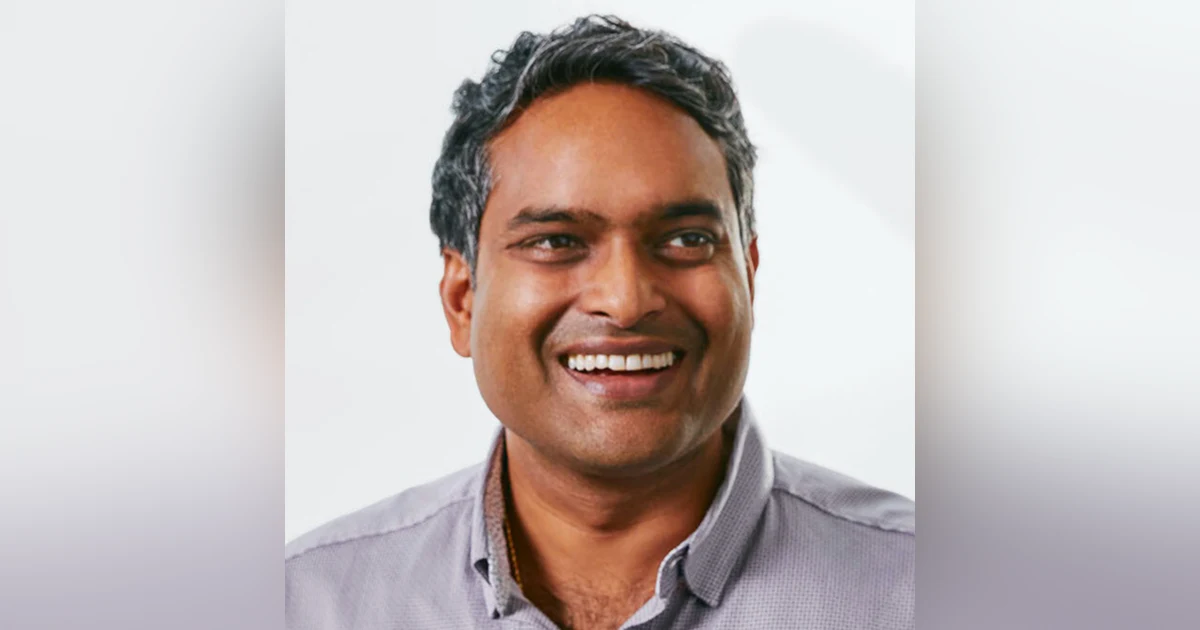

Ravi Hariprasad, MD, MPH, is the founder and CEO of Intuitive Mental Health, a start up focused on partnering with primary care physicians to deliver comprehensive and personalized mental health support. Dr. Hariprasad obtained his medical degree of the University of Pennsylvania and completed his Masters in Public Health as well as his psychiatry residency at Harvard University. Dr. Hariprasad is well versed in both Western medicine as well as holistic and complementary perspectives such as Ayurveda. His early experience as an engineer and an entrepreneur have helped him understand system design, root cause analysis, and solution development and implementation.
Mentioned in the show:
Welcome to Medicine Redefined, a podcast focusing on helping you reclaim ownership of your health. I'm Dr. Darsha, and I'm Dr. Altamasharaja, where your hosts, hair to challenge conventional practices and uncover the stories behind pioneers shaping the future of medicine. Our conversations not only focus on the individual level to dissect common practices for health optimization, but also zoom out to enhance systemic change. Join us as we look to break the status quo, move the needle forward, and put the help back in healthcare. Our guest today has come back for round two. You may know him when he interviewed with us in episode 143, where we talked about how to solve the mental health crisis. His name is Dr. Ravi Hari Prasad, and he is the founder and CEO of Intuitive Mental Health, a startup focused on partnering with primary care physicians to deliver comprehensive and personalized mental health support. Dr. Hari Prasad obtained his medical degree from the University of Pennsylvania and completed his master's in public health as well as his psychiatry residency at Harvard University. He is well-versed in both Western medicine as well as holistic and complementary perspectives such as Ayurveda. His early experience as an engineer and an entrepreneur have helped him understand system design, root cause analysis, and solution development and implementation. In this episode, we are going to delve down the rabbit hole of the human condition, human consciousness, and what it means to grow throughout life. We're also going to touch on why humans suffer. If we are going to be talking about health spam and longevity throughout all of our episodes, I think it's obviously important to talk about mental health. But if we are going to talk about mental health, we have to understand why anxiety is a thing and what suffering truly is. We're also going to be exploring a bunch of different philosophies such as Buddhism, existentialism, logo therapy, stoicism, just to name a few, because all of these different philosophies have their own take on what suffering might be and how we can grow and choose to have a different outlook in terms of looking at the world. I believe these conversations are not only important to have amongst a community or with your doctor, but also with ourselves. I think the inner talk we have with ourselves is probably the most important conversations that we have every day, and I hope that this can shed light a little bit more in terms of the perspectives that you might be having. So without further ado, enjoy the episode. Hey everyone, real quick, we are excited to share that we launched our newsletter. It contains high yield insights from our guests and tips and tricks from us. We want to put the health back in healthcare and invite you to do the same by giving you the necessary information to leave your best lives and provide value to those around you. Make sure to head to medicineredefine.com where you can input your email and stay up to date. Okay, time for the episode. All right, Robbie Harry for Sad, round two here with us. Thanks for coming back on. Yeah. It's a pleasure. Round one was awesome, for those who haven't gotten a chance to listen to that, highly recommended. You really set the groundwork about mental health in that episode, and zoomed out, talked a little bit about the philosophical approach to mental health, and why PCPs are really taken on the burden and where psychiatrists can come in and really round out the crisis that we're in. And then you had the brilliant idea of saying, let's talk about suffering, right? And why humans maybe choose to suffer? And so this conversation is definitely going to be a little bit more meta, a little bit more philosophical. As you said, we're going to be talking about the spirit. So for the listeners, I urge you to stick with us. A lot of perspective might be shared that you haven't thought about. So at any time, pause the episode, think about how it might relate to you for some introspection or even extrapolate it to what you see around the world about the human nature, human condition, et cetera. But to start off this episode, right, we're going to be talking about suffering. And the Buddha has said that all of life is suffering. And essentially in Buddhism, the end goal is to become enlightened so that you can end that suffering. So with that heavy, heavy statement, Ravi, what is suffering to you? How would you define it? So I think it's the first way to step and breaking this down is to make a distinction between pain and suffering, right? And if I were to come up to your darshan and like pinch you, you would be like, ouch. And that would be pain, right? And that's objective. And I don't know that you would suffer. You would just be like a little bit confused, a little bit stunned. And you'd feel like a little bit of a bite or a pinch sensation on your shoulder. But if you thought about it a little bit more, you might be like, I can't believe that guy, Ravi. I can't believe he did that to me, he's violating my personal space. That guy, what's he doing? There he is again. How many times have I told him to keep his hands to himself? And then all of a sudden begins this internal dialogue in this cycle, this almost super imposition on the objective experience of pain that occurred. And that's the suffering. It's a subjective perception that has to do with the stories and labels that we put on things as opposed to the objective experience that's unavoidable. And so humans are really interesting, right? Because they're probably one of the only animal or life forms that can actually suffer. The rest of them are like, and then they just move away and get on with it. And maybe they have a little bit of memory to prevent themselves from getting burned by the fire again. But they go on chewing grass and moving on their merry way. But humans spend a lot of time in their heads. This is the distinction between pain and suffering, as I conceptualize it. Yeah, that's super interesting. I love how you distinguish between the subjective and the objective, right? And I think it's important for people to realize that there's this internal dialogue that comes along with suffering. Why do you think humans choose to suffer maybe, right? Because if it's a subjective experience, there has to be some sort of choice in the grand scheme of things. Yeah. And so this is the subject matter of the venerable Eastern philosophies of the world. This is the subject matter of Krishna's Gita and Buddha's teaching is that we must learn as humans that to suffer is optional and to pain is mandatory because it's objective. And I think the best way to look at it is this is the root cause of the human condition. Yeah, it's interesting, root cause of the human condition. So for those that might not be attuned to what the human condition is, how do you explain that to somebody? Yeah, it's a good point. So, you know, so here's a here's a expression that my health, you know, suffering is the soil and resilience is the seed and growth is the plant that emerges and we're all kind of gardeners of the soil. And if you think about it, it's kind of like we get that seed of pain. And if we ferment it in our mind, it grows up and that becomes our experience. And so it's kind of like what we focus on as humans that blossoms. And so if we're focusing more on the positive aspects of life and experience rather than the negative experiences, then that too becomes our life. This is a great Indian philosopher, Swami Vivekananda, who, you know, in 1900, around the turn of the century, he represented the Indian philosophy at the World Congress of Religion. It's a great philosopher, Vivekananda. And in one of his writings, he pointed out that he made a metaphor of a bee and a vulture. And these are two creatures that spend their time searching, right? You got a vulture who's flying around in the sky looking for its next meal. And so it's looking for a rotting carcass. And when it sees it, it just dives in from a mile in the sky and starts eating. And you know, it was on a safari not too long ago and I saw this phenomena and you could see another vulture land next to the carcass and they were all fighting each other over, right? So that's one part of it. Then you've got a bee that spends its life buzzing around from fragrant flower to fragrant flower, extracting the nectar of these flowers, right? And interesting, there's a total connection between the two. They're looking for what they want. The difference is on their deathbed, the bee had a glorious life filled with fragrant flowers and nectar and the vulture had a life of scarcity searching for rotting flesh and fighting off people who would steal it from them. So from that standpoint, we can then understand the human condition is kind of straddling between these poles. And sometimes we allow the vultures in us to take a life of them of its own and root and that becomes the life and the subjective experience, the journey through life that we experience. Now, the other hand, sometimes we spend a life of kindness, compassion, love, joy, generosity and abundance. Hey brother, I only have a loaf of bread but you can have half of it. Let's hang out in the law, it becomes the story of that life. And so the human condition is something of a struggle in our mind to decide which of these tendencies we fall towards and which ones we don't and I think that it was straight to point. Oh yeah, absolutely. I love the dichotomy, right? I think that's so accurate about human nature is that we see things so circumstantial, so situational, even talking about destiny versus free will, right? We tend to choose when we want to believe in which philosophy. It's destiny when we meet our partner, but it's free will when something doesn't really work out for us, right? And so to really push on the philosophy button here, I really wanted to ask you about the power of existentialism and for those that don't know what that is, Jean Paul Sartier wrote this book called Being in Nothingness and it's about how life is meaningless, right? It's you take a paper, light the fire, life is whatever, but there's a lot of power in that, right? Because if you realize you're just a monkey on this rock floating in space and you're miniscule and there's something freeing about that, about that concept versus now we talk about logo therapy with Victor Frankl and many people might know his book Life's Search for Meaning where he was a Holocaust survivor, a former psychologist and his whole idea is logo therapy, which is finding purpose in life and that is the main goal in life, right? It's a two contrasting philosophies, but both having some sort of deeper meaning behind them. So, how do you see that dichotomy about meaning in life and purpose and maybe tying that into the human condition? Well, so, I mean, Victor Frankl was amazing, right? This guy is in a worst possible situation, I think he was in Dockho, right? And like he's watching is people being incinerated, the ashes were killing the sky and he was trying to figure out how to come through this thing was man search for meaning, right? And so, basically pointed out the story of how we can find a deeper meaning in the suffering itself, right? So, like finding meaning and suffering is like turning a poison into medicine. Once harmed you, now heals you. And so, at one level, you know, the Eastern philosophies of Wala Stavosta is both in the Buddhist tradition and the Vedantic tradition and several other mystical traditions, the belief that the world is fundamentally a waking dream. It's a little bit too far down the rabbit hole to get into the proof of that or how that is derived. Let's say that. And so, then that lends itself in a way to existentialism on the surface. But on the other hand, if the purpose is then to wake up from that dream, which could be a nightmare depending on whether you're in your vulture tendencies or your honeybee tendencies, then the suffering is what allows us to climb out of it, right? Like, we don't really grow as humans when we're having a good time. It's in the suffering that we actually grow and that growth is the point of life. And so, I think you need to link these two views together and understand that they're all part of a complete holistic picture of what it takes to wake up that person who's being like a vulture and shape them back and forth and get them to snap out of it. And that's what the suffering is for. I love that because I think a lot of people hold on to the idea of being a pierist, right? You can't have multiple philosophies in your head. You cannot believe and decinate or for you will or existentialism or love with therapy. You have to choose one. But like you said, you use that word growth over and over because you said that's the true meaning of life. It's really find that growth and whatever may come with that. So just to confirm, you do agree that it's okay to have these multiple philosophies circumstantially as long as it comes back to the idea of growth. Yeah. It's kind of like the art of being human, right, is like to dance in the rain with full knowledge that the sun is going to shine again. Gotcha. Love it. So jumping on to the next sort of philosophy here is stoicism and, you know, ultimation iron both fans of Brian Holliday, who has really brought stoicism onto social media and for a lot of people to tune into and relate to. And stoicism tends to be maybe one of the more practical philosophies because it's not really rooted in a sort of spiritual way, but it's more of an actionable here tips that you can take away. So one of the big aspects of stoicism is this idea of control, right? You look at Marcus Raleas, Epic Titus, they all talk about how you as a human are in control. And that's the biggest power that you have, even probably towards growth. How do you view control and suffering? And how is it possible that humans can now use that idea of control and action to reduce their suffering or even change the way they think about suffering? Yeah, so my perspective is that control is overblown. I mean, if you think about it, for anything to happen, right? Like, okay, we're having this podcast and we're recording it right now, right? And we could say that we wanted to do this and therefore it's happening, right? And there's some truth in that that's one variable. And so it's a choice that we have control over, right? That we come together, we make this podcast, but actually there's a thousand and one variables that have to come in synchrony for this to happen, right? Like our internet connections, they have to hold out. It's still a miracle, sometimes the video stutters a bit, but we've got that. So then think about all that went into making sure that that internet connection worked. And our health, both of us had to have not eaten the wrong thing for lunch and had enough sleep and be in good shape. That's also something that's not under control. And when you stack it up, there's this kind of humbling sensation that, oh my God, stuff is just happening. And like, I'm showing up with the one variable that's under my control and then claiming responsibility for the entirety of the outcome. And that's a cognitive error we make. And as a result, we end up with suffering because when things don't go our way, we start saying, I'm an idiot, I like did this, I didn't do that. I could have done this, I could have done that. But in truth, we can only make the effort and the outcome of the action is, I guess, to use an old school word, grace, right? Everything had to come together and make it happen. So that's the kind of the tie-in between control, the perception of control versus actually having control and our perception of suffering. The other flip side of this is on the topic of acceptance, right? If we can accept what is, then it doesn't really cause us distress. We might be sad about something or feel something's unfortunate, but we accept it. It is what it is because it is. On the other hand, if we have resistance to what is and we don't accept it, then we're going to have a lot of suffering because we wish it were this way, I should do this. Why didn't I do that? And the whole mental story is keyed off of it. And again, if you look at it, the root is control, the perception of control, the belief that there was any. Roby, I'm so glad that you went there. Darshan, it's funny that as you brought that up and initially asked a question, and my first thought was kind of what Roby is saying is there are very few things that are actually in our control. And I think the fallacy is that a lot of people are under the perception that there is in fact more in control than there actually is. And we go around pretending that and when the moment we realize that something is not in control and that's front and center, front of you, and that's when the source of anxiety immense amounts of stress, dare I say suffering. And I'm wondering as we've been talking about this, there's this concept of in DBT that I've recently come to learn about radical acceptance. Darshan, you talked about growth, right? A lot of people getting excited about reading self-help books, right? Some of Ryan's holidays even geared towards that is to make you realize that how can we use stoicism and apply to modern day philosophy. And ultimately the goal is for growth. But in this concept of radical acceptance, a lot of times people will talk about those who practice DBT will say, look, you are who you are and you don't need to necessarily grow or change and just come to terms with that. And so I'm wondering, you know, because I think the three of us are here where you even have in this conversation, we're certainly in that maybe even minority of people who want to change what is, want to be better, want to grow. But there are a lot of people who are just content, they've already accepted, they don't necessarily need to change. And also is going to I think lead into later on when we talk about, you know, why is it some people who tend to suffer a lot more? You talked about when Darshan is perseverating with the fact that you pinched him, why do some people go down that rabbit hole and for days and days and days can't get over the fact? And it's taught at a very young age, do we have a sense of what might create that archetype of a person? That's interesting, right? I mean, the point is control is like this illusion. It's like trying to grasp the wind, you know, and peace comes upon us when we open our hands and let the wind just move through it, right? And I think there's, it comes down to ego. And you know, ever since the first baby was born and you know, everything was taking care of it in the womb and you know, you got its food, all of its bathroom needs were taking care of, it didn't even have to open its eyes, everything was good, right? Occasionally, mom would move around, but then all of a sudden, whoa, out of mom and into the world and like just what is going on here, right? And then, and then the sensation of hunger came like, what is this? And then this terrifying feeling of, I might die, I might like cease existing if I don't get milk or food. And then we need to act all of a sudden. And in order to act, it's as if we need to have an identity, a personality and then that formation creates the ego. And this ego is now trying to act on the external world in order to get its needs met. And depending on how that ego is raised, and so this is the Freud's entire stick on ego psychology, we have our various personality structures that have various levels of reaction to external stimulus, right? So the baby that got under-gratified, so they had a scream, scream, scream, scream until they're blue in the face till someone would show up with some milk, right? Versus the one that snapped their finger and the milk shows up in two seconds, yes, yes, you're imagining. These lead to very different character structures and organizations on their belief on what is going to happen when I have a need or want. And so I'm bringing it down to that elemental level because that's literally as much where the line is drawn. It starts at that young age on how I believe, how safe I feel, how secure I feel, how I believe my needs are going to be back and how much I need to act, how much screaming and hollering do I need to do in order to get what I need? And it turns out just as a quick cheat sheet while we're down this rabbit hole, the optimal, there's something called optimal frustration, psychologist in the 50s, DW Winnicot pointed out to parents, look, if you over-gratify a child, you mess it up, if you're under-gratify, you mess it up, there's an optimal frustration which is suitable and consistent with living that creates the best possible scenario. Does that answer your question? Most certainly. I really love that. It reminds me of a phrase that Aline, a previous guest, came on and she would talk about ILE's inconvenient life events and I'm wondering if I'm going to start using this and anytime something seems, it is a bit frustrating and we'll say no, no, no, this is just this is optimal frustration, this is exactly what we need to move on to the next level. I'm curious about that, I'll call it conditioning kind of at that young age and you're talking about when the child realizes that they need to maybe create more of a fuss before they get whatever it is that they need at the time, is there a certain age period that you're familiar with where that starts to develop? I would say zero through four years old and it is exponentially more important to younger. There's this decay function where the ego is forming and it's critical during that period. That's why this childhood trauma has to be so impactful, like the sense of abandonment that the parent wasn't there for me, feels like it's permanent fixture, even though it was just for two years compared to someone who's 50 years old that will leave a sting that lasts for decades. It's crazy that we're talking about this today, I was just seeing something on social media come across yesterday. I forget this guy's name, he's a pretty prominent, I think he's a psychologist now, I know he was on Rogan for quite some time, he talks a lot about childhood development, parenting and gentle parenting and all that kind of stuff. Gabor Mata. Gabor Mata, thank you so much. He was talking about how the first three years of life are so critical in terms of dealing with your children. I've got a daughter, she's just over two right now and I was like, oh my God, I've already screwed up the first two years. I haven't. You just think about how you could be more present. He was talking about trying to minimize screen times and whatnot and without judging myself, you think about, oh my God, why is that window the first four years are talking about so critical, but those developmental milestones, which again are a lot of times focused on the physical aspect, can they stack up cubes, how many steps can they take and stuff. I think it's just easier to quantify. But if you think about the cognitive and the emotional developmental piece of it, it doesn't manifest immediately, but it might manifest 30 years down the road. That's really scary, it's really scary if you don't get it right. Yeah, but remember, that was the first reaction of everyone and then DW Winnecut rolls in and says, okay, don't freak out all the parents. It's okay for them to cry a little. It's okay for them to not get what they need. Actually they do best when that occurs. As long as you're not being abusive to your young daughter and you're doing the best you can and that you have awareness that this is important, you should be all right. I've got to follow up on that. I don't have kids, but I've always thought about this growing up now being in my 30s and just thinking about my own parents having me when they're 35, you know, having my older brother when they were 30 and it's shocking to me, right? I mean, obviously a different time, but I look back at the lessons that I've learned and how they've, my philosophy has changed, right, from being an eight year old to now and being grateful for the lessons I've learned. But during the time period of childhood, you look at your parents and you say, I wish, you know, why did I get this cell phone at this time or why didn't I blah, blah, blah? And then you look back and you become grateful for those lessons. So is it, can we ever be right as parents? You know, I've listened to Gabor Mate as well and how we can do things better maybe, but I feel like no matter what you do, your children can always see the opposite, right? So if some, if a parents financially support, for example, some children will say, man, I wish you were stricter on me so that I could learn how to be more financially savvy on my own. You see on opposite end, if they weren't financially supporting you, man, well, now I'm in a rut and I wish you were able to financially support me, right? So how, you know, and I think this ties into suffering, right? So is it just that humans, no matter what, will always find an issue as they grow up with whatever it is? I'm just, I'm just curious about that. Yeah. Yeah, no, that's fascinating. And then it also ties into the earlier discussion about control. Like, you can't help the fact that you are who you are. And therefore, you're going to do what you're going to do. And there is also definitely something to the fact that people seem to have inborn tendencies that they're born with and they just have a certain disposition. And then there's that variable of how the ego structure of the child was. So you know, it's a broad topic you bring up. What exactly are you getting at? We're going to a two hour lecture. Yeah, yeah, yeah. No, sure, sure. So it's really about how growing up we're always going to find faults in whatever the way we were raised because it's not ideal. And I think every time we look at our own circumstances, it's, man, only if I learn this, would I be out of this circumstance. But then you get out of that circumstance where maybe you have an opposite circumstance and it's man, oh, fully, I wish the opposite that I would be out of this rut, right? And it takes a person to have that radical acceptance to have gratitude and realize that, hey, regardless, like, I made it to this age and it could be worse, right? And so I'm wondering, is there when it comes to a parenting and that relationship between the parent and child, you know, is there really a way that we could do it better or be right or help the child as much as possible so that they become more, quote, unquote, wholesome? So the problem is the presumption by the child that they actually know what's good for. Right? You're dealing with an inexperienced ego personality that wants certain things. And when they don't get it, then that leads to anger and frustration. And so, yeah, that's also part of this human condition and very normal. And I don't know that you would want a parent to modify what they think is best because of a child's dissatisfaction with the fact that they can't have another paid app on the app store today. And so it's inherent that there's that dynamic friction as a child is growing up. But I feel like there's a deeper point here that's worth making, bringing up at this point, right? If you think about it, everything distills down to aversion and desire, right? Like an individual is fraught with these desires and aversion. I want chocolate ice cream and I don't want to have people say bad things about me, right? And if you think about it, our entire life is painted with us trying to go after the things we want and to avoid the things that we don't want, right? And I guess that's fine. You have to have a compass. You have to know what you're going for and you have to know what you're avoiding. And that's really not a problem. But then there's a certain subset of those desires, aversion's or also fears or in the same bucket that kind of rise to a fever pitch. They become what they call in the Eastern philosophy's binding, which means I must have chocolate ice cream. If I don't get chocolate ice cream, it's going to be a problem for me and you, mommy. And then we got ourselves a problem, right? Kid goes to the ice cream store. Mom is all excited taking the child to get ice cream and they say we're out of chocolate. All of a sudden, temper tantrum, scene at the store and what could have been a beautiful scenario ends up horrible as the bomb has to like call the kid out and screaming all the way back home that they didn't get their chocolate ice cream. So that's because it was a binding design. It wasn't just a suggestion that I'd like chocolate, but you know, sometimes you don't get what you want. You might get vanilla and that's also a good tip. And so the magnitude of binding desires and fears in a person is directly correlated to their level of suffering and distress in life. And in the masterpiece, the Bhagavad-gita, Lord Krishna beautifully explains the entire story of the human experience from start to finish and it's framed around these two elements, binding desire and binding fears. And the entire path, the entire art form of growth in Vedanta and in Buddhism, the systems are most familiar with, is the purification of the mind of these binding desires and fears. To turn them into just desires and fears. And when you approach that line where those binding desires and fears are unbound, then you approach something that I've come to realize the sanity. I love that. So I'm super glad that Darshan offered that disclaimer and so hopefully people stuck with us. But let's, let's bring this back to kind of our, our patient interactions, right? Ravi, we, last time we spoke about how people look at Eastern philosophy, Eastern medicine and Western medicine as to these distinct things and we kind of look at it as a spectrum, right? When we, we want to try to add as many tools to your tool belt. I'm wondering, you know, understanding how a lot of people will look at philosophy, psychology as even a soft science, yet there are some sound principles that are applicable to our selves, our patient interactions that can really be sometimes the most potent medicine if I may for that specific scenario, recognizing that I'm wondering how you have these conversations with your patients, particularly here we're all in the States where we practice and you know, these concepts of these meta conversation is these philosophical and Eastern concepts, they're not well understood, they're not well taught yet. Maybe there are now a little bit better, but even as you were growing up in your training and, you know, even now, there are a lot of people, depending on what part of the country, who are not familiar with this. So how do you open up this conversation and introduce people to it, particularly your patients, and their approach to you with any type of specific ailment that they might be struggling with? Yeah, I don't, I don't think you could tell that petulant child screaming for chocolate ice cream that they have a binding desire that they need on bind and actually expect that to work out too well, right? So I typically don't get into it directly, but these concepts are used to inform the way that I approach the person itself, right? Like, we want to teach people to accept what is and to not have a problem, to not have resistance to what it's, and perhaps the best way to do that is to accept that, right? These in psychiatry often you get patients that no one else likes or wants to have anything to do with, and it's a strange and unusual experience for them to encounter another human that's sitting there with wrapped attention present and focused on them and doesn't seem to have a particular problem with their rough edges of their personality or get triggered by it. Rather is fascinated and curious about how they became what they are and what their dreams and wishes are and where they want to go. It almost disarms a part of the person and in repeated conversation with that person experiencing that, something softens them, right? And they start being able to maybe accept a little bit more of themselves because they're not dealing with the person on the other side of the table who's telling them how worthless they are and how useless they are. And this is a strange experience that someone could actually accept them. So then maybe there's a space where they could start to accept a little bit more of themselves, right? So the trick is experiential, it's to create a container and experience for our patients and the people that we work with to actually have a different experience, a corrective experience. And then after that occurs for a period of time, the person is naturally very curious what the hell happened, right? It wasn't as angry as everyone and people were treating me differently and now I'm confused. And then that's where the education component of this starts. And so it's kind of this back and forth where the goal is not to teach a person so much as it is to heal them. I love that, right? It's about the healing and them getting to understand their own biases and own philosophies and such. So, you know, nowadays we have psychiatrists, we have psychologists, we have life coaches, and so many different disciplines as well, right? Positive intelligence to CBT, DBT. There's so many different things out there, right? And each kind of have their own flavor of really teasing out everyone's individual philosophies and such. But how do we balance that more humanistic approach that so many people think of with what we would now say is a lot of science, right? We look at the DSM-5, we look at billing and coding, and there has to be a specific diagnosis in there, right, in order for kind of things to work and for the next steps to happen. So how do you balance out maybe being scientific with the patient, but also this more humanistic philosophical component? Well, I understand it for what it is. A person is what they are, but you need a descriptive language to describe the situation. And for me, that is exactly what the DSM is. It's a descriptive, you know, it's certainly not based on mechanism of disease. But it's a description where, you know, if a person has ex-symptoms and presentations, this time course and whatnot, then they carry a diagnosis or a label of XYZ. And then there's a body of research that tells us what to help with people, what could help people with XYZ, right? So I think that, personally, I don't have a problem. It's just now I know how to be very specific, technical, and precise in what the issue is from a symptom presentation level, but the DSM never spoke to me and told me what the root cause of any of these things are. And so I had to go figure that out in different ways. And then how do you check your biases, too, when it comes to a patient? Let's say, for example, you truly believe in logotherapy and life submission is to find that purpose, knowing that, how do you reconcile maybe what you tease out from the patient and really check your biases? So we have to be careful not to project our own beliefs and theories on a person or any experience. Remember we were talking about suffering, right? And I pinch you and then all of a sudden you tell yourself a story and then now you're looking at me as some sort of perpetrator instead of a guy that got confused about what you was pinching, you know, like it happens, maybe. But so in the same way, when you look at a patient or someone you're working with, you don't want to contaminate your experience with the person with these theories and notions. You just want to be with the person and let's see what you feel and see what's there in the connection. I don't know if that's as gratifying an answer as it is it like, but the point is not to look at a person as a set of labels and names and terms and diagnoses. It's to actually holistically experience the person. And they can tell, like, people know when you're with someone who's actually with you and connected to you versus someone who is looking at you analytically and trying to figure out how to judge you. Yeah, yeah, which honestly leads into my next question about back to control, right? And this relationship between patient provider and, you know, we often talk about the best relationship. This best rapport is kind of this ping pong where one can, you know, explain and the other can take it, but also share and be more vulnerable and have this back and forth. And, you know, Adam Grant says there's three different types of ways you can teach someone. So you can be a professor, you can be a prosecutor or you can be a preacher. And so those three really having just a different flavor of, you know, volatility versus the tone of voice. But when it comes to control, right, I think a lot of times as a life coach and hopefully I will be one in the future, you think about how you had this extensive knowledge and how you can really impart this knowledge on someone and that you quote unquote have the truth. And this person may not just not see it or they may need to be taught it in order to, you know, unlock that door for their mind to really accept who they are and take that understanding in. So when it comes to control and you look at the relationship between you and the patient, how do you view that idea of control? I want to say that, you know, the need for control in a treater comes from their own insecurities and their own fears that they don't know what they're doing. And so then you end up with this paternalistic dynamic where the physician or the treater has a limited fund of knowledge around the situation and they've sized the situation and put it into a box that they know how to deal, right, to the, to the doctor who understands magnesium deficiency, everyone is walking around magnesium deficiency and or it's B12 deficiency or it's vitamin D deficiency or it's too much cortisol or, you know, there's so many different path diagnoses that a treater will get into deep down. They know they don't know everything, right? But they do know that they need to know what to do with this patient and what the, what the problem is and what they're going to do about it. And if they don't, all of a sudden it creates this fundamental insecurity and fear, an imposter syndrome, but why are they paying me? Like what am I going to do about it, like I don't even know, so they don't even go there because they would be horrible because they would unravel their entire sense of self and their entire professional identity. So then the way that they've been taught by their senior doctors and the people that they've been trained by is to know, is to know. And if they get questioned, then comes a control day now. No, you are a patient, I am doctor, you will listen to me as I tell you what's wrong with you and you will take the damn magnesium and you will get better. And whether you would have gotten better on your own or not, I don't know, but at least 60% of the time I see when I give magnesium to a person with stiff muscles they get better. Could do yoga too maybe, but no, do the magnesium. So then when we talk about this control thing, I think I've kind of dispensed with it in my own clinical practice at this point, like what's there, right? At the end of the day, this person, it's their life. And they're the ones who have to walk this journey of healing and growth and trying to come through it. And I am but a mere consultant that comes along in the path with some additional skills and knowledge to a system. And so then the higher bar is, can I be a value to them? Can I think with you? Can I add something to the way that you're approaching this with the addition of my knowledge and experience and to a certain degree, wisdom? And so then all of a sudden, the control dynamic dissolves and gives way to this learning together approach to care. And I think people respond really well to it. I would say that this discussion about control is probably one of the root causes of poor compliance with treatment, right? And when people don't take their medication and they just say, I forgot. But if you actually delete the surface, not yet, they just don't necessarily believe that you understand exactly what's wrong with them enough to put this chemical in their body every day. And so they're ambivalent about it. And so it's really important to actually as healers, as we grow and rise in our own journey to work on getting rid of that so that we can form those authentic connections with our patients and our clients. And whoever it is we're working with to actually be optimally useful. It's funny that you brought up that example of, you know, when you are a subject matter expert in something, you tend to identify and diagnose that specific ailment a lot more. I think about our field of physical medicine, you know, again, almost everybody who walks into our office or clinic is suffering with some type of pain, some type of musculoskeletal issues, neuromuscular issues. And oftentimes the treatment that you might order or suggest or intervention that you might do, you know, might be addressing the problem from some lens that somebody hasn't looked at before. And by the time somebody's coming to us for knee pain, they've already seen two orthopedic surgeons and two family medicine doctors and something we have to be afforded fifth in the line. So I tell my trainees and like, you know, unfortunately, all the simple things have already been done. So I have to think outside the box. And I find myself like looking at these uncommon diagnoses and diagnosing them far more often. Now as a result, I've become better and better at doing that. And so then sometimes I also have to question myself and, you know, I like to sit there and have a deep discussion about the patient and about what they've suffered or how they've suffered and how long they've suffered for. And then also, you know, understand their impairments in quality of life, their function, their goals, all the things that maybe nobody ever did before. Maybe somebody looked at a knee extracellular arthritis and just injected it because that was the easy thing to do. Got them out. Nobody addressed them as a human being and acknowledged their suffering. And so whatever treatment I offer at this point, whatever injection that I do, is it working because I've truly diagnosed something uncommon, right? Is there a structural issue or is it because we've established therapeutic alliance that they never had before? I always wonder that. And I share this maybe for my trainees listening to say that it's almost impossible to disentangle, right? The mind and the body when somebody is going through that suffering. I mean, they go, they're so tightly interlocked that you do have to address both. If you don't, then neither one is going to be successful. You know, the thing I'm thinking about, you talked about the stories piece, a really awesome book comes to mind, Crucial Conversations and they talk about how people tell themselves these stories. Anytime they have an interaction argument with somebody. You know, he talks about, they also talk about people, they create victim stories, they create villain stories, they create helpless stories as well. You know, some people would like, oh, this happened to me. Life is hard on me. And then or the people will get angry like somebody did this to me, right? They were bad to me. And maybe that's that those aren't the facts. Now, the people will say that maybe there's nothing in my control and there's nothing I can do about this situation. I always find that interesting as well because you have some people who have this victim mentality is like life is hard, residency is hard, everybody's out to get me. And you know, the author always talks about like he's got a whole algorithm we'll link into like how you can kind of, you know, overcome that. But some of the things that is like just see here, like what evidence do I have to tell this story? Right? Do I actually have any evidence or are these just feelings and emotions that we've created? Like people don't put emotions on us. We create our own emotions from a simple thing that happened. As you mentioned at the outside, it's the way, right? Right. Right. It's the way you pinch stars, right? It's not that you pinch stars. It's the way you pinch stars. So I think that's really interesting. So I guess, you know, all this to say you have to be in a very mindful place. Last time you spoke about between the puff of smoke, maybe it was and then, you know, how it feels like, you know, in there, there's freedom, right? So as you acknowledge everything that's going on, same thing in these conversations, same thing when you're telling these stories is, you know, if you can sit there and create that space about what's happening with the story and what are the actual facts. I mean, that's, that's mindfulness at its best. So we all, we've talked about that, Ravi, quite a bit about how that can help expand the reservoir so you can take hits to the system so you can decrease suffering. And I think one of the, the short fire ways that cognitive behavioral therapy, any practitioner that's working with somebody, psychologist is helping somebody with decreasing their experience and their suffering is helping build resilience. So I'd like to maybe shift and focus a little bit more about that. See, as actionable as we can be as if it's in our control. How do we help ourselves and maybe our patients build more resilience? Okay. So one thing I want to emphasize here is you pointed out that we can increase our resilience by having this, this space, this mindfulness and learning how to not suffer. The point is you can actually transcend suffering. You don't minimize it. Once you understand the world differently, there's actually the possibility of having freedom from suffering. So if we take the typical victim mentality, the person is like, okay, let's typically I see it in a work scenario, my boss keeps doing this, no one likes the boss, the boss is giving me so much work and like, you know, I work all night and like, it's horrible and like, I need to leave, I need the doctor, I need you to like give me a work so I don't have to go to work. Then they come to the point, right, and there's something about the narrative that puts the person as someone who's being perpetrated by the boss, right, but what's missing from that is the fact that this person is showing up to work every day and actually doing that instead of choosing not to do that and empowering themselves. And why do they do that? Because they have a fear that they may lose their job or that they may get a negative review or they have a binding desire for a promotion or for someone to say something good to them or to get a raise. So they're really fraught with these binding desires and fears in that scenario that traps them into a skewed perception of the scenario and it turns them into a victim and then they suffer as a consequence in that box. And this is what you want to free the person up, right, is by actually showing them in a mirror. No, no, no, no. The real problem here is you want to raise. You want to be the one that the boss says is the smartest, sharpest, hardest working person. And you want to not disclose your perfectionistic tendencies, for example, right? And so once they understand, oh my God, you're right, like I really have those intense needs. Like if anyone says anything negative about me, if I even get a four out of five on a feedback form, I'm going to like have an issue, right? Then all of a sudden there's this space where they start taking ownership of the situation that they're finding themselves in. And once they've done that, then they can make a new deal with themselves, which is like, I accept myself as I am. I do what I can and I do the best I can at it. And this is apparently what it looks like when a person is working hard, has respect for work-life balance and is delivering productivity. If they like it, then I'll stay here and if they don't like it, I guess they'll tell me to leave. And in that statement, when they can actually go through it and understand that that's a better scenario than destroying themselves in order to be a victim, they've achieved freedom. Right? There's actually that arc where you've moved from being a victim to empowered and then found freedom in that scenario. And when that's done repetitively in every sticky scenario a person finds themselves in their relationships with their friendships, because it's all the same dynamic again. And a person who's bound by their fears and the versions and desires are going to have this problem in every scenario. So it's actually possible through a growing insight of what the mechanism of what's going on for a person to actually transcend it and be free of suffering. And this is actually what Lord Buddha was teaching, exactly what he was teaching. Precisely. I was just about to say that. I really appreciate that you use the word transcend because it really gives people that mental model that it's about breaking through something, breaking through a plateau, breaking through something that you're stuck. Because in the enemy, whether you quantify suffering 1% of suffering versus 50% of suffering, it's still 100% of suffering. And so getting comfortable with suffering, understanding what it is, truly living in it and then transcending it, quote unquote being enlightened, which is what Buddha was saying. So I really do appreciate you using that because I think it's such a powerful way of looking at the victim mindset and these fears that we have is really how do we transcend the state rather than just reduce the state? Correct. And when you reduce the state, it's like rearranging deck chairs on a Titanic. It may be marginally useful on the margin and you may feel slightly better now, but you haven't really fundamentally solved the problem that leads to it. So you figured out how to distort the external reality to please you and your binding desires and fears sufficiently that the amount of suffering reduces in that moment of time, which some may call resilience. But realistically, the goal is transcendence. It's like, whoa, whoa, whoa, whoa, whoa, I'm voting off of this freaking game, okay? Like, I understand now, I'm responsible for my own happiness. I'm the one who's a master of my destiny and my productivity that I give my boss is what is sustainable. Let each day not take from the next day. Maybe I'm a little bit better tomorrow than I was today, except occasionally I have to like pull an all nighter, it happens once every year, but that's fine. We understand what we're doing. So I understand sustainability as the line at which I work. And then that's what I offer. And then what happens is there's an unlock in that person. There's joy that comes out. There's this feeling of abundance that comes out of the person. And so then all of a sudden, eight hours of productivity from that person is equal to 15 hours from the burnt out, victim mentality, suffering, human, who's trying to do something with absolutely no creativity in their pain. Yeah. It's never ending. It's absolutely. You can categorically show that by transcending, you actually optimize all of your outcomes. Well, Robbie, we know, I mean, we've been talking about philosophy here now almost about an hour. And I mean, from what we've all talked about with your immense knowledge, if you want to share, I would love to hear how your philosophy has changed through life, you know, and through the ventures that you've been through, through the profession, through the story you've told us in our first episode. How have you, how has your outlook and life changed and how has your growth changed? Well, that's fascinating, right? I'd say, you know, to catch people up a little bit, 25 years ago or so, I was the founder of the technology startup and we invented the Find My iPhone feature. It was a brilliant innovation, the idea that you could put software and find a lost or stolen devices. And that business didn't go, it was a technological success, I mean, the idea is on every single mobile device on the planet, but it didn't go my way commercially. And it slung me into depression, I've been on a journey, starting at that point, trying to figure out what the story is with suffering and sadness and what have you. And what's interesting is it, it helped me realize that I needed to actually dedicate my career to figuring this out if I was actually going to make edgewise progress. So you know, when we talk here about it, it makes it sound simple, but it's actually a journey for each of us to actually internalize these lessons and to grow through them. I think the point is being able to have walked this journey with so many souls over these decades and taking that journey sincerely and working hard through it has been so pivotal in rising my own wisdom and understanding of these things. It's a journey, we're all, it's a pointed out earlier, we're all learning together. Yeah, no, I truly believe that and you know, I recently read The Untethered Soul by Michael A. Singer and I, there's a reason that book changes a lot of people's lives because start to realize everything is energy, all is connected. Like you said, we're just all souls kind of in this together, connected, maybe not, all looking to grow, maybe, or accept. But in that book, one of the chapters talks about death being your greatest teacher and using that concept of death to really understand life and what it is right now, right? And he uses great example that I use with everyone now is that if you're in your hospital bed and the doctor tells you, hey, you only have one week to live and it's raining outside, you know, most people outside who don't get that told that, hey, you only have a week or it's raining, I need to shelter myself, get inside. That patient in the hospital looks outside and says, man, what could I do to feel the rain for one last time, right? And so really just accepting what most people would say is suffering, right? I think that is true transcendence is that when you're truly in that present moment, saying, man, every moment, every touch, everything could be my last, right? And so that book for me has really changed my outlook on life and has really changed the way I philosophize with myself and the people around me. When you talk to patients and you've seen an improvement in their mental health or maybe their outlook, what are the some of those themes that you really see as the main factor for that improvement and that positive change? It's this stuff, how taking people on journeys that help reduce suffering and you know, there's not much we can do to change the pain and the knocks that we get in life, things happen, right? We lose jobs, people get sick, there's disease, there's a change of fortune. But through the changing winds of life and what it throws, learning to have a different relationship with it all, right, moving in that space of acceptance and being able to view things objectively has probably been the biggest theme, at least in the people I've worked with. Maybe it's a part of the way is the style of my work as a clinician, but that leads to durable change and also it's inevitable. I feel like people are on this journey inherently of growth and development and all everything we go through in life is like, life is our biggest teacher and it's like a storybook that keeps unfolding, each chapter begins when we open our eyes in the morning and the next lesson is learned and sometimes they're painful lessons and sometimes they're pleasant lessons. So the element of time is also not to be underestimated in how people do. Brilliant. Well, Ravi, these are always incredibly enjoyable conversations. I think we've learned quite a bit from you in the two and a half hours that we sat down together and even the conversations we've had offline. I'm wondering where some of the providers that come into contact with you, if you're not, if you don't have the time to sit down for an hour and a half, this type of conversation, where are some places that you can point to them, resources, maybe books, some of the ones that Darish mentioned that might help them achieve transcendence, providers, patients even honestly. Yeah, humans. It's all right. All right. So the situation in my mind is that these ancient Eastern philosophies, they nailed it. We have a certain, some people have a bias that because it's old, it doesn't mean that they didn't know anything back then, but we're talking about scholars who spent like millennia working this out and thinking very carefully. And they didn't have screen devices or other distractions. They would just sit there and focus and meditate and debate and have these discourses. And they really did work out the wisdom of the human condition and what's fascinating about those bodies of knowledge, literally not as syllable has been changed for millennia. They signed off on it and said that this is a complete understanding of the human condition. And so I would encourage people to study, like what did Buddha teach? What did Krishna teach and explore it. So if you want to look at this from the Vedic side, the Bhagavad-gita is the most brilliant summarization of this entire story in our works. There's any number of good translations out there. Data Botanic made a pretty good one of the Gita that is really accessible and easy to read. But I would say like dive into the actual source texts and learn from these ancient masters and from modern teachers who are unfolding their truths to you. Because they're utterly simple, right? When things get too complicated, when people have too many theories of why a person is the way they are and so on and so forth, I've learned over time that it's just more thoughts. And when it starts coming down to its elemental and most essential nature, like ask yourself when you're suffering, what is it that you want so bad that if you don't get it's a problem for you? Ask yourself, what is it that you are so afraid of? What is it that you don't want to happen so bad? And if you ask yourself that question every time you find yourself struggling, you may actually start having correct thinking that it'll actually move you in the direction of resolving it and growing and continuing on your journey. So yeah, lock and be said. And then also the fundamental skill that has to be developed is the ability to observe your thoughts and observe your mind without judging and to be able to accept them as they are. So you have to be the witness of your mind as opposed to being your mind. And that skill set is fundamental to undertaking any of this work. And so that has to be inculcated by picking up a practice of meditation. And even one, two minutes watch the breath, it's a start. And trying is the all-important thing. So if you develop that muscle of being able to bring your attention where you want it to be, meditations are. And develop that skill set along with some ancient wisdom, you'll be in good stead. I don't know if that belongs to the realm of psychotherapy, psychologist, or to anyone in particular, but I think it belongs to humanity. And it's at that level that we have to have respect for those universal insights because the teachings are applicable to all of us. I think it belongs to modern wisdom, which is clearly what you have to offer. And so where can listeners learn from you? You're clearly a man who thinks deeply about things and has a lot to offer. You mentioned your company, your website last time. Where else can they follow you? Is it on social media? How can they connect with you? Yeah, social media is good. I'm making this transition from being a small practice guy to trying to serve society in a bigger way to have this kind of wisdom grounding a larger system of being able to take care of people. And so as I do this, I love everyone's support and wishes, and you'll probably be hearing more and more from me as I make my progress in those domains. What I'm saying is universal truth, and there's so many wisdom teachers who have this to share. Reach out to me if you want more resources or you have a question, write me, I'm on LinkedIn. It's an easy way to find me, and I'm always happy to help a fellow traveler on the journey. I love it. Rob, you want to thank you, man. Thank you for taking the time to enlighten us, to help us think a little bit, and hopefully people have stuck around and have paused, like Darce suggested, and taking the time to think, and whenever they're ready to come back and dive deeper into this and their own journey, they can do that. I want to just recap and leave the listeners with a couple of things. We've talked about this a lot, and so just understand that pain is inevitable, but suffering is not. As you mentioned, yes, resilient is a short-term tactic, maybe even a hack for the day-to-day hits that you take the system, but transcending is the ultimate key to minimize as suffering. Not easy to come by, but it is achievable, and we both of you guys have talked about many people in there. Where? It's easier than suffering. Good point. That's a very good point. Trying is the ultimate thing, as you mentioned. Every now and then, when you are doom scrolling on social media, you do come across a gem, and a couple of days ago, I saw a high school valedictorian giving his speech, and in it, he was talking about, it goes something like that his mom told him that, hate has four letters, excuse me, basota's love, and enemies has seven letters, basota's friends. Why has three letters, basota's joy, and negativity has ten letters, basota's positivity? So we have a choice, and when you're in that moment of telling yourself a helpless or victim story, understand that there is a choice, and we could always choose the better outcome. So thanks, Robbie. Great summary. Thanks. Thank you, Robbie. Thank you. Thank you. Thank you for listening to another episode of Medicine Redefined. As a reminder, our newsletter is officially rolled out, and if you'd like more actionable tips and tricks delivered right to your inbox, please be sure to visit the website and input your email, and you will have it delivered to your inbox every Sunday afternoon. Please also check out our social media platforms where you can find more content like this, and you can follow us on Instagram, Twitter, and TikTok at Med Redefined. We also want to thank our team for the production of this podcast, specifically Ethan Zhu, Harita Yipri, Zaniligmani, and Sarah Han. And lastly, please remember that important disclaimer that everything in this podcast is for educational purposes only, it does not cost you the practice of medicine or should be considered a medical device. No physician-patient relationship is formed, and anything discussed in this podcast does not represent the views of our employers. We recommend that you seek the guidance of your personal position or coach regarding any specific health-related issues. However, if you enjoy the show, please be sure to subscribe, review, and share with anyone who you think will gain value from this, and until next time, thank you for listening.