

 Apple Podcasts
 Spotify
 Castro
 RSS Feed
 148. Physique Optimization: Psychology, Longevity & Lifestyle (Part 2) | Joe Farese
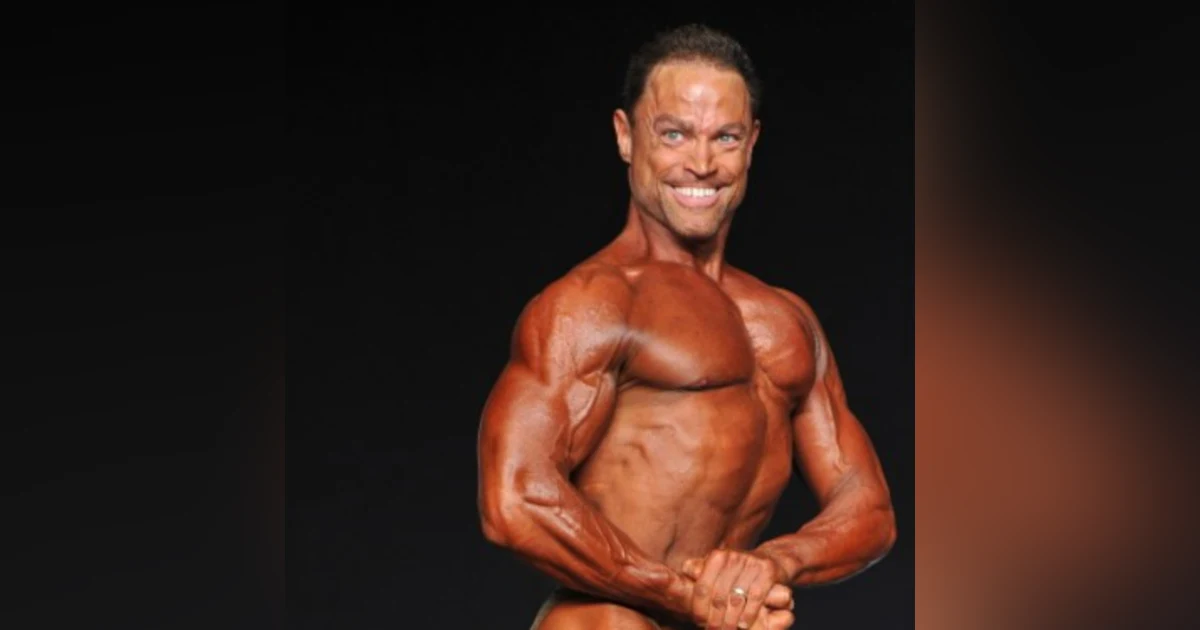

Welcome to Medicine Redefined, a podcast focusing on helping you reclaim ownership of your health. I'm Dr. Darsha, and I'm Dr. Altamasharaja, where your hosts, hair to challenge conventional practices and uncover the stories behind pioneers shaping the future of medicine. Our conversations not only focus on the individual level to dissect common practices for health optimization, but also zoom out to enhance systemic change. Join us as we look to break the status quo, move the needle forward, and put the help back in healthcare. Welcome back to Round 2 of our discussion with Joferies. Hopefully at this point you've had a chance to listen Round 1 of our discussion, which emphasized a lot about training and bodybuilding, nutrition, and some of the necessary components to optimize your physique. We pick up here by talking about the psychology of bodybuilding and what sets apart people at the highest level, because quite honestly, genetics aside, the mental makeup is arguably the most important part. We see this in other sports, but I think fizzy competitors are at a different level by necessity. It is a double-edged sword, though, and there are downsides, the dark side, or the unhealthy side of bodybuilding, so to speak, and we'll touch on some of that, too, but it does pertain to the general conversation of body image in general that we've been paying a lot more attention to, with the increased usage of social media. However, we start the episode by discussing other lifestyle factors that influence fizzy transformation, starting with sleep, and this is something we've, of course, talked about at length on the podcast, but I think you'll be surprised here, because the conversation at argue is a very practical way to look at it for the normal folks. We also discuss distressed tolerance, which for Jo seems to be social connection, particularly with his spouse, and how that's something that's not really quantifiable, unless it's done at an individual basis. We switch gears to discuss longevity, both in this sport, given its all challenges, but also what us general population can take away from the sport to apply to our health span. To understand this better, we dive into Jo's three intelligences, mind, body, and emotional. We close by learning about the drug testing policies, and as we mentioned, Jo is a natural four-life bodybuilder, and what that means is that there are no performance enhancing drugs allowed, and the sport is tested routinely, so he talks a bit about that process as well. As a reminder, Jo Freys is a world-class, natural four-life pro bodybuilder who has been competing for the last 36 years consecutively. He's also worked over the past 36 years as a trainer and health coach for populations ranging from young athletes to seniors. Now without further delay, please enjoy this part to discussion with Jo Freys. Thanks for having me, guys, I appreciate it. The pleasure is all ours. Excited to get you back so quickly for a part two here. I think that somewhere halfway we realized that we're definitely going to have to spend, because this is something that we all nerd out about, and we get super excited about, and we can probably spend hours and hours talking. I think as a courtesy to the listener, probably makes sense to break it up, and so we spent a great deal of time, that first hour and a half, talking about your genetic makeup, but also the makeup above the neck, right, and I think that's something that I want to dive a little bit deeper into, the psychology of bodybuilding today. We also talked a lot about nutrition and specific training protocols, and I think that now that we have all that out of the way, I'd love to start talking about other lifestyle factors. I think we have emphasized the importance of nutrition multiple times in this podcast. Of course, for physique competition, we talked about that with you, and then also training. The other big pillar that people talk about with respect to recovery is sleep. I want to get your thoughts on how you think about sleep both when you are, and also even during different phases of your competition, so maybe as you are losing, getting really, really aggressive with the calories, how that affects your sleep, or what do you do to mitigate if there is detrimental effect to that? Sleep is always been my, I sleep well when I sleep, but I've always not put it stacked at the top where, you know, as high as it should be, because if I have like my hours or sort of spread out throughout the day, it's not like a typical like 9 to 5 day, and I need time at the end personally of the day to sort of unwind and just either get to spend time with my wife or just spend time by myself to sort of unwind, and then I start prepping food for the next day if I'm depending on my schedule, and so sometimes I probably get between honestly 5 and 6 hours sleep a night, and I function very well on it, I don't we know walk around tired, you know, everyone has those days, but I really try to, I try to make an effort to get, you know, I try to make an effort to get above 6, I'm never getting 7 honestly, I could tell you I am, but that would be a lie, I'm just not, and I know how important the sleep is, but also I just need the time to myself and or time with my wife to just have, you know, see each other, and you know, just that's part of my stress relief, I know we're going to get into stress and stress relief factors and that's what really helps me, so I'm happy when I can get 6 or above most times and not it's somewhere between 5 and a half and 6 honestly, and has that helped me back? I don't, you know, maybe it has, I don't know, I think everyone's different as far as, you know, what their requirements are, I know, you know, in the bodybuilding, you know, journals and everything it says in your bodybuilding 101, it says get 8 or 9 and the more you can sleep, I will take a nap when I can 20 minutes or a half hour during the day, usually do that two or three times a week when I can, I can sleep anywhere, I can sleep in my car, which is like, that's almost like a gift because I know a lot of people have trouble sleeping, I never have trouble falling asleep or staying asleep, but just getting into, you know what I mean, bed because I feel like I need, you know, that personal time, so that's always been a challenge. Yeah, of course, the 7-9 recommendation is kind of a general idea, but you know, there are outliers and we've talked about this and we've emphasized the importance of sleep, but I think another thing to think about is their trade offsuit, right? There's the ideal way to do things and then there's the practical way to do things, right? You're a family man, you mentioned, your relationship is important to you and how that helps you cope with other stressors and life, and not to mention, I think people forget how stressful in the sense of disorganized that the life of a coach or a trainer can be. I don't know how many places you're out, but I remember when we were working together, right, we would start, typically our meetings would be at three o'clock, I mean, go till sometimes 7, 8, 9 o'clock at night, and you know, in the mornings you'd be at equinox and I guess maybe at some point in the middle or earlier before that, you were getting your workout in, and so sometimes like when you are, you have clients, you look, you're scheduled, and you have a two hour break, and then you're, you know, figuring some stuff out, and it's not consistent, it's a nine, not, not eight of five, eight, ten, like whatever, nine to five. And so that is very destructive to just all types of, you know, life things and planning and sleep in in general too. I mean, I remember when I was a prese, like I'd get home at 10, 30, sometimes 10 o'clock at night when I was going with my peak guys, and then I'd be so, I mean, you know how was your, yeah, fired up. I mean, you have to be fired up to get these like a group of like 20, 20 high school kids, and so by the time I wind down, I'm like one, two in the morning, and then there were days with my other job, like I was going in to open at five o'clock, you know, and so, so, you know, I think, again, that's the practical side of things. I'm curious, though, in, like I guess your colleagues, do you, do you guys talk about that stuff in terms of sleep quality? And, you know, are there other people that you find who are also thriving off of what we'll say is little sleep, like five to six hours? I think a lot, I think it's pretty common with definitely trainers. I probably talk more with trainers than I do with bodybuilders. I mean, I talk with somebody builders, but more, the more trainers, I always, always around their schedules. You almost have to, you know, it's like when someone says, I don't know where you're available at eight o'clock, and if you're trying to build up a clientele for like a lot of people, you know, are and where they make themselves available, even though it's maybe not the most ideal time. And then, like I said, if I, or if someone has kids, like I only have one child, but if he has basketball that goes till 10 p.m. at night, because the court's only available from 830 to 10 for his age group. And then, other days, swimming's until 930. By the time you roll into your house, it's 10 o'clock or after 10, and then if you want to have an hour or two, you freak to yourself or to spend with your spouse, you know, next thing you know, it's coming up on midnight, and then you're like, how do you get out of the couch? And I have to get up at six, but then I didn't prep any food. And then it becomes like a, you know, it's a tough, like, cycle, so sometimes break, you know what I mean? So, and then prep, it becomes even harder, because there's less leeway, as far as, you know, what I'm allowing myself to eat and, you know, how fresh the food has to be and so forth. I'm not just going to grab a couple of the quest bars or something to bridge the gap. If I had cut those out, like I said, now I have to have regular real food, so that always takes a little longer. But yeah, there are people that, you know, especially in our industries, far as like training and everything that do, you know, get by on less than ideal, less than ideal sleep, even though we're preaching to our clients, you know, to get more. So, yeah, which is super interesting. I was recently listened to Dr. Mike Isertel. Do you know who that is? Yeah, he's Renaissance. Yeah, yeah, yeah, I'm a big fan of him. He's so funny. Yeah, his YouTube channel and just on Instagram. I was listening to him on, I forget whose podcast he was on, but the whole discussion was all about muscle growth and hypertrophy. And at one point, they talked about recovery. I think, you know, there used to be a point where people would say, oh, I'm overtrained. I'm overtrained. Just the average Joe would say that. And I don't know if this was polyquin who first said it or whatnot. It's like, no, you're not overtrained. You're under recovered. Right. And so when they came to that and they were talking about sleep, you know, Dr. Isertel was like, look, if you're not getting seven, eight, nine hours of quality sleep, or if you're requiring medical doses of caffeine to stay awake, which is this guy, then, then I don't even want to hear about your program. I don't want to remember about the tempos. I don't want to hear about this. I was like, crap, like, you know, we're maybe emphasizing. But then again, context is everything, right? We talked about that. If maybe you do get that extra hour of sleep, and you don't get the time to build your relationship, I mean, would you say 36 years? Right. You guys. Yeah. We've been together since I was 19. We started dating when I was 19. So and then we've been together since. Right. And so how do we measure how much that hour times 36 years, how successful, like, how much that's contributed to your success, right? There's not many objective measures for that. Correct. So yeah. So I think it's very important for people to realize, oh, well, if my coach is doing this, and you know, he's doing that or Joe who is a work class bodybuilder is kind of getting away with this, then I might be able to do. I think that's very important to realize kind of like your situation. And again, not everybody can tolerate that. Like if you truly are special like that, I know one or two people in my life who would really truly thrive, not just survive, truly thrive. Yeah. Then then yeah, okay, you've been genetically gifted. Again, we know you're genetically special because we know you don't do abs and we'll put a picture up there. Someone who has like, you know, those guys that have 19 or 20 in charms and they barely do any curls or whatever. I wish I was sitting here telling you I was that person. I'm not. But I do, you know, I think I've done well on, you know, little sleep. I'm not telling you that certainly I'm not advocating that's the way to go. But like we've said, you have to have, you know, choose your your trade offs and so forth. And, you know, with if if if you're single, it's different. And also, I think the more stressful your job is and your life is, yeah, you probably do need more sleep to recover to deal with that stress. And I luckily don't I don't have a stressful job. I'll be the first to admit. And I mean, everyone has normal stresses in their life. But I, you know, my relationship is, you know, anything, but stressful, anything, you know, it's not stressful at all. So, I think maybe if I was trying to compete and prep and do all those things on top of having, like, you know, stressful home life, then it would probably be that much harder. Maybe I would need that much more sleep. So I don't know, I truck it up to that, honestly. What about like as you're coming down to the wire for prep, you know, maybe you were three weeks out calories under an all-time low, you are training hard. And I mean, we know that, you know, from a hormonal standpoint, a lot of the like the sounds are going to be low because you're just so although the strategy you talked about in terms of that cycling, you know, allows you to kind of stretch out a little bit. But still, I think by the time as you get, you're going to start yeah, you're going to suffer. And I, you know, again, from personal experience, but I've also read quite a bit about this. When you're that low in calories and for that extended periods of time, it becomes very challenging to fall asleep and your sleep quality gets compromised as well. So those six hours, let's just say that you are getting. Do you find that to be a little bit of extra with struggle? And how do you mitigate that? Especially those last couple of weeks when you're just you were just freaking hungry? Yeah, I don't, I haven't, I don't have trouble knock on wood falling asleep and even when I'm deep in prep, I may actually go to sleep a little earlier. You know, I try to, I don't subscribe to like, you know, I can't eat late at night because I'm just going to turn in somehow magically turn into fat when you're in a deficit. It doesn't, you know, I'm not eating, I'm still eating good food, but I'm eating like right pretty close to bed. And that blows people's minds when I tell them that, but especially if you're in a deficit, you're not going to, I'm not worried about eating weight. And it's going to help me. So for some people eating too close to bed, you know, it, it maybe disrupts their sleep. I've had, I've had a couple of clients tell me that. So I try to tell them to, you know, cut it off at least a couple two or three hours before bed. But I sleep better, you know, when I have something in me and I may even go to bed slightly earlier. If I don't have as many calories, I'm trying to go to bed with still that feeling of, oh, there's something in my stomach. And if I hang around too long, then it's going to start to go away. And then it probably would get harder to sleep. So as it gets a little closer and the calories get lower, I might even get an extra half hour because I'm like, I better go to bed now before, you know, I do get hungry. So yeah, Joe, do you subscribe to like certain macros at night? Like, will you do carb heavy at night? Or you're like, how, how do you think about your macronutrients before sleeping? I don't, I, I, I, I pretty, I would keep it, I keep it balanced. I don't, I don't do the exact same thing every night. But if I want to have, if I wanted to have like a chicken sandwich, like on a zikki old bread, I'm, I have that. So I'm not worried about the carbohydrates at that point. They're low glycemic and it's going to keep me full. And it's, and I'm, you know, combining it with you know, the proteins with that carb. So I'm not worried about any insulin spike or anything like that. But I know a lot of people are like, oh, you know, after 6 p.m., they don't have any carbohydrates and so forth. And yeah, if that works for you, that's, that's great. I mean, that's what's so interesting about this sport is everyone just does it. You know, there's certain things that, you know, everyone does pretty similarly, but then there's, well, you know, a lot of leeway to find out what works best for you. And that's, you know, that's what I've subscribed to. I don't, you know, so yeah, I'm not worried about eating carbs at night, you know, not eating noodles or anything like that. So I'm not worried about it. I mean, that's, that's absolutely good news to hear, though, right? Because like when it comes to your sport, which can be on the extreme side of the spectrum, and knowing that different things work for different people, where we live in a culture of social media, where don't eat three hours before sleeping to get better sleep and make sure you're rashing out your carbs more later in the day and protein in the morning. You know, I hope the listeners can understand here that, yeah, you got to do what works for you. And I absolutely love the whole idea of trade-offs, right? And I believe in the idea of stress, like you said, like stress, I think, is the thing that we really have to be more nuanced on in our lives, right? I think the classic example is, is Warren Buffett, where he drinks a Coca-Cola day, right? And, you know, everyone will say a Coca-Cola day definitely does not keep the doctor away. But for him, I mean, he's thriving, right? I mean, for him having that Coca-Cola every day is something that de-stresses him. And, you know, for you, it's that social support, your family support. I think I really want to key in on that for people to truly understand that you really have to find what brings you joy and what is going to de-stress you in the end. And I think that's kind of where the magic lies. So I thank you for bringing that up. No one likes that feeling. You know, everyone's gone through it a little bit where you're just like eat, work sleep, eat, work sleep, eat, work sleep. You know what I mean? If you have like no like down time and no like fun time or whatever with, you know, with your family, it's just, it sort of feels like you're on the hamster wheel and, you know, bodybuilding prep after six months or whatever, that can feel like it's own hamster wheel itself, you know what I mean? Which I don't mind that. But yeah, it is, it does get a little bit like sort of rinse and repeat like we talked about last time. But that's why it's good to, I think, you know, that's the family time is just like I said, that's probably by number one de-stresser and just sort of takes me away from it and sort of normalizes everything, you know what I mean? Yeah, yeah. I was going to dovetail on the question of, on the timing aspect of sleep being and eating. Have you or any of your colleagues broken up your sleep, waking up after two, three hours just to, you know, guzzle down a protein shake due to the fact that people say, hey, you're, you're catabond like at that point and we need a, we need to get calories in, you know, throughout the whole day to stay, to stay healthy. I've known maybe a couple people in my life that have done that. I've never personally done that just because I'm like, if I'm getting five and a half or six hours, I really can't afford to purposely get up. Now, if I've gotten up to go to the bathroom, I've been known to have like either my nightstand or in the bathroom, like some just small thing of aminos that if I'm up, I'm not sending an alarm to do that. But if I happen to get up to go to the bathroom, I'll like, I've taken some like aminos and just, you know, you know, drag them down because I'm always thirsty anyway. So I'm always drinking water and I've just had that, but I've never purposely set my alarm for that. But I have known a couple people I've done that. So I'm not getting enough sleep to afford that. What about other strategies for managing stress, right? So social connection, it seems like the biggest one, the most important one for you. Are there other things, again, particularly those times when you're hungry, irritability gets to be quite high. How do you cope with that aside from family time? I almost use, I guess, I don't know if this would qualify, but I, you know, I've write everything down on a journal. I've done that since that's the way I was taught from when I was 19. So that's what I still do. I don't use any apps. And my journal, my food blog, whatever you want to call it, is almost feels like a journal. Sometimes I'll, you know, write in there myself, which is sort of because, again, my wife's been with me the whole time, but no one really knows unless they've actually gone through it. You know, I mean, what it, what it feels like. And it's not life or death or anything. I'm not trying to say that, but it gets challenging, but you have to remember, you chose to do this. No one made me do this. So it's, you know, I don't like the way, way, way, way, this is so hard. You know, you know, with that type of stuff where you see it, where people put it on like social media and then they, they just want you to say, oh, tell me how great I am. I'm struggling through this. But, you know, social media and not to get off on the tangent, but it's like fine line of support. And then there's, you know, it goes the other way also of, you know, people just wanting to, you know, tear you down. So, but I journal to get back to the, the main subject is I like to write in my food journal sometimes where I am and where I am mentally and how I'm feeling and so forth. And I think just writing it down this way, I don't have to burden my, my wife or my friends with it or whatever. So I just find, you know, I sort of turning inward at that point to deal with it. So yeah, is that the same strategy you would use? Because when it comes to your sport, there's obviously going to be some sort of restriction where you're cutting. And so human nature wants to have that cheap meal, wants to grab that cookie, it wants to cheat on itself. How do you cope with those thoughts as ultimately to that irritability knowing that, hey, in today's world, you can just walk down the street and grab anything, but you have to restrain yourself. What kind of self-talk, what kind of internal dialogue do you have with yourself? Well, as far as what, for what I do, I think we talked about this previously, I used to go through major cravings. And I think really finding the strategy that works best for you is what you have to do. So for me, it's easier to cut things cold turkey. And when I have, you know, when I raise up my calories, for whether it be for that higher maintenance week or say it was just a day where I decide I'm going to go, you know, 400 calories even above that, it's still the foods are still clean. I don't make them trigger foods where it's going to get harder to get back to where, you know, back on track as far as, because I'm not feeding into that, like sort of sugar craving or that carbohydrate, you know, high that people get. But again, like I said, it's really that is an individual thing where if you find where like you said Warren Buffett has one soda a day, if that keeps him from going completely off the rails, I mentioned I knew a bodybuilder who ate one Hershey kiss a day throughout the entire prep that kept her like on track, that one piece of chocolate. But again, if that one piece of chocolate leads to, you know, 10 pieces of chocolate and then a binge and so forth, like I said, I've experienced in, you know, years ago, then that's going to really, you know, then it just becomes like a, you know, a cycle that's hard to, you know, hard to break. So for me personally, I just sort of, when I'm in deep in prep, I just sort of keep my eyes on what I'm trying to do, eyes on the prize and I know it's temporary. I'm going to have the quest bars and say three or four weeks when I'm done. And it's really, you know, we build it up more in our head as far as, you know, how good that how good that was and how good it tastes and so forth. And especially for bodybuilders, again, I'm not talking about general population, but you know, sometimes you have it and you're like, it was good, but it wasn't really what I built it up in my head when you can't have it or you tell yourself you can't have it. That sometimes makes it, you know, like it's something more amazing than what it is. And that's just a like a psychological, you know, mind game that you have to sort of play with yourself, you know. So Joe, one of the things that you talk about are the three intelligences, right? So mind, body and emotional. Can you take us through each of those and what they mean to you? Well, as far as like with prep goes and everything. Yeah, kind of how you relate, how you relate to it, what you would coach somebody else and what that truly means to you and how you would coach that to somebody else, why those three are important and how to enact them in your life. So for my point of view, I think bodybuilding is, you know, so much, you know, 90% mental. I think the longer you go in it, and I'm not just talking about the eating part, but like the focus required within each session, within each set from, you know, rep to rep of how much you're going to extract from that, right? So I don't really look at it as, you know, I can do this much weight for that many reps. I'm always talking about whether it's to my clients or to my just that internal talk to myself of the quality of what it is I'm doing and how locked in can I stay each set's going to last 30 to 60 seconds, how locked in can I stay during that and how much can I get out of that set? Because if I'm doing, let's say you're doing 10 sets of chest or 12 sets of chest that day and each set's going to last, you know, 30 seconds, you know, we're so or you say even up to a minute, that's, you know, anywhere from six to 12 minutes of actual work, that's not that much time that you get to try to change and make a change. So how locked in can you stay and extract as much out of it as you can? But the body part is listening to your body and adjusting, adjusting on the go. You know, I go in with a plan and sometimes like I said, we talked about last time, sometimes the weights just to move that day or body parts that you're not really aware that are sore or bothering you a little bit, you don't really notice them until you get going and then you have to make a change on the on the fly. So like I said, every day's not going to be a record breaking day, but it's you wanted to eat. There's many ways to still make it productive and productive as far as, you know, just getting a little better. It might be off the plan of what you originally thought you were going to do that day, but it still can be productive. So that I mean, that's the body part is, you know, especially when you age, you know, and I've been doing it in a long time, you know, you get more little aches and pains and so forth. And I think I mentioned that the prep takes significantly longer. I'm I usually prep 20 minutes, 25 minutes of, you know, bike and band work and prep sets and massage done with the heated, you know, attachment and so forth. And I go through, you know, a lot because I want to try to I'm not just going in there to say I got a workout and I'm really trying to back to the mind part. I'm literally asking myself, it is what I'm doing, making a physical change that I can, that I'm going to be able to see on stage. It's not just, not just there like for, hey, I'm going to get a workout in. I'm going to de-stress. I need to keep the focus of is what I'm doing, improving me for the next time I'm I step on stage. And so that really sends the urgency just to a level that in if I at some point if I ever stop competing, I know I wouldn't be able to mentally reach the level because I know the guys I'm going against and the competitions where these people are coming from everywhere. And they're so, you know, genetically talented and good that in order to have a shot, I have to be at that level mentally so that I can bring myself to that physically. So, especially when we consider the longevity piece of it, right? We're respecting, I mean, we're talking a lot about the physique and changes but really looking at it allens from the importance of diminishing fat, maximizing muscle, appreciating that muscle can help us preserve and maybe even enhance function as we age and age gracefully. That's the ultimate goal, right? So we can in your case spend more 10, hopefully in all our cases spend more times with the ones that we love, right? And have more that social connection. And the the body intelligence piece, I think this this article that we link that, you know, one of our amazing interns found for us to when you were speaking about kind of just recognizing when you have it and don't want to push it because you just feel down or you are tired and the importance of like, you know, progressive overload. And then also recognizing when you truly don't have it, right? And because it's hard to, you know, in that podcast that I was referring to earlier, you know, Dr. Reisertel was talking about progressive overload and you would talk about this too. Now if you keep put on five pounds, I mean, you know, at the end of the at the year, what are like per week at the end of the year, what is that? So that's 20 pounds times 10. So you're not going to put on 200 pounds, 220 pounds or 240 pounds in a year in your bench, unless like maybe you're on some PDs and you're novice, right? So it's just not going to happen. And then linearly, if you train for 20 years, you're not going to have a 2000 pound bench press at some exactly. But there are other ways to do that. And I think the further you are in the game, because your ego is also something, right? You're like, oh man, I'm still, because regression is going to be the hardest thing. So you're trying to find other ways to progressively overload that. And for you, year in, year out, 20, 30, 35 years in, like you're always have to figure out other ways to challenge yourself. But then as you age, you understand your recovery capacity is low. You understand that there are other priorities in life. You have to be very intelligent with your body, because like any other sport, the most important ability is availability. And when you're prepping, there's nothing like an injury setting you back that's going to compromise your prepping. It doesn't really matter. Like, you know, you do care a peck or you tear a bicep or something like that. That's it. Forget it, especially in a sport such as yours, where the most minute of detail and asymmetry from side to side can be the difference between first place and second base, like you talked about, right? Or first place and fourth place, even. And so I think that's the piece that takes a lot of time. The body intelligence people for people to understand. He like, when do I have it? And when do I not have it? You know, versus like when I do it, like I don't feel like pushing it. Am I making sense? Or is there a better way that you think you describe it? I think a lot of people are probably influenced. None of the social media existed when I first started bodybuilding, obviously. And I think people like, you know, general population people will look at things on social media and see people doing amazing things or amazing transformations. And one, you don't know really what's real as far as, you know, body, you know, the changes in the body as far as like enhancements and so forth. And also, if the person like you mentioned before, are they taking PDs and, you know, this influencer is they're changing their body in six weeks. And why am I struggling to why does it take me so long when this person is I should maybe follow what they're doing and so forth. And, you know, you're you're being constantly bombarded with that stuff on on social media. And I mean, that's where everyone's living on there today. So I think that that is sometimes, you know, a challenge for people. They're they look at just some of the changes and they don't really know, you don't always know what's behind it, right? So, you know, what the person's doing or, you know, what their life off of line is and so forth. And but also what are they, you know, are they using things and so forth. And, you know, the you don't make crazy changes like that. And, you know, strength and crazy physique changes unless you're just starting out. That's when you make the most changes in the longer the lower you do it, the harder it gets to change. And this, you know, the jumps in the strength don't aren't quite as big. Your body, you know, slows down and so forth. So it doesn't mean you can't progress, but it's, you know, they people usually hit a wall and then they want, you know, progress right away. So I can take this or that and that'll get me past that. And so, but everything, you know, everything comes with a price on, you know, in one way or another. So that's what people have to, you know, make a decision for themselves ultimately. And as far as, you know, do they want to go down that road? You know, that's, yeah, but they are influenced by it. Absolutely. And, you know, I mentioned earlier that the name of the game is to stay in the game and obviously stay away from injuries as much as possible. And although we recognize that injury prevention is not really a thing, mitigating the risk of injury certainly is. That being said though, sometimes it just happened, right? Sometimes other things just take over and sometimes you just get unlucky and again, that's part of the game. I'm curious if you've ever had any significant injuries. And if so, how have you dealt with that? Or, you know, what was that process like? And did you continue training? And then I'm even also curious to hear about your thought process as you probably have accumulated some tweaks, so to speak, some minor aches and pains. How do you modify your training through that? Recognizing that, you know, that you can't really afford to lose time. Yeah, I've had one knock on wood, one major injury. It was maybe eight years ago or so. I had a herniation in my lower back and that was the first time I was ever, ever in, you know, set back like that significantly. And like the first thing I thought of, it happened like in February and literally I didn't think about where this is just such a body builder mentality. I was like, I have to get this corrected because I'm going to be on stage in September. And I was like, that was my initial crazy first thought concern, you know what I mean? And I, you know, I might have taken off for a week. I went and did old. I went to PT. I went to a chiropractor, long story short, I went to, I had the, I got two different shots in my back and they helped and it fixed it. And there were two weeks apart and there was supposed to be three, but the doctor said, let's keep the third one in our back pocket and, you know, just in case we needed it. And I had to modify things. Absolutely. The, you know, working lower body and so forth. I had to, it was coming down more of the, of a moral nerve. So it was like, it was some back pain, but it was going down the front of my thigh. And it would be like someone, it just felt like someone took a bat to my leg and really the only time of the day when I was in, I don't want to say no pain, but the least pain was when I was training. And I guess that's because my body was releasing endorphins. And I would literally, for the most part, especially in the beginning, I would have to sit down or if I was training a client, I would have to sit down like on a Swiss ball, because I couldn't stand for too long because like my leg would just get, it felt like it was just almost like dead. And while I was doing like upper body stuff, I would sort of forget about the leg. It wouldn't go away completely, but it was amazing. As soon as I got done with the workout, 10 minutes later, I could feel like it coming back to my leg. And I was in discomfort again. So that was, you know, that was truly scary for me. That was the first significant injury I ever had. And I've had other things, you know, over the course of time, you know, some inflammation, the rotator cuff, where I can't do any overhead pressing, you know, at all, I couldn't even demonstrate. I was trying to demonstrate in overhead press. I remember when I was at Equinox one time, I had a 10 pound dumbbell in my hand. I was showing a woman, I couldn't even demonstrate for her because it was so impinged. But those are more small like temporary things that lasted like four or five days. And like I said, I didn't do anything wrong. I wasn't abusing the bench press. Sometimes things just happen. And the one modification I made is I really don't pull off the floor anymore. I don't dead lift. If I do, it's with a trap bar. And I'm, you know, I don't, I definitely don't do anything where it's like near a max. I'll do it for somewhere in a 10 to 15 range and you know, work the muscle, work the pattern that way. But I'm not pulling off the floor for, you know, I see people deadlifting, you know, tremendous weights and it's super impressive. And but I said that's just no more for me because it's not, you know, again, it all builds muscle on everything. But the one to three reps is not going to help me, you know, maybe to help you indirectly on stage where I get stronger and I could lift a heavier weight for my 10 range and so forth. But the trade off like we spoke about is just for me, it's not there. And at least not at the level that I would, I've pushed it in the past. So it's because like you said, once you're out, man, that's, there's nothing that sets you back quicker than something like that. It's debilitating. So I know context matters. But would you, do you still think getting up to that strength where you're seeing, you know, heavy weights, 400, 500 pounds being deadlifted, do you still need to get to that point to be able to compete to where you're at and then find a way to back off? Or do you think it's so possible to stay in that, you know, high rep range, whole 15 throughout? No, I mean, I do, I don't think it's necessary to do power lifting unless that's something like you really want to, I mean, it all has its benefits. But again, as you get closer and closer to max weights, you know, you're, you're running the risk. It's just like, it's sort of like sprinting, sprinting is fantastic. But when you're, if you're truly sprinting and you, the, the chances, the rate of you, the chance of you pulling your hamstring is a heck of a lot higher. And, you know, think of someone that's like general population, hasn't really sprinted maybe since high school and they want to start, you know, they saw someone online sprinting and I'm like, you can't, you know, you know, there's a run and then there's a sprint and if you're sprinting like you're being chased by a dog, that's, you know, a full sprint and, but the chances of you tweaking something and pulling something, I've done that where I've gone through the whole prep. I'm sprinting at a track. I do warm up ones and the whole nine yards everything. 20 minutes of prep I would do that would and the sprinting time, if you think about it, if I'm doing like 60s and I did eight of them, it's seconds if you add up all the time, right? It's not that much work time. The prep time was so much more, I still pulled a hamstring. I couldn't have done anything more correctly. Sometimes it was, it just happens and you just don't know why. But, I don't know, I don't think it's completely necessary. I mean, I'm all for lifting heavy. I mean, I think five reps is heavy and sometimes I even do like a 10 by three if I'm like doing say like a like a Smith machine incline press or something. I'll do 10 by three, but I'm only doing a minute in between. So I'm getting heavy weight. I'm getting some volume in of multiple sets. I'm hitting fast twitch fibers, but I'm not like lifting or, you know, a weight for a max of one or two or, you know, mean like that. It's a weight. I'm able to have to pick a weight. I can get 10 sets of three with where I'm only resting one minute. That's pretty much the heaviest I go when I'm lifting. I don't think it's completely necessary to, you know, go much beyond that or not, not on a regular basis because it's something will, you know, something will eventually, you know, tear, you know. Yeah, for sure. I think, yeah, big part of it's the ego too, right? I was a sprinter growing up and so many times I want to go to the gym and wish there was a treadmill that had 18, 20 miles per hour on it. You know, your amp delbs. There's people around. It's like, oh, let me show people what I can do. But, you know, once you hit 30 plus out of my year, you're in my league here now or I'm in your league now. Yeah, those hamstrings, man, you really got to be careful. And now I'm glad I'm like, okay, this only goes 12 14 run for two minutes straight rather than, you know, trying to blow eight, 10 seconds at a time. And so, you know, it's, it's a blessing to skies. And, you know, I think a lot of people just have to have that ego track when it comes to their max weight and things like that. And as all times said, you're in the game, right? You want to stay in the game because at some point, it's going to be the longevity that that matters, right? That that won't have life. I've said this before. It's almost like a blessing in the skies that I was never naturally like strong, right? So, maybe if I was naturally strong, I may have chased that, maybe the heavier weights and the more toward the powerlifting, maybe I would have. But I mean, I, I, I, in college, I was tried to bench 290. And that was, that was the heaviest I remember. I was trying to, you know, everyone was trying to get to 300. I was doing 290 didn't get it, strained my shoulder while I was doing it. And that was it. I said, what am I doing? I was already bodybuilding at that point. I said, I don't need to do one rep of something to be a bodybuilder. You know, I'm saying to get what I want. And I, you know, luckily, it was just a strain and it could have been a heck of a lot worse. You know, you tear your rotator cuff, you know, you go from bench pressing 405 to barely the bar, right? You know, that works. It's if it goes, you're done. And that was like, it was like a warning. My body, anytime I go too, too heavy for me, my body just, just me a little signal says, you know, remember what we're, you know, what we're doing here and remember what you're built for and so forth. And, you know, I go heavy, you know, heavy is all relative, right? It's relative to some gen population and some housewives. I'm like, you know, I lift like Superman. But, you know, next to somebody builders, I see them and they're amazingly strong and just, you know, to squat in 405 and it looks like what I'm doing 135 and it's just that easy for them. God bless, what, you know, thankfully, there's more than one way to, you know, you know, skin the cat. For sure. And that's where your mind and body intelligence come to play, right? So, yeah. Well, Joe, I want to transition over to understanding lab work and imaging, right? There's been a big push now in healthcare towards precision medicine. And so there's a lot of companies out there that focus on getting lab work, maybe every three to four months. And with that lab work, guiding people's lifestyles to, you know, improve testosterone and burning down inflammation, et cetera. Did you go through any type of lab work, you know, consistently through your career or any imaging like Dexas scans? Is that typically a thing at your time or is that now more of a trend that we're starting to see? No, I mean, I've heard of some of that what you're talking about. I've never experienced it myself. I've never utilized it. I mean, I've had, I've never even had a Dexas scan. I don't, you know, everyone always asks when, when I'm prepping, like, what's your body fat? What's your body fat? And I, I have no idea. I don't take it. I don't care. You know what I mean? It's just like, you know, is the, they don't ask me on stage what my body fat is. And, you know, for me, as far as, you know, I get it for seeing progress. People want to track progress. That's all good and everything. But sometimes I believe there are too many numbers. People start to obsess on and so forth. And you're, you know, you lose sight of, you should be happy at the amazing progress you've made. And you're doing things that you're especially with older population that I train. They're doing physical things that people sometimes have to rage or not doing, you know what I mean? But as far as like the lab work, it's funny. I just went, I just switched doctors and I haven't, I'm going to get lab work done and so forth. And, you know, she'll do all the, you know, basic things. But the, like, if my testosterone last time I think I had it checked, it was like 680 something, you know, which I think is pretty good. But if it was low, I can't take TRT anyway because it's not allowed. So you're, you can't take anything, you know, any external source of testosterone, even if it's for therapeutic, you know, I think you're allowed to take thyroid. If you have a low thyroid, I think there's an exemption for that. If your thyroid was low, but testosterone, things like that. I mean, I'm, you know, if they make people feel better, I have, I think two clients who take testosterone and, you know, it helps just with their overall well-being. And it's not, yes, to help build some muscle and strength, but it helps with focus and sleep and all of that stuff. So if it's improving their quality of life just outside of the gym also, then that's, I think, you know, I'm all for it, as long as it's under, you know, a doctor's supervision. But, you know, growing up, most of the people I was around were, you know, self-administering, you know, and, you know, buying it out of a gym and so forth. And you see these guys make tremendous changes and so forth. And, you know, but it should, again, sort of, I get it for people, I mean, in one way, I sort of understand why professional athletes or some Olympic athletes do it or want to do it because they want to have, I'm just looking to be on, personally, I'm looking to be on a level playing field, right? You, I like to go see the Mr. Olympia, I like to see the big gigantic guys and everything and, you know, it's like a crazy, freak show. I like it, but I don't want to compete against them. I don't want to stand next to those guys, you know, I mean, especially after putting, you know, six months and years and years of work in, I understand the level playing field, but you see, I mean, over the course of the last year or two, how many pro bodybuilders have died? I mean, it's insane, you know, I mean, they're all these guys in their 40s and 50s, just, you know, having, you know, heart attacks and stuff and dying way prematurely. So, again, it's, you know, it's, it's a trade-off and you have to make that decision, you know, you know, ultimately yourself. But I'm all for, you know, if people want to use, you know, working in with the doctor together to monitor certain lab works, but I've never personally done it myself. So that's a, I think a great bridge and one of the things that we want to talk to you about. And that's PEDs in general. And just because the misuse of steroids is what people recognize them as in bodybuilding. And also, I think it would be good that we didn't talk about it is when, when people look at bodybuilders, they just assume that every single one of them is taking some type of performance dancing drunks. And if we're calling organic aids, then really caffeine, creatine, all those things, those types of supplementation. So I'd love to maybe spend a few minutes talking about the differences of maybe we could talk about, you know, I think when we look at the Mr. Olympian stuff, we understand that those are enhanced athletes. And then there are quote unquote natural athletes. So how, like, how do you explain to people like the different classes of bodybuilding and, you know, what, what's quote unquote natural, what's not. And then what is, you know, I'd be curious to hear the testing process like and in your experience. And, you know, we don't have to throw anybody out of the bus. But, but I'm also curious to hear any stories and stuff and how people are trying to beat the system. Because even though we were talking about keeping the playing field level, I think every single athlete, particularly in sports such as this, you know, is trying to stay ahead of that curve in every sport, you know, I mean, cycling is the big one that gets a bad rap and there's a bunch of Netflix documentaries about that, but baseball is another one. But I think it's more probably more than anything else just because it's not as pop there. It's probably doesn't have any documentaries about it. But, you know, I'm sure you guys talk about that stuff and think about that stuff all the time. Yeah, I mean, so if someone asks me, but I've only had a couple people ask me and it's usually when I mean, it's ironic when I'm at my smallest or my lightest is when someone may ask something like that. And just because, you know, you're more cut up and you could see everything sort of pops. But, I mean, in reality, I'm 180 pounds and I tell them, I say, no, the, you know, the federations I compete in are drug-free meaning your elastic supplements and certain supplements, not even all supplements, but that you can't take steroids or growth hormone or, you know, TRT from a doctor and so forth. And I said, if I stood next to someone else who knew what they were doing and they were on steroids, I said, it really honestly doesn't even look like I lift weights when I stand next to someone that big and that's the truth. I, you know, I've had people ask me, am I a baseball player? I've had people ask me if I'm a professional dancer. It's almost hilarious. Like, I go home and tell my wife, I said, someone asked me if I was a dancer today. I was like, you know, someone asked me if I was a professional tennis player. I'm like, am I really built like a tennis player? You know what I mean? So, and I just, I used to, it used to bother me years ago and now I just sort of find it funny because it's like, for a lot of like natural bodybuilders, you really almost can't tell what they look like until they're, you know, without their clothes on for the most part, right? And then you're, whether it's a tank top or whether it's in just posing trunks and so forth because you just don't have that enormous size to like fill out and so forth. But, you know, I'm all for, you know, the more drug testing, the better. You know, I've been, I go through polygraphs and your analysis and I think the polygraphs I started with the organization first time I think was 1994 and there were, there were different organizations along the way that I've done one of them years ago was called the ANBC American Natural Bodybuilding Conference and they were a lifetime natural. So you go, well, how do you totally test for lifetime? The only way to really do that is through a polygraph because your analysis is only going to go back, you know, months. I believe, right? And maybe some steroid metabolites might stay in your system for up to a year, but I mean, they don't go back. But, you know, is it a deterrent? Yeah, and I think, you know, they don't do blood, you know, I think just because of the expense of it, it's just so expensive. But I, yeah, I've been getting polygraphed forever and then they do the urine testing also. They're doing the best they can. Like I said, it's expensive. They follow the water rules, world-entide doping associations. So I've emailed, you know, the heads of the like WNBF years and years ago and even, you know, through the current years of, hey, this supplement is out. I just want to make sure I send them the label. Is this okay? I'm, you know, like just don't want to find out after the fact. So if I'm in question about anything, a new supplement comes out or might have a new ingredient, you know, a lot of these supplements, they'll have one name, which is a band substance, but then they have other sort of names, but it's for the same thing. I can't think of an example. I apologize, but there, you know, you have to have know all the different names and sometimes it's just easier to send in the label and, and, you know, get it okayed and as opposed to making the decision yourself, because they put it on us. They say if you are taking the supplement year ultimately responsible so. What's your supplement stack look like through different phases of the year and are there any particular brands that you look at considering all the things that you just mentioned? I mean, well, if you want to just start with like a protein, I always, I've used all the different ones over the course of the years. I've used just way, I've used a blend of weighing casein. Generally, I like a blend. So it has like the one I'm using now is by vintage brawn and it has like beef protein, egg protein, milk protein. So that way with the milk protein, I'm getting casein in way. So I'm getting all these different amino acid profiles. Again, does it make it the release absorbs the amino acid profiles different in every from every source which I like? And it's like when guys would in the past I sort of learn this from someone I used to work with. He would talk about having meals even instead of eating just eight ounces of steak. This guy bodybuilder sort of told me one time or taught me he's like, if you have like say three ounces of chicken, three ounces of beef and two ounces of fish or so forth, you're getting a different amino acid profile and it's funny because he said it's sort of like when guys would stack steroids. It's like if you take you know this one one plus one equals three because they work sort of synergistically together. Now if that's true, I don't know because I don't do that, but I try to do the same stacking sort of principle with food and also with protein powders. So because they have all different amino acid profile, I think the better the more of them mix the better, some are higher in this and lower in this and the other one's higher in this and lower in that. So that I mean I use essential amino acids that have you know branch chain amino acids. I'm a big fan of that and when I'm in prep, I also take additional HMB, which is like a metabolite of leucine, it's like a downstream metabolite of leucine and you know leucine's like always looked at as like the king of you know of the amino acids for turning on protein synthesis. Well HMB is more powerful than that and it's like a sort of downstream like I said downstream metabolite of it and so I use that and you know fish oil, multi vitamin. I'm a big fan of beet powder. I use that in my pre-workout like the bee elite and a few guys every year have used that before. I have it, but it's hard to get it up for raises your nitrogocs levels. Yeah, I didn't just go through your cardiovascular system too, so I use a pre-workout. You know some people are anti caffeine. I'm not, I use you know pre-workout that has you know caffeine, citrulline, beta-alynine, all those things. The typical you know I look at the different profiles and there's a million of them on the market and that's why I tell my clients if you want to take something you know just send me the label of it first or I could send you what I use and you know you have to be careful with like I can always sit and make a recommendation of saying this is what I use and then you could look at it and you could decide yourself because like member years ago a fedra was like very you know ma huang right I think if I'm saying it correctly was that was everywhere in everything rip fuel and everything and everyone was taken it was legal and so forth but like most other you know supplements it started to get abused and people thought if I take one it's good and two is even better and then they didn't bother to read the label if you have like you know high blood pressure and so forth you're not supposed to take this and then there were you know people who had adverse reactions into or died and that's the type of thing that ends up on you know 2020 and you know so that gets splashed across and then eventually they take it off the market so but yeah so with supplements I could tell people what I take I could say you know I feel safe with like amino acids and protein and and making recommendations but anything that has any type of like a pre-workout like a stimulant and so forth if someone wants to take that you know they have to ultimately make that decision themselves I see this is what I use and then they have to go from there what about creatine or I'm assuming it's in your pre-workout or is that something that you'll also supplement no it's not in my pre-workout I have had pre-workouts that had creatine in them but no I take creatine monhydrates separately it's not in I use total work currently for my it's my red con I think for my pre-workout that has everything doesn't have creatine got it and so I just add creatine I usually split up the dose like half pre half post and creatine is from what I know is like the most study the most has the most studies behind it and as far as like you know safety and everything and and and and how well it works so yeah but you do have to warn people especially I just had a woman asked me that the other day about creatine someone I told her about it and you know you always got to get every sort of cleared with your doctor right so make sure it is no underlying issues but at the same time I said with creatine you have to be careful you know the scale you may see the scale go up two or three or four pounds because you're gonna hold more water in the muscle and I don't want you know I've had people like completely freak out about that where you know they don't want to gain any weight and so forth yeah so I was gonna ask you about that is that something you cycle you know when it comes to competition time yes I do I always try to make sure I'm on it through probably not the whole prep I I'll take like a month break and then I'll go back on could be for four months and then go off I don't do it I do five grams at the most okay you know and I split it up pretty in post if I take a break or when I take a break it's it's usually only for four weeks I was gonna say though it's not much really longer and I try to make sure that I'm on it where I time it where it's gonna be on it into deep into my prep so it helps me with you know regenerate ATP to keep my energy up such a okay and then Joe I had one question going back to the doping and drugs is marijuana legal or no I don't think so you know on the water list it'll it'll list certain things and it'll say certain drugs that are it's not just from obviously bodybuildings all for all sports all the Olympic sports and some of them like I think like Adderwal and so forth or ones that lower your your heart rate certain drugs lower your heart rate like you're not allowed to take them with your you know doing like archery or shooting and stuff like that so but I mean those drugs don't have any you know they're nothing to do with bodybuilding and getting bigger and stronger but certain sports have their certain I guess drugs that people will you know try to find an edge and use marijuana I honestly don't know I don't I don't know if that's on the list yeah I mean if we're using the water protocol then then it has to be yeah I know cocaine's on there because you know that'll your metabolism so you know it's like yeah exactly we're working out forever talking about sleep huh exactly yeah since we're talking about cocaine let's let's shift to talking about the dark side of bodybuilding and just fizzy competitors in general you know I think one of the the things that people a term that people probably heard is this term called body dysmorphia and it's something that's really challenging and and you know whether it's formerly diagnosed or not diagnosed and whether it's clinically relevant or not like a true medical diagnosis I think a body image issue and I don't mean in the sense that people talk about or parade about you know different movements and whatnot just to be very you know on one side of the aisle versus the other very PC but something that a lot of people who are in this business that you are basically naked and you're stepping on stage and you have you know hundreds of people judging you and looking at every single fiber on your being to see if quote unquote it's perfect or not is it the perfect physique um that has consequences right and the longer you're staying that that has consequences now I'm you know certainly there is a specific type of individual who's hardwired a certain way who's going to want to do that but all the things that we've talked about are last two plus hours they can you know force like have a vicious negative cycle or positive cycle that can perpetuate somebody's psychology you know down a bad path and so I'm wondering you know how you think about that term body dysmorphia what your personal experience have been if you feel comfortable disclosing and what you've seen amongst the competitors your friends people you've worked with and people you've competed with yeah just in general thoughts about that um I mean it definitely exists it's definitely a real thing I think it's more so if you take the drug route because you know a lot of times people if they do step over that line they think that that's going to be the thing that's going to solve whatever issue I have and it's going to bring me to where I want to be and it doesn't always do that right you have to do all the other steps and all the other work and so forth and there's some a lot of times people go oh I've gotten bigger but it's either I'm not big enough because it becomes like in arms race where you got this guy doing this this and this and then there's always someone willing to do more either higher doses or more of that and then it becomes where you it never feels like enough which is again that's one of the reasons you know aside from health it's just one of the reasons I never wanted to go that route because once you step over that line it then becomes like you're you're already on that side of the fence and you're grouped in with all those people whether they're taking you know 5,000 milligrams or 200 milligrams it's a view it is the same you know what I'm saying so I never want I never want it to be grouped in with that and two I know that if I would probably with again my wiring in my brain if I was going to do it I was going to probably go the whole you know the whole route right and do well these these guys aren't just doing steroids anymore multiple steroids growth hormones insulin all these different everything everything like under the sun and it's hard for them even to come off in the offseason a lot of times I mean I know some of them do but when you come off you do shrink down some you know they keep a lot of it and even as a natural bodybuilder when you're you know you're reaching toward that peak and you've done a couple of shows and you're at a peak for like you know you look certain way for like you know two or three months and you're at your absolute best and then the seasons over you start to gradually go the other way yeah I still experience that every year it's just like it's not like a depression or anything but it's like you know it's it's amazing that it's like over and then it's sort of just gradually drifts away the the you know the every seeing every little fiber just pop even when you're not lifting weights that you're just moving and things are just you know there that you've worked for and they just sort of gradually it's like floating away and so yeah that's it's it's it's always a little bit of a challenge you know to sort of get like all right this is where I'm supposed to be this is what I'm supposed to get a break now mentally and physically and that's what's gonna be best for you know everyone involved family and everything and also for my next year you know I mean you can't there's no holding a peak there's no being that you know eight percent or six percent body fat for the whole year and expecting to improve maybe you come in the same and you make everyone around you miserable but you know it's there is some of that where as things gradually go the other way and so I'm not even dealing with so much getting smaller it's just you know the cuts and everything starts to go away the guys that are on you know anabolic cuts are going away and they're getting smaller which you know I really I could see where that could lead to you know like major depression and whether they have to come off and you know because the doctor told them to or they have to come off because they're not producing you know their testosterone's not their own testosterone not working and now they want to have kids and they have to come off and so forth coming down from that I I wouldn't I couldn't imagine because like I've always likened it to and I I don't know if I said this previously but like they supposedly when you're on you feel like Superman like you know how you and I feel when you just got done with the workout everything feels great everything's pumped and you feel great for like I don't know maybe a half hour an hour you feel like Superman and combine that with like coming into a show where everything's really peeled and then you feel even better if you're coming off of you know steroids cycle and you're shrinking while that that that you go from essentially feeling like Superman back to like Clark Kent that's the usually way I describe it to people you know you're come back down and so the way I look at it is I never want to even experience being Superman if it if I have to come back to being Clark Kent that's the way when people go what you know why don't you go there because I said eventually I know you will have to come aside from the health issues and the ethical issues it's all that's also a big thing but I would never want to have to handle going from that to that and that is you know to major major you know major psychological you know play on the mind yeah it's tough and it's particularly tough now that you have access to millions of people on social media I know you're not on social media but when you're going through Instagram and and TikTok and the way that the algorithm works if you end up liking something or if you're looking at content and it just that's all that feeds you and then you know as they say comparison is the thief of joy and it doesn't matter if you're at 6% body fat if you have those types of intrusive thoughts and perhaps I should have defined what body dysmorphia I think that's probably more than even terms BDD body dysmorphic disorder is the appropriate clinical term for it and it has multiple subtypes I think one of them is like muscle dysmorphia which we're talking about just never big enough right and and so in order them for them to be clinically relevant for people to know and again it's not just simple it's like oh I you know I feel like a pig because I indulge after Thanksgiving I think it's deeper than that it's constant intrusive thoughts it's it's actually a branch of in the DSM5 which is our main psychiatry manual I say ours but you know in medicine I think it's a branch of the obsessive compulsive disorders I think it's in that kind of dark screw if I'm wrong there but they and so it has subtypes and there's another one that's by proxy which I think is recently you know introduced but ultimately they have to have intrusive thoughts you can't function you know it's causing a severe detrimental effect to your life and your quality of life and maybe even so everybody around you kind of like you mentioned that you're miserable and everybody around you is miserable and nobody wants to like that SOB is not somebody want to hang out with but then it's year and year you're out what I was getting out with the social media thing it think is just it amplifies the negative mental health the effect on the mental health piece of it because yeah you could be the baddest mofo in town in your circle in your city in your state and the next thing you know you're nothing compared to everybody else right it's all of a sudden available in front of you and if you have those thoughts when every time you look in the mirror it's just that person's not good enough now you're actually being shown somebody who is far better you don't stack up against that's really really scary I think it's scary for individuals who are adults we're talking about professionals who are in this field you know but that's not we don't talk about them enough we talk about the kids which of course you know having a daughter like I'm worried about that when I'm gonna give her a cell phone we talk about the teenage mental health crisis that social media has developed and how girls are comparing themselves and young guys comparing themselves to other people and like what they're able to do what they're not able to do but this is a real problem in people whose professions are as largely dependent on how they are how they appear to be and so you know that is scary because the other piece of it is like at least when you are working with somebody like Joey you're training when somebody day in and day out you see them and all of a sudden a month later they come out they look drastically different you know if that person the sauce or not like you know what I mean like whereas in social media you get a tiny sliver of their life and you have no idea what's happening behind the scenes and and so again because the the self-talk in the mind isn't quote unquote healthy self-talk it's probably gonna take you down a road where it's not gonna end up well yeah well the pool when you're talking about social media now you're like you said the pool that you're pulling from is the world right so as good as you look or as good as you are now all of a sudden you know it could be someone you know in a far off country who is just genetically superior to you and they've been training and everything and you're like all of a sudden they just completely blow you away and you know I can see where that would either drive people into you know if they're reliant on the feedback they get on how they look and so forth and then that constant pressure to deliver because if I'm not delivering you know different pictures and shots and so forth then people are not gonna stop following me and so forth and then they're gonna start following the new flavor of the day it's just I mean it's it's honestly I'm so glad I didn't grow up in in that in that time and like we we held off on getting my son's 15 now which he got his phone when he was like 14 and where he could be actually beyond you know beyond the internet at all and he's not on any social media or anything like that so it's just you do your best but you know with it's yeah boys and girls are yet it's just a tremendous amount of pressure that they're under now and that they experience from used to be just from you know the other kids in the class and so forth but now could be the pool is just you know it's it's infinite you know so that is scary yeah to sum it up you know one of my favorite quotes and one that I've been thinking about a lot more recently is uh from the ball of rubycott who says uh desires are a contract you make with yourself to be unhappy until you get what you want and so you know it's it's it's pretty deep it's pretty mature and you know I think if the listeners you let that you let that sit in with you you start to realize how many desires you have in this world and you know and you need them right we we need to um we want to succeed we want to keep pushing the boundary we want to change the world change ourselves change our situation but at what cost right and I think it comes back to looking at those stressors looking at our lives being more nuanced with what brings us joy um and so Joe this has been an awesome conversation um thank you so much for coming back for part two um I know I've definitely learned a lot I know this is ultimately space but for me this is somewhat new you know um so I've definitely enjoyed learning from you and your perspective and everything about the sport um so thank you so much for coming on I appreciate yeah what's uh what's next for you from a coaching perspective from competition perspective uh well for competition perspective I you have the season for me the seasons uh usually starts somewhere around March but for me personally I uh I've been competing just more in the fall so I'm gonna do the mr. america again on uh I think it's the weekend of October 12th and then the weekend after that October 19th I got asked to do my first guest posing at um it's called the granite state open in imbf show in new hamster and uh so I've never done that before so gonna travel there and uh have that experience and then uh definitely gonna do the wmbf worlds in uh in Boston this year which is November 24th so possibly one other show in their somewhere but uh those are the two definite that those two things and the and the guest posing um and then you know just traveling with my family and uh when we can and that's our favorite thing that we like to do so um you know get out and my wife and I've seen so much of the world and now my son you know is it a good age to where we could start you know not just going on Disney cruises and so forth and maybe sing more of the world though it's uh it's it's good it's uh you know very uh very lucky and blessed so um but yeah I I love uh I love doing what I do and you know helping people and so forth and it makes me laugh sometimes people will be out eating or if they're working out on their own they'll be like I heard your voice in my hand and that always makes me laugh but that's you know it's a good thing because you want to have you not just looking to help them you know people for the hour that or so that you're with them you want to hopefully have a positive influence on you know all aspects of their life and so forth so you know that's that's the that's the goal and that's um I study business in college I don't know if I told you down the first podcast and I didn't wasn't for me so I'm very lucky to be able to do this so it's all good I appreciate you guys having me on absolutely well yeah best of luck to you uh hope you have some awesome travels ahead of you too um so your coach you're obviously promoting health in what is a sick care system so last question we ask all of our guests is how do we put the health back in health care uh I think it's you have to be an advocate for yourself and I think that you sometimes it takes a little research on yourself and not just accepting the numbers or accepting if uh you know some doctors I think just if someone's a little out of range on something they just want to go right to medication and I think that you have the uh some saying that and if that's the only way that you know to get it corrected then thank God for medicine right but there are a lot of other factors that I think people can take charge of in their own life if they really do some self-reflection and what can I do you know sometimes that that could be the new motivating a maybe motivating factor of you know it's not just I want to lose 10 pounds and see my abs it's if I clean up my diet and start doing cardiovascular exercise on a regular basis I get to not take this drug and you know what I mean because once you you know get on then it just becomes very easy just uh you take your medicine every day and so forth but I think that the more that you can take charge of your own and work in concert with the your your doctor um I think that that is the best way to you know long-term health and you know you use their expertise your expertise and you're you know you you being staying inquisitive and then you work together and you know you find the best solution and sometimes that doesn't involve medicine it doesn't always have to but it's really either way it's you it's going to make you more mindful of you taking charge you're the one that's always you know you're with yourself 24-7 right that's how it worked out it's like if I see someone three times a week training someone goes oh wow you're seeing they're training three times a week it's three hours you know to me I said unless I move into your basement you know I'm not going to be there when you're eating at night and when you're you know watering out and so forth and you know when you you want to be hopefully exercising on your own and doing things on your own so you have to then take charge of yourself because you know you need to be your own best advocate and that's usually uh that's the best best way I can put down I love that Joe well thank you so much again for coming on thanks Joe thank you appreciate it guys thank you thank you for listening to another episode of medicine redefined as a reminder our newsletter is officially rolled out and if you'd like more actionable tips and tricks delivered right to your inbox please be sure to visit the website and input your email and you will have it delivered to your inbox every Sunday afternoon please also check out our social media platforms where you can find more content like this and you can follow us on Instagram Twitter and check out at med redefined we also want to thank our team for the production of this podcast specifically Ethan Jew Harita Yipri Zandlegmani and Sarah Han and lastly please remember that important disclaimer that everything in this podcast is for educational purposes only it does not constitute the practice of medicine nor should it be considered medical advice no physician patient relationship is formed that anything discussed in this podcast does not represent the views of our employers we recommend that you seek the guidance of your personal position or coach regarding any specific health related issues however if you enjoy the show please be sure to subscribe review and share with anyone who you think will gain value from this and until next time thank you for listening