


 Apple Podcasts
 Spotify
 Castro
 RSS Feed
 147. Physique Optimization: Muscle Building & Fat Loss (Part I) | Joe Farese
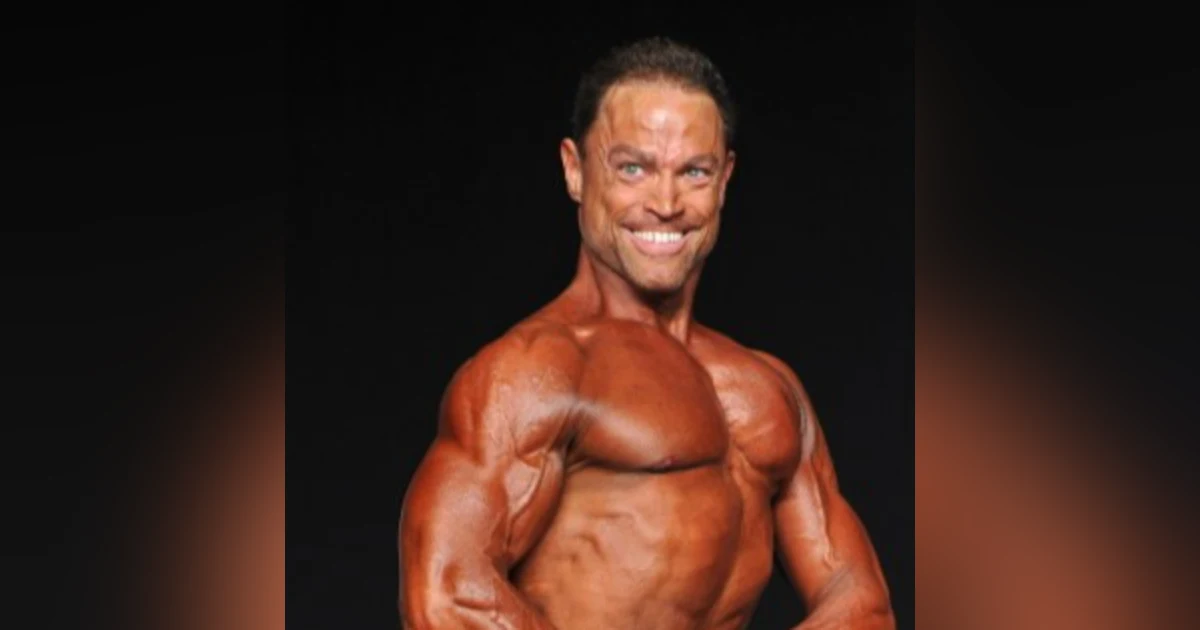

Welcome to Medicine Redefined, a podcast focusing on helping you reclaim ownership of your health. I'm Dr. Darsha, and I'm Dr. Altamasharaja, where your hosts, hair to challenge conventional practices and uncover the stories behind pioneers shaping the future of medicine. Our conversations not only focus on the individual level to dissect common practices for health optimization, but also zoom out to enhance systemic change. Join us as we look to break the status quo, move the needle forward, and put the help back in health care. Our guest today is Joe Ferries. Joe is a natural, four-life, pro bodybuilder who has competed consecutively for the last 36 years. He's also a personal trainer and health coach, and has worked with all types of populations over the past 36 years, ranging from young athletes to seniors. But the real reason he's here is because of his bodybuilding background, all the things we can extract from this profession, particularly the conversation of muscle building, nutrition planning, and discipline. For a long time listeners, you have heard us discuss the importance of muscle and how it pays dividends for functional health and metabolic health, and there are even rumblings on social media about muscle serving as the organ of longevity. So we figured who better to learn from about this than someone whose full-time job is in maximizing muscle naturally for physique transformation. For reference, some of Joe's accolades include winning the 2021 World Natural Bodybuilding Federation pro-master universe, the 2021 and 2021 pro-masters of Mr. America, the 2023 pro-Mr. America lightweight class, and the grandmasters of Mr. Gwerker class. In this episode, we discuss Joe's background into bodybuilding and coaching, and then we talk about competing at the highest level, and the mentality required to stay locked in 24-7. We talk about specific training philosophies comparing traditional bodybuilding with functional training, and we even dive into specific training variables including training splits, exercises, tempo, volume, intensity to name a few. After this we open up the can of nutrition, and obviously this is something we've discussed many times before, but this is coming at it from the lens of someone who has it dialed in better than anyone and has been successful for the past 36 years straight. We leave no stone uncovered and chat about specific macronutrients with how to calculate goals, and we talk about nutrition, partitioning, and timing, protein requirements, strategies to maintain muscle, and even build muscle while losing fat, and last but not least different timelines for optimal physique transformation. By this point we realize that there is no way we can cover all the important things that we wanted to talk with Joe about in one episode, and so we agreed that another episode was warranted, and that will be released next week, in which we're going to talk about other things and other lifestyle factors that are relevant for physique transformation, and even some of the psychology that is important for us to learn about when it comes to high level bodybuilding and how they are successful and how Joe has been successful for the past 36 years consecutively. So stay tuned for that, and until then, please enjoy this discussion with Joe Ferris. Hey everyone, real quick, we are excited to share that we launched our newsletter. It contains high yield insights from our guests and tips and tricks from us. We want to put the health back in healthcare and invite you to do the same by giving you the necessary information to leave your best lives and provide value to those around you. Make sure to head to medicineredefine.com where you can input your email and stay up to date. Okay, time for the episode. Joe Ferris, welcome to the show man. Oh glad to be here, thank you, thanks for having me. This has been a long time going man, this is actually, I was thinking about the fact that we connected after so many years, you know, it was a little fortuitous because I was actually, you know, for the listener, for you, Darce, I was actually trying to make a call to somebody else who basically has the same exact name, just one letter off, this is spelled Ferris, you know, with the E at the end, and I actually call them and Joe picks up and he's like, oh, I was like, yeah, hey, weren't you expecting my phone calls, another person named Joe, and I'm like, why is this person acting like they, I didn't just tell you, I'm going to call you an hour, it's very confusing for 20 seconds and then we proceeded to chat for the next 30 minutes to catch up and decided that we got to, we got to have some of these conversations behind the mic. So I'm glad that we were able to do that and super excited to get into this with you. But I think before we start, it'd be worthwhile to introduce you to the listener and tell people a little bit about your background, right, you've been coaching for a very long time and you've also been high-level bodybuilder and competed at the highest level and won at the highest level and not once but multiple times as well. So, you know, give the listener a little bit introduction about yourself, your background and fitness odoree and particularly high-level bodybuilding, how you got into there. Well, I got into, well, I got into fitness, I probably, when I was 12 years old, I got to, my dad said for your 12th birthday, you could either have $100 or like this Sears Bench set and I went for the Sears Bench set, I must have been, you know, pestering him for it and that's when I started lifting in my basement and everything. So, you know, it all went, started there and I went to college. I didn't think I could make a living doing, you know, training and so forth. So I studied business at Rutgers University, I studied accounting and I really didn't like it, but I was so far into it at that point that it was, I didn't want to change my major and then spend another two or two and a half years there. So while I was in college, I started working as a trainer part-time medical gym in East Brunswick and I really loved it and so I just continued from there and once I got out of school and graduated, I went right into working in a gym and that's where I started doing one-on-one training. You know, I went and got a part-time job while I was in college doing accounting just to make sure and see if I, you know, maybe I was, you know, making the wrong choice and really wasn't for me. So the fitness was really where I wanted to be. So that's where it started from there and then I got into bodybuilding at also at age 19. That was my first show and I got encouraged from the owner of the gym I was attending and there was a couple guys prepping for a show and I guess he saw like a little bit of potential in me and he encouraged me and you know how it is, you never feel like you're ready. Oh, maybe I'm not, you know, I'm not big enough, I'm not ready yet and he encouraged me to do it and once I did it, I was absolutely hooked as far as the bodybuilding goes. It was, yeah, I loved it, I loved the discipline of it and it just like snow world from there and I've been doing it for the last 35 years straight as far as competing and everything and also working one-on-one with people. So I really just, I love all of it. Why'd you pick that Ben said? Were you, were you playing a lot of sports and decided that it was important for you to train to be good at your sport or? Yeah, I wanted to get stronger, I wanted to get bigger, like every kid and you get knocked down on the football field once too many times and you want to get, I was playing popcorn or football from when I was in like six grade and everything and you just wanted, I took an interest in I guess building muscle, I had the Franco Colombo introductory book and I still have it somewhere too and I always kept it and you look at the pictures and you read about the exercises and you're getting your basement and you know, you get pinned under to wait sometimes and, you know, more than, more than, probably too often and, but you know, I loved it, I liked the challenge of it and the sort of the solitude of just being down there training and, you know, trying to get stronger and bigger and so forth. So yeah, that was, I always say to this day still the most influential gift I've ever received because it really, you know, propelled me forward into what I was going to do for like the rest of my life so, it was a great gift, yeah, it sounds like it. So you mentioned then when we fast forwarded, right, you, you had your first competition, you were hooked in and I remember that having this conversation with you, I guess this was circa 2012 or so, the first time that I was really lean and I'm talking like, you know, like sub 9% body fat lean type situation and, and again, you know, working with you for two years and watching how you did a day in and a day out, mind you, I think our genetics a little bit different, you know, people only knew how much app work you do and so it's hard as shit, right, particularly doing it and we're going to get into some strategies like doing it for a long time, but to keep coming back year in year out and do it, I mean, physically is taxing, of course, but logically, it's incredibly taxing. So what got you hooked was that one aspect or were there other, I think it's, I think the discipline required of it, I mean, all sports have their challenges, but I don't know, maybe I'm wrong, but like bodybuildings like the only sport where it's literally 24 seven, like I could be, if I was a great baseball player, I ate some hot dogs or some pizza, it's really not going to affect my batting average, right, it might affect my health long term, but it's not going to affect my sport directly as long as I didn't overdo it, but bodybuilding, it's like the, you know, the hour, hour and a half that you're in the gym is the only time to build muscle and then on top of that, you leave the gym, it's not over because your sleep, your, you know, your nutrition, everything is affected and your body is really recovering at that point. So if you want to, you know, build on the changes that you hopefully made in the gym, you have to do all the other things, so it's really truly 24 seven, you know, whether it's in season or off season, you know, most people think of it just during the dieting phase, but really I track my food, I track it now in the off season just to make sure I'm getting enough calories where I can grow, you know what I'm saying, and that sounds like, oh wow, you get to eat so many calories, it's not easy if you're eating relatively clean foods, so, you know, reach like 4,000 calories, you have to be like diligent about it, and so I started, you know, I started doing that, not just tracking in season, but tracking off season two, but really the discipline, you know, like the back of the shampoo bottle says rinse and repeat, rinse and repeat, you know, it's the little, it's, you have to be able to really, you know, dig in on that, and that just comes naturally to me, for some people they might find the boring, so then they're sport, it might not be for them, you know, maybe they might do it once or twice, but I love that aspect of it, even more than so, then I love getting up on stage, but the aspect of, you know, the trillion steps from, you know, from the last show until all the way, you know, the next show, which could be, you know, 9 months away, I'm always telling myself, you know, the time goes by so fast, you know what I mean, with everything, and I always tell myself when I'm in the gym, blink your eyes, you'll be on stage, you know, next thing you know, you'll be walking out on stage, and you want to be able to look back and say, did I do everything off season and in season to really, because it's a subjective sport, I don't have any control over who I compete against or what the judges like or dislike and so forth, so, you know, you have to be able to get out there and no, I at least gave everything I could, while still, you know, still being a good husband and a good father and that balance, right? So it's, that's, I mean, that's everything, because, you know, if you told me I could have gotten a couple more wins and yet it cost me my relationship, then really what good is it, right? So that's, that's the most important thing, you know, the, the balance and the support that I have, you know, from my family and from my wife, especially, she's, we've been together, it'll be 36 year, 35 years, and she was with me for every show except the very first one I did. So, you know, I didn't meet her until after that show, so, and then she said to me, you know, the first year we were dating, she goes, oh, the only thing you talk about was bodybuilding, you know, because I guess I was so, like, I was 19 and I was like so, like, unho about it. So, um, so now I know now where I leave it in the gym, you know, I mean, and, yeah, and she stayed with you. I was gonna say. Yeah, exactly, right? I do all the cooking, too, so that's not, that's a nice work. You know, Joe, I never truly put in my mind that this is a 24-7 sport, 365 days a year, and, you know, it's a sport that requires the ultimate discipline and an absolutely tough life, but a great one, and I think of Jocco when he says discipline equals freedom, and so when you get on that stage, you know, you put everything into it, and then having those reflections, looking back at your journey to everything that led you there, the blood, the sweat, the tears, but then also trying to understand how to balance your whole life, right? All the other aspects of your life with this one thing that puts you up on that stage. So, I'm curious, though, to understand, you know, how it started for you when somebody says that they see potential in you. What do those words truly mean? Because those words, I definitely hear around the gym, but how did those words inspire you and jumps out your career? Well, I, so I, 19, I, like I said, I, I've been, when I started, like, when I was at 12, of course, I really didn't know what I was doing, but I was still disciplined about it, right? So, and I was consistent throughout, like, even when we were in high school and football, me and my friends, me and my two friends, we would train religiously. We never missed, you know, during gym class, you know, since I was on the football team, I, I, I didn't have to play volleyball or whatever they were doing, the coach would let me go into the weight room, and so I was really, like, into it. So, you know, I only weighed, I was this height, which is, you know, five, nine and a half, five, ten. I think I'm slowly shrinking, but I was like 160 pounds when I competed. So that's, you know, that's on the thin side, right? You know, so it just, I was, you know, I had some definition and everything. So I think that's what he was saying when he, you know, he says, I see, you know, and he saw the way I would train in the gym where that's the one thing I'm not really strong, but I'm super focused and super serious and with what I'm doing, and I just really try to, like, you know, extract everything out of every workout I can. So I think he saw that and the seriousness of it, of how I, like, approached the gym. It's not really like a, you know, like a social thing, a casual thing. It was more, I've always sort of been that way. So. Right. You were there to train, not to work? Yeah. Yeah. And I think that that's like the wire, I think that's the best gift, like the wiring in my brain, physically, I don't think I was born to be a bodybuilder, like maybe like some other people, like where, you know, the guys that have the really small insertions and the huge muscle bellies, and I mean, for years, I always wished I was shorter because the short guys were always like the, you know, I'm considered tall for bodybuilding, five, nine and a half, five, ten is on the tall side, you know, these guys that compete against sometimes are five, four, five, five, and it's easier to get a little thicker. You know, they seem to seem to be just bigger overall, and but the mental aspect, absolutely 100%. I am pre-wired for this sport, and that's why I've been able to do it year after year because I don't look at it as where, oh, I got to do that again. I'm like, I mean, from the day after, I'm already thinking about next year. And that's just, you know, I almost have to tone it down sometimes in my head. I don't take that to my wife, but, you know, I have to, you know, but I'm always sort of game planning. What's like I said, it's really, you know, you want to have a great prep and die it down in whatever, but what did I do in the off season that's going to, you know, when you peel everything away, what's going to be there, and is there an improvement or are you staying the same? So, yeah. You've mentioned off season in season a couple of times now. Maybe tell us a little bit about how that works, right? So it is very specific to the events that you've decided at the beginning of the year that you're going to compete at, and that's how you, by working backwards to the side when in season, quote unquote, starts, or is it like many other sports where, look, the fall and winter is football season basketball season starts at a certain time and it's the same every year. No, bodybuilding is, bodybuilding goes generally from, you know, March up until right before Thanksgiving. There might be a show or two after Thanksgiving, but most of the organizations cut it off right before Thanksgiving and they generally started around March, summer, like the early shows. So you sort of got to pick, like I've competed in the middle summer shows, you know, I try to pick, if I'm picking, like say, three shows, I try to have them be relatively maybe four, you know, no more than five weeks apart because you don't want to stretch out, you know, the peaking and everything for a show, it's, it takes its toll on you. And then, you know, if you did six months of prep and now you're competing over the course of the next three months or four months, it leaves no time for off season. So the shows I do now, I've been doing the Mr. America the last few years and that's, so that's an October show. So that's, that was on the calendar right from the day after I did it. And then the WNBF worlds are in November, so I did that and I'm definitely doing that again this year. So, usually I, I say I pick two to three, generally ends up being about three, usually it's not two because it's a lot of work and if I'm already there, I want to, you know, I want to get up and sort of, you know, judge myself against these guys are, you know, they're, these guys are the best at what they do and the level is, you know, it's high. So it's, you know, there's a lot more losing than there is winning if, you know, if you're looking at winning is only first place, right? When you're, when I first was trying to turn pro, I kept falling short. I would win my class and I wouldn't win the overall and I would, I got first place like four or five times and I kept not getting the overall and a friend of mine said he goes be careful what you wish for because when you get to the next level, I said those guys are no joke and I did my first pro show in, I think it was 2010. I got my pro card in 09 and I, I came in the last place. I got my ask it and that was the first time ever in my life that I came in last and that was a complete eye opener. So I had to go back and game plan on the jump from, it's like going from college pro, college football, the pro football, just a separate level, different speed and so forth and these different conditioning. So I learned the hard way and I, you know, I got embarrassed, you know, in my opinion and there and that was, you know, that is a great kick in the teeth to really go home and reevaluate what would I do? What have I been doing and what needs to change? Like one of the biggest things was I always competed right around 190 as an amateur and the moment I would drop, this is how the psychological part works, especially for guys when you don't want to get like smaller, you hate that feeling of getting, like you're wasting away and when I would go right below 190, I would bump my calories up the next day. So I would go back above because I'm like, I wanted to compete at 190 and on the amateur level, I did good at that, that was, I did, I did well on the pro level, it was not, the conditioning was not enough and I had to take it to like to another level and I had to accept mentally getting lighter, but when you get up on stage, you'd be actually look bigger but walking around and close, everyone, you know, my life, my mother, she's like your face is getting too thin, you know, all that stuff that you, you know, you hear in everything, but when you get up on stage, you look actually bigger because there's more separation and things pop more. So that was a big hurdle that I had to get past of, you know, because everyone always says, I want to compete at, you know, such in such way, but most times it's like, you should be 10 pounds below that. So, so it sounds like nutrition was a primary driver for that or was it a combination of that training and everything else? No, the nutrition was as far as getting leaner and accepting, you know, digging deeper and, you know, yeah, having calories a little lower for a longer time, maybe a little bit more cardio, I don't do a ton of cardio because I try to stay within striking distance, but, you know, you hit up, you know, it's like I tell people, all diets work and all diets eventually fail. So if I'm, whatever I'm doing or whatever you're doing, it's going to work for a while, then your body's going to go, all right, you're, you know, you're getting lean, especially you actually get leaner and leaner because your body, I tell people all the time, like your body really doesn't care what you look like, it just worries about surviving. And when you try to drop body fat, you know, get lower and lower, your body's going to, it's going to slow down the metabolism and it's going to, you know, increase your hunger hormones and so forth until you need to eat, you need to eat. And so it's like, you know, yeah, it's like opposing forces, you know, yeah. And also, as you mentioned, it sounds like there was a big mindset shift, right? So acceptance of change in philosophy, which was necessary. So I'm sure we're roughly 20 minutes in and people are probably wondering, well, why the hell are these guys on medicine, we define talking about, right? That's not what the show is about. But I think as you mentioned, right, distinct from any other sport, I think bodybuilding, and if you had a taste, right? And again, I haven't competed, but if you've had a chance to really dial in nutrition, sleep and do all those things, you understand that it's a lifestyle. It's 24, 7. And as you mentioned earlier, like the 60, 90 or 120 minutes that you're going to spend at the gym, you're actually causing damage to the muscle. We're not building muscle there at all. We're building muscle and all the other time, you know, all the other hours and what are you doing there? And I think the discipline, as you mentioned, is so necessary for optimal outcomes long term, right? So one of the things that we're interested in here is longevity, right? We talk about living in a system and we're interested in health care as the primary thing, right? And with that, we recognize the importance of nutrition, things that we're going to talk more about. We recognize the importance of exercise, strength training, particularly, and muscle, right? A lot of people come in muscle now as the organ of longevity, right? I think that's being recognized and really appreciated and emphasized more. So with that, I think there are going to be a lot of actionable things and, you know, ways for people to think about what are the lessons that we could extract from you and just from that mentality. So let's start talking more about the training piece of it, because I think we could probably agree that that's that's the most enjoyable when it comes to this, right? Yes. What? So you started super early, right? But you did play other sports. What would you say is, you know, when you work with your clients and presumably, you know, you have people who are in the general well pop, I know you worked at Equinox for quite some time, but you also trained people who are competing in body building. I mean, what are some distinctions in training philosophies for bodybuilding versus somebody who is just looking to be healthy and getting shape that you're like, okay, well, this is how we need to approach it and these are the goals, et cetera. So right now, I don't have, I don't train anyone for bodybuilding shows. I just deal with the general population and I've worked with kids. I've worked with all different ages, but right now everyone that I happen to train is like 50, 60, 70 years old. So yeah, they everyone, yeah, they'd like to look better, but that's not like the driving force. They want to feel better. They want to be stronger and they want to move better as you age. And that's a big change from, you know, when you're dealing with like a 22-year-old, you know, guy who just wants to have, you know, ads and bigger biceps and so forth. So I deal with a lot of, you know, they call it like sort of functional exercise or things that will transfer over to real life. And sometimes that could be, those exercises could be the same like the squat, whereas, you know, the 22-year-old maybe thinking, I want to squat and I want to get bigger legs, whereas the 68-year-old person, we're squatting so they can, you know, keep getting off the toilet and keep getting off the chair and getting off of a deep couch and, you know, they're lunging because they want to be able to get something down their pantry, not kneel down and not be able to get back up as opposed to, you know, what is this going to do for my quads and my glutes and so forth? But we're doing the same exercise, but with a different purpose. And so that's one of the main things is that so it makes the rest of their life, their everyday life easier, you know, stares and not having to hopefully have a walker at some point and still being able to play tennis and pickle bowl. And, you know, people that do all different things, they, some people that love the job and run and some people that love to bike and so forth. So it's maintaining the lifestyle as they, you know, as they age and maintaining that strength. So it's not always for, you know, how much can you bench and how much, you know, always pushing, we're pushing weights, but not like maximum weights, you know, as far as, and I don't even, I don't even do that personally anymore either. That's one of the things that I changed over the course of the years is, I don't do, I don't even attempt maxes anymore. I know maybe somebody builders do, but my body always reminds me, once I start going a little too heavy, you know, I'll tweak this or that and if you want to, you know, no one wants to be injured and walk around in pain. And if I want to be able to compete every year, I just have to be really smart with it as far as when to push the envelope and when not and same thing with, with clients. Sometimes I'll have a plan. We're going to do this in this today and then they, you know, I get on with them where I'm at their house and they say, you know, my knees really bother me today or my back. And so I'm not going, all right, you're back. So I'm not going to load your spine with the squat. Maybe we'll do step up, you know, a dumbbell step up or something else. That's worse, the same muscles, but it doesn't maybe load the spine and it's going to stress the back. So it's still being productive and functional, but not without, you know, lowering the risk. So it's a whole different ballgame when you're, you know, you're dealing with people that are in their 60s and 70s. I'm glad you brought that word up, right? I think functional training, quote, unquote, can be somewhat of a buzz word, probably not as sexy today as it was maybe 10, 15 years ago, right? And that meant different things to different people, right? Some people would be sitting on top of a bozo ball with over half a squat. It's called that functional training. Others, like you mentioned, doing a goblet squat, like off of a chair that's maybe 18 to 20 inches to simulate a toilet is more functional training, right? This reminds me of, I think Dr. Sean aren't once came back. I think I sent you that episode where he had talked about that commercial with a grandpa who is lifting up a goblet squat for like six months and training for something. And then towards the end, he shows that his, his granddaughter comes up and he picks her up. So she can like the little ornament on top of the Christmas tree. And like that, and that is it's an amazing commercial. I just saw it last week. I don't know when I was watching maybe during the Super Bowl a couple of weeks ago. But either way, so let's talk a little bit about that, right? Because I think, you know, we, we're still, I guess, this is, you know, I guess we're all a little older. So we're picking up magazines, we're looking at bodybuilding splits, we're looking up bodybuilding.com. And people will say, okay, well, today I'm doing chess, today I'm doing back, today I'm doing arms. And it was more splits in that regard. And then there are other ways to look at it as well, maybe more functional code and code, right? You can have an upper lower body split. You can have, you know, full body training, all kinds of that. So when all the, the clients that you mentioned that you're working with individuals who are looking to be healthy and they have a purpose for other than just aesthetics, right? Is there an optimal split? I know what the answer is, but how do you approach that for a new client? How do you try to identify that? And what seems to work better for you in a starting point? Well, it seems that you want to find out what they're obviously what your goals are first and then find out, you know, injuries and every all that obvious stuff. But then what are they looking to do in outside the gym? You know what I mean? Are they, are they moving laterally because they're playing pickleball or tennis? So then we're maybe doing some work with that with, I don't know if you guys are familiar with the Viper, you know, the, his name's Michel Dalcourt. The guy who invented the Viper, it's sort of like a tube and it has handles. And so you, I do a lot of work with that. And it's really dependent on what the person wants to get done outside. If they have grandkids, I do ground to standing work, you know, where you're on the ground and practicing getting on the ground and getting off the ground, right? And I know there's a, I don't know it offhand, but I know that shows a function of longevity, your ability, how well you can, you get on the ground and how well you're able to get off the ground. And there's different exercises like the Turkish get up and all different ones where you don't even need any extra weights. You're just using body weight. And if they're going to be, you know, playing with grandkids or playing with their dog or something and they're, you know, kneeling down or they're laying on the ground, how strong are they and how mobile are they to get back up without, you know, having to use maybe the side of the couch or something like that. So that type of stuff really transfers over into making their, you know, life outside the gym easier and just better. You know, what about if also building is the optimal goal? Again, not necessarily for competing on stage, but I mentioned earlier that sarcopene is a real problem, right? In those individuals at 60 and 70 muscle loss, they also become anabolic resistance as we get older. And so, well, again, parking nutrition thing on the side right now, but from a training perspective, we want to hold on to as much muscle as possible, right? Because as we age, you're going to become more frail, you're going to have risks of falls. And we also want to preserve our joints while also maximizing the loading on the muscle so we can potentially enhance, but if not, diminish the losses, so to speak, the regression, right? So from that standpoint, like what do you think that we can extract from a bodybuilding mentality and apply to the functional fitness piece of it? Well, I think that a lot of times when before people have come to me, maybe they've trained on their own, how often do you see people in the gym where, especially when they're older, they either tend to do the same exercises and or the same weight for the same amount of reps. You know, they might always do like, you know, say to try to push down in their, they put it on 40 pounds and they're doing it 15 times and they're not working through different rep ranges where to build some strength, you know, because there sometimes might be afraid, and I understand why they might be of getting hurt because they think of heavy weights. Maybe they think of heavy weights as, oh, I'm not, you know, I'm not trying to be a big bodybuilder, I just want to be able to, you know, do things in my everyday life, but you do need obviously a certain level of strength and you build more strength when we're, you know, working in maybe the five to seven range as opposed to always doing it in the 15 range and you're, you know, you're working more fast switch muscle fibers with a little bit of heavier weight, but then what comes with that is you got to make sure the, the prep of before you train is there. That's like one of the biggest changes for me and for anyone who's going to age, I do mostly all the same exercises I've always done, but the prep to get to that is a lot longer. So when you're 22, I used to go just right in cold, you know, off to street and start, you know, with pretty heavy weight for, you know, what I was doing, I wouldn't even think of doing that now. So you want to lower that, you know, that everything's a cost benefit, right? If the person's running late and they didn't have time to prep, sometimes people go, let's just get right to it and I don't have time, I'm 10 minutes late, let's get right into it. And I tell him we cannot skip the prep, you know what I mean? It's like, Jimmy here is saying 10 minutes of pre-hat beats 10 weeks of rehab. So, and I try to tell him that I'm like, you, you enjoy doing this, this is your hour just, you know, dedicated to you. We don't want to set you back by, you know, not running through, you know, the proper prep to lead up to, especially if we happen to be doing, you know, something like a squat or a deadlift end or lifting a heavier weight on that day. So it's, you know, that's, that's a big component of it, as far as, you know, as far as staying healthy and staying injury free. Joe, can you quickly get into just what that pre-hab and warm up looks like? Are you doing cardio, range of motion? I know there's a lot of people who skip this critical aspect and just go straight into their workout. Yeah, so I have, I mean, everyone's is a little different, but I mean, like, if it was, I'm using myself as an example, I always go in and I always do just the bike for five minutes and then I'll do the rower to warm up my upper body and lower body and sort of work that sort of squatting pattern on the, you know, the rower or, you know, or governor. And then I go through, you know, pull apart and I roll, you know, band pull apart, roll my T-spine. I do snow angels for shoulder mobility and to open the chest. I mean, so many people are sitting at their desks for so many hours a day, sitting in traffic for so many hours a day, everyone's hunched over their phone, looking at their phone. So everyone's so internally rotated that I'm always trying to do more, you know, back and pulling work as opposed to, it's not a one-to-one ratio, it's always more pulling than it is pushing. And, you know, most guys, you know, that, you know, everyone wants the beach muscles, the ones you could see like the chest and the arms and everything, but really, you know, you have to give extra attention to the back and the posture work. So, but that, and then warm upsets, not just jumping right into, if you're especially if you're working enough, say a five to eight rep range day, not jumping right into that, prepping with a one or two warm upsets leading up to that. So, I mean, the prep is usually at least 20 minutes or so getting active. And, you know, for some people it's jumping ropes or other people, it might be just getting loose, you know, jumping jacks, something, you know, with a little bit of a light plow metric and so forth. So, everyone's is a little different, but at your age, I mean, the prep that goes into it becomes more and more vital. So, moving along from the warm up, right? And I'm curious, you're for your training, especially, and then maybe somebody who is, again, you know, we'll put somebody in their, you know, 40s, maybe had one or two injuries and can dedicated five to seven hours a week of training. So, we, you know, we're not limited. And even for yourself, if you care to share it, like, do you suggest or do you feel like it's better from a muscle building standpoint? Again, I want to keep that focus as we go along because I think that's probably what bodybuilding, from actually, I shouldn't say that, just physique, recomb, all around. So, even fat loss, right? But again, from muscle building standpoint, is it more of an upper lower split that you seem to like better? Again, context is everything. So, you've already mentioned it's going to depend on the individual and all that stuff. But again, if the person is just like, I'm a blank canvas, right? Or is it going to be more of a push pull split? What do you, like, where would you start with that? I probably, I don't think I would start, I mean, I don't want to say I wouldn't start with an upper lower because if the person's coming in and they've never trained before, I wouldn't, I personally wouldn't take them to an entire lower body workout because I want them, I want to show them the patterns first. Like, I, what I'm dealing with, like, clients in general population, I don't think in terms of necessarily just squat or deadlift, but I'm thinking in terms of, you know, the pattern, are we doing a hinge pattern today? Are we working in the sagittal plane with the squat? Are we doing a single leg, you know, pattern where it's a lunge? Are we, you know, so are we working in the frontal plane? You know, most people, if they were exercising or if they're doing sports, a lot of it's just in the sagittal plane and that's where everyone seems to live. So I try to then get them out of that and work in the frontal plane or the transverse plane. So they're stronger in all different planes and so that's, I look at what they've been doing and if they haven't been doing anything, I give them like a little dose of each thing, but more so with the teaching of, you know, the proper difference between a squat and a hinge and so forth and like to, you know, to you guys, it should, you know, that probably comes naturally, but to someone who's never worked out before and they want to move better and they want to get stronger, teaching that saves us both a lot of time on the, on the back end. So the difference between those, or those different patterns, would you care to give an example of each of those, right? So people might not know what sagittal plane, frontal plane, transverse plane mean. So maybe a specific example that might be well known. Yeah. So like if you're, if a person is doing a squat, whether it's a barbell squat or a goblet squat or, or just a bodyweight squat, that's a sagittal plane. A frontal plane would be like a lateral lunge where you're stepping, instead of stepping forward and back in the sagittal plane, you're stepping, you know, to the right side and coming back to the center of that sagittal and then transverse is stepping like toward the back as an example, transverse lunge, like stepping toward the back one or the room. So my hips are opening and rotating and so it's just, I'm trying to make them resilient in all the different planes. So they, it not only makes it more enjoyable for the person because it gives them a different task, it makes them think and stay engaged as opposed to if we go in and only do say the same exercises, you know, because when again, like I said, if they may, if they were working out, they probably feel safe and comfortable on certain machines and machines are fine and they have their definite place, but especially with the, if the person is able to, I like to have them use their body and and have that move through space as opposed to, you know, like just a leg extension or a leg press where they're seated stationary, there's no balance required, no stability, no like body awareness and all of that using either your body weight or like a TRX or something like that, that brings all of that into play and it makes you hyper aware of it's not just these muscles I'm working, it's my whole body's now moving through space and I have to be aware and what's happening throughout the rest of my body. So that's that's that's generally where I would start as far as that of having them move better with their own machine, which is their body. That's that's the way I sort of approach or review it, at least to start. And then maybe as we go along it might get a little bit more specialized, the learning of the patterns of, you know, squat, the hinge, the lunge and so forth, things that they can then take home and they're doing whether they realize it or not, every time they get up off the kitchen chair or the bathroom or so forth, you're performing a squat. And, you know, are you getting, hopefully they then see I'm getting stronger with that. I was holding a 15 pound dumbbell the other day to do that. Now it's easy for me to get up off the, you know, the couch and so forth. So that's where, you know, transfers over whether you want to call functional, real life, whatever you want to call it. That's where, you know, people see like quality of life improvements and that's really what's, you know, especially with the population I'm working with. And with that population, when you think of progression, you know, there's many gymgovers who are quote unquote monotonous in their routine, doing the same type of lives day in and day out without much variation. So at what point should people be realizing that they need to change it up, whether it's using different angles, work in different planes, whatever have you. How do you assess progression with your clients, you know, early on people can easily say that, oh, I love to 40 pounds for X number of reps. And then two weeks later, they do 50 pounds for the same number of reps. So yes, there is improvement. But once they reach a plateau, how do you coach your clients through that? So, I mean, that could be a matter of changing the tempo of the, of the of the movement, you know, slowing down the negative or having to give them, it could be pauses, it could be and then or and or changing the plane of what they're doing. Instead of doing a regular or sagittal plane goblet squat, now we're opening up and doing a transverse, you know, goblet squat. So it's changing the planes. Like I said, yeah, it's not always just about changing the weights because, you know, as you know, it's, you know, I should be benching, you know, 2000 pounds by now. I started when I was 12, but you know, the body doesn't work like that as far as I, you know, like a nice linear, you know, moving upward and constantly getting stronger. So, so you don't push it because again, with the older population and myself is now included in that, the, you know, your joints, you know, you want to do, you want to be careful on, you know, how much you're stressing them and so forth. And so I think that always pushing heavier and heavier weights, you know, at some point, like you said, you're going to hit a wall and then you need to, we need to make it more challenging. I want you to get proficient at the movement, but at the same time, I don't want to get, have the muscle to get too, you know, I don't want to say relax, but, you know, too efficient. I want to, I want it to be challenged, whether it's working in a reps scheme here, you have some guys that come in and they may only work with heavy weights and lower reps. So then I'm going to purposely work in a different reps scheme with you. It's going to stimulate different fibers and give you better muscular endurance and overall, just give your joints a break. And if it's the opposite where the person is always working with, you know, could be a man or a woman working in only in the 20-year rep range, I'm going to try to start to introduce, you know, a little bit more weight and maybe not push it right to the edge of failure, right? So they feel comfortable with it. So they feel what that, with those heavier weights, feel like in their hands and so forth. So it's about getting them getting comfortable with the new movement, but yet not eventually letting that muscle get too comfortable because it's, you know, the body adapts pretty quickly and then it wants to, you know, stay the same and so forth. So it's, you know, it's not always, you know, constant progression. It sort of ebbs and flows as, you know, and, but you want to keep it, you know, not just physically challenging, but mentally challenging. I mean, so many times people come in and their mind might be somewhere else. So if I introduce a new exercise, that is going to force you to like lock in, you know, to my voice and pay attention to, all right, now we're, do we're changing up? I just can't go through the motion of this movement, which I've done for the last six weeks with this weight, which I've done for 15 repetitions, he's changing it and making it more challenging physically and mentally. So it's about, you know, being present in that moment, you know what I mean? So yeah. So Joe, it sounds like, you know, we've talked about the various effort training splits. We've talked about exercises and variations and the importance of training patterns rather than the just specific exercises and how that translates into a more quote unquote functional life. You a moment ago, it just touched on tempo, right? You talked about negatives and for those listening, we don't know what that is. That is accentuating the eccentric component. So for a bench press, that might be lowering and taking maybe three to four seconds coming down and then you can be more explosive as you push up or, you know, take one second going up, right? So that is what a negative would be. You also talked about pauses, right? So you can have a pause iso hold at the bottom or you could have it at the top or really anywhere throughout the entirety of the movement to make it a bit more challenging. I want to talk a little bit more about tempo training a bit more is I'm curious about your personal training and then how much do you manipulate the tempo as a variable to increase the intensity for your clients? For or even actually how I'm training or for I'm sorry. Well, sorry. No. Yeah. I mean, first I'm curious about your training is how much do you manipulate the tempo and I know that you have to be very locked in from a bodybuilding perspective and that's what makes it suck so much. But how much do you emphasize that for the for the general population when you're training your clients? I definitely I don't I probably don't add in as much as I do for myself. But I do I do utilize it because like I said sometimes especially if I'm working with someone who's you know 68 years old and they're hitting getting close to their you know ceiling as far as strength those I need to wait and make it more challenging without you know increasing that risk of just constantly trying to raise the weight. So yeah, it could be I definitely do introduce and utilize tempo training with them. It could be for one of the set one set out of the three could be for it could be for all three. I will I definitely will vary that and again depends on the person and depends on the feel they you know they're getting from the movement. As it's slowing down really they have to sort of think about it and I don't want them thinking I rarely tell people how many reps we're doing because I don't want them to always just focus on I need to get to one two three four five I need to get to 10 and then they go okay I'm done and then they tend to increase the speed too much. So I'll utilize a tempo when I see the person starting to move too fast and moving the weight just from point A to point B and just trying to accomplish the 10 or whatever whatever they think that magic number might be. So I'll utilize tempo so it takes a lot longer and I'll sometimes I'll set my watch or you know the clock on my phone and I'll say you know it'll come out and I'll say that was 58 seconds of tension on the muscle and that you know stress the muscle a lot more without having to stress the joint and I'm well for you know lifting a heavier weight and three you know what personally if I'm doing three to five reps of something that may only take you know 18 or 20 seconds and that has its place but again if you do that only or for too long or you know dipping your toe in that water too often chances are you know you're gonna have an injury and you know you don't bounce no one bounces back the way they did when they were 21 years old and their injuries sort of linger longer and you know no one they're not coming to me to be in pain they're coming to be you know feel better and you know get stronger and so forth but the tempo training definitely helps to slow them down and make them a little bit more mindful as they're doing the exercise so. Is time under tension the most important variable when it comes to muscle building? No I wouldn't say no I think you know the mechanical load you know mechanical tension time under tension I think they're all have their place and I think it's like you have them in your you know your your tool bag of work and you you know you might do three weeks or four weeks of this type of training and then three weeks of this type of training and another three weeks of changing it up so I think that that allows you to have a little taste of each thing it doesn't have especially for general population it doesn't they don't get bored with it it gives them a new challenge like I said while also you get to sort of you know a way that cost benefit of you know injury risk and so forth or a lot of people I train have already pre-existing things that we're working around so the tempo training will maybe come into play a little bit more often then you know heavier weights if the person has a pre-existing injury and you know if they have a knee issue or something that where we're not just pounding you know heavy weights with them so it's it's definitely utilized I wouldn't say one is more important than the other but it's they're definitely you know definitely utilized and sometimes like I said sometimes I have to make a change on the fly you know go to see someone and I was planning on this and then that's where you know someone's really also paying me for is that to make those decisions the best you know the best decision for you because I've had people where this is causing pain and they still want to work through it and there are other ways that we could accomplish what we want to do today's maybe not the day to do that that's at least that's been my philosophy you know what I mean I sometimes I'll go in the gym and you you guys that may experience this you're feeling great everything's lined up seems like sleep and eating and you're just not strong that day for whatever reason and if you then continue to try to push those heavy weights chances are you know that might be a day I change up and switch more to tempo training as far as my own training so I could still be productive but it's not going to be what we will call a record-breaking day but it's you know it inches along as you you know because the longer you do this the longer you lift weights the more resistant your body becomes to adding muscle right so having those things in your tool bag to choose from will give you a different stimulus while also you know keeping them engaged through the workout so that's really the why I approach it in the way I approach it yeah I love that and not even tell people because I've had multiple experience of this where I'm just not feeling at that day or you know I prefer to workout in the morning and I wasn't able to for whatever reason right you got a family you got a kid your schedule gets thrown off and now you got to get a workout in it like 7 30 or 8 o'clock at night time and you know 10 o'clock is usually your bedtime at least I like it to be yeah and and you're just like man I'm not feeling and then you end up having a phenomenal workout so that happens often too so that's why I think the importance of showing up and consistency I think beats any other thing that we're thinking about you could have the greatest program in the world the greatest split everything figured out if you don't get there and execute it's really not going to be effective I tell people like people sometimes ask me hey what's the best time of the day to workout and like the best time of the day to workout is the time you have that day in my if it's 7 a.m. that day if it's 4 p.m. if it's like you said the consistency is everything and there's going to be you know unless you're like a professional bodybuilder who gets to wake up when he wants and train and then go home and take a nap and eat and then wake up and eat and then go to the gym no one has that life right we all have responsibilities real jobs families kids and driving them to practice and all that stuff so the best time it is the best time of day to work out is the time that you're going to be able to get in and I tell people all the time I'm like you have to crowbar it in that's what I always say crowbar it into your day wherever it is it might be a half hour this day it might be an hour and 15 minutes another day but you would be surprised like you said I sometimes get the best workout when the gym is closing at 6 p.m. on a Sunday and I wasn't able to get there until 10 after 5 and I you know I prep for 10 minutes or maybe 15 minutes and then I get I have 40 minutes and then it's hyper focused as I always am man when that clock and they're going to shut those doors at 6 p.m. and I sometimes get just such a great workout but it's amazing what you can accomplish even in you know 30 minutes of focused you know work where you're not distracted you're not scrolling on your phone you're not you know chit chatting in between you're being productive and I again I try to stress that to people where you a 20 minute workout in the morning is better than no workout at all you know so I have people that I see once a week and they do their own thing you know two or three other days of the week and then I have some people I see four days a week they don't do and then I'd like them to do things the other days but they just don't or don't want to they they want that you know that having to show up there that commitment and they don't have it yet reached to the point where they're doing it you know anything on their own so even if it's like I guess why I try to even encourage like just some late movement or some foam rolling and so forth on a day if they were not going to do anything or like a you know a stretching routine or something like that or or if it's outside the gym that's fine again with the population I'm dealing with the I want movement and I want you to enjoy it you know I'm saying so if you know doing this two or three days a week makes you better and stronger and allows you to play pickleball and and and go jogging and whatever water ski or all those things all the better you know because now that's in letting you enjoy those things and you're not losing them as you age which is you know that's that's everything so that's you know you that's so valuable it's that's more much more important than you know can I see my abs and so forth you know I mean it's just they're completely you know but that's like bodybuildings one end and then you know you have the other end which is real life and you know your responsibilities of how busy you are your work and staying late at work and so forth if I try to get people to think ahead for their week of you know I know I have to be in late on Tuesday for a meeting when I normally go to the gym then okay if you know that's coming up maybe you wake up early that day and go in the morning for in abbreviated 30 minute workout as opposed to the hour and a half workout you get on it's not an hour and a half but it's still better than nothing and it's like you're moving you're pushing that rock just slightly forward maybe didn't go quite as forward as the other day when you get to do the hour and a half but you're pushing it forward and you're you know you're being productive it's like what I like to call it so speaking of time in the gym is there a sweet spot for how long someone should work out you know for example when we think of zone two steady state cardio the agreed upon sweet spot is probably around 30 to 90 minutes to see some sort of optimal effect but if there's a client doing a 15 to 20 minute workout crunch for time how do you play around with their goals and what they should be is it strength versus hypertrophy or really just getting the work in wait I saw you're talking about if they only have 20 minutes am I choosing am I having them do strength work with cardio worker yeah so primarily is there a sweet spot when it comes to time in the gym you know often you use workout plans for maybe an hour to 90 minutes but sometimes we see gym goers just taxing their body for way too long and so the follow up to that is if they are short on time are you focusing more on strength and taxing the nervous system versus a shortened version of just their typical one-hour plan if they have if if someone only had 20 or 25 minutes to train I would try to have them stay with like maybe two bigger movements whether it was they feel like it could be a trap bar deadlift and you know you know some kind of vertical push or something or if they were able to pull up or you know depending on as opposed to running through something that's going to give you bigger bang for your buck and and be functional at the same time now as far as is there an upper limit on what's productive as far as strength training goes yeah I mean I would say in an hour and a half would probably be like as far as the limit and for some people that might be too much because now we got to get into are you how are you fueled for that what is your eating look like are you like there's a quote I don't know who said it I didn't come up with it but it was like eat for what you're going to be doing not for what you've done so it's are you if you're going to be having doing an hour and a half workout are you taking in are you having are there carbohydrates maybe throughout the workout you know I mean that you might be sipping on what did you read beforehand and are you know are you getting anywhere near your protein requirements and so forth so as far as what's the upper limit if the person is fueled properly I would say like an you know somewhere around an hour and a half not you know that includes the prep time you know I mean the prep might be like I said 15 minutes or so I am including all of that but it but the eating you know it's oh everything centered around that because how are you going to it's like saying I'm in Frankfurt and I want to drive to Atlantic City and I only have a quarter tank of gas let me see how it's going to go well and I can tell you how it's going to go you're going to end up on the shoulder run out of the gas so if you you go into the workout you say I'm doing an hour and a half today all right well would you have to well I had an apple and a cup of coffee it's not going to go so great you know I mean it's going to be you know you might be able to feel like you're pushing yourself but is it is it optimal and it's you know you're you know at some point you're running on fumes and you're just the weight may you know it's like doesn't feel too bad in your hands but yet it's not moving because you're you know you're running low on your blood sugars running low also so the eating is is a huge part of you know the proper response to you know the question well that's the perfect segue into nutrition right the one of the most important things when it comes to physique changes that we hope to implement but I think before we do that let me just recap some of the things that we talked about training because we spent a great deal of time talking about that right so we talk about training splits and really there isn't an optimal one but you did mention that if somebody was inexperienced maybe a novice lifter we would be focusing more on patterns and going this we would perhaps do more full body workouts you know three to four days a week depending on the intensity and all the other factors and lifestyle and things that that nature exercises you mentioned varieties of spice of life and you want to work in multiple planes so emphasize the the seasonal plane forward and backward the front of plane side to side and transfer plane more of a rotational component to keep everything 3d with 3d individuals we want to build resilient people so they can have healthy longevity right keyword tempo we talked about again mixing it up but also utilizing it on days where maybe we don't have the ability to really push it and try to set PRs and add a lot of load or you know in in my instance right now where I'm dealing with the nagging hip injury I'm doing a lot of tempo training because I cannot really load it up I can't tolerate that compressive loading and so that's where blood flow restriction coming you know that for me is helpful helpful and also tempo training has been extremely helpful both eccentricly and concentrically let me tell you goblet squats on a slam board with four seconds eccentric and four seconds concentric is a real real pain in the ass I think those I think that that type of work so many times is so much harder than the heavy weight for two reps I think that's why most guys do heavy you know aside from wanting to say I bench press or squat it's over so quick when when you give them it's something like 50 to 60 or 70 seconds of time under tension it is brutal and it is like your natural tendency is pain avoidance and that is like a burn like they've never experienced before and it's you know they just it's like a fire you naturally like go away from it and so yeah that mean the tempo training is great when you're what you want to be productive and sort of you're working around something yeah and you mentioned volume right we just emphasized towards the very end we we don't we have kind of a loose upper limit but it again depends on all your goals your your performance what you're training for and really what you have left in the tank which we're going to talk about intensity we touched on a hearing there so I think typically people will learn anybody who is an exercise science efficient out of a learn where it's kind of like that you know one to to five rep range or maybe even up to eight is going to be that strength range again we understand this is a spectrum so there's not to say that if you do 10 reps you're not going to get stronger right but anywhere from eight to like 15 will be that hypertrophy range again I'm stretching it a little bit because we recognize over that past couple of years or decades that again it's a spectrum and then I I think there's some recent literature to even come out that reps up to 30 you're still going to get hypertrophy again not to say that if you're doing sets of 25 reps you're not going to get stronger it's just not going to be the optimal spot if strength is your goal so that's where intensity comes in as well so with that said anything that I missed there when it comes to training principles show no but I'd like to touch on what you said about like the 30 reps I mean I've read and you probably read the same thing where you can build muscle like you everyone always thinks if something's you know light and I'm doing it 30 times I'm really not going to build any muscle but if it's 30 and it's failure you know they for close to what I've read they say it'll build the same amount of muscle but you're going to have now a lot more waste products and it's a lot more time that you're giving because sets of 30 do take a long time and then you have a lot more waste products and then you which is going to take a little longer probably to recover in between sets so again a lot of that depends on the high reps is how close to failure are you getting with that even with the lighter weight because you know in the past people say well I'm going lighter and usually when they met but what they met by that is I'm not going to failure I'm just sort of I'm doing 15 and I if I really needed to my life dependent on I could have gotten 24 22 well now you're seven reps you know it's like seven reps in reserve it how many reps in reserve are you looking to be at and you know so if I'm just starting with someone yeah I'm not so concerned about going near failure I'm more concerned about them learning their body and the form and so forth and then as we go along you get closer and closer to have days where you hit failure and then have a day you know other days where you have maybe one or two reps in reserve so where you're just close but not quite there that's a that's a point Joe can you talk about reps in reserve versus rate of perceived exertion because people will hear different things RPE versus IR sounds like you'd like to use RIR with your clients yeah I mean I I honestly use both but it's I think that when people I think people underestimate especially reps in reserve if they're doing it them you know if they're doing it themselves because you know true zero reps in reserve true failures where you you know you're not moving the weight at all and you know one rep in reserve is one just short of that and most people go you know if you if you watch them and do it they're doing it themselves or if I say you know how close to failure do you think you were and they're you know the usually like oh no I was I was there and I'm like no we weren't we weren't there you know I mean we might have been four away and that that's sort of a a you know a tolerance that you build up over time of working through a little bit of that burn and I you know I don't think it's necessary obviously to go to failure all the time and I actually sometimes have to pull myself back because of how I train the intensity of it so I try to sometimes I'll have to plan it going in and almost like put a governor on myself of saying I'm gonna stop one or two short of failure uh but right yeah rating it perceived exertion I you know I like to see what they think it is and then what I you know how close to failure we really are like if you're telling me we're at a 10 and on a scale of 1 to 10 and yet you were probably three or four short of failure that's not to me not you know coinciding together so it's it's it's it's learning it's learning you know people have to learn their body and with you know they tolerate and and working through that discomfort right the discomfort of the uh especially when you're doing something like you mentioned before like tempo training it you know when you're done with it it's it you know as a set's ending it gets quite unpleasant right and then uh and then immediately a 10 seconds later it's it's so much of so much of that discomfort is dissipated and then 20 seconds after that it's you know it's so much lower right so it's it's like I tell people it's like a temporary discomfort like for a permanent result and you know the better you can get at that it doesn't always have to be unpleasant you know some days it might be like I said five reps a heavier weight and with one or two reps in reserve and another day it might be 15 with tempo and we're going to failure but it's a lighter weight so I'm not like you know the load's not on your spine or you know you're lower back so it's um I think people sort of usually overestimate what their rating of perceived exertion is but yeah that's okay they'll you know it's like learning your body you know I don't expect you know you know I just I appreciate the effort you know what I mean and you know what I just try to be honest with them of how close you know they were and so forth and and then some people you know I don't really want to go that far which is totally fine you know it's everyone is different and um I just try to get as much out of them as possible for that day like you said you have good days and you have other days where you really they may not want to be there and they just they're there because they know it's good for them and so forth so you try to be make it as productive as possible so this way they walk away you know you're feeling better that you accomplish something and you're you know that was your hour so yeah there is no substitute for just the experimentation and trial right so um encourage people to do that and I think the more you do this the better you get at it and um the more in tune with your body as mine tell us the body tell us something we'll talk about on a later later part two of this that which for our degree two yeah and it also having asking them about ratings of you know perceived exertion or how close the failure they were or hey how's you know when I asked the person how are they feeling and and all right this is bothering you or sometimes I'll just say you know I'm really not up to squatting today with the bar on my back I'm just not mentally there it's totally fine we're gonna find something else productive it's because I'm you know I'm not being the I'm not the Gestapo who says we're gonna do this and like you know you have to do what I say they're part of the process right I could you know um like I said the main goals to be productive and have them feel better get stronger move better and so that leads over into their quality of life but they need to be part of the you know in on the conversation it's not just I'll come in with a plan and then most of the time I modify one or two things just based on you know I've been there where you just not like man I don't want to have that bar on my back just not up for that today so we're gonna do I did lunges instead and you know in some ways it was harder because it's just different you know yeah different stimulus yeah all right we've pushed it off long enough but let's talk about nutrition right um where do you think I mean we touched a little bit about specific macronutrients and timing and we've talked about nutrition a ton so I think most individuals at this point who've been longtime listeners understand the different variables that we can focus on and manipulate when you're having conversations with people who are intermediates right and they're pretty in tune with their body they have some sense they've been doing them for some some time uh certainly not a novice and uh played a lot of sports and understand what macronutrients are maybe have had some exposure to some calorie tracking all that stuff what are the levers that you'd like to pull on in the beginning and um like how do you approach that conversation of a nutrition with your clients well if if they're not if they haven't been you know because I have lots of people that eat real well and um you know they have an awareness of approximately what they've taken in but if you're looking like to take the next step and if and if they have not been tracking I try to encourage them to at least track maybe if it's not every day but maybe like hey let's track what you're eating for a week or two and you know people sometimes I think we're like creatures of habit we tend to eat you know a lot of the similar things that whether if we're eating it out we like this restaurant and that restaurant and so forth and you generally tend to get I like this here and this stink at this one and fish at this place well then I could if I have an idea of what you're taking in then I can make adjustments off it based on what you're telling me you're telling me your head like to lose 12 pounds well right now you're eating in a surplus and we need to create I need to know approximately where you are I'm not you know you're not going to track and weigh everything out you know most people don't want to have to do that but I at least I get like to get an approximate of where they are and then find out where they're willing to go so like I want to know what you know what they're what the motivation is of you know why they want to lose that weight you know is it because you know they're you know most of the times coming from the doctor right sometimes you could tell like I've told my my dad certain health things and you know they don't always listen and then when the doctor tells them he listens right so then that's a good patient because my patients don't listen so but I was like I could have told you that for free right you know so but where as far as like the lever what I'm pulling is I want to know what what they're looking to accomplish and is it is it uh is it sustainable right because you know you couldn't go I have I've had people go on these extreme like zero carb diets and so forth and you will move the needle more I'm sure if you take out an entire you know all carbohydrates but I you know are you never going to eat a carbohydrate again what you know what's the reason for doing this and let's I'd rather you go slower and make it more sustainable to make it like you know the cliche like a lifestyle and so forth and you'll have ebbs and flows throughout but are you doing something where you're then going to lose so much weight so quick and then rebound off of that and then we're back to square one again so you know I that's what you know what's the reasoning of why you know they're doing it what did something change did blood work come back where they down need to you know what's motivating them yeah I think it could be you know a number of different things absolutely you know there's a misconception that people in this country particularly have a difficult time losing weight and I don't I think we we know that that's not necessarily the case it's keeping the weight off right um all those the when I said the biggest loser or whatever the those shows are they do a phenomenal job getting it off in six weeks 12 weeks whatever the time frame it is but majority of them greater than 90 something present I can yeah don't quote me on the the numbers there but I think we can probably find it for folks we'll end up putting it back within a matter of a few months after the fact so right and again everybody's had success with some type of diet you mentioned all that's work all sides don't work or all that's work until eventually fail right eventually fail right so yeah I think that's also really important I really like this approach I've heard a couple of people mention it and Cassie talks about this as well previous guests who says that rather than putting it into a calculator or you know there are lots of fancy online calculators which give you a ballpark approximate thing is actually track what it is that you're taking in and then you know okay this is where you are and if you're not gaining weight weight that's your maintenance and if you want to reduce maybe we'll cut down a little bit if you want gain as you already mentioned um I'm I've never done that because I'm just too impatient and I'll just rather do the calculator and right also more analytical and so I can get my body fat and stuff and and use my lean body mass as a thing and we won't get into too much that but you know I think you brought up this amazing point about sustainability I think we use you as an example understanding your hardwired different than most people but despite that doing it for 35 straight years it has to be sustainable and the question that we always have to ask ourselves is like are we doing this for the wedding or whatever might be in 10 weeks or we doing this for the next 10 years are we doing this so we can play with our grandkids and if the answer is one of the latter questions and nothing wrong with the former either right for to just do it to look good for a specific purpose that's fine too but I think we'd probably find some some place in the middle um tell me a little bit about it sounds like um quantity in terms of overall calorie intake is where you'd like to start and you want to play with that it's going to increase or decrease um how particular do you get with somebody again who is a weekend warrior is looking to be healthy long term and um build muscle lose fat you know go for the holy grail how particular do you get with specific macronutrients is that the second thing you'll you'll talk about or is that done line I um I start usually with most most people I find are usually falling short on protein right so there if um because I try to tell them I'm not advocating a high protein diet I'm just you're at a balance and most people are you know taking in either too many carbs and fat and not reaching enough getting enough protein and I try to explain to them how you know as far as building new muscle and holding on to the muscle you have especially if you're now trying to come down and and shed you know body fat we want to hold on to the muscle that you have I mean how many times do you hear people say oh I lost 20 pounds and if they do it and then they're not either weight training and or they're doing some kind of extreme diet again correct me if I'm wrong but you're there's a good chance you're losing half fat and half muscle which is not a great you know or it's at least close to that and it's that's not great now if you've done something not extreme and then like you said 90 something percent of people rebound gain that 20 pounds or more back I said you think that you know the 10 pounds of fat 10 pounds of muscle that you lost when you gain the 20 back you think you're going to gain 10 pounds of muscle that you're generally not you're going to gain more fat and now the ratio which was great to begin with gets a little the gap gets a little bigger and gets a little bigger and it gets worse and the metabolism starts to slow down that much more and then the person gets discouraged and they want to do something more extreme to have that needle move so I try to really encourage like sustainability and like what I do and what I ex you know it's what I try to have other people do is if you know whatever say your maintenance calories for whoever it is might be 2200 or say 2400 you can we can go a week at maintenance and then a week below maintenance and then a week back at maintenance or or in two weeks spurts two weeks at maintenance two weeks below because if you just cut cut cut cut cut you'll get a nicer drop in the beginning and then eventually you're going to have to go solo or you're going to get either so weak or like I said I've seen people on the gym where they cut cut so much they're taking in like like they're eating like a supermodel and their body go to go bodybuilding show and I'm like you you look like a zombie in the gym like you don't have any more intensity you're not pushing weights like you were which is going to hold on to the muscle that we're trying to we're trying to retain the muscle that we have and just you know ideally lose as much fat as possible if you I like the idea of sustainability for the maintenance and then below maintenance and maintenance and below maintenance because it's sort of you have a little light at the end of the tunnel if I'm just cutting week after week and a steady decline there's no light until the person thinks the diet is over and then what happens when the diet's over they go back to you know they go back from 80 right to Z as far as eating again and then it usually doesn't end up well so I liked the idea of you know we're at maintenance then we did below maintenance then we're at maintenance you get a little reprieve and then you're below maintenance and the needle move a little slower but it's still moving in the right direction your strength is staying up your energy is not as bad as it is when you're just cutting constantly so I'm a big believer in that I yeah this is this is where I had the idea that we got to get on and talk about this because when we had this conversation I've implemented it since January and it it makes a psychological piece of it far easier to for us mere mortals Joe who who can't do this year and year out for 35 years and 24 or seven right especially me living with a toddler or she's got the veggie sticks that I can't say no to you know so if it's a maintenance week and and I can afford to be for me right now it's just a little bit above 2700 and again as I mentioned so the other thing to keep in mind is like okay if your training is gonna be compromised which again not to make this by myself but right now it is so I cannot load I can't train as hard I can't have the mechanical loading and so I have to kind of consider my nutrition is how I'm gonna adjust that yeah so um that's actually been really really helpful for me Darce I don't know if you've played around with that at all but that's pretty cool no I haven't played around with that but my question is when you go back to the maintenance calories is it a newly calculated maintenance based off the new body weight or are you going back to the original maintenance calories yes like it I'll check whatever my weight is yeah I'll adjust it according to my weight and again it's not the most technical thing but like I said I tell people like even if I start off like I'll take my weight and say multiply it by 15 uh from that's uh get with the formulas called but it's if I start there and even if that's not the exact thing I'm starting and I'm starting from point and then I'm going like a little below maintenance and then I'll take the new number whatever after two weeks or so whatever my new number is that'll be the new maintenance and then dip below you know what I mean there so I'm always getting I'm getting to go back up but maybe it wasn't up to where I started if I started at say 3200 you know if I'm especially for myself if I'm coming into like a show I you know I it needs to be you know it's moving along like that the maintenance and the deficits so yeah but it's to me the gradual part is the is the is the main thing that's going to really you know make it not so bad psychologically and I think the other important point that's where highlighting Joe is in those lower weeks right from week to week we're changing the calories but the one macro nutrient variable that stays fixed is the protein right so for so I don't know what your protein intake is probably a lot higher but like for me it's going to be around 200 grams of protein and so you know when I'm going lower the protein stays at 200 grams yeah roughly would be around 800 calories and so it's the fat and the carbs that we're playing with you're going to decrease is that yeah yeah so that's what you generally I tell people to you can manipulate some people feel better on I've had people that feel just better on lower carbohydrates and higher fats and and for other people it's the opposite they're into you know they like the the more of the readily available energy and carbohydrate and you could you know both could go down a little bit or you could you know what you could be a little bit more extreme if you want to go on the lower end of fat and and the higher end of carbs and sometimes it varies day to day like I said before it as far as that again I don't know who said it but eat eat for what you were going to be doing not for what you've done if all right now we're I just have this conversation with someone the other day she was asking me about lowering her carbohydrates I said well let's not lower them on your training days because I want to have the energy available so you could still train with good intensity but on your other days maybe you're doing you know tennis or whatever or you know things like that that are not you know they're exercise and that's great but they're not as quite high intended you know intensity on those days we'll lower the carbs so and then I said well let's keep this and then I said eventually maybe if you hit a plateau then then maybe you might want to we'll see about lower in the carbs on the on the training day and see how that goes but you don't need to go right from 8 to Z you want to have something in your back pocket uh to you know to play with it's like if you know if you're eating uh sometimes people are eating say 2,800 calories they immediately go on a diet and they're at 1,400 calories on day one I'm right we'll have that I said where are we going from there you know I mean if we keep I have nothing to play with if you were at 2,800 and we drop down to even 2,400 for two weeks we're going to get movement and then we won't get movement and then we'll make an adjustment and then we'll make another small adjustment to keep getting movement along right and a lot of times people like to make that big cuts and they get a big dramatic like oh I had an 8 pound loss in this week and so forth and you know it's it then we have no no wiggle room to play with when it gets you know further in and that's to me is everything which is why to me most of the time it fails and whether it's you know just you know psychologically it becomes too much of a burden to you know they're like I can't you know you're I'm at 14 now and then I'm like right well if you're going to cut now you've got to cut to like you know 12 11 or 12 it's got to be something semi-significant and then they're like well I can't live on 11 hundred calories on like well that's why we don't want to cut that much to begin with because we have no wiggle room there so it's I like the maintenance of like I said that's that's that's what I found works for me and I don't find it the reason it's been sustainable for me personally is because of I wiggle between those two and it's not it's not on pleasant yeah a couple of things that I want to caution people to I there aren't many people of normal build all let me just say that um and I and I put that in quotes as well there aren't many people who can do well on 11 hundred calories I think there there is a bottom number that we need to be mindful of for just sustainable hormone production and just optimal lifestyle right again when we're talking about sustainable long term and even particularly in women right that I think that's probably the people that we're thinking about right now we're going to have a lot of women who come like yeah I need to be on 1200 calories and there's so many misconceptions with that because you know right off the bat I'll ask them well are you tracking your calories so well no well okay well I'm willing to bet you're probably eating a lot more than you think you are you're probably not consuming 1600 calories a day you're probably consuming 2100 and now all of a sudden you think you need to go to 1200 where you actually don't so and people don't appreciate that until they actually start weighing their food because our our our idea of what a serving actually is it's so far from like what's on the back of that label it's mind-blowing and when you go to a restaurant at least an American restaurant I think it starts you and I talked about this is when I went over to to to you're a class year to just appreciate the portion size is like wait what's going on like why am I not being fed the way that I'm at a state so why are these people robbing me of my money and really it's like that that's what it should be and it shouldn't be these these large portions and so just it's completely misconstrued of what it should be so I think that's also important and again I want to highlight come back to the protein thing you know I mentioned 200 and I'm sure some people are thinking why that's a lot of protein is like why do we need that much protein it's important to note that the current RDA requirements for protein is 0.8 grams per kilogram and those were said I don't know how many decades ago but they're extremely outdated I think even the people at the policy level have come out and said although this does not have been officially implemented yet that that is far below what's necessary for optimal life function I think that's what's necessary to just survive and but not for thriving right we we're talking about here is thriving and being healthy in long term and so you can do all the things that we mentioned in the first hour playing with your kids and so if you're looking at that number then we've got to be somewhere in the neighborhood of 1.2 to 1.6 gram per kilogram and that probably equates to that that number that isis and kowski is pretty good throwing about 0.7 grams per pound since it's here but I think again if you're looking if you're an active individual who is training doing everything that we've talked about some of the variables implemented into your life then probably you know somewhere in the neighborhood of 2 grams per kilogram and I think I as to send how to good paper come about this talk about an athletes it could be anywhere from 1.6 to 2.4 grams per kilogram and in bodybuilders it can go up even up to 3.3 grams per kilogram and not have any detrimental effects to your kidneys and all the things that we worried about because when people think high protein diets they're talking about 250 grams and they're like oh that's bad for your kidneys again we've talked about that at length with multiple people including Dr. Sean Arndt that is far from true there's good evidence to suggest that that is not affecting you unless there's some kind of existing condition right sorry now we're talking about different stories so yeah so I want to put that out there because when people think that and and nowadays we've actually even had some of this conversations on the spot guys we're talking about what protein actually is detrimental is cancer inducing and this and that and it's like okay well we don't quite have that and and I also highlighted with anabolic resistance as we get older we don't we don't do a good job absorbing protein recently just about this but this good paper came out where they're looking at you know 100 gram bolus of protein versus 25 gram bolus of protein and they were like oh really doesn't make a difference it's like okay it still does it still does which actually begs the question you know I'm curious to get your take about protein quantity and sitting where are you on that I don't I don't know because I've had people go you know you can't you can't absorb more than 20 grams of protein in one or whatever or something whatever they said 20 or 25 because that was out there at some point and I'm like yeah and this is like you know 120 pound woman saying this to me I'm like how are you think you and I are gonna absorb the same amount you know or or need the same amount I could you know I'm sure I could absorb with just my size compared to this small woman you know can absorb more you know what what is the upper I for me personally I I probably am between between somewhere between 35 and 55 if I'm you know in a meal somewhere in that vicinity it might fall generally what's your daily target it's I'm usually it's probably close to a one point between 1.2 1.5 grams per pound so somewhere in there yeah it's definite you know I think you know when I first started bodybuilding years ago it used to be and I would be it used to be even higher because I always you know was on that mindset before I really knew that you know I would I'd just shoot my protein you know up so high I think it's gonna keep building but I know there's you know point where it's not doing anything for me and I'm better off having you know the carbs are are protein sparing because if I'm only taking in protein and no carbs right my body is gonna through glucogenesis right it's gonna turn the amino acids into glucose and the protein which is supposed to be going toward repair and building muscles now getting utilized for energy and it's not as inefficient source of energy so it's like you know spin I'm getting essentially the same I'm spinning my wheels essentially so there's gonna be that balance of you know protein I do think it's you know becomes even more critical when you're trying to shed fat right when you're dieting and I try to tell people to at least be I need you at least in the neighborhood of where you know I tell them .75 is the absolute lowest and then I try to you know work them somewhere between .75 and maybe a gram if they're you know doing you know serious lifting and then I try to let them also know about you know they I don't know if this is change or not but the thermic a lot of people are not familiar with the thermic effect of food and if this is you probably would notice better but is it is that still true to this day where like the thermic effect of protein is 30 percent and you know carbs is around 10 and fat when I learned it was around 4 so I don't know if that's still the case or not but your body processing that protein 30 percent of it or you know somewhere in that vicinity maybe 25 percent is getting chewed up through digesting it and processing it if that's that you know still a valid point or is that you know is that being refuted at an end point I'm not sure it certainly is the case that protein is more satiating and has a higher thermic effect of food I would not know the exact percentages them yeah that's what I read so I made a note to look that up to see if there's any you know new data that suggests that maybe different different numbers in terms of that and if we find anything we'll put that in the show notes but like you just mentioned about the then the other part I talk about is how protein is more satiating I think for a lot of people with dieting again you have to find what works for you as far as with some people you know if some people do well they're following a diet and there as long as I could have one cookie a day and I do everything else right they're good okay if that works for you that's good for me I tend to be more of an all or nothing person where I like for me I cut out like I eat quest bars like they're to me they're almost like it's like a candy bar to me when I'm in prep I don't eat I cut them out completely it's like it's easier for me to just sort of extinguish that trigger and again that's what I think a big part of sustainability is is do you have certain triggers are they always around if they're around it's going to be a heck of a lot harder right if they're you know at the so-and-so so-and-so's desk as you're passing them in the office and they have a thing of M&Ms you know it's going to be it's going to be that much harder for you I find that but after whatever it is a week or two of being without it then I find it's eat for me at least personally easier to just not have it whereas you know I just one competitor I read about she would have one Hershey kiss every every day of her prep and that one Hershey kiss you know made her feel like normal and not so deprived great but if other people one Hershey or one cookie turns into a tray of Oreos that's not going to be a good thing right so for me I just find it easier to at least temporarily I know there's going to be a light at the end of the tunnel I'm going to have them at some point but for what I want to do now you know for most people it's probably like a balance I don't ask anyone to die the way I do and so forth but people always ask me what do you do what do you do and I tell them I say these if this is a trigger for me I don't I find it just easier to just extinguish it you know I mean it's like it's sort of like the whole thing with the cheat day right do you know people would have cheat day first it turns cheat meals then it was cheat days right so you know a cheat day could be you know it could do too much you know a ton of damage on that day you know if you're off season that's one thing but if you're in season it's you know it's a whole another you know a whole another goal game how important is it to quote unquote eat clean versus eating to just hit macros and your microbes there's a lot of debate out there about what good verse bad food is but what is your experience been like when it comes to having a cheat meal or maybe having weeks of just going off the rails like have you noticed a change in your progress based off the food quality and frequency I I'll tell you I'll I'll tell you a story I when I would it years ago when I was competing I would if I had a you know a show and then I had a you know another show maybe in three weeks and another show in two weeks after the first show that night and maybe the next I would give myself that night and the next day and I would eat like pretty like crazy but again again my my crazy is different than other people's crazy but I was eating like all the different protein bars like those those are the things for me that was like my the things that made me happy to have after you know all different ones in the world like you know it's still all like different candy bars almost they're almost some of them are like glorified candy bars but I had those big member those metrics 100 those big protein bars so I had those afterward and I had like nine of them left and I put them in a bag and I said to my wife I said take these tour and do me a favor I'll type keep them there till November when the season's over and I'll and I'll have you you know ask you to bring them back so that night I'm like I was going through like this is years ago going through like swings of cravings and so forth and so it's midnight and I go I I know her so I go I grab her keys I walk out it's midnight I walk out to her car in the driveway pop the trunk what's sitting in the trunk those bars so she didn't leave that work she just put them in her car figure and they'd be safe so I ate like four more of them at like midnight right and then so I left her and no I said there were nine now there's five please take these away from me you know what I mean like that's where I what it was like it was almost like an addict at that point you know what I'm saying I was like I asked you I can't have these around and for like early on it was it was bad like I would eat healthy you know generally healthy things I'm not like eating Boston cream pies but like crunchy TLC those crunchy you know granola bars of bikashi I mean I was I like you know four boxes at one night at midnight that's like 16 bars that's not normal you know what I mean so I just completely I don't have any of those cravings now at all and I just it's just easier it's like I just for again for me personally I essentially like extinguished it and it's just it makes life easier which is of course if I was going through those swings I mean it's like a roller coaster then you have the guilt afterward and you know you do be up like two or three pounds just in a night and then you're trying to finish fix it with extra cardio and so forth and it's like you know yeah it's it's not a winning battle I'm gonna I'm gonna take that little clip right there and I'm gonna send that to my wife because I've had many of these conversations with her I even got a I want to one of these lock boxes from Amazon Joe and it had it's got one of the combinations in them I mean you know it's it's sitting in the pantry and again living with the toddler like you just you can't not have some of these things yeah yeah she's gonna want the one thing kick out she kick out she loves that and stuff and so and of course you know I live you know mother-in-law too and you know I don't know if you guys have these people in your life but my sister I think I might have mentioned this before my sister is that my wife is like that where they can have half a candy bar an actual candy bar leave it in the fridge not touch it for five days and and that just that's a yeah my wife could do that she could do that she was not with a candy bar but sometimes we'll be out and like there's certain things I just don't eat I don't have you have an interest in like certain desserts or things like that they just I don't I'm not doing it because I'm competing I just I just don't eat it but my wife will sometimes take a bite and then she'll not worth it or other times it what she will like and maybe she'll eat half of it or a small piece of it or something but whereas for me like if I wanted it like I couldn't eat half the bar I would end up eating five of them you know what I mean like that's the problem with the quest bars I never eat one eight like four of them after a meal you know let me say dessert you always have room for dessert right yeah when those fluids open but you know what's cool about this story but the quest bars is is deja vu for me when he's sharing it because he he shared literally the exact story with me in 2012 so that just goes to show you about the consistency of this man in terms of the quest bars in season out of season that's awesome and that says a lot Joe I think you you teed up the psychology which is so critical right not from the nutrition only from the nutrition standpoint but also from the physical standpoint that I cannot wait to touch on next time so I think with that unless there's something else in nutrition that you think it's important including here we'll just park it there we'll come back and you know next time we'll we'll start off and talking about the psychology and the psychological piece of just dieting and training and and just a handling nutrition and then you know we have some other questions about other lifestyle factors sleep stress management things of that nature you mentioned it's a 24-7 thing and of course aside from training and nutrition there are other variables that need to be considered and and really emphasized when it comes to this so anything else that you want to include parting words if no I think that's I think you know the main thing for you know whether you're competing I mean competing is the extreme end of it like I for everyone I train is again general population and so I don't ever ask anyone to do what I do and most people don't want to do what I do so I I'm interested in finding what's sustainable for that person right so they could be successful and they can get to where they want and so forth and you know sometimes they may get within you know maybe ideally they might be best losing 20 pounds and they're you know only willing to go as far as say 10 pounds but yet they want to you know they're still moving better and getting stronger and so forth it's not for me to then push them to you know you could only do that if you if the person wants to do that because even if I'm seeing someone three times a week I'm not you know I'm not living with you it's you know it's the other 165 hours where you're on your own and you're making those decisions and you want to have I get it people want to live life and and have and have fun and go out with friends I mean I think it's as you get older it's like it seems everything is based around when you get together with people that you haven't seen or you celebrate everything is based around eating or drinking alcohol everything so there's no we're never like hey let's get together and go take a walk there's I mean now the weather's not great but hopefully it's nothing's ever based around that and you know I'm all for eating out and everything but it's it definitely makes getting you know when you eat out often which I know a lot of people that do it's it's harder it's when you're someone else is preparing it they're not preparing they're preparing it for maximum taste and that usually involves cream fats sugar so forth you know that stuff wouldn't be in there if it wasn't you know effective for getting you to come back in order to get in so perfect well said Joe we'll leave it there and can't wait to perform two men great I'm looking forward to thank you thank you for listening to another episode of medicine redefined as a reminder our newsletter is officially rolled out and if you'd like more actionable tips and tricks delivered right to your inbox please be sure to visit the website and input your email and you will have it delivered to your inbox every Sunday afternoon please also check out our social media platforms where you can find more content like this and you can follow us on Instagram Twitter and TikTok at med redefined we also want to thank our team for the production of this podcast specifically Ethan Jew Harita Yipri Zan Ligmani and Sarah Han and lastly please remember that important disclaimer that everything in this podcast is for educational purposes only it does not cost you the practice of medicine no should be considered medical advice no physician patient relationship is formed that anything discussed in this podcast does not represent the views of our employers you recommend that you seek the guidance of your personal position or coach regarding any specific health related issues however if you enjoy the show please be sure to subscribe review and share with anyone who you think will gain value from this and until next time thank you for listening