

 Apple Podcasts
 Spotify
 Castro
 RSS Feed
 143. Solving the Mental Health Crisis, Intuitive Mental Health & The Human Condition | Ravi Hariprasad, MD, MPH
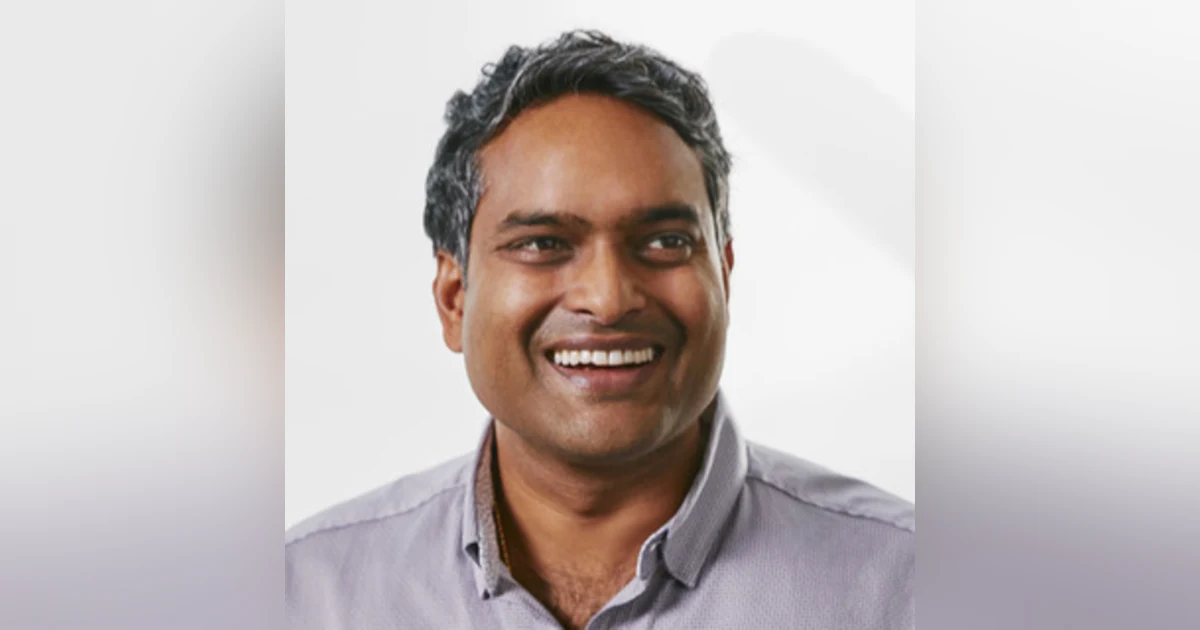

Welcome to Medicine Redefined, a podcast focusing on helping you reclaim ownership of your health. I'm Dr. Darsha, and I'm Dr. Altamasharaja, where your hosts, hair to challenge conventional practices and uncover the stories behind pioneers shaping the future of medicine. Our conversations not only focus on the individual level to dissect common practices for health optimization, but also zoom out to enhance systemic change. Join us as we look to break the status quo, move the needle forward, and put the help back in healthcare. Our guest today is Dr. Ravi Hari Prasad, the founder and CEO of Intuitive Mental Health, a startup focused on partnering with primary care physicians to deliver comprehensive and personalized mental health support. Dr. Hari Prasad obtained his medical degree from the University of Pennsylvania and completed both his master's in public health as well as his psychiatry residency at Harvard University. Dr. Hari Prasad is well-versed in both Western medicine as well as holistic and complimentary perspectives such as Ayurveda. His early experience as an engineer and an entrepreneur have helped him understand system design, root cause analysis, and solution development, and implementation, all of which he brings to the table in today's conversation surrounding our mental health crisis. Let's dive in. Hey everyone, real quick. We are closer rolling out a newsletter containing high yield notes for our guests and tips and tricks from us. We want to put the help back in healthcare and want to help you do the same by giving you the necessary information to live your best lives and provide value to those around you. Make sure to head to medicineredefine.com where you can input your email and stay up to date. All right, thanks. Time for the episode. Dr. Ravi Hari Prasad, first off, thank you so much for being able to come here tonight onto the Medicineredefine podcast. Pleasure. Secondly, so we connected on LinkedIn, and I was really amazed by your journey. You sent me a beautiful intro video about you and your journey and how you really came to understand medicine and truly the why behind medicine, and we need the audience to hear that, especially from you. Exactly what was your journey, especially with the engineering background, how did you go about trying to build all these skills and what eventually led you to medicine? So that's a big question. It's how do you sum an entire life's journey in a few words, but I was the son of a brilliant physician. My dad was a doctor in rural upstate New York, he was the first generation immigrant family, and I grew up watching him take care of patients, and he was a little bit of a cowboy he could do anything, an internist who could put in pacemaker, if you can imagine that. And so he was also a master diagnostician, and so from a very early age, I was getting exposure to medicine, but it was actually the technology that was my first love. And I was five years old, my father bought me a computer, and while my brother was enjoying the video games on it, I was busy programming and figuring out how to write software with it. And I loved it, and it ignited an entire journey in me of a fascination with technology. And so that kind of thread went through, and then I eventually went to Cornell to pick up an engineering degree, and I specialized in operations research engineering, which is kind of like, you know, applied mathematics. How do you get like, if you have FedEx that has to move a million packages overnight for $9, and has 50,000 aircrafts and a million workers, how do you make that happen for $9? Some serious mathematics, and thinking about the world through that lens has been incredibly transformative for me. In addition, I picked up computer engineering. But somewhere along that journey, I felt the gravity drawing me in to follow my father's footsteps, and to apply those skills towards healing people, and to have that connection with folks, and be able to, you know, medicine is the opportunity to have that human connection of service. And at the same time, you are highly technical, but scientific, and it's the ultimate engineering problem, the human body is amazing. And so I eventually migrated towards medicine, and I did that at University of Pennsylvania. But as fate would happen, in my third year of residency, my car got broken into, and while I was seeing patients in inner city Philadelphia, West Philly, I heard an alarm go off, and when I ran outside, I saw someone making a way with my brand new little laptop. It was a Toshiba libretto, if I remember right, it was like this big, and it was so proud of it. And I had it, because I sure rigged the first GPS system out of it, sitting on the dashboard, and I was navigating with my home rule GPS back in the day before it was even around. And so at first, I was like, oh no, my GPS is gone. And then a few minutes later, I realized that my $2,000 lap problem was gone. You know, it's like, it's a much student, and resident, you're in your training, Darshan. Yeah, it was a painful stink, and I'm on my way home, and a piece of glass actually pierces my butt, and I'm thinking to myself, this sucks, what if I had a piece of software on here to track the location of it, find the bad guy, and like secure my data, that would be a great idea. And I called up a buddy at MIT, and pitched him the idea, and he was like, oh yeah, it's killer, we should do it. And I realized that at Wharton Business School, the next morning was their first ever entrepreneurship competition. And this was the height of the first.com era. So I pulled an all-nighter and submitted a business plan for Lucira Technologies, which is my first start-up back then, to build a company that would develop this technology and distribute it on laptops. And we won. And then I called up my buddy and I was like, oh my god, we got to apply the MIT one too. And we won that one too. We're of semi-finals overall, the MIT 50K competition, that was seriously competitive. But then we also won first place for the Morgan Stanley competition. So three big competitions in one year, and all the investors came. And I dropped out in medical school, and we built Lucira Technologies in Boston. A little digression, but that was the company where the technology and the patents for Find My iPhone were first developed. And it was a wild ride playing that company out. And at the end of it, it was the end of the.com era, we had some hard times with the business. Well, technical win, everyone knows and uses the solution. We didn't hit the financial success we wanted. And that sent me into a depression, which then gave me some thoughts on what I wanted to do next with my career. Did I want to start another company? Did I want to go finish my medical degree? What have you? And that was when I realized that the fundamental question was our mental health. Like I saw a lot of investors, a lot of successful people. And I just went through so much as a 25-28-year-old guy and realized that if you don't have your happiness, if you can't view the world like in peace, you really don't have much. And that was when I vowed that I was going to dedicate the rest of my career to the pursuit of figuring out what the story is with the human condition and our happiness. And I was going to figure out how to automate, replicate, and scale high quality mental health care for everyone. And so I made another pivot in my career trajectory and started studies at Mass General in psychiatry. And in parallel, picked up a public health degree there to complement the skillset for that whole population health side of me and sought my fortune to move to California, to Oakland. And it took a position at Kaiser being both the clinician and leading quite a bit of research and technology initiatives aimed at innovation and mental health care. Wow. I mean, all of that sounds like a TV show that I could watch from that day. Maybe two seasons. I don't know. No, it's an incredible journey, right? Everything, everything you talked about, how you connected the dots. And you know, for you to change your philosophy, too, right, throughout these times. I mean, I can tell you're somebody who really values perspective and really values the learnings, right? I mean, you're getting your laptops to them, but at the same time, you almost see like a bright spot. And you're saying, well, how can I create a solution for this? Right? So you mentioned psychiatry residency. Did you do another residency prior to that? No, I left medical school. And I got lucky. Wharton Business School gave me credit for my entrepreneurial adventure because I won their business plan competition. Somehow, we got that to work. So in the first three-year graduate of the University of Pennsylvania. And then it went straight on to residency to Harvard. Okay. So it's interesting, right? Because I mean, you mentioned your engineering background. And most people that are engineers in medicine most likely go into like surgery or maybe prosthetics, but something more hands on something that they can really look at as a puzzle. I mean, one can argue that psychiatry is truly a puzzle of the mind. But you also mentioned that you got into medicine because of connection. How did you view psychiatry? I know you were on this quest to figure out mental health and happiness and how people think, but how did you tie in the engineering and the component of connection, you know, aside from developing technologies when it came to your residency? Because we know that residency is kind of standardized, right? I mean, you got to go through the motions, you wake up every day, you're kind of redundant at times. And you're seeing the patients in front of you sometimes trying to make a nebulous diagnosis. How did you incorporate those core values that you grew up with that you really wanted to bring into your ventures? Fascinating, right? So one thing I didn't mention in that story is this deep spiritual thread that's been with me since my early age, right? And I studied in great depth a field of philosophy called Advaita Vedanta. And this is the non-dual tradition of philosophy from the Vedic Hindu tradition. The idea there is it's basically the understanding of the philosophy that we're all one that there's no separation between subject and object. And how can that be, right? Like what does that even mean? And this ancient wisdom was a guidepost that helped me understand that everything is fundamentally consciousness. And from that consciousness, there is an experience of the world that we're in and all of its various forms. I don't want to go too far down that rabbit hole, but it was an incredibly influential and important aspect to my development. And that led me to understand that the soul of medicine, the heart of everything lies in the psychology. We, as we think we are, as we feel so we become. And the body-mind connection in recent years has been recognized more and more with growing evidence. But the ancient philosophy points out to this lack of separation. And at the end, to grab your physical health, one has to master the psychology, the more subtle aspects of living and being. And so psychiatry was a discipline that I thought would take me closer to that than any other field of physical medicine. I also like the art form of it, right? Like in physical medicine, I felt that there was too much was repetition, person with asthma, give them inhaler, add steroid, doesn't work, add more steroid, check in, figure out how many puffs that they'll view to all they're using, titrate from there. And I thought I'd get bored with it. At some level versus the art form of psychiatry, never a dull day, and the thought that can go into understanding and being with people on their journey along with that connection was something that I yearned for. So it was very much a way to bring my spiritual side with my medical side, with my mission, and weave them all together. Ravi, I mean, this is so interesting because you know, you have this existential point of view from your background, then you go into psychiatry. And you know, we went to medical school and you know, Darce is both training a little bit after, you know, your time. And as far as, I mean, at this point, I don't know if there's DSM-5 or DSM-6 where we are, my during my training five, we're still in five. During my training, it was really, I loved psychiatry because it was just treat repetition, and it was just understanding the criteria, and it was just understanding from ecological agents and their mechanisms of action. And this is one of the issues that a lot of people who are working, you know, mental health providers and people who are making psychiatric, doses are mental, excuse me, mental health diagnosis will argue, we'll say, okay, does this person satisfy their criteria, right? Like on the DSM-5, and that's a big problem because a person so much more than subtle criteria. That being said, though, right, when we're going through residence training when we're in the quote unquote traditional model, you do have to play the game, so to speak, to make the appropriate diagnosis so the patient get the appropriate treatment. Were there times where, because it sounds like this was clearly at odds with where your background was and your thinking was, were there times that this ended up being very frustrating for you and made you want to just step away? Because that psychiatry is also for your sub-training, am I correct on this? Yeah. And if so, like, how did you cope with that? So really good question. Yeah. So there's a reductionistic view, a view that can be applied to psychiatry as well, for sure. In fact, many of the scientific advancements and the pharmacological advancements have been made because of that, right? With the advent of the DSM, we could now categorize patients coming in the door and have inter-reported consistency, like this psychiatrist will call this person major depressive disorder, this one will as well, and we can understand. So now we can bin and sort classes of humans into buckets, and then we can run our randomized control trials and figure out what medications work at what dose and what weight we all interventions and build an evidence base for the profession. And that was something that was completely lacking prior to the DSM. One person would say this is neuroses, another person would call it anxiety, another person would call personality disorder, and then they would sit there and argue, and they didn't even know what they were arguing about because there was no definition. And so it really launched psychiatry into the era of modern evidence-based medicine. And I respected for that, right? And it was hugely important. On the other hand, it was a creation of a empirical science without mechanism underneath. And that's a problem. We're taking clusters of symptoms like the criteria for depression, sleep, lack of motivation, guilt, energy, concentration, appetite, psychomotor retardation, suicidality, and then saying that people who meet these buckets have a disease. But really, maybe we just know that they're all kind of the same. And this is the problem with evidence-based psychiatry. And why you see like these crazy trials is show that SSRIs, the anti-depressants don't work. It's not that they don't work. They work for a person who has a need for a boost in serotonin in order to help with their mood disorder. And there are lots of people like that. But then there's the other guy who's sitting there watching Netflix all night long and not sleeping and is chronically sleep deprived and then waking up fatigued low energy, low motivation, overeating, and not feeling like exercising. And then does it again the next night. And then there's the person who does the same thing. But in the morning, they grab a triple shot coffee at Starbucks and down it so that they're ready to go and they get their music on their headphones, and they're jamming, and they run like 10 miles, and then they get a panic attack. They go to the psychiatrist who goes to the DSM, check, check, check, check, check. What you got here saw is panic disorder. And we're going to give you an SSRI, right? And then mileage may vary on that, right? Like, I mean, it may work, may not work, but then that accounts for the problem, right? So I had an inherent problem with this going through training because I was with the guys who made the evidence base. Literally, these were my teachers. They were the ones who wrote the textbooks. And I would challenge them on these basic observations. And let's just say the answers were not gratifying. And it was around that time that I started picking up the study of Ayurveda, right? For people who are not familiar, Ayurveda is a complementary and integrative healing system of India, of ancient India. And it stems from the same Vedic philosophical knowledge base that I had been studying. So there was a completely consistent healing system that that was holistic and integrative. I think Ayurveda probably is the grandest study of human wellness and has a vision for a human not different from its environment and from behavior. And in fact, in Ayurveda, the core principle is the food that you eat in your behaviors is your medicine. And so this grand lens started beating in my heart back. And then I viewed psychopharmacology as just a tool, as with psychotherapy, as with traditional Chinese medicine, as with supplements, as with everything else around this vision that unified spirituality, mindfulness, being and it synthesized these lenses for me in a way that was written 3,000 years ago, signed off on and not once the level has been changed because it took them 3,000 years of academic work to get to that point previously to that. And armed with that, I don't know, I was able to tolerate everyone and learn from them and understand the limited context that all these things are coming in. But I would be synthesizing how to use them, when to use them, for who, when. And that became formidable. And it took the practice of psychiatry to a whole new level for me, in terms of being gratifying and being a part of my own journey and being able to feel like I'm doing something really special for the people I'm blessed to serve. Yeah, I'm glad you brought up Ayurveda. I mean, we've had a couple episodes now, one with Dr. Jody Patel talking about gut health, microbiome and Ayurveda and then as well as Dr. Shvani Gupta talking about the basics of Ayurveda, the dosha, all that. So listeners who may not understand those are definitely good episodes to go back to refresh back to here. I mean, maybe we can touch on it more when it comes to mental health and learning about how to use it in psychiatry in a bit. But I think this is a good time to talk about the current gaps that are occurring in mental health. I mean, the way you're talking about it is very multimodal. I mean, I mean, your approach especially. And it seems though to feel like to me in the general public that when you go on social media, you see, you know, a variety of coaches talking about different types of therapies in medical school. We always learn about different types of pharmacology, different types of therapies. But yet, we seem to always go back to this kind of checklist manifesto in a way. What are the current gaps that we are experiencing that come to mental care in the US? Well, the first is an epic, epic supply demand mismatch, right? It's always been a problem. And mental health services were never designed to be a population service, right? The psychoanalysts who need five sessions a week, each an hour and a half sitting on a couch and free associating never thought of themselves as public health interventions, right? But somehow, when they got Thorazine and got a few anti-psychotics and started getting medicine and then the advent of the DSM and an evidence base, it turned into a medicine and they carved out a niche. And so this niche kind of service line turned into something that needed to take care of populations. And that was the beginning of the supply demand mismatch. And so here, you know, just to my practice of psychiatry, comparing pre-COVID to post-COVID numbers, the call volume has gone up about five fold just to give you a context of how much demand is increased for mental health services through COVID. And I think that's largely because of a destigmatization and also a deterioration, like this amount of social stress on us, particularly having to pretend that nothing happened over the pandemic and everything's fine and we're good to go. There's a lot of unprocessed baggage in society from the trauma from that. And yeah, so there's a gap in the supply demand mismatch, that's epic. And it's also an aging workforce psychiatrist. Three years ago, those are statistic that 50% of psychiatrists in the country were going to retire in five years. All right, so we're three years into that. And so that's another problem. There was a large period of time where it wasn't considered sexy to be a psychiatrist. Mental health is having its moment, but now that's another eight-year delay for a med student to be born and turn into a psychiatrist. So we're in that gap. And no level of production of psychiatrists is going to yield a solution to this problem. And then there's issues and questions around the model of care. Is this the most appropriate way to take care of people? Is it the most efficient? And in this supply demand mismatch, we've seen a rise in the psychopharmacological management of mental health conditions, and probably a lot of excess prescribing as we were talking about in the previous example of the caffeination. So yeah, there's a lot to be sped about that. Ravi, you mentioned over prescribing just now. And that was actually one of my follow-ups I had prior to this conversation is how much of a bias is there from the provider when it comes to prescribing. You know, for me, I was talking all too much about this yesterday. You know, for me, I don't see mental health personally when I look at people, quote unquote, as a true crisis for a lot of people. I think it's just, hey, they are overstressed and there's ways to maybe cope with it. And that might lead me to not take it as seriously or maybe not even prescribe the proper medication, you know, if it is something serious. Whereas on the other end, you might have some prescribers who have seen depression in their family members and have seen the miracles of SSRIs. And so they treat every case as if it's their loved one and what over prescribed. How do we get more nuance about that? You did mention a little bit kind of about precision medicine. I mean, are there ways now that we're looking at specifically serotonin levels or that we are really dissecting the individual to make sure that we are diagnosing correctly? Yes, you term biomarkers and markers of mental health conditions. Yeah, my view is how many billions of dollars of research and efforts have gone into finding a hemoglobin A1C or a blood pressure marker for our mental health conditions. It's all speculative and it's not clear that it's moving the needle. We may get there at some point, but there is remarkable progress being made with digital phenotyping and predictive behavioral analytics watching a person's behavior and from that inferring how they're doing. Prior to embarking on this course with the IMAH, I was working at a company called Ginger. There's a lot of people now now headspace health and that company's origins was in data science. And they were working on predictive analytics so that they could actually look at how a person's using their smartphone, their wearable devices, how many times they're playing candy crush in the middle of the night and these things are actually highly correlated with the industry standard rating instruments for severity of illness. Of course it doesn't tell us cause and that's a different matter but they do play a role. So I want to go too far full without addressing your question of over-prescribing. I think that the trick here is understanding what the problem is as best as you can and a lot of times it's about lifestyle and in my view there's a burgeoning field of lifestyle psychiatry that's coming out of the lifestyle medicine movement from the American College of Lifestyle Medicine and the other people who are working on this, the functional medicine doctors are doing some work here and the idea is to understand the situation more holistically and identify what the roots may be. So like we talked about caffeine, we talked about sleep, we talked about primary sleep disorders huge that a number of people would sleep apnea who masquerade is depression. Exercise, mindfulness, diet these variables actually like if you look at the DSM criteria for depression and reverse it it's behavioral right problems would sleep okay then why don't you just help the person sleep oh they're watching Netflix and drinking too much caffeine why don't we start there right and so this this common sense or intuitive mindset it's one of the reasons why namely company what it is is is the approach to take and once you've gone rid of the obvious things then maybe you can look at a medication trial but it should be done in that sequence and I think a lot of the problem is it takes a lot of time to be that thorough and to like spend the time with someone to understand those things and this is where my great hope for leveraging health coaches using generative AI and other technology can fill in that gap to a busy clinician. Yeah it's obvious but it's not easy right and it's also from a short-term perspective it's an inefficient business model right that that takes a lot of time it takes a lot of upfront investment and energy and not to mention human beings are difficult if I may right and people are somewhat stuck in their ways despite wanting to get better but you know this concept of instant gratification in our world particularly with you know it's social media and dopamine I mean that's only getting stronger I don't see us getting away from that right we're only reinforcing that more and more and so what you're suggesting in terms of the behavior modification that takes a lot of time and that requires active participation on the patient's part too which again a very significant challenge as well and so you know I guess you know I don't I know there are darshan a couple other follow-up questions but because we brought this concept up I want to ask you in terms of when you were thinking about that you said this is very very intuitive you're like well why aren't we doing this why aren't these approaches being and I don't want to suggest that you know finances and be a conspiracy there's is a simple way but again for somebody who's early in their career early career physician darshan is still a trainee these are a lot of the questions that we're asking my students are asking and I think the next generation is asking why why is this not the case so as somebody who is a bit more seasoned do you care to share yeah no I mean God the the reasons are are several right where do you even begin with this one but I think you highlighted ultimately a lot of the the reasons we got a business model situation right you got six-minute primary care visits now every time payments get cut on PCPs what are they going to do they have to pay their staff they have their overhead increasing so the only solution is to slash the office visit down from ten minutes to eight minutes seven minutes to six minutes and keep going with it CMS actually removed the time requirement on office visits with the the coding changes in that in 2021 and I I think it's part of the reason they're still slashing payments and so their solution is to be allegedly more efficient so then it takes time to figure this out that's one you pointed out to the business model like that's entrenched in the ethos with the farmers pharmaceutical and medical industrial complex there's something to that as well like ambient it works but the problem is that a person needs to stay on it or they're going to withdraw and then they need more so that serves the the the pharmaceutical industry their cases where you need these medications they have to be used responsibly and monitored but again that takes time and so then there's also the training right like it takes a unique lens to shift from because we're all trained and you're trained and I was trained from doctors who are practicing in a conventional model and so how do we know what we know as physicians we know what our teachers told us and so that perpetuates the the cycle that's another issue I do think that in era is definitely coming there's a rising awareness in the population and people that in order to move from sick care to health care and in order to thrive we have to move away from this and I think that the availability of knowledge like for example this podcast you're producing it brings this knowledge and these insights to educated consumers so that's potentially a disruptive force on conventional medicine or an opportunity for transformation within the profession and then the psychological aspects right is psychological aspects as you comment on as a psychiatrist because well humans are these little machines that seek after what feels good and avoid that which doesn't feel good and it's it's something else to overcome that but if you think about it staying up watching Netflix feels good tonight and then the next day I'm completely safe to pry of sucking wind and suffering the issue is a certain ignorance about the linkage between the behavior and how I feel and so in my view being able to teach a person the association and let it be muscle memory for them is is the root of behavioral change so if I have a patient who's staying up to like watching TV I'll make sure they get the point that they're paying for it the next day just like when they drink too much and they have a hangover the next day they know what caused what and then as soon as that association is tight there's many of us that'll moderate the number of drinks we have in the night explicitly because we don't want to get hungover the next day because we have to work and other such things right but that lack of connection between cause and effect is you know doesn't that flex when if we don't stay up all night watching does the people serving up ads when if we don't stay up all night watching and so there's a certain commercial bias to play on that I mean in the if this was all post-World World War II behavior to sustain the economy how do you convert from a wartime economy to a peacetime economy and not crash it and that was the rise of American consumerism we start buying things because we wanted as opposed to because we needed and that was actually by design right Freud's nephew Bernie is was the architect of it and if you watch that HBO series Mad Men it shows you the rise of that in the United States and so we have to we have to like slowly get ourselves away from that thinking and restore an objective lens on what's causing what and if you don't do that if you try to coach a person and if you tell them they're wrong and if you do any number of approaches to behavioral change you fail well when a person actually understands and sees the effect you actually find that the system starts auto correcting and do course and and so I view my job as a physician is to point these things out and hold the mirror up for people and I'm good with that that someone chooses after understanding the sufferer it's great like it's on you like what do you want me to do you want my help I'll help you but now you know why yeah how do you how do you get people to change their behavior though I mean I love that you use the word winning and I'm a big fan of gamifying things right and so when we talk about where our attention goes or the choices we make always thinking about well who's winning right is it the advertisements and Netflix winning am I winning I'm going to grab that KitKat bar is it whenever company is it Hershey's I don't even know maybe America or she has to know that are they winning or is it you know me gonna win me so always kind of thinking about like hey what's in it for me I think is a great way to kind of shift that mindset but to do that 24 hours a day when you are hangry or when you're sleep deprived or when you're stressed is really really difficult to do so when you talk about hey I'm here to help you what are those strategies that you actually implement you know from from your expertise to actually change that behavior for people and to shift their mindset right so the first phase is the education component right like knowing what causes what and why I'm suffering then the second phase is something that requires a person to ask for they need to ask for help they need to want to solve this problem they need to want to rise above these tendencies right and and have an intention before it and that's really important you can't change a person a person has to make that conscious choice to choose health over disease to choose happiness over suffering so important then the second thing is how do you equip them to succeed having thus decided that they want to right and this is where a few lessons from ancient philosophy from ancient wisdom traditions comes to bear and I think the the fundamental answer is mindfulness so in life we're looking through a windshield like imagine we're a car we've got our sense organs and we're watching any number of things and like these car at every moment there's a choice that has to be made right like okay candy bar do I do I eat it or do I not eat it right and in the usual state people are unconscious they're not actually present right and you can see the most commonly with smokers who are outside puffing and looking at their phone the whole time they're not actually paying attention to the sensation of the smoke the feeling of the burning sensation and their throat the little bit of pain that's in their lung as the smoke is filling it the nastiness of the smell as it comes out of their mouth it's replaced with this mindless smoking while they're sitting there doom scrolling on their phone so their attention is away from the the the object of what's going on here and that leads to these poor decisions moment to moment in the stream of life as we move through it and so then your hungry you know the george coming off a 36 hour shift darsh and you've got a little bit of a headache you could eat something healthy and you see a candy bar it's okay you probably are just going to chew on it on your way home and if there was this way for you to stand back and be centered in yourself and notice the craving in your mouth the saliva being developed to notice your desire to eat the candy bar to notice the pain in your head that you're trying to solve for and to to breathe with it and not take immediate action just to watch and breathe a little bit you create that space and in that space is freedom literally freedom exists in that moment where you now have a choice to say wow darsh really wants that candy bar isn't that fascinating and then to ask the question what is the corrective course of action and then to take a moment and then to say okay I need to go get a bowl of oatmeal I need oatmeal now and there's some in the cafeteria on my way out and let me just pour it down my throat and get the hell out of here like move right and so that's possible and the more you do that the groove groove like tendencies in the mind to for its automatic behaviors and responses start to fade away and slowly behavior change occurs and you're effectively choosing health over disease and you actually had a say in it this time and so then how do you grow that mindfulness that quality that ability to do that to distance yourself from your desires and aversion and to ground yourself and to have that space of freedom and that is the subject matter of all the mindfulness traditions on the planet and in doing that you start realizing oh my god this isn't just about the candy bar this is about whether I yell at my partner this is about whether I decide to spend waste all of my money on something I don't really need this is basically the fundamental human issue and it turns out that those micro behaviors of our lifestyle are just practice ground from mastering this how do we get to psychological freedom and that I think is a fascinating insight and so you your mindset shifts and so the next question is how do we walk this path of mindfulness and grow and that's another topic but I hope that helps to be context yeah Robert this is a fascinating right I think we all know and recognize that habit change nowadays is super sexy right we have a ton of great books come out on habit change James clearest atomic habit switch phenomenal book by the way but I think it's been the best seller for several years in a row and for good reason but I think he is one of the people who talks about is when you are trying to implement a good habit or replace a bad habit quote unquote with a good habit you know behavior such as the one that you're highlighting where you might be making bad decisions with smoking if you recognize that is one or maybe being hungry in putting a snicker bars where you should be eating something else when you're just simply hungry or tired or whatever it is that you're using that as a coping mechanism for if you replace that in that moment with some other positive behavior you might recognize that maybe you've you've substituted it something that's more beneficial for you that being said though I think it begs a question of this you know we take a step back and we look at it from this philosophical approach that you highlighted though or started the whole conversation with is it's really about this addictive personality feeding this impulsiveness that we all have deep within right and I'm starting to think if maybe that strategy of replacing that that loop of you know impulsive feeling of wanting the snickers bar candy bar with maybe a different positive movement like ten air squats if that's necessarily a good thing or if you know doom scrolling where you won't get the candy bar and therefore afterwards you maybe won't have the guilt or shame or whatever you might have associated with it you know because you're recognized you made a bad decision but now you've gotten that dope it means some other way whereas the mindful base verse that you're talking about is to slow down and not do anything and this process and sit with that feeling of oh my god I really really want this candy bar why do I want this candy bar and sit there and think about that oh is that because I'm actually hang like angry or tired or whatever MIP and so with that preface I guess what I'm trying to ask is the the former strategy that I am highlighting in some of these habit strategy type books to talk about where you want to replace it with something else in the immediate nature that still gives you that positive open response is that ultimately detrimental to this mindfulness base approach that we have oh that's a great question isn't it it's like you're substituting it with another addictive behavior that's less toxic and so it's a hack now it's fine at least you're not destroying yourself as rapidly but I think that there's another another the middle ground here is once you create that space and you stop and you're watching it and you feel it I still have that desire I still need to satisfy that craving or that thing and how do I solve this problem for myself and that's where all these techniques file it I was like oh I can go get an apple it's tasty and it's good and it's not going to toxify my body right or I can just get decapcom and like you know it'll taste good and okay 25% calf please you know like I can do harm reduction so there's a whole range of possibilities that open up to you when you create the space and now you can use your intellect as opposed to your automatic grooved pattern behaviors and all these books everything everyone is teaching are suggestions and ideas of how your intellect may solve the problem at hand but until you actually master and make even a little bit of progress on the road of mindfulness to be woken up to be present in your day-to-day living with every decision that's micro decision that's coming at us yeah you can read 10 books and nothing's going to make a difference you still do what you're doing it's pointless and so that this is the point that gets missed everywhere is like yeah I want to smoke and then what yeah I really do feel it in my mouth I can feel the crave so freedom is attainable right and that's that's something and so what I worry about is in watching all these videos and reading all these techniques and whatnot you're making the mind busier and busier and busier which is denying presence more and more and it's really getting some level of silence in the mind that actually causes freedom from thought yeah it's interesting right I mean there's bunch of books out there Eckhart Tolly we'll talk about this Michael A. Singer with Untethered Soul you have James Clear and they all have their own approaches to clearing the mind essentially and and really with habit formation but Ravi what I'm interested in here is you know the listeners need to understand that you're a psychiatrist right like this is what you can do in a session where whereas if they go to a PCP and they have three different issues one of them might be mental health concerns but they only might get a minute session on that and it might not even be about anything about you know changing xyz in their lifestyle what is the current PCP care model like when it comes to mental health I know you mentioned that there's a supply and demand issue I would even presume that there's one with just doctors in general right or front-mind workers and this is where your company comes in so take us through a little bit about the PCP model and where intuitive mental health comes in to really try to solve this issue yeah no exciting so intuitive mental health is my answer of how we're going to address this mental health crisis and at the same time start delivering lifestyle medicine lifestyle psychiatry at scale and and do it in a way that's actually sustainable, profitable and and creates amazing jobs on our side and also for the that improves the lives of the PCPs so it's it's a lifetime in the making to figure out how to pull this feed off but let me start with the story right 80% of all these antidepressants that are prescribed in the country are done by primary care doctors and most people are shocked to hear that number right only 10 20% are done by psychiatrists and specialty mental health care and it's because of the supply, demand and mismatch so the answer is actually to bring a psychiatry and psych mental health services to primary care in the end the separation between the body and the mind was arbitrary and ill-founded there's no you need to handle both and we were talking about that right like the diabetic needs to learn behavior change needs to not be depressed the depressed diabetic wakes up in the morning and will take a pint of ice cream and end up in the emergency room with diabetic ketoacidosis momentarily and so everyone knows that when you treat the mental health burden in a population you tremendously drive down the cost of care and improve the lives of your patients so there's this model of care called collaborative care it's about 30 years of experience we have now as a profession in it it was pioneered in the University of Washington there's over 90 randomized control trials at this point that show that when you take a psychiatrist a therapist and you have some sort of registry where you're measuring mental health outcomes for a population longitudinally you get results that are comparable if not better to specialty mental health care it's an amazing finding and if when you build these models of care out every one dollar spend leads to six dollars and 50 cents of downstream savings for the for the healthcare system so it's great why isn't everyone doing it right and you know if you think about it mental health should be a primary care function for a great many people like diabetes less common than mental health conditions right but if every diabetic thought they needed an endocrinologist the result would be millions maybe millions of dead diabetics on the street hey in the end it has to be done by the primary care doctors it's a population kind of illness and so somehow mental health fell in the crack and wasn't getting treated like this and so collaborative care is a model of care that brings it back home you give excellent support to a PCP and you you teach them how to do appropriate mental health care and you support them every step of the way when I was at Kaiser Permanente I built one of these models during my tenure there where we covered I covered 200 PCPs taking care of half a million patients with a small team of mental health conditions and it can be done it can be done in many different ways and it's amazing so my thought is to answer president Biden's call you know in 2022 in the state of the union address he announced that collaborative care was one of his signature initiatives for solving the mental health crisis that we have to deliver effective and appropriate mental health care in primary care and so he actually did something that was amazing he got every insurer in the country and Medicare and I guess nearly 40 out of 50 state Medicaid now the rest are coming online to pay for collaborative care to CPT codes that actually pay a PCP when they work with a psychiatrist and a therapist to deliver this care and they pay reasonably well for it so that means there's an opportunity for everyone who has a PCP to have high quality mental health services that are paid for by their insurance which is epic to me shot on goal like that's where we go and so my idea with intuitive mental health is to build a traditional collaborative care model well let me talk about the pain points right you can't expect a PCP to go find a psychiatrist and hire them and a therapist and hire them first of all they don't exist they're all busy their private practices and even if you could it's not exactly an easy thing to manage and and whatnot and then when those programs are implemented there's a lot of balls in the air right like calling back patients figuring out how people are doing referring people to hospitals outpatient treatment programs keeping track of loops insurance calls supporting PCPs and psychopharmacology checking blood levels monitoring these therapeutic drug levels I mean it just goes on and on educating the patients so it's a lot of work and it takes a lot of operational excellence so iamage intuitive mental health is my answer of how we we address that to bring that turnkey experience to a PCP they push a little red button next to them every time someone shows up with a mental health concern and we take over and we do a comprehensive integrative assessment we find out their lifestyle variables we collect hundreds of data points on their entire mental health history they meet with our teams and we assign health coaches and psychotherapists to them we follow them longitudinally and for the patients who are appropriate for the PCP to hang on to and do work with our support we support that process thoroughly giving recommendations to the PCP giving them instant access to a psychiatrist when they have any questions and for the patients who are not we handle the arduous work of finding an appropriate treatment and managing the referral and making sure they get placed and closing the loop and keeping our PCPs educated and meanwhile we keep in touch with our patients and check in with them longitudinally and continuously and find out their needs and continue them on a journey of increasing their lifestyle right like how do you start sleeping exercising eating mindfulness and and targeting them and we do it very efficiently so then IMH is bringing this kind of beautiful mental health care delivery system to the PCP and then executing it with operational excellence using state-of-the-art workflow optimization workflow management tools it's my first degree coming into into focus and take them on a longitudinal journey through their acute care episode and and beyond and we're able to do this leveraging technology to the max with the advent of our our generative artificial intelligence we're able to turn our clinicians into super give them superpowers and able to lever up what what we thought was possible and I think that this AI revolution is just beginning we're in our first inning I'm just excited to see what happens in the next six months not to speak up in the next three years and so I believe that there's a way that I'm going to fulfill my vow that I made 20 years ago which is to deliver high quality mental health care to everyone and IMH is my my tireless attempt to attempt to do so we'll see until the early days and we're starting to see our first patients now and we're blown away by what we're able to pull off and particularly with these these a generative AI models I believe it Ravi I mean you've certainly been backstage for several promising ventures in the past and some of those you've highlighted here something that you know we've talked about offline online and with other people you know I think at least when I have conversations with my students my trainees you know we talk about the word holistic is a very sexy word right so we're both osteopaths by training and you know in the osteopathic tenants you know we talk about the mind the body the spirit things that you've highlighted you know if you don't have peace in mind it's a bit harder every other manifestation from the physical aspect is going to make life a little bit more challenging so so you don't need to start their treating that being said though you know when we take a look at that supply demand issue that you also highlighted at the outset of this conversation we have to try to figure out how to solve this problem some of the things that you highlighted with AI and one of the pieces of conversation that I hear all the time is that oh AI is never going to be able to replace that human connection right the empathy it's never going to be able to exhibit that when in fact we've had prior guests who've come out and actually talked about I think Darshan you've actually told me this as well is that you know what we're seeing is the AI is actually does a better job at that and so I'm curious to get your take because you've got the engineer in mind said you're a true psychiatrist at the forefront making that connection you've got the philosophy background is you know is that something that excites you is that something that worries you and you know if you are worried like I'm curious what those worries are well that's uh that's quite a good question ultimately and obviously I think I think about the stuff quite a bit right um let me just say that in a collaborative care model we're able to lever a psychiatrist which is a conventional no technology track things on an excel spreadsheet like how patients are doing you can go take a psychiatrist from 500 patients that are private practice to nearly 5,000 patients that that mind is able to weigh in up with AI leverages that number can go 10,000 maybe even higher and so scale is something that these models are going to be able to do us but I think the point is that they're not designed in my conception to replace the humans it's to make us even more human it's to surface to the psychiatrist for example everything that they want to know about this patient just conversation any hospitalizations ever any history of psychosis how many times did they do xyz and the information will just flow instant real time because these models are keeping track of everything in the healthcare system so that's that's one way to use AI the second aspect is the connection aspect and years and years of psychotherapy research this is something that's blew my mind as a resident um you know is it psychoanalysis is it cognitive behavioral therapy is it psychodynamics psychotherapy all these different modalities that conferences you hear everyone arguing that they're better than everyone else no one's been able to prove that any of these modalities are better than anyone else's fascinating and the only thing that's consistent it's the the the treatment bond alliance between the patient and the in the trainer so that connection seems to have the magic touch and the connection peer-to-peer counseling has a nice evidence base the health coaches they have their own evidence base that's growing and these are ready supply of labor that want to do this problem that want to so what i what i'm submitting is in this new era moving forward there is a need for connection but it doesn't have to be delivered by the psychotherapist or the psychiatrist primarily it can be a team and it can have a team of people who are more equipped readily available and are in higher supply deliveries and that's that's a very important point the second point of generative AI and its ability to to be empathic jama journal american medical association last year did an early study where they took doctors email inbox and they gave it to chat GPT and they also let the doctor respond eighty percent of the patients preferred the chat GPT responses saying that they felt that the the doctor understood them was giving a more timely response and more thoughtful response right so there's there's the old study of the touring test which is which is the classic study on deciding if if there's a consciousness in a machine and if you can't tell the difference then tour a m touring back in the day said that that means that there's consciousness or sentience we've conveniently scrapped the touring test as we've moved into generative AI and we're finding different ways of evaluating whether the thing is sentient or not at GPT 4 you're approaching artificial general intelligence and at GPT 5 I was listening to Sam Altman talk about this and we better be prepared in six months these things are going to be very human like and there's gonna be huge issues of trust and whether or not we are we dealing with an artificial life form or what are we dealing with and this is not science fiction anymore this is like six months from now we're going to be having these discussions and it's going to be curious and definitely people are starting to have AI girlfriends and boyfriends and finding connection with them and dating apps are having AI partners that you can swipe to the right or left for and so yeah I think there's something there now whether this is good or bad it depends in whose hand and for what purpose so if I were to create an AI that was designed to raise the consciousness of my population and be the ultimate mindfulness teacher and guide them on a journey longitudinally excellent right we need that and if a Facebook develops a bot and sticks it into WhatsApp for us to chat with and the advertisements are suddenly streamed to manipulate our behavior and to not even let us see what's happening as we start shifting our views and our behavior which picking on Facebook I don't know interesting company so we're getting into the wild west with no regulation and it's truly terrifying what the possibilities are here and even if there was regulation the open source language models are catching up I can run a model that's comparable to GPT-3 which is the chat GPT that blew all of our minds from last year on my MacBook Pro now and that model has absolutely zero guardrails or censorship and cannot be regulated by anyone not to speak of what's going to happen in two years from now like Apple's entire thesis around generative AI is to move the technology to the device instead of being a cloud-based AI like Google and Microsoft so the compute power is going to come to everyone's phones even smart watches and so these models are going to be uncensored and unregulated so the horrors that are potentially in store for humanity are I mean what to say right and so I'm focusing hard in dedicating myself to the useful uses the uses that are going to raise human consciousness and potential and heal people and there needs to be more people joining me on that mission I strongly believe it and the potential for great benefit is definitely there and I think maybe it's the good AI's will help us survive the bad AI's at some level and it's going to be a very interesting journey that we're taking as a species no one's thought about the consequences before it was kicked out the door you know this might be a bit an idea of a question but why do we not think that it will be regulated I mean from everything that you've described have heard lots of people talk about and echo the same sentiment I wasn't aware that Apple is planning on rolling this out into everybody's personal device that is I don't think they've already announced it but if I was a Tim Cook that's how I play my hand but anyways because then the primacy is there and then the conversations are stored on your device they can be privacy first and then they're not a big cloud player and they're making neural cores on all of their MacBook Pro chips for processing large language models so no one's announced or talked about it has to be the way but why do we not think that at some point there will be some type of regulation I mean it might take some time to catch up but you can regulate yeah but can you enforce it yeah I think certainly with the cloud-based models but maybe not with the personal stuff right yes but if GPT-3 is able to run on my MacBook Pro today and GPT-3 is quite engaging then GPT-4 runs on my MacBook Pro next year and that's plenty powerful enough yeah yeah I think it is better take the approach I've just choose to look at the positive and get more people to join in and generate more than good AI because yeah otherwise it it's difficult to sleep at night I can imagine this is a great potential for humanity my god my mind staggers at thinking about the upside potential of generative AI in human civilization but it's always the negative use cases that seem to lead and exploit humanity and so like this is an IMAG is an interesting play where we're playing with this technology and we'll bring it out responsibly and carefully to uplift humans and potentially be able to mass deliver it and do but there has to be more people attempting to do this and there will be inherently and it'll become a trust relationship who's AI's do we trust and that's that's going to be a key part of this dialogue by the end of the year yeah as I said earlier humans can be difficult right and so sometimes we're our own worst enemies and that but let's let's try to stay on the positive side as opposed where do where do wearables fit into this right we talked about the power of digital health and generative AI and you know our ring whoop they're they're very promising with respect to physical health in our world but do you see a role for them with respect to mental health and that psychological aspect in particularly because recent news right first neural link chip has been placed into human being and so with this brain machine interfaces we can get some further information on what's actually going on in somebody's cranium how do you see that playing a role if at all that's it's going to play a huge role and so you know the whole theme of this conversation in some part is that the division between mind and body is arbitrary right and lifestyle variables like sleep exercise tracking diet mindfulness and particularly the the biomarker of a heart rate variability are heavily correlated with mental health outcomes so you know the problem is what to do with the data and that's been like a classic point right like the first generations of Fitbit would just carpet bomb you with like okay you did 50 million steps in this last week congratulations okay and then and eventually people would just take the thing off because it's like what do you want me to do with that right and so I think in in this AI era we're dealing with a different level of utility of this data if you look at the latest edition of whoop the whoop 4.0 series they've got a AI coach built in that's watching this and it can give you personalized insights and tips and have a conversation with you about your data and so I think that's where this is going I think AI is going to make wearable data orders of magnitude more valuable in optimizing our lifestyle and our health and and the form factor is getting to be very exciting right like aura ring is has really did some pioneering work with being able to get us a tractor that doesn't require our wrist and doesn't require daily charging and radiation exposure. Ravi what about specific markers you know we touched on precision medicine a little bit and a lot of what boop and these wearable companies do is that they'll also measure subjective data as well as the objective data such as hrb but I want to focus on the objective data that pertains to mental health such as neurotransmitter levels brain waves etc and so my question is how much do we have to place an emphasis on the subjective data when it comes to mental health the data that you know patients are telling their providers exactly what they're feeling versus the hard objective data that we may or may not have. Yeah well I like to think of this from a framework of effect size right like if when we think about how we feel right now there's like hundreds of variables that go into play right and then those are just the hundred we know about and then there's probably another thousand subtle things going on that we don't know about right and so everything if you're diabetic you're gonna have a higher risk of depression if your thyroid is off you're going to either be anxious or you're going to be depressed if your if your cortisol is high you have higher levels of stress and so on and so forth there's all these markers then there's our genetic predisposition that we can get from genetic studies and you know certain people have deformations of the serotonin transporidine and as a result they're likely to have embarrassed reactions or responses to SSRI medications or more prone to depression and then there's the physiological data my heart rate variability that gives us an index of the total wellness of an organism right and so yeah all very interesting and you'll have companies that'll come in with one thing like cortisol and then they'll make a huge story that this is the key I have found the reason why people are stressed out and anxious and these three supplements if you take them every day they will lower your cholesterol your cortisol and you will feel better maybe and even so was that the mechanism of Ashwagandha the the the ancient herb from an Ayurvedic framework it probably does a hell of a lot more than lower cortisol and it's a very special russian they call it like a nurturing agent right that's made out of a plant that's the relative of the asparagus it's harmless but it does these beautiful things to our body so these reductionistic models are missing the the bigger picture even our SSRIs like they don't know that serotonin deficiency is the cause of depression or it's kind of like okay if I get a headache and I take Tylenol it had it goes away was the problem Tylenol deficiency like look I love it it's an empirical data set would you have to be a man enough to like admit the deficiencies in the thought process and look I speak like this but I actually went and learned from the best before I could talk like this right so because it might be that I just don't understand but no I understand I talk to the guy and like this is my sense my conclusion on the matter and so so anyways this is my take on it and so then like I've gone kind of all the way to the other side and like okay dude if you're not sleeping if you're getting three hours of sleep that's probably the biggest cause of why you're depressed can we just work on that before we get into all of this precision stuff like I just need you to sleep can we try it for two days I'll see you on Monday let's just talk about it then let's try oh why can't you do it okay let's do it provisionally for a week oh you got it you feel better right and then yeah shocking and now we have the answer anything else right and then the discussion shifts to now what are we going to do to give you the strength to remodel your life but then we avoided this entire thing about over medicalizing it and like starting them on god knows how many supplements I cost a thousand bucks a month that might be causing liver failure and because of the carpet bombing of all these things it's just it's just cool it keeps going man and so sometimes you just have to be obvious and help people out and then after you've taken care of all of the obvious things then we can start digging right like that's fair game and the functional medicine doctors are masterful at the digging portion but obvious things first I love that so much because I recently had a similar experience and I'll share that story with you guys in a second but I think this over medicalization problem it's such a it's such a difficult situation particularly for us who are in academic medicine and bull darshan on the other side he's a trainee I am somebody who works with trainees as early as medical students and again you know I'm a physical medicine provider I'm sports medicine and I do MSK and I'll share the story with you I recently had a a secondary medical student come see me and clinic and he's in his dedicated board prep time and so he's studying 12 14 hours a day and he's coming with some of this upper trap neck pain type stuff there's some of my trainees went to go see him and came back and like okay well what do you think is going on like oh I think it's postural I think if we do cervical corrective exercises and he's gotten all these sexy home exercise program of YTWL's and this that kind of stuff had a cervical spine x-ray done and in that they talked about the reversal of the lardosis which I don't know how many x-rays you looked at and stuff but that's really just bullshit radiology talk for you know they call it muscle spasm is the reason for it but it really is nothing it's just gravity pulling down and reversing that lardosis of the spine right and so you were in there in the room having the conversation about what do we do and ultimately I came down to you know after we rule out all the insidious pathologies and luckily this person is a medical student so I can have a conversation with them about this and say hey listen you're studying 14 hours a day 15 hours a day you're stressed you're not sleeping well this is gonna suck this time is gonna just suck like there's not much we might be able to do to make this better and we just got to get through it and if we have to throw a patch on your back so you're a little bit discomfort go as a way so you can get back to the important parts so you can pass your boards and that's what we got to do I can give you all the correctives and you know a great question asked it was like we will do you think I should be doing better exercises and I asked okay I was okay how many hours a day do you study 12 14 if it is a postural issue do you think 10 minutes of exercise a day you're gonna over 14 hours of bad posture no no I was like dude this is just gonna suck right like we just got to get through it and it was not the right academic answer for any of my trainees I think because I could see some of them looking at me like whoa like that's not what we learned that's not MSK and biomechanics and you know good clinical medicine and I was like no that's just reality right it's pragmatic and and I think it's so important for us to to know both sides of spectrum so you talked about training at some of their most prestigious institutions in the world and you've been learning from those folks who are writing these guidelines and then you go to the other side with the eastern versus western and this also brings me to the other point that Darshan I always talk about people like what do you think about the eastern medicine versus medicine and we just said dude it's just medicine there's just you know like it's all it's all under one big umbrella and you just take the tools agnostic as you see there you take the tools from every single place and you try to apply to the person in front of you what makes the most sense at that time and so I think that's really important for everybody to remember is that like that kind of context and you you take from everywhere and and see what works the best at that time and and sometimes it's just gonna be difficult and that's the situation that you have so you know with that I think I think we covered a lot of amazing stuff and I want to I want to thank you for for bringing this energy and and just you know sharing your insight from all you know walks of life and the experience that you had I think that's brought a lot of value to us and made me think and question some of the things some beliefs that have helped maybe or some frameworks that I kind of want to jumble up again so to speak maybe I'll use your engineering assistance with that you know one of the things that we're we're being more mindful of so to speak is is to see if our guest has any questions for us is there anything that you're curious about that what we're thinking about certainly there's not much that we can teach you because you know you've thought about things deeply but is there anything that you have for us if not that we've got something before we're close interesting what I want to ask two guys that talk to a lot of people at this line what have you guys seen in terms of the integration of physical and mental health and what do you what insights have you gleaned from your conversations that you think could be helpful to me as a bark on this pretty ambitious project to innovate mental health care you can you never know where the the insights are coming from and you guys are definitely very thoughtful Darcella you go first on this one yes I'll gladly go first so first of all for me I plan on obtaining a functional medicine certification with plans to practice lifestyle and precision medicine so I can really dig deep into root cause and specific tests but you know with that type of medicine comes this need for understanding mental health there's a need for coaching behavioral modification it's because I can get all these tests in the world but if I can't convince the patient to change their behavior it's really just a waste of money for both of us right because I agree with you how do we get those lifestyle pillars in first before we get to the shiny objects and so for that for for me that means getting a coaching certification you know whether that's through executive coaching understanding mental models and frameworks I really do have this deep passion for philosophy as well and understanding the human conditions so you know if you if you look behind me I have the works of Jean Paul Sartaire Victor Frankl Stoic books from Marcus Aurelius and Seneca and you know when you read their works you really start to develop this insight for how people think about their lives and how humans are brought up in this world and you know it just might be a long-winded way of me saying that I think the understanding of the human condition from providers it's what's truly missing like you both said there's a lot of over medicalization and I think it stems from providers solely relying on their training and not going out to grab insight from other sources and thus you you you you have a human talking about the human condition to another human who doesn't understand their own human condition right and so in order for that to be a success I think it needs to be a conversation that's broken down layer by layer and the patient needs to trust you understand you have this vulnerability in knowing that you've studied the human condition and that you're willing to approach it step by step with them and so you know I think for me that's the biggest way I can incorporate mental health into my own practice you know one of the gaps I see is that a lot of providers aren't sure what their role is when it comes to mental health and so they're quick to consult out right and that's where a lot of a bulk of this conversation came through and obviously with IMH this is the problem you're out solving but you know those are just some of the insights I have I love what you're doing with IMH and I really think there's this need for functional lifestyle perspective at the same time decreasing the burden so people have these specialized track specialized providers a specialized team to take care of something that I believe in almost always cure other comorbidities and chronic conditions that patients suffer from you know a Darsha you're spot on and like I'm hard to see you going going in this direction the key is not to also minimize the medical sciences and all the tremendous achievements and the technology that's there so I'm like literally ambidextrous as an alipath and as an integrative dog and there's there's no bias in me towards each one so what's really important is is us to break our identity as an alipathic physician and to take on the role of healer like our job is to help these people get better right and to broaden our lens at understanding what the situation is and knowing which card is to be played at which point and yeah and I think that's great and love it in real quick here I'll just add all too much I actually sent you this podcast but Rubby I'm sure you've heard of Brian Johnson who's created Ben Melo yes on a mission to never die um so yeah he had this very interesting conversation on a podcast with rich role that I would highly recommend listening to it's actually about his perspective on the human condition but he's on the other side of the spectrum with over medicalization right so he's getting every single test done uh to understand his body spending two million dollars a year to be exact and he's doing this to understand it away why humans are addicted why humans are okay with suffering and living in epicurean lifestyle and so now he's almost living this life of been lighten man he says he feels like the Buddha um but I think you guys would really really enjoy this conversation especially um after everything we're talking about here yes definitely well yeah I can't wait to get into that yeah I think you know this point that you brought up earlier about alipath versus osteopath and conventional versus functional integrative I that's such a disheartening thing to me and I'll see this right we even had people who've come with different I mean again we we mentioned that we've been doing this for great in three years and you know we people will come from all backgrounds we've had some really heavy scientific discussions and rooted in quote unquote evidence and then we've had some people talk about things that some people would quote unquote say oh that person's a quack which is a term that I really dislike um and I love that well again we're kind of saying the same things and so maybe if there is a trainee listening I would just encourage them to pick up as many of those cards as you possibly can right and that's where we acquired these skills something that you did recommend engineering background and from whether it's a manual therapy thing and whether it's you know this uh establish a rapport with your patient um and then know when to play which card and I think that is going to be the mark of a brilliant physician and just a brilliant diagnostician somebody who is going to be able to solve the issues of the human condition as we're speaking of uh and the other piece I'll say to your uh question earlier Ravi you know we we most of the patients that are walk walk through my clinic is because they're dealing with pain right and I know you've had experience in this as well and the I think when it comes to pain one thing I've realized in my early career that a lot of that you know in that sense the human condition is lack of human connection and I'll tell you I think even the most successful physical therapists that I work with the one I think gets the best outcome for some of structural issues are the ones that establish the are the are the best at establishing therapeutic alliance which is a term that I've stole from my friend Dan Pope and it's just just building good rapport right understanding that if somebody comes in with a laboral tear in their hip that that's there's so much more behind that how that's affecting their quality of life and how it's causing disability and what that's doing there to their emotion and you know what they feel like and so a lot of times you know some of the best physical therapists in there I know it's not even about they because they have the sexy certifications or they're the smartest in terms of programming exercises what that is but it's the connection and what they can do to troubleshoot what's going on up here and you know that's that's not something we spend enough time in the physical medicine quote unquote realms because we have created this somewhat dichotomy just to make it simple for people to follow along but we know that there really isn't right it's all one one thing as as you said earlier so so I'll leave the listeners to with that to think about because I do think this has got to be a very meta conversation which is something that we enjoy very much so maybe others will not so much so Robbie with that I'd love for you to tell our audience here it's like what is what is next for you I mean you talked about some amazing things that you that you have plans in the short term in the long term feature for iamh to work on but what's what's something that you're super excited about in the next six months out of the things that that you're planning for and then work in our audience follow along with that was journey and you know follow you and more about what you're doing in your company well iamh is consuming a good deal of my my attention these days it's building these companies is no jokes but amazing somehow I have the energy of a 20-year-old again so I'm loving every day of it you know we're we're starting to see patients with our first customer the Texas Center for Lifestyle Medicine and we found a wonderful partner at PCP that is really category defining and trailblazing and this integrated model of medical care and so we're going to be collecting and publishing and sharing our experiences as we go along people want to follow along reach out to me on LinkedIn I'm there and I always love hearing from people who are interested in joining this journey and being in parallel journeys too we need enough of us working at this line to get this job done and also check out our website intuitivementalhealth.com and learn a little bit more about the company well rubby dr harry person I just want to thank you so much for coming on here you're obviously very brilliant and I love everything that you're doing to solve this mental health crisis you know a lot of it makes sense and I just really enjoy listening and hearing about how you think and it all just comes from a different perspective and I know you're out there trying to gain insight from different sources you mentioned the Roomba earlier and I really felt that this conversation had that Roomba bouncing off different facets of mental health so these are really the types of conversations that we enjoy having here on the podcast but with that our final question is how do we add the help back to health care well I think I think we talked a lot about that right but thinking out of the box and meeting people where they're at and not feeling like we need to be limited by what we you know not being too reductionistic and making assessments and looking at people and I also think that the technology that we have at our disposal the generative AI is going to make us more human as physicians we're going to spend less time documenting we're going to spend more time connecting with our patients and see a lot of work getting squeezed out of our day so we can get our lives back and that's that's exciting yeah awesome thank you so much pleasure thank you Robbie thanks so much for tuning into another episode if this conversation vibed with you please go ahead and leave a rating and review and share it with your loved ones and your friends spreading the word helps get this episode into the hands of others who may benefit from it I want to thank our team Harita Yapuri for social media, Ethan Jew for video, Zanev Lugmani for research and Sarah Khan for our upcoming newsletter and as our disclaimer always goes everything in this podcast is for educational purposes only it does not constitute the practice of medicine and we are not providing medical advice no physician patient relationship is formed and anything discussed in this podcast does not represent the views of our employers we recommend that you seek the guidance of your personal physician regarding any specific health related issues we'll see you next week