

 Apple Podcasts
 Spotify
 Castro
 RSS Feed
 139. Behind the Scenes of News Outlets, Journalist Incentives, Biased Media, Incorporating Feedback & Tangle News | Isaac Saul
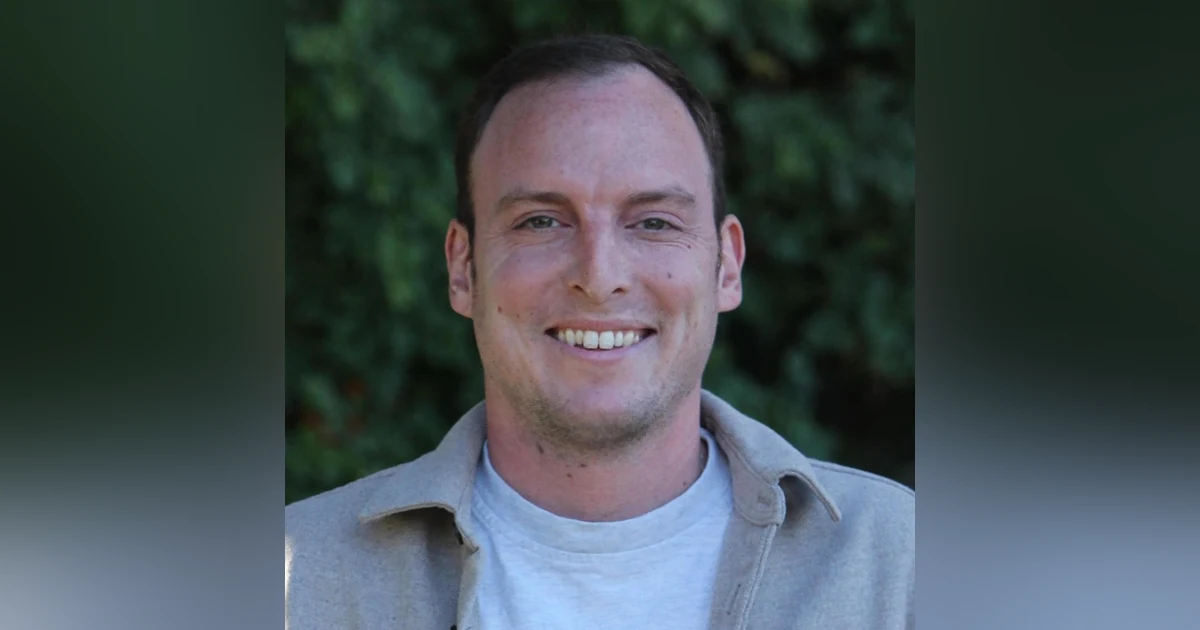

Isaac Saul is the reporter and founder of Tangle, an independent, ad-free, non-partisan politics newsletter that summarizes the best arguments from the left and right on the news of the day. Isaac is based in Philadelphia, PA, and grew up in the politically divisive Bucks County. Before Tangle, Isaac worked joined the The Pitt News during my sophomore year of college at the University of Pittsburgh and served as the sports editor. He then worked at the Huffington Post as well as along side Ashton Kutcher to build A Plus, one of the world's largest positive news outlets. His work at Tangle has been recognized by The New York Times, Forbes, The Hustle, Substack and many others as one of the most successful politics newsletters on the internet. Mentioned in the show: Tangle News Non-Partisan Perspective on the Israel-Hamas War 10 Thoughts on What is Happening in Israel Hasan Minhaj Rebuttal to New Yorker Succession
Hello everyone, I'm Dr. Darsha, and I'm Dr. Altamash Raja, and welcome to Medicine Redefined. A podcast where we will explore the often overlooked but necessary components of health, what we consider to be the fundamentals. We will investigate topics and practices that can give you and your patients the best chance to optimize a healthy lifestyle. It's time to move the needle forward and put the health back in healthcare. Our guest today is Isaac Saul. He is the reporter and founder of Tangle News, an independent, ad-free nonpartisan political newsletter that summarizes the best arguments from the left and the right on the news of the day. Isaac is based out of Philadelphia, Pennsylvania, and grew up in the politically divisive Bucks County right outside of it, and actually in the neighboring town to mine. Before Tangle, Isaac joined the pit news during his sophomore year of college at the University of Pittsburgh, and served as his sports editor. He then worked at the Huffington Post, and as well as alongside Ashton Kutcher to build A-plus, one of the world's largest positive news outlets. His work at Tangle has been recognized by the New York Times, Forbes, The Hustle, Substack, and many others as one of the most successful political newsletters on the internet. This episode is going to be different from ones we've done previously. We're not directly talking about health or wellness, but we trust you as the listener to be able to get into this episode, get into the mind of Isaac, and understand and extrapolate what he's really trying to tell us when it comes to the agendas and the incentives of news outlets and certain influencers. We're going to get a behind-the-scenes look from Isaac's days as he can really tell us what it's like to be a journalist, and where your money goes whenever you click on something on the internet or on social media. Right now, there can be a lot of propaganda, a lot of just influencers and media personalities really doubling down on their own views. It's important for us to realize how these biases shape our world and our reality and the narrative that we tell others as well as ourselves. This is a really awesome episode. I'm excited for you all to listen to it. I think there is so much that we can learn. For the next time, we take a scroll down to Instagram or TikTok, where we decide to visit one of these powerful news networks and their websites. With that, enjoy this episode. Hope you guys take a lot away from it and be sure to check out the show notes. There's a lot there. All right. Welcome back, everyone. To another episode here on Medicine Redefined, we have journalists, Isaac Saul here with us today. Isaac, thank you so much for taking the time to come on here and want to share your expertise. Yeah, thank you guys for having me, man. It's a pleasure to be here. Yeah. You know, listeners might be thinking, why the heck do we bring someone who's not in healthcare onto this podcast, right? And we've definitely talked about misinformation and things in the past on this episode. But you wrote a really, really, really good piece about the current situation that's going on right now in the war. And I know it's, you know, honestly, it was touching to read even for someone who didn't understand as much. And I say you an email saying thank you for that because I think more and more people needed to understand that viewpoint, especially coming from you, who this war, it hits home to you. And I started seeing that you were from Bucks County when I was kind of reading up on Tangle and I, you know, I subscribed to the podcast. And then it light bulb went off and I was like, wait, why don't I just ask them to actually come on because there's so much crossover, I believe, you know, when it comes from misinformation, when it's in politics and tech and just so many other things out there and social media when you look at fitness, nutrition, I mean, nobody can agree on anything anymore. And especially when I'm getting what's that message is like, let's say for my parents about, hey, a stroke can do this to you. And it's like, no, no, no, that's, that's not how it works, you know, but there's always these catchy grabbed headlines. So definitely thought you would be kind of the perfect person to come on and, you know, again, share your expertise. So with that being said, why don't you take the listeners through a little bit about your journey as far as the journal is, how you became involved with Tangle in a little bit about how you grew up in Bucks County and how that shaped what you do now. Yeah, for sure. So I mean, I usually kind of frame it as to Genesis stories, I think. And the first one for me is definitely where I'm from growing up in Bucks County is a bell weather county in a bell weather state. So, you know, wherever Bucks goes, usually Pennsylvania goes and obviously wherever Pennsylvania goes, usually the presidential election goes. So, you know, I lived in a town where a lot of, you know, CNN's like showing up at the local diner or whatever to interview people. And I grew up in an area where people are really divided politically, super big mix of the reds and the blues. And, you know, my parents are pretty dyed in the wool Democrats, but we lived in an area that had a ton of political diversity. There was a lot of political diversity among my friends and family and people who lived on my block. And I think all of that just set me up to go into the politics industry with maybe a little bit of a different perspective than a lot of other journalists have. You know, I know you're based out in PA around Harrisburg. I went to school at the University of Pittsburgh. So even my college experience to, I mean, Pittsburgh is another place that has a ton of political diversity, especially Western PA. And it's also a really important place in national politics. And I was a nonfiction writing major in college and worked as a political journalist for seven or eight years at a couple outlets. And I kind of got to see how the sausage was made. Also, you know, freelancing for different places, which I think is kind of the second Genesis story of just, you know, seeing the way news outlets, package news, how editors work on articles, the kinds of changes that happen to headlines, the, the way sources are chosen to be quoted, all these different things that I think can sort of reflect a news outlets bias and then be seeing the incentives that news outlets had, which, you know, right now we're seeing a really big growth in subscription news, which is something that we're doing at Tangle, but, you know, 10 or 15 years ago, it was all about clickbait. It was about driving traffic to the website. If you have ads on a page, the more people see the ads, the more money you make. So the way to get people to click is with sensational headlines and dramatic stories. And those incentives, I think, did a lot of damage to the news industry. And I saw a lot of that up close and in person. And as a result of that, I sort of had this vision and an idea for doing something that was, you know, a reflection of my own personal experiences that was independent, that was big tent news, you know, the way I like to think about it is I want people of all political stripes to be able to read our content and trust it. That's how much balance we should be bringing. Right now we live in a world where, you know, a lot of highly educated liberals read the New York Times and a lot of people who don't have college degrees and are in their 60s, 70s and 80s are watching Fox News. And like we know that, like we can see those demographics. And that is a huge disparity. And it's a huge problem that people are kind of living in those news bubbles. And so we created this content, this fundamentally a newsletter is how we started, but now we have a podcast and a YouTube channel and all sorts of other stuff on the roadmap. But the idea was we're going to cover one big device of issue a day. And when we do it, we're going to explicitly share a wide range of opinions on that topic. So if you read our newsletter, you'll see views from the right views from the left and then you'll get my take at the end. And because of that, you know, everybody's going to see stuff they hate. Everybody's going to see stuff they like and everybody's going to get forced out of their comfort zone a little bit, which I think is how it should be. For sure. I love that, right? It almost sounds like a hero's journey where you had that second, you know, two Genesis eye. I don't know what the plural of that is, but you essentially have these behind the scene moments that you can now take and learn. And you know, we'll get into tango a little bit later in this episode too about how you think and the independent thinking. But take us through what you learned when you were, you know, at these other places, seeing the behind the scenes, how headlines were made. I'm truly interested as far as, you know, how sources are quoted because even then it seems like recently, Hassan Benage, the comedian, recently came out against, I believe, as the Wall Street Journal or New York Times where they misquoted him so many different things. And he had to go out and put a statement. And so there's this discrepancy where I'm like, well, why was that put out in the first place, right? So take us through what you think would be useful for our audience to understand about how either legacy media or some of these independent companies go out about putting headlines. Yeah. I mean, look, first of all, I think the fundamental thing to keep in mind is just the difference in how the exact same event can be covered by two different news organizations. So one exercise we've done a few times in Tangle is we'll take an article written by the New York Times and an article written by the Wall Street Journal about the exact same event and we'll put them upside by side and sort of show readers how they are reported out differently. And this is, again, like I'm not talking about opinion pieces. I'm talking about the straight news team, the two, you know, two of the three premier papers in the United States, the best paid journalists on the planet, the best resource journalists on the planet, the best editors on the planet. I mean, these are like the journal and the times in my world are like, you know, that's the crem de la crem of the media industry. And yet you can see that they'll frame the exact same story in totally different terms. So, you know, why does this happen? I mean, one reason is that a journalist that might have a liberal bent to their own personal politics is a lot more likely to have sources on speed dial who also share their politics. So, you know, a Congress passes the National Defense Authorization Act and your reporter at the New York Times and you've been working for 10 years covering politics and maybe your new stories have a little bit of a liberal bent. Over time, the people that are willing to pick up the phone for you and talk to you are going to be people who, you know, sort of approve of your reporting. So you have a story you have to get on on deadline. What are you going to do? You're going to call, you know, the first five sources that come to mind related to national defense spending and the people who are going to pick up the phone and give you quotes are probably going to be people who sort of see the issue in a similar way you do. And you can see that. I mean, you can read those articles and you'll see in the times the first quote is going to come from a democratic politician or some kind of democratic operative or somebody who frames the story in a way that's sort of more favorable to the democratic or liberal political position and the same is true for the Wall Street Journal. The example that we use with the times in the Wall Street Journal, one of them we did was about the Canadian trucker protests that happened in Ottawa where they shut down a bunch of streets in like main street Ottawa and it was this big, big controversy they're doing it to protest COVID-19 restrictions and like wearing masks and things like that. And in the Wall Street Journal, they open the story by describing these truckers as like freedom fighting people who are, you know, working to preserve the rights of Canadians. And in the New York Times, in like the fourth sentence of the piece, they're talking about how some of the truckers were, you know, had flags that were like Hitler, a paraphernalia or something or there are neo-Nazis or whatever and there's like, you know, there's two different stories that are being told. And so, you know, I don't think this is because those reporters are bad people and this is something I try and stress a lot. I mean, I'm not sitting here saying like these guys are all hacks and they're trying to do something demonic, you know. It's a reflection of their personal experiences. It's a reflection of the sources they have. Sometimes it's the editors, so, you know, something a lot of people don't really understand is like journalists don't make headlines and they don't make the subcaptions either, you know, when I, every place I've ever worked, I write the body of a story and I submit it. It goes through a huge number of edits. I get the piece back. I fight about the edits with the editor, but ultimately, like, I'm a subordinate in that position, so editors have the final call. And then the piece gets packaged by like a social media team and executive editor, whatever who come up with the headline, who come up with the photo, who do all those things and then put the story out. And those people are really responsible for, for like the first framing, the first words people see, the initial impression that the article is supposed to give off. And a lot of journalists have no say in that, you know, that's the people who are making their decisions or people who are worried about traffic on the website, they're worried about, you know, shares, they're worried about social media. And, you know, hopefully, they're also worried about projecting something that's a fair headline that's reflective of what the story actually says, but that's just not always the case. So, you know, a lot of these intricacies are, I think, really important and super relevant to the kind of crisis of trust people have in the media right now, because, you know, we all live through that kind of, at least, you know, I'm 32, people my age live through that click date era, where, you know, an article says one thing in the headline image, you click it, you go in, you read for a couple of paragraphs like, huh, this is kind of like a little bit different than what the headline made it seem like, or it's just totally not even remotely the close, you know. And I think that's happening now today still, but it's a lot more subtle. So there are tons of little ways that that kind of bias, I think, comes out in the whole operation of producing news. Yeah, it's interesting that there's this hierarchal method, right, to the madness. And also, the way that the media breeds this tribal mentality, right, as far as finding sources that confirm your own biases and then reporting on that. And a lot of that can change the narrative, right? We see the way different narratives can be changed. And, you know, if anyone watched the most popular show of recent times, succession, you start to kind of think, man, is this actually how legacy media works, where there might be different incentives by putting out different stories? Can you take us through a little bit how you think about the personal agendas that people may have and the incentives that they may have by changing certain narratives, by going to different sources? Yeah, sure. I mean, look, I think the incentives are way more important than the kind of personal agenda, I think, first and foremost. Like, there are certainly news organizations like Fox News. I mean, obviously, succession was supposed to be a little bit of a, or at least it was interpreted by many, including myself, I'm a huge succession fan, but it was interpreted by a lot of people as being kind of like a reflection of Fox News and the structure there. And everything we know from, you know, insider reporting about how Fox News works, there is some truth to that, like Rupert Murdock is a media mogul who puts his thumb on the scale every now and then and dictates how some of the coverage is going to look on prime time shows, you know, in the, in like the seven to 10 o'clock hour, I mean, that definitely happens. I'm not going to sit here and pretend that doesn't happen. But I would say that is a lot less important than the incentives part of it. And there's a lot of different ways those incentives work. I mean, I kind of mentioned the, the clickbait traffic one, which is something that's ad-driven, you know, like if we have an ad on the page, we want to get as many people to look at it as possible because that makes money and look as a journalist in this environment, you really want to work somewhere where the lights are kept on. I mean, I've experienced that feeling of going into work every Friday and not being sure if I was going to have a job at the end of the day. And most journalists know that feeling. The industry is really, really struggling right now. I think something like 25% of all media jobs were lost in the last year. And that's the continuation of a trend that's been happening for a long time. I went to a school, the University of Pittsburgh, that did not have a journalism school, but I had a ton of people who were on a journalism track, you know, nonfiction writing majors with they called it like a journalism track who worked at the school paper. I know maybe two of them of like 50 that I worked with that paper who are still working in media right now who are still working as journalists. It's a really, really difficult field. And so you know and are conscious of and feel the pressures from the business side. Media is not a good industry to invest in. It's a really hard place to start a company. It's a really hard place to win and make something that's really profitable. And a lot of people, you know, Jeff Bezos is owns the Washington Post and they're struggling right now. I mean, they're buying people out, they're laying people off. Their numbers are down ever since Trump left office, they've been losing subscribers. Like, that's Jeff Bezos, you know, he made Amazon. He is the dude, probably arguably in my opinion, the greatest businessman of our lifetime. And he can't figure out the Washington Post, you know, which is like an institution that he walked into with a really strong brand and a loyal readership and they're struggling. So when you know that that's the reality, then you try really hard to do things and cover stories that are going to get a lot of traffic and get a lot of interest and grow your readership. And so outside of advertising stuff, I mean, that phenomenon in my world is what we call audience capture, which is, you know, you give your audience something and the feedback you get is really positive. And so you want to give them more of it. You know, I used to hear from a lot of people who were like so tired of the Donald Trump coverage, you know, 2016, 2017, 2018. And my friends used to be like, dude, I go to the New York Times homepage and every single article on the home pages about Trump, like, why, why don't you guys just shut up? You know, like, I don't, I don't work at the New York Times, but they're just like mad at the media for giving him so much oxygen. And I'm like, dude, if you want them to stop covering Trump, like stop clicking on those articles. I mean, really, that's the bottom line, like they're putting that stuff on the homepage because it works. They have no interest in making every story on the homepage about Trump, but they're doing it because they do that and they can see the data. Someone lands on their website and they spend three hours clicking around the homepage. They read every single article top to bottom and then they subscribe at the end of it. They just got a really strong signal that this is what people are interested in. It's the same thing with like the, if it bleeds, it leads stuff, you know, like, oh, it's always the kids, you know, who all died in the school bus accident. That's like splash on the homepage of the six o'clock news or whatever. It's like, yeah, because you don't watch the six o'clock news when it's about like a city council member passing a health care bill. If you did, then they would put that as the lead, you know? So those kinds of incentives, I think, go both ways. They're sort of a reflection of what consumers are interested in, but there is undoubtedly this really strong gravity for anybody who works in media to fundamentally cover stuff that their readership is really interested in. And that drives, you know, a lot of decisions about what we're going to cover. So, you know, I talk about media bias in a lot of different ways. Some of it is the way stories are framed, how they're actually written. But a fundamental media bias action is story selection. It's choosing what you're going to cover. So a good example of that is just like, you know, an immigrant, undocumented immigrant comes to the United States, starts a business that turns into like a $10 million a year company. The New York Times is going to cover that story every single time, you know, bet the house on it. An undocumented immigrant comes to the United States and gets drunk and kills somebody in a car accident. Fox News is going to cover that story every single time, bet the house on it. And they're rarely going to do the opposite, you know, like the Fox News is very rarely going to cover that super successful business story. And the New York Times is very rarely going to cover that DUI story. And that is an act of media bias is just like the simple decision of choosing what to cover. So it comes out in a lot of different ways. But, you know, I think the public should be conscious of the fact that their decisions as consumers, you know, also play a role. I tell people to imagine everything you click is a dollar, you know, you're giving a dollar away every single time you click on something and it doesn't come out exactly that way. But that is really what the media companies are seeing. And everybody has to make decisions like that because you're running a business at the end of the day, which is part of the struggle. Yeah, what gets rewarded gets repeated, right? And I, you know, it's interesting because Darshan, I talk about this offline a lot in terms of, I mean, it's just content creation 101, you know, you put something out there, you see how people respond. And if it's working, you're like, okay, let people like this. Let's more of that out stuff. And we're going to talk about that a little bit later on as well. But you mentioned so many different things in terms of, you know, confirmation bias, you know, humans are traveling in nature. We pick up the phone and, you know, if we relate, like attracts like, and, you know, one of the things that I think you do a great job at and just any good journalist with good integrity in terms of like fighting all those biases, right? And particularly in our kind of our mission in terms of health nutrition and that kind of stuff, like I'll just disclose one of the things that we always agree and we call out is, you know, when it comes to something like exercise related stuff and healthcare, we are both fitness junkies, right? We were fans of that. We enjoy that and we haven't bias. So if a study comes out or a media puts out exercise reduces, we'll cause immortality. I mean, immediately, I'm going to want to share something. I, you know, obviously, that's a ridiculous example, but, you know, we had that bias. And so I think something really important is when people are actually trying to figure out what the truth is or what the facts are for the sake of seeking knowledge and growth, right? And I really like that you talked about, you know, people being forced out of the comfort zone because that's where all the growth happens, right? So I guess my question for you is in terms of like, how have you found it to be successful to fight your own confirmation biases when you're looking at these different points of opinion, you know, from different political agendas because you said you'll look at one article and next one, and then I'm sure at some set, you're like, okay, I'm inclined to want to think about it this way, but I'm going to look at the exact opposite and then we're going to discuss this and then come for that isix take as you as you usually do. Yeah. So I mean, there are some practical things that I do. And then I think there are like a few kind of philosophical approaches that I tried to hold in my mind. So I think the philosophical approaches maybe are more important. And one of them that is a really big overarching theme of tangle is just like, it is okay to change your mind. And actually if you haven't changed your mind recently, then you're probably doing something wrong. So you know, I gave a talk at a university in Kentucky a few weeks ago. And the first thing I did was I asked the whole room, you know, raise your hand if you know somebody who's just like right about every single political position that they have, like somebody who's just so on the money about everything. Nobody raised their hand except the college president was sitting in the back and he kind of put his hand up and I called on him and asked them who it was and he said himself and got a good laugh. Other than that, nobody in the room raised their hand, right? And then the next question I asked was, okay, raise your hand if you can think of a political position of yours that's changed in the last two or three months. And one hand went up in the whole room, you know, 70 or 80 students. And I was like, there's tension there that all of you can acknowledge that nobody is right about everything yet one person in this room can think of an example of a time they've changed their mind about something in the last two or three months. And the fact that you haven't changed your mind should be a signal to you that you are consuming and living in a bubble of information and news that is just confirming your priors. So changing your mind is good. It should happen more often than it probably is. And if it isn't happening, you should think about the kinds of information that you're taking in. So that's just like a philosophical thing. I think like a practical piece of advice is I know where a lot of my biases lie. So you know, one really sort of kind of radical political position that I have that I think stands out from a lot of my other ones is that I am pretty ardently anti-prison. And I've actually written about this in my newsletter. I think like all the evidence points to the fact that prison is not a good way to rehabilitate somebody. It actually doesn't make communities safer and it's a huge way some money and we're doing a terrible job of, you know, running our prisons in the United States. This is something that obviously pisses off a lot of my conservative readers and it's something a lot of my really progressive readers like about my politics. But it has nothing to do with the rest of my politics, just like this one view that I have and hold pretty strongly. And so when we're covering something that has to do with prison, say there's a new police reform law or a new judicial reform or something that's passed in Congress, I immediately, like if I'm going to read about this story, the first thing I do is I go seek out conservative right wing opinions on the new bill because I know that on that issue my biases are going to align more of the left. So before I get hardened into this position, before I see something that sort of makes me dig in, I go and intentionally seek out something that I know is going to challenge me, that I know is going to kind of, you know, press at my priors. And for me, that's just like a really healthy exercise. It makes me go into the story in a much more open-minded way. And oftentimes I'm immediately struck by a one or two assumptions I made about the bill or something that I see these conservative writers or thinkers call out. I'm like, oh, like they're actually probably right about that. And I maybe would have glossed over that or ignored that if I had gone to sort of my team on this issue first and just like, you know, buttress my opinion with all these people who already agree with me. So I think that's just like a kind of a healthy way to approach it. And then I would say like related to that, you know, it's like exercise, you know, for your brain. Like it gets easier the more you do it. And you strengthen that muscle and, you know, I am way, way, way more open-minded right now than I was four years ago when I started tango. And I'm way better at letting go of my emotions and really trying to analyze something now than I was when I started tango four years ago. Jonathan Height wrote an excellent book called The Righteous Mind about how, you know, our political ideas are basically driven by, you know, immediate split second emotional reactions. The metaphor he uses is like the elephant and the rider, which is like, we're all riding this giant elephant that's making emotional choices and we're the riders, you know, 90% emotion, 10% rider, 90% elephant, 10% rider. And, you know, that I think is a really good way to understand how our brains work. And I think over the years, you know, I've made my rider a lot bigger and a lot stronger. And I can control that emotional side of it a little bit more. Obviously, there are times where that doesn't work. And of course, it's hard to see your own biases. But I think the act of doing that over and over again has really helped me. So it's something you have to practice and it's not easy and it's super uncomfortable when something you've thought for a really long time starts to feel like it's not true. I mean, that's not a comfortable space to be and you kind of have to, you have to get comfortable with that idea, which, which isn't always easy. So definitely not here to say it's like turning a light switch on, but it's super doable. And I think there are small, practical things you can do to try and get there and be a more open-minded person, I think. I love that. I think we've talked about this before. John Brody is a famous health nutrition coach and he always talks about googling the opposite, right? Before you double down or something you ought to believe is just get out there and Google the exact opposite. And of course, how you put the words in and to Google, it's going to lead you down different pathways as well. And so try to make it as neutral as possible or even make it more biased towards the opposing point of view. And that's a good exercise that I've done this worked well. I personally, I'm always, as I've gotten better over the years with this exercise, Isaac, I'll tell you, I'm also curious just before I will read more about what I'm interested to ask somebody with an opposing point of view, like what they think, to help to describe the situation to me from their lens. You know, I wouldn't recommend that for everybody because depending on how emotionally invested you are, like that can go sideways pretty quickly. So use that your own discretion there, but that's also interesting because, you know, when you read it, you also apply your own tone, your own kind of like, you know, just a voice to however you're reading it, you can dismiss it. But when somebody else is painting a picture for you, that's particularly interesting. And also, like one exercise that I find to be helpful is somebody's, when they are painting that picture that I don't necessarily like, I'm also attuned to how my feeling as I'm hearing this, right? And that kind of helps me understand, like, is this am I triggered necessarily by the facts or how they're telling the story, which I think is really good when you're kind of just in this era of just information overload, right? And wherever you're opening up, somebody's throwing something at you in terms of getting you to kind of react a certain way, I'm curious if, you know, as you build that team together, if you found it to also be helpful to kind of, you know, hold each other accountable on that team. Like right off the bat, rather than you holding yourself accountable to see if I'm going to look at the opposite side, have people who will say, okay, like, you know, let's all kind of explore together and then call each other out to see, okay, like, are we looking at a different way? Is that been something that's helped kind of build that, that muscle that you spoke about, you know, more quickly? Yeah, totally. I mean, we have, you know, I have four employees and we also have a couple of part time editors who work on the newsletter. So, you know, there's seven or eight people, including some interns who are kind of like in the Tangle umbrella. And I think one thing that I'm really proud of that I've done as kind of the leader at the company is foster an environment where everybody feels comfortable speaking to me like I'm a peer and addressing me like I'm a peer and, you know, voicing their concerns or issues with certain words or phrases or the way we're framing something or the perspectives we're including. So, you know, our mornings are in a shared Google doc where we're editing the newsletter and we're making, you know, all these really difficult decisions about exactly how to phrase things or what arguments to use or what writers to cite. And it's, I mean, it's a battle like there, you know, there are, there's lengthy comments, there's slack, there's back channeling, there's like, you know, people arguing over how to approach really difficult sticky things, which I think is super important. And it's kind of like when it's done and it gets sent out, you know, whatever we get to, everybody's just like we did that as a team and as a group. And, you know, we're proud of the product we put out and we kind of let it go and move on to the next thing. And like you just have to accept the fact that you're not always going to get what you want. I, in the last year or two, bringing on, now our team is grown and expanded. You know, I brought on a managing editor who I see ground to sometimes, you know, like he, he feels really strongly about something. Then I give him what he wants in terms of what the final product is going to be. And a lot of the times I know it's the right decision. And maybe it takes me a little bit to realize that. So, you know, I think for us, there's a specific culture of, you know, being able to communicate clearly and honestly with each other and not worrying about upsetting people or, or, you know, doing some kind of damage to the, the personal relationship. And it's something we talk about explicitly. I mean, we've had team meetings where you said, like, what do we want this culture to be like? What do we want this team to be like? And everybody agrees we want to be able to speak bluntly and honestly with each other when we're working and do it in a way where we can communicate what we're feeling clearly and not have to worry about how it's going to make somebody feel and, you know, not be punished for that. And I'm really, really, I mean, of all the things we've done, that's definitely, that culture I think is one of the things that I'm most proud of is, you know, I, there are interns who I'll invite in, you know, if they have an expertise or a perspective, you know, one example I talk about a lot is a few years, not even a year and a half ago. I had an intern who was a freshman at Harvard. She grew up in rural Kentucky and she was super pro life. And I have much more kind of pro choice views. And so anytime we wrote about abortion, I asked her to come into the document and, you know, just like, give it to me straight. What are you seeing? What are our blind spots? What parts of this do you really object to? You know, she's not turning our newsletter into some like propaganda for the pro life movement. She's telling me exactly how people who share her views are going to read this and what they're going to react to and how can we navigate those views and still communicate what we intend to communicate, but do it in a way where people can hear us where they don't feel really defensive, where like certain words don't set off alarm bells like, oh, this is liberal bias or, oh, this is conservative bias or whatever. And she made our coverage so much better, like so much more holistic and thoughtful and communicated it to a much wider audience than it would have without her. And that was something that was only possible because she was in the room and felt comfortable speaking up really honestly and clearly about what she was seeing. So, you know, from a team perspective, that's the kind of stuff that I'm looking for. And those are the kind of people that are really helpful for us and like, I think make our coverage really special and unique. Being in media and doing the things that tangle and that your team does, I mean, that's difficult, right? To bring words to more of a neutrality, to bring opinions more to neutrality. So you're not really pissing people off left and right and, you know, being more mindful of your words. And obviously that's built through a very strong culture like you talked about. And through that culture, you have a strong vision. It seems like as a team for how you guys want to move forward. But I'm interested in talking about the beginnings of tangle, right? And you mentioned earlier that it's not a great time for media right now. What made you really say, you know, kind of jumping shift from what most companies are doing, what most influencers are doing, which is talking to one side of the spectrum because, you know, if we're being honest, that's where the views are, that's where the money is even, that's where the followers are. And you then have a chance to shout louder than all the other noises shouting out there right now. How did you think about that when you were starting tangle? Did you truly believe that, hey, if we keep it neutral, will actually gain people from both sides? Or were you trying to create a niche on, on, on your own there with tangle? Yeah. No, it's a really good question. The answer is no. I had no idea whether it was going to work or not. And in fact, if, you know, you talked to me the day our first newsletter was sent and asked me what I thought was going to come of it, I would have been way more skeptical about what we were doing in the ads that it had to succeed. I, I mean, a few things happened. First of all, I was working at a company that got bought out. I, I, I helped start a media company called A Plus with Ashen Kutcher who was working as a venture, I mean, is a venture capitalist and had, um, had this idea for a kind of feel, like positive news, solutions oriented journalism outfit. And so I was running the politics department there. I was one of the first full-time hires and helped build this company that I really cared about and really loves. And we got bought out and he got bought out and the company changed hands and we were sort of going through this makeover in a new direction that I wasn't really interested in going down. And so while I was there, I was applying for a bunch of jobs and had like seven or eight final interviews at places that I really wanted to work and I didn't get any of them. And I was honestly like crushed. I was in a pretty dark place was just like feeling really miserable at my current job, feeling really not like beyond skeptical, just like hopeless about the industry as a whole. And this is like a future career path. And in a sort of pocket moment, I was like, you know what, I'm just going to go start my own thing basically. And I had this idea for a news outlet that just sort of did this introduction story explainer right left full holistic breakdown of what was going on. And so I sent a few sample newsletters to like 15 friends and family and just said, hey, this is like the outline of this project I'm working on. I'm thinking about launching this while I'm at A+. Do you guys have any thoughts, you know, comments, feedback, whatever? And I just got a bunch of emails back from like my college roommates and my mom and friends who were just like, dude, this is cool. Like I would read this. This is like really convenient to just have this all in one place. I was like, all right. And then I started like shopping the name around. I took my wife's brother actually came up with the name Tangle. I took like 50 submissions, asked everybody I knew, explained the concepts that I need some name ideas, read Tangle and was like, that's it, like it would just hit perfectly. And then did the logo and then heard about substack, which was just getting off the ground at the time, which is like, you know, a basically plug and play newsletter platform. That's really simple. And I don't have any tech skills. So just being a writer, reporter, I needed that assist. And then I just posted about it on Twitter and said, hey, here's this project I'm working on. If you're interested in getting this newsletter, drop your email here, whatever. And I got a couple hundred people to sign up. And I sent the first week of newsletters. And immediately like the feedback was really strong. And I saw that people were forwarding the newsletters. And you know, I had 200 people on Monday and then by Monday the next week, it was 500 people. I was like, oh, all right. Like this is growing, you know, and I just kind of stuck with it. And it was Monday through Friday. I did it basically in the mornings during my lunch break. And then at night, while I was working another full time job. So you know, for the first year, I was basically doing like 16 hour days of work nonstop. And in like a month or two, I was all in on tangle in my mind. Like I loved it. It was the work I really cared about. And the job as an editor was kind of paying the bills. And I did that for almost, yeah, basically like a year, I think eight months or 10 months or something. And then I had maybe a three or four thousand subscribers, people on the mailing list. And then I turned on paid subscriptions. And that was like the big test was to see if people would actually pay a monthly or yearly fee to subscribe. And we converted like 20% of that first group, which is basically unheard of in the space. I mean, sub stack told me to expect three to five percent of the mailing list to convert. And so when I saw that, I was like, all right, this business model works. I gutted it out for a couple of months to just like take two incomes and save some money. And then I quit my job and went in full time. So that was like the real origin story in the transition. So it was, you know, driven by not getting jobs anywhere else, which turned into be like the biggest blessing, really hating my current work. And then the concept was, you know, just seeing the way the media space was working and wanting this product. I mean, I would read the news, Trump's going to make a border wall, you know, and then it's like, all right, I'm really interested to hear about this. But I know in order to get fair coverage, where I have like a holistic understanding of this idea, I need to go read the New York Times. And then Fox News and then the Wall Street Journal and then the Huffington Post and then Time Magazine and then listen to a couple of podcasts and then watch a couple of YouTube videos. And then at the end of all that, I'll be like, okay, I understand the different arguments for this. Why doesn't this just exist in one place? And that was kind of like the North Star for me was like, this is a product I would use. And you know, I tried to build it and it turned out that I was definitely not alone in wanting that. Isaac, let's talk about not having an opinion, you know, you recently put out some really good stuff regarding again, you know, with distribution with Pelsen in Israel and how people are just getting tuned to it. Maybe it was after October 7th, maybe some people a year or two before that. But again, this has been going on for generations, right, before I was born, before many of us born, not that I've learned that younger than I am. And people are getting tuned to this, whether wherever they're getting the information from it, they have the very, very strong opinions of that. And it's not just about this, it could be about this, it could be about intermittent fasting, as somebody packages it and puts it on a book and all of a sudden that's the new thing. And they feel like they're subject matter experts because they've talked or it could be carnivore diet vegan, whatever it might be, particularly in a world where everybody has social media access to that. So they have a platform. And a lot of times I'll dismiss it because people will have such strong opinions to share, which will contribute to the misinformation or disinformation. And that's the frustrating part as somebody who spends a lot of time thinking deeply about certain things, not everything. And sometimes I'll say, okay, maybe this is just a generational thing. Recognizing I'm not that much older than some of these people and you and I are in the same generation. How do you think about that piece of it? Like why are people so inclined to so, with such conviction, state something that we clearly can tell that they've just arrived at the conversation on, right? Speak a little bit about that as well. Yeah, sure. I mean, this isn't really a matter of opinion, I guess I would say, or this isn't so much my perspective as I think what a lot of social research has shown and a lot of people who study this believe, which is that political tribes are basically supplanting religious groups and after school programs and sports teams, and like the kinds of community centered things that used to unite people, there's like a ton of different ways people have written about this or spoken about this, but I think the overarching understanding of what's happened especially in the last 20 or 30 years in America is that political tribes have become a really, really strong way for people to connect with their community. So if you are someone who is really conservative and you know, you have all these conservative political viewpoints, you're in a conservative Facebook group, probably a few of them. You follow a bunch of accounts on Instagram that are of conservative thought leaders. You listen to these podcasts, you're subscribed to these YouTube channels, you're getting these newsletters that are from all these people, they all point to each other and talk about each other and reference each other's work, there are people in the comments section, there are meetups, there are all these things that shape a genuine community. And then on top of that, there's like the figures, you know, the Donald Trump or whatever, who are like these really captivating political figures that build a really loyal following and that people sort of follow their lead on certain issues. So I think that is like a huge driver of it is that people want to be a part of that community. So when they see other members of that community posting about something or talking about a specific issue, then they are going to feel inclined to not just speak up, but also probably echo this sort of perspective or the talking point that they're seeing put out by other people in that tribe or sort of iterate on it a little bit and make it their own. And when they do that, they are rewarded usually because everybody in their community agrees with them. So they get the likes, they get the comments, they get the positive feedback, they get the acceptance into the social groups, they get the invitations to the parties, whatever. I mean, it's, it is something that I think is a really, really powerful force. And there's all these mechanisms about the way we're getting the news right now that I think have an impact on this. I actually just this week, I mean, we posted about, talked about this today in our newsletter and actually posted something on Instagram about it because we had a post taken down on Sunday on Instagram. It was a social media post and Instagram post that was about the term genocide and whether it applied to what Israel was doing in Gaza. And I had written a piece that was 10 thoughts about what's happening in the conflict right now. And one of those 10 thoughts was addressing this question. I had gotten a lot of emails from readers saying, basically imploring me to describe what was happening as a genocide. And I wrote about the different perspectives that exist, why people, some people, why some scholars, people who like study this stuff, study war crimes, work on war tribunals, all this stuff are disagree about whether what we're witnessing or not is a genocide. So fundamentally, open legal, political question, definitional question. It's something that like the experts do not agree on. And I happen to come down in the position of not being someone who thinks what we're currently witnessing right now constitutes a genocide. That could change depending on Israel's actions or what happens in the next few months. But that is not what I would, not the word I would use to describe it. So I basically wrote that in a post and we put that up on Instagram. All the comments on the post in the first couple of hours were like furious. People really pissed off, accusing me of all sorts of stuff, saying some gross things, basically saying they were going to unfollow us, you know, getting tons of likes on their comments on Instagram. And then reported the post and Instagram actually took it down. Which to me was pretty disturbing because it was like this very, you know, Instagram has very specific rules like harassment, abusive language threatening stuff, whatever. I literally described an academic debate about whether a word should be used to describe what's happening in this war and it got taken down. And I don't, I still to this, you know, it's been a week. We don't know what the actual, what, what Instagram is actually citing for their reason for taking it down. But they throttled our Instagram channel. We've posted four or five things since then. They're getting very little interaction. And when we announced on Instagram, we put up a post in our store and Instagram. We said, Hey, this post got taken down. We got like huge, huge inbound, Oh my God, I can't believe that happened. Love your stuff so much. I thought the post was really thoughtful. All these really positive comments from people who privately were expressing that, but publicly were not leaving any positive comments on the post because they understand how social media works, right? Like they see the way some people get lambasted for expressing a disagreeable opinion on social media. So the effect of all of this is the people who didn't like what we said got our post taken down and prevented other people from seeing it. They look at the comments section and see a bunch of people who agree with them. And so they think like, wow, I'm definitely right. These people must be crazy and feel even more offended. And then the people who are sitting there watching all of this unfold are too scared to actually do anything or say anything positive about the post, they only do that privately. And so everybody else who's like a lurker only sees kind of one perspective on this view and then the post gets taken down. So that's the media infrastructure, that's like the ecosystem that information exists in right now. And I think that's really important to understand. And if you're somebody who felt offended by what we wrote, that's totally fine. And I encourage you to leave a comment and criticize us and hold our feet to the fire and make your case publicly. I'm all about that. That's literally our entire business model. But there's a reality there that it's really scary for people to step out of that community, to step out of that, like what they're seeing. If you log on Instagram and all your friends are saying one thing and you're seeing one opinion shared, it's like you're not going to be the person. It takes a lot of guts to be the person to come out and and buck that. So I think that is like a huge part of why people feel the need to express those opinions and the way that they want to kind of connect with their community in order to do that. So really multifaceted, but it's a super powerful thing for sure. Yeah, for sure. Of note, for the audience, Instagram, suddenly in their settings and privacy, change their default for misinformation so that you receive less of it, which is going to be based off of their meta, you know, meta checkers or whatever they call them. So I went ahead and actually changed mine to just getting all the information because I'm not going to trust, you know, whatever they choose to put into my, you know, feed. So that's a quick hack right there for all of you that are looking to change that. I think speaking about feedback, right, this is something I know you take a lot of pride in, even in your podcast, you're talking about their corrections you're making and the number of corrections you're making. Take me through how you assess feedback a little bit and how you developed that against strength that I think it is in regards to, you know, taking comments, taking views and being better the next time. Yeah, I mean like the again, I think that is a really philosophical thing for us. So first of all, it's something I think the mainstream media does really badly, you know, the New York Times has a correction and sometimes they're ghost editing articles that are online without noting it, you know, they're changing headlines or changing the wording a little bit because somebody called it out on social media, but they don't say anything. They don't explain why they're doing that or they issue a correction. That's kind of a footnote at the bottom of, you know, a 5,000 word article that nobody's ever going to see. So you don't really see the fact that, you know, this correction happened or they made this mistake in the first place. And then the letters to the editor, which used to be, you know, when I was growing up, my dad used to read me the newspaper every morning because he's like a raging political junkie and, you know, he would read the letters to the editor and he would write into the newspaper. He'd write in the New York Times, the Washington Post, the local newspaper, and then we checked the paper to see if like the letter he'd sent in had gotten published. I mean, I remember doing that as a kid. And today, the letters to the editor are like a tiny back page section on the digital publications of the Wall Street Journal. And actually the journal does a pretty good job. I should say of making them more prominent, but the Times Washington Post, you know, Fox News, all these other outlets don't even have them, other digital news publications. And, you know, radio stations used to do like the call and thing, but now everything's a podcast. And so we don't even get that anymore. So there's like this big vacuum of, you know, the reader feedback. And I just saw that soft spot in what was happening and thought like I could make our readers a bigger part of our coverage by sharing their feedback prominently in the newsletter. So, you know, we do a few things with that. We put in reader feedback at the top of the issue sometimes if we publish something really controversial and we get a bunch of different opinions. We share the things people say about our, you know, a Friday edition or something, which is our, we have one subscribers only piece a week that we publish on Friday every week. And so we'll share like one positive, one neutral, one critical piece of feedback on that edition and put it in the newsletter as like a promotional thing. And then when we have a correction, we put the correction at the top of the newsletter and we actually track how many corrections we've had since Tangle started. So you'll see, you know, I'll explain exactly how the correction happened, why, why the error happened, what happened, the editing process, if we know if we can figure it out. And then we'll say, like, this is the 95th correction and our like 300 week history or whatever it is. And I did that for the first time, you know, a few weeks into Tangle, just as like, I wouldn't say like a joke, but like an experiment of just this seemed like kind of an interesting new thing to do. And I got a ton of people who wrote in was like, that's, this is so awesome. I've never seen anybody do this before that you like, owned it and put it prominently at the top. And I was like, oh, and for me, that was honestly something that was just built out of the positive feedback. And then I got much better at being like, it's okay to make these mistakes. And people actually appreciate it way more when you are just like transparent about and you call it out, you know, heavily in the top of the newsletter. So it was not something I always intended to do, but it sort of happened organically on the correction side of thing. And the reader feedback stuff is just like, you know, the whole ethos of what I'm doing is that my view isn't the right one, you know, and like my perspective isn't the only one. And we should be more expansive than just our own personal views. So if somebody writes in with like a really compelling argument about why I screwed something up, I think it's important to share that with my readers. Like if I'm not sharing that with them, that I'm basically concealing a perspective that might make me look bad. And people like it. They like when we do that. That's why they're here. That's why they're like reading our stuff is they want to be challenged. They want to see me get challenged. They want to see all these views. So it was not easy in the beginning. You know, I had a lot of trepidation about both those things, but over time, I've seen the feedback has been really positive. And I've come to understand that it's something that's really like true and honest to our mission and what we're doing, which I think makes it something I want to keep doing and will definitely keep doing into the future. I think I love that, man. And I think that, you know, that's one of the things that I've become a huge fan of. I mean, again, I have to thank John Brody with his book and everything with respect to healthcare and nutrition and just questioning your own beliefs is I've become a pretty voracious in assessing and asking for feedback. And again, it goes back to your point earlier about being forced out of your comfort zone. I think one of the reasons people don't do that enough because feedback can be uncomfortable, right? You're not good enough or the way that you approach this or the way that you stated that isn't good enough. And again, everything in society, everything of brain tells us we want to be comfort when it be nice and cozy. And so I'm a huge fan of that. And, you know, I know we're coming up on time. We're pretty much on time. So it's unfortunate. We didn't really get to spend a lot of time talking about journalism and healthcare and kind of the things that, you know, some of our audience are interested in. But I think this is much more important. As I mentioned at the rate the information is coming at us is how do we think about that information? How do we digest information? Like what's our process? And so I know we covered a lot of things that I think are important learning about how your process is because you have a really fine-tuned it. I'm sure you wouldn't say you've perfected it, but you certainly fine-tuned it. I think people can learn a lot from that. So you've mentioned it a couple of times, Tangle, right? You have a newsletter, you've got an Instagram account, although that is a little weird right now, right? You've got an amazing podcast. Where else can people find you, man? Where else can people connect with you? And if you're done for it, I'm going to put you on the spot and hopefully we can get you back for a part two where we can maybe talk a little bit more about healthcare and nutrition and that kind of stuff because, you know, that's just as polarizing as some of these political things that are going on now. Yeah, no, I'd love to come back on and I have plenty of questions for you guys. I mean, I'd be curious about how you see that stuff play out in your world. Obviously, you know, I just lived through COVID running Tangle. So the healthcare stuff touched my world pretty intimately in the last couple of years in a way that I wasn't always sure how to handle. So I'm sure it's been a huge challenge for you guys. Going to our website, readtangle.com is the best thing to do and you can try our newsletter for free. I encourage people to do that. You know, that's our core product. We have the podcast. We have a YouTube channel. I'm on Twitter. I underscore Saul on Twitter though. It's increasingly not a helpful place to spend time. So I'm trying to ruin myself off of that a little bit. But yeah, please go check out Tangle, look up Tangle. You can Google it or just go to readtangle.com and check out the newsletter in the podcast. And if you like it, become a subscriber and you'll unlock a bunch of content and be able to kind of get a, I guess a better look at the current state of political affairs in the United States right now, which is really what we're trying to give people. Awesome. Well, Isaac, thank you so much, man. We'll park it there until part two and can't wait for the next one. Thanks, guys. I appreciate it. Thanks, Isaac. Thanks for tuning into that episode. I think it's safe to say that it's pretty scary that everywhere around us is information from the times we spend on our phone to the billboards when we drive to just listening on the radio. We really have to be attuned to our own biases as well as understanding the agendas and incentives of the people who are doing that information in front of us. So I really hope you enjoyed this episode, took something out of it. Isaac has graciously accepted to come on for a part two. And this time, directly talk more about health and wellness. And he's actually very curious to get altmoshes in my opinion on how the COVID-19 news and propaganda really shaped the reality of hospitals and doctors. So stay tuned for that. Hopefully we'll be coming out in the next couple of months. As a quick reminder, if you did enjoy this episode, please share it. Also leave a rating and review. Really helps the algorithm, helps this episode get out there to the hands of people or to the ears of people who may not have heard it before. As always, our disclaimer, everything in this podcast is for educational purposes only. It is not constituted for acts of medicine and we are not providing medical advice. No physician, patient, relationship is formed. Anything discussed in this podcast is not representative views of our employers. We recommend that you seek the guidance of your personal physician regarding any specific health-related issues. And lastly, a huge thanks to our team, Herita Yeporio, social media, Ethan Chu on video, Zaynab Lukmani on research, and Sarah Khan on our upcoming newsletter. See you next week.