


 Apple Podcasts
 Spotify
 Castro
 RSS Feed
 138. Medicare vs. Medicaid, Levels of Care & Healthcare's Financial Problem | Rollin Wright, MD
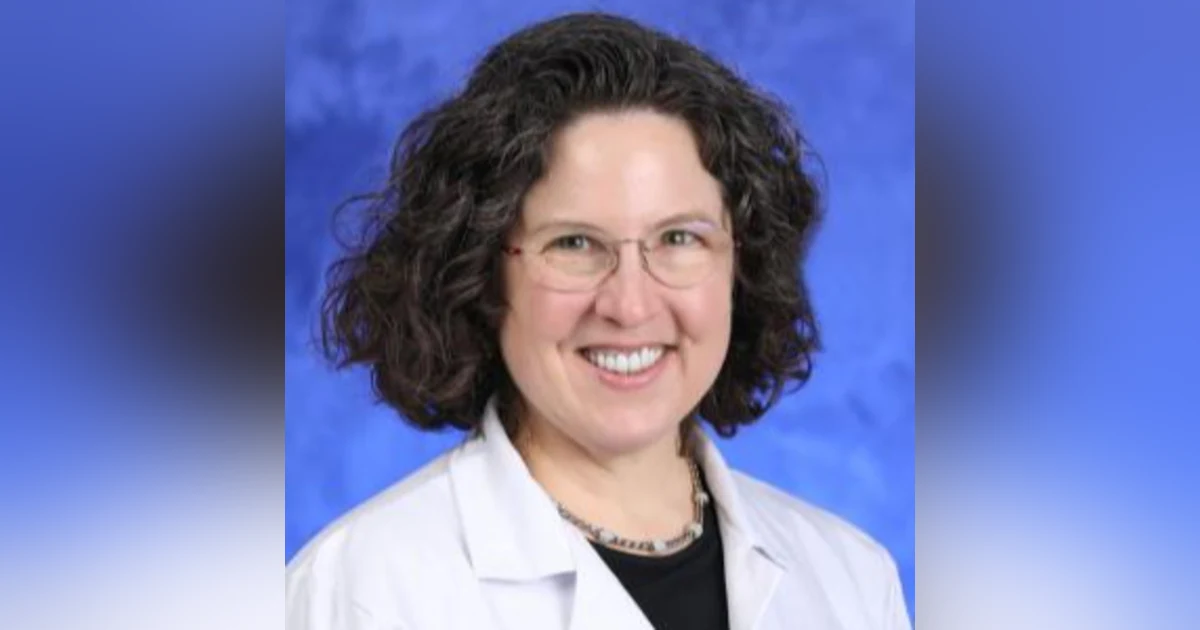

Rollin Wright, MD, is an Associate Professor of Medicine at Penn State Health – Hershey Medical Center. She holds a medical degree from Albany Medical College and completed her fellowship in Geriatric Medicine at Rhode Island Hospital. In addition to her clinical experience, Dr. Wright has developed curricula in areas such as dementia care, interprofessional education, and post-acute and long-term care. Mentioned in the show: Medicare vs. Medicaid HMO vs. PPO
HSA vs. FSA Atul Gawande The Price We Pay by Marty Makary
Hello everyone, I'm Dr. Darsha, and I'm Dr. Altamash Raja, and welcome to Medicine Redefined. A podcast where we will explore the often overlooked but necessary components of health, what we consider to be the fundamentals. We will investigate topics and practices that can give you and your patients the best chance to optimize a healthy lifestyle. It's time to move the needle forward and put the health back in health care. Our guest today is Dr. Rollin Wright, she's an associate professor of medicine at Penn State Health Hershey Medical Center, specializing in geriatric medicine. She holds a medical degree from Albany Medical College and completed her fellowship in geriatric medicine at Rhode Island Hospital. In addition to her clinical experience, Dr. Wright has developed curricula in areas such as dementia care, interprofessional education, and post-acute and long-term care, all of which have had a positive impact in the health care community here at Penn State, but also beyond. As you may know, I'm a trainee here at Penn State, and I've had the opportunity to be lectured by Dr. Wright, and after those three hours are up, I actually went up to her and asked her if she would be willing to come on to this podcast and she graciously said yes. Now, why did we bring on Dr. Wright? Because as you'll see, she has a wealth of knowledge when it comes to healthcare itself, especially when we talk about insurance and the way money flows in the healthcare system, and how it affects our elderly, which can be a very vulnerable population. So we're going to start this conversation out talking about Medicare versus Medicaid, which often confuse people. So no matter what level you are in your training, if you're a pre-medical student, medical student resident attending, or you might not even be in healthcare at all, this topic is definitely going to affect you in one way or another. We'll even delve into the specifics of some insurances. We'll talk about HMO versus PPO, we'll even talk about savings accounts and how those work. We'll then transition into levels of care. So a lot of people don't realize that there's not only just a hospital stay, but there's also acute rehab stays, there's skilled nursing facilities, and there's even long-term care, and each of these levels of care have their own criteria. But what's important to understand is, how does insurance actually dictate where a patient goes between all those different levels? And so with Dr. Wright's experience and expertise, we're also going to learn about why there's such a huge financial burden right now in our healthcare system, and it may sound grim, but hopefully you'll get some insight and we can come up with some solutions. This episode is going to be a little technical, so you might have to rewind a little bit, but don't worry Dr. Wright does a phenomenal job breaking down everything in this episode as much simplicity as possible. All right, enough of me talking, here's our conversation with Dr. Wright. Dr. Rollin Wright, thank you so much for coming on to our show. Thanks for having me. Pleasure is ours. Just to give the audience a little bit of context, we met earlier this year when you gave our PMINAR resident class at Penn State Hershey, a didactical lessons, I think about three hours worth and it was the first time I've actually seen all my co-residents really pay attention. Everyone looking at the PowerPoints, engaging in discussion, and probably because the topics that we're going to talk about right now are something that we don't really learn in medical school, nobody ever teaches it to us, but it's really the first exposure that we had is when you were teaching it, talking about the complexity of insurance and the different levels of care and how much of a burden it can really be for a lot of patients and families that don't understand the process, and so really excited to delve into all those topics. But before we get there, why don't you introduce a little bit about yourself and your journey, why you chose geriatric medicine and the things that you talk about? I don't know if I'll have great answers for all of those things. So again, my name is Rowan Wright and I am on the faculty at Penn State Hershey. I am an associate professor of medicine. The division of geriatrics, my geriatrics training was a little more extensive than most geriatrics training, so I did a three year fellowship program that combined an MPH along with one year geriatrics fellowship training. And my interest during that time was really about medication prescribing, specifically osteoporosis, medication prescribing in the post-ecute and long-term care setting. So kind of was around a lot of people whose primary interest, primary research interests, especially from a health services perspective, was about the quality of post-ecute and long-term care. So that's probably where my appetite for the long-term care setting got wedded and that's where I was just around a lot of experts. And it was kind of in the air, so it couldn't get through without breathing in a little bit of long-term, post-ecute and long-term care stuff and nursing home quality. Journey into geriatrics is a little, I guess a little bit different. So I think my main inspiration would be two people in my life, my grandfather. I was born pretty late into my grandparents' life, my mom's parents were well into their forties when she was born. So I had an older set of grandparents and then one of their siblings, my godmother, Betty, everybody has a Betty in their life, right? A Betty in an Aunt B. I have both and Betty kind of took me in when I was, when I left college I went to Capitol Hill to work on Capitol Hill as a staff assistant and I got involved with the US Senate Special Committee on Aging and I learned quite a bit about Medicare. In fact, Medicare has their, they have their own FBI there, their own investigative department there looking for, looking to root out Medicare fraud across the country. So that's where I learned to start learning stuff about Medicare. I was living with Betty at the time because I couldn't afford on a staff assistant salary to live on my own in DC. And Betty at the same time was working for the White House Special Conference on Aging. So yeah, these, this older person and this very young person both working on aging issues. And then I was like, you know what, I think I can make more of a difference in healthcare. If I'm actually on the front lines being a doctor because, dang, they're not ever going to get new healthcare through Congress, like not ever, ever, not in my lifetime. So I figured I could make more of a difference in medicine and so I went back and finished the last of my pre-med courses and, and thus began my journey into medical school. And when I was in medical school thinking about what I wanted to do, I thought neurology. But then my mentor said, God, why would you want to go to neurology? Because everybody's got an incurable disease that's going to kill them, like, well, when you put it like that, so, so I went into something else where age would be an incurable thing that's going to ultimately take all of it as I just couldn't get away from, from death and dying, which, you know, I have a master's degree in clinical ethics. So I've always been fascinated about the latter phase of life and I just couldn't get away from it. So geriatrics had the perfect blend of a little bit of rehab medicine, a little bit of neurology, a little bit of cardiology, a little bit of endocrinology. I could be my own boss, you know, in a way, like I, there aren't very many subspecialists in the long-term care setting, so I could get to do it all. I could get to do it all and I thought that was fascinating and I've always been fascinated by our healthcare system and you have to know a thing or two about that when you're working with older people, so very long and convoluted answer to a variety of interests that I have that have somehow come together to make me into a geriatrician. Yeah, no, but I think all of that's very important, especially when we are going to be talking about the things that we are going to, because the healthcare system involves all those different things and this is why we brought you on because you are the expert to kind of talk about how all those things mesh together. And you know, you mentioned having an interest then kind of how the healthcare system works. At what point in your training or was it when you were attending, did you start to really understand the pieces of that puzzle? Actually, I was back in this, I'm really dating myself, if the back window is an undergrad, I did an interdisciplinary major in clinical ethics and what I chose as my thesis topic, it ended up being almost like a master's thesis was about basically the ethical conundrum of access to healthcare in the US. And so I started looking at our healthcare system, thinking about Detokeville and capitalist society, what democracy, capitalism and the interface with healthcare, what that means for our healthcare system and how it is evolved and looked at it compared to other healthcare systems that were available at the time. So I really started to get super fascinated about how we have this construct of healthcare in America, that isn't undergrad, so that's a long, long time ago. So that's super interesting. During those courses that you were taking it, was there anything that deterred you from even wanting to become a physician knowing where the healthcare system is? Well, so, I actually thought, okay, well, I'm just going to go in and try to fix the healthcare system. I really don't know if I can stick it out through medical school, residency, fellowship, like that's a long time and a lot of education and training and so I was trying really hard to take another path. But I just ended up coming back to medicine. So I would say exactly the opposite happened that probably the more I knew about healthcare and how it was being delivered to people, I was like, you know, I think I can make a bigger difference on a one-on-one level or at least in education than I can working in policy. So on the contrary, it just drew me into medicine even more. I love that, yeah, yeah. So let's get into it. So we're going to be talking about insurance, levels of care. Do you think it's appropriate to at least set the stage by having our listeners trying to understand insurance and what Medicare versus Medicaid actually means? Yeah, so yeah, we can start with what's the difference between Medicare and Medicaid. Well, in medicine, we all need to know the difference between Medicare and Medicaid. It pays a lot of our salaries, especially for our older people, but it also pays your salary as trainees. So Medicare, you know, all residents and fellows, salaries come from Medicare. So Medicare is actually paying for you to train to be good doctors for older people, believe it or not. Medicare is health insurance, okay. And it is specifically health insurance for older people and it's something we pay into. Health insurance, it covers, it ends up covering every aspect of health care, you know, from if you choose from prescription medicines to catastrophic health insurance is what it used to be called. That's the hospital, you know, for hospitalizations. And then for outpatient and primary care, that's through Medicare Part B. So Medicare is pure and simple insurance. It was in it was born of the Social Security Act. So way back when Social Security was invented so that people could set aside money for retirement because they were living longer and longer. And then at some point, you know, during the 1960s, Lyndon Johnson passed or signed into law something that was passed by Congress, both sides, which was, which was called, was basically they were the amendments to the original Social Security Act. And these specific amendments were for title 18 for Medicare and title 19 for Medicaid. So Medicare was, okay, we have all these retired people and they need insurance because they're costs in the health care system a lot or they're bankrupted by the health care system. So part of our salary is taken out to pay for, to contribute to the Medicare pot of money that funds all of Medicare and, you know, the whole country. And then title 19 is Medicaid and so Medicaid is not health insurance. Medicaid is like its public assistance for low income people, okay? So Medicaid pays for, for a variety of things, it pays for, it pays bills for health care. It pays for, for people to get other services. So it's not really an insurance program, it's more of an assistance program. And Medicare is 100% funded by the federal government, Medicaid is funded by a matching payment system, ideally, where the federal government ponies up a certain amount and each state is supposed to pony up a certain amount. However, many states in our country do not pony up their share of Medicaid and so Medicaid is pretty universally underfunded. And it's, you know, it's there to pay for, you know, for women, infants and children, you know, it's, you know, it helps for, again, low income Americans to get access to, to health care and other services. Dr. Wright, why is that distinction important? It seems you've emphasized, or at least to me, that it's not necessarily insurance and public assistance. And it's the first time I've ever heard that, but why is that important? It's important because Medicaid pays for other things besides insurance and Medicaid was not invented to be the, to be the insurance program for like, for example, for older people. It is insurance, it does provide insurance for low income people. It's more focused on whatever each state decides it's going to appropriate its money to. So for example, Medicaid doesn't just pay for insurance. It pays for housing, if you will. So it is the number one pair for, for nursing home level of care. In case you find out, a lot of people think Medicare pays for nursing home level of care for long term care, but it doesn't. But Medicaid does. So that's a perfect example of something that Medicaid pays for that's not just insurance. So it pays for basically, I see nursing home level of care as low income housing for nursing homes that accept Medicaid low income housing for old frail people or for disabled frail people. So for example, you can get Medicaid through social security as part of disability, for example. If you're poor and disabled, you can get, you get Medicaid to supplement Medicare. I don't know if that helps at all, it's very, it's very, it's kind of hard to do without a visual. But for example, like I said, Medicaid pays for nursing home care for most older adults in this country because we can't afford the out of pocket costs of Medicaid. Medicare pays for the rehab portion, like it pays for part of the whole hospital stay. So if you're thinking about an acute care hospitalization and acute care episode, that includes the index hospitalization followed by the post-acute care rehab followed by home health. And so that person's going to get rehab in like a nursing home where transitional care unit rehab setting or in an inpatient rehab. And then when they are discharged from that back home, they're going to get some home health rehab. All of that is paid for through Medicare part, Medicare part A for older people, for Medicare beneficiaries. And so older people are beneficiaries of Medicare, people on dialysis or beneficiaries of Medicare and people who have SSI, meaning like they have social security disability insurance, like there's a lot of people that qualify for SSI, you'll find out. And their insurance is Medicare. And if they're poor, their income is supplemented by and care, their healthcare costs are supplemented by Medicaid. We can go deeper, but I'll pause and let you ask, like reflect and ask some questions. Yeah, no, this is good. And of course, I do need to reflect because again, as a resident, this is all, you know, I've heard this once and I'm trying to read digest it again a second time. You know, for me, I think there's two ways of almost taking this as one approach of how people go about buying the different, you know, aspects of whatever they need when it comes to insurance, but also the provider aspect of understanding what is it about insurance that we need to know. So I'll leave it up to you, Dr. Wright, as far as what you think would be the best educational purpose, as far as trying to help our listeners understand just more about the complexity of insurance. We'll keep it at specifically at Medicare because it kind of makes the most sense just to focus on Medicare since it's since a lot of other people follow Medicare's lead on a variety of things. The way health insurance is set up is it is set up to assess risk and kind of project how much it's going to cost to take care of you with this constellation of illnesses. And so when we're purchasing insurance, we're generally thinking like I know that I don't know. I know when I was in training, we didn't have that. Yeah. So open enrollment, you know, when you get your employee, when you get your insurance through your employer, you go through open enrollment and your employer contracts with usually one insurance company, for example, Penn State contracts with Highmark Blue Cross Blue Shield. They offer a variety of different, a variety of products. So for example, you can be like, well, I'm super young and healthy and I don't really think I'm going to need that many health care. I'm going to pay for the standard basic package. I'm going to roll the dice that I'm not going to be skiing downhill and then hit a pylon head on while I'm doing I'm going to take, I'm going to roll the dice that I'm going to stay healthy. I'm going to pay for the, with the package with the least perks. So your employer will offer a variety of packages. They'll be like, basically, they'll be like bronze, silver, and gold, say, for example. And the gold would be the premium or maybe we could do silver, gold, and platinum. However you appreciate your, your, your, your metals, but the, the basic package will be the least costly would have the highest deductible. So you're assuming the most risk, you're assuming more risk than the health insurance agency or the health insurance company. It will be higher copays, higher deductibles, higher copays. And then the premiums are maybe a little bit lower because you have a more basic product. Then there's like a medium tier product, which will, maybe it's like an HMO or something where you are in a more risk-adjusted population, you're still taking some risk, but you're willing to pay, you know, again, pay more copays or you're agreeing to be limited, have your options limited to whatever's in, you know, in network for that mid to your policy. And then there would be the premium package or platinum package, which is got all the bells and whistles. You can, you can choose whatever doctors and, and, and, and specialists you want. Your network may extend a little farther geographically. You pay a higher premium for that. And then it's individual versus family. So for me, I pay for the premium package, every open enrollment, I choose the, the most expensive package because, you know, I'm not willing to be too risky for my family. Like if my family has some needs, I want to make sure they're covered and that they have good insurance. And so, so every year at open enrollment, we have the option to change. Like I may say, okay, well, I'm divorced now or my, we're going to pick up insurance or my husband's company. So I'm going to choose no product or I'm just going to choose this product for me and his company can cover the rest of the family. So we make these choices about insurance, depending on how much risk we are willing to assume, okay? And, and Medicare works a similar way. So every fall, Medicare, we're currently in the Medicare open enrollment period. Every fall, people have the option to change Medicare plans to figure out, to look at how their Medicare plans are working for them and to choose from a variety of insurance companies and also types of Medicare packages or products. So open enrollment lasts, it's going to be lasting until I guess for another week or so. And then the new plan, the new, like if somebody decides to change, that goes into effect January 1st. So in insurance, we all have choices, and we are choosing how much risk we want to assume. How much are we willing to pay for upfront in order to have premium coverage down the line? How much are we willing to, or not willing to pay and to take some risks so that we can have cheaper insurance? So these are very real world decisions that we has grown up to make once we're out of training. Yeah, yeah, I'm always in between, and there are some strategic things that you could do potentially to make some switches and you know what I find interesting is in terms of as I've had a plan in Tennessee, when I was at medical school, obviously in Baltimore in Pennsylvania, and I guess now I'm on a white plan at Jefferson still PA. But in terms of sometimes they'll go calendar to calendar. For instance, like, and other times it might be for the academic year. Like for me, when we didn't have that opportunity, it was academic year. And actually, yeah, to your question again, my wife at Jefferson, she has to go through up an enrollment. So I think it is on a state thing, or is that institution-based thing? That's an insurance company thing. So it's with your employer. So your employer has all, it's not just insurance that you're signing up for. You're signing up for all sorts of benefits like long-term disability, you know, maybe other services as well. But it depends on what your employer offers. But yes, everybody goes through open enrollment. Sometimes open enrollment is in May, maybe like you said, starting with academic year of July 1st. And for some people, open enrollment is going to be, a lot of people is going to be in the fall. Right. Which is right around now, right? So you highlighted the tiered system beautifully. And I think people start to understand that and when they look at the insurance benefits, they kind of understand that. And they also look at, you know, what the deductibles are in every single and as you go up to the premium package, you pay less out of pocket. And it, oh, I should say more in terms of premiums. If you pay more on the premium, but you pay less out of pocket and you have more choice. More choice. But I think it's important to kind of differentiate that between an HMO versus PPO or POS, because these are things that people will also see. Now I know you're smiling and I'm wondering if we could just somehow keep at high level just so people have an understanding of what is the difference, right? I think all of us kind of get that in terms of flexibility and, and, you know, options. But can we just give a sense of to the audience who are listening who've never heard that and get confused about that stuff about the PPO HMO thing? Yeah. Like what's the distinction between those, those things in the POS? I think those are the main three ones that I always see that on, on plans. Yeah. So, um, so HMOs are, um, they're, that's managed care. And so, managed care is, um, is where you have a limited provider network, like you can, if, and it's kind of a gatekeeper system. So, managed care tries to put the brakes on excessive healthcare spending. So, um, in a managed care plan in an HMO, you have a certain network of providers and hospitals and labs and things like that that you can go to. And if you choose, if you choose something outside, then you're going to have additional fees, um, to, to, to pay for anything outside of the managed care plan. The other thing that managed care does as the gatekeeper is the primary care provider is sort of the end all be all of who does, of deciding whether or not you're going, they're going to, there's going to be a referral for subspecialty services. In other words, you have to go through your primary care provider and get a referral if you want to be seen by a cardiologist or an endocrinologist or any subspecialist. You can't just dial up a cardiologist and say, hey, I'd like to schedule an appointment with you. So, that's, that is managed care within HMO. And so, um, that is, um, those terms are usually negotiated to be, um, to have a greater cost savings for the, um, for the employer, because remember, if you're getting insurance to your employer, your employer pays part of that premium. I mean, we may feel like we're paying an awful lot, but our employer is usually paying 50 to 60, 66% of the premium. And that's why healthcare in this country needs to come through our employers because, that's why we rely so heavily on it because if I were to pay for my premium out of pocket, it would be over $3,000 a month for my family plan. And that's, that's a big hit. So what employers do is they contribute money for, you know, that pulled from your salary. You say, I'm signing up for this plan. I'm okay with you employer taking, you know, contributing this much and then pulling this much from my salary, pre-tax, before taxes, um, to, to pay, you know, to get, to complete, have a complete premium payment. So again, employer pays a certain amount and then they take out of your paycheck, the other amount of the premium. And so HMOs cost less for the employer and because with that gatekeeping, there's less healthcare utilization. Now, there's a whole lot of other factors that go into healthcare costs. Atul Gawande has written some great books to help us understand our wackadoodle healthcare system and why an MRI in West Texas costs 50 times more than an MRI in Central Paa. So for example, there's a lot of geographic variation. There's a lot of health system variation. There's a lot of hidden costs that healthcare organizations and health systems pile on that are not really the true cost of medicine. So if you really want to know the true cost of anything, you'll never find it. You'll never, ever get it. It's impossible to calculate. But, um, but just back to what does the employer pay for HMOs, the HMOs are there to shield the employer from having to outlay a lot of money for, and the insurance company from having to outlay a lot of money to cover healthcare services. So you can only get one echo every couple of years. You can't go to different healthcare systems and get a different echo, you know, each month depending on what hospital you show up at. So again, it will only pay for in-network stuff, whether that's a hospital or a provider or a service. So that's HMOs. PPOs are preferred provider organizations or arrangements, and that's where you have a broader network. That's where it's, you know, you can, you can go to whomever you like, generally. If they're in, if they're in that network, it's just a network as a broader. You have access to maybe more services, like you don't have to go jump through as many hoops. That being said, health insurance companies, I think effectively make PPOs more and more like HMOs because there's a lot of authorizations. If you haven't had to do that, Darsh, you're lucky, but you, you already are probably involved in having to do pre-authorizations, which is a huge set of hoops to get any kind of a test, whether it's an ultrasound MRI, anything. You have to go through a huge pre-authorization process that's painful, you know? So there's all sorts of hurdles that people are trying, that insurance companies are trying to get us to jump through to help us as consumers be consumers of cost-conscious care. And then we as providers aren't allowed to order a million gazillion tests without, you know, pre-authorization so that we don't order a million gazillion unnecessary things. So we're all on the hook as the provider and as the consumer slash patient for, for being, you know, being a little wiser about our resource utilization. There's just a lot of bumpers built into the system to try to curb our appetite for more tests and more procedures. I don't know if that helps with the HMO PPO thing. I think it does. I mean, it does to me and, you know, I hope it does to the people who don't have a deeper understanding like, like those of us in health care and who've also been on the other side as a patient and really kind of dug deep because we have to learn for ourselves, for our parents, things that we're talking about on offline. You mentioned a couple of good books. This book I've referenced through time and time again, Dar Sprye and Sick of it. Have you heard of the book, The Price We Pay If I'm already McCary? I think I have, but I have not read it. I can tell you I have not read it. So the two main resources that I took note of when he talked about, like towards the end of it, he talked about a website called healthcarebluebook.com, which allows you to see, you know, just so for the audience listening, this allows you to see what hospital charge people for different services for in network versus outer network. And so kind of allows you to shop around a little bit. It's kind of, I guess, disrupting the healthcare industry, so to speak. And then fairhealthconsumer.org, which gives you fair prices for healthcare services. So like, you know, if an MRI, like you were talking about in whatever region, actually, even in the same region, right? Like some place you can go and you can tell somebody, hey, I work at an MRI, but I'll pay out a pocket all of a sudden. It's like an 80% discount, like how does that make sense? That's exactly right. So the insurance companies negotiate lower price points on tests and whatnot. And so if you said, if you walked up and said, you know, I really would like to have an MRI on my left toe and I really need to know what's going on in there. My doctor didn't give me a prescription for an MRI. I just want the MRI or even if the doctor gave the prescription, the person wants to pay out a pocket in, you know, in the insurance company doesn't approve it or whatever, or if somebody shows up without insurance, which is common, then the price charged to them for the MRI is a lot more than whatever the insurance company negotiated. Because what you're doing when you join an insurance plan is you are distributing the cost. So you have this case mix. Every insurance company actuarial has done the statistical analysis to figure out what's the best case mix. In other words, what's the maximum risk I can absorb from these risky patients that's offset by all these healthy patients that are never going to need all the money that, you know, that they're paying into the system. They're never going to use all the resources that they're paying into this pool of money. So case mix is, is again, calculated risk adjustment where you get the healthier people in the pool, paying for the needs of the sicker people in the pool of money, so that's available for a service. So again, it cost every health insurance, like high mark costs something different for MRIs than UPMC health plan, then Etna, like everybody has negotiated a different price point. Depending on, you know, the company, but also the tier level of the insurance that you buy, like a lower tier insurance, you might have a higher copay or higher deductible. Now, and something, since you bring up the higher deductible and a copay, I think something worth mentioning, FSA HSA, where do those come in just so people have an understanding of what that is, considering it's kind of like a financial and slash health. Yeah. So why don't you define FSA and HSA for people so that are not used to these acronyms, but these are also on the open enrollment form. Yeah. So the FSA is the flexible spending account, right, flexible care spending account. Flexible spending account, yeah. Flexible, and then the health savings account, right? Is this saving? Yeah. And so, you know, essentially the difference is it allows you to, those pre-tax deductions that you were talking about earlier to enroll them and use that money for healthcare-related expenses. HSA, that money rolls over indefinitely, and you can keep, you have a certain allowance, and I don't remember off the top, I think for families like 3,700 a year and maybe like for an individualist like 20, something, 22, something like that, and I think it's the same for both, with an FSA, you can, I think, roll over up to 550 per year that's unused for the calendar year. Is that correct? Mm-hmm. Something along those lines. Yeah. And the other thing that's really important, because I just got burned. So I had an HSA account so that, which gives you, you know, has a pot of money that's taken out pre-tax that's associated with an account in your name, and then you get these credit cards where when you go and pay for a copay, you know, the HSA account has a credit or debit card with it, and you hand that over and say, okay, I'm going to pay for my copay or I'm going to pay for services with this card from my HSA account. And the way I just got burned is I thought, well, it's really obvious that, that I went to the podiatrist and, you know, had my daughter's procedure paid for, you know, it's clearly a podiatry office that's making, that's, that's billing the charge. What you have to do is you have to submit claims. So you have to submit your receipts to prove to the insurer, whoever's holding that, that money in that account for you, that you spent that money on a healthcare-related expense. If you cannot prove it, then, then you will be taxed. You will get a retroactive tax on, on that money. If you happen to have any money that was taken out pre-tax, that you cannot prove that you spent on a healthcare expenditure. So there's a lot of, there's a lot of extra administrative time, I think, to go with those accounts, you know, once or twice a year, you have to spend a bit of extra administrative time. But it gives you more choices, meaning you decide how you spend your money. But if that's the only way that you're getting yourself insured, then you do not have access to negotiated services at a lower cost that an insurance company would give you. So again, that's if you're like super healthy, and you think, and you think that it's, you know, you're probably not likely to incur that much in healthcare expenses, then you roll the dice, and you can do just an HSA, FSA, only type of thing. Totally, yeah, just a quick tacker with people, if they are exploring that down the road as a financial strategy, anytime I do that, I get a receipt, I snap a quick picture, and I'll email it to my life, and I have a folder for that year, in case that, you know, that does happen, and then you can just go and quickly upload that where it's necessary. Very smart. I think this is a good time, because I think, you know, we took that important detour, just so people have some understanding through the complexity. Hopefully people are less confused now. But we were talking a lot about levels of care, right? And particularly in rehab, and you know, you know, these awesome slides that are shared with me, you're talking about the difference between comorbidity, transitioning to life, into disability, to dependence, and then they're all so on and so forth. Can you just give people a sense of the different levels of care in terms of hospitalization, you know, as opposed to coming in, seeing that neurologist, let's use that stroke, for example, right? Because you talked about neurology at one point, and to come to the acute care, and then how that transitions to rehab, and they can go depending on the deficits or disability dependence further down the road into different areas. Yeah. So, so this all gets back to transitions of care, which is probably the most dangerous procedure that any of us as physicians participates in, physician provider, transition of care very deadly, because they're notoriously done poorly. And a lot of people don't understand, you know, I guess residents often talk about nursing homes, for example, as being like this black box of the health care system. I have no idea what's in this box, like I don't know what it looks like in there in the nursing home. I don't know what they do there, but, but the transitions of care or the different settings of care, if you're, if you are, if you are tracking the trajectory of a person with a devastating stroke, for example, and, you know, I can kind of see how this is going to go. So, I'll just use a couple of, for instance, acute, you know, person answers to ED, gets their hospital level of care for a stroke, a couple of days, if there are no other major complications, it's just a stroke. And we weren't, and I say just a stroke, but it was a stroke. There were no other complications, but it was a devastating, major territory stroke. This person has significant weakness, maybe some cognitive issues as a result in the acute aftermath of the stroke, they can't go home. They need to go to a setting where they can get more intense therapy and rehab. And so, there's a lot that goes into the rehabilitation ability of people, but we're just going to go for average, see somebody, my age or in their 60s who has a stroke, they're going to go from the hospital either to inpatient rehab or acute rehab, or they're going to go to skilled rehab. And there's a, there's a point in there where the decision is made in the hospital, usually by the PM and R team, about whether or not this person's going to qualify or meet the criteria for coming to the inpatient rehab setting. Okay, when the person is older and frailer at the time of their stroke, they are less likely to be able to participate in the level of intensity of rehab in the inpatient rehab setting. And therefore, often older frailer stroke patients come over to the skilled rehab setting. So I know that, that you all probably have her, you hear all the time about skilled rehab versus inpatient rehab, what are the criteria? So Medicare is very strict about the criteria, Medicare is often the major payer for inpatient rehab, although a private insurance company could do it, they have different rules. I am most familiar with Medicare. So Medicare, so people to go to inpatient rehab, you have to have at least three skilled needs and you have to be able to participate in at least three, three hours of therapy a day. And in inpatient rehab, you need to have, you need to be need to, you have to have a need to be seen by a physician every day. Whereas in skilled rehab, it's, I tell people all the time it's a nursing home, not a doctor home. So skilled rehab is not a place where a lot of doctors hang out unless somebody is part of a long term care model, which is a post-acute care model, which is what I'm part of. But in nursing homes, there's way less physician presence. And the physician might see us, is only required to see a skilled rehab patient at admission, which in the state of Pennsylvania is within 14 days of admission and then every 30 days after that, after the day that they're admitted. And for skilled rehab, they can't, they're not able to participate in the three hours of rehab, but they'll get up to two hours of rehab a day and they need to have two skilled needs. That means like a need for PTOT speech or nursing. So those are all the skilled needs by a skilled provider trained to, you know, to provide this, this expert service. So way less physician oversight and presence in the rehabilitation process. Every nursing home or every skilled rehab is different, TCUs or transitional care units are usually attached to hospitals and those are considered skilled rehab. They are regulated the same way as a skilled rehab in a nursing home. People refer to nursing homes as SNFs or skilled nursing facilities, but really they're a nursing home that provides skilled but other levels of care. So in nursing homes, you may have a skilled unit, like in our nursing home, we have a dedicated hallway or unit or community where there is a little bit higher nursing ratio and just a higher level of overall acuity, you know, consolidated to that area, to that one hallway. The rest of the building may be long-term care beds. So in our community, in our skilled or long-term care community, roughly 25 to 35 percent, you know, it's probably more like 25 to 30 percent are skilled beds and the rest are long-term care beds. Okay, so skilled care is paid for by, you know, for older people that have Medicare. So Medicare Part A pays, again, for the hospital illness, the post-acute care stay, whether that's skilled or inpatient rehab, then home health, and then, you know, then they've, you know, reached the end of that illness episode, that's on Medicare Part A. So Medicare Part A pays for skilled rehab and what is included in that payment. So it's, it depends on the complexity of the patients and their array of illnesses. So with stroke, if a person is having swallowing difficulty and they have diabetes and they have peripheral vascular disease and they have this bundle of medical complexity as well as the injury from the stroke to deal with, they're going to get a higher payment than somebody who is going to skilled rehab after a UTI with delirium in the hospital. Do you see what I'm saying? So if somebody's, you know, UTI, you could, you know, less complex person. So there's a different payment for that illness and a bigger payment for more, like the more complex, the bigger the payment that Medicare pays. And it's a defined payment every year they revisit or every couple of years they revisit this. And so, and so in this bundle, the skilled rehab will get, let's just say for this stroke patient, let's just say that they're a really super complex, the skill, the nursing home will get $400 a day, which includes room, board, nursing, all therapies and medications. So all of that is bundled into this $400. Where else can you get so much stuff for just $400? And so right off the bat, you can see that, wow, if I give somebody, whoa, if somebody comes on a dose of cephapeme twice a day and the pharmacy has negotiated the price point for the cephapeme at about $1,000 a dose, and they're getting two doses of cephapeme a day. Boom, your payment is completely taken up. So nursing homes, you know, we're great at prescribing, over prescribing, right? From the hospital. We give people a lot of Cadillac meds. IV meds are, you know, that's a skilled need, you know, skilled nursing for IV medication use, but you can blow the budget right away. And so I don't know how anybody makes money off of skilled care. I don't know how a nursing home doesn't just plunge further and further into debt when we are discharging people from the hospital sicker and quicker with all of these care needs and all these expensive medications and like these diabetes medications, killin us, killin us. Like it's just, yeah, all these new diabetes. So it's just, there's just a lot that goes into the cost of skilled care, skilled people are just generally, skilled care patients are just generally a frailer bunch that have more functional disability at baseline before they got into the situation. And it's going to change their ability to participate in a rehab program. Whereas in post-acute rehab, if somebody has a spinal cord injury or a burn or something like that, and they had, they were pretty physically fit beforehand, but they had this really unfortunate, you know, motor vehicle accident or whatever, you know, they have a more reserve and maybe better ability to recover from their constellation of injuries than somebody who enters the rehab stay from behind the April. So you were talking about that trajectory of disability with aging. And so as people age, if they're not very active, if they have a lot of comorbidities, then they're functioning independently, but just barely, you know, like they are just barely hold there. And so just one little push from an acute illness is going to send them on this cascade, this downward, very gradual downward cascade of ability or, you know, worsening disability. I think that's the graph that you were kind of talking about, like people go from, you know, from well-typical aging to active, but not as healthy or not as strong to getting slower, to starting to need help with one or two things, to starting to need help with a lot of things to being dependent. So there's a lot of factors that cause people to become weaker and more frail as they age. It's not just one thing, but once they enter the nursing home, you know, the goal is for us to get them rehab just enough to go back to where they came from. And sometimes they're cumulative functional impairments, and they're a lack of assistance at home, lead them to stay in a long-term care setting. And so there are more long-term care settings, but I'll pause and see if you wanted to explore anything that I just talked about. No, I definitely, definitely love that overview of levels of care. One of the things that I'm always fascinated about is when students, early M1, M2 students come into the rehab hospital and they say, oh, so this is where people come from like after surgery because they're not fit to go home. It's like, well, yeah, this is next step, and it's funny because I was in that position once too, right? So it's almost in lightning when you say, oh, people don't just go straight home from the hospital all the time. But the next question I always get is, well, how long do they stay here for? So how can we think about the role of insurance for, because for the listeners just because you go to rehab, doesn't mean you might go home straight from there. You could go to a SNF or vice versa or long-term care, like you said. So there's many moving parts, but how can we think about the length of stay and how long people usually stay and why that is? Yeah, I think this is the kind of the eye-popping part that you were talking about. People don't get an endless amount of rehab. People often go into rehab thinking, I'm going to go into rehab and I'm going to get rehab to the point where I can walk and take care of myself again, and that is not true. People get, so there's a lot of factors that determine the rehab length of stay. And one of those factors depends on, again, I'm talking as a jury nutrition, I take care of, like, 98% of my patients have Medicare, so I'm going to talk about this from the Medicare perspective. So Medicare, one of the Medicare products is Medicare Part C, and that's the Medicare Advantage plans, and they're coming under fire, so it's kind of a timely time to talk about them. They're kind of coming under fire for exactly the things that I co-veged about in our talk. So Medicare Part C is where Medicare CMS says, okay, insurance company, I'm going to give you a pot of money and it has to cover this many people, and you have to give them free hearing aids and free vision exams and maybe some dental and some drug coverage and, you know, at a certain price point. And so Medicare Advantage is where the insurance company decides how to spend the money. CMS is out of it. Traditional Medicare is where CMS is the insurance company. So the Centers for Medicaid and Medicare Services is the insurance company. The federal government is getting all the bills and is paying all the bills if you have traditional fee for service Medicare. And they may be doing that through an insurance company, but they're making the call. Medicare Advantage is where you have an insurance company intermediary, and here's what Medicare at what CMS has done. So they said, here's your pot of money, you need to cover a thousand people in this area. Whatever you don't spend, you get to keep. Whatever you don't spend, you get to keep. So now I know a lot of people would be crying foul for what I'm about to say, but it gives the insurance company, shall we say, more incentive to be cost conscious. So how much rehab a person gets depends on multiple factors. It depends in part on their insurance and their Medicare product. Because traditional fee for service Medicare will always pay for more skilled care for longer skilled care than the Medicare Advantage. But in our state, I want to say about 70 plus percent, like most Americans right now that are 65 and older, they like that free hearing aid, free vision, free glasses, free dental care, like they like that a lot. That's really, really important to them because those are costly items, right? So they see that and they're like, I'm going from Medicare Advantage because traditional Medicare doesn't give me all that stuff. So they're incentive to get these things that they need to function, but if something happens to them and they go from the hospital to a nursing home, the insurance company intermediary decides how long the length of stay is. And they're very strict, actuarially about who they'll continue to pay for. So when Medicare before and the before times before there was Medicare Advantage, I could expect most of my folks in skilled rehab to be there from three to six weeks. And that was, and that's even after this big legislative, it's called Oprah, it's like the Optimus Budget Reconciliation Act from the 1980s, which changed from retrospective to prospective payment system where they said, we're going to give you this much money for this person's rehab, you know, make sure that you use it wisely. You can't bill us. This is the kind of rehab this person deserves based on their injuries. So that was a big thing back in 1980s and then, and then, and so all of the rehabs were able to accommodate that and rehab people, people got a lot of weeks of rehab, even when they had plateaued a little bit. But in skilled rehab, you get cut from skilled rehab when you plateau, meaning you're not making progress for a couple of days, or if you refuse to go, or if you reach your goals. So you get cut, you might get cut earlier and, and the insurance companies, a lot of these private insurers like Highmark and Etna, they subscribe to this actuarial service that prognostocates and predicts people's rehab potential. So they can plug in a bunch of factors like, was this person continent or incontinent before? Did they need a walker or were they independently ambulating? Did they need any kind of assistance getting dressed or could they do these things on their own? Were they driving? Like all of these things, what's their number of comorbidities? What medications are they on? All these things go into this calculation and to this model and, and this, they can predict whether or not somebody will succeed with rehab. And they give their prediction and if the frailer person is the less likely they are to make big gains in rehab. And so they, they can plug them into the model and the insurance company can say, Oh, wow, oh, you know, it looks like we're going to issue a nomnic, we're going to issue a last covered day notice, you have 48 hours and then you're discharged. And right now people with Medicare, I noticed that people with Medicare advantage and we know this, you know, I ask what everybody's insurance is. I know that people with Medicare advantage at most will get about two weeks of care of skilled care. Unless they are super frail in which case they may get cut earlier and discharged. And so then families are faced with a, what, she can't even walk. How am I going to take care of her at home? So they either do that, either they somehow get their loved one home and provide 24 seven care out of pocket at home, or they say, gosh, I don't have, you know, I work, I can't do this. I guess she has to stay in long term care. So when somebody goes, when somebody's cut from Medicare benefits, it goes to out of pocket. Right? What's the out of pie? This is, this is the eye popping cost. What's the out of pocket cost of nursing home care? If you cannot, if you don't have the, anyone to take care of it, you at home and you need 24 seven supervision, if you need help to the bathroom, if you need anything, if you cannot afford the cost of the nursing home, you're going to go home. The nursing home cost per month is anywhere from 15,000 to 25,000 dollars a month out of pocket. So nursing home care for a year, you do the math, multiply that by 12. Most of us cannot afford that. What's the alternative? The alternative is you spend every last dime that you have on your long term care, then apply for Medicaid. And that's where Medicaid comes in and saves the day after you have no more assets. So people have to be really smart, you have to be really savvy as an older person and do some financial planning. And there's a way that you can gift your assets away, but you have to gift it at least five years before you need long term care. So there's, I strongly recommend that anyone over the age of 65 get a financial planner. So they can figure out how much the assets they have and how, like especially if they know if they're getting weaker and they're knowing they know that their alternative might be home health, like home care. And that's, you know, that's a huge amount across, like nursing care per hour is 35 dollars minimum an hour, you know, it's just right now nursing care costs less. So most people can't afford home health. There's a variety of other options out there, but you really have to spend down your assets to qualify for them. How do you have these conversations with patients? I mean, you're someone who educates a lot, but are you having these conversations with patients and families, you know, whenever you're doing your rounds and things, do these questions ever pop up from patients about kind of the cost and things like that? They do. I think social work has most of these conversations. If I see what's coming, because I mean, I feel like I have a pretty good idea for what people's rehab potential is. And I'll be pretty upfront, you know, I think they have limited rehab potential. I think they're going to need X amount of assistance. I think we have to think about are they going to be able to go home and get the assistance they need? Are they going to need to stay in long-term care? Have you thought about personal care? What does that cost? You know, we haven't talked about personal care yet. That's another level of care costs a little bit less than nursing home level of care. But yeah, the only alternative if you absolutely have no other options, I mean, cognitively if you're cognitively intact, you can say, yep, I don't care what y'all people say. I am going home. I'm going home no matter what. And if a person's cognitively intact and they have capacity, they have the capacity to make that decision. A lot of people have cognitive issues and families end up having to cobble together some kind of a system to provide care for people at home. For sure. Yeah. Well, Dr. Red, I think this is the perfect point where we can really tie everything together. And I know a lot of the audience will say, well, thank you. You gave us, you know, the whole spiel about insurance and what that meant and you set that up really well. And then we transitioned over to how it affects really the geriatric population when we talk about levels of care. And there's so many problems with it. And it's always in the news. And it's the number one reason for bankruptcy in America. So how do we solve it? Right? That's like the million dollar question. So from your expertise and everything that you've seen from the pain points, how do we solve it? I'll leave it open. Yeah. Well, I think there are many ways that we can cut the cost of healthcare. I think the prices that we are charged and the prices that we pay are really bloated. I don't know what's going to, I will say the Affordable Care Act did go a long ways to helping make certain things a little more efficient to making healthcare more insurance more accessible to more people. But I don't have great answers for other than overhauling our healthcare system and going for a different option as long as, and again, this may be blasphemous as long as we continue to try to apply this hybrid capitalistic approach to healthcare to something that I think is a basic need for all humans in our country. I think we have a basic need and a basic right to at least a certain level of healthcare in this country. But we have not as a society decided, you know, we have not agreed with that. And the people who cost healthcare systems the most are going to be older people. And we live in an inherently ages society. So I'm really not sure that we are ready to embrace any kind of change. I think our long-term care healthcare system is imploding. I think it will look vastly different in 10 to 15 years than it does now. I think most long-term care is moving into the home, which is where people would rather be in some sort of cobbled together sort of way. But the pharmaceuticals, I think we need to negotiate pharmaceutical prices. They are costing, especially the biologicals. They are costing our healthcare system so much more money than it can afford to pay. So I don't see any change unless our appetite for more healthcare changes, unless we lean into preventive care a little more, unless we decide that we can do with fewer medications. And unless we can decide that there is a point at which there's kind of a point at which more medications, more treatment doesn't make sense. We'll never declare futility. In the society, we will never rash and care that way. But the most dollars continue to be spent in the very last year, six months of life. And so I think there are, what I'm saying is there are a lot of opportunities for us to curb the cost of healthcare. It's just that we as a society have to make that a priority. And we're not there yet, and we're nowhere close. We're nowhere close at deciding healthcare is a right, and we're nowhere close to deciding that we want to give up any amount of control over the healthcare we consume. So our country consumes far more healthcare. And still we're about the 25th healthiest nation in the, in the, in the world. So we spend a whole lot of money to be mediocre at healthcare. So but again, I don't know where the message is going to come from. I don't know where people are going to say, well, yeah, that, you know, I need to change how I am. I don't think people are going to, I don't think we can rely on individuals to make changes that benefit the greater good or at least enough individuals to, to benefit that. So I don't, I don't have an answer for you unless we, unless we hit those particular pain points really, really hard and they're, they're going to have to be governed or legislated. And people don't like not have choice. So yeah, it's a, it's a very steep uphill battle, isn't it? It is. And, and I think that the crescendo is going to come from this medical debt that people are accruing that is really bankrupting America. Medical debt is, it's even worse than medical school debt, right? Because insurance pays, but there's a ceiling to what insurance will pay, right? And, and the cost of like cancer treatments is a way in excess of $100,000. The cost of some hospital stays can be $100,000. It's just, it's just, I don't think we have, I don't, I don't know that we have, I think we have too many subspecialists, I think we have that we pay a lot of money to you. We don't pay primary care physicians enough for that to be a field to go in. But in the UK, the primary care docs make the most, is that right? Yeah. Yep. It's really hard to subspecialize as a jury attrition. It's very, very, very, very, very competitive. So they don't have as many subspecialists because the subspecialists are part of the problem. They get paid way too much. So physicians salaries are a big deal. There's just so many components to the cost of our health care. And we're building bigger and more hospitals, like Penn State just built, what, a couple more hospitals to compete with some other people for market share. How much did it cost to build those hospitals? Oh, that's why they were $200 million in debt for the last year. Yeah, you know? Yeah. Well, as an academic physician subspecialist, I could tell you, I must be in the really small minority who's not getting paid too much. You know, I wish I was part of that problem, but, um, I know it's a cardiologist, they're, the cardiologist and the hematologist and oncologist, they're making all the money in GI. Not us. Um, Dr. Wright, I, I really appreciate this, this conversation, because I mean, this is something that I struggle with a lot, right, particularly. I mean, I always have, again, you know, mentioning, like earlier, I was mentioning how I was on the other side, right, taking care of my parents, being an immigrant to this country, having to understand the system and then having to understand it for your parents. Again, I'm the only physician, all the health care provider in my family. And so, you know, as an immigrant family, like your parents will just kind of default look to you, no matter what the question is, right, if it's something related to doctor versus health related, you will by default, the expert, right? And so having to figure a lot of this out, being on that side and then coming on this side, you know, I have a deep empathy for my patients when they struggle and, and I have a large person in my patient population who's, you know, underserved, marginalized community who are getting that public assistance medicated stuff that you're talking about who don't have access to a lot of these things, some of the things that were touched on in the levels of care that you've spoken up before. But I want to bring it back to something you mentioned in the very beginning, right? You talked about how, you know, in order to make an impact, you thought about perhaps going not straight into medicine, like as a physician and going a different route. And I apologize if this is a bit of a personal question, but I'm curious what you're going to say. Looking back at it now, your career, do you think, and again, recognizing that as we have these conversations in boardrooms, there's a lot of admin people who don't understand the clinical aspect of medicine, but they are so influential in making the decisions, right? See sweet people, all those things, and those are some of the battles that we have to fight with, right? In terms of how we can make it more efficient, more effective. Do you think you might have had a greater impact for that upper battle that we're talking about? Had you gone into maybe getting your MBA and, you know, that route become one of those admin people that maybe I'm arguing with, or do you think where we are as clinicians were best suited to make this change happen? Well, that's a great question. I think that, so it kind of raises a phenomenon that's kind of interesting in geriatrics. So in geriatrics, because we kind of know how to deperscribe, we know how to have conversations about deescalating care. We know how to do, we know a lot about how to, you know, really only give people the care they need and to have difficult conversations and make difficult decisions about, especially end of life care. There are a lot of geriatricians that are being poached by healthcare, like by insurance companies and by other healthcare organizations, because of those skill sets that we've learned, so you are learning the same skill sets. You know what the high yield versus the low yield medications, what the high yield versus low yield treatments are going to be. You know when you've reached the end of the line of rehab potential. So how, what better person could leverage that knowledge if I wanted to be impactful at a higher policy level or corporate level about how dollars are spent or how we take care of older people than I could, I could take my skill set and leverage it at the corporate level or at the policy level, perhaps somewhat effectively, I think everybody ends up getting burned by bureaucracy and investors in the end, but there is a knowledge and skill set that I have that is very marketable. So I would say that could I be impactful maybe, but maybe I could be more impactful to more people if I were to work for a health insurance company, but that's not where my heart is. You know I just, I drive so much more reward by helping people, I mean you asked about geriatric geriatrics is basically a lot of messy problem solving and a lot of thinking out of the box and a lot of creativity and I love the problem solving part on the person by person level. I don't see myself up there in the you know at the corporate level or a high health services level, but I would say that we as physicians where you are right now, where I am right now, we have a knowledge and skill set that is very, very marketable that no MBA will ever have. Yeah, that's very true. Just food for thought. Yeah. When you get tired of this rat race, there is somebody who will pay you a large salary and you can work an eight hour day or less to share your expertise and knowledge because it's hugely important to our struggling health care system. Well Dr. Breit, I did want to ask you as well. I know you've been going to conferences, you're always learning, you're always teaching. What's top of mind for you lately, is there anything that you've really been thinking about or any type of issues that you might want to tackle? So my favorite topics to work with, I guess where I have developed unique skill sets and expertise is in the care of people with dementia. And so there's a lot of problem solving and we just don't have a health care system that's equipped to work with these folks. So I'm very embedded in trying to make care for people with dementia better. And people with dementia and older people have a need for care partners. And I think that we are, I think the high cost of health care and the high cost of care for people who have a lot of ADL disabilities is right now really taxing the informal caregiver who is doing a lot of work for free. And we are breaking our care partner supports, our caregiver health support system to care for older frail people, a lot of them with cognitive impairment. And this is a job that lasts not for a month or two, but it goes on for 10 years. And so that's I think a real Achilles heel for our health care system that we are relying heavily on unpaid care of informal care partners to do high level nursing and therapy care that they're not trained to do. That's kind of my current, you know, hot button issue. Yeah, we might have to deep dive that and bring you back on here for part two. I know Altawash and I are both grateful for having you on here. We are always learning a lot from you. So really just appreciate you taking the time and exploring these complex topics with us. And I know our listeners are, you know, hopefully taking notes because there's definitely a lot, obviously, when it comes to discussing these topics. But the last question we've been talking about for quite some time now, but briefly if you just want to summarize is, how do we put the health back to health care? Gosh, that's a multi-layered answer. I really think that we need to change our health care system, honestly. We need to change how it's paid for and what it costs and what it's charging. We're paying for a lot of care, but it's not getting us more health. And there's something in there in the mix there. The other thing about putting health back into the health care system is really having people take as much ownership as possible of their own personal health. And trying to the extent possible to make wise choices, staying active, stay active, stay busy, stay connected so that we don't become, you know, we go as long as possible without having to be dependent on other people. Maybe something health wise is going to get all of us at some point, but I just think that we have to be better stewards of our own health. And we have to be really savvy shoppers when it comes to having our health care needs met when we do develop a health care need to the extent possible. I mean, there's only so much we can control like about drug costs, but we can maybe make decisions with our physicians, with our nurse practitioners about what drugs to be on. I will generic and load a pain, get me as much bang for my buck as something else that as a latest and greatest expensive and I have a potential. Right. So stay busy, stay active and stay connected. Yeah. Couldn't agree more. That's definitely a theme of this show. So thank you so much, Dr. Wright. Really appreciate you coming on. Thanks, Dr. Wright. Thank you all very much for the opportunity. It's been great. You know, I always love it when big guests can come in and leave us with more to think about and question than we initially had planned at the beginning of this episode. And so, you know, it's obvious Dr. Wright's vast experience shows through some of the solutions and insights that she brought up kind of just left me wondering about how we solve this issue that we called health care. So, yeah, just more to think about and I'm excited to delve into this topic and talk about systemic change more throughout 2024 with various guests and the different vantage points that are out there. Obviously, with Dr. Wright and Geriatric Care, seeing end of life care, she can definitely appreciate a patient's journey through the health care system, whether it's from pediatrics all the way up to when they're elderly or just that initial stay at a hospital and then seeing where they end up before they possibly go home. Anyways, if you enjoyed this episode as much as I did, please go ahead and share it and as always, please leave a rating and review either on your preferred platform that you're listening to or you can go onto our website at medicineredefine.com. Our medical disclaimer, everything in this podcast is for educational purposes only. It does not constitute the practice of medicine and we are not providing medical advice. No physician patient relationship is formed and anything discussed in this podcast is not representative views of our employers. We recommend that you seek the guidance of your personal physician regarding any specific health-related issues and a big thank you to our growing team. We've got Herita Yepori, Ethan Jew, Sarah Khan and Zaynab Lukamani. We'll see you next week.