

 Apple Podcasts
 Spotify
 Castro
 RSS Feed
 135. Acupuncture 101, Attending Responsibilities & New Lifestyle Habits | Alex King, DO
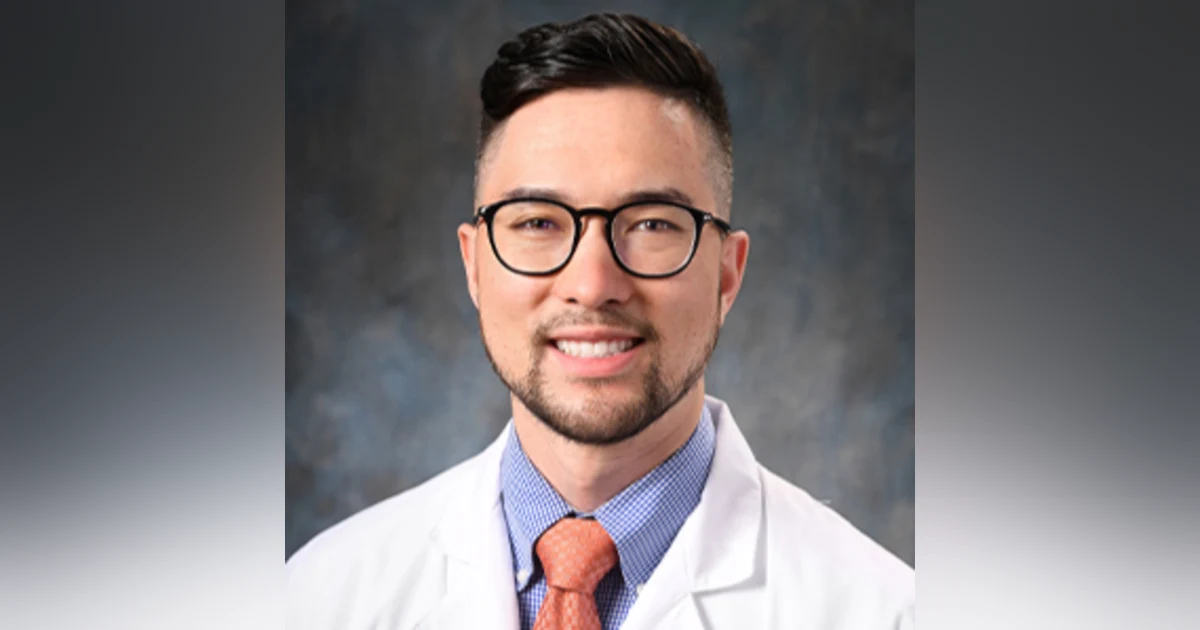

Alex King, DO is a neuromusculoskeletal physician and associate program director of the Osteopathic Neuromusculoskeletal Medicine Program at Rowan University. He received his DO and completed his residency in neuromusculoskeletal medicine at the Philadelphia College of Osteopathic Medicine. Dr. King is also licensed in medical acupuncture, receiving his education from the Helms Medical Institute.
Mentioned in the show:
Acupuncture / Ear Seeds / Rope Flow
Dr. Alex King's Socials: Instagram / Recoverology Del Co
Hello everyone, I'm Dr. Darsha, and I'm Dr. Altamash Raja, and welcome to Medicine Redefined. A podcast where we will explore the often overlooked but necessary components of health, what we consider to be the fundamentals. We will investigate topics and practices that can give you and your patients the best chance to optimize a healthy lifestyle. It's time to move the needle forward and put the health back in healthcare. Hello everyone. Today our guest is Dr. Alex King, and he is a repeat customer for us. He was back with us about three years ago on episode six talking about all things osteopathic manipulative medicine. Now, Dr. Alex King is a associate program director for the NeuroMuscle Skeletal Medicine program at Roe in Virtua, where he also trains a lot of medical students and specializes in NeuroMuscle Skeletal Medicine. He received his doctor of osteopathic medicine degree from the Philadelphia College of osteopathic Medicine, where he also completed his residency in NeuroMuscle Skeletal Medicine. Dr. King also holds medical licensure for acupuncture, where he received his education from the Helms Medical Institute. So in this episode, we're going to break down at all things acupuncture, basically the philosophy of it, the pathophysiology of it, what providers should know when they educate patients before they go into their first session. So we really do a deep dive in terms of acupuncture, something we've all heard about, but probably don't understand exactly how it works or what's in store for when a patient goes through sessions. And at the end of the conversation, Dr. King gives us some of his insights, some of the new things he's doing throughout his day to day in regards to his own lifestyle optimization. This is a fun one. I hope you enjoy. Dr. Alex King. Welcome back to the show, man. It's been about three years. Yeah, maybe just about. Honestly, I think it was December 2020 is when we connected and I tell people all the time I think I am where I am in my career at this point in this job, because of you, right? And so I'll start on social media through Darsch's connected podcast and before we know it, I was calling you here later with like, hey, man, get on there. And here we are. So what's up, man? Catch the audience up. I think you were episode six. Yeah. If I recall correctly, we talked a lot about OMM. We'll do a little bit of that. We'll talk some osteopathic philosophy, but we'll dive a little bit deeper into your other passion, things that you're really, really good at. So catch the folks up onto what's been new? What episode are we at now? Oh, man, we're the 130. I mean, this is going to be probably called you to 140 on the 30 something. Okay. Awesome. So yeah, so yeah, we're in episode six now we're in the hundreds, which is really cool. So congrats to you guys for like sticking this out and getting down here. That's awesome. Thanks, man. Yeah. I think lately, you know, being at Rowan now for about three years, give or take, I've just had like, like, what you say a lot, Altamash is like, you learn the most as an attending. Like, bar non compared to residency compared to your med school, like, attend, being in attending and new attending, you're learning stuff like every day, whether you like it or not. So I think just having gone through those initial few years, now I'm finally like at a level of comfort, you know, where I've started my own practice on the side, you know, I'm kind of expanding a little bit more in terms of my, you know, what I like to do for treatments. And I think it's always a changing process with what I do because the nothing is really algorithmic. Kind of like going with the flow, seeing what I'm interested in, and just kind of, you know, seeing patients and making adjustments as I go along. Let me ask you, Alex, is there a way to prepare for attending hood? And Altamash, you can answer this too, because I mean, everyone asks, right? Like, how do you prep for med school and I look back and I'm like, I don't think you really can. It's something you just go through. And then how do you prep for residency? Just live your best fourth year and go in and you come and just learn on the job. So going back to residency, is there anything that you would have done differently to help you prepare better for attending hood? Is there a way to prepare? I think, I don't think I would go and do anything differently, but I think I would mentally be ready for the fact that I'm not going to be able to help everyone and that patients will have bad outcomes. I think there is no perfect physician out there who's never had a bad outcome, never, you know, done wrong, never, you know, been unable to fix people. You know, so it's like, I would say when I went through that, you know, I'd feel guilty or I'd beat myself up and be like, God, like, why couldn't I make that difference? But I think in the patient's eyes, you know, as long as you're making that genuine effort and you're saying, Hey, like, I'm going to help you through this. We're going to find our answers here. They appreciate that. So, so you might be saying one narrative to yourself about that, but like, the patient still will regard you as someone who's trying to help them. So I think recognizing that and I think in the last year or two, coming to terms with that has allowed it to be a much easier transition. So I would say, you know, coming out of residency and being that person who always has the attending to fall back on, well, guess what? Now you're the guy. So get ready for those difficult conversations, those difficult situations and everything. And now I can definitely say I'm way more comfortable with not only, like, confrontation, but also things that I feel are shortcomings, which actually really might just be situational, you know? So I think that is something to keep in mind as, you know, people transition from residency to a tending hood, you know, with great power comes great responsibility, right? So it's like you have all these tools you've developed. Now you have the responsibility to use them to the best of your ability while also, you know, taking hands with that patient and working with them through difficult times as well. So I think that's something that's something I didn't really understand until I went through. I wholeheartedly echo that sentiment, you know, initially, my first thought was like, oh, you know, we practice a lot about in terms of our trainees, we're talking a lot about billing and coding. That's a sexy thing, right? I'm involved in residency education now as well. And that's something we want to emphasize to prepare you when you get out and so you can learn about the business of medicine. But I think what you just highlighted right there is probably far more valuable again. No way to prepare for it. Just recognize that this is coming and it's going to be okay. Like this is you're going to go through this like the whole imposter syndrome thing. It's going to be a part of the process. I underestimated the the strong feelings of accountability you have, right? I think when you're a trainee and you have that attending and it also probably depends on the setup in terms of continuity, what not, but like now it's these are your patients and like the buck stops with you. And so certainly the bad outcomes make you feel terrible. And depending on your specialty and if you're like a heavy procedure list, sometimes complications are a part of the process too, right? And those also make you feel horrible. And it's like really important like how do you deal with that, right? How are you there for your patients and moments of need, whether like they're having a bad outcome or they had a complication expected or unexpected. And then, you know, how are you going to deal with that after the fact? I think the first couple of months, like if I did have that bad outcome and nothing work, I would come home and I'd just be thinking about that one case, right? Like why, like what am I missing? What did I do? Should I have ordered this instead? Should I not done the procedure for? And that could, that could be very difficult. Luckily for us, both of us were able to early out of our career so you can bounce that off somebody and say, hey, like, you know, like what am I missing? We talk about, we curbside each other all the time, right? So that's, that's good. I think that, yeah, I can't imagine somebody going to solo private practice right out. What that would be like to not be able to bounce cases off someone. I call it keeping the hope alive for that patient. So it's like, it's like, I know I couldn't help you or like we couldn't get quite there. But there's this amazing dog right next to me who can possibly help where I can't. So I think just, and then the patient's like, oh, okay, like something that they can hope for to get better. Because I think the one thing you don't want to do is be like, yeah, I can't help you. There's probably no one who can and sorry. You know, it's like, I think that's just a loose situation for everybody. So definitely being part of a multidisciplinary practice can be very helpful in terms of just those stressors and just keeping that network of referrals, whether it's not only just doctors, but like other physical therapists, you know, we have a strong base of PT's. We really trust and we bounce ideas off of. And so I think other practitioners, even if they're not like fully medical, but can still offer assistance and help to that patient, I think is like, you know, what can be a nice resource for sure. Yeah. If nothing else, it kind of jives well with that saying that, you know, you're just keeping the patient entertained until the body heals itself, right? Was it? Who said that? Was it Voltaire or somebody who would know this? AT still. I don't know. That's a good one though. I like that. Yeah. Yeah. You know, let's, I mean, I was going to ask you kind of one of the key lessons you learned in attending code going from private practice to academic medicine. Maybe let's, yeah, let's, let's talk about that, right? So last time we chatted, you were in private practice and it was a completely different model. We talked about how you spent an hour talking to patients and, you know, sometimes people did consultations before they come and you just had no, no boundaries for a lack of a better word, no restrictions that you could freely practice. Now you're clearly in a different model. You have a ton of administrative and academic responsibilities. Compare and contrast that a little bit for the people of what that's like for you and, and how you feel about that. I think, I think for me, there was way more accountability in the academic sphere because you are being watched by your students, by your residents, they're going to model their behavior based off of you and their future practice, you know, based off of what, how you do it, so to speak, because, because of that influence. So I think there's a big responsibility there, not just for your patient, but for whoever you're training. But I think for me, that makes me better as a clinician, which is why I really like that. I felt in private practice, it wasn't like I was just kind of like lack, it's, lack today's a goal and like, ah, whatever, it's, but, but it's, it's, the stakes aren't quite as high, I feel like, especially when you're seeing patients who, you know, they're using their insurance, they might be Medicare Medicaid. You might be their last hope in terms of, you know, what, what they're trying to get help for. And I think in private practice, a lot of patients you're seeing, especially in the one I was in, were just very, you know, well off people who could afford the luxury of seeing a cash-based physician, which is, there's nothing wrong with that, but you're just seeing different types of cases, their different stakes. And so I think transitioning into the academic sphere, I just really liked that emphasis on the teaching components, but also really helping people who, who, I don't think desperate is the right word, but who are just really, really looking for someone to, to help them in a way that was vital to their livelihood more or so, where it's like they need help to get, you know, to get through that pain so they can actually get groceries or so that they can go to work or that they can take care of their kids. I like those stakes because I like, I felt like very fulfilled doing that and helping people through that kind of stuff, so I think that's kind of what I felt transitioning into, you know, from private into academia. You know, one of the things I think about is, you know, outcome-based medicine in the academic setting versus private or even like concierge cash-based. And so I'm wondering, did you notice a difference in at least your patient outcomes just based off what you were able to do? You know, obviously there's going to be variability given, you know, use, for one is attending experience, you know, starting earlier on versus then going to academics, being more mature, understanding how the system works, but just also the inefficiencies that often come along with academic setting, did you find that there was this barrier where you couldn't really practice as much as you felt like you could, whereas you were able to do that in a cash-based or private practice setting? It's interesting because at first I did feel limited, especially with time. I was like, I just don't have time to like do a full treatment or to talk as much as I wanted or to try this kind of treatment, but I would say that almost made me better because then I use the time more efficiently because I know my limitations, and therefore I changed the way that I approach things to be just, you know, a lot smoother in terms of the process and like the logistics. So now I've kind of got things into like where I run things kind of like just like a kitchen, you know, like it's a well-oiled machine where I've got timers on, there's bells ringing, there's students checking on, I kind of joke it on like, oh, this patient's cooking in room six, let's get, you know, five on, you know, with the heat lamp on. All right, let's bring them into four. So I think because of those limitations, it actually, it actually really helped me improve a lot of these processes that I didn't really need to improve for quite a while because I was kind of had the luxury of like that resource of time. But I think in a way, joining academic medicine, having the students and residents there picks up a lot of the slack and allows you to make a lot of those impactful adjustments because they're also really smart. Like they'll catch you on stuff all the time, they'll give really good insights and I think it makes treating patients have this really cool dimension of that like, you know, that student or that resident who's like, hey, Dr. King, like, did you ever think of doing like doing it this way? And I just, because I'm used to doing it my way, I never like saw it from like a beginner's eyes, so to speak, but in a lot of ways that reveals a lot that you're kind of missing. So I think there was a given take there with like, you know, yes, you lose some resources and you kind of get more constraints in academic, but you have a lot of other things that can help with improving, you know, your approach, so to speak. So yeah, I've seen the the well oiled machine up close in personal and admire the fact that you're always done with your notes prior to leaving class and and that's never the case for me, even though I'm leaving at like six o'clock, but yeah, I I think this is a good time for us transition and talk a little bit about this specific treatment modality, something that you've become kind of like the the regional expert and if I can say so yeah, and that's acupuncture, right? So I'd love for you to give people and maybe just like a brief overview of we could maybe start with the history of acupuncture. I think that would be a good place to start just to understand like why we wouldn't do this. And then most people will probably hurt of it, but you know, feel free to make it as basic as possible and then we can ask them follow up to to make it more complex and dive deeper into the path of his of it. Man, I love this stuff. So back in the cavemanages where we used to live outside and sleep by the fire, we sometimes would use various tools to attempt to create a healing thing within the body, right? So like a healing based change. And a lot of those changes were both like or also like herbs, maybe like things like tobacco and cannabis and what have you, which would hey, maybe someone threw it on the fire and was like, Hey, I inhaled the smoke and I feel like different or something, but like with with acupuncture and even tattooing what was interesting is like piercing the skin somehow had this like somewhat of a profound effect on the body, whether it was to elicit pain for some kind of possibly therapeutic reason with like tattooing and maybe they thought the iconography conveyed some kind of like magical power to like help heal. So that's why you see like a lot of these, you know, mummies and things found in caves had like actual markings on their body and things like that. And I think in a lot of ways they maybe they did think those were medicinal. But also the use of things like fishbone or bamboo or like really thin, thin instruments to like insert into parts of the body. Those are considered like the first acupuncture based tools. You know, of course, not very sterile, not very, we were not use that nowadays for sure, but that was kind of like the pioneers of what was done. And then of course in China is where you saw this take off and like, you know, roughly 600 BC is when it became very refined and it was that like the use of these really thin metallic instruments to then insert into the body and it was classical acupuncture around 600 BC. And then as you're starting to get more at the turn, you know, at zero BC essentially is when people are starting to write about these things and like document different points they found were useful or and this is where the lore starts to come in. So it's really cool that acupuncture is there's roughly 365 distinct points on the body and each one has its own story that has been taken shape over thousands of years just clinically orally passed down. And yeah, throughout the years there have been written texts about these things and it's still kind of shaping up to this day with our modern research methods. But you know, throughout history is really in the east and China and where this really started up and then it kind of spread naturally through Europe and like, you know, the 17, 1800s especially in France. I think France was the first European country where the physicians are like, huh, there's something really to this and they started to really do more studies on it and to translate the teachings from Chinese in the French and roughly I think in the 19 early 1900s to 1950s. And that's where my fellowship director Joe Helms who, you know, created the popular HMI or Helms Medical Institute fellowship for physician acupuncturists, he studied in France. So technically I learned French acupuncture and there's all these different subsets which we can talk about, you know, versus TCM versus French, Japanese, Korean, there's all these different emphases. But I would say historically, you know, acupuncture has been a very eastern-based thing but it's really cool now to see the West starting to look at this and be like, there is definitely something to this. And I think, you know, in 2021, Medicare started covering it. That was kind of the official stamp of the government saying, okay, yeah, acupuncture can help especially with low back pain, right, which is what they cover it for for Medicare. So that's kind of like a brief history of acupuncture and there's a lot more nuance for sure kind of in there. But yeah, so that's kind of like how we came to be where we're at now. Very cool. I would love to understand the derivatives of each of those subtypes, right, because I think, you know, one of our physicians understands Chinese medicine has done grand rounds on Chinese medicine. And so I've always thought acupuncture kind of originated from just China and that say it and there wasn't even this history beyond that and that a lot of our Western society, quote unquote, I don't want to say it looks down upon it, but also is like, is this evidence based, you know, what's what what is this thing where we're sticking needles. But knowing that there is a French philosophy and that has kind of come over to taking shape here in the US where if you're going to get a certification or, you know, be able to do acupuncture, that is a way that you can learn it. I would love to get an understanding of the different subtypes and kind of how they derived and how each of them are different. And do they do they are they specific for different disease processes or whatnot. I think it's more of like it's like styles of painting, right? You have your your impressionists, your abstract abstract expressionists, your realists. And so it's like it's as an art form, it has all of these different frames of reference in these different ways of actually doing the process of it. So I think, you know, with TCM being like, you know, the kind of main initial form of that acupuncture, that is what everything is kind of branched off of. But then when you look at specific subsects of various countries and where the geography kind of comes into play, like with French, French was kind of distilled from TCM by French doctors. And they tried to somewhat protocolize things and further research and elucidate, okay, like what are the best types of, you know, protocols we can use for various disease processes. So that's where you started to get the translation from, you know, like a splenic deficiency into like a more western understanding of what that might mean. So I think that's kind of what French energetics is, is like, you know, this western lens on this eastern practice that we give names to specific types of protocols. For example, like pens or percutaneous electrical nerve stimulation, pens is a style of like French acupuncture that involves electrical boxes in the use of STEM, or like, for example, like an NN plus one energetic treatment, which has a reference to like, you know, N is a number and then as another number plus one where you add that one extra needle to then drive energy through a circuit. So like all of these different kinds of protocols we've given these names to. But for Korean acupuncture, for example, so my grandfather practiced acupuncture learning the TCM style, but I know like Korean hand acupuncture is a thing, for example, and you can do a whole course on Korean hand acupuncture as a micro system. So some cultures have focused on these micro systems as a form of like kind of putting their stamp on the practice. I know Japanese acupuncturing style, I've been told that I have a very Japanese way of putting the needles in which I thought was interesting in that I don't do extremely deep meddling, which can sometimes be very painful. And I think I've found the reason I've gravitated towards that is because of a lot of my patients are, you know, naive to acupuncture and haven't had it before. So I've adopted a style of very gentle meddling to then increase the buy-in and to allow patients to feel comfortable with my treatments. So not only is there different whole protocols based on, you know, a Western lens of acupuncture through French energetics, but it can also be more a somatotopic geographical nuance thing with like Korean hand acupuncture. And even with the style that you're needling could be more Japanese style. So it's kind of like a very fluid categorization based on different cultures and history. And so that's what I find so fascinating is like nothing is fully set in stone, but you just kind of know once you're in it. So to speak. I love that, man. So I kind of want to understand the patho mechanics and pathophys a little bit better. But before I do that, I do think it's important to kind of distinguish the difference between things like acupressure because people will hear acupressure therapy and they're like, oh, maybe it's the same thing. And I often get the question because a lot of our physical therapy colleagues will do dry needling and they'll ask me, well, how's it different? And I don't have a good answer for that. So my hope is that you can, you can give that to me. So maybe let's start with what the differences are between them. And then we could talk about the stuff pathophys. Yeah, I get this dry needling question a lot. You know, I think the main distinction is it's the same tool, but for a different purpose and for a different amount of time. For example, like dry needling can is relatively quick per per spot that you're doing it. So for example, when you use an acupuncture to do dry needling, you're picking the spot, you're going to dry needle, then you insert the needle and you peck around, not for a super long time because then they'll get really, really sore because you're quite literally fenestrating the muscle and you're pecking away at that that myofascial band. But it's more of like you kind of pick your locations and you're you're at one location, then you move to the next, then the next, then the next. And you know, your session might be over within five to 10 minutes. So I think because of the rigors of dry needling, you're limited in terms of how many spots you can do it in your amount of time because it can be like a pretty sore, soreness inducing procedure. So with acupuncture, that's a more of a long form type of treatment where you're using the same tool, you know, the same dissecting needle. And you know, that's the main difference between acu and other needles, quote unquote. It's like it's not a hypodermic needle. There's no hollow point to it. It's not a cutting needle. They quite literally go between structures. So that's why a lot of times the acu needles you won't feel. And with long form acupuncture, that's where you really set it and then allow the needles to to change your physiology, which does take some some amounts of time based on what physiology you're tapping into. And I think I think this is, you know, based on off a lot of FMRI data that brain activation peaks roughly 20 to 22 minutes in terms of the central nervous system physiologic changes with acupuncture. But I think when you're doing dry needling, you're kind of going for that local effect and that peripheral effect a little bit more like the physical breaking up. And when I think of acupuncture, I'm thinking of like an energetic shift with your autonomics and your, you know, endorphin levels. So that's why it necessitates a longer time frame. I love that analogy. I mean, I think kind of the tonotomy and the musculoskeletal based stuff that we do sports medicine, we've had conversations about PRP and fenestrations. Yeah, the local effects sometimes even maybe creating a more of an inflammatory effect to allow that healing cascade to resume, right? And so yeah, the systemic versus local thing is really helpful. So I'm going to be using that a lot. And then acupressure, I think I'll just quickly say in terms of acupressure, that's probably more pinpoint therapy, usually with your fingertips, but it could be with other blunt tools to apply pressure to specific acupoints. Now, my question for you is if you know, you mentioned 365 acupoints for acupressure, is that the same or are they just with trigger points? I think, I think with acupressure, it's going to be the same points. It's just the type of stimulation you're giving. I think in a pinch acupressure is great. I use it on myself when I'm needless, although I do carry needles pretty much wherever I go. But I think, you know, without a needle, that's what that's where I get the patient education form in. For example, I have a psychiatric patient who he has found a tremendous relief with scalp acupressure and ear acupressure. You know, he doesn't have an acupuncture license, but I've taught him enough points to know like, hey, this is when you press this for anxiety or this for, you know, your, you know, stress and sleep. And so he's used acupressure on his own time to kind of induce his own physiologic changes. So that's more of when I use the acupressure is with the patient and empowering them to make physiologic changes. Alex, you know, one of the questions we get when patients come in is how does this even work? And you mentioned energy. So can you take us through a little bit about the physiology, what it means from the Eastern perspective, then maybe what the Western society is now seeing too with research? Oh, yeah. So, so Chi is the word, right? So Chi or QI Chi is the all life giving and nourishing energy that goes through all humans, plants, animals, just about everything. And what Chi really is is electrons in Western terms. So electrons really make up just about everything. And then in in beings or in organic life, those electrons have different pathways that then give rise to physiology. And in the human being, you know, the nervous system is the highway for a lot of these electrons. And that electric impulses transmute transmit data to every every spot, every cell, every organ. So I would say preferential electroionic migration. I know it's a mouthful, but that's what Chi is. It's this preferential gradient that electron electrons travel through. And guess what? They mostly travel through fluid, right? Because fluid is highly conductive. So in the body, a lot of these acupuncture points are actually located at these valleys that fluid accumulates in, meaning facial valleys. So that's why being able to palpate and being a DO, it made me very easily pick up acupunctures because I'm palpating for these facial channels that I'm like, all right, fluid's going to flow through there. And I'm not talking like blood or lymph, I'm talking like extracellular fluid. So a lot of this third space fluid is what transmits the acupuncture signaling. But wherever you're having like these fluid cleavages is where you'll find a lot of strong points. So essentially you're putting the needles in these cleavages, you're letting the fluid carry the electrons or the Chi, either through areas that are deficient. So you can have a young or a Yin-based presentation. So Yang and Yin is how we kind of read things. And that's like acute versus chronic. So with Yin conditions, they're very chronic, very ropey, fibrotic. There's not a lot of circulation there. They need some attention. So that's maybe when I would add electrons to that system, stimulate the body, get a little pro-inflammation in there, just get the body to pay attention. And then with the Yang conditions are like, you know, really acute, hot, red, sweaty, those things. You can set needles in there, but not have an input. Like, you don't spin them. You don't add electrons. You just let the body use that needle to what we call disperse energy or disperse electrons through the metal. So it's really, really cool how just stainless steel entering the body system can then alter physiology and you can influence it how you want. So that's kind of how energy fits into all of this. So when you say spin and, you know, using these instruments like stainless steel, can you just kind of explain what that means? Like, how exactly are you getting these electrons out of that structure system? Yeah, so when you spin the needle, that's tonification, for example. You can tonify it with your hands. You can use moxah or moxah bushing to add heat to a needle. That heat differential will then also transmit electrons through specific pathways. So really if it's a frictional force or if it's a heat force and it's all electrophysics is how this is all mediated, that is how you can add energy to a system. To subtract energy, it's almost set it and forget it. So you just like set in the stainless steel and then allow the body to use that metallic stimulus as a method of dispersion is what we call it. So you have tonification versus dispersion. And so a lot of times the simplest treatment is sometimes the most effective where for instance, this is a great example. I had this patient just the other day at this free, you know, senior festival we were doing. He's post post laparoscopic hernia repair. His belly has been like quivering and kind of like spasming he called it for two months since the surgery. You know, he's been to everyone, no one can figure this out. Whereas I look at it, I'm like, okay, in western terms, this is just weird. Like, I don't know what to call this, but in eastern terms, I would say this is this is just a young overflow situation where the surgery put his abdominal muscles in a state of hyper facilitation and they're just like dysregulated. So what I did, I just put in a bunch of needles into his belly in these specific points that are, I know we're strong abdominal points, and I just let them go. Like I didn't spin them. I didn't add electricity to them because to me, this isn't a cute like overflow condition. And guess what? 20 minutes later, I just pulled the needles out and he's like, hey, my belly stopped twitching for like the first time in like two months. This is insane. And of course, I got a new patient from that. They're like, I'm seeing you like this week. So, so when I kind of like simplify things like that and just let the needles do their thing, you get really cool results because the body ultimately knows how to get back to homeostasis. This is really cool stuff, man. I think a lot of our osteopathic students and DOs will appreciate what you're talking about when you talk about the acute versus chronic texture of skin, which we all learn as the fundamentals of OMM. But then also those who love to hike and go, you know, do some grounding in nature and use their bare feet down the grass. I mean, that's all electron flow. So this seems like this is no different. Yeah, grounding is dispersion. Exactly. So I did want to ask to though, a lot of people talk about meridians and the lines with our body and how they kind of, I believe connect to the feet. Does that play any role into acupuncture? Yeah. So the meridians are your highways, right? And I think of I think of it as like, you know, your body has all of these train stations on it and then specific stops are where energy can accumulate. So and I think a great book that I often refer to is like anatomy trains. Like that's a great Western lens into these meridians. They're facial meridians. So they're not going to line up completely with our understanding of acupuncture meridians, which are slightly different. But I would say they're really close because again, the acupun meridians are based on facial planes. So if you kind of superimpose the two, you're going to find a lot of overlap. For example, the bladder meridians are the paraspinal meridians. And those would fit in with the superficial backline in anatomy trains language. So so you're going to see again, it's like knowing two languages for the same system, which I think is really cool because I see a pathically speaking, knowing osteopathy first and then learning acupuncture. And both of them work really well. It shows that there is some kind of universal thing happening in the body that these two completely different sculptures and completely different timelines somewhat discovered in this like congruent fashion. It's like, you know, when bat wings and butterfly wings totally different, but they both fly. So there's got to be something unifying about physics, right? So I think in terms of the the meridian system, again, it's a it's a language. It's like knowing, you know, in New York City, you can take the subway if you want and you know the subway system. But over superimposed on that are the streets and you take an Uber if you want to and you'll get to the same spot. But it's it's it's overlapped and it's going to be these different pathways that you can intertwine them. You can use both kinds of transport if you want to. Maybe you get there faster. That would be cool. But so I think the meridian system is another language of like this energetic highway system. And once you learn the stops, you learn how fast they go, you learn, you know, when to take this train versus that one in certain situations, then you become a master of learning like how to use that transport system. I love that pen. I want to start talking a little bit about specific indications, right? So you've highlighted a few of them. You mentioned this abdominal pain, not pain, quivering case. I don't know what the ICD 10 code for that is. But you also mentioned high, like a autonomic nervous system, maybe overload, right? So I think of high arousal states, stress, anxiety, I have personal experience with that with that, with acupuncture, depression as well. I actually read a meta analysis or I came across a study where I skimmed through it. I don't want to lie and say I read the whole study, but I did skim through it. And it was think published last month where it was looking at the role of non-drug therapies. And I think it was sleep quality was a primary objective and depression was a secondary outcome. And in that study, what stood out to me is I think CBT for depression, what they found of the CBT acupuncture were the two best modalities. And they had a couple of things. I think they had transcranial direct stimulation. They had acupressure in that as well. One of the studies looked at that. But with sleep quality, they had, again, acupuncture. And I think the other thing that worked really well was a room with therapy for that. So, you know, I think for that kind of what you talked about in terms of just from systemically toning down that higher arousal state can be tremendously beneficial. We know as we've had multiple conversations, one comes to my Patrick Feyn and is like pain and anxiety and mood are so tightly coupled together. Yeah. Right? And you're sleep. And that's also a couple together with that as well. So that all makes sense to me. But would you say the primary reason people are coming to the door and your clinic is pain or are there a lot of other referrals for getting as well? I think, yeah, I think pain is definitely the number one. And then the incidental finding is that like the pain might not be fully related to what they think it is when they come in, which I find interesting. For example, you know, lady comes in with low back pain. Okay. She's like, I'm sitting a lot at work. You know, I'm a consultant. I'm traveling on planes a lot. It's got to be that, right? I'm like, yeah, maybe let's treat you and see what happens. So, you know, we treat the low back a few treatments. It gets a little better, but I'm still like, there's something there's something underlying here. And then we get more into the history. I'm like, okay, tell me every surgery you've had because I personally have a sub interest in scar tissue and postoperative care. And she goes, well, let's talk about my C-sections and then my, you know, my spidey senses are tingling because C- C-sections for me learning integrative medicine is like a big red flag. So she's like, I had three C-sections separately. And I just never felt really the same since then. And I was like, what does that mean? She's like, well, I just, I don't know. I just feel like something isn't really connecting when I'm like walking and running and doing all these things. So in my mind, I'm like, wow, these C-sections, you know, if you look at how they cross the meridian paths, they just cut the three like main anterior meridians of your body completely. They just cut them down to a very deep level, right down to the uterine level. So I told her, I'm like, listen, I'm very curious to see if we just do some acupuncture desensitization and maybe some, some injections, like some repivocane injections to the scar. You know, what might happen? Because an integrative medicine teaching, you know, scar deactivation can unlock a lot of new neuromuscular connections and repair these faulty ones that have been set in. So we did that. And then she, she had like zero pain for two weeks going on vacation to Italy and she was like ecstatic. So we kind of found that, you know, they think they're coming in for, for this specific pain, but really what we need to fix is this like thing that happened decades ago. Like she, her kids are in their 20s. She's had this issue for like 20 years, but thought it was just because of work. So yeah, I would say pain ultimately is, is the number one, but then the other reasons that I'm treating them for later down the road are like very different than what, what they kind of think they need, so to speak. Yeah. So I've got a lot of follow-ups, but I think it would make more sense to ask them if we talk about setting patient expectations, right? So just offline before we started the recording, we were talking about, you know, for Altamash and I, you know, vegan physical medicine rehab, we obviously see a lot of people come in with pain and sometimes as a last resort or middle resort will say, hey, have you tried acupuncture? And some people will buy in, some people won't, but oftentimes they ask us, well, you know, what does it mean? How does it work? And what can I expect? And that's kind of where we're at a loss, because of course, we're not getting taught this in medical school or residency for that fact. So if you don't mind kind of just like role-playing or at least, I want to put you in our perspective and say, a patient comes in, we're going to say, hey, we're going to refer you to acupuncture. What's the conversation that you would have with them from like start to finish so that they can come out of that meeting saying, okay, I'm ready to go for my first visit to acupuncture? Yeah, I love keeping things very open ended because then it kind of reveals to me what the patient's, you know, thought processes. So I say, you know, if I were a physiatrist, right? I'd say to the patient, okay, I want to refer you to acupuncture. What questions do you have about it? Or what do you think about it? Because some people are like, oh, I've been wanting to try it for years. Let's do it. Like they're already bought in. They're like, I watch 10 YouTube videos on it. I'm down. I think it's going to help. And you're like, perfect. Like if you don't have any questions for me, then definitely ask Dr. King when you get there or you can send him an email. So that's on one end. Then the other end of the spectrum is like, acupuncture. That's kind of, do doctors even do that? That's kind of weird. I don't, I don't think it's going to work. Well, is it, does it hurt? So that's the other end is like the very kind of timid or not really sure. And then it's your job to make the sale, right? So, so what you say is, and it really helps too if you've had it yourself. So I say, if you're a physiatrist, definitely try and get it done yourself just so you can speak from that experience. Because then you could say, oh, man, listen, I had my own issues and I got acupuncture for it. It really didn't hurt. It maybe felt like a little pinch or a tap. But after a few seconds, it was gone and, you know, I just kind of took an app and felt better afterwards kind of thing. But I would say if a patient's kind of concerned about, you know, main thing is they're going to ask, does it hurt? And I would say, it's possible for it to be uncomfortable. However, in the large majority of points that that are used, they don't hurt. They might feel like a slight achiness or a tap or a pinch. If it does hurt when you're getting the needles, just immediately tell the doctor and he'll pull the needle out and it'll go away. Because there is that unavoidable chance of hitting like a cutaneous nerve and it feels a little bit like a slight mosquito bite or a beast thing. But you take the needle out and it's gone. So that is a risk, right? And it's about one and I would say every 100 insertions. So that's what I would say about does it hurt? And then the second thing is like, well, does it work or how does it work? I would say, well, they insert these really thin needles thinner than your hair in a lot of cases into specific points in the body to then cause your body to react in a positive way, meaning that maybe your pain is lower afterwards, maybe a better functionality, better range of motion. Sometimes it can stir some things up. It's like when you poke the bear and it kind of grumbles a little bit but goes back to sleep, that can happen too. But it all depends on your response to it. Because everyone's different. So it's hard to fully predict what's going to happen. But I would say in large part, if the acupuncturist knows what they're doing, they likely will get a positive result. And then you get more into the adverse reactions. So the patient's like, well, what are what are the risks? Well, luckily with acupuncture, the risks are extremely minimal. And some of the really severe risks that I talk about patients are pneumothorax, right? If you go really deep and don't know where you're going, you're going to poke the lung and that could be a bad situation. But luckily, you know, that is extremely rare, especially if you're treating the leg or the arm or the head or something like that. So you say, only if they kind of go in that chest or in that back area, it could be possible. But what I tell my patients is, I don't even use needles long enough to reach it. So there's nothing really to worry about on that angle because it's physically impossible unless I'm really jamming that thing in and you would know. And then you talk about the other ADRs, for example, patients who are really dysautonomic, you know, if they've got severe history of vagovaisal syncopy or fibromyalgia or if they're one of our hypermobile pots, you know, CRPS or, you know, dysautonomic patients who fit that picture, then you say, you might start with only one or two or three needles because I've had patients who got way too many needles initially and their pressure dropped for like multiple bays and they had to get hospitalized. So if you have a patient like that, you just got to let them know and just say, your acupuncture physician or who you're referring them to will really make that judgment call based on their clinical comfortability. But really, those are the only severe reactions I've seen or heard about. In large part, the adverse reactions are extremely minimal, you know, maybe some numbness tingling at the points, maybe a little bleeding bruising, but that's it. And then the last question is, how long does a relief last? And that really depends on the person, depends on, you know, are they going for a workout right after they got the acupuncture? If so, that's probably not going to last too long. Some people can get up to it from a few days to a few weeks of relief after one treatment. So that's kind of the average, I would say, is like, you know, maybe a few days up to a few weeks and you have to, you know, get treated just to see. So I'd say in large part, a lot of it can be dependent on that patient. But that's kind of like easy ways to answer those questions. What about treatment frequency and interval? That's what I'm curious about. I get that question quite a bit. And I'm wondering if there is a generic statement that you'll come out with. Hey, we're going to try X amount of treatments. Yeah. And I mean, I'm sure it's dependent on the specific disease. Comment on that a little bit. Yeah. So in general, I would, I give myself baseball rules. So I'm like three strikes. I'm out like if I've tried it three times or not getting anywhere, then I'm going to have that discussion, you know, to say, hey, do you want to continue this or do you want me? I can send you to someone else who might be a better fit kind of thing. Luckily, that hasn't happened like a ton in my practice. I've kind of tried to crack the code after those three sessions. And I've got a lot of other tools luckily in my belt to help. But I would say frequency wise, the rule of thumb is like roughly once a week, I think is safe physiologically. Yes, you can do that multiple times per week if the patient is responding well. And they feel like it is, you know, vital to their life that they get this treatment every couple days. And they can a afford it or get it covered and be their schedule is open enough. Because privately, you know, you will see acupuncturists that occasionally will have those patients who just get so much relief for that week. And then they're back to kind of ground zero. But they're happy to come in on a weekly basis. In my personal practice, once every four to six weeks is the average. But my schedule being insane is like now getting more to six to eight-ish, which I don't love. Because on average, I would say relief from acupuncture lasts roughly two weeks, I would say is a kind of the average for what I found two two to four weeks. So that's why I met that once a monthish mark for most of my patients. Of course, even if it does last, you know, for that long patients just want to feel great all the time. So a lot of my patients, they still have relief, but still come in because they're like, I just want to feel great again, like even better than just, you know, without pain. I want to feel it be without pain and feel euphoric. And I'm like, okay, great. So, so yeah, those are kind of the numbers there. But I would say, you know, overall physiologically, like I treat myself once a week, like I put needles in, like I put my needles in my head today during lunch and just like took a power nap, like because I was just stressed. So I think in terms of getting that endorphin boost to happen, I would say, yeah, every every week or so is pretty decent. Something that's very popular in our clinic are ear seeds. You want to talk about that a little bit? Yeah, I'm like Johnny Appleseed, but for the ear. Yeah. So ear seeds, those are more of the acupressure, the acupressure kind of bandids that you put on your ear. They're these little vicaria seeds, vicaria is a flowering plant and those seeds are generally pretty non-reactives to the body. Like they do make metallic seeds and ear barbed actual like needles that will stay in and stick into your skin for quite a while to use those a lot in the military. They're called ASP needles. But the ear seeds are a nice way to kind of either introduce someone into the concepts of acupuncture, which is why I use it to teach. But you put them at specific points on the ear and fun fact, if you google like ear homunculus, you'll find the whole body is laid out on the ear due to our embryology because the ear has ecto, endo and mesoderm, all superficially due to how early it develops. So when you put these little pressure beads on your ear, yes, just sitting there, they kind of stimulate those spots from the pressure. But if you press and massage them, they actually have a more substantial effect. And you can keep these bandids on, you know, it's like any bandaid. You keep it on for a few days or a weekish. But it can in specific instances really give a lot of relief in terms of anxiety, stress, can help you sleep. And it's just like a nice kind of easy, again, almost zero side effects other than some mild nausea and headache in maybe one case that I know of. I put these seeds in thousands of people. So again, and you just find them on Amazon, you know, they're super cheap, you got like 600 for 10 bucks and you can like try and use them. So that I would say they're popular because of ease of access and ease of placement, although they can be a little tricky. So there's some learning curve there, but it's a nice intro to get someone kind of curious about how acupuncture works. So I like them for sure. That's super cool, man. I've got to try that out. But we'll definitely link some of those Google links at least in our show notes for the audience to try out for sure. A couple more follow up questions for you. The first is understanding by and like how important is it to have patient by and when it comes to acupuncture. You know, I'm guessing a lot of them come in. And if they don't think it's going to work, then hey, it's not going to work. But if they do believe something, like, is there how much of a placebo is there versus how much of it's actually the path of this in your in your cases? I, you know, it's funny. I love it when patients are skeptical. I love when they're like, this isn't going to work. Is it? And I'm like, yeah, we'll see. Because in my head, I'm like, oh, this is probably going to work. I would say for for my practice, personally, the buy-in does not really play much of a factor, although it can help if they're truly like, I love acupuncture. I love the concept. I'm super jazzed about trying it. And then of course, like as with as with any kind of treatment, if they're like that, it will probably have a more positive effect. But with the the people who don't quite believe in it, I love those because most most of the time in my experience, those are the cases that actually become the biggest fans of acupuncture after they get it because they have such a different reaction to what they thought would happen that they're just awestruck by it and they're like, oh my gosh, like I actually, you know, I actually can like get up and move in a way that I haven't been able to in years or like I feel younger after this or feel like lighter. So I think in terms of the buy-in, it does help, but certainly doesn't like make or break the treatment. Yeah. Gotcha. No, it's good to know because especially when we talk to our patients, that seems skeptical. At least it's like, hey, just give it a try. I mean, there's a lot of evidence at least from from what we know for it to work. My second follow-up is from the provider perspective. So obviously as a physiatrist, we're looking at so many different modalities, right? So a lot why a lot of patients come to us from injections to medications to therapy. Where do you like to see acupuncture get used as a treatment modality, right? Like is it something that should be first line as a last resort? Should they be getting acupuncture almost as a prehab before surgery? Can they do acupuncture while they've getting certain type of injections? Like what should we know about that? Yeah, I think when you're looking at the line of where modality falls in, it's oftentimes it's like what are the adverse reactions, right? Or how invasive is it? As a modality acupuncture, yes, it's more invasive than OMM. Certainly, you're going into the body. But it's got such few ADRs in my experience that it's like why not just try it as a first or second line thing depending on the patient's attitudes towards meddling. If a patient isn't really bothered by needles, like oftentimes I'll try acupuncture before OMM just because I have a hunch that like, hey, if there's some more neurologic based type of pain, then I think especially, for example, like disc herniation, yeah, OMM is less invasive and it's still it's not a ton of ADRs, but I think I can get more changes with acupuncture meddling a lot of times in that neurologic situation. So I would say as a first line for really a lot of things, it is excellent. One big one for example is headaches and migraines. I can get a headache to abort in like two minutes, just like let me put a needle in a couple spots and they don't even have to take Tylenol and that headache is gone. So I think ideally like first or second line is where I'd love to see it, but the problem you run into is ease of access. Like yes, if every urgent care, every primary doc knew how to do some acupuncture, I mean, we would save so much in health care dollars, but like, is that realistic? Unfortunately, no. So unless you know 100 years from now, maybe I can inspire some change and get everyone to learn it in medical school, which is maybe my goal, I don't know, but as a first line second line, I think it really does shine. But what I've found is being a specialist. Now I'm often for fifth, sixth line, but can still get those changes. It's just I wish they had it sooner because it would have made it a lot easier. Awesome. And just so people understand ADR's adverse drug reactions. It's really going to work. Yeah. Awesome. So yeah, side of our profile is the same thing. I try to tell my patients, I'm listening, musculoskeletal medicine is not complicated. Although I think you're doing something beyond, right? You're talking about neurological neuromuscular medicine, but also, yeah, you know, autonomics and some some advanced stuff that's that's beyond me. But what I'll tell them is, you know, we were at this spectrum where we have very over the countermodalities, oral medications, topical stuff, passive, quote unquote, modalities where you talk about heat, ice massage, those things. And then we get a little bit more aggressive and we talk about interventional options, you know, physical therapies kind of there because that's just, I think, a way for insurance company to pay for structured exercise. And that has to be a staple of treatment. And then, you know, surgery might be at the end of the line with a few exceptions. So I do love that. Yeah, it does break my heart though because again, knowing firsthand, it's how many patients I'll try to refer. And it's just they we just can't get in. Unfortunately, I've never been able to get a patient. I'm like, yes, and then he did that they don't have to go on a wait list. But so the ease of access piece is is critical. Again, I don't think in this South Jersey area, there's another acupuncturist, right? Correct. There's one other one with Cooper and then a bunch of private ones that I'm friends with. But of course, that's out of pocket. So you'll only get it covered if you're a doctor doing it. So yeah, awesome. And anything else that you think is worth covering with respect to acupuncture for patients, for providers to understand, that's worthwhile. Yeah, like like Darsh mentioned to pre and post op, I think is huge. I've noticed really good outcomes for patients who get it preoperatively and in the way they come out of anesthesia. I have to look at the data on that too. But but it's they they notice so quick much quicker return to their baseline mental state. And and post I would say one of my biggest passions and interests is in treating scar tissue post op because I think I think there's a big deficit in terms of surgeon surgeon's getting trained in how to treat scars that are dysfunctional after their procedures. They kind of, you know, at least from patients I've seen, the scars aren't really followed up in terms of, you know, longitudinally, you know, maybe there's one one or two post op visits, hey, if the surgery went well, great, they're kind there's a kind of a certain expected level of discomfort right after the surgery because, you know, they got cut open and sewed back together. So, but I think if there was a more integrative kind of education involved in surgical training of, you know, how to treat scars after because I'm catching a lot of those cases in terms of like I'm getting them way, way further down the line because of their scar issues. Then if, you know, they were just treated right after their procedure, they'd have better outcomes. Just like that lady, for example, with the C sections, right? If she was just treated right after those C sections, she wouldn't have had back pain for 20 years. So, or at least it wouldn't have been as bad. So, I think, you know, and acupuncture too, you know, you can use to needle the scars and kind of create more of a healing response. But I think that is important, you know, for any practitioner, even primary care, you know, if you have a patient who's got these weird constellation of symptoms, no one can quite figure it out, ask about the scars because scars can create quite odd presentations of things not just physically and in terms of pain, but functionally, like laparoscopic port scars can cause a lot of GI issues, whether it's from adhesion based things or just from functional ganglion based things where they're not, they're kind of still pissed off. They're like, hey, you invaded my territory, what the heck? Like I can't, my bowels aren't, they're not functioning properly. So, classic example was that guy who came to see me the other day for his the weird abdominal quivering. Like, he's been to like six people and I just tried meddling him at like this community health fair and he's like, dude, I feel so much better. I was like, yeah, no problem, it's free. It's on the house for now. So, so I think, I think operations like pre and post office is where I think there's a little bit of a lack of of training maybe, maybe it's in med school, maybe it's in the residency training, but there's something there that's that's a deficit. I'm just seeing a lot of so, yeah. I don't know if you you guys see the same thing, but now, man, I certainly agree. I have actually gotten a few patients, like the one comes to mind is I think it's just a young female post ACL reconstruction, which is has just cutaneous scar pain and me doing a hydro-desection of the scar just caused tremendous relief. Yeah, exactly. You know, again, we think about kind of pain generation. We think about injections into joints and tendons and tendons sheets and nerve blocks and that kind of stuff to help with the pain, but sometimes just like the obvious thing makes sense and actually it's with respect to to risks and you know, potentially adverse effects. So, you think about it's quite safe compared to some of the other things. So, yeah. Awesome, man. Well, I love it. I think this has been very comprehensive. I know I am more informed with respect to having a conversation with some of my patients and describing acupuncturists to help set that up right to expectations early on. So, when they do walk in through your door, potentially they can have a more positive outcome. Darsht, any last minute closing thoughts, anything else that you think is worth including here? Nothing in regards to acupuncture. I mean, Alex, I'm always interested in your lifestyle, kind of what you've been doing. I know you've been intermittent fasting. I see you using kettlebells for a workout, any type of advice that you can give us anything that you found to be profound over the last three years since you've been last on this podcast. Yeah. I'm getting deep into the rabbit holes of rope flow, man. Rope flow is incredible. If you guys haven't tried it, Althamashel will bring in my rope so you can try. It is such a unique mode of neuroplastic programming that I found for myself. Not only is it just a great warmup, but it'll unlock these weird movement patterns that I didn't even realize like I had deficits in. So, if you guys don't know, if your listeners don't know rope flow is essentially kind of like taking a heavy jump rope, so to speak, but using it rotationally in tempo with tapping the floor and using your whole body, you know, from the ground up to kind of generate motion. But it can, you know, once you master the movements, it can become a great, you know, form of expression even like if I throw my headphones on, I'm listening to some music. I'm just like flowing, you know, doing these different moves. Not only is it a great warmup in cardio, but it really helps with neuroplasticity. And I think this kind of trend is just starting. You might see a lot of fitness influencers like trying this kind of stuff, but that's something I've been getting deep into. And I'd say over the last couple years, just to explore ways of training because of my own back low back issues, I've really started to just using mainly like kettlebells, steel maces, steel clubs, sandbags, a lot of functional based stuff that causes you to be thrown off balance, so to speak. Like I'm way more comfortable in those compromised positions with my spine. And my pain has been, you know, way, way less and essentially zero. Now, you know, it'll creep up here and there. But, you know, I get some treatment and I'm good for like the month. So, so yeah, I'd say if if anyone's out there looking to try something new or if you guys want to try a new thing, I think rope flow is cool. You know, the ropes are like, I don't know, 30 to 50 bucks or something, but you can take them anywhere. Very travel, travel friendly. And yeah, it's just like a cool fun, like warm up. And I think that's something a lot of pro athletes are actually missing out on if they haven't tried it. Just a different kind of motion integration and neuromuscular repatterning. So to speak, I love that dude. I think that's like one, the key thing that I'm missing in my workout routine, you know, like I'll hit the cardio, the zone five, the zone two, the string training and some balance. But would you stop playing sports, right? Like I stopped playing basketball. I don't play tennis as much as often. You lose a lot of that hand eye coordination, the way your body works from the, you know, hand to feet coordination as well. Yeah, the proprioception stuff. So, I'll definitely have to give that a try because that's something I've been really trying to look into incorporating back, but that motivation, you know, really isn't there when you don't really know what to do if you're not playing a sport. So rope flow will definitely definitely check out. Totally rope flow. Yeah. Yeah. Yeah. For sure. Cool. Anything else Alex that you're doing lifestyle-wise anything else you want to share? What else am I doing? I think, yeah, I mean, with the fasting, you know, I'm trying to find my sweet spot with that, you know, I've got a 12 to 8 o'clock window. I'm taking a lot of supplements. I'll update you guys based on, so I found like I had some high cholesterol things. So I'm taking like red rice yeast and looking at a more natural approach to like that kind of stuff. Ultimash, you know, put me in on your lipidologist podcast. So I check that out and got a lot of good info. But yeah, just trying to optimize my health and I think I've hit a really solid spot where, you know, like I'm not in a ton of pain, mentally feeling really good, physically good. So yeah, I think, yeah, I think another big thing is the whoop man. If whoop could sponsor me, oh god, I freaking, I live by my whoop. Like I don't know if you guys have tried it, but like, I love the biometric data, knowing how much I'm recovered. One is the best for me to train, what my stress levels are. I plug that thing a lot. Not just for the free months, I know that's a bonus, but like I genuinely, I use it as my alarm, you know, like I'm using it a lot. So I think that I've used for almost a year now and it's really cool to just look back on the data. And I realized that not having a sauna every other day is like really impacted my sleep because back when I lived in Cherry Hill, I had that steam room sauna session every, you know, every time I lifted and my sleep was like so much better back then. So I think that was the one key thing that changed. So I'm gonna try and get back to doing that when I can. But yeah, I think those are like the mean, mean lifestyle things I'm running right now. Amazing, man. I can also endorse the whoop. I've been using it. I actually haven't used it for the last two months. I've been having some battery issues with it just because I've I've the whoop three out and not the 40. And I just want to test myself and be like, all right, can I live without having the data? So I actually haven't used it in the last two months. It's been a little bit freeing to say at least I know Ultimash that was your kind of thing too back back when you had the orange though. So you kind of copy on that. But the whoop is amazing, man, to at least have that journal like I'd lived and died by that and really figured out things that worked for me. So absolutely second that. But now it's been fantastic, man. Well, if you're listening, send my buddy a some batteries. I was just saying you need to send you some batteries here. I need the four oh man. I need the four oh. Yeah, yeah, seriously. But Alex, this has been awesome. Why don't you tell the listeners where to find you on social media so that they can see the workouts you're doing the way you're treating people with acupuncture. And then also, you know, for those that might be in the tri-state area that want to come down and see you on those Saturday clinics about your acupuncture clinic. Yeah, so my my social is mainly I use Instagram at at doctor dot Alex dot King. So doctor spelled out d-o-c-t-o-r dot Alex dot King. And then my private practice website is king osteopathic dot com. And yes, my Saturday clinics are all cash based. And yeah, I'm at the my wife works at a gym as a personal trainer and we have our own recoveryology business, which is at recoveryology underscore delco because it's in Delaware County. So d-e-l-c-o. But that is where my practice is located. And you know, we have saunas, we have all the recovery modalities like norm attack, hypervolts, and cupping. She does a lot of cupping there too. So, so yeah, and it's membership based. So whether you want to see me on a Saturday or drop in for a recovery session, we're always there six, seven days a week pretty much. So yeah, that's how to check me out. Amazing. We're going to link all that in this so notes. Well, buddy, I want to thank you again for jumping on here. I know I get the privilege of seeing this up close and personal and learning from your daily basis. I'm glad we're able to share this with the audience. And I know this is going to be helpful for for a lot of health care providers who are listening. The last question you might remember from almost three years ago that we ask, but before we do that, for the purposes of accuracy, I want to quote this, a vulture quote, right, it goes, the art of medicine consists of amusing the patient while nature cures a disease. So yeah, that was somewhat close. But either way, Alex, maybe that's a good setup for it. The thing that we're most interested in is health rather than sick care, right? So we always ask is how do we add the health back to health care? How do we add the health back to health care? I had a really weird idea that popped in my head, but I'm like, you know, I'm on this train, but take more magnesium people. That's that's going to add health to your health care is I think there is a big sub clinical magnesium epidemic happening in this country and across the world that's not being addressed, but I will say it that once I supplemented some magnesium, man, a lot of my stuff felt a lot better, but, but, you know, not to be facetious, right? But to add health back to health care is to add humanism back to health care. So I think, you know, no matter what kind of physician you are, you're going to have constraints placed upon you and, you know, this isn't just like a free society where we can, you know, live and do it however we want and then practice however we want. There will be some constraints, but as long as you still have that human in front of you as your focus and being a partner with them in their health care, that is going to set you up for success. So this isn't like a dictatorial thing where I'm like, I'm telling you, you got to take your medicine or you got to do this procedure or whatever. It's like, hey patient, like these are, these are our options, right? This is what we can go 100 miles an hour, we can go five miles an hour. I'm cool. I'm in the passenger seat with you, like, you can drive, like just tell me where you want to be. That's kind of how I present things to my patients and, and I think that's a great humanistic approach. So to add health back to health care, I'd say is to bring humanism into health care as well. Nailed it. Take that magnesium, but remember, this is not medical advice, consult your doctor. Yes, consult your doctor. I'm not your doctor, don't do it. Alex, always a pleasure, man. Thank you so much. Yes, of course. Thanks, Alex. All right, thank you so much for tuning into that episode. I always find it enlightening when we can take quote unquote old school medicine things from the east and really start to understand the evidence behind it and why we start to use it more and more in our medical practices, especially as we start to see some of the western resources fail. And there are so many people in this world, especially in this country who deal with chronic pain, but have yet to find the right resource to alleviate that pain. And maybe they haven't heard of acupuncture or they've been scared of it. So if you know anyone, any friends or family who are dealing with pain, but are having a tough time getting rid of it, maybe acupuncture might be right for them. Go ahead, send them this episode and maybe they can start a conversation with their own primary care physician. Otherwise, if you want to leave a rating and review or you have any feedback or guest suggestions, make sure to go to our website and medicine redefine.com. As always, our medical disclaimer, everything in this podcast is for educational purposes only. It does not constitute the practice of medicine and we are not providing medical advice. No physician patient relationship is formed. If anything, discussing this podcast does not represent the views of our employers. We recommend you see the guidance of your personal physician regarding any specific health-related issues. And of course, thank you to our team, Herita Yeborian, Ethan Joo, for the production of this podcast. We'll see you next week.