

 Apple Podcasts
 Spotify
 Castro
 RSS Feed
 134. Burnt Out to Bought In: A Nurse's Journey to Financial Independence Through Real Estate | Stacey Stegenga, RN
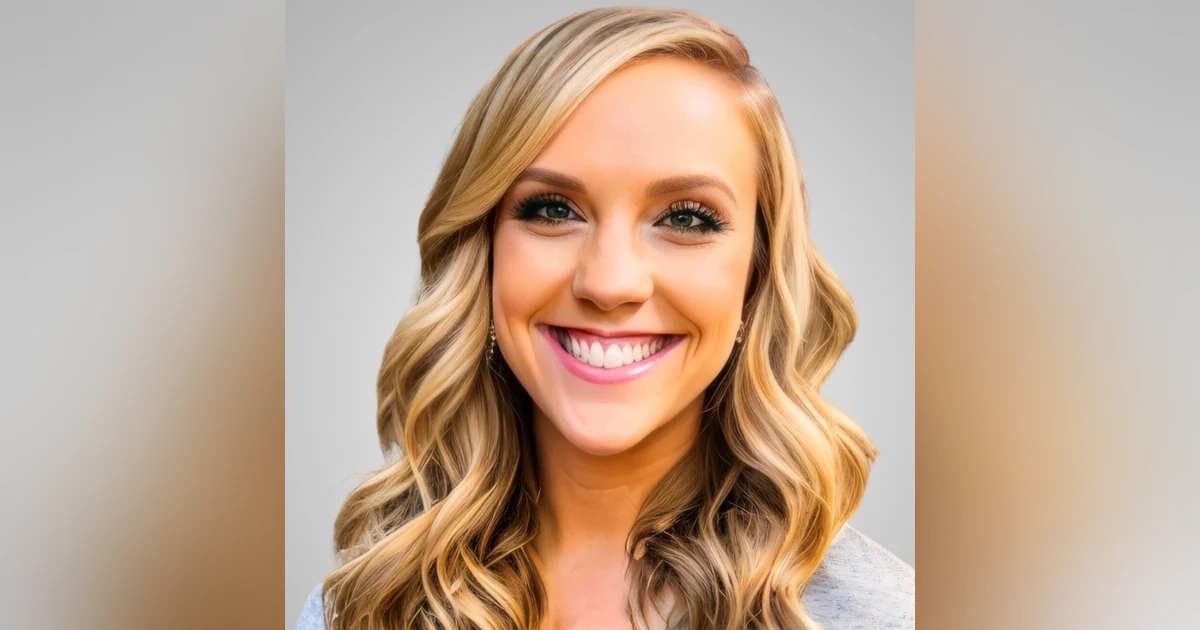

Stacey Stegenga wasn’t always a real estate investor, she was a nurse. But not just any nurse, Stacey was a flight nurse, helping transport military patients across the US. When she wasn’t away for flight nursing, she picked up travel nursing, moving around the US for months at a time to provide medical care wherever needed. She finally ended up in Denver to be close to family and grow some roots, but her pay was painfully cut in half . After educating herself intensely, she took the risk and jumped into real estate investing. Stacey was able to build an 8 unit portfolio in just 18 months and became a passive investor in a syndication! She now has experience with out-of-state investing, building a team, raising private capital, and mid-term rentals, all of which have worked out generously in her favor. Stacey’s love for real estate investing stems from supplementing her salary as a full-time nurse. She is passionate about improving healthcare and advocates for legislation to change the harmful work environment that so many healthcare professionals are forced to tolerate. Mentioned in the show: Set For Life by Scott Trench / Bigger Pockets / Syndication / Triple Net Lease / Real Estate Tax Benefits Stacey's Socials: Instagram
Hello everyone, I'm Dr. Darsha, and I'm Dr. Altamash Raja, and welcome to Medicine Redefined. A podcast where we will explore the often overlooked but necessary components of health, what we consider to be the fundamentals. We will investigate topics and practices that can give you and your patients the best chance to optimize a healthy lifestyle. It's time to move the needle forward and put the health back in healthcare. Our guest today is Stacey Stagenga, and she probably has one of the most important perspectives, if not the most important perspective, on our broken healthcare system, and that's because she worked as a nurse. And so for those of you that may not know, our nurses here in the United States have a real advantage when it comes to viewing the hospital as a whole. We are almost thrown into the fire of everything, and that's because they have direct patient care. They are forced to use the electronic medical record. They have to manage the floor. They get to see the flow of patients in and out of the hospital as well as the business side of medicine. So with that advantage, comes a lot of the pain points that we see why nurses have such a big turnaround rate, and why burnout is so prevalent in that population. So to begin Stacey's journey, she was actually a flight nurse helping transport military patients across the United States. And then when she wasn't a way for flight nursing, she picked up travel nursing, moving around the United States for months at a time to provide medical care wherever needed. She then finally ended up in Denver to be close to family, grow her roots. But as you'll hear in the episode, Denver's cost of living is astronomical. And the healthcare pay is horrendous, and so her pay was painfully cut in half. She needed to do something about it. She wanted to get over the burnout. And so she threw herself into real estate investing. And that's where a bulk of our conversation today is going to be held. So in today's episode, we're going to start out with Stacey's journey. We're going to learn about some of the pain points that she felt, and the mentality that she needed to get over the hump, have the courage to take her own money and learn how to become financially independent through real estate. When we talk about real estate, we are going to talk about some of the terminology. So bear with us. If this is an episode that you enjoy where we talk about something that isn't necessarily directly correlated with medicine, but definitely has ties to it, let us know. We would love to bring on more guests as well when it comes to talking about passive income. And I think Stacey does an amazing job here trying to convince all of us to at least have an open mind when it comes to real estate investing and all the amazing things that it can really do for us. So with that, I'll let you all enjoy the episode. And here Stacey's journey from being burnt out and now bought in to real estate, enjoy. Stacey Stegenga, thank you so much for coming on to the Medicine Redefined by Guest. Thank you for having me. No, it's our pleasure. And as we were just talking before, we're excited to have a nurse on here, right? Because I think the perspective of the nurse is kind of the backbone of healthcare. And we're going to talk a lot about the pain points, especially in the last three years of COVID and a lot of the changes that have been happening, a lot of turnover and whatnot. But I wanted to start this podcast with something fun. I know you've been a flight nurse, I know you love to travel, you've been to 30 plus countries. Yeah. I thought I was a travel bug, I've only been to, I was counting actually in anticipation of this podcast. I think I've been to 15. That's still amazing. Yeah, it's been fun. So I definitely want to ask you some questions so that Ultima Shanae, because I know Ultima Shanae has got the travel bug lately. He just went to London recently and loved it. So we definitely want to get some inspiration here. So are you ready for a speed round about your travels? Let's go. Yes, fire away. Okay. The name of your country that has been the most beautiful for you. Italy. Okay. I agree with that. South and North. North. I lived in 45 minutes west of Venice. I was actually there for two full years. Okay. It's a Vrenna, I guess, then around that beautiful mountainous area. Okay. Beautiful. Exactly. Love it. All right. The easiest to navigate. Mm. Definitely, like London, Ireland, something of that. It's too easy when they speak your same language. Gotcha. Okay. Perfect. Best food and drink. Mm. Turkey. Turkey. We were about to reroute to Turkey recently. We're going to Morocco in November, but given the other things, we know that, you know, they have a lot of tours and so yeah. So we're going. We're going to Morocco, but Turkey is on the list for sure. Love that. Okay. Yes. Yes. Yes. Yes. Most surprising. Iceland. Iceland was the most surprising. For what reason? I did not know they had that many different terrains. I scuba or snorkeled in the fissure went to something that looked like I was on the moon with these like rocks. There's so much green land, then they have beaches, black sand beaches, just like insane different types of terrain. It was gorgeous. Gotcha. Okay. Very cool. And the most underrated country you've been to. Ooh. Qatar. Qatar. Why was it underrated? I think that people assume, assume things about the Middle East and about other countries and there's beauty in every place on earth. That's why I love to travel. You just have to find it. Love it. Love it. Yes. I think it's a good segue to start off about your journey. You were a flight nurse and so people wondered how did you travel to 30 countries and a lot of your travels began as a nurse. Why did you take us a little bit through the beginnings of how you chose nursing, why you chose nursing and just your journey throughout the different nursing jobs that you've had? Yes. So very random actually. I was in the active duty military and I had been living overseas for four years. So I do give them credit for my ability to go to that many countries. I was stationed in Korea at the time, phenomenal experience, but I kind of hit my threshold of scaling my career in the military. And so I thought to myself long and hard, I wasn't feeling fulfilled by it. So I was like, what could I do? So I shadowed some OT and PT being my initial passion, decided it wasn't enough like adrenaline or like dirty medicine, whatever you want to call it, the blood, the all the other fluids that come with different types of nursing. So long story short, I ended up pursuing nursing and it was in nursing school. So I separate from the military and like done and thinking I'm moving on with my life. And my program director had been a flight nurse for the Air Force in Vietnam. So then I'm all inspired to do that again, but obviously I needed experience. So my first job, I took a ER job in Florida, humbling to see the least. I love to tell people that I was actually more afraid going to work in that ER in Florida than I ever was in the Middle East. I am in the Air Force, so I don't do anything crazy with combat or anything of that sort, it's just so profound to me that that is even a concern for us in medicine and America. But after that, I knew I needed more experience for the flight nursing. So I went and tried my hat at cardiac surgical ICU, gave that a short go. It was not for me. Started full-blown flight nursing did that for four years total, really active in the missions and flying patients for around two years. And then went into critical care flow pools. So trauma ICU, pediatric trauma, cath lab, PACU, basically all the critical care. So yeah, that's what took me to Denver, which is where my family lives and where I finally wanted to settle down and get some roots. I mean, the beauty of nursing is that you get to have all these different experiences, but I also feel like you had to have these different experiences because you may not have liked some of the things that were happening at different departments, right? That is absolutely correct. Right, and so you get to shuffle around, why don't we start at some of those pain points that made you shuffle from one department to the other, wherever you want to start and kind of what made you afraid of working in a Florida, you know, in Florida versus being overseas? Yeah. So the first thing I'll say is that I really wish there was more education or shadowing for people considering going into medicine. I definitely had those like gray is anatomy, rose colored glasses, like I'm going to save lives, you know, and we do, but there's a lot more that goes into it. So my first point of burnout was that I had no idea that we perform what I refer to as sick care in America over healthcare. We unfortunately do not promote wellness before the patients get sick. And so then we're just patching, giving some magic pill, trying to ease their symptoms but is already too late because they're already sick with the disease. So that was really heartbreaking to me because I felt like I wasn't actually helping people. They have to be really motivated at that point to make big life changes once you're already sick or have diabetes or heart disease. And I think we do a really poor job of the education to prevent that in America. So that just felt like really overwhelming to me. The other big things is that in Florida, it is the Wild West of medicine. No laws, no patient ratios, nothing. I was most afraid because there were, you know, there's not a ton of gang activity near the hospital that I worked at, but there was enough and it was like violence or people saying racial things on both ways. Things that I had never experienced despite all of my world travels. And it was just very intimidating to have somebody that I don't know a complete stranger threatened to hurt me and actually get into my space. So it was like really those components that really started changing things for me early on. Yeah, that's really scary. I'm curious. You mentioned that the second piece of it, I know without diving too deep into it, are you able to, so how did you end up in Florida one more time again? So I went to nursing school in South Alabama and I remember one of you went to Auburn. Yes. Yes. Quite a lifestyle change for me coming from Korea getting out of the military and then going to college in Alabama, but learned a lot. And when I graduated, they had this very old school mindset that you had to earn your stripes and nursing, you had to be medsurge, you had to do this. And you'll see through a lot of points in my story, I don't listen to rules very well. I like to do things the way that I want and I felt like I had earned that right through the military. And so I wanted to go straight into critical care. And so by doing that, I had to move to the area that hospital was in for that job. I'm just curious. You mentioned that cardiac surgery and I guess the step down, it wasn't for you. What was it about that that you didn't like because talk about fluids and stuff, you're going to manage every single one of those right there, which is something that did excite you earlier on. So what was it about that experience that you didn't like the toxic nurse culture? It was a lot of bullying and then a lot of focus on things that don't matter who was dating, who had the largest ring, things I just didn't care to partake in. And so then not having any involvement in those conversations, it kind of isolates you more. The ICU, especially cardiac ICU, can be extremely scary when you're a newer nurse. I had only been a nurse for two years at that point. So just still appreciating that I didn't know everything. And then not having that feeling that other nurses had my back is what made me leave because I couldn't live with myself if something happened to a patient. Interesting how culture can significantly dictate where somebody ends up in their experience. It doesn't matter what field, right? Absolutely. Client sent being 2020. I'm curious as you reflect back on that experience now and I presume you've done this other times, do you think if you had started in maybe a, I quote this in a lighter field? I don't know, maybe outpatient dermatology or something like that, that you might still be nursing or doing nursing at this point or. So I do still work in nursing, but no, I don't. I do think that a lot of the elements of critical care, I really loved and appreciated. I loved the challenge. I loved the difficulty of it. The components where I was burned out was when I couldn't do my job effectively. So if I have four patients, when I'm only supposed to have two in the ICU and I can't provide the care that I want, that's morally conflicting to me. So day in and day out, that would wear on me so not necessarily. I do think that there's nothing wrong with wanting to work in a dermatology office. I just don't think it would have changed my path. When doctors think about their personal statements, they usually have a theme and it's usually uniform. I mean, a lot of pre-mads want to become doctors because of the Sherlock Holmes effect of solving mysteries and wanting to be there for the patient and solving the one thing that nobody else thought about. When it comes to nurses, is do you find that there's a common theme as to why most people go into nursing? I mean, I'm very interested in terms of the mindset as far as, you know, going into a bachelor's degree and then why people choose nursing. Yeah, I would say the majority of the nurses that I've spoke to all went into it because they wanted to make a difference in somebody's life in one way or another. I will say also in the other hand that I don't know a single nurse that went into the career for money. So very altruistic, just different ends of the spectrum on what their actual goal was. And I've worked in so many different areas, so that's why my answer is a little vague, but essentially giving back. So we're going to get there soon, right? But before we do that, you mentioned you're still working in nursing. Tell us a little bit about what percentage of nursing you're doing and then at what point did you make that heart pivot and do what it is that you do a lot of now, right? And it's what we've kind of agreed to talk more on. Yes. So it was the beginning of COVID. I was already completely burned out at that point because I've been in critical care for 12 years now. And I herniated a disc. They refused to give me light duty. I exhausted all of my PTO. We do not have sick leave in Colorado. So my choice was to take disability or stay home without pay. So that was heartbreaking for me because I felt very abandoned by my hospital. It was actually the first time in my career that I was a full-time benefited nurse. Prior to that, I had always been per diem. So it was even more upset that the one time I benefited my hospital doesn't even help me. But then I went back to work and I worked in the cath lab. But because of my skills, I immediately got sent back and floated to cardiac ICU because many of their nurses were covering COVID. And it was the day that they started making us use dirty masks that I said to myself. I will never allow myself to be in a position again where I rely on one income. So greatly that they are controlling my life and my decisions for my own well-being. Wow. I love that it's getting me to pause and think a little bit deeper. But at the same time, it's crazy that you had to go through that. I mean, we've talked about the topic of COVID, not too deep into that and I don't want to get too much into it at this point. But let's say a little bit more about what that second source of income for you is and maybe how we can maybe not convince other people to consider that another source of income might be worthwhile. So you can have agency into your own well-being your life and add the health back to your own care. Absolutely. So the kind of way that it ended up working out for me is that when I moved to Denver, I had stopped flight nursing. So it was a little bit of a double-edged sword. I can't blame it solely on Denver, but in general, healthcare professionals, doctors, everyone in Denver are horribly underpaid, especially for the cost of living here. My income specifically took a 50% cut. So then coupled with the fact that I feel like I'm making pennies for the work I'm doing and then working in critical care at that, I just kind of like lost my soul and found a book. It's called Set for Life by Scott Trench. I love it because it's not just about real estate investing. It's truly like the common person's blueprint to financial independence. And the beauty of the book for me was that it changes your mindset about how we're doing the American dream all wrong. And he basically states that we imprison ourselves to our careers because we constantly buy all of these liabilities, these expensive houses and cars, things for our lifestyle that we have to keep up this image instead of investing. And so basically through that and frugality, I started saving my very hard earned income in nursing. And I was able to save up, they call it a runway in the book, nest egg, whatever you prefer. And then I took that and I bought my first real estate investment property. It was a duplex in Tampa. And that is ironic because that is the patients, the area that I bought the duplex in is where my patients used to live. But it's beautiful because now as a landlord, I provide them safe housing and they appreciate me in a way they never did as a nurse at bedside. So it's very fulfilling for me. I was going to say I didn't, I didn't see that one coming. That's a little bit of a surprise in terms of going back, right? I'm curious, some people might argue, right? So we started off talking about how you got here, burnout, mental health, understanding that that has been at the forefront because COVID has been a difficult time. There's no denying that for everybody, particularly for folks in healthcare, you highlighted one of the main reasons, pain points, and those frontline providers, right? And what they had to go through, I'm wondering though, if some people have that and they have this philosophy in terms of frugality versus not and how do you, like, what a set for life me, right? Certainly, I think we're going to recommend that people pick that book up. I have heard good things about it, but some people might argue that buying that house, buying the nice scrubs, car, whatever it might be. That is investing in your mental health, investing to combat the burnout. I guess I'm asking you to convince people why frugality is the way. So I only used frugality to get that initial runway. And so to answer your question in a different way, when I started budgeting in Denver, because I did start budgeting in San Diego, so I was able to compare my income and expenses. My income, like I said, cut in half. I had $30 a month in disposable income when I was living in Denver. So right there, my dreams of continuing to travel, everything that brings me joy, I love eating organic food, it's expensive, I couldn't afford any of it. And so I used the asset of my real estate to diversify my income so that I can use that money to do the things that make me happy. And set in a different way for physicians, do that, but in reverse for student loans. Buy a real estate asset and use the cash flow to pay down your student loans so that you don't have to sell your soul in the same way that I did to pay down such a massive amount while you're working so hard to find your way. Gotcha. Now why real estate, are you going to invest in lots of different things, right? What was that about that? It made more sense to me, I loved having a tangible asset. The stock market is beautiful, but to me, it still feels like gambling at some sense. And I do invest in the stock market in index funds, but I mean, it's like a quarter compared to what I've put into real estate. The other big reason are the tax benefits and then you always have the potential for appreciation. In real estate, we consider appreciation kind of like also gambling. It's like the sprinkles on top, if it happens, it's great. We just don't expect it. And with all of my properties, I've had massive tax benefits and I was very lucky to have appreciation in addition to my cash flow. So it just ended up being the perfect trifecta for me. So, Stacy, I mean, you seem pretty confident about real estate and I've heard you talk about real estate on other podcasts and you're very well known in terms of the space. Thank you. Some people in health care know that they should get passive income or they might want to jump ship because of everything you talked about from burnout to COVID to sit care. But yet, they're still afraid because they're some sort of gap, right? And probably is from our training, it might be from our personalities. We love to be in control yet there still has to be somebody else above us who kind of dictates what we do. And when you do real estate, when you do entrepreneurship, you're fully in control. I mean, there's no one telling you kind of what to do. Sure, you can learn from books and other courses. What was the conversation that you had with yourself when you said that, Hey, I'm going to leave nursing or, you know, still be, you know, somewhat part term nursing, but also go towards real estate. Like how did you make that jump? Yeah. So the first one was just honestly to diversify my income. But then I ended up doing really well for myself as far as like the returns and the metrics we measure in real estate. And I did. I had that moment where I was like, Oh, great. I'm never going to be able to do that again. But it's the compound of investing that starts paying off. So then I got a second one and then I got a third one. And then I had so much confidence because I was doing so well and continuing to earn those returns. But I did just want to say to there are many spectrums of real estate investing. One way that physicians specifically could use it to their benefit is by even buying the real estate of your practice. And then you can, it's called tripled net leasing and you lease it to your business and your practice and you're essentially paying yourself. So that's one way that healthcare professionals could easily use real estate to their benefit. But there are another beautiful asset strategy called syndications where you do just hand over your money. But you get the tax benefits, you get to understand and you don't have all of that pressure. If you're busy managing your practice or growing and learning if you're a resident, it just really takes out that pressure to have to learn everything and you can kind of use the experience of someone else to your benefit. Okay. I want to be, I want to get tactical for a second because I think I'm the one of those people in the camp where I'm not a fan of real estate. And my hope is by the end of this conversation, I feel different. I want to with you over, hit me. And let me tell you why. I think, and you might agree with this, that real estate is what they say is dirty work, right? And some of what we do, and if in fact, all of what we do is some form of customer service. We're dealing with people day in and day out. And when you're dealing with people, whether it's residents, students, patients, there is a lot of conflict. There's interpersonal connection and people are messy. People are difficult. And so I don't want to have to actively manage a property and tenants and all that stuff because they might potentially have issues and there is just going to be another customer service interaction that I don't need to because as a landlord, you do have to honor that, right? You have responsibility. You have a contract with somebody. And if something goes down, you have to fix that or the flip side of it, right? If there is vandalism, if there's damage, and that's your headache, so to speak. And some of this might be because secondhand, I saw my dad had a tenant, also had a duplex in our old home where he, a person in New Jersey has very strict laws in terms of your tenants and what you can, it cannot do in terms of eviction, whether or not they're paying. And it was such a mess. And so maybe I'm somewhat influenced by that. But two follow questions that struck me as odd. One is you were in Denver at the time in your first property was in Tampa. That's so far. It's not even the right time zone, right? So I'm curious why not one start closer to you where it would have been easier to manage a property, number one. And then number two, I want to know a lot more about the tax benefits, but I'll let you take up number one there and maybe follow up on some of the things that I mentioned and then I want to have some more specific questions about the tax benefits. Yeah, absolutely. So to answer your question, it's because I am single and also on a single nurse income. I bought four duplexes for the price of one house in Denver. So my money just went way farther. The other part of that is because I was specifically looking for cash flow. Denver is more of an appreciation type market because of the expensive prices. You don't typically see high cash flow. Whereas in Florida or other states, you're going to see more of the cash flow. Midwest is very famous for cash flow. So that was a very intentional strategy for that reason. And then the next part of your question is, I'm obsessed with passive income and it's not passive if I'm managing. So you always want to analyze your properties with the cost of a property manager, which I had the first two years I was investing and it's completely out of say out of mind. I do nothing. I get the paycheck into my account. That was it. A property manager would technically manage everything else. Okay. So follow up there, how does one find a good property manager? It's a great question. This has been the biggest sore point or issue for me in real estate. I've tried many different tactics. I got referrals. I vetted them. I made them do a job to test them in person. It is challenging. I've since resorted to a service called Henlein and it's an online portal that outsources maintenance tickets. So I still have control, but I'm not like fully responsible. And that's been a kind of good in between. But the unfortunate thing is a property manager will always typically outgrow your investment at some point. Their business scales on numbers. And so the more units they manage, the more money they make. So there's a sweet spot where they'll perform really well for you for one to two years. And then you have to go out and find a new one. And that's the best way that I could answer to keep it purely passive is to continue to get a new property manager every two years. Stacey, I didn't want to just clarify some of the terms for the listeners, right? Especially for physicians and the health guards. No, you're completely fine. Do you mind going over what a syndication is as well as, I believe it was, was it triple let leasing? Triple net. Yes. Yes. So a syndication is just basically where you have two or three people that run the investment. And then they pooled together a bunch of investors. And so typically the investment is around 50,000, sometimes they're more. And you buy a massive asset. So like a 200 apartment, 200 unit apartment or hotels, you know, really big things like that. And your manager takes care of the whole thing. The investment cycle is typically for three to five years. You do get the tax benefits during that time. And then typically quarterly returns. And then you get your capital, your money back at the end. And then the hope is always that there will be some type of equity multiplier, whether it doubles or not is dependent on the investment. So. And then are there any advantages, disadvantages to doing a syndication versus, I mean, I don't know what the other options are out there, but from your opinion, what's the best option? So with the syndication, the benefits are the least just because you're splitting it typically between like, let's say 50 to 100 investors or something, depends again on the total cost of the asset. But so you're only getting a slice of that pie, whereas with my duplex, I get the entire write off. I'm not splitting that with anybody. So that would be one of the benefits. But again, the beauty of syndication is that if you are an extremely busy physician or healthcare professional of any type, and you don't have the space, it's so important to just start that I feel like that really gets you in the game. And then you're able to, again, leverage that experience from somebody else and learn from them before maybe going out and doing it for yourself. And then to tell you about the triple net, and this is not my expertise. So I hope that I articulate this correctly. But if you think of like Starbucks or like tires changing or oil changing centers, those companies don't own that strip mall or wherever they're located. Somebody else owns that building and then lends it to them. Triple net is the most secure type of real estate investment. A lot of people actually compare it to like a CD of the stock market. It's a super slow burn, but they're going to sign like a seven year lease. And so all these physicians that have these practices, if they didn't buy the real estate of that, they're paying that rent to somebody else. So if you know your practices are going to be there, the beauty of that is that you can pay the rent to yourself through your business and then have that additional perk of the appreciation through that. This is amazing stuff. And you know, something that you mentioned a couple of times, and I want to highlight and learn a little bit more about. Towards tax benefits, right? Because I want to know what really that means. Darshan is about to be in attending very soon. I think the first thing he's going to realize when he gets that paycheck is the hefty tax burden that comes with a bigger paycheck. Absolutely. It's it's devastating to be honest, my one of my colleagues who's working with me, the first paycheck. Can you text me? He was like, is this right? Like does this look right to you to this sound like am I getting like, yeah, man, that's that's what it happens. It's totally, you know, it's like you've got to fall jointly because that's where you're missing. I don't, but I don't know if I truly understand what the tax benefits are. Can you elaborate a little bit more on that? Like how do people write this off? What can they write off? Is it only what you're putting into the property to help remodel whatever it might be? What are these benefits? Yeah. So the most famous one is in this indication, you get the K one. And typically what they do is a, it's called a cost segregation study. You don't need to know all this. The result though is that they depreciate the value of the asset. And then that is turned into your advisor, your CPA. And then they reduce your tax liability by subtracting that. It's like a paper loss. And I could be articulating this wrong. I'm not a tax expert. But the one that I can speak to a lot on that I highly recommend all physicians to consider is what's called real estate professional. Now, if you're a practicing physician, it is nearly impossible to get this tax designation on your own. If you're married, you can have your spouse claim it. And it will greatly offset your income. And what it basically entails is that your spouse does have to be responsible for managing the material real estate asset in some way. It doesn't matter how many properties you have, but there's a threshold of hours. There is a case law on this where physicians try to claim this because it's one of the greatest tax shelters ever to be created in the tax code. So I think there's like two cases of physicians that claim to this. And I think one, one the case and the other did not. But the long story short is it's highly litigated because it's such a massive benefit. So just make sure you follow the rules. It's 750 hours that typically, like I said, if you're practicing, if you worked over 2,000 hours, which is full time in America, you are not going to be able to claim this designation. So find a partner and have them do the real estate work while you do medicine. But I am doing it for myself this year and I'm very excited for it. But that's a difficult one. And then just with normal real estate, it's typically the depreciation. I should know this had just had my meeting with my CPA this week. All I can tell you is I paid taxes even as a nurse, all my career. And then the second I get real estate and I'm getting massive checks back from the government. And I'm like, this is insane. It's absolutely insane. But I highly recommend it. I also will always recommend that you max out any investment account that your employer offers you up to, that's the easiest way to reduce your taxable income right out of the gate is by maxing out that investment account. Whether it's a 401k, 43b, I don't know what that offer you guys. Yeah. And also reduce your student loan payments, which are starting in the very near future. Yes. Coming up on October. I real estate and let it pay down your medical bills or your student loans for med school. I love it. I love it. So again, it sounds like I've already screwed up the whole real estate investor or real estate professional thing. I'm not going to qualify for that and unfortunately, well, no, I fortunately, I married a physician as well. So we can make it happen. But, Dars, you still have. Yeah, I got it. I got it. I got me here to do the work for me. So it's fine. Perfect. I want to come back to, since you brought up the managing, is your spouse or your partner, somebody might be managing the property again, the managing part is key. Somebody else doing that because otherwise it's not passive as we talked about. Correct. I think that's the part that intimidates me or turns me off rather. And we talked about how maybe two years if you get lucky and you've done a little bit of vetting and whatnot. So as people look around and was it Hemling, was the service that you had mentioned? Yep. That's the one that I love. There are several others. I just prefer them because they keep a lot of the other companies outsourced their services and Hemling keeps everything in the house. Okay. So that's one place they can do. Maybe other people have other, maybe word of mouth. Maybe that's one way to go about it where you mentioned people are trying to expand that portfolio. What are your managers or maybe just highlight the roles and responsibilities that are distinct from the actual owner, which is you with multiple properties. Like where at what point would you come in and become an active member of that management process? Is it completely hands off eyes closed, only call me when the house is on fire versus I want to know sooner or like how does that work exactly? So it's total personal preference and you can change that at any time. So the first three years that I had all of my properties, I was completely hands off. I was still working full time in the healthcare and still had full focus there. Only this year did I take over management and it was for that real estate designation for real estate professional. So it's really up to the chapter of your life. A lot of the attendings that I talk to the invest in real estate and I ask them like what should I give the audience? And they said always write it so that you can afford the property management and then have the option. If you buy a property and you are forced to manage it to get the numbers to work, you just bought yourself a job to your point. I will give you that. It is absolutely a job and like you said, with all things, there's the human element. Another way to diversify that though is really understand the different strategies. A short term rental is a full time job. It is full customer service. You have to be on the clock all the time, whereas if you do a long term rental and especially in a nicer area, your chances are way higher that you're not going to ever get called. Awesome. You also talked about cash flow markets and appreciation markets. Understanding that one is probably more short term in terms of, as the name suggests, write cash flow versus appreciation, how does one go about finding out different markets like that? So the first thing and you kind of brought this up before is that, and I dance lightly around this because I hate politics, but there are benefits to investing in real estate in landlord friendly states, which are typically states that are associated with being read. So you can start by looking at landlord friendly states and then go from there on what you're trying to do. Like I said, I wanted to replace my income, so that's why I was cash flow driven. But if you're just looking for a place to park your money and it's more stable, you want nice tenants that aren't going to give you a headache, then it's totally fine to look at an appreciation market and consider it more towards retirement. Appreciation markets are growing cities. So basically any nice metropolitan area is going to be perfect for an appreciation. So currently going and counting, you are invested in Florida. Colorado is still at this point, Denver, right? Nope. I have not, I still have not bought here. What are other states? If I'm I, yes, absolutely. I'm working on taking down my first apartment building with two other healthcare professionals. Super excited about it. And we're hoping to get a 30 unit in South Dakota. Love it. And so that's more of a cash flow market again, right? Is that Midwest South Dakota? Yes. Yeah, okay. I think so. I think so. It's it's west for me. Yeah, it's not if it's not here. It's west. So the out of the two states, how's it been in terms of again, distance is the part that's intimidating, like again, in terms of speaking about tangible, right? Like having it in front of you close by and accessibility, I think that's why I really have to have trust and faith in your partners and your faith in your property manager that hey, they're not going to go around you or do something and you're also appropriately paying them and they're not taking too much, which actually leads me to the second question is what's an appropriate amount of cut commission? What's the appropriate word for that? So the property manager will take and then that way you can figure out, hey, is this a good return on investment in terms of how much money you're making on a monthly basis? Yeah. So typically it's eight to 10%. They call it a property management fee. And so yeah, you always want to calculate that into your numbers. The big thing is that you want to look at their like the insidious ways that they make money. A lot of them charge per maintenance work order or your leasing fees and entire months rent those compound. So that's where I really recommend people to look at and understand the difference between certain companies in the way that they collect those extra fees. Property managers actually make the majority of their income off of maintenance work orders because they are ethically or legally allowed to upcharge the maintenance and then they get that kickback for themself. Are those laws state to state different? I'm sure in some varying way, but in general, I feel like property management is pretty clear cut across the board. Yeah, this reminds me of my little brother just leased a car and you know, they always charge you to these documentation fees and every state is allowed to or like in New Jersey there's no limit. The charge is $1,000 for documentation fees and they do nothing, whereas New York just went from $75 to $175, but I digress. I'm also wondering though, what's the leasing fee? So just when you have a vacancy and your old tenant moves out and then the new one moves in and they have to show it and it's extra grimy to me because a lot of times they're doing virtual showings now. So they just put a lock box and let people in with a code and so I'm like, you're actually not even showing it. Like I could do that myself and so that's when I took over with Hamline because they were just lighting my money on fire. But I did want to say something to a shameless plug for docs, but I feel like in your profession you guys are grown to make money with your mind. I know a ton of physicians that are entrepreneurs and they're diversified in all of these things and the reason I love to tell healthcare professionals to invest out of state is because I want more nurses and PT's and everybody else that maybe might not have that exposure to entrepreneurship to learn how to make money with our mind. Our job is so physical and we become dependent on selling our soul and our body to make money. We work so much over time and people don't want to leave bedside because they think there's no other way. So that's another big reason I'm a huge advocate for investing out of state because it forces you to learn how to solve problems with your mind over physically being there and just going and swinging that hammer yourself. I love that. Yeah, no, I love that as well. You know, I was recently listening to some podcasts about how white collar jobs with inflation, their salaries have been increasing. But the one profession has been healthcare and physicians in general with inflation we've been working twice as hard just to make the same amount, right? And so that's why a lot of people have been leaning towards understanding passive income. I didn't want to ask. So you did mention Scott Trunch's book set for life or there, you know, a lot of people have been listening to this, you know, in the last 30, 40 minutes and said, wow, I'm very interested in real estate. But where can I just truly start to learn on my own about the basics, the terminology and where to start and what syndications mean? Do you have any other resources that people can start at? Yeah, absolutely. So Scott Trunch is actually the CEO of a company called Bigger Pockets. The reason that I love them is I learned everything I know from them, B, they do everything for free. So the wealth of knowledge is both on their blog, but then also on their podcasts and they've since split the podcasts into two different levels. So there's the bigger pockets rookie, which is where I just recommend you pick a topic of something that you'd be interested in strategy and real estate you want to learn about and listen to that and see if it fits. If it not, try a different one. And then once you've found the avenue you want to use in real estate, then go to the actual bigger pockets podcast. And then that's where the big guys are, guys and gals, because I'm going to be on there too. Yeah. Awesome. I love it. A lot of people do listen to podcasts nowadays and, you know, why not listen to the ones that promote the real estate and, you know, recently I've learned from Tai Lopez is that the biggest increase in millionaires per day are occurring because of real estate. So it is definitely a viable investment, you know, if you're doing it right and whatnot. I want to take a U-turn back to your nursing days because I do want to get your perspective as far as more of those pain points and burnouts and what physicians can learn from it. And so when we talk about nursing education and kind of where you are now, right, there's a lot of different degrees that nurses can get, right, they can get a bachelor's, they can become a nurse practitioner. You can get grandfathered in through certain, you know, degrees and whatnot. What if you found that either works or maybe doesn't work through the nursing education and maybe honestly more where the flaws are and what should be standardized that nurses shouldn't know and should get educated when they get to their first job? Yeah, so first, I'll just say that the associate's degree in nursing is that's the cutoff of where our like medical training stops. When you have a bachelor's, it typically goes into the like fluffy leadership. Like I just remember the last two years of the bachelor's, I'm just like writing papers about things that I don't even care about. I'm like, what does this have to do with medicine? You know, sometimes it was evidence-based practice the rest of the time it's just like fluffy things. So standardizing things that actually matter. There's a lot of jokes about nursing care plans. They spend so much time and they hound on it. It's literally useless. You graduate and you never use a nursing care plan again in your life. Like why do we spend hours on end writing nursing care plans? It's stupid. Can I just ask you what exactly what exactly is a nursing care plan? Because as a physician, I've never heard of it. I don't know about you all too much, but no. Oh, yeah, because it's a joke. It's like literally taking the patient's diagnosis and then saying how you're going to support them with that diagnosis. And so there's like a multi-tiered, like you have to have like five actions on every single care plan of like what you're going to do to alleviate it. But none of it is actual like treatment or tangible things that help the patient. So it's just completely asinine. You need to completely do away with it. Can I just ask, can you give me some examples of what the nursing care plan includes? Because to me, right, it's what the physician dictates as far as what the plan goes, nursing kind of carrying it out, what exactly does it have in store for what the nursing care plan is? See, and that's exactly why I mean, they're so fluffy. I'm a Googling one right now because it's nothing that affects the actual like medicine or science or the outcome of the patient. And so it's like repositioning or take the patient for a walk, like educate and make sure they say things back to you, like it's just completely trivial. I've never had a care plan like, yep, that just made a difference literally never, not a single day. So to answer your question, they need to do it away with those because it's a complete waste of time. But I do think to be fair, Stacy, can I play devil's advocate for a second? Absolutely. I do. Now that you mentioned it and now that I'm thinking about it, I do remember seeing some notes during my residency where it's a nursing care plan. And of course, I just ignore that because, you know, and maybe I shouldn't, but the three things that you do mention, I could make the argument that those are all pretty important in terms of education, but I do appreciate because, you know, for us particularly, like, so I don't know if you know this, but we're both rehab physicians, right? So we're an inpatient rehab and so people are in sometimes in there for a month. So somebody's probably wondering and probably nitpicking and saying, oh, especially somebody passionate about nursing care plans, I was like, well, taking a patient for the walk is really, really important from the social aspect or something like that or, you know, a closed loop communication or something like that. But what's not surprising and also very discouraging to hear is that there's a lot of unnecessary modules, a lot of unnecessary ways for you to pay more tuition, to just waste some time to learn things that are not going to make a real significant difference in terms of health care. And yeah, yeah, so that is not surprising whatsoever. And I'm sure listeners of the podcast, when they hear that, they're not surprised. But thank you for telling us that I have an example for you. So a patient, a patient with a UTI. The nursing care plan is going to say it will, the patient will demonstrate behaviors and techniques to improve urinary elimination. Like, how do I know it's like this bladder, like, come on, bladder scans, have you ever tried to find a bladder scanner? I think that is the number one thing that memes are made about in, for instance, you can't, you can never find it. But, um, so take it your question. I, I wish that there was more that went into it. I also wish that there was more that went into having conversations with patients. We never learned a single thing about that. Yeah. And there's something so beautiful about having the ability to influence some of these life. And I just very much recognize and appreciate that the unfortunate thing is that in medicine, I feel we often use shame or fear tactics to motivate patients. And I always wanted more of like the sales approach, like how do you motivate somebody to want to change their life? So I think kind of going into more of those interpersonal communication and relationship developing components would have been more useful to me. How to reassure somebody and calm them down. Um, I don't know. I think there's a lot of work to be done, but to answer your question, this is a big issue for nurse practitioner school too. The programs are not standardized. Um, I know a lot of physicians that are struggling with that. And I completely agree we need to get nursing on the same page across the US. Let me, let me ask you this real quick. Would you wish that physicians knew about the nursing role and what they wish was communicated towards them? Because I feel like at my hospital, no matter where I work, there's always been some communication issue, whether it's being on call, not being on call, um, trying to give the best care for the patient, trying to put the orders in. I mean, healthcare is not, you know, it's not utopia, right? There's so many different. Um, uh, platforms that we use epics or nurse, CRPS, and then there's so much nursing turnover. There's so much doctor turnover as well. And so there's always seems to be this miscommunication from a nursing perspective though. What do you wish that doctors knew that can make a nurse, nurses life easier? Um, so first of all, thank you so much for asking because I really appreciate that you care. Um, I, I want to make a joke first about the orders. I'm like, just put all your orders in at once and we'll love you forever. Um, but in all seriousness, I, I completely agree. And I think the number one thing that nurses are hurt by that, um, we don't always feel hurt by physicians. Um, I think you guys really have the science and the medical component. Obviously, you studied so hard for that. Um, and nurses spend so much time with the patient that they pick up on insidious things, whether it be with their vital signs or interpersonal, um, factors and when they try to convey a concern to a physician, um, it is unfortunately common for it to not be received, not, people don't want to listen, um, things like that and it makes this feel unimportant. So I would say trying to speak with kindness towards your, your nurses, um, and then trying to appreciate what they have to say will be leaps and bounds. That's the number one thing I hear nurses say. Myself included. And for the pre-meds listening, right? I mean, I was under this fault that when I thought I wanted to be a physician, I really wanted to be the person that was always talking to the patient and always there for them. And I had luckily an older cousin who was actually on this podcast as a guest. Tell me that hey, you should probably be a nurse actually, because you're going to get more patient interaction than you would as a physician, right? And that was shocking to me, you know, at 16, 17 years old. And you know, for the pre-meds listening, when you're a physician, you're really behind a computer for almost most of the day. And the only times you see the patient are during rounds or maybe if you do the second time of rounds or if you're called to see a family member, but the rest of the time, you're relying on your nurses to give you the information, um, because they're the ones kind of on those quote unquote front lines, really seeing the patient, gathering the information, seeing how they are on the day to day. And so I totally agree with that. And, you know, obviously when you go into healthcare, there's a lot of battle of the egos. And it's just, it's great to hear your perspective because I think that's the one thing we don't get educated on, right? It's kind of the teamwork approach. What we get educated on is the pharmacology, the biochemistry, what you're going to see, what you're not going to see, honestly. We learn about the zebras more than we do about what you're actually going to see. And so it's always appreciated when we can hear about the other side and what actually matters. And I think, you know, honestly, more physicians need to just open their minds as far as what nurses are seeing and take their word, you know, for what it is. So I definitely appreciate you saying that. Yeah. And I just want to echo to the, I do think that overall, the desire is there that we want to be more collaborative with our physicians. And I think the times have really changed with that. But there are just some of those antiquated roles and older docs that still think nurses are just there to provide bath, you know, bathing, you know, whatever. And so I think just approaching a nurse in a different way will be the beginning of that because we have the expectation like, oh, it's just another doctor that won't listen to me or whatever. And that's not fair to you guys. But I think if you approach and open a conversation and you're willing to listen, it will be the beginning of change for everything because we do want to work with you guys instead of against. Well, Stacy, I want to thank you so much for jumping on here for this wide ranging conversation. And for educating us, the audience, and also making this digestible, you know, I'm not quite ready to buy my first property yet, but I am more open minded and I think that might take away leaving this conversation is that maybe it's not as intimidating as I've made it out to be. I think I've just, I'm very invested in personal finance and I have been a proponent. We have been, actually, we've talked about all kinds of things and we're talking about asset protection coming in the very near future about how physicians have to do that. So we understand that financial health is a component of your own health, right? Absolutely. And ill health actually contributes to everything that we've already talked about. So I want to thank you for doing this. I want to thank you for the work that you're doing and for spreading the good word. Where can listeners find you? If they want to follow your journey, you mentioned a couple of podcasts that you have been on or you're going to be on in the very near future. Where else can they find you, social media, et cetera, that kind of stuff? Yeah, so I started an Instagram. It's invest for freedom underscore RN. I share all of my knowledge for free. Everything that I've learned in real estate is given away. Ed Milatt just recently said something that really hit home and it's, you get to learn my lessons without the scars. So that's kind of where my passion is there. And at the end of the day, my passion is just that healthcare professionals can diversify their income so that we can go to work in our best versions of ourselves, no matter what that looks like to you. So yeah, please follow. I casually want to start a healthcare revolution so that we don't have to leave healthcare and we can be amazing providers that we are. So yeah, that's the purpose of my Instagram. Love that. Stacy, I want to ask you one more question because I heard you on other podcasts talk about financial freedom. I want to ask you one, what does that mean? And two, I was listening to this podcast probably about six, seven months ago and I know you were close to it. Where are you now with the status, your financial freedom and what the world as an oyster means to you? Yeah, so I'm actually about to hit financial independence, which means that I will completely replace my W2 income with passive income. I was $743 away, I think when you listen to that podcast and the unfortunate thing is that there was a curveball, Florida insurance skyrocketed into my policies doubled and that cut massively into cash flow. So I'm currently at $1600 that I need to finish replacing, which I'm still hopeful I will do with that apartment. But when I finish replacing it, I really want to take a more active role in speaking out against the issues in healthcare, advocating for self staffing, protecting nurses against violence in the workplace, making sure we get breaks so that we can eat and pee. There's been a lot. You're asking for a lot. You're asking for a lot there. I know. I can dream, right? Yeah. But yeah, it's a very unfortunate that I have already experienced a lot of retribution from hospitals for speaking out and advocating. And so I want that freedom so I can speak out and hopefully make some changes. So that is the big goal. And then financial freedom is when you never have to work, I was like, what is financial freedom? Financial independence is when you replace your income and freedom is when the interest compounds so much that you never have to invest another dollar again, I think is what it is. I should probably know that. I was like, isn't it? Ultimately. Yeah. I think it's something like that. Okay. Yeah. To be honest with you, yeah, I would defer to you on that. I would, man, if you had to ask me to define that just off the top of my head, to me financial freedom, when you don't have to worry about that, you know what I mean? Yeah. I think for a lot of people, for me particularly, so my journey into this began because of the anxiety, but the student loan bird put on me, right? So I'm in the neighborhood of around 400,000, I'll share that with people and it's once I became informed by PSLF, things of that nature. And now I have these conversations with people that are like, oh, PSLF, you never know. And they just have this trivial understanding and they don't understand, you know, they have no idea like how to navigate that. And so again, it's overwhelming and it's that fear of the unknown and you're just holding on tight because you're terrified. And so to me, the freedom, the mental freedom, the burden, I think that would be a, that would be a big one. My dream for you is that you buy a cash flowing asset where the cash flow is the exact amount of your loan payment per month. And I want you to ask me any question you have so that I can encourage you and hear you on while that happens. You've made the mistake of reaching out to us via your phone number. So now, now I will be, I will take that as the opportunity and as permission to, to bother you off-road. Ask me, ask me anything. I'm happy. Or we go into Tampa, ultimately, I know that I'm going there next year. So, yes. That's where he headed. That's where he headed. We got, I know, Stacy knows this. We talked about it offline a little bit, but hey, we're going to be in contact for sure, so. Yes. I'm so excited for you guys. It's a great market, both for real estate and they have a lot of amazing food, so your wife will be very happy. Yes. Yes. Yes. Absolutely. Well, Stacy, let's close this with the last question that we ask everyone is, and you can take this in any direction that you want from financial freedom to real estate to your nursing pain points is, how do we put the health back to health care? Yes. So, for me, I feel that we can't, I was like, what is the saying? You can't pour from an empty cup. So I feel that no matter how you get there, whether it's working part-time, diversifying your income so that you don't have to work as hard, multiple jobs, work in a specialty that doesn't inspire you, whatever it looks like to you, putting the health back in health care means health care workers going completely fulfilled in our best selves so that we can give freely to others. Awesome. I appreciate that. Thank you so much for coming on, and I cannot wait to tell all the other physician podcasts out there to get you on to spread the good work about all the pain points and everything that we need to learn as physicians, so thank you so much. Yes. Thank you for having me. Got it. Thanks. All right. Well, we hope that was a fun episode for you all. If you enjoyed this topic, if you enjoyed learning about passive income opportunities and what else there might be in store for health care providers, because biggest thing is we don't want to limit ourselves, and we're starting to learn now, again, since COVID, that there are so many opportunities for health care providers to go out and, you know, keep your medical job if you want, but also do so many different things outside of it when it comes to investing building passive income and living the life that you want. So if you enjoyed this type of episode, you want to hear more, it might be more real estate or maybe some other opportunities to develop passive income, let us know there are plenty of guests out there that I'm sure we can find and would love to come on. So we would love to continue this type of topic so that we can provide value for you all. If you know anyone else out there who is interested in learning the basics of real estate wanting to get their feet wet, go ahead and share this episode with them and make sure to leave a reading and review on your preferred platform. Want to thank our team, Ethan Zhu and Herita Yeplory for the production of this podcast, and for our disclaimer, everything in this podcast is for educational purposes only, it is not constantly the practice of medicine, we are not providing medical advice, no physician patient relationship is formed, and anything discussed in this podcast is not representative views about employers. We recommend that you seek the guidance of your personal physician regarding any specific health related issues, and with that we will see you next week.