

 Apple Podcasts
 Spotify
 Castro
 RSS Feed
 133. The Power of Polysaccharide Supplementation | John Lewis, PhD
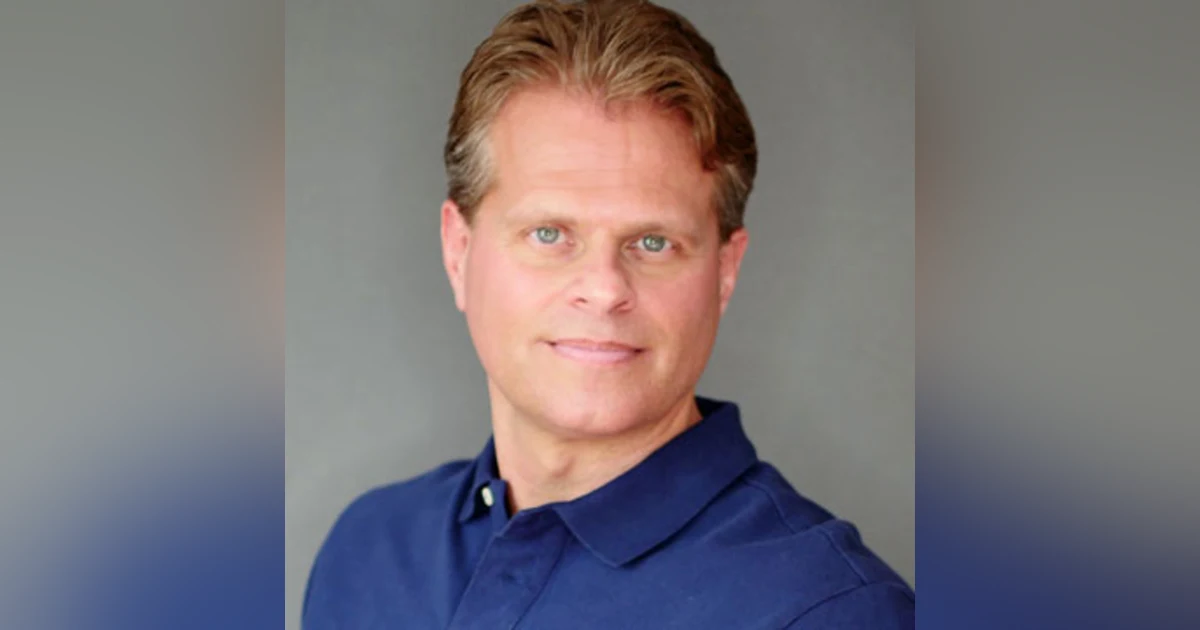

Hello everyone, I'm Dr. Darsha, and I'm Dr. Altamash Raja, and welcome to Medicine Redefined. A podcast where we will explore the often overlooked but necessary components of health, what we consider to be the fundamentals. We will investigate topics and practices that can give you and your patients the best chance to optimize a healthy lifestyle. It's time to move the needle forward and put the health back in healthcare. Right, hello everyone and welcome back to Medicine Redefined. Our guest today is Dr. John Lewis, an now voluntary associate professor in the Department of Psychiatry and Behavioral Sciences at the University of Miami Miller School of Medicine. He is also a diplomat, faculty member, and advisor of the Medical Wellness Association. He has been the principal investigator for over 30 different studies in his research career, focusing on evaluating the effects of nutrition, dietary supplementation, and exercise on various aspects of human health, and he has over 180 peer-reviewed publications in some of the world's leading scientific journals. He has had a seminal publication from his Alzheimer's study in the Journal of Alzheimer's Disease, which not only spur Dr. Lewis to lead academics and pursue a science-based business career, but also enabled him to be selected for a widely acclaimed TEDx Miami talk about how dietary supplementation can improve brain health. Now, in this conversation, we're going to delve into all of that exactly how Dr. John Lewis became involved in academia, why he chose to leave it, and how he started to really learn about polysaccharide supplementation and its role in Alzheimer's disease, MS, just among other things, and then towards the end of this conversation, we delve into his framework for health and why it is essential for our nation to really put preventative medicine at its forefront. All right, enjoy the episode. Dr. John Lewis, pleasure having you on the Medicine Redefined Podcast. Thank you Dr. Dosh, it's great to be here with you, I really appreciate the opportunity. Yeah, absolutely. What you study is very niche, but at the same time you're a generalist, right, when it comes to brain health, when it comes to nutrition and the research that you do. Most people who go into the brain health realm have some sort of story, right? They have some sort of background that is pretty interesting, and I think that's a great place to start. I would love to understand how you have gotten interested and how you got into the field of brain health, of nutrition, and overall kind of just talking about health. Fantastic, I'm happy to tell you that. So we'll go way back, I mean, way back into my early days when I was a kid playing sports and I got into sports at a pretty young age and then getting into university, I no longer played sports. I wasn't that good of an athlete, but I got into drug-free competitive bodybuilding. In my 20s, I was very focused on, let's say, nutrition for sports performance. As a bodybuilder, obviously your workout is very important, but your nutrition actually is even more important. So I began really getting into the study of how nutrition and movement affect the body for the ultimate goal of competing in bodybuilding. And that lasted a few years, but once I got, let's say, completely through school, when I finally finished all of my training, I realized to try to be a competitive bodybuilder on top of working beyond a full-time job was just too demanding. And I didn't really want to continue down that road. I didn't think of the possibility of making a living from bodybuilding as being something that I wanted to pursue. And I knew I'd have to do drugs if I really wanted to go to that level and I wasn't willing to do drugs. So my shift focused in my late 20s from more of a, let's say, a sports performance to a health orientation related to nutrition. And so as I began my research career, and I'm very much deep in the academic setting, I mean, I'm loving academics at this point in my life. And I'm looking for ways to create a niche for myself. And I'm still kind of getting my feet wet, learning the ropes of grant writing and how to raise money in an academic setting. I slowly but surely thanks to one of my colleagues, she was able to help me. She was an acupuncturist by training, but in the same department as me at the University of Miami. And she had been working with some dietary supplement companies, and they were interested in running some clinical trials on some of their products. And so I gradually started creating this little niche for myself at the University of Miami. And if you're not familiar with our institution, I mean, it's very conventional, you know, it's very much drug oriented, a lot of funding from big pharma, which most medical schools are. And so if you're not doing pharmacology or genetics, you know, you're, you're really kind of a black sheep. And no question, I mean, and even still today, even though there is an OSHA center for integrated medicine, there's not much of an interest formally on nutrition at the University of Miami. I mean, there are pockets of it here and there, but there's no center, there's no department, there's no school. I mean, if you want to go to Florida International across town, they've got a very big dietetics program, but nothing really that substantial of the university. So as I'm, you know, again, slowly creating this niche in my own little research group, I'm starting to become one of the only people really at the University doing nutrition research, whether at the Colgateville campus or at the medical school or, you know, any other campus. And so it, it built over time, but where my life really took what I think was a very significant turn is when I met two people who introduced to me what they had experienced in their own lives with polysaccharides. And one is a gentleman who's still alive today, this is again going back almost 20 years ago, Dr. Ridge, McDaniel, who was a pathologist, is a pathologist by training. But in the late 1980s, he had introduced, had been introduced to a few guys that were HIV positive, taking this aloe vera product and they had no viral load and their CD4 cells were normal. Well, that was unheard of at that time, you know, this was way before antirectional viral medication. So he basically went from running a pathology unit at a hospital in the Dallas area to practicing nutrition through the influence of, you know, these guys showing them him and his colleagues at Texas A&M, this product and then trying to understand why in the world this aloe vera product could have such a profound impact on what at that time was a killer. I mean, if you got HIV back in the 80s, you know, you were probably not going to live very long. And so I met him at the same time I met this lady, Barbara Kimley, who was a cancer patient here at the university and she had gone through her own health challenge with metastatic disease originating from the thyroid and it spread all over her body and she ended up doing radiation, chemo, surgery, the whole nine yards, it was still only given six months to live. But she ended up having an experience with this hydrolyzed rice brand product that again completely changed her life. And so I always like to acknowledge and unfortunately Barbara did eventually die after about nine years. But I got to become very good friends with her radiation oncologist and, you know, a very conventionally minded person who ultimately had to admit that this rice brand product was keeping her alive and he couldn't explain it because he would look at her calcetone and levels and say, Barbara, I don't even know why I'm here sitting here in my office like you're, I'm looking at your numbers, you should be there. No thanks. It was just, you know, that kind of that blunt sort of truth, if you will, that, you know, hey, I can't understand why you're alive here, but you are. And so it must be this amazing polysaccharide. And so I say all of that background in all that context just to say that, yes, you're right. I am very much a generalist in the sense of, you know, I practice my own belief in nutrition with a whole food plant-based diet I've been eating for the last 26 years. But then on the other hand, I'm also big into strength training from my roots in body building. I strength train every day. And then I have, you know, key supplements that I take and especially focused in my research career, my academic career on looking at these polysaccharides. So I try to be as much as I can, you know, knowledgeable about many different topics. But quite frankly, as you will know, the field of nutritional science is just so enormous, you know, it's just impossible to know everything about nutrition. I mean, anybody who tries to come off as a know-it-all of everything in nutrition, I'm sorry, I don't really, I don't really subscribe to that. But I think it's an interesting niche that I got into through Dr. McDaniel and Barbara's influence that, again, changed my entire life and led me to running these clinical trials that I hope we'll talk more about and making some really fascinating discoveries. I mean, when I was a grad student, probably about a half a lecture in biochemistry of, you know, talking about saccharides, not even these polysaccharides, but just saccharides in general, was about all the information that I could even recall about thinking about polysaccharides or saccharides at any point in my training. And, you know, at that point, all I thought they were was for an energy source. I didn't even think about all the other exciting mechanisms of action that these two particular polysaccharides, you know, have and are able to help people with very serious health challenges. And so, it just kind of went from there and then the interest in brain health, I mean, that really originated out of some of the work that Dr. McDaniel had done initially with this polysaccharide-based formula where he was working with people with Alzheimer's, Parkinson's, even some folks with MS, and then he made a presentation at a conference. And the lady came up to him who ultimately shared that she had had, she and her husband had had four family members, die of Alzheimer's disease, and they had some money that they wanted to donate to science rather than, you know, some large foundation, they were so inspired by Dr. McDaniel's work that they wanted to make the donation to him. And since he was not affiliated with a university at that time, he ended up basically contacting me and saying, hey, John, we've got an opportunity to run a clinical trial with the Eloc polysaccharides, but we need to do it in Alzheimer's disease. Now, I don't know about you. I personally didn't have any family members affected with dementia Alzheimer's. It wasn't a personal thing for me, but I can tell you that as we started writing the protocol for the IRB and, you know, really formally started planning the study, working with the psychiatrist and the staff at the center where we recruited the patients. I mean, it just, man, it was so profound for me, like really understanding how tragic and horrible this disease is, and then as we got into running the trial, getting the feedback from the caregivers. I mean, I had caregivers calling me in tears of joy, really, saying, you know, their loved one is now doing things for the first time that he or she hasn't done. In some cases, and I can talk more about the design of the study, but it's on that human level, you know, like learning about how awful this disease is. And then from the conventional medical perspective, how little there is to be done for people with dementia. Shoot, I mean, we can't even find, you know, I say, we as a scientific community, there's no consensus on what even causes the disease, let alone then coming with, you know, some sort of an efficacious treatment from a conventional perspective. So that really was, you know, again, I'm talking about almost 15, 17 years ago up until today, that really was a hallmark for me or a turning point for me, I should say, in terms of steering my life in a direction of brain health and really just, you know, how crucial it is to try to help people with neurodegeneration. And then, of course, I mean, brain health, that term itself is obviously a pretty large umbrella. I mean, we can want lots of things in it, right? I mean, ADHD and autism and children all the way through, you know, the rest of life. And then, of course, all these athletes and military people today dealing with concussion syndrome, TBI, PTSD, all those trauma related things. And then, of course, mood disorder, I mean, mood disorder is completely out of control the day. You've got just an epidemic of depression and anxiety. I think depression is now the second leading dissabler behind cardiovascular disease when it comes to, like, employee productivity. And then, of course, going on into, you know, your elderly years dealing with all these different neurodegenerative issues. And so, really, from cradle to grave, you're talking about brain health has a really, really large umbrella where a lot of people need help. And so, that's a big factor for me in, you know, motivating me and continuing to push me forward in my career and my life for the rest of my life, hopefully, to help people with all these different disorders. And my goal, you know, I left academics full time six years ago, much to my children. When we published our first paper from the Alzheimer's study, I was so excited and probably still a little bit gobble at that time, thinking that, well, hey, we've got these exciting findings. I'm going to go to NIH. I'm going to go to the Alzheimer's Association. I'm going to get more money in this line of research. And after four applications, I got crickets in response. I got nothing. And it just was so, you know, it was, I went from being so high to so low. I mean, it was just so discouraging to me and I felt like, my gosh, I'm showing these people not just an idea, but I'm showing them data with an idea. I'm saying, please help us extend this line of research that's showing really potential here, like really exciting benefit to help people. And so for me, that was a big turning point. That was kind of the beginning of the end of my academic career. I just decided I was not going to spend the rest of my life in academics begging the government or foundation or foundations, or even in some cases, individuals for money that, you know, to extend this research. I just thought, well, I'm going to go into business and hopefully at some point I'll make enough money that I fund the research myself. I mean, I have Dr. McDaniel and I, we've talked over, you know, so many years of all these different questions that we have unanswered. And we'd be doing them right now if we had the funding to do it. But unfortunately, I haven't, I haven't come across that person who's got more money than common sense, you know, that we couldn't just pull out a blank check and say, here, John, you know, here's enough money for the next 10 years of your life to run all the studies you want to run. I, you know, I'm not going to be bitter about it. I'm not going to be, I try not to be upsetting more and just focus on what I'm doing today to help people and, and keep pushing forward. And like I said, hopefully at some point I get there myself and I pay for myself. But as you know, the, the need for people with brain health issues is enormous. I mean, it truly is enormous for sure. I think, yeah, brain health is one of those topics that has been trending now for some time. And rightfully so, I think prior, when you talk about 10 years ago or so, people were, you know, really focused on muscle and exercise and nutrition and possibly probably because you can't see the brain, right? And so it was always this, hey, the brain helps us think and we know it's important. We know we need to live. But is it actually more important than the heart or the kidneys or the liver, you know? And, you know, we've, we've had some guests on this podcast, Luis Nicola Austin Pearl Mudder, his father, David Pearl Mudder, who were doing a lot of good talks and good things about brain health. And, you know, we're starting to see how creatine can affect brain health and BDNF can help brain health. And there's just a lot more talk about even the gut connected to the brain. And so it's just, it's impressive to see like you said, all of these conditions now being lumped finally into, hey, the brain, this major processor. You know, I was going to save polysaccharides for a little bit later, but I think this is the perfect time to just kind of delve into it. So why don't you tell us what polysaccharides are and kind of its origin story? How did it first become known that this substance can be beneficial for a bunch of different conditions? Sure. I'd be happy to. And by the way, I'm friends with the Pearl Mudder's David, he's actually, they both graduated from the University of Miami Medical School and David, of course, many years ago, but I got to know David through him lecturing at the school at, you know, some different functions. And of course, when Austin was a student, I knew him as well, so I'm very very happy with those guys. But anyway, I'm sure I'd be happy to tell you about polysaccharides, you know, it's interesting like I, and you know, it's, it's interesting when we think of language and being very specific about terminology and, you know, not being confusing. So if I had, if I had started out saying, well, sugar is good for you, of course, most people who would ultimately listen to this, the show would probably say, oh, that guy's lunatic. Like, you know, sugar's not good for you, but what's, what's so profound to me is that, and I'm sure you know this as well as sugar is not a sugar, right? I mean, mother nature provides us with many different sugars. And so it could, it completely depends on the molecular structure and the bonds in those molecules, depending on whether something is a monosaccharide, a disaccharide, or a poly or oligosaccharide, the much more complex ones. And so it, it just, to me, it's like, you know, I, I think about how people have really just completely vilified carbohydrates, you know, in this movement toward keto and carnivore and all these other, you know, the high protein, high fat craze. But you know, again, you're throwing out the baby with the bath water if you don't take into consideration that there are certain polysaccharides that are very, very beneficial for us and have very profound effects on our cellular physiology. So what I mean by that is that there are two particular ones that we studied at the university, and I briefly mentioned those previously, but the first one being aloe vera. And of course, you know, most of the time we as humans think of using aloe vera for a topical purpose, right? I mean, we think of it, you know, say, for example, a sunburn or a cut or a wound or something, you put, you know, a little gel on your skin, and that's a good healing mechanism. And that's fine. I mean, that's certainly, there's nothing wrong with that. But what I would tell you is that the polysaccharide content, the gel from the interleaf, is about 98.5, 99% water. So imagine almost that whole volume is water. So you have all these nutrients in there within that water. But the polysaccharides, I mean, you know, along with all the other amino acids, fatty acids, vitamin minerals, et cetera. If you can extract out that polysaccharide from that gel and then concentrate it into a few hundred million grams or even a gram or two, now you've got something that is really truly therapeutically powerful. And so forget the use of aloe vera on the surface of your skin. Again, it's okay if you do that. But when you can, when you can again strip the polysaccharide out of that gel and concentrate it into a form where now you can take it orally, man, it's just so potent. I mean, it's absolutely crazy what that polysaccharide does for you. It goes by several different synonyms, you can call it manos, acetylated polymanos, aceman and they basically all mean the same thing. It's the same chemical structure for the same thing coming from the aloe vera plant. So that's one of the polysaccharides. And then the other one is the rice bran, the polysaccharide that comes from the rice bran. Now, you know, unfortunately most of the world prefers to eat white rice. So when rice is milled, when it's taken out of the farm and then you go to the plant to mill it, the kernel, when you strip off the outer shell of the kernel, that's where the rice bran is. And then you're left with that white pod that most of the world prefers to eat. And then the rice bran usually gets, ironically enough, it usually gets fed to livestock. So actually the animals are eating the best part of that plant that Mother Nature provides for us. If you eat brown rice every day as opposed to the white rice, then you're getting some of that polysaccharide. But I would argue with you that, you know, you probably, you'd have to eat like a lot of brown rice every day to really get a therapeutic benefit from what can be concentrated into that rice bran powder. So these are really the two primary polysaccharides that I've studied. Of course, there are lots of other plants that have, you know, polysaccharide content as well, where you're talking about different types of mushrooms or seaweed or, you know, other plants that have been shown to have different polysaccharide content. But really, in my view of the world, and obviously I'm biased here because of all the work that we've done, I would put the yellow era in the rice bran up against pretty much anything else. Now, in terms of mechanism of action, what does that mean? Well, obviously we already know that that yellow era has this wound healing effect, which again can be very powerful. But beyond that, I mean, you're talking about things like, you know, anti-inflammatory, antioxidative, immunomodulatory, meaning to enhance the immune function, proliferating of adult stem cells, modifying your dendritic cells, being anti-proliferative, anti-viral, anti-bacterial, basically anti-pathogenic, any pathogen you could think of. So, man, all these different, and I'm excited when I start talking about this. So, forgive my excitement here, I'm talking about being neutered, but all these different things for me are just so exciting to discuss with people because again, I mean, I was just as ignorant as anyone else is when I really first started diving into this with Dr. McDaniel especially. I mean, Barbara, she obviously wasn't a scientist or a physician or anything, but just from her perspective of how it had changed her life, obviously, this lady was very excited. But just, you know, again, reviewing all this work that had already been done loosely speaking in the field of glyphomics or glycobology, I mean, that's really more of a generic discipline where people are looking at how these polysaccharides affect, say, for example, cellular communication or creating glyconjugants or, you know, other bioactive molecules within the organelles. But there's something just really dynamic about these two particular polysaccharides, and I was telling someone else earlier today, you know, I think this actually in a way goes beyond biochemistry. I mean, we think of nutrition being very much a biochemical science, which it is, but I think there's something else to this because, you know, again, the body can take, it can take high-fructose corn syrup, fructose, glucose, sucrose, some of these other more common sugars, and then reconstitute them into these polysaccharides that needs, that it needs when the cell is doing something between the endoplasmic reticulum and the Golgi. So it has that intelligence to be able to piece those other mono or disaccharides together and create those polysaccharides. But when you, when you've seen what we've seen in our, in not only just in our research, but also anecdotally too, and there are a lot of things that we could, you know, there are a lot of different avenues actually we could go in with this, but there's just something else about these things. And so I'm thinking, you know, whether it's resonant frequency or something else on the level of physics, really, there's just something very special and dynamic about these polysaccharides that come from aloe vera and rice bran, and when you actually consume them, again, as opposed to the body reconstructing sort of, let's call them, I don't know, they're not fake polysaccharide, that's not really the best term, but it's almost like an impostor, if that makes sense. You know, it's something that can substitute in, in those bioengineering processes, but it's not, it's not the same. And so there's just, there's just something, again, there's a, there's an inherent special quality about these two particular polysaccharides that, again, as part of my, you know, future and going down this path, continuing to learn more and more myself and learning more about why these polysaccharides are so beneficial for humanity, those, those are the kinds of questions that I hope to continue uncovering for the rest of my life. Yeah. So let's go down the research, right? So what were the early things that you were researching? What were you looking for and what were those outcomes? Great question. So I'll, I'll start with the first, the first study, which is what I consider to be the best study. I'll go with it first just because, again, of the, the need and the urgency of people, anyone who has Alzheimer's with dementia, I mean, as you know, it's just so urgent. We now have about six million Americans with Alzheimer's and other eight million Americans with some of their form of dementia, vascular, Louis body, something like that. And then six leading killer of Americans, it's costing us, it's something crazy, like between 500 billion and a trillion dollars every year in direct formal and informal costs. I mean, just staggering numbers when you're talking about 14 million people out of a population of what, 330 million, whatever the number is today. So it's not really that big of a percentage of the population, but from a, from a human toll and from the, the financial costs, it's just staggering, so it's just, it's horrific. And so we just, we chose, in this case, the sickest of the sick people, we chose people at the moderate to severe severity stage, which there are basically three stages of Alzheimer's. You have the mild, you know, relatively newly diagnosed, and then you, and then you advance to moderate and then you advance to severe before death. So we chose the moderate to severe people because we knew for a fact at that time, back when we ran this trial, that big, and still today is true, big pharma has no interest in those folks, right? I mean, if you're not newly diagnosed or maybe you'd have mild harm and impairment, something prior to dementia, then they're, they're still looking for alternatives there or solutions there. But once you get to that moderate stage of Alzheimer's, you're basically a lost cause and big pharma's eyes. So we wanted to give those people, you know, some opportunity to have, let's just call it hope, you know, something that they could do. And in fact, I had so many caregivers actually thanked me for running the study that their loved one was actually eligible to participate in. If that gives you any kind of an understanding of, you know, how basically these people are ignored. So we put them on our formula for 12 months. Unfortunately, due to funding limitations, we could only draw blood at baseline in 12 months, but we did do the neuropsych testing at baseline 369 and 12 months. So we had a one year intervention of people with moderate to severe disease. We didn't change their diet. We didn't change their exercise. We didn't mess with their medications. We didn't do anything else to them. We basically said, unless it's in the emergency, just, you know, keep doing what you're doing. Just stick to your daily routine as it is, but we're going to introduce this dietary supplement in as the one new variable or new factor. So the, and as you can imagine, because of the desperation and the eagerness of the caregiver, I mean, compliance was through the roof, you know, people were so desperate to do something to help their loved one. Of course, they were, you know, very compliant subjects. And so we started enrolling people and low and behold, as we're not even like, I mean, we only have, maybe we've only enrolled the first five or six people and then within a few months, I'm already getting caregivers calling me up and saying, Hey, I, you know, I can't believe what my loved one is now doing. Literally just incredible responses out of the gate. And even the staff, the staff, by the way, I didn't mention very, very skeptical people, you know, like, wow, we really do drug research here, but you've got some money and we've got a lot of patients, so sure we'll help you. But we don't really think your nutrition is going to do anything. I mean, that was, that was the kind of response that we got, you know, from the psychiatrist and the people at the center that were coordinating all of the assessments and whatnot. But, you know, so we get into the study, we're running in, we're getting all these really nice anecdotal responses and then we get to the end and, you know, now we're analyzing the data and whatnot. And so as I'm starting to look at all the different data we've collected, I ran the, the cognitive assessment first because for me, that was, you know, really, I mean, obviously the blood stuff was important, but I really was interested in seeing what the cognitive assessment showed. So we utilized the ASCOG, which is wildly considered to be, or mostly considered to be the, the growth standard of assessing cognition and dementia studies and low and behold, we showed a clinically and statistically significant improvement in cognitive function at both 9 and 12 months. I mean, it was truly beyond anything we, you know, we expected and even being optimistic and hopeful, we really, you know, in running a formal trial, we had no idea what the data we're going to show. But I want to make sure our listeners are, you know, paying great close attention to what I've just said. And that is you can have a huge study with a lot of numbers and get statistical significance all day long just because you've got, you know, a very large study. But something could be statistically significant and be clinically or practically irrelevant. And so in this case, where we actually showed clinical significance, meaning a four point or greater change in that ASCOG score, again, for us, that was just huge. I mean, and nothing else has showed that. I mean, you can look at, you know, don't take my word for it. Go to PubMed, look at the five FDA approved drugs for dementia, you know, look at any other nutritional hyperbaric oxygen, acupuncture. I mean, you name it. Look at, I challenge anybody. Look at anything because I have, excuse me. And I have not found anything to date that can basically compete with our results. And I hate to sound arrogant or egotistical about that. I don't need to be. But it's just, it turned into such a personal thing for me in terms of, you know, how much of a difference we were making in these people's lives that for me, that's just so, I mean, today that 10 years have passed since we've published that first paper and still nothing else has even come close to that funding. So that was for us is so exciting to be able to show that. And then in the blood, we probably, our paper was probably the first time I'd had ever been published looking at all these different cytokines, growth factors, T cells, B cells, all these different subsets in people with moderate to severe disease. We showed a reduction in TNF alpha and veg F again, probably the first time showing that kind of a change in people with Alzheimer's. I mean, most, you know, most of the research in those markers would be in cancer or heart disease. So that was very, very interesting finding. And then we showed an improvement in the CD4, CD8 ratio, which, you know, not just for people with Alzheimer's or dementia or HIV or cancer, but for all of us, as we age, we want that CD4 to CD8 ratio to be high, you know, we want that to be elevated because we want our ratio of our helper cells to our cytotoxic cells to be elevated. So we showed that improvement. And then we also showed just under a 300 percent increase in adult stem cells, according to CD14 cells. So, you know, when you put that whole picture together, I mean, for us, it was just wow, like so exciting to be able to show all these things. And then even though, unfortunately, we didn't have the data and quite frankly back then, I don't know how sophisticated the technology would have been, you know, in terms of imaging the brain to show some of these morphological changes. But when you think about, well, you have this clinical improvement combined with lowering inflammation, improving overall immune function, and then increasing the adult stem cell production. The only thing that makes sense to us, and we, you know, obviously this is a bit theoretical, but we talk about this in the discussion section of the paper, is that the stem cells migrated to the brain. And so, you know, back then neuroplasticity was kind of growing in acceptance. Now, it's pretty widely accepted. I don't think anybody rejects the idea of neuroplasticity today. But, you know, we think that the stem cells probably went to the brain and created new neurons, new synapses, repaired damaged ones, you know, whatever the case might be. Again, we're speculating a bit there. But that's the only thing that makes sense to us in terms of how these clinical improvements occurred. I mean, otherwise, why did the clinical improvement occur if nothing happened structurally or physiologically? So, in the future, if I should say when to be more positive, but when we have the funding to do our next study, we will definitely, you know, take advantage of imaging, whether it's head or spec, or CT, you know, whatever technology, I don't really know too much about those technologies. But whatever we could utilize in a second study to really be able to show those structural changes in the brain, maybe even looking at, you know, tau and beta amyloid and all those factors as well. I mean, to be able to go, you know, to that level and really show how the brain changed. Now, that would obviously be a very impressive definitive study, maybe even adding some genetic markers in there as well. But again, that's a very, that would be a very expensive study and we're not there yet. But just the idea, you know, that we had this kind of work, or that we accomplished this kind of work in our first study and to be able to help these people. I mean, again, I can't tell you how, you know, it's wonderful to be a good scientist and, you know, to run a study ethically and correctly and, you know, and do a good job in your work. But when you actually can make a difference in people's lives, I mean, to me, that's, you know, that's the icing on the cake where we actually knew, I mean, okay, this formula is working like we don't have to, you know, this wasn't some experiment we ran in animals or, you know, some in vitro study looking at sales or tissues and then speculating, okay, how does this translate to human beings? No, we actually know that, that this stuff works and continuing on. I mean, for all the years since then, that we ran the study and published the first three papers. And, and actually we, we have a fourth paper under review currently. I'm not, you know, publishing is not really as much of my focus in my life anymore, but I'm still attempting to publish as much as I have time for. But, you know, to be able to, to have that level of impact on people's lives where, otherwise, they basically feel no hope, you know, for me, that's just so rewarding. And so I always like to start off talking about this particular study first, just because up to this point in my life and my career, that has been the best work that I've done and certainly the, the most beneficial to humanity in terms of being able to help people where otherwise people don't really have a lot of help. Yeah, for sure, you know, offline, you said polysaccharides were an eye opener, right? It's, it's pretty obviously not for this study kind of why that is for you. Just a couple of follow-ups. So what was the dose of the polysaccharides and how often were they, was that being administered? Great question. So the formula, the entire formula, which included a few more things than just polysaccharides, it had, you know, like the rice bran that had, or I'm sorry, it had flax seeds and lessethin, ultratera clay, some citric acid. So it wasn't just purely polysaccharides, but to answer your question, the dose was 2.5 grams and then the people took that four times per day. So we wanted to make sure that people had, I mean, we hedged on the side of, you know, giving, let's say a big dose, as opposed to undercutting it and not giving enough. And based on the fact that these people were just under 80 years of age on average with a very, very, you know, severe illness and then not just had Alzheimer's. I mean, most of these folks had depression, diabetes, some form of heart disease. I mean, they had lots of other comorbid issues going on there. And then the fact that we didn't really, we didn't have, we just weren't set up to like, you know, change their diet or exercise them. We didn't have that capacity. So we felt like given the fact that we couldn't intervene in any other way, we really wanted to give these folks a pretty big dose. But I can tell you anecdotally, like most people, and of course, this depends on what their condition is. And of course, if someone's got late stage cancer or some very severe heart disease, myocarditis, pericarditis or something like that, then I probably would recommend people take a similar dose or even more in some cases in the study. There's really no upper limit to this stuff I haven't, if there is, we don't know what it is because these are, you know, at the level that we're still talking about, it's not like, you know, you're giving somebody a toxic dose. But, but most people actually do very well on say half that dose. And I'm talking, you know, people that are maybe middle age or younger, maybe not necessarily so impaired or dealing with something as severe as Alzheimer's or dementia. But a lot of people will actually respond very well. You know, let's say somebody has insomnia or maybe they have some GI issues or maybe they, you know, have a little bit of joint pain from an injury or something. Most people will do very well on four or five grams per day. So it basically half the dose of what we ran in both the Alzheimer's and the MS studies. Gotcha. And then, is there a reason why the subjects were, you know, it was brain health focused rather than, let's say, oncology or cardiovascular? Or is that just the department you were under? And that's where the funding was kind of going towards. So we were very lucky to have gotten this gift from a family that had lost four family members to Alzheimer's. And so the, the, the family, the husband and wife, they just said, you know, we, we love what you guys are doing. We think you have a lot of potential here, but because Alzheimer's is close, you know, to us, it's so dear and near to our, you know, so dear to us from a tragic perspective that we really want to see something happen for people with Alzheimer's. So they asked us to run that trial and people with Alzheimer's. But we actually had enough funding to be able to run that sister study with people with multiple sclerosis. But yeah, we had really just based on, you know, honoring the family's wishes. We had to do it in Alzheimer's. But I can tell you, you know, again, anecdotally, I mean, I don't have any published trial data to share with you. And of course, with cancer, especially, obviously, we have to be very careful about the language that we use. We don't want the FTC crashing down on us. But I can tell you that the, the polysaccharides are just phenomenally anti-carcinogenic. And, you know, maybe you and I can have a discussion about that offline. I don't know how far down the rabbit hole you want to go with that on, you know, luckily, but short thing. We can always out of part two or we can only see where this goes. So exactly, but, but I can tell you that initially, when so if I may, I'll, I'll, I'll just give you a little bit more historical context or short, please. Dr. McDaniel first met these guys with HIV and he was trying to get some of his physician friends interested in helping him understand, hey, what's going on with his aloe vera? You know, like, why is this so effective? As you might imagine, back in the 80s, all his physician friends had, they had no interest. They didn't care. They wasn't a drug and they had no interest in it. But he, fortunately, he had some colleagues in the vet school at Texas A&M. And of course, you know, veterinarians are typically more oriented profession of nutrition than physicians are, as you will know, as a physician. And so he got his friends who were veterinarians to help him wrap this and, and you know, try to discover what was going on with, with this aloe polysaccharide. And so where they started initially just to give you the context of, you know, mentioning cancer was they looked at several different things and animals related to both viral infections, bacterial infections and cancers, and they just had just tremendous success with these things with the aloe vera. So I just mentioned that in context to say that, you know, this was now we're talking like late 80s, early 90s, you know, going back quite a few years now and then up until today, just so many things that we've seen personally. Again, I hate to say too much. I don't want to get you and me in trouble here. But let's say again, you know, having a very effective response to people with cancer, carcinogenesis, it's just very, very impressive. I mean, it's just, it's amazing what these polysaccharides can do for people that again, you know, if you're faced with something, you know, where it's considered terminal from a conventional perspective, I've seen some amazing reversals. I'll put it that way. I, sorry, I do want to backtrack a little bit to the dosing that you're talking about, the 2.5 milligrams. Yes. How much is that in comparison to how much aloe vera somebody would need to eat or the rice bran that you were talking about? Great question. So I would say that, you know, again, if you're talking about, let's say an ounce of aloe vera gel, like just the, you know, the gel that hasn't had any processing in it. Man, you, I mean, you might be getting, you know, maybe 10 micrograms. Oh, wow. You know, just a tiny, tiny little amount. So you really, you know, you really, it requires a lot of that gel to get processed and then go through the extraction process of pulling those polysaccharides out there. So that's why sometimes people will ask me, well, can I just drink aloe vera gel? And I'm like, oh, sure, you can, but don't expect it to have a therapeutic benefit like, you know, like my product or, excuse me, other formulations that contain these, you know, these concentrated amounts of the aloe polysaccharide because you'll just simply, I mean, you'll wear yourself out trying to drink enough gel to get any kind of a benefit. In fact, I hate to think, you know, how you might start pooping, you know, after you drink a gallon or two of aloe vera gel, it might not be a very pleasant experience. Right. You might get a hyperdifferent detox reaction. So he might have to sit on the toilet for a while. Sure. Sure. What, so what other research can we point to then that you've done or that other colleagues may have done about polysaccharides and what have those showed? Well, if you don't mind now, I'll just share with you about a little bit about the MS study as well because again, I think maybe, you know, MS doesn't as profoundly affect us as a society as Alzheimer's does, but certainly it's a horrible disease and anecdotally, you know, I've worked with quite a few people over the years with with this disease in addition to running the study, but very, it had a very similar design. So it was also a 12-month intervention. And again, we didn't, you know, we didn't mess with people's medication or diet or activity or any of that stuff. But and then of course, as you know, MS doesn't typically have the same cognitive dysfunction as dimension Alzheimer's does. So it's really more focused on like functionality, quality of life, mood. So it's a different, it's a different perspective there in terms of, you know, what you're assessing in people. But we did look at a very similar battery of the cytokines, growth factors and all the different T cells, B cells, all the different subsets within the immune system. So much the same sort of story. I mean, we we looked at what is considered to be the gold standard of functional assessment for people within mass is called the FAMS and it's got I think seven or eight different subscales. All of them were statistically significant other than I think one, but you know, just wildly statistically significant almost across the board with the FAMS. We looked at the back depression inventory. Again, a lot of people within mass have mood issues. The the back improved, you know, it's not, you don't use the back to diagnose depression, but you use it to track symptomatology that improved statistically. We looked at three different markers of quality of life. They all improved statistically significantly over the 12 months and then we had what I refer to as basically a homemade symptomatology chart that the clinic uses and that also again, wildly statistically significant. So all of those clinical markers were just so impressively improved over that 12 month period. And then as far as like on the biomarker side, we also looked at infections. I didn't know this prior to running that study, but infections are actually the leading killer of people with MS. So whether it's a UTI or, you know, something in the lung or the skin, whatever infections are the leading killer of people with MS. So we we found that at baseline, they had on average eight infections, which is just a staggering number to me. And then at 12 months, they were down to two and a half. So that was just a really beautiful finding for us. And then same thing with the picture or the story related to inflammation and immune function. We showed nice changes in inflammation. We actually showed a really nice change in epidermal growth factor, which is related to remyelination. I mean, I don't we didn't do like nerve conductivity studies or anything like that in this trial. But obviously that's a very important issue for people with MS and then improving overall in modulation of the immune system as well turned out as well. So those were just, you know, again, really impressive findings. And actually, I want to mention something that's sort of let's call it pre publication, if you will. But I think I briefly mentioned a moment ago, we have a fourth paper that's under review from the Alzheimer's study. And we're going to do the same analysis from the MS data set too. But one thing that I started thinking about and again, even though academic or scientific publishing is not really that much of a focus in my life anymore. But I still want to continue doing it just to continue really building the base, the knowledge base around what we're showing with this dietary supplement. But I started looking at the aspect of TH1 and TH2. I don't know about you, but I've been reading some stuff recently in the literature that is kind of highlighting some of the importance of this, even though that goes back to I think 1986 or something, I mean, it's not a new concept, but just in terms of applying it to different disease conditions. And of course, you know, since COVID rolled around, I mean, there's been all sorts of different interests arise within the idea of inflammation and immune function. But anyway, I started thinking, okay, well, I wonder how people with Alzheimer's look with, you know, with their TH1 to TH2 ratio. And so, you know, usually when I start looking into an idea like this, my first, I don't know about you at my first thing that I like to do is I go straight to PubMed and I see what else has been published. So I keep you not. I'm spinning like, you know, hours, like a couple of days on PubMed and I'm trying to be as creative as I can. I could not find one paper that had categorized the TH1 to TH2 ratios and people with Alzheimer's disease. And I'm scratching my head thinking, how could I possibly be the first person who thought of this? Like, you know, just I don't consider myself to be that creative quite frankly. But I thought, again, this isn't like a brand new concept. It's been around for a few decades. But why in the world has no one even thought of looking at this in people with Alzheimer's disease? Sure enough, I got one of I asked one of our co-authors on this new paper. I said, would you please bat me up here? Like, I don't want to just take my word for it. Please spin as long as you need to looking on PubMed, Google Scholar, Scopus, whatever. See if you can find something that's been published in people with Alzheimer's disease. He couldn't either. So this new paper, again, you know, like I mentioned, some of these discoveries that we made in our first paper, this is going to be the fourth paper. Actually, I didn't even mention numbers two and three. They're not as exciting. But this fourth paper is going to be really cool because we're going to show for the first time. And that's what I'm proposing in our paper that number one, people with Alzheimer's disease are wildly TH1 dominant. I mean, these numbers are ridiculous. And we have a data set of people that are healthy, whatever that means today, let's say no active disease of any kind that we know of. And when you look at the same ratios in those people, and then you compare it to the people with Alzheimer's, I mean, it's like, my God, no wonder these people are so sick because the data are so different. And they're, as you can imagine, incredibly statistically significantly different. So we're doing that for the first time. We're showing for the first time that with our supplement, with our formula, we actually rebalance not anywhere close to unity, but at least going in that direction of rebalancing this TH1 to TH2 phenomenon, which is a very nice finding. And then the cherry on the top of the ice cream is that as the TH1 to TH2 ratios get balanced or heading toward more balanced, it correlates with improvement in cognitive function. So I mean, this paper is just, it's just a beautiful paper. And again, I hope I don't sound too arrogant or egotistical about it. But it's just an amazing paper that we're going to show it all these things for actually the first time in people with Alzheimer's. So we're waiting on that review. Actually, we just resubmitted it a couple of weeks ago with some comments from the reviewer and the editor. Hopefully that'll come back soon. And then we're going to run the same analysis in the multiple sclerosis data set. There has actually been a little bit published in MS since it has, you know, it sort of falls under this autoimmune thing where with each one to TH2, you know, it's been looked at in like rheumatoid arthritis and different types of allergies. And a little bit in MS, not too much. But I think that will also be a pretty exciting paper as well. But you know, I say all this to say that obviously, you know, like you, I mean, we're both nerds at hard, I guess you could say. And we love, you know, discovery and, you know, keeping our, you know, is not as abreast of as much as we can on things. Obviously, it's only limited with, you know, your time. And so obviously you can't keep up with everything. But just to be able to continue, you know, like building this story for me is very important. And it's very exciting because I can, you know, when I discuss with, you know, these kinds of topics, whether it's with a professional like yourself or with a layperson who's interested in our product, I mean, and anybody in between, for me, it's just so crucial that I have that kind of credibility and that base that I can stand on. And I'm not just speculating, I'm actually, you know, talking to people from a very knowledgeable place. And so for me, that's, that's very important. And I, and I'm proud of the work my colleagues and I have done over this time. And, and again, to be able to do this is just for me is very exciting. Yeah. Well, first of all, I don't think you sound arrogant at all. You know, just like you said, I think you have done the research, right? You have the data to back it up. This is what you've been doing. This has been your passion. And finally, I think more so than ever, we're starting to find immune centric models when it comes to things like Alzheimer's, even more so with MS dementia, you know, they now are starting to call Alzheimer's possibly type three diabetes which we know type diabetes itself has more of an immune, more of an immune model behind it than we once so thought. So I think a lot of where we're going with healthcare is looking at immunity, right? And, and I think we're starting to realize the body is a whole, right? And that we got to stop looking at things just from a mechanistic point of view and just hate this, you know, A plus B equals and it's no, it's more that's A through Z. And the body's just very complex. I wanted to pivot a little bit here because I think this would be interesting to ask you about supplements and the supplement industry specifically, you know, you being a bodybuilder your 20s, I'm sure it was all around you, right? You were obviously drug free, but you probably knew people who were doing steroids and other drugs. I was your, were there any supplements that you were taking, you know, earlier on? And what can you tell us about the supplement industry and just your views on it? Great question. And you know, I actually, I just sort of, if I made one other point back from that previous thing, I can just share with you one thing, just to sort of piggyback on what you said about the holistic approach, which, you know, you and I are obviously totally on the same page with what what I really like about some of the discoveries that we've made is just showing how, again, to your point about immunity and of course, with COVID, I think a lot of people, even many lay people suddenly started really appreciating the importance of the immune system. But to me, the way I'm kind of looking at the immune system now, and of course, we know there's been a lot published about crosstalk between organ systems. I'm not saying anything that's new here, but for me, what I like to show or point out to lay people, especially not so much to professionals who already know it, but the immune system is really so much more than our line of defense against infection. It's really, I like to say it's like the conductor of the orchestra. And if the immune system is not functional and surveillance and modulated, you can't possibly expect all the other major organ systems to be optimally functioning either because if your immune systems out of balance, how else can anything else be in balance? And so I just love all this work. I think if I could do my life over I'd probably spend a lot more time studying immunology. I just find the immune system so fascinating. And again, thinking of it as so much more than just our line of defense against infection, it's just such a dynamic and interesting organ system. But I just wanted to just kind of throw that in there to piggyback on your your previous point there. But but yeah, dietary supplements, you know, I mean, obviously I'm sure we have a lot of listeners who think, well, you know, dietary supplements, you got to be careful. You know, there are a lot of bad apples out there that, you know, they ruin, you know, well, actually, the old saying is only it only takes one bad apple to ruin the bunch. And certainly, you know, there could be a lot more than just one bad apple. But you know, I got to tell you, I mean, as much as I am a pure as when it comes to, you know, my plant based approach to eating, I still don't think that, you know, given the circumstances in our environment and our world today, that we can optimally live just on food. In other words, maybe if you're living out in the middle of nowhere in Montana and you're raising everything that you eat, and you know, you've got a organic plot of land and you don't use pesticides and you don't use genetically modified seeds and you don't use herbicides and all these different things. Maybe, but even still, like I don't care, you know, and I told somebody this a couple of days ago, for me, you know, as a vegan, I know that's a dirty word for some people or people at eat plant based like me going all the way to the other end, the carnivore people and then a little bit less than that, the keto people and, you know, Mediterranean zone, dash, South Beach, on on and on and on, all these different theories. I don't really care what your dietary philosophy is because if you can choose to do whatever you do, but when it comes back to, you know, my little niche of polysaccharides, you're not getting those. And even somebody like me who's been focused on eating, you know, whole food plant based, I know that in the rice brand that I'm getting from brown rice, I'm not getting enough to get a therapeutic benefit, and I'm definitely not eating aloe vera. So I just, I would say that to say that, even though I'm very much a purist when it comes to my belief in food and eating, I still recognize that I don't think we can just get to optimal health with food alone. I really do believe that we need supplements. Now, answering your question like back in the day of when I was bodybuilding, I mean, you know, back then in the late 80s, early 90s, I mean, there wasn't really quite frankly compared to today. And I certainly wasn't very knowledgeable about, you know, I mean, of course, I don't know, I didn't know as much then as I do now. And just in terms of general nutrition and certainly didn't know anything about, you know, supplementation with polysaccharides. But back in those days, I mean, I could tell you I took a product called Innocent, which was theorized to be, you know, some sort of energy booster did it work for me? I don't know, maybe a little bit. And then of course, you're typical, you know, protein power. I mean, those were basically, and maybe branch chain amino acids. I mean, back then, I mean, those were pretty much the go to I don't even recall creatin being that big of a thing back then. And I don't even remember, I'd have to really think about if I even took creatin. But today, I mean, to me like creatin is one of the go to's, right? I mean, right. And it's beyond muscle health. I mean, look at the stuff that's being done there with the brain and creatin. So and especially if you don't like me, if you don't eat meat where, you know, mostly if you if you're eating meat, you're getting creatin in that muscle, in that muscle tissue. But for, you know, people that are eating plant based, I mean, to me, I think suckling with creatin is even more important. So yeah, I take 5, 10 grams a day. I've been taking it for years. I haven't I regularly get myself checked. I haven't had any kidney or liver issues to my knowledge. I don't I don't think at that dose is any real problem. I mean, at least in terms of the long term research I've read, I feel pretty confident. I'm not doing, you know, crazy doses, you know, 50 grams a day or some ridiculous number that a lot of the professional bodybuilders get into, I refuse to do that. I'm not I'm not going down that road. But in addition to my own formula, you know, the polysaccharid stuff, I mean, I also take other things again, not because I feel like I'm deficient per se, but just because my view is I'd rather have a little bit of expensive urine than I'd rather to take the risk, you know, ultimately developing cancer or heart disease when I'm in my 60s and 70s. So I take vitamin D every day, which, you know, as you well know, I mean, we now have a population of either deficient or insufficient. I think it's like 70% of Americans are either deficient or insufficient on vitamin D. What a tragedy that is, I mean, if you're not going to spend, you know, 15, 20, 30 minutes out in the sun three, four days a week, man, take your vitamin D. It's cheap. It shouldn't be a financial issue for most people. So take your vitamin D every day. I mean, take your, you know, two, three, four thousand units every day, take it and then try to get a little bit of some exposure every day because it's, I think it's now been shown to be interactive with something like 3,000 genes out of our 40,000 genes. It's involved with something like 3,000 of them. And it's probably even bad. It's just what's been discovered to this point. So vitamin D for the average person is so important, especially when most people are not getting enough. And then magnesium is another one. I think it's very important. I mean, most Americans are very insufficient in magnesium. So and magnesium probably hasn't been shown to be involved is with as many genes as vitamin D. But I'm certain it's got to be at least a thousand or so, like maybe, maybe even more than that. So, you know, magnesium is another one that's very important. Curcumin, I've been a big fan of curcumin for a long time. Of course, with curcumin, you have to be knowledgeable about the formulation. So, as I'm sure you know, if you take the turmeric root, the curcumin woods in it get metabolized very rapidly by the liver. So you really need it in a liposome or a micelle or some other sort of nano encapsulation to allow it to get through the gut into the bloodstream and actually be able to do its job. Otherwise, you're just going to decompose it down and poop it out and not really have much benefit. But man, curcumin, I mean, you know, it's, it's definitely on my list of phytonutrients that, you know, is up there with aloe vera and rice bran in terms of its overall effect. So, you know, some of those and of course, you know, like a B complex, my citric acid, my flavonoids, my quercetin, I like to do enzymes with my meals. Those are, those are, I mean, I do a few of the different minerals too, selenium, zinc, copper, you know, I do, again, I do a fairly wide mix of different supplements that again, I feel like are important. And knowing that, you know, again, going back to my point of having bad apples in the industry, I think buying a supplement like I tell people, you know, if someone asks me, well, how do I know what supplement to buy? Well, you know, for me, it's just like any other consumer decision, you have to do a little homework and, you know, and I hope that people who find me and they read my website and they read all the research and all the work that we've done in creating these formulations, I hope people will appreciate that and actually acknowledge, hey, this guy is, you know, he's actually doing it the right way. He's not just trying to be a slick marketer. He actually spent years in the trenches doing all the grunt work. And he's got the science that supports what he's telling you as a, you know, from a perspective of health. And so I'm much the same way like, you know, we don't have everything for sale. So when I'm looking for my procurement or my vitamin D or, you know, whatever it is, I'm looking for companies that I believe are trustworthy, are doing it the right way or using good quality ingredients, organic ingredients, of course, plant based for me. And they stand behind what they sell. And to me, those are just, you know, and not just for our industry, I mean, I think that goes with anything, whether it's, you know, by car or clothing or, you know, a watch or shoes or whatever. I mean, I think, you know, we all want to buy things that are that we think are quality and from companies that stand behind what they sell and actually put their money where their mouth is in the case of, you know, for us with research and being able to support scientifically what we claim. Yeah, I totally agree with you from the supplement standpoint for sure. And not because I'm also plant based, I don't eat meat. I love you. I mean, you're jacked. I've got muscles. So for those out there who keeps saying, you need meat, you know, and no, I take creatine and all this as well. But it was funny. You know, I was talking to a family member who doesn't take supplements. And they said, you know, they were telling me, well, our ancestors never did and longevity runs in my family. So I had a grandma who lived to 108. My current other grandma's 94 and great health. So knock on wood. I've got good genes. But my argument was just like yours is that I think in today's current system of the sad diet that's all around us. And even when you try to get good nutrition, there's a lot of things that kind of just leach out that nutrition, right? I mean, we're pesticides everywhere. Whereas our ancestors never had to deal with that. And if you're going to talk about standard of living, I mean, our current stressed world with the amount of information on social media, the sad news we're constantly seeing, right? I mean, people actually think in today's world, we haven't worse than we did 50 years ago, right? Even with, you know, shootings and just a lot of the, quote, unquote, distress, which actually isn't true, right? I mean, if you actually look at the research, we're living in a grand golden age right now compared to how it was 10, 20, 30 years ago. But I think with all that chronic stress that immune system being wrapped up in order for us to live optimal, just like you said, I think we do have to, fortunately, even maybe unfortunately, have to go to supplementation to live optimally. So yeah, I totally agree with you on that. Yeah, there's anything else you want to add to that? Go ahead. Well, and you just actually reminded me of a couple of things that I wanted to share, I bet you're aware of as well that since the turn of the 20th century, the average person now has something like 150 different chemicals just floating around in his body that people from the turn of the 20th century did not have. And then I read another very fascinating study where somebody had forget how long ago this was published was maybe 10, 15 years ago, they found a kind of a nutrient analysis study of tomatoes from the early 20th century. And then they did the same type of analysis on tomatoes from again, like 10, 15 years ago, the new quality was so different, it was just abogling. So again, to your point of all this stress, you know, whether it's electromagnetic, chemical, psychological, whatever, combining all of that into what we've put into the soil, the air, the water, I mean, it's just you can't even if you're living in the middle of nowhere in Montana, you're still, you know, you're still getting some of this, I mean, it just there's no such thing as the earth, you know, having pockets where, oh, yeah, those people are they're healthy over there because they're not exposed. No, unfortunately, you know, the earth is a sphere, it's a contained network and system that we're all exposed to this stuff. So it's it's absolutely impossible to to avoid it. And as much as I try to eat, you know, the way I do and drink very filtered water and you know, take my supplements, I just like you, I mean, I'm very attuned to what it is that is going on around us and I want to, I mean, I don't have any delusions of living to be 200 years old. Obviously, there's no cure for mortality. We're all going to die at some point. My goal, much like I'm sure your grandparents that it's amazing, they live so long. I didn't have that, unfortunately, but you know, to live as long as I can as functional as I can. I mean, I don't think any of us, we don't consciously want to end up in a nursing home where, you know, we have to be bathed or we have to have somebody, you know, changing a diaper God forbid or you know, just something really terrible that a lot of people end up having happened to them. I don't think anyone consciously wants to to to end up that way. But when you think about this instant gratification society we live in today, I mean, I'm sure you see it much more often than I do. I just I come into contact with so many people who are much more concerned about the car they drive or the home they live in or the jewelry they wear or the clothes they wear compared to the food that they put in their mouths. And I'm thinking, what is wrong with you? Like you you spend all this money on all this stuff out here like in the external Maloo, but when it comes to this this this body, this thing that is you that you want to take care of as much as you can, you want to have health is your wealth, not your bank account. I mean, it's just like, I don't even get most people. Yeah, yeah, it's a complete brainwashed from advertising the billboards we see and just the industries have us wrapped around their finger, right? And I think it's sad because the word woke now has taken on a different life form and meaning. But you know, back when it was the original being woke was actually understanding that hey, there's other factors that you can control and opening your eyes to that. So yeah. And I think for me, I mean, I'm sure you feel the same way. I mean, obviously, you know, as you said, we're both we're both fit people. I for me, it's so important to have face validity like if you were looking at me and I and I weighed 350 pounds and I and I was huffing and puffing and I couldn't even walk across my house without falling down or, you know, being subjected to having a stroke, who would take me seriously like no one would even think, well, hey, this guy Lewis, he, you know, he's telling us to do all these things, but he clearly doesn't do them himself. You know, who would take who would take me seriously? So for me, like those of us who are who are in health, you know, in a very broad sense of the term, we have to have that type of credibility. Otherwise, you know, you're number one you're not taking care of yourself. So you're a hypocrite. And then number two, it convinced other people to do things that you're not doing. So you're even more of a hypocrite. And then number three, you're not modeling to other people that, you know, is positive or beneficial in a way that extends beyond yourself to be able to help society get, you know, back to something. I mean, when I went to school, you know, a lot older than you, but in my day in the 70s and 80s, I mean, there were very few overweight children in school. I mean, we all, you know, gym, physical PE, whatever, you know, whatever we call it back then. I mean, we all got out every day at school and we ran around and we played for an hour or two. And no one was overweight. No one had tied to diabetes. No one had autism. No one had ADHD. No one had food allergies. No one had asthma. I mean, all those things were practically unheard of when I was a child and a teenager. And now, you know, as I mentioned, I have a three year old daughter and I just look at children around, you know, the neighborhood or I mean, she's not in school yet. She's too young for school. But just other children that are kind of similar to her age and they're already overweight. And it just, it almost brings a tear to my eye. I mean, I can't even imagine what these children are going to end up being as adults because they're already, they're already heading down this metabolic syndrome path, you know, just in the first few years of their life. And I'm thinking to myself, my God, like, we were just so far off the tracks in terms of our society with no focus on health, you know, having no sense of a health care system. It's a disease management system. And it breaks my heart, you know, it really does. And that's, I guess part of my mission too. I mean, as I've discussed and stated very clearly, I, you know, I have this mission of, you know, continuing this work in polysaccharides and brain health, but, but also, you know, there's a larger calling here too. And that is, you know, I mean, much like Robert F. Kennedy Jr., for those of you who may have been listening to him since he's announced he's running for president. I mean, he said one of his goals as president is to help put an end to chronic disease. I mean, you know, I've never heard anyone else as running for president say that. I mean, for me, that's, it may be a bit optimistic that he could do that, but at least I admire him for even thinking in those terms and having that awareness of how devastating chronic disease is to our country and really to our national security. I mean, we're just, we're just such a sick day. And, and this is all changed in like the last 50 or 60 years. I mean, the, the speed at which this has changed is just mind boggling. Yeah. And it's, it's funny that you say national security, right? Because I don't think people actually relate it to when it really is when you look at the downstream implications of what health can lead to our cognition, can lead to our behavior. And what that means what other countries kind of look at us, right? And I'm not trying to make this as political as possible, but I just want to put that perspective to our listeners to really think about health, not just as an individual health or societal health, but also just a national health and global health. And what it all really means when you kind of look down the rabbit hole 10, 20, 30 years from now and what it means for future generations, you know, a lot of the sci-fi movies or what was that movie Wally? I think it was where everyone's just sitting in their chair eating popcorn, going down, you know, automated cars and things. So yeah, it's a scary future. If we don't really wake up open our eyes and try to make that difference, right? And I think it's going to take a village. It's going to take the healthcare system. It's going to take people like you find the good fight. And so yeah, John Dutch Lewis with that, it's going to lead me to my last question here, which I think will have a great answer for. But before we get to that, I just do want to ask what's next for you? I know you said you have a fourth paper, hopefully, that will be published, but aside from polysaccharides or papers, is there anything else that you're looking forward to? Well, you know, again, I just I'm grateful for people who come to my website and you know, find me through different means and reach out to me with, you know, hey, I've got a family member with this or I'm dealing with that, you know, what can you advise me to do or how can I how can I learn something that could potentially be a benefit? I mean, I do that as much as I can, even though, you know, one-on-one work is not really a focus of my business, but I will I will definitely reach out to as many people as I can. So I look forward really every day to trying to make a benefit or a difference to benefit someone's life. If it's just one person that's okay, that was another life that I hopefully touched in a positive way. But you know, again, thinking about growing my business and hopefully at some point being successful enough to fund some future research and in our brain health line of research, I mean, for me, that's that's definitely something that I'm kind of, you know, looking forward to not in the very near future, but certainly as soon as possible. And so those kinds of things continue driving me to be able to not only help people just as individually as much as I can, but also again, building this momentum and hopefully achieving a critical mass of resources where I will be able to extend our research. I mean, those are those are the things that drop me and and much to your your point about, you know, changing society and helping people to understand really that it's up to us as individuals. I mean, every movement has only occurred from the ground up and never starts from the top down. And I don't care what the government mandates. You know, it's a rep these mandates are irrelevant. It still comes down to each of us taking responsibility for his or her health. And to me, that's that's a that's a point that I want to make to each of us or to to anyone listening is that we have to do it ourselves and then hopefully another critical mass occurs where we eventually all get back to what our country was 50 years ago before we all got so stinking sick. And hopefully we're all healthy and we enjoy life. And in all these costs go away and we can actually have good quality of life as a population. And we don't have to have our country being in jeopardy of not having enough healthy people to just support the infrastructure let alone, you know, have enough people that actually enjoy living. And so I mean, there are just so many messages here and it's hard to squeeze all this in. But but I'm grateful to to be with you here tonight and talk about some of these things and you know, and hopefully you know, you and I will evolve a friendship out of this and and work together. I mean, it'd be my honor and my pleasure to to work with you in in any way that, you know, we could combine forces to spread this message of health. Yeah, absolutely. I would love that as well. So we'll definitely link your website into the show notes. We'll put even the research papers that you publish into the show notes. Is there any other social media that you want the listeners to know where they can follow your journey? Sure. So the main website is drluisnutrition.com and then all the social media is under drluisnutrition. So whether it's Instagram, YouTube, TikTok, we haven't really done too much there yet, but mostly Instagram, YouTube and Facebook we're pushing as much content as we can through the drluis nutrition. That's dr no period Lewis lewisnutrition. Awesome. We'll get them the show notes and then for those that follow us on social media, you'll be seeing clips and infographics from this episode up on there. So if you want those quick slides, last but not least dr. Lewis, the final question which we've kind of already touched on, but would love to just hear your answer formally is how do we add the health back to health care? Wow, what a loaded question. Well, you as a physician, I mean, I think you're in the trenches right clinically much more so than me, but I'll tell you as a non physician, as a scientist, as a health advocate, whatever you want to refer to me. In my view, we have it has to start at least to some degree in in our children, right? I mean, I went, I don't know about you, I went to public school my whole life first through 12th grade, even back then, I mean, before all this started with, you know, wiping out PE and activity for children, getting rid of all that stuff, never really having much of an interest in or much of a focus, I should say nutrition, I think we have to teach our children, you know, there has to be such a more important emphasis on health and wellness, and there's no better place to do that than our public schools. I know a lot of private schools have taken that on and I'm glad that they have, but I just see such a loss with teaching our children. I mean, our children, you know, it's like the old song, our children are future, right? I mean, we all, you know, the cycle of life, we go on, we move on, and our children take over. And so if it's got to start somewhere, and I just, I don't see enough, I mean, there's certainly not enough at the, at the federal or national level to ever make this happen, I think, you know, locally, we all have to, you know, wherever we live, we have to get together with like-minded people and demand through our local county and city school boards to say, hey, you know, this needs to be a very important and crucial part of the curriculum in teaching our children about the value of health, nutrition, exercise, physical activity, et cetera, and really making that a focus and not on so many of all these other crazy things to me today, like you mentioned this folks stuff, I mean, I just mind boggled what we're doing to our children on one hand, and then we're not doing to our children on the other. And so for me, that's a very important component of getting the health back into health care. And then secondarily, or maybe as important in a much different way, I think somehow we have to shift. And again, I don't know exactly how this happens. You probably have a better idea than I do, but I think we have to change the model of from treatment to prevention. We have to incentivize our physicians, our nurses, our other allied health professionals in a way that you guys get paid for helping people to be well, not just helping people when they have, you know, disease or trauma or something. So all this emphasis that we place on, well, you know, we don't see Mr. Smith until he comes in, and he's already typed you diabetic with congestive heart failure. No, we have to see Mr. Smith 10, 20 years before that and help him understand, hey, I've got to start changing my dietary habits. And I've got to start exercising every day. And I've got to start doing these other things, stop smoking, stop drinking alcohol, you know, whatever the case may be. But somehow we've got to shift this model from treatment to prevention. Otherwise, I just don't see, I mean, to me, at this point, it's like monopoly money. It's like, what is it? It's like 4.5 trillion dollars per year on this broken flawed system. I mean, it's just, it's monopoly money. It's infinity money. Like, you know, how can you even wrap your mind around those numbers? So there has to be a change in the model. I mean, if there's who, I don't know who would think that they need more data or more information to say that the model is not completely busted. You know, it's like, it's just, it's like Einstein's definition of insanity continuing to do the same thing over and over and expect different results. We're way beyond that at this point. So we spend all this money, you know, paying people to treat when we should be paying people to help prevent. And again, I don't know how that changes. I don't know if that's at the, you know, at the municipal level, at the state level. I really don't think it's whenever happened at the federal level. But man, somehow, we've got a, we've got a shift. And we got to actually, it's not even shift. We've got to eliminate this broken model. We need a, we need a brand new model. Because what we do today is completely broken. Absolutely. Yeah, it's funny. You mentioned that episode 121 with Dr. Christopher standard that we had delves deep into the economics of medicine. And it's funny, right? I mean, physicians are incentivized not on patient outcomes, but on what they do, what type of procedures they do, and the billing codes that they essentially put into the chart. And that, you know, it's a game of money. And, you know, it's all about the bottom line in the end. And that's where unfortunately, all the implications kind of lead to. But I love your answer. I think both go hand in hand. And I think in the 90 odd, some guess we've had, I don't think anyone's really touched on educating our children as kind of that first and foremost, trade off or solution to this issue, right? And I think what we know is like new theater families and parents who can teach their kids to be healthy, end up getting healthy themselves, right? Nobody really does it alone. Like I said earlier, it takes a village. And I think if we can put the priority to our children, because who wouldn't want to do that right? Who doesn't want to help the next generation? I think that's been a huge focus of American values, essentially, you know, here in the US. So I think, you know, it's a phenomenal answer. And adds just more perspective to this big topic. So I appreciate you, Dr. Lewis. Thank you so much for coming on. And yeah, excited to grow this relationship and learn more about polysaccharides. Thank you for that education. My pleasure. Thank you for having me. It's been great to be here with you. Thank you so much for taking the time to listen to this episode. If you enjoyed it, we kindly ask that you leave a rating and review on your platform of choice or visit our website at www.medicine.com. As always, medical disclaimer, everything in this podcast is for educational purposes only. It does not constitute the practice of medicine and we are not providing medical advice, no physician patient, waste of his form, and anything discussed in this podcast is not representative use of our employers. We recommend that you see the guns in a personal position regarding any specific health way to issues. And lastly, we'd like to thank our team for reading the library and Ethan Jew for the production on this podcast. We'll see you next week.