

 Apple Podcasts
 Spotify
 Castro
 RSS Feed
 130. Digital Health and Why It's Taking Forever to Make Progress | Jonathan Baktari, MD
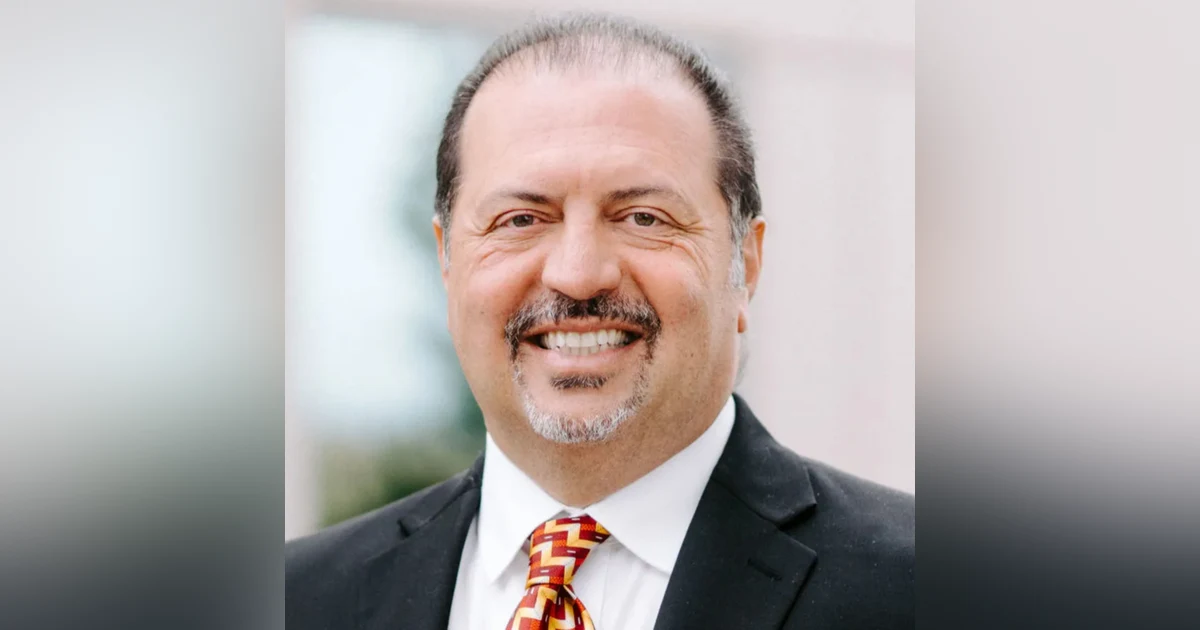

Dr. Baktari graduated magna cum laude from Case Western Reserve before continuing on to medical school at Ohio State University) and after graduation (he became a triple board-certified physician with specialties in internal medicine, pulmonary and critical care medicine, completing his residency at Northwestern University and fellowships at UCLA).
In this episode, we start by discussing
- Digital health - what it is and why it’s exciting
- The current role of digital health in medicine as we practice now
- Foundational limitations for incorporating digital health successfully into healthcare
- Where and how we would start to optimize the system using digital health
- What a bright future with a robust and efficient digital health system looks like
Resources mentioned in the show:
Hello everyone, I'm Dr. Darsha, and I'm Dr. Altamash Raja, and welcome to Medicine Redefined. A podcast where we will explore the often overlooked but necessary components of health, what we consider to be the fundamentals. We will investigate topics and practices that can give you and your patients the best chance to optimize a healthy lifestyle. It's time to move the needle forward and put the health back in healthcare. Welcome back to our part two discussion with Dr. Jonathan Baktari. As promised, in this episode, we discussed the intended topic for our first discussion, and that is all things digital health. So here we'll touch on the current role of digital health in medicine as we practice now. We talk about the foundational limitations for incorporating digital health successfully into the healthcare model. Here and how we would start to optimize the system using digital health, and we spend some time talking tactics on what a bright future with a robust and efficient digital health system looks like, that emphasizes patient care and quality. As a successful entrepreneur, Dr. Baktari shares insights and lessons that he's learned in building a successful company that is completely digitized. Lessons that we may be able to use to build an efficient mouse trap, as a previous guest Dr. Chris Standard once said. As a reminder, Dr. Baktari completed his undergraduate studies at Case Western Reserve, and wanted to get his medical degree from Ohio State University. Subsequently, he did his internal medicine residency at Northwestern University and a fellowship in pulmonary critical care at UCLA. Now, without further delay, please enjoy this discussion with Dr. Jonathan Baktari. Dr. Jonathan Baktari, thank you so much for coming on for part two of the podcast. Oh, thanks for having me. Big honor. Yeah. Pleasure hours. Not too long ago. We were here screen-to-screen talking about part one of our show, right? And that was about travel medicine, COVID-19, what we can do to prevent another epidemic, like this one just happening. And it wasn't originally what we wanted to talk about in the first place, right? What we wanted to talk about is what we're going to be talking about in today's episode, which is going to be digital health, but we still had a fantastic time, and so for all the listeners here that are new to part two, highly recommend checking out part one and just really learning about new topics that really aren't taught in medicine and aren't talked about enough. So we're definitely excited to touch on today's topic with you, which again, is going to be digital health. So why don't we just start with the basics talking about what exactly digital health is and what it means for our healthcare system in the current moment? Yes. Oh, that's a great question because digital health from a satellite perspective is really getting the right information about patient care, patient data to the right people, all the right players in a way with minimal friction when they needed sort of on time, delivery of critical information about patients, whether it's from the pharmacy, other doctors, other providers, which has been a barrier in medicine for decades. Really, I can think of very few things that has in the past negatively impacted patient care than having the right information at the right time. So that's the whole idea of digital health to overcome that problem. And so what are some common examples for maybe the late person in terms of how we're incorporating digital health into our current state of practice? Well, let me just preface it by saying we're not there, I mean, we're not there yet. We're not an optimal digital health because some of these problems still exist, but in a utopia, obviously, and I think the one thing that patients can often relate to is when they see multiple doctors, very few often know what happened at the other doctor visits. Not uncommon for a patient to come to see the private care doctor and say, well, I saw the cardiologist and he said, there was nothing wrong with me. I don't know if he really said that. Let me look up his records, you know, that ability of physicians to understand what other physicians or other providers or what the speech therapist said or what the dietician said and whether, you know, often just understanding what you're being prescribed by other people will kind of diagnostic tests have already been ordered. And then the redunded scene in my day is very uncommon for every doctor to order his own lab tests and never see the lab tests of other doctors and even within the hospital to see what other providers are thinking, what is the physical therapist thinking. This added information often really changes your perspective on certain situations when you're there. If only you knew that information. Then it goes even beyond that previous hospital admissions, how difficult is it to get those records? What has has already been done? Hospital stays at different hospitals that, you know, wasn't this hospital. If we had all that information in real time, it could only improve decision making. I find it interesting that you're saying we're not quite there yet. So I think to maybe give an example to some of the trainees who are listening and then also the patient side. So I'll use the physician side first. One of the largest EMRs in the country is Epic at this time, right? And so anybody who uses Epic across multiple systems, different systems that are using Epic, it can communicate with each other and you can see the different labs that you're talking about, different test results, consultation notes, et cetera, et cetera. So if you're an institution in South Jersey versus in Pittsburgh, you're using that. There is a way for you to look at all the records for somebody who got care everywhere. That's kind of what you're talking about. On the flip side, the patient side, a lot of patients have this system called my chart. It might have a different name, but that links to the provider notes, your test results and stuff. And then if you go to different institutions, you can link all your my charts, like for instance, I was in Baltimore into my training. And so now when I go into my my chart, I can see my results from Jefferson, from Hopkins, from Geisinger, which are all in different areas. That seems to be pretty efficient to me, yet do you agree that? Oh, I mean, well, first of all, if it's not Epic, that's the most obvious one, right? And how about the speech therapist that you went to see and how about the, you know, the rehab center that, you know, you sent the patient to look, I'm not saying it's not better. I'm just saying it's not there. I mean, nobody, nobody should be, nobody should be dancing in the end zone, thinking we're there. We are not there. It is better, but it is not where it needs to be, where all the information that would be relevant to decision making is that everyone's fingertip. I mean, they're barriers because of systems and, you know, privacy and HIPAA and what have you, but and even from a patient point of view, yes, we have my charts and they have access to that, but I don't think they fully see everyone that's not in my chart. Now, if you're, look, if you belong to a system, you're the UCLA system and everyone you see is that UCLA, you're okay, probably, but if you, but if you decide to, or whatever reason get referred or go see somewhere else or move jobs or what have you and you're not in the same system, same ecosystem, do we still have that level of connection? That's a good point. I think I was probably being a little bit naive there saying that, and this is just kind of goes to show you when you get stuck in your little silo and you think that that's the information that's accessible to everybody, but it's it's not you make an excellent point. Those who are in private practice or smaller group practices who can't afford a large EMR system like Epic aren't going to have that. In fact, I recently had a conversation with, you know, a surgical center that I was looking at and, you know, come to learn that they're not using any EMR and they're doing paper charts, which in 2023, I thought was amazing and incredible, but, you know, as, you know, the bottom line, you know, those these EMRs hosting them technology, that stuff is very expensive. Yeah, but you know what, it gets worse than that. I mean, to people to anyone who's listening, okay, you think most doctors or most groups have EMRs. If that's true, when you walk in, why did they give you a clipboard? I mean, the point really is, I don't think it's as easy as you think it is, okay? If everyone has an EMR, how come everyone's still getting a clipboard? Yeah. Well, what's what is a clipboard? Last I heard, that's not digital. What's those 15 pages that you fill out when you walk in? Everyone, you're smiling because you've been given the clipboard or you've ended people to clipboard. Okay, don't tell me you have electronic health records and then you hand someone a clipboard. You, I think we're fooling ourselves, when somebody, you know, like when I tell people, you know, what a blackboard is or what a, you know, VHS is, you know, but like, what is that? When someone says, what's a clipboard with a doctor's visit, you know, we've gotten there, but we're going to have a gun, because everyone's getting a clipboard. I know everyone listening to this has recently been handed a clipboard. And I think we're patting ourselves in the back, we're dancing and then so on, but we're not there. I like that. What about telemedicine, right, particularly in the time of COVID, you know, there were national changes and guidelines in terms of how you could practice cross-state lines, etc, etc. And I felt again, like we were getting better at telemedicine. And some of those emerging national emergency has been lifted and so the rules are going to change by the end of 2023, but what do you, what do you put that, do you not put that in the same bucket? No, I do. And I think it's great. I think the ability to see, you know, like, let's say I have, you know, kidney stones and it's a problem that it's complicated. And I want to see the guy who wrote the textbook on kidney stones at Harvard. Why should I be able to see him, right, why can't I speak to the Michael Jordan of kidney stones, right, right, let's, I want to talk to that guy. I want to talk to the guy who wrote the chapter, right, and right now, you know, unless you have a lot of money and resources, you can. So I think telemedicine is amazing. I think there's, now the danger in telemedicine is the abuse. And I think this is probably the pushback that you're probably getting from Medicare and a lot of people because I see the abuse, you know, get your Viagra or get your this, you know, get your testosterone shot by just calling, you know, getting online with somebody. You know, when it becomes this thing where telemedicine's used simply to bypass the prescript of authority that you would normally encounter in a true clinical encounter. So I think that's probably, but there are probably ways to mitigate and regulate that. You know, but I think that's where people have a problem because while you want to see the Michael Jordan of kidney stones, you also don't want somebody to be, you know, setting up shop in a basement and, you know, selling Viagra or testosterone shots or whatever. Well, are you guys laughing? It's just true, right? I think I think from our perspective is about everything you're talking about, right? I think, I think, so let me ask you this, at least we've done a good job setting up what digital health is, right? For the listeners to understand that we're talking about things of the so-called near future, telemedicine, electronical medical records being combined, seeing providers that we want to. And we've slowly hinted at solutions and problems that we currently have. Healthcare being such a huge industry, a money maker, a solution, but also an issue in the US, let's dissect at least what those root causes might be as to why we haven't progressed as far as we should have when it comes to more accessible healthcare. Do you mind just touching on why digital healthcare isn't where it is right now? Is it the fact that we have electrical medical record monopolies and people are just trying to silo their own money? Is it the fact that it comes down to rules and regulations? Is it insurance companies? Is it just the fact that we haven't, we don't have the technology yet to get to where we need to be? Do you mind just kind of talking about some of those foundational issues that we're having right now that are preventing us from getting to that next level? Yeah, that's a great question, great, great question because if you really look at non-medical technology, like look at Amazon, for example, 10 years ago, if I wanted to know what I ordered on Amazon a year earlier, I didn't call Amazon, it's all there. Why isn't healthcare technology at least equivalent to Amazon? And I think the main reason for that is because your transaction at Amazon is a two-party transaction. So Amazon simply needs to provide enough technology to make you happy or make you want to use their service. And you will give Amazon your business if they make your life easier and you go what you want. So many two people, it's like being on a date, whether that date is successful or not, is dependent on two people, right? But imagine you go on a date and the chef sits at the table with you for the dinner. That's not a nor, you're not going to have the same conversations. It's going to be, you're trying to now incorporate a third person to make, eventually make them happy, give them attention, you know, maybe they're sharing conversations. They want to have it, you don't, so really the problem is the transaction. The transaction in healthcare is not a two-party transaction. It's often a third, maybe four parties involved. So one of the interesting things that E-National testing in U.S. Earth Test Centers were for whatever, because of the nature of the business, we're not involved in insurance companies. When we write code, right, for our software, we're not there trying to necessarily make Medicare, Medicaid, or the insurance company happy, or comply with this or that. What we're trying to do is make the patient happy, provide quality for the patient, have their user experience. Let me ask you a question. Let's say you're a software developer, or you have a company that develops software. And you write an amazing electronic health records that's 10 times better than Epic. 10 times better. Okay? There's an auto-populates everything. It has a better interface, much healthcare providers will spend half the time doing the same work, and patients will have much better access to anything and everything they would want. Okay? So you got that software. We'll call it, you know, Epic Plus, okay? And you're in front of a CEO of a hospital chain, and you say, Mr. CEO, please look at Epic Plus. We want you to get rid of your Epic and buy your Epic Plus. It's fantastic. It does everything perfectly well, much better than Epic. There is one little problem. Your Medicare reimbursements will go down 5% if you use Epic Plus. There's no chance. What do you mean no chance? The doctors will have to spend half the time. The patients will have everything at their 10 times faster. You know, we could only code for so much, only certain things could be our pride. We put all our priority in making the healthcare provider make better decision, provide better quality, and make the patient. But you know, with all this Medicaid, we won't be on time with every new regulation and every new update. We're going to, we're not, you know, I could only tell our coders the focus on so much. And this is where we put our, we put our back into that only 5% less Medicare reimbursement. Yeah. In the analogy used earlier, the chef gets to make the meal, right? So, and that kind of maybe dictates the how the night might go. And that's kind of how it works here. I mean, so that's the fourth party. If you're talking about hospital administration, obviously insurance company is probably the third party, in my opinion. But you know, unless I shouldn't say there's no chance, I could certainly see, and this is usually more of an issue in private practice where they'll say, okay, all right, if you're going to cut half the time in documentation, then maybe we can see a larger volume of patients, and therefore you can do that on the back end, right? So there's that chance, but it doesn't, it doesn't create better quality care. But then so if you're giving the prime directive to your software developers, what's the first 10 things you're going to tell them? Don't screw up the Medicare reimbursement. Right. Optimize that. So you're writing code. What are you going to focus on? Compliance, regulation, reimbursement. Of course, you know, third or fourth level is ease of use and patience and what have you. But you should talk to a coder. They can't have too many prime directives in software. If the prime directive, so, but Amazon doesn't have this problem, or you know, any software, you know, QuickBooks doesn't have this problem. They're not trying to make a third or fourth party happy necessarily, right? So I'm going to jump ahead a little bit. But if we fast forward, what's the fix is it, I mean, is it consumer driven care? Is it these models of people are kind of just shifting outside the traditional healthcare model? Because I mean, you know, reference is book time and time again, Marty McCarry, the price we pay of the healthcare, right? We're talking about just the escalation of costs, the healthcare being a bubble. It's the way that they were going. It's, you know, what, nearly 19% of the GDP, it's not sustainable at all, right? But then ask yourself this, if you look at government involvement in healthcare last 20, 30 years, what direction is that going? Is there less government involvement or more government involvement in the last 30 years? Is Medicare, Obamacare, Medicaid? Are they growing or shrinking as a percentage of healthcare? Think more, so much more, I mean, we just kind of practice a year ago, so but seems to be a lot more in the, even just the last two years that I've gotten to learn more about the business of medicine. Right. So again, I mean, the DMV's not getting any better every year. I don't know. I was able to renew my license online this year. Anyway, I see your point. Okay. Listen, have you been to the post office lately? Have they revolutionized anything? No. Okay. The point is government involvement, I'm not saying there isn't a role for government. Of course, there is. We need a safety net, we need to have, but by and large, you know, there's a reason why people in Canada and England and what have you, you know, have the experiences they have. The more government involvement you have, the more it will muddy this sort of clarity in terms of progressing with digital health because you have to make government happy rightfully. So we're spending, we're getting money from them, we should, we got to comply and they want to make sure their money is being well used. The issue really is someone could make an argument that the more we expand government into healthcare, the more challenge digital healthcare will be them by definition. So we are talking about some of the problems and I'm willing to bet you've given a lot of thought into the solutions. Where would you start? You're not going to like the solution. The solution is less government in healthcare, but it's not the way it's going. I'm a salmon swimming upstream. The solution is less government and now we need government, you know, obviously Medicare is here to stay, of course, and it's great because it provides a safety net. But all things, I mean, look at Obamacare, I mean, what is done to, you know, choices for people, you know, it's literally eliminated in most states option for individuals to get, you know, private insurance. It's literally gotten rid of it. You have most states you have no option or one option. That can't help. You know, in many ways, what's happening in healthcare and there's a second component which is sort of the consolidation from equity groups and what have you that is compounding it. But look at the cell phone industry 10, 15 years ago, there's five, 10, 15 cell phone carriers. Now, there's three. They all body each other up that less choices, you know, just when you get off this podcast, call Verizon and see how long the wait is, okay, or whichever one of the three you want to call. And the same thing happened to the airline industry 10, 15 years ago, 12, 15 airline carriers, now three main ones maybe, you know, when you get off this podcast, call one of the airlines, see how long the wait is. And you have to pay for your bags, you have to pay for your, I mean, what I'm trying to say is as things consolidate and there's less choices, what can service improve? No, it's monopoly. So when government gets involved and eliminates competition, now they don't allow competition across state lines with insurance carriers, Obamacare basically has eliminated the individual private insurance industry. What could go wrong with that? What could possibly happen when we do that? What could possibly go wrong? Are you getting better service on their airlines than 10 years ago? Has that improved? Do I share the big traveler here? No, definitely not. Absolutely not. I mean, yeah, maybe they'll kind of body up with you because everyone, like you said, Amazon, everyone's trying to be a more customer-forward service, right? So I think there's this illusion that we're trying to do that on the, on the front end, but on the back end, I mean, I don't really think that's the case. So I almost took your question as a rhetorical question and that, you know, in that is your cell phone provider providing a better customer service than 10 years ago? No. Definitely not. Definitely not. Same thing with a credit card company. I tweeted this earlier. I did. I saw it. Yep. So what's going to happen when, and then the second problem, which you didn't ask me, but I'll just bring it up, is this consolidation of health care, which is, you know, hospital, hospital hospitals buying up doctor practices as well as equity groups and Wall Street buying up different healthcare systems. So there was a statistic guy that really startled me. I think 10, 15, 20 years ago, 75% of physicians were in private practice and 25% were employees. This year, it's the opposite. 25% of physicians are employees, 25% are in private practice. And that's only going in one direction. So you can only imagine what will be in five or 10 more years. So again, this is again from consolidation, Wall Street money coming in, buying up cardiology groups, pain management groups, surgery centers, internal medicine practices, family practice. It's already happened. So it's a rare bird now. I, in fact, I don't know if, maybe you guys have compadres, colleagues that came out at the same time. Do you have many compadres that have gone into private practice? Very few. That used to be the opposite. It was unheard of to have a colleague be an employee. Yeah. Well, let me, let me ask this doctor, Victoria, so a lot of, there's a big push for consumers and within medicine. It's about an offline about how people can now go to an independent lab and drop an A1C and an ABOB. Things that they would usually probably struggle when talking to their primary care doctor. And sure, they might come out of pocket from them, cash-based, more expensive, but they're willing to do it to get more information. How do you see the future of that unfolding? Are you also thinking that these big academic institutions might try to somehow buy up these so-called cash-based practitioners? And by that, we're still improving patient care, right? I think year by year, we're learning more. We're able to prevent more disease for chronic disease rates are super high, but we're still trying to learn and do our part to get better preventative measures. But do you think there's at least a push to buy up these labs? They, sorry, these practitioners, these labs get cheaper and thus, by default, you have a patient population flocking over to a spending less, but still getting the same results. If that makes sense. Yeah. You know, I don't know about that. I mean, I know there's barriers for the doctors from doing it, because once you're a Medicare provider, you can't split off your practice and be cash. And so, basically, once you're signed a deal with Blue Cross or Medicare, you're committed to staying within accepting Medicare and not, you know, can't have a portion of your practice theoretically, that's cash-based. But if it was arm's length, and I don't know the legality of all that, but I suppose, and then there are a lot of states that have rules against corporations owning that are not doctors or healthcare providers owning practices. So in theory is possible. I haven't seen that yet, but in theory, that might be possible, but I don't think they're there yet. I think the people, the companies that are there are so heavily into Medicare reimbursement, Medicaid reimbursements that I haven't seen that yet. Gotcha. Yeah. Yeah, I think that's the big issue that is because of the government involvement that he talked about earlier, right? And because of the agreements that you have, you can't kind of have two business models and that crossover, it's almost a violation of doing that of those agreements. I want to be more optimistic about this. And I think realistically, right, there is that time is coming, right? It might not be maybe five years from now, right? You're describing 20 years from now when 75 people were going, and 75% of the people were going to private practice, that's the golden era medicine we hear about all the time. By the way, let me just be clear, there was abuses with that too. So I don't necessarily think that was the golden era per se, because I don't want to come off as this guy who just thinks there was nothing wrong with that system and everything here is horrible. There's a lot of what we can call taking advantage of, you know, ordering a necessary test or, you know, every doctor ordering their own test, not checking this if it's already been done, not everyone, but there was a subpopulation. I don't mean it necessarily in a bad way, but that was an optimal either. You know, the golden era medicine had a lot of issues and had a lot of problems. As you can see, I'm going to eat an equal opportunity, criticizer, because I'm in no illusion that that was so great. There's a lot of problems with that, you know, everyone's in private practice and, you know, everyone kind of getting incentivized, you know, now there's an incentive potentially to do less, right? HMOs, K-keepers, and back then, look, human nature being what it was, there was an incentive potentially to do more. That's not good, and it's not good when you don't do enough and it's not good when you do too much. So I'm not sure, I'm not endorsing the whole system, I, it was right for change. We just have to make sure the change we got is better than what it was. So this might be a bias that we have, like the guests that we have on this, but it probably is a bias, right, because I think if we do step outside of the conversations that we have behind the bikes here, then it's much of the issues that you're describing. And that's, that's what we see in day and day or practice, right? We're still, Darcy's still training, you know, he's going to be starting his big attending gig and less than a year from now, and I've been attending a little over a year now. And, and we see these issues that you're describing. But you brought that point up about the salmon swimming upstream. I think maybe this doesn't quite work that way, but if you have enough of those fish swimming in the opposite direction, at some point that current might change, right, hopefully. And that would be that bright point, right, that optimistic future that we're trying to get to. And so like, you know, we have Dr Alia Gupta come on, talk direct primary care, right? We have people coming approaching, talking about remote patient monitoring to help deliver high quality care. How can we do that? And so maybe this is a good time to segue into kind of a seven health and the, you know, the, the platform that you guys have created and how that can help maybe, maybe revolutionize it. If that's the, the word you think is appropriate or maybe augment how we're currently practicing and with delivering high quality care. Right. Well, our approach to the health has really been to, you know, we have taken the middle man out, not even by our decision, a lot of the services we provide are covered by insurance, like travel medicine often is not covered by insurance, employee health, student health, not all of it, but a high percentage is not covered. And so we are lucky in that sense because, if you want to call it that, because since they don't cover it, we don't have to necessarily deal with it, per se. And so when we write our technology, when we write our software, where really our goal is to provide excellent care, reduce friction for the patient and provide them with really ultra fast care, high quality care. And I think we can do that because when we write our technology, when we write our software, we're only focused on quality, reducing friction for the patient and for the staff. And when that's your only goal, you know, when I talk to my software developers, it's a lot easier because, like, oh, no government regulation, no this or that. And look, I think if you go to E7 Health's website and read our reviews, I think we have 10,000 positive reviews in the past three years. And I'm not saying that in a boastful way. I'm just saying, I think the reason why we get so many positive reviews is people can't believe we exist. They just can't believe that, you know, this is so like Amazon, you know, just go, click a couple of buttons, you got an appointment, you upload everything, there's no clipboard, you get an iPad, you go, you walk into your car and everything we did for you is on your patient portal. No one even pushed it there, it's just there. And I think they're fascinated by that because it's unlike any other experience. Even on Google, I think we have 1,000, like five star reviews. And I think that's not a function of, I mean, I have amazing staff as well. They are amazing. They're sweet and kind and professional. So I have to give kudos to them. But beyond that, I think what these reviews are saying is we want this, we want, we want this to be like Amazon. We want to just get what we want and, you know, not have a three hour wait in the lobby and not take six weeks to get an appointment and not have to not have the results of what we did immediately in our portal. So I see the craving in the thirst. Literally if you get a chance to look at our reviews, they all look like they were written by the same person. There's all 10,000 reviews that quick, friendly, fast, quick, friendly, different versions of quick, friendly, fast, thank you, whatever. And that tells me, you know, that there's a thirst for medicine to be like that. So let's get tactical for a second, right? I think that clearly what you're highlighting is the good business model. Right? As long as we can eliminate the middle man, right? And you have that two pressure interaction that you spoke about earlier things you can just focus on what's important, right? Efficient high quality care. If others want to kind of emulate a business model such as that, and, you know, maybe I need to qualify why I'm a little bit more optimistic about this, right? Look, as crafts as this sounds, I think, you know, some of those antiquated philosophies that we have, right, whether it's at the government level, wherever the policy makers level, at some point, those people aren't going to be there because their time has passed, you know, whether it's on this earth or just they're not going to be in office anymore, right? The next generation of physicians or just leaders, right? It's millennials, it's Gen Z who are who've been having these conversations at a younger time in their life, right? In their early teens, 20s, 30s and stuff, they're going to be in office and they're going to be helped generating the new policy. But at some point, I do think it's going to happen, right? So that's, and until then, it's going to be grassroots. And so in the interim though, people such as us, maybe darsher coming out in practice, right? We need to figure out what can we control, right? Are we going to take agency of our own way that we practice? If, you know, you have the luxury to be able to do that, if you're not hamstrung with student loans, et cetera, and financially all that stuff, that all makes sense. Well, this right here, this is something that I give a lot of thought about, right? And so I'm curious to get your take on what might be some tactical things to think about if somebody wants to start up a digital health care startup like this and like what might be some ways that they can scale that to deliver that high quality care we keep talking about. Well, with digital health again, you got to navigate, you know, the big question you have to ask is, you know, is this going to be insurance government included or not? Because that really is the fork in the road when you're developing. Let's say not, let's say not because we've identified that that is a big barrier. So let's say not. Yeah, yeah. I mean, the opportunities are endless because then you're as good as Uber, you're as good as anybody else. I mean, I don't think Uber or any other technology has a monopoly on great developers, right? I mean, you can get you have access to the same people theoretically. And so you, you know, like sometimes we come up with features in our software that I can't even believe, you know, we came up with it because it just makes so much sense. And so what happens is on a day-to-day basis when we see a problem, okay, occurring, we come up with technology solutions to address this problem. You know, we have, there was a period where we had a problem where people coming to our offices were bringing children that they were taking care of, little children and those little children often really, we have very small rooms and it prevented the staff from really doing what they need to do and there's really disrupted the flow. And but then myself didn't want to be in a position to tell them, well, you know, you're two-year-old can't come in the room with you. And so we didn't want to do that either. So we came up with a technology solution where when they're booking the appointment, you know, there's a pop-up, it says, you know, it doesn't totally get rid of the issue, it says, you know, that you understand that you can't bring little children to the appointment because of the way, you know, and then children scream sometimes if they see someone getting a shot and whatever. So however, but we came up with a technology solution to even deal with that too because the staff was getting stressed out by it and so whatever the, whatever the problem is, if you're not, you can focus on the minutiae that impacts patient care and quality. You know, some, we realized, for example, that patients, you know, needed to be scheduled out a certain amount of time. So we literally put into our software that blocks an earlier appointment than let's say we shouldn't be back for six weeks depending on what vaccine or service you got. You know, our software blocks the person from trying to book an earlier appointment and gives up a pop-up. I mean, we're focused so much on this and a hundred other things, improve quality so they don't come for a visit and turn to way. And there's so many problems you can address in your technology if you can focus on that and not other things. Does that make sense? I mean, just randomly gave two things that came to the point. There's more, but you know, there's, it does, it does, but you know, as you're saying that I'm thinking about, as we go through medical school, we go through our training, something that I've, I got from one of my colleagues who's a gastroenterologist and they were talking about just what it's like to actually be in practice and something he said, like, man, when the customer service business, you're right, right? And we'd like, that's, that's what we do. And, and you know, you have to do a good job at that and because that's what it is. And I'm not even accounting for, you know, different systems reimbursing you or checking your value, depending on the reviews and the ratings and et cetera. I'm just talking about just revealing, giving high quality care, rather, excuse me. But as you're describing this to me, it almost seems like maybe marketing isn't as important, right? Like marketing yourself, marketing your service. What's the most important, like ground level that we need to think about is starting with a tech guy, right? Is how to make it as efficient, as seamless, as aesthetic as possible to, to just streamline everything else that's going to come. All the other issues. Is that fair to say? It is, but I don't think that's the conversation that happened this morning at Epic. You know, they didn't wake up this morning and say, they got up and said, can I bash Epic? They've got up this morning and say, what can we do to squeeze out a little more money from Medicare? You know, so we can, you know, and, and, no, I mean, and justify it, please. I don't mean like in any wrong way, but just a maximized documentation and look, I'm not saying you can't walk and chew gum at the same time. I'm just saying they're priorities, but it's not as high as come, and by the way, you complies is so important. You want to comply with regulation. I don't blame them. And you want to comply and, and provide, you know, you don't want to get downcoated and, you know, unnecessarily, you want to truly represent what happened. You know, now you have the whole scribe industry, you know, and where did that come from? I mean, I obviously part of that was to comply with some of this stuff, which is fine. But it's, it's, it's, it's an issue. And I'm not putting regulation. I'm not putting that. But what you described, I wonder if that is really super high priority. I know it's a priority. Look, I don't think any software company wants to have bad user experience or wants to give more work to the doctors or to the patients, but they're trade-offs. You have to make as you're writing the software. So Dr. Victoria, when you thought of E7 and the mission and the vision that you had, what were your initial conversations with yourself when you thought about the type of services that you wanted to provide, right? Because I think it's important to understand who's behind the project and what their vision is, right? I think as ultimately to a lot of the millennial and Gen Z, the way that they view work comes from more like a passion base, right? And we like to hop around and really figure out purpose and how we can make a difference. So from your perspective, when you were, you know, from the inception of E7, what were some of those key qualities that you wanted to make sure were in your business plan? And then at the patients that you were eventually going to provide services for had? Great question. Well, one of the statistics that you can find on the CDC website is in the United States, there's about 50,000 vaccine preventable deaths in the United States annually. Give or take 10,000 this way or that way. That's more than that then died in the or equal to the number of people that died in the Vietnam war. That didn't significant amount. So and a lot of that has to do with lack of adult vaccinations. And so we really want as a, as a mission wanted to impact adult vaccinations. Now post COVID, everybody's like, of course, adult vaccination, but 2009, it wasn't that. You know, I joke that we were a COVID company before COVID hit, but that's probably why? Because, you know, we were, we wanted to focus on adult vaccinations. And we want to get into every sort of book of business that adult vaccinations were in. Whether it's travel medicine, student health, employee health, immigration physical, deployment, physicals and a whole host of other healthcare services that adults need. And general adult vaccination, like getting caught up on your, you know, pneumonia, disaster, TDAF as an adult. So our mission originally was to do that. And we decided to do that at the exclusion of doing primary care and urgent care. Because there would be a strong temptation. If you have a whole clinic there, you have doctors, nurse practitioners, our rents, you got exam rooms and somebody walks in with a sore throat, the temptation is what? The temptation is like, well, let's just see them, right, right, right. And then you're waiting rooms full of people with sore throats and migraines and what have you. And so we wanted to see if we could come up with a model that just focused on preventative health. And then besides the vaccine, we decided to give everything that the person would need in addition to the vaccine. So some of the students coming starting nursing school, pharmacy school, they need a vaccine, but they also needed a tighter drug test, whatever they needed, we would also provide that. So we then went vertical and horizontal, everything to do with adult vaccinations at the exclusion of primary care and at the exclusion of urgent care or workmen's comp. What about collaborating and providing the information, maybe back to the employer, right, you mentioned employee health, vaccination schools. People are going to medical school undergrad, you have to check the boxes off. What, how do you guys do that? Well, you teach that one perfectly because what we have done is we actually wrote our electronic health record, like a CRM. Remember, because we have we have that luxury. And for the employer for our big employer groups, one of the biggest challenge in employee health is managing employee health records. So let's say you're a hospital right now, and Jacob shows up and says, let me see the TV skin test on everybody in the radiology department. How do you do that? Most hospitals excel spreadsheets. What we did is with any company that signs up with us, we give them backdoor access in a cloud-based fashion to our electronic health records. When their employees come in, they sign a consent that my employer can have the result. Okay, so we get permission and then they get tagged and get put into the employee portal. So and certainly for a big enough employer, we will actually custom make their dashboard. So if they want to see everybody in the radiology department that got a flu shot last 12 months or who who got a flu shot and a TV skin test or got an MMR. So we become their data management software solution as well as then providing those health care services. Dr. Patari, as you look towards your long-term plan of E7, you mentioned quick, fast and easy, you know, three great qualities that of course patients all over the world are looking for. How do you balance doubling down on those strengths that you just mentioned versus trying to expand and develop and get better at maybe some of the other things like accessibility. You know, as a leader and emerging leader in the field of digital health, I'm sure that's something. You know, we all got to think about competition and got to think about how to kind of give the best services that we can. How do you, how do you, yeah, balance that out? Sir, could you, like, rephrase that in balance these terms? The thought of really focusing on the quick, easy, fast, right? Doing the things that you know are working versus continuing to develop maybe some of the weaknesses and maybe its accessibility and some of the things that aren't quite developed yet with the E7. How do you focus on becoming a, no, I think the patients see quick, easy and fast. We see on the, on the inside, we see quality, reducing errors, providing patients access to what they need, reducing friction for my staff. The byproduct, if you're on the outside looking in, it looks like quick, easy and fast, but that's not, that's just the byproduct of focusing, for example, if my staff, you know, there was another statistic that I saw in a typical primary care for office visit. And I, and I actually brought this up in a podcast on my podcast last year. I believe 70 to 85% of the time and I have to look this up, a collision is looking at a computer during a primary care visit. Okay, because of our technology, you know, we've got that down to bare minimum because everything ought to populate, everything in the patient feels that we, you know, instead of giving, instead of giving a clipboard, we actually have four computer terminals in the waiting room. So if you didn't register on your cell phone and fill out everything and, and, and the fill out form changes, depending on what kind of services you're asking, you're asking us to do. So that, and that goes to my staff so they see it ahead of time. And so what we've tried to do is we've tried to not only make it quick, fast and easy, but high, high quality, follow CDC guidelines. You know, we follow guidelines that are actually implemented into our software. So if you get to, if you need two vaccines that are contraindicated, the system won't even let my staff give it to you. If you listed an allergy or anything that might cross react, but the system will block it. So we're spending all our effort, not on quick, easy, fast. We're spending all our efforts on high quality, protecting the patient and reducing work for my staff. So they can focus on the patients. Gotcha. Yeah. Let me dovetail on that too. You mentioned about how physicians are, you know, constantly staring at a computer screen. I'm guilty of that too as a resident, you know, trying to be efficient as possible. Artificial intelligence is obviously making a big impact when it comes to things like deep-scribing or radiology. Where do you think AI can make the biggest impact for us in health care? Yeah, that's the loaded question because it's really evolving as we speak, right? Right. No, I actually personally think this ability to get access to a library of information by just asking the right question or serving up the right thing, you know, you guys are way too young to remember the Washington manual, which is like a little spirally book that we always used to carry on when I was training, right? And that used to be, you know, your thing to look up everything. And, but to have that served up where you can literally ask any question or present any situation and get the differential diagnosis on anything at your fingertips. Even more so than Google and presenting a scenario of situations and it can only improve quality and patient care. I'm super excited about that beyond belief. I think talk about changes in medicine that that will really save lives and prove quality and I'm very excited about it. Awesome. That's a part. Sorry, I have a question and maybe this is a little too personal, but I do want to get a sense of what advice would you give to somebody really close to you who is maybe thinking about entering the medical field, right? So their freshman in college and like, yeah, you know, I'm really interested in medicine. Um, and maybe it's your son, maybe somebody really, really close and you're invested in their future success. How would you advise them to tread this field that's at the cost of evolution, but we just can't seem to quite get there. Like we've had excitement for such a long time for a lot of these topics, we just can't seem to figure it out. It's always slower, right? I think what's a stat that when we learn something in medicine, it takes somewhere 12 to 17 years for us to actually implement in practice, which is preposterous, right? Um, yeah, what advice would you give? I think it depends what attracts you to medicine, because I think medicine has maybe two, three broad categories of just there's so many things, but if you had this pick big, big, you know, issues or things that are draws. Because some people, you know, it's a calling from God, they want to help people and this idea of it, there are very few professions in the world that give you the privilege of impacting people's lives, like healthcare, like, it's unbelievable, and you should consider it a privilege. And that's not, you know, birthright. I mean, just a handful of people in this planet are given this opportunity and you got a view like that. So if you're viewing, if that's your motive for going to healthcare, I, it's the best field in the world. I'm so lucky to be a part of it and I'm so lucky to, to partake in some of that and it's a true privilege. If you're, if also part of the reason, you know, in the past people used to equate being a physician as having autonomy and, you know, running your own show and you're making your own decisions and, you know, not having someone second guest your decisions, I think that is become less and less true. Right, I mean, you will have somebody at the HMO second guest, your decision for an MRI and you will have, you know, if you're in a group or an employee, you know, hey, they're going to look at your metrics, how many, you know, how many cat scans have you ordered versus someone else. So I think if, if the lore in my generation was a combination, I get to have this privilege, but I'm also, I don't want to work for someone and, you know, I want to have this, that's pretty much gone or going. So to not totally answer your question, but to, you know, split the thing in half. If your motive is, you know, this is a calling from God in a privilege. Yes, there is no better field. If part of your motive is, oh, I, you know, I don't like people telling me what to do. I want to be smart. I want to be intelligent. I want to take care of my own patients. And I don't want anyone second guessing me. You know, when I say say everyone can be second guest, but, but I don't, I, I think I'm entering a field that has that autonomy and, you know, that's probably not going to be true. So I would sit down with that person to understand which one of those two is more important to them. So let's take that first person, right? Because I think that gives us all the fields, right? It gives butterflies in our stomach. And as altruistic as the reason might be, there's still going to experience all the same frustrations that we've talked about in the first half. They're going to see the barriers. And a lot of people, and we'll a bit more than, I don't have any data to support this, but I just anecdotally, I would say more than 70% of the people are going in because some sense of altruism and they want to help. You have to be somewhat special in that sense. You have to have some sense of compassion and empathy for somebody else's pain in order to go into this. Otherwise, why would you subject yourself to all that training all that time, we say sacrifices that we make. Yet when you get to that end of the tunnel, as Darshan, I spoke about not too long ago, you realize, oh man, this is, this is different. This is not quite what I wanted. You still have the same motive that you highlight, right? I'm wondering, again, this is the person that you're deeply invested in their care, right? So that's why I said, maybe it's a child of yours. What tactics might you suggest? So they're less likely to be not burnt out, but turned off. So that fire, that was the reason for them to go that motive isn't dampened over time, that they're still invigorated. 10 years in, five years in, 20 years in. That's, it's a complicated question because look, every industry has their own headaches and issues, right? You've talked to attorneys, you've talked to investment. You know, they're all going to say, my industry is this. So I look, there's no perfect industry that, you know, it's clear sailing as soon as you get into it and insurance business, they have issues and what have you. So I don't know if we can get rid of that. I don't know if the frustrations of medicine are a lot worse or better than any other industry, per se. I think what has changed is the autonomy and maybe the upside potential financially if that was important to someone. Now, clearly, if you're going to be an employee, there may be more stability, although I'm not sure about that because when corporations get bought out and they buy to close this and open that. But there's potentially a sense and you get a 501 or 401k and what have you which many of us did not have, you know, at least from an employer. So you get more security, maybe more benefits and maybe less burnout because some of these jobs are more now into five and you're not because it's not your practice, you're not working 80 hours a week like some people do when they start their practice. So I think the burnout is probably going to be less and the headaches aren't yours, you know, if the receptionist quits, you're not going home and losing sleep about it because, you know, whatever, that's just like, oh, the HMO will have to deal with that or the IPO or the healthcare system of the hospital will have to deal with that. So one of the functions of being employed is some of those headaches go away and so I think there will be less burnout and less headache and less stress. So I guess I you consider that positive of some of these changes, right, because you can literally clock in and out, do your stick and move on. You're a long term up size going to be somewhat limited by that, but you may be okay with that. Yeah, you know, one of the quotes that we're starting to love more and more is that there are no such thing as solutions only tradeoffs, right, and the more I talk to people from other industries, like you said, law, industry. You start to see that it's not just us in medicine that are special. I mean, everyone's got some short other stick that they're pulling out in their industry. So, but again, I think what you said is is very valid on point you hit the nail in the head that there is just a lot of gray area. And there's a lot of talk about hopefully we can be optimistic as the next generation comes on and try to take healthcare in their own hands and is able to provide better services with better quality of care with obviously money on money on mine. You know, which is the bottom line kind of dictates everything right now, but Dr. Victoria, I just want to thank you. I think our listeners. This is obviously a common theme that we talked about on our podcast right medicine redefine is about how do we redefine this conversation. And I think you did a great job today talking about digital health. What it actually means. I know I learned a lot gave me a perspective as well. So I just want to thank you for that. Thank you. Thank you. That was fun. Yeah, absolutely. So what is next for you? What's next for e7? What do you have in mind and where do you want to take it? Well, so e7 we're, you know, once we really are comfortable with making all our technology scalable is to expand regionally and beyond. But in the meantime, we're growing eNational testing, which is our nationwide platform where people can order laboratory testing at 2000 plus locations. Really, it just with a few clicks and get the result online. So that's our two pronged approach for the future. Very cool. So we're excited to definitely see how that all unfolds and that again, a leader in the field of digital health. Awesome. So where can our listeners find you any social media as any websites that you want to plug in will we'll definitely link these the show notes. Yeah, sure. So I had my own podcast, Bacterium D, you can find that on YouTube or on all the podcast platform. The other one, of course, is my website Bacterium D.com. You're welcome to reach out to me on LinkedIn. And of course, our website for our company is eNational testing and e7.com. The two, those two are also you're welcome to visit. So those would all be great. Awesome. And then our last question, Dr. Victoria, that we ask everyone, which we pretty much talked about for a while here. So if you could spin in a different direction. But how do we add the health back to health care? I think it's letting people take control of their own health care. What I often see is people feel like they're not participating in their health care that they're almost like bystanders. And I think companies like us and other companies really are making inroads in giving patients more control. Whether it's the telemedicine stuff that we're doing, you know, other channels you feel like you have some options. Well said, well, Dr. Victoria, I just want to thank you again for everything you educated us on. Oh, it's my pleasure. Thank you for having me. It's been a lot of fun. Thanks for listening to another episode of medicine redefined. If you enjoyed this episode, please be sure to check out some of the additional resources in the show notes. Also, check out our social media platforms where you can find more content like this. You can follow us on Instagram, Twitter, and TikTok at MedReDefined. We want to take a moment to thank our team for the production of this podcast, specifically Ethan Jew and Herita Yipri. Lastly, please remember the important disclaimer that everything in this podcast is for educational purposes only. It does not constitute the practice of medicine nor should it be construed as medical advice. No physician-patient relationship is formed and anything discussed in this podcast does not represent the views of our employers. We recommend that you seek the guidance of your personal physician regarding any specific health-related issues. However, if you enjoy the show, please be sure to subscribe, review, and share with anyone who you think will gain value from this as well. Until next time, thank you for listening.