

 Apple Podcasts
 Spotify
 Castro
 RSS Feed
 129. Preparing for the Next Pandemic & Travel Medicine | Jonathan Baktari, MD
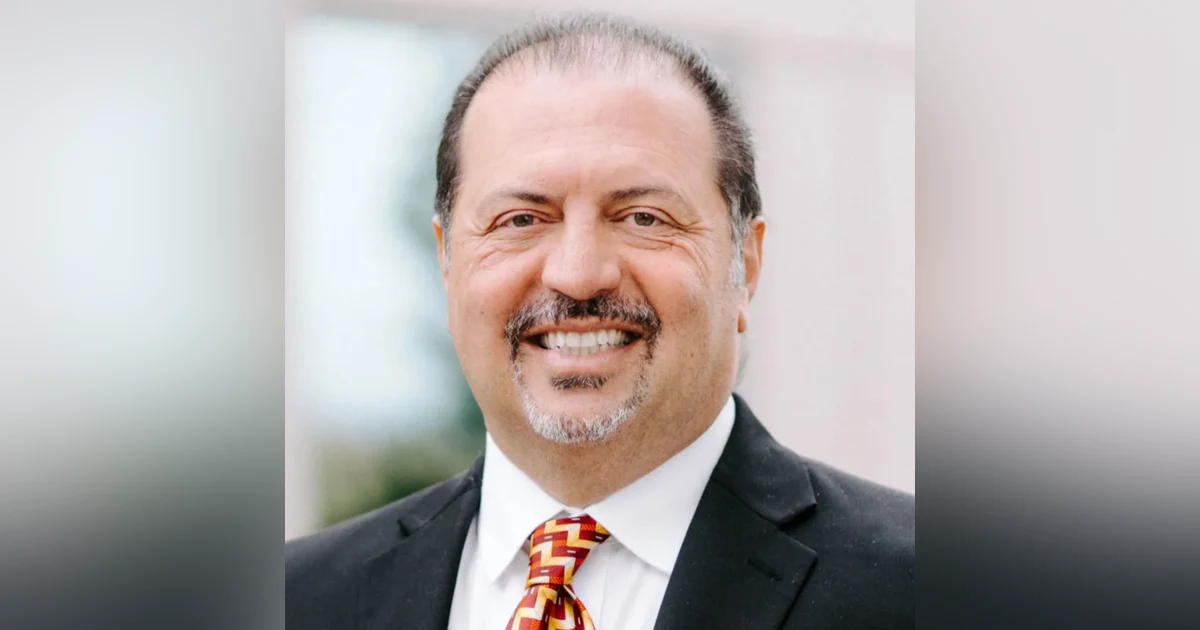

Dr. Jonathan Baktari is the CEO of eNational Testing, e7 Health, & US Drug Test Centers. He brings over 20 years of clinical, administrative, and entrepreneurial experience. .
Dr. Baktari graduated magna cum laude from Case Western Reserve before continuing on to medical school at Ohio State University) and after graduation (he became a triple board-certified physician with specialties in internal medicine, pulmonary and critical care medicine, completing his residency at Northwestern University and fellowships at UCLA).
Starting with private practice, he took on leadership roles at major Las Vegas hospitals. (AS the medical director for an ICU…or chief of internal medicine at Desert Springs Hospital, and system medical director for utilization management for six Valley Health Systems.) He also taught medicine at the University of Hawaii and Touro University, and spent time working on the insurance side, serving as medical director of the Culinary Health Fund and as Anthem’s medical director for the State of Nevada.
In this episode, we start by discussing
- Digital health - what it is and why it’s exciting
- Travel Medicine
- Vaccinations
- Lessons from the COVID-19 pandemic
- Science communication and the scientific method
Resources mentioned in the show:
Discovery of Helicobater pylori
Hello everyone, I'm Dr. Darsha, and I'm Dr. Altamash Raja, and welcome to Medicine Redefined. A podcast where we will explore the often overlooked but necessary components of health, what we consider to be the fundamentals. We will investigate topics and practices that can give you and your patients the best chance to optimize a healthy lifestyle. It's time to move the needle forward and put the health back in health care. Our guest today is Dr. Jonathan Buktari. Dr. Buktari is the CEO of E-National Testing, E7 Health, and US Drug Test Centers. He brings over 20 years of clinical, administrative, and entrepreneurial experience. Dr. Buktari graduated in Magna Cum Laude from Case Western Reserve before continuing his medical education at Ohio State University. After graduation, he became triple board certified physician with specialties in internal medicine, palm and critical care, completing his residency in Northwestern University and fellowships at UCLA. Jonathan really has won a lot of hats throughout his career, starting with private practice, and then took on leadership roles at major Las Vegas hospitals. As a medical director of for an ICU, or chief of internal medicine at Desert Springs Hospital, and systems medical director for utilization management of six valley health systems. He also taught medicine at the University of Hawaii and Toru University and spent time working on the insurance side, serving as medical director of the Culinary Health Fund as Anthem's medical director for the state of Nevada. In his words, I've been a player, I've been a coach, and I've been a referee. Through those roles, he learned about the obstacles within the health care system, like the frustrating reality that health care providers aren't simply focusing on patients. We are inundated with administrative tasks that limit quality care and add on to the efficiency of health care. For regular listeners, it's probably starting to make sense why we thought he would be a good guest. But the reason we wanted to bring him on is to learn all about digital health, considering the successes he's had in that realm over the past decade plus. So in this episode, we start by discussing digital health, what it is, and why it's exciting as most of us recognize that this is going to be a critical part of the future of health care, if not already here. We then expand on to his company filled the gap on vaccines and travel medicine. Now, Darshan, I found this to be a fascinating topic, one that we know very little about. So quite frankly, we went a little too far down this rabbit hole. And when it comes to travel medicine, vaccines are an important part of the conversation. Whatever your personal stance on vaccines, this is going to be an educational discussion for you because we are exclusively looking at it from the lens of travel medicine. We then shift the discussing the lessons, this most recent pandemic taught us, and what we can do to prepare for the next one, which is inevitable. We close by perhaps one of the most important discussions on this podcast. And that's one of science communication and the scientific method. Now about half way through, we realized that we had gotten too far off track and agreed to sit down for another round to discuss the originally hidden topic. So if you tune in for that, don't worry, that's next week. Until then, please enjoy this discussion with Dr. Jonathan Buktari. Jonathan Buktari, welcome to the show. Thank you. Thank you so much for having me. It's a big honor. I want to dive right into it. I know that as a moment ago, we were kind of just talking about, you know, the different things that we can connect on and all the things that we can learn from each other. And I'd like to start by asking you, what is it about digital health that excites you the most? Well, I think there's an opportunity to expand in digital health in ways that healthcare has not done before. Even though so much financial resources is invested in healthcare, I think we lag behind other industries. We're certainly not on par with many other industries. And mainly because they've been barriers for the technology to grow. It's not for a lack of smart people that know how to do it. But when you have to make a lot of different groups happy with every piece of technology, it kind of moves slower. Because in, let's say, the e-commerce world of just retail or this or that technology can go light speeds because it doesn't have the governmental barriers and restrictions and compliance. So I'm looking forward to a generation of people who are going to innovate healthcare digital technology, hopefully not constrained by some of the things we've had in the past. It's a lot about talking about the future, which we've been doing quite a bit, particularly lately. And so most recently, as of this week to date ourselves, we'll just say that our last two episodes, we're talking about artificial intelligence and its role in healthcare. And I think over the last six months, maybe a little bit more than that, there's been an uptick in conversation, particularly AI and as the healthcare system has gone more to a consumer-based model, digital health has really taken off. And we've talked to multiple guests about how we have to adapt and when patients are getting more informed, it has to be something where the providers have to facilitate the process. Now, you've done this. We were talking about offline with your company. I think that it's been a little over a decade, right? So E7 held. Talk a little bit about your company and what was the inception for that? Where was the need? Where was a gap that you wanted to bring that platform out and maybe even a little bit about what E7 is? E7 Health was something we came up with back in 2009. And at that time, what hit us over the head was that there was a lot of vaccine-preventable deaths in the United States. I think the CDC says roughly about 50,000 vaccine-preventable deaths in the United States annually give or take 10,000 either way. And that's like more than the number of people who died in the Vietnam War. It's a lot of lives that we could save. And what happened during the 80s and 90s, adult vaccination was put on the backburner because mainly the reimbursements for giving adult vaccines in a primary care setting were cut back. And so the primary care doctor would just stop caring them. I mean, there was a time where you could get a hepatitis B vaccine as an adult or a tetanus shot or a shingles shot. All of these things are gone. Most primary care doctors will not carry them. Part of it is reimbursement. Part of it is the amount of skills that you need in stocking and administering different vaccines. Some have to be in the subcue, some IMs, some have to be in the freezer, some have to be in the refrigerator, some have to be diluted with adult, adult, salient, and then other ones have to be just given straight. And if you don't know what you're doing, it becomes a whole brain damage thing for primary care doctors. So I think a lot of them just sort of gave up on it and said, you know, let's let someone else do it. But there was no someone else. And so I think that's where you saw for the first time your local pharmacy realizing that they had to do this or pick this up. If you go back into time machine 10 years ago, there was no pharmacist giving out vaccines. They're not even trained to touch patients. If you got a pharmacy school, there's no section in the pharmacy curriculum that says touch a patient. And all of a sudden overnight, they're touching patients, which is a more clinical role. And you have to ask yourself, why if every primary care doctor stocked all these vaccines, there would be no need for them. But the pharmacies can only go so far and their level of expertise can only go so far because they're filling out a thousand other prescriptions and pharmacies selling diapers and potato chips and what have you. So they can't really focus like this is their thing, answer questions, navigate different situations. So we wondered if we could start an organization and write technology for it. Excuse me, start an organization write technology for adult vaccinations at the exclusion of doing primary care and urgent care. So we started that journey and we actually grew several clinics that did just that. We didn't do primary care. We didn't do urgent care. We didn't do workman comes. And then we just went into every book of business that adult vaccinations were involved. And it's interesting because I didn't even know this when I was practicing internal medicine. But there are a whole host of situations where there's travel medicine, employee health, student health. There's a lot of adult vaccinations being given to adults, general health vaccines, you know, your your your tenderness every five, ten years, your shingles vaccine, your pneumonia shot, flu shot. And so we thought that there we couldn't make a we could make it a entry point for for a health care organization that just focused on this and then grow it nationally. So we wrote technology and software because there was no software that could manage a practice that only fat only focused on adult vaccination. And then of course, COVID hit in the high of our technology development. And so we're here. We were in adult vaccination clinic. And then COVID hits and now everyone understands the value of adult vaccinations. But we then didn't have to pivot. We were one of the first people to roll out nationwide COVID testing with saliva where you spit in the tube and then we rolled out further testing. And so we were very fortunate to be in the forefront of that is probably because we had spent the last five or ten years writing software and technology to support it. That's a long winded answer, but that's really the origin of e7 health. You know, you mentioned that, but I yeah, it's a good point. I didn't realize that it was some sort of a recent phenomenon that you could go to the pharmacy and get a vaccine. And when I think about it, obviously, you know, I'm in my 30s and for me, really the flu shot was the one that was of concern COVID-19 now. But of course, you know, you got the pneumovax and all that stuff. Now our pharmacist also giving the tetanus and hepatitis A, like just have, I don't like have a has a vaccine, right? Does it? Yeah. I don't have a has a vaccine. Yeah. And they also deliver those. I believe they do. In fact, some of them have now set up like travel medicine clinics, but the problem is they don't, you know, I don't want to kind of bash pharmacies, but they have a lot on their hand. And I can honestly say, you know, travel medicine and adult vaccination vaccine medicine is almost like a residency. If you really went up, when we got a new PA at E7 health, I think it takes about three months before we'll let them independently see a patient. It's almost like a mini residency because you have to know which ones are live vaccines, which vaccines interact, how they're given, when you offer it, when you don't. So when you look at a pharmacist trying to, you know, decide who should get a adult vaccine, what the interval is, even the hepatitis B is given six months apart. They can't be sooner than six months to understand the scheduling and how to give it, who qualifies for it, are there any pros and cons to give it? When we use hepatitis A, for example, for travel, so when you do travel medicines, one of the most common vaccines we give to adults, if you're traveling, if you're going to Mexico, you per the CDC guidelines need, you know, travel vaccines, if you're going to the Caribbean, if you're going to South America, Africa, Asia, per CDC guidelines, you need a whole host of travel vaccines as well as travel counseling, food, water, safety, insect precautions, as a whole, it's not just walking in and rolling up your sleeve, you get about, when we do a travel medicine consult, you know, often we do half hour to 45 minutes of just counseling. So it's a, it's a resident, you know, travel medicine books are like this thick, it's almost as thick as any other book you'd pull out in sports medicine or radiology, there's a lot to know, and to have a pharmacist who, you know, got a weekend in service on how to give travel vaccines, it's not ideal. Yeah, and, you know, I think you touched on a little bit about the complexity of that, and I do think it's worth for people to understand that part of the reason it can be somewhat complicated is because there are certain diseases that are going to be highly prevalent in certain parts of the world. And so depending on which parts of the country, which parts of the world, you're going, you might be more susceptible to certain illnesses. And so not only do you need to be appropriately protected, right? You have adequate coverage, but also there might be other things that you might have to consider in terms of how you are filtering your water in terms of how you're going to be prepared with clothing and et cetera, et cetera. And I think please correct me from wrong with travel medicine, you need to be aware of all those things. And then if you do get an illness when you're in that area, in that neck of the woods, maybe in a third world country, how might you go ahead and seek optimal care? How might you temporize the situation until you can get back to see optimal care, right? Travel medicine is something that entails all that, am I correct? A lot. In fact, we often, depending on where you're going, what you're going to be doing, we write you a prescription for travelers diarrhea, which you take if you need it. Often we give you a prescription for malaria, you take it while you're there. So there's high altitude sickness. So we give a cytosolomide, depending if you're going to Machu Picchu or different areas of the world, Kilimanjaro. So all of that has to be taken into account as well as for depending on where you're going to be staying. You could be going to a very developed part of the world. But if you're staying at a four star hotel with air conditioning, that's one thing. If you're going to go into the villages and build churches and do community work inside of a village in the same country, it's a complete different consult. And how long you're going to be there? If you're going to India and you're going to be wearing business suit at a hotel with business meetings, that's not the same thing as the person who's going to be going to India and volunteering in an orphanage and in some rural area for three months versus somebody who's flying in, staying at an air condition hotel in Mumbai for five days. So what you're going to be doing, how long you're going to be doing, what your primary medical history is, it is a complete analysis, risk-benefit analysis of not only the things you mentioned, but where you're going, how many countries you're going to, in sequence, which country are you going to believe it or not, all that matters. There's yellow fever, there's malaria, Japanese encephalitis vaccine, rabies vaccine, which we give tons of certain parts of it. If you go to Bali, for example, you need the rabies vaccine before you go. I mean, it's practically an epidemic there. So, and if you get bitten by a dog, when you're sitting in a cafe in Bali, there's a high chance that you're going to contract rabies and rabies is 100% fatal untreated. So, these are not minor things and so we go through all that and travel medicine really has a place in anyone traveling to third world countries. And as long as we're going off on this tangent, what I found the most interesting when I got into travel medicine is the number of people that would come from developing nations, but they lived in the United States. So they'd go back to visit friends and family and they think they're off the hook, right? Because I'm from that country. Well, you know, as I would tell people, if you live in the United States for five or 10 years, guess what? Your immune system is like the guy whose ancestors came over here on the Mayflower. I mean, you've got the same immune system at that point. So, I think there's people are lulled into thinking, oh, I'm going back to my home country. I don't need to take all these travel vaccines or take malaria prescription or be worried about travelers diary as much and nothing could be further from the truth. So there's a lot of education that has to be done. I would say the counseling is, you know, 75% of it. You know, we have a vaccine for yellow fever, for example, which is you get from mosquitoes. And it works very well. You give it and you you'll prevent yellow fever. However, if you go to a certain, you know, if you go to a country that has yellow fever and decide to go in your swimsuit and run through the forest at night, you're going to get yellow fever despite having the vaccine. So you can't just get a million mosquito bites and say, oh, I already have the old. So it's the education as well as the vaccine. Right. That has to go in hand and hand. And again, this is where I would imagine some of the pharmacists don't have the, they don't do, you know, they don't necessarily have the time for or the training often to do a 45-minute travel medicine evaluation asking, we have a whole question here. Have you traveled there before? What are you going to be doing? How long are you going to be there? What kind of hotels? What kind of food are you going to be eating food at the curb side in the street? Are you going to be eating food at the hotel? There's a whole list of questions that is part of the CDC risk assessment that needs to be done. Just like when you do a cardiac risk assessment, it's the same. We typical bread and butter medicine doing a risk assessment on someone traveling to developing nation. Yeah. My experience, of course, is to the pharmacy, you go, you sign a piece of paper and then you just meet the pharmacist behind this stand-up curtain and then just come quick injection and you're on your way, right? And that's not the experience that you're describing. I know we had a plan on going down this rabbit hole, but this is very interesting to me. You know, from what you've described, it seems prudent that anybody who's traveling at least to an area kind of what you described. So, you know, I work with a lot of medical students and first summer break between first and second year, a lot of them are going for, you know, community service, mission trips, et cetera, et cetera, to different parts of the world where they don't have the services, where they don't have the development. And so, there are just a lot of these things. And I would think that this type of console prior to your departure would be critical. My friend here travels a lot more than I do. And so, Darshan, comment on this. I wonder when you're going to these countries, if there is some process from the government or the place that you're going to, well, hey, are these vaccines up to date? Do you have that? Is there some? No, no, no. Let me help you with that before you even ask him the only vaccine in the world that's mandated by countries is yellow fever. So, it's about 30 countries that mandate that you show proof when we call the yellow fever card that you have it before you get in the country. But even that, that's because they don't want yellow fever to come in. They're not worried about your health. And this is patients often mistake this because they're like, oh, if that country requires it and doesn't require anything else, this must be the only important vaccine for my health. And it's actually the reverse. It's mandated because they're trying to prevent yellow fever from coming into the country because if you have yellow fever and you come into the country and a mosquito bites you and then transmit that to local population, they're trying to protect themselves, not you. And so, that is the only one that's mandated. So, literally, if you show up at the border of these countries and you don't have a yellow fever card, they don't let you in. Other than that, there's no requirement anywhere, you know, putting COVID aside while that was going on. So, besides yellow fever vaccine, which is actually unfortunate because we struggle with this perception, you know, it's not uncommon for a patient to walk in. And we say, well, okay, based on the CDC guidelines, you need these four vaccines. They're like, well, which one is required? And we said, well, yellow fever, well, that must be the most important one. I'll just get that one. And statistically, they're more likely to contract typhoid or some other illness than yellow fever, but the perception is since countries require this, this must be the only one I need. But go ahead. I didn't mean to try. I just want to give you that. No, not at all. That is helpful. And as ultimatum said, my wife and I travel internationally about three to four times a year. And it's funny because prior to COVID, I wasn't looking up CDC guidelines or travel advisories. And sure, when you go to India, they recommend taking certain things. But you're right because my parents are Indian. And I've even heard them say at times that since they've lived there and traveled back every so often that their bodies might still behave in a way that's advantageous when they are in the motherland. You know, we just have to boil the water and take certain precautions like malaria. But now since COVID has occurred, we look up every country's requirements and advisories because they're all different. And through that, I've now finally seen what different types of vaccines they recommend. But yeah, I wasn't expecting to go down this rabbit hole for today's conversation, but I love it because I'm learning something new as I'm sure the listeners are. But it got me thinking as we so often stay on this podcast that it truly takes time to understand a patient's history, right? And I'm sure when it comes to understanding what to prescribe someone in regards to travel medicine, you need a complete pass medical history of the countries that they've been to, what vaccines they've already gotten, and then their future travel plans. You know, you mentioned 45-minute visits. Is that enough time to gather all of that? Or do you set up follow-up appointments? Or is your clinic built like an urgent care where they can come in and out? No, no, that's something we eliminated all urgent care. We've eliminated all primary care because we wouldn't be able to do the job we're doing if we're also seeing sore throats and tummy pains and migraines and just my staff or world-class training on vaccine-related medicine. And so to have them also being, then we just be like any other clinic. Look, one of the most common things I get when patients come to see us for a travel medicine consult is they say, oh, by the way, I did go see my primary care doctor and I told them I'm going to India. And he didn't say anything about all these vaccines. You know what he said to me? He said, don't drink the water. Like this is like the ultimate primary care advice. It's like if you know no cardiology, you know, you just say, you know, get an EKG or whatever. It's just like don't drink the water. This is like the thing. Don't drink the water because the primary care doctors have to say something, right? Or just drink bottle of the water. Yeah, which is like nothing. That's like a nothing burger in a travel consult. Don't drink the water. Of course, don't drink the water. But, but this is the challenge because the primary care doctors are not supporting us, not unintentionally not supporting us because they honestly were not before I got into travel medicine. I don't know if I knew what a yellow fever vaccine was. I didn't know it was a live vaccine. I didn't know what the story behind mosquitoes. And so I think most primary care doctors have like almost no knowledge of travel medicine, like almost minus zero, minus five. So and so they manage these patients expectations. So somehow they come get into our office maybe because their friend who's going on the trip said something or what have you, but somehow they get into our office, but we have to unwind that whole thing. And that alone, you know, can sometimes be challenging. That leads me to my next question. As you're building this franchise and you're building these clinics, what have been the biggest, not necessarily struggles, but what did you really have to focus on to make it a success? You know, has it been from a patient education standpoint? Is it more from gathering health care professionals to be trained in this area of medicine? Was it from a marketing advertising perspective and furthering your reach? Where was it that you had to focus on to bridge this gap in medicine? Why? I want to say all be above, but I think the thing that helped us the most is writing our own technology because all those things that you said were challenges, but we couldn't take an off the rack electronic health system, electronic health records and do this. And here we are doing vaccine related medicine, whether it's employee health, student health, travel medicine, but we're doing everything around the, you know, so if somebody's starting medical school or nursing school and they need vaccines to get in, they also may need a drug test, they may also need a quantifier on, they may need titers. So we provide all the surfaces around the vaccines. It was not just giving the vaccines. And so the challenge became there was no electronic health records that really did this. And because a lot of what we do is not covered by insurance anyway for the bulk of it, every software we use was focused on satisfying making Medicare happy and making Medicaid happy and Blue Cross happy. That wasn't a case for us and so it didn't really do what we wanted. So we started just originally writing a bit of code and a little bit of software just to overcome one or two problems, but then it just became clear we had to do the whole thing. So we literally from patient scheduling to the patient portal. I think we're one of the very few clinics in the country that has no medical records department. I mean, it doesn't even exist. Everything we do for you is on by time you walk out of our clinic and go to your car, you can go on your phone and whatever document that would be pertinent to your medical records would be in your portal. So we don't have that. We have a very robust, you can book an appointment literally in the next 60 seconds of one of our clinics by just going on your phone and getting an appointment. And you fill everything out on your phone and when you walk in we don't have a paper clip. My staff has only iPads. We have three computer terminals in case you didn't sign in or your old-fashioned. You want to do it on a computer. We have it in the waiting room. So it's really digitizing and writing software that only related to what we do, which is employee health, student health. And employee health is also like a whole new universe. There's a whole universe of employee health. Literally we have Fortune 500 companies that are our clients who are, let's say in the military defensive industry who send people to Afghanistan and Iraq and what have you. And we see all their deployment physicals where they need audiometric testing, vision testing, EKG vaccines. So the whole, the vaccine world lends itself immigration physical. So if you're getting a green card, you're going to need a whole host of vaccines and physical. So anything that vaccine, we were shocked how many little pockets of medicine involve vaccinations for adults. Whether, you know, whether it's, if you want to go work in Saudi Arabia, you got to get a Saudi Arabia physical that which includes vaccines, deployment physicals, immigration physicals. If you're starting pharmacy school, nursing school, any allied health school, you're going to need a whole host of vaccines and drug test and titers. And so nobody was addressing this. There was nobody, everyone was doing what I just described as a side hustle to their urgent care or to whatever thing they were doing. But nobody was specializing in it. And it's interesting because we're probably the only clinic in the country that on Google has a 4.9 out of five review. Most clinics get bad mouth because of the weight or this or that. If you go on Google, you'll see, you know, we have 800 reviews in one of our clinics. And even internally, with our own website, we have a third party called Listen360 that sends out reviews to people who once they leave. And we have 10,000 positive reviews on our website. And that's just for a medical establishment that's just unheard of. And part of that is a test pneumonia to, of course, my great staff who, you know, just they love what they do and they're passionate. But also because of the amazing technology that reduces friction for the patients. So when they walk in, they can't believe what they're seeing. It's not like any other experience they've had. And it's funny because when you read the reviews online, you think they're written by the same person because they all sound exactly fast, convenient, friendly. Yeah, it's just different versions of it. But it tells you how unusual that is for people that they harp on it because that's not what they're seeing when they go other places. And it's a different approach. So we touched on how COVID was a complete game changer for essentially everything that we did in medicine and really operating our businesses in every sector, right? It doesn't really matter whether in finance or tech or whatever it is. As someone who was intimately involved in viruses and vaccines and just infectious disease prior to the fact, what are some key lessons from the COVID-19 pandemic for you and your company that are worth discussing that you've learned? Well, I think what we learned is after COVID, people had a different sense of what viruses were and how vaccines played a role in it. Before COVID, maybe like you said, you might have been familiar with the flu shot. But if you really asked someone, how does a vaccine work? Most people were just clueless. And the benefit of the pandemic is at least for a lot of our patients and my colleagues now, the whole idea that you're going to produce an antigen that's then going to create an antibody response and what have you. It's been a lot easier having these kind of discussions, post-COVID and pre-COVID. But also, I think I'm hoping that we now understand how important it is to potentially be ready for the next pandemic and to have the ground work laid and not be scrambling and just trying to put things together at the last minute to have a real plan and a real understanding for what is going to take. And learning the lessons that we should have learned from this pandemic, some of the mistakes we made, some of the things we could have done better, which are quite a few. But to be honest, I have an honest discussion about where we dropped the ball and where we did great and understand those. So I'm more happy to talk about that, but I think that's how I look at it looking back on it. Yeah, one of the things having some understanding of essentially pharmacology and the FDA approval process for where the any drug vaccine and how rigorous that is, I think most people in the scientific community will agree. The fact that this vaccine was developed was it 12 months somewhere around that, right? It was approved in 12 months. 12 months, right? I think that that is a revolutionary thing when it comes to just, you know, the world of pharmacology in the United States, particularly, right? Was that surprising to you? Was that expected? What was your takeaway from that process? Well, the one thing most people don't may not know is that the mRNA technology had been sitting on the shelf for 10 years. I mean, it was developed. I don't and there was talks of creating a vaccine. There was a social stigma to do it and one of the amazing bright points of COVID is I don't think the mRNA technology would have ever gotten taken off the shelf because there was such a stigma to injecting DNA or RNA into someone, putting genetic code into you. So my sense of it from everything I've seen and read, it probably would have never gotten off the shelf. It almost took a dire crisis like this to get it off the shelf. And I've said this on a couple other podcasts, but if mRNA technology takes off like I think it will, for cancer and other viruses, maybe malaria, which kills millions of people a year, if mRNA technology can do that, the silver lining of the million people that died in the United States and millions more around the world. Because I'm hoping that hundreds of millions of people will be saved in the next 50 years if that fulfills this promise. If you argue that that technology, no one would have had the guts. And besides, how do you even go to the FDA, how do you recruit people and say, we're going to inject, we're not going to inject an antigen into you. We're going to inject DNA or RNA, which will, your own body will transcribe into the antigen. And then you'll develop a new, I think that would have been a heart psychological cell. Luckily, because they say never waste the good crisis, I think people have really no choice because this was the only thing that seemed plausible within a short time. Then getting to your second part, getting the FDA to approve it in 12 months, yeah, that normally takes 5 or 10 years to get a vaccine from time clinicals, trials start to actually getting approved. So that was a herculean thing, and as much as we bash the government for this and that, that I have to give them credit for, I mean, the fact that the White House and the FDA were able to steamroll that through in 12 months is nothing short of a miracle. Yeah, Jonathan, knowing that we had mRNA technology, one could say we were somewhat prepared, at least for using that technology. But when we talk about preparing for the next pandemic, one, is it actually possible to be prepared for another pandemic? And two, with COVID-19, which countries do you believe were the most prepared? And why is that? Because to me, when a virus comes, I mean, oftentimes it's something new and we haven't dealt with it. So we may not know how it works, what technologies would respond to it, you know, what it attacks, all the different epidemiologic things that go into it. But despite all that, people still say that it's better, or it's possible to become better prepared. Can you elaborate on that? Well, when you look at the last few pandemics, you know, murs and SARS, and yet they all have and now COVID, they all have one common theme, which is animal to human transmission. And I think as as we increase our contact with more wildlife, by wildlife, I mean, rare and isolated species, and what have you, as deforest, the forest, and as we get closer, closer, these are the kind of things that really speak to that, because you look at the last set of pandemics, they all were eventually, you know, the virus to an animal to human kind of scenario. And I think we need to be cognizant of, as we encroach into more wildlife and have that interaction, the possibility of that occurring, if you can look at the last few and say that's how it originated the last few, there's no reason to think that the next ones won't be like that. So being aware of that and understanding and having a policy to how to address that, how to when you encroach into areas where wildlife are and mankind is slowly, you know, moving in that direction and understanding the risks and benefits and how to do it correctly. So that's number one. The second thing that I don't, you know, to answer your question, who is the most prepared? That's really a tough one. I would say the ones that were the most prepared were the ones that clearly figured out early on that the fatalities were in a very minor group of the population and really made an effort to protect that population as opposed to the whole population. So if you really understand that the risk of death was really among the elderly and people with other conditions that put them at a high risk, to protect that population would have been a much more important thing to do right away as opposed to, you know, if you have a limited amount of resources and you're locking down everybody versus focusing on that population more in hindsight, that seems to would have been the better strategy. Yeah, allocation of resources highly contested topic, right? I'm not really sure I'm qualified to speak too much on that, but one thing I do know, right, from a scientific perspective, something that was really fascinating to me was the collaboration and the speed of communication to scientific community. For instance, a lot of the journals had waived their typical peer review process so people could more quickly share access to the data, right? People were trying different things, combinations of medications, medications that were completely off label and sharing the success stories that we were having, right? And I thought that was very, very cool and everything was open access to. That's another thing right now. It's a real pain in my butt when I have to try to access some articles or pay some money for that, just that principle or if you used to do it. So the fact that everything was open access was pretty cool as well. No, a lot to be learned from that, right? We should. Yeah, so yeah, so I was going to say, yeah, on that, now we've kind of reverted back to back to status quo and I think that the collaboration, you know, in some sense, I do like Twitter with this respect because I do think at least for my world from musculoskeletal sports medicine, that's what I get from Twitter from an academic standpoint is people are sharing their approaches in terms of how they're doing things and what their findings are. And that's primarily the purpose that I'm on Twitter for. And I'm wondering with respect to COVID-19, the lessons that we had talked about, what are things that are takeaways for you? Like, what was great about that collaboration piece? And what are some things that we can continue to do to, to Darsha's question of the follow-up is to be more, more rapidly prepared, you know, you can never completely foresee the future. There are some right signals that that will come up and that you can be ready for. But in order to not have a prolonged response, right, early detection, all those things, what are your thoughts about that piece of it? I think that having government not stand in the way but facilitate is the key. On the parts where they were able to do that, like with the vaccine, you know, waving regulations for people getting telemedicine across state lines, all in the some of the things you talked about open access, there has to be a way to just to turn that on and not have all this hand-ringing for every step of the way. There has to be almost like a 9-1-1 emergency response that's, you know, we all, we work in the hospitals, we all know what a code blue is and who goes and what happens and this all goes to emergency preparation and even in the hospital, you know, now we, I don't always call it in your hospitals, but there is a, there's a, besides the code blue, there's another level which is rapid response or some hospitals call it different things. That's, you know, that's a new invention. You guys are way too young, but there was a whole generation of us that didn't have a rapid response. Rapid response was basically the 10 minutes before the code that nobody knew about and then once the code had done that, everybody knew about it. So this whole idea that we can come up with a rapid response, I knew it when I was a resident, we needed a rapid response, but you know, nobody, nobody just said, why don't we call it that? You know, why don't we, why don't we have another tier? You know, and I bet you newbies think a rapid response is like, you know, came with the dinosaurs. It's very new, very, very new. It never didn't exist before. And what would happen in that 10, 15 minutes is the poor resident would be, you know, talking with the nurse, what do we do? I don't know, let's try this. And they wouldn't get the help they needed until, of course, oh, let's call the code. And so when I look at that analogy of, okay, we have a code blue, well, why don't we have like a rapid response before the code blue? I bet the people were not medical people or wonder what we're talking about, but but that whole tiered escalated responsiveness even to a public health emergency. The other piece of it that I think it's important for us to discuss and maybe from your wisdom, you can help educate us. I think you're a communicator of science, right? You're a visionary, you're an innovator. And I think another thing that was really interesting for us, I mean, again, Darshan, I've bought that we were in our training, right? And so we were kind of, you're in that mode, you're just kind of doing what you're told, right? So it was just telling my friend recently, you're kind of, I didn't get to the ICU, luckily, or I wasn't in the emergency, but we were on the Reno Transplant Service. And I'm a PM and R resident at the time, right? I know this is being on there taking care of Reno Transplant patients who are very, very sick, but that's what was necessary, right? And so, you know, you're just doing what you're told and you're trying not to question things, you're just going to put your head down and get through the work. And it was so interesting because people on both sides of the coin, right? And brilliant people, people who would try to mix their own political agenda or just their own personal beliefs with what the science shows. And it came to be very dogmatic, right? And, you know, for trainees, for young people, for the lay population who are not educated in the scientific method, who have no idea about anything about personal health, did there were a lot of people who were kind of in that gray, didn't really, really know where to go because people who were kind of in the black and white, they were screaming so loudly and have these contesting opinions that most of the population in the middle was very, very confused. So, you know, this is maybe a question really just for communicating and avoiding dogma, particularly when you're communicating in a place of where you have a platform, right? You also have your own podcast where you talk to people, you've been on multiple podcasts and, you know, you're a founder, CEO of a company, what do you think we could do better? What are lessons? And how can maybe healthcare providers really everybody in a place of in a position where they can communicate health knowledge to avoid being very dogmatic and also let science guide their decision making and their communication? That's a great, great topic. I know right in the thick of COVID, I did a podcast on this exact topic, this sort of dogmatic stuff on both sides. And if I can just summarize what I said there, and I mean, the podcast is still available, but in summary, both sides have I think got it wrong. I'm going to have one side who has, you know, the ones that want to take anecdotes and make them science. And I was a third year medical student when one of my attendings turned to me and said, Baktari, the plural of data, okay, I'm sorry, the plural of anecdotes is not data. Okay, so if you have a lot of anecdotes that I took, I Burmectin blah, blah, blah, and I did better, whatever it was, I said that magic word, now we're for sure going to go down. But anyway, so you can edit that. No, I say they don't love it. No, but the plural of I Burmectin, you know, or anything, but any of it, you know, you can't just say, even you guys like, you know, oh, I'm in sports medicine, I tried this with five patients and they seem to do well. I'm like, who cares? I don't care. I don't care what your last five patients did. I don't care what your last 10 patients did. I don't care if you had good luck with this or good luck with that. That's not how we were supposed to be trained because, you know, the plural of anecdotes is not data and I try to live by that. The flip side, of course, is then when people think science has been established and people come and test that science and then they like excommunicate them. The best example I recall, and I talked about this on my podcast, was Steve McQueen, got pancreatic cancer, I believe, back way back when the 70s, 80s, and back then, laertral was like this up and coming drug that people didn't want you to find out about because it cured cancer, but it was made from avocado pit extracts, so the pharmaceutical industry had no vested interest in it, so they were trying to suppress it, blah, blah, blah. So, so, so, so laertral, laertral clinics popped up in Mexico and everywhere, and I believe he went down and got the treatment when he was a bill health and it was a big rave, and so that can happen. And then the flip side of it is, look at the people who discovered H. Pylori. They were, they also went against the dogma of what people thought ulcers were created by. They were excommunicated, you couldn't, you, they, they were shunned, and then 10, 15 years later they get the Nobel Prize. So, this is where it's also slippery, and what you have to do is you have to go and rely on double-blinded, you know, placebo-controlled studies. That's the, I mean, some version of that is the only way to get to the truth. You can't be just because some some celebrities doing it, and it can't be for any other reason, we have to trust data as data, not anecdotes, not celebrities, not this or that, but we also have to be able to rattle, establish dogma by being open to things and then allowing really scientific double-blind control studies to verify if that's true. That story with H. Pylori, if you haven't read it or seen it, it's pretty interesting. They, they, they literally had to do the testing on themselves. One of the, one of the doctors actually drank H. Pylori and they biopsyed his abdomen because they, all their funding would have, would been removed because they, they thought it was heresy. So, so you need to balance. I mean, you, you, you, you, you have to be able to challenge, establish dogma, but you can't be just coming up with a bunch of anecdotes and saying, this is science. What, what do you think of that as I'm telling you both sides of it? Yeah, I would say I agree with your perspective there. You know, I like to think of it as living in the great area and taking all things into consideration. As the quote goes, strong opinions loosely and I think what the next generation of physicians do well is that they aren't quick to say yes, you know, they aren't yes men. They don't believe in the traditional hierarchy of medicine that once was that if someone ahead of me with more training and experience says that this is true, then it has to be true. You know, and I think with more wellness initiatives and agile methods to promote team-based learning, I think it's really beneficial in that it's going to foster better discussion over topics and now I can go to my attending and say, hey, I read this research paper, I saw XYZ on social media. How does this fit into our treatment plan, right? So now we're taking data, anecdote, expert opinion, op-ed pieces and putting it all together and learning from it, and then of course taking the patient and their experiences into account. And I don't want to say experimenting, but rather having a thoughtful and informative decision as far as what to do next. And ultimately, you know, you as an attending now would love to hear your opinion on this matter, especially going from a resident learner to now attending. Yeah, well, before I do that, I want to kind of further elaborate on your point. I think another really awesome thing about being on social media is just collaboration and different points of view from different people, right? I think prior to social media and prior to access to all these other points of view from different residency programs, different fellowship programs, if you were training a certain part of the country or if you're in training, you were only being taught, you know, the way to think was whatever the person ahead of you was, whether it's your senior resident, the attending and stuff. And if you stay in that region, you stay and work at that institution, and that's your career for the next 20 years, you might not grow. But if because the younger generation, anybody really who's on social media and again, the adage of the internet, you can kind of get different perspectives. Oh, okay, you know, people out in California are doing things a little bit differently, right? And so this is, you know, I did my internship in Philadelphia, a different community, different subset of population, different thought process. Baltimore is slightly different, going to fellowship out in, you know, middle Pennsylvania, a little bit different in terms of how people practice. And also, you know, Pima or the PDXO different mindset. I think that is also super helpful is that there's not one way to do things. There's not one way to think about the process. So I think that's also something that's that's really, really making people a little bit better in terms of being more open-minded and in terms of looking at all sides of the equation. You know, at the end of the day, people are going to be people and, you know, confirmation bias is very, very strong and it feels really good. But I think scientific discussion is really, really critical. And yes, we drop the ball, but I think having discussions like that, despite what the algorithm is due for us or not, it's critical because I think if we don't reflect back, like it's the morbidity and mortality conference, right? It's, okay, where do we go wrong? How could we be better? It all always starts with an assessment. And then you can come up with a better treatment of land so you don't repeat the same mistakes for the future. No, that makes a lot of sense. I think the examples I gave before are similar to yours where you can have people challenge the dogma and it's okay. But the end of the day, though, if there's enough controversy, then we have to let the scientific method be the tiebreaker. And I think that's where I would differ from other people. If at the end of the day, a double-blind control study comes out and it was well executed and multiple ones follows suit and said the same thing, you know, at some point, there are not everything to be a shade of gray. If the data is overwhelming, I think you have to make room for that. If it's unsettled, if we don't know, if the data is weak, then I think we should, everything should be discussed. What I don't like to see is when the data is relatively settled unless there's something wrong or someone didn't look at it correctly to just say, well, but, you know, I personally think I want to do something else. That becomes pretty touchy. So I would say I concur when the science is settled and then somebody comes in and says, but wait a minute. Here's another way to look at it and then they get their data. But from where we sit as healthcare providers, we want the end of the day to do as much as we can based on evidence-based medicine as much as we can. Obviously, we know medicines and art as much of a science as well as a science. So I get that part, but we can't let the science part go all for just the art of medicine and the anecdote. So I think the balance is with the key. Yeah, and I think the other point that you mentioned earlier is so critical for people who might be listening who are not, you know, in the scientific realm is science is evolutionary, right? So it's always changing. The more we learn, we should be allowed to change your opinion, even if you're going to do 180, right? I think about my parents. So, you know, I have a background in exercise science and I've always been in the fitness realm. And so nutrition is something that has been very important to me. So I remember living when I was living with my parents coming up through undergrad and a couple of years after college, you know, eating. There was a point where we went to coconut oil. Coconut oil was the old crisco, right? That's that's everything. And then we came to a point where coconut oil was not good for you. And I remember telling my parents, hey, we got to use coconut oil for everything. And I was like, okay, we're no longer using coconut oil, right? And I remember having that conversation with my dad and one day my dad pointed out, well, you know, what yesterday you told me, you know, egg yolks aren't good. And today you're telling me egg yolks are good. Like, you know, so tomorrow you're going to change your mind on this too. I thought I was like, that's so interesting because people who are not in that field are an aren't trained to think like that. They want you to have finite, like a finite stance on something. Like, okay, if you made this decision now, you got to take it to the grade, right? Like forever, you're not allowed to change your opinion. And that's the exact beautiful thing about this is why I'm such a huge fan of Adam Grant and, you know, his his idea of rethinking and and think again, his book, it's you should be re-evaluating every most of the things that you're doing, your your behaviors, your activities, your thought process, relatively frequently, right? And I think particularly I'm younger, but I know a lot of clinicians and people ahead of me that it's really easy to kind of just stick with what you know. And, and, you know, not spend time learning a lot, right? You can because we talk about how medicines so like we talk about sports medicine, what I do, it's very procedure-based, this pattern recognition. And if you recognize enough patterns, you could continue doing that for 10, 20 years. So, you know, in in my field, the field of orthobiologics or regenerative medicine, which I put in quotes, right, that's the hot new thing. And it's very, very contested, maybe even more so maybe not more so than COVID, but it has been around a lot longer in terms of the battles between people. It doesn't work, does it not work? And so people who don't want to engage in those battles are the ones who are like, I don't want to learn about it and it doesn't work because, you know, you don't have all this evidence, but people who really understand the science behind it, they dive deep in and they have these discussions. Well, we may hear it has a role here, it doesn't have a role. Context, another thing the word we haven't used, but we brought up in different places. That's also very, very important, right? Even I think if the data is settled, right? It might not apply to the context of the patient in front of you. Right. Right. Right. And you should be able to contest that. Go ahead. Yeah. Yeah. And I think that's a discussion worth having with the patient as well. And so for me, the approach I think that's worked really well is to to share that, to educate them, to bring it down to a level where they can't understand that and then talk about shared decision making. Hey, what's going to be the best decision for you in the context of your life, the circumstances that you have? And hopefully that's something I continue doing. And yeah, yeah, that's my approach. No, that makes a lot of sense. Well, Dr. Batari, is there anything else you want to add for the listeners from maybe a travel medicine perspective, COVID perspective, or, you know, anything about how we can all be better prepared? You know, I did we covered a lot of it. I mean, it's probably for most of your listeners, this is not something they're used to hearing or knowing about. So I think just raising the awareness of it, it's you guys did a really great job. I'm happy we talked about it. It's been a passion of mine to raise awareness. One of the reasons I do a lot of these podcasts and do my own podcast is I felt once I got into this area that there was just not enough information out there and not enough people talking about it. And I wanted to make sure we spread the information out to more people, more clinicians, more public, more to the public. So they understood, you know, what their choices are and what their options were. So we're always happy to talk about it. Awesome. You did mention Jonathan that you people can make an appointment within a few seconds and go right into the clinic. Where are most of the clinics located, certain parts of the country, in which states? So the E7 health is in southern Nevada right now. We're finishing up our technology and hope to have more of a rollout. But what we did was we were a lot of sister company called E-National Testing, where at least the testing portion is nationwide in every city, every town, I think we have thousands of contracted laboratories. So basically you just go to E-NationalTesting.com, whether you need a quaniferon or titers or cholesterol testing. You're just like three clicks away. It's like being on Amazon. You can order it. You can punch in your zip code, find a location near you and just go have your testing done. And then use that as part of your visit with your doctor or follow up FU40, how to cholesterol and see how things are going, allows you to have some control of your healthcare. So that's E-NationalTesting.com is our latest effort to get this out nationally. Perfect. We will link those in the show notes for easy access. Well, Dr. Brittari, thank you. You know, as you mentioned, these types of talks and education, you know, they can be found on the internet, sometimes censored, especially when a lot of it is more about politics and proving people's opinions. So we're just super glad that you came on to educate us and glad that we talked about things that we really didn't even expect to talk about. Yeah, yeah, by the way, you were talking about that India thing. So there is a category of travel medicine. It's called friends and family. If you walked into a travel medicine clinic, you would be classified if you were going to India as, you know, that your friends and family patient, meaning because they have to, it's a whole approach that they have to almost unprogram people. So it's interesting you brought it up because that's in travel medicine. That's a category friends and family patient. Love that. Yeah, I certainly found that category. I think most people know I'm an immigrant, but I've spent 23 years in this country. And going back, I think I would be my gut microbiome and everything immune system, as you mentioned, is not going to be able to handle the environment that I am in. And I do plan to go and back soon. So yeah, there you go. Sure to do a console before we do that. Jonathan, it's been an absolute pleasure. And just for the listeners, there is, you're just a wealth of knowledge. And so offline, we have agreed that you will come back and you know, provide a lot more value in terms of digital health in the future of healthcare. I think that's that's stuff that we have to dig deeper into. But any last minute words, any wisdom to share with our listeners that you think is worthwhile, including here? I think we talked about COVID in the pandemic and we talked about vaccine medicine. It's just from adults to realize that there's a whole host of adult vaccinations that need to be given throughout your adult life, whether it's your frequent update on your tetanus shot, whether it's pneumonia, flu shot, jingles, and so forth in the travel vaccines. So really important to follow that, just like you follow your cholesterol and everything else, to have a clear understanding, have those kind of discussions with your primary care doctor or travel medicine expert, and really stay on top of that. Just like we stay on top of our prostate, PSA or cholesterol, to have a clear understanding of where you are in your adult vaccination journey, what you're missing, what you do for. Just like, you know, your colonoscopy is coming to, you need to know. And just because a lot of the primary care doctors, this is not necessarily always top of mind. So if you can take control of it, there is an opportunity and if you are in primary care to get more educated on adult vaccination schedules and what's important in terms of the timing and who's the ideal candidate. So those are things that would be important to save lives. Love it. And if they want to get started, best places, e7 health, e-national testing, I think there's a Jonathan, Bacteriumd.com as well. Where else can they find you in your work? Yeah. So Bacteriumd or JonathanBacteriumd.com as well as I'm on LinkedIn and all the social media handles. So Bacteriumd and all of them, and they're welcome to connect on YouTube or connect on LinkedIn and more than happy to help in any way I can. Awesome. Thank you so much. Thanks, Jonathan. Good. It was a pleasure. We had a lot of fun. Thank you for having me. Thanks for listening to another episode of Medicine Redefined. If you enjoyed this episode, please be sure to check out some of the additional resources in the show notes. Please also check out our social media platforms where you can find more content like this. You can follow us on Instagram, Twitter, and TikTok at MedReDefined. We want to take a moment to thank our team for the production of this podcast, specifically Ethan Zhu and Herita Yipri. Lastly, please remember the important disclaimer that everything in this podcast is for educational purposes only. It does not constitute the practice of medicine nor should it be construed as medical advice. No physician-patient relationship is formed and anything discussed in this podcast does not represent the views of our employers. We recommend that you seek the guidance of your personal physician regarding any specific health-related issues. However, if you enjoy the show, please be sure to subscribe, review, and share with anyone who you think will gain value from this as well. Until next time, thank you for listening.