

 Apple Podcasts
 Spotify
 Castro
 RSS Feed
 122. Cracking the Complexity of Back Pain | Jim Eubanks, MD
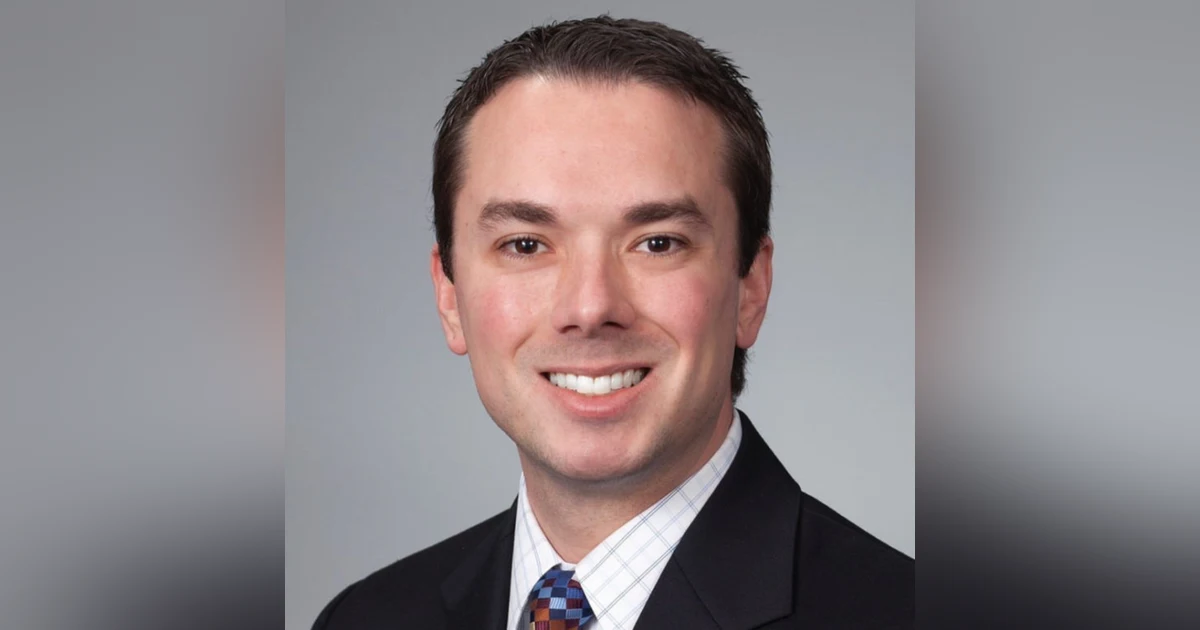

Jim Eubanks, MD, is a board-certified physiatrist and newly minted attending at the Medical University of South Carolina Dr. Eubanks graduated from Furman University in Greenville, SC, and received his medical degree from Brody School of Medicine at East Carolina University, graduating with Distinction in Research. He completed his residency in PM&R at the University of Pittsburgh Medical Center (UPMC) where he served as academic chief resident. He subsequently completed a fellowship in spine and musculoskeletal medicine and health policy at UPMC before joining the faculty at MUSC as an Assistant Professor. Dr. Eubanks also has a Master of Science (MS) in sports science and rehabilitation. Dr. Eubanks has presented nationally and internationally on a number of topics related to spine care, and serves on the Editorial Board of PM&R, the official scientific journal of the American Academy of Physical Medicine and Rehabilitation (AAPM&R). He serves on AAPM&R's Innovative Payment and Practice Models committee, and is currently involved in leadership roles at the American Association of Neuromuscular and Electrodiagnostic Medicine (AANEM) and the North American Spine Society (NASS). He was selected as a 2023 recipient of NASS's "20 under 40" award.
Mentioned in the show:
UPMC Value-Based Fellowship in Spine and MSK
Built to Move by Kelly and Juliette Starrett
Social media:
Hello everyone, I'm Dr. Darsha, and I'm Dr. Altamash Raja, and welcome to Medicine Redefined. A podcast where we will explore the often overlooked but necessary components of health, what we consider to be the fundamentals. We will investigate topics and practices that can give you and your patients the best chance to optimize a healthy lifestyle. It's time to move the needle forward and put the health back in healthcare. Our guest today is Dr. Jim Ubangs, a board certified physiatrist and newly minted attending at the Medical University of South Carolina. Dr. Ubangs was a former chiropractor, and he graduated from the Ferman University in Greenville, South Carolina. He received his medical degree from the Brody School of Medicine at East Carolina University, and then graduated with distinction in research. He completed his residency in physical medicine and rehabilitation at the University of Pittsburgh Medical Center, where he served as academic chief resident, and then he subsequently completed a fellowship in spine and muscle skeletal medicine, as well as health policy at UPMC. If you went back to our previous episode, 121 Christopher Standard was actually the mentor and program director for Dr. Ubangs. It's safe to say that Dr. Ubangs is an emerging leader in the field of PM&R, especially when it comes to spine care. He serves on AA PM&R's Innovative Payment and Practice Models Committee. He is currently involved in leadership roles at the American Association of Neuromuscular and Electrodiagnostic Medicine, and he serves on the editorial board of PM&R. He was recently selected as a recipient of the NASA's 20 Under 40 Award. Some goes through a lot of things today when we talk about the biopsychosocial model of back pain. For those of you that may not know, back pain is one of the most common complaints we see in the clinic and in the hospital. Almost everyone deals with it at some point in their lifetime, whether it's transient or whether it's chronic. Back pain can be very complex, and so we talk with Jim about the things that we can do to interview patients. How do we think about different models and frameworks? We also discuss medications like GABA Pentin and the risks that many people suffer because we so overly prescribe. And interestingly, we start with Jim's perspective on Buddhism and how he learned mindfulness and how he uses the concepts in his own practice. We talk about a lot, so let's get to it and enjoy the episode. All right, listeners, Jim UBanks is here across the screen with me in Ultimash. For the listeners that don't know, I've known Jim for about four years now. He went up on four years, yeah. I was a fourth year medical student rotating at UPMC, where you were a second year resident. And then, since then, we've kind of kept in contact, helped you out on some Pimentar recap ventures, met you at some conferences as well. So appreciate you making the effort man's day in and touch, and that's awesome to have you on here for the podcast. It's great to be here. I really appreciate the opportunity and look forward to chatting with you guys. Yeah. An interesting place to start would be your Buddhist learnings. And for those that don't know, I kind of did a little bit of deep dive on you, Jim. And I saw that you did a podcast probably back in around 2013, talking about how you kind of delved into Buddhism, how you took it up as a practice. You've always been interested in kind of world religions. Take me through a little bit about how you got into Buddhism, and are you still practicing it today? Yeah, great question. So the way I got into that, actually, back when I was 16, I started playing lacrosse in high school and wanted to sort of complement my physical training with some mental training. And so I started studying mindfulness meditation. And that was really early on, obviously, as a 16 year old. And so by the time I was 17, I developed a rather acute presentation of an illness that required emergent surgery and a number of hospitalizations after that point. And so I found myself relying on some of that training for health reasons, right? And I grappled with these questions about why this kind of thing happened to me, but bigger, why it happened at all. And in particular, to people who have less family support resources than myself. And so during all of that time in the hospital, I was there continuously for over 16 days at one point. And I contemplated some of the big questions of life, and the mindfulness training stood out as a tool to help me during that period. I continued studying mindfulness meditation and sort of dived into the historical development of mindfulness a lot more, and had a number of really important people who had applied it very pragmatically, including David Schainer, who is a PhD, and was the chair of the philosophy department at Ferman University, where I was an undergrad. And he and I became very close. In fact, we stay in touch to this day and speak frequently. And he's planning to come visit me when I moved to Charleston pretty soon. He was at my wedding. And so he applied it in business settings. So he was a pretty high-level Kiakido practitioner and studied in Japan for a while. And then started applying a lot of those principles to business. And so he worked with a number of major companies, including Gillette, and companies all over the US. And so through that, I started to incorporate some of that into healthcare and have continued to do so, especially with chronic pain. Why did you feel like mental training was necessary along with the physical aspect? Yeah, that's a great question. So in order to optimize the physical training, I felt like the mental element was essential. And that is to stay with those more challenging physical moments where we're pushing ourselves further than we are perhaps used to and comfortable with. And so preparing ourselves mentally and having the fortitude to persist in the face of challenge was the application that I was after at that time. And again, I applied it to my health endeavors. How old were you at this time when you came to that realization? Yeah, I mean, so this was, I started to toiling with this when I was 17. So it was February of my senior year of high school when I was preparing to start lacrosse practice actually for that season. And was really catapulted into this urgent health situation where I required surgery and surgeons at the time in Charlotte, North Carolina, where I was, were consulting with surgeons in Texas and, you know, trying to gather information about how to handle my situation. And so it was pretty scary, right, especially as a 17 year old. And that really framed a lot of my thinking not only about life, but health care. And so that's when I really started to develop an interest in health care, even though I ultimately traveled on this rather long, circuitous pathway to get there. Yeah. And so you mentioned now the most recent application, the lessons that you've extracted from that journey of kind of, you know, building upon mindfulness is you've started applying them to your chronic pain population, right? And I mentioned to you offline a couple of weeks ago, I had a lengthy and informative conversation with your program director where we're talking about essentially one of the things that we're getting wrong, which seems to be a lot, right? And hence the podcast, that's the inception of the podcast, but we're also always interested in about how could we do it better? I know you have some, some strong feelings about a lot of things and we'll touch on some of them. But as we were just chatting about briefly is one of the most prevalent issues in musculoskeletal medicine, which of course we have to talk about because we're three physiatrist sitting in a room here, is back pain, right? And I'm so happy you brought up the importance of mental training along with the physical training. And I think that's a good segue in talking about just chronic pain and back pain in general. Because almost every patient that I see when we have chronic pain in nature, right? This is kind of where we start, like I usually write down on a board I'll have, you know, we have the physical component, the emotional component, which you can interchange. It's like a logical if you'd like, and you have the social component as well, you know, maybe you have a slightly different view of it. And then within that, right, we can branch out and look at different facets of that and how we can address those three things, but we do have to address those three things. I have the conversation. We always talk about the physical component, everybody does. That's the old bio structural model, right? And the newer model, the bio psychosocial model, which you were talking about time and time again, still some people who don't really understand it and anybody who does understand it doesn't know how to apply it, right? That's there's a big gap in that. So with that long winded of the stage that I've kind of set is talk a little bit about how that specifically the mental training, the mindfulness that you've kind of expanded upon over the last decade or so. That's helping you specifically with this difficult population of chronic pain. And maybe we could just to keep it a little bit simpler for people to fall along, just talk about back pain. And so I think what you're asking is, you know, how do I import that understanding and realization of the importance of mental training or the mental dimension into my care of patients with back pain. And so I think, you know, first of all, it's back pain is very challenging because it's hard to say much that's new about back pain right now, right? We have lots of research looking at back pain and we struggle with articulating it in different ways than we've been doing for years now. But I think one of the ways that, you know, we have to think about it is that, you know, there are folks with structural issues, very specific problems that cause them pain. At the same time, anyone who's had pain, especially back pain for a long time, has accumulated this framework through which they try to understand it and deal with it. And clinicians, you know, physiatrist and others who deal with this have a hard time reconciling both of those things at the same time because it's not enough to just say, you know, how's your sleep? Oh, your sleep's not bad, you need to do better with your sleep hygiene, right? Like, like, it's not enough to do that. We have to really engage with behavioral change and behavioral change is hard, identifying potential pain generators has become relatively easy for us. We do it a lot. We, you know, have advanced imaging and we identify targets. And we do that rather well in our training. But the thing that we still don't do well is reconcile that information with the overlay or the patient that is the psychological or psychoemotional side of things, the sociological side of things, those different layers that create the experience the patient has, right, as a, let's say, person with back pain. So for me, my background in training allows me, first of all, to relate to patients, right? Because I understand why those things are important as someone who has suffered chronic pain and someone who has suffered from acute pain. And I think that relationship building with patients allows me to break down some of those barriers that might be present that need to be addressed. And so when I, one of the things that I've really gained from fellowship, the fellowship that I do is trying to better understand how to identify the different types of motivators in a person's life, right? Like what makes them tick? What makes them get up every day? Why do they want to get better? And identifying that is critical to the care plan that I will develop with them. And implicit to all of that is that psychological dimension, you know, how they think about it, how they prioritize, how they reconcile challenges, all of that matters. And that's part of what I try to use, you know, from my own experience with, for example, of them mindfulness background as I apply it in the clinic. So I have to follow up with that, Jim, you know, oftentimes when you bring up the words, mental, mind, psychological to patients, especially with pain, they kind of resist, right? They'll back away, they'll shut off. What's your conversation like with patients when you try to delve into the psychosocial components, when you try to teach them about different ways of mindfulness training? Yeah, great question. So it's a lot like the label non-specific low back pain. You know, we don't talk to patients and tell them that they have non-specific low back pain, right? Like that's a label we use as physicians or researchers. The way we talk to patients is much more practical and kind of mundane and down the earth for the intentional reasons that it relates better with them. And so when I talk to patients about, you know, the psychological aspects, it's more in ways that allows them to explain themselves. It's very open-ended. And so I might explore what their values are or what their goals are for clinic, right? Like we would always ask, what can we do for you? You know, that's sort of an opener for us in the fellowship and the kind of spine program I'm in. And so we don't say, where's your pain, right? We say, how can we help you? And so setting the stage for exploration is more important than trying to pin down some specific type of information from the patient in the context of, you know, exploring some of the psychosocial dimensions. And so I need to know what's important to them in life, what is an obstacle for them in life? You know, in other words, what's going to be the barriers for us succeeding as a clinical team and what's going to be the hang up when I try to put together an effective care plan for them. To know that information, I just need to prompt them in an open-ended manner and usually that information reveals itself pretty readily. Yeah, I think the barriers are key, right? I mean, I'm a consult rotation, it's the one thing you constantly learn is, you know, what are the things that are going to prevent somebody from executing the plan, right? I think that's something as providers we don't often think about. You talked about engaging with behavioral change. I got that in quotes right here because I do think that that's, that has to be the theme of every single patient encounter when we're talking to somebody who has any type of chronic disability, right? And giving people agency over your pain, right? And I think about an encounter I had earlier today where it was a consult patient coming in for clinical and treatment management and they were just talking about how the pain is limiting every facet of this person's life, right? All the big components that we talked about, but it was all that pain is not allowing me to do this. The pain isn't this, the pain. And we talked about why does the pain have so much power? You know, we just sat there and thought about that for a second, right? And we're talking about, hey, and this is an individual who is actually a retired Navy officer, right? So highly functioning individual, 20 years in the Navy, very physically fit. You know, of course, with that, you know, it's accumulated a ton of musculoskeletal injuries and so, rightfully so a lot of surgeries reason to have, quote unquote, something occurred to me though when I was reflecting on that visit later on, right? You mentioned maybe we're not doing a well enough job dealing with that aspect. I think we're doing a terrible job. I think you're being very, very kind. You know, I think when it comes to finding the specific targets, like that's what we're trained to do through our training. And hey, look, quite frankly, that's really sexy stuff, right? Getting a needle in my hand, getting an adult to sound stuff like that. That's a lot of fun, right? And as I've cited before, like the, the evidence suggests that majority of the candidates that matriculate from residency to fellowship are going to musculoskeletal based fellowships and not ones that are like your program. But what, what the thing that stuck out to me is that this individual had come to me with the expectation of pain management as in prescription management, right? Because their previous provider had discharged them for whatever reason. And when they made that intake appointment, they were given that information that this is what the expectation is going to be. So we spent 45 minutes, Jim, talking about all these other things about, you know, getting controller life back, all the kind of that end of the visit. So I said, okay, what else can I do for you today? I was like, okay, sorry, are you going to write the oxycodone? And I was chuckled inside and I was like, oh, man, like where, we didn't get anywhere. Of course, probably the failure is, is mine in that regard, right? Something, and maybe it is, maybe it isn't, maybe I'm being too hard. But what I, what I couldn't help, I think, is like, when this person's scheduled disappointment, what was the information that was given to this person, right? Because a lot of it is managing expectations. If you've been given, hey, this is what's going to happen at your first visit. And then the patient hasn't heard whatever I said for 20 minutes or whatever conversation we had, right? They're, they're waiting for, they have their own agenda, right? Somebody recently told me like, everybody's got an agenda and we have to align those genders. And that's when we get to that therapeutic alliance that we talk about all the time. And so I think teaching the providers, the physicians, the trainees, like that's one aspect of it. But what about the ancillary staff, right? What about all these other checkpoints in the health care system, where if that all isn't lined up and teed up, it's going to be really hard to get somebody to engage in behavioral change by the time they walk to your office. What are your thoughts about that? Yeah, so the ancillary staff is a pretty critical component now, right? Because health care is a team sport. And we are able to do what we do because of our dependency on numerous other people, right, in different positions of importance. And it's interesting you bring this up because so the research work that I'm involved with is looking at prehabilitation for Lombard spinal stenosis surgery. And in prehabilitation, we are very dependent on aligning office staff and nursing and therapist and physicians and surgeons on the same page so that we can essentially carry the patient forward in an effective manner, right, towards their surgery, which, you know, we hope is indicated for their condition and their recovery process. And so the successful implementation of a program like that requires the team to come together and understand each other's part in the process. And so from a pain standpoint, for me to effectively address the behavior change that I think is important for someone who's had pain chronically, I require the expertise of others. And I have to know what that expertise is. And I have to know how to identify the people who can get that expertise to the patient. And then I have to be able to develop their relationships to effectively utilize those resources, right? And so a physiatrist is in that role. That's something that we train for from residency on. Inpatient rehab is a really great teaching ground for those concepts. Increasingly, we're seeing it in outpatient settings, but historically, it isn't necessarily where it's excelled that is in outpatient settings. And so now we're carrying over many of the lessons from inpatient care and multi-interdisciplinary pain programs into standard outpatient care in ways that I think are ultimately going to be better for patients. And so I'm optimistic about that part. I think that, you know, as you alluded to earlier, there's a lot we do wrong in Muscle Skeletal Medicine. And we're very, we're very bad scientists when it comes to Muscle Skeletal Medicine. We're trying to catch up with a number of other fields. But one of the areas of optimism to me is our evolution towards team-oriented problem-solving. Absolutely. I think about Kelly Starrad, right? They Kelly and Julia Starrad, they recently put out a book, they called Bill to Move. And I've been listening to him for a while, really, but lately he's, he talks a lot about how pain isn't a medical problem. And I think, you know, what he's trying to, to talk about, and Darcy can comment on this, is that, you know, everybody has to own, own their own pain. And it's not something that you can necessarily go to the medical system and say, help me get out of this, right? You have to be an active participant. In fact, a lot of times, you don't even need the medical system. I mean, how often, I mean, really there are very few people on this earth who have an experienced pain, but it's not every single time that you stub your toe or you have some pain that is transient that you end up seeking care. You're like, yeah, I'm just going to rub some dirt on it, quote unquote, right? It's going to, it's going to dissipate over time. But really, it said, what's the thing that's turning into a chronic from an acute to a chronic process and in those steps where it's turning from an acute to a chronic process? What are steps that one could take to prevent that from happening or mitigate the other chances of that happening? Right? So I think that's some of the process that he's talking about that I really like, but I want to dig a little bit into this peri-surgical care, the prehabilitation that you talk about for spinal stenosis, maybe for people elaborate a little bit on really what spinal stenosis is and how that is distinct from some other pathologies. I think people are just really no sciatica, right? That's really what it comes down to. But some other key components and then what lessons have you guys been able to extract from the research that you're looking at and does it apply to other spine pathologies that are responsible for chronic pain or chronic back pain? Yeah, great question. So spinal stenosis is essentially narrowing of the central canal where the spinal cord and the caudidacquina exists as well as the foramen where nerves exit that canal. And it can happen at both or either place. Spinal stenosis is very common, it is age-related, it is a degenerative process and most people we can more simply think about it as arthritis of the spine and the loss of spatial or structural integrity that compromises sensitive soft tissues like nerves. And so spinal stenosis leads to typically pressure on nerves in ways that affects good blood flow and oxygenation for the health of the nerve and thus can lead to pain. Sometimes it is classically known as being intermittent and related to position. And so when someone is standing up we tend to close down the spinal canal and the foramen of the spine and so it can put pressure or apply crushing forces onto nerves and that's why people become symptomatic in that position and then when they sit or flex like a sharp shopping cart sign as we sometimes call it, then they are relieved of that neurogenic clotication. And so spinal stenosis is very common, radiographic stenosis is more common than symptomatic stenosis. There is some discrepancy as to who has symptomatology when it comes to imaging and so sometimes there is a mismatch between what we see in an MRI for example in what someone may experience. That discrepancy has really gotten us into a lot of trouble because if you for example inject or operate based on radiographic findings and do not correspond the symptomatology of the patient then naturally we may not get the result that we are aiming to get. And so a very small subset of people who have stenosis have such a relentless version of it that they end up on the pathway towards surgery and so surgery can open up the space that has been lost and allow nerves at least theoretically to have more space and we call that decompression. And so often with decompression in an older spine we will also fuse it for improved stability at the spine. And so that's really what we're talking about is surgery for people who have severe stenosis that has usually been going on for a long time chronically this is not an acute process and have tried conservative measures and have not been successful with conservative management. And so what happens is that a lot of these folks because it's a chronic process have developed beefs and behaviors around their stenosis to try to adapt because patients ultimately make decisions and change their behavior to adapt hopefully more successfully to what they're confronted with. And so let's say that we have someone who for five or more years has been living a certain way concerned that their spine is vulnerable and weak and concerned that if they move the wrong way they may cause pain or injury to themselves or they've been told this by other clinicians which is often the case and they're generally de-conditioned because of this as well. So you take someone like that and you sign them up for surgery and you do the surgery but you don't address any of these multi-year behavioral changes. What we see is that a much larger than anticipated number of patients don't do well with surgery. There is always the possibility that surgery is not as effective biometically as we would like it to be right so I have to give that caveat here. However, additionally there is the concern that behavior change is not an automatic process just because someone undergoes an intervention and this is what we're trying to do. So with pre-habilitation or pre-hab or more specifically in our case we're studying educational interventions and so we call it pre-operative spinal education specific to one-bar spinal stenosis and what we're doing with this multimodal approach is trying to equip patients before surgery with ways of shifting their thinking and ways of shifting their behaviors so that they're more prepared to change and adapt after the surgery takes place. The thing that's really important here is that it's based on adult learning theory which adult learning theory is pretty simply or maybe most simply thought of as repeating information over time right so that we retain it okay and what we're doing is we're creating a common language across staff and across the clinical participants so that they're saying the same things and reiterating the same messaging and we are ensuring that patients are using certain types of information as their resources and not relying on things that maybe they're being told by a neighbor or maybe they're being told by a family member or maybe they're googling online or asking chat GPT now right we're trying to make sure that we give them high quality information that we think at least as a you know team of experts is evidence-based and we've so far in a pilot study had enough success with this and we think that we have a positive signal to proceed with a larger trial and so that's that's kind of where things are heading ultimately I want to be clear for the people because I think often when trainees providers read notes they'll say oh you know make sure you follow a good spine hygiene some some sort and I think that's not what you're saying right that's kind of what you were talking about when people are like hey don't move this way make sure you have good posture and that things that we're going to talk about but can you just so I have a clear understanding can you walk me through what something like that might look like like can we do some role play here and if I'm pretending to let's just say I'm some that individual who is you know feel some of the conservative approach I'm kind of at the end of the road so to speak and I'm really headed for surgery and I come have a pre-surgical consultation with you and what are some of the key questions some of the that you will ask to get an understanding of how you know where where my mindset is in terms of my pain and how would you help shift that to to be better educated coming out of surgery so my recovery is better yeah so we we do use certain patient-reported outcomes or PROs including the promise scores so promises and NIH developed standardized questionnaire that can assess different domains so anxiety depression kinesiophobia things like that and so we'll we'll use that information to help guide us but most simply this is a matter of interviewing the patient appropriately right this is a basic skill that we should all develop as residents but interviewing patients to understand what their thinking is and what their thought process is asking them if they're afraid of movement or if they've been told that certain types of movement is bad for them those are things we must do there's really no way around it and um you know when we understand what their thinking is we can develop appropriate interventions and so some people may simply be misinformed right that is that someone told them not to bend over too far because it was bad for them they have never been over and had a bad thing happen to them but they were told not to do it and this so they stopped doing it right that kind of person just needs the right information there are others who feel that bending over causes them harm and perhaps have done it right and they've experienced pain and so therefore they don't do it because they know from direct experience or from personal experience that bending over causes them pain and so that person needs more of like an exposure therapy approach for example than just information right like information is probably not going to do it for them they need an actual training program that will help them progress from where they are right now through the uncomfortable sensations of bending until they get to a point where they're desensitized enough that they can do it in daily life right and they're not incapacitated from it so understanding the person's thinking is critical to developing the right kind of intervention for them um and likewise that may change our medical treatments so a person who's actually you know actually experiencing active pain is different from someone who is just fearful that they might experience pain right so i'm not going to over medicate someone who's not in pain and is just concerned about it um but someone who's having a acute pain because they have you know compressed L3 nerve root for example um it's going to be different yeah it's funny uh you talk about residents teaching them an interview to get the thought process right it's it's completely different than what throughout medical school we're trained right it's like the the mnemonic that i learned was oppqrc right you got all charts clodiers people are trying to get just so you can get the key facts which are really all geared for billing fortunately that's not the case at least for outpatient medicine anymore but still that's that's what we're teaching them there's some good to that right having worked with medical students that that the art these are key components to hey what makes your pain better what makes your pain worse but again it's not a check box thing right it's like about having a conversation and really understanding where that person's you know um mental like what mental space they're in it's interesting you you brought up the the movement and the thoughts of movement you know i if i think about circa 2018 when i had my true first time like a true ridiculous uh symptoms like after a very long drive what an s1 ridiculous op at the concert for five minutes right without paraceties is constantly in just excruciating pain and you know even starting things started going to the growing and of course like a an avid um you know enthusiastic old fitness person and showing the conditioning world just pick up stuma gills work right i know you're familiar with this stuff and i read the book back mechanic front to back in like two days and then i'm doing everything in neutral spine right doing my bird ox doing my crunch doing my lateral planks and he even talks about how when you're walking you should be walking with that spine stiffness intrepid abdominal pressure and then you try to do that it's like this is the most ridiculous thing in the world because this is not this is not pragmatic i get that word that you used with one of your colleagues at that approach this is not you can't do that and and live day to day and function in a normal society and finally i went to a physical therapist who i had been following for quite some time in in p.a. and the first thing he had me doing is like you know after doing an assessment he was like all right we're going to get you to squat and we're going to let that lumbar spine round all the way at the bottom and i should look down on big eyes how dare you you know what do you mean like i'm just going to let that round right we can't let that butt whip happen and i think it's just so important for us to realize that this pendulum swings back and forth right and i think at that at this point rather i'd i'd want to get your thoughts on posture i think when it comes to this pendulum swinging in fitness industry and pain things do go back and forth and when i was coming up and we were talking about how like posture really really influences your pain and then over time or again everybody's just doing postal correction stuff right we're doing pre-hab stuff in your workouts like i'm trying to hit the the ytls like crazy you're trying to hit the rhombus like crazy try to correct that thoracic kyphosis which is really normal and you're trying to fix that and then over time the conversation shifts to up doesn't affect pain whatsoever and i'm not sure that's true either like much like anything else you know it's some there in the middle but i'd love to give you the floor here and and kind of get your thoughts on where you are in that conversation and and i see you smiling so i'm excited to see what you're going to say yeah it's unfortunate that you know a parent radicalism is what gets people's attention so you know when the pendulum is over here it's if someone says something over here then that gets the attention and so things start to swing that way and then that's normal and there's nothing new under the sun and so then someone says something back over here and we start moving that's that's how pain management has been for decades right nothing new under the sun i mean if you study the history of it all it's really funny to me i saw recently that like ultrasound and various types of ultrasound not as a diagnostic tool but as an interventional tool is coming back around and i'm like you know chiropractors and pts have been using that crap for decades and you know we debunked that 20 years ago and now i see it coming back around is like this new thing and it's not new it's been around for a long time but i guess the point is that yeah so saying something provocative tends to get a lot of attention and so for a while we've been saying that you know posture is important and now we're starting to say posture is not that important but i think what's important here is there is a balance of concepts and so for some people at certain times posture can be important right so if you're post-op day two from a three-level decompression fusion of your lumbar spine bending over and touching your toes a bunch of times is probably not going to be the best idea in the world right it's practical for us to give people neutral spine advice for a couple weeks maybe after spine surgery right you're trying to minimize extraneous stress on those healing tissues makes perfect sense right the person who is you know working out at the gym five days a week and in very good shape doesn't need to be running around obsessing over neutral spine because we don't have good evidence to suggest that maintaining neutral spine is going to prevent any kind of back pain from happening so that's a really important point here we have to come back to evidence-based thinking and we have to look at the evidence and when we do we find that there's no evidence to support a lot of those assumptions that we've made over the years particularly about posture if a posture feels bad don't do it right that's what we should be saying to people but we shouldn't be uh you know petrifying them by saying that you know if you bend over and look at your cell phone you know you're going to ruin your neck because that's just not true we have no evidence for that right and people have been doing that with newspapers for a hundred years so before cell phones it was newspapers right and nothing bad happened and so um another part to that is really understanding the natural history of diseases of the spine that's not how you know a loss of cervical lordosis happens for example and that's not how chifosis develops that's not what gives you compression fractures like understanding the etiology of those things is really important to fact checking some of the uh popular ideas that float around um yeah so that that's that's one thing I would say and then I think you know one thing I did want to go back to just just briefly is you had touched on the idea that pain can be a really personal thing for someone right and so if if people aren't familiar with um gerome groupman he is an oncologist in Boston and he wrote a really good New York Times bestseller years ago called the Anatomy of Hope and in that book he talks about his experience with back pain and so the way that I got into PM&R for ziatry is actually through Jim Reinville and Jim Reinville was the one spine person that gerome groupman went to after 20 years of back pain and was able to get better and the reason he was able to get better is because Jim Reinville looked at him after he had seen all his scans and heard his entire life story and he said you're worshiping the volcano god of pain and he said we've got he said he said the volcano god of pain is a selfish god right it demands all of your attention so when you're walking down the street it requires that you think about it and not the walking or the reason for walking or the purpose in life right and so the the analogy here though is that with pain there is ultimately a decision point where only the patient can participate and that is how much we're willing to invest in seeking some resolution for ourselves right and and how much we are going to allow the externalized demands of the experience to take from us and and I think that that's really important it's it's it's a hard thing to grapple with but it's in chronic pain situations I think it's important because again even if we have a really bad facet if I've had this going on for five years and I have had neck pain for five years I have accumulated all kinds of ideas beliefs and behaviors around my coping strategies for that bad facet and the neck pain that I have right and to undo all of that or to start undoing all of that you know we really have to be actively involved as a patient as a really good physiatrist or physician or clinician we have to be a really good partner in that process and so that's just another point I wanted to make because you know I love that volcano got a pain it snapped Jerome Grootman out of out of his sort of cyclical thought process that he had maintained for 20 years and I think it's worth people looking into it's a great book I have it over there as well and it's probably the one line that I definitely remember throughout the whole book is is the volcanic cotton pain so it's funny the funny that you mentioned it because whenever somebody comes with back pain you know you try all these treatments you're just like it's goes a worshipping this possibly doesn't worship the volcano got a pain so I love that I do want to stay on the same path but I verge a little bit at least talk about a medication that's known to all of us right which is GABA pentin or most commonly in the brand name Neurontin used for nerve pain but I've seen it even prescribed for people with just musculoskeletal pains about a year ago I think you were on Twitter and you you wrote a lot about the possible risks behind GABA pentin and maybe why we're over prescribing it do you mind just taking us through a little bit about what those tweets were about right and and kind of what your take is on GABA pentin and how we should be prescribing it yeah so you know GABA pentin is a very bad drug at doing what it's supposed to do so it's a terrible anti-convulsive medication and so we don't use it for that reason which is why it was originally developed and over the years we saw that a small percentage of patients with neuropathic pain seemed to respond to it and so you know we began pushing GABA pentin for that and then unfortunately with the epidemic of opioid overuse we started scrambling to look for alternatives and GABA pentin was high on the list of potential alternatives because it was thought that it was safer and not addictive and potentially useful in pain management it had been used in multimodal pain management for a while before that point and so it didn't take much to imagine that this neuropathic agent might be useful in you know non neuropathic states and we just needed to try it more and so that's that's kind of what happened the the issue is that and I think the issue I have is that we don't have many great pain medications for people and instead of owning that reality and being very diligent and scientifically aggressive in seeking out more appropriate options and developing more appropriate options we are just using kind of crappy medications for that purpose and not acknowledging that they have problems and so what happens is you get a lot of folks who already have issues with falling for example older folks or those with neuropathies who were using this medication in and it can cause somnilance and increase their risk of falls and has indeed done so and there have been a number of papers about this problem and so we're creating this sort of Iatrogenic issue for people and I think that's sort of the summary of of the concern that I have with Gabbapentin in particular I do think it can be used in certain cases and I think that we have to be careful about its over prescription that's the main issue solid thanks Jim for going over that you know it's definitely a yeah so I'm gonna selfless question for me because we prescribe it so much so definitely just want to get the understanding but yeah absolutely you know I think more and more of the attendees I work with have this understanding of starting on low dose starting at night to at least hopefully prevent that groggyness but I do see a lot of providers saying oh my god it's such a low dose let's just go up real quick you know from 300 to 6 to 9 you know even increase that frequency to three times a day so it is a drug that I see frequently getting up titrated very quickly so I just appreciate your thoughts on that so we've almost been going at it for an hour now Jim but I do also want to just talk about your career as a whole right I think a lot of people as I look on social media look at you as a very like young leader especially so early in your career as much as the work you're doing with spine and PM and R but you know people may not know that you had a career before medical school which was being a chiropractor how was you know take us through a little bit of that journey what made you take that leap from leaving chiropractor the that world and then becoming a medical student you know becoming a student again I should say which is I would imagine a tough thing to kind of think about to say oh my god I'm going to go through four years again and then residency until I become again an attending and something that I can do without oversight yeah I mean I've got a few friends that I stay in touch with who have traveled this this path that I have and the the fortitude that it takes to go back to school after having a different kind of degree and then a practice in most cases is is is is rather large and so yeah I mean I was a chiropractor I went to chiropractic school this was the period when I was still being hospitalized intermittently I missed a semester in college because of surgery I had two more surgeries while I was in college and I had some ongoing issues that took another seven years or so after that to resolve and after the initial surgery and so partly because of that and and because of some good experiences with chiropractor in my family friend circle I saw that as a viable entry point into musculoskeletal care in retrospect it did allow me to focus in on history and physical exam and behavior change questions because that's that's all the interventions we had right couldn't prescribe meds could it do injections and so you know we couldn't work on an impatient setting in a meaningful sense and so if you don't have those things you have to really try to hone your skills elsewhere and so for that reason it was a very good primer for PM and R I don't do manipulative therapies or treatment really anymore I value a lot of the people in that community who have gone on to do research so the chiropractic and more so the physical therapy community has done a really nice job of training researchers to do important work in musculoskeletal care and I think that I know through the RMSTP program the rehabilitation medicine scientist training program at AAP they're trying to produce more PM and R physicians that can do that work and have done a really nice job but that's crucial because we have a lot of interventions and therapies that we're using out there that are not yet appropriately researched and the evidence is very thin for them right and it's on us to do the work and to find out what is working for people and what is not and then you know that would be good evidence-based care and so that's um all of that thinking was involved in me moving back towards medicine because I did go spend time with Jim Marineville in Boston when he was still in practice he stopped he retired just a couple years ago but when he was still in practice he had this really successful spine program at New England Baptist Hospital and worked closely with PT's and it was it was very exercise-based and he was kind of the person who people saw when they were at the end of the road and no one had any more solutions for them and so he would sort of take care of those people and do a really great job with them and so I saw that and it inspired me and I could see myself doing that and I also realized that in order to have more impact with what I thought was good musculoskeletal medicine I needed more cultural authority and I needed a position where people would hear me more than if I was a chiropractor and so that was a big reason for going back as a long road yeah that's finished nine years of this so yeah I mean four years of chiropractic plus a master's degree and then three years out of chiropractic school working two different jobs in health care and then going back to medical school nine years here I am so finally finally out of the incubator about time man about time well let me let me ask you real quick right so obviously with tiktok instagram there's a lot of videos out there with chiropractors you know doing net cracks back cracks using different modalities and unfairly I think they've been mistreated right by by by the large population out there by saying I would never go to a chiropractor I've even had patients say this to me that I would never touch it with a 10th of a poll especially as they're coming in you know for a pain consult what do you advise patients to know before going to a chiropractor are there any questions that they should ask or any qualifications that they should look for yeah I mean some of the things that I I think I need to say may not be popular with everyone but you know I don't think that spinal manipulation has a big role in the management of musculoskeletal conditions we've we've been studying this for decades and it's just you know fairly mediocre like most things that we try um so it's not in my algorithm even for the treatment of patients in our spine clinic um but nonetheless having said that there are certain chiropractors out in the community who I know that are delivering really high quality musculoskeletal care just without medicines and without interventions and they are people I would be comfortable and have sent folks to who the the thing that chiropractors and PT have that's really instrumental to good care from a programmatic standpoint is they have a lot of touch points with patients right they have more repetition where they spend time with patients in ways that it's really hard for physicians to and because of that folks who need um that kind of guidance as they're developing new beliefs and behaviors about managing with you know the pain that they have that can be a really crucial resource to to rely on and so those are the scenarios where I would utilize it not specifically for manipulation I don't send people for manipulation um I just don't in fact one of my favorite chiropractors out there who's fairly TikTok TikTok popular is a guy named Aaron Kuball and uh Aaron's in Minnesota and he usually spends his time debunking a lot of the bad ideas out there in the usually sort of manual therapy exercise world but um he doesn't do any manipulation and he's someone that I would uh absolutely send patients to nice I think I think I think we might have to reach out to Aaron and bring him on to be uh onto the pod here to talk about some shop so it would be a you would be a great guest yeah yeah I definitely follow him on social so he is good awesome well man you just said it's been nine years you're finishing a fellowship you have four more days left by the time this episode is released you might be on your way over to South Carolina um and starting a new gig there why don't you tell the audience what's next for you what you have in store and what you're excited about yeah so my I'm uh mostly from the Carolinas Charlotte in particular my family my wife's family is all in the Carolinas and uh Dr. Amit Nagpal who was in San Antonio for a number of years is now the division chief at the Medical University of South Carolina within the Department of Orthopedics and is developing really the first major academic PM in our presence in South Carolina and it's my honor to go work with that team and help them build a program for PM and R um Matt Sherrier who was a chief before me at UPMC is there uh he does sports medicine and um we have uh Renee Razati who did a NAS fellowship at Emory uh she's there as well and we're now in the process of developing the impatient side of things before hopefully pivoting back towards general expansion of the program it's it's really exciting to be in a place that has such a need for what we do as physiatrist and doesn't have access to it and so being able to go there and build something new and have the ability to influence the culture of that program as it develops is something I'm really excited about and I get to take my incredible um what I what I hope is uh an incredible wealth of knowledge here um from Pittsburgh at UPMC and take it there to MUSC and see what we can do I think we're all excited Jim because you know one of the things we talked about it gets harder harder to change your way of thinking right the the older you get the further along in your training you get right because that cup isn't empty anymore so to speak and so you have the opportunity to teach you know incoming residents and younger trainees who are kind of blanks late uh I think that that's the perfect opportunity to intervene when it when it comes to teaching a lot of things that we've been talking about right those words about you know engaging the patient or engaging with the patient for behavioral change like what does that mean right asking the questions not to just to get the information for the note but rather to really connect with the patient to build that relationship the patient all the worse that you use that we know matter the most and so with that the last question that we like to ask everybody is you know about adding the health back to health care but really I think a lot what we're talking about is adding the care but you know for the sake of seeing true to our mission I'm just going to ask you that question and you take it whichever way you want is how do we put the health back in health care that's a great question and I think a lot of people cross health care at different levels are are being confronted with this question now not just the clinicians but the administrators everyone is aware you know that health care is in an unhealthy state in America and it's expensive we're spending more and more every year it's projected to be nearly 20% of our GDP by 2031 at this point and we're not getting our return on investment so despite all of this investment in money and time and trainees like ourselves those who are supposed to benefit from it aren't and to do that differently I think it really takes more people in positions of influence to try new solutions when it comes to delivering health care we have a lot of understanding about what might work but when it comes to implementation that's where we struggle there's a lot of fear there's a fear of uncertainty there's a fear of changing the way we've been doing things we have to change though we have to have brave leaders we have to have people who are inspired to change and I think that that means you know there has to be a different culture that ultimately takes root in a lot of our health care systems which is not just our hospital systems and our outpatient settings but health plans insurers they have to do things differently as well so one way that I think we need to tackle this though is we do need more clinicians to be involved in the administrative side of health care right a lot of the decisions that directly affect people who are delivering care need to have more input and understanding by those who are delivering that care and we we have lost that over the past few years and so I think more clinicians who are willing to learn those skills and to sit in those meetings and you know develop a voice have to do so additionally and really importantly here patients have to be more involved right the people that are directly affected by all these decisions and the money that's being spent they have to have a voice and that's something we have not done very well if at all and so we've got to engage them and have them giving more of their input so that we can understand what their needs are and as we're out there experimenting which is a you know process that's happening right now with different models of care we need their feedback to find out what's working and what's not and adjust accordingly so those are just some of the initial thoughts I have on that thousand percent love it Jim thank you so much for coming on to the podcast thanks guys it was my pleasure thanks Jim thanks for listening to another episode of medicine redefined if you enjoyed this episode please be sure to check out some of the additional resources in the show notes please also check out our social media platforms where you can find more content like this you can follow us on instagram twitter and tiktok at medri defined we want to take a moment to thank our team for the production of this podcast specifically Ethan Jew and Herita Yipri lastly please remember the important disclaimer that everything in this podcast is for educational purposes only it does not constitute the practice of medicine nor should it be construed as medical advice no physician patient relationship is formed and anything discussed in this podcast does not represent the views of our employers we recommend that you seek the guidance of your personal physician regarding any specific health-related issues however if you enjoy the show please be sure to subscribe review and share with anyone who you would think will gain value from this as well until next time thank you for listening