


 Apple Podcasts
 Spotify
 Castro
 RSS Feed
 121. How Physicians Get Paid & The Economics of Medicine | Christopher Standaert, MD
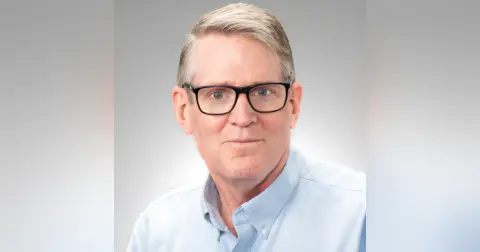
Hello everyone, I'm Dr. Darsha, and I'm Dr. Altamash Raja, and welcome to Medicine Redefined. A podcast where we will explore the often overlooked but necessary components of health, what we consider to be the fundamentals. We will investigate topics and practices that can give you and your patients the best chance to optimize a healthy lifestyle. It's time to move the needle forward and put the health back in healthcare. Our guest today is Dr. Christopher Standard. Dr. Standard is a physiatrist whose board certified in physical medicine rehabilitation and electrodiagnostic medicine. He's an associate professor at the University of Pittsburgh School of Medicine and is the vice chair of outpatient services. He received his medical degree from Harvard Medical School and completed his residency at the University of Washington, followed by his fellowship at Pioneer Spine and Sports Physicians. Dr. Standard's clinical focus is in the non-operative management of spine and neuromusculoskeletal conditions. He takes a very patient-centered approach to care, trying hard to identify the issues behind an individual's pain or injury in helping them understand this. He believes that knowledge is empowering, and he works with a wide range of providers to help his patients regain or optimize their ability to pursue meaningful activities in their lives. Throughout his career, Dr. Standard has worked extensively on health policy issues at state and national government levels, as well as for multiple professional medical associations and hospital systems. He was an advisor for CMS on the concept of value-based care and focusing on patient outcomes to improve health rather than simply avoid disease. In this episode, we discussed Dr. Standard's background and entry into the fields of physiatry and then sports and spine. You'll notice that he has extensive experience in a variety of fields leading to where he is today. One of the current hats he wears is the founder and director of the value-based spine care fellowship at the University of Pittsburgh Medical Center. We discussed the current reimbursement model in healthcare and how the incentives are misaligned with outcomes. We also dive deeper into what it means to be value-driven and using the chute and data rather than economics to drive outcomes. I asked Dr. Standard to share what a future looks like that does incentivize value in outcomes over finances. Obviously, we think it looks bright, but I also wanted to know how healthcare practitioners can navigate through the system as is constructed currently, yet hold on to their mission of helping patients rather than prioritizing economics. We also discussed how we can use data to leverage patient selection and treatment selection with the help of technology. And we close by looking towards a hopeful future and what we think it means for us at individuals, both patients and practitioners. I know this is a bit longer of an episode compared to our usual, but I promise you it's a necessary conversation and one you need to hear. Now without further delay, please enjoy this discussion with Dr. Christopher Standard. Dr. Standard, welcome to the show. Thank you. Pleasure to be here. The pleasure is all mine. We're just chatting up a second ago. There are so many exciting things that we can talk about and I have this entire list in front of me. I'm so excited to get to it. I'm not really sure we're going to be able to get through all of that. So we'll see how much we get through that. And if it's enjoyable for you, we'll always table in a part two. But before we start, I kind of want to give the listeners a sense of your background kind of where you did your training and what was it that led you to medicine, physiatry, and sports in general. So like everybody else you get in the show, it's a complicated story, right? There's no, I never had a path. I never said, this is what I want to be. I'm going to follow this path. I think there's a lot in life that sort of you say that you get somewhere and you think, well, I thought about a path to get here and there are like 27 million random things that happen to you and they guided you to where you are. So I didn't have a path per se. So I am a physiatrist, PM and R specialist, sports and spine person trained that way. They do sort of very complex spine at the moment, but certainly you have seen lots of athletes and treat elbows and shoulders and knees and backs and hips and the whole thing. Really rehab based. I am not pain management, I'm not that right. I came out when there were sports and spine fellowships. There were no sports or pain right before that. We didn't have that. And so if you back up my own story. So it's, I never thought of it as one of the defining things about why I went into what I went into, but it really is relevant. When I was 12, I was a very active kid, compulsively like outside running, jumping, soccer, whatever. I got diagnosed with soccer Marie Tooth when I was 12. I had to have surgery on both my feet and I think in eighth grade, if I got my ears right, gets fuzzy at that age, spent 20 weeks of that grade in casts and crutches and just utter sort of misery. And I got a note from my doctor taking me out of gym and sports for the rest of my life at 12 years old. Right. And it was sort of devastating to me. So I was a sports kid, right, love baseball, basketball, group in the DC suburbs. So all had great teams for all those sports when I was a kid, loved all of it. And then I, I'm tall, you can't see me, I'm tall, I'm 6'4", 6'7", wingspan, I'm tall. And so when I was 14 or 15, I had a friend who was living in DC from another country for a couple of years who wanted to join our neighborhood swim team because there were no swim teams where he was from. He was from Jordan. He didn't know of a swim team. And so he asked if I would join the team with him because he felt sort of like stupid to do in this at 14 or 15 years old and never having been in a pool before. And I said, sure, I'll do that with you because I didn't know what else to do in myself for the summer. And it changed my life, right? Like, I'm 6'4", I can swim. I can't kick, I have no kick, but I can swim. And I can swim well enough that I could feel like I could swim, right? And I swam a lot and I trained and did weights and all this stuff. And I swam from my high school swim team I seen you a year and I got to college and actually played varsity water polo for two years in college with really totally unable to move my feet. So I wasn't a great water polo player by any means, but I played, right? I was able to do the practices and sort of stay with it. So I shifted myself in, I always wanted to be in sports. But I come at it from sort of this disabled athleteish perspective, right? That wasn't really a thing when I was a kid. There was no term like that, right? That wasn't really a thing. And then I was in college. My father was an MDV, he's a pharmacologist. He worked at Georgetown, his whole childhood. So he didn't really practice medicine once he finished internship and some time in the Navy. And so I didn't really know what I wanted to do. I got to college thinking medicine and I was about chemistry major when I started and I signed up for my first biochem course and said, this looks miserable. I thought, oh, I want to do this and I didn't. And so I went to our course catalog at the time, which is a book. And I said, I think I'm going to do biological anthropology. And so what I wound up studying was this mix of sort of the relationship between biology and human behavior and social structure and the physiology of human adaptability is what I really liked. Like how do we fit in our environment? How do we adapt to things that I studied exercise and muscle fiber types and all these sorts of things? Because it was interesting to me. And I, when it came time to figure out what to do if you graduated, I applied to med school on like the very last day the applications could get in because I was just so ambivalent. Right. And I applied and I just, I didn't know what would happen. And I was actually still trying to figure out what I was going to do. And the day before my graduation from college, I got a letter from Harvard Medical School letting me in. And I was like, well, okay, I guess I'll go there. Right? You do. It's a pretty sweet graduation present. Yeah. It seemed like a good thing to do. So I went and I went for a year and I left because I didn't know what I wanted to do. I was there about halfway through my first year and I was like, this is stupid, I'm wasting my time. I can take a test and pass a test. That's okay, but I'm not learning much. I'm kind of wasting this. And so I talked to school and let him go and get me a year and I took a year and I have the first few months. I interviewed other people in medicine. I interviewed venture capitalists, bankers, PhDs, research people, MDJDs. People who went to medicine did other stuff and I realized there's a whole slew of things you can do in medicine other than just sort of like medicine, right, be a doctor. And so I wound up going back to medical school. I liked the sports thing. So with CMT, my hands are weak so I could never be a surgeon. I was off the table. And so I was like, where can I get into sort of musculoskeletal stuff and not be a surgeon, right? That's how I found PM and R. Right. At the time there was no PM and R at Harvard when I was there. There wasn't a program. I had to go to Tufts for my my rotations and I originally got named Terry Nicola, who was a sports and spine guy working at Spalding at the time, which didn't belong to Harvard at that point. I wasn't part of Harvard belong to rather wrong word. That's what I wanted to do. So I decided to sort of go do that. And then in residency, I gravitated towards Spine, I like Sponacord injury, Diana Cardinus, shout out to her, one of my prime mentors as a resident. But I met Stan Herring. Stan is sort of one of the founders of our field, the sort of sports and spine space. Started with a Saul Brothers back in San Francisco in the 80s. And eventually I wound up going into private practice for a few years where I actually learned a lot about the economic world of medicine because that's what private practice is about money. How does this work? How do relationships work? How do referrals work? And then one day Stan called me and said, you know, Stuart wants to do wine, see my partner, I want a third. Do you want to come join us? And so I moved my family from Western Massachusetts back to Seattle where I started. Then kind of went from there. And so I am, you know, I like sports, I like activity, I like movement, I like kinesiology, I like the way people move. I like to P.M. R. R. is P.M. R. is limitless and how you can help somebody. I found medicine, internal medicine, very limiting, you can give a pill here or there, right? Pill for blood pressure, pill for headache, pill for whatever, drumming nuts, right? And P.M. R. is like, wait, I can talk to them about kind of shoes they wear, I can talk them about how they exercise, they can talk about how they sleep, I can talk about how their house is set up, I can talk about what kind of wheels they can get, I can talk about what kind of like, I can talk about all sorts of stuff to make their life better. And so that's why I got into P.M. R. and I am a curious person, I'm just a very sort of curious, I'm a very truth seeking individual, truth sort of really matters to me, the right thing sort of matters to me. And I, when I went to Seattle and joined Stan and Stu, I went looking for something to do, I joined NASA or the American Science Society and said I should do something here. So I said, put me on a committee and they put me on membership, at that time membership committee at NASA, you had to read all the applications from every doctor who wanted to join. And so I sit there once a month, I get the stack of CVs and I'd read them all. That's not like you're not going to let somebody in who wants to join NASA who's an orthopedic surgeon for God's sake, right? Like they all get in. I'm like, why am I doing this? So I called them and said, give me something more interesting, please, I don't care for this. They said, okay, we'll put you on a coding committee. I said, oh my God, that's more interesting. This is coding, this is not the most interesting thing in the world. I have a good service kind of person I do what's needed, right? So I go to the coding committee and within six months, I was like, oh my God, this is how the world works. This is how the whole system works. You get a code, does a code get paid for? How much does it get paid to do this code? Who does this code? How many times does code be done? This starts driving the entire world because everything we do has a code, right? So how did those codes come into existence? How did they start to get there? How did, who decided this is worth this and this is worth that, right? And how did that work? And then why do we do certain things? And I started realizing like, I had been in private practice, I was in private practice about 10 years before I joined the University of Washington. The three of us sort of merged with the university in 2005. But in that time in private practice, you realize a bunch of things, right? You realize money really ties relationships. You start realizing like things don't pay the same, right? So you have all these different procedures to do. All these are used, paid differently, all these codes get paid differently. How does that work? How much does it give and pay or pay is different, right? Medicare does not pay the same as regions. Medicaid pays less than Medicare, right? So then how do you balance all that if you're in a practice to sort of get your income somewhere, right? How does the economics work here? And so in that sort of first few years that I started figuring out this is how the world worked, right? These codes are driving the entire world, they're driving what we do. And then I got lucky, right? I don't know, I'm just in the right place sometimes. NAS, there was a committee at the time called the Practicing Physicians Advisory Council PPAC, which was an advisory council for CMS for Medicare, part of Health and Human Services. And they put out a call for they need a representative and turned out they wanted somebody from the Pacific Northwest. So NAS came to me and said, would you do this? I said, sure, I do that. And they threw my hat in a ring and I got it. And I wound up going to DC a handful of times a year for four or five years. It used to be an advisor to Medicare, essentially, to CMS. And at that time, they were trying, they were wrestling with this idea of value-based care. They're introducing all of their value-based care initiatives and they were running them through this advisory committee to see what we thought of them, how they worked and how they would fit with a physician practice and how we thought about it. They didn't know what it was yet, but that's what they were talking about. And so I just walked into value-based care in 2003, 20 years ago, right? Nobody was talking about it. Right? Medicare was just inventing the term, right? He was talking about it. I just literally walked into it. And so I did that for a while when Obamacare went through, they canceled that committee as part of it. But I had about four or five years of doing that. And then I joined a committee in Washington state called the Health Technology Clinical Committee, which is a health technology assessment organization, a bit like Nice on the UK. Looks at medical technologies and procedures and does a very intensive, deep dive on data and I guess a huge data report done and then considers sort of data on efficacy, cost and safety and decides whether or not the state insurance would pay for this, right? So should be covered under state insurance. And I probably, I was on that for eight years, I think, something like that. Sixty different technologies I sort of went through and technology can be everything from an epidural injection to a knee replacement, to a glucometer, to ECMO to all sorts of things, right? Sixty of them in those years. And every time we went through this deep dive of data, like, what do we know about this? What do we know? Do we know that it works? How well does it work? And does it work? And is it safe? Is it safer than the options? Is it not safer? Is it cost effective? Do we have any data on cost? Right? And I just learned an awful lot about how the whole system works and how the money drives everything, right? How does the money sort of flow through this? And how does that then relate to patient care and what you do, right? And what you're trained to do, right? We're not necessarily trained to do the right thing. We're trying to do things that are economically effective for the system, right? In reality, the hospitals we work at, hospitals don't make a lot of money. They have very small margins as businesses go, right? And most of the profit in a hospital is elective outpatient stuff, right? Especially orthopedic surgery, neurosurgery, vascular surgery, cardiac, right? They're elective outpatient things, people who take care of trauma and, you know, populations without a lot of income and Medicaid, Medicare populations don't make money, right? They're a hospital. They lose money, probably. So it's got to be balanced out somewhere, but all the stuff drives it. And so in all of that, you know, through that whole time, I would work with evidence and data and evidence based medicine and I started writing articles on what I really know about this, right? I wrote a very early systematic review on what became sort of core stabilization, right? We didn't have systematic reviews. They sort of told us the right one that eventually looked like the format of that, right? And I wrote it thinking I had read the book from Australia that, okay, we work on every small tip of the eye and they're transverse abdominis and this is the answer of back pain. And I looked at the studies and went, no, it's not. It's not at all the answer to back pain. So I stopped and I pivoted and I said, okay, that's not it. I have to think about this differently. I just started following data and truth, the best I could find it. What the evidence really showed. And I started reading articles very critically and in all those years of sort of doing all that for every one of those 60 things, you know, you had to go read 10, 20, 30, 50 articles I probably read. 80 articles on PRP are 50 at least, right, before we talked about PRP. You read a lot. And so I learned a lot about that process and as I went through this, there became this big jumble in me, right? So I really care about truth and data, I really care about doing the right thing. I really like and believe in rehabilitation, this idea of sort of restructure in a reformat and redirect and find a new place to go. I have somewhere along my way, I came up with my own five things that I think people need to be well, every human being on the planet needs to be well, right? It's, we all need sleep, sleep is when we hear ourselves, we need a decent diet. We are, we eat, we need exercise, we are used to losing creatures. We need social engagement, we're social creatures and we need a passion or a mission, a thing to go get. And every person I ever met in my entire career needs those same five things, doesn't matter how much they make, doesn't matter how tall they are, how short they are, doesn't matter, male, female, whatever, it doesn't matter, right? We all need those things, we're all human, right? And I realized that rehab and my treatment became about those things, that's how you get somebody's life better, right? That's what a better life is, right? When those things are missing, life isn't very good, when all five of them are missing, nothing's very good. And if you talk to people who've been in pain for a very long time, most of them have none of those five, right? And I don't care who you are, that's not a happy person, so you have to sort of rebuild them. And so I have this, you know, and then I have this, my own background of sports, activity, exercise, physiology, all these sorts of things I learned training with really, you know, a very deep personal understanding of disability and loss and redirection and re-adaptation and continual sort of, you know, there's this whole, like, greeting process people talk about getting to acceptance, right? Like, I don't buy it, right? I was diagnosed with a shock or my tooth 45 years ago, right? Do I accept it? No? Right? I don't. Right? Do I acknowledge it? Yeah, yeah, acknowledge. It affects me every single day, but it doesn't stop me, it doesn't define me, it doesn't do any of that, I don't let it do that because there's too much other important stuff. But this idea of reinvention in here somewhere falls into rehab. And so all of these things kind of come into my being as a physician, right? I really want to, you know, help people get to a better place. I want them to live better. I want them to feel better. I want them to be well. I think their health is paramount and everybody's different. You have to listen to their story. You have to hear them. You have to feel their lives. You have to understand their lives. You have to understand where they came from or they're going. They all see pain. Everything I see, everything I see is pain in a way, but pain is an existential thing, right? It's an experiential life thing, right? It's not an objective. A pain is a five. What does that mean? It depends who you're talking to. So all that jumbles into me as a provider. And so in there, I found myself as somebody who is unusually educated in sort of the healthcare system, this idea of value-based medicine. How to think about it differently with a strong evidence-based background. And a strong desire to actually sort of frankly sort of disgust with the healthcare system is probably really it. I really don't like our healthcare system. And a strong desire to make that better, which is how I sort of wound up in Mount University of Pittsburgh and UPMC. And that's how I wound up there. I really wanted to go somewhere where I could work to make it better and I could work with people who want a better system, a better maestrap, a better way to take care of people and refocus what we do so we're trying to get them well and healthy and we're invested in their well-being, which I'm not sure this system is by itself. That's a long answer to your question. Now I love that. I think there's a lot in there that I could touch upon. And as you mentioned, one of the reasons we wanted to bring you on here is so we can kind of help dissect a little bit further into some of the issues of the healthcare system. So that's one of the main reasons we wanted to have this conversation. So you can help elucidate a little bit better in some of the issues that we're dealing with. I do want to come back to this concept of acceptance and I think I have a word for you that I think you might like better or maybe we can kind of explore that a little bit further. But before we get to off track, I think I'd like to start in talking about this quote-unquote broken system by sharing a quote with the listeners that in preparation for this, we've seen some emails and I think your response was just beautifully stated here. So I'm going to read this and then we can kind of take it off. So you said the system is broken. Financial incentives are divorced from outcomes. No one is really responsible for how patients do. Science is routinely trumped by money and power and waste and inequity are baked through the free fee for service structure. As a system, we simply don't focus on health as a global priority or empower our provider to achieve this. When I first read that and I was like, oh my god, I think I need to go back to change our mission statement for medicine to redefine and put this into it. And I haven't maybe explicitly said this, but when people ask, what's the podcast about? I think initially, when we were both a resident, I mean, Darce is still a resident on an early career attending and it's hard for you to have this conversation with people who are 10, 20 years ahead of you and have this type of a bold statement. You can make this, you know how the structure is, I can't make this and be like, what do you know? What do you know? Right? I think I've been lucky enough in my time where I've had mentors who've been kind of had the, you know, a similar path to yours where they're seeing multiple sides of the box, so to speak and they're like, man, this is just not working. There's a better way. Okay. Let's talk about this tough. And we've had those deep conversations where like, okay, this is an issue. This is an issue. This is an issue. But what might some solutions be? And so you talk about value-based care in 2003. That's a little shocking to me because I still don't find enough people having this conversation. In fact, when Jim, I think when he matched into fellowship, he posted that, you know, all over Instagram, maybe he was on UPMC's page and he was talking about spine value-based fellowship. And actually I just scratched my head and I was like, what is that? Like, I've never heard of that, right? And I'm not. Just made it up. Just made it up. Well, there you go. There you go. And I'd love to kind of even touch on the genesis of that. But maybe you touched on the fee for service model, right? I'd like to start there. I think it might be worthwhile explaining to some people what the fee for service model is. And then we can talk about how the financial incentives are disconnected from patient outcomes a little bit that you touched on. Yeah. A fee for service is just this idea that, you know, you deliver a service and somebody pays you for what you do, essentially, right? So you go fix somebody's TV, they pay you for fixing their TV, right? And so in medicine, what that means is really that every single thing we do has a code for what we do. If we see somebody in office, there's a code, and that code varies by either complexity or time, depending how you want to sort of build it, or documentation is more appropriate, probably documentation of complexity and time. Longer visits you can build a little higher forward and lower visits in terms of value. But then everything you inject, everything you do to somebody, every CT, every MRI, every surgery, every piece of every surgery, every component of it, everything that's done in ER, every medication you get, everything has a code. And all those codes translate to money, to payment, right? So when you see somebody do something, you submit these codes, you say, this is what I did, right? These are the codes I did for the procedures I did or the things I did or what the service I provided. And then that gets translated somehow to money, right? And so this is sort of the RVU thing, right? We use RVUs, relative value units. And relative value units are essentially controlled by CMS, Medicare, Center for Medicare and Medicaid Services, what CMS stands for. They are the system that runs them is really controlled by the AMA, the American Medical Association. And everything you do as a physician has an RVU attached to it. There are several components of an RVU and from the physician perspective, the important thing is the work RVU, the work component of it. That work component is an assigned number. And the way you get paid is you take that number and you multiply it by what's called a conversion factor and then you multiply it by a geographic modifier, which is almost always around one. The last I checked, Alaska had a much higher one at like 1.5. Most states are around one, so it's fairly neutral. But essentially, you're taking this number, this RVU thing and you multiply it by a conversion factor. A conversion factor in 2023, I think is $33.89 per RVU. So every RVU submit, there's an exact number that Medicare will pay you or the billing institution for that number, right? There are other things tied to it, their facility RVUs, so the facility can attach on a fee and often that's a lot bigger than the provider fee. Like for an epidural injection, the single interlaminor epidural injection, it's not a huge conversion factor, I believe it's 1.2, which is just not very high, right? So that translates to 1.2 times $33, it's $45 roughly, but there's a whole fee attached from the hospital or the place you're doing it that's a lot higher than that. So the hospital gets paid too. But in general, the physician is getting paid for this service. And then you look at these RVUs and say, well, how do you decide how much something is worth? Who decided? How did you decide that a certain service is worth a certain number of RVUs and how do you get there, right? And they really aren't, they're decided, if you create a new RVU for something, you send out a survey to people who do that procedure and they send back something saying, how complicated it was, how many resources did it take me to do this, now much time did it take? And then that is used to calculate the RVU. So they are essentially a reflection of time and perceived medical complexity and resource use necessary to deliver the service translates to the payment, right? The problem is, it doesn't matter if the service works, it doesn't matter what the benefit is, it doesn't matter what the harm may be, it just doesn't matter, it doesn't matter what the outcome is, it doesn't matter if somebody got better, right, it clearly matters how intense it is, essentially, and how time consuming. And so, no money back guarantees. No. But what that does is, it's queues the whole system towards things that are perceived as more intense, right? So a colonoscopy is perceived more intense than an hour-long conversation with a patient. And I can tell you, there's some very intense hour-long conversations with a patient. But what we'll call anoscopy is a hell of a lot more and probably takes less of the doctor's time, right? Yeah, the hour-long conversation is also physically probably more taxed. It is. And so it's not really, the numbers aren't really reflective of sort of the actual work done in some way. They're definitely skewed towards the procedure side. And they are really determined by, if you want to get a lot of RV use in your day, you do a lot of high RVU procedures that are perceived as sort of labor-intensive, right? And what really happens is when you sort of submit, the survey gets submitted, saying it takes an hour to do this procedure. That's the first 10, 20 people have done. Once they've done 100, they're doing it in 20 minutes, but they're still getting paid for doing it for an hour because that's what the code came through as. Right? And so, but the whole payment system has nothing to do with whether or not it helps anybody. Has nothing to do with outcome? Has nothing to do with health? Has nothing to do with relative benefit? Right? Is it relatively more beneficial to talk to somebody for half an hour about their anxiety and depression or to do two trigger points and inject their shoulder? Right? Which is going to help that patient more. Right? That's not how the payment is decided. Right? It's not. So now, dog's barking in the background. So that's the problem. Right? But once you sort of a system like this, the system then runs on sort of perceived technical demand for doing the procedure's drives revenue. Right? So then if you want to make money, you build ways to capture this. You build operating rooms. You hire people who do these things. If you go into general surgery, you want to do big complicated surgeries because they pay a lot more than doing appendectomies. Right? You go into a physiatry, you know what? You could pay more to inject and to talk and if you start doing stimulators, get paid a lot more than if you just do epidurals. Right? So you shift the whole structure towards things that pay. And if you are a hospital, you need to build operating rooms that can do elective procedures that generate a lot of revenue. Right? Is that really what your community needs? That's not really the question, right, because you have to generate revenue. You open up a private practice and you say, you know, do I need an ultrasound machine to do my injections or do I need to go hire a psychologist? The profit margins will be higher on your ultrasound machine than your psychologist. You're probably going to buy the ultrasound machine, right? And so the whole thing gets skewed and we're not getting paid to help people be well, particularly. We're getting paid to do things to people and that skews the whole system. That means that's what we're trained to do. That means if you're in training as an orthopedic surgeon and all you see of people doing things, say it's probably hard right now to find an orthopedic surgeon in the United States who is trained to do a lumbar fusion for spondylostasis without pedical screws. Just to put in bone, right, do a non-instrumented fusion. If you went looking at that data on instrumented versus inter-instrumented fusions for a spondylose thesis that did generate a spondylostasis, you'd find that there's a higher fusion rate with hardware, but you'd find little to no evidence that there's a better outcome with hardware. Right? And, but the cost is a lot higher because there's hardware. Every screw costs, every screw going in is a code. Right? And the screws themselves cost 500 to $1,000 of screw. Right? And then there's a code for the surgeon and the whole thing. And so we start then training people to do the things that make money because that's how the hustles make money. So the trainees think this is how I have to do this. And then, you know, I don't know about your background experience, but I work with residents in our system who are finishing residency, four to $500,000 in debt from school. Right? They have to go pay that back. They have to go do things that make money. So they go towards the things that make money. But then you're taking people that you have selected out of society as being particularly sort of oriented towards humanity and brighten gifted and want to do this, but you're setting them up economically to just go do things to people. And you're not really setting them up to sort of go take care of people in a different way that doesn't do that. And so it creates mal incentives. There's baked in an equity here in that the average private insurance company pays about a hundred and twenty five percent of an RVU of the conversion factor. Medicare pays a conversion factor and Medicaid pays less than the conversion factor. So if you want to stay in business, you see people who have private insurance. Right? If you want to build a hospital, they make money. You want to build an ambulatory surgery center and you build it somewhere where people have insurance because they pay more when they come in for the procedures. Right? Then you go into sort of poor communities or minority communities where people aren't building these things where the insurance may pay less and you don't find the same facilities. And then you wind up with inequity. And if you look at the spine world, you know, if you're a black American, you are less likely to see a spine surgeon. If you have a surgical sort of issue, if you get surgery, it's more likely to be by a younger surgeon, rather than a more experienced surgeon. Your outcomes will be worse and your mortality rate will be higher because you're black. Right? That's it. So the data shows. And it's a direct artifact of how our payment structure works. Right? And so we don't have a global responsibility for our population. I think morally and ethically we do. I think most physicians I ask think that they do write in some moral ethical plane that they're trying to help humanity. But the structure of our lives is not that. The structure of our hospitals and our systems and our clinics is not that. So the inequity is a direct result of the payment structure and how it's reimbursed, which influences the whole system after it. Absolutely. Quick follow-up question. So you talked about at least for 2023, the RV reimbursement about $33. Has it historically been decreasing like over time over the last decade or so? So if you go back to 2008, it was $38. So if you go back to 2008 and you say, okay, in 2008, it was $38. Now it's $33, $33, $380, whatever. It's about a 10% decline. I don't think the cost of living has gone down 10% in the last 15 years. I think it's gone up about 50 or more percent. Yeah. And then logically, of course, the people have to kind of ramp up to be able to make up the same amount of money, right? So again, to your point, it only incentivized people to do more procedures to make up the same that you were doing 15 years ago. I mean, I wasn't practicing then, but you certainly were. Yeah. And in order to be able to see a similar type of paycheck, like that's what you have to do. And it is frustrating. And certainly in our field, EMGs is one of the things that you hear about that they're just not getting paid as well. And so people are just shying away from that art of it too, and there are a lot of people who need that, right? So electro diagnostics for, you know, it's just a test that kind of looks at your peripheral nervous system and any pathologies in there. And I want to actually define in a term, use the term, spot a list thesis. So anybody who's listening, it's just basically when one vertibule body will either slip forward or slip backwards due to either trauma or fracture or just degenerative stuff that you talked about. You kind of give a great oversight in just all the different issues and how it leads to and breaks us off in just a mere out of different problems, right? I'm wondering though, was there ever a time where it was better? And if not, like, what was the genesis of it? Who came up with this, does it precede you? I mean, you certainly looked into the history of it. Who decided that this is the way they're going to go and we're going to, you know, steer the ship this way. Now it's just moving just too fast and it's too heavy for us to turn around. It seems at this point. It precedes me and I don't know the whole history of how that came to be. It, they said it is the process of defining RVUs is largely run by the AMA and is owned by the AMA owns the CPT codes. So every procedure has a code, the code then gets an RVU. The codes are owned by the AMA, right? So the AMA is tied into that piece of it and how in the beginning people decided that time and perceived technical complexity were the most important factors I don't know. If you go back to the 60s and 70s, there wasn't this really, you could sort of bill and get paid. So you would see somebody in submittable and you would get paid and then really I suspect what happened is that the sort of technological explosion of medicine in the 70s and 80s. So MRI, I started medical school in 1987. MRI was in its infancy just sort of coming on. CT was in its infancy. They were hardly routine things. When I first started in practice, the hospital I worked at in Massachusetts, there was a truck that drove up with an MRI twice a week. That's when you could get your MRI because the truck showed up and I went to some other hospital later that week. They weren't routine and you know cardiac stents and balloon angioplasty were coming online as I was a med student. All these sorts of technologies, we didn't have these in the 60s, you got a heart attack, there was no stint, right? Maybe you could get a cabbage, right, but there was no stint, there was no balloon, there was no, there was none of this, right? There was no implantable defibrillator. So as we hit this sort of technological explosion and we could do all of this stuff, there was no calloscopy, right? For the until MRI and CT, there was like x-ray in my biography, right? What we had. So once you hit this explosion of technology and procedural sort of approach to things, you had to start saying, well, what's worth? What? You couldn't just let it read bill. I think this is worth this. Well, should I pay you that? I don't know. Somebody needs to start deciding what this is worth. How many tickens do you get for that? I don't know. You have to figure that out. So somebody had to figure it out. And this is just whoever just started to figure it out is what they came up with. I don't know the background of how they decided to rate things. It has been a point in contention because the primary care community forever has perceived itself as being undervalued because it values technical complexity. And they forever feel that it does not reimburse cognitive complexity that you find in primary care. Pediatrics especially, pediatricians get poor reimbursement on all of these scales. They're not doing, you know, it's just, they just do. And then that has a negative impact on our system because then there's a, there's a negative financial implication coming out of medical school going into pediatrics versus going into dermatology, right, or it's a pedics, right? The money's different when you're done. And so again, the whole thing is sort of skewed because of this. Yeah, just to put some numbers on it earlier, you mentioned, you know, our physiatry or my physiatry colleagues coming out of residency, they're inclined to go towards more procedural based fellowships, right, spine pain, sports, such as myself. And actually we, when we were, we published on this and we were looking at some recent data. I think there was a paper by Wang in 2020 that was published that showed that greater than 80% of graduating residents who actually had matched into fellowship were going towards one of the musculoskeletal based fellowships, right? So very few people going towards spinal cord injury, brain injury, stroke, pediatric rehab, less than 20% just all four of that. And so I mean, for me, of course, my bias is that that was one of the reasons, hey, we got to focus on ultrasound and we got to enhance this so we can recruit more people because that's exactly where it shifted. You know, I am curious though, you know, if the current generation, the generation before me and the future generations, they're being taught this, right? Then, and we don't really know, really kind of when it started, it's who, because, okay, so medicine, I'm always teaching my students, I'm like, look, it's all about playing detective, right? We got to find the culprit. We try to pick up as many clues as we possibly can. I know you know, this is a perfect listener. And then we try to put these data points together and then we find a bad guy, we find the culprit and that's the person or the, the issue that's causing the pain that's causing the problems. And so about accountability in terms of like this system that's kind of just quote unquote broken, it's like, who do we hold accountable for this? It can't be the trainees. It can't be the young docs because they're just told, hey, this is the best way to do it. And you can't really ask them with the grueling environment of residency and the hours and all that kind of stuff, you know, despite ACG me hours coming back, people still violate that all the time. You can't ask them, hey, get, read those 80 papers on PRP, right? In addition to everything that you're supposed to be doing, right? So who do we hold accountable for this? So no, you certainly can't hold accountable the trainees, right? Because they're doing what they see, they're doing what they have been told works somewhere in here. It is the economics that drive a lot of this. And, you know, I think most people who start medical school, most people I meet who want to go to medical school, most people I meet who are in medical school. All sort of, I mean, different backgrounds, different places, different reasons, different life experience. Why did you want to be a doctor? I don't know. Why did you want to be a doctor? All different. For the most part, they are very humanistic people. They're thinking about people, they're concerned about the world, they're concerned about health and wellness, they're concerned about the people around them. Maybe they were sick themselves, maybe they had sick people in their family, they're just concerned about that. They think this way. Somewhere in the course of that education, though, the system gets twisted a bit, right? And you take these people with these very humanistic impulses and you stick them into this very toxic economic system and what happens, right? What are their choices when they're done? Where is the power, where is the economic drive, where is the return on investment, where is all this? Right? It gets twisted as you go through. Somewhere in here is that people respond to incentives. You build a system, people, you know, we have, we have what our system was built to deliver. We have very expensive healthcare that does a very poor job of taking care of our population. Our life expectancy is terrible as a population of the amount we spend on it. We have astronomical rates of obesity in the diabetic population for the money we spend on it. We have very poor infant mortality for the money we spend on healthcare, right? We just don't, we are very poor on rankings of economic efficiency for healthcare delivery in this country because we're not really investing in the population and the ways to keep the whole population healthy. And I think you have to start switching the conversation to that. It's funny when I, when I. Somebody asked me once, what are we doing wrong in the spine world? And I said, we're doing wrong. We're focusing on pain and not health. We're focusing on pain. We're trying to fix pain. We're going to add to that, that pain generator, right? We need to fix it. And we ask ourselves, you know, is this going to help their pain? What, how can I make their pain better? What is the best interest of their pain? I don't think that's the question we should ask ourselves. I think we should be ask ourselves, what's in the best interest of their long term health? Is it the same answer? Somebody's a big disc compressing their spinal cord and compressing it, getting a spinal cord in your myelopathy, it's probably a surgery, right? That's probably the right answer, both times. Other times that that isn't the case, where what's interest, what's in the interest of their best long term health is not the short term solution for the next week or two. If you look at the results of corticosterid injections for lateral upacondylitis, people are better six weeks after they get injected, but they're worse one year later. So if you ask somebody, what's the right answer for that patient with lateral upacondylitis is probably not to do anything. Just give them time and let them heal. Don't put a needle in there because steroids make it worse, right? Don't put steroids in there. People argue about other things, a different conversation. That's what we should be asking ourselves. How do we start thinking about health? How do we think about wellness? How do we think about our role in the population and society? How do you then recognize the value of a physician and providing the service or leading that team that addresses that becomes a question, right? You have to start shifting the incentives. We have to start thinking, we are responsible for what happens. I used to pose this question to residents all the time. If you were to build a center to care of back pain, and your objective was to make money, to survive to make money to make an income, what would you put in it? What would you put in it? You're building a center, a spine center, you need to generate profit off your spine center. You have investors. You didn't make money. What do you put in your spine center? What goes in there to help you make money and take care of spines? I mean, I certainly, I mean, this isn't the question answer, but I would say, I mean, I need a multidisciplinary team. What does that mean? No. You want to make money? I want to make only money. We're not talking about outcome. There's no consequence for outcome. Well, if we only want to make money, we want to put a bunch of procedural suites, a couple of ultrasounds, right, and this has to be, there's going to be an ASC or, that's what it is, right? So, I mean, not a hospital base, so you can build overhead fees on top of that. Probably a couple of advanced practitioners who can, well, if it's only a spine center, and we're not seeing patients, we're only just doing procedures. No, you're seeing patients. Yeah. So, you have like a couple of physicians and a couple of advanced practitioners that can see follow-ups after procedures are done, so make it, quote, unquote, more efficient. Yeah, those are some of the thoughts before I get some hate mail. I'll pause here. That is how most of them are built, right? That is how most of our spine centers are built, exactly that, right? If I said instead, I'm going to give you $500, everybody who comes in your building, but I need these people to be well, so you're going to measure your outcome, you're going to measure your promise scores, you're going to measure your ODI, you're going to measure these things. And if you do well, you keep your $500. You do really well on your outcomes, I'll give you another $100 a person, right? So, now you have a fixed amount of money to work with. What would you put in your building? Now, it's about outcome and money, and you don't really want to spend money, it is not really going to help your patient, but you want them well at the end still. And what would you do? Yeah. So, this is kind of what we would want, right? This is actually multidisciplinary time in the best word, I like interdisciplinary better. Right? So, you of course have physicians, you might have some advanced practitioners as well, right? You got that psychologist you talk about, dietitian and nutritionist, certainly a physical therapist. I would also add a performance coach to strengthen conditioning coach, and we want to be able to address like every single aspect of those pillars that you talked about. You want to talk about their physical health from exercise, maybe a sleep specialist, if that's, you know, that's talking about that aspect, somebody's social connection can talk about that, that could be a part of psychology, nutritionist we addressed, and then, you know, passion and mission, and that could be explored by every single person along that team. And then you've got to have longitudinal follow-up, right? So, it's not something that you get better, and then we've got to have periodic check-ins, like okay, three months, six months, maybe a year, how is this person doing? And so, that's also going to require Pennsylvania staff to be able to do that. And so, the distinction in your answers is the problem we face, right? We live in the first world, right? We have to get to the second somehow, and Michael Porter is a healthcare economist at Harvard Business School. Now, I was lucky enough to take, they offer an intensive seminar in value-based medicine every year. And you can apply, it's free, you got to get yourself there, but it's free, it's very cool. I did it in 2016, I was lucky. But in that, he said that limiting care without accountability for outcomes is rationing. Right? So, if you just say, we're going to capitate, like we did with the HMOs in the 90s. So, I was in medical school, in early practice for that. We're going to capitate, we'll just give you $5 a dollar a patient per year. But we're not holding you accountable for anything, you just don't do anything, right? Just don't deliver service, you'll keep your $500. If nobody really cares what happens to your patients, you'll keep your $500. Right? That's a problem, that's a truck, that's rationing, you're just cutting service away from people who need it, because you get money if you don't spend it, that's a problem. You have to tie in this idea of outcomes. And then you say, you know, if you built one of those systems, and I built one of those systems, and I were in the same block as you, I would try to be better than you, because then I would get the patients. So, I might try and do it a little cheaper, yet still be better, to make a little more money off of it. And if one didn't exist in Philadelphia, I might put one there, if one didn't exist in New York, I might put one there, right? You create a different economic incentive, a different competitive environment to start competing for good outcome, so I'm getting people well, right? And that's, you're getting into value-based care now, that you start paying for things that work, right? You start paying for the amount of improvement you get. Kevin Bozik is an orthopedic surgeon at Dell Medical School, UT Austin, and he has talked of, he's written a lot about value in sort of hip replacement, and how do you get there? And that's not something that he proposed, sort of an incremental payment skill for hip replacement, based on how much better you get, right? That if the patient gets a lot better, you get paid more than if they don't get any better, right? And so starting to think about how do you tie payment to value, to payment to outcome, payment to quality, and then do we start thinking through our data to say, what does our data really show it when we really be honest about what is, what is, like, what is the most effective treatment for knee osteoarthritis prior to a knee replacement? It's weight loss and exercise. That is the best evidence, right? How many people with knee arthritis with, there's this thing called a telegram Lawrence grading, which is a grading for knee OA. So one or two is as mild to moderate OA, osteoarthritis. You know, people come in with one grade one or two OA, what they really should get is a good discussion about the benefits of exercise and weight loss, and they should get assistance with the weight loss, because that's really hard to do with yourself by yourself. They should get assistance with exercise, which would be PT, this idea of personal trainers of group exercise classes of health coaches, to help people navigate, how do I be well? That are really important, but if you could build it to do that, you might be able to stop a whole bunch of knee replacements, right? What mostly happens now is people get a five minute visit and a knee injection, right? Maybe they go to PT, but they don't know why they're going, they're not told to go, because this is the best thing to do, and that your knee will be better if you lose weight, and we'll talk about the physics of this, and we actually have to look at your foot and your ankle, and maybe you need some shoes that control your pronation, and maybe you need to be stronger at your hip, and maybe you need to get up and walk more than you are. We don't really talk about that, because that takes a while. It takes half an hour to get through that conversation. And then if you really get tricky, and you start going to this equity issue, again, start saying, you know, knee away, we'll go exercise. Well, what if your job is cleaning hotels, and you do two hotels a day, because that's the only way you can make money to support your three generational family living in your home? Yeah, there's no gym, there's no Pilates class, there's no, you can't do that, right? A lot of my patients can't afford $25 copays for a physical therapy, much less 50 or 75. It makes it a non-starter, then I can't even get them there. How do they get to a gym? They don't have $25 a month for a plan of fitness. How do you get them there? You know, if you look at what Social Security disability pays somebody, so your patients were on disability for physical or mental health issues or whatever they're on it for, they're making $900 to $1,000 to $1,200 a month? It's not much money in any American city. How do they afford fitness? What does that mean? So you have to start thinking about this differently a bit. When you think about getting people well on how you do it, but that's, you know, we need to then start incentivizing these types of things that are actually better for people. I do want to jump in right there, Dr. Sandard, because I do, that's exactly the patient that I think about, right? I know we're not, we're not talking about biologics today, but you know, some of the people in the biologics community and, you know, and when I give that lecture, I'll say, okay, well, how do we even get here? Why is this even a quote-a-quote need, right? There is evidence out there, right? And the probably the landmark paper in Gemma 2017, which showed the triumphant alone every three months, over time, reduced cartilage, like cartilage thickness, over time, right? And then you have other, you have anesthetics, you know, marketing's shown to be pretty toxic, really all of them, maybe with the exception of rupeevikine, but, you know, less than 0.5%. But even that can be problematic. And so, so people will say, oh, look, this is harmful, right? We're just kind of pushing them, we're kicking them further down towards surgery. And that's why we need to find an alternative and, okay, so enter all that stuff. But that aside, you know, what I will have the conversation with people, like, what about that person you just mentioned, right? Who is working to a job supporting the regeneration of family and cannot walk because they're in such a true sheeding pain, can't go up and down stairs, right? Certainly, we need to have the conversation of all the things that you mentioned, long-term outcomes, physically, that's going to give them the best opportunity to be healthy 20, 30 years from now. In fact, I've got a smart phrase and it talks about the long-term outcomes. That being said, though, the emotional, the damage to their emotional health currently not being able to support their family or play with their child or whatever it might be, in this current, you know, setting over the next six weeks, eight weeks that a corticoster injection might be able to help them. In that context, you know, the benefits of that injection to me at least seems like it's better than the cost of whatever that might be. We still need to have the conversation of all the things that you mentioned that are important, long-term. That goes without saying, right? But would you agree that in that context, the injection, hey, it's totally appropriate? So in somebody who has an acutely inflamed structure that is really markedly impairing function that might be expected to respond to a short-term anti-inflammatory intervention, which is what corticosterids are. Without contraindications of some level, yeah, there's a reason to do that. I have done thousands of injections in my life, right? I'm not anti-injection. I have done thousands of them. But you have to be aware that, yeah, that may destroy the cartilage of any. The ideal patient for me for a knee injection of corticosterids is somebody who needs a knee replacement in the not-too-distant future and they have an acute need to be able to walk without pain for a while before they get it done. And you can't operate for two or three months after you do it because you're raising infection risks. So they got a big event coming up in June and they're planning on their knee and they're told a knee being done in October and you want to inject them in May, so they're more comfortable in June. I got no problem with that, right, fine. But you recognize what you're doing is they're either, it's either imminent and you're driving them to that point because they just can't function and you'll detect it for two years until it's time to be done, right? That's what you're doing. Doing a 25-year-old's different story, right, because they have a whole lifetime, you don't know what's coming. I think you have to be careful with that patient you just described, though, because this goes back to his pain health question, right? The other thing about pain is that we think of pain as pain is translated to no exception, right, in medicine. That's what we're taught. We think no exception and all these pathways of no exception, I think, okay, central sensitization, which means sort of wind up and accelerating pathways through your brain that amplify pain and if we can stop the cause of the pain, the no exception, or we can block this amplification and we can manage the pain. What we don't realize is that pain isn't an existential, emotional existence state, right? It is not a thing, right, it's not a finite thing. When you ask somebody how much pain do they have, what you get is no exception, but you get fear, anxiety, suffering, angst, depression, all these other emotions are tied into that word and that number, and we don't ask that most of the time, right? Most people in this country do not walk in a doctor and get a depression scale and they come in for knee pain. They just don't, right? I just don't think they do. And so what we're not seeing is these people are depressed and anxious and fearful. And maybe that's why their knee is driving them crazy. Maybe they're afraid that the knee goes bad, nobody will help them. They won't be able to, maybe there's a fear of something horrible coming to them, right? Maybe they're fear avoidant because they don't do it. Maybe they don't know simple ways to sort of ice and stretch their knee because that's not the culture they come from where they would have learned this, right? And you can talk to them about icing and stretching and range of motion and say, no, this isn't that bad. And no, there's no cancer here. And no, it's not broken. They actually show some arthritis. And in five or 10 years, we might have to talk about a new knee bed like to not have you do that. Here are some simple exercises you can do. You can do some isometric knee extension things and strengthen your leg. And you know, I know shoes are expensive, but your shoes aren't very, you know, your shoes are two years old and you need better shoes. You can talk about other ways to sort of manage this and you can deal with the depression and the anxiety and the fear. And then you can de-amplify the pain very often. And if you educate people and you give them knowledge about what is going on with their body and what they can achieve and what they can't and why things may be going haywire and how they can control this more effectively themselves and you can empower them. They can do a lot better even with a fixed problem, right? And really when things become, when people start thinking that I shouldn't have to live with this because there is a solution that is just not available to me that I can get, that's an almost intolerable state for a human being. If you can explain that is not the case, then people go, I guess I have to deal with this or you really lay out what is the other choice. Well, you know, I had a patient who was 70 something and had a degenerative scoliosis so their spine is curving a bit like a bad arthritis and they are low back. And I said, well, yeah, we can fix that but that means 6 to 10 hours surgery was screwed through 12 levels of your spine and you are 76 years old. And the complication rate is astronomical. And then I say, but I have a physical therapist and a health coach and a psychologist and I think we can help you through this and help you live better and work better with this. They take the second choice, right? They say, you know what, that sounds better. But people have to have resources, they have to have some insight, they have to have, they have to hear the truth, right? They have to hear what is the truth here. You know, I'm glad that we talked about the VA score. You know, it's interesting throughout my training, I've worked with different people in different clinics and they're like, I don't really care what the pain level is because when you're presenting, you'll say, oh, their pain is a 6 out of 10 or 9 out of 10. I think most people are familiar with it. They've been asked that question at some point. Initially, I was like, oh, yeah, you're right. It doesn't really add a lot of value because people are so bad. A lot of people are bad with describing what their pain are. It's because they'll say, oh, my pain is a 9 out of 10, 10 out of 10. Even after you told them, 10 out of 10 is when you're in the emergency room after you've got shot. They'll be like, yeah, it's a 9. Okay. Clearly, it's not a 9, right? Objectively, you can see that. But then we were talking about Dr. D who discussed the loja model of pain, right? And how to discern between suffering and pain. And I try to impress upon my trainees that, hey, that actually does matter because it gives me an idea what that person's perception of their pain is. If you can see that person and that person clearly is not a 9 out of 10 or 10 out of 10, but they're telling you they're 11 out of 10, that gives you a lot of insight into what's going on in their brain, right? And if we can... I mean, frankly, who are you to judge how much they're suffering? So that's the saying they shouldn't be in 9. They don't look like they should be in 9. The 9 is their perception of how intense this is to them at the moment. And their way of expressing to you, their concern about what they're experiencing, right? And as I said, is that no exception? No. Could that be a combination of fear and suffering and anxiety? Yes, certainly could. They are amped up. They're unhappy with a pain of 9. And they're trying... And maybe the three doctors they sell before you didn't listen to them. And they're trying to say, well, hell, if I tell this person it's a 9, maybe they'll listen to me. Right? I'm hitting the limit of what I can take, and so that's the tricky thing, right? They're trying to perceive that VAS number as some objective scale is flawed. It's not. And it measures lots of things. And if you start asking people about their anxiety and their depression and their fear and their sense of self-efficacy and their sleep, then you start seeing that many things are disrupted, right? And you can start. So we do this in our clinics. We have promise skills we ask. So every patient I see, I walk in, I have an anxiety scale on them. And I can walk in there and I can say, yeah, you're in pain, but also, you know, you feel that these forms, which it looks like your anxiety level is really high. That's what's that about? What's going on? And then they tell me, because they told me, I don't say, hey, you look anxious. I say, you just told me you're anxious. Why did you tell me you're anxious? And then they tell me why they're anxious, because they told me, right? I'm not judging. I'm not throwing a perception out. I'm not saying you shouldn't be a 9 out of 10. You must be anxious. Right? I'm not doing that. That's all judgmental. And you can't really do that. I don't think it's not fair to people. But you can listen to what they tell you. You can listen to their state. You can, you can in your own head say, hmm, 11 out of 10 pain, they are, they are concerned about this or amped up about this. What is, then you have to get to what's behind it, right? If the pathology you see is not that bad, then there's something else that explains this, right? And maybe it is fear. Maybe it is anxiety. Maybe there's something else. But that's what you have to go do is go explore that. And so there is a, in doing this, there is a, there is a proportionality thing, right? How much does, how, how impairing is a lumbar disc herniation? How impairing is a, is a bad facet joint? How impairing is an arthritic knee? When you do this for all, you get some sense of that. And you get some sense of when it's perhaps more than you might expect. But then there are usually reasons for that, right, that you then have to go explore. But then understanding that is how you educate and you empower your patient and you get them to the right resources to help them in the right way. And you can lower, as you lower, pain and anxiety and fear tend to go down together. If you do it right, you know, and so you, you can sort of go after that, but it's, that's the thing that, that one number doesn't tell you enough because it's measuring lots of things. I think. Yeah, I mean, we've been so bad because for the longest time we've been looking at the biomechanical model, right, looking at some structural pathology and that's the only aspect you look at it. We talk about the biopsychosocial model for the last decade or so, but I think we still do a horrible job with the psychosocial piece. I think we do the horrendous job with social. We do understand a little bit of the psycho, but we don't do a good job at it, which is everything that you're talking about. It does make me wonder though, like, you know, I'm revaluating part of my fizz of examination. You do have psych, right, when you're doing that system and you're, you're teaching your students and your trainees, there are people, as you mentioned, pay most people are in it for the right reason, physicians. The other side of the coin is the patients, right? Most patients are coming. They're truly in, in need, in need, in need of help, right? They need you. That's why they're there. They don't want to be there. There are people, though, who are there for the wrong reasons, right? We're talking about amplified pains in terms of talking about secondary gain and the stuff. If we don't try to objectively, you know, make those, for lack of better word, I don't like judgments. I'm going to say assessments, right? How can we tease out who's, if we just take the person at, you know, at their word? You sort of have to, I think. So one, I meet very few patients who are outright malingering. I just don't meet many. I see a lot of people. I've seen a lot of people in my life, for most of my life, I saw patients eight or nine to five or six, five days a week, right? That's most of the vast majority of my career and complex patients. And I see, I see a lot of, I see everything, but I really see a lot of end of the line stuff. I tell me there should be a sign over my door that says the last resort, because I'm it, right? There's, there's nowhere to, if they're hitting me, there's almost nowhere to, there's nowhere to go after me. I don't have, like, if I can't help somebody, I got nowhere to send them, really, unless I have a toilet, like, have a hernia, right, or like, this is your esophagus. I can do that. From a muskis, get a little spine standpoint, I got nobody left, right? I'm near there. That's how I look at my job. So what you have to do is explore sort of that space there in. And I think if you, if you look at somebody, you sort of visit their presentation, what they tell you about their story, their medical history, whatever you can learn objectively about them through imaging or testing or other things, and then their psychosocial history, you should be able to explain their pain and disability, right? But it takes all those things, right? As you have the wrong tests, sometimes the test was not, was read incorrectly, sometimes nobody did a test, very often nobody's explored these sort of fear angst issues in their life, right? Which really do drive a lot of behavioral things. And outpatient medicine, in particular, is a transactional business, right? If you are, if I get hurt and I go to the hospital, I don't have any say who comes to see me. It was actually in the hospital two months ago. I had no say over who came to see me, right? Somebody walked in door and said, hi, I'm here to see you. Somebody said, okay, what am I going to do, I'm lying in the hospital, right? Okay, come see me, right, I don't have a choice. As an outpatient I have a choice, am I going to take time out of my day to go to this office and talk to this person or not? It's a choice. And so if I do that, I usually want something, somebody wants something, everyone on my patients wants something, right? They want something when they come in, right? Part of my job is to figure out what that is very quickly so I can understand what their agenda is. Most of the time their agenda is correct. Sometimes their agenda is not correct. Sometimes what they're thinking is either impossible or really in the, not in the best interest of their health, right? My foot hurts, I want you to take it off. Yeah, let's talk about that. That's not the right thing to do here, I don't think, right? You have a spray knuckle or not taking your foot off, right? But sometimes what they want is not right, but not right because they are malinger, but not right because they don't know what other options there may be. And so once you understand what they're after and what is meaningful to them, you can then have a conversation about what sort of makes sense here. And this gets into like, I didn't know, I was never trained in motivational interviewing years ago. Somebody asked me to give a talk on how you motivate patients to buy into a treatment plan because somebody who worked with me for a long time and sort of recognized that I seemed to be able to do that. As it's here, I'm happy to talk about that. And so I went to the, I like to know what's going on, like I know the truth. So I went to the literature and said, how do you do this? And I discovered that what I did was motivational interviewing. I had to sort of taught myself through sheer trial and error over decade or two. And so this idea that you can talk to people and understand their perspective and mirror what they're telling you about what their existence is and what's troubling them. And help them to see what they're saying and help them to decide, talk about these five things that I gave you before. Nobody's ever argued with me that they shouldn't have those five things. It's not a single person, right? Well, this is what I want to help you get while I'd like those. Okay. So how do we get there? Right? I need my pain gone. I said, well, the only way I have to make your pain gone is to put an IV in you and give you a ton of opiates and puts you in the corner there. Eventually your pain will be gone. I'm not sure you'll be breathing. And this won't work out very well. I'm not going to do that. But I don't think you want me to do that. And they go, no, I don't want you to do that. Say, okay, then what's plan B? We can't do that. We need another option then. We have to think about how else we can get around this. And then why do you treat pain? What's the point of making somebody's pain better? What's their life can be better? So they can go do stuff. Right? So you start, well, how do we get there? So we can't make your pain better, but you want to go walk with your dog. You're going to take care of your grandkids. How do we get there? Let's talk about solutions for taking care of your grandkids because that's your goal. Right? I can't fix your spine because you're osteophenic or osteoporotic and you have a bad heart and you're on oxygen and you need a 14 level fusion. We're not fixing your spine. Let's talk about how you can play with your grandkids. Right? And so you go after their goal, but you shift it a bit. Right? And in doing that, you're you are responsible for giving them the truth, right? You can't shift them to something you sort of want them to do, right? You can't shift them to something that's profitable for you. That's not really ethical. You you have to tell them the truth, right? What is really going to work here? And if you do that and you listen to them and you hear them and you hear their fear and you hear their anxiety and you hear what they really want and you can help them either get to a goal like had the surgeon who gave me a note, taking me out of sports for my entire life when I was 12, 12 years old, talked to me and said, I don't think running is going to be good for you. Do you still want to play sports or what would you like to do? Let's talk about this. Maybe there's some things you can do. Maybe I would have been in a pool when I was 12 and a half, right, not 15 by dumb luck. So if you do this, you can you can de-escalate it and there are, you know, yes, there are people who are malingering. It's rare. There are people who want something really inappropriate and they can't really be talked out of it. And I don't do things that if I think it's overly harmful, I'm not going to chop the foot off, right? Well, I'm just not going to send you to a surgeon to have your foot taken off. I'm not doing that. It's I think it's really a bad choice for you. It's unhealthy for you and you might suffer a revocable harm. And based on my experience, I can't do that. And so I don't like, I don't use opiates for back pain, right? I really don't. I, I, as I say, these are bad, right? We have over a million people have died in this country in the last 10 or 20 years from opiates. We had a hundred thousand people die last year at Odeost death. Think about 75,000 of them were, we're from opiates, right? At this point, most of my patients who I talk about about opiates know somebody who died. It's really sort of astounding. So I say, I don't do this because I don't want that to happen to you. I don't know how to look at you and tell you if you're going to be the person who's way better, you're the person who's dead a year from now. I don't know how to do that. And until I don't how to do that, I'm not doing this. And so I shift the conversation, I put boundaries around what I can do. But no, you, you, you have to dive into sort of why that distresses there. That's how you help them. Right? It's a different thing. You know, I'm glad we got to this conversation and motivational interviewing because I'm thinking a lot about ownership of pain, right? We recently talked about Dr. Toficciote, who had published about these post operative pain protocols and just in different surgeries and without opiate use, right? After big, big joint surgeries and as well, and he rarely ever uses them. And I was reading one of his articles where we're talking about who owns that pain, right? Who owns the outcomes that we're talking about? It's at us because a lot of like what we're talking about is like, hey, we're not being given enough time. We're incentivized to do the procedures. We're not incentivized for better outcomes, long-term health. You asked me to design this institution to make this financially beneficial and beneficial and it's drastically different answers. But the patient is a huge part of this process, right? These outcomes, like we, we can have this conversation with the patient, but they have to do, they have to be an active member of their care. Like we can't do the exercises for them. We can turn off Instagram and the NBA finals at 9.30pm and skip that and go to bed. They have to be a part of that, which again, if you take the time, you peel that onion seven layers deep, like Dar says, and you identify what's most important to them, be able to get that. It takes a lot of time, but you know, I just, I just think a lot about about what the most effective way is effective or the efficient word on looking for them because efficient is what we're trained to do. But the most effective way is to have that conversation within the confines of the current medical model, right? I mean, so you, you're, you're at a large institution. I don't know what their structure is, but presumably you guys take lots of insurance companies right now with these trainees and especially us coming out, right? Most of us can't go into our private practice where we can do a cash-based model and just have a retainer for patients and they can, and you can spend an hour and a half having this conversation. But you might go to a place where you get 30 minutes for the patient, right? If you're lucky, you get 40, right? You have a new patient. But if it's a follow-up patient, it's anywhere from 20 to 30, 30 minutes. To be able to, when this patient comes in, like, Doc, I'm in pain. I need you to make it better, to redirect, right? And say, okay, we need to address these one, two, three, four, five things. Can you give just a highlight of how it is that you'll, you'll navigate through that for somebody who's listening to, like, I get what you're saying, but where, how? How do I do it within the confines of the current system? I know we want to burn the system down and we're going to get to that, but, but, but, but, but for now, for those people who have $500,000 of debt that you talked about, right? It's going to take time. It's going to take time for it to get to a new system that value-based care. But we still got to pay the bills. You still have to pay the loans off. Is there a way for us to continue so we can save the integrity, right? There we have. Yeah, so one, you have to understand the system under which you work. Who controls it? Who controls the money? Who controls your salary? Who controls your time? What are their motivations? What do they need? What is the population you're caring for? Those are different depending on where you are, right? And you may be able to sort of shift the value, the shift, the, the, the, shift the conversation a bit saying, if I take care of these people, that means they're not going to your surgeons and wasting all their time. I need a little more time because I will keep them away from the surgeon because if they don't need surgery and the surgeons don't want them, because they're wasting their clinic time. And you, you create some mechanism by which you're sort of expressing your value in a different way. So you can buy more time sometimes that way. Sometimes you really have to, I hate the phrase, but eat the elephant one bite at a time a little bit, right? You have to get the patient to, patients need to be heard, right? You have to listen to them. Can you listen them and say, you know, I think we have some barriers here. We can't get through this. It only gave me half an hour with you today. I'm going to bring you back in three weeks. We're going to talk again for half an hour. I really understand what you're saying. I can't solve that problem today. I know that. I think I can help you, but we have to work through this a bit. So let's go do this and maybe they need an X-ray and you can buy some time with that and maybe they need to go get some films. You need to go get some records or other ways to get more information. Or I'm going to have you fill out a few surveys when you're done here. We're going to come back in two weeks and talk about these surveys because I need to get more information on you. You can build a system. They'll let yourself do it bit by bit by bit. In reality, to really get through complex patients, they have to trust you. That takes time. This is what you have to be honest. You have to dig. You have to say, you know, I look at everybody's films, right? I look at everything. So I spent for 20 years when I was in Seattle. I went to Radiology once a week. Every single week and had a radiologist reread every MRI ordered in front of me. And we reread them all together. And I just invested the time. I didn't go to clinic. I went and saw my pay. I went and read my films. And so I made sure I knew what I was doing. And so you can take, you know, when they show up, they often don't have everything. They mostly don't. You can say, I need to get more records on you. We're going to get your films. I want to make sure what's been done have been done correctly. I'm going to get the images from those injections you had because that shouldn't have done that to you. I'm going to get your old MRI. I'm going to look at this. So then I want you to come back in three weeks, right? And we're going to have another half hour. We're going to talk about this. And we're going to work through how to do this, right? Or you say, you build a network of PT's, you trust and know and say, look, I saw this guy. I had half an hour. I'm a bit worried about him. I told him we'd start in PT. And he's worrying about this thing. But I think really we're more worried about fear here. Let me know what you think after you talk to him. Let your PT's be your sort of eyes and ears a bit because they spend a lot more time with your patients than you do, right? And you sort of, you use the environment around you to help you, right? But you have to make sure that as you do that, the patient feels like they're listened to and that they believe firmly that you are in their corner trying to help them. And they understand that you can't help them today. We've all been to like, there's no way you get to 45 years old and haven't been to a doctor. How often do you go to a doctor and your problem is solve, bam, that instant, right? It's just isn't. We all know this. Patients are not realistically thinking you're a magician, right? And I do sell, you know, I have lots of phrases I use with people. I use these mirroring things and say, you know, this doesn't sound like a very good life to me. How about you? I say, no, it doesn't sound good. Well, then let's think about how we redo this, right? I flipped that. I, you know, I ask people, what do you do for fun? And if they can't give me an answer in half a second, I say, this is a bit of a problem, right? This doesn't work very well. And I say, you know, getting injured is an accident, getting better is a process. We have to work through this. I tell all my patients, it's, you know, tortoise and hair, it's a tortoise. The tortoise, the tortoise, the tortoise. So, but in that, they have to know you heard them. You have to get a sense of, there's more going on here. I need more time of this person to figure this out. They need to trust me. We're going to work on this. I'm going to bring them back and bring them back and bring them back. And we're going to talk about this, because I'm worried about them. And you can't abandon them. And you can't walk away. And you can't say, I can't do that. And you can't just say this pill will solve your problem. Or you can't do some, you know, well, I'll cure your problem with a trigger point. You're not curing 20 years of pain with horrible parental abuse with a trigger point injection. You're just not, right? That's a lie, or you're not. So if you know that's the story, you say, we need to work through this, right? And maybe if to call their PC, it takes time. It takes time after clinic. And this can't be every patient you see. If that's every patient you see, which is really my life, that is every patient I see. I can't do it in half an hour, every single one of them. Somewhere I would need an elbow or a knee or an ankle spring, right, to get through my day. So you need a more mixed practice. If you're really going to see that sort of complexity every day, you're playing a distinct role in your health care system. And you need to advocate for yourself saying, I'm playing a role in this health care system. If you see those people, you see the people. Nobody else can see. You see the surgical failures. You see the things that go bad in the OR. You see the medical complications. You see the things that went wrong. You are essential in your health care system because they need you because you protect everybody, right? You decompress the surgeons from the borderline patients who drive them nuts, right? You help everybody. Then you have a way to leverage it. You have some leverage saying, look, I do all this. I help all these other services. You have to help me. You've got to take that RV. You think off my back and let me see these people, right? You have to sort of do that a bit. But if you can't do that, then you need to sort of think through how you can do this sequentially. It's a multi-visit thing. All of that, especially thinking about a patient that I've had some challenges with over the last couple of visits, I actually saw him today as well and how I can restructure some of my visits in the future to touch on those points that you've highlighted. Let's shift now to talking about value-based care. We brought up the term quite a bit. And we've touched on it here and there about some of the components that would make it successful. Maybe just in your definition, because you have this fellowship that you guys created, I guess a year ago, right? And you mentioned you were introduced to this 20 years ago. And so you probably had a lot of time to think about this, right? How would you define it in a nutshell what value-based care means and what's the definition that would be best for us to kind of learn now? Value-based care, to me, really means tying payment to outcomes and approaching people as part of a larger population that need health care to be well. Sort of how I would think about it. And so, you know, I work in a particular system. Every way I'll do it, I'll work in different spaces. And so I work for UPMC. UPMC is a $23 billion year company giver take 40 plus hospitals, multiple countries. It's enormous. They have their own health plan. And what they have decided is their goal is to become an integrated delivery and finance system in which the health insurer owns the doctors, owns the hospitals, owns the clinics, owns the PT, owns the nurses, owns everybody, right? And so I said in a fee for service world, somebody comes in and you get paid. So somebody comes in to UPMC and they get a hip replacement and UPMC builds them $25,000 and they make a $3,000 profit off of that. It's about what about the way that goes, I bet. And that's for Regents or Medicare or whatever. So if a UPMC insured patient comes in, right? For that same knee, they're insured by UPMC. They get the knee, UPMC insurance pays $25,000 right to its providers or $22,000 to its providers. Right, it pays for it. So if you're in an IDFS where you own everything, your revenue actually is from insurance premiums. Your cost is the cost of care. You're an insurance company, right? You're not a healthcare delivery service, but if you have an own a healthcare delivery service, then you can figure out, well, how do we use our health insurance system to provide more efficient care for our patients so that we can deliver better care than they might get in a fee for service competitor for less money. So we can make money off their premiums or lower their premiums and improve in the marketplace. And so in an IDFS, they have skin in the game in terms of outcome and wellness, right? If patients aren't making it to the doctor because when they're hitting a global A1C as 12, that's a problem if you're an IDFS because those patients are gonna be expensive. They're gonna be an ED with DKA in six months. And that's an expensive admission. So you wanna stop that. So you might hire nurses to start scanning for people with A1Cs of 12s and get them in and start looking at their meds and figure out how to do that, which is exactly what UPMC does, right? You might think about doing it differently. And you might say with these people, we were just talking about what, you actually described in my spine program and I said, what would you build? You just told me what I built, right? I haven't told you what I built, but you just told me what I built roughly, right? If you build a system where you take care of complex patients and an interdisciplinary, interdisciplinary is better than multi is, inter implies you're actually communicating and working together. I like your word too. You're an interdisciplinary environment and you're all motivated to get the patient better. And you can do this and say you do this and in a fever service world, you have to pay your rent, you have to pay your staff, you have to pay for your nurses, you have to pay for your PT, you have to pay for your doctors. What if you lose $500 a patient that comes in because you spend so much time with them and you give them, we give them, we have a dietitian and a health coach, which are free. We don't charge them, right? We give our PT's extra time with them, right? Our doctors have time with them. We probably lose a bit of money on average per UPMC patient that comes in. But what if in the end, you drop surgical rates dramatically, right? One surgery, 20 to 50, $75,000 for this fine. What if you drop ED visits? What if you drop opiate use? Then the health plan isn't paying for those. So then over a year or two, you can save two or three or $4,000 a patient because you're not doing all this stuff that would have happened, right? Then you have a net gain of a decent amount of money, right? You can invest back into that system theoretically. And so you can then create a system that is more cost-efficient with good outcomes. And you could, so what if you didn't work in an IDFS? Well, you could say every payer in the country is interested in this. If you can provide better care for their patients, every large employer, if you can provide better care with equivalent or better outcomes for less money, they're willing to talk to you. If you say, I have a system and these are patients we can treat, and if you sent me everybody with a KL2 knee and I could get them to my dietician and my psychologist and my health coach, and you will pay me 150% on the dollar fee for service rates because some of these things I don't get paid for and I spend a lot of time and I need more time. I spend 50% more time with them. You have to pay me 50% more. I will lower your surgical rates, right? 40% of the people won't be getting knees two years from now. Right, then you can sell it. Right, you can sell it to the other providers. You can do that in a worker's comp setting. You could do that with any large employers and what large employers are looking for. Right, this is the idea of a bundled knee. What does it, what does it, it was a hip bundle? Right, a hip bundle is a value-based care option. Right, so when you go get a hip replacement now, Medicare mandated these a number of years ago that people get a bundled price for a hip. It's 22, 25,000 a hip, I think. I'm not a hip guy, I don't totally know. But that's what a system gets. Right, and so what they say is, okay, we'll do your hip for $25,000. And then you say, but they're parameters. So at UPMC, we won't do a hip with a BMI of 40 or higher. Right, and we won't do one with an A1C. I think of above nine. Right, so we won't do this. Right, we need a certain limit on the health of our patient. Right, that have to be relatively healthy to make it through the surgery well. But then we'll do it for $25,000. Right, and so then UPMC decided that if we do this, then we need to standardize what we're doing because we don't want infections because they're really expensive. Right, and we're going to talk to our 25 hip surgeons and we're going to get them to agree on three prostheses they want to use. Not 17, three. And then we're going to go to the different provide, the different manufacturers say, we are a $40 billion, a 40 hospital system. We only want to buy near placements from two people. If you want to be one of them, this is the price you have to hit. Right, you have to give us that knee component for PECS. Right, so they can negotiate the price down because they have volume, right, and they can standardize what they do and they can create teams where they operate on Mondays and Tuesdays and patients are out by Thursdays and Fridays. Right, they create a whole system that does it and they did this. And it was pretty remarkable. What they found is they dramatically reduced infection rates. They dramatically reduced in pace and stays. They dramatically increase the rate of home discharge. Right, because then there's no money to pay for a SNF or a nursing home or whatever hospitals stay, inpatient rehab stay. Inpatient rehab stays vanished for hip and knee replacements at UBMC when they did this. They just stopped. They don't go to inpatient rehab anymore. And so they dramatically improve quality and lowered cost and that was then captured in the bundle. That's an example of value-based care. And they have to track outcomes. They have to track their scores. That's mandated. They have to track their scores. Yeah, I think that the bundle base payment for orthopedic issues is somewhat recent. I think people probably have, I don't know if people are familiar, but at least people in the healthcare industry are familiar with bundle base payment for other things. At least everybody who's done an inpatient hospitals say that you're familiar with, okay, let's just say a patient has a chronic issue such as heart failure, describing for anybody who isn't familiar and other analogy. And if they come with an exacerbation, Medicare pays a certain amount of money for that visit. And when they get first and gets controlled, of course, the shorter the stay is, the less it costs the hospital. Person gets discharged and then you're gonna make sure they have all the post-destruction instructions. Their medications are properly, the nurse is going on to check to make sure they know how to take their medication, all that stuff. Because if that patient gets bounced back to the hospital for the same issue, I think it's a 90-day window. Is that correct? Yeah, 30 days, wow. So within the next 30 days, then you're not gonna get that payment, right? Or the Medicare is gonna take that payment back. And so this idea is now applied to that, which is fantastic. And it incentivizes, as you mentioned, institutions to go ahead and actually track those outcomes, make sure you provide them with the appropriate resources. For those who are thinking, well, why, why is there is a bias against A1C, elevate A1C, BMI is because for the reasons you mention, the outcomes are poor, risk of infections are high and just adverse things that can happen is more of a concern. Sorry, go ahead. On that thing, what you don't do is just say we won't help you. So what UPMC has is they have a center for pair-operative care. Right, so when you BMI of 42, we have a bariatric service, we have a center for pair-operative care. You can go, they will talk to you about this, they will deal with your A1C, they'll help you with your weight, right? So it's not a, hmm, your SOL, it's, you know, we're a health system. These people are still uncertain by UPMC, right? They have to help them, right? So they built, you build a system to help the people who are outside of your space and you operate on people who are going to do well and they're not going to do well, you find alternatives to either get them to a state where they can do well or you find alternative ways to treat them to help them be well and not out of any sort of numerical cruelty, but, you know, a failed total knee is a mess, right? An infected total knee is a mess, right? And if you're a diabetic with an infected total knee, you might die. This is a bad thing. So we don't want it like, there shouldn't be a fatal procedure, right? So it's not a, it is there's an outcome thing, but it really is. There's like, we don't want bad things to happen, not only because we won't get paid for them, but because it's bad for the patient. If we can help the patient over six months or a year, get to a state where they're well enough, then we can maybe do the knee or maybe they don't need the knee because they're well enough, they don't need it. You know, so it's, you can't just sort of abandon them. You have to have some of the way to sort of help them. Otherwise, you're getting this rationing phenomenon, which is bad. So the example that you painted with UMC, right? This is a large institution, a healthcare system that can have its own insurance-based model, but that's still the minority, right? Oh, yeah. I think about other insurances like, at enough, Blue Cross Blue Shield, man, I'm forgetting. United healthcare, like all these kinds of other institutions that most of the people have, right? These organizations, HMOs, PPOs, all that kind of good stuff that we've touched on before. You know, one of the issues that we of course know in this country at least is that the insurance doesn't own the risk long term, right? For that patient that you talked about, what's the best long term outcome of 20 years? Insurance is just betting is like, we're not going to pay for these things, because you're not going to be paying my premium for 20 years, probably, right? So they're willing to roll the dice on that. And is the future where value-based care is the model? Is where we're done with all these private pairs and we're kind of going into the model that you described. I mean, I was in a institution at a guys' area where I did my fellowship. They have their own Hopkins, had their own insurance and stuff. And so I know a couple of organizations across the country have this model where they have their own insurance-based model. Is that the only way we're going to get to value-based care or do we still have these private pairs who can still be a part of that, you think? No, so you get to go back one more layer on the private pair. Where's the private pair? Get their money. Where's the signal to get its money? Where's Reetans get its money? Who's paying the, huh? Is the hospitals? No, where do they get the money? Where's Reetans get the money to pay the hospital with? I don't know. Tell me. Is the person they're insuring? Right? Previous. Where do most of them get their money? They get it from their employer. Most people in this country with private health insurance, especially absent the insurance exchanges, get the money from their employer, right? And then the insurance exchanges are getting a money from the people on the exchange, from US citizens who are getting health insurance through the health insurance exchanges, which I think is a great idea, by the way. Changed lives of many people in that. So ultimately, the person who's on the hook, who has to figure out they're on the hook is the employer. And what you do see are large employers trying to rethink this. You see Walmart trying to rethink this. You see Boeing trying to rethink this. You see Amazon trying to rethink this, right? Saying, how do we get better care for our employees for less money? Because if you're the employer, you are not only paying the premium, you are accepting the loss when a skilled employee can't go to work, right? And you're paying a sick leave, and you're paying the expenses, and you're paying for everything, right? So if you're the employer and you're a large employer and you have a lot of skin in the game, you start saying, where can I get better value from my money? Where are my employees going to get a good outcome for what they're getting for the service and for what I'm paying for it, right? And this you do see. You see Walmart trying to change the system. You see Amazon trying to change the system. You see Berkshire Hathaway trying to change the system, right? The large employers have a huge skin in the skin, right? And when people who are paying their own insurance start figuring out what they're really getting from what they're paying for, you could see coalescing those people in a movement to say, we need better than we're getting, right? Medicare is obviously the largest pair in the country. It really drives it. It is really interested in value-based care because Medicare is on a fixed budget. Costs are going up. The Medicare Trust Fund is teetering on bankruptcy every few years, right? At some level, if Medicare needs more money, it comes from the taxpayers, or it comes from the federal debt, which is our children, I guess, right? Or you, so at some level, it comes from somewhere, right? So Medicare can't keep going up exponentially. It has to start saying we can't do this. So Medicare is very interested. This is why they start talking about it 20 years ago. They're very interested in getting better value for what they pay. And they're the ones who mandated a hip bundle. And bundles are easiest to think about in terms of a procedure, a hip, a knee. You know, I could see making various scope arthroscopy procedures that way. You can make a cabbage that way. They're bundles for that. UPMC has developed a bundle for delivery, for labor and delivery, right? For pregnancy, right? Because then you incentivize a good outcome, right? So in, you know, and this is another inequity in our country, bad outcomes are not distributed equally, right? In the population is less economically advantaged, infant mortality is way higher, right? And that's a problem, right? So you have to sort of address this. And then frankly, if you get preterm birth and those kids wind up in the NICU and you're the insurer and you're paying for them, that's really expensive. If you'd like them not to be in the NICU, you'd like mom to be healthy. So mom can have a healthy birth and a healthy child who doesn't have a lot of medical needs, right? If you're the insurer and paying for it. So there's an incentive there. And some of this is what you said that if people flip off their insurance every one or two years, the insurer has no skin on this. And in reality, in America, if you are insured by a major insurance company and you get injured or sick and you are done and you can't work and your insurance is through your job, you lose your job, you lose your insurance, you go on Medicare. Medicare picks up your costs. So the insurer has no stake in your long term wellbeing unless they're tied into your payment longitudinally somehow. So Medicare Advantage does that. That's like a capitated Medicare sort of product. Ties people in long term because they can stay in Medicare Advantage forever, changes the behavior of insurance companies because that's to keep people healthy. There are ways to sort of change the incentive structure to do this to incentivize people to stay well. But it's going to be the people who ultimately pay the bills which isn't the insurance company. It's the employer. It's the individuals buying individual policies in the exchange and its Medicare, which is the rest of all of our tax payers, right? The people paying the bills eventually. The insurance companies are middlemen, right? They collect revenue and they pay out revenue and they try to keep as much as they can from what they collect. And they don't necessarily have a huge investment in the long term wellbeing of the person they're ensuring because they assume that they will either drop the insurance which in a couple of years because most people do or that if they get really sick, they go on Medicare. But somewhere in there, the payers or the people paying the bills ultimately have to be the ones who drive this. Or it can be the entrepreneurial side of the provider systems who build better mouse traps and say, now pay me for it, right? You build this, you know, Rothman Institute, ortho-care aligna like large orthopedic organizations are trying to sort of sell their service of saying we can do a knee or hip really efficiently. Come here, we have great outcomes, our cost is low, come here, right? They can drive it. And then if you're a private practice guy in Ohio, but now you competing against Rothman and Philadelphia for your employers, for the large employer, the industrial employer for, you know, General Motors or Tesla, the Tesla plant in your neighborhood. But all the knees are going to Philadelphia to get done because they do a better job and they're cheaper, you're in, like, that's changing the system. So it will be some mixture of that that changes it. It hasn't changed as fast as I thought it might, but Medicare talks about, you know, a value-based contracts with, you know, a majority, if not all, of medical providers in a few years. Ever there's a survey I saw of, that group of sort of health insurance companies that are community health organizations that sort of have a society, and they surveyed their membership to say how many people would like to see, you know, essentially physicians tied to value-based contracts where physicians have some responsibility for outcome and financial cost, and essentially it was 100% on one of it, and they wanted it within, like, five years, some ridiculous number. Wow. So the payers all want us to do this, and we have trouble, physicians are by definition risk averse. Most of us, that's why we went to medical school and not business school. Most of us are equally capable of being in business school somewhere, but we're not, we have a different sort of guide or compass or drive, a little more science-y, and then we're probably risk averse as a group, right? Which is good. You don't really want somebody who's not risk averse, cutting your head open, right? So it's probably good, but we're hard to convince to go that way, but that is the system wants us to go that way, once value and responsibility and connection to outcome tied to payment in some way. Yeah. You mentioned entrepreneurship, and I think it, of course, it thrives with technology and innovation, right? And we've been talking a lot about AI, and I'm wondering what your thoughts are, not necessarily just AI, but in everything that we've talked about with value-based care, maybe AI, is how can technology and innovation in that regard play a role in addressing some of these inefficiencies that we've been talking about over the last 90 minutes? So one, if you can start to understand your population better, right? EMR, EHR, whatever you want to call out is its own topic. It's a blessing and a curse. There's some things I like about it, and some things I hate about it, like most doctors, I think. But if you started being able to really track population outcomes, really start getting patient-reported data, really start monitoring sort of how people do and how often they go places, and you could have real-time data on when your patient's going to ERs and when they're not, and you had some tie to that new, some ability to control that, that would be a huge step. If one of my pipe dreams is to actually do this statistical analytics to figure out how to risk, stratify a population in terms of back pain. Back pain is a symptom, not a diagnosis, right? It's not congestive heart failure, right? It's not the same thing. And so how do you, you know, you can look at like all the guidelines we have on acute low back pain, I think they're near worthless, because almost everybody with acute low back pain has had back pain to some other point, or is gonna have it again in six months. And so there isn't very much sort of native low back pain, coming out no prior baggage anywhere, or future baggage. But it treats low back pain as a uniform thing, right? As like, this is a diagnosis, this is a thing, it's not a thing, it's a symptom, right? They're like, you know, this side, back pains, there are lots of different versions of back pain and things that cause it and things go, but if you could start to risk stratify that population as to who's gonna do well and who isn't, who responds to what kind of treatment, who doesn't. You can start looking at patient level data and analytics and look at healthcare utilization, look at medical comorbidities, look at socioeconomics, look at social determinants of health, you could start to quantify these and then track these and then use these as predictors of who does well to what kind of care, right? Who's going to do poorly with this? Because they're social predictors are bad. So we need to intervene on them. Who needs what resource? How do you, I have money for five psychologists. Where do I put them? I put them where I have the biggest mental health problem. Where is that? Right, that computer could tell me that, right? I need to build and, you know, it looks like I have these patients from this one city traveling forever, like my data tells me that they're all going to this one hospital for emergency care and taking really expensive ambulance rides, because there's no emergency room within 30 miles of them. I need to build a new urgent care center there, right? If you could really start using technology to look at data and look at population data and population health and start to risk stratify your population and start to understand who's at risk for what and be able to offer and stratify interventions, you could get a lot more efficient with this. And even if you look at most of the things we do, you know, the data on epidural stare injections is really pretty poor, right? We have a study or two. Do some people care better? Probably, how do you find them? Right, that question about opiates. Like, I really don't know how to look at a patient and say, if I give you opiates, you're going to be great in six months or you're going to be dead in six months. I don't know how to answer that question by talking to you. If someone could tell me that, that would be great, but I don't know how to do it right now. Right, if you could start to leverage the data to help you in terms of how you risk stratify and how you think about your population and then you start to look at disease not as a collection of symptoms, but as a life experience. You could start to really refine how you take care of things. And people talk about precision medicine, all this stuff. We're going to look at every genes and all that and you can do that. And there's some genetic things you can get at, but you're talking pain, the interaction of society and environment and social issues is huge, right? And childhood is huge, right? You're not going to find that in a biomarker, right? You're going to find that in a story, right? How do you do this? How do you, you know, that's how you're going to stratify people. And so yeah, there are ways to do this. You really start leveraging data and you could do this a lot better, I think, than we do. You mentioned, you thought would be further along in terms of how the assessment can be more augmented. When you look forward the next five, maybe 10 years, are you more optimistic that we're going to make progress rapidly? Or you still think that just because of how large of a ship this is, it takes just way too long for this mass to turn around. It takes a long time. I don't think people perceive a crisis, right? They're not responding like we have a crisis. I think there is certainly a room for some good entrepreneurs to think through a better, better mouse traps. I think the people who can come up with better mouse traps can take over quite quickly. And I think you could re-suffel how we do things. I think there are a lot of interest. The people who are about to lose their money fight the hardest to keep it, right? So I've always thought about this. If you think about value-based care, you think about healthcare reform, it's a bit like musical tears. What are you not going to pay for? So who is still standing when the music ends? And that person is going to fight like hell to get a chair to sit in their chair to not have to play the game, to not even be in the room when the music goes because they're sitting in the hallway holding onto their chair, right? They're not even bringing it in. And so how do you, you have to deal with this? A lot of invested interest, a lot of power, a lot of people making money, you know? Frankly, the easier you make money, the more money you make for doing the least work as the money you least want to give up, because it's the easiest money for you to get. So you're not going to want to give it up. So people who actually don't add value whatsoever are the most toxic for the system, because they won't give up what they're getting, right? So somehow you have to deal with that. And the answer probably isn't through regulation, because that's just too hard to do that too many answers, probably is through competition and innovation. And in designing a better mouth strap and a couple of these big systems you think about, the ones you mentioned in Kaiser and Intermountain and Mayo and Cleveland Clinic and Hopkins and partners up in Boston and Rothman and ortho, these are big systems, right? They're looking for answers like this, UPMC, right? If you really crack the code on how to do this well, you know, you build a better mouth strap that will be surpassed to your door, right? Then you can start getting employers. So if you build the right way to sort of do this, you come up with the right center of excellence for what you're doing, then Walmart sends people to you then Boeing sends people to you, then Amazon sends people to you, then GM sends people to you, then Tesla does. And suddenly you have, you know, 20 at the top 40 employers in the country sending their patients to your clinics and three states. You just change the rules of the entire game, right? Everybody else now has to compete with that. And I think that is probably what's going to drive it. And the people putting their heads in the sand probably aren't going to do well. The person who gets a mouth strap first is going to do really well. And I think there are people trying to find the mouth straps because they see the potential in this and there's so much fraud and waste that if you had the money and the patients, it shouldn't be that hard to make something better because of what we have stinks so badly sometimes. So what about at the individual level, right? I mean, just the fact that we're having this conversation, I think there are a ton of other podcasts, a lot of other people on social media who are having similar conversations, right? The American College of Lifestyle Medicine have highlighted them a couple of times. They're doing some great stuff. We recently started Elmake in my institution. And you know, when I have, when I had the first meeting with such a big turnout and I was so excited to had so many first year medical students who were interested in looking at, you know, lifestyle medicine, you know, a lot of things that we talked about the pillars of lifestyle medicine, right? And what came first, we can debate that doesn't really matter but they're important. But when we, when we think about, when you think about kind of the feature of medicine at the individual level, right? How can, because you did mention that with some point empowering the providers, right? We talked a lot about carrots and sticks, particularly carrots because incentives, rewards, or skewed and people are gonna behave that way. And sticks, we also don't work like penalizing people by not like making sure the right checkmarks are in Epic or whatever system that they're using and you know, you're screenings, all that stuff. Like I'm not really sure that's the best way to go about it either. But I'm curious what your thoughts are about empowering the providers and what you think that the future generation, the current generation, the young physicians can do maybe a grassroots type movement to kind of do their part to accelerate this process or reform. If anything. So a couple of things, I think we grossly underestimate our power and capacity in this space. There is no one better to advocate for a patient than a physician. There just isn't, right? We have the microphone, we have the floor, we have the authority, we have the language, we have the education, right? What you see a lot in medicine is physicians advocating for physicians. I want to fight to retain my reimbursement. That's my priority, right? Hard not to see that as somewhat self-serving, right? That doesn't get you far, I don't think. If you're talking about getting a public on your side, you're talking about getting the government on your side, you're talking about flipping the rules of the game a bit, saying, I want my toys, doesn't really get you far. And I think frankly, if you look at the data on how well physicians follow guidelines and do what they're supposed to do, we're not very good at it. So we can't say we're doing the best job we can. We could say we're misincentivized, I agree with that. But physicians need to start advocating for this, right? People do want solutions, right? So I built a model spine program. I built a value-based fellowship to train people how to deliver care and function and lead a healthcare system and how to do this. That's what the fellowship is built to do, right? So my clinic is built to do, right? And so, but I had to build it, right? It took somebody with 20 years of experience and complex spine who understood the whole system to do it, right? To be able to gather the allies, to address the foes, to think through the problems, to go through and work with people of like mind who really want the same data and do it myself. I did it with 20 people, right? It takes a physician to do it though. It needs a champion. It needs somebody who can do this, who can be articulate and say it. And so one of your prior speakers had used the phrase, you know, if you're not at the table, you're on the menu, you're not at the table, you're on the menu. Got to show up. Got to show up to meetings. You got to show up to meetings at your hospital. You got to show up to meetings at your local board. You got to show up to your insurers. Got to say, I think I can help you with a better idea. I may have a better way to do this. No, you can't do this. I think that's really critical to my patient. Well, why is that so critical? Because they don't know why that's so critical. Like in this health technology group, I was at one time, we were all stunned. We were asked to assess the, whether or not like glucometers should be paid for. And we're like, in the end, we're like, yes, this clear, like we should be monitoring blood sugar, right? Like, but it had to go to a group of 10 physicians to say, yes, we have to do this. This is not optional, right? But if you're not a physician, you may not know that. You may think there's a different way, but no, there wasn't a different way, right? And so you have to be at the table. You have to advocate for your patient. You have to say what is needed. You have to be a bit brutally honest about what doesn't work and what can go. No, we don't need to do that. No, this is a source of waste. This is not a useful thing that we're doing lots of and it can go away. No, these things can be done as an outpatient. They don't have to be in the hospital, right? You have to be able to say that. It gives go both sides of it, right? You have to be able to say, I have a better answer. These things are vulnerable. These are not, these are wasteful. These are not, these are essential, right? The people who, the administrators who run these things really don't know, they are not on the ground and clinic all day long with patients listening to them. They don't really know the consequences of all these decisions. And so if we are not sitting at the table with them, we can't explain that. And then we can't advocate for what our patients need and what is, what cannot go. But that does mean us being honest and being clear with the data that that cannot go but that can go, right? I'm going to argue for this, but I'm not going to argue for that, right? Because it is a bit of that. Because you have to sort of something has to give, right? But again, you have to be there and you have to think about this system, understand how it works and you have to go learn the language and you have to go talk to the people who do this and talk to the players. And this is what my fellowship does. It trains people to do this. I put them in the room with all these people. They understand what they do and how they think and how they can collaborate. And frankly, one of our healthcare systems, biggest issues is this, they call it a pair provider divide, right? That we're on different sides of this, that many providers I know think of in insurance companies as the enemy, right? And many insurance providers think of the medical providers as like sources of waste and fraud, right? Neither one is true. Right, most physicians are not sources of waste and fraud. And most people in the healthcare industry are not cold and callous to the needs of patients and just trying to let them die and make money off of them. That's not what they're doing, right? But if these two sides don't communicate, how do we get there? Right, they're clearly different needs and money is not limitless and time is not limitless, right? My time is not limitless and insurance companies' money is not limitless. So we have to figure this out. But you have to get in there. You have to go talk to them. You have to understand the language. It means what you guys are doing, right? I've heard some of you guys are talking talks and podcasts. It's what you're doing. But you have to learn the language. You have to go to the table, you have to go meet, you have to go talk. You have to be good at what you do. You have to be like, so again, I'll go back to my fellowship for a second, but the primary goal is to make a really, really, really good doctor, right? If you are a really good doctor and you're advocating sincerely from data, from evidence, from experience, from your heart, from like, this is what my patients need, people will listen to you, right? If you do that, but you have to know that, right? And so we have to be good at what we do and then we have to go advocate and we have to get in there and not everybody can do it. But some of us have to do it. And if people are curious, they have to do it. And they have to think about how to cross that divide and how to ally with the payers, because it's some level, the rules are going to change. I would rather have a say in how they change than not. Because I think my patients will be better off if I give my input into what's to change and what's it not. Right, I just think they will be. So I do. So step one, show up as they say it's half the battle. But of course, as you mentioned, it is also important to understand the ins and outs. A lot of stuff that we've talked about over the last two hours or so. Are there other resources that you can point people to, aside from training with you, so they can be in all these conversations, right? But not everybody's going to, no, no, in all seriousness, not everybody's going to have the luxury to be able to do that. And I'm not familiar with other fellowships where they kind of train you to think like this. It's a different thought process, right? It's a different way to approach it. A good book that comes to mind that I think I've been recommended people is the price we pay, but Marty Bacari. I think it's a pretty decent book. I don't know if you had a chance to look at that. But that's just going to give you an insight into what the business of medicine, how insurance companies pay, you know, how you can have two, the same provider and on one side of working for one organization, charge a certain amount and the insurance company's contractor to pay X amount. And you go across the state for the same exact service, same provider, everything in the same way, the insurance company's contractor in different ways. So like it gives you the insight of that, the bubble of healthcare as they talk about 19% GDP at this point. So I think that's a really, really good resource that I've been recommendedly. Can you think of anything else you mentioned, Michael Porter, anything else, anywhere else you'd like to point people to where they can get more informed? So when they do get in that room, they can articulate the solutions a bit better. You know, I do like the work of Michael Porter and Elizabeth Teisberg. You could read some of the things by Kevin Bozak about Hipson and sort of his take on the healthcare system. Every medical society that you might belong to in your specialty, they all have advocacy and policy and payment branches, right? You can just volunteer. And this is how I started. I started with a coding committee. I didn't know what I didn't know. I wasn't proud of pranks. I didn't know the thing about coding when I started. Right, but every, every organization runs on volunteers and they just need somebody. And if it's a, you know, a meeting twice a year and you can read stuff in the middle, great. You'll learn things, right? State medical societies have the same thing. Have advocacy places, most hospitals have this. Many of your hospitals will have review boards. Some places even have like, you know, health technology review committees. Like we have, we now have a new sort of value based committee and neurology and neurosurgery that they just started that online, right at our hospital. So a lot of places do this. They start looking for how we're gonna approach bundles. You can sort of go look for who in your, who in your system or hospital is addressing some of these things, right? You can, you know, the medical directors of health insurance companies, who are the ones doing all these sort of audits on you and all the ones that you go to for your peer reviews and all these sorts of things. They'll talk to you, right? You can sort of say, can we go have dinner? Can we go talk about this? Can I understand? But you know, most of mine came through like the medical society route because you get into things and you go to CMS and you go to the federal government and you sit there and you lobby and you talk, right? Or you just listen to the payers come in, you listen to the device manufacturers come in, you start reading the data and things. A lot of, you know, again, most medical sites have guideline committees that work on guidelines and what should be done and what shouldn't be done and answering questions. You have to get engaged a bit, right? It's, you can't do it what you have to get, it's outside of seeing patients. It just is, right? But every hospital has these things. That quality or review boards and things to go look at. Every insurer has stuff like this. They all do, you just have to look around and see what's going on in your state, what's going on in your hospital, what's going on in your region, what's going on in your medical society. If you're curious about this, this isn't for everybody because there's a lot of nuts and bolts and there's a lot of like, teams in the world is not easy, right? It's an enormous ship like you said. And boy, sometimes when you realize how the sausages made you like, oh my golly, this is what I'm having for dinner, right? So there's a bit of that. But if you think you have a better idea, if you think you could do this better, if you see a way that might be better, you then need to have the vocabulary and connections to express that in a way where people will listen to you. So you need to learn that. And that means showing up at the table, right? When there's a public hearing and something you go when your hospital's having a committee about some device or procedure or thing, you go, right, like I said, you go to your every medical society does these. That's how I did it. I did it through APM and R, I did it through NASS, right? Every medical society has these things because there are a number of people in that society concerned with the same thing. And so you go find these places. That's how I do it. It's just a lot more real life. You can read a book which is good to understand sort of the things about it. But it's, yeah, politics is local. Yeah, it really does change depending upon where you are and the system in which you work and who's your boss. And frankly, most big systems have people worried about healthcare transformation, right? They just do because they're trying to, everybody is either trying to figure this out or scared about it, right? Because they're worried that the rules will change on them tomorrow or that the group down the street will suddenly pop up with a better mouse trap tomorrow. So every big health system that I know of is thinking about these things. And so there are ways to get into their structure. Just gotta ask. Awesome. Well, Dr. Centered, I want to thank you for your time for educating me. I think my favorite conversations are the ones that I leave questioning a lot of my beliefs, my approach on how I'm practicing, even though I'm early in my career. But this is something that I spend a lot of time thinking about as you've heard previously and part of the reason why we started this, this is the most notes I've ever taken. And so I just want to thank you for doing the work that you've done for educating myself and in our listeners, I know this is going to be a very popular episode and a necessary one. So I'm excited to share this with all the audience. Before I let you go, I do want to know is how can people connect with you? So if they have questions, if there is any way, do you have any social media that you're on or for people to reach out to you or should they just apply for the fellowship? I have no social media online. I have no book I'm trying to sell. I have an email. My easiest email is my initials, CJS. My email name is John. CJS228 at pitpatt.edu. Is the easiest one. Love it. Awesome. So we'll be sure to put that now. This last question is, it's kind of the mission of the show, but we've spent two hours talking about it in detail, but in the spirit of staying true to it, I will put it out there as you mentioned kind of what we talk a lot about is, you know, we try to shy away from sick care and we're talking about putting the health back in health care and maybe even the care, which we were talking a lot about, which is not currently what's happening. If you could, when you hear that statement, what are maybe three to five words that come to mind for you? I want to hear which statement. Putting the health back in health care. It's the right thing to do. It's the first thing that comes to mind. That is it. So again, my, the spine clinic we built is called the Program for Spine Health, right? It's very deliberate that's not, there's no, it's not a pain clinic, not a spine clinic, not a program for spine health. It's about health, right? That's what it is. So I heard when I first started listening to you, I heard what you guys are saying. You guys took this on young, right? This is this whole idea of like the systems broken. How do we understand this better? How can we do that? How can we help other people understand it better? So maybe we can get to a better system. I really admire what you're doing. You take on some challenging topics. You ask good questions. You try to understand, right? And it's really important to do that because left to its own, the system just runs amok, right? It's not good for us. It's not good for our patients. It's not, we all have to be in there. And so I admire what you're doing. You guys do a nice job. You have insightful questions and you think about what you're doing and take on some challenging topics. And a lot of this gets uncomfortable, right? Because we're really looking at ourselves and the mirror saying, am I doing the right thing? Right, ask myself that thoroughly frequently. Yeah, tough questions sometimes. Yeah, well, it's been a lot of fun and we've learned a lot. And only as you mentioned, we can only do it together and we have to advocate for ourselves. And we got to speak up because otherwise, it's going to stay this way. It's going to get worse or get worse. That's just going to stay this way. Yeah, there's no, there's no even. It's one way or the other. Take your pick. Yeah, thank you Dr. Seder. You're welcome, take care. Thanks for listening to another episode of Medicine Redefined. If you enjoyed this episode, please be sure to check out some of the additional resources in the show notes. Please also check out our social media platforms where you can find more content like this. You can follow us on Instagram, Twitter, and TikTok at Meta Redefined. We want to take a moment to thank our team for the production of this podcast, specifically Ethan Zhu and Herita Yipri. Lastly, please remember the important disclaimer that everything in this podcast is for educational purposes only. It does not construe the practice of medicine nor should it be construed as medical advice. No physician-patient relationship is formed that anything discussed in this podcast does not represent the views of our employers. We recommend that you seek the guidance of your personal physician regarding any specific health-related issues. However, if you enjoyed the show, please be sure to subscribe, review, and share with anyone who you think will gain value from this as well. Until next time, thank you for listening.