

 Apple Podcasts
 Spotify
 Castro
 RSS Feed
 119. Combating the Opioid Epidemic & Longevity in the Elite Athlete | Toufic Jildeh, MD
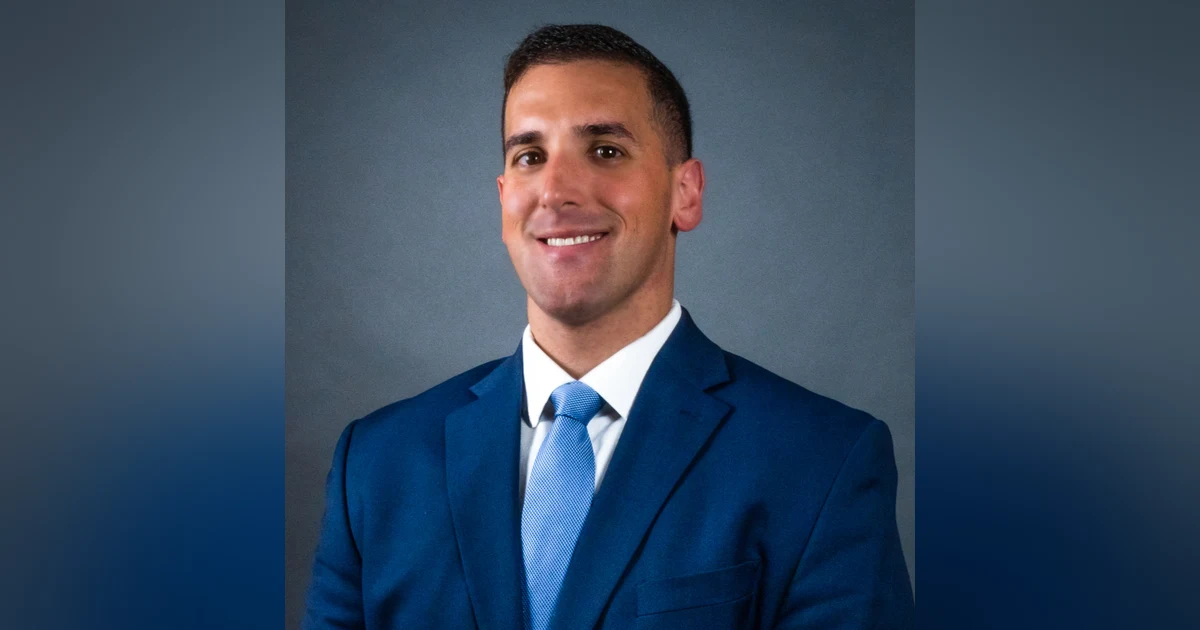

Hello everyone, I'm Dr. Darsha, and I'm Dr. Altamash Raja, and welcome to Medicine Redefined. A podcast where we will explore the often overlooked but necessary components of health, what we consider to be the fundamentals. We will investigate topics and practices that can give you and your patients the best chance to optimize a healthy lifestyle. It's time to move the needle forward and put the health back in healthcare. Our guest today is Dr. Tufik Jilei. Dr. Jilei is an assistant professor at Michigan State University as well as team physician for Michigan State University Athletics and the U.S. Olympic ski and snowboard team. He currently serves as a head team physician for Michigan State football and basketball. He specializes in sports medicine, joint preservation, cardiovascular restoration, and joint reconstruction of the shoulder, knee, hip and elbow. In addition, he also serves as the chair of orthopedic research in the Department of Orthopedic Surgery and Michigan State University. Academically, Dr. Jilei has published more than 110 peer-reviewed manuscripts, book chapters and abstracts. He has presented over 100 papers at conferences nationally and internationally. He has been the recipient of accolades such as the Odaniu Sports Injury Award from the American Orthopedic Society for Sports Medicine, Best Clinical Research Award, and Best Resident Fellow Publication from the Arthoroscopy Association of North America, as well as top research accolades from the American Academy of Orthopedic Surgeons, American Orthopedic Society, and American Orthopedic Society for Sports Medicine. Dr. Jilei is committed to providing the most up-to-date world-class care to patients. He is sensitive to the uniqueness and circumstances of each patient he meets, and he prides himself on individualized treatment for his patients. He aims to return patients back to optimal activity levels, and will work with patients to meet their own goals. In this episode, we weave through multiple topics. We start by briefly discussing his background and inspiration for going down the pathway over orthopedics and sports medicine, but the bulk of this discussion is centered around his somewhat novel algorithm, if you will, for managing post-operative pain. Dr. Jilei and his team have been at the forefront of publishing some incredible literature on how to effectively manage post-operative pain without the use of opioid medications. The opioid crisis has gotten quite a bit of attention and criticism, yet it's not something we've gotten a good handle on. TV shows like Dobsick and multiple documentaries have highlighted the importance of getting a good understanding and control of this epidemic, but as a frontline provider who deals with this day in and day out, I can tell you the struggle still exists. As you know, the theme of this show is improving healthcare practices, and this is something that needs to be addressed immediately because opioid-related deaths have steadily increased over the last decade. Suffice it to say, this necessary conversation with Dr. Jilei has been a long time coming. The other big topic we get to fix take on is the role of a high-level team physician, but not in the sense that we've talked about before. Having a high-level team physician throughout his career, we were curious about his take on the longevity of elite athletes. These individuals subject themselves to the punishment, so to speak, for our entertainment and long-term consequences of unchecked trauma or toll and how the culture of rest and recovery has changed over the past few decades. You know that we've emphasized that aspect multiple times, and considering all the different technological gadgets and wearables that help us pay attention to sleep, recovery, or even enhance these metrics at times, this might be an area that you are also paying attention to. So Dr. Jilei has some interesting perspectives regarding the longevity of the elite athlete that I think you'll find very interesting. Now without further delay, please enjoy this episode with Dr. Tufik Jilei. Dr. Jilei, welcome to the show. Thanks for having me, Ultramash. I'm so excited for this conversation as we were speaking offline, we're both sports guys, and you know, I tell work with a lot of med students and even trainees, and I'll often tell them, you know, if you're trying to find a provider or if you're trying to see if somebody's passionate about something, go read about what they're publishing on, right? So do a PubMed search, see what it is that they're writing about, and then you get a sense of what that person's passionate about. And so of course, you know, when we were getting ready for this interview, I did that for you, and when you go on PubMed, you see that you're talking about biologics, you're talking about BFR, you're talking about, you know, post-operative pain management, you're talking about AI, and it's, you know, all over the place, and initially I'm like, oh man, I can't really get a sense of this guy, but it's also exciting because, you know, it tells me two things. One, you're probably an expert on several domain matters, and also that you have a wide range of interest. So I'm excited for this conversation, but with that, I also want to get a sense of your orthopedic surgeon by training in sports medicine specialist. What drew you to those two specialties, particularly? Yeah, so early on, I realized that the field of orthopedics in more specifically sports medicine really allowed physicians to restore form and function to have many types of patients, you know, very young all the way to very old, and allow them to perform the activities that they love in a definitive way. And like I said, this is, you know, a young person performing at a very high level all the way to an older person, just simply trying to return to activities a daily living. And I personally really enjoyed the heterogeneous mix of patients, and that required me as a physician to remain dynamic and adaptable. And, you know, aside from that, I'm a pretty big sports geek, so it's pretty neat to be working with the population that I enjoy. One of the things that you've worked a lot on recently is talking about pain management and post-operative pain, which is going to be the focus of the talk today, at the very least. Now, pain is something that we touched on a couple of times, at least from different aspects. But we haven't talked a lot about opiates, and at this point in narcotics, opiates, most people are familiar with that. Where was your interest, like where did that start, where you thought this was really important to touch on and start writing about researching and start developing a couple of different randomized control trials for this? Yeah, so a little background about myself is I trained in Detroit for both medical school and residency. And I noticed that many patients were coming in with abnormal amounts of pain that were refractory to normal pain control modalities that were available to us. And upon, you know, studying this phenomenon, three facts became very evident to us. Number one, opiate prescriptions rose from 76 million in 1990 to 225 million in 2012. There's a sixfold increase in opiate-related deaths during that time. And lastly, orthopedic and spine conditions accounted for about 30% of opioid prescriptions in the U.S., and that many patients were introduced to opioids throughout their orthopedic conditions. It became very evident to me that postoperative pain remained one of the most challenging aspects of patient care for us as orthopedic surgeons, and that there's actually quite a bit of data showing that many patients first were granted access to opioids through orthopedic conditions, and that we are some of the largest prescribers of opioids. So in my mind, that may orthopedic surgeons uniquely qualified to play a role in mitigating opioid prescriptions, and that's kind of what got me into this interest from an academic perspective. Yeah, you alluded to the staggering rise in prescriptions, right? 76 million to 225 million. You said from 1999 to 2012, I was looking at some data earlier that I shared with Dars, kind of the figures on just the escalating numbers over the years, and what is amazing about this is, you know, you look at the drug related overdose and deaths among all ages from 1999 and all of the 2021, and it's just a steep up slow, right? And we've also learned that over the past couple of years, especially during the pandemic, that those numbers have actually doubled or tripled or increased even more rapidly. That was especially scary to me as I came across this figure that we're going to put in those show notes. And I think this data is showing that between the years 2015 to 2021, there was an 8X increase between for the number of involved overdose deaths from opioids specifically. And I think everybody who is in medical training early on has kind of just been hearing about the opioid crisis, right? There's a documentary that came out maybe two years ago called Doepsyk, right? There's a book after that, everybody talks about how good it is, I haven't gotten a chance to see it yet. But anybody, and you know, you and I were at the same level of training in terms of when we graduated, anybody who's been going through training the last couple of years, we realized that we've been backpedaling. But what was interesting to me is that over the last like seven or eight years, the numbers of opioid related deaths are still increasing significantly. Do you think that that's, you know, a downstream effect of prescriptions still rising or because we're backpedaling, prescriptions are being curtailed and, you know, patients or individuals who are high risk are going and looking for those illicit drugs? I think that's a great question. And I think with any significant policy change, there is a transient period which I believe are in now where, you know, the policy changes and there's a paradoxical increase while those patients who are already on these medicines are trying to seek out opioids right now. And I think the policy changes that have been instituted are good because as a result, there's fewer younger people having access to opioid care. I think on a long-term basis that we'll notice that after this transient increase in opioids, there will be a precipitous decline, but right now we're in a very tenuous period. Dr. Gelde, how much training do surgeons, you know, orthopedics typically get on opioids? You know, I mean, I can speak for all to us and I mean, typically throughout P and R, you do have a pain rotation where you might get some of that exposure, but are you kind of just thrown in and kind of learning on patients in that sense or is there a specific rotation where you actually do get the ability to kind of learn about the effects of opioids? Truthfully, Darsh, when I was training, there was no specific education on it. However, once I graduated in concordance with the increased attention on opioids, I've noticed that there's been mandates by many medical licensing boards that we have to take a course on it. And also, in terms of the practice of medicine, I've also noticed that some of the mentors that many surgeons have now are more cognizant of this and are less likely to prescribe opioids in a higher amount. And that transformation was really evident even within my period of training from start to beginning or start to end, rather. Gotcha. Yeah. And just to kind of highlight Ultimasha's point too about the data that he was showing. I mean, I was pretty taken aback by, you just see this really sharp rise that you were saying around 2015, 2019. But now that we're seeing younger people not using it as much, are you seeing, what are you typically seeing with the opioids? Like, there's other data points there that show that it's because of in conjunction with benzos and conjunction with cocaine. What type of things are you kind of worried about when you look at prescribing opioids for patients? Well, I think there's multiple confounders that can really determine how many opioids a patient will need. You already referenced one of them, namely polysubstance. I think that in concordance with the opioid crisis in the United States, there's also a big mental health, you know, kind of wave going throughout the nation here. And it's not a coincidence that many areas with poor mental health access, people are seeking help whether it be from opioids, from drugs or really even alcohol. And, you know, in prescribing pain medicines and working up my patients, these are data points that I'm especially cognizant of both formally and informally as well. So that's a good segue into talking about the biopsychosocial model. I think that this is something that's been brought up a couple of times. And anybody who's in pain education now has heard this, and if not, definitely need to google it. But essentially just for the listeners and especially the patients who haven't heard it, you know, I think for a long time, the bi-mechanical border will structural pathologies what people would worry about. So for instance, you come in and you have back pain, right? And then we get some imaging and we found out that maybe you have some pathology like a disc herniation or something and maybe you don't. What we've learned over the years that there's actually a poor correlation between the structural pathology and actual people's perception of pain specifically. And as you alluded to, there are so many other factors that go into pain, right? Like what's your background? What are what's the state of your mental health? What is your socioeconomic status? What's your support system like? What in my experience and what I've learned over the last couple of years just talking to people is we've done a lot better at understanding that psycho component of it, but I still think that we have a long way to go when it comes to the social aspect of it, right? So what's kind of your thought on that? And then how do you incorporate taking some of those things into consideration when you're building this individualized pain approach for your post-operative patients? Yeah, so I think the bio-cycle social model is really important, namely for the reasons that you delineated. It really emphasizes that pain's not a result of physiologic factors, but it's really heavily influenced by psychological and social aspects as well. So as part of my routine history and onboarding for any patients, I make sure that I really try to delineate both qualitatively and quantitatively the patient's psychological and social situations. And you know, importantly, and I think that you guys might find this really interesting that Michigan State and our athletic department, we have many both social workers and psychologists on staff who are able to speak to our athletes after injury. And I try to leverage this model in the community that I take care of, which includes greater financing area as well as Michigan and beyond. And that if I detect that a patient requires more from a psychological or social component, I have a heavy suggestion that they speak to one of these types of people that can help who are professionals that can help improve my patient's situations before we even address their structures surgically. I'd love to kind of now talk about this multimodal pain management approach that we've alluded to a couple of times. Would you care to chat a little bit about maybe some of the studies that you've done? From my understanding, at least you had four different pathologies that you looked at, right? Brotinica pathology, labral stuff, ACL, and Izaminiscus. The last one looking at, where did you start out of all the different things? And then what was kind of the trajectory? And if you wouldn't mind talking about what that multimodal pain management included? Yeah. So let's backpedal here a little bit and talk about how this all started. So we've left off in Detroit where I really identified a lot of patients having pain, mouse refractory. So we identified this problem myself and some of my mentors as a group. And what we did is we initially custom-tailed a protocol to the human healing experiences as you alluded to. The intention here was that we were target pain at multiple points to help mitigate it at its source rather than just providing a single agent addictive opioid instinct here. Here you go, just take this, you know, one or two pills every four to six hours. So we performed this in multiple steps. So phase one, we developed a case series of 141 patients. And this was a cohort of all those aforementioned surgeries together, ACL, Meniscus, Labrum, and Rotator cuff. And we sent patients home with our non-nopioid protocol and a small dose of narcotics. So that was just 10 pills to be only taken for emergencies. And we followed up on these patients and we found that actually with our non-narcotic protocol, 45% of patients did not feel the need to take any of the emergency narcotics whatsoever. So that meant zero pills. And patients, of course, you know, had those pills at home lying around. They could have taken it whenever we wanted. So we were really impressed with these findings. And we decided to take it one step further and do four randomized control trials, comparing the gold standard of opioids to our novel multimodal protocol. And patients were randomized to either arm, whether it's our protocol or opioids. And of course, patients could not be blinded to this because, you know, the non-narcotic protocol, about taking many pills, whereas the opioid protocol just involved taking one pill. It was a surgeons and practitioners that were blinded. And the thinking behind these studies was that, again, we could target pain at multiple points in the pathway to mitigate pain at source. The protocol is really involved. I suggest any listeners, you know, look me up and check out those protocols. I'm going to have a website off the you guys can look that up. But essentially, for days one through five, patients will take Torridol, Gabapentin, Robaxin, or Methocarbamol, and acetaminophen at particular points during the day. Starting day six, Torridol is traded for Meloxicambiid. And Gabapentin is weaned down in the following matter. So it's twice a day, day six, seven, once a day, eight, nine, and then none by day 10. And by that point, by day 10, pain can pretty effectively be controlled just using over the countertional or NSAIDs. And this has been proven effective for all those surgeries. So I kind of loved this little cocktail, right? So for maybe another, just a background to give people, right? So I think something we've talked about with Patrick finding way back in the archive. So we've kind of described different types of pain, right? Talk about the noose deceptive pain, we talked about neuropathic pain. And typically, when people are using Gabapentin, it's more going to be a neuropathic pain, that nerve-related pain, right? The radiating pain, shooting, tingling, pins, any dose type situation. Tylenol, maybe can have a little bit across over effect for both. Methocarbamol, as you mentioned, is more of a muscle relaxer. And then Torridol is a non-sterile anti-inflammatory, very much in the class of ibuprofen, but a bigger gun than that. Other than these four, did you guys ever, while you were coming up with this protocol the very first time, did you play around with other combinations and settle on this ultimately to be the most successful? Or this was like a one and done type situation? Oh, well, great question. So what I did in researching this protocol is I pieced together all the literature, looking at medicines that were effective in decreasing opioid use for stern surgeries. And what I did is I took all these individual medicines that were proven to be effective in decreasing opioid use. And again, I correspond to each medicine to the healing cascade and when they would be most effective. So I got really lucky, I would say the first couple of trials were very effective. So I just stuck with that winning formula to begin with. Now that's not to say that in the future things can get refined more thoroughly. But again, the purpose of these studies was to prove in theory that we could operate on these patients and they don't need opioids whatsoever. I think this is a work in progress and it's certainly subject to more research to to perfect this even more. What was I'm curious, what was the narcotic in the opiate group? It was Narco 5-325. That's hydrocodone, right? Correct, yeah. So I know you're familiar with biologics, right? So PRP, you talk about some of this other treatments. And as you're probably familiar, most of the PRP protocols and the post-PRP protocols will suggest that we refrain from non-servant and anti-inflammatories, right? Because they disrupt that healing response, which is what we want. I'm curious though, because there's also I think some evidence that suggests that, you know, non-servant and anti-inflammatories will affect bone healing. And certainly intended that kind of stuff. Do you think that that that is something that we need to be concerned about, especially in the immediate post-operative phase when we want robust healing response? Or how do you think about that? I love that question, ultimately. And the reason is is because there's been, first let's start off on the history of those studies. Those studies proving that NSAIDs inhibit bone healing were based on the theoretical idea that, you know, the inflammatory period when, let's say after you break a bone or heal something, it's incredibly important, right? There's a huge inflammatory cascade. And there's a theoretical idea that NSAID would disrupt that inflammatory cascade. Initial animal models that substantiated on that theory were provided, these animals were super physiologic doses of NSAIDs, much more than we would provide human beings. What's interesting is recent literature has kind of dispelled that as being true from the body of literature that I've seen. And certainly one arm of our study that I'd like to look at in the future is proving that further that NSAIDs don't really affect healing more robustly in that patients with my protocol don't have any interrupted healing. But back to the original question, I think that a lot of the original studies proving that NSAIDs inhibit healing are kind of being dispelled with time. So as we talked about, I think it's been a couple of years since at least you published your, there have been at least a couple of years since the very first paper was published, right? And I know this has been presented on several, several national conferences and you've been the recipient of some some pretty prestigious awards. I'm curious how maybe in some of the orthopedic circles and the postoperative management, how has this changed some of the best practices in orthopedic care for pain management in the postoperative phase and maybe even preoperative considering I think that you we talked about briefly and certainly written about how the preoperative opioid use is a significant risk factor or predictor for postoperative right opioid use. So how has that worked out? So a lot of my initial studies were looking at predictors of opioid use after surgery. And like you said, that was one fact that was consistent throughout all my studies is that preoperative opioid use meant, you know, factors of 10 more postoperative opioid use. So let's just start off there. What's interesting is these studies have been provided to orthopedic surgeons as part of their board review materials in terms of American board of orthopedic surgeons. I provide this in my practice and I have patients in the community and beyond coming asking for this protocol postoperatively particularly in the younger demographic that are really susceptible to being put on narcotics. And actually what's interesting is I'm seeing this more and more on surgeons websites or medical systems websites citing our papers in that different systems are providing this as well. I find this really exciting. I find that these studies have actually changed care on a macroscopic level. But I did want to ask you too about your research, obviously on PubMed, you've done different joints. You talk about shoulder, you talk about the knees, and oftentimes patients will come in at least from what I've noticed and say, oh, knee pain, I've heard after surgery, that's the worst. It's even worse than shoulder or any other joint. Has that been the case? Have you seen that there's been more of a need for opioid or at least a preconceived notion that patients will reach for more medication depending on whatever joint that they have to go through for surgery? That's great question. In my practice, no, I really haven't seen a dependence of very billion in terms of their joint. And I think that's partially because in those patients that undergo surgery in my practice, a large number of them get preoperative and postoperative nerve blocks that really help kind of mass that pain during that acute perioperative period. So I think that firstly, to answer your question, no, I don't think there's any difference in terms of joints. And number two, I think it's because of good high-tech medical care that a lot of patients might not notice these differences. Yeah, we really can thank our anesthesia colleagues there, huh? Certainly. But really, honestly, all sonographers, because I do a lot of those in my clinic, but no, I love that stuff. You know, I'm curious, of course, you're an orthopedic surgeon, you do a lot of surgical cases, but I think what a lot of the general population fail to realize, and even some of the medical trainees who are early in their training is, majority of musculoskeletal medicine is nonsurgical by nature. Would you agree with that? Absolutely, I would. Yeah. And I think maybe I'm just curious to get your take on this. What percentage of your patients that you see or surgical cases? So I heard a funny quote from my mentor, one of my mentors once, and he was talking about having a orthopedic surgery clinic. And he said that nationwide, a good, what would be considered a good or, you know, kind of an average number of patients that you see that turn into surgical patients are, is 10%. And I find that to be kind of consistent, not just among my practice, but the practice of my colleagues as well. Yeah, that's right on. That's one of my earliest mentors and oldest mentor wasn't with the PxSport surgeon as well. And that's exactly what I was told when I was talking growing up, if I can say. But, you know, that extra question is, you know, if 90% of what you're doing and 100% of what I'm doing is nonsurgical in nature, musculoskeletal medicine, what are the lessons that we can take away from these protocols that you've been able to highlight that are so effective? Right? How can we apply these to our nonsurgical cases? How have you done that? So, you know, one thing I've realized through my journey here, so to speak, is that there's many pain control modalities that don't even require oral medications. And I think that's really important to counsel patients on. And these include simple measures such as elevation, cryotherapy or simply icing, PT, massage, yoga and meditation to address the mental component. And it's important to be very systematic when addressing patients pain, whether they come in for a surgical issue or non-surgical issue. It's important to focus on the etiology pain and to really custom tailor your counseling and the patient's protocol to that etiology, whether that be muscle spasms or a torn ACL or a broken bone. You wrote a piece in editorial where I loved how you described kind of just the addressing the global need, things that we touched on in the first half of this discussion about how not only providers, but patients also need to kind of own their pain and providers need to acknowledge the magnitude of their pain. And only that way, if we can work together, can we get out of this mess, right? This opiate crisis, so to speak. How can patients own their pain? So, with more analytical work being done on the healing cascade, I think that we can control non-operative and post-operative pain better while circumventing the addictive brutal and all together. Now, I encourage all your listeners, whether they're patients or medical providers and physicians themselves, to really listen to what's going on with your patients. And like I said, be very systematic about the pain, whether you got to identify the reason why you're in pain, and you got to predicate your treatment to that reason. There's no one-size-fits-all with pain control. And I think that's what I mean when I talk about personalization of pain. I think that each person's different, as we spoke about, the biopsychosocial model. Physiologically, I think each person have minor variations, but really the variations introduced both from a psychological and social perspective. And I think that's important to acknowledge and address. Dr. Jill, how do you approach patients who, you know, nothing, no modalities are really working out for them. And you can kind of chalk up the pain to be very in that cycle or in the psychosocial kind of bucket where it's really just their mind telling them that there's this pain, right? And you know, a lot of people say it's, quote, unquote, in your head. And when we say that, we mean, you know, your brain and that kind of perception that it has. But a lot of patients don't want to hear about, you know, going to go see a pain psychologist. They just want the quick fix. They want the opioid. What is your approach to taking patients through that and trying to maybe even convince them that they might need to go through some kind of therapy to at least learn how to manage the pain better? Well, Darce, you know, the first thing I do when I have one of those patients is make sure I'm not missing anything as an orthopedic surgeon. I look more proximal up their kinetic chain. For instance, they come in with shoulder pain that's completely refractory to care related to their shoulder. I make sure that there's nothing going on with their cervical spine referring to their shoulder. The fact a huge percentage of my practice is delineating between what's what's actually spine pain and your ejac pain versus what's organic joint pain. Now aside from that, when counseling patients, as you spoke about, I make sure that all patients that come to my clinic really understand why I think PT might benefit them. Because I think providing a prescription without that explanation or context will really lead to decreased compliance. And just short of that, let's say I refer to a patient to a mental health expert. I explained that I tried to spell any stigma related to that. For instance, I might relate their healing process to that or a professional athlete with a very similar injury. And I find that to be very effective in my practice and it really helps boost compliance as well. Perfect. So I know there was also a paper, as Ultimash was talking about, is that you're interested in kind of machine learning and AI. Do you mind talking a little bit about that and it's relation to the opioid risk assessment that you're looking into? Yeah, definitely. So machine learning is interesting because, you know, really for the first time we can leverage these massive data sets that we've been accumulating. And we can perform new analyses in predictive modeling that haven't really been done before to improve patient care. And we recently did that in the context of meniscus surgery and looking at predictors of decreased, excuse me opioids after meniscus surgery. And what's interesting is that with machine learning, it really came up with different results as compared to our univariate and multivariate models that we were coming up with. And I think this is really exciting because this opens up opportunities for new ways to analyze big data sets as I spoke about and implement empiric data-driven medicine that can really change care for patients ultimately. Yeah, AI is especially hot right now, right, with the chat GPT going around. Dr. Gupta, we recently spoke about this on the podcast. And, you know, a lot of people are getting nervous, particularly health care providers saying that, oh, man, it's going to completely replace what it is that we do. But I think that if we truly understand it, and we can kind of make medicine so much more efficient than it is. I think all of us here, we're talking offline about it's pretty antiquated in terms of how there are certain things that we do. And it's like, why are we still doing this? For instance, we still fax things to people, right? I mean, you're an academic medicine, I'm an academic medicine. And we're still faxing stuff over to people and it's just like, I don't understand how that's happening, right? I can get a mortgage from somebody in Utah and buy a house with that respect, but I still have to fax medical records over. So anyways, I digress a little bit there. So I'm certainly excited to continue seeing how we're going to leverage AI and be able to extract all this data and improve our practices. I'd be remiss if I didn't talk a little bit about your experience with professional athletes, right? You trained at Stadman, clinic and for those who don't know, probably one of the best fellowships in the world. And you took care of a lot of Olympic athletes, you took care of professional athletes. And one of the things that, you know, people who take care of pro athletes are really athletes at any high level. You realize that the toll that it takes on you, physically, mentally, right emotionally, but really in the sports medicine world, we kind of worry about the physical toll. For instance, I think I recently had somebody come in who wants to compete at a master's level, right? And he had a labral tear and it's coming to see me with a parallel labral cyst and continue having, and his goal was like, I just want to compete one more time next year at the master's level. Can you keep aspirating my cyst? Like, well, like now you have a D minor in infraspinatus, which is one of the rotator cuff muscles in the back. So you, you have some, some nerve related issues going on. Like this might not be a good idea. That being said, though, we've all seen taking care of that athlete who was like at the back end of their career, maybe LeBron, right? That foot injury is like, I just got to get through one more championship. But the price you pay five years from now, 10 years from now, it can be pretty significant. So I'd love to get your thoughts on just that aspect of it, like professional sports, especially those high collision trauma and longevity, because that's something that we're so interested in. And a lot of people have been talking a lot about. Yeah, so, you know, as you donate athletes at the high D level, D1 level, which I take care of, and professional level, really put their bodies to the limit. For a lot of these athletes, their performance is their life, right? And it's their livelihood. And it's their future for not only themselves, but their families, et cetera. Historically, it's the dogma for these athletes to work, work, work, work, and that rest and recovery are really secondary to the work that you put out in the corner of the field. And I find it interesting that a lot of the athletes that I've seen from probably the generation behind, a generation or two behind, really have a significant degenerative pathology in their joints, likely because of, you know, overwork, which is consistent with all athletes, as well as, you know, neglecting rest and recovery. And there's many stories of, let's take NBA players who stay up late, wake up early for practice, and then play a game in the evening. And I think that the paradigm is kind of changing this regard. And I'm happy to see that there's a greater emphasis on rest and recovery in today's day and age. And again, when dealing with high level athletes, I like to frame injury and prevention to the practices of well-known players like Tom Brady or LeBron James, who you alluded to, who still work hard, but have a greater priority on nutrition, technique, treatment, and sleep both in and out of the season. And in doing that, I've seen kind of a shift in the types of injuries these players get, as well as their recovery and regenerative capacity. Are you guys familiar with Gilbert Arena's? Yes. Yeah, so I recently, I don't know if it was on a podcast or on something on social media or YouTube, I was watching. But as you guys know, I think the old, you know, the basketball players in the 80s and 90s, there's always a debate like, oh, you know, today's player is at the flopping, they wouldn't last in our era and that kind of stuff. And Gilbert Arena had a really interesting take. You know, he was just talking about how these quote unquote old heads keep talking about how, you know, us in their era wouldn't do well because, you know, what they were doing in that time is they were just kind of hacking you as you were coming down the paint. Right? Like those, those pistons teams, right? Michael Jordan coming down, Bill and beer and those guys, right? As it was coming out, just taking his head off and how now it requires a lot more skill. But what was interesting and relates to your point now is he was talking about how today's players, they take all those things with respect to recovery that you mentioned so seriously, right? They're getting their, their nutrition's on point, their sleep's on point, whereas 30 years ago, these guys were smoking cigars in the locker room right after and, and, you know, and they just, you know, his point was they just wouldn't be able to compete because they can't outlast like 20 years in the NBA kind of like the LeBron is or even the longevity of these, these players. So I just thought that was really funny and kind of reminded me of that. But the other thing you brought up the, the degenerative conditions that these athletes have, right? That they sustain where there's knee for knees for basketball players, ankles, etc. CTE is something that's very popular that everybody knows about concussions, especially with two of what happened last season. Again, it does impact them immediately, but also what their future is going to look like 20 years from from from from now right after they're done playing. But then again, musculoskeletal pain as significant it is chronic pain and addiction to opioids is also a concern, particularly for this population, right? I think athletes at high levels will talk about just, you know, they would get in total shots in the locker room just so they can get back out there and play. I think Patrick Mahomes had a great three ankle sprain and play two weeks later. Like every single person who takes care of good three ankle sprains, we know that there's no no way that that's healed that you should not be playing, right? But Super Bowl got to get out there, got to do that, right? That's those are decisions you make. But again, downstream cost to that. What has been your experience like with that specific aspect, right? Dealing with the ex-athlete, the quote-unquote washed up athlete and maybe just addiction and chronic pain and opioid and just debility with respect to that, because now you have somebody who has a different mentality, right? It's not your quote-unquote person off the street the average individual. Can you speak a little bit about that? Yeah, so I think that your question here hits upon a number of things. You know, firstly, I'd like to start off with the fact that, you know, studies have shown that opioid use is very significant among athletes as early as at the high school level. And that, you know, recent studies have shown that it's higher to 25 to 50% of high school athletes have reported non using non prescription opioids. Wow. And these studies have commented that it's been linked to increased tension on these athletes, publicity, and pressure to perform. And as we know, these behaviors can precipitate tolerance and dependence that does not really improve as these athletes progressed from high school to college to professional level. Now, what I can speak about from taking care of high level collegiate athletes is that we really screen our athletes for these substances and we have no tolerance policy, particularly if they're non prescription. However, interestingly enough, looking at the generation prior to ours, it was not uncommon that athletes would self-medicate whether it's with an opioid medicine or marijuana as it's coming out more and more that many NFL players would self-medicate with marijuana. And again, it's had disastrous consequences in their future because, you know, these athletes are under such pressure to perform and really will go to any cost to make sure that their performance stays on the field. You know, because their futures predicated upon performance and that they also kind of damaged their long-term health of their joints. And it's just a tough thing to deal with. And the best thing you can do is a medical practitioner is just cancel the athletes and let them know that there's a high level degeneration and that they just have to have a plan for sure and just make sure that all areas of addiction and dependence are addressed. The high school number that you cited is surprising to me. It makes me wonder that with the new rules of NIL for college and, you know, the implications of somebody getting millions of dollars from their name, image, and likeness, if they're going to be more inclined to do this, there's they can stay on the court, stay on the field. Right, I think actually recently there was somebody from Michigan who transferred to somewhere else because he got a lot more money and forget the basketball pair's name. Hunter Dickinson, I believe. You know, if I were a betting man, I would say that this has the potential to get worse and that for those who take care of athletes at this level, you really, I think we have a civic duty to pay attention and ask our athletes if they're getting access to these and to counsel them as to why it's bad and why that this behavior might have a severe detrimental effect in their future and that there's life after sport, of course. Sorry, I was just going to ask, I might have missed this. Are there specific policies that are in place when it comes to prescribing? Because I mean, I can only imagine high school level. I mean, that's, you know, your PCP and whatnot. But then when it comes to at least professional athletes, I don't know, I guess not because I mean, it looks like they just have to get onto that next play or the, you know, next game. Yeah, you know, there's certain outlines for athletes at the high D level and professional, you know, most of those outside the scope of this discussion, but, you know, those athletes are forced to comply with certain restrictions placed by whether it be the NCAA, NBA, NFL, etc. But in some regards, those restrictions are very liberal and in some regards, they're perfectly appropriate. Yep, so that begs the question right for the sports medicine provider for the team physician, who's going to be in this quote unquote mass, right, as the the future gets a little bit slippery. What can we do? I put myself in that category, as sports medicine provider, what can team physicians do, musculoskeletal providers do to arm themselves to better informed and protect the athletes, right? Sometimes you have to protect the athletes from themselves, whether injured or, you know, even with these types of tricky discussions, especially at the, at the level of college and above, right, where they're all adults, right, they're supposed to make the decisions, right, patient autonomy, and that gets very tricky. But what can we do? So you kind of alluded on this, I think, being at the forefront of the literature in this regard and being ambassadors for, for what I would consider the right thing is really where this starts. And just know that as a physician and someone that takes care of a team, you might face resistance, not necessarily from the athlete themselves, but maybe even from a parent, the coach. And I think it's important as a sports medicine practitioner to really ally with your athletic trainers and teams and educate them as to why you're making the decisions that you're making. Moreover, I would recommend that as a practitioner, you maintain a more threshold to have your athletes consult with mental health specialists, whether that's a social worker or a psychologist, particularly if you've identified some problem athletes or athletes that might be prone to some of these activities, because this might realize this is a multidisciplinary thing here, and that the more help and more hand, so to speak, they have on board, the better it is for the athlete, which is why we all do what we do. Thank you, Dr. Jolde. You know, I am curious about what's next for you. I don't think you have enough papers under your belt. I'm just just pulling it like there. I'm sure you got some stuff cooking up, but tell the audience, what are you most excited about in your field and what do you have going on right now? Yeah, you know, so first and foremost, it's always my number one priority, provide world-class individualized care and techniques to my patients that come not just from the state of Michigan, but really travel from beyond to seek my own care. You know, as a team physician for MSU athletics, it's my goal to keep these athletes in top shape and in winning and doing well, so I think that that's always a huge priority of mine. And then from an academic perspective, I have a huge role in teaching the next generations of physicians, as I, as a professor at both the MD and DO school here at MSU, which I take very seriously. From a research perspective, you know, we've talked a lot about some of my more recent success in optimizing the patient experience postoperatively, and I'd like to really continue that momentum. I'd like to see greater implementation of impaired data-driven medicine, and I think that there's a huge opportunity to help optimize and refine the indications for biologics out there, and orthopedic technology for that matter. Very cool. Well, hey, I just want to thank you from my perspective, you know, opioid crisis, obviously, a big deal. More and more people are hearing about it, and you're obviously doing a big part in really helping out people understand why it's not necessarily the best thing to grab at, you know, as the first thing. But tell me a little bit about your practice. If some of the listeners want to maybe get in touch with you, they have some ailments, they want to come see you. What should they do? Yeah, so, you know, the easiest way is to go on my website, just jilday.com. It's just my last name, J-I-L-D-E-H. Otherwise, if you Google my name, Tufiq Jilday M-D, you should find plenty of links. And if you're interested in my research, and following that regard, you know, you can always find me in PubMed or Research Gate, or simply just find me in my social media, Instagram and Twitter at Jilday M-D. Awesome. Well, last but not least, Dr. Jilday, see, as we've been talking about, and as clearly what you're doing is helping you redefine what medicine is and what the future of medicine is, and that's kind of what our hope and aspiration is with this show as well, right? And so, something that we talk about is historically, and maybe even a little bit now, which we touched on, is we practice a lot of sick care, and instead, what we all want to do, what we all sign up to do, is practice health care. So, the question becomes, is what does it mean to you, or how do you think we can put the health back in health care? So, that's a great question. I think that as physicians and providers, it's important that we always do what's right for the patient, and prioritize things, and keep patients and loved ones in mind, whether it be providing clinical medicine, or attacking this from a academic standpoint. You know, I've had my own personal motivations to look into pain control from my own family experiences, and I like to think that I can derive motivation from these experiences and help people on a whole. So, to put health back into health care, I think it's just important to have your own personal motivations and keep patients number one. Perfect. Thanks for listening to another episode of Medicine Redefined. If you want to follow Dr. Jill Day, or see what he's up to, be sure to check out his work at jillday.com. His website and socials will also be linked in the show notes. As always, Darshan, I am grateful for your support, and also want to shout out our team, Ethan, Jew, and Hertha, you are brave for making this a worthwhile experience for you. Now, before you sign off, please remember that everything in the podcast is for educational purposes only. It does not constitute the practice of medicine, nor should it be because it's medical advice. No physician-patient relationship is formed, and anything discussed in this podcast does not represent the views of our employers. We recommend that you seek the kinds of your personal position regarding any specific health related issues. However, if you enjoy the show, please be sure to subscribe, review, and share with anyone who you think will gain value from this, and until next time, thank you for listening.