

 Apple Podcasts
 Spotify
 Castro
 RSS Feed
 116. Establishing Public Health and Policy & Rewriting Medical Education | Jan Carney, MD, MPH
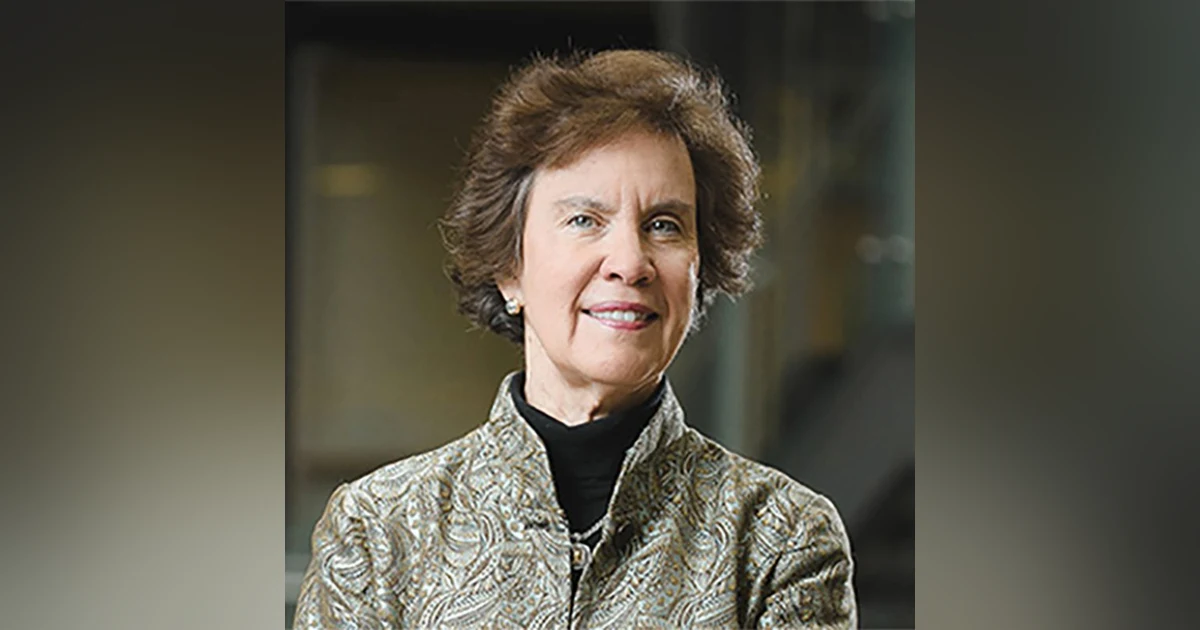

Hello everyone, I'm Dr. Darsha, and I'm Dr. Altamash Raja, and welcome to Medicine Redefined. A podcast where we will explore the often overlooked but necessary components of health, what we consider to be the fundamentals. We will investigate topics and practices that can give you and your patients the best chance to optimize a healthy lifestyle. It's time to move the needle forward and put the health back in health care. Our guest today is Dr. Jan Karney. Jan is the program director for the Master of Public Health, Associate Dean for Public Health and Health Policy, and Professor Medicine at the Larner College of Medicine at the University of Vermont. She earned her bachelor's from Middlebury College, her MD from the University of Cincinnati College of Medicine, and Master of Public Health from Harvard School of Public Health. Jan is active in public health practice, research, education, and service. She served as a Vermont's Commissioner of Health under three gubernatorial administrations, championing improvements in children's health insurance, preventing teen smoking and improving cancer screening. She received the Vermont Public Health Association Public Health Champion Award in 2018, and was recently awarded the University of Vermont President's Distinguished University Citizenship and Service Award for her innovative teaching, creative leadership, and service to the University of Vermont community. At the national level, Dr. Karney is currently a member of the Board of Regents of the American College of Physicians, the largest medical specialist organization, and second largest physician group in the United States. She recently served as Vice Chair at American College of Physicians Health and Public Policy Committee, contributing to health policy publications about social determinants of health, insurance coverage, and patient partnership in health care. In this episode, we talk about Jan's journey and what led her to public health. We talk about the most pressing public health issues, maybe even crises you might call them. We move on to talk about social determinants of health, and you might have heard how a person's zip code is more predicted of their health than their genetic code, and Jan expands on this concept. We then talk about how to obtain and communicate high quality information in a time of information overflow. We also talk about how to implement this curriculum of health communication and scientific communication in the current medical paradigm. Seeing as she is the first public health professional who's been on our podcast, we of course had to ask her about COVID, and we spent some time talking about the health care accessibility or an accessibility during that era. We wrap up by providing several resources for you, the listeners, to obtain this high quality information that we've been speaking so much about. We close by touching on a novel concept that Jan introduces called Precision Public Health. Certainly, if you've been a listener of the podcast, you have been familiar with the term Precision Medicine and Precision Health, but I'm willing to bet that Precision Public Health is not something you've heard before. So be sure to stick around to the end to learn more about this new concept. Now without further delay, please enjoy the riveting discussion with Dr. Jan Karney. Dr. Jan Karney, thank you so much for joining the Medicine Read and Fine Podcast. Thanks, Jordan. Right on me. My absolute pleasure. I think it's a great place to start on your journey, and just to kind of recap, I've got a list of your bio here, and you wear many hats, especially within the public health route, right? So just to start for the audience, you have been Vermont's Commissioner of Health. You have served as vice chair for the American College of Physicians Health and Public Policy. You're the program director for the Master of Public Health in Vermont. Then you're the associate dean for Public Health and Health Policy, as well as a professor at a larger College of Medicine, which is at the University of Vermont. You do a lot of things. Take us through your journey. How did you really get involved into Public Health and maybe tell us why as well? Okay, sure. Well, I always knew when I was very young that I wanted to go into medicine. So when you're an elementary school, your concept of that is it's probably about science and it's about helping people, and that's about as sophisticated as it was. So when you actually get there, you find that, oh, well, maybe it's a little bit different than that. And so then I went all the way through medical school and residency, I'm an internal medicine specialist and a doctor for adults. Then I was seeing patients in my residency and you take care of a lot of patients that have chronic conditions and they have things that might be related to habits that happen years earlier. You know, whether or not they used tobacco products or drank too much alcohol or were very, very overweight things like that. So I was out after residency seeing patients and then one thing led to another. I ended up at a conference about public health. And so then I ended up going to public health school. And during that time I was, it was kind of my aha moment because I learned that there was actually sitting in a classroom. There were, there was a whole science about how to prevent disease and illness and premature death and a lot of suffering and help people in a way that was different than I learned in medical school in my residency. So that was very appealing to me. So I came back and I was seeing patients which I always loved very much. And then an opportunity came for me to be first the assistant health commissioner, then the health commissioner for the state of Vermont. So that was public health for the whole state. I did that a couple of years right after I was out of residency in public health school and you're a political pointy. And I was a health commissioner for both Democrat and Republican administrations. And you have a whole lot of responsibility. It makes you figure out very fast what's important, what's important to people's health and lives and learn some new ways to try and make it better for them. So that was extremely appealing to me. And ultimately, I was there for about 14 years. It was very rewarding as well. So that's kind of how I got started. So you touched on a few key points, right? And I think when most people hear about public health, they do think it's somewhat synonymous with preventative medicine, preventative health, whatever that means. We can touch on that down the road at some point. But I suppose in your opinion, you've had a long journey and you touched on some really important things such as tobacco use. I think we've made strides over the last few decades on that. I think generally the consensus is, hey, when somebody picks up a cigarette, we understand it's strong correlation and we can say it's a causative risk factor for a lot of different cancers. And so the campaigns, we've backtracked on that. But other ones that have been particularly inflammatory as of late, especially with the COVID pandemic, you touched on obesity. And other things that we've recently talked about, you know, cardiovascular disease, we talked about cancer screening, things of that nature. In your sense, what do you think the most pressing public health issues are that are facing? I would say at least the developed world today. And maybe we could even keep it focused to this country. Sure. I mean, if you ask different people, you might get different answers. So I just tell you how I think about it, which is I think about kind of the 360 degree view of health, which is when you say health, people think immediately about health care. And yep, that's part of it, essential part, critical primary preventative health care for people. And we still haven't done that yet. But there's all these other factors that determine our health, you know, the genes that were born with. We may or may not be able to change them, but we can certainly modify either what clinical services we get or what are what we do in response to those social and economic factors. Let me come back to those habits and behaviors mentioned tobacco, good nutrition and having we're a country of open nutrition, but having good nutrition are adequate food and being food secure has been a huge issue, particularly worse by the pandemic. And our environment and our environment, both in the way of our exposed the toxins, we know that climate change has had a huge impact, but the environment can also work in a reinforcing way to, for example, help people be more active, how we design our neighborhoods, right? If you can walk around a neighborhood as opposed to having to get in the car and go someplace. So all those things, so I would say all those things together are really, really important. And I've come to appreciate in the last few years about the importance of place, you know, health varies by zip code. And some people say that your zip code is more predictor of your health than your genetic code. And I believe that. And so when I think about where people live and so which of them on those balance of all those different things might be more important that that sometimes it really it varies quite a bit. And in recent years, the social factors, social determinants of health, I call them now social and structural determinants of health because they also include a long history of systemic racism in our country, but whether or not people have a house, whether they have enough food to eat, whether they have access to education, whether they can live in a neighborhood that is free from violence, whether they have social connections, all those things are very, very important. And I know that I didn't answer your question directly, but I do think that it really varies depending what age you are, where you live. And some of those risks both medical and social that you may bring with you. I love that. No, you did and you didn't, right? I think that often we want the direct answer, but when you have complicated questions such as the one I asked, there isn't one. Context is everything. We often talk about context over content. And I think it depends, although it's not the sexy answer because everybody, including ourselves, we want the definitive, this is it, but that's not the case, right? I do pull on this threat of the environmental zip code factors that you brought up. I mentioned previously we had a guest long time way back when Dr. Giselle Arnie, where we were discussing how exercise prescription is so important, right? Both of us are musculoskeletal providers. We get patients who have chronic osteoarthritis, there it is, and we know that their weight might be contributing. And so we're talking to them about just movement quality throughout the day, just any movement, any exercises better, and often you'll find providers, hey, just take a walk around the block. And it wasn't until my fourth year in residency, and I did my training in Baltimore, and so I have patients say, well, I can't do that, right? It's a safety issue. And that's when I realized, oh, actually, not everybody has access to parks where they can just go and play with their children or there's exercise or go for a walk. I mean, forget about going to the gym and to make that point a little bit further, I recently read on social media, somebody talking about how people saying that getting healthy isn't expensive. And that's a misconception because movement or all of these things are actually free. Well, maybe there is no monetary cost to exercising and moving and that kind of stuff that, but there are, you know, other costs, right, financially isn't the only one. Emotionally, you can have a cost, right, security, the things that you talked about with food, but also physical harm and that kind of stuff, encyclologically, right? And so if you're going to go out or if your children are going out and exercising as a mother or as a parent, the fear that you might have of like a what kind of neighborhood are they in? Are they safe? You know, what time of the day are they playing in? So I think this is such an important point that I'd like to kind of go a little further down this rabbit hole. And another reason just to emphasize why it's important because I think over the last two years, at least when it comes to our building and reimbursement, you know, now the social determinants of health is a key determinant in terms of when you can up bill something. And for those listening who don't know what that means is like if, you know, you have a certain code designated to a certain visit with a provider and if you hit that social determinants of hell, talk about these factors, you might be able to bill for a greater visit that has greater reimbursement. So the business of medicine has started appreciating it that as well. And, you know, if that's the case, then certainly it's important. But as you alluded to, it's important for a lot more reasons than that. So talk a little bit more about that in terms of what is it that, you know, us providers, these are things that we don't often learn about in medical school, right? We're focused on the minutia details, rather that's a better word about, you know, renal of tubular acidosis type four. And perhaps this conversation right here that we're having right now is far more valuable and will make a significant difference in terms of the health of our individual and patients at large. If you could, if you could get every single person to be a little bit more active than they currently were when they came in to see you and they did that over days and weeks and months and years, they would live longer, they would have a higher quality of life. They would be more functional and independent. I can't say enough positive about the health benefits of being physically active and it's very challenging as we're talking about, you know, I, my own mom died at 93. And in her last 20 years, she would get discouraged sometime and I say, what's the matter? And she said, you know, I'm losing my friends and they're getting all these illnesses, they're sick all the time, they can't go out and do stuff and I explain her. I said the reason that you're doing so well is you've been active your entire life. You've always done stuff. And it doesn't have to be, it doesn't mean going to a gym. It doesn't necessarily have to be, you know, licked in weights and doing marathons. It's about being active and even moderate activity on a regular basis. The science behind that is compelling. One of our search in general is way back in the 90s wrote a whole report on that and looked at the benefits of being moderately physically active, half an hour, most days of the week. And if you have a lot of leaves in your yard and you rake them up for half an hour, that counts. Or, you know, if you're a high power, you like to vacuum at a very, you know, vacuum your rugs at an energetic rate, that's okay, walking all those things because it really adds up. Really, really important. And those habits, you know, those, those habits, and the more we can do that starting a young age, but really is benefit at every age. And there's probably things, the neighborhood issue, the unsafe neighborhood issues is huge. And, and I don't have a quick fix for that. But to the extent that people can going outside is really good, but the extent that people can move more and be active more, there's so many health benefits. You know, the other thing I would add, the other, other dynamic that's kind of about in the last 10 years or so has been the independent impact of sitting. I tell my students when in one of the class that, yep, sitting is death. It's not the new smoking, but it is death. And independently, it is a risk factor for premature mortality from all causes, cardiovascular certain cancers. And so in addition to being active totally, if you, even if you do that 30 minutes or six, even 60 minutes and obviously something more intense is even better, but that moderate activity, and then you sit for 10 hours of the day, that's not so good either. So get up, move around, movement is good, being active is good for all those reasons. For sure. You know, Jan, I can't help to think about the process from when we go to grade school. And we learn about public health, even though nobody says it here to, here you go. Here's policy, here's public health, this is what we're teaching you. But you let, you have Jim class, you know, I remember when I believe fourth or fifth grade, there was the dare program where you start to learn about drugs and alcohol, abstaining from those things, you know, then you kind of go into middle school, high school, maybe things are going a little bit downhill in the sense that you're not learning as much, but you get some sex education, maybe you start to learn about some vaccines. But regardless of, you know, even zip code, I'd say from, from going to a great school or a great school district, there seems to be at some point, I don't know when it is, there might be just more advertising coming our way, whether it's fast food, whether it's, you know, not doing as much exercise, even though gyms are everywhere, whether it's sitting or work compels us to sit all day long. From your thoughts, where exactly do you think on that timeline we could do a better job? Is it the entire thing, obviously, maybe, but is there a certain aspect that you think that we could do a better job from policy so that our kids as they grow up can do a better, have a better understanding of public health education? Yeah, a couple of thoughts on that. First, I don't want to forget to mention that sort of, I think it's really helpful as physicians to be conscious about what's going on in the external environment and what a powerful influence that can be on people who talk a little bit about neighborhood activities in the community and how physicians can be advocates to make sure there's green space in parks and after school programs and things for kids to do who may or may not make the varsity team at school, but there's something that we can do to support young people, kids and young people being active. I think about one of the most important things we teach even elementary school kids, and aren't up, is about how to find good health information because now everybody's got a phone at a younger age, social media, I know I certainly don't believe everything that I read, and so can we teach young children and adolescents how to be better informed or literate about their health and consumers of information, and I'll bet we could teach them how to be scientifically much more savvy at an age at younger ages than we think is possible. So I think that's a critical step. Is there anything specifically that you've maybe done in Vermont to really try to push for these, and then I'll also ask this question, what are some things that physicians can do to make it more actionable to advocate for better parks, better environment for the kids for the public? Physicians are teachers. I think doctors have always been teachers, and I think that you can talk to people one on one, and if you're talking to kids, you're also talking to their parents. You can give talks in your community. You can be involved in the school, informally or formally. You can get involved in your community, and you speak with a voice of credibility, and an authority to some extent, and I think we have to remember to use that, and because it can be very powerful and persuasive, and think about policy policies, also just like how a town spends its money, and if they're weighing the difference between repaving a parking lot, or having a small new playground, let's go for the playground, and just not being afraid to sometimes step out of your comfort zone, but get into what's going on in the environment that can help promote health. That's that environment, the promoters of health, and the environment to me reinforce everything when we talk to people one on one, then they go out, and it depends what kind of information they're getting elsewhere, or if they go outside and they go, oh yeah, I can do what the doctor told me to do. I think those things all work together. Yeah, you brought up the health literacy piece, and I want to stay there for a second. I remember when I was coming up in my training a lot, I would often hear that most of our patients need to be communicated at like fourth or sixth grade level. Is that still the case, or has the data suggested that it's gotten a little bit better? I think it depends who you're talking with, and I guess I always say is ask them, you know, where do you get your health information? Is it how comfortable, or are you reading it? Is when I explain to you something about the questions that you're asking me, are you comfortable with the answers I'm giving, where, if you want to find out something more, you forgot to ask me something after you left the office, where would you go and look for that, and have a conversation about it, because I think it's, you know, when people want to find something, and they might, you know, typically they're going to go to their whatever search engine is on their home screen, right, and then, but we can help point them to sources of high quality health information over time that might be something that they might go back to, so I would, I would kind of start there. It's actually an area of research that we're doing, we're actively engaged in right now, and so I live in Vermont, and we have a lot of challenges in world, particularly in world parts of the state, right, and it's everything from driving through the mud and mud season between the winter and the summer, to having a supply of primary care, to knowing one to go, and how do we get the information to know we need to get cancer screening, for example, so we're actually trying to study that, and we're asking people and trying to understand the differences in the rural and the less rural parts of our state, as to not how people prefer to get health information. When we, as physicians for individual patients or for the public as a whole, we send out information, we assume it gets there, it might be in a way that the messages received or people understand it. I don't necessarily think that's true. So we're asking them, you know, if, how would you like to get health information, high quality health information, and it's interesting in the, in the rural parts of the state, people love their town papers. They want to, they want to have sources of health information in their town papers. It's still word of mouth. We're, we're looking at the town libraries, and it may vary community to community, depending where you live, and if you're more urban or less urban environment. So I think we start by asking people whether it's individual or those community conversations, and then doing what we can, and I really, I think it's so bad now that I talk about, and write about combating misinformation and disinformation about health, because it's such a problem, and we have to get much more proactive about that, whether it's with every single person we talk to, or it's more of a public messaging strategy. Yeah, a lot of amazing stuff in there. I want to maybe highlight a few awesome tactics that, that you pointed out, particularly for my medical trainees who might be listening. I think this is something that's really, really good, is to just pause and check in with the patient. Hey, is it registering what I'm trying to explain to you? I think this is something that I learned is a particular challenge for me when I especially get excited about something, and like we're talking about something that I get a lot of intellectual stimulation from, and I'm explaining that concept to a patient, or a trainee, a medical student, resident, whoever it is, and just, you know, you go on different tangents, and then maybe they don't have those really big guys, and they don't look confused, and you can't read the body language. It's really good to just pause and say, am I making sense, right? Are you following along? What do you understand thus far, and kind of repeat back to me, right? I think that's really, really good. Of course, it takes more time, right, and that's a different discussion of that coaching strategy. But the other thing that I really like that you highlighted it, and I need to do more of this myself is to ask them, when you leave the office today, and you need more high-quality information, or if you have questions about what we talked about, how are you going to get further information? Of course, making yourself available so they can contact you, but like, where are you going to go? Google? I mean, could be good. Could be bad, right? We talked about, you also highlighted the pros and cons of social media. You know, I think I'd be willing to bet that most people, at least most people that are listening to this podcast, I'm willing to bet, are getting the majority of their information for social media. I think I'm guilty of this myself, like, when it comes to my, like, right now, I don't know if you're a basketball fan or not, Jan, but you know, the NBA playoffs are going on, and if I needed some of the information going on, I don't go to ESPN.com, because I know Instagram, NBA, and everybody's posting on what's happening and what's the status. So I'm just as quick, like, last night, I tuned in late to the game and Jason Tatum was hurt. And I didn't see him midway at the first quarter, and I was like, what's going on? So I was on Instagram looking to see if he had an ankle injury and whatnot. And sure enough, I found it on Twitter. So I think, you know, you know, everybody in kind of our generation and the generation after us, that's the primary mode of consuming information. To your point about where physicians and you want to speak with credibility and authority, well, that's also a double-edged sword, right? I think a lot of people, when they speak with so much certainty and say, oh, I'm doctor so and so, and anybody can take out their phone and give out health information, nutrition information, sleep information, all these things that lots of people get tons of training on and speak with authority, quote-unquote, and the person who doesn't know left from right or doesn't know anything about it at the beginning, they can't sift through who's an expert who's not. And so that also feeds into your point about, you know, disinformation and misinformation and how toxic that can be. So a lot of things to stress to think about. Yeah, yeah, I'm a sports fan, too. My neck of the woods were big on hockey and, but I agree with everything you said. And so, you know, we're starting to think about, and some of the professional organizations I talked a little bit about advocacy, and you can do that at many levels. You know, you can do that in your community, you can do that in your state, or you can also join your professional organizations, or almost every national professional organization is involved in some kind of advocacy, you know, for groups of patients, right? Making sure that people have, there's better access to health care as an example. And this is a really important topic, and so, you know, that's the question should, should we all be putting out the scientifically based information on the same social media platforms? You know, what does it, what would that look like if everybody was doing that? Wouldn't make any difference. I don't know. Do you mean everybody or all physician and scientists and health care professionals? Yeah, all physician scientists, health care professionals, you know, think about that. And colleagues that you talk to, you people go, well, it's social media. So I know I'm not going to necessarily be as involved with that. Maybe it should be the opposite. Maybe we should say all physician scientists, health professionals, let's get more active in social media because that's where people are going to get their health information. But then again, we have to understand if that might work, you know, for right now, for me, I'm working on rural town papers because if people tell me that's where they're going to get high quality information, that's where I want to put it. How do you, how do you think about online learning then, right? If we're going to transition, let's say from the lay population or just anyone using social media to medical students, being virtual due to COVID over the last three years, how do we facilitate virtual learning since I mean, it seems like that's the way the world's going online courses, webinars, you have a bigger reach across the nation across the world. Do we need, how do we regulate that to begin with? And then how do we constantly update the copious amounts of information that just keep coming out? I think that you, well, first of all, I direct, development direct, 100% asynchronous online graduate program in public health. And we have been, we did that. We made a decision to just be 100% asynchronous online, right before the pandemic. And then it was a good place to be right then, but it is, you know, for that, that's very different. That kind of education, like medical education has a regulatory body that looks at accreditation standards, right? So there's accreditation for programs of public health, there's accreditation for medical education as an example, and that kind of ensures, in those formal settings, the quality of that information and what that you have to be able to deliver and help students meet certain competencies to get through that. You know, on the things that you might, the more formal program, self-directed learning, if you get them through large professional organizations or accredited academic or higher ed institutions, I would say that's the public protection there. The things, I'm not so sure, regulation is, as I'm sure, I'm sure you know, is really really complicated. And those are some of the conversations about AI right now, right? You were one of the authors on a paper that was recently published talking about this exact concept, right, of the public and population health in medical education. And to, to Darshan's question, I'm also wondering, because I think when we, we often talk to different guests that come out of here, we're talking about, okay, we need to remodel the current education system, the medical education system. And then the question that I think a lot of trainees have, and I'm early out of my training and Darshan still training is, we think about, okay, well, where are we going to put this, right? Is it going to be in medical school, and if so, what are we taking out? I mean, I have lots of thoughts on this, but I'm curious from somebody who's creating all these curriculums, if you were to educate the next generation of physicians, would this be part of the medical curricula, would it be a medical school curricula, would it be part of residency training, where would you implement this tactically? I think that, you know, for, let me just speak about a master public health. And that's, that is one of our, that's been our, a program that has grown in size and popularity, starting before the pandemic and continuing on. That is a whole area of, and a, and a separate national accreditation and the whole science, everything from epidemiology and biostatistics to environmental health and social and behavioral sciences and, and as well as health policy and health care and health systems related things. That whole body of knowledge, you could not squish that into medical education as it's currently delivered. And I wouldn't, I wouldn't recommend that. And what I'm looking at now is, and I teach public health in the medical curriculum, and it's a zero sum game. So we have to decide, okay, if I have two hours in the first 18 months of medical school, what do I want to teach, what do I want to teach, and how do I want to teach it? Because, you know, you don't get a lot of time. And so I think about a couple things, I think about skills based learning. So I teach medical students how to determine, what's the health, back to the concept of the zip code again. Every community is different. So we're, can I find something that helps me understand wherever I am, wherever I'm seeing patients, what's the health status of that entire community? What are the health needs, what are the social needs, what are the economic needs, the education needs. So I can put whatever I'm doing in that context. So I teach them, we're going to find that. And there's a couple of websites that are very, very helpful. And then teach them about the health care system in 50 minutes with a workshop. And it's kind of like my, the whole point is, you do pre-learning and you learn about that ahead of time, but you quickly discover if you, and I have 20 tables and each table gets a different zip code again, and they have to find health insurance. And I give them several different patient scenarios and they have to find out health insurance. And very quickly the conversation becomes in our country, it's expensive. It's a high cognitive load for people to figure out what they're eligible for. If they're jobs in one state and they live in another state, that's a problem. Or if they move, or they relocate, or they can go across the border and be eligible or not be eligible for Medicaid, depending on when a state has chosen after the Affordable Care Act. So it's complicated. And then my next line is, so help us do something about that. So I think that, that, you know, your initial question, it's not a content thing and I certainly I'm trying to offer medical students the opportunity to do an MD MPH combined program. I think that every medical graduate in our country would benefit from that curriculum. It was eye opening when I took it. I was like, oh my goodness, all this biostatistics and epidemiology? Well, now I know so much more about how to do research and ask questions and study problems if that happens to be part of my job or if I'm inclined to do so. I understand more about those habits and behaviors and where's the leverage point to prevent them, whether you're in the office setting or out in the community. The health system and how it came to be like it is now, but and it continues to change around us, which is another reason that we have to understand how to leverage the health and the entire populations, and we call that population health in the clinical setting. But I just, I think there's so much benefit both to people and health professions, particularly physicians, as well as the potential benefits. If we were able to get more of those skills and science available, I can't squish it all into four years of medical school. I absolutely wouldn't suggest trying to put it into residency, but if there's a will, there's a way. How do you bridge that enticement from the medical curriculum, let's say, to the public health and policy curriculum? Because when we take our board exams, maybe about two to five percent are the epidemiology public health questions, and it just seems like it makes you shift your attention away from public health when you are a medical student, because you have so many other things to focus on. And then we think about residency, you think about the patients you're going to see, and it's all to my side here, renal tubular acid dose says, I mean, that's honestly more on your mind than a lot of the things that are actually public health, which is lifestyle medicine, which is coaching, which is looking at the environment, which are things that we honestly think about every day, subconsciously, or even with our friends, or whether it's policy and politics, but yet we don't ever make that transition to when it comes to medical school, I'll say not necessarily when it comes to talking with our patients. I think we do most of that because we're forced to, but if you are trying to at least bring that curriculum through a master's of public health, what are some strategies that we can use to influence medical students, to really pay attention to public health and public policy? I think that you have the students themselves, I have the students themselves, you know, carry the water on that. We have student interest groups, encourage that. Every time they ask me to, you know, will you be our advisor, it's always a yes without even thinking about it. And so, you know, are the things that they want to do? I'm also very, very fortunate here to get a teeny tiny bit of the curriculum and we send students out, actually I'm having a poster session tomorrow, but we've been for almost 20 years now, students go out and the community gives us a list of needs that they have and the students do projects around that in groups and they do about 16, the entire class goes, they have only two, three hours a week for one semester to do that and then they, whatever they come up with, they give that back to whatever community organization, they work with fruit shelves and agencies that provide, you know, help for adults with intellectual disabilities, helping them access health care, health departments, advocacy groups, American Heart Association, and they're able to get a little bit of a taste of that. I think it's really hard. I think that you can't, I don't think you can or should compromise the medical education that teaches students how to be great physicians, all right? And there's a lot, a lot of stuff that we have to know, right? And what is the, what is it commonly, people say that when you graduate 50% of what you learn, you'll already be obsolete. So now the strategy changes to how do I keep learning? How do I learn really fast? And how do I figure out what's the best investment in my learning? And the only pitch I would make is try some of the, some of the science, there's a whole science out there about how you improve the health and entire populations is very rewarding. It totally complements everything you learn in medical school. You may not have time to do it immediately, but figure out a way to try out some of it. And for students who want to do that, I advise them between the third and fourth year, if they're interested in that point. And but we're also looking at other ways that we can take smaller chunks of that curriculum. So you don't have to get at all an MPH, but you might get pieces of those different disciplines to try and some is better than none. And I'm looking at ways to make that available as something extra value added, but to not add on to that four years. Yeah, no, I like that a lot. I think something that I look back in my medical curriculum and I say, yeah, I wish I did put a little more time and effort to really honing in on the foundations of epidemiology, right? I think a lot of people like to focus the cherry on top and like to focus on just the action, but without the foundation, I think that's a little tough to do. But I think throughout this episode you give us great tips as to what physicians can now do, right? If we can call ourselves late bloomers to the fact that maybe we didn't get the full foundation through medical school, but now, you know, even me as a resident, being in physical medicine rehab, I think a lot of what ultimately I do is almost public health discussions with our patients, which are one and one, one, two, one, I should say. I did want to take a little bit of a left turn here and talk about COVID because, you know, it's a hot topic as far as our messaging and the way the world was getting their information and more specifically the US, what do you think are some of the lessons that we can take away from the way our politicians and leaders spoke to us and gave us information about COVID? I guess let me just tell you some of what resonated with me in not a good way and was that, you know, one of my reactions, sort of, I don't know, six months into the pandemic was that, first of all, it just highlighted how many people didn't have health care or didn't have access to health care, right? And that part of that was health insurance, part of it is having somebody go to it very tremendously by geographic area. I think that we saw a horrendous racial and ethnic disparities in outcomes, access and outcomes related to COVID and then I was really kind of horrified of how much we had not prepared and really neglected the infrastructure of our public health system. And we know that depends if you ask 100 people what public health is, you'll probably get 100 different answers, but there was the part of public health that tells people that you have to stay inside or you need to get vaccinated or, you know, and you need to wear a mask on an airplane, that's the part that people hate. And that's human nature, right? They don't like to be told what to do. I think we had a really, really hard time with the pandemic and it showed us where the gaping holes were in our system. And when I talk to a lot of students and I ask them, you know, do you think we have a system? It's very, very complicated. It is complicated, but it shows us that we need to make our health care. We do need to make sure that every single person in our country has health care, right? We haven't done that yet. We're the only high-income nation that hasn't done that yet. We need to have a stronger public health system. What does that look like? And how do you resist the urge to go back into what people call the psychological look of neglect and panic, right? And because it's really hard to take the time and be prepared for something that may or may not happen again in a year or decades or even a hundred years, right? I thought it was very challenging. Yeah, I think challenging is an appropriate word. And as you highlight, depending on which side of this aisle you sit on, you have different views. But I think a lot of people are actually sitting in the middle and saying, no, let's actually have a conversation. Let's admit we were wrong so we could learn and be better about it. And let's also highlight the things that we need to work on because you're right. This is going to, some version of this is going to happen again. And we certainly don't want to repeat the mistakes because, you know, what's the kind of some version of like that's the definition of insanity, right? You're doing the same thing over and over. I, I'm still thinking a lot about kind of this concept of democratizing health care, right? Of course, direct health care where the patients need a provider to be offered, so they can offer some type of service, whether it's, you know, medication management, whether it's a procedure or whether something like that, I think that that's a slightly different issue. We were talking earlier about virtual learning and social media and how, and even in medium such as such as this, this podcast where people can listen to it and become informed, right? We often talk about how its health care is going more to a consumer-based model, right? As patients become more informed, they can advocate for themselves that word that you've used a couple of times, and even physicians as patients, right? They get more informed and they can help with this shared decision-making with their patients. What advantages do you see with us being able to use social media to help offer health care, quote, unquote, in that context for patients? I think if you, if you, if we are able to raise the level of health literacy in the population, with the kinds of health information that people need to make those decisions to understand different health conditions to do what they need to do for preventive medicine, you know, to help themselves, their friends, their family. If you can raise that level of understanding and literacy, I think you can improve the health of the population. And why do I say that? Because people are more likely to be partners in their health and health care if they understand it better. I think that people may ask more questions and want to be more involved in improving health and might be open to the science about how we can actually do that. So I think there's tremendous potential if we can get more of the evidence-based, scientifically valid, whatever you want to call it, high quality health information out there more broadly. Are there any tactics that you would advise maybe a family member who's a patient, right? Things that patients can look for today after they sign off and listen to this won't be today. But, you know, whenever this comes out next month or so, the patient can listen to and say, hey, you know, these are ways that I can sift through the noise to get the signal, to get the good, high quality information that you were talking about. What would those tactics be? I talk about, you know, I love libraries. I've always liked libraries. I didn't know why in these little town libraries here we have, and I guess I spent a lot of quality time in libraries, you know, along the way, but the National Library of Medicine has tremendous public resources, and one of the sites is called medlineplus.gov. And they actually had a campaign where physicians were writing prescriptions that had that on it, and they had that, but that's something that, you know, Google it, find it's very easy to find, and it's a great starting place for health information. They have resilience of topics, and if you want to find something in addition, where to find it. You know, I still have a lot of, I still have tremendous companies in some of the government websites, NIH, and it really depends what you're looking for. If you're looking for something on a clinical trial, or, you know, you've really been learning about a certain disease for a long time, then you might want something that would be more on the NIH website. CDC has a ton on their website, but for, you know, across the board, medlineplus.gov, and try that, and start, that's a great starting point. People ask about, you know, what about what health care do I need? What preventive care that U.S. preventive services task force is a great place. They have public website. What's recommended? They update it. They tell you what the evidence is, and you might hear that something is really good, but then, oh, well, there's really no science behind that. I mean, that's the kind of stuff that we need to get out there more. That, they're a great source of information. They're very medically conservative, meaning they won't recommend it unless there is some high quality science. And if there isn't, they say it's indeterminate, so you have to decide. So some of those kinds of websites are great. I also think that many of the large associations, national associations, American Heart, American Long Cancer Society, they have a ton of high quality resources on their websites. And I think that some of the major newspapers, New York Times, Washington Post, maybe others write about complicated new studies in ways that people can easily understand, but what I really like is they have the link to the actual research paper. So it's not just they're saying it, it's there it is, there's the evidence behind it. So those kinds of things, and if people get used to looking at, find something that really works, and they find helpful to use those sites. And be careful about other things. And it's the same principle as when somebody's trying to sell you something. If it sounds too good to be true, it might be, right? So just to be a little bit scientifically savvy or a little critical when someone is giving you health information, maybe maybe have a couple sites that you like to look at to make sure that you're doing what's right for you or your family or your friends. Yeah, thank you for those resources. One of the things, UltimaSh and I use, another resource for the list is out there is examin.com, who are individual contributors, just writing massive amounts of just great information about supplement industry, or whether it comes to things like exercise, just a lot of public health information, but also with graded evidence. And just like you mentioned, they'll also link these specific research articles that they're getting their information from. But even with all these resources, I can't help to think that public health seems to be a top bottom approach. Our government kind of sets the policies. You know, agencies will pick those up, different associations, and then they'll try to convey that down to patients and to the lay population. How do we truly get individuals to take ownership and to take action when it comes to their own health? I think that we're moving more towards community engagement. You know, we do this. We're doing more and more that in a research, the NIH is actually requiring that in some of the research studies. I think that more, something that I think we're more comfortable here is going grassroots and out in communities. There's a lot of the work that I do and I send our students out to local communities, to work with local organizations, just to get out of the building, you know, get out of the hospital, get out of the clinic, just look around you, you know, see what resonates with you. What do you see that you think might be important to the health of individuals? So I think that it sort of, yeah, government is one level of public health and certainly federal agencies provide a lot of the funding for public health. But on the ground, I think that there's everything from many states have county and local health departments, but all the human service agencies and we work with a ton of them, food shelves, United Way organizations, organizations that support housing and education. There's so many of them. We're doing one now with around medical literacy and the humanities, you know, for health professionals and things like that. So I think just go back to some of the, you know, grassroots efforts. What's your sense of the evolution of public health over the next decade? I mean, we talked a little bit about, you know, virtual learning, social media, AI, that's that next frontier. And it seems that we've had to pivot more frequently so we can enhance communication, we can enhance education. So as you look towards the next 10 years or so for preventative public health, population-based health, how do you think it's going to evolve? What I would, some of the things I would like to see, what will actually happen will depend on a lot of factors, right? And let me come back to some of those that I think we can hopefully we can leverage. But, you know, you hear about precision medicine, right? Applying more specific medical technologies to individuals based on their own unique genetic and biologic makeup, right? I would like to see precision public health. And I would like to see precision public health by zip code. Let me, let me put that out there because I really think that there are so many nuances and differences and that the power of the environment, environment broadly of neighborhoods and communities where people live, they're such powerful factors in people's health that I would really like to see us think about it maybe, maybe that in that way. And so, you know, for example, think about, you know, housing, whether or not there's housing, we talked a little bit about neighborhood safety, places to be active, some places there's no grocery stores, right? And food security, huge issue, food deserts. You know, whether or not there is equal quality educational resources for everyone who lives there, economic opportunities, all those things are really, really powerful health determinants. So, I'd like to see public health go a little more precision public health. That might be one thing. One of the things that I really learned in my years as Vermont's health commissioner was the power of public education. So, I talked to people, I did it day long, I loved to talk to people. And, but when you are able to figure out what is the right message, how people want it and be able to deliver that health message with, you know, maybe it's information, maybe it's a free cancer screening, maybe it's a vaccine, or something, or health care checkups, whatever. I think that those strategies to get that health information out on a population level are absolutely critical. So, some of our public health students, we're trying to teach them, we're trying to teach them about health communication, advocacy strategies. We talked a little bit about politics, but in public health, I say that politics is the house we live in. We have to, I would make a distinction between our political system and being partisan, but we have to understand it in order to influence it, right? And work with it, and to me, over the long haul, all those things are important. And how about you personally, Jan? What are you kind of working on right now? What type of research are you currently going on in your quote-unquote lab world? I mentioned the, I mentioned the rural health communication, and we're trying to understand what it is people want, and if we can get that communication there, and we're thinking about as two-way communication. So, when, when health care organizations or government public health organizations put out messaging, it's like a one-way thing. So, we're trying to figure out what people want, and then how we know if they've received it, acted on it, more of a conversation at the community level. So, that's one thing, and trying to understand that. And the reason is that so many of the health issues are longstanding or enduring, or really tough to change. Mental health, I think, is one of them, but in states like ours and northern New England, it's, there's tremendous differences and disparities in a rural population. So, that's one thing in the past few years, and now we're working very hard. Let's see if we can do, we can do actual concrete things to make that better, to change that. Whether that's access to cancer screening, or health information, or transportation, or better food resources, or what, whatever social factors may be particularly important, working on that right now. Sure, yeah, absolutely. It's all sounds very important work, and things that are necessary in order to kind of keep our world moving forward and to make everyone healthier than they can be. Are there any websites, any social media that our listeners should go to to follow you and follow your work? Let's see. They can go to University Vermont Public Health, or UVM Public Health, and that is our graduate public health program. We put out a lot for potential students. We put out things on public health news and topics and good information there. I would say there's there. I'm still on Twitter, but I'm not as active, and I'm not going to go into that anymore. I do some on LinkedIn, and people can email me, and I will write them back. Perfect, and we'll definitely put all of those links at least into the show notes so that people can reach out to you. Jen, before I ask you a last question, I really just want to thank you. Thank you for your passion and public health. Thank you for all the advocacy work you do, and really teaching Ultimation Eye that there's more to public health than the eye can see, and that the ears can hear, so thank you. I think we both came out of this conversation learning a lot more in our perspectives that shifted as physicians, but also as podcasters, so thank you again. The last question we ask everyone is, how do we add the health back to health care? Well, let me take a little try at that. I think that here's something that I think pediatricians do really well, and in that now they have adolescent visits, we talk about assets and strengths, and it's not just, it's not what's wrong with you, it's what's right with you. I think that we should do that for all ages. I think that everyone for adult patients, you know, everybody has a problem list. It's this problem and that problem, but I think the question should be, and one of the messages should be, you know, well, what's right with you? What are your strengths? And that becomes not only part of the conversation, but part of the medical record. I love that. Something we definitely and fairly don't do enough of, something that I'm going to take away from that for sure. Thanks, Jeff. Thanks, Jen. You're welcome. Thank you for tuning into another episode of Medicine Redefined. As always, we are highly appreciative of your support, and if there are any other topics that you want us to cover, or if you have any feedback for us, or just want to say hi, we are at MedRedefined at GMO.com, and also MedRedefined on all the social platforms. So please feel free to reach out to us. And lastly, we want to thank our team, Ethan Jew, and Rita Yeppery for the help and production of this podcast. And before you sign off, do remember the important disclaimer that everything in this podcast is for educational purposes only. It does not constitute the practice of medicine, nor should it be construed as medical advice. No physician, patient, relationship is formed, and anything discussed in this podcast does not represent the views of our employers. We recommend that you seek the guidance of your personal position regarding any specific health related issues. However, if you enjoy the show, please be sure to subscribe, review, and share with anyone who you think will gain value from this. And until next time, thank you for listening.