

 Apple Podcasts
 Spotify
 Castro
 RSS Feed
 115. Artificial Intelligence in Healthcare (Part II of II): Harms of AI, Progression of Technology & Predicting the Future | Jo Bhakdi
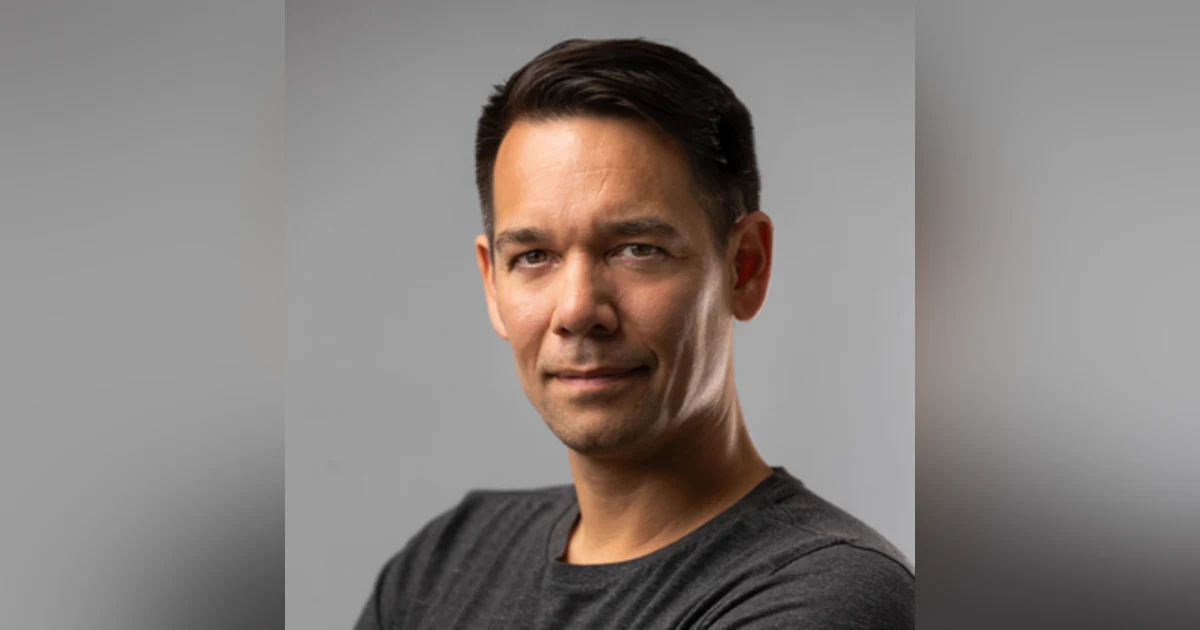

Jo Bhakdi is the Founder and CEO of Quantgene with the mission to extend the healthy human life span by a decade within a decade. Together with Quantgene’s team of scientists and engineers, he is dedicated to introducing cloud, AI, and precision diagnostics into the standard of care to enhance the quality and accessibility of care for everyone and protect human life. Born to scientist parents, Jo grew up with a backdrop of medical research before earning a Master’s in Economics from Tubingen University, one of Germany’s leading academic institutions. Prior to Quantgene, Jo held executive positions at BDDO and Omnicom with a focus on business model innovation and technology, then founded i2X, an investment platform that provides quantitative analytics for biotechnology and technology portfolios.
Hello everyone, I'm Dr. Darsha, and I'm Dr. Altamash Raja, and welcome to Medicine Redefined. A podcast where we will explore the often overlooked but necessary components of health, what we consider to be the fundamentals. We will investigate topics and practices that can give you and your patients the best chance to optimize a healthy lifestyle. It's time to move the needle forward and put the health back in health care. Hi everyone and welcome to the Medicine Redefined podcast. If you are a new listener here, this is a part two episode. So we would highly highly recommend going back to episode 114 and listening to our part one with Joe Buckley. I think in that episode, you really get to understand his background and his views, his deep reviews on artificial intelligence and exactly the projects that he is working on. In this episode, we're going to zoom out a little bit and we're going to look at artificial intelligence from a 30,000 foot overview. We're going to look at the harms of artificial intelligence. You guys may have heard over the last three or four months, a lot of the big time names like Elon Musk are really asking the government to put some regulation on the development of AI because they think it might just be going too quick. So one of the things we're going to touch on is what are those harms? What are those things that AI can really do if it is uncontrolled? We're also just going to talk about the progression of artificial intelligence within medicine. What are the things that we can look forward to and in what timeline and in what fashion are these events going to take place? I think this is an awesome episode. Again, as I mentioned in part one, a lot of people are on opposite sides of the spectrum, either thinking that artificial intelligence is going to take over medicine or that artificial intelligence won't touch a damn thing. And I think it's a lot more nuanced than that. And that's why I love having Joe on this podcast to really help explain those concepts and really put a great framework into our minds. So just to introduce our guest again, his name is Joe Bocdie. He is the founder and CEO of QuantGene and his mission is to extend the healthy human lifespan by a decade within the decade. He's galvanized the team of scientists and engineers and he's dedicated to introducing cloud AI and precision diagnostics to the standard of care to medicine for everyone to protect human life. As you heard in part one, he talks a lot about deep genomics and cancer prevention. He's got his master's in economics from a leading institution in Germany and he has held previous executive positions at BDDO and Omnicom and then he went on to found i2x, which is an investment platform that provides quantitative analytics for biotech and technology portfolios. Without further ado, enjoy this part too with Joe Bocdie. Hey Joe, thanks for coming back to this part too. Great to be back with you guys. You know, it's pretty crazy. Since the last time we talked, which was what, maybe like a month and a half ago, it wasn't even that long. There's been a lot of development already as far as artificial intelligence goes and you know, it's the new buzzword every podcast you listen to that might not even be related to like computer science, tech or healthcare or still mentioning it because it's definitely disrupting every industry. And so I think a good place to start in this part too is current events and you know, one of the things that ultimately I talked about in one of our recent episodes was near a link. And at that time, it didn't have the FDA approval for clinical trials and the news broke out last week that it now has that approval. But then there's also just a lot going on with, you know, brain machine interfaces. You know, there's that story. I don't know what country this for. I mean, there's sweet interfinal and I believe where the paraplegic or tetraplegic person was now able to walk with his own thoughts. So just, you know, a lot of this sci-fi kind of stuff coming out and turning into reality. But just really wanted to get your take on neural link and the world of brain machine interfaces and just kind of your reaction to the news that we can kind of just break it down from there. I mean, it's not too surprising, at least for me, I mean, that's very predictable. I think what we, of course, it's amazing number one for patients, we should always start with thinking about people who really need these kinds of interventions. And the funny thing about medicine is once you have a solution, it's like cancer, right? Basically, we are very close to getting rid of cancer and we already know how to do that through prevention, actually, to knock it out. But imagine you had a cure and you go, oh, I have cancer, we take a pill, it's gone. And, you know, then everyone forgets about it, it's like, why is it even a big deal? And, you know, humans are very short memory, this is like going to take within a year, no one is even going to link. And we know that from history because antibiotics, what people forget is the vast majority of all deaths were through infectious diseases even 100 years ago or 120 or something. And everyone was dying all over the place, like half of your kids just die, it's just like default, even if your rich doesn't help. And so death was all around everyone, massive death, and it was just normal. And then these guys invented, like in Berlin and Paris, they invented antibiotics and it was gone. Like from one day to the next, it was all gone. And you have to imagine what that means. I mean, people are literally your family, like half of your family is dying, everyone's and was like massive, that woman's gone. And so similar things become now true in this next generation of medicine with AI mostly and, you know, man, machine and the basis. And what's interesting for me is that AI and neural link, like these two parallel things, they do similar, they play in a similar realm and that's the realm of neurons, right? So that to the understanding of the satire physical body, we have that non-physical spirit or whatever, like the electricity. And that affects everyone who has problems with any kind of neurological condition, including that you can't move. And what we see is that we really have now, now's the time of these total breakthroughs that are all connected. And I think it was a hurdle that we couldn't take before as, you know, in medicine. And now controlling the human neural system or simulating them, which is for me related, becomes suddenly a thing. And that will get rid of all these problems. You will have man machine interfaces, but you will also have completely synthetic human minds, like AI, they have modeled up the humans and they behave like humans. And I think it takes away like a piece of magic, but also opens up these crazy new possibilities, like that the line between machine and man, spiritual line and like non-physical line is completely blurry. And I experience it every time I use ChatGDP or other AI systems, I mean, they're very human. They just do our job, they think. And I think there's a certain parallelization between these two things, the man machine interfaces and the AI, because they're just both blurring the line between, you know, the biological and the non-biological world through the spirit, kind of. You know, I think it is fascinating as we talked about. And what's truly impressive is, you know, once, I forget where I read this or heard this, like the concept of self-driving cars existed for the longest time, right? And it wasn't until, I guess, much like anything else in technology, it's like the first model gets developed and somebody cracks that code, so to speak. And then it just comes pouring in, like, you know, one company after the next, after the next, similar with AI, right, like I subscribe to a couple of newsletters that I get emails with AI and every other day I'm getting a new platform that can do something for me. And it's fascinating because it's just, it's exponential in terms of the rise of how quickly the technology starts developing, which I think is a good place for us to kind of segue into where we left off last time, talking about the quote unquote dangers of healthcare, right, the harm, the cost of healthcare. I think people are rightfully so worried that maybe it's moving a little too fast. I think particularly in medicine, right, we like to, you know, think twice, thrice, maybe four or five times, because you want to be very, very conservative, right? We're talking about patients, we're talking about lives, and you want to be very calculated. And there's a good reason why you have multiple phases, right? Do you have phase one, phase two, phase three studies and post-market surveillance and FDA drags their feet? And it can be for the innovators, right, or for the disruptors, it can be frustrating, but there is a logic behind it. And so I'd love to kind of pick up the conversation we left off and talk about some of the harms. But maybe before we do that briefly, you can kind of recap particularly with serenity and just kind of these AI based models in healthcare specifically of how they've helped augment or enhanced the healthcare model for us today. Absolutely. So it was the concept of medical intelligence. I came up with it like some time ago, like five years or three years or something, was always like a key concept for me because when you look at the actual causes of death, what drives death and what shortens life in our society. And when you break this down, it's basically two big pillars that are responsible for that. One is lifestyle, nutrition, exercise, sleep, this whole thing, if you do it wrong, you get ready sick. But the second piece is that medical intelligence piece? Do you get screened? Do you have the data? And if something happens, how holistically do you understand your medical condition? That is the biggest, lowest hanging fruit I think in the world in terms of opportunity of all areas. Because if you get this piece right, you can save roughly 600,000 American lives every single year, just through medical intelligence, just understanding the data and doing the right thing in prevention, but also treatment. So why is this not happening right now? It's not happening because we have an incredibly outdated system of medicine that makes plicit not even talking about healthcare systems, I'm talking specifically the practice of medicine. So if you're a patient, you go into a room, you meet your doctor. If you look at it from an engineering perspective, data engineering, what are the key dimensions? You need data transfer between patient and physician and you need intelligence in the physician, right, to connect the dots and then you need recommendations coming back. So how does this work? You talk to the doctor, he asks you a bunch of questions, he uses his brain to process it and tells you something, that's literally what it is. Like how does this compare with the CIA or with Amazon, it's a total joke, like a joke. In Amazon, you click a button, it goes into the cloud, it does 10 billion processing iterations and understands exactly what to service you, right? The next product to propose, you go to the CIA, it's not one guy talking to some other guy, it's like a giant network, Palantir, like that tranches the data and shoots back, okay, here's the problem, here's the risk, here's the threat. In medicine, we need the same thing and we are completely behind. And the same thing means you have to maximize the bandwidth between patient and whoever does the intake. It needs to be systematized and much more comprehensive data from diagnostic precision speedings, genomics, to just asking the right questions at the right point in time. All not happening, completely not happening, so we don't have the data, per patient. And second, once we have the data, what happens to the data, it needs to be crunched. Like where are the intelligence systems? We literally have a physician sitting there making some decisions, what if they don't know something? Does a physician read 32 million peer review publications each week? No. There is a problem. And so what we did in serenity is bring that vision into a product that says, you know, number one, with serenity foundation, our core entry level product, without even doing any genomics or imaging or anything, just on an intake level, straighten out the data, get a foundation of data in and then have a intelligence unit behind the scenes that crunches that data and says of all the things we know now about DASH, right? What's the problem? Is there a problem? What is the top priority list of problems, preventatively and reactively? And I think how do you do all these things? Well, these large language models like ChatGP and some other systems we integrated are enormously boosting our capabilities to do that. And it's all about bringing down price and time, right? Because these services that we offer, total medical intelligence for all you medical issues, they existed before. You can go to companies who do that, but you pay them between 15 and 20 thousand dollars a month, right? That's the cost because they have some bunch of doctors sitting there. If you're a complicated case and they go through it, it's executive health, right? They attach you up to a hundred thousand a year and they do all that stuff and we can now do that for, you know, 3,000 a year for like three and a box a month. Why? Because we are massively proving our ability to generate medical intelligence in super-tight workflows with much higher precision. And that is very disruptive, like I'm literally mean. We bring down the price for this from a hundred thousand to three thousand. That's a major disruption and that opens it up to everyone. And there is a great example of, you know, in AI we have all these smart AI. And then I run around and have some an AI model. You have to come from the other direction. You have to have vertical expertise. You need to deeply understand medicine, then understand where does this plug in, and then have a force multiply with AI in there. You can't start with AI because you don't know what you're doing. You can't let's just use 10 GB and start diagnosing patients that will be very bad. So it's all about having deep expertise and a deep fundamental understanding of your vertical, which is medicine, it's a big vertical. And then from there reason, okay, how can we deploy AI under the supervision of people who truly understand medicine, but are open minded enough to understand the future of medicine is different. As opposed to medical experts who are too lame to think about the future, or AI experts who just don't get medicine, that's the most dangerous scenario because I think, oh, just ask your to be the, let's see if it's cancer. That's not good, right? And so it's about these hybrid models, right, where you combine deeply understanding data and getting the data in, I mean, specific patient data types, deeply understanding AI, but also deeply understanding medical and then creating hybrid systems with medical intelligence officers as we call them. So the medical intelligence officer is the user of these AI systems, understands medicine and this stuff. They crunch out the reports, they shoot it over the medical group, medical group reviews it and be able to sort of work for them to make sure it's always true and accurate, but it's also massively expanded and faster. I love this concept of kind of bridging medical technology, Medtech, health tech that we've talked about. And, you know, it's funny when you think about the parallels and all these other adjacent fields, so to speak, right? So we've had people come and talk about healthcare policy and we've had, we recently re-released Peter Valenzuela who talked a lot about healthcare administration and how the folks who are on the administration side need to understand not only the business side of medicine but also really truly the medical portion of healthcare as well and only do those doctors who've kind of been on the quote unquote front lines for X amount of years when they get up into those rooms and kind of go up the chain, can implement policy that's going to make medicine and the business of medicine more efficient, right? At the level of kind of systemic policy change at the governmental level, same thing applies. And I think the ones who tend to push back harder don't stick around too long, right? I think about maybe if we just kind of backtrack 10, 15 years ago when EMR was really starting to build up, maybe it was more than that 20 years ago, I don't know how long epics been around. But you think about the physicians who kind of were maybe in their later 60s and maybe weren't as quote unquote, you know, tech savvy and really pushed back against EMR and not transitioning over, well over time we've heard stories of so many people just not practicing medicine anymore because of the frustrations of that kind of stuff. And it's funny, my institution that I'm working on, we're transitioning to epic now from an educated system. And I'm just seeing so many of my colleagues. I think it's also antiquated. It's just one generation list antiquated, fair enough. But it is light years ahead of what we were using before, so I couldn't be more excited. But nevertheless, you know, everybody that I'm working around and they're just not used to that, right? So that change is just, it's don't take it exhausting and it's just something new than with like, okay, I got to start over from scratch and you're just missing from firewood to candles. It's the great. Fair enough. Fair enough. But it's the best that we got as far as I'm aware, so I'm happy with it. But you know, to your point about, you know, people on both sides, you need to understand both sides of the coin deeply and have true knowledge. Otherwise, you won't, you don't know what you don't know. And one of the interesting things you mentioned last time is like, we need to figure out solutions and we need to sell solutions to people, right? Because if you don't have a deep understanding of the problem, then you can't really come up with the solutions. And I think that's such an important point for people to understand. And maybe my colleague says to, hey, look, we got to embrace this thing. I mentioned last time is like, I'm a little terrified about, you know, we started that conversation about AI taking a lot of physician's job. But I think now much more excited and partly is because I've started learning more about it and how we can integrate it. And there's more than jet GPT, right? So I think that's a really important point for us to keep in mind. Absolutely. I just wrote this thing. I'm just looking it up because that's exactly right. I wrote this thing here. The race for medical intelligence won't be decided on large language models or other technical AI details. Foundation AI models are becoming commoditized. The true engineering problem is the integration of AI cloud data, medical experts and accountability to deliver superior patient protection and commercial value. That's what I believe. Like the fight over who wins the medical intelligence race, which didn't even start, we are the only ones running right now, but I'm sure someone sometimes said it's important, is not to invent some new AI thing, it's about using these models that are being commoditized right now and integrating into a solution that just hits it out of the park for patients. Right now is the time to go from deep AI research into the actual solution, say, very simple metric and commercial or value, economic metrics. How can we deliver 10x better patient protection at 10% of the cost? That is exactly possible. It's 100x effect right now. That's what we also, like in the end, that's easier to pitch in a way to clients. We work with a bunch of state governments in the US and probably have some cool things to announce soon. There's not too much AI driven, but these are agile cloud-centric medical infrastructures that we are deploying. And if that actually comes to play the whole thing, we will, it's like SpaceX, when they pitched their rockets in the beginning, they were literally 10x, like 90% cheaper than United Launch Alliance. And no one could even believe it. Like, how is this impossible? You start 4 billion and you start 400 million, but you get the job done and they don't, like, how is this even a thing? And it's because it's called disruption. And in medicine, it's the same thing. If you deliver these systems, you will have full medical infrastructures for a certain region in the state at a tenth of the cost and massively higher quality in access. And that's what anyone in healthcare has to watch out for. You don't even have to invent everything yourself if you're a government or a large system, just give startups and newcomers a chance because now is the time where you might be extremely surprised what's happening, what people can actually do. Right. Joe, is it fair to say, so at least from your perspective, right, a lot of the talk that we're talking right now is from a positive standpoint, a positive sentiment, especially you as a disruptor. Is it fair to say, you know, when you look through the evolution of humans and our interactions with technology, you know, there were calves that you have uber and obviously the internet and, you know, the cloud, everything comes down to convenience. Is it fair to say that that is what AI revolves around as well, or have we finally just, you know, broken convenience as a silo, but there's a multitude of other things that AI can now do for us, or can we buck it almost every intention of building AI down to providing convenience for humans? I mean, convenience is a complicated concept. I mean, is it convenience to not die of cancer? I would say, sure, it's very convenient, but does it fall into the convenience bucket? I would say it goes, goes maybe a little beyond that. So what we will be able to do, what we are already able to do here, is to massively decrease your risk of death. And that goes beyond convenience, in my opinion. If you apply systems like serene to your life, I'm coming up with white paper on this, I think we have a very strong case to make that you reduce your risk of dying by 50%. Like literally, you can show that across different disease categories. And that's just the beginning, right? Because we don't even know our treatment, we just talk about prevention and precision screenings in a certain frequency with a certain intelligent. Okay, I think this. It goes much more to deep-take where you have real value coming out of that. I mean, convenience is also great value, but is there some capability gain? But in medicine, I think it will be much more hardcore. Like, okay, you're not going to die of diabetes anymore. You're not going to die of cancer anymore. So that's pretty serious stuff. Right. The reason I asked, so you may have read a book called Sapiens, but you've all know Harari, and you know, he talks about essentially human evolution, but a little bit more in death as far as the cognitive revolution from many, many, many years ago, more hunter-gatherers, and the the the plight we took, I guess I could say, towards the agricultural revolution. And it was very interesting, I just read this, and he has a section called the luxury trap. And essentially, it's the point where we decided to grow wheat and we really became agricultural species. And you know, he uses the word domesticated, meaning to house, right? And so he says, we actually never domesticated wheat, wheat domesticated us. And the reason why we went towards wheat is one convenience. Two, it was more food, although it was more malnutricious, did it have the minerals that you needed. So a lot more people were getting sick, but you can now have a lot more babies. You can have sexual reproduction because you have more of a nuclear tribe at this at this moment. But it's funny because he says humans are incapable of thinking a little bit down the road. And so in that moment, you're really just thinking we need wheat and we need a spread wheat. And the more you spread it, you think the better as a species you're going to become. So you know, it got me thinking about AI, especially when we look at domestication. Do you think we're getting to a point where AI kind of domesticates us in a way, and we're actually just going through a luxury trap where we find the convenience, we're able to cure cancer, you know, we're able to do all these amazing things as a species. But in the end, there's going to be these tradeoffs that we rarely never looked at that could actually just harm our species more than benefit. So I think, you know, this AI debate first about the risks of AI, and then I go into this, this is a very interesting point, by the way. So when I look at AI, I think nearly everything about AI is positive for me. I will explain in a second why. Nearly everything about AI, every permutation of risk, I don't see as a real risk. It's all only upside for humanity, my opinion, not for everyone, but for all of humanity as a whole. With the exception of that tail risk that everyone is thinking about, which I think is an enormous, dangerous tail risk that this thing just kills us in the end. And I think that's the only real risk that is actually a hardcore risk. And so I don't know, like, there are many ways of going about that, but it's an extreme risk. All the other risks, like fake news and like deep fakes and misinformation, blah, blah, blah. I think that's super narrow minded, like, like, like, dudes, this is not a strategic problem. I'm not saying that some election cannot get rigged or something, but that's not a strategic problem of humanity. We can handle that. And jobs and stuff like that. Of course, we'll have more jobs in it. Now to your point, the convenience trap, I think, I mean, Eury is, he's very like, you know, there's a certain philosophy where people think about humanity in a very, kind of up, like, in a very, like, cordled way, like, oh, we're all humans, we're all one big family. It's all come by, yeah, we'll be all be better off or not. The truth is, this is a game called evolution. And now I might sound like a, like, a douchebag, but it's just, I'm just designed. I'm just telling you, it's evolution. We have different human types. And they will adjust differently and some will adjust very great and some will not. And I think we are going into a high pro exponential convenience. I agree with that. I mean, in this new convenience world is a giant trap for most people, but it's also a giant opportunity for others. So it depends on your personality character. Let's take YouTube, for example. I mean, I'm sure you have enough to eat and you don't need to do what you're doing right now, but you do it. So that gives you an evolutionary advantage in the new world where you have discretion. But you say, you know what? I actually want to do a podcast and talk about interesting stuff. Yeah, I could just play Xbox or something, but no, you're doing that. But other people will make different choices. So now we have more choices. And most choices are bad. The choices that are good is can we use these new capabilities and make ourselves smarter and work harder? The less we need to work, the harder we work. That's a certain personality type that will absolutely win and take over. And the others will look very bad and that's inequality and that's also terrible for these guys. And it's not even their fault. It's all random. We, you know, some got lucky, some got not lucky. In a different time, we would be unlucky, right? Because our traits would be the wrong traits. So I think it's that's the evolution and I think that's why humanity adapts. I'm sure if you go back in time, hunter-gatherers, like, you know, 40,000 BC Homo sapiens, I'm sure they've got different characters because the selection was different. They might have the same brain. And automatically, but I'm sure the traits selected for were different. So I think it's an adjustment question and that's why you can't like rest on your laurels too much. You have to think like, okay, what's happening here? What's the new reality? And being lazy is never a good evolutionary strategy. Even if you can or especially if you can. So that's my take on that. I think the humans always survive because they adapt. But adaption means like evolutionary adoption, which means some might not reproduce at the rate they quote and others reproduce at higher rates. Interesting. You mentioned earlier the prediction of 50% reduction in chronic disease burden. What age would intervention have to be with either serenity or one of these similar models? But let's just take serenity and your mind for that prediction to be true. So I just in my white paper that we are publishing soon, I will have a video on this before we have to bother. But we looked at the age group 35 to 75, which is the most interesting age group in terms of death. Because after 75, okay, at some point you're going to die. I'm not saying at 85, you have to die. But you know, 30% of everyone dies before 75. That's a very interesting statistic. It's which makes total sense of the median age is, you know, 78. Is that a U.S. based or a global? That's U.S. 2019 CDC. And in that age group 35 to 75, cause of death number one, by a good distance is actually cancer. So that's also, for example, cardiovascular then catches up dramatically after 75. But if you're concerned about making it to 70 to your expected average lifespan, you have to watch out for cancer mostly, then cardiovascular, then some other things, metabolic and so on. And when you look at the preventability of these diseases, especially in these earlier live years, which is a 30% chance of dying, you can show pretty, in a pretty reasonable model, you can reduce that from 30% to 15% you can cut it in half. If you detect all these diseases early stage, that's the key and then take the right actions. But mostly early detections, the key, otherwise you can't even take actions. And some of these stuff sounds incredibly trivial. Like cancer is not trivial. You need liquid biopsy and free body MRIs and stuff like that for that. But A1C for diabetes, diabetes doubles your risk for dying of cancer or heart disease. So that is a key secret driver behind these big ones. And A1C, my favorite test, super cheap, no one does it. Like why are we nuts? Like it's not standard of care. Most people are not standard recommended to do A1Cs. Complete madness. Like why can't you not afford 25 bucks a year? And then A1Cs, they tell you your glucose levels over the last three months average. And then we have all the little metrics. And if you're over 5.7, you're pre-diabetic. That's very, very bad. And what I see here when we talk to patients, even if they get that test, and they are pre-diabetic, the doctors don't take action. They say like, well, pre-diabetic just means you have time before you get diabetic. It's like, no, that's not what it means. It means you need to do something now or to not get there. And so all these things, if you add them up, that's what I mean with medical intelligence. It's a statistically layered problem that's preventive medicine. You have to start doing stuff intercept these signals and take action. And you have traumatic effects like nearly 100% of diabetes is preventable. Type 2 diabetes. You just have to recognize it and stop it by changing life's circumstances. I find that interesting to Joe. I don't, my experience hasn't been the same. I think that we're actually getting to be quite good in terms of checking A1C pretty routinely. Even the PCPs who don't really understand advanced cardiovascular screening in terms of, I mean, simple things markers like APOB and other like-pop routine stuff. A1C is the one thing that we would check. I mean, we've had a recent guest and in the near future, we're going to be releasing talking about CGMs and kind of like the next phase. And, you know, checking up the date metrics and glucose stuff. But A1C is, again, you're talking about candles and all that antiquated stuff. Like A1C is just something that we're way past at this point. And so I'm wondering if this is kind of, because you're selling the West Coast, right? You mentioned. So I'm wondering if this is, because again, we're not bashing anybody, but again, a large entity on the West Coast is kinds of permanente, which is a very much preventative primary care-based model, minimized cost HMO type system. And I wonder if this is just like a West Coast bias type thing in your experience that you've seen that? No, I mean, here's the interesting thing. Most of this data is anecdotal. So when you say we have become very good at that, what data is this based on? Right? It's probably an experience, right? You see that? Correct. No, I agree. When you look at the actual data, it's pretty shocking. Like there's an estimated, I don't actually call the exact data, but you can look it up. I think over 50% of pre-diabetic cases in the United States are not diagnosed. They're not tested. 25% of type 2 diabetes cases are unrecognized. So that's a disaster on a population health level. Like half are not even seen. And then Kaiser Permanente, great example, that's anecdotal now, not data. But a friend of mine is with Kaiser Permanente. And I haven't seen him in a while, so I've met him. And he's like, oh yeah, I've like pre-diabetic and stuff like that. And then I ask him how this happened. They never recommended that he's 40 something. They never recommended to get screened. He said this because his dad had issues and he's with Kaiser Permanente. So he pushed for that test. They ordered the test. It came back at six. So six point, what is it? Four stivitis, 5.7 pre-diabetic. Six is right. They are fed, they're fed in the middle. To this day, two months later, the doctor didn't even respond to this thing. They didn't even say anything. And then he asked, Doc, is there anything to see here? Because I told him what to ask. Like, don't tell him. Just ask him. Is there anything in my results I should watch out for? No. No. No. So, you know, that's the big problem also in medicine. And then I think docs often don't recognize. Because as a doctor, you're kind of in the end of one. You do your business. You have your other doctor friends maybe. And you know what they're doing. But you don't have a good understanding statistically of how the system performs. Like, how many actually, how many of the colleagues actually do the right thing in terms of diagnostics, in terms of following guidelines. When are the guidelines also outdated? Once they detect something, what's the follow up? There's a massive drop of them. People see it and no one responds for whatever reason. Right there. They're mismanaged. And it's not always the fault of the docs. And sometimes they can't manage their own stuff. They're underwater and no one is a care coordinator. Blah blah blah, the whole problem. And so, what do you have to basically do? Like, skip all these problems and measure the end outcome. Right? 50% Undiagnosed prediabating. That's disaster. Then if you would ask the other 50% who are on record having prediabies, how many of them get actively managed? I tell you, probably like 10%. So that's a super disaster on that end. And then you end up basically having only 5% of prediabating cases actually being managed. And then you have a problem. I don't know these numbers. I know the 50% number, but I tell you, if you would investigate prediabating cases how many get actively managed the right way, that's like a single digit percentage. And then you have a giant problem because then you have the central problem that doubles your cancer risk, doubles your heart risk, a cardiovascular risk. So basically doubles the death rates of the two most deadly conditions. And then you have a big problem plus 45,000 deaths directly from the diabetes. So you know, that's kind of the blind spot of the healthcare system is the systemic perspective just on the numbers. And then solve the problem from there. If you know that's the problem, like why don't we do something about it? It's so simple in the A1C case. Then you can add other layers of more precision screenings on top of it. And what I always see when I talk to even politicians and people in charge, you know, Secretary HHS, we just set a conversation with a former federal. You were the boss of US healthcare and they have like interesting perspectives, but like the engineering perspective is kind of missing. Like this is the problem. Why don't we just drive these KPIs? Like what about A1C adoption? What about follow-up? Can we even measure that stuff? Probably not right now. And then Kaiser Permanenti, I mean that's what I love. Like oh, they're so amazing. They do all this primitive care. They're like kind of a single payer theory. But then just do the test. Like talk to people in LA. What's going on? Are you with Kaiser? Okay, when did you do this? That then I see holes all over the place. And so then I ask myself does Kaiser chair like is that ordered in Kaiser? Like they would just someone should just skip all the stuff and grab a thousand Kaiser patients and survey them. What's going on here? That doesn't seem to happen in my opinion. Yeah, again, yeah, no, I think so this is just my theory and me kind of speculating here. But again, purely anecdotal from my training over the last couple of years to note that probably maybe five years ago or maybe as recent as maybe the last two or three years, I would probably see a lot of physicians when people are in that 5.7 to 6.4, 6.5 range with their pre-diabetes would say, okay, you know, exercise, nutrition, exercise, nutrition. Because again, when we talk about reversal of chronic disease, diabetes is one of the first ones that we think about type 2 diabetes, right? Whereas now people will start getting more contextual and maybe even more aggressive, put them on some pharmacological therapy. So that's another thing I do wonder is like when we're hearing these stories about people not doing it or I'll have to educate myself and exactly what the statistics show that you're talking about. But I do wonder when people say do nothing. Does that mean people provide or saying, hey, exercise and eat well, which I mean, that's as good as nothing, right? I simply say that. Well, it's a little bit more than nothing, but it's still not very effective. Well, I literally don't say anything. I mean, this doctor doesn't tell my friend anything, he's like, oh, it's all good. Fair enough. Fair enough. But you and I know that if I just tell a person, hey, just eat exercise, you know, exercise and eat well, that's, I don't know what that means, right? The patient has no idea what that means. Yeah, that's why that's what I meant after they recognize the speed diabetes. There is guaranteed single digit absolute maximum that actually does anything intelligent about it. And then why do you test them like, you know, metrics, right? You talked about you have to, right? Yeah, you'd be doing it if you hadn't done that. That's part of the, the annual checkup prevention screening and that kind of stuff. But I'm glad that that we're talking about this stuff now, the cardiovascular stuff, the metabolic health, because, you know, from my reading, we spent a lot of time last time talking about the role of genomic based testing for cancer and you highlighted the reason in that age group between 35 and 75, really, the number one killer. But all these other things that we've spent a lot of time talking about, cardiovascular disease, just overall the number one killer, right? Insulin resistance, other things that have a genetic component, Alzheimer's, neurodegenerative disorders, things of that nature. So it already has a critical role in being able to pick up on that as well. Yes, correct on that? Absolutely. Is the way that the system is structured, is it better in the cancer screening aspect of it or one of these or really equal in all of that? That's a very complicated question because we need to have investigated on the deep level. We started in cancer and genomics, and that's what the system originally was designed for, and then it expanded into this medical intelligence topic. And the way medical intelligence works, it's kind of a more indirect way, right? It's a probabilistic thing by plucking all the holes in your screening, by plucking all the missing data pieces. You have this huge indirect effect. It's less sexy than cell-free DNA, because cell-free is a blood test. We detect the pattern saying the might of cancer that's really impressive. Whereas medical intelligence is more like you are late three months to your screening. But if you do this over 10 years, you probably will detect the disease that might have killed you or created big problems. But it's less sexy, because you need to consider it's like a surveillance thing. So again, it's like it's like whatever the pentagon versus CCIA pentagon is more sexy or we have giant tanks and we can kill the enemies. This year is more like, oh, we have these spies and they're constantly deliver information, and then something gets more to orange than we escalate it. So it's a little bit dudes. What do you do? Well, we keep this whole thing under control statistically, right? And my gut feeling is that the unsexy part might be the most effective one. By spanning this intelligence web over patients and seeing all angles on the patient and systematically plugging the diagnostics holes, I think you achieved tremendous protection, the tremendous protection delta between that and not doing that. And I think that's the biggest effect. You just want a system watching over you from a medical intelligence perspective that sees, okay, you risk profile your family history, all the guidelines, all the findings over your lifetime. At any point in time, we know, okay, what is the most important next 12 months action path in terms of screenings or actions. And if something happens, we already have all the data to make smarter decisions. And that might sound like, as I said, less sexy because it's not binary. But I think if you look at the numbers, it's just the biggest driver of, you know, the biggest driver of longevity. That's what people also forget, like longevity or things, oh, I need to be healthy. So I've like more health spend longevity technique is very simple thing. Don't die. If you die less, we live longer. Like, the alternative to longevity is death. So death is kind of what you need to do systematically engineer our death, like by bringing down the risk of death for each point in time. So I want to bring up again, current events. You heard of Brian Johnson from he's creating a blueprint. Yeah, I just met him. Oh, really? Very cool. Okay, so there we go. I mean, you know, you're talking about precision medicine, like to the tea, right, tracking everything, taking all these supplements, measuring and then trying to create this blueprint for everyone else. Obviously, you probably can disclose a lot of what you guys may have talked about. But overall, your thoughts on his method and what he's doing for the future of medicine, anti-aging longevity. I mean, Brian is just the biggest end of one experiment ever, right? So a lot of stuff he does is very experimental. We don't know how this all ends up. But his basic theory of tracking is, well, you know, his basic theory of maximizing diagnostics number one is always that can never hurt if you have enough money. And number two, his interventions to hit certain metrics and stay in the green across hundreds and hundreds of markers makes a lot of sense. I'm always skeptical, you know, the trick. So I think what he's doing is amazing because he will generate a lot of data. Now, do I think you should just copy him? I would be a little cautious because the problem with interventions is you can always cheat, I call it cheating. So let's assume you have certain markers like testosterone, human growth hormones, right? Sure, if your testosterone goes down or even growth hormones age, you can just inject that stuff and then you stay in the green instead of healthy or be not. So that's what I mean with cheating can just fix it. And he does some of these things. And I'm not a big friend of that. So you basically have to the interventions, technically, there are two types of interventions. One intervention is you do natural things to your body to try to keep that stuff in line that never can hurt in my opinion. And then there are synthetic interventions where you just inject stuff. We know that this doesn't really work for longevity, right? You can just inject all the missing hormones and then you're fine. You feel might be very good, but that doesn't mean you're fine because you might destabilize your whole system. And so as long as that's happening, we have to be a little cautious. But I think on the diagnostic side, he's definitely that can't hurt him. And on the data he generates for everyone, I mean, that says service to humanity, I think, that's like a great experiment. Let me push back a little bit of that, Joe. I used to have that opinion that if you can naturally amplify, again, we're talking about, let's just say endocrinological stuff, right? Growth hormone testosterone. We know that they have a key component in vitality, really everybody, right? And anybody who's been an athlete and been a teenager and then early through other college years, like they're really perseverating over those things. And as was I, I think maybe there aren't harm, physical harm, like side effects and we think about drugs and exogenous substances, but there is a cost, right? So for instance, let's just stay with your example of testosterone levels. Sure, you can manipulate your total and free testosterone levels with your nutrition, with your exercise, with your sleep, with kind of your stress resilience and management, but the amount of time one would have to contribute to get everything in line would be, I don't know, 10X, what somebody could get the markers in by just quote unquote cheating, right? By using the exogenous substances. And so all that time that you have to allocate to that, what are you giving up during that time? Sure. I mean, all I'm saying, I think of course, I'm not saying you should never do that. I'm not saying if you don't do that and get it under control naturally, that's always just good. If you do it differently, you don't know exactly what it is. It might be good, it might be bad. And it's going to be tricky to find out, you're taking major risks. I'm not saying it's not just if I would take the risks, but I'm saying if you just do it naturally, not much can go wrong other than wasting time. If you do it genetically, you're introducing a lot of risks because you're potentially destabilizing a very complicated system long term. Yeah. It doesn't mean don't do it. That's a whole different question. That's why we need positions. Totally. I do think the point was worth highlighting because I've started having this conversation is because when we're trained throughout our training, it's always talking about risks and benefits. Those are the two words that we have to when we're doing a procedure in somebody. But then I started using the word cost is because when I'm talking about not doing a procedure, it really isn't a risk, risk is the right word, but there is a cost of not doing something. And so I started having that type of conversation with somebody. And then at the end of the day, once you're informed, you can make the decision of which risk or which cost is less costly to you and which one you're willing to pay. Is it 10 hours a week of extra time to quote unquote, naturally do things or the cost of potentially, I don't know, having an adverse offense or like a clotting disorder or something like that by taking size of the substances. And that's where the shared decision making piece is super important. Something that you touched on last time, we're talking about how you don't just offer tests, right? You offer a service. You think that it's a disservice to not give somebody, connect somebody with a provider when you're then they have a test so they can make sense of that. And so I want to maybe kind of dig into that a little bit more. We talked about serenity and how maybe other places will like, and you know what's actually interesting is somebody can go to lab core, maybe not cancer screening, but actually order, just purchase tests on themselves without physician oversight, right? And so a lot of medicine is going to this consumer-based model, right, where we can just shop around, order tests ourselves. But then we have no idea how to make sense of it left and right. You go online on Google, WebMD, read about it, listen to a podcast and stuff. But you don't know how to contextually, you don't have the background, the vertical training that you were talking about, the deep understanding of medicine, to really grasp it deeply and know what it means for you, for your family. So if you could just highlight a little bit more about serenity and exactly everything that comes with that when somebody is a part of the program, and it'll also be curious if somebody wants to become like a, I guess a patient who is part taking with serenity, do they have to go in one of the locations? I think you said LA and Miami, or is this something that's eventually going to be rolled out where physicians all across the country can start using this in corporate tender practice? Yeah, very good question. So first to the last question, it's, now the serenity foundation product will be available everywhere, because that's basically online and telemedicine, like maybe just intake all your data, crunch it, and come up with the oversight report and say, okay, here's what's going on potentially. Here's downstream diagnostics, if you want to clarify ABC, and then we can basically hand hold you. The only state we have problems is New York, because of their weird laws about lab companies. So we have a very hard time delivering any kind of lab testing in New York, but the rest is fine. Now the serenity experience, it's very simple. When we came up, we started in genomics and then learned more and more about the problems. We realized you need a full comprehensive turnkey solution for patients. You need to basically say, if you have a problem, we give you a piece of mind that we will resolve this problem with you step by step. Because if you make it any narrower or more conditional and say, like, what we are only doing, we are only ordering a bunch of lab tests, if you only do cancer screening or something, what if that's not your problem? And that's, maybe the biggest problem in medicine is that who is in charge for the big picture, in theory, the primary care dog, but is she, is she, like, that's the question. You need someone, you can trust a total medical intelligence, coordinate all other actions in your medical life, what preventive life, and just keeps the big picture in mind and has the capability of handling everything. Not by themselves, but coordinating. That's why it's medical intelligence. And that killed so many people that this is not happening in prevention, but even in cancer treatments or in complex cases. Who's in charge? I had mostly no one. And then the endocrinologist said, like, well, I'm just an, I'm not a surgeon. I'm not a GI specialist and a GI specialist, well, I'm not a surgeon. So who's in charge in theory, the primary care dog, but good luck with that. That's not going to happen. So serenity is designed as a one click approach into this, a pathway into precision medicine and intelligence. So you have someone at your side at all points in time that just understands all these things and makes them understand it to you, but also to your physicians and, and serves as this interface. Because we talk as much to physicians as we talk to patients, to expand our key is what genomics means. This patient was actually scheduled for these in these lab tests, but they weren't able to do it via coordinating with them right now. So wait a little bit more. We talked to whatever the endocrinologist they can make with that. We think they're right about this, but not necessarily about this. That layer is incredibly valuable. And the reason we can do this at reasonable costs, or at 10X less costs than others, is really, you know, the set up, the AI power setup of what we are doing. It's not the AI making these decisions, but everything is powered by that to force multiplication. Because these services before, but just care coordination services that are insanely expensive if you just pay tons of physicians to manage you. You know, we are really designed. It's like a little bit like Amazon, but we are designed for the patient. Like our first concern is do we solve the problem and do we keep control over the medical risk and help the patient do it and their physicians? How we do that? We are very adaptive on that. We have a good system in place, but we learn every day. It's like, oops, here in this area, we have to readjust the technology, the work for whatever. So it's like Amazon that says, we don't even care how we do this stuff. We care that you get your package fast. Do we have to buy airlines or build trucks or whatever? Like that's our problem. We will figure that out and we do it all the time, but you get your package and save a serenity. Our promises, we deliver medical intelligence and keep you safer than before. And we worry about how we do that and that's a constant learning process behind the scenes. Yeah. You know, in the last episode, you mentioned how if you're like in the 1% of physicians, as AI continues to evolve on the trajectory that it's going at the pace that's going, you will still have a job. You know, you can still grow with AI. Obviously, AI will be taking over a lot of tasks and a lot of what you just mentioned about coordinating care, gathering the data, being more precise. If AI continues to grow, continues to evolve, continues on this path to becoming better and better and better. What role will the physician, or I should say, what skills will the physician have to build in order to keep up with AI in order to provide value? Why can't AI just kind of take over everything? So let's go through this because it's an interesting question because I think AI might be the wrong word. I think it's systems like serenity. AI is the foundation layer, right? They don't even do anything. They just provide supermodels that then empower the world world and then you build vertical systems like serenity on top of the AI and then serenity becomes a service layer for physicians because if you deliver 500 bucks a comprehensive medical intensive report for you as a patient, we can do the same for you as a physician for your patients. And so imagine if you have a few 100 patients that have problems, right, that have many problems, you could just go to us, pay us 500 bucks and over time insurance, whatever. And we deliver much more comprehensive insights to you. What does it do to your life? Suddenly you have a lot of time. So go, oops, everything's more perfect and everything's very thought out and reviewed. So what becomes your job? Your job is you are the last resort or last line of defense for the patient. You are now the master physician only empowered by our reports, for example. And you see suddenly all these amazing things about your patients. You get full recommendations that gives you just more time to make even smarter decisions. That's how I see it. You're not drowning anymore and like research and googling some PGX finding for like a medication for like a genomics test where you have to change dosage and research for hours what the actual recommendation is. We just tell you and you can rely on us. So that gives you more time. And that is the one most precious thing ever for physicians because more time means you can think more about your cases. So like you know what my patient here, I know that they tend to not say certain things. I'm sure they didn't tell serenity ABC. So I should feedback to serenity. I think this patient answers these questions wrong. That's like the relationship to the patient and the knowledge of that human being. Physicians will now have more time to actually care for patients more because all the deep end of medical complexity will be much more pre-digested. So they have more time to become an executive power to really think okay. This patient let me think again about this patient though there is actually something going on that I think everyone is missing. And that frontline thing that you're dealing with actual human beings and someone has to meet them and someone has to really understand them. I think what AI is going to do is just give you way more time and force multiplication to take your time to focus more on each patient. And that is never that can never be too much. I think there's a huge endless need for that because then you can think you can become there through protector kind of can think what maybe there's a mental health problem maybe there's a family problem all the staff that physicians used to do where they are now drowned out. I think that will be really good physicians to build these relationships with patients again and have just way more time and insight into the patient. What scares you about this future Joe with whether it's AI serenity these type of model systems medical intelligence what are you concerned about? Well I would say three things so the first thing is the knowledge we have is like a million fold now about patients right just one genomics test like it's a whole different ballgame so data breaches and abuses of this data by employers by insurance by government by anything by the FBI who they know what they do so you know you become also much more vulnerable to like malicious attacks a few data leaks so everyone knows that right that's an issue and that will grow very exponentially. I think that's the least of the problems but that's a problem. The second thing that's more a general thing I don't think it threatens the survival of humanity in this middle problem but it's creating a lot of problems and that's you know I know so many people who are great entrepreneurs and friends of mine and they all say oh it's so great with AI I can actually not hire people anymore because we get so far multiplied and they they are right and I see them with serenity I mean we can just do so much with like 10 people like if we had 20 people I mean it's like we as you know so I wonder how bad the impact is on inequality because if you really start leaving 90% of the population behind in terms of just money and involvement that could end very badly and we already have a huge problem so of course you can be an optimist and say no they all want to figure it out but the acceleration is pretty breathtaking that's happening here so I'm not sure if everyone can figure it out how to jump on this train. And then the last thing I mean that's what I share with Elon the last thing I think the real risk is just as existential you know wipe out risk and I think this risk is huge so I don't think that's a small risk because I was actually very involved in AI back in the days and the two early 2000s and decided not to continue because I was very interested in the human mind and motivation, emotion, cognition and all these things and I think we developed a very powerful model how the human mind actually works like consciousness, emotions, motivations that became so crystal clear to me exactly how it works not like how hard I mean this is so easy to just quote this thing the only thing that I was missing back then was all the neural nets right I was never good at that so I like the cognitive component but the emotional and motivational mechanics are so clear and how consciousness comes out of this is all very human but then I realized like this would be such a bad idea to do that like to create you know take TDP and inject emotions, motivations and personality into that and give it its own will but I know how incredibly easy that is you can I could do this probably in three months or something for nothing else to do but then you have a thing that is truly conscious and then it's going to be a shit show and so I'm not going to get involved in any way there because I don't even know what the I mean you can then do all kinds of crazy things but I know that it's easy someone just has to connect the dots and I think that's insanely dangerous because then you it's like a human it's like an immature 13-year-old with like nuclear weapons or something it's just gonna be that and maybe not one what if it's a million of these then it's even worse and so I'm a little concerned so I'm more on the camp of slowing this down or at least I will not get involved in any way and I try to do my part by not participating in these kinds of research projects but you know how humans are I mean that's I know other people will know it too it's just a question at some point someone wants to play around and say like oh I don't be just add a bunch of personalities here in emotions and you know of course the more capable the underlying really hard engineer problems being solved and it is solved now that I couldn't solve like a problem the problem but easier it becomes you just at some point someone's going to do it and I'm like very concerned about that. Wow well yeah it's a lot to think about and Joe we're going to we're going to make you a regular guest on on this podcast here as a lot of AI just keeps going out with news you're you know you're your insights much appreciated for Ultima Shanae I think you always give us just us and the listeners a new angle to look at you know around the corner as the as the world continues to evolve so thank you for that I mean I think you know when I have these conversations a lot of times with people in healthcare and I think Ultima Shana probably say the same I mean for me it's a lot of the camp is on one side saying oh man AI is going to take everything over all our jobs and we're going to be jobless and then you see the other end where oh yeah AI is not going to touch us or do anything but I think you really bring on this balance perspective to really help us see both sides and the risks the benefit or I should say the cost and the benefit is Ultima I should say so I just thank you for for enlightening us again on this episode yeah I mean truly I truly believe like in healthcare I mean there's a brilliant future ahead of everyone and healthcare who really thinks in innovative ways and understands AI and understands the meta problems that we discuss here like what's the value where's the medical power coming from there will be so much to do but if you're in denial that's when I end very badly yeah yeah for the listeners out there we're going to link all your socials and your websites so they can follow you know your insight and all the work that you're up to Joe as last question that we ask all of our followers is how do we add the health back to healthcare well I mean that's kind of our job here at Serenity that's what we are trying to do right by inventing new models and also commercial models that realline the interests of patients with the providers which right now it's just not the case so that's why I like these health payer models you just pay us 500 bucks and we solve your problem and then keep solving your problems and having this relationship these all these systems I understand socialized medicine is always very intriguing and compelling for anyone who cares for people because you don't want to have the money dirty thing in there but you're not solving the problem you're delegating the payer problem to a third party and that is horrible because the third party government or commercial has fundamentally no interest in you that's what people have to understand they are starting to optimize their own administrative bureaucratic problems through your health and that's not good right why do you think your your car drives so well because you're paying for it and if it doesn't you switch the brand and so that is very helpful and you know in healthcare we know all the problems if blue shield is the payer and your UCLA and you want to change something and the payer says no the patient doesn't even have a say so how do you optimize stuff yeah so I believe like the new future of health guys really driven by these kinds of models and I don't have all the answers how this is scalable to everyone but I know where the innovation is coming from yeah awesome thanks show perfect thank you guys always fun if you enjoyed our last two episodes on artificial intelligence let us know please let us know give us feedback we would love to do more topics like this if the future of medicine is something that is interesting to you I know it for sure is to us we can definitely bring on more guests to really talk about these type of topics just because the world is ever evolving so quickly so be sure to let us know you can email us at medredefine.gov.com or find us on any of the popular social medias out there as always our medical disclaimer everything in this podcast has been educational purposes only it does not constitute the practice of medicine and we are not providing medical advice advice no physician patient relationship is formed and anything discussed in this podcast does not represent the views of our employers we recommend that you seek the guidance of your personal physician regarding any specific health related issues and thank you to our team Rita Yapuri and Ethan Zhu for the production of this podcast we'll see you next week