

 Apple Podcasts
 Spotify
 Castro
 RSS Feed
 109. From The Box to The Boardroom: CrossFit, Sports Medicine, and the Influence of Big Food | Amy West, MD
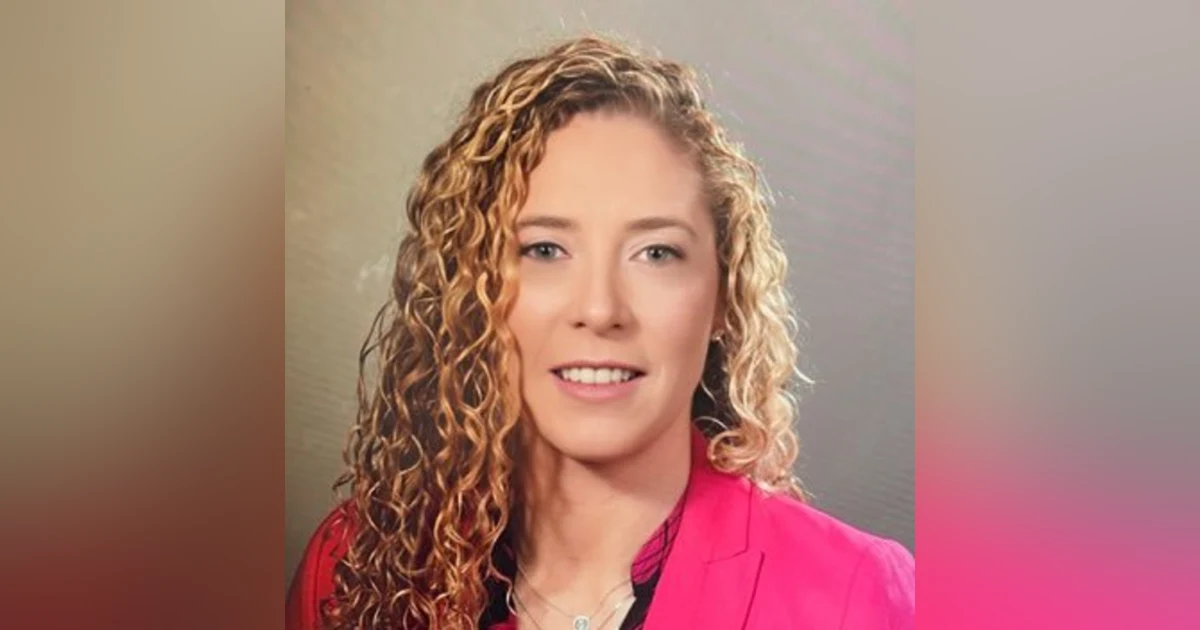

Dr. Amy West is a board-certified Sports Medicine Physiatrist at the Northwell Health Orthopedic Institute. Dr. West received her MD and Master of Education degrees from Harvard University. She then went on to complete her residency in Physical Medicine and Rehabilitation at the Harvard-Spaulding Rehabilitation Hospital, followed by a Sports Medicine fellowship at Maine Medical Center. Dr. West is an Assistant Professor at the Donald and Barbara Zucker School of Medicine at Hofstra University and serves at a Team Physician for Hofstra University. Her clinical focus includes non-operative sports medicine as well as work with special populations including the female athlete, adaptive athletes, and transgender musculoskeletal care. She is a former collegiate athlete, currently plays on multiple sports teams and is a CrossFit Level 2 Trainer.
Hello everyone, I'm Dr. Darsha, and I'm Dr. Altamash Raja, and welcome to Medicine Redefined. A podcast where we will explore the often overlooked but necessary components of health, what we consider to be the fundamentals. We will investigate topics and practices that can give you and your patients the best chance to optimize a healthy lifestyle. It's time to move the needle forward and put the health back in healthcare. Our guest today is Dr. Amy West. She's a board-certified sports medicine physiatrist at Northwell Health Orthopedic Institute. She received her MD and masters of education degrees from Harvard University. She completed her residency in physical medicine and rehabilitation at Harvard and then followed it up with the sports medicine fellowship at Maine Medical Center. She is a professor at the Donald and Barbara Zucker School of Medicine at Hofstra University where she also serves as the team physician for Hofstra. Her clinical focus not only includes non-operative sports medicine, but she also focuses on special populations, such as the female athlete, adaptive athletes, as well as transgender athletes. She herself is a former collegiate athlete, she's an avid cross-fitter, and she even holds a CrossFit Level 2 training certification. In this episode, we mainly talk about CrossFit. Dr. West dispells the myths about how CrossFit is overly dangerous and how so many injuries occur from Crossfitters. We then talk about her practice and halfway through about, we take a left turn and actually talk about big food and policies and how doctors are kind of at a disadvantage when it comes to really trying to promote better health and wellness because of the policies that we have to abide by. Anyways, I think this is a fascinating conversation. There's a lot to learn from Dr. West, and if you're interested in following her on social media, all of her handles are at Amy West MD. Well, Amy, Dr. West, thank you so much for joining our podcast. Well, thanks for having me. Pleasure is ours. So you have a lot of commonalities as far as your journey goes and your scope of practice with Ultimus and I, you know, Pima and our trained, you obviously do sports medicine. One of the things that I think we do differently is that you focus your training on CrossFit. I really hiss up whenever you get the time outside of the hospital to work on your training. But take us through a little bit behind your background why you chose physical medicine and rehab because I think we all have unique journeys, especially when it comes to that field. And what got you interested in sports medicine and your current scope of practice? Well, I've been an athlete in my whole life. I've always been involved in sports. So it seems sort of like a natural kind of progression. I actually first learned about Pima and our med school. There was a lifestyle medicine interest group. And the person in charge of that was Beth Freides, who's sort of, I think she's the president of the Lifestyle Medicine Association group that society, whatever it's called. But she's, she's the president of it now. But at the time, it was sort of a newer thing. So I started talking to her like, what do you do exactly? And then she ended up connecting me with some people in the Pima and our department at Harvard. Which oddly enough, at the time, Pima and I was kind of a very well-kept secret there. I think I was the first person to go in a Pima and Harvard and like, it was like four or five years, you know, prior to myself, you know, spalling rehab hospitals is a behemoth of an institution, but not many people know, not at the time, not many med students ever even rotated there and knew it existed, knew what had happened there. So I started looking into it right around my after my third year med school and we don't rotate there, we didn't do with it at the time. So after my third year, I started, I did an education degree, a master's of education at Harvard. So I sort of, I guess, I'm like an off year. So I started looking more into what do they do over there at Harvard. So I started hanging out there a lot and learning from the residents over there and then it just so happened to be timed, it actually is quite timely now. The Boston Arathon bombings happened that year, so earlier that year and the, I started rotating at spalling right as all of those patients who had the amputations and traumatic injuries and et cetera from that bombing were being admitted to spalling for their rehab and some of them were there for months and months and months after. But that was sort of my first kind of deep dive into rehab medicine and what it was. And I thought that was so cool, it was such a, it was the most like uplifting part of their journey was happening, it was finally happening and it's welding, rehab is a place where everyone gets better. So that's sort of a really nice thing as opposed to regular hospital medicine where that's not always the case. And then I found, during that year off, I found PNRs at the time at least was kind of the best kept secret at Harvard, not many med students knew about it, not many med students rotated through spalling. I think I was the first person to go into PNR in like three or four years. So it was kind of a very, not many people knew about it. So I started learning more about it. I did an education degree after my third year of med school, so sort of like a year off, if you will, where I wasn't like in the hospital all the time. And during that time I was able to hang out at spalling a bunch and at that time or shortly thereafter was when the Boston Marathon bombings happened. And a lot of those patients who had lost limbs or had a traumatic brain injuries and things like that, burn injuries had been admitted to spalling for their rehab. So it was kind of a really interesting time to be there and to experience what PNR was. A lot of those patients were kind of finally getting better and learning how to live their lives again. And it was nice to be part of something, you know, part of a hospital where everyone gets better. And that doesn't always happen in regular medicine. So I thought that was really cool. And then after around the same time, I was kind of looking, I would pass this CrossFit gym every day that was near my med school and I said, one day I'm going to go in there when I have time. So I did. And I found that CrossFit essentially is the sport of function. It bases its principles on functional movement. And PNR kind of has the same feel to it, the same values. So the two actually align quite well. And it's certainly when it comes to the adaptive sport community and things like that. So I found both of them within like months of each other and they just seemed to work really well together. So now I spend a lot of my time explaining what one is to the other group of people. But I enjoy it, so that's good. That's funny. Even now, you feel like with all the popularity CrossFit skiing over the last couple of years, you still have to? Well, I think a lot of people think they know what it is, but they have no idea. I think that's, I think that hence the misconceptions and the, you know, the thoughts about it, the thoughts I usually hear are tend to be negative ones and they're usually based in nonsense, frankly. So, and a lot of people just don't, or people don't realize kind of what, what it entails. So they assume it's only for certain types of people or whatever. So I spend a lot of time dispelling those myths. Sure. So, so let's do that, right? Like, I'd love to hear your definition of, I mean, the sport of function. I mean, that's awesome, right? They advertise as a sport of fitness, although I don't know if they still do that, do they still do that? Yeah. They've had some rebranding sort of recently, but, yeah. But, yeah, so I mean, the crossfit, yeah. What year was this, by the way, when you walked into, let's see, 24, teen, I think I started about teen 24 to something like that, and that's when I first, still relatively early. Yeah. All right. So sorry, you were going to define your definition of, for the layperson, what crossfit is, somebody who doesn't know lives under a rock. Yeah. So, I mean, crossfit is not my definition. It's what they'd, what Glassman defined it as, but it's constantly varied. So, you know, using different things every day, constantly varied functional movement, which we can get into what exactly that is, functional movement, performed at high intensity and intensity is relative, that's universally scalable. So, you know, those four principles are actually principles of rehabilitation programs when you think about it. It's actually a scientifically backed methodology when you break it down. But yeah, so that's kind of what it is, it's, it involves a mixture of endurance. So, you know, you're running and rowing and things that require aerobic capacity, gymnastics, which doesn't necessarily mean like doing back flips, that means just sort of being able to handle your own body weight. So, you're going to move your body weight in space, which is actually a life-saving maneuver for those, for people who can't do that. And then weightlifting and weightlifting, not in this traditional sense, necessarily of like heavy barbells, although it can include that, but with weightlifting, meaning like exerting an external force on an object. So, those are all important things that, you know, people need to be able to do in their everyday lives, which I think traditional training methodology doesn't necessarily mix. So, people tend to stick in one of those boxes and stay with that, which has problems on them itself. Then beyond, then you're looking at the function movement piece of it. So, all the movements are based in function. So, multi-joint, quarter-extremity movements involving complex neuromuscular patterns. These are things that are presented to you in everyday life. So, bicep curl is great, but it doesn't actually do a lot for you as opposed to something like a deadlift, which is, you know, you'll say, oh, I don't need a deadlift. Well, you need to pick stuff up off the floor. So, you know, how you learn how to do that is through practicing proper mechanics and a deadlift, whether you're developing 500 pounds or more an empty bar. So, that's kind of how I frame it. You mentioned intensity and how that can, that's all relative. So, for those who aren't familiar, what do you mean by that? So, I mean, it really depends on the workout, the person, what we're talking, what kind of movements we're putting together, but in general, the things where you're reaching elevated heart rates and trying to do things quickly, I guess would be the most basic way to put it. Now, you see a lot now in literature, I'm talking about high intensity interval training, which sort of short burst of energy fall by rust and, you know, or turboda training, which is another thing that's used fairly commonly in CrossFit gyms. But essentially, you want to be raising your heart rate while you're doing, while you're exercising. I think that piece has been missing from traditional exercise guidelines for a very long time. I think just recently, they might have added something about that. For years, it was saying, just go walk, which has its benefits if you don't do anything, but as far as being effective and then also as far as being time efficient, that's another thing about CrossFit, you're there, you're in and out within an hour, and you can do something for eight minutes in a CrossFit gym and feel like you've done a workout, which I think for people, especially like busy people, like we are, it's just time efficient if nothing else. Yeah, I might even add on to that, like it's a lot of physiological strain if people think about it, right? So, if somebody's going for one rep max, you might not skyrocket the heart rate, but you will skyrocket your blood pressure, like it'll be like 300 over 350 over 250 or something like that, systolic and diastolic. So, that's another way that I like to look at it, because it could just be an absolute, you know, max that somebody's going for, although I think that those are probably few and far between for kind of what you're describing, I know Darshan had a follow-up question for you. I'm curious about the training schedule, right? So, I'm assuming people who listen to this podcast are probably also listening to a Huberman atiya, right? And they recently had Dr. Andy Galpin come on. And I don't believe he actually talked about CrossFit when he was going through different training schedules, talking about speed and endurance, strength, anaerobic, etc. And I'm assuming in CrossFit too, right? You have professional athletes, but then you also just have your regular day goers, right? Can you take me through just like a week long training schedule for each, and then are there also quarterly goals, for example, or monthly goals that the professional athletes will go through to isolate one of those specific attributes, whether it's like speed or straight, etc. Yeah, so I listened to those podcasts with Huberman and Galpin and YouTuber Manfan myself. It was funny because a lot of the things that they were talking about, they were talking about CrossFit without saying they were CrossFit. And as far as like taxing different levels of intensity, taxing different parts of the body, taxing it different, encouraging different types of movement. And it was just like, I felt like reaching through the screen, I mean, like you're talking about CrossFit actually, but what's really nice about CrossFit in general is that you show up and they tell you what to do and then you go home. So for someone like myself, at least when I started and for your average person, you don't have to like, there's not a lot of thinking involved as far as like, what should I be doing today? What body part am I working out or whatever? It's like you show up and they tell you what to do and you do it. And any good CrossFit gym will have someone in charge of programming, whose programming things vary specifically to such that every day is different, but it's not random. It's deliberate difference, if you will. So there's a day where the workout might be 20 minutes involved, 800 meter sprinting and pull ups and cleans, something like that. And then the next day the workout might be, you know, five minutes of, you know, something, you know, something out like just max squat and some kind of also things or something. You know, and every day it's different and every day the time domain sets slightly different, the skills being tested are slightly different. And because CrossFit's in like an affiliate system, it's not like a franchise. So every gym kind of operates independently of each other and they have their own programming. They're a way of doing things. So a lot of gyms will have like a lifting component, like you walk in and there's either a skill that they're doing today, like a gymnastics skill or a lift, like a kind of three of max squat and then followed by a workout, which usually rarely goes over 20 minutes, but sometimes some days there's longer ones, some days that, you know, they're shorter ones. So, but it's, it's all very deliberately programmed, but every gym does it slightly different. But the whole idea is that we can all show up and then do the same thing, except what we, how that looks might be different for you versus me or like for grandma versus myself because everything scalable, every movement has kind of progressions at lead to it. So instead of doing pull ups, you might be doing ring rows or you might just be doing another kind of pulling movement, you know, somewhere else. So it's not, it's not everyone is not expected to show up and be at the same level and that's the beauty of it. Right. Gotcha. Now, is there an expectation that you're showing up to the box every day or there's, you know, because I think when I look at the pricing, it's like based up how many days for the month you go usually. Yeah, and again, that's like very different based on the gyms, but I mean, the idea is that you're there, you know, probably four to five days a week, you know, but, you know, whenever you can, I guess, but every gym has pricing, you know, the prices are all over the place, the packages they have, it's, they all do it independently. Yeah. So, you know, the whole idea of exercise being medicine, right? I mean, MSSM has really taken, you know, that, that concept or that phrase and been really pushing it a lot over the last couple of years. Obviously started in American colleges sports medicine, but it's also infiltrated in AAPM and art. Every conference that I go to, there's a separate, maybe track for that almost. And I think all of us are a little bit biased, but the data is clearly suggests that it's almost better than medicine, and there's, there's really no medicine that's going to affect as many systems in a positive manner as much as exercise will. That being said though, you know, the type of exercise matters, certainly the intensity, all the things that you've talked about. Now, one of the things that I think you recently retweeted or posted, I'm not sure, something on Twitter is that somebody talking about how CrossFit's going to, quote unquote, keep you in business, right? You're if it's actually sports medicine, not just in my, so it's Dars. Yeah. So, you know, I'd love to maybe touch on that piece of it. That's something that sounds like you hear quite often. Maybe in discussions with your colleagues, you're clearly very passionate about it. What's your take on that? Maybe elaborate for those who don't know exactly what the people mean by keeping you in business. And then like, where did that come from? Like that kind of stuff. Yeah, so I hear that quite a bit. We'll say, oh, you're in orthopedics. Oh, well, you know, those Crossfitters, they're always getting injured. That'll keep you in business. And I love when people become that, say that to me. Because, well, one, what actually keeps me in business are sedentary people who don't move their bodies. So, at the end of the day, most of my schedule, people with arthritis, you know, people who are not such great shape, who injure themselves, putting their pants on, you know. So that's, and that's, and that's really, that's what's in our, like, healthcare system for the most part, right? And then, you know, that being said, I say to that as well, you know, these are problems of fitness, not problems of sickness, right? So someone tears their rotator cuff, trying to do a pull up or something. I, as a medical provider, would much rather deal with that problem or have the luxury of being worried about that problem, then all the actual problems that exist in our healthcare system, the people who are getting sick with chronic disease from not moving. So that's part of it is that, you know, that people who want to take shots or say things like that, usually, you know, I can pick that apart pretty quickly. Then beyond that, you know, there's been studies that have shown that, you know, active people are more likely to get active being active and sedentary people are more likely to be, get injured being sedentary. So I mean, by doing these little things, you know, in their, in their household, how many times have I seen someone who was, I was picking up my kid and I, my back started hurting. I was putting something dishwasher and I, like, sneezed and I can't move my legs now. I mean, this is stuff that I see all the time. And in CrossFit, you're actually drilling those movements and learning how to do them properly to prevent yourself getting injured when you do them in real life. So it's actually the exact opposite of the scenario. I mean, certainly accidents happen. And I think, you know, you always get knuckleheads and we'll try to, you know, I did six workouts today and now I'm hurt myself. Well, yeah, I mean, that's going to happen and accidents happen and weird things happen. But the amount of people that are having their life saved by being active and doing things like CrossFit compared to the amount of people getting injured, I don't think it's, it doesn't, it doesn't compare, you know, general. So, so, and then, you know, like I said before, the, the principles of CrossFit, like I was talking about before, are all actually scientifically backed injury prevention programs. So when you break it down, actually, I would argue prevents more injuries than it causes. So when people say stuff like that to me, it's like, okay, and then I usually take it from where it comes. So, you know, I tell people, and I get, I've seen, I've seen a lot of CrossFit all these in my clinic because they go to someone else and they'll tell them, you shouldn't, oh, don't, don't CrossFit, you shouldn't CrossFit, it's dangerous. And what's funny is, I say if people, I said, look at the person who told you that. And if that person looks like they know what they're talking about, then ask them what they do and do that. But nine times out of 10, it's somebody who's got no business commenting on your fitness. So, you know, so, that seems the way I say it. You know, I, I, I'm going to play devil's advocate for a second because I think maybe if we find rewind the clock 10 years ago, so, I mean, I spent, right before I went to medical school, I spent some time doing performance coaching, worked at a pre-seed speed school. And then within our facility, we started a CrossFit gym or the owner wanted to start a CrossFit gym. And I was, I didn't take these shots, keeping you in business, I didn't do that. But I was one of those people putting those memes up saying, okay, like, I'm just getting good at exercising and this and that kind of, because you know, you, you mentioned your athlete, right? So, you're always training for something, right? You want to throw farther, you want to hit harder, you want to run faster, et cetera, et cetera. And I was, you know, the, the common, you know, the easy low hanging, you know, fruits or for in terms of jokes was like, okay, like we're just, just exercising for the sake of exercising. But over the years, what we've seen is, I would say the bad actors, the bad players have kind of just fizzled out in the people who are doing, are those principles that you've talked about and, you know, implementing the good practices, they've really shined. So, so basically, if you, something that Darshan and I were talking about offline is like, you know, the, I don't know if this is maybe from like the CrossFit and affiliates or just kind of just, people not being able to hang because of that practice over time. But it's like the weeds have just kind of died over time because the, the flowers and stuff have been watered and whether CrossFit's given them the resources or people just, you know, the good people have been separated themselves from the pack. But the issue was that when we look at other sports, basketball, football, some of the other popular sports in this country, baseball, I think the average individuals sees that athlete, that elite athlete and recognizes that there's a gap between themselves, LeBron James, right? They're not going to go or like Tom Brady or whoever it is and they're not going to go play tackle football and then, and expect to be okay. But then you watch, too, Claire, to me, you watch, like all these, like, what's the hard work pays off? I can't think of that. That's razor. That's razor. You watch phrasier a couple of times, right? Yeah. And you watch all these people and then you have access to everything that they, it is that they're doing, right? And so you watch, I mean, some of my favorite documentaries ever to watch is when they've done the CrossFit games, right? Like those three things that just hit me so juiced up and you see the workouts and you can easily, that's accessible to you in the gym. You have all those resources to do that. But what you, you fail to realize is you are not mad phrasier. You are not Tia Claire, to me. You are not Catherine, you know, and so, and that's how people accumulate some of these injuries, right? And yes, they're, I love how you said that they're injuries of fitness, not necessarily of what was it you said, sedatory, injuries of their, their fitness problems, not, you know, health problems, problems of sickness, you know, problems of sickness. Problems of sickness. Yes, that's what it was. Yes. I want to make sure I write that down. And that's certainly as a sports medicine provider. I mean, that's something that that's favorable for us, right? I think overall, what we've learned is over the last 10, 15 years, as long as CrossFit has been around, it's been a net positive, right? And we talk about the camaraderie piece of it, people engaging and social connection as we realize, we talk about longevity and all those kinds of things exercise is certainly good, but so is longevity. So as all the other practices is because when you engage in exercise, you're going to be talking about your book data, your HRV, your sleep, all that kind of stuff, right? It all comes in together. And so overall, when you consider all those things, I think it's no doubt to me that it isn't that positive. But I want to put you in the spot here for a second, you're such an advocate for it since you've started chatting. What is it about it that you don't like, right? What are some of the negatives, pitfalls, things to do concern you that could be better? Well, I think there's a, and it sort of speaks to what you were saying. There's CrossFit, the sport, and there's CrossFit, the methodology and the training. And those are not necessarily the same. And it's just like me watching LeBron James and then trying to dunk a basketball, like it's not going to happen for me. So I'm not going to try it. So there's that part of it where I think some people kind of confuse the two. And that's I think part of the reason that a few years ago, there was some kind of downplaying of the games from a corporate level of CrossFit because that's not really what CrossFit is at its base. So I think that kind of adds some issue with people seeing that on TV and then people going out and trying to do some of those things, or for me, it's more that people think you have to be that level to engage in it. And I think there's still so many misconceptions about who can walk into a CrossFit gym and get something out of it. I just took two friends of mine last week for the first time who are not necessarily exercisers. And they were like, their minds were bone is like, oh, this was not at all what I thought it was going to be. And they actually really enjoyed themselves. And it's something like that where I'm still working to kind of change that in people's minds, but I think there's definitely a lot of misconceptions that exist for whatever reason, whether it's marketing or whatever, that people kind of need to break down. So I think that's definitely part of it. I think also this idea that it's dangerous, I mean, I was recently at a hotel gym and the things I saw people doing in there were pretty scary, frankly, I mean, when people are left to their own devices to kind of just do stuff, it was actually kind of a little bit worrisome. So I can see someone in their garage trying to make something up and do it on their own. And that can be a problem if you don't have a good knowledge of what you're doing or how. But that's universal. That's not a CrossFit problem. That's a problem problem. And I think because people who try to gravitate towards CrossFit tend to be sort of competitive people, you can get some egos involved in doing things that maybe you shouldn't be your things you did back in high school that you haven't done in 20 years and then, you know, you hurt yourself. So there are certainly those things that happen. For sure. I just want to throw out some numbers there. So recent guest of ours, Dan Pope, he has the account fitness pain free. He actually wrote about the risk numbers when it comes to CrossFit, right? So he says CrossFit has a relatively entry. Oh, did you? Yeah. Okay. So I'll just say it out here for the audience at least 0.27 to 3.3 injuries per 1,000 hours of participation, right? So I think if you take someone training about four times per week and let's say they do an hour, you're talking about 0.27 to 3.3 injuries for every five years of participation, right? And this is actually from a study from Gardener in 2020, the Journalist Sports Met. So yeah, relatively low injury, but I guess my question, too, is what type of injuries are we seeing in CrossFit athletes, are there any specific joints that are muscles that we see? Yeah. Yeah. Well, also, yeah. So I mean, just to piggyback off of that, when you look at running injury rates, it can be up to 12, 13, 4,000, 1,000 hours of training. So when you compare the two, actually, they're not even close. But as far as injuries that tend to happen, I mean, we think shoulders, knees, backs, a lot of people, like in CrossFit, there's a lot of like pulling, like body weight pulling and stuff like that. I mean, obviously it could be adjusted based on your level, but people getting impingement and some rotator cuff stuff going on. There's a lot of, you know, with any weight lifting, you know, lumbar spine issues, certainly can arise, especially like heavy lifting, it's just kind of natural things like that happen. And then, you know, the less so knees, you know, some knee injuries here and there, or, you know, if people who have old, a lot of times, also, we've seen like people who have like old injuries and they kind of stir them up again, you know, something I see a lot of is that people developing, using parts, parts of their body, they have not used in a very long time, which speaks to the fact that they need to use them, but then sometimes they start hurting as a result. So people sort of waking up things that they haven't used in a while. All right. Let's talk about coaching. You recently tweeted that you got your CF level two. And if I remember correctly, it's in get four, right? You get four levels or different. Yeah. There's up to an L4, yeah. Not that many people are L4s, but yeah. Awesome. What was your inspiration for this? And I'm curious how this has helped you in your practice or like what was the reason for this? Well, I'll start. I got my L1, I actually got it during that kind of year that I was off. I decided to get my L1, because I was super, just super into CrossFit, I want to learn more about it. And it really kind of helped laid out the methodology. And I really thought it was very interesting. Not long after that, I actually got an email from the former, the founder of CrossFit. So where Glassman had reached out to a handful of doctors that he, I had done a grand round at my hospital about CrossFit, and I guess he got wind of it. And he invited a group of doctors out to cross it, ranch out in California for this L1 for just doctors and actually met a lot of people there, it was really cool. And then recently they just started doing the L2s for physicians. So I was part of the first one of those. And the L2 is really interesting because it's a lot about teaching, the art of teaching. And, you know, I'm someone who's, I have an education degree, and people say, why did you do that? And I say, as a physician, you are a teacher, whether you want to be or not, right? I spend all day explaining things to people. Not to mention the residents and the med students that you work with as well. And almost no one in medical education has any formal education training, which is kind of crazy when you think about it. But as just someone who teaches, whether it's via something like this or social media or in the clinic, it's really important to have some basic skills of how to communicate clearly and effectively to people so that they understand. And the L2 actually is really about the art of coaching, slash teaching. And they really help, you know, help you learn how to break down movements and teach them such that a group of people can understand it, and also how to kind of manage multiple kind of levels of people at once. And it was crazy to see in a room full of doctors, like how many people could not do it well, could not do it well. You know, they're talking too much, they're saying too much, they're not just demonstrating things and not being clear. But the way I saw it is like, you know, if you're teaching a squat, there's very similar principles can be applied to when you're teaching someone how to like ultrasound a knee. I mean, it's like, okay, this is what we're doing. Let me show you. Here's step one. Well, you know, it's kind of basic when you think about it, but it's actually not something that we drill a lot as medical professionals where coaches, like a good coach has that down. Do you mind going into some of those details or tactics that you've learned? I'm super interested in coaching, actually, I plan on either getting like a life coach or performance coaching certification. So any tactics that you have for the listeners when it comes to effectiveness? Well, I mean, the thing that was really that struck me was like, you want to, you know, as far as like, you know, when you approach a group of people, a, okay, this is what we're doing. Like, be very clear about what your attention is. And straight what you're doing. And then keep it simple because it was crazy to see how many people would just start talking and it was just like word vomit. And like, after a while, the notes paying attention, notes, coverings confused, and taking it step by step, like very much like breaking down here, we're going to do this. Boom. Okay. Don't show me that. Okay. Next step. Okay. We're going to do this. Boom. Show me that. And I've found very similar kind of things with, you know, when I was trying to learn ultrasound and like, you know, someone would get up there and say, okay, here's the ultrasound of the knee and like ultrasound the whole thing to go, okay, you guys go. And everyone's like, wait, what? So how do I hold this? Like, and it's the same idea is like breaking it down step by step, having people demonstrate that they understand and can show it back and then kind of advancing, you know, and sort of like the most basic way. But keeping it simple is I think is the hardest thing, but also the best way to kind of communicate your message. Yeah. It's the kiss principle, right? Yeah. I have my students, the residents all the time. I'm like, when you're, it's a recently, you know, I've been having my students create the home exercise programs, like just use have to go free resource for everybody for my patients. And then I'll review it. And then, you know, some of the ones who are really, really enthusiastic and trained often, they'll start like what they used to train for themselves. They'll start putting these like programs with like nine exercises, four sets like perhaps, and I'm just like, all right, this lady has knee osteoarthritis and has like 70 pounds to lose, like she can't do the program that you're doing right now. And I always tell them like when it's, when it's too simple for you, it's too complicated for them, right? So, simplify it even more and more and more. And so, it, what's also interesting is like when you are a medical student, like when you're doing your clinical, like, practice things your first, the second year, at least I recall in my medical school is one of the good things that is they always, you know, you would tell the plan, right, to the simulated patient that you had, you want to make sure that they understand and you're like, can you repeat the plan back to me? And oftentimes if you actually do that in clinical practice, it's very rare that the patient will, you know, point by point tell you exactly what it is that you tell them. And yeah, it's very challenging for physicians to not just word vomit, show what it is that we know, just demonstrate our knowledge, right? It's kind of the ego thing that Darce, you and I talk about all the time. And so yeah, I mean, this is something I think all of us share this passion about coaching and the art of coaching. So a couple of resources for people to plug in is bread, bar, thalamu, great, great, great podcast that he has, a couple of books that I think that the art of coaching, Mart Rooney has a lot of good things, but all these things people come from, you know, fitness and training and performance, things that, that, you know, you know, you know that they have value and that's why you, you sought that out. You, was this before or after kind of like the low carb, was it low carb diaconis, you were at Monarch, you were actually, you know, it was, it was a bit of a blur of a month. Yeah. Yeah, it was all over the place. Like, it almost seemed like you were like on on this trip going all different types of places. Tell me about that. Was that intentional? Were you on vacation? Well, somewhat. So I initially, with the low carb Denver conference, I just sort of, I don't know how I sort on on the social media, something. And then I just like all, so all these speakers that were going to be there, they're like, oh, that person is interesting. That person is interesting. That person is, and I was like, I got to go check this out. So it's actually really cool about, and it was again, like being surrounded by people who are like prioritizing fitness and nutrition. And, you know, there are sort of varying degrees of like, how in the weeds you can get with some of these things. But overall, the idea was that, hey, like we're all on board here with like, people need to eat better and people need to move more. Like that was sort of like the, ultimately, like the, the discussion that was had. And looking at metabolic health as, you know, one of the main underlying causes of most things that we encounter, you know, I say like, and people forget that, that musculoskeletal health, like that metabolic health is so intertwined with that. I mean, ask 90, 99% of people with diabetes have back pain, like they just do, like because they go hand in hand, right? So, um, in things like arthritis burden and stuff like that, it's all tied to, you know, things like, you know, obesity and nutrition and stuff like that, it can all, they can all help, it can all be improved by improving nutrition. Um, but while I was there, you know, I just, I met some really interesting people and everyone's sort of like on the same page about, you know, like, it's like protein intake and stuff like that. But also one of the biggest things that I think was really important about that conference that I learned more about was looking into the, the, the influence of food, big food and big pharma in our governmental recommendations. And how it's pretty scary, actually, when you see just kind of how, you know, like hines and Kellogg's are influencing dietary guidelines, which are then, then trickle down to people in the military, people in schools, people in jails, people in hospitals. You know, these, these guidelines are being, are being used across the board and you see how flawed they are and how influenced they are. It's, um, it's really scary. It's a big wake up call. Um, and I think part of what drew me into the CrossFit space was that, um, CrossFit was sort of very anti establishment, meaning, um, they had worked really hard to expose the ties of the big sports medicines associations with essentially Coca-Cola and how Coca-Cola essentially influences dietary guidelines, they're one of the biggest sponsors of the exercises medicine camping, which most people don't know. And there's a reason that Coca-Cola has an interest in shaping those guidelines and it's to steer people away from their product as a cause of obesity and diabetes and etc. But to point it as, oh, it's not that you drink this. It's because you don't exercise enough. Let us tell you how to do that. And that's, that was a really interesting thing for me to learn as a med student or resident wherever it was at time. And to see just how many of the big sports medicine, but a lot of the medical societies are funded primarily through these big food, big pharma, um, companies, which is kind of scary. And most people don't know it. And, you know, that's what ACSM, when they're, they're biggest sponsors, the Gatorade Sports Science Institute, that's Coca-Cola is running that conference. And that's, um, there's a reason they are, and I think most people don't even realize it. And I, and I think, when I talk about it, I think people sometimes are like, I'm not implying that like everyone there is like taking money from Coca-Cola to like put out bullshit research on it and saying, but it's happened. And actually there was a big lawsuit. A lot of the anti-crossfit sentiment is actually, or everyday, to be, that was actually CrossFit sued the NSEA over false data that they published intentionally to discredit CrossFit, for this reason. Because CrossFit was shining light on where they were getting their money. Allegedly, I don't know, I, I wasn't there, but. So, you know, and it, it was actually a pretty big case because also the way, you know, CrossFit trainers are certified is not through the NSEA or the ACSM, which is a big money loss for them, right? So, they actually tried, there were a lot of bills passed, they're trying to outlaw CrossFit in some states. There was bills on, you know, on those Senate's to outlaw CrossFit because they were saying, they're training people illegally and they're putting them at risk of injury. Here's the data to prove it, which we doctored. So, it's actually really, it's a, it's a pretty crazy story when you follow the, follow the, the bouncing ball. But, and unfortunately, the, when CrossFit trainers changed ownership, that case was settled out of court for an undisclosed amount, but really CrossFit had the NSEA by the balls, but now it's all been buried and I don't know, no one knows what really happened with it, but really interesting stuff. But, you know, getting back to the influences of industry on medicine is one of the big reasons that we are in the crisis that we're in right now with metabolic health. And when you look at OPC rates over the past 20 years, they, you know, triple or whatever it is, but, you know, someone said that's not by accident, that's by design. The food industry designed that. We should be pissed off about it. So recently, social media, there's been the Tufts food pyramid, you know, not necessarily the pyramid, but a graph, at least showing the quality of foods. And you guys may have seen this. It's the green, the yellow, and the red bars, and, you know, you talk about big food. And it's, it's insane that they would rate frosted miniweets higher than eggs, right? I think frosted miniweets was like the third or fifth, like, highest rank in the green, and that eggs was kind of down below in the middle of that in the yellow. And so, you know, this is absolutely confusing to the US public. You think Tufts University, you would say, oh, you know, great university, this is probably academia, this is probably based off research. So I mean, it just, it frustrates me so much. And I, you know, again, we were talking offline, like, this is why I also kind of started this podcast, right? It's like anti-establishment in a way. And I was listening to Adam Grant, actually podcast, ultimately, I should may have heard this. And he talks about one of the best ways to convince people to do something, especially the younger generation. It's a telemedicose anti-establishment. So I just, I found that here interesting. And, you know, you learning about that, you've seen these of these conferences, hopefully sparks hope. And it seems like, you know, it's a lot of the intellectuals having this conversation. And hopefully we can get that passed down to more of the way people who, you know, we don't have true understanding of how research happens or what's going on behind the scenes. Right. And I think that's a, that's a big problem with, we can't change people's fitness and health if the guidelines that are there being given and that they're trying to adhere to are based in either questionable data or have questionable influences. So I think that's what's the really frustrating part is because, because those guidelines exist, actually people like us who say, no, you should eat the eggs instead, we're actually against standard of care. Right. So then actually we can be held accountable for that because we're going against what the guidelines are, which is what's crazy. So I think that's, that's also part of it is it's like, you know, it's, it's hopeful in a sense because people are talking about it and it's also really daunting because there's so much that needs to change or at least needs to be exposed so that people get it. And there's not that people who are, who are interested in learning to be honest. So, you know, it can be, it can be quite difficult sometimes. Yeah, it gets really messy when people start propagating advocacy and disguising it as science, right? It's kind of, it's kind of what happens in social media and really everywhere else. But let's, I want to talk about some of the other things that, so I saw you exos, right? Anybody who follows fitness understands the legendary facilities at exosr, where Monarchil health or is it the gym that on the west coast, I follow them, I've been following them for a long time. They do a lot of cool things as well. Where else is you go on your trip and what were some other key lessons, maybe some coaching stuff that tacked to you brought back to your practice, things that we could employ and do a better job talking to our patients, communicating with our colleagues, that kind of stuff. Yeah, so something that I, I, so I went out to visit the guys at Monarch athletic club, which people don't know, it's basically sort of like a concierge medical practice in a way. So basically people pay a monthly fee, and for that monthly fee they get primary care visits, they get personal training sessions, and they also get physical therapy sessions. And I believe it's unlimited for those things, but I'm not 100% sure of that. They also have, they're also getting some mental health professionals there. They're also involving nutrition, advice as well, some recovery tools as well. So it's a really cool model as far as health care is, it's actually to me what health care is. It's involving all of those things. And when someone shows up there, you know, they have their evaluation with Dr. Green, they're also then, you know, beyond that, then they're sort of given a step by step plan of, here's how to change or fix or improve the things that we found. And I think that's the really, that's the kind of the key, the piece that's missing, is that, you know, it's easy to say, eat better and, you know, exercise more, but like most people are just going to say, okay, cool, and then that's it. Whereas here, it's like, here's a plan how to do that, and here are the people that will show you how to do that. And I think that's a really important thing is not just giving people advice, but then leading them to people who can help them. And that's part of the reason why I'm such a crossman enthusiast, because you can sell someone an affiliate and say, okay, and they will tell you what to do. Just do it. You know, you don't have to think about it, you don't have to come up with something, they'll just come, they'll guide you on what to do. And then another thing that was interesting about that too, and some, same, similarly at exos, is that, you know, part of their, their health screen involves a movement piece. So people go to their primary care doctor, and they get, you know, the blood work, and you need it's usually pretty cursory blood work, and they get weight or whatever. And so, okay, we'll check the boxes, here we go. But something like having some kind of fitness assessment or movement battery to say, okay, this is how you're doing physically, and you can do this again in six months and see in compare the two. I think that is actually way more useful than a lot of the blood markers that you get. And you know, something that I do every year, the CrossFit Open is, you know, it's basically a yearly physical fitness test, and every year you kind of see where you stack up. And it's just, it's, it's an indication for the, for you to see, okay, what am I, what am I need to work on? What have I gotten better at? What have I gotten worse at? You know, and I think that movement piece is super important, and movement screens are super important, you know, at the most basic level, just something that's kind of missing from our sort of annual health care model. You read my mind because that's exactly where I wanted to go next, talk about your annual checkup, right? Because you recently posted about this, again, on social media, it almost sounds like I've been stalking you, but really it's just good research, I promise. Talk a little bit about your annual checkup. What is that in tail? I know you do some blood work, some actual testing, you know, objective measures. So I, you know, so like I say, I always involve some kind of fitness piece of it. And for me, it's the open, but you know, if you don't do that, there's different things that you can do, like even if you run a race every year, you know, comparing your times year to year, or I think it has to be in sort of multimodal fashion, so not just an endurance piece, but like things like weightlifting and gymnastics and the more kind of basic term in those, in those terms, what they mean is more basically to see how you're kind of stacking up year to year. What's nice about the open is that you can kind of manipulate the board, such as you can compare people your age, your gender, you know, where you live, you know, you can kind of really break it down to compare yourself better. So, but something like that, I think is super important for people to add as part of their yearly checkup. Another thing that I did this year was a Dexascan and more, and not sort of like a bone density test, but more kind of more full body. And it looks at things like, you know, muscle mass, bone density, visceral fat, which is something that's super important that I think a lot of people are not aware of on their body, but also how important it is to keep that number low, you know, side to side comparisons things like that, which are, so that was really informative. And I think if you don't have access to that, you know, there's in body scans, which are a little bit less, you know, there's no radiation with those, they're much less, more easily accessible. But something like that, and I think having those numbers or, you know, knowing what your body fat percentage, it's something like BMI is like to me a very kind of useless number in most people. So having a better sense of like your muscle mass and your body fat percentage and your visceral fat, knowing those numbers, super important, especially, I mean, it's a sarcopenia is a huge problem, you know, in most people as they age and they sort of to window over time, which is, you know, you take care of your muscular system, muscular muscular health and the other systems will follow. So really emphasizing muscular health, I think is very important in preventing weakness, preventing disability, but also promoting overall health because it's, you look at people nursing homes, none of them are ripped, you know, you lose that muscle mass and you will start to suffer the consequences. So, I think it's super important, especially for women, because I don't think we're told to think about that very much. So super important to keep track of that and to know that number, and then, yeah, some blood work, you know, some basic blood work beyond kind of the traditional stuff that's checked in doctors offices, you know, especially when you get into certain like lipid numbers and hormone profiles, I think it can get kind of nuanced and most, I'll say most primary characters don't really go into those things. So there are certain companies that you can buy, lab work from, stuff like that, and go into it more, you know, more detail. Yeah, for sure. I do want to ask you about your day to day, are you wearing any technologies or using anywhere in yourables? Yeah. I guess, well, at the moment, I have three on, so I have a wolf, a norring and an apple watch. So I'm a bit of a data nerd, but I also have an eight sleep on my bed, so I'm tracking myself all the time. So I started wearing a wolf back. They started their company, I think, might still actually be based in the building I lived in. So they started the company as like a small company in Boston at the time, and our CrossFit gym is right next door, so they would like drop off like free promo material and stuff. And at the time, you could just buy one. It wasn't a monthly thing. So I got into it then, and I've sort of had one ever since I'm, you know, working on possibly some research things with them and stuff. So, you know, so I'm just most familiar with that technology and how it's evolved over the past six, nine years. And then I've started, I have this orring, I don't, I can't work out with it though. So it's kind of a tutility, I'm still figuring out. And the apple watch same thing, I don't work out with it because it's just like too big, so. But yeah, so I just like to sometimes like to compare the numbers and say like, huh, sometimes I don't have the same number, same kind of HRV and give me like totally different explanations for it, or totally recommendations based on the same number. So it's interesting. Okay. I was going to ask. It's more, just for like, it's more for fun for me. Yeah, for me, it's a more like nerdy fun stuff, which, you know, yeah, I got to know because I'm, I have an aura, darsha, for sleep purposes, I wonder, how long you've been wearing the orring? Oh, I think I got it around like Christmas time, you're having some kind of promo. So I must have been around then. This past Christmas. So a couple months in, have you been wearing consistently? I have been. For a night. Yeah, I have been. What's first sleep tracking, what, what, what have you found to be better? I know it's an N.O. Yeah. But for you, I think, well, I think as far as like the numbers, it gives me, they both kind of give me very similar, similar data. I found that the, the orring is much more optimistic about what that means. So, but it might be just because it doesn't know me yet. So I don't know, whereas the group I've had for so long that maybe it's some algorithm as adjusted to my life in some way, whereas the orring, it's usually, it's usually tells me I'm more ready than the band does. So based off Hubert, man, I think he actually said that eight sleep is the best thing to use even for HRV for sleeping just because of the way it monitors. Yeah. But I still use my whoop. I just, I don't feel like putting in two different journals into the eight sleep as well as the whoop, but the eight sleep, apparently, all. So that's, that's your, that's the next one, your list. And it just, it's wonderful. Yeah. I mean, so. Yeah. So I have one and I haven't, I haven't like, I don't like check the numbers very often. I just like the fact that it changes temperature and stuff, so I enjoy that. And I was talking to Kelly Starrett, his mentor of mine, and he has a similar kind of bed thing that he uses and he, he, he swears by that. So, so yeah, you know, I think we're all getting similar information. Sometimes it's good information sometimes not, but I'm still trying to figure it out. Love it. Well, Amy, this has been a lot of fun. I realized that we certainly got to get you back. I mean, there are so many different places that we can go, topics that we can explore. So hopefully you'll be, you'll be down to do that at some time. Sure. But before we let you go, I certainly want to ask, I mean, you've got so much going on. We've barely talked about your clinical practice. You're a team physician. You do a lot of great things. You talked about some research projects that might be on fitness, that kind of stuff. You recently got your L2. What's, what's next for you? What are you excited about over the next couple of years coming in, you know, sports med? Maybe you and I, hey, maybe we'll run into you next week. I'm actually presenting a case about presenting a case about something we saw at the CrossFit Games last year. So I'm going to, it was a pretty, pretty interesting case, but it was a public, a public knowledge. So person knows that you're bringing presented. So what am I doing the next couple of months? So while you can follow my adventures on Twitter and Instagram at Amy West MD, I actually, I edited and wrote part of a textbook that's coming out hopefully this summer about transgender athletes. So that will be hopefully out soon. That topic has become a bit of an electric fence recently. It was not when I started being seen in the subject, so, but anyway, that's coming up soon. Continuing to work with CrossFit Health in sort of in the periphery, but we're actually going to have a, we're starting this like grand rounds where people can tune in and learn about different health topics sort of through that lens. So I believe next month, I'm going to be giving a grand, grand rounds, if you will, about, so similar what we talked about about CrossFit being dangerous is that it is not here's the literature. And then, yeah, I'm, you know, always doing something. So I'll put on my social media and happy to connect people working some adaptive athlete projects as well, adaptive CrossFit projects with some people in South America and working on hopefully using a wearable device looking at some female athletes that we have here at Hofstra. So hoping to get that off the ground sometime soon. Very cool. Sounds very interesting. So I know Ultima Schneider, definitely excited to keep up with you. We'll, you know, definitely on your socials, which we will link in our show notes. So you've also got a podcast though, tell us a little bit about that. Oh, yeah. So yeah, so my friend Matt Cowling, who's a physiatrist himself and he's in Wisconsin again these days, we actually met at the CrossFit L1 however many years ago that was. And we've met so many cool, interesting people through who are doing interesting things in the fitness and medical space. So we interviewed them on a podcast called Docs in the Box. You can find that on Instagram. We've been putting that up so it's for a couple of years now. So we always have people who are doing cool stuff on there. Awesome. Well, Amy, I just want to thank you so much. Your range exceeds more than, you know, just your titles. You definitely do a lot. You spoke on big food, big pharma fitness, you know, and everything in between. And the last question we have for you is, how do we add the health back to health care? Wow, I think it's, I think it starts, well, it starts with, I guess, Nishirbasi things. One is by being healthy yourself as a physician, which I think a lot of people don't prioritize. But two is, I mean, I sort of guess going with the name of the podcast is sort of redefining what health is. I think we have some influences in there who are telling us what health is. And actually, there are other metrics that we can use to examine health, but then also to improve it. And, you know, educating yourself as to what those things are can at least help start the ball rolling. For sure. Beautiful. Thanks, Amy. Thank you. Thank you so much for taking the time to listen to this episode. If you are interested in getting into CrossFit, I highly recommend following Dr. Amy West on all of her socials. She has great content, very inspiring. And I think you guys will take away some lessons when it comes to being in the box. Make sure to follow her podcast as well. And as always, if you enjoyed this episode, make sure to share with someone who you know will benefit as well. Please do us a huge favor and take the time to rate and review our podcast. Every rating, every review helps us to spread our message to all the other potential listeners out there in the world who are looking to get great content. As always, the disclaimer, everything in this podcast is for educational purposes only. It is not constantly the presence of medicine, and we are not providing medical advice. No physician, patient, patient, patient is born, and anything discussed in this podcast does not represent the views of our employers. We recommend that you see the guidance of our personal physician regarding any specific health related issues. And lastly, thank you to our team for the production of this podcast. You can chew and herrita yai pori. Until next time.