

 Apple Podcasts
 Spotify
 Castro
 RSS Feed
 108. Glow Up: Unlocking Your Skin's Potential with Lifestyle Changes | Mary Alice Mina, MD
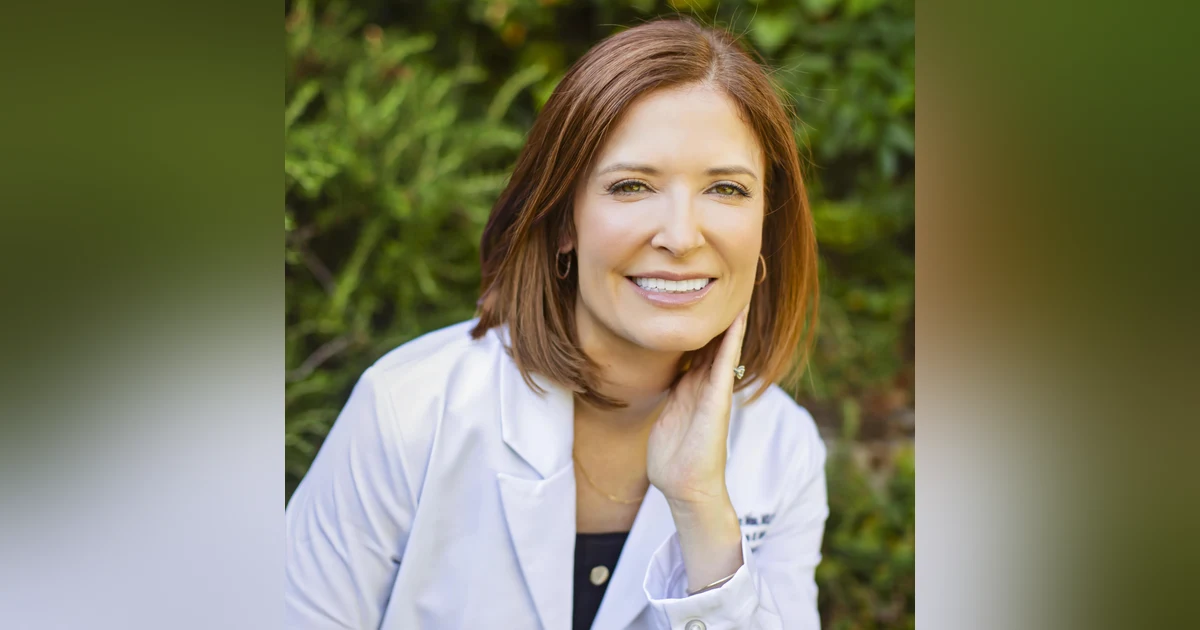

Dr. Mary Alice Mina is a double-board certified dermatologist and dermatologic surgeon and leading expert on skin health and skincare. She received her medical degree from Vanderbilt University where she graduated at the top of her class with Alpha Omega Alpha (AOA) honors. She trained at Memorial Sloan-Kettering Cancer Center for her internship followed by dermatology residency at Harvard Medical School where she was selected as Chief Resident in her final year. She then received sub-speciality training in Mohs micrographic surgery and procedural dermatology at Emory University. She is co-owner of Baucom & Mina Derm Surgery in Atlanta, Georgia where she treats patients with skin cancers and manages the procedural needs of her patient's skincare. With over a decade of clinical experience, she is nationally recognized for her work in treating skin cancers and helping people maintain their skin health, while boosting their self-confidence. She is an invited speaker on podcasts and at national meetings. She is also the host of THE SKIN REAL, a podcast for people looking for real skin care guidance, by true skin experts.
Hello everyone, I'm Dr. Darsha, and I'm Dr. Altamash Raja, and welcome to Medicine Redefined. A podcast where we will explore the often overlooked but necessary components of health, what we consider to be the fundamentals. We will investigate topics and practices that can give you and your patients the best chance to optimize a healthy lifestyle. It's time to move the needle forward and put the health back in health care. Okay, you may not believe this, but this episode marks the first time we bring on a dermatologist. Yes, sadly, it took us this long to really talk about something important, the skin, aesthetics. And we brought on Dr. Mary Alice Meena, she's a double board certified dermatologist and dermatologic surgeon and leading expert on skin health and skin care. She received her medical degree from Vanderbilt University, graduated top of her class with alpha, omega, alpha honors for those who don't know what that is. It's a very tough organization to make it into. She trained at Memorial Sloan Kettering Cancer Center for her internship and then did a dermatology residency at Harvard Medical School where she was selected as chief resident in her final year. She then went on to do subspecialty training in most micrographic surgery and procedural dermatology at Emory University. She's the co-owner of Bauchum and Meena Derm Surgery in Atlanta, Georgia where she treats patients with skin cancers and manages the procedural needs of her patient skin care. She is over a decade of clinical experience. She is nationally recognized for her work in treating skin cancers and helping people maintain their skin health while boosting their self confidence, something that we're definitely going to be touching on. She's an invited speaker on podcasts and at national meetings and she is the host of the skin reel, a podcast for people looking for real skin care guidance by true skin care experts. Dr. Meena was wonderful during this episode. We really touch on the different lifestyle factors that can improve your skin and you guys may have heard. If you can take care of the internals, the externals will kind of show up and so we touch on things like sleep, exercise and diet as well as stress relief and how those things can really drastically improve your skin. We'll also touch on misinformation, especially at a TikTok Instagram world where a lot of brands are basically doing affiliate marketing and they are giving their products out to influencers to promote. But with that, it comes a lot of caveats, obviously. So we're going to go and touch on what those caveats are. And then last but not least, we're also going to be touching on sunscreen. Since summer is around the corner, weather is heating up. We all probably know the importance of sunscreen, but Dr. Meena will break it down a little bit further for us. All right, let's get to the episode. All right, Dr. Meena, thank you so much for taking the time to join the Medicine Redefined Podcast. How are you today? I'm great. Thanks so much for having me, Dr. Shaw. The pleasure is all mine. I know my co-hosts, Ultimash Wish, he could have been here. I know he has a lot of questions, but if we have such a good time this time around, hopefully we can have you back here face to face and that we can go more in depth on some of the things that he wanted to touch on. Yeah, absolutely. So you're a dermatologist, and I'm very interested in how people kind of choose their fields. You know, dermatology is one of those fields where I think the perception doesn't really match the training, right? I think a lot of the public think dermatology, oh, it just deals with the skin and cosmetics and beauty. But I mean, I know for sure some of my dermatology co-residents even here at Penn State constantly seeing patients very busy, you know, maybe even 20 and a half day, but then there's also just so much unique pathology from all ages, right? And it's not necessarily just focused on cosmetics, even though that's what a lot of people just see through online, through social media. So if you don't mind just to kind of take me through your background and how you got interested in dermatology and everything that you do. Yeah, absolutely. So that is such a great question, and there are so many good points I want to bring up. Dermatology is I think sometimes misunderstood, and you're totally right, the perception, even my husband had this perception before sort of witnessing me go through residency that we just do warts and pimples and Botox, right? And nothing serious, no big deal, and that couldn't be further from the truth. And my entry into medicine and dermatology is definitely not the cookie cutter or certainly not what your high school college advisor would recommend, but I'm just here to say, you can make the path you want to medicine. You don't have to necessarily follow the main path one way or the other. But anyways, my story is that I was a ballet dancer full of. I was a ballet dancer for many years of my life, and I actually danced for three years right out of high school. I even went to a boarding school to dance intensely. So I had no vision of going to medical school, even really going to a traditional four-year college, to be honest. And my whole life was dance, and it was all consuming. I really didn't know who I was beyond that, which I think a lot of people can relate to. I know a lot of doctors can relate to that, right? Our whole identity is wrapped up in being a doctor. But for me, my whole identity was wrapped up in being a dancer. I had an injury, and I was not able to do what I wanted to do that summer, and my plan was to go somewhere for the summer and hopefully be able to stay on and get a contract afterwards. And so when I knew I was not going to be able to do that, I had to really come to terms with, well, what am I doing? And what I realized is that I had just been on this path because it was really the only thing I knew. And while I loved it, I wasn't good enough to really have a phenomenal standout career for years and years to come. And I realized there's got to be something else out there for me. And I knew I liked science. I had always been good at science, and I knew I liked helping people. And so I sort of thought about fields like that. I thought about physical therapy. And I thought about medicine because a lot of my family members are doctors. And when I realized it actually wasn't that onerous to at least do the pre-rex and take the MCAT, I figured what the heck, I'll give it a try, we'll see what happens, right? And almost as soon as I decided I wanted to be a doctor, I said to myself, I want to be a dermatologist. And people listening may say, well, how did you know that? I have friends in med school who, you know, it took them three years, four years to decide what they wanted to go into. But I think having that artistic background, dermatology really appealed to me. And I hadn't seen a lot of doctors as a child, but one doctor I had seen was my dermatologist who helped me with my acne. And that was, my having acne was really, it affected myself a steam and my confidence. And even though you may say, well, it's just acne, what's the big deal? But when you're 14, it's a huge deal. And so being able to have my acne fixed and cured really impacted me. And I thought I would love to be able to do that and help people. And dermatology is just such a visual field. I love that I can look at something and I can tell what's going on, sometimes even internally inside the body just by looking with my eyes and identifying patterns and things like that. So that's a very long answer to your question, but that was sort of my trajectory into medicine and dermatology just seemed like a natural fit with my sort of artistic background. I love it. And I mean, I could totally see, you know, even the acne, right? You're a dancer, you're on stage. I mean, I think for anyone who's going to have a stage presence, it's definitely going to affect their self-esteem. I danced here and there in college as well, so I totally understand kind of the appearance and also the artistic ability that comes with it in the perseverance. Currently, I'm on my sports med rotation and here in Hershey, I mean, you see a lot of dancers. And, you know, there's a lot of persistence not only through the physical pain, but through the mental pain because there really isn't an offseason. And I'm learning more and more about dance as I'm on this rotation. So I can definitely see the correlation to about the persistence that it also takes to get into medical school and beyond, especially even as grueling as dermatology can be. So the life of a dancer, it's hard, it's cutthroat, it's tough. And the life of a medical student, a resident, a physician can be as well. So in a lot of ways, even though they seem on the surface very, very different, a lot of the skills that help you succeed in dance also helped me succeed in medicine. I think one of the coolest things you said also was that you can tell how somebody's internal health is doing, just looking from their exterior. And I know as an osteopathic physician, one of the things we've really focused on was skin changes, looking at the texture of their skin, looking at rashes, and really being able to see whether something was acute or when something was chronic, for example. So I love it when my patients come in and they're just in a beater or a tank top and wearing short shorts, so you can really get a good look and start to see what are the things that might be affecting one or the other. And I think a lot of even physicians may not have an appreciation for that internal and external relationship of the human body. Now I know you have somewhat of a different unique perspective when it comes to dermatology, one that's even more holistic. Take me through how you develop that approach and kind of how you see dermatology as a field and also maybe how you view your patients when it comes to that approach. Yeah, so dermatology is one of those fields where there is a lot of blending of what's medical, what's aesthetics, what's life-threatening versus what's more psychologically-threatening, and dermatology is really at sort of the intersection of these. You could argue that acne scars are medical, but you could also say, well, no, they're just cosmetic, right? So you could say psoriasis, well, what's the big deal about psoriasis that it doesn't look good? You know, so there is a lot of overlap between the medical conditions and also the aesthetic component. And because your skin is so visual, it really affects people when they have a skin condition. If you have diabetes or hypertension, you don't have a label across your face that tells everyone, you meet, I have, I'm hypertensive. But when you have bad skin condition, and I don't mean bad, isn't I mean a fulminant or noticeable skin condition, you've got that like a label on your forehead telling everyone. And the sad thing is these patients get a lot of looks, a lot of stairs, people don't want to touch them, people think they're contagious. And so dermatology is more than just the actual rash or skin condition. It really affects the overall person and they're psyche. And so it goes way beyond just having a rash or a skin condition. And so I think you have to approach dermatology a little more holistically by that very nature. And so much of what we do in dermatology is also a little psychiatry too. Getting to the root of how does this really affect the patient? It's more than just what you see on their skin. How does it affect their livelihood, their relationship with others? Because when you have such a visible condition, the whole world knows. And it really can affect you differently than if you had a condition that's more hidden internally. Yeah, well said. And I think, you know, it makes sense, right? Somebody has coronary syndrome, they have hypertension, they have diabetes, those things can manifest onto the skin. But I don't think people really live their lives when it comes from a dermatology, skin care aspect, looking to prevent those things. They see that more relationship going one way, but we really do know it can be a two-way street. So I wanted to go through some of the lifestyle factors, especially exercise, nutrition, and sleep. And how those can actually help people heal their skin, have good skin, look good psychologically, look good from an exterior, but also obviously have good internal help. So if we can start with nutrition, I think that's the big one where a lot of people are now starting to understand what you eat, matters, what you put into your body in terms of your liquids, matters when it comes to having really good skin. What's your approach and take on that? Yeah. Yeah, and I love that this is being discussed, and I think it's this new generation of doctors and impatience who really are demanding that we look at this further, we're not just treating one organ that they're all connected, all, all organ systems, right? And patients and doctors want to know how we can blend this and looking at a more preventive way to take care of patients. So I think it's great where A, even having this conversation and as someone who did not always follow the advice I'm going to give, you know, don't do as I say and not as I do, right? Now I'm much better, and that's what happens with age, right? You realize you can't get away with some of the things you used to get away with. So people all the time ask me, how do I get great looking skin? What are the secrets? And most of the time they think I'm going to say, well, you need to buy this, this, and this. And that's it. You'll be great. But really, it's so much more than that. And if you really want good skin, you have got to take care of your body from the inside. And that starts with eating well, getting plenty of fluids, water, and also getting plenty of sleep. And these are three things that now that I'm in my 40s, I really, really appreciate and value much more than I did when I was younger and a resident and just really trying to get by and in the hustle, but you have got to nourish your body if you want your skin to reflect health and beauty and be vibrant and take care of you. And that's the goal of, or I should say, your skin is so much more than just how you look. It has so many important functions beyond that with your immune surveillance with protecting from harmful pollutants and things from the environment. So it has so many important roles. So you really have to nurture it and take care of it from the inside. And I'm not a nutritionist, but I can say that fat diets, restrictive diets, super low calorie diets, low fat, things where you're emitting total food groups is not the way to go. The best way to have beautiful skin to take care of your skin is to eat a balanced diet. And that includes complex carbohydrates, that includes healthy fats. Your skin barrier needs those fats in order to protect your skin. And you need protein. And this is something that I didn't realize the impact, but as you get older, your protein demands actually increase as you lose muscle mass. And so protein isn't just something for someone working out, going to the gym, weightlifting. This is so critical. And actually, especially women who are postmanopausal, they need to be extremely cognizant of how much protein they're getting every day. So again, I don't follow a super restrictive or regimented diet. So what I do do is I try to eat things that are not packaged. I try to eat things where you get them from the outside aisles or the outside section of the grocery store that resemble the original food it came from. I try to cook a lot on my own. And just make sure my plate is colorful, that I have green, dark green, leafy vegetables that I have fruits mixed in there, lean proteins, things like that. So if you restrict your diet and you eliminate any of these main categories, your skin is going to suffer. Yeah. I think we do live in a culture where people are taught to put things on and apply things on in order to prevent, rather than, you know, healing from the inside out, right? Like if we talk about this biochemically, you mentioned the immune system. We're talking also about cell turnover, cell hydration, right? And those things require minerals, vitamins, cofactors, things that you're going to get from like good vegetables, good fruit, good protein when you talk about collagen. And so all of those things really matter. And I truly didn't appreciate this much either. And I still don't think that conversations has echoed enough around social media, right? Like so far, we're now talking about, oh, like you mentioned, when you get older and you have injuries and inflammation, increasing that protein need in order to heal injuries, that way and that. But it also goes for the same thing when it comes to our skin. So I really like that you said that and I think it is an important conversation that needs to be had. Yeah, it seems like people are so much more willing to take a supplement, take a pill or put something on than to really just look at your diet. What are you putting into your body? You know, crap in is crap out, right? So trying to eat more whole foods, and again, I love butter and I love sweets, so I am not depriving myself of things, but I'm just trying to do things in moderation. I'm kind of a big proponent of that. And I'm sure some of your listeners heard the Gwyneth Paltrow podcast where she describes what she eats and it's basically black coffee and bone broth and then vegetables for dinner. And that is not how you're going to have healthy, vibrant skin that functions well for you in the long run. Mm-hmm. It really is about balance. And I'm really big on that, especially with, there's so much just wording around longevity and health span and everyone seems to be hyper focused on so many different things. Cutting out all alcohol, not having any of this food or this drink. And, you know, I always tell people, well, how many years is that really going to add to your life, right? We're not talking 5, 10 years of extension here, but how much of that joy are you really depriving yourself? And of course, again, it's not about overdoing it, everything in moderation, including moderation. That's why one fellow surgeon attending used to always tell me. So yeah, I just, I do think that balance is very key. Yeah, you want to enjoy life, right? I don't want to spend my life counting calories restricting myself. If I want to have a glass of wine with friends, I'm going to have a glass of wine. If I want to have a dessert, I'm going to have a dessert. But again, balance and moderation and making sure I'm getting plenty of healthy fresh foods is key and not, not package, not processed all the time. Right. Absolutely. I do want to touch on sleep because you mentioned how that could be a very important contributor to having healthy skin. What does the data show or what have you seen with your patients when they do improve their quality and quantity of sleep? Gosh, everyone feels better. Everyone in the whole house feels better when you can get sleep. And I know how this is, I've been a med student while college, right, pulling all nighters and then med school and then, you know, at least when I was training, we would do 24 or 36 hour shifts and you wouldn't sleep. So you really are pushing your body to the limit and studies have shown that when you are sleep deprived, you, it is almost like you are drunk, your, your brain cannot function. It's not healthy. It's not a good way to live and it's not sustainable and you don't feel good. And also when you are not sleeping, you don't eat well. It's hard to make a balanced, delicious meal when you are running on, you know, no sleep. And again, when I had small children, infants, babies, again, I got to sort of relive that feeling of, oh my gosh, this is what it feels like to not sleep, right? It's, it's not a good feeling. No one feels good. And so if you can really prioritize sleep, you will see so much in your life improve, your diet will improve, your mood will improve. You will not be so irritated and annoyed by little things. You'll be able to focus better. And I see it, well, currently I don't, but there are a lot of skin conditions where patients have itch as a symptom. And my goodness, these patients who are itchy, they are miserable and they cannot sleep. There are people who commit suicide over this. It is so intolerable. It's so devastating for them. And so these poor patients, I feel for them so much when they cannot sleep because they're itching the entire night. And it really just wrecks their, it wrecks their lives. So even with some skin conditions where you are so itchy, it will affect your sleep. So sleep is so important. And now that I'm in my 40s, I really, really appreciate this even more. And that's something that I am really making a conscious effort to make sure I am getting a certain amount of sleep every night. I used to pride myself on, well, I don't need that much sleep. I can get by on five hours, no problem or four hours, whatever. But now I'm like, you know what, you actually, I do need a little bit more. And you look, you know, if all you care about is how you look, you look better when you're rested, right? You don't get those dark circles under the eyes. You're more refreshed and really just everything is better. So if you can work on your sleep, I think you'll notice a lot of things in your life improve. And it's free. It's free. That's right. It doesn't take much to, there's no pain with it. It's not like exercise or being restricted with a diet. I mean, I think sleep, I think, in my opinion, is one of the probably the most important lifestyle factor that we could do to improve our overall quality. Just given evolutionarily that we need it every day, I think really highlights the importance. You know, people haven't thought about it that way. Awesome. I do want to touch on the last bucket of this lifestyle factors of stress relief. And it kind of just came to me when we're talking about how people are so hyper focused in this world. We're always taught to need and want more. And one of our previous guests, EC Sinkowski, will sometimes label them as the worried well. You know, they're super healthy already, but they're so worried. Do you see any type of skin conditions where there's just chronic stress or just anxiety will kind of manifest onto the skin? Oh, yes. There are whole clinics in dermatology for what we call psychderm. And there, again, there's this big, there, there's certainly an overlap in. And it doesn't mean that someone's condition is all in their head that they don't really have a rash. Sometimes it's the chicken and the egg, well, which came first. And it sometimes doesn't matter which came first, right? Because they're just each making it the rash sort of reinforces their thoughts, which then make the rash worse, which reinforce their thought. So there is a lot of overlap in dermatology and we know 100% things like stress can exacerbate a lot of these autoimmune conditions that people can get from atopic dermatitis to psoriasis. So stress we know can worsen these skin conditions. And sometimes people truly do have delusions of of rashes or of common one is bugs on their skin, where it really is in their head, but they are convinced and they will even bring in bags showing fibers and things that they have found on their skin to confirm it. And again, that just sort of reinforces that, yes, I really do have this skin condition and it just, you know, kind of snowballs out of there. So certainly stress, anxiety, all of these things can, if not, create skin conditions, they can certainly worsen them. Yeah, yeah. Wow. You know, I remember learning a little bit about those in medical school and having your first aid book, but to see it clinically, I guess, is a different story and to also just hear stories that, hey, this is, these are things that happen out there to real people. I hope the audience can appreciate too that we are going deeper than the surface, no pun intended about how dermatology is not just a one trick pony, right? I mean, you mentioned psychederm, which I had no idea they were even clinics, like focusing just on that, which is very impressive. Wow. Yeah. Yeah. The dermatology is one of those fields. I think there's over 3000 skin conditions and they may not be as common as, you know, hypertension or some of the more common things we hear about, but, you know, we see them and they're out there. And I think that's what makes it really cool and fun, though. That is very cool and unique, absolutely. I do want to touch now on deep influencing skincare. I know something that you're passionate about, especially, you know, as I, I feel like I say this every podcast episode with our guests who really speak on misinformation is that more and more on Instagram, we're just seeing so much content come out. And now there's influencers who specifically focus on just misinformation and calling people out and trying to get the right information out there to the public. And I think a lot of them are doing decent jobs, but you know, one can imagine that you can now manipulate that a little bit, even just to get a little bit of that fame or some more followers. So obviously, dermatology and skincare is one of those fields where we're just seeing so much content. I mean, now with the rise of TikTok, we know that a lot of companies are doing influencer marketing so they'll give their products and tell their influencers to promote them for either some promotions of cash, some followers, et cetera. So of course, we're just seeing a lot of this information out there. One of the things that I think have been more of a debate or has been stirring the pot is the human relationship with the sun and how much sunscreen we're actually supposed to use versus our vitamin D levels being low versus the toxicity in the sunscreen. And so there's just a lot of talk about that. Can you take us through how you view the human relationship, you know, how we should view the sun and how we can have a good relationship with it so that one, we can prevent any damaging skin, but two, we can also get the benefits that we need. Yeah, so a lot of great points that you just brought up and just to touch on briefly the influencers and all that, that's really why I started putting myself out there about six months ago to just be a hopefully a voice of reason, a voice of science, a voice of actual skin knowledge against all the other noise out there of people promoting things or putting false claims out there. It's really confusing for people to know what to believe, who to listen to, who's selling me something, who's not. And so the more doctors and healthcare professionals, people who really know what they're talking about, we need more people like that out there having the loudest voice to help guide our patients and, you know, consumers or the public, if you will. But yeah, so the sun, it's a complicated relationship. And even in dermatology, people are surprised. People think dermatologists hate the sun, we just want everyone to hide out inside. And that's not true. You have to be respectful of the sun, right? We know there has been so much data and I treat skin cancers all day, every day. The sun emits radiation and the radiation causes damage, mutations in our cells, DNA of the skin. And that's how you get the most common skin cancers, like basal cell, squamous cells and also melanoma. So that is fact, that is not for debate, that is truth. And skin cancers are the most common cancer in the world. And melanomas are the most common deadly skin cancer in the world. And we know that sun is a big contributor to all of this. Now on the flip side, so of course you hear dermatologists say, where sunscreen don't get sunburned and all that. On the flip side, people are surprised that as dermatologists, we actually use focused wavelengths of UV radiation to actually treat certain skin conditions. And I know that probably blows some people's minds, right? Well, why do you tell me to avoid it here, but here I can use it and actually it can help treat your skin condition, but that's why it's a complicated relationship, right? It's not black and white. And the sun really can, well, I shouldn't say the sun, certain narrow wavelengths of radiation, UV radiation can be quite beneficial for certain skin conditions. But you want to make sure you're being seen by your dermatologist, that you are just getting that focused wavelength and no more and that you're really being watched closely. So again, the sun is so important, it's vital to life. We need it, plants need it, all of us need it, it feels good, right? When it's a sunny day, our mood goes up, people who don't see the sun for six months can get seasonal effective disorder. But what I tell people is just to be smart, we know, especially if you have really fair skin, that you are going to burn with minimal sun exposure. So be smart, wear sunscreen every single day and if you're nervous about sunscreen, there are certain ones you can use that will not cause any problems. And I'm a big proponent of actually wearing like sun protective clothing or something like a hat or wearing a shirt that I know has UV protection in it rather than having to lather on sunscreen every two hours. So there are ways to protect your skin from the sun even if you are worried about certain chemicals and things like that. Gotcha. This may be a dumb question, I mean you talked about UV protecting fabric and things. If you're wearing like a full-sleeve shirt, is there still some possible damage that can still occur from the sun rays or is that just having one layer like good enough? So not a dumb question at all and I'm glad you ask it. So a regular white cotton t-shirt, like an undershirt, gives you a sun protective factor of about seven. So there is some, but as you've probably heard dermatologists, we tend to recommend 30 or higher. So seven is not quite going to cut it. And then another question I'll get a lot is, well, I've got dark skin. Do I really need to wear sunscreen? Someone who has skin like me that I would say I'm what we call a skin phototype two, I burn very easily. It's hard for me to tan. My skin in and of itself has a sun protective factor of about three. Someone who is very, very dark-skinned, who could I think of, you know, like maybe seal, he has probably an SPF factor of about 13. So again, it's still not enough to go for anyone to go without some protection. So you really need 30 or higher. But to your point about clothing, garments, a simple trick, well, first of all, unless it is designated UPF, which is an ultraviolet protective factor of 50 or higher, you can't really count on it being a great option for some protection. It's going to give you a little, but what you can do is hold that garment up to the light and how much sunlight comes through. If it's a blackout curtain, not a lot of sunlight, if any is going to come through, right? But if it's a sort of a flimsy loose-weaved fabric, you know, linen pants or something, again, that's not going to give you much. It's going to give you some, but not enough to count on that being sufficient. So they make a lot of clothing nowadays, though, with UPF, a UPF factor. And when you wear that, you can feel good that, hey, I've got, you know, I think it's 99% of the UV rays are being blocked simply by wearing this. And they tend to be very breathable. It's kind of like exercise clothing, it wicks away the sweat, and it doesn't make you hot. So if it's a summer day and you're looking to wear a long sleeve, I would get fabric that's UPF rather than wearing, you know, cotton or a wool or something where you're going to be really hot. Awesome. Good to know. I think this is a good segue into actually talking about SPF. Can you just explain what those three letters mean and the guidance between how often you have to reapply based on the number? Yeah. So SPF stands for the Sun Protective Factor. And sometimes people think that number after it means how long you can be outside before you burn, but not true. But as dermatologists, we really recommend an SPF of 30 or higher. And that lets us know how well it protects our skin from UVB rays. So SPF doesn't actually, it hasn't been measured against UVA, which are the longer wavelength. But in general, if you want to find, or if you're at the drugstore and you're looking for a sunscreen, you want it to be SPF 30 or higher, and you also want it to say broad spectrum. That way you know it is also going to cover the UVA wavelengths, which are longer. Those are the wavelengths that actually come in through windows and your car and sitting at your desk. So you want it to cover UVA and UVB. Gotcha. Thank you for that. That's actually helpful because I know a lot of people think it has to do with the timing of things, or rather than actual UVA versus UVB. There's also been a lot of talk about toxicity, especially within products and cosmetics fields. Even sunscreen has a lot of those toxic chemicals that people are afraid to put on the skin. As we know, this can absorb or have some sort of effect when it comes to even our bloodstream. What's your take on using organic sunscreens? Is there anything that people need to look for when it comes to the bottle or even amplify their routine? So there are a lot of points I want to address in that. So with sunscreen, what I'll tell people is I recommend brands that I know have been tried and true, well studied and tested. So the sunscreen I use on myself and on my children, and these are sunscreens like Nutrigeno, Nutrigena, Avino, Vanny Cream, things like that, where I know that those companies have spent millions of dollars researching and studying the safety and efficacy of them. Now there have been studies showing that the levels of some of the chemical sunscreens do show up in our bloodstream. Now the study did not show that this actually caused any harm or problems. It just simply found that yes, it is absorbed through our skin. And that is why we don't recommend chemical sunscreens in children under six months. So if you have a baby, we typically will recommend a mineral based sunscreen. So something with titanium dioxide or zinc oxide. And if you look at the sunscreen that says baby, it doesn't have to say baby, but that just means it's a mineral based sunscreen. So if those studies concern you or worry you and they're definitely further research that's ongoing to whether that is impactful or harms us or not, we don't know that yet. But if that worries you, then my advice would be to wear a mineral based sunscreen. So again, with zinc or titanium. And then to really maximize your sun protection with clothing and hats, seeking shade. That way you are not having to rub on sunscreen every two hours, which is what we recommend if you're at the beach to after swimming, after exercising, put it back on. And this may shock people as a dermatologist, but I actually hate reapplying sunscreen. I hate putting stuff on my skin. I am really like minimalist with all of that. I put it on every morning, but I hate that feeling of stickiness and all over me. So I will wear it, but I am a much bigger fan of just wearing garments, clothing. My bathing suit has long sleeves. I don't care. I would rather not burn and know that I'm protected. And I think if you are concerned about some of these studies out there, then to stick with a mineral based sunscreen and then just really maximize your UV avoidance or protection with clothing. And I will touch. There it was a study showing several studies really showing benzene contamination in sunscreen. And benzene is a known carcinogen and what we've discovered is that it is a contaminant somewhere in the processing of all of these not just sunscreens, dry shampoo and personal beauty products, right? And it's not just from one company, it's from company, you know, dozens of companies. They tested their products and found benzene. And yes, I mean, that's concerning. I use dry shampoo and I use some of these sunscreens. But what they've discovered is that it tends to be in the aerosolized products. So again, if you are concerned about that, then I would avoid using the aerosolized spray sunscreens and instead just stick to the kind in the lotions, the creams that you have to rub on. Yeah. Well, I'm learning so much. I can't believe it took us more than a hundred episodes to finally get a dermatologist on. You are first dermatologist on this podcast and we've been needing it. We've been missing it for this long. The last question I'll ask you about this is, is there a particular area on the body that you start to see more of that skin damage and then turn into cancer or is it equally, you know, everywhere? It would have to be aware of everyone. Yeah. Well, so I, I, I, I sub-specialized in treating skin cancer and do most surgery. So I do see skin cancer truly everywhere and but what I'll say is it is way more common in areas that are chronically exposed to sun. So those are going to be things like your nose, your, your face, your lips, especially the lower lip gets way more sun than the upper lip. For men, common areas are going to be the top of their ears because they tend to have short hair or their, their ears are exposed, the back of the neck and then also for men, the top of their scalp, especially if they are balding. But I'll see it in women too along their part, areas that, that get more sun. So it sees areas that are chronically exposed to the sun day in, day out that eventually over decades and decades of, you know, damage from the radiation from the sun, that's where skin cancers will form. Now every, you know, every now and then it's, you know, it, it definitely happens. I will see a basil cell on someone's, you know, buttocks or genitalia, a squamous cell or, or areas that really aren't seeing a lot of sun. So it can happen elsewhere, but nine times out of 10, it's going to be on those sun exposed areas. So again, every day when you put on your sunscreen, put it on the skin that's exposed. So for me, it's my face and my neck and my upper chest area. And in the summertime, when I'm wearing short sleeves, it's also going to be my arms and top of my hands. So for you, you would probably want to also put it on your ears back your neck too. Yeah, yeah. There's a good to know, good reminders because those are definitely places that I often miss. And especially when it comes to balding, which a lot of men don't get about, but, you know, you turn 30, 40 years old, you start to bald and miss in those spots. So those are very good to know. Yeah. Thank you so much for deep diving that, you know, as summer approaches, I think these are going to be really practical, it's going to be practical advice for our listeners to really take home and apply. Again, no pun intended, but I feel like I'm going to be on a roll here with these. I want to transition into simplifying products. You mentioned that you are a minimalist when it comes to applying products, and I'm going to sound like a broken record, but obviously now that Instagram has so many ads, we're constantly living in a world full of billboards and ads on our screen, we're told to buy a specific product for a specific issue, you know, and I want to get your understanding as far as how we can simplify our products so that we don't feel like we're missing out and having that fomo, but that we are being comprehensive when it comes to our skin care. Yeah, that's a tough one and people are usually really surprised when I tell them what I do for my skin and they're like, that's it. Well, what about this cream? What about that? And what I would say is just keep it simple. I don't embrace minimalism with everything in my life. I definitely wish I could more, but with skin care, I really do. A, I just don't have the time to do a complicated routine. And it's unnecessary and what people don't realize is it actually can backfire. When you're using too many products, you're doing too much, you're exfoliating, you're doing this, you're doing toners, you're stripping your skin of the oils, you're actually making it worse. And so the best advice I could give is pair it down, keep it simple and only use what you, what you need and what we know works. And you will save your skin, you'll save your time, you'll save your money and you'll save the environment. If you are, if you're at all worried about the environment, this is an area where people can use less, then we have less plastic bottles and trash and, and landfills. So you don't need a complicated routine, it really can be quite simple. I would say the key things are having a cleanser to wash your face. And again, I, I'm not sponsored by Dove, but I use the Dove white cleansing bar and that's my cleanser. It's very gentle that you can use it on babies, you can use it on all skin. And it works. It's easy. So you just need a simple cleanser. If you want to play around with different cleansers, you can, I'm not saying you can't, but don't feel like you have to spend $60 on a face wash, okay. Now there are some people, maybe you have more oily skin, maybe you have more dry skin, okay. Dry skin, you can keep it pretty, you know, simple with fragrance free. I know the fragrance stuff, it smells good. It looks pretty, but you don't need it and it really isn't helpful for your skin. And if you have more oily skin, you may want something more for acne prone skin. But in general, a basic cleanser is all you need and sunscreen like we talked about. So either a mineral based product if you want or a blended one, but as long as it's if you have 30 or higher and you're putting it on every day, but that is really, really key. And a lot of people need a moisturizer and I'm not, I didn't use a moisturizer probably for the first 30 years of my life, but I do need one now. So not, I don't think everyone necessarily needs it and you don't necessarily need it and all seasons of your life. If you live somewhere very warm and humid or tropical, you may not need a moisturizer. So you really have to see what it does your skin feel dry, does it feel tight, then use a moisturizer. And again, keep it simple. I use drugstore brands and I make sure they're fragrance free, dermatologist tested or approved. You know, things I would put on my children, those are what I use. So it can be very simple like that. And then the other thing that I like to use is a vitamin A derivative called retinol, retinol, and I use the prescription version, which is a treadmill and this is great for people who have acne. And then once your acne clears, it's great for just skin rejuvenation really for the rest of your life. Now, there's a little bit of a learning curve getting, getting up to speed using it. And I usually will tell people to start with a small amount at night before you go to bed, don't use a lot, and kind of work up to doing it, you know, and I don't even use it every night necessarily because my skin's dry. But you know, that's really, if someone were to say what's the best anti-aging cream, I would say it's a treadmill, a retinol, getting on board with one of those is really going to be impactful for years down the road. So that's really, to me, the basics, if you really, really want to keep it simple. Now maybe you have acne, right? Then you're going to want to throw in some other things to help treat your acne. Things like salicylic acid, abenzo peroxide wash, those are things that can help with acne. If you have really dry skin or atopic dermatitis or something like that, you're going to want to use a very thick, maybe even like almost like slugging for your moisturizer, okay? If you have acne prone skin, you're not going to want to do that. And a lot of people are surprised I don't use any serums. I think if you have problems with some discoloration or pigmentary changes, then using a vitamin C serum can be helpful in the morning. And if you don't have those concerns, then I don't think it's necessary. So there, it can be as simple as that if you want it to be. I know some people just really, really enjoy playing around with products and creams and all that. And I'm not saying you can't have fun and you can't try things, but please don't think that you have to and please don't think that it has to be complicated. And if your expensive, complicated regimen is not helping, you're not giving you beautiful glowing skin, then stop and take a step back and start from the basics. Love it. I'm going to recap that, but I did have one question. Is there anything you recommend for scars or wound healing? When you say scars, are you talking acne scars, acute scars, chronic scars, what do you think? I don't even know. There would be different answers for all of those. So scars are complicated because there's so many different things. So I would say probably for a lot of people, acne scars, right, or maybe a chicken pox scar, if you were someone who actually had chicken pox, there are lots of things we can do. It's not one size fits all. I really would see a dermatologist. If you've got scarring, the best thing with scarring is to prevent it, which is why if you are struggling with acne or a skin condition that's causing scarring, trying to treat the root cause first is so important to prevent the scarring later, but there are lots of things we can do for scars and scars are such a general term. It's hard for me to say, but one thing that lasers, chemical peels, time. One thing I will say, don't waste your money on a lot of these scar creams. So the only data out there for topical for scars is really silicone patches, and sometimes I will recommend that for patients. You can get them over the counter, the drugstore, and you put them on the scar. And those can be shown to be helpful, but you really need the patch formulation, not the gel, not the creams, Madurma, I tell my patients there's no magic scar cream and not to waste your money. Got it. Perfect. Wow. I wasn't expecting that, which is very helpful knowing that if you have a scar, go see your dermatologist. Cool. So just to kind of recap that. So it seems like you're a foundation is cleanser, sunscreen, and then moisturizer, and that moisturizer just kind of depends on skin type and just really self-assessing. You'll use retinol too at night, really just needs to feel it out, how much, based on how dry your skin is. And I think if you're pregnant, correct, you should be avoiding that, given the vitamin A. Yes. Okay. So there haven't been any reports showing any problems in pregnant women in absorption, but it's not advised to use it. The oral version of vitamin A is isotretinoin and we have a lot of data to show that that is not safe. So just be, just be smart, just be careful. And a lot of times when you're pregnant, your skin, well, some people, the skin gets really good, some people it gets really bad, but for a lot of people, they don't, they don't need the retinoin, but yeah, be sure to stop it when you are pregnant. Perfect. Okay. I know a lot of people talk about serums, but you're saying, you know, the vitamin C, really if you have a color discoloration issue or, you know, something of that sort is where that can be helpful. And then of course, when it comes to general acne, cells still like acid, those, are the common things that most people will see. And then if you have any type of dermatitis, you'll want to use a heavy moisturizer for that. Yeah. Yeah. And I would also just say a lot of people ask me, well, don't you exfoliate? If you're using a retinoin of a retinol, that is exfoliating your skin and your skin actually knows how to exfoliate every about three weeks, your skin does exfoliate. So sometimes a lot of times people will actually aggravate their skin by over exfoliating, over rubbing and irritating it. So I would say if you're using a retinol, you probably don't need to be exfoliating additionally during the week either. Gotcha. Now, when it comes to men thinking about their skin care, there are obviously companies now that have sprouted that dedicate their products to men, I'm going to assume that there's really no difference in anything that you mentioned that men should be doing differently. They can copy the exact same thing as we just recapped and they should also be seeing that glowing skin or good results of healthy skin. Yeah. Definitely. I did a podcast episode on this because in general, it's pretty much the same. And men will just need to make sure to apply their sunscreen and maybe some different areas that are more sun exposed than women. One area that men do struggle with on their skin is with shaving. And sometimes getting those razor bumps, pseudophiliculitis, barbeque can be common for men. And so that's one area that it can be different in my skincare advice is a little obviously a little bit different for women on how to manage that. Okay. Gotcha. Well, we'll probably have to do a part two. There's so much more in dermatology that I have questions on and that I would also love to get into. I know Altamash has questions about hair loss. You do most surgeries. There's a lot that we can even go into in terms of skin cancer and really deep diving that as well. I do want to ask you though, is there anything on the horizon that you're excited about in dermatology, whether it's different types of technology like red light or blue light or if there are any products, what's something that's exciting to you that might be coming out soon? Yeah. So one thing I'm pretty excited about is this new device called microchoring. And it uses the concept if anyone has heard of the fractionated laser where you take with the microchoring, you take these microscopic columns of, or not really microscopic, but under the threshold where you scar. And they are actually removing pieces of tissue through a suction device. And it looks a little bit scary if you see it. If you've ever seen a sewing machine, how the needle goes down, down, down, down, down. It's kind of doing that in your skin, making these tiny little punctures and pulling the skin out. So what I've thought is that it is below the threshold of scarring and so it is actually stimulating tightening and it's, it's not the same as a neck lift or a facelift by any means, but it's a non surgical way to get tightening. But I think that could be a cool way to help treat stretch marks and some skin laxity that people have before they reach the threshold of needing surgery. So that's, and also people are looking at it for drug delivery. So how can we get medicine into the skin without making someone swallow a pill, having it go through their GI tract? So that's another really cool way of seeing, you know, drug delivery applications with that. So that's kind of cool in a sort of non more aesthetic way. I'm really excited with all the molecular advances in science coming out in melanoma we're now looking at genomic markers to help stratify patients into high risk, medium risk and low risk of metastasis. For many, many years and decades, you know, we have basically just said if it's above this depth in the skin, they have to get sentinel lymph nodes sampled and sometimes that requires a lymph node dissection and we're not, we're not necessarily capturing all the patients who are going to have a poor prognosis with that. So I think it's not going to replace sentinel lymph node biopsies by any means, but it's just giving us one more piece of information. And it seems like with with medicine nowadays looking at the genomics and the molecular markers is really sort of the next step in where we're going. So I think that's really cool. We have so many, well, I shouldn't say so many, but the error of immunotherapy has really just revolutionized how we can treat melanomas that previously we had no good treatments for. It's how Jimmy Carter has been able to at what 99 survive for so long with metastatic melanoma because of these drugs and we're also seeing them being used for squamous cells, which I think sometimes people think, well, squamous cells, that's no big deal, right? But it's actually becoming one of the leading causes of death and transplant patients. We have gotten so good at at saving the transplanted organ and and giving these patients lives with their new lung, their new heart, their new kidney. But what we're noticing is that that immunosuppression is causing these skin cancers to develop these squamous cells and that for a lot of the patients, that is what they die from. So looking into treatments for that, I think will be really groundbreaking and excited to see that. So it's a great time in medicine. There are so many new discoveries and things seem to be happening so quickly. So there are lots of cool stuff I'm excited about. Yeah, for sure. I mean, at times there's a lot. Sorry, go ahead. I would say, and one kind of funny thing is I would really love any scientists and researchers out there to figure out how to stop grain hair, that would be great. Yeah, and I would endow it if somebody does solve it within the next 20, 30, 40 years. Yes. That in hair loss, they will be very, very rich. Yes. Yes. And I would definitely love to have you back on here for a second episode kind of talking about all these things because it just amazes me as time goes on, how much each field in medicine can be old, you know, based on core principles, but yet so new and how much everything is integrating, I mean, just based on what you're talking about, how dermatology with pharmacology, with oncology, there's just so much overlap, and I think we're starting to see that more and more as we reach, I'll just quote, unquote, say a singularity point almost in medicine where everything can affect another, and we're starting to understand that more. I do also want to ask you, what's next for you? I know you have a podcast, but is there anything else that our listeners should watch out for? Oh gosh. Well, I am, I love dermatology, I love what I do. I have an amazing practice here in Atlanta, Georgia. So I'll give a shout out to Bachmann, me and a Durham surgery and a great business partner. So first and foremost, my absolute love is taking care of patients, you know, physically going in, seeing them and taking care of their skin cancer or whatever they came into see me with. That is really my passion and what gets me up in the morning. So I have no plans to slow down with that, but I am excited to really grow my podcast. I think that people are just intrinsically, or I don't know, the ones I meet, interested in talking about the skin and they always want to show me something on their skin and they have questions and it's fun to talk about. So growing the podcast, really getting good, unhyped, real information out there to people, you know, where they can kind of come to me knowing they're going to get a trusted source and real science-backed information about their skin and skin health. So I'm excited just to see where that takes me and it's been a lot of fun interviewing my colleagues in dermatology and getting to go on shows like yours has been really fun. And I love seeing what this new, what these innovative doctors are doing out there. It's really awesome and you're doing great work with your podcast as well. Thank you. Yeah, and for the listeners, your podcast is called The Skin Real. So if they want to hear topics like things that we discussed today, but I mean, even so much more with breath and death, they can also, they can just go over there and learn a lot about dermatology, keep their skin healthy and some of the common topics and maybe not so common topics that people don't touch on. So we will definitely link your podcast, link your socials into our show notes. So for easy access listeners, be sure to click on that. The last question we ask everyone, Dr. Mina, is how do we add the health back in healthcare? Oh gosh. Wow. That's what we're, are we going to go for another hour? That's right. That is a tough question, but that wasn't on my show notes. I think it really requires every person to really, unfortunately, in healthcare now, you really have to advocate for yourself. And it's all about prevention and it starts with simple things like we talked about your diet, sleep and getting good information, but it's going to take patients really being proactive and because our system right now is focused on not preventative health, right? It's retroactive and taking care of things once it's already happened. And unfortunately, that's just how the system is right now. So it's really going to take doctors really being forward thinking and really promoting prevention and patients sort of waking up saying, wait a minute, I don't want to just at 50 realize I've got all this stuff breaking down. How do I proactively prevent this for the future and people are living longer and longer? So we've got longer to live with these bodies. So we really do need to focus on putting the health back into healthcare, for sure. So hopefully we're doing a little bit of that every day, right? That's true. For sure. I think bringing you on, podcasts like this, podcasts like yours are definitely trying to change the narrative and hopefully get people to understand that we need to be more proactive than reactive medicine. So thank you so much for coming on. It's definitely been a pleasure. Yeah, same here. It's been a lot of fun. Thank you. Thanks. Thanks so much for tuning in. If this is an episode you really enjoyed, let us know where you likely will try to do a part two with Dr. Meena. If there are any topics that you want to lose stated, let us know so that we can put it as part of our outline and that we can discuss it with her and get the expert opinion. If you truly enjoy this episode, please leave a rating and review. Hopefully one of those really helps us get our episodes out into the world, into the hand and listeners of people like you. As always, our medical disclaimer, everything in this podcast is for educational purposes only. It does not constitute a practice of medicine and we're not providing medical advice. No physician, patient, patient, patient, this form, and anything discussed in this podcast does not represent the views of our employers. We recommend that you see the guidance of your personal physician regarding any specific health-related issues. And last but not least, thank you to our team, Rita Yeapory and Ethan Zhu for the production of this podcast. We will see you here next week.