

 Apple Podcasts
 Spotify
 Castro
 RSS Feed
 107. (Almost) Everything That is Wrong in Healthcare | Peter Valenzuela, MD, MBA (Ep 44 Rebroadcast)
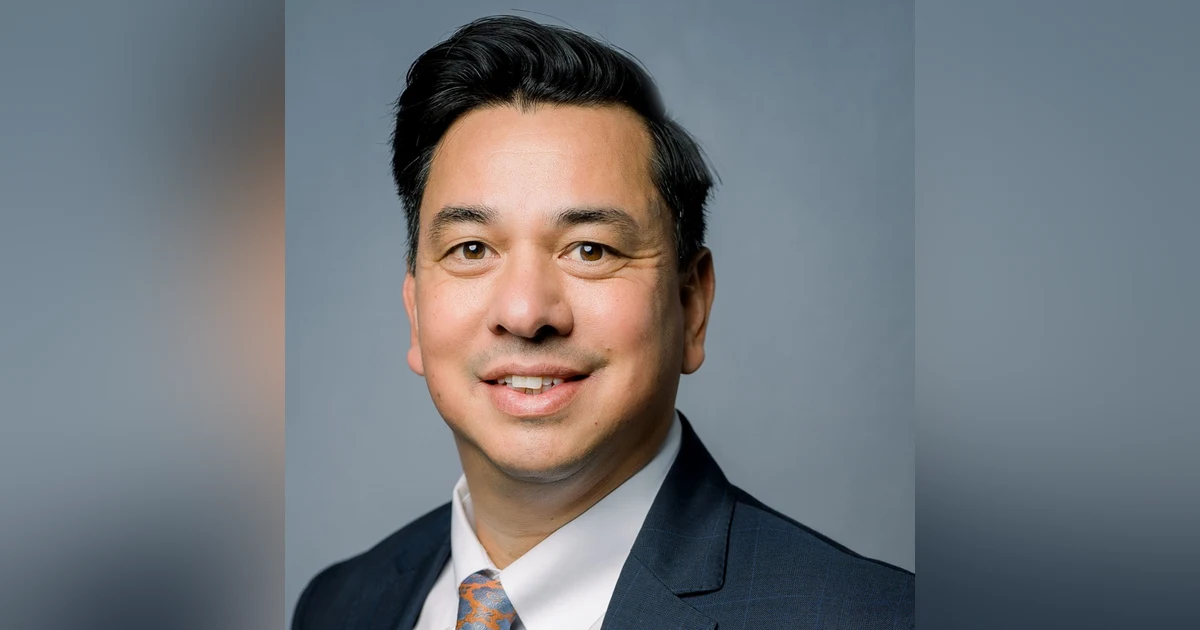

Dr. Peter Valenzuela joins the show to discuss the current state of our healthcare system in the US. Peter is a Family Physician who has worked in multiple healthcare settings over the past few decades. He's well known for his comics doc-related, which in his words were “inspired by experiences both as a physician and now as an executive who continues to practice medicine on a part-time basis.” He is routinely invited for national and international presentations on topics related to provider well-being and engagement, clinical leadership development, practice management, and medical innovation. Over his career, he’s been recognized twice by the Medical Group Management Association and American College of Medical Practice Executives (MGMA-ACMPE) with the Harwick Innovation Award for meeting the challenges of the new healthcare system head-on and developing innovative solutions that enhance the effectiveness of healthcare delivery and Physician Executive of the Year for exhibiting leadership deemed outstanding to achieve exceptional medical group performance in the delivery of healthcare.
In this episode we discuss:
- Peter's background and his journey to writing an awesome book
- Passion for comedy and using it as a medium for discussion of real issues
- Differences between patient experience and patient satisfaction
- A brief overview of the US insurance model and contrasting with other countries
- Billing, coding, reimbursements, and electronic medical records
- A path forward to better healthcare delivery
Instagram: @doc_related
Hello everyone, I'm Dr. Darsha, and I'm Dr. Altamash Raja, and welcome to Medicine Redefined. A podcast where we will explore the often overlooked but necessary components of health, what we consider to be the fundamentals. We will investigate topics and practices that can give you and your patients the best chance to optimize a healthy lifestyle. It's time to move the needle forward and put the health back in healthcare. Hey everyone, this episode is going to be a re-broadcast of episode 44 with Dr. Peter Balon Swela. Given everything that we've been talking about recently, about systemic change, even updating our logo to put an arrow in there to show that the first aid symbol can be dissolved and trying to away with the old and bring in the new, we thought this would be a great episode to resurface. It's actually in the top 10 most listened episodes on Medicine Redefined. Now, Peter Balon Swela is an MD, he's a family physician, and he's also an executive in the hospital setting. He's worked in multiple hospital settings, which inspired him to write a comic strip book called Doc Related, and it's about how to fix our healthcare system. It's pretty comical, but it really sheds on the importance of how much physicians are blinded by. I mean, there's things that he talks about, like, electronical medical records, talking about different metrics, like RVUs, patient satisfaction, even goes to show that doctors who are the ones taking care of the patients aren't the ones running the ship. We're not taught how to be administrators and how to really view medicine as a business, which unfortunately is. So this episode will hopefully open your eyes as eyes, whether you're a physician, whether you're a patient, and really just, again, shed some light on topics that we don't really learn as we grow up or as we go through medical training. So we try to keep it light, we try to keep it fun. It definitely is an enjoyable conversation, and I hope you guys get something out of it. All right, everyone. Welcome back to another episode of Medicine Redefined. We have here, not only Dr. Book Comedian, Dr. Peter Balon Swela, how you doing, Peter? Yeah, I'm doing great. Thanks so much for having me on in that. I like to think I'm funny, but some people may not think I'm that funny, just because we were. Well, you got you got voted class comedians, so in right and medical school, that's correct, yeah? Yeah, I did. I don't know if I should be proud of that or embarrassed, but it kind of says a lot about what what med school was like for me. Absolutely. Well, the reason we brought you on here, right, is for people who know in the last year, I mean, we've talked about not only the issues of healthcare, you write the inefficiencies, the healthcare administration, what doctors go through, the reality of medicine, how we can make it better, but really get to the root cause and you're someone who understands that has written a book about it, which we'll get to. But I really want to start out with your journey and how you even started thinking about these things. So you started in rural family medicine, is that correct? Yeah, I did. So I did all of my training in Texas and went to college at UT in Austin, went to medical school at UT Southwestern in Dallas, and then I finished up my family practice training at JPS and Fort Worth. And I actually went back home to my hometown after I got done with residency, which is a small town in West Texas, California, Fort Stockton, it's about 7,000 people. And I went back there because I had a forgiveness loan, you know, where you go back to a rural area and they pay off your debts, you know, and since I grew up there, you know, it wasn't that much of a leap for me to go back home. So I went back home and I practiced rural medicine for five years and it was literally rural medicine. I mean, I was delivering babies, I was doing EGDs, colonoscopies, tubals, tonsils, appies. I was, something came into the ER and you're on call, you come in, you know, I did some nursing home visits, I did home visits. And it was, it was a great practice. I mean, it's all the things that you think about when you're a doctor that at least if you're going to be a primary care doctor, all the things that you want to be able to do, and I love doing it, you know, and it was funny because the first few years into it, I realized I didn't know a lot about the business side of healthcare. I mean, you know, I, I was seeing patients and sometimes I'd be in clinic and patient would come in, I'll just go on, I'll be like, I've been waiting out there for an hour and I'm like, you know, I've been in my office, you know, kind of waiting for you to be groomed. And so it kind of motivated me to go back to business school and get an MBA. You know, through that, I got to see a different side of healthcare, right? I got to understand the business aspects, the billing aspects, the throughput, the flow, you know, patient service components, and, and I really enjoyed that, you know, and after doing rural medicine for five years, I had, my loan had already been forgiven and my wife and I re-evaluated, we felt like it was time for a change and we actually moved to, still in Texas, we moved to Odessa, Midland and I became the assistant dean for clinical affairs for Texas Tech, the University Health Center, which sounds like a big name, but, you know, it was, it was basically, they needed a doctor with a business background. Back then, there wasn't very many people with MBAs that were physicians. They wanted somebody that could kind of oversee the clinical operations of, of the care center. And we had residents, you know, we had about 60 residents, about 60 residents, 45 faculty and that kind of overstalled that. And I really liked it, you know, it was pretty cool. And then I, I found myself after about four years, you know, my wife and I took a trip to Seattle and we did a cruise, an inside passage cruise to Alaska. I don't know if you guys have ever been out to, y'all been out to, well, yeah. I've been to, yeah, yeah, for sure, I actually have. It was beautiful, you know, we fell in love with the area, of course we were there in the summer and, you know, we thought, yeah, this is awesome, right? And so I was fortunate enough to get a job with an organization up there to be their medical director for a medical group of about 100 docs. And again, working as an executive, but still practicing medicine. And after about four years of doing that, I started getting kind of the seasonal effective disorder that you met. Some people get when you're in the, you know, Pacific Northwest. And my wife and I used to, we used to kind of fly out from Seattle to Sonoma County to come to the wine country and fell in love with it, man. You know, Northern Cali is beautiful. And I was fortunate enough to get another job similar as a physician executive for a health care system, a chief medical officer for a medical group of about 150 docs. We did that for about seven years and really still practice medicine, did a lot more administrative stuff. And we loved it out there. We loved Sonoma County, you know, the people of great group was awesome, but, you know, we went through four fires in three years, you know, we got evacuated and she probably saw the napah and snowmen fires on the news, you know, now is in the middle of it. When you're an executive in the health care realm, you become the incident command person and, you know, leader persons and so we had a team of us doing it in it. It got pretty exhausting. And so my wife and I moved from Sonoma County to Sacramento where we are now on the chief medical officer for Mercy Medical Group and Sacramento. It's about 500 physicians. And I still see patients. I was actually in clinic this morning and so that's kind of been my journey. You know, along the way, I started doing comics and I can tell you in my comic story when you're ready. Yeah, yeah. You know, it was kind of a way you guys do medicine redefine and one of the things you talk about is resilience and, you know, how to address moral injury and burnout and that was my outlet, you know, I was sitting in a meeting and I'll full transparency. I'm sitting in a meeting and there's a whole bunch of execs, you know, and they're talking about physician satisfaction and how they wanted those surveys to make sure that the physicians were completing their surveys so that we could see how the physicians were feeling. And I remember one of the guys talking was saying, hey, you know, we got to get our survey, you know, participation rates up, you know, we're at 60%, we want to get to 75%. And I remember I, during the meeting, I said, so what did we do with the survey responses from last year? Right? Did we make changes, you know, did we do something and make it better, did we improve the situation for our docs? And the guy says, actually, our bonuses are based on response rates, not on the satisfaction rates. And I was like, I mean, all they cared about was having a certain number of people participate, but they weren't looking at what people were saying when they did it. And I remember looking around and going, man, you can't make this stuff up, right? And so I decided that's going to be one of my first comics and I, you know, I've always liked to draw. So, right? I started making comics. Got you. I want to, I want to back up to the point where, you know, I mean, obviously you were a jack of all trades. You were doing EGDs, colonoscopies, OB guy and stuff, right? That people nowadays, I mean, you, you, you've got to do a fellowship in order to obviously, right? Or I mean, you got to go to a specific residency, right? Whether it's internal medicine, OB guy, and et cetera, but what was the conversation in your head when you started to think about, I want to get my MBA and go to B school? What was that like for you? You know, it wasn't a tough conversation for me, number one, because, you know, I was pretty much an independent physician, you know, working in a rural area. I worked in a care center with other physicians, but we weren't employed. It was our own practices. And, you know, there was some things that I didn't understand a lot, you know, when you start doing billing and you start getting denials, you know, and then when your patients are saying they're feeling like your, your throughput is too slow and you're not really sure how to fix it. You know, and around that time, as it was way back, you know, the American Medical Association was, the AMA Foundation was recognizing young physician leaders, you know, across the country. And they select 25 physicians for this AMA physician leader award. And I was actually fortunate to be one of them at that time. I was, you know, president of the medical society where I was, and I was really heavily involved in healthcare and in medical associations, and when I went to Washington, it was when I was where like, you know, 25 docs are selected, you go to Washington and you get to shake the president's hand or, you know, meet the president and do some lobbying. And it was really cool and inspiring for him because I got exposed to other doctors, right? Young docs. And I got to hear what they were doing. And the stuff that I was contemplating in my head, other people were doing it. And I'm like, well, they can do it. Why can't I? You know, at the time when I was in private practice or rural medicine, you know, it was a full-time gig, you know, and I taught, I met some of those people there in Washington and they said, you know, you can actually get an executive MBA, you know, where you're, you know, you do it at night or you do it on the weekends or, you know, it's, it's remote most of the time. You know, all this stuff was relatively new. I mean, this is 2000, you know, 2003, 2004, 2005, I'm aging myself, obviously, but, you know, that's kind of what was going on. And I started looking into MBA programs and I found one in Auburn University, now Alabama. And they had a physician executive MBA program. I see you smiling. I was born in Auburn. I'm a huge War Eagle fan. Oh, man. Go. Yeah, War Eagle. So I love actually going out there, you know, I hope the like, you know, all that parts out there, too much corner. And so I researched the MBA programs for physicians and, you know, Auburn's program was, you know, one of those top 10 programs for physician executive programs and MBAs. And so it was one of those, it was a two-year program and about every two to three months we flew, I'd fly to Auburn, spend about 10 days there with about 25 other physicians from across the country. And we learned about health care, right? And then in between when we weren't physically there, we were doing work remotely, right? Accounting, statistics, all that stuff. And it was cool because in the second year, we flew to London to study the European health care system. And it was called comparative health systems. And we learned about Europe's health care system like France and, you know, all these and British and, you know, Canadian and other aspects of how they compared to the US and what was different about our health care to theirs. And it totally like opened my eyes up. I mean, the stuff that you don't learn, you know, in fellowship and in training, when you're in medical school and residency, you get to see the comparison and it's eye-opening for you. And so when I got back, I thought, you know, I was still in rural medicine and I thought, I want to try to impact health care on a bigger level. So that's when I started doing more administrative work. Peter, I think it's probably worth, you know, most of the folks that are probably going to be listening to this are going to be health care practitioners, you know, in the medical field. But there are some people who listen, who maybe don't know the differences, right? Understanding that that's, we don't have the time to visit all the differences. But what are some key things that you might have learned that you started implementing immediately into, you know, your hospital system when you were the advisor for like the medical group on the admin side? Yeah. I mean, as far as compared to other countries, I think for me, the things that we could impact were really around the patient experience aspects of how you took care of patients and really trying to incorporate other aspects like phone surveys and really other coordination of care aspects that we didn't think about, like having the nurse call after patient been discharged, see how they're doing. This is way back, right? Other countries have been doing this. The really big things that I would have loved to impact, well, I shouldn't say I didn't because I came up with a couple of ideas, but it was the fact that number one, you know, the other countries had universal health care system, right? So everybody got taken care of. You know, when I was in Texas, there was, I think it was like 28% of Texans at that time had no health insurance. I mean, it was statistically crazy, you know, the second part was around pharma, right? Pharmaceuticals in other countries, they negotiate with the government for their rates, right? And so the pharma is paid for through the country, through a universal health care system. It's not the skyrocketing prices that we have here, right? Because they're negotiating with the government in other countries. And you know, on the plus side, it keeps costs down from a medical standpoint and medications. And for the pharma industry, they actually don't mind that because back then, they were spending millions of dollars with marketing reps and, you know, farm reps and commercials on TV and everything. And other countries don't have to do that very much because they've already got guaranteed, you know, a customer, which is the government to help them with that. And so those were some of the big things that I found really eye opening. And the things that I brought back home to me, home with me, were the things that I could try to control, like chronic disease, care management, patient satisfaction. And then I started working, we started working on contracts like with the VA hospital, it was one. And then when I went into academics, it was with the university where we provided total care, right? It was like a global care. Like we will give you this cafeteria plan of offerings for what we can provide for UIE, preventive services, these basic labs, this kind of care. And we just want to, like a per member per month rate, advance payment each month. And we will take care of all of your people. I want to follow up on that, just the concept of the whole universal healthcare, right? I mean, there are a lot of nuances to that that, again, I don't think we have time to, but I think for those who might be neo-fights and have a limited understanding, they might just come back and argue, well, part of the thing is, like, one of the things that we do is unnecessary testing, right? Let's just use that as an example, right? Imaging, let's just take for an MRI, for example, right? In that type of model for those who don't know, the necessary things get prioritized, right? And so in today's world, where everything's about instant gratification, you have 10 second clips, it might be too long to watch, right? It's got to be in five second things, you got to get your mess around. We want the information now, actually, we want the information yesterday, and we want it immediately, right? And so when you have those conversations with individuals, right, maybe even at the patient level, how do you counter that point? How do you explain that? Hey, listen, maybe, like, this is still better for the greater good, like, how do you have that? You know, that's a great question, you know, and I think that all of us struggle with that on a daily basis, right? You know, we're caught, and I'm starting to allude to my book, but I had chapters where I've included that. I have a chapter dedicated to patient satisfaction, and in the chapter, I talk about, what is the difference between making the patient happy and doing what's best for the patient? And I think all of us struggle with that, right? You can have a patient that you did everything right on. You took care of their cancer screen, you checked their quality metrics, you checked the hemoglobin they went C, you made sure that their home situation was great, and they could leave there and go on Yelp and just thrash you, right? You know, I didn't feel like he listened to me. I told him that I needed this test done, and he said, no, I, you know, I'm only great when I have certain medications, and he wouldn't give it to me. And it's tough because they can do this now, you know, the, the world we're in is very consumer driven, which is fine when it's regulated appropriately, and you're able to participate. But it makes it really challenging when you're a physician, and someone is saying things about you, and HIPAA doesn't allow us to go back on and say, actually, this person wanted an ARCO and wanted an MRI, and it wasn't justified. We're not allowed to do that. It's not a level of playing field, right? We can get trashed as physicians and clinicians. We're not allowed to trash back. Not like it would be the right thing to do, but we can't defend ourselves. That blows my mind, by the way. I was telling my co-residents that after I was reading your book, and they're like, wait, what? And I was like, yeah, you cannot leave a review on our view unless you get consent. That's insane. Yeah. I mean, and I know that we're, what's so difficult for me when we talk about health skills systems? Our system in the US is so regulated, right? I mean, you might have heard me say, we have 1,700 quality metrics. We have 57 heat is related categories, and we have all kinds of things that we deal with that we are required to, right? It's no surprise that our charts and our documentation are three to four times longer than charts you would find in Europe and France and London and others. Because half or two thirds, even three quarters of what we're doing is to comply with everything else we need to do to provide good care. And so patient satisfaction, I'm going to circle back, is it's a catch, right? Because you want to do the right thing for patients, but the way we currently measure it and with social media and the consumer drug market we're in now, it's gotten really misconstrued. Yeah, absolutely. And I was, you know, I was taking notes as I was reading your book and one of the things that stuck out to me, right? When you talk about patient satisfaction, meaning the doctor typically does what the patient asks, hey, doc, okay, okay, it's pediatrics, especially when I was rotating three years ago in pediatrics, right? And you'd have grandmothers come in and say, oh, it's an ear infection is probably viral. I want an antibiotic. I want an antibiotic and you say, okay, fine, I'll give you the antibiotic, right? Patient satisfaction and making them happy. But does it actually correlate to health? And that answer is no, right? I mean, in your book, you talk about how they're more likely to be admitted and even die if the patient satisfaction score is higher, right? I mean, that's something that we don't even think about, really. Yeah. And I don't want to do, you know, just draw a big broad general conclusion saying, if you really love your doctor, you're high risk, that's not the message here. I think what the message is based on studies and research is that patients who make it everything they think they need might put themselves in harm's way inadvertently. And that is a gap, right? I mean, somebody could say, you know, I've got this cough and I really feel like I need a CT scan. And you're like, you know, it's probably a viral bronchitis, you're going to be like, no, no, no, no, I had an uncle who had lung cancer and I'm really worried about it. Then you order a CT scan of their lungs and guess what? One of the lymph nodes is a little big and you see maybe a small calcification. Now what do you do? Right? You've got to go biopsy and do you watch it? Do you do further scanning? It becomes this cumbersome cycle of, you know, trying to do what's best while also in other countries to your point, maybe not doing so much, you know, and I think people when we talk about the US healthcare system compared to other systems, you know, others always call it socialized medicine. We don't want socialized medicine. And it's not, I don't like the term seems to be derogatory, but we really side of the fact that number one, everybody gets care. It's a right for people in other countries. Here it is not. And number two, they use data so much to the point where they say, statistically speaking, this condition in this age group has, you know, this likelihood of being better or worse if we do this. And so they've used that to make decisions. In our country here in the US, patients don't want to hear that, right? If they feel like they need something, they want it, right? And that is the gap. I mean, I, I can tell you one of the things that was eye opening for me when I was getting my MBA and I was in the UK and we were talking about dialysis for patients with chronic kidney disease, you know, end stage renal failure. And they said, you know, once the patient is a certain age here, we don't offer dialysis anymore. And I remember hearing, and it was like 75 or something, right? And I remember hearing it, and it was shocking to me, like, oh, you don't offer dials. They're like, no, I mean, no, because, you know, there's statistically dialysis has not. It doesn't prolong life and quality of life to this level. And so we, we have seen that once a person hits a certain age and they're put in dialysis, they tend to live a year or less and it's the cost outweighs, the benefit. And so we've no longer do that. If you said that in this country, it would freak people out, right? Right. They're grandmother to not qualify for an extra test or a procedure or something like that. But you know, again, this is all controversial, you know, I'm being provocative, just saying this right now. Hopefully I don't, you guys don't get hate mail for me. No, no, no, you know, I think that's important, right? This is, this is kind of the situation that we're dealing with. And I think it's important to discuss the other thing that, you know, you talked about resilience and burnout. And I think for a long time, the frustrations that physicians have, I mean, Darshan, I still early in our careers, but you know, we've had plenty of attendings and mentors talk about some of these frustrations where your practice is being dictated by the insurance you're talking about pharmaceuticals and all kind of kind of stuff. And we're in a day today where, again, we go back to this, the paternalistic point of view where the physician says what you do with that, that's no longer, we don't have that today, right? I love it when patients come in extremely educated and they've already read up the procedure. They've watched a YouTube video of what it is that I'm going to do and they ask these insightful questions. I love that. The difficulty becomes when they start dictating the care and they don't have an in depth and nuance understanding of why something is not good or something is good, right? And that also contributes to this moral injury and the burnout that you're talking about because now there's one more person that you have to kind of try to fit that into a 15 minute visit. Why it's not a great idea to do. So I guess the million dollar, sorry, go ahead. No, I agree. I was just saying yes. So the million dollar question that becomes is what's the solution, right? How do we balance that patient satisfaction with the experience? How do we do that? Yeah. Now, first, I feel you're paying, believe me. And I think one of the things to point out is this isn't to say that to your point, this isn't being paternalistic. This is really saying how do we partner with our patients to mutually inform them and what is something that we can do together? Because I'm a primary care doctor, even today when I was in clinic, I sat with the patients and I'm like, we can do this or we can do that or we can do this. What do you think? What are you most comfortable with? What's the situation like? It wasn't me saying, I'm going to prescribe you this, you're going to go do this and I need you to have this done by no, that's not the relationship we're building. We're trying to build partnerships with our patients in an informed way that improves the outcomes. And that's really important to stress. And I think that when we look at patient satisfaction, we look at patient experience in Darshan, I know you've read my book, it's really about using the information to improve patient outcomes and improve quality. And I think our problem is we're one sided on how we measure patient satisfaction, right? It's asking the patient directly. But what we don't do is we don't ask the caregivers around them. We don't ask the people that partner with them. We don't ask the staff, we don't look at patient satisfaction that pertains to turnaround times and phone calls and medications and what they're on. I think we have to look at patient satisfaction not as this is my own opinion, but as a way of gathering data that's meaningful, that truly impacts their outcomes, right? And I think that's unique because we don't really look at it that way. It's really like what was your Yelp score, right? And you have like maybe three patients on there and two really liked you and one didn't and all of a sudden you suck on Yelp because your sample size is so small that people just are going to think you're not a great doctor. And so I think in our own ways, we should be able to not necessarily dictate, but be able to voice things like, listen, patient satisfaction is important. Don't post anything until it's statistically significant. You need at least 40 responses, Yelp, before you post anything about them, right? You need to make sure that you're asking the right questions, right? Let's partner together to make sure we're trying to figure out how to improve the patient. And we haven't done that. It's a lot of stuff done to us instead of doing it with us and we have to get better about that. Does that make sense? Yeah, absolutely. You know, I think one of those other things, right, about in terms of getting better at, especially for me as a PGOI-2, is insurance, like, I don't get it. I don't, I just, people are like, hey, does this insurance cover this? I don't know. I don't know where to start. I don't want to do. When did you start to understand insurance? You know, was it attending? Did you get any education of it before that? No, not. And I think that's a gap, right? I mean, when you're in medical school and you're in residency and you're in fellowship, it's really you're trying to learn that the clinical aspects of what you do. Sure. And I think, unfortunately, when you're in practice, the clinical aspects of what you do become maybe a third to 50% of your overall work. Right. And that's, you know, I mean, that's sad because the other 50%, you end up learning in the school of hard knocks, right? You're out there and all of a sudden you're doing something for a patient and then you get a call and I say, hey, someone's those insurance wants to know why you're prescribing this or why you're sending them here. And that's really your first exposure to weight. Hold on. I can't do what I think the patient needs because someone needs to approve what I'm doing, you know? And I think that what makes insurance hard, number one, I mean, obviously they're trying to avoid expenses, you know? But number two, they're not doing it in a way that's collaborative, right? I mean, you've got a lot of walls when it comes to insurance, you know? And when I say walls, I mean pre-authorizations, right? I mean dealing with denials, I mean, you know, all kinds of things that you have to deal with, especially now with insurance plans having high deductible health plans, right? Where patients are paying more out of pockets, so like you said, you know, they, you could be in a room with somebody and you go, hey, I think you probably would benefit from, you know, prolethoropy or, you know, something like that. And they say, well, how much is it? And you go, I mean, I'm not sure, you know, and our EMRs don't help us, right? I mean, an EMR shouldn't just be there to capture your charges and your codes. It should be there to tell you, hey, this person has this insurance and this copay and this deductible, which means their cost for this thing is going to be this dollars, right? And the government to their credit is moving towards that, right? They're moving to the nose surprise billing and cost transparency. So like next year, when a patient sees you and I'll tell you, healthcare organizations everywhere is trying to figure this out. When a patient sees you and they ask, what's the cost of something? You are supposed to know what that cost is. And I think that's great. The problem is no one knows how to really do that well. And everybody's freaking out right now because they're like, okay, next year, when patients ask us how much something's going to cost, we have to be able to tell them pretty accurately what that's going to be. And you know, the EMR is not going to do it for you and everybody's trying to figure it out. This lack of transparency thing, I've heard you talk about this before. I mean, it's just, it's such an important thing. I think about somebody, a close friend of mine, maybe circa 2011 or something, I think he was like re-arranging something, basically hit himself in the nose, ended up getting MRSA and went to a dermatologist and ultimately had the procedure done, which was necessary at the time, but later got a bill for somewhere in the neighborhood of $1,500. And this guy is not the person who's just going to cough up his money. And I just remember hearing this story about how ridiculous it was and he was just giving examples of, is it anywhere else that I go, like, if I go to McDonald's or you go to a thing, it says, this is the cost, this is what I want to buy and I use that service, whatever it is, why is that not the way with medicine? And I was like, yeah, that's a great question. Why is it not that way, medicine? And you know, it's frustrating even being on the other side of it, and so you brought a polar therapy, right? So Darshan, I do a musculoskeletal medicine, I do a lot of orthobiologics now, right? So we do a lot of PRP and, you know, historically, it was not covered by insurance, it was cash-based and it was so much easier. Now that it is covered by insurance, right? Medicare started covering it in August, 2021, some of the commercial insurance companies, I have this conversation on a daily basis, I tell them, look, Medicare covers it, unfortunately, you don't have it. I have no idea what your payment could be. And so at this point, I keep telling them, like, I need you to go home and call the insurance company and find out what it's going to be. But that's a nightmare for the patient to try to navigate, right? To get that piece of information, I mean, we have full-time folks doing this, right? But I feel so terrible, like, asking them at the same time. But I don't really know what the other option is, you know? Yeah, and I feel you're paying, again, I've been doing this for 20 years, man. So I've got way more frustration than you do now. I bet. But all kidding aside, I mean, you made a good point about cost. And, you know, there's, remember, the number one reason for bankruptcy in the United States is medical expenses. It is patients not being able to afford the cost, like you said, 1,500 bucks. Most households, if you ask them to bring up 1,500 bucks now, they don't have it, right? If you have a credit card, they pay 20% interest and they're going to be paying for it forever. Yeah. And that's not fair. And I think that we need to find a way to be able to inform patients of what their costs are. But we need to find a way to figure out how we keep our costs down and how we do the right thing for our patients, right? And that's a significant gap that we struggle with in healthcare, you know? It's tough. No. I remember you talking about an AI called Robin that kind of captures something. And I want to get that later, but you alluded to the fact that, you know, EMR system should be clean. You know, we use Epic and Epic is regarded as spectacular. It has this issue. It's not the best thing. And, you know, are you aware of anything in the works or something like that or are you optimistic that in the near future, something like that is doable? I mean, I know people out there are smart enough to do that today, but like, where's your head at on that? What do you think? I mean, I'm optimistic. And I'd like to be optimistic, and I think the reason I'm optimistic is because now the government is starting to try to pass interoperability laws, which means we should be able to connect apps and other platforms with each other, right? I mean, you know, Epic's been the big dog, you know, and Cerner, and there's a couple of big EMRs that have had the majority of the market. And they've all said, we don't want to play with anybody else, right? This is my football, and I don't want to share it, i.e., I'm not going to let other apps or other templates or other platforms come into my own EMR to gather data or whatever. And we need to be able to bust through that, and we need to be able to allow access for all these platforms to work together. And that's the problem, right? I mean, today I was seeing a patient, and they had been seen outside of the care center, and so I went and clicked on their visit when they were seen somewhere else, and it says, this document cannot be seen, it was scanned, please look for the scan document. You guys know, right? And I'm like, I'm not going to go look for the scan document for this patient. I mean, I don't have that kind of time, right? And that is, those are the headaches that we're dealing with right now. And I think that patients don't realize that patients assume they all talk to each other, right? Like you said earlier, I mean, I made a comic years ago that talks, you know, it's two doctors talking, and one doctor says, you know, I can call my pizza place, and they know exactly what I ordered last time, and they tell me how much it is. I said, but I can't go into an EMR and see what somebody else did and know what I need to do myself. I mean, why is it that every other industry has figured this stuff out, but not us, you know? And I think that, you know, to some extent, people always say, well, there's going to be disruptions in healthcare, and it's not going to come from healthcare people. And people who are in healthcare don't like hearing that, but I got to be honest, I'm excited about it. If we can't figure it out ourselves, let's look for other people outside of our industry. You know, some of the most successful, you know, chronic disease platforms and other platforms are people that came in from the outside and said, let's figure it out. You know, I mentioned Robin when I was, you know, in the past, when I talk about AI, I mean, there's things like Suki and other AI's that are really great at figuring out things so that we don't have to sit in front of a computer and manually put it in ourselves. And we should allow access to platforms like that to be able to talk with the EMRs that we're using. I guess for those who don't know, what is it that you meant by that? So I know we were talking about ICD-10 codes, but if you could just elaborate on what it is that you mean exactly by that. So I'll give you an example, right? So a GI doc, a gastroenterologist, right, uses an EMR in their clinic, which might be different from the EMR in their hospital, which is different from the EMR they have in their surgery centers, right? And a lot of GI docs, I know they love the EMR in the surgery center because it's more appropriate for their type of patients and what they see and do, whereas other EMRs, they're kind of fillers and not really needing what they need. And I think that what we should, and they don't talk to each other. So you have to scan the documents and put it into the other EMR and scan that and put it into the EMR. You know, I've got, I worked with rheumatologists who worked for years to try to put a homunculus in their EMR to be able to draw the diagram and what they did. And it took years for us to be able to do that. And when I think about, why does it take so long? What is the problem here, you know, what are the restrictions? We need to figure out how to deregulate or democratize what it is. Patients and physicians need to be able to take care of patients better. Does that make sense? Yeah, absolutely. Now you're good. So I mean, obviously, ultimation eye are kind of just budding in our career right now. You've been in it for 20 years. So you've experienced both, right? I'm sure you've done handwritten notes and now you're doing the EMR. And that transition I'm sure obviously was a huge learning curve. But let's talk about the pros at least of an EMR. What are those things that are like, this is great. This is what EMR should be used for. Well, number one legibility. Oh, yeah. Chicken scratch. No more. I remember putting quilts in the letters back or whatever, but you know, even that could have been, you could transcribe or dictate that and be able to see that. I think for the most part, it's really about reminders and quality metrics and making sure you're doing the big thing. I think EMRs have the capacity to be the most up to date. You know, a lot of the EMRs actually have up to date where you can look something up for a treatment of plan for a patient. EMRs have the way to build pathways oncologists use them to use pathways on what's the best way to care for this type of cancer, I say. So there's a lot of pros to it. I think the problem is that we're still not completely aligned with who writes the, you know, who writes the EMR platform and who actually uses it and we have to get better with that. I can't keep thinking about who's writing the code versus who's using it. Right. Right. And so, yeah, I know you talk about kind of the struggles of EMR and kind of what's going on. You kind of just touched on how there's not a centralized system. In your ideal world, how would you use an EMR? And well, yeah, I mean, in my ideal world, I would actually have, and I've seen this, and you know, Google Glass almost did it, they were pretty close to it. And in my ideal world, the EMR would see what I see and would document what I wanted to document immediately. And you know, when you used, I don't know if you've ever used Google Glass, when my previous medical group, we actually were on, you know, using Google Glass and had virtual scribes, it was Augmetics, had virtual scribes who were kind of in the room with you. They're actually in other countries. I think that they were operating out of India, I believe, but you were wearing the glass. You had the scribe that was connected to you and you were talking to the patient. And while you were talking to the patient, the scribe was hearing what you were doing. And they were able to capture everything you were doing and also see what you were doing. They had to fill out a form for that. But by the time you walked out of the room, your note was written, your reminders were already there. The prescriptions were done. And it really worked smoothly, you know, and it started with a morning huddle. You actually had a huddle with your virtual scribe where you could see which patients you had that morning. And you could tell you, okay, I'm going to need this, I'm going to need this, I'm going to need this. And they would prep it for you. It was already set. That's what I think. Yeah, it's awesome. That kind of stuff is, it's pleasable, right? I mentioned Robin because, you know, one of the things that we're all stuck with and to be able to capture insurers and quality metrics is HCC codes and heat is metrics and others. And when you're in the room and you have, you know, Robin there, which is a little platform to sitting there and you're talking, they're hearing what you're saying, they're finding the codes, they're capturing all these things for you without really having to look away from the patient and do this with computer, right? Does that make sense? Yeah, absolutely. I remember one of my attendings showing to me last year, I think, I don't know if it was a UCLA, but there's also another AI company out there where they actually have a YouTube demo where you're seeking to the patient, each PI of everything is getting filled out as you're speaking. I mean, just having something like that would just be remarkable, right? In terms of efficiency and actually just focus on the patient. And again, we go back to patient experience, patient satisfaction, I mean, without giving them what they want, those things are going to rise without the admin numbers and the safety kind of going, you know, what would go down? I want to transition over to another chapter that you write in your book, which is coding. Okay. So I know you already know what struck by an Orca is. Yeah. So we're going to do a new addition here, this will be a rapid fire quiz for you, Peter. Are you ready? All right. Okay. All right. What is code W55.41XA? Hmm, that's a tough one. Let me get it. Let's get it in the middle. It has to be in the middle. I'm going to get a cycle related. I don't know. Let's see. Attacked by a mountain lion. Close, bitten by a pig. Initial encounter. Yeah. I love that. Okay. Consider yourself lucky if you've never had that one. All right. Here we go. Z63.1. Hmm. Let's see. Kind of animal related, but not really an animal. That would be. Let's see. Okay. Okay. Okay. Okay. Okay. Okay. Okay. Okay. Okay. Okay. Okay. Okay. Okay. Okay. Okay. Okay. Okay. Okay. We're ready. Okay. Okay. Okay. Next one. Okay. Yeah. Okay. Okay. Okay. Okay. All right. You can ask so much whether we have more than that. I hope your in-laws are not listening. That's what I owe right here. Someone's sitting on the count. Here's the last one for you. W220.2 XD. Let's see, you took it down to the .2 XD. It's going to be the right arm. It could involve the right arm. You're going to have to give it a walk into lamppost. Subsequent encounter. We have over 70,000 of these as you've read. A bunch of them are absurd. It is extreme. It really is. I was on a call recently where we were talking about the new regs and CMS has, you know, people have been doing virtual care during COVID. And, you know, one of the things you have to ask the patient is, you know, where are you right now? And because number one, they want to make sure that before during COVID they had kind of allowed physicians to be able to see patients wherever they were. Even if they were out of state, you could take care of them. Now that, you know, the pandemic has changed a little bit, a lot of the states have gone back to saying, okay, you can only take care of patients in this state. And so all those advances that we had done, like even us here, you know, your East Coast, Sam West Coast, and we're able to have this conversation. From the healthcare perspective, a physician cannot do that. A physician can't do that if their patient is not in the state they're in, because you're only licensed in that state. Well, now there's a nuance to it. We have to ask the patient where they are, even if they're in the state. Are you at home? You know, are you in a clinic? I mean, it's so random. The questions are being asked around. So are we going to have new codes that we have to say, spoke with patient when they were in their bedroom versus spoke with patient in the kitchen versus spoke with patient in car versus spoke with patient in clinic? And it is, we go crazy when it comes to finding ways to bureaucratize a lot of this stuff, you know. And this is real, right? It's not a comic. It can be a comic, but this is real. We live this world now. Yeah, I think it has to be, right? Otherwise, you lose your mind. I mean, the frustrating part with me is here. And, you know, I've got your book. I've downloaded it and it's on the docket to do. But, you know, I'm excited. But I'm frustrating hearing that, the 70,000. But I don't have the codes that I need. Like, today, I saw an athlete, you know, he had an injury. And I, I mean, so in the musculoskeletal world, there's a difference between tendonitis and tendonosis, right? I can't find Adderter tendonosis, right? And so I have to have six other things. So whoever somebody, if somebody goes back and reads, like, what is this doc trying to communicate here? They might be able to triangulate the diagnosis with the four other ones that I've put. And, you know, this is, I think it's incredibly frustrating for providers for certain. But also, you know, this comes back to the point of when we were talking about the confusion with insurance and lack of transparency on that stuff. I'll share a story with you. You know, a while back, I remember, you know, we had, like, I had insurance. And my wife had gone to see her, you know, her preventative care visit. And, you know, under the insurance, and I understand her benefits extremely well, right? I'm well versed in that. I know what's covered, what's not covered. It's 100% preventative care visit. And so she went in as a, what a routine visit. And they asked, oh, how's things going in to ask a question. And then she saw an advanced practitioner, nothing against them. It's just the person that she saw at the time had the initial preventative code was Z, blah, blah, blah, right? And the secondary code should have been, oh, blah, blah, blah. However, the person who had coded it had flipped the codes. Yeah. So now it's a 100% coverage under preventative care, but they didn't build that. I get a bill and I'm like, well, this isn't right. And so, you know, in our family, you know, we have an agreement. I take care of the insurance issues. That's my job. I, and again, I'm a provider and banal on the patient side. Peter, I, this happened in October, I remember. And it wasn't resolved until July. But it wasn't that I had to, I don't know how many hours I spent. Definitely wasn't worth 130 bucks or whatever it cost, but it was about the principal. It was the principal. Exactly. But my thought was ultimately the way we got to the bottom of it, Peter, was that I had went up the, the ladder on the insurance company. And then I had went up the ladder on the actual provider's billing company. And I'm the one who ended up deciphering that, hey, the codes need to be flipped. That the person had, you know, and I had to explain those to supervisors, supervisors, supervisors. And the whole time I was thinking, a person who can't, you know, who can't rub two pennies together and that 130 dollars, the day have no idea. They just have to be like, I guess I owe you money, you know, or can I go to collections or whatever. And it just blew my mind. Yeah. That's a great example, you know, and I'll say two things to that, you know, unless you're in healthcare, you're not going to find that. So your first part was around finding the codes. And I, you know, we talked about our EMRs earlier, you know, just imagine, you know, just imagine if the EMR said, okay, this is a PMR physician. And so I am going to, I know this is a PMR physician. So the codes I am going to pull up are going to be the most common codes used by PMR. And the most commonly coded codes, right? So that it pops up early on what you need, right? Versus me as a family dog. I don't need your codes. I need my codes. Can you imagine if the EMR could actually say, this is a cardiologist, this is a gastronologist, and I'll be Jen, this is a PMR. And prioritize codes so that you don't spend all that time trying to find it. That's number one, where I think the EMRs could be better. And I think number two to your point. And I joke about this in my book, you know, we have so many rules around not just coding, but the ranking of the codes. Because what you put number one makes all the difference in number two and number three, and what you're going to do. And people don't know this, right? And now there's quality metrics around this, which means when you see a patient, you need to make sure you captured that main HCC code or other first and not others. And it's so cumbersome. And it's so hard to remember, right? Because as doctors, you're like, okay, I treated their knee, I treated the back, I treated the headache, I treated some depression, I treated this. And then now you have to prioritize which one is going to be the highest level reimbursement or, you know, the most important from a quality perspective. Right. But a caption at it. And, you know, medical school nursing don't always teach you that. They just want to make sure you captured what you did, you know. But now you have to prioritize it and rank it. And if you don't rank it right, number one, you might get penalized from quality perspective. But number two, the patient might get a mega bill that they should have never received. Right. And that's one of those things that we have to be better with. And AI can help us with that, you know. That's the kind of stuff we, as physicians, aren't trained to do, or shouldn't be spending all of our time doing, right? And I think what's tough is in the past, like when I was first started, we had coders that actually helped us code. Right. So the CMS rules say that a physician can actually have, you know, the physician is responsible for coding. But they can have somebody that can have signature authority to help you code. So there's people will train to do nothing but this. And somehow along the lines, it became so high risk that most organizations that, no, we're going to leave it to the doctors to do. Right. And, you know, I have a comic in my book and you'll see it where it says, you know, one of the doctors goes to the ministry and says, I'm spending all my time coding. I mean, what's going on? I need a coder. And the administration says, well, legally, you know, you're responsible for the coding. And the doc goes back to his desk and he's coding. And there's a thought bubble that pops up and he says, well, I'm legally responsible to pay my own taxes. But I have an accountant that does that for me, right? To follow my taxes. This is the same way we actually should be utilizing other resources, other staff, other IT, whatever to help us do the work that we need to get done. You know, there's so many awesome things you said there and a quote comes to mind. I was on a kind of looking into like some contract stuff, diagnostics, education, that kind of stuff. And I don't know who to attribute this to, but I read that, you know, somebody said that, you know, we're training or we're educating our trainees to be better with patient care, but not teaching them to be better with practicing medicine. And I think what they're getting at is the business of medicine, right? All these things that you're talking about, they're really more than 50% of what medicine is in today's world that patients really don't get to see. And, you know, I see the solution, well, there's one way you can tack on extra training on top of my nine years already, Dars, who knows how many fellowships he'll do. You know, you did an extra MBA to learn all these things, right? And in a world with increasing burnout and, you know, more, you know, more injury of that kind of stuff, I'm not really sure that's the best solution. Sure. And then the other solution which you've been advocating for is to simplify the process, right? Yeah. Where we're able to do. So I think that's kind of what it's got to be. Yeah, I couldn't agree more. You know, and I really hope that we are able to make these changes sooner than later, because a lot of this has really led to early retirements. And, you know, the moral injury and the amount that we're seeing that's, you know, what study you read, Tate Chanafield's done a lot of research on it. You know, we, you know, 54% of physicians, you know, are burned out or have some level of it. And sad to hear that, you know. And hopefully we can make some positive changes. Absolutely. I'm really across my fingers, right? I'm across from my fingers trying to be optimistic this will happen. Right. I mean, EMR, early mandatory retirement, right? As you know, in your books. There you go. Yeah. Yeah. Yeah. You got great characters. What was that part about your book? Yeah. We'll definitely bring up some of the characters and your book. Towards the end of this. But I want to talk about, right? So a lot of what you and Altamash kind of just talked about, you know, kind of breaks my heart a little bit, right? Because they're. We talk about this socio economic gap, right? Whereas that $130 bill goes to someone from the inner city, you know, and Altamash trained in Johns Hopkins, right? So Interstate Baltimore where a lot of patients won't have the education a call or understand what's going on. Whereas we at least as physicians or even if we're not physicians, we're educated, we, you know, can at least call have a conversation and try to get that bill flipped because we know about the principal, right? And in the last two years, we've had COVID and you were just on Zubin's podcast and he loves to talk about also the socio economic gap that we're putting, right? On in terms of communities. Sure. We're seeing a great resignation, right? Is what they're calling it, right? We had the great depression, great awakening, all these different things. But now we're seeing so many people leave healthcare. And I just read an article in the Atlantic where they're saying, one in five healthcare workers are leaving. Now this is either due to mandatory vaccinations or it's due to just, hey, burnout or I don't agree with what's going on and now I see different opportunity. Where do you see the future of healthcare going? Especially with 20% of the workforce gone. That's a good question. And it really is. And then I, I, I'd like to see healthcare going in a direction that includes social determinants of health. And you heard, yeah, I kind of alluded to that in the book. I mean, we as physicians, no matter how hard we work and what we do, we truly touched maybe 10 to 15% of the patients overall health outcomes, right? The other 80 to 90% are what they do when they're not in our exam rooms, what they do when they're not in the hospital and what they do, you know, when they're at home or with others, you know. And I think that we dedicate a lot of time and resources and people to capturing all the things that we need to do at the time in the moment when they're in the hospital or in the care center. And once they leave those doors, we say, okay, we're done. Good luck to them, right? Sure hope that they don't do anything to hurt themselves, right? And, and that's, that's where I think we could shift money from all these regulatory aspects and quality aspects and like I mentioned, you know, you know, Don Berwick said, you know, from a quality metric standpoint, we shouldn't, we need to cut them in half. If we could, if we cut the number of quality metrics that we chased in half, we would save so much money that we could actually resource it to try to help the patients in different ways. You know, often you, you kind of mentioned the, the bill that you got, right? What if we had navigators and financial counselors and others that could walk people through this and first get the bill first themselves and see if it's valid before it comes to you and address it. Can you imagine that, you know, it could happen, right? We lead patients on their own to do what they need to do and we don't guide them through a lot of this stuff. What if we could have dieticians and we could have behavioral health people and we could have social workers and we could have navigators and others that could help the patients when they're not with us so that they don't, you know, they don't keep smoking or keep eating or keep hurting their bodies in some ways that they may not know they're doing. That's, that's where my future of health care is. It's in not, yes, I'm worried about the great resignation. I'm worried about the physician's fatigue, but I'm, I'm more worried about what's going to happen to patients if we lose so much without thinking proactively instead of reactively, right? Because our problem is we're all about sick care, we're not about well care, right? And we need to be better about that, right? Of course, I'm a primary care doctor, so of course I think that way, right? Now, Peter, I love that you said that, right? So that's essentially the mission of our show where we talk about how we practice sick care and, and the mission of, of is, and one of the final questions that we ask every guest, which you just answered is, how do we add the health back to health care, right? And, and you've beautifully said that, and I think about as the years coming to a close, kind of reflecting about a lot of awesome guests have come out of here, all the great things that we've said. I think about something Dr. Amy Shaw recently came on and talked about how, you know, we have evidence to support that, you know, your autonomy with your time, like if you have, you know, two to four hours a day of what you can do with that, that's going to contribute, you know, or actually, be less likely for you to get that burnout and contribute to happiness in terms of, and satisfaction, provider satisfaction. You know, you, you touch on metrics and you've talked about this before, it's a lot of them on our necessary. We didn't contribute to a click fatigue, I got to go through this, I got to review the meds and stuff like that, where something else could have, somebody else could have done that. And in that 15 minute visit, where I've got to get the X-ray, which takes five minutes, you know, the patient's got to get the person, the, whoever's rooming the patient has to do, by the time I see the patient, I've got four minutes left. Yeah. In that four minutes, I need to get a good history and to sit down. I want to do some therapeutic listening so the patient actually feels like something happened. The doctor didn't come in and chart and all that stuff. You know, and, and I think most physicians, you know, I mean, we're closer to our training. I think when we go into medicine, we kind of want to do that. Most people do it, right? And then for all the reasons that we talked about it for the first hour, that when we can't do that, you know, we start feeling discompassionate, right? And that even just compounds that burnout that makes it difficult. And it leads to EMR, early mandatory retirement. Like you guys are talking about. So I'm super excited that you're optimistic about this. It inspires me even more. I think that again, we're early in, and you know, we see people who are out of us are doing it right away and actually changing in. And one of the things that you mentioned before is it's not going to, it's not going to get fixed if people who are at the top, people who are leading, who are creating this policy are not in medicine. They haven't practiced clinical medicine like you have for the last 20 years. So the sorry is a long way to question. But you know, the question for you is, how do we get more folks to get in those leadership roles, do the things that you're doing so that you can help influence that change from the inside? Yeah. Well, first I would say that you guys are already impacting healthcare. And you're already helping to inform and educate other people as to why this is important. So I'll actually clap for you guys and say that I appreciate the effort that you guys are taking to do this because it takes passion to try to let other people know what healthcare is like and how we can make it better. So I'll begin with that. I think the second part is trying to get more exposure into rooms and tables and committees where decisions happen. And for the most part, that's been a gap for us as physicians. And it's usually because we're so focused into the patient care realm that we don't have time to do the other part. And so it has to be a conscious effort to say, I am going to participate in this ethical discernment around whether we should continue to have this service within our medical group. Or, you know, I am going to work with the manager to try to build something that's going to improve care. So we can, you don't have to necessarily have an MBA, but you have to have a desire to make positive change where you are. And I think for us as physicians, our focus has always been about the patient. And that's great. But it doesn't get you what you may need in the long run if other people are making decisions who don't have clinical backgrounds. And in my book, you'll notice this often, I don't doubt you probably know this. I have a chapter on leadership, physician leadership and communication. And there's a lot of statistics that show that healthcare organizations that are run by clinicians, physicians, APPs, nurses, whatever. People who have clinical backgrounds, statistically, those organizations perform better from a quality perspective, outcomes perspective, even revenue and performance perspective. And it is because exactly we said, you need people at the higher tables to help make decisions. And until we sit there, you know, they'll say, right, if you're not at the table, you're probably on the menu, that is our problem. We don't want to be on the menu. We want to be at the table. Right. Yeah, I've got the note right here. Hospital quality score is 25% higher in physician run hospital. Absolutely. Absolutely. That's right. Yeah, I took some notes. And honestly, I really want to talk about your book here because it's absolutely fantastic. I mean, for me as a PGY 2 and someone who, so let me, let me preface it by this. I just wrote a tweet recently, right, that pre meds do not understand medical school. Med students don't understand residency and residents have no idea what attending's life, which essentially full circle pre meds who want to go into this field have zero idea what medicine truly is. And I think your book really highlights a lot of those issues that we should understand early on, you know, if we want to get into this field, and how we can combat those things, because I think you offer a lot of great solutions. So I really want to thank you for that. I mean, five stars all around, congrats to you. I mean, for becoming a best seller, right? I think you were number two as last week on the list. Amazing stuff. Absolutely. So congratulations to you. And the comics are great. They're funny. I love the characters. There's a doctor Sean there. It's not me, but somebody else. But it's honestly great. And you know, if you are in the healthcare field, this is a book that you definitely should read. Again, it's called Doc related. But Peter, I really want to ask, what's next for you? Yeah, well, we see it. I don't this book doesn't get me fired. I'm hoping. No, all kidding aside, I really love what I'm doing now because I'm again, I'm still I'm still practicing. I'm still leading, you know, from a medical standpoint. And my hope is to continue to do what you guys are doing, which is inform and educate people and use for me comics in a satirical way of doing it because it's more digestible. And that's kind of, you know, it's like, quote, Malcolm Gladwell because he does say that, you know, when you can use humor to talk about truths, right? And what's happening is people are a little bit more willing to hear it, you know, and we almost have to make fun of ourselves for others to go, are you kidding me? Is that really happening? Or did he just make it up and you know, no, that stuff happens all the time, right? And we have to be able to raise the flag and alarm people and alert people as to what's broken and try to work together to make it better. Absolutely. I love that. Peter, thank you so much, man. And, you know, like, like I said, I have downloaded it. I've got read and, you know, my excuses, even though you didn't ask for one. I've got a 13 day old daughter at home. So, you know, I'll read it. Maybe I'll read it to her starting young so she understands what's the issues with the health system. Congratulations. Now, thank you. Thank you. Thank you. But I want to thank you again, you know, you know, for taking time to come out here for writing this important stuff for constantly talking about it for advocating and just being a role model, right? role model for folks like us for kind of the next generation. And, you know, we're excited to continue following you. Hopefully there will be a next book in the future, like you said, you know, if everybody loves it. You know, the last question that we have for you is working folks find you, right? Your Instagram, social, like that kind of stuff. Sure. Yeah. No, thanks for that. Yeah. So, you can, if you want to email me directly, it's Peter at docrelated.com. It's doc-related.com. I have my own website for those of you that are, you know, like to read my comics. It's www.doc-related.com. Right? And you can also hit me up on Instagram and Twitter. And I should know those off the top of my head, but I will send them to you. We're all doc-related. I'm just going to read it. It's underscore. It's an underscore doc underscore late. I'm pretty sure. We'll link it. And I said, you know, I'm older man. My old-time works is kicking in. I love it. I don't know the ICD-10 couldn't for that, but real quick for you. Are you drinking your wife's wine there? Actually, no, there's a pinot noir, but thanks for saying that. Yeah, my wife makes a mosaic and a sparkling rosé. Okay, yeah, we've got you. Me and my wife have been really getting into rosé actually lately. So what is your lover? She's got a website. It's WooGirlSellers.com. Label is WooGirl. Yeah. So W-O-O-O-GirlSellers. I'll go with that too. Yeah, absolutely. Hey guys, this is fun. I appreciate you guys having me on the time flew by and thank you so much. Thank you. I appreciate you, man. Thank you. All right. I really hope that episode was enjoyable just as much as it was for Ultimation Eye. Going back and reminiscing on that episode and really just taking it in again, really makes me wonder how much health care can change. You know, I really do believe we're one of the industries that just continues to lag behind while there's so many industries that are moving on with AI and looking at systemic change. Medicine is somewhat in this bubble that's looking at burst and it could be exciting to see what it could evolve into, but at the same time scary. Because it just seems like there really is no direction at times and as physicians, the ones with the knowledge to really take care of patients, which is why we have hospitals and clinics in the first place, aren't the ones sitting the ship again. If you enjoyed this, please take the time to rate and review this podcast, every rating, every review helps us and helps get the episodes out there to others like you who might enjoy these types of talks. And again, as our disclaimer, everything in this podcast is for educational purposes only. I just don't constitute the price of medicine and we are not providing medical advice. No physician patient relationship is formed and anything discussed in this podcast is not representative of our employers. We recommend that you see the guidance of your personal physician regarding any specific health weight issues. And lastly, you just want to thank our team, Herita Yaypori and Ethan Zhu. We'll see you next week.