

 Apple Podcasts
 Spotify
 Castro
 RSS Feed
 105. Making Fitness Entertaining and Accessible on Social Media | Rishane Oak, CPT
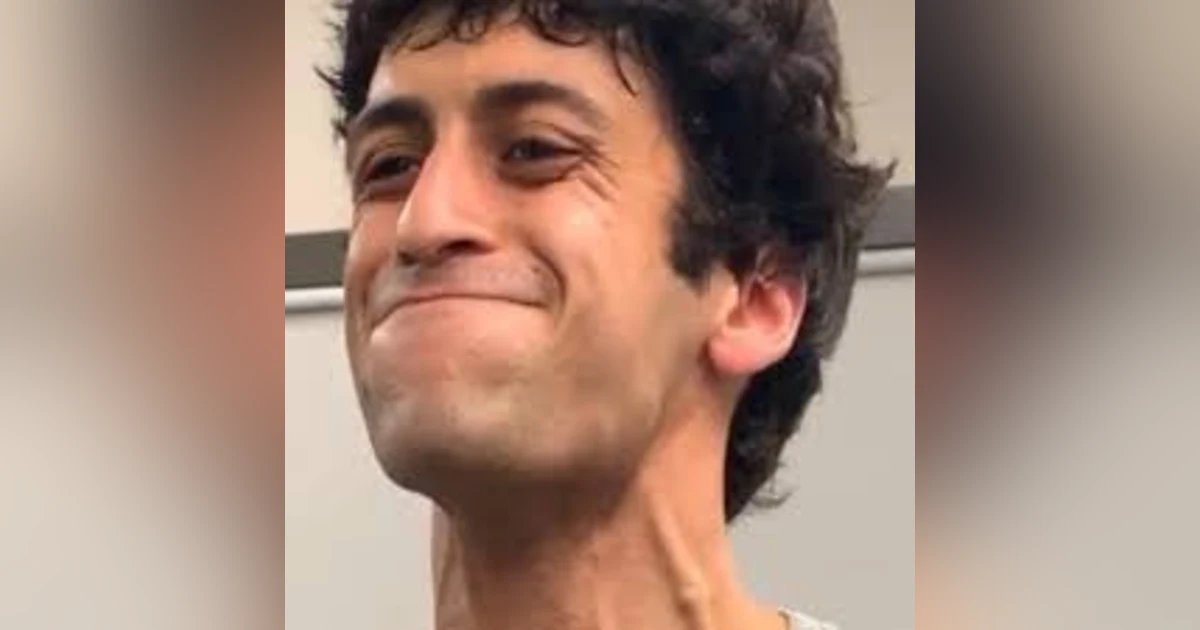

Rishane Oak is a fitness influencer, amassing nearly 700,000 followers on Instagram and 290,000 on TikTok. He graduated from the University of Michigan in 2020 with a BS in Sound and Electrical Engineering. He now has fully transitioned over to the fitness world, obtaining his ACE-CPT and PN1 certifications. Rishane is focused on bringing bite-sized and entertaining informational fitness videos to the masses, teaching his audience about proper form, the science behind different fitness topics, longevity, and much more.
He can be found @rishfits on all socials.
Notable mentions in the episode:
Hello everyone, I'm Dr. Darsha, and I'm Dr. Altamash Raja, and welcome to Medicine Redefined. A podcast where we will explore the often overlooked but necessary components of health, what we consider to be the fundamentals. We will investigate topics and practices that can give you and your patients the best chance to optimize a healthy lifestyle. It's time to move the needle forward and put the health back in healthcare. All right, welcome to the Medicine Redefined podcast, everyone. We have a very entertaining episode for you all. Our guest today is Roshain Oak, and you may have heard of him, you may have come across his content. He is a fitness influencer, certified personal trainer, and he has over 690,000 followers on Instagram and 290,000 on TikTok. So yes, he's kind of a big deal. He's had an interesting journey. He graduated from the University of Michigan in 2020 with a degree in sound and electrical engineering. So you might be thinking, how does that relate to fitness? Well, he's always had a passion for athletics and for fitness. And so he's devoted now his time to fully creating content and teaching the masses, whether it's our generation of young folks or older senior citizens, but he's really putting out bite-sized information that is really funny, it's humorous, and it's super educational. And he goes into different topics within fitness, whether it's weightlifting, whether it's mobility, whether it might be the mechanism and science behind all of these principles. It is truly entertaining. And so I'm really excited for you all to listen to this episode. I think there's just a lot to think about. He's only 24 years old and already making such a huge impact on social media. As you will hear, definitely very mature for his age with the way he just thinks. So without further ado, let's get to it. Rich, welcome to this show, man. Hey, thank you so much for having me, guys. So excited about this as we were chatting a little bit offline before we hit record here. Learning a little bit about our journeys, what kind of goddess and to fitness, and I certainly want to get to that, all the things that you think I think you can teach us in terms of social media and communicating good health information. But I think a good place to start is, how do you define fitness? Yeah, I define, I think fitness is a kind of overarching term related to mental wellness, physical wellbeing, how well you move, how will you feel? And I know that can kind of be like a generic answer to it. But I know a lot of people and I think it's becoming very prevalent to just focus on the physical fitness side of things and just, hey, I'm in the gym, I'm going to the gym five times a week, so I'm fit. But how do you mentally feel about yourself when you're going to the gym? Are you going there for the right reasons? When you're talking about good solid nutrition, are you talking about things that are just helping your gym performance? Are you talking about things that are going to help you live a long life? If you want to live a longer life, are you making sure that it's a fulfilling life and that you're able to do things that help you move well, feel good, connect with others very well. I think we can think, at the smallest end, fitness is taking care of your body to make sure that it's not breaking down. But I think a better term for it is building the body up so that you're able to go through life in a way where you're able to challenge yourself, you're able to achieve things that you want to do if you have goals you're able to achieve them and your body or your mindset are the physical things in your way that prevent you from doing that. I love that, man. I mean, a lot of what I'm hearing, it's about having freedom, right? And I think that's something we talked about. And physical freedom to be able to enjoy experiences, something that Darshan and I talk about often, but also having the mental freedom, right? Yeah. Which I suppose that's where the cool plunges come in as we were talking about. It always comes back to that. Tell us a little bit about your background, right? I mean, is this something you've always wanted to go down this route? Like, so where did you go to school? Where did you grow up? That kind of stuff. I went to the University of Michigan and I was studying a dual degree with sound engineering and electrical engineering. So it really wasn't related to this. Daisy parents put you into engineering, right? You're either. So I was doing that and I realized pretty quickly that it just wasn't for me. I finished the degree. Still went through all four years, got the degree, that one stuff. But while I was in school, I was also training people as well, more on a one-on-one basis. And then I was starting to see right away that I was able to help people, help people improve their performance, help people start to move better, move pain-free, all sorts of those things. And I was like, this is definitely something that I'm more in line with. So that was my undergrad background. But then after that, it was just consistently like training people, training people over and over and over again, trying to get as many people moving well, feeling well and getting them stronger as I could. And then, I don't know if it passed eight, nine, ten years, I don't know what it is. That's been the way I've been going to play. I guess I've been working out for eight, nine, ten years, but I guess coaching people for like five to eight years or something like that and helping people get on track. Did you play a lot of sports growing up? Yeah, so I played hockey when I was younger. I wrestled for four years, which was, I'm really glad I did it. I wasn't good. I'm not going to lie because I was like six feet tall and like 120 pounds. I was just getting rocked all by short, stocky muscle dudes, but and then I, I currently change your Jetsu now and I want to get into rock climbing because my brother's good at it. And it's becoming really popular now, but I'm scared of heights a little. So we'll see. Maybe you're also the second brown guy. I know that plays hockey. I mean, it makes sense to be here from Michigan, but that's, yeah, you know, hockey is a, is it interesting combination? Oh, yeah. Of course, I did play tennis for like three days. I got that one out of the way, of course. But yeah, no, I, I don't know how I ended up playing like the roughest way and I wasn't, I mean, I'm still not, but I wasn't like a very large cater anything, like physically imposing or anything. I was just like, let's go on, I'll be a little, it teaches you to be a little scrappy though and I think that's good too. All of those sports are pretty grueling, right? Pretty taxing on the body. Did you incur any injuries throughout your college or school career? And that's kind of what got me into train, like for myself, got me into working out. I feel like a lot of guys, men especially get into working out because they're like, I want to get girls, like I want to give both, I want to get girls. For me, I was always focused on a couple of things. One, my back was kind of wrecked as a kid. Like I said, I was kind of six feet tall, one 25. I was resting at like 115 pounds or something crazy. And my back was just hurting, low back hurting and I know there's some growing pains in there as well. But as you kind of read into this stuff and especially kind of the consensus at that time was like, if you have a low back, it's probably related to tight or weak posterior chain in general. And I realized like, yeah, I'm not deadlifting regularly, I'm not training my tissue, I'm not doing these things that are going to actually help create strong tissue and kind of make sure that I'm pliable and moving well. But I'm in a wrestling practice two hours a day, five times a week. And that kind of retabic on the body. And that's where I kind of got into training. And then what really led me into training other people is as I was kind of fixing my back, other people will kind of ask me, you know, like in the Indian community, especially I think low back pain is so prevalent for some reason, just helping uncles and aunties with their back pain a little bit. And then all of a sudden, now I'm training some of them, then I start getting clients that I'm training them. And then that starts progressing in that. But yeah, I think that back pain from wrestling is really what started all this. And if I had gone through that and I was just pain free, I might have never even, you know, entered this area, I would have just been doing something else entirely. Yeah, that is not surprising to me because when I think about the initial definition you gave us, right, about having freedom and that kind of stuff early, we were talking about how you're quite young, right, when it comes to the guests that we have. And I'll just say for the listeners, you're in your early 20s, right? And that's a pretty wise thing to be able to say, the, hey, fitness and longevity, this is about having freedom. I can tell you, you know, when I was kind of earlier in my career starting there, like that's not the reason I got into it, right? Yes, I had a lot of injuries. And I knew that sports medicine appealed to me, but really performance, hypertrophy, those are kind of things like, as you talked about, really men are focusing on, especially if you've been an athlete, like that's the world that you like living. That's a sexy stuff, right? And then over time, you accumulate some, some damages, right? You put some mileage on your body and you're like, man, I really got to revamp this. Like this is not sustainable long term to be able to do this kind of stuff. And then over time, you're a priority change in life and you develop a new definition and then your approach changes, your philosophy changes, so to speak. In the fitness industry, whatever you realize that there are little niches, right? So if you think about, we were talking about Dan Pope earlier, right? He was a coach and turned a physical therapist in his world up in the Boston area. You have Mike Ronald, you have Eric Cressy, all of those guys who are very much rehab-minded stuff, right? Same thing with, you know, Mike Boyles, more of a performance person than you got on the West Coast, you got Ben Bruno, you got Breast Contreras, all these people who have little different skill sets. Slightly, I mean, everybody understands general training principles, but you have something that somebody's known for. Would you say that there is a certain philosophy, something that you've developed at this time, you've been training for almost a decade now? Yeah, I still, I mean, I have my ways, but when you talk about especially all those big, like Eric Cressy, someone I've been falling for years, and they're so knowledgeable, I definitely think I'm so young in the game that I don't necessarily have, you know, like with Eric Cressy, it's like if you're a baseball player, if you have shoulder issues, like Eric Cressy, the guy you go to, for me, I think I'm still kind of establishing that and working on it, and I definitely want to start specializing and establishing that kind of specific niche for myself, because I do think that is kind of important to have, like you said Breast Contreras, he's the glute guy, like he specializes in glute high-bridge, but he's so specific and that's what he does down to a tee, and I definitely want to get to that at some point, but right now it's, I'm really just having a good time kind of being a sponge and being able to learn from so many different people, so many different sources, and I'm not trying to be annoying, but like when you're younger, you have the freedom, time, drive, whatever you want to call it, to be like, let me learn from everyone, let me do this, I know it gets a lot harder than you get 30, 40, 50 to sit down and learn from people especially, because now you might have to learn from people that are younger than you, which as it is can be difficult to do, but the biggest thing for me has just been being a sponge, and I've always said, and this is something I'm sure we'll touch on in a little bit, people talk so much about optimizing their training and trying to find the most optimal protocol to do. If that existed, you could go into chat GPT, ask it to write you the perfect training program for everyone, and it'll do it, but that doesn't exist, because everyone's going to be different, everyone's going to have ways that they need to move, and right now just finding ways that, hey, let's make this adjustment here, and maybe that'll help you perform better, maybe let's make this adjustment to the exercise, and now you can do it pain-free, even though you haven't been able to for like two, three years. That type of exploration is kind of more what I'm about, and just really staying well-rounded right now, and then as I keep going with this, I want to make sure that I'm like really specializing, kind of locking myself into that niche position, but I'm not looking at that yet. Right now, just being a sponge, sponge, sponge, sponge. Yeah, no, you know, I think you use a lot of words there that show your wisdom, right? You know, at 24, talking about the range that I call it, right? I just read a book called Range by David Epstein, and I'm a huge fan of the principal of being a generalist, and especially of that younger age when you're really soaking in all that knowledge, explorations that work you just used. You know, there's always time kind of down the road where you can mix and mingle a lot of these different topics and things that you're going to learn about, and keeping up with the times as well, right? I think a lot of people, especially pre-meds, and you know, all plush and I, a lot of people quickly silo themselves into a niche early on, because that's kind of what we're taught here in the West, right? It's like you need to figure out what you're doing when you're like 10 years old, and you're like, all right, sure. I guess I'm going to go be pre-med or whatever. And then before you know it, you're like 3035, and you're like, wait, I did not get the times of change, but I'm going in this direction. And so trying to pedal back can be tough, right? So with that long-winded explanation, I'm actually curious to understand your mindset and how kind of you learned about fitness and the different topics when you were, quote unquote, rehabbing, you know, uncles and aunties or your friends. Like, how did you first start? Where were you getting your information? How did that evolve over time to where you are now? Yeah, so it started like, you know, I was a, I started off with the most basic Athlean-X videos. That was like really how I started, right? Because I mean, I mean, he has like 11 million subscribers. I think we all at least at least. And then, you know, I think the internet is so amazing. And I mean, I think it's even starting to, it went, found a good spot in the middle. And I think now it's starting to become too much information in too short format. We can touch on that a little bit. But I think we had access to such amazing, like 10-minute long tutorials that were really helpful and helped you get into it. And I think maybe there's some people who really disagree with a lot of Jeff Cavaliere's information. And I disagree with someone with it as well, obviously, just as time has changed, he's put out like a thousand videos. He's obviously bound to miss a couple things. But I think his way of thinking was so solid just from the start of like, hey, don't just address a problem here. If it's an elbow issue, it might be related to how the forum is moving, how the shoulders moving. And then even now when we talk about things like flat feet, do you need to just jump onto orthotics right away or do you need to learn like how your pelvis is rotating? How are your ribcage and hips all moving together? Those types of things do influence the foot. And when you kind of break things down and really see the body as a kinetic chain, which I'm so happy I learned that as a foundation, that just automatically drives you to think in a more complex level of if someone's talking about knee pain, for example, don't just ask them if it hurts when they squat and then try to just change how they squat to fix it. Also, look at how the hips are moving. Look at how the feet are moving. Look at how the ankles are moving forward, backwards, side to side and rotation on these, all these different components become really, really important. So that's how it started. And then of course, as you keep learning, as you said, there's different mentorships that are there, I think hypertrophy coach Joe Bennett, he has a hypertrophy coach university, which is I'm plugging his thing for free right now. But if you want to, if you haven't, if you have no experience with hypertrophy coach, go check him out on YouTube and everything, but definitely his app and hypertrophy coach university will work with it. But I think he did a amazing job. And there was so much information where you can learn about, like the physics side of it, like moment arms, all that fun stuff, but even just the way that muscles are oriented, different muscle types, why fiber directions, matter things like that, there's so many different options. And it's cool. There's books now, there's videos now, full courses now, you can go to call, I mean, you don't even need to major in kineses anymore. You can just sign up for a class or just don't even sign up and just go, like there's so much information out there. I think if you have a good foundation of how to digest all that information and apply it well, though, that's, that's like the biggest key. And I really will credit that's that. Athlete next, the first person I ever watched, ever as the guy who really taught me to think like that. Yeah, and I think it actually extends beyond just the strutting, conditioning world fitness is even medicine. There's so much that you can just learn watching YouTube, like or just free information out there, right, or podcasts or really anything. I mean, PubMed and all that kind of stuff. I think the experience and mentorship is much harder. And I think that's worthwhile. I'm not sure it's worth the price of admission for medical school or really any type of undergrad or graduate PhD degree. But that's maybe a different topic for a different day. You did bring up how the information and consumption information or the availability came to a pinnacle and then started going downhill, right? I want to expand on that a little bit. Earlier, you brought up a couple of really important topics. I think that if there was the perfect program, like a one-size-fits-all for everybody, then chat GPT would be able to create it. And there are so many nuances and enable that you have to be able to to think about, right? You have to look at the person and it's contextual as well. What is it lifestyle? Like, you know, what's their background? What's their history? All this kind of stuff that short form content, it's hard to capture that and do it justice. This is something that we have struggled with so much over the last two and a half years, particularly because I think I wouldn't say necessarily our podcasts are long form content, but we've had something. I think what's really dark to the solo one, almost two hours, right? But that's like the really, really long ones. But one of the consistent feedbacks we've gotten from people is like, man, 45 minutes an hour is just way too long. And a personal struggle that I have, the reason I can't stay on TikTok is like the thing that I'd like to learn about, whatever, 30 seconds a minute, it's just not enough to be able to capture all the nuances that you highlighted earlier. So I suppose the important question for you becomes is, you've been so incredibly successful, yet you appreciate that. How is it that you're able to reconcile both things and be able to successful in that regard? Yeah. And I've been slacking on the YouTube, but I want to start making more long form content, especially because I feel like right now it's just been like Instagram, Instagram, Instagram. But even on Instagram, making a video that's a minute, long, minute, three seconds, I'm thinking to myself, wow, I have to make sure people stay interested for this long for a minute. It's literally double digit seconds. People will lose their attention span. And if you look at the content I make, I mean, I'll be open and honest. Like I try to make it in a way where I have to use cuts in a certain way. I have to use captions in a certain way. There has to be things that are changing in order to keep the, in order to keep people focusing or entertained or whatever you want to call it. There's so many amazing, all the coaches we just talked about, right? They all present information in a way that is, they're sitting in front of a camera, they're talking and they post it on TikTok and these videos might be two or three minutes long. And I think it's amazing information from really qualified coaches, but it's just not entertaining enough to go viral. It might not be entertaining enough and kind of catchy, I guess. I catching enough rather would be a better way of putting it to attract attention and to get views on their stuff. And it's really unfortunate because if you only kind of absorb information in these minute long intervals, it's very difficult to provide nuance. And in fact, I think there's a lot of pages that really try to emphasize the nuance. Do you see a lot of the like, really science-based physical therapist people that they'll really try to add nuance to everything to the point where it can be a little bit of no way if I'm being completely honest where it's just like, okay, I'm sorry. I didn't say it absolutely correctly. I said like, like, but you've got my point. It's like, you want to add nuance, you want to add information. And it's not just, can your knees go over your toes when you squat? Sure, I'll answer that in 45 seconds with a bunch of fancy captions and stuff. It's like, no, you should kind of be able to talk about that for three to five minutes. There's going to be some situations where it matter. Do I think everyone kind of should be able to squat, like, ask the grass all the way down to him, chain the calf? Yeah, you should build up that range of motion, but you know, for a lot of people, if that causes pain, if it's something that you really don't need to do, if you're an athlete, maybe you don't spend all your time squatting that low. If you're an 80-year-old who just wants to be able to get up from the toilet when you're 90, which is a very real thing. I'm not trying to be a grass. It's like a very common thing we see people cannot get up from the toilet and it's not a good way to live. If you're just trying to train for that, you don't need to squat all the way down. So, all that information is very difficult to fit into a minute. And it's really sad because as our attention spans are getting shorter, the attention spans are getting shorter. There's actually more information. There's more information available now than ever on fitness. And I'm sure tomorrow there'll be more information than, too. But I think I'm actually seeing more kids, like, 16 to 18-year-olds that are dealing with injuries early on because they can't absorb this information and use it correctly. And then on top of that, the other things you get with social media are you're obviously comparing yourself to the best lifters where these kids are seeing people lift 400 pounds, 500 pounds, and they're 16. And then I know when I was 16, I was deadlifting like under 100 pounds. And then I see some guy deadlift 405. Well, I should be able to at least try 200. And then my lumbar flexion, I hurt my back. It's like excessive. It's like, oh, that stuff. Unwanted lumbar flexion. You can round your back a little bit. Okay. See, that's what I'm talking about with someone. Someone will be like, that's not anyone's stuff. There we go. See, that was an extra four seconds that you did not have. Yeah, that's the challenge, right? And yeah, you know, what I'm hearing from you is like, you know, entertainment and education, you have to find a way to mix the two. And and I think you've been very successful in that regard. I think I was recently watching one of your, I forget if this was the hip flexors one, like you were like, okay, you were trying to show somebody how the rectus firm is also a hip flexor. I don't know if that's the one that you threw like chocolate chip cookies in and you were demonstrated it. And and I found myself just, I mean, you know, it was great video. And but I know the difference. But I was just like looking at what you were doing with the chocolate chip cookies the entire time. But that kept me in there, you know, and and and it's so slightly frustrating for me. And again, I'm not coming, sound like maybe one of those old men like get off my lawn type of people I know. Because to me, this is like, this is fun, right? This is, this is exciting, you know, kinesiology, by mechanics, all that, that type of stuff is is really exciting. And I do have to find myself. And remember, I think Davino to talk about this is like, we don't need necessarily need to use big words like we can talk about what I have to talk about. Like friends love our flexion, right? Like we should be able to educate people what that means. But you could also just say around and get a little bit low back. Like that's skimmedicating the same things. I think sometimes people use this this jargon, medical jargon. I think this is how we train and you can't relate it back to just normal layman's terms, right? So people can follow along as well. Just so you're, the people aren't necessarily feeling like you're, you're okay, this this person is just talking to high level and this is more of a classroom. This is more of an entertainment type situation. I guess what I wonder about is you've highlighted a couple of really important points. It's going to continue to be more information in less time. How, how can we continue educating people like that 16 year old, that 14 year old, 13 year old? Because again, athletes are still specializing early on, right? People are still training fitness, I think is becoming more and more popular as a general concept, right? I mean, 30 years ago, women were like, okay, I'm not going to train because I'm going to get bulking bulky. And that's, I don't find a lot of people believe that anymore. I think everybody recognizes that training is good for you, right? Even 20 years ago, you can rewind the clock a little bit, especially people coming from our backgrounds where our parents were like, no, if you train at the age of 10 or 11 years old, you're going to get short or you're going to stunt your group, right? And I don't think I think less people believe that to be true today as well. So overall, I see a positive direction for in terms of strength training, fitness, exercise in general. But you have this other challenge where negative trend towards injury because of lack of good quality information. I suppose I'm asking you to solve one of the most difficult things that I've thought about over the last year or so is, I mean, what's your sense, you know, um, yeah, I'll leave you with that. No, no, no, I think that's a, I think that's such a good point. And it is something that I, it's something I think about because you even look at the people who are open to absorbing, absorbing more long form content. And it is people that are older, right? Like I do, I just don't think, like I talked to kids under like 18 at my gym, like the high school crowd, like I talked to them. They, they don't really have the attention span to really sit through a YouTube video anymore. And I don't even think I do anymore. I'm not trying to, just like you said, I'm not trying to be like a get off my lawn anymore. I think it's just impossible when you're a kid and you're able to get, I mean, you can watch 30 videos in a minute, or at least you could see the thumbnail for like 30 videos in a minute, very easily. But even if you're watching 10 minutes, 10 videos in a minute, and then you end up doing 10 minutes, like all of a sudden you watch 100 videos, you're like dopamine, dopamine, dopamine. And then it's very difficult. You've kind of trained your brain in a way to not want to sit through a shorter or a long form conversation and you might lose interest. Now, it could be a double-edged sword in a way where your attention span is so good or it's so short, but it's so kind of focused that you can have three different things at once. And maybe you're learning from three different sources altogether. So maybe if it's more parts and building on that, and that's something that I've tried to incorporate, like for the hip flexor video that you were talking about, that was a part two to the part one, because the part one, and this is an approach I've used for a couple videos, the part one is kind of to give the idea, just present information. And then if you use a part two, if you use a part three, that can kind of expand on the science a little bit more. And then that can kind of be just a start, I think, two partners, three partners, like continuing on information so that maybe instead of one minute, it turns into three minutes, and I think that's a plus. And the one thing I will say because I don't want the kids to hate me, like I'm cool with the kids. I don't want the kids to hate me. But I will say that you are kind of forced in this situation to present kind of the most important information, which is very nice, I think. There's a lot less filler. Everything is thought through. I know for me, my recordings take me so long that I'm forced to make sure I'm not using unnecessary filler words, I'm not using unnecessary information, I have to make sure I'm not nerding out, I have to make sure I'm using the terminology that is, you know, going to work for everyone. I don't need to say, like, hip internal rotation, I can just like turn your knee this way, like, or that way, and that makes a lot more sense to people. I do think that it is really a double-edged sword. There are going to be pros and cons with it, but I think if the most important thing is I think there's people that are pretty solid at the short-form realm, and I think if they also developed that ability to drag their listeners into a more long-form position and push that, that would be more beneficial. And I think YouTube is already doing a really good job with that because I think YouTube pays creators decently well. And obviously with brands and advertisements and things like that, you can do decently well. So I think that that's starting to become more enticing to creators, and then hopefully even I think maybe not an hour, yeah, I do wish people could sit through an hour-long lecture about a shoulder, but no one people got bored, I get it. But a 10-minute video, or even a good two-minute video, like, those are things that where I think you can absorb information very well. In a good, solid two-minute video about a topic, I think you can learn very well. A good, solid 10-minute video you can learn very well. But if you only learn your information and get your information from TikTok or Instagram Reels, there's only so much you can do. You know, there's only so many, I don't even know the way to articulate that, but there's only so much information that you can absorb well when it's scattered compared to a progression. That's why in math, you start with addition subtraction, then you go to multiplication, then you go to division, then you go to the, you don't see some addition, then some calculus, and you're like, do I need to learn calculus? And it's like, you don't even know geometry yet. No, you're not going to do any calculate. So that's why in school, they teach you that in a progression. You learn math in a very specific way. I think in fitness, you kind of need to treat it the same way. And for us, with YouTube, it was nice because you start with ATHLEANX, and Jeff Nippert is in natural second stuff. And then you go on to whoever else is your advanced person, and there's going to be a whole bunch of those. But I don't think there's that progression with the way these algorithms work. I think if you, it's like, you are into fitness information, maybe you get lucky and you're in with beginner information, but most coaches are putting out high level information because they know it. Most, if you've decided fitness will be my profession, you have a certain love of the game, certain understanding of information. And you might not necessarily be the best at laying out a course in a specific framework to teach kids, this is the beginning, this is the end. Let's start from most beginning to most events. I know for myself, I don't do that. I'm open and honest about that. Like my TikTok, I think TikTok especially is where I'm definitely, I'm totally being paper critical of everything I just said. But I will post some information about pretty high level stuff related to like ten and apathy that like Ebony Rio and Joe Cook, all these people are talking about, but then I'll also make like, you know, a basic hamstring stretch video. So I could be attracting an audience where they really like the content that's basic hamstring stretches, maybe they work all day, they want to work out a couple of times a week and they just want their hamstrings to feel better. So they follow me for that. But then there's other people who they were like, this was a really good two and a half minute video about ten and apathy. I want to follow him for more of that information and then who is the audience? Who exactly are you catering to? How are you going to get audience A, which was more beginner to eventually become audience B? And I know that you were just thinking about this and I was hoping to answer your question well, but I think maybe I just made more confusion for all three of us. No, I think it's a solid approach and I mean, I can tell you I'm a long form junkie as well. I mean, I love devouring like Peter T or Joe Rogan because you know, just then you want us to perspective the philosophy and I struggle when it comes to creating TikTok or Instagram videos because I'm like sitting there talking about life for three minutes and I'm like, yeah, people are going to watch first ten seconds of this and like, you know, I've even been trying to adjust kind of how I start off my videos now or I'm taking the tips from you where you like cut it and then the ending can actually transition back into the beginning, which is like a really cool thing to show that loop. But that just goes to say I'm wondering how do you measure impact, right? So there's obviously views, there's obviously comments, but for you, I'm sure the bigger impact is actually seeing people progress within the fitness realm, whether it's hypertrophy, whether it's getting healthier, whatever they wanted to find that by, do you have a way of measuring feedback from your audience or the impact? Yeah, I kind of do. So I'll get a couple, like if I post something and I get a good amount of DMs related to, and it won't be right away, usually if it's right away, that's a red flag ring. But if like kind of three, let's say a month later, two months later, I got a message saying this tip really helped me. I'll really try to make a special note of that, that way if there's a certain group of tips that are helping people, then I'll know that that's valuable content. So for TikTok, especially the most helpful thing I think I posted because this is the one where the most people have talked to me about it and told me that it was helpful, was the PBC Hi-All-Bode drill. I posted that it was a seven-second clip explaining the video, or explaining the exercise. It did four and a half million views and I'm not saying that to like brag or anything, but it was like it was a seven-second clip that reached four and a half million people and it was helpful to them because they were able to move through it and they saw value and that's why I started posting some more of the seven-second stuff. And seven seconds I think is interesting because that's what I think short-form content should be. The short-form content should really be tips. It's like sprinkles on ice cream, right? You're not going to eat a bunch of sprinkles for dessert unless you're a crazy person, but you're going to eat your ice cream with your hot floods, with your sprinkles with the cherry on top. I feel like TikTok is the sprinkles. It's like instead of keeping your elbow behind you for curls, keep it in front. You might feel a little bit more in your bicep. For something like that, I think that short-form content and access to it is so, so helpful. And I think that's where you find a lot of value. And then I think with more longer-form content-finding value, when I post a video that's like a minute, the watch time is generally a good kind of a good gauge for me because if people are watching through to a certain point, then it's clear that their value, like it's a problem that they have. So just for example, the hip flexor one, a lot of people, I don't even think they know that the hip flexors are a group of different muscles. I think they think that I don't think anyone, a lot of people just don't know what a hip flexor is. So if I were to say something like don't stretch your hip flexors because you've probably never strengthened them before, I know that a lot of people will be in this scenario where A, they don't know what hip flexors are, B, they are probably overstretching or C, they aren't strength training. And I think especially for the Instagram audience, a lot of people fall into that one of those three categories and that's kind of why that video maybe did decently well. And then same thing on TikTok with the more shorter-form content, you have a lot of people that just, especially kids who don't care about forming up that much, like we care about it because we're old to get off my one. So we care about it a little bit more, but when you're 16 you don't care about warming up. So if you can get a good seven second video that actually helps you and moves you well, I think that can be very valuable and very helpful for people and I think that's where you can kind of see feedback. I feel like watch time is such a good indicator because then you know whether people care or not and then you can kind of expand on that. You mentioned you've been thinking about switching more to low form. Is it more YouTube or what else do you think? Yeah, more for YouTube. So definitely mobility routines to start because that's what people have been asking for. And I think that can be fun in general too because, you know, I don't think there, just like there's no chat GPT thing that can type out a perfect training program for everyone. I think with generalize stretching routines, generalize mobility routines, there's a lot of room for keeping things new and hopefully just keeping it entertaining as well because if people just sit through the same 10 minute video, they know exactly what I'm going to say at the five minute 26 second mark, it becomes a lot less entertaining and you don't want to do it as much compared to this is fresh, this is new, this is a new idea that that's going to be in there as well. But I also feel like another thing that I want to really just branch into is presenting the information in a longer form way because I think that is really, really helpful for people. I think if you're not kind of in the trenches and seeing what's going on and how people move and how you can make the move better, it becomes very difficult to apply that information. So I want to kind of create information with people who are maybe tighter, they don't move very well, they don't squat very well, and then kind of if I can show adjustments with them, kind of like live sessions a little bit, showing them how they, how can this person who can't squat very well, well, we elevate their heels, we mobilize their thoracic spine, whatever, and then now they're squatting a lot better. Here's why I did it, here's how you can implement it, and then hopefully people can start incorporating that information into their routine. Maybe the solution to your squat isn't by a new shoe or foam roll this or massage that, it's like maybe it's something as simple as elevating your heels up on a wedge, and kind of showing that in a more long form reason, and how to kind of deduce that information and apply it is something that I want to get into in the more long form. And now that it's summer, I think I'm going to have more time, I don't know how they're related, but I just think that'll be the case. Nice man, I'm looking forward to that. You know, I think I love having these conversations, because it makes me think about certain thoughts or opinions that I have, particularly you mentioning that in order for you to convey information in the short form content, TikTok, Instagram, you have to be very careful, very thoughtful about which you're going to say, how you're going to communicate information. It's everybody knows if they've gone through on a grad or whatever, the writing classes, you know, you're told, don't use ten words when you can use five, right? Be very concise, be very, very clear. I know that personally, one of my strengths, at least when I'm teaching my students who I'm communicating, I do a good job, I think in the long form content, providing the nuance, and sometimes it's selfish, sometimes I want to give a lot of context, I want to give a lot of caveats, I want to give a lot of it depends. So something that I think I need to work on and I potentially could work on is how can I give the same information in maybe digestible bits, right? I think that's overall going to make you a better teacher, a better educator, and you can maybe reach more people, measure more, like, get more impact, like Dar's just talking about. So Dar's maybe I'll ask you to hold me accountable to that, maybe so that we work on. But I do think there's a beauty in that though. In here, I'm just going to talk, I'm just going to explain, and this might lead to this, this might lead to this, but when you talk like that, it's because you think like that, it's not because you're trying to be cool for your students or something, that's the way you think, that's the way your brain is working in real time, and I'm sure a little bit of the handsome face to impress the student, I get all that, okay, I understand it, but I think when you present information like that, it does force people to even think like that, I have to stay awake, I can't just listen to the fun parts and then zone out, otherwise I'm not going to understand the nuance, and especially in the medical space, I don't want to, my doctor to be someone that paid attention to the fun parts of class, I want them to be someone that absorbed all that information from someone that taught it to them in a certain way, and I think that's super important. So keep doing it, I don't say keep doing it, I don't say keep doing it. What's interesting you say that, because you'll find plenty of doctors and social media who will violate those rules, right, and they tend to do really, really well, and yeah, I mean that can be somewhat scary, but yes, the world we live in meant, it's interesting. There's some people that get the doctor title, and then I don't know what they, I don't know what, I guess they just chase the bag, which I respect, they're just looking after money, but you know, that's interesting to me is, what was your undergrad major in? It was in sound engineering and electrical engineering. Right, okay, so yeah, you were one of your parents at least were, do you have siblings? Yeah, younger brother. What does he do? Biology and business. Is he going to go into medicine? I don't think so, I think he wants to go into a big farmer. God, okay, so something in the healthcare, so there it is, right, so there's for the parents, right, we got an engineer and we got somebody going to healthcare, but technically you're in healthcare, so you mentioned earlier the importance of progression, right, starting off basic and then escalating slowly over time for good long term, like a macro cycle type of plan for just optimal outcomes, just when we're talking about the long game, right? In your opinion, everything that we've talked about, how challenging it is to navigate the seas of social media, particularly in the absence of nuance, that maybe 14, 15, 16 year old, really, it could be an adult to somewhere in their 20s and 30s who are starting their embarking on this fitness journey. And like, let's be real, social media, everybody has it, right? Whether it's Facebook, Instagram, TikTok, doesn't matter your age, we're consuming it, the dopamine hits are coming faster than ever. Even Amazon, I mean, really, I mean, really? The way ads are on Amazon, it's content now, they have content creators making content for advertisements. So even on Amazon, I think it's something like that Pinterest, like, even, I mean, just looking up a recipe online, there's a little story within it, there's a little video, a little picture of the author, I think that's the space we're in, and yeah, so then I'll cut you off. No, no, no, no, that's, that's good for me, I don't know, I had no idea. So what, what could be some tricks, some tactics for, especially beginners, to, to sift through that, all that noise to find the good signal without potentially having some adverse outcomes, right? Conjuring themselves, kind of, you talked about the 16-year-old who's looking at the guy who's 400 pound deadlift and is like trying to do the same thing and it's just like backfires. Yeah. Some, some sound tips for people to think about when they are sifting through this information. Yeah, obviously, just follow me and only listen to me, like, that's the best way to know. And I'll be all right there. Of course, yeah, it'll be okay. No, I'm okay. I think the most important thing, especially when you're starting off, is to, I think you need to find sources that you trust. That's the biggest thing. I think when you genuinely trust someone, and it doesn't seem slimy, it doesn't seem like they're coming from advertisements, and I'm not trying to trash anyone, but like, I think B Shred is someone that maybe people think they could trust, and then I don't necessarily think he gives the best information. And that's kind of well known. I'm not like, I'm not taking shots at a small time creator. It's like pretty well documented. But when you find coaches that you trust and you value their information, you should kind of binge a specific coach or a group of coaches. And it doesn't matter who it is, but the reason I'm saying that is if you listen to six different guys at the beginning of your journey, you don't really know how to absorb that information. And it can kind of just come at you from a bunch of different directions. So finding a good, especially for beginners, finding a good beginner person that is someone that you trust that doesn't have to be me, it doesn't have to be athlete, and I actually doesn't have to be anyone. It can just, it could be some guy with 40 followers who you just, you see his information, it sounds right. I think that's like actually a really good way to start because because there's so much information, people just kind of don't know where to start. And unless you're someone where you're in a situation where you could really hurt yourself if you don't know exactly what you're doing, you'll probably be okay. If you are someone in that situation where if you just get in the gym and you lift five pounds incorrectly, throw your back off, that would be some situation where you should really invest in working with a professional. And I think that the one thing that I think, and I think healthcare in general can make this more accessible, but I do think something like a group class, something like trainers that are relatively cheap gym are, are, are pretty accessible for, for people not. I could be wrong. I could be off, but I think, you know, there's some traders that charge whatever 30, 40 bucks an hour, and they could at least make sure that you're not hurting yourself. But I think finding sources and coaches that you trust at the beginning and just sticking to A mindset, don't jump around everywhere. It's kind of like what I talked about with math. You don't start with addition, then go to geometry, then calculus, and then back to multiplication. Even if you're getting information that's maybe not the most optimal and the most correct and the best of the best of the best, but still following the structure, it's still following somewhat of a guideline. And those are things you should be looking for in a coach, where, or a content creator, in information in general, there should be some sort of progression and not a scattering. And that's where I think YouTube can actually be a really good source again, because there's playlists, and you get to move through that. Even on TikTok, there's playlists, but I think on YouTube, there's like a specific, I could have a bunch of beginner information, and I put it in a beginner's playlist section, compared to I follow this guy on YouTube, I just binge a bunch of his videos. That is really not what you should be doing. You should be gathering information in some sort of progression. But for a lot of people just starting off, start doing it, start getting into the gym. It's a lifestyle change. You were not going to the gym at all. Now, our goal is to get you in the gym five times a week. Maybe we meet you halfway two to three times a week. Just start going. Start getting comfortable in the gym. Start establishing that as a part of your day, a part of your schedule, because I think that's the hardest part, and then really finding good people to listen to and gathering information and things like that. That's going to be something more where, as you keep progressing, you're going to be good to go. And then of course, obviously, I think the easiest one is also if there's people who are CSES, and they have a DPT background. If they have the hard certs, I mean, DPT isn't a cert, but like a CSES is not like a certified personal trainer, just because someone has the personal training certification, they could know nothing, right? Like they could just know how to pass that test. And we know 10, you know 20, like we know a bunch. CSES is very difficult to obtain, or at least it's a lot harder than the CPT. And most of the people that go for the CSES, they really do start to know what they're doing. So I do think that credentials in that sense are very important, because maybe you might not be the greatest athlete of all time you may not have the greatest physique of all time, greatest results, whatever. But at least if you're a CSES, at least if you're a DPT, at least if you're presenting information from that background, you at least know how to think and teach in a certain direction. And I think that's very, very valuable for beginners. Do advanced lifters need to listen to a CSES? No, like Hany Rambott is probably the greatest bodybuilding coach of all time. And I don't know what degree he has. He could have an amazing degree. I don't know because I don't care. I know that he works with amazing athletes. And at an advanced level, that's what I care about. But for a beginner, maybe they shouldn't listen to Hany Rambott, because he might not be able to teach a beginner the way that someone who is a CSES and really built up through a certain progression, they might be able to teach and relate to a beginner a lot better. Yeah, I was going to say just two points. I mean, it's interesting, because it almost sounds like your bar is a lot higher than mine. What I'll say, I mean, if somebody has CPT through one of the bigger academies, like through NASM, through NSCA, through ACSM or something like that, even one of the reputable ones, even that means something to me. I think a lot of the growing up, going to a lot of their regular gyms, like retrofit news, LA fitness, that kind of stuff, you had people who had certifications from places that I'd never even heard of, right? Like something that's like you just got online and whatnot. And I will caution people because I've seen plenty of times, you know, I'm just like sometimes just like people watching at the gym. And I'm just kind of seeing the kind of stuff that the trainers are doing with their clients. And you can tell that somebody might be a beginner or maybe even intermediate if they're like well beyond somebody who, you know, people usually hire trainers for. But they're going to be doing these crazy methods that are really, really sexy looking. And we'll get the clients engaged in, oh man, this looks like a really cool exercise. I'll give you an anecdote of somebody who is very close to me who, you know, it's just typical January for someone to get my life in order. And this person is probably about 120, 130 pounds overweight. And the workout regimen that he started with, this trainer was an LA fitness trainer, started this family member in mind with was to work out like three days a week with a trainer two other days on himself. But when he was working out with the trainer, he was doing these treadmill sprints, getting off, doing basically like a high intensity workout with like treadmill sprints in between and being so incredibly sore that not being able to walk the next day. And then the explanation of the trainer was like, well, yeah, you know, we're working that kind of stuff out. And all the giving all these nonsensical explanations, well, that's lactic acid and this and that kind of stuff, all the things that we know are just like absolutely stupid. And, you know, and then of course, like the person's like, yeah, like I'm really, really sore. So that means I'm, you know, I'm getting a great training effect. And I'm getting good benefit. Like this is good for me. And, you know, and in the moment that I didn't, I decided not to bash that trainer. And I was just like, well, this person hasn't worked out in such a long time. And they're just getting in the gym. But the concern of course becomes, you know, especially as a healthcare practitioner is like, okay, I mean, this only a matter of time before you see yourself and you're in my office. So technically it's good for my business. I think it's a horrible thing to do. So I do want to caution people about that. It's like, especially if you're doing an exercise and your trainer says, let's do this. And it just doesn't feel right. Like they're having you do unstable pushups on a band across like the the rack when you can't do 20 pushups straight on the stable floor. And doing something like this seems like I shouldn't be doing this. Like go with your gut. Yeah, right? Ask, ask why am I doing this? How's it going to help me? And how's it going to help my short term and long term goals? Like those are some really important things that I think people should be considering. Absolutely. I think there's a lot of that. It's the same thing with trust because you have to understand. I mean, you guys understand, but the general person needs to understand that a lot of the time is just because you're a great athlete. I would say it more often than not if you're a really good athlete and it comes naturally to you, you're probably not going to be the best coach. I really think that because and I'm not trying to give myself an extra credit because I'm not the the biggest fella. But I do think that there is an advantage I do have coming into this where I was six foot 120 just a super skinny dude. And then I understand what it's like to have really bad back pain. I understand what it's like to go into the gym and not be able to do a pushup when all the other guys can do a pushup. I understand that it took me so long to bench 135 when I see some of these dudes that just pull up to the gym and they can just hit it on their first day and it took me like three years or something. I can kind of relate to that. And a lot of the times, unfortunately, we do have this issue where we'll have a really good athlete and they're like, I'm a good athlete. Maybe I can just start training people and they can start doing what I'm doing. And then if my sweet grandma, who is 80 years old, tries to do your workout, it's like, dude, she can't walk now. She has arthritis, bro. What are you doing? There is a lot of that. And I think people have to really be mindful. And I think it's so important to make sure that if you're working with beginners, you need to understand they don't even need a lot, right? You look at the newbie gains and what it takes to facilitate growth for beginners. It's not treadmill sprints. It's not heavy deadlifts to failure. It's like you could probably do three to five sets of five reps that aren't that aren't super difficult. Make it out alive. Make it out where you can walk the next day and you had a fun, enjoyable experience. And if you keep doing that for three, five, ten years, all of a sudden that that turns into like a beautiful heavy squat that turns into a really, you know, analyzed movement, a methodical movement pattern, those are things that we need to be looking at not necessarily getting you from point A to point B as quickly as possible. Because usually when you try to get that done, you end up in your office, right? Like that you get hurt, you try to go too hard too quickly. That's the number one. The injuries I swear, it's not, it's rarely someone was just like, ah, you know, it's just I've been putting in this work for years. It's it is what it is. I've been doing this since I was 14. Now I'm 70 and now I'm dealing with it. There is a lot of that obviously, but especially with younger populations where maybe age isn't like the primary breakdown reason thing. It's just people hop into something too too much. They don't listen to the check engine light, which is my knees hurting every time I squat and I screw it. I'm going to keep doing it. They ignore that sign. And then all of a sudden a couple of years, not ten, like a couple of years later, they're like, I didn't check on my knee enough and now it's turning all the time. And now I can't even squat. Now I have to do this other alternative that would have been if you had just gone about it in a more long term and an approach that's had an emphasis on longevity. I'm not even saying a focus on longevity and emphasis on longevity. That's going to make sure that you're doing what you love for a long time. And that's what I want to be I want to be squatting my grandkids overhead, you know? I want to make sure that I want to be doing this a long time. I know there's a lot of people that say like, oh, I don't care. I just want to look super hot and jacked and get all the girls until I'm 30 and then keel over. There's legitimately people I think like that. But it's like, by the time you're, I mean, I'm 24. I don't even care about getting a whole lot bigger. I don't care. You know, you'll find out real quick, a lot of those things don't matter, but the damage you do when you're younger, it does catch up to very quickly. It's not, it's not, my knee hurts when I'm 17, maybe one day when I'm 70, it'll go catch up. It's like, no, if you're 17, you could be 22 in your knees, but like, do you have the an old man knee now? I know, I know, I know plenty of friends, colleagues, people, just people that go to my gym that are like that. Yeah. You know, brish, I do, there's a lot of this good stuff you said there. I do want to touch on that. I just want to rewind a little bit because I do agree with a lot of what you said about how people can at least tune into influencers, maybe, PhDs, researchers who speak out a lot of these different things, right? And I think your advice is sage when you say, follow maybe one or two people to begin with and really go down that rabbit hole. Because, you know, if anyone has been listening to Peter Atio or Heberman when he had Andy Galpinon, I mean, you start to realize that even within fitness, right? Like, there's a difference between bodybuilding and powerlifting and plyometrics and the protocols, the conditioning are all going to be very different to do that. And so you can only imagine if somebody who's new to this is following somebody from the powerlifting world and the crossfit world and then bodybuilding, I mean, you're going to be hearing different things. You're going to go to the gym. You're not going to get the optimal results possibly that you want. But, you know, it is, I think, I think fitness can be more risk-free, like you said, like even just if you're newbie just starting something, you're going to see gains regardless. Whereas you got to be more careful if you're looking for like the best supplement, right? Because you're going to find some someone on Instagram saying, hey, you should take this herbal supplement and who knows what that's going to do to your liver. So it's funny to have an anecdote. Actually, a couple years ago I was at the gym and, you know, I'm a big fan, this is why I'm a big fan of people asking about trainer's experiences or even just doing their own research. So when ladies work and out and it's like, yeah, so all my fat is melting, right? I'm just on the foam roller listening to this conversation that the trainer's like, yep, all your fats just turning right into muscle like and like met that completely like she's like, oh, is that what happens to my fat? And he's like, yeah, it just gets converted. Man, I used to think that back in like eighth and ninth grade. But, you know, and there's a large amount of people right now who still maybe think that and don't actually understand how biochemistry works between fat and muscle. And, you know, having, so there are a range of experiences, right, is my point there. So I just want to say if that's true, I have so much potential for muscle over the next year or two. So much potential. Let me tell you. I heard if you do an ice plunge, it works even faster. Oh, yeah. Oh, yeah. It's just a fat away. That's right. But, all right, speaking of longevity. So I've noticed some of your TikTok videos are not necessarily addressing, okay, so let me back up and say longevity is a long term game, right? Like it starts now 20s, 30s, doing the right things, but there's no finish line, right? It doesn't end when you're 60, it doesn't end when you're injured. You got to find and modify ways so that you can keep going. Yes, Peter, you would call it the centenary and the Catholic and finding ways to still achieve and build a good body so that you can play with your grandkids and, you know, still take those trips that you want to do. When it comes to your TikTok, I mean, obviously you're not seeing our senior citizens of the world all on TikTok, but you do address your generation, my, our generation, as far as the conversations that they may be able to have or the things that they should at least talk to their grandparents about deadlifting, lifting heavy things. What's your approach on that? How do you recommend, you know, us having that conversation with our parents or grandparents when it does come to fitness, longevity? Yeah, I think the, the biggest thing to, to touch on is definitely that it starts from a young age, right? That's why I try to, like, I'm a, I have a younger brother. Like, I like to think I'm good at the big brother role. Like, I'm, I'm just kind of useless. So I like to talk to them as just like I was telling my brother, my brother wanted to rock climb and I'm pretty sure his fingers dislocated. I'm like, you're being an idiot. You're not going to be able to rock climb forever if you keep doing this stupidity right here, right? Just like that, I'm able to talk to groups of people where, you know, the average 16-year-old might not have friends that he's talking to that are hurt. Just because he's surrounded by other 16-year-old, 16-year-olds are generally going to be fine. But I'm talking to 19-year-olds, 20-year-olds, 22, 25, people that they're going to be in just a little bit blink of an eye, right? But I'm talking to them and they're, they're injured. So hopefully I'm able to kind of convey that to a younger crowd, but for an older crowd, I think that's where, and I'm not trying to, I feel like it's going to get a little dark, but like, that's where they start to actually see their colleagues, their friends, their family, not able to do certain things. And I know for, you know, for my, for me, seeing grandparents that weren't moving the way they used to physically and mentally, that was an eye-opener for me. And unfortunately, it's a dark eye-opener, you know, when you see people struggle to get up from the toilet and you have to help them. Like, that is the reality that we have to deal with. That's when you kind of see it right away. Like, hey, is it, is hack squatting super deep, super heavy, twice a week all the time, even though your knee hurts? Is that worth it? In the long run, for maybe your quads are an inch bigger, but you can't walk when you're 50. Like, I think as you get older, I think if you ask someone, you know, a lot of people in their 50, 60s, like, I'm talking about, like, my, my mom and dad's age, right? They know people that they get up in their back hurts. And it's usually not, it's because they didn't necessarily take the best care of themselves when they were younger, they don't take the best care of themselves now. And it doesn't just get better by ignoring it. Sometimes we really have to, I think Jordan Peterson said the best thing you can do at the end of your day is meditate on what you need to change. And oftentimes you're really not going to like the answer, but you have to be real with that answer. And I think a lot of the times in the gym or in fitness or in moving healthy, if you just meditate on how could I improve my performance? It's a lot of the people are just going to say, I need to emphasize my recovery. And some people might say it's the intensity. Some people might think I need to train harder, but I think a lot of the times people train hard enough, I think people don't have the discipline outside of the gym to recover. Are you putting away your phone before you go to bed? It's something we know that you have to do now. The science is very clear that someone who's going through TikTok for half an hour in their bed, especially right before they go to sleep is having way worse quality sleep than someone who has their phone outside the bed. Are you drinking enough water? Are you eating enough calories? Are you eating good calories? Are you cutting out stuff that's going to kind of inflame body? When you start focusing on those things, and it is the harder path because that's the path that doesn't stop. Like it is constant. Going to the gym is easy. We know that. I think people that are listening know that too. I mean, it's hard while you're there, but you're in there to kind of go hard. You're ready to go hard, but it's 40 minutes since it's an hour hour now. Doing this, that's where the lifestyle change becomes important. And you have to understand that, yes, training is important. And I love when people love training because this makes it a lot easier to focus on sleep, focus on nutrition, and focus on things like that. And that's why even on stories, I try to really talk a lot about nutrition and recovery, because I might not know how to make the best longer film content for that yet. But I know for stories, anytime I see something where it's like, I was just talking about eggs. Like, why are you throwing out the yolks? Well, I don't know. Some guy said he'd 10 egg whites a day. It's like, well, he's a professional bodybuilder. You need healthy fats to cushion your joints. Make sure that your hormones are in check all those types of things. So I think the best way to kind of start these conversations is kind of first of all having an understanding that someone is open to listening to you, because a lot of the times people aren't even open to just bringing it back to that trainer. He might have said it like that. I mean, I've this has been a discussion that I've had with colleagues a lot. When do you lie to your clients? And I know this seems kind of deceptive, but does if that lady, let's say she runs her own business and she has 10 kids at home, why not? She doesn't care about the biochemistry behind it. Will she eventually put on more muscle? Yes. Will she burn fat? Yes. Does it really hurt her that much that she thinks that fat is directly turning into muscle? If she has a blog about it and she's preaching it to six million people, yeah, then it hurts. But if she's not really telling anyone that, maybe it's not the worst thing in the world for her to hear that because the alternative, the truth is, hey, Miss, you're going to put on like two pounds of muscle in a year and you're going to burn some body fat and you're going to look fantastic. But that's the mechanism that happens. She's going to be like, huh, okay, that's lame compared to, hey, I burned a bunch of body fat, put on a bunch of muscle, that might just be the way. And I know there's sometimes where you have to talk to people and the truth isn't necessarily the most helpful for them to hear. I'm not sure. Obviously don't be deceptive. Don't sell snake supplements that aren't going to work. But sometimes people do need to hear that, oh yeah, you're, you think that sure. You have 10 kids, you have a business. If this is what'll help you eat your vegetables and get your sleep and train and drink your water, not drink a lot of alcohol, like fine, I will say it. But yeah, I answer your question with those conversations. They have to be open. They have to be receptive. And then I do think you kind of have to lay down and be real with them and it can be hard. It can be dark. And I've had people cry. Like I've laid it out to people and like, why are you not doing this? We talk about your why. If you really understand your why, that's actually, I would put that as the top priority. Have people understand their why? Why are you changing your fitness? Because a lot of people, you know, if you're a guy that, you know, you just want to look hot on the beach, sure, you know, that might be your why. But a lot of people, especially Gen Pop, have more complicated wise. It's I want to, I want to be there for my kids. Why do you want to be there for your kids? Because my, I saw my grandparents not able to move. I mean, that is specifically for me. I saw that my, my grandparents were not able to move very well later in life. And that's not something I want for me. And that's not the way that I want to be remembered before I die. Like I'll just be real. I don't want to be, I don't want to be remembered as, you know, I don't remember my kids anymore. I'm not able to get up from the toilet unassisted. I'm not able to go down the stairs by myself. That's not how I want to be remembered. I want to be remembered as I was, I was kicking it and squatting it until I, until it was done. And I was taking pre-work out and listening to metal the whole time. That's how I want it. Sounds pretty good, Ben. Speaking of long form, we've been going a little over an hour now. So how about that? Oh my God, flew by, bro. You, I'm not on TikTok, but I do know that at least on Instagram, you've got near 700,000 followers and you put out so much, put out so much good information. And it's a lot about output, right? We talked about different thought process and putting out all this information for people to be able to digest and continue and different things for different types of people, different groups of people. You also mentioned that it all kind of started for you with Jeff Cavalier, right? And so I want to learn a little bit more about the input, right? You're clearly an extremely well informed person, right? You're, you're thoughtful and how you communicate this information. And you know your ship. What's your learning process like? Is it more of some of those coaches that we talked about? Is it more for courses? You mentioned hypertrophy coach, Joe Bennett, some of the other ones that you mentioned. Yeah. Who are the folks that you're learning from your mentors, so to speak? Yeah. Mike, is your tell everyone at Renaissance Periodization? I think they put out, and Mike is your tell is a little bit more scattered just in terms of the lectures, but he has awesome courses. Mike, is your tell is fantastic. hypertrophy coach is fantastic. Paul Carter, Lift Run Bang is fantastic. David O'Chase, fantastic. Eric Cressy, of course, Jill Cook, Ebony Real, Jake Tura. There's a lot of people that put out good information. And some of those guys, like a lot of the tendons stuff is in books, which is awesome. And it's in studies and it's constantly learning. I mean, the stuff we're learning about how tendons work is going to be, it's so unfair how in 10 years the access to information is going to be so much better. But we're learning so much about that. And then in terms of training, I think, I really think the most important thing, and this is where I might catch some slack, but I really think the people that have practical application are going to be the most important figures, I think, because there's a lot that studies don't cover. And we know that because in kinesiology, the studies aren't very well funded. So it is just a challenge to have like a longitudinal study, which which just from a funding perspective can be difficult to do. Oh, John Meadows, of course. How could I forget John Meadows, the goat, the greatest? I don't know how I forgot John Meadows. But when you have all that information out there in a certain way, you want that same progression, and I think books can be a good way to do that. These lectures can be a good way to do that. But when you have that practical application, and it's in a way you're able to have a longitudinal study, right? Like if I've worked with a client for 10, 15 years, and I know exactly what they're eating because they track it in my fitness pal. I have a pretty good idea of how much is sleeping, pretty good idea of how much water they're drinking. When you have all that information, in a way, if you're smart about your variables, you have done a longitudinal study. Maybe it's not peer reviewed, in PubMed, all that good stuff, but I think there's a lot of really good value in that. And then of course, getting studies, Alan Aragon, Manohensselman, Schoenfeld, of course, kind of combining that nerdy science e-space with the anecdote of evidence, combining both of those because anecdotal evidence is evidence to quote Joe Bennett. That's where I think you find that spot. And that's where I like to sit, where I'm listening to the people that have the anecdote, and they have the lived in the trenches, so to speak, and then the people that maybe they're not working with people on a super one-on-one basis, but they have the information. I think John Meadows was actually super good at connecting those two together, which is why I'm shocked I missed him, but I'm done complaining about that. That's, as well said, though, right? I mean, that's like the triad of the evidence-based practice, so you got your research, you got your anecdotes, and what the patient preference is, and then you also got kind of what's been happening in the clinics and the hospitals, and how the provider can tell the information, and use that information. Awesome, man. So I need to apologize to you. When I first saw your video, I was like, oh God, another brown guy trying to be in the fitness space, and then it was, it was probably like seven seconds in. I was like, all right, I'll give it to this guy's hilarious. You're actually really funny, man. You got a great sense of humor. Were you like a class clown, or how did you develop that sense of humor in your videos? I think I try to be, I think I get fascinated by a couple things, so just joking around, I feel like there's a good way to explore topics without, you know, it's spreading lightly, but still exploring topics. And I think that I've always kind of just been a fan of comedy in general, because I think there's, it's just at the end of the day, I just want to sit down, laugh, relax, and that's kind of what I want from my videos to. I don't want it to, you know, in school, we grew up with the heart, like, I mean, I was in Kuma, I don't know how well-known Kuma is, but yeah, you know, like, you're stuck in a very hard math setting, which is very competitive, and I don't even think it's super conducive to learning, but if you turn on a Bill and I video, it's, it's more entertaining, it's, he keeps it funny, he keeps it light, and I think that's the way that information kind of should be put out to a certain degree. I also think there is like, I think there was a little bit of performer class clown though, a little bit, but I got in trouble. I got in trouble a little bit. Well, your videos are definitely engaging, so definitely keep up the human man, keep up the technicalities even. I love it. I'm learning a lot from you, so keep it up. Of course, thank you. Yeah, absolutely. So where are you currently? Do you have any certifications? What's next for you? What's kind of the short-term long-term goals in your head right now? Yeah, so of course I have the CPT in nutrition coaching, but I want to go to physical therapy school. I just finished the under, or the secondary undergrad stuff that I didn't cover with the first undergrad, so now I can apply, and then that's what I'm looking forward to next, and then that's going to be awesome because I'm going to be able to be in school, really get that information, same thing kind of progressing in a way, and then get to try to manage coaching and content creation on top of all that, so that'll be a, no, no sleep for me, but who, who needs it? Who needs sleep? I was just talking about recovery. I just talked about, I wasn't being such a hypocrite. I was just like, like, you need sleep. You need recovery. Here, I'm like, I'll sleep when I'm dead. That's right. We love it. We love it. Sweet man, we'll tell everybody about your socials. We'll definitely link those in the show notes. Yeah, sweet man. So Instagram and TikTok are both at Rishfits, and then YouTube is at Rishfits as well. YouTube's going to be having some more long-form content, and I don't think I have any content there right now, but if you hit that subscribe, you will get some content a little bit. You can follow me on Facebook at Rishfits. That one's at like 100 followers. I don't know why. No one makes me on Facebook for some reason, but I'm okay with that. But yeah, TikTok, Instagram, YouTube, at Rishfits for all of them, and hope you like the content there. Awesome, man. We're going to put all that in the show notes, and certainly people can follow for some information, for some entertainment, a little bit of both. It's certainly going to be the case for us. Well, dude, you probably see this one coming from a mile away, because I know you said you've listened to some other stuff, and it's essentially the mission of the show. A lot of stuff that we've talked about is the new era of healthcare, right? It's the way that we've talked about maybe information needs to be given out to people. The older model isn't working something that we've been passionate about, is remodeling it. Ultimately, the question for you becomes is, we're all about more healthcare-driven, rather secure-driven. Something that you're passionate about, too, is how do we add the health back to healthcare? Yeah, I know it's a cliche with the sick care and healthcare thing, but it really is. Why is your insurance only covering situations where your ACL is already toward? You're already broken. There's a lot of times where you need a bypass surgery. There's all these situations where just having access to trainers, having access to physical therapists on a more regular basis, just so you know what to do, is just so, so, so important. I feel like people are not talking about it enough, because there's so many people that I'll hop on an initial coaching call with me, and they're just like, I just don't even know where to start. It's not people that want to just look buff and look jacked. It's people that are like, I'm a nurse. I work crazy hours. I'm giving back to the healthcare system, but the healthcare system's not giving back to me. You talk to any nurse or dentist right now, and ask them how their low back is doing, and they might just slap you in the face because they're obsessed. But, you know, nurses are working crazy hours. They're not recovering. They don't have time to recover, and a lot of them, they just don't even know where to start with their strength training. If they're in that type of situation, and it kind of feels like the government does nothing to ensure that maybe trainers become more accessible, maybe physical therapy becomes more accessible. I mean, even with physical therapy practice, it's just such a hurdle as to, I mean, I guess this is more of the sick care, but, you know, tear your ACL, you get 15 visits. Who's getting fixed in 15 visits? It becomes impossible, and then after that for longevity, making sure that the quad is staying strong, making sure that the hips are staying strong. Who's in charge of that? It's kind of impossible in this day and age, unless you have the money to afford a personal trainer or a physical therapist to do that. So I think there should be ways where you're able to access physical therapy, and it's more subsidized than it is. There's some physical therapist that take the cut, and on their end, they just charge ridiculously cheap prices, so that people can come in. But I don't think people even take advantage of that nearly as much as they should, or just prioritizing it enough as they should. And I think the biggest overwhelming thing is if people start prioritizing their health more, not the sick care more prioritizing their health more, the government will have to start agreeing with them because, you know, the government and insurance technically, they're supposed to work for us, right? So if we are calling for, and not we as in people in this space, like people that are you're a construction worker, you're a neurosurgeon, whatever job you do, that's, I mean, they're saying it's related obviously, but even in jobs that aren't related to health care, you are actively saying, hey, I want the government to look out more for my health. I want avenues where I can be proactive rather than reactive, and I think string training, the last thing I'll leave it with is, Jill Cook said the best thing we could do for string training is make it more expensive so that people start to understand the value. String training isn't bicep curling so that you can look jacked in sexy and whatnot. String training is making sure that when you pick up your kid, your back's not thrown out, and if you do throw out your back, you're recovering quicker than someone who has never trained their back before. That's what string training is, and that's what health care is, so the fact that there's such a big disconnect between the two makes no sense to me, so we just need to have people that are just like you guys, you guys are standing in front of that army there, but then leading the charge, making sure that we're bringing health care and fitness and wellness, and diet and your cold plunge that you're going to do after this. Right after more accessible, yeah, right after. No, I love that, man, and I think what's beautiful about that is everything that we've talked about, you are the one doing it, right? You're the one making it more accessible for people on social media, other people that we've talked about, Dan Pope, fitness pain free, does an amazing job, Dave Tilly, he's been a guest before at the Wage Pudale, all the folks at Champion PT, so we'll link all those into our show notes as well, and so at the very least, people can follow a couple of really knowledgeable people who are putting out amazing information, and then from their own on, of course it doesn't replace the one-on-one coaching aspect, but if it resonates with you then, you know, feel free to reach out to these people and get connected. Yeah, awesome, thanks for wishing. Wish, thank you so much, man. Thank you guys so much. Thank you. You're welcome, all right? You too, man, excited to follow your journey. Yeah, see you. I truly hope you enjoyed that conversation with Roshane. If you are interested in checking out his videos and his content, and hopefully that YouTube comes out soon, if you can find him at the handle at Rich Fitz, we have also linked it into the show notes. If you enjoy this episode, it would be a huge favor to us if you could leave a rating and review, or if you can also share this to someone that would find it useful as well. As always, our medical disclaimer, everything in this podcast is for educational purposes only. It is not constitute the practice of medicine, and we are not providing medical advice. No physician patient relationship is formed, and anything discussed in this podcast does not represent the views of our employers. We recommend that you seek the guidance of your personal physician regarding any specific health-weight issues. And thank you to our team consisting of Rita Yeapory and Ethan Jume. We will see you guys next week.