

 Apple Podcasts
 Spotify
 Castro
 RSS Feed
 103. Developing a Wealth Mindset: Navigating Personal Finance and Building a Positive Relationship with Money | Latifat Akintade, MD
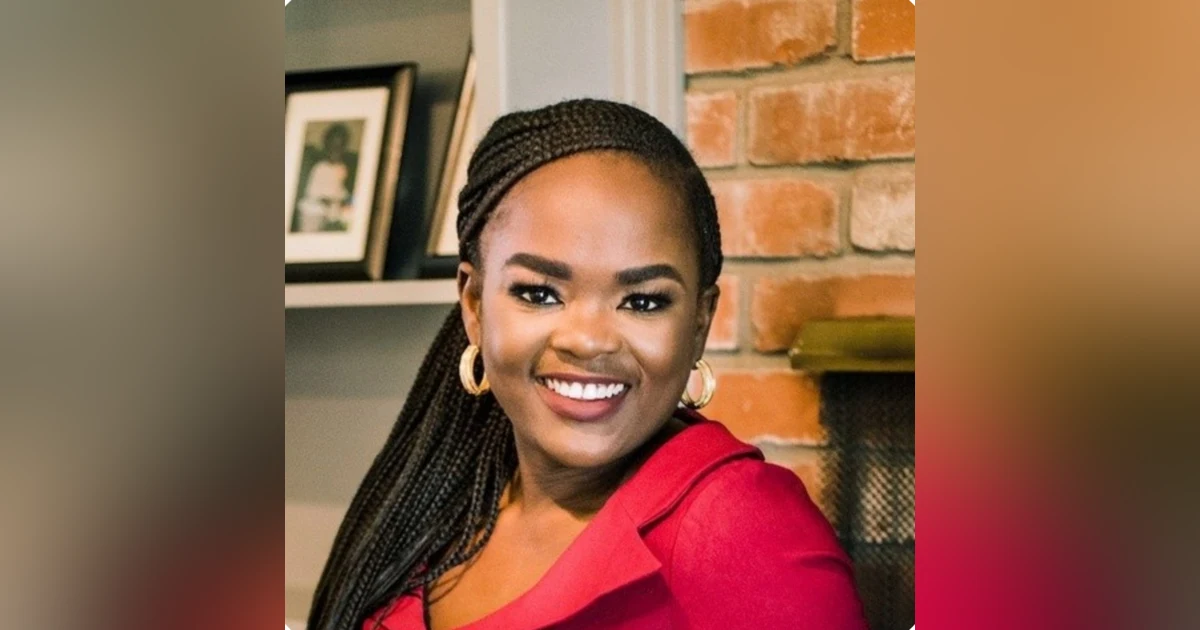

Dr. Latifat Akintade is a gastroenterologist and money coach. She is the founder of MoneyFit MD, where she coaches women physicians to become better educated with personal finance. Dr. Latifat's personal story includes her going from "broke to badass." Now she teaches others to become badass with money, showing them ways to reduce burnout, to invest, and to practice the type of medicine they've always wanted to. Dr. Latifat holds courses on these topics through her website MoneyFitMD. She is also the host of the MoneyFitMD podcast.
Her new book is out on May 2nd:
Buy here --> Amazon
Other resources mentioned in the episode:
The Psychology of Money - Book
Hello everyone, I'm Dr. Darsha, and I'm Dr. Altamash Raja, and welcome to Medicine Redefined. A podcast where we will explore the often overlooked but necessary components of health, what we consider to be the fundamentals. We will investigate topics and practices that can give you and your patients the best chance to optimize a healthy lifestyle. It's time to move the needle forward and put the health back in health care. Our guest today is Dr. Latifah Akintande. Now by trade, she is a gastroenterologist, but in this episode, we're not going to be talking about shit, her words, not mine, as you'll see later in the episode. Dr. Latifah is also a money coach. She works with women physicians to curate a rich life and help them build their network from the inside out. Now what I love about this episode is that we're not necessarily going to delve into the how-tos, how to invest, how to set up a 401k, or a wrong, etc. This episode is really going to delve into the building blocks. Something that Dr. Latifah is very passionate about when she coaches and when she has her online courses, which is your relationship with money. Now this is a really big theme that is starting to circulate around mainstream. How do we view money? How do we view it in our childhood? What was the language that we always heard about money? And especially as doctors and as pre-med students, money is a big deal. We look at medical school and we say, wow, that's a lot of debt we're going to have to take out. And then once we finish and we become attendings, we have to think about, wow, that's a lot of money to pay off. And a lot of the decisions we make as physicians stems from the root cause of money. So I think this is going to be a very valuable episode, whether you're in health care or not. I think there's just a lot of gems that she's going to drop throughout the episode that we all can relate to. OK, without further ado, here is Dr. Latifah Akintande. Dr. Latifah, thanks so much for coming on to Medicine Redefine. I'm excited to have you. Thank you for having me. I am super excited to get to chat with you. Well, one half will be a party, but we will have a party. That's right. Well, I can say it now. I'm the fun one. Oh, much is. There. It's on record. Thank you for that one. There you go. I appreciate it. Hopefully, listen to that too. No, no hard feelings, ultimately, I swear. Well, we are going to be talking about money today, you know, and we've had some episodes in the past about money, but nothing that we're going to be talking about today. Today, we're definitely going to be talking about the relationship of money, certain biases, things that you're an expert on and that you've really cultivated a passion for. But it's funny, right? I've been learning a lot more about money recently, about the relationship about money and one of the things I realize is to a lot of people, money is almost like religion. Like some people love to just keep talking about it and want more of it, right? And then some people are like, I don't want anything to do with money. I don't know anything about it, whatever, but I liken it to actually health, right? I've seen so many similarities between money and health in terms of investing, right? Investing in health, investing in money, getting a greater return on that investment. Also, the education aspect, when you know more about your health, when you know more about money, you can make better decisions and we know that knowledge is power. But let's back up into your journey. I want to understand how you became interested in personal finance. You know, it's interesting. I feel like the things we end up interested in are the things we stocked at. So that's kind of how I became interested in money. I had no plans of talking about money. I had no plans of having a podcast or anything like that. In fact, the exact opposite. I was someone that I knew zero about money. I moved to the United States about 20 something years ago and this I moved from Nigeria. And I remember my parents lived back in Nigeria, my siblings and I moved here. And the only education that I got about money was from a loved one, a kind family member who said, there's this amazing thing called a credit card, you know, just use it whenever you want. You can pay it up, like take your time and pay it up. Like it's pretty amazing. Like that was literally all I got and I was like, okay, like I didn't know better. But I actually did okay when it came to credit card, many that I wasn't accumulating debt or anything. But I went to undergrad in LA, I went to UCLA and then UCSF and then New York, Mount Sinai for internal medicine residency and then UC Davis for fellowship in Sacramento. And what that means was I accumulated debt right through medical training and all that stuff. And also for me, because my parents didn't leave here, my siblings and I lived together. And as much as student loans get a bad rap and all that stuff and I do agree there is need to change the laws and make sure that students are not being predated on. But for me, my student loan was how we paid rent and made sure like PG&E was fine. There are five of us that lived together, my youngest one was in high school. So for me, I was like the one that had the social of income. So thank God for student loans, right? But what I wish was complemented with that was I wish there was some education to go with that because I didn't have that. But anyways, I went through residency and then fellowship, at that point I had two kids. I had my first kid in residency, my second in fellowship and my third one as an attendant. And I'm having no more kids regardless of where I go to work, or yeah, three is good at that, right? But one thing though is no one ever taught me anything about money and it wasn't until the end of my fellowship that I had this aha moment where I was like, okay, I'm going to be an attendant. I'm a trusted and I'm doing GI with an emphasis on IBD, Crohn's and colitis. And essentially in order to do that at the capacity that I wanted to do it, it was best in an academic setting or in a large community-based hospital system like Kaiser, who is what ended up going with eventually. But what that also meant for me was that I had a higher risk of burnout. And honestly, I'm so grateful that I had that moment of clarity that wasn't really because I did anything right, but I just saw with my eyes that burnout was happening and if I didn't have control over my voice, if I didn't have control over my own schedule to an extent or the ability to practice medicine in a way that I thought was ethically in line with my value or conscience, I knew that I was going to burn out. And when I think about all the people that I sacrificed for me to be where I am today, that's not why the sacrifice, not so I can burn out, not so that I can have the regret of wishing I didn't leave my parents when I did or my mother who I didn't see for five years, not think it was worth it. So for me, it was like I needed to be in control and always have the option to leave no matter what. And that was the best gift that I gave myself because that was what forced me to face my fears of, where is my money, who do I owe, because I didn't know why owed, I didn't know how much my student debt was, I knew zero. And so I literally seven years ago had to start from scratch and that is what started this journey. But my journey really was based on my fear of being a disempowered mom, what would be apologizing to her kids for thinking she didn't have a choice in how she practiced her life. So that was what started this journey to money for myself to learn from myself, not to teach anybody. Because at that point, I didn't even imagine I would be knowing enough to teach anybody, right? But the other thing to us, I thought that was a class that I missed in medical school, where they were talking about money and I missed the class, maybe I slept in or I was studying in a room with our reception or something, right? But that class never happened because a lot of people that I was meeting through my journey were like, oh my goodness, I know nothing about money, I wish I knew about money. Like how can I, how can you break it down into a language that makes sense? And that's when I realized that lots of people ended up at this health. And that's what got me semi-interested in potential to start in, you know, money fit MD. I love that, you know, it's really turning the weakness into a strength. And I don't think there is a class in medical school. I mean, now they're starting to, now they're starting to put some in there for a lot of the students and they're naming it humanity's courses. So it's getting better, but I still don't think it's to the point of where we need it. And, you know, for the listeners, I think most of them will understand this because most of them are in the healthcare space, but medical school we're paying an arm and leg for. Residency, you're not getting paid much, fellowship, you're still not getting paid much. And let alone, you're on the coast. So you're in California and you're in New York, so cost of living plus having a child in second and then a third. So I mean, I really think when it comes to burnout, right, people really think about, oh, the patients and the charting and the nonstop hours, absolutely. But being a woman of medicine, especially having kids through it, right, I think this is one of the topics that unfortunately gets discussed so often is being a woman of medicine. Do you wait to have children, right, like until you feel like you can be more financially free and more financially independent when you are attending? Or, you know, if you're 31, 32, like, what do you do, right? And these are real questions. And, you know, as a guy, obviously, I'm not thinking about it as much in my 20s, but now that I have a wife and she's not in medicine, but having co-residents, I mean, this is something you start to think about and empathize with. And so I think it's very important that we do have these discussions. I am interested in your story coming from Nigeria to here. What was your relationship with money, especially as a child? What did your parents kind of teach you and how does money, what's the language of money in Nigeria? And when you came over to the U.S., how did that kind of change for you if it did at all? That's a great question. I don't think I've ever gotten that question specifically about money when I was growing up by other people. I think about that. I wrote about it in my book, but I don't typically get that, so, could also. You know, interestingly, my parents didn't talk much to us about money. Money was sort of like what adults to care of. But what I observed was the difference between my dad when he came to money and my mom with money. My dad worked outside of the house. He was the one that earned. My mom used to be a teacher, neither one of them were college educated. But when we were really, really young, she taught. And then once we started getting older, she pulled back to start being a stay-home mom. I have six siblings or seven of us, six girls and a boy. So her thought was, if she was going out and coming back at night, all of our girls are going to get pregnant. It's like I better stay home with this crazy kid. So that's what she did and I truly, truly appreciate her sacrifice. But what that cost was, there was a separation in almost like their financial class. Like, he had the money. She did not. She had to ask permission for a lot of things. And honestly, I saw what that could, how that could affect a relationship. And I think that, for me, growing up, that was part of where the idea of women should have their own money came from, where I always just had this. I didn't know how I was going to have money or how I was going to earn it. But I just knew that money was a tool that gave people some authority if that makes sense. Like, money gave people the confidence to speak. And there were times when there were stuff that came up and people didn't necessarily judge fairly because they took the side of the person that had the more resources. And so I sucked the power that money had in that regard. Of course, my relationship has changed from that to healthier one, I would say. But that was where the fear of not having may have steadied for me and seeing that money really is a tool that gives you the power or increases your ability to strengthen the power of your voice. And my voice, honestly, as a human, personally, is probably one of the most important things that I have. And I believe that as physicians, our voice is also one of the most important tools that we have. And the quiet in of our voice and the silent in of our voice, whether you're a physician, whether you're a nurse, is part of why healthcare is the way that it is today. So in my opinion, if you want to change the landscape of healthcare, we have to do better by teaching people about money. But I also wanted to make a comment to what you said earlier about medical education and increase in financial education. That part I'm really happy and excited about. But I also am a little skeptical about the extent of the efficacy of it because currently the healthcare system thrives on a very unhealthy relationship, on an abusive relationship, between the healthcare system and physicians, the healthcare system and nurses, right? And that system thrives by making us think that we don't have a choice, by making us think that we're dependent, by making us think that this is our only source of lifeline, right? So I would be really curious to see because the approach that I talk about money is helping us take our power because I believe a healthy relationship is not one where there is a discrepancy between the powers. It's one where both parties come in power so they're both there to serve, right? It's not one being less than the other. It's both of them powerful so they can both live in their power. So until that is a conversation that comes into healthcare space on financial education, I'm not going to be satisfied yet. I like that. Yeah, no, I totally agree. I don't think it's going to be even close to the base that we really need the education to be at, you know, let alone, even when it comes like learning about insurance and billing, I mean, we're getting very surface level things to where you're still fending for yourself by the time you're attending and really just learning it on your own. And then again, when it comes to the burnout, there are so many pressures coming at you all at once and you're just thrown to the fire. And I understand in medicine as a resident, you really have to get thrown to the fire to really learn a lot of what you're going to be practicing on the day to day. But I feel like they could definitely do a better job when it comes to the money aspect, especially the administration. So I do want to ask you though, when you did come to the US, was there any change that you noted about the culture here and money? Like are we super money obsessive here in the US versus, you know, Nigeria or anywhere else in the world? No, we are not. So my impression was not that we are more money obsessed. One thing that I did notice is, and this is more of eventually, initially, it was the idea that money was possible for more people, right? Because in Nigeria then, and still now, unfortunately, there's a lot of corruption. So using your brain alone isn't going to get you to the finish line, right? It's about who you know. And there's still some of that here as well, however, it just felt more possible. And people talk about the land of opportunities and all that. It's just more possible. And so that was my observation that, okay, suddenly, if I went through this pathway, if I followed the steps, it is more clear what my outcome could potentially be. Whereas back there, it wasn't as clear. That was the difference. What I have found now with my knowledge and my journey in the system is the way that the system is built is meant to make people fall into what I call almost like the rat race, right? It's sort of like where you pay this every month and that's how the system runs. And there is no incentivization to help you really be independent of yourself, right? You're meant to fit into the system. So that's the part that I'm observing and helping physicians educate us to get more out of where people are just talking about us putting our money towards liabilities, but instead learning how to build assets for ourselves, for our lives and for our future. Yeah, totally agree. I like that. Well, let's transition now over to the current state of money, right? And when I say that, I mean, where we are as a society, but especially as physicians and in healthcare, right? I mean, we're obviously in a debt crisis, not physicians alone, but the almost a bunch of the entire US population, whether it comes to credit card debt, whether it comes to mortgages, you know, quote unquote reckless spending, and not having that education, right? So what is your take on the debt crisis, at least as a whole, and then more specifically, what can physicians be doing? And how can they not be so afraid, at least of debt, you know, whether it's about starting a practice or whether it's about going into medical school? Yeah, great question. So one, I'm laughing a little bit because my impression of our debt is a little bit different on a micro level from how maybe a lot of financial educators talk about debt. I don't think debt is necessarily bad. I do think that what we've done as a culture is where over leverage debt, and that's what we're doing as a country, where over leverage in debt, which could be a bad thing, right? We're afraid to make tough decisions, right? And that way, because you're afraid of what people are going to think, how people are going to vote, we're making decisions that is a little bit short, mind debt or short side, and not long side debt, because we're going to people, whatever debt we have at the nation. But that can make people start to think that debt is bad. However, I tell people it's the same thing as a night, is a nice good or bad. I don't know. It depends on the hands that waves it, right? So literally debt is like that. Is debt good or bad? I believe debt is neutral. And the reason why I say that is, this is actually something that I feel pretty passionate or strongly about. And it's the fact that debt by itself, right, high interest debt, I'm not for that. But what you're using the debt for is also really important. Is the debt going towards buying things that increase your net worth, or is it going through things that decrease your net worth? Unfortunately, a lot of education is that women and minorities have gotten is sort of like, the debt is bad, which is true in a case, went a lot of the material that's been advertised to people is commercialization of things like paid, whatever, paid it loans, go buy the newest shoes, go buy the newest TV, buy the biggest house you can buy, buy the newest car you can buy, right? All that stuff I agree with you and everybody else that using debt to buy that takes money out of your pocket in the long term does not increase your net worth. But if I take the same amount of debt that I would put into getting a car, and I use that as a down payment towards an investment, that is potentially going to put in money to my pocket, and I make sure that what I'm making from the cash flow of the return on that investment is paying the debt for some increasing my net worth. And I have a good amount of rainy debt funds for it. I call that wisdom, right? Again, so debt is neither good nor bad. It now becomes a question of what are you using the debt for? Is you buying an asset or a liability? But also number two, are you making sure you're not over leveraged? Where if something happened to your primary income source, you have the emergency funds to be able to take care of paying for this. So my opinion about debt is a little bit different, and honestly, I'm so grateful about the way that I use debt. I'm grateful that I had it to pay for my student debt. It can don't get me wrong. I'm so, so certain that there needs to be a change in how student loans and the amount of student loans and how that is used to fund the society. However, if I didn't have access to student loans, I would not be a physician today. And the way that I think about my MD degree, or my interview, DO and BBS, if you're around, the way that I think about our degree is our degree is not a terminal degree. Our degree is a seat that we can use to plant into whatever tree we want. So when we start to think about the fact that our degree can open doors, like when I'm talking to people in finances, like my degree opens doors, because there's a baseline level of trust that humans have screened through from me to escape, you know, college, I made it through medical school, restaurants, at some point, somebody should have stopped me because I was like, really, really crazy, right? So there's a level of trust that people have, and even when I'm in non-clinical settings, there's a level of expectation that they have of me, that, okay, I've proven that I can use my brain to an extent, right? And so if today, if I decide that I no longer want to practice medicine or I want to pause in medicine or I want to diversify outside of medicine, I still believe that my degree can still be like a passport that gets me access into places that I may not already otherwise have. Man, I want to bathe in that. That's, it's good, right? I mean, we had a previous guest, Beth Freides, the president of American College of Lifestyle Medicine, come on here, always talking about how the MD, the DO, that degree is a launching pad, right, which is what you just stated. And a lot of physicians think it is a terminal degree, like, oh, I got my MD, I got my DO or whatever degree you have, and that's it, you're now siloed into that practice. But more than ever now, you know, with social media, we were talking offline about how we can do podcast virtually, like, there is so much more opportunity now to really brand yourself, put yourself out there in other passions. And even yesterday, I had a recording with Dr. Jess Dagle, who does Concierge Medicine for Newborns, and she was even talking about how, you know, as a physician, you don't have to just have one life, you can have multiple lives. And I think this is also the debt that you're talking about is how can we use that to propel our future passions or future dreams? So absolutely, absolutely love that. I did want to ask, what mistakes do you think most physicians make when it comes to debt? I will say when it comes to debt or money generally, because if we're going to get back to that, then I will keep it today. Okay, so when it comes to either open, when it comes to debt, I will say one of the mistakes that we make is we haven't trained our brain, sort of like our money brain, to be able to differentiate between what's an asset versus what's a liability. That's the biggest one. When I graduated from fellowship, nobody asked me what I was going to invest in. Nobody asked me any assets I was going to buy. The question was, so what else are you going to buy? What person are you going to buy? And there's nothing wrong with any of that. But if we follow what the public expects of us, which is to buy the big Dr. House, to be all glitzy and shiny, to be investing or not of an investing, to be buying things that's not going to improve our overworld wealth and ownership, that's going to cost us problem and that's one of the mistakes he will buy. Make. Number two is buying a house that is just too much, right? Just too much. Again, people think that they're going to need a lot of space in the future. People assume that they're going to stay at the jobs that they have and honestly, you may. However, with the way that medicine is this days, number one, you always want to have the freedom to walk. Our freedom is the most important part of our lives, in my opinion. And it's not so that you can practice medicine a fear-based way, but it's just so you can give yourself options. So when you buy a house that is too expensive, it's not put in money into your pocket. And it's taking more than a third of your paycheck home, you are without thinking about it making yourself be stuck dependent on the paycheck that's coming. And when that paycheck doesn't come, or when you think there's a threat to it, just by being human, that is going to accelerate your rate of burnout. So those are some of the most important mistakes that I see and also overleveraging, right? Overleveraging, paying too much in interest rates, right? If you have a bunch of credit cards and you're paying 20-something percent on that, you are literally going to be taken out of the money that you could be using to invest in things and paying that off as interest to someone that you are their source. You are an asset to them, but what you spend in the money on is a liability, because they're using your money to buy their private yet while you're not even having any ownership of anything at all. So I like you, Indra, because you know, happy yet. Yeah, I was listening to the Morgan Housel podcast, right, who I know, I'm sure you know of who wrote the book Psychology of Money, and he talks about how we buy things thinking it's a sign of respect, or that people would respect us, right? And especially as physicians, when you're going through all these grueling training, you believe you deserve it. Of course, you deserve it, right? But there's obviously a certain limit that you need to cap yourself to, but he also talks about how people will actually respect you more for humility than they will for the fancy yacht or the fancy car or the fancy purse watch house. Those things are fleeting. You look at it, blink an eye, and say, okay, cool, right? Because more people, everyone in this world thinks about themselves more than they do to the person that they see across the street or whoever. So just a little bit of information there that I've learned from listening to the Morgan Housel podcast as well. Let's go back to education. So I know I've been shaming the medical education system in regards to not teaching us personal finance, but honestly, I mean, it's the entire public private education system in the US. I mean, I don't think I got a lick of it from K to 12 undergrad, absolutely not unless you're a business major, maybe. So, but let's stick to at least medical education. If you could create a curriculum for medical students, residents, whatever it might be, what would you put in there? What are those things that you think that are super central for us to learn? I would give them my course, which we'll be looking at. But I won't. So here's what, so, okay, I'll go back to what we started with. Money is interesting, okay? So there's a 20% of money that is the numbers. That part is straightforward. That part is what, you know, you can talk about your 401K, your 4013B and all that stuff. The 80% of money is the psychology part of it, the mentality, the mindset part of it. But the thing about money is this. If you listen to my podcast, I talk about building wealth from the inside out. There's a reason why I say that because the best place we want to be is to not be controlled by money. The best place we want to be is to be so good by ourselves, to be so well, by ourselves, to know who we are, by ourselves, that money becomes just an extension, the same way a woman would use like a mascara or someone would use a makeup. It is just to augment. It should not be to define ourselves, whether we have it or not, should not make you more amazing, right? So a lot of what I start with is talking about the relationship ourselves, our relationship with ourselves. That has to be the core if we want to really talk about money in a way that is healthy and completely wealthy, right? As a lot of times, right, you will see people you are talking about the spending part where we're spending so that we can start to feel a certain way about ourselves or so people can see us a certain way. But there's also the extreme part of things, which is where you may be trying to guess with a certain net worth so that you can think you're finally successful. So you can think you finally deserve to be heard, right? So maybe you already deserve to be heard. Maybe you already are amazing as you are, right? But we don't think about the fact that if we don't build that relationship with ourselves first and foremost, there is no amount of money, no amount of possessions that's actually going to make us feel or think what we want to feel. So the best way I think about it is imagine someone standing in the, I don't know, storm and just solid because they're good. No matter what, they're good with money, they're good without money. When you get to that place, you actually are going to grow your net worth because without even trying to like obsess over a budget and then crap like that, you now are like, I don't need to overspend doing myself feel good because I'm already good. I don't have to spend to make people like me because people pleasing because I'm already good. I already know that my time with my family is important. I love them, the love that matters more than anything else I can buy. So whatever I buy now becomes a bonus, right? I know that my identity is not set in money, so I'm willing to invest my money because if I lose my money, which is a risk whenever you invest in anything, I'm still good. I will know that it's a lesson. It's not like I'm afraid of how devastated I will be if I lost that money because my identity is so tight to it. So when we actually do the work of really getting slow cook from the inside out, money becomes super easy and I promise you your net worth will grow without you having to like figure out how to invest in the like the newest, flashiest thing or fall prey to whatever that cool get money, quick thing because you think when you have them and it's going to give you freedom, you think when you have them and it's going to make you a better person, maybe you already are that person. So that is where I will start the work as well. We start that guess what we also become less dependent on patient reviews. And when you're less dependent on patient reviews, you will be a better physician, right? I will give you an example I had, you know, I told you earlier that I'm a sabbatical right now. I love where I work clinically, worked clinically. They do not have a form of sabbatical. So I had to quit. So, but I love to what I do. I love my patients. It's an honor of my life to be a physician. I love, I get to work with diverse patients. I work really complex IBD patients of all colors and shades. And I think I'm a decent physician. So it's actually where an asset to each other. I love most of my patients who love me, right? And I think it was last year was one of the awards that I got at work. And what they did with this award was based on like patient reviews and also what your colleagues thought about you. And what they asked us to do was like, okay, go around and share why you think you were nominated for this award. Okay. So you have to say it. And I said, because I say shit all day, I work. And the last, because I thought I was joking. But it's actually not a joke because it's the truth. The reason why I'm a good physician is because I practice medicine with authenticity, right? And I'm able to practice medicine with authenticity because I do not need actually stop reading my patient reviews. I stopped years ago when the pandemic started. I decided that it was going to be one of the things that I did for myself or wellness. Coincidentally, it actually happened to have another high suspicion to review scores and other calls when they're in the health system that I'm in. The reason why I say that is not to brag is to let you know that when we practice medicine authentically, it's an asset to ourselves and it's an asset to our patients. And when we don't care about the reviews, people think it means we're going to suck. No, it actually means you become yourself. And you do practicing medicine in this day and age. I hope you're a decent human being, right? And the same happens for money, like when you know that you're there because you want to, because your finances are taking care of it's not because you have to. It's impossible to not be a good physician to the patients I you take care of. Hmm. It's funny. Now I understand why you wrote that in your bio and your website. You say shit a lot. I do. I do. I'm a GI dog. I like it. I like it. It's fantastic. Now everything you said there, I totally agree with. I think, you know, I'll paraphrase. I think it was Jim Care. It was Jim Care. You said that he wishes everyone in once in a lifetime can get rich and famous just to realize that, you know, it wasn't cracked up to be what it is. And that you still have all the, all the atrocities, all the things that bother you still go on, right? And money is not the solution for that. So definitely something that I've been more interested in is the relationship with money, right? Or even reading, I mean, I'm guilty of this reading Rich Dad Poor Dad or the simple path to wealth and a lot of these books in terms of how do I make more money? Well, before you got to do that, you have to understand your relationship with money. What is your understanding of it? How are you brought up as a child? How did your parents teach you money, all those things? And so I'm really, really, it's, I'm happy that's part of your course and that's something that you really highlight. I do want to talk about women, women physicians because that is something that you're a population that you specialize in. Tell me why women. Because I like us. No, I think honestly, the reason why women was because when I went through, started learning about money, I just was having a hard time understanding what people were saying when it came to money. I almost had to take the money out there and interpret it for myself and make it into a language that I could understand, right? So that was one. The other thing as well is when it comes to money, there's a lot of shaman and judgment. We already judge ourselves and shaman ourselves and there are times when you have certain spaces, when you say you don't know something instead of people coming to help you. It's more like how, how don't you know this, why don't you know this, right? I think the other thing as well that I'm understanding more is the way that men and women, and this is generalizing, of course, there are people that spend both areas too. The way that we think about money, the way we think when it comes to investment, our philosophy is a little bit different. What ends up happening is when women don't find people that they identify with talking about money and approaching it in a way that makes sense, they end up staying out of the game and that is hurting us. In fact, before this call about an hour or so ago I was guest coaching in someone's program to a woman physician, she has a program for physicians and she asked if I could come talk to her people, which I did. She just posted on Facebook and was like, oh my goodness, mind blown, she's never heard money talked about in this way, that just is empowering, it's not shaming and you get the juice out of it and you get off the call and you're ready to go take action. At the end of the day, that's what matters the most. It's not about bragging, right? It's about just getting empowered to go do what needs to do, invest, know what your money is going, diversify and all that other stuff. But unfortunately, when the voices are not diverse enough, it literally makes it harder for women. My book is coming out next weekend, I spot on the process I eat because sometimes when you write something, you're like, is it good, is it not good because we're all dead ourselves, right? So actually, the book shared with a few people and one of the women that I shared with literally sent me a message on Facebook and she was like, this is the first time that I've read a book where I feel like my voice is heard, right? And this is not someone that's new to money, this is not someone that's never done money before, but there definitely, there's no one size fits all, there are some people that my book is never going to apply to them or be helpful for them. The same with the current state that exists is not helpful of serving a huge subset of the population and that's what I'm here to help with. Yeah. And you know, talking about having a voice, right? I think we can all agree that throughout time history, women had certain biases towards them, especially when it comes to finance, right? I think when most people have a schema of Wall Street in their head, it's going to be a white male in a suit, right, rushing down with a cup of coffee, possibly yelling, but it's always been a male dominated sector. And you know, I was listening to a podcast as well, I believe is Erica Colberg and I forget the guest's name, Sarah Kruke-Sumpton, I can't remember, male, put a resource in there for people to listen to because she started a platform for investing that was for women. And you know, the entire goal too, I think is there's now this kind of uprising to get women to understand and educate and be more independent and not have to be tied down, quote unquote, to whether it's their spouse or whether it's to institutions and so that they can have, like you said, more empowerment. I'm curious from your words and your experiences, what are some of the biases that you may have felt throughout your training and just overall when it comes to money? Absolutely. I mean, number one is just the shame and the judgment to be honest with you. You know, when there needs to be safe space for, I, medical school was hard, residency was hard, fellowship was hard. I had family responsibilities throughout all of that even before I had kids and as a parent in medicine, I mean, I remember my first child, I was literally in the ICU during rotations. I like 30 hour shifts at 39 weeks pregnant, right? And so the idea of like taking time to go learn money wasn't something that was necessary on my agenda, but whatever I was ready to, a lot of the voices out there just where it's like, how come you don't know this, you just not kind in that makes sense. And so that was one of the biases that I felt and a lot of the women that I come through my platform and served, I've said that they are grateful for that non-shaming, non-judgmental approach to money where it's okay to not know it's just a data point. If you don't know it great, then we just get to feel that up because obviously you're a physician, you're minted, you've mastered, you've gone from knowing, from knowing nothing about a topic to become an excellent at it. So your evidence that you have the brain, so now it's just the only reason why you don't know is because we haven't presented it to you in a way that makes sense. So just the judgment and the shaming definitely that was one. The other thing is what I noticed was a lot of the financial education that existed and targeted women talked a lot about spending but not about investing. So it's like how to create a budget, how to cut things out. And it's like, you know what, at some point we got to stop like hitting the bottom line and start eating the top line, right? Like let's just talk about how to make the freaking money. Yes, let's be prudent with how it's been, but it's both not either or. So there was definitely discrepancies in the targeting of the messaging. And you may be familiar with the data, there is data that shows that women in general are less likely to invest. However, when we do invest, we actually do better, right? And part of the reason why is we don't tinker as much with stuff. We know what we do, we trust our gut, we do what we need to do, right? So that was it. The other thing that I also was, and there is data for this as well as, unfortunately, even in medicine, women in general tend to be paid less than men. And I know that whenever we talk about this, people can get defensive and say, well, but it hasn't happened to me. But people don't, you don't even know if it's happening. When you don't know what your colleagues are earning, right? And I've literally had physicians tell me that there was a physician who was a GI doctor who was, you know, working a practice and all that stuff. Had a younger GI physician like started a year or so after. And they were having conversations about money. And that's when she found that she was getting paid. I want to say like $80,000 or so less per year per year per year, right? And the only reason why they found out was because they were talking. And so what they ended up doing was the guy said, this is ridiculous. Like they will literally walk to HR. And HR said, the reason why you got paid less was because you did not ask. That's why she, like, I mean, let's just sit down and think about the math for a second. Let's even assume it's like $50,000. But it was around 70, some of 70, 90. I wanted to say $80,000. I don't remember specifically. But all you do is deposit that and only invest that and nothing else. You would be set, right? You would be set. Another example, two physicians work in the same hospital system. They actually are married, a man and a woman. They work in the same department. Same department, they commute to work together. They take the same amount of call. They're both W2s, right? And she said one day she was just looking at her paycheck. And she was like, what a minute. Husband, what the hell? What's she doing that I'm not doing? It was getting paid more than she was. Same department, W2, at a healthcare system that sort of like says that they pay everybody the same. And they were told, oh, that was a mistake. I mean, people would say things like, yeah, maybe they're withholding it was different. No, they were told it was a mistake. This is America. That was really a finances together. So those are just two examples. But they're definitely these data that shows that over the span, an average of about $2 million less, over the span of a professional career. So let me ask. So when somebody gets paid less in medicine, even if they're in the same department, is it like per RVU they're getting paid less than? So even though it's kind of a standardized system, it's still, quote unquote, rigged. Would that be fair to say? They were, they were not, this was not even an RVU based system. This is like, this is just straight out of point. Physician, you get paid, this amount done. Tax system, right? So yeah, so this was not even like RVU based. And to be honest with you, there's a, and I want to make sure that my goal is to educate, and my goal is to equate. And I am the last person that will sit down in a victim seat on a car. I'm not about that life, right? I love for us to have the power so that we can improve and part of this is to educate so that we can want ask, we can negotiate better, so that our milk colleagues can also advocate for us because, right, and we should advocate for each other. There are places that we should advocate for you guys as well, right? But also just empowering ourselves and knowing that, number one, it's okay to ask, right? But there's other things, there's other data showing things like, primary care doctors that are women get more messages than primary care doctors that are not women, right? And we know that those are not things that are compensated for. So there's just all those things, and the key is not to shame. The key is not to guilt anybody, because there's nothing wrong with privilege in my opinion. The problem is just when privilege is backed with scarcity in my set, then there's a problem, right? So that's the point here. It's for us to educate and power and advocate for each other. Love it, love it. And I feel like that's what we do. You've definitely been doing here in the last 40 minutes. You know, offline and during this conversation, you said you're on sabbatical, and you're actually in kerosene right now. Take me through and help me understand why or how women can take sabbatical or even men, and why they should do it. Well, any human should take a sabbatical one, that's my thought. Well, to be honest, so here's a deal. I will be honest with you. This is not like a, this was not something on my dream list. This is not where I got into medicine, became an attendant, and said, oh my goodness, I cannot wait to take a sabbatical. No, none of that. I, I love medicine. And, you know, I keep saying that. And part of it too is I think there's a fallacy that when people can only take a brick one, they're burned out, which is a fallacy. Anybody should be able to take a brick if they want to. There's also a fallacy that when you start to do things outside of medicine, you love medicine less. I love medicine so much. Like, I'm crying, my patients are crying, but also like we're all like a whole big mess, right? So I decided to take a sabbatical last year. And part of this is I believe that we should plan our finances so that it gives us the option to live the life that may happen. Nobody knows what the future is going to hold. I lost my dad about two years ago. This was a man that didn't have any health issues at all, none. And literally died three weeks after a diagnosis of pancreatic cancer. Like, no medical issues died three weeks after, right? And he died at the age of 68. And 68 is what, you know, three years after traditional retirement age. And a lot of my philosophy about money is always been, it's not your money or your life. It's your money and your life, right? It's not just about earning money, it's about creating an impact and leaving the life that we created to leave. And so for me, it was when my dad passed, it was just a reminder of the time that life is, no, nothing is promised like retirement is not the place to put your future goals of time and all that stuff. So last year was when I decided that I was going to take a sabbatical. And, you know, I talked to my husband about it. And he was like, sure, let's do it. And we decided that we're going to travel with our kids. So we are traveling. We're going to about 15 countries over the span of a year. You know, we live in California. We've done New York, New Jersey. I got to show my oldest where she got what we gave birth to her in New York. We showed her her first apartment, so she lived in, you know, we just were able to trace down some of the paths for her. And now we're in Kurosawa. We're here for a few weeks and we'll do Aruba, Vernare, Euro, Nigeria, Saudi, Asia. And, you know, the way that I'm able to do that is the same thing that I preach every day when it comes to money. There's nothing complicated about it. It just takes diligence and building the mentality and the habit, right? It's nowhere where your money is going. It's living a life of one, a life where you're not relying on other people's opinion, right? To validate in any shape or form, that way you can take your money and invest in stuff, diversify in your income source, right? Not just only focusing on your active income and thinking that that's the only way for you to make money, but diversifying between active and positive are semi-passive ways so that if your clinical income was to suffer, you would still be okay. So it's the same stuff that I preach all day and I guess I just get to leave that out now this way. Yeah, what do you say to people who say, you know, Dr. Latifa, you're a GI doctor, you make so much money, I can never afford to do that. I love that question because I have so many clients that are like kicking that out of like the water, like so bad, like literally I will give you an example of one of my former clients that just sent me a text today who primary care doc negotiated well, earning great income actually earns almost what I earned, or was earning, earns really well. Bad-ass leader did a lot of work during COVID, advocated, heads of department, what of directors at a hospital, and literally currently right now in DC advocating for important healthcare staff, primary care doctor. Pediatrician, nothing's changed. Same income, works 0.9 FTE, diversified or income. Listen, the key is there's always going to be a reason why we think we cannot, and there are many GI doctors, many orthodox doctors that have broke. So at the end of the day, yes, the more you have, the more you have to work with. But at the end of the day, what I want people to understand is I want you to advocate for yourself, I make sure you get them paid well, appropriately, you're not leaving money on the table that you don't want to leave on the table. And when I say that, it means that, I mean, you and I right now we're talking for free, the person that I want to go to coaching their group, I decided to do it for free. You could say I'm putting, leaving money on the table, but it's money that I choose to leave on the table. So I don't believe that we have to run from every single thing, but that's the choice that we get to have. But if you're someone that is leaving money on the table, that you don't want to leave on the table, then I want you to get that money, and that's why I think we should be paid more equitably, or less disparate, is that disparate? Whatever, that English word. I don't know what it is, but you know the English word, right? But the important thing is that planting seeds is the most important thing. Planting seeds will let us start to see our clinical income, right? As a seed that will plant into different sorrows that can germinate for us. Yes, if you have more varieties of seed, you get to have more variety early on. But these are timeless principles when it comes to money that I believe that if we stop focusing on what we don't have only and focus on what we have and how we use it, I mean, I have primary care doctors, pediatrician, of course, you know, GI, sergeants like, there's literally no, I have literally taught people that are state workers, that are friends, how to do this, and they're figuring out how to do it, right? So it's not just a matter of what discipline you are. It's a question of what like do you want for yourself and the short term, medium term, long term, and are you willing to do what it takes? Of course, it's legal in order to create the future that you want. Love it. A lot of seeds. A lot of seeds those physicians have that we can start planting, start growing, start investing, but it starts with that growth mindset, you know? And a lot of gems that you have definitely dropped during this conversation, but it doesn't stop there. Tell us about the book that's coming out. I am so excited about the book. And the reason why I'm excited about the book, and I will be honest with you guys, is writing a book is not, again, this is not something that I ever had on my plan. I thought I was a bad writer. I have so much, so many memories of being in the bathroom in college, literally three weeks after I moved to the US, crying over writing papers. So I still had all that thought about myself and how bad I was as a writer. So me writing this book is literally like knocking out my own limiting beliefs out of like just ones and for all. But I'm super excited about this book. It's coming out May 2nd, 2023, which also happens to be my birthday, which is ridiculously crazy, not planned, but I'll take what I can get. But it's called Done With Broke, a woman-physician's guide to more money and less hustle. And what I wrote in those books are, if I think about myself seven years ago, five years ago, even three years ago, what timeless principles would I want to share with myself on how to be the CEO of my personal finance? And that is what I do still down into the book. So it covers things like talking about our money story, where it's come from. We talk about our relationship with money. We talk about how to stop thinking, saving. You're not going to save your way to wealth. That's not how you do it. You invest. That's how you do it. So we talk about those paradigm shifts. We talk about how to build your team and things like that. So I'm excited about the book. I'm excited about the humans. It's going to serve. And yes, it's written directed to what's women-physicians. But it's funny, because one of my most, I don't know how to describe it, one of my listeners will message me the most to tell me about my episode is actually a male physician. Right? This is an amazing human that I really appreciate, because when it people on all sides, it's not like this is not a pro-woman anti-men top. This is a per-human conversation when it comes to money. But I have to say, even the audiobook for this book, we sent the book to the audiobook coach that was going to be working with me during the recording of the book. And she emailed back and said, oh my goodness, she read the book within two days. And she's like, I read the book with my husband. She's not a physician. And she said, we've done half of the work sheets that you recommended. Right? I've had my assistant read it, because I'm like, I have friends and humans that I love that are not physicians. Will this, I mean, all my examples are women physicians. Will this apply to them? And one of my assistants said she read the whole book and she was going to read it the second time with her husband. So, you know, I'm glad that it's helped to them. I'm glad that they identified with it. But the point is regardless of who you are, as long as you know there's room for growth, check it out. I hope it helps you. I think it will help you. And if it does, then I hope you leave us a review. But it's going to be released next week. And I'm excited about it. Yeah, and is this going to be on Amazon? So you can just buy it all there. Yes, it is going to be an Amazon. You can check it out. Don't withbroke. But you can also check out my website, which is moneyfeedmd.com. And there'll be a link at the very top. So you can get the book. And once you get the book, you'll be able to get the free work book that goes with it as well. Perfect. And we'll put both links for your website and the Amazon website in our show notes. So people can check your book out. Speak about money fit. I mean, I got to work out in before this. So I felt fit. But now I definitely feel money fit after talking to you. I just love all the concepts that you've brought up, talking about relationship, especially. I definitely do think that is a huge point that people need to understand is really understanding your personal relationship with money. But tell me a little bit more about your website, your podcast, other resources that you have. Absolutely. So I have a podcast called the moneyfeedmd, which is where I talk about all things money and mindset. And again, I don't believe in money as an outside in work. I believe in it as an inside work. And so that's what I talk about on my podcast. I have my website, which is moneyfeedmd.com, which has the information on how you can find our book. You can find a way to contact me. And I have a money community, which is a paid membership for women physicians only. I love you guys. Feel free to message me if I can help you in any way, but this community is only for women physicians. And this is the information on that as well is on the website. But on a more serious note, I, you know, there's a lot of stuff in this world that can be better. And I don't have the, I'm not confused, a foolish to think that we're going to solve every problem. But in order to make this world into a place that we are happy and proud to leave our kids in, it's going to take all hands on deck. And in my opinion, money is a tool for good. Money is a tool for impact. Money is a tool for change. So I don't care what your gender is. If you're a decent human being, and you do believe in making our world a better place, then I think it's a, it would be wrong for us to not make sure that we're cooping with the finances. So if there's any way I can support you, please reach out. Again, I don't care if you're a dude or not. I'm being here to help. We have to lift everybody up so we can all be well. Love it. Absolutely. Love it. Well, Dr. Lattefin, I just want to say thank you so much. Thank you for taking the leap from turning your weakness into a strength. You know, that's obviously not an easy thing to do. But you've definitely empowered yourself through that journey. You've definitely empowering others. Super excited for your book. Your energy and just the value that you provide. Again, I'll reiterate it for you, but this is such an important topic when it comes to support, when it comes to reducing burnout. When it comes to self-esteem and even happiness. You know, I don't think money equates happiness, but having that understanding about it and safety, definitely I think can equate to that and make us a little bit more worry-free. Now, our last question that we ask is, and you can answer this from a finance perspective if you want, or however, however else you want to answer it, is how do we put the health back in health care? I think we put the health back in health care by decreasing burnout for physicians and all health care workers, for empowering them financially so that they can practice medicine because there's nowhere else that would rather be. And I think that's how we're going to do that. Dr. Latifa, thank you. Thank you for having me. Thank you so much for doing this show. And that's RAP. Thank you so much for tuning into this episode. Now, our mission is to spread the good word to as many people as possible. So if you could please help us out and share this episode with anyone that you think can gain value from it, that would be amazing. Please also rate and review this podcast on our website medicineredefine.com or right here on your favorite podcast platform. And as a reminder, everything in this podcast is for educational purposes only. It does not constitute the practice of medicine, and we are not providing medical advice. No physician-patient relationship is formed, and anything discussed in this podcast does not represent the views of our employers. We recommend that you see the guidance of your personal physician regarding any specific health related issues. And last but not least, I want to thank our team, Aretha Yebori and Ethan Zhu for the production of this podcast. Have a great week.