

 Apple Podcasts
 Spotify
 Castro
 RSS Feed
 102. Embracing People of Color in Medicine, Finding Grants to Fuel Your Vision & Global Health Learnings | Omolara Thomas Uwemedimo, MD, MPH
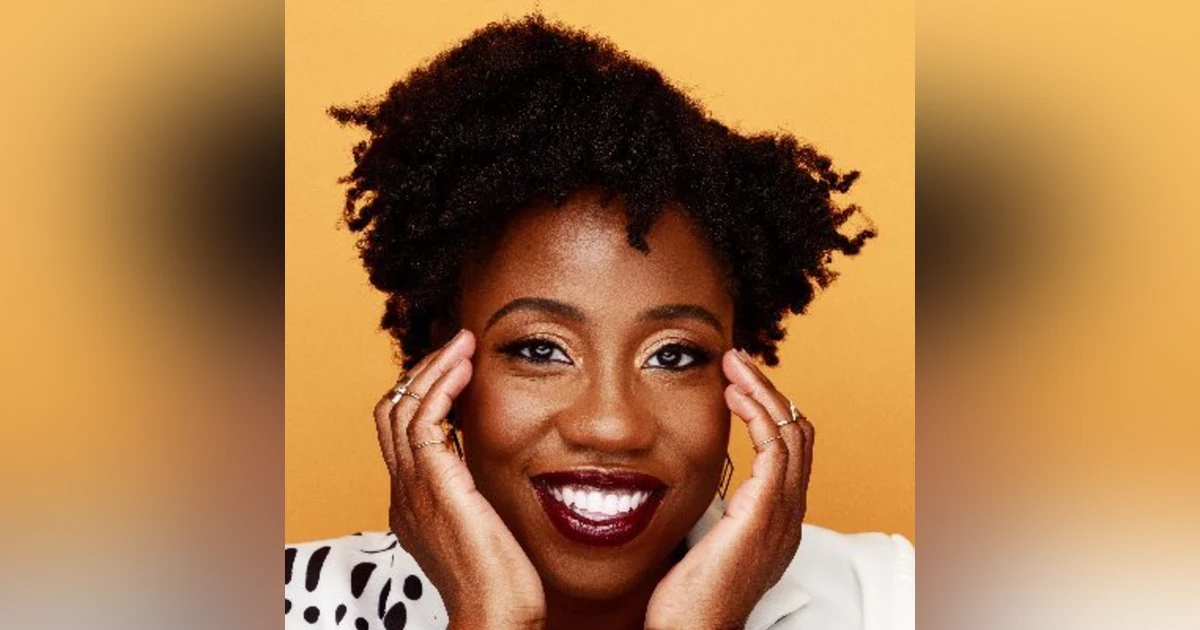

Hello everyone, I'm Dr. Darsha, and I'm Dr. Altamash Raja, and welcome to Medicine Redefined. A podcast where we will explore the often overlooked but necessary components of health, what we consider to be the fundamentals. We will investigate topics and practices that can give you and your patients the best chance to optimize a healthy lifestyle. It's time to move the needle forward and put the health back in healthcare. Our guest today is the one and only, Dr. Omelara Thomas, U.M. at Demo, who also goes by Dr. O. She's a healthcare founder, social entrepreneurship coach, healthcare practice funding consultant, and growth strategist for women of color in healthcare. Her career as a pediatrician spans for almost two decades, and then she's also been a public health researcher and professor for over a decade. Her work is defined by a passion for social justice, serving as an advocate and working as a global physician across Sub-Saharan Africa, Asia, and the Caribbean. In 2019, she co-founded Strong Children Wellness, a multi-award-winning healthcare practice network in New York City, which provides integrated physical health, mental health, and social services for minorities and low-income children and families. She also is the founder of Melanon and Medicine, a premier social entrepreneurship and funding consulting company, which helps the mission-driven practices secure capital without incurring debt or diluting equity to grow their own income streams and social impact. Dr. O is an expert in purpose-led entrepreneurship, securing funding for healthcare, addressing medical racism for marginalized providers and patients, and building socially responsive healthcare spaces. Her work has been featured in people.com, NBC News, MedScape, Essence.com, Newsweek, Crains, Politico, Rooters, NPR, and more. As you can tell from that introduction, Dr. O is a beast. In this episode, she's going to give us the tools and tactics that we as healthcare providers can use to support people in color, while also going to learn about her learnings as a global health physician as she has gone to Sub-Saharan Africa, Asia, and the Caribbean. There's a lot to learn this episode, especially if you are a provider, we're also going to touch on how we can use grants so that we can scale our non-profits, and she's got a lot of cool tips for that that many of us don't actually know. All right, without further ado, let's get to it. Here's Dr. O. Dr. O, thank you so much for coming on to the medicine, redefine podcast, super excited to have you on here. Thank you for having me. I am also super excited. Yeah, so you are a pediatrician, but you are much more than that from all the podcasts episodes I've listened to, and especially your podcast, which, by the way, is fantastic, you know, having 100 plus episodes and having, like, good quantity to them too, like 20, 30 minute episodes, and you're putting a lot in there, and you're talking about so many diverse things. For someone who wears so many different hats, I'm always interested in learning about how someone cultivates those passions, and how they chose to, what I assume is make small bets throughout their career to really see if those passions fit. If you don't mind, take me through a little bit about your journey and kind of how you thought about what you wanted to do when you grew up. Yeah, I think that is so interesting, because I definitely would not have imagined that what I'm doing now is what I would have been doing. You know, I grew up the daughter of immigrants, and so I, Nigerian immigrant, so I only had one choice which was to be a doctor, but I feel that paid. But, obviously, I really was attracted to medicine, particularly because of my interaction with my own pediatrician. I was sick a lot with a lot of sinus infections and would see them, and I just really love the intimacy of that. I remember as a child with loving how connected that was. So medicine definitely was something I wanted to do from very young. However, the space that I think really cemented what it was that I wanted to do within medicine was when I would take trips back to Nigeria, and when I was going there, understanding that my cousins were living a completely different life than me, just due to the fact of where we live, it started to, I didn't know what the word was, but I realized the word was justice about why there was an unfairness about life, about medicine, about health, about just many issues. And so I think the theme, I think all of us, it's really important for us to figure out what's that theme that kind of puts it all together. Yes, because what I do looks very disjointed, but I'm always connecting to what the theme is. And so ultimately, I ended up going into pediatrics, particularly because of how I got connected to medicine and my love and passion in that. But what I think is really important when we think about journeys is trying to identify and not be afraid of where there's a disconnect in the work that we're doing. And so when I was doing pediatrics, I think the disconnect happened, I was able to train in Boston, at Boston Children's and Boston Medical Center. And during that time, one of the things that got me was in Boston Medical Center in particular, how many of my patients weren't actually that sick. They were actually really well patients, but their social and environmental lives were in complete disarray. And of course, at that place, which was the safety in that hospital, it was all of the usual suspects of poverty. So whether that be financial strain, unemployment, even domestic violence, all of these issues that I didn't get taught in medical school on how to navigate that. And so that was almost a coming of age where I was learning during residency and also at Boston Medical Center exposed to kind of how physicians don't have to be in the clinical box. We have this great opportunity to get out of the four walls. And I saw that with programs like Health for the Homeless, where a physician was leading that or being able to be a part of Project Teach, which is now, not Project Teach, I'm sorry, being able to be a part of what is now Health Leads. And Health Leads is this program where we gave prescriptions for housing, for food, and connected them with navigators to address social determinants. So I did, so before all of the social determinants language of unmet social needs, that was where I was getting exposed to that. But I think the other piece of this work was understanding that justice was an important thing and understanding the social environment was an important thing for health outcomes. And the opportunity of what led me there was being in other countries. And so I had the chance to really get connected to work globally. And as I saw the disparity on display, it told me I needed to move into working in Africa. So after residency, I ended up living in Malawi and working there with HIV-infected children and trying to start up programs. Once again, the disconnect. The disconnect was, I was providing care, but there was a glass ceiling. So it was kind of like, what needs to change? And it was actually the health system. So I got really involved in health system strengthening and wanted to come back and do my public health degrees so I could do program planning and program development. So that's kind of just the iteration of like how each step moved through that. And I think ultimately, the biggest thing that's gotten me here at this point where now I'm an entrepreneur is that I never was satisfied with what care looked like, what health care looked like. I was always like, this can be better. And what thing that hasn't been introduced could I do to make this look better? Yeah, absolutely. I love the idea of themes and it's funny you mentioned that because, you know, me being on as a mini influencer on social media, I'll talk about, you know, things like motivation. And this year with New Year's resolutions, I scrapped the idea of resolutions and I said, you know, rather than thinking about habits and things that we form and then we tend to forget within a month, why don't we think about themes in our life, themes for 2023 and actually delve into that? Because with that, you're allowed to explore, right? And I think one of the biggest things from your journey that I'm starting to hear of a current theme of is your exploration. Is this outreach? Is this growth of trying to get new perspective and actually seek out these disconnects and then find a way through, you know, constant navigation through it that, oh, wow, there is actually this overarching principle between two different things. And so for me, you know, my two themes this year were health and action. And then I started seeing some other people say, it's great because then you can start to pivot. So I do absolutely love that concept of themes that you do bring up. I do want to ask that, you know, having, having experience going to Nigeria and Africa and seeing the healthcare system then and you talk about justice, what were some of those things that kind of opened your eyes when you compared the United States healthcare system and what your family back home might have been going through? How long do we have? I think the biggest thing, you know, one of the things that's really interesting was how connected working in low-income countries was with working in low-income communities here in the U.S. and how one of the things that I think was really interesting working abroad in India and South China and Africa was the ingenuity that had to happen, right? It was like this lack of complacency because, like, literally there was no safety net. There was, there, it was just this thought of, okay, what could work, right? And a lot of that ingenuity was what had been the breeding ground of some of the programs that I started to implement as the implementation science researcher. I ended up shifting when I got back from Africa and had some personal, like babies and husbands and all of that stuff. I realized I couldn't travel as much and I started to center in and to what communities really did I feel like had, were historically marginalized, had really difficulty. And it was low-income communities definitely, but my immigrant communities, especially my undocumented immigrants, and being able to start to look at, okay, what are the issues of poor access to care, right? But not just access, poor access, not just geographic access to actual care, but information access, literacy, health literacy, and then the quality of care, right? So even if I got the information that I knew I was sick and then I was able to get out of my health desert and actually get to care that even when I was at care due to either how I look, my, you know, their being in poverty, whatever that, my interactions in the care system would be biased. And all of those three levels existed in low-income communities, they existed in the US, they existed in South African, those were the things that I said I wanted to center my work on alleviating. And a lot of it had to do with how do we talk through the structures, how do we think about not only what's happening inside of these interactions, but what is leading people to have the issues that we see, the food insecurity, the housing insecurity. And so a lot of my work now decided, I've decided to move past just working on physical healthcare and doing a lot of what we call integrated care. How do we in one place address mental health issues and identify social needs and actually effectively address them. And so that's kind of been now the source of my work, both as a practice founder and in terms of helping other people build spaces that can do that in partnership with communities. Right, take me, take me through that model of integrated care, right? Because immediately I kind of think of like a multidisciplinary model where you might have different practitioners of different fields, seeing one type of disease state. But I'm sensing something, you're talking about something a little bit different though, where it comes down to different social elements or different elements in care. So if you don't mind, just take me through a little bit about what your approach is with the integrated care model that you have. So I always think of it, there's a great model called collective impact and I think it helps feed into this a little bit where we're looking at what the problem is, right? And so for example, my immigrant patients, the problem was kind of just the exclusion of the out of the public benefit space, out of like housing, food. And so the thought was what could different sectors, not just healthcare, what can different sectors do to address these issues? Because as we know, clinical care only accounts for 20% of health outcomes, right? And we're all aware of that now. And so the thought is, if you actually really want to affect health outcomes, you got to get outside of clinical care. And so it's social and behavioral issues that actually account for the other 80%. And so what that means for us is when you think about an integrated care program, my goal is not to put people in the same place. That's co-location. And that's all well and good. Integration means that I'm actually in some way connecting with these people and all of us are communicating in a way that makes sense. But my integration is not just multiple disciplines, but getting outside of health and bringing housing partners in, housing organizations, bringing in food pantries in and saying, how can we create this ecosystem where if a patient comes to me or comes to you, they're going to get everything that they need. We're going to be able to screen, we're going to be able to say, oh, they came to that housing, but we were able to screen for unmet medical needs. So now, because of our ecosystem, I'm going to get you in for the first available appointment. For us and strong children wellness, what we decided was to take it a little further and say, you know what, behavioral health organizations, social service agency, we're actually going to create a medical space in your space because the people that we need to reach a lot of times don't trust us or can't get into our spaces, but they come for WIC, they come for SNAP, they come for those things. And so you have more access. So let's just bring clinical care, which is the weakest link. Let's bring that into your space and that way we can really integrate. And it also allows for health care not to feel so, not to always take up so much space as the egocentric, I am the one who can solve health and wellness when you take care out of it and put them in, they now are forced to work with other sectors and really value the importance of all of those sectors. Man, I love that. This is why I love doing those podcasts. I like bringing guests like you where this is something that I guess has been in the back of my mind, but I've never really thought about, never really put it to the forefront of my mind. And for our recurrent listeners, they'll know that one of the themes of this podcast is guest coming on and breaking boundaries, breaking not just being a physician, but being a physician who can impact other sectors and really get out there and make a difference. But it is interesting because there is that ego attached to any doctor that comes in and saying, I'm going to be responsible for this patient's health and I'm going to be the difference maker. But 20%. I mean, that's pretty staggering, I actually did not know that number. Wow, so that definitely changes the way I kind of look at things and even the way I'll probably approach my patients in terms of asking them certain questions that are more pertained to outside of that clinical setting. Very cool. I am very interested in kind of how you built all this, but I'm going to say back for when we kind of talk about grants and non-profit's and all. But take me through another one of your organizations called Melanin and Medicine. What is that about? Oh, gosh. Okay. So I'm going to get a little personal. So Melanin and Medicine, as you may imagine, I'm a bit of an overachiever. So what happened here was that in 2019, I was doing all of the things. I was leaving a global health program. I was running into departmental research projects. I also was seeing immigrant patients and other historically included patients in Queens, New York. And I was teaching public health in our MPH program. And I got burnt out that was very predictable. And about six months later, I lost the ability to walk. I found out that in two weeks in the hospital, I finally found out that I had a brain lesion and I had multiple sclerosis. And for the first time, I had to leave my work. And that was crazy. And then the second revelation was that they had to divide my work amongst five people. And I realized at that moment, during my four months of medical leave, I had to relearn how to walk, I realized that there had been a lot of stress and issues that come up that are uniquely for people of color and definitely for black women in healthcare. And there was almost this kind of unlearning that I had to do. And as I was going through that, I was also recognizing that the healthcare space that the structure of what it looks like wasn't conducive to me thriving as much as I could. And this is a really hard subject because we don't recognize that most healthcare systems are geared towards white cisgender men. And in terms of when we do grand rounds, like little things like that, when we, you know, they don't consider kind of the different intersections that other people have, right? And ultimately, when I needed support from the organization that I was in, they weren't able to provide that for me. And I had to make a choice between my health. And so entrepreneurship kind of saved my life in a way. But I also left me in screaming. And what I noticed was that there were other people, specifically black women physicians who were also struggling, but keeping it silent. And as I created what I, why I created Mel and a medicine was because as I was learning other women really, like, I think were motivated by my story of leaving and starting something new and wanted to support with that. And then as they were hearing about my work life integration, they were kind of like, we're just in the entrepreneurship. And I was like, okay, I can share that. And then the issue always was capital. Like I want to do this, but health care is very capital intensive. And I want to create my own space. And they were just interested in how I was able to get capital. And so then we started to morph into really supporting women about how to get the capital they need without giving up ownership, without going into debt. And so we became this healthcare funding consultancy. So it was like this shift. And that is why the podcast is so layered because it literally is going through my journey of leaving a place, trying to get balance, then finding entrepreneurship, and then running into the issue of not being able to fund it and learning how to do that innovation. And so now Mel and a medicine has really become this space that we, not just for black women, but other women of color. And we're opening now to just any community health practices, but really just helping them to secure capital to partner with nonprofits and get funding to actually grow spaces that can really serve under resource communities. Yeah, I love that. I do want to break down that journey a little bit though that you said you use the word unlearning initially. What did you have to unlearn? Okay, so I think the first thing was my value was not determined by my work. And what I mean by that is that there was a lot of proving that has to go on with people who aren't usually seen in healthcare spaces, right? A lot of thoughts of, okay, I have to be the best. I have to do this. I have to also, you know, do 800 things. I can't say no to this or someone will think that I'm not capable, right? These are things that not everyone has to do, whether it be men, whether it be, you know, people of color, whether it be disabled, I fit women disabled, all those things now. And I think the unlearning was trying to understand that I belonged and that I didn't have to work myself to the bone in order to show my value. I think the other piece of unlearning that was really important for me in healthcare was to remember that nothing can happen if I'm not well. And I think that it prioritizes, you know, the patient at any cost, right? Even your the detriment of your body, right? And it doesn't, and you wonder like how, what kind of weird space is it that you're trying to pour out wellness when you're ill or when you're not well? Like people who are tired, people who are exhausted, people who are burnt out, and they are the source of wellness for other people. And you, and Brunei Brown says you can't give what you don't have, right? So how do you not first pour into making sure the environment, the workplace of healthcare is as well as possible in order to feed into better patient care and outcomes? Yeah, I like that very much. I mean, it's something I think about as a resident. And when you think about improving a residency program even, right? Like how do you foster every level so that you can work as a team and work as a unit, but then also allow people to understand their own work like you're talking about, you know, so often we see medicine in terms of a hierarchy and a tone and pull, and it's so easy to get down on yourself when you get pimped and you miss a question or you're late for something or you're trying to just figure out life. So, and that's tough to do with healthcare because there's so much pressure from so many different people and so many different things. So I think it's very important with what you said about stepping out a little bit, realizing your worth, realizing what you can give, and if you can't give that, you got to support yourself first. Yeah. There's one other thing that I think that was really important as well that I did mention, which is the assimilation piece that when you, it's funny because a lot of people talk about diversity, right? But there is no benefit of diversity if you have just me looking like this, but you're not able to bring what my experience and my resources like look like this, but you have to be like us, right? Instead of being, I come with an immigrant perspective, a perspective around me having a lived experience in a low income community, all of these things, and I need to bring that into medicine to make it better. But a lot of the pushing is I need to hide those things to excel, quote unquote, in medicine, and that's it unlearned that I had to do. Yeah, that's a really good point, right? I think that's where that I in the inclusion of diversity inclusion maybe kind of comes in and takes place. I know that's been more of a trending topic with companies all over the US in terms of really building and fostering that department. So in terms of diversity and inclusion, how do we, aside from a personal growth standpoint and thinking about self-worth, what about those who are like white folks and black folks? How do they support the entire team, the entire community? What's your take on that in terms of maybe some tips? I know we were not going to get a whole, you know, as a servant in here or a service in here to really do justice. But even just some quick tips that you've seen that may help folks understand rather than like you said, just having somebody of color rather than having them assimilate, shining their strengths so that they could be their best versions to help the team become better. Yeah, this is really important to me because one of the things that I did while as an attending and even as a resident, but as an attending was trying to create not safe spaces, but freedom spaces, right? And I think that there was an importance of getting together everyone, but also an importance of like feeling like there was a sense of belonging and one of the things that we did was create something called the mentor program, which was this program that was focused on bringing Black and Latinx residents together to just have spaces to validate like what they were going through. I think a lot of us like because in predominantly white spaces, we don't get the chance to like really connect a lot of times, especially a residency and being able to kind of like see these things and also troubleshoot, but also know there's a place to take it all out and be able to share it. So creating and cultivating those kind of spaces for those that are underrepresented in your organization is extremely important. I think the second thing is taking a really intentional approach around mentorship. I think, gosh, I feel like, you know, there's a soup, there's a lot of like, yeah, it's a numbers game, right, where you go into a space and there's all of these people like, you know, men or white men that are available, right? So it's very easy to find and if there is an intention placed on people being able to find culture responsive mentors as well or developing a mentorship team. So if I needed someone who was a woman, if I needed someone who was black, how do we, how are we able to identify and make sure that we're prioritizing that? And the third thing I would say is the values piece of letting people bring themselves like we said, but that requires us actually doing the work to assess. What is it that is lighting you on fire? Like what is it that you're really excited to bring to medicine or that you're passionate about and how can we integrate that in your either residency learning experience or how can we integrate that in your career? If I know global health is really a passion of mine, but you're saying, well, sorry, you can't do like what are the ways that we can bring some of that? Do we can we create some kind of group that allows us to access global populations? Can we leverage that? Do you want people to be able to bring their passion into this space? That is the way that we create really dynamic and innovative healthcare organizations and projects and services? Yeah, and I've started to see that the best leaders are the ones who can really do that and really bring out the best. And, you know, again, I'm talking about residency, but looking at each resident asking, hey, what are your strengths and they don't necessarily have to fit within the program, but let's bounce outside of it, let's connect you to the right people, but let's get diverse, right? And really try to see and hone in on building that perspective that, you know, you kind of touched on in the early onset of this episode. So yeah, I totally agree with that. I did want to ask in regards to speaking out. And the reason I bring this up, I kind of have an anecdote here, a little story, when the Black Lives movement was kind of starting up and the whole George Floyd incident happened. I remember on Instagram, I was part of a group with a few members of people who had some prominent following and in it, it was a diverse group. We had some Black people in there, we had some white, we had mixed races. And one of the things was this conversation about the white influencers not speaking up or not putting a post up. And then in the conversation, they started to talk about how they felt like if they did, they would be judged possibly in the wrong way. But then they also had this guilt trip that if they did it post and stayed silent, it would be just as bad as not doing right, not doing anything. Silence can often be worse than not taking a stand or, you know, that quote that I'm not articulating properly right now, but I think you get what I'm saying. How do you recommend folks navigate possibly that quote, unquote vicious cycle when it comes to really speaking out, but then being afraid of possibly saying the wrong thing and then getting that backlash? Yeah, it's a lot easier than we think. I think, and I realize this as someone who is privileged, whether it be, I have different intersections of the Black women, I'm a doctor, right, which brings a lot of privilege to me, but the work that I do is focused on people who experience a lot of financial resource strain and historical exclusion. And the way that I've counted that, whether it be racial, whether it be socioeconomic, has been leveraging your privilege to bring their voices to the table. That way there isn't this, like, what am I going to say on behalf of this? It is more of, you say so much by taking yourself out of the equation, but becoming the backbone institution to bring those things to light. So for example, in your situation of someone, instead of like being able to be like, this is what I feel about this, you know what, this is, I want us to be able to leverage someone else who can talk about what's really going on and not, and not expecting them to do that, but like, I think the more so is being able to just share, they don't have to teach, we can read on our own, we can do that. But if there's something that you think is particularly important, that you're feeling confused about, you're feeling like, I don't know, you know, how to say this. I think that being able to find the people who actually are willing to talk about this, willing to share about these things is an extremely important, valuable action that speaks much louder than words. And so I've always delegated to that when I'm thinking of solutions, being able to not think of them inside my isolated box, but being able to say, you know, I'd love to have like a panel for us to think about what are the next things that we need to do. And I'll bring in some of my immigrant patients, I'll bring in, you know, other, other, other people who are directly affected. And that allows for them to have that conversation and also for us to come up with things that actually can move the needle because they're coming from people who are actually affected. Right. Yeah. Again, it's about having that global perspective and opening up your mind to others and just more perspectives rather than having that eye and that ego feel like you have to say something on your own behalf, which again, like you said, I don't know exactly what to say in this moment. And, you know, even the community, right, for influencers, like, you know, I really want to lean on my community to help me to, you know, figure out what are I know I want something to change. And I just, you know, what are some of the actions that you guys are doing? What are some of the actions that you think that we should do as that we don't have to, we don't have to like make it as hard like we have to be able to come up with the solution. Yeah. Yeah. Totally. Cool. So let's take a, let's make a U turn kind of go back to your journey and talking about how you started this, right? So as a resident, you already talked about this, how there's not much education in regards to entrepreneurship in medical school. So for me, as somebody who wants to be a future entrepreneur and start my own medical practice, listening to podcasts, I'm like, wow, these are amazing resources that I can start to learn, you know, about nonprofits and funding and grants. But why don't you take us through, you know, high level at least how you got everything's like running, how you started. Yeah. Okay. So I started with what pissed me off. That helpful first. So I knew that that would be a North Star that would keep me through all of the craziness at all of people who are like, you know, you know, idolizing entrepreneurs, please do not it is a trick. But starting with like something that angers you that is that you're really just like, and I think of this more in the social entrepreneurship world, which is where I sit, but you know, I think it's identifying what is the problem that exists, right? And what is it that you are just always just every time you see it happening, you're just like frustrated. And the reason why I say that is because that allows for you to find something, not a problem that just exists, the one that you're proximal to and one that you really would feel like would make an impact if you were able to figure out how to solve that. And then what I did from there was I started to identify where were the moments of actual effectiveness in when I saw this problem happen. What were some of the themes that I saw actually would cause would show, oh, this is a bright spot. This is how it usually is. But in this case, it got better. And the best thing to do is start to think about your framework for a solution to that problem. So it could be like, for me, it was the fact that I would see a lot of patients with social unmet social needs. And I would get frustrated because that would impact how they could take their medicine or how they can, you know, be able to follow the directions that I gave. And I would just get frustrated the fact that my social worker really couldn't find the things that were needed. And so that helped me to start to say, you know, who knows the answers to these things a lot quicker. The community partners who actually social service agencies, how can we get them connected to us? And initially what that looked like was doing that work to start to identify who has a solution, what, what do the existing solutions look like? And even for the people who are providing solutions, what is it that they would need? Like, what is it that they still think is a gap? So that way you've seen the problem, you've seen the existing solutions, you think you have an idea of the gap, but you also interrogated those who are providing the solutions to find out what are the other gaps that maybe you don't see. And then that's when the fun part starts where you start to say, well, what if X plus Y plus Z? And then the even better part is, okay, is there any way that like revenue can happen? Like how can we keep this sustainable? And for me, it really was the idea of seeing that people were falling through the cracks, even when we would refer and saying, you know, with my co-founders, you know, what if we just brought physical health care to this space? Then there would be a closed loop, there wouldn't be the opportunity to fall through the cracks. But the question of course was, well, can that actually make any money like that way? Can we do that in that way? And what we started to realize there was, yeah, we could bill, we could do all of those things in the same, same place, and actually we wouldn't even need to market as much. Like we are in the spaces. And so then you start to kind of figure out what the ecosystem looks like, not only how to solve the problem, but what is the way you can sustain it? What kind of business model can sustain it? And I think the other piece was for us as an academic researcher, I was very used to begging for money for proposals, writing grants. And so immediately when I was like, there's no capital, bootstrapping didn't even come to mind. It was like, get money, find other people to fund this. And that was kind of where the social entrepreneurship piece of figuring out the problem, but then also saying that in order for this disease successful, I want to not run this underfunded. And I think a lot of us have this capacity where we're serving underserved populations or under-reserved populations and we're okay with providing like underfunded solutions. And so I wanted to make sure that I could figure out how to position this and find who were the people who potentially also prioritized this problem and wanted to give money to solve it. And that was kind of, and working with a nonprofit was a great way to do that because of the access to grant dollars that that they have. So that's kind of. Gotcha. So yeah, so speaking of grant dollars, right, who you talk about getting funding for nonprofits, for people who aren't business savvy and don't understand the nonprofit world, you know, who can get grants? Are these people just who are trying to open up private practices, do they have to be under a nonprofit? Yeah. Take me through that. Yeah, so most grants for the most part are offered to nonprofit 501 C3 tax exempt institutions. However, there are business grants that are available. They are much less frequent than the foundation nonprofit philanthropy ecosystem. What there is is a model called fiscal sponsorship, which was we didn't know that's what we were doing, but I was able to research and figure that out. But fiscal sponsorship is a model where entities either individuals or even smaller nonprofits or places that haven't got yet gotten their nonprofit, they can lean on established nonprofits to start implementing their programs. And that funding comes to the nonprofit and then gets given to the organization, which we call the subcontracted organization. And so along those lines, I thought that that was only available for nonprofits, but it is available for for profit. The goal of that was to bring values driven socially-minded organizations, whether they're for profit or not for profit, to be able to get access to this kind of funding. And so learning more about that model was how we were able to say, if you have a mission-minded practice where you're serving an underserved population, you need to find a mission-minded nonprofit that is serving the same target population and you guys can work together and they would be excited to have health services finally for their patients. And you are excited, hopefully, to have their services available for your patients. And so that was the ecosystem that we created and now teach other people to basically build out to not only get grant funding, but also to increase access and equity to care, especially for patients that a lot of times we never see in healthcare institutions because of the multiple barriers. Gotcha. I'm asking this all selfishly because I'm still trying to learn all this. So when you are talking about contracting underneath a bigger nonprofit, do you have to be at a certain scale with your business? Or is that something you kind of do early on? Because I can only imagine you kind of have to be somewhere at least to gain that reputation and also be able to provide services. Yeah, so actually when we started, we had nothing, we had an idea on paper. And so it depends, right? It depends on who you're working with. And so we definitely do tell our, what we do in our practice, I mean in melanin medicine, is we actually search and research which nonprofits are really established have a history of good well funding as the first places to really connect with because what you're the way that you're getting that funding, especially if you haven't started is by the credibility that you're leaning on with your nonprofit partner. So definitely it's a lot harder if you're working with and if you're not established and you're working with nonprofits that doesn't have a track record of getting a lot of funding, then it becomes both of you are kind of on the struggle bus. But if you have, but the goal is to identify a nonprofit partner that is established that has a good amount of patients that may have revenue into the millions. And so and being able to identify where's the gap in what they're providing for their patients and being, or I should say clients and our patients for their client and is health services something that they actually want to bring to their client tell. And that way now that credibility and that largest that might intimidate you is no longer intimidate because you have something that they actually need. Right, you're there. That makes that makes sense, makes a lot of sense. Very cool. I'm trying to see if I have any more questions from from that side of things. Is there anything else you want to add any, I guess I have a question, any resources that you recommend for people to look at whether it's for grants or whether it's just to even learn about nonprofits and learning about everything you just talked about? Yeah, I mean, so first and foremost definitely would point people to the pop to my podcast because I've tried my best to get everything as easy as possible in in there. We have a lot of different episodes around this. But I think in terms of seeking grants, we have a whole framework around this which includes the fact that you have to position your practice as a social enterprise and what that takes as well because it's really important for you to not be like, okay, everyone, a piece practice, it's more about not what you do, but what's the problem you're solving, right? And then the other piece is packaging that into something that you can present to a nonprofit partner and being able to show them kind of this is the roadmap on how we can partner together. And then there are pieces of partnering, right? But I think ultimately to develop the pipeline, one of the big things that I usually do is I always say grant watch is the first place because it's the most is the cheapest place to go through. There are other like larger grant databases like instrumental is a new one, but a lot of times it can be difficult. And so one of the things I always recommend is not focusing on the grants but focusing on the organizations in your state. So when you think about what is the problem? Let's say I have a I'm a pediatric colonel. I'm saying this because one of our clients was a pediatric commonologist. She of course was devastated by asthma. I wanted to talk about how she could get more into the community. What we did was we said, okay, asthma, literally asthma, nonprofit, her state. That was like literally the Google search, right? That you could do. And in that, we started to see, okay, these are the nonprofits who focus on asthma, right? And then we start now we have a database to do this much more rigorously. But one of the things through this, I want to just make it really easy. You can do that. And I like to say focusing in your local community, in your state, because then that allows for you guys to get state funding, which is a lot less competitive than trying to get a national funder, a national foundation. So these are the ways you think about what is the problem? What is your state? Who are the nonprofits start to look there and start to reach out, right? Saying that this is what you're interested in. Don't ever reach out without looking up their stuff though. Like make sure you you identified what the issue is like that you've noticed and really would love to learn how to support each other. But that's a really important tool to just be able to start to not look so much at grants. But look at who's in your ecosystem that's also taking care of the people that you want to serve. Got it awesome and we'll definitely link everything including your podcast, all the resources that you mentioned in our show notes. So make sure to click those for easy access. Dr. Oh, I want to thank you so much for coming onto this podcast. I do have a few more questions for you for for a wrap up, but I just want to say thank you. You know, having this conversation isn't always easy for people to listen to or even talk about. But I think it's very important, you know, especially as we move on here in the US, we see the struggles that we continue to have the same conversation that we continue to have. So having these discussions, having you come onto our podcast is is definitely an honor. So thank you. Thank you so much. And definitely for any of your listeners, if like let's say you're a practice owner, you're like, oh my gosh, this would be a godsend. We do have like a quick link. So that's bitlybt.ly forward slash melanin and medicine. And there's like all of the stuff, the podcast, everything there. So, you know, we're active on Instagram. And that's like a home base, but we're everywhere. But I think, you know, it's hard to identify what to do when you know you have a mission and a purpose and you're trying to figure out how to actually make it happen. And this was really a really helpful strategy and tool for a lot of people to do that. Yeah, for sure. Wait, you have a lot going on. So I do want to ask, what's next for you? Have you thought about that? Not enough. I don't know. I, you know, honestly, like the place that I really want to be at this point is in going back to some of these larger healthcare organizations. I'm really interested in reach. I think the model that we've been building, we've been building of course to help the patients who we're serving, but we're also building it as like a test case of like, this is how healthcare should look. And my goal is to work with our co-founders to get this information out and hopefully develop more pilot projects and have organizations really start to map out how they can do this in their, in their health system, how they can start to get out of the siloed, like, you know, I always say health begins in communities, not clinics. And so how they can get out of this clinic in a sport wall and really take healthcare to the next level, especially organizations that are serving, you know, low income populations, where this is so necessary to address all of the needs and not just physical health needs. So I'm really just about policy. That's the place that I am and really interested about like working with health systems at this point. And of course, I'm just always coaching my, my clients and just building that up to get more spaces that are led by people of color. Those are the really big important things to me right now professionally. Yeah. For sure. Well, hey, you are definitely doing important things. Last question for you is how do we add the health back in healthcare? Ooh, that's a nice question. Oh, you know, I do think that it's important to see the whole person. I feel like there's so many people who go into healthcare, concote settings and feel so invisible and unseen and unsafe. And I feel like we can't expect people to leave thriving unless we do ask them not just what medication are you on? What is this? But ask them about their lives right now. What is actually going on with you and normalizing that because even patients will look at you weird and say, whoa, what are you talking about? And I think we can do that of letting people bring their whole full cells to the setting and make it easier for them to do that, make it normal for them to do that. I think we'll have a lot of a lot more healthier people. Yeah, totally agree. Well, thank you so much again, Dr. O, it's been a pleasure. Thank you. Thank you for tuning in to another episode of Medicine Redefined. And a special thanks to our team for the production of this podcast. Without you, this would not be possible. Shout out to Ethan Zhu, Imanba Shiri, and Arita Yipuri for all the work that you guys do. Now, before you sign off, please remember the important disclaimer that everything in this podcast is for educational purposes only. It does not constitute the practice of medicine nor should it be construed as medical advice. No physician patient relationship is formed and anything discussed in this podcast does not represent the views of our employers. We recommend that you seek the guidance of your personal physician regarding any specific health related issues. However, if you enjoy the show, please be sure to subscribe, review, and share with anyone who you think will gain value from this as well. And until next time, thank you for listening.